China’s Military Support for Somalia Is on the Rise – What Taiwan and Somaliland Have to Do With It
Beijing’s growing interest in Somalia is less about development corridors and more about political alignment.

MyZA
News, Directory, Events and Other Stuff
Beijing’s growing interest in Somalia is less about development corridors and more about political alignment.
While Israel’s recognition of Somaliland alters the board, it doesn’t end the game.
Djibouti is a presidential republic with a multiparty system, but political authority is highly centralised.
The Red Sea region has become a showcase of the new alliances shaping global power and influence.
Despite the rising burden of stroke across Africa, there is no continent-wide framework or standardised protocol for stroke management.
US and South African officials have contributed to misinformation about the cancellation of funding
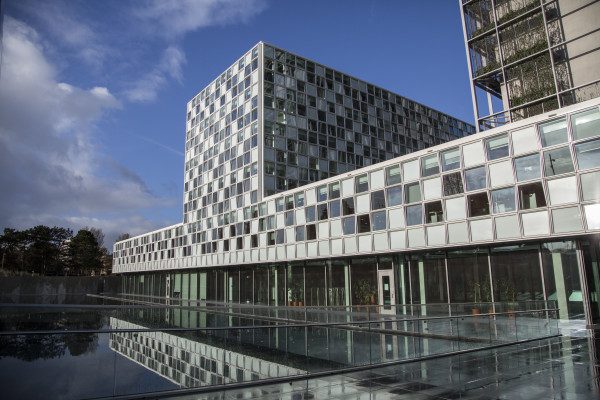
Today, on 21 November 2024, Pre-Trial Chamber I of the International Criminal Court (‘Court') (www.ICC-cpi.int), in its composition for the Situation in the State of Palestine, unanimously issued a warrant of arrest for Mr Mohammed Diab Ibrahim Al-Masri, commonly known as ‘Deif', for alleged crimes against humanity and war crimes committed on the territory of the State of Israel and the State of Palestine from at least 7 October 2023.
The Prosecution had initially filed applications for warrants of arrest for two other senior leaders of Hamas, namely Mr Ismail Haniyeh and Mr Yahya Sinwar. Following confirmation of their deaths, the Chamber granted the withdrawal of the applications on 9 August 2024 and 25 October 2024, respectively. With respect to Mr Deif, the Prosecution indicated that it would continue to gather information with respect to his reported death. On 15 November 2024, the Prosecution, referring to information from both the Israeli and Palestinian authorities, notified the Chamber that it is not in a position to determine whether Mr Deif has been killed or remains alive. Therefore, the Chamber issues the present warrant of arrest. The Prosecution also noted that it continues to investigate the crimes in the ongoing conflict and envisions that further applications for warrants of arrest will be submitted.
The warrant of arrest for Mr Deif is classified as ‘secret' in order to protect witnesses and to safeguard the conduct of investigations. However, the Chamber decided to release the information below since conduct similar to that addressed in the warrant of arrest appears to be ongoing, in particular the holding of a number of hostages captive. The Chamber considers it is also in the interest of victims and their families to be aware of the warrant's existence.
The Chamber found reasonable grounds to believe that Mr Deif, born in 1965, the highest commander of the military wing of Hamas (known as the al-Qassam Brigades) at the time of the alleged conduct, is responsible for the crimes against humanity of murder; extermination; torture; and rape and other form of sexual violence; as well as the war crimes of murder, cruel treatment, torture,; taking hostages; outrages upon personal dignity; and rape and other form of sexual violence.
The Chamber found reasonable grounds to believe that Mr Deif bears criminal responsibility for the aforementioned crimes for (i) having committed the acts jointly and through others and (ii) having ordered or induced the commission of the crimes, and (iii) for his failure to exercise proper control over forces under his effective command and control.
The Chamber found reasonable grounds to believe that during the relevant time, international humanitarian law related to international armed conflict (between Israel and Palestine) and non-international armed conflict (between Israel and Hamas) applied. The Chamber also found that there are reasonable grounds to believe that the crimes against humanity were part of a widespread and systematic attack directed by Hamas and other armed groups against the civilian population of Israel.
Alleged crimes
With regard to the crimes, the Chamber found reasonable grounds to believe that on 7 October 2023, shortly after a large number of rockets triggered the ‘Tzeva Adom' alarm in several communities in Israel around 6:20-6:30 am, armed men entered these communities, as well as the site of the Supernova festival, a music event with a few thousand participants (‘7 October Operation'). Members of Hamas, notably fighters of the al-Qassam Brigades, carried out mass killings at and/or around the communities of Kfar Aza, Holit, Nir Oz, Be'eri, and Nahal Oz, as well as at the Supernova festival. The attackers, for example, fired at people while they were seeking shelter and throw grenades at them. Hamas fighters followed similar patterns in other locations and killed further persons. These killings qualify as the crime against humanity and the war crime of murder.
The Chamber also found that in some locations, namely at the site of the Supernova festival and in the vicinity thereof, attackers fired at people with semi-automatic weapons and/or rocket-propelled grenades. In light of this, the Chamber concluded that there are reasonable grounds to believe that the war crime of intentionally directing attacks against civilians was committed.
In light of the coordinated killings of members of civilians at several separate locations, the Chamber also found that the conduct took place as part of a mass killing of members of the civilian population, and it therefore concluded that there are reasonable grounds to believe that the crime against humanity of extermination was committed.
Furthermore, in the context of 7 October Operation, the Chamber found that a large number of persons were seized from various locations in Israel, including Kfar Aza, Holit, Nir Oz, Be'eri, Nahal Oz, and the Supernova festival. The victims were civilians, including children and elderly people, as well as members of the IDF (Israeli Defence Forces). After being taken to Gaza, most of them were detained in secret locations, including apartments and underground tunnels. A number of groups participated in seizing and detaining these persons: the al-Qassam Brigades, the Palestinian Islamic Jihad al-Quds, and other Palestinian armed groups. The Chamber found that Hamas was in control of the hostages as of the start of their detention in Gaza, irrespective of the group affiliation of the individuals initially seizing the hostages. The Chamber also found that hostage taking in the context of the 7 October Operation was conducted with the aim to negotiate their release in exchange for Palestinian prisoners held in Israel. In light of the above, the Chamber considered that there are reasonable grounds to believe that the war crime of hostage taking was committed.
The Chamber further found that, while they were held captive in Gaza, some hostages, predominantly women, were subjected to sexual and gender based violence, including forced penetration, forced nudity, and humiliating and degrading treatment. On the basis of the material presented, the Chamber found reasonable grounds to believe that the crimes of torture as a crime against humanity and war crime, rape and other forms of sexual violence as crimes against humanity and war crimes, cruel treatment as a war crime, and outrages upon personal dignity as a war crime were committed against these persons during the relevant period.
With respect to Mr Deif's individual criminal responsibility, the Chamber found reasonable grounds to believe that senior leaders of Hamas, comprising of at least Mr Deif, Mr Sinwar, and Mr Haniyeh, agreed to jointly carry out the 7 October 2023 Operation. The plan included targeting military and civilian objects in Israel and other acts of violence against Israeli persons. The material presented by the Prosecution indicated that several senior members of Palestinian Islamic Jihad al-Quds joined the plan in the morning of 7 October 2023 at the latest, and that other Palestinians armed groups participated in the Operation.
Mr Deif, in his role as the commander of the al-Qassam Brigades, and through his actions prior to, during and after the 7 October Operation, is responsible for the commission of these crimes. In addition, the Chamber considered that Mr Deif ordered or induced the crimes or is responsible as a military commander for the criminal conduct of his subordinates.
Background
On 1 January 2015, The State of Palestine lodged a declaration under article 12(3) of the Rome Statute accepting jurisdiction of the Court since 13 June 2014.
On 2 January 2015, The State of Palestine acceded to the Rome Statute by depositing its instrument of accession with the UN Secretary-General. The Rome Statute entered into force for The State of Palestine on 1 April 2015.
On 22 May 2018, pursuant to articles 13(a) and 14 of the Rome Statute, The State of Palestine referred to the Prosecutor the Situation since 13 June 2014, with no end date.
On 3 March 2021, the Prosecutor announced the opening of the investigation into the Situation in the State of Palestine. This followed Pre-Trial Chamber I's decision (https://apo-opa.co/3OlxLKY) on 5 February 2021 that the Court could exercise its criminal jurisdiction in the Situation and, by majority, that the territorial scope of this jurisdiction extends to Gaza and the West Bank, including East Jerusalem.
On 17 November 2023, the Office of the Prosecutor received a further referral of the Situation in the State of Palestine, from South Africa, Bangladesh, Bolivia, Comoros, and Djibouti, and on 18 January 2024, the Republic of Chile and the United Mexican State additionally submitted a referral to the Prosecutor with respect to the situation in The State of Palestine.
Distributed by APO Group on behalf of International Criminal Court (ICC).
For further information, please contact Fadi El Abdallah, Spokesperson and Head of Public Affairs Unit, International Criminal Court, by telephone at: +31 (0)70 515-9152 or +31 (0)6 46448938 or by e-mail at: fadi.el-abdallah@icc-cpi.int
You can also follow the Court's activities on Twitter (https://apo-opa.co/3OlxMP2), Facebook (https://apo-opa.co/4eFN6k7), Tumblr (https://apo-opa.co/3OlxOq8), YouTube (https://apo-opa.co/3OhQUgL), Instagram (https://apo-opa.co/490pm92) and Flickr (https://apo-opa.co/3Zjr560)
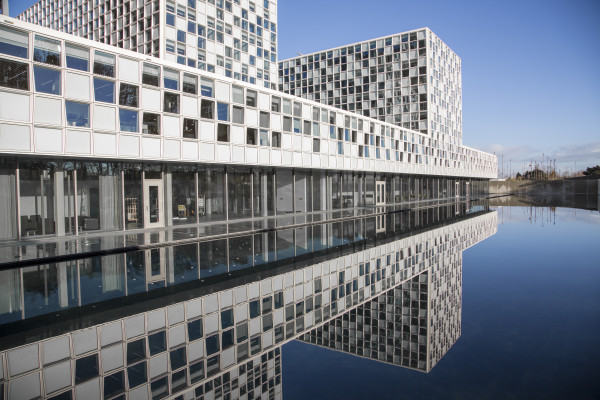
Today, on 21 November 2024, Pre-Trial Chamber I of the International Criminal Court (‘Court') (www.ICC-cpi.int), in its composition for the Situation in the State of Palestine, unanimously issued two decisions rejecting challenges by the State of Israel (‘Israel') brought under articles 18 and 19 of the Rome Statute (the ‘Statute'). It also issued warrants of arrest for Mr Benjamin Netanyahu and Mr Yoav Gallant.
Decisions on requests by the State of Israel
The Chamber ruled on two requests submitted by the Israel on 26 September 2024. In the first request, Israel challenged the Court's jurisdiction over the Situation in the State of Palestine in general, and over Israeli nationals more specifically, on the basis of article 19(2) of the Statute. In the second request, Israel requested that the Chamber order the Prosecution to provide a new notification of the initiation of an investigation to its authorities under article 18(1) of the Statute. Israel also requested the Chamber to halt any proceedings before the Court in the relevant situation, including the consideration of the applications for warrants of arrest for Mr Benjamin Netanyahu and Mr Yoav Gallant, submitted by the Prosecution on 20 May 2024.
As to the first challenge, the Chamber noted that the acceptance by Israel of the Court's jurisdiction is not required, as the Court can exercise its jurisdiction on the basis of territorial jurisdiction of Palestine, as determined by Pre-Trial Chamber I in a previous composition. Furthermore, the Chamber considered that pursuant to article 19(1) of the Statute, States are not entitled to challenge the Court's jurisdiction under article 19(2) prior to the issuance of a warrant of arrest. Thus Israel's challenge is premature. This is without prejudice to any future possible challenges to the Court's jurisdiction and/or admissibility of any particular case.
Decision on Israel's challenge to the jurisdiction of the Court pursuant to article 19(2) of the Rome Statute (https://apo-opa.co/4i2p05M)
The Chamber also rejected Israel's request under article 18(1) of the Statute. The Chamber recalled that the Prosecution notified Israel of the initiation of an investigation in 2021. At that time, despite a clarification request by the Prosecution, Israel elected not to pursue any request for deferral of the investigation. Further, the Chamber considered that the parameters of the investigation in the situation have remained the same and, as a consequence, no new notification to the State of Israel was required. In light of this, the judges found that there was no reason to halt the consideration of the applications for warrants of arrest.
Decision on Israel's request for an order to the Prosecution to give an Article 18(1) notice (https://apo-opa.co/40Y6DsN)
Warrants of arrest
The Chamber issued warrants of arrest for two individuals, Mr Benjamin Netanyahu and Mr Yoav Gallant, for crimes against humanity and war crimes committed from at least 8 October 2023 until at least 20 May 2024, the day the Prosecution filed the applications for warrants of arrest.
The arrest warrants are classified as ‘secret', in order to protect witnesses and to safeguard the conduct of the investigations. However, the Chamber decided to release the information below since conduct similar to that addressed in the warrant of arrest appears to be ongoing. Moreover, the Chamber considers it to be in the interest of victims and their families that they are made aware of the warrants' existence.
At the outset, the Chamber considered that the alleged conduct of Mr Netanyahu and Mr Gallant falls within the jurisdiction of the Court. The Chamber recalled that, in a previous composition, it already decided that the Court's jurisdiction in the situation extended to Gaza and the West Bank, including East Jerusalem. Furthermore, the Chamber declined to use its discretionary proprio motu powers to determine the admissibility of the two cases at this stage. This is without prejudice to any determination as to the jurisdiction and admissibility of the cases at a later stage.
With regard to the crimes, the Chamber found reasonable grounds to believe that Mr Netanyahu, born on 21 October 1949, Prime Minister of Israel at the time of the relevant conduct, and Mr Gallant, born on 8 November 1958, Minister of Defence of Israel at the time of the alleged conduct, each bear criminal responsibility for the following crimes as co-perpetrators for committing the acts jointly with others: the war crime of starvation as a method of warfare; and the crimes against humanity of murder, persecution, and other inhumane acts.
The Chamber also found reasonable grounds to believe that Mr Netanyahu and Mr Gallant each bear criminal responsibility as civilian superiors for the war crime of intentionally directing an attack against the civilian population.
Alleged crimes
The Chamber found reasonable grounds to believe that during the relevant time, international humanitarian law related to international armed conflict between Israel and Palestine applied. This is because they are two High Contracting Parties to the 1949 Geneva Conventions and because Israel occupies at least parts of Palestine. The Chamber also found that the law related to non-international armed conflict applied to the fighting between Israel and Hamas. The Chamber found that the alleged conduct of Mr Netanyahu and Mr Gallant concerned the activities of Israeli government bodies and the armed forces against the civilian population in Palestine, more specifically civilians in Gaza. It therefore concerned the relationship between two parties to an international armed conflict, as well as the relationship between an occupying power and the population in occupied territory. For these reasons, with regards to war crimes, the Chamber found it appropriate to issue the arrest warrants pursuant to the law of international armed conflict. The Chamber also found that the alleged crimes against humanity were part of a widespread and systematic attack against the civilian population of Gaza.
The Chamber considered that there are reasonable grounds to believe that both individuals intentionally and knowingly deprived the civilian population in Gaza of objects indispensable to their survival, including food, water, and medicine and medical supplies, as well as fuel and electricity, from at least 8 October 2023 to 20 May 2024. This finding is based on the role of Mr Netanyahu and Mr Gallant in impeding humanitarian aid in violation of international humanitarian law and their failure to facilitate relief by all means at its disposal. The Chamber found that their conduct led to the disruption of the ability of humanitarian organisations to provide food and other essential goods to the population in need in Gaza. The aforementioned restrictions together with cutting off electricity and reducing fuel supply also had a severe impact on the availability of water in Gaza and the ability of hospitals to provide medical care.
The Chamber also noted that decisions allowing or increasing humanitarian assistance into Gaza were often conditional. They were not made to fulfil Israel's obligations under international humanitarian law or to ensure that the civilian population in Gaza would be adequately supplied with goods in need. In fact, they were a response to the pressure of the international community or requests by the United States of America. In any event, the increases in humanitarian assistance were not sufficient to improve the population's access to essential goods.
Furthermore, the Chamber found reasonable grounds to believe that no clear military need or other justification under international humanitarian law could be identified for the restrictions placed on access for humanitarian relief operations. Despite warnings and appeals made by, inter alia, the UN Security Council, UN Secretary General, States, and governmental and civil society organisations about the humanitarian situation in Gaza, only minimal humanitarian assistance was authorised. In this regard, the Chamber considered the prolonged period of deprivation and Mr Netanyahu's statement connecting the halt in the essential goods and humanitarian aid with the goals of war.
The Chamber therefore found reasonable grounds to believe that Mr Netanyahu and Mr Gallant bear criminal responsibility for the war crime of starvation as a method of warfare.
The Chamber found that there are reasonable grounds to believe that the lack of food, water, electricity and fuel, and specific medical supplies, created conditions of life calculated to bring about the destruction of part of the civilian population in Gaza, which resulted in the death of civilians, including children due to malnutrition and dehydration. On the basis of material presented by the Prosecution covering the period until 20 May 2024, the Chamber could not determine that all elements of the crime against humanity of extermination were met. However, the Chamber did find that there are reasonable grounds to believe that the crime against humanity of murder was committed in relation to these victims.
In addition, by intentionally limiting or preventing medical supplies and medicine from getting into Gaza, in particular anaesthetics and anaesthesia machines, the two individuals are also responsible for inflicting great suffering by means of inhumane acts on persons in need of treatment. Doctors were forced to operate on wounded persons and carry out amputations, including on children, without anaesthetics, and/or were forced to use inadequate and unsafe means to sedate patients, causing these persons extreme pain and suffering. This amounts to the crime against humanity of other inhumane acts.
The Chamber also found reasonable grounds to believe that the abovementioned conduct deprived a significant portion of the civilian population in Gaza of their fundamental rights, including the rights to life and health, and that the population was targeted based on political and/or national grounds. It therefore found that the crime against humanity of persecution was committed.
Finally, the Chamber assessed that there are reasonable grounds to believe that Mr Netanyahu and Mr Gallant bear criminal responsibility as civilian superiors for the war crime of intentionally directing attacks against the civilian population of Gaza. In this regard, the Chamber found that the material provided by the Prosecution only allowed it to make findings on two incidents that qualified as attacks that were intentionally directed against civilians. Reasonable grounds to believe exist that Mr Netanyahu and Mr Gallant, despite having measures available to them to prevent or repress the commission of crimes or ensure the submittal of the matter to the competent authorities, failed to do so.
Background
On 1 January 2015, The State of Palestine lodged a declaration under article 12(3) of the Rome Statute accepting jurisdiction of the Court since 13 June 2014.
On 2 January 2015, The State of Palestine acceded to the Rome Statute by depositing its instrument of accession with the UN Secretary-General. The Rome Statute entered into force for The State of Palestine on 1 April 2015.
On 22 May 2018, pursuant to articles 13(a) and 14 of the Rome Statute, The State of Palestine referred to the Prosecutor the Situation since 13 June 2014, with no end date.
On 3 March 2021, the Prosecutor announced the opening of the investigation into the Situation in the State of Palestine. This followed Pre-Trial Chamber I's decision (https://apo-opa.co/4fYvUHo) on 5 February 2021 that the Court could exercise its criminal jurisdiction in the Situation and, by majority, that the territorial scope of this jurisdiction extends to Gaza and the West Bank, including East Jerusalem.
On 17 November 2023, the Office of the Prosecutor received a further referral of the Situation in the State of Palestine, from South Africa, Bangladesh, Bolivia, Comoros, and Djibouti, and on 18 January 2024, the Republic of Chile and the United Mexican State additionally submitted a referral to the Prosecutor with respect to the situation in The State of Palestine.
Distributed by APO Group on behalf of International Criminal Court (ICC).
For further information, please contact Fadi El Abdallah, Spokesperson and Head of Public Affairs Unit, International Criminal Court, by telephone at: +31 (0)70 515-9152 or +31 (0)6 46448938 or by e-mail at: fadi.el-abdallah@icc-cpi.int
You can also follow the Court's activities on Twitter (https://apo-opa.co/3CE1oV7), Facebook (https://apo-opa.co/4fUFF9J), Tumblr (https://apo-opa.co/40ZF16K), YouTube (https://apo-opa.co/3OnCATX), Instagram (https://apo-opa.co/4g1UEyR) and Flickr https://apo-opa.co/3CHEUT9).
The Mandela Washington Fellowship, begun in 2014, is the flagship program of President Obama's Young African Leaders Initiative (YALI) that empowers young leaders through academic coursework, leadership training, and networking. In 2016, the Fellowship provided nearly 1,000 outstanding young leaders from Sub-Saharan Africa with the opportunity to hone their skills at a U.S. higher education institution with support for professional development after they return home.
Ideal candidates are self-identified leaders, aged 25 to 35, with proven accomplishment in promoting innovation and positive change in their organizations, institutions, communities, and countries.
U.S.-based Activities
Academic and Leadership Institutes: Each Mandela Washington Fellow takes part in a six- week academic and leadership institute at a U.S. university or college in one of three tracks: business and entrepreneurship, civic leadership, or public management.
Summit: Following the academic component of the Fellowship, the Fellows visit Washington, D.C. for a summit. During the three-day event, Fellows take part in networking and panel discussions with U.S. leaders from the public, private, and non-profit sectors.
Professional Development Experience: Selected Fellows remain in the U.S. to participate in a six-week professional development experience with U.S. non-governmental organizations, private companies, and governmental agencies related to their professional interests and goals.
Africa-based Activities
Upon returning to their home countries, Fellows continue to build the skills they have developed during their time in the United States through support from U.S. embassies, Regional Leadership Centers, the YALI Network, and customized programming from affiliated partners. Mandela Washington Fellows have access to ongoing professional development opportunities, mentoring, networking and training, and seed funding to support their ideas, businesses, and organizations.
Application Information
The application includes basic information and questions about the applicant's professional and academic experience, including educational background; honors and awards received; extracurricular and volunteer activities; and English language proficiency. A résumé is also requested (with dated educational and professional background), and personal information (name, address, phone, email, country of citizenship). Additional elements, such as letters of recommendation or university transcripts, are OPTIONAL and may supplement your application.
Who is eligible to apply?
Applicants will not be discriminated against on the basis of race, color, gender, religion, socio-economic status, disability, sexual orientation, or gender identity. The Mandela Washington Fellowship is open to young African leaders who meet the following criteria:
Please note that Fellows are not allowed to have dependents, including spouses and children, accompany them during the Fellowship. The U.S. Department of State and IREX reserve the right to verify all information included in the application. In the event of a discrepancy, or if information is found to be false, the application will immediately be declared invalid and the applicant ineligible.
Selection Process
The Mandela Washington Fellowship selection process is a merit-based open competition. After the deadline, all eligible applications will be reviewed by independent readers. Following this review, chosen semi-finalists will be interviewed by the U.S. embassies or consulates in their home countries. Selected semi-finalists will be required to participate in these in-person interviews in their home country within Africa. If advanced to the semi-finalist round, applicants must provide a copy of their international passport (if available) or other government-issued photo identification at the time of the interview. Selected Finalists are required to attend the mandatory Pre-Departure Orientation in their home country within Africa. The following criteria will be used to evaluate applications (not in order of importance):
Learn More
Application Resources
Got questions? Visit our Frequently Asked Questions about the Fellowship application to learn answers to common queries.
Check out our Resources page to download and learn more about:
Distributed by APO Group on behalf of U.S. Embassy in Namibia.

By Adamon Mukasa and Anthony Simpasa, African Development Bank Group (www.AfDB.org).
Document 1: http://apo-opa.co/4g3EVzM
Document 2: http://apo-opa.co/473xTHm
Document 3: http://apo-opa.co/4gcshPk
Document 4: http://apo-opa.co/4gcsi5Q
Document 5: http://apo-opa.co/471DE8y
Document 6: http://apo-opa.co/4gcskL0
Document 7: http://apo-opa.co/47361TE
Document 8: http://apo-opa.co/4dXk53t
The calls for structural economic transformation in Africa date back to the 1960s when newly independent nations aimed to eliminate poverty through economic diversification, sustained growth, and job creation. This agenda persists today, as Africa continues to face significant developmental challenges.
Pursuing post-independence economic agendas was particularly important because, behind the euphoria (http://apo-opa.co/4dZMCVX) of independence, laid significant developmental challenges in several African countries: unskilled labor force, political and institutional fragilities, poor health conditions, rapid population growth, wide income disparities, and the legacy of colonialism and exclusion from the modern world. The establishment of the Organization of African Unity (OAU) (http://apo-opa.co/4g3EVzM) in 1963 and the African Development Bank (http://apo-opa.co/473xTHm) a year later aimed to tackle these other challenges in a more coordinated and impactful manner. The African Union (http://apo-opa.co/475z3Sz), successor of the OAU, developed Agenda 2063 (http://apo-opa.co/4g3EQMu) in 2013 as a blueprint for turning Africa into the global growth pole and powerhouse of the future.
Africa's Economic Development Paradox
More than sixty years after independence (http://apo-opa.co/3AzLutK), Africa's structural transformation – the shift of workers from lower to higher productivity employment and intra-sectoral productivity growth (http://apo-opa.co/4dQj0KK) – has not progressed as quickly as hoped. Both policymakers and analysts within and outside the continent are genuinely concerned that achieving structural transformation could remain a mirage for many African countries in the absence of bold structural reforms and financing to support implementation of these policies. Why being so pessimistic? Because historical facts tend to support their pessimism. The African Economic Outlook (AEO) 2024 (http://apo-opa.co/4g2RATW) report, released in May by the African Development Bank, reveals that Africa's transformation has been slow and uneven. In countries showing signs of transformation, the process has been characterized by low industrialization and predominantly by employment in low-skill, low-productivity services. The agriculture sector, employing 42% of Africa's workforce, is 60% less productive than the economy-wide average. Consequently, many workers remain trapped in low-productivity, low-wage jobs, unable to escape poverty.
As a result, Africa was the only region of the world where the average real GDP per capita contracted in the 1980s and 1990s, the so-called lost decades (http://apo-opa.co/4fYqm0D).
Africa is off-track in achieving almost all SDG targets by 2030, consistently showing the lowest SDG performance globally since the 2000s (Figure 1). Without intervention, it is predicted that by 2030, nearly 9 out of 10 of the world's extremely poor will be in Africa (http://apo-opa.co/4e2weEn) and under current conditions[1], it could take African countries over a century on average to reach high-income status.
[1] This scenario assumes that real GDP per capita of each African country will grow according to its post-COVID-19 (2022–25) average growth rate as computed by the African Development Bank's Statistics Department.
But Africa is a very large, diverse, heterogeneous, region. Some countries have, over the past four decades preceding the COVID-19 pandemic, experienced episodes of growth accelerations, growth spikes and failed take-offs (http://apo-opa.co/4gcshPk). Cases of consistent good performance include Botswana, Seychelles, and Mauritius, routinely ranked among the top 10 fastest-growing economies globally. African countries have indeed exhibited remarkable resilience amid confounding shocks, and in 2024, 10 countries[1] in Africa are projected to be among the world's top 20 fastest-growing economies, sustaining the trend observed during the past four decades pre-COVID-19.
Importantly, over the past quarter century, thanks to strong economic reforms and macroeconomic stability, enhanced governance, relative peace and improved political environment and, public investments in soft and hard infrastructure, some African countries[2] have managed to transform their economies and recorded economic growth rates above the global average.
The role of finance in fast-tracking Africa's structural transformation
Many factors, both internal and external, could explain the relatively slow progress in structurally transforming African economies. Among them: over-reliance on commodity-led growth (http://apo-opa.co/4fZJTxI), inadequate infrastructure (http://apo-opa.co/4dV5DZE); insufficient pool of skilled workers (http://apo-opa.co/4g49x4g) and low access to affordable finance (http://apo-opa.co/47361D8); weak institutional governance (http://apo-opa.co/4e0O5LG), recurrent conflicts (http://apo-opa.co/4g49rtq), effects of climate change (http://apo-opa.co/3ABuuTU), tightening of global financial conditions (http://apo-opa.co/4fZSFvC) and rising debt vulnerabilities (http://apo-opa.co/4724oWk).
While all these factors are equally important and call for urgent actions from policymakers, financing Africa's transformation (http://apo-opa.co/4fTo1Uy) is a multi-layered overarching challenge that demands special attention and a pragmatic approach to move from billions to trillions. The cost of achieving the SDGs by 2030 in Africa is estimated at about $1.3 trillion (http://apo-opa.co/4gcsi5Q) annually, equivalent to 42% of Africa's 2023 GDP. Infrastructure needs alone are estimated by the African Development Bank at $181-$221 billion per year over 2023-2030. The climate finance gap is approximately $213.4 billion (http://apo-opa.co/4gcsiTo) annually through 2030.
Insufficient domestic resources (http://apo-opa.co/471DE8y), compounded by the failure of the global financial architecture (http://apo-opa.co/471zU6K) to mobilize and at scale, affordable finance for sustainable development (http://apo-opa.co/4gcskL0), have led many African countries to resort to commercial borrowing on unfavorable terms. This has resulted in increased debt vulnerabilities. Africa's Public and Publicly Guaranteed external debt has nearly tripled since 2010, reaching $656 billion in 2022, accounting for 22.4% of the continent's GDP and exceeding Africa's public revenue-to-GDP ratio of 20.4%. In 2024, African countries are expected to spend around $74 billion on debt service, up from $17 billion in 2010. Out of the projected debt service, $40 billion is owed to private creditors.
Even more concerning, debt service payments now account for about 11% of the continent's total revenues. High debt service is diverting resources from crucial investments in infrastructure, education, and health – all critical for economic transformation and long-term growth. As of April 2024, 20 African countries[3] (http://apo-opa.co/47361TE) were either in external debt distress or at high risk of external debt distress.
The AEO 2024 report estimates that to accelerate Africa's structural transformation, the continent needs to close an annual financing gap of $402.2 billion (about 13.7% of its projected 2024 GDP) by 2030. Figure 2 shows that transport[4] infrastructure accounts for the largest share of the gap (72.9%), followed by education (10.4%), energy (9.9%), and productivity-enhancing technologies (6.8%). These figures reflect decades of underinvestment in critical areas for development.
The level of financing gap in transport infrastructure reflects the continent's shortfall explained by decades of public underinvestment to upgrade existing road infrastructure or open new roadways, to match the growing population and economic dynamism across the continent. For instance, Africa's median road density is about 12 km per 100 km2, compared with 42.5 km in high-performing developing countries and 136 km in high-income countries. Only about 27% of African roads are paved, far behind the rest of the world (about 49%) and other developing countries (35.4%).
[1] Niger, Senegal, Libya, Côte d'Ivoire, Ethiopia, Rwanda, Benin, Djibouti, Gambia, and Uganda
[2] Algeria, Comoros, Djibouti, Egypt, eSwatini, Lesotho, Libya, Mauritius, Sao Tome and Principe, Senegal, Seychelles, and Tunisia
[3] Burundi, Cameroon, Central African Republic, Chad, Comoros, Congo, Djibouti, Ethiopia, Gambia, Ghana, Guinea-Bissau, Kenya, Malawi, Mozambique, São Tomé and Príncipe, Sierra Leone, South Sudan, Sudan, Zambia, and Zimbabwe
[4] Proxied by roads as road transport is the most frequently used means of transporting goods and people across the continent, carrying at least 80 percent of goods and 90 percent of passengers.
On education, vital for equipping the current and future workforce with the required skillset for structural transformation, African countries' median SDG index score was only 51.5 (out of a maximum of 100) in 2022, while other low-income developing countries reached a median score of 87. In addition, according to World Bank's World Development Indicators (http://apo-opa.co/3AGXw4N), African governments currently spend on average $312 annually per student in primary education, $473 on secondary education, and $2,227 on tertiary education, or about, respectively, 3, 2.3, and 1.1 times lower than high-performing developing countries on SDG 4. On energy, Africa's median SDG 7 index score was 38.8 in 2022, suggesting that a typical African country was 61.2% further away from achieving the best possible outcome on SDG 7 targets. Despite its vast energy potential, electric power consumption per capita in Africa is still the lowest in the world, estimated at 638.4 kilowatt-hours (kWh) in 2021, versus 2,056 kWh in other developing countries. Due to poor energy infrastructure, over 600 million Africans have no access to electricity http://apo-opa.co/46YZuJT and this is despite progress in recent years[1]. On productivity-enhancing technology and innovation, the continent lags other regions too. This impedes its ability to either innovate and introduce new products, technologies, and/or services that could support its structural transformation. African countries' average Gross Domestic Expenditure on R&D (GERD) represents about 0.4% of their GDP (against about 1% in the rest of the world) and they spend on average $10.7 per capita on GERD (compared to $403.2 per capita in other regions of the world). Furthermore, the continent displays the lowest concentration of researchers in R&D, with an average of 221 researchers per million people, against 742 researchers in other developing countries.
The financing gap varies significantly across countries. The cross-country heterogeneity is mainly explained by differences in current SDG performance related to structural transformation as well as differences in demographics (current and projected population size and composition, land size, and the like) and socioeconomic characteristics (current and projected GDP per capita, and spending on education, infrastructure, and so on). As shown in Figure 3, the estimated annual financing gap represents at least 10 % of 2024's projected GDP in 36 African countries, and in nine of these, at least 50 % of GDP. For such countries, closing the financing gap by 2030 is, therefore, realistically impossible.
[1] For instance, the average share of people with access to electricity increased from about 38 percent in 2000 to about 59 percent in 2022. In 28 African countries, the percent of people with access to electricity has more than doubled between 2000 and 2022, out of which it has increased at least fivefold in 8 countries (Kenya, Lesotho, Mali, Mozambique, Rwanda, Somalia, Tanzania, and Uganda).
Note: COG: Congo; CPV: Cabo Verde; GHA: Ghana; CIV: Cote d'Ivoire; GAB: Gabon; GNQ: Equatorial Guinea; MUS: Mauritius; SYC: Seychelles; ZAF: South Africa. Source: Authors' computation based on the African Economic Outlook (AEO) 2024 database
A more realistic approach would be to allow for a gradual but steady transformation process over a longer period, aligning with the African Union's Agenda 2063. This would enable countries to mobilize more resources domestically and externally, without jeopardizing debt sustainability.
What next?
Scaling up finance to accelerate Africa's structural transformation should be a key priority for policymakers. While implementing structural reforms is crucial for sustainable growth, success depends on the availability, timeliness, and scale of long-term development financing and enhancing spending efficiency. African countries should therefore, inter alia, focus on: i) scaling up investment to build requisite human capital suited to local realities, circumstances, and development priorities; ii) boosting domestic resource mobilization and improving efficiency of public finance management; iii) creating targeted and streamlined incentives to attract private capital for key transformation sectors; and iv) launching ambitious national infrastructure programs with assured positive returns to attract affordable financing.
The international community should reform the global financial architecture (http://apo-opa.co/4dXk53t) to facilitate African countries' access to long-term, concessional development financing at scale, complementing domestic resources.
By addressing these financing challenges and implementing targeted reforms, Africa can accelerate its structural transformation and move closer to achieving its development goals as espouses in Agenda 2063.
Distributed by APO Group on behalf of African Development Bank Group (AfDB).
Djibouti – The Government of the Republic of Djibouti has taken note with dismay of the “Container Port Performance Index 2023” report published on Wednesday, June 5, by the World Bank in partnership with the private company S&P (Standard and Poor’s). According to this report, the Port of Djibouti has dropped from the 26th position …