• Skip to main content
  • Skip to header right navigation
  • Skip to after header navigation
  • Skip to site footer
MyZA

MyZA

News, Directory, Events and Other Stuff

  • Social Media
  • Sport
  • World News
  • Home
  • Submit News
  • Directory
  • Events
  • Stratlec
  • TFSA
  • News
    • APO
    • Today’s Sport News
    • Todays Social Media and Tech Headlines
    • Today’s World News
    • Today’s SA Financial News
  • Contact
You are here: Home / News / Sport / African Teams Are Winning the World Cup’s Battle for Attention

African Teams Are Winning the World Cup’s Battle for Attention

22 June 2026 by Guest
APO Group Insights

By Libby Allen, Vice President: Brand & Creative, APO Group (https://APO-opa.com).

I spend my working life thinking about how brands build a name for themselves across borders. One of the standout lessons I've seen this year hasn't come from a company, but from African teams at the World Cup.

Branding is usually seen as aesthetics: a logo, a colour palette. But the brands that perform do harder work. They find exactly what is theirs, and they have the confidence to put it forward without borrowing or hedging. This World Cup is full of teams doing just that.

The walk from the plane

Look at DR Congo. When the squad landed in Houston, the players walked through the airport in black suits with leopard-print details, leopard brooches, and matching bags, designed by Congolese designer Alvin Junior Mak, of JMAKxPARIS. The collection is a tribute to the 1974 Léopards, the first team from sub-Saharan Africa to reach a World Cup, and to La Sape, Congo's tradition of dress as resistance, expression, dignity. This is the country's first World Cup in 52 years, and the squad arrived under strain, with some quarantined during the ongoing Ebola outbreak at home, and many supporters unable to travel. That could have been the dominant narrative, but Congo used one of the world's biggest stages to lead with creativity and heritage, not hardship.

Côte d'Ivoire arrived in Philadelphia in saffron tie-dye blazers by the Ivorian designer Ibrahim Fernandez, their elephant motifs framing the squad as an expression of Ivorian craft. Sénégal came in forest-green tailoring by Xakeb, with shoes by the Dakar maker Cheikh Mbacké Thiam. In each case, the designer came from the country represented.

Countries have used arrivals and ceremonies to project who they are for as long as global events have existed. The tradition is old. What's newer is the confidence behind it, the scale it now reaches, and the global appetite that rewards it.

Stories that move markets

An enormous national branding moment came from Nigeria in 2018, when its World Cup shirt with Nike became a global phenomenon. Drawn from the Super Eagles' famous 1994 kit, it took three million pre-orders before it arrived in stores – a record for an African team – and sold out within minutes of launch. It was later shortlisted for the Design Museum's Beazley Design of the Year, alongside Gucci and Burberry. The identity was unmistakably Nigerian. The reach was Nike's. Neither side could have produced that result alone. The story must be genuinely yours, and the right partner can help it travel. The challenge is making sure the value comes home too.

The story is the brand

On the pitch, the most powerful story, for me, comes from Cabo Verde. On their World Cup debut, the Blue Sharks held Spain, the reigning European champions, to a goalless draw. Their 40-year-old goalkeeper, Vozinha, produced the performance of his life and left the field in tears. By the next morning, millions of people who had never heard his name knew it. His social media following had grown from tens of thousands into millions, with no campaign behind it and no ad budget. Reputation grew because the story was true and people wanted to share it. The best piece of brand-building in football this month was a real story, told at the right moment. You can buy attention. You can't buy authenticity.

Making the moment last

These are all major moments, but growing and sustaining a reputation takes infrastructure. I've seen this through APO Group's work with the Global Africa Business Initiative (GABI) and its Unstoppable Africa platform, held each year alongside the UN General Assembly in New York. Convened by the United Nations Global Compact, GABI brings African founders and investors, from sectors including sport and the creative economy, into the same room as global partners, so that ideas and investment can move in both directions, on African terms.

It rests on the same truth the World Cup is showing. Africa's business, culture, and sport shape how the continent is seen, and they do it together, which carries real commercial weight: people invest in and travel to the places they feel they understand.

The teams making the strongest impression have not been the biggest or the richest. They have been the clearest about who they are. Some do that through design. Some move us. Some work because they partner to scale.

The question isn’t whether African brands can command global attention. They already do. The opportunity is to keep building the platforms and partnerships that let those stories travel, without losing what makes them worth telling. Know who you are, and the world becomes your audience, not your author.

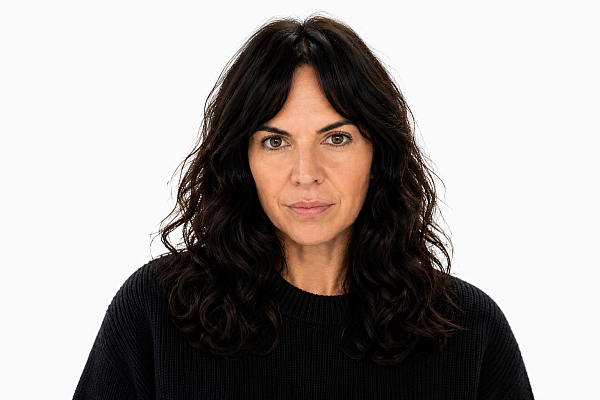
Libby Allen is Vice President: Brand & Creative at APO Group. Based in Cape Town, South Africa, she leads marketing and creative services for the consultancy and its clients across African markets.

Distributed by APO Group on behalf of APO Group Insights.

Media Contact:
marie@apo-opa.com  

About APO Group:
Founded in 2007 by Nicolas Pompigne-Mognard, APO Group is the communications consultancy built for performance – combining strategic advisory, on-the-ground execution, and guaranteed visibility across all 54 African markets. Its owned newswire, Africa Newsroom, secures placement on 250+ Africa-focused news sites, connecting organisations directly with journalists, analysts, investors, and policymakers worldwide.

Recognised internationally for communications excellence including SABRE, Davos Communications, and World Business Outlook distinctions, APO Group partners with global and African organisations to deliver communications that perform. Clients include the African Development Bank Group, Africa CDC, Afreximbank, NFL, Nestlé, Emirates, Canon, Western Union, GITEX Global, and Cassava Technologies.

Media files
APO Group Insights
Download logo

By Libby Allen, Vice President: Brand & Creative, APO Group.

I spend my working life thinking about how brands build a name for themselves across borders. One of the standout lessons I’ve seen this year hasn’t come from a company, but from African teams at the World Cup.

Branding is usually seen as aesthetics: a logo, a colour palette. But the brands that perform do harder work. They find exactly what is theirs, and they have the confidence to put it forward without borrowing or hedging. This World Cup is full of teams doing just that.

The walk from the plane

Look at DR Congo. When the squad landed in Houston, the players walked through the airport in black suits with leopard-print details, leopard brooches, and matching bags, designed by Congolese designer Alvin Junior Mak, of JMAKxPARIS. The collection is a tribute to the 1974 Léopards, the first team from sub-Saharan Africa to reach a World Cup, and to La Sape, Congo’s tradition of dress as resistance, expression, dignity. This is the country’s first World Cup in 52 years, and the squad arrived under strain, with some quarantined during the ongoing Ebola outbreak at home, and many supporters unable to travel. That could have been the dominant narrative, but Congo used one of the world’s biggest stages to lead with creativity and heritage, not hardship.

Côte d’Ivoire arrived in Philadelphia in saffron tie-dye blazers by the Ivorian designer Ibrahim Fernandez, their elephant motifs framing the squad as an expression of Ivorian craft. Sénégal came in forest-green tailoring by Xakeb, with shoes by the Dakar maker Cheikh Mbacké Thiam. In each case, the designer came from the country represented.

Countries have used arrivals and ceremonies to project who they are for as long as global events have existed. The tradition is old. What’s newer is the confidence behind it, the scale it now reaches, and the global appetite that rewards it.

Stories that move markets

An enormous national branding moment came from Nigeria in 2018, when its World Cup shirt with Nike became a global phenomenon. Drawn from the Super Eagles’ famous 1994 kit, it took three million pre-orders before it arrived in stores – a record for an African team – and sold out within minutes of launch. It was later shortlisted for the Design Museum’s Beazley Design of the Year, alongside Gucci and Burberry. The identity was unmistakably Nigerian. The reach was Nike’s. Neither side could have produced that result alone. The story must be genuinely yours, and the right partner can help it travel. The challenge is making sure the value comes home too.

The story is the brand

On the pitch, the most powerful story, for me, comes from Cabo Verde. On their World Cup debut, the Blue Sharks held Spain, the reigning European champions, to a goalless draw. Their 40-year-old goalkeeper, Vozinha, produced the performance of his life and left the field in tears. By the next morning, millions of people who had never heard his name knew it. His social media following had grown from tens of thousands into millions, with no campaign behind it and no ad budget. Reputation grew because the story was true and people wanted to share it. The best piece of brand-building in football this month was a real story, told at the right moment. You can buy attention. You can’t buy authenticity.

Making the moment last

These are all major moments, but growing and sustaining a reputation takes infrastructure. I’ve seen this through APO Group’s work with the Global Africa Business Initiative (GABI) and its Unstoppable Africa platform, held each year alongside the UN General Assembly in New York. Convened by the United Nations Global Compact, GABI brings African founders and investors, from sectors including sport and the creative economy, into the same room as global partners, so that ideas and investment can move in both directions, on African terms.

It rests on the same truth the World Cup is showing. Africa’s business, culture, and sport shape how the continent is seen, and they do it together, which carries real commercial weight: people invest in and travel to the places they feel they understand.

The teams making the strongest impression have not been the biggest or the richest. They have been the clearest about who they are. Some do that through design. Some move us. Some work because they partner to scale.

The question isn’t whether African brands can command global attention. They already do. The opportunity is to keep building the platforms and partnerships that let those stories travel, without losing what makes them worth telling. Know who you are, and the world becomes your audience, not your author.

Libby Allen is Vice President: Brand & Creative at APO Group. Based in Cape Town, South Africa, she leads marketing and creative services for the consultancy and its clients across African markets.

Per Kind Favour of APO

Africa Fact: Internet use is significantly lower in landlocked countries than in coastal ones, reflecting the inadequacy of the ICT infrastructure on the continent.

Share this:

  • Share on X (Opens in new window) X
  • Share on Facebook (Opens in new window) Facebook
  • Print (Opens in new window) Print
  • Email a link to a friend (Opens in new window) Email
  • Share on LinkedIn (Opens in new window) LinkedIn
  • Share on Tumblr (Opens in new window) Tumblr
  • Share on WhatsApp (Opens in new window) WhatsApp
  • Share on Mastodon (Opens in new window) Mastodon
Category: SportTag: APO, Football

If you feel strongly about this article then feel free to send MyZA a ‘Letter to the Editor’ using the submission form below:


Letter to the Editor

This field is for validation purposes and should be left unchanged.
If this is in response to an article please include that article title here or as the lead in for the first paragraph of your Letter below.

Separate tags with commas

Localise your letter by naming the city your words are about. Add relevant words describing your subject. Single comma separated words of no more than 5
Your Name(Required)
Your Name will be linked to the website below.
Your personal, business or social media web site
Choose NO to not set up a user account on MyZA. User Accounts will allow you to submit letters under your own Author Name

3 Latest Letters to the Editor:

  • Congratulations to the Lotto Winner

    Dear Editor Dear Editor, I was thrilled to hear about the R8.5 million Lotto win for the community of Gqeberha. Such life-changing news brings hope and excitement to everyone in the area. I congratulate the winner and wish them all the best with their prize. May this bring positive change to their life and the…

    1 October 2026
  • Opinion on Lotto Winner News

    Dear Editor Congratulations to the lucky winner! This is truly wonderful news for the community. Regards Marina Adams In Response to/From: Congratulations to the Lucky Winner

    1 October 2026
  • Regarding Lotto Winner Story

    Dear Editor Congratulations to the winner, this is wonderful news for the community. Wishing them the best for the future. Regards Willem Pieterse In Response to/From: Re: R8.5 Million Lotto Winner Claims Prize in Gqeberha

    27 September 2026

About Guest

Previous Post:Protect Your Brain as You Age
Next Post:A Thoughtful Approach to Take Your Dog to Work Day

Reader Interactions

Comments

  1. digital moonshine

    26 August 2026 at 3:38 pm

    The first rugby team to perform the Haka did so 1888 – The Haka, a traditional dance of Maori People, was first performed by New Zealand Rugby Team The Natives in 1888 to demonstrate their pride, strength, and unity. It has been performed before games ever since and has become a symbol of rugby for New Zealand. Whether you’re a Kiwi or not, it’s one of those spine-tingling moments when you know a big game is about to be played. The Haka is one of the most iconic moments in rugby

  2. Backstreet

    26 August 2026 at 9:04 am

    Although the Nelson is feared by some players, there is no solid evidence that it is actually inauspicious. Regardless, some people choose to take precautions. Umpire and former cricketer David Shepherd would lift one leg up when it is a bowler’s turn to run in to bowl and the score is at 111. Fans would cheer him on when he did this.

Copyright © 2026 · MyZA · All Rights Reserved · Powered by Stratlec Online