
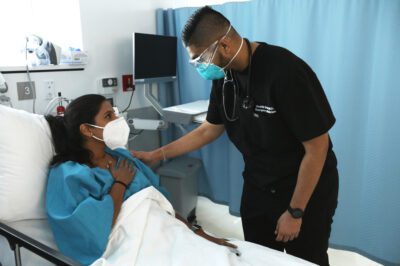
Cape Town, South Africa, 16 May 2025: Hypertension, also known as high blood pressure, is the most common cardiovascular condition worldwide and a major preventable contributor to stroke, heart disease, and kidney-related illness and death.
According to the National Library of Medicine, it is responsible for around 9.4 million deaths annually, accounting for nearly half of all cardiovascular fatalities. In response, the World Health Organization has set a target to cut global hypertension prevalence by 25% by the end of 2025, focusing on strategies such as salt intake reduction and implementing broader public health interventions.
In Africa, hypertension is a silent health crisis that is arising as a result of the fast-paced lifestyle and accelerated urbanization. High blood pressure, which is frequently referred to as the “silent killer,” is becoming more prevalent among the adult population on the continent, resulting in substantial public health hazards.
Data from the Journal of Human Hypertension shows that the cumulative estimated prevalence of hypertension in Africa is around 30.8%, and nearly half of those aged 25 and above on the continent are hypertensive. This statistic underscores the urgent need for comprehensive strategies to address and mitigate the factors contributing to this condition.
As we approach World Hypertension Day on 17th May, St. George’s University (SGU) School of Medicine in Grenada, West Indies, explains the importance of early detection, the causes, and how to prevent hypertension.
Foods and stress among key contributors
The increasing prevalence of fast food, processed snacks, energy drinks, and meals rich in red meat has transformed traditional diets into a realm that presents considerable long-term health dangers.
Hypertension is not simply a dietary concern; it is closely linked to life pressures and psychological stress. The high cost of living, traffic congestion, digital overload, and long working hours are all contributing factors.
According to the Global Burden of Disease study, there is a direct correlation between stress-related illnesses and elevated blood pressure, which are becoming more common in these fast-paced environments. Furthermore, the average daily salt consumption in Africa is estimated at 6.8 to 11.3 grams per adult, exceeding the World Health Organization’s recommended limit of 5 grams, with processed foods, fast food, and dining out being significant contributors.
The Silent Nature of Hypertension
The subtlety of hypertension is one of its most risky characteristics. Many individuals have elevated blood pressure for years without experiencing any obvious symptoms. Damage to the cardiovascular system may have already occurred by the time symptoms such as migraines, dizziness, or vision problems manifest.
Early detection is not only essential but also potentially lifesaving, as a result of routine health screenings. Routine health check-ups are still underutilized, particularly among younger populations who frequently regard hypertension as a condition that affects elderly individuals. But hypertension is increasingly being diagnosed in individuals as young as their mid-20s, and it is frequently associated with obesity, smoking, and chronic stress.
Prevention is the Best Cure
1. Public Awareness: In Africa, campaigns are already in place to reduce salt intake, promote physical activity, and clarify blood pressure readings. However, more extensive, culturally particular communication is required from wider organizations.
2. Early Detection: Primary care physicians should encourage regular blood pressure checks more strongly. Access and compliance can be raised through initiatives including digital health tools, workplace wellness initiatives, and mobile screening units.
3. Lifestyle Changes: Adjusting daily routines is necessary to treat hypertension. This includes replacing salty snacks with fruits and vegetables, consuming less red meat, drinking plenty of water, exercising frequently, and adopting stress-reduction practices like yoga and mindfulness.
A Shared Responsibility
To effectively reverse the hypertension epidemic in Africa, a united effort among individuals, healthcare providers, governments, and academic institutions is essential. Each salty snack replaced with a healthier choice, every step taken, and every routine check-up attended brings the region closer to improved heart health.
For more information on the programs and tracks available through SGU School of Medicine, visit SGU’s website.

Author: Oti Egwu
About St. George’s University School of Medicine: Founded in 1976, St. George’s University (SGU) is a center for academic excellence worldwide. With students and faculty drawn from more than 150 countries, SGU is truly an international institution, with a uniquely global perspective. The SGU School of Medicine is accredited by the Grenada Medical and Dental Council which has been recognized by the World Federation for Medical Education (WFME). The school offers a four-year Doctor of Medicine (MD) degree program. Students can also enter the MD degree program from many education systems around the world via the five-, six-, or seven-year tracks. SGU has a large network of 75+ affiliated hospitals and health centers in the US and UK, with the unique opportunity for students to begin their medical career in Grenada or the UK.
Pearl Girl
Could you perhaps tell me which political party is the ruling party in South Africa?
Gullyway
Fun South African Fact: Lions, elephants and giraffes may not roam the city streets, but nature and animals are never too far away in South Africa. From vervet monkeys swinging through tree-lined streets in the suburbs and baboons frolicking around Cape Point to seals visiting the Hout Bay harbour in search of a fishy snack and an array of bird species taking to the sky at any given moment. Wildlife is all around!