
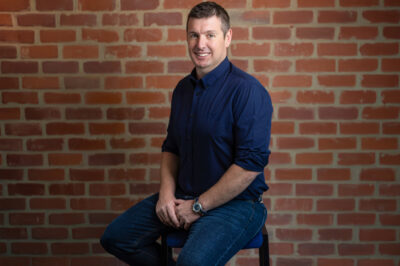
Leading solar solutions provider Alumo Energy has pointed to glaring issues and holes in Eskom’s recent announcement offering zero registration fees for Small-Scale Embedded Generation (SSEG) systems, which include photovoltaic (PV) installation or solar systems.
This follows Eskom’s confirmation this week that it will continue waiving registration fees and other associated costs for households installing SSEG systems until March 2026. However, Alumo Energy CEO Rein Snoeck Henkemans argues that while the fee exemptions may look good on paper, municipal backlogs, regulatory hurdles, and continued lack of clarity over processes, costs, and tariffs risk hindering solar adoption.
“We welcome the idea of not charging households to register their solar systems for the next 12 months, but difficulties with registration processes are preventing many consumers from becoming compliant. This campaign is ultimately insufficient to address the real barriers slowing South Africa’s shift to renewable energy.”
Municipal delays and chaos
According to Snoeck Henkemans, one of the most urgent obstacles facing SSEG registration is the dire state of municipal processing. Tshwane is a key offender, with a well-documented backlog that has left some homeowners in limbo since 2022.
“The reality is that many municipalities are not adequately equipped to handle and process applications. If the rules mandate registration, there must be a system that’s capable of efficiently handling those applications. Yet, in Tshwane, the typical processing time is from six to twelve months, and despite making multiple submissions on our clients’ behalf, we haven’t seen a single confirmed, approved registration there.
Cape Town’s online registration portal offers some improvement, although Alumo reports it can still suffer from glitches and lengthy waits for final approval. Elsewhere, most municipalities lack any digital process, leaving consumers confused about the correct procedures or any realistic timelines for registration.
“Overall, it’s a system that doesn’t inspire confidence. If you’re already investing in solar equipment, you shouldn’t have to gamble on whether a municipal office can process your paperwork in a timely manner or not.”
Shortage of engineers and the risk of excessive fees
Alumo’s concerns extend to regulatory requirements stipulating that professional engineers should sign off on SSEG installations.
Notably, Eskom has emphasised that safety guidelines when installing solar PV systems include “having a registered engineer or technologist sign off on the Embedded Generator Installation (EGI) report to ensure the safe integration of the system, as requested in the NERSA guidelines.”
South Africa’s shortage of such specialists, coupled with steep fees, creates what Snoeck Henkemans calls “a practical and financial blockade to solar adoption.”
“Co-ordinating a handful of these engineers to visit multiple households is logistically unworkable, and risks creating even worse backlogs and obstructions. Additionally, their expertise is in high demand, and that’s reflected in the fees they can charge. An average consumer might easily be forced to pay thousands of rands just to secure the required sign-off.”
Instead, qualified electricians, who are already legally permitted to issue electrical Certificates of Compliance (CoCs) should be allowed to certify solar installations, he notes.
“We aren’t dismissing safety concerns, but requiring a professional engineer’s signature for every residential solar setup is overkill. Professional electricians with the necessary credentials have the training to verify safe, correct installation. If they can issue a CoC for a home’s internal wiring, the same principle should apply to a standard PV system.”
Lingering confusion over cost structures, meters, and tariffs
Another point of contention involves Eskom’s assertion that households will receive free smart meters. He warns that it’s unclear whether these devices will be bi-directional to measure power exported to the grid as well as consumed from it. “If you install a free smart meter that only monitors one-way usage, you may miss a major opportunity to benefit from the Homeflex tariff credits for exporting surplus energy.”
He also questions claims of massive savings from Eskom’s fee exemptions, noting that many consumers will only realise these ‘savings’ in 2026 through avoiding additional charges and fees. Furthermore, under Eskom’s Homeflex tariff, it appears that both SSEG-compliant and non-compliant customers will pay the same monthly fixed charge of R368, nullifying a critical incentive to officially register.
“The way it’s presented suggests immediate financial benefits for households installing solar, but these charges have not applied to most households yet, so this does not offer a genuine economic advantage. Plus, if households who follow the rules face no tangible reduction in their monthly bills, they may not feel motivated to make the switch – and that’s before you factor in the hurdles created by engineering requirements and slow municipal and Eskom approvals.”
Despite the challenges, Snoeck Henkemans is adamant that compliance and safety should be upheld, calling for transparent guidelines, a simple, unified registration process, and more practical requirements for compliance.
“From a safety perspective, we believe in the importance of compliance, and we agree that solar systems need to be registered, installed in a compliant manner, and signed off by reputable professionals with the proper qualifications.
“However, we need systems and processes that are efficient, clear, and cost-effective for households seeking energy independence. If we’re going to achieve South Africa’s renewable energy targets, we should be encouraging solar growth, not burying it under red tape.”

Author: Refilwe Rakgomo
High Kingdom Warrior
Stock market: The South African stock market is ranked 3rd in terms of regulation in the 2017 Global Competitive Report. Tight regulation prevents poor decisions, such as those that caused the financial crises in 2008. It’s comforting knowing that greed in the JSE will unlikely occur to an extent that the economy plummets and affects your new business.