• Skip to main content
  • Skip to header right navigation
  • Skip to after header navigation
  • Skip to site footer
MyZA

MyZA

News, Directory, Events and Other Stuff

  • Social Media
  • Sport
  • World News
  • Home
  • Submit News
  • Directory
  • Events
  • Stratlec
  • TFSA
  • News
    • APO
    • Today’s Sport News
    • Todays Social Media and Tech Headlines
    • Today’s World News
    • Today’s SA Financial News
  • Contact
You are here: Home / Archives for ACT

ACT

21 May 2024

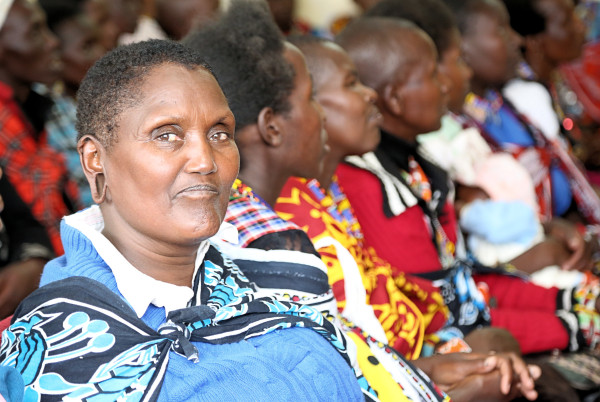
S Africans urged to adopt and foster children to ensure the protection of youngsters

Location: News

S Africans urged to adopt and foster children to ensure the protection of youngsters

With the Child Protection Week campaign in full swing, the Department of Social Development (DSD) has encouraged South Africans to seek alternative care for their children if they are unable to care for them.

Social Development Minister Lindiwe Zulu launched Child Protection Week on Sunday in Kimberley, Northern Cape. 

The department is currently on a drive to raise awareness on upholding the rights of children, mobilising society to protect children against violence, abuse, neglect and exploitation. 

Since the dawn of democracy, the department said South Africa has designed the child protection system to provide for children to be fostered or adopted, and enable children to remain within families. 

“Adoption, which is viewed as the most permanent placement option for children who are orphaned and vulnerable, remains underutilised in South Africa and this leaves children for whom there is no immediate alternative care within their extended families exceptionally vulnerable to the long-term effects of institutionalisation,” the DSD said.

According to Section 28 of the Bill of Rights, Chapter Two of the Constitution of South Africa, every child has the right to parental and family care or to appropriate alternative care when removed from family care.

As per this constitutional provision, government has to provide alternative care for children when their parents or families cannot fulfil their duties of care.

Meanwhile, Section 233 of the Children’s Act also stipulates that if the parent is a child, a guardian must assist that child. 

The department stated that adoption is one of the alternative care placement options and forms part of the comprehensive child protection system.

South Africa currently has orphaned children due to factors such as violent crime, gender-based violence (GBV), HIV/AIDS, and the COVID-19 pandemic, which has claimed many lives worldwide.

“On the other hand, some children are abandoned due to the triple challenges of poverty, unemployment and inequality which culminate into multiple social ills including unwanted pregnancy. 

“Adoption, therefore, serves as the best possible option or alternative for these children, only if there are no prospects to reunite them with their parent(s) or families.

“Although adoption is a person’s or a family’s choice, it is important to promote adoption services and recruit prospective adoptive parents within the country.” 

The department acknowledged there could be barriers, which may prevent people from adopting children, such as cultural obstacles. 

“This suggests that there is a need for increased awareness of this tool of child protection. South Africans are, therefore, encouraged to look into adoption as one of the child protection measures to increase the number of prospective adoptive parents who are willing to adopt children in need of permanent and stable families.”

Between April 2010 and March 2024, the department recorded 16 593 national adoptions. Additionally, there were 2 239 inter-country adoptions, which brought the total of registered adoptions to 18 832.

The department announced it has employed 412 social workers registered with the South African Council for Social Service Professionals (SACSSP) and have since been armed to provide adoption services.

Foster care

The Children’s Act also makes provision for foster care as an alternative form for children who cannot be cared for by their biological parents. 

“Foster care is a court-ordered care of a child that needs care and protection, placing the child in a cluster foster care scheme or a suitable person other than a biological parent or a guardian,” the department explained. 

As part of foster care, the Children’s Act introduced the concept of cluster foster care placement which is aimed to maximise the available resources, strengthening the provision of foster care services to children including those with special needs within a community-based setting.

The department explained that children who are placed in foster care with a valid court order gain access to the package of government services that include therapeutic services, psychosocial support services, education, healthcare and foster child grants. 

“The purpose of foster care is to create an opportunity for children in need of care and protection to live in a protective, nurturing, stable and secure family environment. It requires the facilitation of reunification of the child with the parents or other safe and nurturing family relationships that will ensure stability in a child’s life.” 

By February 2008, the number of children in foster care was 454 000, and by the end of March 2024, it had decreased to 306 683, with the recipients receiving grants.

“With the introduction of the comprehensive legal solution to foster care prompted by the litigation on lapsed foster care orders, the Children’s Amendment Act 2022 makes a provision to prevent the lapsing of the foster care orders, by enabling the presiding officers to issue interim orders.”

Meanwhile, the Social Assistance Amendment Act increases access to social assistance for orphaned children in the care of relatives through the Child Support Grant-Top Up. – SAnews.gov.za

Gabisile
Tue, 05/21/2024 - 09:37
475 views
Read moreS Africans urged to adopt and foster children to ensure the protection of youngsters
19 May 2024

Government launches Child Protection Week

Location: News

Government launches Child Protection Week

The Department of Social Development has launched the annual Child Protection Week campaign saying that while has much has been achieved in protecting the rights of children, challenges remain.

“We have come a long way and achieved much as a nation in protecting and promoting the rights of our children, although we still have a number of serious challenges that confront us,” said the department on Sunday.

This as Minister Lindiwe Zulu launched the campaign in Kimberley in the Northern Cape on Sunday.

This year’s Child Protection Week is being observed under the theme: “Protecting South African Children, 30 years on.”

“South Africa had to go through deliberate transformation and one of the key priorities for government was to ensure the protection and upholding of human rights including the rights of children,” the department said.

WATCH | Protecting children

Government has invested in children through various services like education, health, access to clean water, health, and electricity as well as the biggest social assistance programme aimed at protecting children.

“As Government, our vision is to make South Africa a place where all children and young people are loved, confident, happy and healthy, and are empowered to reach their full potential,” said the department on Sunday.

Speaking at the launch Minister Zulu said that the “one thing parents said they really want is for their children to take education seriously and that their children remain in school to improve their chance to build a brighter future for themselves and their country."

The Minister bemoaned the high levels of violence against children.

“One of the major concerns for me is the unacceptably high levels of violence against children in our country. We have all heard of the tragic story of the 6-year-old Joslin Smith who went missing from Saldanha Bay on 19 February and to this day has not been found. Hers is a sad story of many children in our country whose rights are violated and robbed of their childhood,” said the Minister.

READ | Cabinet concerned about safety of children

READ | Safeguarding the future

Teenage pregnancy was also another issue raised by the Minister.

“We are also deeply concerned about the alarming number of teenage pregnancies across the country, including here in the Northern Cape, with John Taolo Gaetsewe and Frances Baard as leading districts.

“We must act now to stop this! While we encourage teenage mothers and fathers to remain in school and complete their studies, we must work together to stop teenage pregnancy in the first place,” she said.

The department further stressed the importance of family as the “best first line of defence and support in the protection of children.”

“That is the reason why over the years we have taken deliberate and decisive action to implement  child-and family-oriented programmes,” it said.-SAnews.gov.za


nosihle
Sun, 05/19/2024 - 13:24

79 views
Read moreGovernment launches Child Protection Week
19 May 2024

Communities warned against vandalising election posters

Location: News

Communities warned against vandalising election posters

The National Joint Operational and Intelligence Structure (NATJOINTS) has cautioned communities against vandalising, defacing and removing posters of political parties ahead of the 2024 National and Provincial Elections.

“Anyone found to be tampering with these posters or vandalizing them will be arrested. Such cases have been reported and arrests have been made,” Deputy National Commissioner of the South African Police Service, Lieutenant General Tebello Mosikili said on Sunday in Pretoria during a media briefing.

Led by the South African Police Service (SAPS), the South African National Defence Force (SANDF) and the State Security Agency (SSA), the NATJOINTS reminded communities that the Constitution protects citizens’ rights to make political choices.

WATCH | NATJOINTS media briefing 


These rights, includes the right to participate in the activities of, or recruit members for a political party and to campaign for a political party or cause.

In addition, the Electoral Act 73 of 1998 prohibits the unlawful removal and defacing of posters published by a registered party.

On 29 May 2024, South Africans will once again get an opportunity to exercise their right to vote in the 2024 National and Provincial elections, which marks the country's seventh democratic elections.

READ | NATJOINTS to ensure peaceful elections

Fake news

The NATJOINTS has urged members of the public to fact-check information first before sharing it on social media platforms.

“One of our biggest threats at the moment is fake news. We strongly condemn the spreading of fake news, unverified information, rumours or threats as this seeks to cause panic and confusion, and in some instances incite possible violence.

“Those who are found to be sharing inflammatory messages and inciting violence will be charged accordingly. We, therefore, urge prompt reporting of these incidents to ensure that law enforcement deals with such issues,” Mosikili said.

She called on political leaders to be responsible in the manner in which they communicate on public platforms.

“We have noted an increase in the number of service delivery related protests. To mitigate this, increased police visibility through the deployment of the public order policing unit has been made to potentially volatile areas to address large crowds.

“We will continue to work closely with key role players to monitor developments and attend to them. Law enforcement agencies are on the ground and will continue to apply fundamental policing principles, guided by the Constitution of the Republic of South Africa. Every law enforcement officer has a responsibility and an obligation to execute their mandate, professionally, impartially and with integrity, and to do so within the confines of the laws of the country,” the Deputy National Commissioner said.

The NATJOINTS said measures that have been put in place to ensure that the country’s upcoming general elections proceed without any incidents of crime and disruptions.

“Having conducted a national security assessment with key role players in the Justice, Crime Prevention and Security Cluster, we are satisfied with the operational plan that is currently being implemented, and can assure South Africans that a conducive environment for a peaceful election has been prepared.

“While measures have been put in place, the ultimate responsibility of a safe and secure election lies with each one of us. It is a partnership that is required to create harmony, respect for self and others even as we make our way to the polls and back home,” Mosikili said. –SAnews.gov.za

nosihle
Sun, 05/19/2024 - 12:28

144 views
Read moreCommunities warned against vandalising election posters
19 May 2024

NATJOINTS to ensure peaceful elections

Location: News

NATJOINTS to ensure peaceful elections

The National Joint Operational and Intelligence Structure (NATJOINTS) has assured South Africans that a conducive environment for a peaceful election has been prepared.

“As the NATJOINTS, we are confident that the measures that have been put in place are sufficient to ensure that the country’s upcoming general elections proceed without any incidents of crime and disruptions,” Deputy National Commissioner of the South African Police Service, Lieutenant General Tebello Mosikili said on Sunday in Pretoria during a media briefing.

Led by the South African Police Service (SAPS), the South African National Defence Force (SANDF) and the State Security Agency (SSA), the NATJOINTS has conducted a national security assessment with key role players in the Justice, Crime Prevention and Security (JCPS) Cluster.

WATCH | NATJOINTS briefing 

On 29 May 2024, South Africans will once again get an opportunity to exercise their right to vote in the 2024 National and Provincial elections, which marks the country's seventh democratic elections.

“The planning for the safety and security of the 2024 General Elections has been finalised. The operational phase will commence from Wednesday, 22 May 2024 with the activation of the NATJOINTS Coordination Centre, until 09 June 2024

“This NATJOINTS Coordination Centre (NCC) is operating around the clock, closely monitoring the situation in the country through proactive identification of threats and vulnerabilities. The centre serves as a central point of contact for coordination of information and the reporting of incidents to ensure a swift, prompt and coordinated response,” Mosikili said.

This is where all operations in relation to major events in the country including the National and Provincial General Elections will be coordinated.

The NCC structure is mirrored at provincial level through the Provincial Joint Operation and Intelligence Structure (PROVJOINTS), which is activated through the provincial joint operation centres.

The NATJOINTS and PROVJOINTS five-pillar approach is being implemented to ensure that all areas of concern are covered through:

  • Intelligence gathering, analysis and co-ordination;
  • Proactive approach, which includes high visibility to police, prevent and respond to any crime eventuality;
  • Combat approach through law enforcement in response to any violation of the law through deployment of specialized units, supported by the SANDF should the need arise for the SANDF to exercise their secondary role of supporting the SAPS;
  • Reactive approach through detection and case management; and the fifth approach; and
  • Awareness and information sharing led by the Government Communication and Information System (GCIS), Electoral Commission (IEC), the NATJOINTS and other government departments in keeping interest parties and communities at home and abroad updated through messaging that will enhance the safety and security of everyone in the country. The media will continuously be updated on a daily basis during the election period by the NATJOINTS.

“While measures have been put in place, the ultimate responsibility of a safe and secure election lies with each one of us. It is a partnership that is required to create harmony, respect for self and others even as we make our way to the polls and back home,” she said.

Risk assessment

Working through the Operational Intelligence Co-ordination Committee (OICC), the NATJOINTS have identified a number of high-risk voting stations and potentially volatile areas, which are being monitored on an on-going basis.

“Deployments are subsequently proportional to the level of risk identified through intensified operations, informed by thorough analysis and intelligence-based reports.

“Threats identified such as community protests are already being attended to and those that are found to be in contravention of the law are being dealt with. Our Public Order Policing Units are on the ground and are ready to prevent and combat any such incidents,” Mosikili said.

The NATJOINTS is aware of social media posts calling for a shutdown by a group of truck drivers.

“As previously communicated, there will be zero tolerance towards threats, intimidation and closure of our roads. Law enforcement agencies are on high alert to ensure there are no criminal activities and that law abiding citizens are not inconvenienced. We call on the Road Freight Industry workers to communicate their grievances within the confines of the law. We reiterate our stance, that no lawlessness and any form of criminality will be tolerated,” she said.

The NATJOINTS is in the first phase of the elections.

“To this end, the NATJOINTS is satisfied that from a security point of view, the securing of voter registrations, policing of gatherings, celebrations and demonstrations, intensifying stabilization at hotspot areas across the country, enhancing visibility and ensuring crime prevention around election related matters, has been executed with precision.

 “The second phase of the election, which is the period from the 27th [of May 2024] up until the announcement of the results, will see static deployments at voting stations, escorting of voter material and IEC staff, securing of election warehouses, transportation of voting material and the enforcement of the Electoral Act,” Mosikili explained.

During the third phase, which is the period after the election results have been officially announced, plans are already in place for police to monitor celebrations and gatherings.

Preparations for the inauguration of the President are also in full swing.  –SAnews.gov.za

nosihle
Sun, 05/19/2024 - 11:53

138 views
Read moreNATJOINTS to ensure peaceful elections
17 May 2024

Safeguarding the future

Location: News

Safeguarding the future

As the country celebrates 30 years of freedom and democracy, the Department of Social Development will launch the country’s Child Protection Week on Sunday, 19 May 2024. 

According to the department, South Africa has undergone a deliberate transformation, with one of the key priorities being to ensure the protection and upholding of the human rights of children. 

The previous laws, according to the department, were informed by colonial and apartheid systems, which brought the provision of services based on race and colour. 

These laws, amongst others, included the Group Areas Act, Bantu Local Authorities Act and the 1923 Native Areas Act, which segregated urban residential space and created “influx controls” to reduce access to cities by Blacks.

“All these and other pieces of legislation had a negative impact on the lives of Blacks, Coloureds, and Indian communities who were discriminated against because of their colour and were categorised as minority groups without access to basic services, including, clean water, quality education, and their right to dignity.

“The South African family was disintegrated and separated through migrant labour laws leaving children with one or no caregiver or parent,” the statement read. 

In its efforts to advance the dignity and human rights of the people, the democratic government has since prioritised the development of the Constitution which was signed into law in 1996. 

Section 28 of the Bill of Rights in the Constitution guarantees children their rights, including the right to a name, citizenship, education care and support. 

According to the Constitution, children need food and shelter for their development and survival. They should also be protected from maltreatment, neglect, abuse, or degradation as well as from exploitative labour practices. 

“When Nelson Mandela became President, he committed to creating and leading a people-centred society and spoke to the needs of caring for children and young people.

“The youth of our country are the valued possession of the nation. Without them, there can be no future. Their needs are immense and urgent. They are at the centre of our reconstruction and development plan.”

To demonstrate the commitment of the new government to the rights of children, in his first State of the Nation Address, President Mandela ordered the release of children who were incarcerated by the oppressive government. 

The department said before 2005, the Child Care Act, which was later overhauled and replaced by the Children’s Act 38 of 2005, regulated children’s services. 

“The introduction of the Children’s Act brought in a paradigm shift in the provision of child protection services and put the best interest of all children at the centre.” 

As a result, the strengthened child protection measures saw the introduction of services that were geared towards care and protection of children, cushioning orphans, and vulnerable children as well as the protection of children in need of care and protection.

In celebrating the country’s 30 years of freedom and democracy, Social Development Minister, Lindiwe Zulu, will launch the Child Protection Week campaign to reflect on the gains of the country and to promote the rights of children. 

This year, the campaign was brought forward due to the national elections and will be commemorated under the ‘Protecting South Africa’s Children 30 years on’ theme. 

South Africa through the United Nations (UN) Convention on the Rights of the Child and the African Charter on the Rights and Welfare of the Child is obligated to look after every child within its borders. 

The department said government has invested in children through various services like education, health, access to clean water, health, and electricity and currently has the biggest social assistance programme aimed at protecting children. – SAnews.gov.za
 

Gabisile
Fri, 05/17/2024 - 09:39

430 views
Read moreSafeguarding the future
17 May 2024

SIU, Hawks raid Home Affairs offices in five provinces 

Location: News

SIU, Hawks raid Home Affairs offices in five provinces 

The Special Investigating Unit (SIU) with the assistance of the Directorate for Priority Crime Investigation, also known as the Hawks, on Friday conducted searches and seized evidence at Home Affairs offices in five provinces.

The SIU said in a statement that this is part of an ongoing investigation into the affairs of the department.

The SIU was granted a search warrant by the Special Tribunal, a judicial platform established to adjudicate on matters emanating from SIU investigations, on 10 May.

The searched offices and mirror imaging of a server took place at the head office of the Department of Home Affairs in the Pretoria CBD, at the Centurion office and at the Desmond Tutu Refugee Centre in Marabastad.

The other raids took place at the Refugee Reception Centres in Musina, Cape Town, Gqeberha and Durban. 

“The searches follow a tip off from a whistleblower that suggested that Home Affairs officials in the identified centres work with syndicates to duplicate application status files applied for in other offices and process them for a fee. 

“The whistleblower also stated that the officials bypass immigration systems to enable foreign nationals who have entered the country illegally to remain in the country and acquire permits illegally and unlawfully,” the statement read. 

It was also alleged that Home Affairs officials were delaying the finalisation of the asylum seeker permits to facilitate bogus asylum seekers. 

Using the permits, which were obtained illegally and unlawfully, the bogus asylum seekers remain in the country and later use the same permits to apply for Permanent Resident Permits and ultimately, obtain South African citizenship.

“After getting citizenship, they qualify to get a maroon passport, which allows them to travel all over the world except their country of origin.” 

Members of the SIU and the Hawks seized computers, electronic pieces of equipment, and documents that will assist with their ongoing investigation.

Proclamation

President Cyril Ramaphosa authorised the SIU to investigate serious maladministration and improper conduct at Home Affairs through Proclamation 154 of 2024. 

The proclamation empowers the SIU to probe serious maladministration relating to the issuance of permanent residence permits, corporate visas, business visas, critical or exceptional skills work visas, study visas, retired persons’ visas, work visas, and citizenship by naturalisation, contrary to the Immigration Act, 2002; the South African Citizenship Act, 1995; manuals, guidelines, circulars, practice notes or instructions applicable to Home Affairs; or manuals, policies, procedures, prescripts, instructions or practices of or applicable to the department.

The proclamation also authorises the SIU to investigate any irregular, unlawful, or improper conduct by officials or employees of Home Affairs or any other person or entity concerning the allegations being investigated.

It also covers allegations of unlawful and improper conduct that took place between 12 October 2004 and 16 February 2024, the date of the publication of the Proclamation, or before 12 October 2004 and after the date of the Proclamation that is relevant to, connected with, incidental to the matters, or involves the same persons, entities, or contracts investigated.

“In addition to investigating maladministration, malpractice, corruption and fraud, the SIU will identify system failures and make systematic recommendations to improve measures to prevent future recurrence,” the SIU explained.

In line with the SIU and Special Tribunals Act 74 of 1996 (SIU Act), the agency will refer any evidence pointing to criminal conduct it uncovers during its investigations to the National Prosecuting Authority (NPA) for further action.

The SIU is empowered by the SIU Act to institute a civil action in the High Court or a Special Tribunal in its name to correct any wrongdoing uncovered during its investigation caused by acts of corruption, fraud, or maladministration. – SAnews.gov.za

Gabisile
Fri, 05/17/2024 - 11:48

502 views
Read moreSIU, Hawks raid Home Affairs offices in five provinces 
17 May 2024

LAUNCH: FEM Rehabilitation, Social Reintegration and Return to Work Programme

Location: MyPR

On 9 May 2024, the Federated Employers Mutual Assurance Company (Rf) (Pty) Ltd (FEM) launched its Rehabilitation, Social Reintegration and Return to Work Programme at an event held in Johannesburg. FEM is a mutual insurer that provides workmen’s compensation cover to the construction and construction-related industries. The launch showcased FEM’s full package of services aimed …

Read moreLAUNCH: FEM Rehabilitation, Social Reintegration and Return to Work Programme
16 May 2024

Large fishing companies oppose squid quotas in court

Location: News

The commercial industry is being “greedy” says Eastern Cape small-scale fisher

Read moreLarge fishing companies oppose squid quotas in court
16 May 2024

Phaahla reassures healthcare workers things will improve as NHI becomes law

Location: News

Phaahla reassures healthcare workers things will improve as NHI becomes law

Health Minister, Dr Joe Phaahla, has urged healthcare workers not to be swayed by fearmongers pushing for emigration from South Africa due to the National Health Insurance (NHI).

“Don’t listen to doomsayers and the scaremongers who are telling you that things are going to collapse and [you] must leave now that the President has [signed the Bill], [and you must] find the first flight [out of the country]. Stay here. Things are going to get better.

“This is our only country. We’re going to make sure that what we have achieved in the last 30 years can only get better and not worse,” Phaahla told medical professionals. 

Phaahla was speaking at the signing of the NHI Bill into law by President Cyril Ramaphosa at the Union Buildings on Wednesday. 

READ | President Ramaphosa signs NHI Bill into law

He urged all citizens to collaborate with government and be part of the solutions to achieve a fair, just, and sustainable health system that caters to the health needs of all citizens, regardless of their location or socioeconomic status.

According to the Minister, inequities that characterise South Africa’s health system are unjustifiable and require fundamental overhauling to ensure equity and sustainability. 

“Families have faced agonising decisions, having to choose between necessities and necessary medical care. 

“This reality does not align with the vision we hold for South Africa, where every citizen should enjoy their life to the fullest potential,” said the Minister.

Phaahla described the signing of the Bill as a historic milestone, which paves the way for government to forge ahead with universal health coverage (UHC).

WATCH | 


The Minister is of the view that the law was not just a policy but also a promise. 

“This is a promise of a better, healthier future for every South African, affirming that the long wait has indeed been worth it.”

This new law, according to Phaahla, is derived from the National Development Plan (NDP) and will usher in free comprehensive healthcare services at the point of use.

“Thank you very much Mr President for convening us here at the citadel of power [the Union Buildings] in our country after you found the most valued pen in the history of South Africa. I’m sure it’s going to be kept in the museum,” the Minister quipped. 

READ | Somebody give me a pen! - President

Phaahla told the attendees that the vision dates as far back as 1942 under the leadership of ANC President Dr AB Xuma. 

“Even at that time, they already had an outline of the type of NHI that South Africa must adopt. One of the clauses of the document called for ‘the establishment of free medical and health services for all sections of the population’,” he explained. 

He also quoted another clause, which called for a “drastic overhauling of the health services of the country, with an emphasis on preventive medicine”. 

“We are happy that after many years of policy discussions and five years of the NHI Bill in Parliament, the National Health Insurance has now reached the starting line,” he said. 

Phaahla stated that the department will now begin implementation and create mechanisms for the use of resources available to the NHI Fund to meet the health needs of the population.

“We stand resolute and remain committed to realising a health system that ensures our people enjoy healthy and productive lives, spurred on to achieve their full potential in a more equitable South Africa.”

He believes that the signing of the Bill will add impetus to other efforts to close the inequality gap in the country.

Phaahla stated that with the Bill becoming an Act of Parliament, it would facilitate the establishment of crucial institutional and organisational structures of the NHI Fund, along with its governance arrangements.

“However, it is important for the public to note that the provisions of the NHI Act will be implemented in phases. Our intention has always been to have a rational, structured and phased approach implementation.” 

Special Report | National Health Insurance: All you need to know

The Constitution empowers the President to set different dates for the effectiveness of various provisions within the Act. 

Meanwhile, President Ramaphosa described the public signing of the NHI Bill into law as a pivotal moment and a milestone in South Africa’s ongoing quest for a more just society.

The Head of State strongly believes that financial hurdles facing the NHI can be navigated with careful planning, strategic resource allocation and a steadfast commitment to achieving equity. 

The President also explained that the NHI Fund will procure services from public and private service providers to ensure all South Africans have access to quality healthcare. – SAnews.gov.za

Gabisile
Thu, 05/16/2024 - 13:18

105 views
Read morePhaahla reassures healthcare workers things will improve as NHI becomes law
16 May 2024

Women in Africa face widespread discrimination in family laws

Location: News
Equality Now

Discrimination against women and girls remains widespread in family laws across Africa, finds new research by Equality Now (www.EqualityNow.org). Analysis of twenty African countries reveals gender inequality in marriage, divorce, custody, and property rights is being perpetuated by sex discrimination institutionalized within legal systems and customary laws. While some significant legal reforms have been achieved, progress has been slow, inconsistent, and hampered by setbacks, lack of political will, and weak implementation.

The report, Gender Inequality in Family Laws in Africa: An Overview of Key Trends in Select Countries (http://apo-opa.co/3V0dD4R), identifies how overlap and contradictions in legal frameworks make the interpretation and application of family laws confusing, creating complex challenges for harmonizing legal systems. 

The impacts of discriminatory family laws can be profound, putting women and girls at greater risk of sexual and gender-based violence and making them more dependent and vulnerable by curtailing their economic opportunities and reducing their decision-making power.

Full equality in family laws has not been achieved in any of the countries reviewed, namely Algeria, Angola, Botswana, Burundi, Cameroon, Côte d'Ivoire, the Democratic Republic of the Congo (DRC), Egypt, Ethiopia, Kenya, Malawi, Mozambique, Nigeria, Senegal, South Africa, South Sudan, Sudan, Tanzania, The Gambia, and Tunisia.

Pressing need for comprehensive legal reforms

Africa is home to diverse ethnic, linguistic, and religious groups with varied family law structures. Historically, communities developed intricate and deep-rooted systems of customary laws governing family relations. The introduction of European legal systems and religion resulted in a blend of customary, religious, and statutory laws that still shape legislation and practice through legal pluralism.

This complex patchwork is influenced by evolving social dynamics. Civil, customary, and religious law, such as Islamic or Christian canon law, sometimes encroach or conflict, and many provisions in religious and customary laws discriminate against women and girls.

Esther Waweru, report co-author and a Senior Legal Advisor at Equality Now, explains, “Culture and religion frequently act as major impediments in the struggle for family law equality, stalling reforms. Claw-back clauses and retrogressive practices water down the positive impact of progressive laws, and there is backlash from anti-rights movements seeking to reverse hard-won gains in areas such as eliminating child marriage and female genital mutilation.”

“Stagnation is also a problem, with governments pledging to reform discriminatory laws but failing to take meaningful action. In some instances, progressive family codes remain in limbo awaiting enactment.”

Progress on child marriage, but shortfalls remain

Child marriage is one area of notable progress. Absolute bans on marriage under 18 exist in Côte d'Ivoire, DRC, Egypt, The Gambia, Kenya, Malawi, and Mozambique. However, the persistence of child marriage in certain communities underscores the need for a multi-sectoral approach (http://apo-opa.co/3UFhEKR) incorporating awareness raising about the legal consequences and harms of child marriage.

Concerningly, laws in Cameroon, Nigeria, Senegal, South Sudan, Sudan, and Tanzania still allow child marriage, while in Algeria, Angola, Botswana, Burundi, Ethiopia, South Africa, and Tunisia, the legal age of marriage is 18, but exceptions are permitted.

Marital rape

Countries need greater protections against gender-based violence, especially intimate partner violence. Marital rape is not prohibited in Algeria, Kenya, Sudan, and The Gambia, while Northern Nigeria's Penal Code allows marital rape and “corrective” assault within marriage.

Marital rape is only criminalized upon separation in Tanzania, and in Burundi, the penalty is under 30 days imprisonment or a fine. Tunisia's law states a wife must fulfill her duties in line with ‘usages and customs,' putting women at risk of marital rape as a wife's traditional role includes pleasing her husband sexually.

Malawi's courts have stated that rape does not extend to marriage. Customary law presumes perpetual consent to sex within marriage, and Malawi's civil law appears to support this by providing only limited circumstances in which a wife can deny her husband sex, such as poor health or when legally separated.

Countries like Côte d'Ivoire, Mozambique, and South Africa can be commended for explicitly criminalizing marital rape. It's imperative that all nations introduce bans, accompanied by awareness-raising campaigns and accessible support services for survivors. Effective legal enforcement is also crucial, as is providing comprehensive training for officials in the criminal justice, healthcare, and social service sectors.

Discriminatory marriage practices

In most African countries, registration of civil marriages is a legal requirement governed by specific laws formalizing marriage. Women in customary and religious marriages are at greater risk of discrimination as they don't have the same legal protection as people in civil marriages. Same-sex partners also experience this, as marriages and civil unions are largely reserved for heterosexual couples.

Polygamy is legally permitted in Cameroon, Egypt, Kenya, Senegal, and South Sudan, with men allowed four wives in Sudan and Senegal. Côte d'Ivoire, Mozambique, and South Africa have statutory laws for monogamy, but customary and religious laws and practices continue to recognize polygamy without adequate protections for women in polygamous marriages. Other harmful traditional practices, such as widow inheritance and surrogate marriage, treat women as property.

Discrimination in divorce and child custody laws

Countries such as Sudan discriminate by granting husbands more powers to initiate divorce. In Algeria, women can only request a divorce in cases of abandonment, violation of the marriage contract, or if alimony is unpaid. In both Sudan and Egypt, in some no-fault divorces, a woman must pay financial compensation to her ex-husband.

Child custody laws have been reformed in Angola, Botswana, Burundi, Cameroon, Côte d'Ivoire, DRC, Mozambique, and Senegal, ensuring guardianship rights for both parents, irrespective of marital status.

Sex discrimination remains in countries like Senegal, where the father is the legal guardian regardless of the mother's caregiving role. In Tunisia and Algeria, fathers retain legal guardianship even if the mother has custody. Algeria and Sudan strip a mother's rights to custody upon remarriage, but this doesn't apply to men.

Matrimonial property and inheritance

Matrimonial property laws is another area that has undergone considerable reforms. Côte d'Ivoire, Kenya, Malawi, and South Africa have introduced legal provisions for equitable distribution of matrimonial property. In Ethiopia, Nigeria, South Africa, and The Gambia, laws recognize the right of married women to acquire, own, maintain, and dispose of their property.

However, some customary and religious laws undermine women's inheritance rights. In Algeria, Cameroon, Côte d'Ivoire, Egypt, Nigeria, South Sudan, Sudan, and Tunisia, women and girls receive less inheritance than men and boys.

Women are disadvantaged by cultural biases that influence judicial decisions, with unequal distribution particularly evident in divorce and widowhood. In some countries, wives can be excluded from inheriting their husbands' property. One example is Angola, where customary laws exclude wives from inheriting their deceased husband's property, and widows are sometimes forced from their matrimonial home.

Aligning family laws with international human rights standards

Family laws in Africa must align fully with international human rights standards. Many countries have ratified key treaties like the Convention on the Elimination of All Forms of Discrimination against Women (CEDAW) and the Protocol to the African Charter on Human and Peoples' Rights on the Rights of Women in Africa (Maputo Protocol). However, implementation and enforcement of these treaties remain inconsistent, with discriminatory family laws and policies remaining in statutes and practices.

Waweru concludes, “It's especially concerning that in most countries where national judiciaries and African Union judicial bodies have explicitly called for law reform in their decisions, governments haven't implemented these changes. And even where laws are equitable, enforcement is frequently inadequate and biased against women, and women may not know their legal rights.”

“To safeguard women and girls within family law, it is imperative for all African nations to promptly enact robust legislative and policy frameworks that align with international and regional human rights obligations.”

Distributed by APO Group on behalf of Equality Now.

Notes to editors
For media requests, please contact
Tara Carey
Global Head of Media
at Tcarey@equalitynow.org
T. +44 (0)7971556340 (WhatsApp)

About Equality Now: 
Equality Now is an international non-governmental human rights organization that works to protect and promote the rights of all women and girls around the world by combining grassroots activism with international, regional, and national legal advocacy.

Our international network of lawyers, activists, and supporters achieve legal and systemic change by holding governments responsible for enacting and enforcing laws and policies that end legal inequality, sex trafficking, online sexual exploitation, sexual violence, and harmful practices such as female genital mutilation and child marriage.

For more information about Equality Now go to www.EqualityNow.org, and follow on X (Twitter) at http://apo-opa.co/3yiYRgN and Linkedin at http://apo-opa.co/3wrGPIT.

About Africa Family Law Network (AFLN): 
Gender Inequality in Family Laws in Africa: An Overview of Key Trends in Select Countries is a critical data source informing legal, policy, and practice reforms to end sexism and discrimination in family laws in Africa. It will be used by Equality Now, the Africa Family Law Network (AFLN) (http://apo-opa.co/4bkc0ot), and partners to help facilitate work with the policy and judicial organs of the African Union, particularly the Special Rapporteur on the Rights of Women in Africa to influence change.

AFLN was launched in October 2022 and aims to formulate a regional alliance in Africa amongst national advocates and groups to raise collective action and accelerate organizing and mobilization efforts toward family law reform.

AFLN is led by founding partners Equality Now, The African Women's Development and Communication Network (FEMNET) (http://apo-opa.co/3WIinxt), Musawah (http://apo-opa.co/3UZrM2h), and the Strategic Initiative for Women in the Horn of Africa (SIHA Network) (http://apo-opa.co/4bkz5r2).

AFLN is part of the Global Campaign for Equality in Family Law (http://apo-opa.co/4bDdSbF), which calls on all states to ensure equality for women and men under the law in all matters relating to the family, regardless of religion, culture, and tradition.

Media files
Equality Now
Download logo
Read moreWomen in Africa face widespread discrimination in family laws
15 May 2024

President Ramaphosa delivers inaugural Elijah Barayi memorial lecture

Location: News

President Ramaphosa delivers inaugural Elijah Barayi memorial lecture

President Cyril Ramaphosa says the legacy of unionists and anti-apartheid struggle heroes like Elijah Barayi can be found in the labour-related laws enshrined in South Africa’s Constitution.

The President was delivering the inaugural memorial lecture for Barayi held at the University of Johannesburg’s Soweto Campus on Wednesday.

Barayi was a revered trade union leader and freedom fighter during the apartheid era and was one of the founding leaders of the National Union of Mineworkers (NUM).

He became first President of the Congress of South African Trade Union (Cosatu) at its launch in 1985 and was an activist in the Mass Democratic Movement since the 1950s.

His life was lived fighting for the freedom of South Africans and fair labour practises until his passing months before South Africa’s first democratic elections in 1994.

“Thirty years into democracy, we have several progressive labour and social protection laws, including the right to strike. And it was the labour movement as led by Barayi which insisted that the most fundamental right that workers should have should be collective bargaining, the right to strike, the right to have a safe working place.

“So for them to be enshrined in the Constitution is something that we need to pay tribute to Elijah Barayi and the leadership of Cosatu and various other worker organisations at the time. And it is in honour of Elijah Barayi that today we have these rights enshrined in our Constitution.

“We have the Labour Relations Act and the Basic Conditions of Employment Act to protect and advance workers’ rights. We have laws to safeguard the health and safety of workers and a Compensation Fund to support workers who are injured or sick. These achievements form part of the legacy of Elijah Barayi. They need to be protected and advanced,” President Ramaphosa said.

President Ramaphosa emphasised that these “hard-won rights” and many others must not be rolled back.

“There are some in our country who are calling for hard-won rights … like collective bargaining, to be curtailed and for the minimum wage to be scrapped. Trade unions need to be stronger to make sure that that never happens in South Africa because it will be a total reversal of what workers have achieved and what Elijah Barayi struggled for,” he said.

The future of work

President Ramaphosa reflected that “technological advances and globalisation” are changing the labour landscape and added that in order to keep up, innovation and entrepreneurship will be crucial and this “while safeguarding workers' rights and promoting social dialogue”.

“We need to invest in technology, infrastructure and education to enable sustainable and inclusive economic growth and job creation. At the same time, we must strive to democratise the governance of work.

“In South Africa, this means strengthening and adapting labour laws, institutions and regulatory frameworks to protect workers’ rights, promote fair competition and ensure social justice.

“We need to build a more inclusive and resilient labour market that will support a just transition, greater digitalisation and other drivers of change,” he said.

The President acknowledged that although policies implemented since the dawn of democracy have “lifted millions out of poverty and despair and improved their material condition”, many other South Africans are still living difficult and challenging lives.

“As long as the divisions in our society persist, as long as some people lead lives of quality and dignity whilst others suffer at the margins of the economy, our mission remains unfulfilled. We owe it to the memory of Elijah Barayi, to the South African people and to the generations to follow that we continue to work to overcome this inequality.

“Let us honour the memory of giants like Elijah Barayi by renewing our commitment to building a better, stronger South Africa.

“As we draw inspiration from the life and times of the man we honour here today, let us deepen our resolve to advance freedom and social justice everywhere – leaving no-one behind,” President Ramaphosa concluded. – SAnews.gov.za


NeoB
Wed, 05/15/2024 - 14:00

324 views
Read morePresident Ramaphosa delivers inaugural Elijah Barayi memorial lecture
15 May 2024

Approval granted to reopen Lily and Barbrook mines

Location: News

Approval granted to reopen Lily and Barbrook mines

The Department of Mineral Resources and Energy (DMRE) has approved Section 11 of the Mineral and Petroleum Resources Development Act (MPRDA) of 2002 for Vantage Goldfields to resume operations at Lily and Barbrook gold mines in Mpumalanga.

Lily Mine is the site of the 2016 tragedy where three mineworkers were trapped underground in a container following a fall of ground accident. They lost their lives and their bodies were never been retrieved.

The three miners were Solomon Nyirenda, Pretty Nkambule and Yvonne Mnisi.

“The company is expected to sink a decline/shaft to gain access to the underground workings to retrieve the container and the three missing employees at Lily mine,” the department said.

The reopening of the mine was announced following an engagement session between Mineral Resources and Energy Minister Gwede Mantashe and stakeholders representing Vantage Goldfields, Lomshiyo Traditional Council, the Business Rescue Practitioner, organised labour, and government leaders.

During the session, Mantashe warned that the reopening is not a time for celebrations.

“[We] all agree that at the centre of our work is to re-open Lily mine, retrieve the bodies and bring closure to the affected families and fellow mineworkers.

“Despite the approval of the section 11 which paves the way for the re-opening of the mines and retrieval of the containers, this is not the time for celebrations, but the time for us to put more efforts and ensure that the mines re-open in the shortest possible time.”

The department said operations may resume later this year.

“All stakeholders, including representatives of the Lomshiyo Traditional Council; the Association of Mineworkers and Construction Union (AMCU); and the Congress of South African Trade Unions (Cosatu) expressed full support and confidence in the efforts to reopen the mines as these will create the much need jobs in the Liouville community.

“The business rescue process is expected to be completed by end of July 2024, after which the operations may resume,” the department said. – SAnews.gov.za


NeoB
Wed, 05/15/2024 - 15:04

102 views
Read moreApproval granted to reopen Lily and Barbrook mines
15 May 2024

Guidance Note aims to protect personal information of voters

Location: News

Guidance Note aims to protect personal information of voters

The Information Regulator (South Africa) has launched a guidance note to guide how political parties and independent candidates use the personal information of voters for campaigning purposes in the run-up to the National and Provincial Elections.

The Guidance Note addresses aspects such as the responsibilities of political parties and independent candidates as responsible parties in terms of the Protection of Personal Information Act No. 4 of 2013 (POPIA).

“This is done by aligning each of the eight conditions for the lawful processing of personal information to the circumstances of political parties and independent candidates as they campaign for elections. 

"The Guidance Note indicates what would be expected of political parties and independent candidates with regard to the protection of personal information of the voters, in accordance with each of the eight conditions for the lawful processing of personal information,” the Regulator said on Tuesday.

The Guidance Note states that if political parties and independent candidates want to use personal information of voters for campaign purposes, they must collect such personal information from the voters directly and not from data brokers or lead generators and use it for campaign purposes only.

It also prohibits the supply of personal information that has been collected for campaigning purposes to third parties without the consent of a voter.

“With the new Guidance Note, the Regulator seeks to ensure that both political parties, independent candidates and the public are fully informed and enabled to take the necessary action to protect the personal information of voters during elections.

"It will also minimise the risks to the free flow of accurate information that is crucial for informed participation in the electoral process,” the Regulator said.

The new guidance note is an update to the Guidance Note issued by the Regulator in the run-up to the local government elections in 2019.

The new Guidance Note is based on recent developments in the electoral process following changes in electoral law (allowing for independent candidates to stand and campaign for elections), the increasing instances of security compromise to personal information in various segments of the economy and society and increasing risks to the electoral process due to misinformation and disinformation.

Solicitation of donations

The Guidance Note also addresses the issue of solicitation of donations by political parties and independent candidates through direct marketing.

According to the Guidance Note, campaigning for votes does not constitute the promotion of any services and does not fall within the definition of direct marketing in POPIA.

“However, the act of requesting for donations by a political party or independent candidate is subject to the regulation of direct marketing in terms of POPIA and therefore, in this respect, political parties and independent candidates have to comply with the provisions of POPIA in relation to direct marketing,” the Regulator said.

Misinformation and disinformation

The Guidance Note regards misinformation and disinformation as a violation of the right of access to accurate and reliable information and also violates the right to privacy of a person whose image and/or voice of is used without their consent to spread fake messages through generative artificial intelligence.

“It therefore requires political parties and independent candidates to play their role in fighting misinformation and disinformation by developing and implementing policies and action plans to mitigate against misinformation and disinformation.

“The Guidance Note requires political parties and independent candidates to investigate instances of misinformation and disinformation by their campaigns and take disciplinary action against their staff that engage in these practices,” the Regulator said.

It also calls on the Independent Electoral Commission to issue a code of conduct to address misinformation and disinformation in digital in digital platforms to promote free, fair and orderly elections in terms of section 99(2) of the Electoral Act. – SAnews.gov.za

nosihle
Wed, 05/15/2024 - 09:27

467 views
Read moreGuidance Note aims to protect personal information of voters
14 May 2024

MEC Anton Bredell on appointment of Ombali Sebola’s as Knysna Municipal Manager

Location: News

Republic of South Africa: Western Cape, Department of Local Government
Download logo

Anton Bredell, Western Cape Minister of Local Government, Environmental Affairs and Development Planning, said the judgement declaring the appointment of Ombali Sebola as Knysna's Municipal Manager null and void should be seen as a strong warning message to councils that do not respect the relevant legal frameworks when making appointments in municipalities.

“This judgement is another victory for the rule of law and strengthens and confirms our interpretation of legislation that governs municipal appointments. It is unfortunate that we sometimes have to communicate through the courts to a council, but we also understand the dire consequences of having unqualified and unsuited individuals in critical positions in a municipality. We will remain firm on the minimum requirements and procedural requirements as set out in law, and councils should reacquaint themselves with these before embarking on recruitment to avoid the steps that we have had to take on this matter.”

“It cannot be that it takes more than a year of legal wrangling to set aside an appointment that was patently illegal right from the start. While we were fighting in court, Knysna has been paralysed by a lack of basic service delivery and we have had to work with officials who are more focussed on retaining their positions than on what they have been appointed to do, which is to serve the residents of Knysna,” Minister Bredell said.

On 22 March 2023 Minister Bredell sought, by way of an urgent application, to declare the decision taken by the Knysna Municipal Council on 25 January 2023 to appoint Ombali Phineas Sebola as its Municipal Manager, null and void, and in further orders, in the event of opposition, an order of costs.

In its correspondence to the Executive Mayor on 23 February 2023, Minister Bredell alerted the Executive Mayor, that the appointment of Mr Sebola was made in contravention of the provisions of the Local Government: Municipal Systems Act 32 of 2000 and the Regulations on Appointment and Conditions of Employment of Senior Managers, as published in Government Gazette No. 37245 of 17 January 2014.

Minister Bredell requested the municipality to terminate the appointment, failing which he would take appropriate steps to enforce compliance with the provisions of the Municipal Systems Act and the Appointment Regulations. No such steps were forthcoming from the Municipality, leading to the Minister to institute legal proceedings declaring that the appointment is null and void and seeking that it be set aside.

The Court in its ruling expressly held that critical required information was not placed before the Municipal Council at the time when it made its decision to appoint Mr Sebola. In this respect, there was a failure to provide Council with the Curriculum Vitae of the appointee, nor was the weighted scores allocated to the candidates during the assessment of their competency tabled before Council. In addition, it was apparent that Council did not have before it information related to the candidates leading competencies and core competencies. 

The Court further held that the applicant's application was devoid of his academic qualifications, contactable references, registration with a professional body, full details of dismissal for misconduct and details of any disciplinary actions pending, instituted, or finalized against the candidate, which is specifically required in terms of the applicable Regulations.

According to the Court, “it is …. clear that the process of appointment was riddled by one or more procedural flaw and that certain documents which were supposed to have been before the Council were not, prior to the final appointment decision being made.” As a result, it was evident that the Municipal Council did not comply with the Municipal Systems Act and the applicable Regulations regulating the appointment process.

Minister Bredell said the length of time and legal costs to reach this point is unsustainable, and better consequence management is needed to deal with such cases.

Distributed by APO Group on behalf of Republic of South Africa: Western Cape, Department of Local Government.

Read moreMEC Anton Bredell on appointment of Ombali Sebola’s as Knysna Municipal Manager
14 May 2024

Soup kitchen serves Eastern Cape children the only meal they’ll eat that day

Location: News

The Human Rights Commission has recommended that child malnutrition in the province be declared a disaster

Read moreSoup kitchen serves Eastern Cape children the only meal they’ll eat that day
13 May 2024

National reforms can boost economy by R426bn & create thousands of jobs

Location: News

Republic Of South Africa: Western Cape Provincial Government
Download logo

The South African economy can be significantly boosted, and the growth of start-ups and the private sector – through businesses big and small – that create vital jobs, catalysed through two regulatory reforms: lifting exchange controls on the offshore transfer of intellectual property and introducing tax incentives for investors in start-ups.

“Our research shows that changes to the Exchange Control Regulations relating to the offshore transfer of intellectual property and offshore movement of money could create a net benefit to the South Africa economy of R426 billion over the next five years. In addition, SARS could collect a net increase of R315 billion in tax revenue over the same period. These reforms would not compromise attempts to comply with the Financial Action Task Force standards,” Provincial Minister of Finance and Economic Opportunities, Mireille Wenger, explained.

She continued, “Similarly, improving tax incentives for investors to encourage early-stage start-up enterprises could result in R927 million in total investment raised by the country's venture capital industry over the next five years. This would result in an additional 79 start-ups, creating 1 840 jobs with total after-tax salaries generated amounting to R890 million.”

These reforms will also allow South Africa to remain competitive against other global destinations, including competitors on the African continent like Nigeria, Kenya, and Egypt.

In 2023, the South African Start-up Act Movement conducted a survey of 52 start-up founders who had moved part or all of their business offshore. Of the respondents, 42 (81%) reported that they had moved their businesses offshore to raise capital from international investors whose main concern was South Africa's exchange controls.  Views from start-ups consulted all confirmed that investors are increasingly refusing to invest in South African-domiciled companies due to restrictions on the offshore movement of IP.

The WCG is determined to make it as easy as possible for the private sector to do business and create jobs in the province.

This objective lies at the very core of the WCG's bold new economic action plan, ‘Growth For Jobs' or G4J, which aims to enable a R1 trillion jobs-rich and inclusive economy, that is growing between 4% and 6% in real terms by 2035.

“The introduction of these reforms is a no-brainer. With current anaemic GDP growth rates, it is our responsibility as government to explore and introduce measures that boost growth so that we can help enable the creation of jobs in South Africa. Our comprehensive proposals, that we have shared with Minister Godongwana, the South African Reserve Bank and the South African Revenue Service, offer a relatively easy path towards achieving rapid growth and expansion in the start-ups sector, aiding South Africa's economic recovery in the short and long term” Minister Wenger concluded.

Distributed by APO Group on behalf of Republic Of South Africa: Western Cape Provincial Government.

Read moreNational reforms can boost economy by R426bn & create thousands of jobs
13 May 2024

Eastern Cape intensifies fight against stock theft

Location: News

Eastern Cape intensifies fight against stock theft

Eastern Cape Premier Lubabalo Oscar Mabuyane and Rural Development and Agrarian (DRDAR) Reform MEC Nonkqubela Pieters will on Tuesday kick start the use of the Livestock Identification and Traceability System (LITS) as part of efforts to fight stock theft.

LITS is a technology-based ear-tag gadget that government is delivering to 120 cattle farming enterprises across the province. The technology is also part of efforts to strengthen biosecurity measures to improve the international trade of cattle.

As part of this rollout, 30 000 cattle will be ear-tagged for identification and traceability purposes in Tsolo.

The rollout of LITS is a commitment made by Premier Mabuyane during the 2024 State of the Province Address, and as part of implementing an agreement between government and the red meat industry.

LITS will ensure individual animal identification so that livestock owners comply with the Animal Identification Act.

This will improve the prosecution rate of people charged for livestock theft and strengthen biosecurity measures in farms to improve international trade of cattle opportunities.

All ear-tagged animals and identities of their owners are registered onto a central database, where animal movement is recorded to make it easy to trace the animal back to the owner.

Once the system is fully implemented, each animal slaughtered in any abattoir can be traced to where it was farmed, the farming conditions where the animal was farmed, and all animal health practices the animal was exposed to.

This will also make it possible to identify owners of registered animals, thus improving the recovery of stolen animals.

DRDAR is implementing this national policy through collaboration with the Agricultural Research Council (ARC).

Currently, the department has trained and registered more than 250 veterinarians, scientists, animal health technicians and extension advisors to lead the implementation of the system. – SAnews.gov.za

Edwin
Mon, 05/13/2024 - 10:11

580 views
Read moreEastern Cape intensifies fight against stock theft
13 May 2024

MDDA partners with media for elections training

Location: News

MDDA partners with media for elections training

In preparation for the 2024 National Elections, the Media Development and Diversity Agency (MDDA) has collaborated with the Electoral Commission (IEC) for the past year to implement a training programme for the community media sector to improve their coverage of the elections.

Through this partnership, the sector has been taken through the legislative amendments (Electoral Act), the Electoral Code of Conduct, prohibited conduct and applicable penalties, and free and fair elections.   

“For the first time since the first democratic elections in 1994, voters will have a wider range of options in terms of the individuals or political parties they want to elect for the National and Provincial Elections.

“As a result of amendments to legislation governing elections, voters will only be able to vote anywhere after notifying the IEC of the intent to such. Failing such notification, voters will only vote where they are registered,” the MDDA said on Monday.

Furthermore, voters will be faced with three ballots instead of the two as was done in previous elections. Independents may now contest National and Provincial Elections.

“Elections are a critical part of democracy. They give power to voters to choose their leaders and hold them answerable for their performance and level of service in office. Further, elections enable people through voting the opportunity to express their views on current issues as well as their frustrations towards leaders who may be failing them.

“However, to vote efficiently and choose a party or leadership that will enable the fulfilment of an equitable society, voters need to know where candidates and parties stand on public policy issues,” MDDA Chief Executive Officer Shoeshoe Qhu said.

With only three weeks left until Elections Day, the Agency is hosting its final leg of the elections capacity-building programme.

They will be conducting elections readiness sessions starting on 17th of May with an online session focusing on IEC legislative amendments and announcements, followed by a roundtable discussion on the 20th May 2024 unpacking the importance of safety on election day, the role of the church in politics and the impact of political party messaging.

The series of events will end with a full day workshop on focusing on fact checking, verification and the impact of generative AI on journalistic content training session on 22 May 2024.

The elections will take place on Wednesday, 29 May 2024. – SAnews.gov.za


nosihle
Mon, 05/13/2024 - 10:46

393 views
Read moreMDDA partners with media for elections training
13 May 2024

Keeping It Cool: Stubby Holders in Promotional Gifting

Location: MyPR

In the sun-soaked climates of Australia, keeping beverages cold is almost a national pastime. This is where custom stubby holders step into the spotlight, offering a functional and fun way to keep drinks chilled while also serving as a powerful promotional tool. Let’s dive into why stubby holders are a fantastic choice for any promotional …

Read moreKeeping It Cool: Stubby Holders in Promotional Gifting
13 May 2024

Stand Out in Any Weather: The Power of Promotional Umbrellas

Location: MyPR

In Australia’s unpredictable climate, umbrellas are more than just a shield against the rain—they’re a versatile promotional tool that can boost brand visibility in any season. From sunny days to stormy afternoons, custom umbrellas offer an opportunity for brands to shine. Let’s explore why umbrellas are an essential part of any promotional strategy.   Why …

Read moreStand Out in Any Weather: The Power of Promotional Umbrellas
13 May 2024

Electoral Court fines ANC, ATM, COPE, PAC, NFP and AIC

Location: News

They failed to provide audited financial statements

Read moreElectoral Court fines ANC, ATM, COPE, PAC, NFP and AIC
12 May 2024

South Africa seeks additional provisional measures in Gaza

Location: News

South Africa seeks additional provisional measures in Gaza

South Africa has returned to the International Court of Justice (ICJ) to seek an urgent order from the court for the protection of Palestinian people in Gaza amid Israel’s ongoing military assault on Rafah.

The urgent application filed on Friday follows the escalation of Israel’s assault on Rafah, which poses an extreme risk to humanitarian supplies, basic services into Gaza, the survival of the Palestinian medical system, and the survival of Palestinians in Gaza as a group. 

In a statement issued by the Presidency on Saturday, President Cyril Ramaphosa said South Africa contends that the attack on Rafah further worsens the prevailing situation and causes irreparable harm to the rights of Palestinians in Gaza, and that the situation has changed significantly since the Court’s order of 28 March 2024. 

Rafah is home to 1.5 million Palestinians, and it is the last refuge in Gaza for those displaced by Israeli action. It is the last viable centre for public administration and the provision of basic public services, including medical care. 

“Since the start of the military action in Rafah, Israel has seized control of both the Rafah and Kerem Shalom (Karem Abu Salem) crossings, effectively controlling all movement in and out of Gaza, and cutting off all critical humanitarian and medical supplies, goods and fuel. 

“Israel has further prevented medical evacuations and has treated evacuation zones as extermination zones, as evidenced with the destruction of hospitals in Gaza and discovery of mass graves in other major health care facilities in the Strip,” President Ramaphosa said.

South Africa has called for urgent interventions and investigations of all actions that continue to cause irreparable prejudice to the rights of Palestinians, including the use of Artificial Intelligence (AI) for targeted killings. 

South Africa called on the State of Israel to immediately withdraw and cease its military offensive in the Rafah Governorate, and take all effective measures to ensure and facilitate the unimpeded access to Gaza of United Nations and other officials engaged in the provision of humanitarian aid and assistance to the population of Gaza.

The country also called for fact-finding missions by internationally mandated bodies or officials, investigators and journalists in order to assess and record conditions on the ground in Gaza and enable the effective preservation and retention of evidence and shall ensure that its military does not act to prevent such access, provision, preservation or retention.

“The State of Israel shall submit an open report to the Court on all measures taken to give effect to these provisional measures within one week as from the date of this Order; and on all measures taken to give effect to all previous provisional measures indicated by the Court within one month as from the date of this Order,” the President said.

South Africa also requested that the Court reaffirm and seek urgent compliance by Israel with the provisional measures ordered by the Court on 26 January and 28 March 2024.

“South Africa remains firmly of the view that the necessary condition for the effective implementation of the Court’s provisional measures is a permanent ceasefire in Gaza. We call on the international community, including the allies of the State of Israel, not to turn a blind eye to the ongoing genocide in Gaza. 

“The gross human rights violations perpetuated by Israel have scaled to incomprehensible levels of cruelty, hate and extreme violent oppression. The world must do more to end the persecution of Palestinians, including that of many innocent women and children,” President Ramaphosa said.

President Ramaphosa said South Africa is deeply heartened by the protest actions of university students in the United States and other parts of the world. 

READ | Pandor reiterates stance on Israel

“We are also greatly encouraged by the adoption of the United Nations General Assembly draft resolution that recommends to the Security Council to reconsider favourably the application by the State of Palestine for full membership of the United Nations. 

“The support of this resolution shown by 143 countries is a further demonstration that the world is listening to the cries of the Palestinians,” Ramaphosa said. – SAnews.gov.za   

GabiK
Sun, 05/12/2024 - 10:12

760 views
Read moreSouth Africa seeks additional provisional measures in Gaza
11 May 2024

Gauteng government rejects request for public-funding information

Location: News

GroundUp asked for details of billions of rands in grants the Department of Social Development paid to non-profit organisations

Read moreGauteng government rejects request for public-funding information
10 May 2024

NERSA approves Sasol Gas application

Location: News

NERSA approves Sasol Gas application

The National Energy Regulator of South Africa (NERSA) has approved Sasol Gas (Pty) Ltd.’s application for a maximum price of gas for the period 1 July 2024 to 30 June 2025.

The Energy Regulator said the maximum gas price is expected to facilitate the achievement of the policy imperatives contemplated in the Gas Act’s objectives.

“Sasol Gas applied for a maximum price determined on the basis of a ‘cost-plus’ principle set out in the 2023 Methodology. The effective date of the approved maximum prices of gas will be 01 June 2024. The approved maximum prices of gas will remain effective until the date of approval of other maximum prices by the Energy Regulator,” NERSA on Friday.

The application for a maximum price of gas has been approved as follows:

  • Maximum price of gas of R84/GJ per annum for end-user customers for the period 1 July 2024 to 30 September 2024;
  • Maximum price of gas of R79.80/GJ per annum for Traders and Resellers of gas for the period 1 July 2024 to 30 September 2024 and that a minimum of 5% discount from a maximum gas energy price be provided to traders and resellers;
  • The quarterly adjustment of the maximum price with a three-month lag in its implementation until 30 June 2025.

“The approved maximum price is exclusive of VAT. NERSA's decision implies that the maximum price level approved is fair and reasonable, after it has taken into consideration the provisions of the Gas Act of 2001 and the associated regulations,” the Energy Regulator said.

The detailed decision and reasons for the decision document regarding the above decision is available on the NERSA website at www.nersa.org.za. –SAnews.gov.za


nosihle
Fri, 05/10/2024 - 14:11

376 views
Read moreNERSA approves Sasol Gas application
  • Previous
  • Page 1
  • Interim pages omitted …
  • Page 64
  • Page 65
  • Page 66
  • Page 67
  • Page 68
  • Interim pages omitted …
  • Page 70
  • Next

Copyright © 2026 · MyZA · All Rights Reserved · Powered by Stratlec Online