Farmer seeks ‘pardon’ for illegally enlarging dam
The application raises concerns over water use in the Western Cape

MyZA
News, Directory, Events and Other Stuff
The application raises concerns over water use in the Western Cape
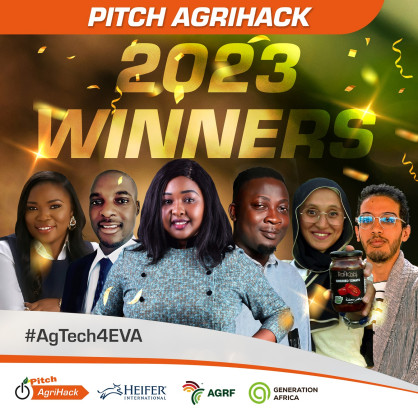
The Pitch AgriHack (https://apo-opa.info/3Zaz0kE) 2023 results are in, capping an inspiring journey celebrating Africa's most exciting agritech visionaries. Applicants from 39 African countries went through a rigorous selection process until six winners were crowned at the Youth Innovation Awards on the final day of The Africa Food Systems Forum hosted at the Julius Nyerere ICC, in Dar es Salaam, Tanzania. This year's Pitch AgriHack theme, “Unleash your Innovation,” resonated deeply with the entrepreneurs who demonstrated how technology can be harnessed to drive sustainability, improve productivity, and uplift communities.
Pitch AgriHack (https://apo-opa.info/3Zaz0kE) 2023 was jointly organized by the African Food Systems Forum (AGRF), Heifer International, and Generation Africa. This year participants and supporters witnessed an impressive showcase of innovation. The competition underscored the power of technology-driven solutions in addressing pressing challenges across the agricultural value chain. Awarding a total prize pool of USD 45,000, the competition recognized and celebrated the brilliance of young minds that are reshaping the future of African agriculture.
"This competition serves as a dynamic showcase of sustainable practices and innovation that is set to define African agriculture. Beyond acknowledging inventive ideas, Pitch AgriHack underscores the steadfast commitment of our youth to revolutionize the sector. At Heifer International, we recognize technology's pivotal role in fostering prosperity for smallholder farmers and rural communities," said Adesuwa Ifedi, Senior Vice President for Africa Programs. "We are deeply committed to investing in and enabling young individuals to create solutions that enhance the yields of smallholder farmers, and the agritech solutions presented not only address challenges within the agricultural value chain but also promote environmental conservation, resource efficiency, and long-term viability."
Dr. Agnes Kalibata, President of AGRA and Former Special Envoy to the UN Food Systems Summit, remarked, "The achievements seen at Pitch AgriHack 2023 truly celebrate entrepreneurial excellence in agriculture. These young innovators are not only shaping the sector's trajectory through their creativity and dedication, but they're also inspiring future leaders to consider impactful careers in agriculture and agribusiness. The technologies presented demonstrate the power of youth to drive practical and sustainable solutions, paving the way for a resilient and prosperous tomorrow."
The innovative solutions developed by the 2023 Pitch AgriHack finalists span a diverse spectrum. From turning waste into cooking gas and electricity, to ultra-fast composting with integrated nutrient analysers, these young entrepreneurs are finding value in nature-positive projects. Cost-saving measurement devices that analyse crop and soil health, providing recommendations that empower farmers, also impressed the judges. Artificial Intelligence integrations featured in several digital farming assistants. Drawing on massive data sets they optimize production, detect diseases, and generate recommendations for improved farming practices.
The entrepreneurs also presented game-changing inclusive finance solutions for women farmers and commodity-backed, post-harvest handling and storage for smallholders. With automated farm management and monitoring systems and behaviour modification solutions that reward farmers for following better practises, Africa's young innovators are determined to build a better food system.
“The multi-facetted technologies, environmentally-aware approaches, and thorough business models we saw here today indicate that our youth entrepreneurs are building more resilient businesses with more comprehensive offerings that in turn help their farmers become more resilient, too,” said Dickson Naftali, Head of Generation Africa. “It is exactly the type of transformation we need, at scale, for the responsible development of the African food system. Pitch AgriHack not only celebrates such innovation but also fosters networking, collaboration, and exchange among these enterprising youth, mentors, investors, and industry experts. It creates a supportive ecosystem that propels them to grow. We are excited to see how they benefit from this opportunity."
The Pitch AgriHack 2023 Winners are:
Early-Stage Winners:
Winner: Watson Matsa, Co-Founder and CEO of eSusFarm Africa, South Africa
eSusFarm connects with rural farmers via feature-phone USSD, allowing them access to value-chain services, markets, and credit providers. Their system helps small farmers build their track record by collecting farm production data, and monitoring produce quality. Connect with Watson's venture at www.eSusFarm.Africa.
Runner-up: El Mahdi Aboulmanadel, Founder and CEO of DeepLeaf, Morocco
DeepLeaf is an agricultural deep learning lab that is focused on leveraging the latest in AI technology to revolutionize the way we grow crops. Their intelligent farming chatbot, Morshida, uses deep learning to analyse plant images and assist farmers in disease analysis. With natural language processing, Morshida can communicate in 14 different languages and dialects. Connect with El Mahdi's venture at https://DeepLeaf.io.
Mature and Growth-Stage Winners:
Winner: Tunde Adeyemi, Founder and CEO of D-Olivette, Nigeria
D-Olivette builds Bio-Tanks, anaerobic digestors that transforms organic farm waste into fertilizer and biogas for cooking and electricity generation. Their solution is helping smallholder farmers to reduce operational costs, pollution, and CO2 emissions. Connect with Tunde's venture at http://D-Olivette.com.
Runner-up: Reem Nafea, Co-Founder and Business Development Director of BioMasr, Egypt
Biomasr's new Rafik app is a hub for organic agriculture in Egypt. It connects farmers to ecological waste management, clean energy production, and organic fertiliser suppliers, while also empowering women farmers to grow and sell quality organic produce. Connect with Reem's venture at https://BioMasr.com.
Women-led Agribusiness Winners:
Winner: Priscilla Wakarera, Co-Founder and CEO of Rhea, Kenya
Rhea helps smallholder farmers make the right decisions by providing affordable, convenient soil testing for smarter farming. Their IoT device does moisture testing, NPK measurements and soil PH tests before sending AI generated recommendations for fertiliser, pH adjustments, irrigation, and crop recommendations. Connect with Priscilla's venture at www.Rhea.Africa.
Runner-up: Solape Akinpelu, Co-Founder and CEO of HerVest, Nigeria
HerVest is about inclusive finance for African women. They provide easy access to target savings, impact investments and credit financing for smallholder women farmers and women-owned/led SMEs in Nigeria. Connect with Solape's venture at https://www.HerVest.ng.
The winners were selected by an esteemed panel of judges that included experts and leaders in agriculture and technology. Pitch AgriHack contestants were honoured to get invaluable advice and guidance from this highly-respected judges group consisting of:
This year's Pitch AgriHack applicant breakdown mirrors Africa's youthful dynamism. 79.3% were early-stage startups, embodying the innovative pulse of the competition. Mature/growth-stage agritech ventures represented 20.5%, underlining the sector's growth.
The innovation showcased at Pitch AgriHack 2023 is a strong affirmation of the commitment of AGRF, Heifer International, and Generation Africa to nurture innovation, create job opportunities, and enhance food security across the continent. Through this dynamic competition, the partners seek to inspire a new generation of agritech entrepreneurs who will not only revolutionize the agricultural landscape but also empower smallholder farmers to overcome challenges and embrace sustainable change.
For further information and updates, please visit the official Generation Africa website: https://GenAfrica.org.
Distributed by APO Group on behalf of Pitch AgriHack.
Contact:
Jane Machigere
jane@jsmcommunications.com
www.GenAfrica.org
About Heifer International:
Since 1944, Heifer International has worked with nearly 43 million people around the world to end hunger and poverty in a sustainable way. Working with rural communities across Africa for nearly 50 years, Heifer International supports farmers and local food producers to strengthen local economies and build secure livelihoods that provide a living income. Heifer is currently operating in 19 countries across Africa, Asia and the Americas. For more information, visit https://www.Heifer.org.
About Generation Africa:
Generation Africa is a thematic platform of the AGRF, whose mandate is to strengthen the ecosystem for youth entrepreneurs in the agri-food sector across Africa. From its start in 2019, Generation Africa has brought together industry leaders, government institutions, NGOs, NPOs, and community platforms to collaborate on ecosystem development, curation and support of agribusinesses, research and advocacy, and the inspiration of young people to embrace opportunities in the agrifood sector. Find out more at https://GenAfrica.org.
About the AGRF:
The AGRF is the world's premier forum for African agriculture, bringing together stakeholders in the agricultural landscape to take practical actions and share lessons that will move African agriculture forward. Under AGRF's current strategy, the Forum is particularly focused on driving progress of the Malabo Declaration by 2025 as the priority set of commitments African Heads of State and Government have made to strengthen agricultural development at the centre of the continent's overall development and progress. The AGRF is organised by the AGRF Partners Group, a coalition of institutions that care about Africa's agriculture transformation. For more information visit https://AGRF.org.
Didiza commends agri sector's contribution to economy
Agriculture, Land Reform and Rural Development Minister, Thoko Didiza, says growth in the agricultural sector signifies the importance and influence of the sector in the nation's economy.
Didiza’s remarks come after the latest figures released by Statistics South Africa on the Gross Domestic Product (GDP) for the second quarter of 2023, showing that the agricultural sector was once again, one of the biggest contributors to the country’s economic growth.
The report showed that the agricultural sector grew by 4.2% in the second quarter of 2023, fuelled largely by a good summer harvest of grains, and oilseeds commodities, coupled with solid horticultural exports.
The report also showed that South Africa has, in the second quarter of 2023, exported agricultural products worth R60.2 billion, which is almost 13% higher than the corresponding period last year.
Didiza commended the agricultural sector’s continued contribution to the country’s economy, noting that currently, the country is expected to harvest 16.4 million tons of maize and about 743 000 tons of sunflower, a crop size that will bode well for consumers, as food inflation will subside.
“The growth in agriculture and its contribution to the country’s economy can be attributed to the increasing footprint of South Africa’s agricultural products in the international markets.
“This is underscored by government's decisions to invest resources in opening new export markets, while maintaining trade relations with existing markets,” Didiza said.
Didiza said already in July 2023, food inflation had receded to 9.9%, providing a much-needed relief to consumers.
In August 2023, the Minister secured new export markets for avocados, beef and other animal products to countries including Saudi Arabia and China.
“The drive to open new export opportunities will continue as government strives to grow a competitive, resilient and export-oriented agriculture,” Didiza said. – SAnews.gov.za
GabiK
Mon, 09/11/2023 - 11:00
They call on European company to stop exporting EU-banned pesticides to South Africa
The Minister of Agriculture, Land Reform and Rural Development, Ms. Thoko Didiza has welcomed the latest figures released by Statistics South Africa on the Gross Domestic Product (GDP) for the second quarter of 2023, showing that the agricultural sector was once again one of the biggest contributors to the country's economic growth. This growth signifies the importance and influence of the sector in our nation's economy.
The agricultural sector grew by 4.2% in the second quarter of 2023, fuelled largely by a good summer harvest of grains, and oilseeds commodities coupled with solid horticultural exports. In the second quarter of 2023, South Africa exported agricultural products worth R60.2 billion, which is almost 13% higher than the corresponding period last year.
Currently, the country is expected to harvest 16.4 million tons of maize and about 743 thousand tons of sunflower, a crop size that will bode well for consumers, as food inflation will subside. Already in July 2023, food inflation had receded to 9.9% providing a much-needed relief to consumers.
“The growth in agriculture and its contribution to the country's economy can be attributed to the increasing footprint of South Africa's agricultural products in the international markets,” said Minister Didiza
This is underscored by the government's decisions to invest resources in opening new export markets while maintaining trade relations with existing markets.
In August 2023, the Minister of Agriculture, Land Reform, and Rural Development secured new export markets for avocados, beef, and other animal products to countries such as Saudi Arabia and China.
“The drive to open new export opportunities will continue as the government strives to grow a competitive, resilient, and export oriented agriculture.”
Distributed by APO Group on behalf of Department of Agriculture, Land Reform and Rural Development: Republic of South Africa.
President Cyril Ramaphosa has today, 08 September 2023, arrived in New Delhi, Republic of India to participate in the G20 Leaders' Summit scheduled for 09 - 10 September 2023.
The New Delhi G20 Summit is hosted under the theme “One Earth, One Family, One Future”.
The President will tomorrow, 09 September 2023, participate in the G20 Working Sessions themed “One Earth, One Family, One Future”.
On Sunday, 10 September 2023, President Ramaphosa will also join Heads of State and Government at the Wreath Laying Ceremony taking place at the Rajghat Memorial.
The President will also on the margins of the G20 have bilateral meetings with Heads of State and Government to strengthen South Africa's diplomatic, economic and cultural ties.
The New Delhi Summit will focus on the key pillars of the Indian G20 Presidency, namely;
- Accelerated, Inclusive Sustainable and Resilient Growth;
- Accelerating Progress on Sustainable Development Goals (SDGs);
- Mainstreaming Lifestyle for Environment (LiFE);
- Multilateral Institutions for the 21st Century;
- Technological Transformation and Public Infrastructure;
- Building Digital Public Infrastructure;
- Safeguarding International Peace and Harmony;
- Creating a More Inclusive World, Gender Equality and Empowerment of Women and;
- Creating a More Inclusive World.
The Group of Twenty (G20) is the premier forum for international economic cooperation. It plays an important role in shaping and strengthening global architecture and governance on all major international economic issues.
India holds the Presidency of the G20 from 1 December 2022 to 30 November 2023.
The G20 Summit is held annually, under the leadership of a rotating Presidency.
The G20 has since expanded its agenda to include trade, sustainable development, health, agriculture, energy, environment, climate change, and anti-corruption.
South Africa is a member of the G20 and its participation seeks to provide a strategic foresight in establishing an economic and international policy platform that will drive and negotiate the best possible outcomes for the country, Africa and the developing world.
South Africa will assume the G20 Presidency in 2025.
President Ramaphosa is supported by the Minister of International Relations and Cooperation, Dr Naledi Pandor.
Distributed by APO Group on behalf of The Presidency: Republic of South Africa.
President Ramaphosa to attend G20 Summit
President Cyril Ramaphosa is expected to embark on a working visit to India to attend the G20 Leaders’ Summit this weekend.
“President Ramaphosa will during the summit participate in the G20 Working Sessions themed One Earth, One Family and One Future. The President will also on the margins of the G20 have bilateral meetings with Heads of State and Government to strengthen South Africa’s diplomatic, economic and cultural ties.
“South Africa is a member of the G20 and its participation seeks to provide a strategic foresight in establishing an economic and international policy platform that will drive and negotiate the best possible outcomes for the country, Africa and the developing world. South Africa will assume the G20 Presidency in 2025,” the Presidency said in a statement.
The theme for this year’s summit, held under the Presidency of India, is “One Earth, One Family, One Future”.
“The New Delhi Summit will focus on the key pillars of the Indian G20 Presidency, namely; Accelerated, Inclusive Sustainable and Resilient Growth; Accelerating Progress on Sustainable Development Goals (SDGs); Mainstreaming Lifestyle for Environment (LiFE); Multilateral Institutions for the 21st Century; Technological Transformation and Public Infrastructure; Building Digital Public Infrastructure; Safeguarding International Peace and Harmony; Creating a More Inclusive World, Gender Equality and Empowerment of Women and; Creating a More Inclusive World.
“The Group of Twenty (G20) is the premier forum for international economic cooperation. It plays an important role in shaping and strengthening global architecture and governance on all major international economic issues.
“The G20 initially focused largely on broad macroeconomic issues, but it has since expanded its agenda to include trade, sustainable development, health, agriculture, energy, environment, climate change, and anti-corruption,” the Presidency said.
Department of International Relations and Cooperation Minister Dr Naledi Pandor will support the President on the working visit. – SAnews.gov.za
NeoB
Thu, 09/07/2023 - 15:03
Govt reviews Intergovernmental Relations Framework Act
President Cyril Ramaphosa says government has embarked on a comprehensive review of the Intergovernmental Relations Framework Act of 2005, to ensure that the different spheres of government work in a joined-up and coordinated manner to secure the well-being of the people of South Africa, among other things.
“In the design of our democratic unitary state, we introduced cooperative governance to ensure that the three spheres of government worked together to meet the needs of the people. Each sphere of government has constitutionally assigned powers and functions that cannot be encroached upon, but need to be mutually respected.
“Chapter 3 of the Constitution requires all spheres of government to cooperate with one another in mutual trust and good faith by, among others, fostering friendly relations and assisting and supporting one another. Importantly, the Constitution says that all spheres of government must secure the well-being of the people of the Republic,” President Ramaphosa said.
The President said the District Development Model (DDM) is geared towards improving and strengthening the intergovernmental relations system as an approach towards giving effect to the Constitutional principles of cooperative governance.
“The District Development Model approach has made great strides in ensuring that the principles of cooperative governance guide how we plan, budget and implement key government programmes and projects across the country. This is demonstrated through the Presidential Izimbizo and implementation of key catalytic projects identified in intergovernmental long-term One Plans.”
To date, the President said, experiences in the implementation of the DDM have placed greater emphasis on the requirements to undertake a review and re-look at the policy instruments framing and guiding of intergovernmental relations system, and cooperative governance.
Progress in addressing challenges identified at Imbizos
President Ramaphosa highlighted some of the progress made and key service delivery interventions through Izimbizo, and these include road maintenance projects in Mpumalanga, the provision of title deeds in North West, measures to tackle livestock theft in the Free State, and the provision of water in North West, Limpopo and KwaZulu-Natal.
The President said through the Izimbizo government has further identified opportunities for skills development in key economic sectors in districts such as mining and agriculture in North West and Limpopo and energy programmes in Northern Cape.
“Through the information and contribution collected during the various Izimbizo, it has been possible to identify interventions that are required in many localities across the country. The benefit of these engagements therefore extends beyond the communities in which they take place as they are able to improve service provision more generally,” President Ramaphosa said.
He added that the documenting and tracking of key resolutions emanating from the Izimbizo are part of the design of the Izimbizo.
“Quarterly implementation reports indicate that measurable progress is being made in addressing the challenges identified, which are done in an intergovernmental manner. The various intergovernmental platforms established through the Izimbizo protocols are also tasked to address challenges where these occur.
“District Development Model political champions are assigned for each district and metro, and are tasked to provide regular updates not just to the established intergovernmental platforms but also to the respective communities,” the President said. – SAnews.gov.za
GabiK
Wed, 09/06/2023 - 10:01
SA benefits economically from BRICS grouping
Outlining the economic benefits of South Africa's participation in the BRICS grouping, President Cyril Ramaphosa has informed Members of Parliament that South Africa’s trade with the bloc has increased by an average of 10% every year over the period 2017 to 2021.
“The total South African trade with other BRICS [Brazil, Russia, India, China and South Africa] countries reached R830 billion in 2022, which represents an increase of more than 70% from R487 billion in 2017,” the President said on Tuesday in Cape Town.
Participating in a Questions for Oral Reply session in the National Assembly, President Ramaphosa explained that BRICS is an important source of foreign direct investment in key areas such as mining, automotive, transportation, clean energy, financial services and information technology (IT).
These investments and projects lead to significant job creation.
“South Africa has experienced significant benefits through its membership as well as its association with the BRICS grouping of countries. South Africa uses its BRICS membership to improve investment, trade, tourism, as well as capacity building, and it also flows into skills acquisition and technological capabilities that we see this relationship yielding for our country.
“Strengthening economic as well as financial ties between BRICS member countries is one of the key pillars of this cooperation that we have forged with all these countries,” the President said.
In 2020, the countries adopted the Strategy for BRICS Economic Partnership to increase access to each other’s markets, promote mutual trade and investment, and create a business-friendly environment for investors in all BRICS countries.
“Furthermore, the BRICS Business Council and the BRICS Women’s Alliance bring together important commercial networks that promote trade and investment partnerships among BRICS countries. In 2015, BRICS countries launched the New Development Bank to finance and largely support infrastructure and sustainable development projects,” President Ramaphosa said.
To date, the New Development Bank has provided funding to 12 projects in South Africa to the value of over R100 billion.
“Our membership of BRICS makes a valuable contribution to the implementation of our Economic Reconstruction and Recovery Plan. For example, growing the tourism industry is one of the priorities of the Plan. The BRICS countries are becoming increasingly important tourism markets for South Africa.
“In terms of supporting energy security in South Africa, another pillar of our recovery plan, BRICS countries have the expertise and technologies to support energy cooperation. In 2020, BRICS adopted a Road Map for BRICS Energy Cooperation up to 2025 aimed at building a strategic partnership in energy cooperation,” the President said.
On infrastructure investment, which is another pillar of the recovery plan, South Africa will continue to access funding from the New Development Bank for energy, transport and water.
“The inclusion of Argentina, Ethiopia, Egypt, Iran, Saudi Arabia and the United Arab Emirates as new members of the group will strengthen beneficial cooperation with South Africa in political, economic and financial matters.
“These countries will enhance economic partnership in key sectors such as oil and energy, telecommunication and information technology, agriculture, textile, logistics, air transportation and tourism and medicine,” the President said.
Last month’s three-day BRICS Summit wrapped up with several successful outcomes, including the expansion of the six aforementioned countries to become full members of BRICS effective from January 2024.
South Africa hosted the 15th BRICS Summit from 22-24 August in Johannesburg. This year’s summit took place under the theme, ‘BRICS and Africa: Partnership for mutually accelerated growth, sustainable development and inclusive multilateralism’.
The President said South Africa expects that its trade links and investments participation with all the additional countries will increase.
This addition is also expected to contribute to the growth of the country’s tourism industry.
“In economic terms, all these new additional countries are big players and on the horizon are a number of other countries that have indicated their willingness to be part of BRICS and they too will be considered in the next phase.
“We will obviously look at the economic value in terms of participation for all of us as BRICS members. These additional countries will be boosting our Economic Recovery and Reconstruction Plan and we expect great benefits from all this.
“The benefits for our countries has been very clear right from the beginning. It has led to enhanced activity amongst ourselves and all these countries. Being a BRICS member does contribute a great deal to economic growth as well,” the President said. – SAnews.gov.za
nosihle
Tue, 09/05/2023 - 15:18
The Western Cape Government is planning and coordinating projects to address the wide-ranging impact of climate change. A formal task team, under the leadership of Minister Bredell, Western Cape Minister for Local Government, Environmental Affairs and Development Planning, supported by Minister Meyer, Western Cape Minister of Agriculture, met yesterday to discuss progress on several climate change initiatives.
Minister Bredell said that according to the World Economic Forum's Global Risk Report of 2023, the top four global risks for the next decade are all directly linked to the impact of climate change.
“We have developed a Climate Change Response Strategy and Implementation Plan that is based on a provincial vision of being a net zero emissions and climate-resilient region by 2050, while also building an equitable and inclusive economy and society that can thrive despite the shocks and stresses posed by climate change,” Minister Bredell said.
The Plan's focus areas are:
There are several priority focus areas which have been recognised by the Western Cape Cabinet, and climate change response strategies are currently being embedded in each one. As such, a Water Indaba and Infrastructure Indaba were hosted earlier this year.
Looking forward, Minister Bredell said climate change is being mainstreamed throughout the provincial growth strategy, Growth for Jobs (G4J). Climate finance and the role international partners can play is also being addressed.
A partnership between the Department of Agriculture, the Department of Environmental Affairs and Development Planning and the University of Stellenbosch will be formalised in October this year. “This is an important partnership for the provincial government and will give us access to the work of leading academics on climate change,” Bredell said.
Minister Meyer said the inter-ministerial committee on climate change signals the seriousness with which the Western Cape Government views climate change and that it is incumbent on all of us to take the necessary steps to mitigate the impact of climate change on the agriculture sector.
Minister Meyer continued: “within the agriculture sector, climate change causes unpredictable weather patterns, a change in the agricultural economy, forced technology adaptation, infrastructure changes on farms, adaptations in the type of input and machinery on farms, and changes on groundwater and surface water availability.”
“Given the potential impact that climate change could have on the agricultural economy, we must take the necessary steps to protect the economy and jobs,” added Minister Meyer.
Minister Bredell said that a Climate Change Indaba is being planned in the near future, where private sector stakeholders will be invited to engage with government on climate change specific projects and proposals. This indaba will be preceded by inter-departmental engagements as well as municipal engagements on climate change.
Distributed by APO Group on behalf of Western Cape Local Government, Environmental Affairs and Development Planning, South Africa.
South Africa's GDP grows by 0.6%
Stats SA has announced that South African real Gross Domestic Product (GDP) expanded by 0.6% in the second quarter of 2023, which measured is from April to June.
Six industries on the supply side of the economy grew in the second quarter, with manufacturing and finance driving much of the upward momentum.
“On the demand side, the country benefitted from a sharp rise in investments in machinery and equipment, which included products related to renewable energy. Despite a decline in the overall household consumption, consumers continued to spend more on restaurants and hotels,” Stats SA said on Tuesday.
The GDP growth in the second quarter follows a 0.4% rise in the first quarter.
“Manufacturing production expanded by 2.2%, mainly pushed higher by petroleum, chemical products, rubber and plastic products. Manufacturers in metals, metal products, machinery and equipment also recorded a good quarter, driven in part by increased demand for crude steel.
“Increased investment in South Africa’s automotive sector helped lift the production of transport equipment and motor vehicles. The finance industry edged higher by 0.7%, boosted by financial intermediation, insurance and real estate services,” Stats SA said.
After two consecutive quarters of decline, South Africa’s agriculture sector recorded a positive performance with a 4.2% rise in output, which was driven by increases in the production of field crops and horticulture products.
“Favourable weather conditions, increased cultivation and a rise in export demand provided further support. Mining looked good too, posting a second straight quarter of growth. Platinum group metals, gold, minerals classified in the category ‘other metallic minerals’ and coal helped lift the industry.
“The personal services industry was positive on the back of higher growth in education and health. The rise in general government services was mainly due to an increase in staff numbers.
“Not all industries had a good second quarter. After 18 months of consistent growth, the transport, storage and communication industry stumbled, declining by 1.9%. Transport support services were lacklustre and there were declines in land freight and road passenger transport,” Stats SA said.
The trade industry was down on the back of weaker retail and wholesale figures.
The overall decline was partially offset by increased activities in the motor trade, tourist accommodation and restaurant, catering and fast-food sectors.
“After holding its head above water for nine months, the construction industry lost steam in the second quarter. A decline in economic activity related to non-residential and residential buildings pulled the industry lower. There was a small uptick in construction works, but this was not enough to lift the industry into positive territory,” Stats SA said.
Investments in machinery and equipment
Stats SA noted that a sharp rise in investments in imported machinery and equipment – mostly for electricity infrastructure – drove gross fixed capital formation higher.
“This was supported by an increase in sales of locally produced electric motors, generators and special purpose machinery. The demand for machinery and equipment contributed to the 3.3% rise in imports. Imported products included those related to renewable energy, batteries, vegetable products, artificial resins and plastics, base metals and articles of base metals, and animal and vegetable fats and oils.
“South African exports edged higher by 0.9%, driven by increased trade in chemical products; prepared foodstuffs, beverages and tobacco; vehicles and transport equipment; mineral products and machinery and electrical equipment.
“Household consumption decreased in the second quarter as consumers cut back on a variety of goods and services. Despite the overall decline, households continued to increase their spending on restaurants and hotels, representing a seventh consecutive quarter of growth for this category,” Stats SA said. – SAnews.gov.za
nosihle
Tue, 09/05/2023 - 12:29
SA to participate in SA-Uganda Investment Summit
Trade, Industry and Competition Deputy Minister, Nomalungelo Gina, is leading a delegation of 65 South African business representatives to a two-day Uganda – South Africa Investment and Trade Summit which started today in Kampala, Uganda.
The summit brings together trade and investment policymakers, business communities, trade support institutions, regional and multilateral organisations from Uganda and South Africa, to explore investment and trade opportunities.
The main goal is to improve bilateral trade between the two countries and to mobilise higher levels of private sector investments into priority sectors in Uganda.
The summit, which ends tomorrow, is being held at the Speke Resort in Munyonyo, Kampala.
This summit follows a business forum held in February 2023 in Pretoria on the margins of President Museveni’s State visit to South Africa.
This summit has a particular focus on agriculture and agro-processing, Information Communication and Technology, manufacturing, energy and oil and gas.
The current status of bilateral trade is that South African exports to Uganda have decreased from R2.1 billion in 2018 to to R1.7 billion in 2022, while South Africa’s imports from Uganda have increased from R102 million to R304 million during the same timeframe.
There will also be an effort to mobilise higher levels of private investments into priority sectors in Uganda, as identified under the National Development Plan of Uganda (NDP III) and therefore they will ensure that by the end of the two days, a platform for networking and investment facilitation will be created between to fast track trade and business deals. – SAnews.gov.za
Edwin
Tue, 09/05/2023 - 10:46
Didiza to lead SA delegation to Trade and Investment Summit in Uganda
Agriculture, Land Reform and Rural Development Minister, Thoko Didiza, will participate in and lead the second Uganda/South Africa Trade and Investment Summit from 5 - 6 September 2023 in Kampala, Uganda.
The summit aims to encourage interaction and dialogue between various entities in the two countries, which may result in sustainable growth in trade and investment.
“The focus of the event is on the agro-industry to reflect on the importance of agriculture in the Ugandan economy, although not to the exclusion of other sectors,” the Department of Agriculture, Land Reform and Rural Development said.
Trade relations between the two countries have been growing until the recent slowdown as a result COVID-19 pandemic.
The department said while South Africa’s businesses are well established -- with the Forum for South African Business in Uganda (FOSABU) as an anchor to the South African business community in Uganda -- Ugandan businesses have had little success in penetrating the South African market due to the poor quality of products exported from Uganda, inadequate phytosanitary standards and high visa costs.
FOSABU is a business association that was formed in 2015. It comprises South African companies doing business in Uganda and other companies operating in Uganda that have strong linkages to South Africa.
The first edition of the Uganda-South Africa Investment and Trade Summit was held in Pretoria in February 2023, and was addressed by both South African President Cyril Ramaphosa and the President of Uganda, Yoweri Kaguta Museveni.
The Presidents agreed to work together to improve the business operating environment between the two countries, including addressing all challenges affecting the private sector.
The second Uganda-South Africa Investment and Trade Summit 2023 will be held under the theme, 'Accelerating Investments and Trade between Uganda and South Africa'. – SAnews.gov.za
GabiK
Mon, 09/04/2023 - 11:01
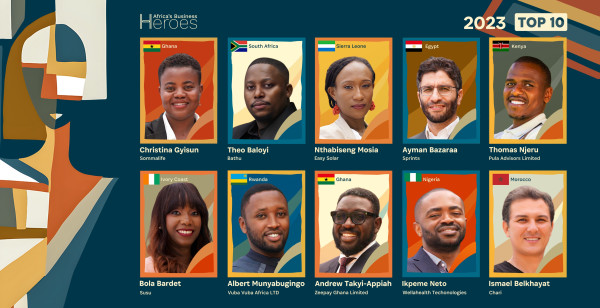
The Africa's Business Heroes (ABH) (www.AfricaBusinessHeroes.org) Prize Competition, a philanthropic program sponsored by the Jack Ma Foundation and Alibaba Philanthropy, now in its fifth year, has announced this year's top 10 finalists following an intense round of semi-finale business pitches and judging held on September 1 and 2 at Norrsken House in Kigali, Rwanda. These 10 entrepreneurs will compete for their share of the final prize of US$1.5 million in grant funding at the competition's Grand Finale scheduled for November 23 and 24.
The top 10 finalists are (in alphabetical order, by country):
The 2023 ABH top 10 entrepreneurs were selected through multiple stages of interviews and evaluation from 27,267 applications across all 54 African nations. They hail from eight African countries, including Benin, Egypt, Ghana, Kenya, Morocco, Nigeria, Rwanda and South Africa. Their start-ups have been drawn from a wide variety of industries, including agriculture, education & training, energy, financial services, healthcare, manufacturing and retail.
The 10 finalists will present their businesses on stage to a panel of inspiring businesspeople at this year's Grand Finale, which will take place in conjunction with a summit and will be the biggest in ABH's history in celebration of the fifth anniversary of the competition. Held offline in Kigali, Rwanda on 23 and 24 November and also partially livestreamed to reach audiences across Africa, the Summit and Grand Finale will be a gathering of a diverse group of African entrepreneurial ecosystem players. The action-packed event will comprise exciting sessions including speeches, workshops, an entrepreneurial showcase and a live pitch competition, among other activities. Register here to secure your seat: https://apo-opa.info/3sJzPoa
“ABH remains committed to uncovering, championing and supporting trailblazing African entrepreneurs who are bringing positive change to their communities. As we reach the fifth anniversary of our 10-year commitment to this initiative, we're excited by the expanding and diverse array of talent among our contenders,” said Jason Pau, Executive Director of International Programs at the Jack Ma Foundation. “With November on the horizon, we wish every of the top 10 finalists the best of luck on their journey, and we encourage the public to join our Summit and Grand Finale, as it promises to be truly special.”
“The ABH competition has shown that African entrepreneurship can emerge as a potent force propelling both social upliftment and economic progress. It is a dynamic stage, spotlighting ingenious start-ups that steer toward solutions, tackling challenges with a resonance that's impactful, competitive, sustainable and additive. I believe that entrepreneurs are carriers of HOPE as they can unlock possibilities that can change the world. I look forward to the Grand Finale, where the top 10 finalists will demonstrate their remarkable business acumen on stage,” said Rene Parker, Cofounder and CEO of RLabs, ABH semi-finale judge (2019 – 2023).
Originally launched in 2019, the ABH Prize Competition is Pan-African, inclusive, sector-agnostic and grassroots-oriented. It aims to identify, support and inspire the next generation of African entrepreneurs who are making a difference in their local communities by working to solve the most pressing problems and building a more sustainable and inclusive economy for the future.
For more information about ABH 2023, please visit: https://apo-opa.info/3qVklx5 and follow ABH on Twitter (https://apo-opa.info/3KY3OQs), LinkedIn (https://apo-opa.info/3R1QXQl), Instagram (https://apo-opa.info/3KZTXKa), Facebook, (https://apo-opa.info/3ylgNE9) and YouTube (https://apo-opa.info/3YDG5bH).
Distributed by APO Group on behalf of Africa’s Business Heroes (ABH).
Press Contact:
Africa's Business Heroes Press Room:
abh.press@list.alibaba-inc.com
For media inquiries or interview requests, please contact:
English:
Tracy Walakira
tracy.walakira@apo-opa.com
French/Arabic:
Malika Bouayad
malika.bouayad@apo-opa.com
About Africa's Business Heroes:
The Africa's Business Heroes Prize Competition is a philanthropic initiative sponsored by the Jack Ma Foundation and Alibaba Philanthropy. It aims to support, inspire and enable the next generation of African entrepreneurs across all sectors who are building a brighter future for the continent, by offering grant funding, training programs and support for the development of an entrepreneurial ecosystem. Over a 10-year period, each year the ABH Prize Competition and show features 10 entrepreneur finalists as they pitch their business to win a share of US$1.5 million in grant money.
Blended finance fund to assist farmers alleviate energy challenges
The ongoing load shedding in South Africa has become a serious constraint on growth and profitability for various sectors, including agriculture.
In addressing the negative impact on the productivity and profitability of farm operations brought about by the load shedding crisis, the Land Bank and Department of Agriculture, Land Reform and Rural Development (DALRRD), have launched a blended finance fund, which is geared towards financing alternative energy solutions with a focus on energy intensive agricultural activities which include irrigation, intensive agricultural production systems and on-farm cold chain related activities.
The Agro Energy Fund aims to support all South African citizens, producers in the agricultural sector, including smallholder, medium scale, large scale and mega commercial producers.
The launch of the Agro Energy Fund follows the successful launch of the Blended Finance Scheme (BFS) in October 2022 through the partnership between Land Bank and DALRRD, where the bank, in collaboration with the department launched the R2 billion BFS.
Speaking at the launch held in Pretoria on Tuesday, DALRRD Minister Thoko Didiza emphasised that the purpose of the Agro Energy Fund is to incentivise farmers to invest in alternative energy sources, and will run parallel to other existing financial instruments that are designed to support farmers with production, farmer infrastructure and market, amongst others.
Didiza explained that the applications for the fund will be directed to the Land Bank and will be subjected to approval guidelines of the bank.
“The funding will be deployed through a blended finance structure which is a combination of a loan and grant. DALRRD will contribute a grant portion to a total value of R500 million which will be matched with a loan portion to a total value of R710 million from Land Bank.
“This will effectively create a R1.21 billion fund size. The fund will be available in the market until the allocated funds are completely drawn down,” Didiza explained.
The Minister added that the priority will be on supporting dairy farming, piggeries, poultry, all irrigated commodities and on-farm processing.
“In deploying funding to producers, the Bank will also rollout its Green Finance product offering with a focus on financing solar panels, biogas and biomass plants which will result in the installation and commissioning of energy efficiency projects across the country which will partially offset electricity usage from the grid.
“The fund will enable the bank to contribute to building resilience against energy shocks in the sector which have negatively impacted productivity and profitability in farm operations. The food security and rural development remain key priorities in the agricultural sector,” the Minister said.
Land Bank Board Chairperson, Thabi Nkosi, expressed the bank’s appreciation to be in partnership with the department for the implementation of the Agro Energy Fund, and also commended the department’s allocation of the R500 million grant.
“The fund aims to support all South African producers - from smallholder farmers to large commercial producers - in a manner that ensures a balanced allocation of funds across various farming cohorts, according to need,” Nkosi said.
Nkosi explained that the smallholder producers will be eligible for up to 70% total finance amount, with the grant portion capped at R500 000 per applicant, while medium scale producers will be eligible for up to 50% of the total financed amount, with the grant portion capped at R1 million per applicant.
“Large producers will be eligible for a grant of up to 30% of the total financed amount, with the grant portion capped at R1.5 million per applicant. On this basis, the fund is expected to support over 500 farmers across the country,” Nkosi said.
While acknowledging that the fund may not reach all of South Africa’s farmers, Nkosi said, this initiative, with specific focus on renewable energy solutions, will catalyse the agricultural sector’s adoption of more sustainable farming practice.
The applications to the Agro-Energy Fund are now open, and the details about the fund, product offering, and how clients can contact and apply for funding support from the Land Bank can be found on www.landbank.co.za or www.dalrrd.gov.za – SAnews.gov.za
GabiK
Wed, 08/30/2023 - 10:06
KZN government unveils Nongoma multimillion rand projects
KwaZulu-Natal Premier Nomusa Dube-Ncube has assured the residents of Nongoma that the provincial government remains committed to facilitate the speedy delivery of water, roads and houses, and to completing some unexpected project delays in the area.
Dube-Ncube was speaking during the province’s Operation Sukuma Sakhe (OSS) Cabinet Day, held recently, where the province’s MECs addressed various service delivery concerns and unveiled projects throughout the Nongoma Local Municipality.
Dube-Ncube said the OSS gives the leaders an opportunity to listen without mediation, to the voices and concerns of the people of KwaZulu-Natal.
The Premier unveiled the Bhuqwini Rural Housing Project, which will deliver 300 houses in Ward 17. The R49.4 million project will also see the employment of at least 60 people and 20 being trained as National Qualifications Framework (NQF) Level 2 builders.
Unveiling the project, Dube-Ncube said they have introduced the contractor to build houses and urge the community to take care of the project and to make sure that the houses are not vandalised.
“When we deliver houses as the Government of KwaZulu-Natal, we are implementing the Freedom Charter which says there shall be houses, security and comfort for all,” Dube-Ncube said.
The Premier also undertook to facilitate the repair and maintenance of Royal Palaces some of which are said to have fallen into disrepair due to lack of regular attention.
“We value the institution of traditional leadership as the glue that holds our communities together as the custodian of our customs and traditions. The Palaces are an important part of our history and we will ensure that for years to come, this heritage is protected for generations to come,” the Premier said.
Various MECs and senior government officials also visited other projects and centres to deliver dignified services to the community.
Economic Development Tourism and Environmental Affairs MEC and Government Business leader, Siboniso Duma, visited the R19 million Maphophoma Milling, which is owned by a co-operative and funded by the Department of Agriculture and Rural Development.
The MEC committed the provincial government support for the co-operative to access more land and to increase their maize production.
He said, the provincial state agencies, including Agri-Development Agency, ITHALA and the KZN Growth Fund, will also ensure access to funding for the co-operative.
Duma also visited the pedestrian bridges that are currently being constructed by Transport and Defence Departments.
Finance MEC, Neliswa Peggy Nkonyeni, visited the Casukile Primary Co-operative run by a group of women who manufacture toilet papers. Nkonyeni committed the provincial government to fund the co-operative members’ training on business skills, branding of their products and sourcing new markets for their products.
Nkonyeni also encouraged the Nongoma Local Municipality to buy locally manufactured goods in order to grow the local economy.
Over 20 speed points were donated to Ward 19 businesswomen, in a bid to encourage them to grow their businesses and create more jobs for the locals.
Sport, Arts and Culture MEC, who is also Zululand Cabinet OSS Champion, Dr Ntuthuko Mahlaba, visited the Buxedene Clinic where the toilets are not in good working order and have no computers, forcing personnel to capture data manually.
Mahlaba announced that Road D1880 which runs from Bhekumthetho to Ncemaneni will undergo an upgrade to install blacktop, and that the contract has already been advertised with an award expected to be finalised soon.
In addition to the housing shortage, Nongoma faces other challenges, including water, taxi-related killings, revenge murders, unemployment, teenage pregnancy and Gender-Based Violence and Femicide (GBVF), which Provincial Cabinet promised to urgently attend to.
The Premier said the departments, working with local government will soon return to the Nongoma Local Municipality, in order to follow up on all the challenges identified during the OSS engagement. – SAnews.gov.za
GabiK
Tue, 08/29/2023 - 10:39
Worried about population growth and the pressures of feeding a hungry planet? Don’t have a cow, cultivate one rather says, Maxcine Kater, marine biologist and environmental officer at the Department of Forestry, Fisheries and the Environment Johannesburg – August 2023: The global human population is expected to top 9.8 billion by 2050 (from the current …
On the evening of August 24 local time, President Xi Jinping and South African President Matamela Cyril Ramaphosa co-chaired the China-Africa Leaders' Dialogue in Johannesburg.
President Xi Jinping delivered a keynote speech entitled “Joining Hands to Advance Modernization and Create a Great Future for China and Africa”. (Full text of the speech was released separately.)
President Xi Jinping pointed out that it was his 10th visit to the continent. In 2013, he was there in Africa for his first foreign visit after becoming Chinese President and announced the principle of sincerity, real results, amity and good faith for China's Africa policy. Over the past 10 years, China has stayed committed to this principle. Together with the African friends and drawing strength from the spirit of China-Africa friendship and cooperation, the two sides have pressed ahead on the path of solidarity and cooperation, stood for justice amid shifting global dynamics, and looked out for each other in face of the COVID-19 pandemic. The two sides have taken China-Africa relations to new heights and entered the new stage of jointly building a high-level China-Africa community with a shared future.
President Xi Jinping pointed out that China is pursuing the great rejuvenation of the Chinese nation on all fronts through a Chinese path to modernization. Africa is making all-out efforts to build a new Africa that enjoys peace, unity, prosperity and strength. China and Africa must work together to create a sound environment for realizing their respective development visions; to promote a just and equitable international order, unequivocally oppose vestiges of colonialism and hegemonism in all forms, firmly support each other in defending core interests, and stand strong by the just calls of developing countries; to safeguard a peaceful and secure global environment, implement the new vision of common, comprehensive, cooperative and sustainable security, advocate the resolution of differences and disputes through dialogue and cooperation, facilitate the political settlement of international and regional hotspot issues, safeguard world peace and stability, and protect the security of the global eco-environment; to build an open and inclusive world economy and an open world economy where developing countries are better involved in the international division of labor and share the fruits of economic globalization, and to overcome estrangement between civilizations through exchanges and promote inclusiveness and mutual learning between civilizations.
President Xi Jinping emphasized that there are various paths leading to modernization. The African people have the most say on which path suits Africa best. Advancing modernization through integration is the independent choice made by African countries and people. On this path to modernization, China has all along been a firm supporter, and walking side by side with Africa. Looking ahead, China will work with Africa to enhance the synergy of their development strategies and continue to support Africa in speaking with one voice on international affairs and continuously elevating its international standing. China will work actively to support the AU's full membership in the G20. China supports making special arrangements on the U.N. Security Council reform to meet Africa's aspiration as a priority. China will call on multilateral financial institutions to enhance the say of African countries.
To chart the course for China-Africa practical cooperation in the next stage and assist in Africa's integration and modernization, President Xi Jinping made the following three proposals:
First, China will launch the Initiative on Supporting Africa's Industrialization. China will better harness its resources for cooperation with Africa and the initiative of businesses to support Africa in growing its manufacturing sector and realizing industrialization and economic diversification. In implementing the nine programs under the framework of the Forum on China-Africa Cooperation (FOCAC), China will channel more resources of assistance, investment and financing toward programs for industrialization.
Second, China will launch the Plan for China Supporting Africa's Agricultural Modernization. China will help Africa expand grain plantation, encourage Chinese companies to increase agricultural investment in Africa, and enhance cooperation with Africa on seed and other areas of agro-technology, to support Africa in transforming and upgrading its agricultural sector. China will host the second Forum on China-Africa Cooperation in Agriculture in Hainan this November and will provide additional emergency food assistance to some African countries in need.
Third, China will launch the Plan for China-Africa Cooperation on Talent Development. China plans to train 500 principals and high-caliber teachers of vocational colleges, and 10,000 technical personnel with both Chinese language and vocational skills for Africa every year. China will invite 20,000 government officials and technicians of African countries to participate in workshops and seminars. To support Africa in strengthening education and innovation, China will launch the China-Africa Universities 100 Cooperation Plan and 10 pilot exchange programs of China-Africa partner institutes.
President Xi Jinping noted that the world today is undergoing transformation and turmoil, and changes unseen in a century are unfolding at a faster pace. At this point of history, all countries face the tasks of how to address the deficit in development, overcome security challenges and increase mutual learning between civilizations. China and Africa, through their creative explorations for modernization, are giving answers to the questions of the times, and making joint efforts to advance the great endeavors of win-win cooperation, harmonious coexistence and shared prosperity of civilizations.
President Xi Jinping highlighted that next year, China will host the FOCAC meeting, where China and Africa may come together again and draw up new plans for development. He expressed confidence that China and Africa will carry forward the traditional friendship, strengthen solidarity and coordination, and bolster cooperation across the board. As China and Africa join hands to advance modernization, they will deliver a better future for the Chinese and African people, and set a fine example in the building of a community with a shared future for mankind.
The African leaders spoke highly of the China-Africa Leaders' Dialogue co-hosted by China and South Africa, and thanked China for supporting African integration and assisting African countries in times of need. Africa-China relations are based on solidarity, friendship and mutual respect. Chinese investment in and cooperation with African countries has played an important role in boosting Africa's development, and China is Africa's indispensable cooperation partner in its quest for modernization. The African side highly commended and welcomed the new initiatives put forth by President Xi Jinping, namely, the Initiative on Supporting Africa's Industrialization, the Plan for China Supporting Africa's Agricultural Modernization, and the Plan for China-Africa Cooperation on Talent Development. These three proposals once again show that China is a genuine friend and partner who always bears in mind Africa's concerns and needs. The African side spoke highly of and expressed full support for the Belt and Road Initiative (BRI), the Global Development Initiative, the Global Security Initiative and the Global Civilization Initiative put forth by President Xi Jinping, and expressed readiness to build a strong synergy between the AU's Agenda 2063, the national development strategies of African countries and the BRI. The FOCAC is an efficient platform for South-South cooperation, and the African side is ready to work with China to continue advancing the forum's institutional development. The African side is firmly committed to the one-China policy. Africa and China will firmly support each other in upholding their sovereignty, security and development interests, strengthen collaboration in international affairs and on multilateral occasions, raise the representation and voice of developing countries, and uphold the common interests of the developing world.
The meeting adopted and issued the Joint Statement of the China-Africa Leaders' Dialogue. The Chinese side released the Initiative on Supporting Africa's Industrialization, the Plan for China Supporting Africa's Agricultural Modernization, and the Plan for China-Africa Cooperation on Talent Development.
Cai Qi and Wang Yi were present at the Dialogue.
Distributed by APO Group on behalf of Ministry of Foreign Affairs of the People's Republic of China.
BRICS women business alliance strategic catalysts for economic development
KwaZulu-Natal Premier, Nomusa Dube-Ncube, has described the BRICS Women’s Business Alliance Africa Trade Conference as a resounding success and economically meaningful for women.
The BRICS (Brazil, Russia, India, China and South Africa) Women’s Business Alliance Africa Trade Conference was held this week at the Inkosi Albert Luthuli ICC in Durban and brought together over 500 women-led Small Medium Enterprises, from 18 countries, including Zambia, the Democratic Republic of the Congo, Saudi Arabia, Ghana, Tanzania, Mozambique, Zimbabwe and several other African countries.
The conference saw the signing of several partnership agreements worth billions of rand, which the Premier commended as strategic catalysts for economic development.
Dube-Ncube said, in the landscape of interconnected economies, multilateral trade and investment play an essential role in forging a path towards inclusive prosperity and a more resilient global economic order.
She said the deals are worth over R48.4 billion and over 120 000 jobs will be created across these projects.
“This marks a pioneering moment in our shared journey as women,” the Premier said.
Among the strategic partnership agreements that were signed during the conference was the Russia-South Africa Mobility Center on BRICS, with a projected investment value of R47million, which represents a ground-breaking collaboration between the United Immigration Center (Russia) and Africans Do Travel Pty Ltd (South Africa).
This partnership aims to establish a physical centre in South Africa's KwaZulu-Natal province, with a central goal of facilitating smooth cross-border mobility for education, work, and tourism.
“This initiative underscores the significant influence of population mobility in advancing global sustainable development and economic stability,” Dube-Ncube said.
In the sphere of infrastructure, the R1.96 billion Innovation and Building Technologies Centre of Excellence is set to be established through Private Public Partnership between Afuraka IBT Consortium, and Russia's Federal Autonomous Institution "RosKapStroy".
The centre aims to empower micro, small, and medium-sized enterprises (MSMEs) in the construction sector to foster innovation, knowledge exchange, and skill enhancement for MSMEs, facilitating technologies transfer partnerships while promoting sustainable construction practices and eco-friendly technologies.
The signing of a Memorandum of Agreement also set on a dynamic agriculture and energy venture between China and South Africa.
The innovative multidimensional project, valued over R45 billion, seeks to seamlessly integrating marigold plantation and processing facility with an advanced 1GW solar production plant and beef production operation.
The Premier said the project will be established on a vast 3 000-hectare land parcel.
Regarding the medical and digital economy, a strategic joint venture emerged as the Africa-China AI Medics Platform, uniting Meridian Medical Network Corporation, EtaData, and Human Insights (Pty) Ltd.
The innovative partnership capitalises on expertise from China and South Africa, harnessing artificial intelligence, big data, and traditional medicine knowledge to shape the future of healthcare.
Dube-Ncube noted this collaboration aims to revolutionise African traditional medicine by creating a bridge to modern healthcare through the Africa-China AI Medics Platform, fostering economic growth, knowledge exchange, and healthcare accessibility.
“The project will commence with a pilot phase in South Africa, with an initial investment cost of R281.6 million, before expanding to other countries across the African continent,” the Premier explained.
The conference also witnessed the revolutionary IntelliBiz KZN portal geared towards pulsating business intelligence for economic advancement and progress.
The Premier said the ground-breaking initiative is led by prominent Chinese tech firm and a leading South African enterprise, aimed at shaping the digital economy.
“This innovative collaboration aims to provide the KwaZulu-Natal Government with valuable insights into a diverse business community across sectors and an estimated investment of over R846 million over three years, creating 61 600 new jobs.
“Aligned with KwaZulu-Natal Government's growth agenda, this venture seeks to develop a state-of-the-art KZN Smart business cloud platform that will empower enterprises, entrepreneurs, government entities and other stakeholders through corporate and data resources serving as a catalyst of economic development in KwaZulu-Natal,” Dube-Ncube highlighted.
Building upon this foundation, she said, the goal is to foster robust collaboration between the South African government and society, culminating in the establishment of a harmonious business ecological model that facilitates efficient and collaborative development across government and enterprise sectors.
The conference further witnessed multilateral collaboration between Apollo Hospitals Group, the Health Accelerator and Zayna Africa Holdings.
Dube-Ncube noted that the Health Precinct initiative holds the potential to transform healthcare standards and spur economic growth across India and South Africa.
With Apollo Hospitals Group's extensive medical expertise, she said the initiative aims to revolutionise healthcare across Africa, beginning in KwaZulu-Natal.
“Focused on health infrastructure development, medical education, combating various disease burdens, public health initiatives, technological innovation, research, telemedicine, medical tourism, and more, this partnership aims to create comprehensive healthcare solutions.
“By addressing critical aspects of healthcare delivery and accessibility, from education to technology, this project aspires to enhance healthcare across borders and contribute to global advancements in the field,” Dube-Ncube said.
“In the landscape of interconnected economies, multilateral trade and investment play an essential role in forging a path towards inclusive prosperity and a more resilient global economic order,” she said. – SAnews.gov.za
GabiK
Fri, 08/25/2023 - 12:03
Nigeria remains committed to collaborating with China and other African countries to ensure that the partnership's objectives are achieved for the mutual benefit of both parties, says the Vice President, Sen. Kashim Shettima.
Vice President Shettima, stated this yesterday when he represented President Bola Tinubu at the BRICS Summit, in Johannesburg at the China-Africa Leaders' Roundtable Dialogue Meeting on the margins of the BRICS Summit, Johannesburg, South Africa.
According to the Vice President, “Nigeria welcomes the new initiatives introduced by the Chinese authorities, which include supporting and promoting the modernization of Africa's agriculture and agribusiness sectors; providing robust support for Africa to expedite regional integration and backing Africa's industrialization and infrastructure expansion.”
Vice President Shettima spoke to a large audience including President Xi Jinping of China and some African leaders on the theme “Promoting African Integration and Jointly Building a High-Level Africa-China Community with a Shared Future” at the Sandton Convention Centre.
He commended the existing partnership between China and Africa particularly “the three newly identified initiatives and priority areas of cooperation, between China and Africa in the areas of agriculture, industrialization, and human capacity development.
He said these align with the “Renewed Hope” mantra of Tinubu Administration, the African Union's Agenda 2063, and the United Nations Sustainable Development Goals 2030”, adding that “they are relevant to our continental and national development aspirations.”
Vice President Shettima praised further the commitment of China stating that “Nigeria firmly endorses China and anticipates forging a close collaboration with the Chinese authorities, the African Union, and all stakeholders.”
He envisioned that this collective efforts will elevate the Africa-China comprehensive strategic and cooperative partnership to unprecedented heights, driven by our mutual pursuit of economic prosperity.
While appraising the partnership further, the Vice President identified critical areas for the prevailing partnership between Africa and China to include “fostering synergy among the pertinent national institutions tasked with formulating, coordinating, and implementing national policies in the three priority areas of cooperation; and encourage efforts that promote African ownership of these initiatives.
Other areas include “the new undertakings should be designed in a manner that acknowledges local particularities, is community-based, and tailors to individual country needs, “amplify international resources for financing education in Africa; Solicit input from pertinent African Union institutions and continental organizations such as the African Development Bank (ADB), the Alliance for a Green Revolution in Africa, and other related regional bodies.
The VP also stressed the importance of “financing Africa's Infrastructure, with a focus on advancing key infrastructural components like Farm-to-Market Corridors, Farm-to-Ports Corridors, Export Transport Corridors, Railway Networks, Road Network Upgrades and Expansions, Airport Enhancements, including dedicated export-oriented airports, Power Generation, Transmission, and Distribution.”
On Nigeria's relationship with the global south, Vice President Shettima told his audience that Nigeria prioritises its relations with the Global South and deeply values all aspects of the South-South Cooperation, noting that the Global South is currently grappling with unparalleled challenges.
Continuing, “we are compelled to devise solutions for climate change and establish security measures to contain and prevent transnational crime, terrorism, and cyberattacks. We are confronted with a significant rate of youth unemployment and disruptive natural disasters.
“This situation provides us with the chance to reassess the challenges we collectively face, as well as those confronting our partners”, he submitted.
In his address, the President of China and co-chair of the Dialogue, Xi Jinping pledged to African leaders who attended the meeting on the sidelines of the Summit that China would launch initiatives to support Africa's industrialization and agricultural modernization.
The Vice President was accompanied to the event by Nigeria's High Commissioner to South Africa, Amb. Muhammad Haruna Manta, the Consul-General, Amb. Andrew Idi and other senior government officials.
Distributed by APO Group on behalf of The State House, Abuja.
In an industry where gender norms have long held sway, one exceptional woman has not only challenged conventions, but also sowed seeds that have yielded the fruits of success and prosperity. At the heart of the agricultural sector is the remarkable story of Gloria Ramahlodi, a visionary female entrepreneur who has thrived in the face …
The Medicines Act is being misused while Parliament dithers
Egypt appreciative of BRICS membership
Egypt, the new kid in the Brazil, Russia, India, China and South Africa (BRICS) family has expressed appreciation in becoming a member of the family.
The 15th BRICS Summit held at the Sandton Convention Centre in South Africa under the leadership of President Cyril Ramaphosa announced six new members of the BRICS bloc this morning.
In his remarks, Egypt Prime Minister Dr HE Mostafa Madbouly told delegates that his country will cooperate with the BRICS requirements.
“We welcome the step to be part of the BRICS family. We look forward to contributing to practical solutions,” Madbouly said on Thursday.
Madbouly said they are also looking forward to contributing positively in the areas such as food prices and developing agriculture.
“We look forward to participating positively and enhancing the role of the [New] Development Bank and supporting energy efficiency initiatives,” Madbouly said.
He said Egypt is also willing to support peaceful resolutions in the continent.
The other new members are Argentina, Ethiopia, Iran, Saudi Arabia and the United Arab Emirates and are to become full members of BRICS with effect from 1 January 2024.
Egypt submitted in June 2023 a formal application to join the group following the ratification by the Egyptian leader Fattah al-Sisi of the country’s membership in BRICS’s New Development Bank (NDB).
Russia backed Egypt’s membership application to join the BRICS.
South Africa, as Chair of BRICS, hosted the XV BRICS Summit under the theme: BRICS and Africa: Partnership for Mutually Accelerated Growth, Sustainable Development, and Inclusive Multilateralism.
In his remarks this morning, President Cyril Ramaphosa said as the BRICS family they value the interest of other countries in building a partnership with BRICS.
He said the admission of new members to the BRICS family is the first phase of the group’s expansion process.
“We have tasked our Foreign Ministers to further develop the BRICS partner country model and a list of prospective partner countries and report by the next Summit,” President Ramaphosa said.
South Africa’s participation in BRICS is premised on its national interests in line with the National Development Plan and the Medium-Term Strategic Framework (MTSF) 2019 – 2024 Priority 7.
During the summit which concludes today, BRICS leaders engaged with business during the BRICS Business Forum and engaged with the NDB, BRICS Business Council and other mechanisms during the Summit.
The BRICS partnership has grown in scope and depth with BRICS members exploring practical cooperation in a spirit of openness and solidarity to find mutual interests and common values. – SAnews.gov.za
Edwin
Thu, 08/24/2023 - 18:17
The existing State Land Disposal Act could be used to fast track the use of public land for human settlement