• Skip to main content
  • Skip to header right navigation
  • Skip to after header navigation
  • Skip to site footer
MyZA

MyZA

News, Directory, Events and Other Stuff

  • Social Media
  • Sport
  • World News
  • Home
  • Submit News
  • Directory
  • Events
  • Stratlec
  • TFSA
  • News
    • APO
    • Today’s Sport News
    • Todays Social Media and Tech Headlines
    • Today’s World News
    • Today’s SA Financial News
  • Contact
You are here: Home / Archives for Budget

Budget

26 April 2025

Minerals and Petroleum Resources Committee Encouraged by the CEF Group’s Healthy Balance Sheet to Fund Operations until 2030

Location: News

Republic of South Africa: The Parliament
Download logo

Having been briefed on the 2025-2030 strategic and annual performance plans as well as the 2025/26 budget of the Central Energy Fund (CEF) Group and subsidiaries, the Portfolio Committee on Minerals and Petroleum Resources is encouraged by the healthy balance sheet of the CEF Group.

The CEF Group's balance sheet will fund the company's operation until 2030, and the group is projecting a net profit of R398 million by 2030.

The committee views this information as positive, considering that CEF together with its subsidiaries, except for the Petroleum Agency South Africa (PASA), are Schedule 2 state-owned entities required to generate revenue to fund their operations, without allocation from the state.

The CEF Group's subsidiaries are PASA, the African Exploration Mining and Finance Corporation (AEMFC), iGas, PetroSA and the Strategic Fuel Fund (SFF). Meanwhile, the CEF Group is in an advanced stage to merge PetroSA, iGas and SFF to establish a single state petroleum company called South African National Petroleum Company (SANPC).

SANPC is established as part of government's initiative to repurpose and rationalise state-owned enterprises to support the country's growth and development.

The committee, however, raised a concern with the missed target for SANPC to go live by 1 April 2025, as it was promised in February this year. CEF Group announced a new date of 1 May 2025.

Although noting the challenge of transferring the current employees and some assets from PetroSA, iGas and SFF to SANPC, the committee is comforted by relentless efforts to find an amicable solution with the organised labour as well as the authorities in Ghana to approve the transfer of assets belonging to PetroSA Ghana Limited back to PetroSA in South Africa.

The committee further welcomed the commitment by the Board of CEF Group to fill existing vacancies at the executive level to strengthen governance and improve delivery.

Distributed by APO Group on behalf of Republic of South Africa: The Parliament.
Read moreMinerals and Petroleum Resources Committee Encouraged by the CEF Group’s Healthy Balance Sheet to Fund Operations until 2030
25 April 2025

COGTA Committee Commends CRL Rights Commission for Efforts to Safeguard Cultural, Religious and Linguistic Rights

Location: News

Republic of South Africa: The Parliament
Download logo

The Portfolio Committee on Cooperative Governance and Traditional Affairs on Friday reaffirmed its support for the Cultural, Religious and Linguistics (CRL) Rights Commission's efforts to safeguard these rights.

The committee received briefings from the CRL Rights Commission and the Municipal Demarcation Board (MDB) on their strategic and annual performance plans. The MDB's mandate includes, among other things, the delimitation of municipal wards after consulting the Independent Electoral Commission.

Committee Chairperson Dr Zweli Mkhize acknowledged the commission's role in addressing harmful practices performed under the guise of religion. He also encouraged the commission in its ongoing efforts to confront psychological, physical and sexual abuse linked to such cases. “While we respect religious freedom in South Africa, these rights must be exercised in line with constitutional protections and human dignity,” he said.

The commission's briefing follows the recent Eastern Cape High Court judgement, which cleared Nigerian pastor Timothy Omotoso of all charges, including sexual assault and human trafficking.

Welcoming the commission's presentation, the Chairperson reaffirmed the importance of the commission's work in protecting the rights of cultural, religious and linguistic communities and the crucial role this plays in nation-building and social cohesion.

The committee noted the challenges impacting the commission's work, particularly budget constraints. It was encouraged by ongoing efforts to recognise and develop historically marginalised languages, such as SePulana (a language spoken by the Mapulana people in Limpopo and Mpumalanga) and isiMpondo (spoken by the AmaMphondo people in the Eastern Cape).

The committee also welcomed the continued focus on customary initiation practices and ensuring they conform to constitutional principles. The Chairperson stressed that there should be zero tolerance for illegal schools, mutilation, or loss of life in exercising this traditional custom. “There can be no acceptable number when it comes to mutilations or fatalities. Our goal must be zero in all respects. There is no acceptable threshold for such harms,” he said, stressing the need for stronger oversight, awareness and community education.

The committee also welcomed the shift in focus of the commission's referral and oversight systems that now ensure matters brought before it are addressed, even when other departments are involved. Previously, the commission would refer matters to relevant departments.

Meanwhile, while welcoming the MDB's presentation, the committee expressed concerns about the practicalities and impact municipal boundary determinations may have on communities. Highlighting that communities are often built on relationships and shared access to services, the Chairperson cautioned the Board against only relying on legal frameworks when making boundary determinations that may split communities and social networks. “The MDB must be sensitive to avoid dividing a settled cohesive community into different wards, municipalities, districts, and sometimes provinces as this practice may disrupt social stability and access to social amenities and centres for service delivery.”

Moreover, the committee sought concrete evidence of public consultation during demarcation. Members also called on the MDB to be more responsive to dissatisfaction in affected communities and asked for evidence that public education initiatives helped build public trust in the demarcation process.

Noting the budget constraints, the committee urged the MDB to build its institutional capacity and not solely rely on municipalities to do its work at the local level.

Distributed by APO Group on behalf of Republic of South Africa: The Parliament.

Read moreCOGTA Committee Commends CRL Rights Commission for Efforts to Safeguard Cultural, Religious and Linguistic Rights
24 April 2025

Tourism Committee Calls on Department to Provide Committee With a Briefing on Its Partnership Model

Location: News

Republic of South Africa: The Parliament
Download logo

The Department of Tourism and its entity, South African Tourism (SAT), appeared before the Portfolio Committee on Tourism yesterday to present their annual performance plans for the 2025/26 financial year and their strategic plans for 2025–2030, which aim to situate South Africa as a preferred and competitive tourism destination regionally, continentally and globally.

The department assured the committee that, unlike before, its strategy is aligned to the government's Medium-Term Development Plan and will have the capacity to deliver the strategy as planned.

The department said it provides small, medium and micro enterprises in the sector with financial and non-financial capabilities required for them to become financially literate. It also helps these enterprises to develop business plans, market their products and run their businesses profitably while using digital technology to bring about transformation, inclusivity and beneficiation of youth, women and people living with disabilities in the tourism sector.

The committee Chairperson, Ms Lungi Mnganga-Gcabashe, told the department to brief the committee on the partnership model it has with critical stakeholders and how it intends to use its marketing budget to leverage these partnerships and synergies to enhance its tourism assets, products and services. The briefing must also include a timeline on when it intends to implement its digital transformation strategy.

Ms Mnganga-Gcabashe also urged the department to set clear guidelines and milestones on when it intends to present the Tourism Amendment Act before the committee and when it will be introduced as an act of law.

In its presentation, SAT stated that its 2025–2030 strategic mission is to enhance South Africa's profile as leading regional, continental and global tourism destination. This it will achieve by ensuring that its platforms provide a high quality and inclusive visitor experience, while ensuring organisational excellence and a high-performance culture along with knowledge-driven marketing and quality assurance strategies.

Ms Mnganga-Gcabashe reiterated that digital marketing should be at the core of SAT's marketing strategy given its unparallel reach in disseminating tourism products and assets regionally, continentally and globally.

Distributed by APO Group on behalf of Republic of South Africa: The Parliament.

Read moreTourism Committee Calls on Department to Provide Committee With a Briefing on Its Partnership Model
22 April 2025

President Ramaphosa to Undertake Working Visit to the Kingdom of Lesotho

Location: News

The Presidency of the Republic of South Africa
Download logo

President Cyril Ramaphosa will tomorrow, Wednesday, 23 April 2025, undertake a Working Visit to Maseru, Lesotho, to Co-Chair the Second Session of the Bi-National Commission (BNC) between the Republic of South Africa and the Kingdom of Lesotho, with His Excellency Samuel Ntsokoane Matekane, Prime Minister of Lesotho. 

This South Africa–Lesotho Bi-National Commission (BNC) follows the Inaugural Session which was held in September 2023 in Pretoria.

The elevation of bilateral cooperation to a BNC level in 2022 was a recognition of the solid foundation upon which relations between the two countries are founded.

Further, it is a practical demonstration of the two countries' resolve that cooperation in various sectors should benefit all.

South Africa will use the upcoming session of the BNC to promote greater solidarity among countries of the region and the South in the light of geopolitical shifts.

South Africa will also underscore the strategic importance of the Lesotho Highlands Water Project (LHWP) and highlight a need to expedite the speedy implementation of Phase II of the project, taking into consideration the agreed timelines and allocated budget. 

 Many South African companies have made significant investments in Lesotho, which have created thousands of jobs.

The Bi-National Commission is expected also to reflect on the movement of people between the two states.

This week's engagement between the two countries will, among other discussions, focus on:

  • Fostering stronger political and bilateral relations between the two countries;
  • Deepening economic cooperation; 
  • Reviewing implementation of the outcomes of the inaugural session of the BNC and identifying new priority areas; and
  • Exchanging views on regional, continental and global issues of mutual concern.

The BNC will be preceded by the Meeting of Senior Officials (SOM) and the Council of Ministers Meeting scheduled for 22 April 2025. 

President Ramaphosa will be accompanied by 15 Ministers.

Distributed by APO Group on behalf of The Presidency of the Republic of South Africa.

Read morePresident Ramaphosa to Undertake Working Visit to the Kingdom of Lesotho
16 April 2025

CSA Welcomes Suzuki as Its Official Vehicle and Proteas ODI Partner

Location: Sport

JOHANNESBURG: Cricket South Africa (CSA) today announced a multi-year partnership with Suzuki as its Official Vehicle Partner to CSA and...

Read moreCSA Welcomes Suzuki as Its Official Vehicle and Proteas ODI Partner
16 April 2025

Africa’s Top 25 Finance Leaders for 2025

Location: Business
African Leadership Magazine

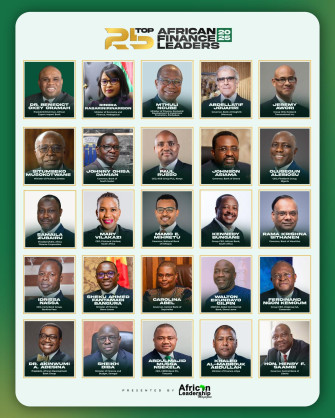
African Leadership Magazine (ALM) (www.AfricanLeadershipMagazine.co.uk) is pleased to unveil its highly anticipated Top 25 African Finance Leaders 2025 list — a prestigious editorial recognition that honours excellence, innovation, and transformative leadership within Africa's financial services and economic governance landscape. This year's cohort comprises distinguished finance ministers, central bank governors, CEOs of leading financial institutions, and other influential figures who are shaping the continent's economic architecture through visionary policy direction and exemplary stewardship.

The Top 25 list is a testament to the leaders who are championing fiscal responsibility, financial inclusion, and macroeconomic stability across the continent. These individuals have demonstrated a profound ability to navigate complex economic challenges, implement forward-thinking reforms, and inspire confidence in national and regional economies. Their collective leadership has contributed to enhanced investor confidence, accelerated digital finance adoption, and strengthened institutional frameworks that support inclusive and sustainable development. As Africa continues to assert itself as a dynamic player in the global economy, these leaders are setting the standard for excellence in financial governance, demonstrating the strategic foresight and resilience required to unlock the continent's vast economic potential.

“These finance leaders have not only surmounted formidable challenges but are actively shaping a new era of economic growth, transparency, and resilience,” said Dr. Ken Giami, Publisher & CEO of African Leadership Magazine. “Their bold and visionary leadership is redefining Africa's financial narrative and positioning the continent as a rising global financial powerhouse.”

The selection process follows a rigorous two-step procedure to ensure transparency and credibility. First, nominations are gathered from a global pool of experts in the finance and banking sectors, who identify individuals making significant contributions. Then, our editorial board conducts a thorough review, evaluating candidates based on their leadership, impact, and long-term influence on the African financial landscape. This comprehensive approach ensures that we honor only the most deserving leaders, whose work is truly transforming Africa's financial sector.”

The formal recognition and celebration of these leaders will take place at the African Finance Leadership Forum, scheduled for 22 April 2025 at the United States Capitol Building, Washington D.C., USA, on the margins of the 2025 Spring Meetings of the World Bank Group (WBG) and the International Monetary Fund (IMF).

The ALM Top 25 African Finance Leaders 2025:

  1. Dr. Benedict Okey Oramah – President/Chairman, African Export–Import Bank
  2. Mthuli Ncube – Minister of Finance, Economic Development & Investment Promotion, Zimbabwe
  3. Abdellatif Jouahri – Governor, Bank Al-Maghrib (Morocco)
  4. Jeremy Awori – Group CEO, Ecobank Transnational Inc.
  5. Situmbeko Musokotwane – Minister of Finance, Zambia
  6. Johnny Ohisa Damian – Governor, Bank of South Sudan
  7. Paul Russo – CEO, KCB Group PLC, Kenya
  8. Samaila Zubairu – President/CEO, Africa Finance Corporation
  9. Johnson Asiama – Governor, Bank of Ghana
  10. Olusegun Alebiosu – CEO, FirstBank Group, Nigeria
  11. Rindra Rabarinirinarison – Minister of Economy and Finance, Madagascar
  12. Mary Vilakazi – CEO, Firstrand Limited, South Africa
  13. Mamo E. Mihretu – Governor, National Bank of Ethiopia
  14. Kennedy Bungane – Group CEO, African Bank, South Africa
  15. Rama Krishna Sithanen – Governor, Bank of Mauritius
  16. Idrissa Nassa – CEO, Coris Bank Group, Burkina Faso
  17. Sheku Ahmed Fantamadi Bangura – Minister of Finance, Sierra Leone
  18. Carolina Abel – Governor, Central Bank of Seychelles
  19. Walton Ekundayo Gilpin – MD/CEO, Rokel Commercial Bank, Sierra Leone
  20. Ferdinand Ngon Kemoum – Group CEO, Oragroup SA, Cameroon
  21. Dr. Akinwumi A. Adesina, President, African Development Bank Group
  22. Sheikh Diba – Minister of Finance and Budget, Senegal
  23. Abdulmajid Mussa Nsekela – CEO, CRDB Bank Plc, Tanzania
  24. Khaled Al-Mabrouk Abdullah – Minister of Finance, Libya
  25. Hon. Henry F. Saamoi – Governor, Central Bank of Liberia

Distributed by APO Group on behalf of African Leadership Magazine.

For media inquiries, please contact:
Ehis Ayere
Group General Manager
info@africanleadership.co.uk
+44 23 9265 8276

About African Leadership Magazine:
The African Leadership Magazine, published by the African Leadership Organization (UK), focuses on presenting the best of Africa to a global audience, telling the African story from an African perspective while developing solutions to challenges facing the continent today. We have committed the last 16 years to promoting impactful leadership on the continent and promoting African opportunities globally through an ecosystem of quality Afro-positive content, Africa trade facilitation and market entry solutions, Afro-centric communities and business networking platforms, as well as through public sector training and consulting.

Media files
African Leadership Magazine
Download logo
Read moreAfrica’s Top 25 Finance Leaders for 2025
14 April 2025

Damning Report on R57-Million Buffalo City Swimming Pool

Location: News

Years later the pool remains incomplete and a symbol of municipal failure

Read moreDamning Report on R57-Million Buffalo City Swimming Pool
11 April 2025

Invasive Weed Is Threatening Life in Joburg Dams

Location: News

Kariba weed on the surfaces of the dams could kill the indigenous ecosystems

Read moreInvasive Weed Is Threatening Life in Joburg Dams
11 April 2025

Minister reaffirms commitment to efficient policing

Location: News

Minister reaffirms commitment to efficient policing

Police Minister Senzo Mchunu has reaffirmed the South African Police Service’s (SAPS) commitment to realising an efficient, effective, and responsible police service.

“… I want to reaffirm our commitment. We are committed to realising an efficient, effective, and responsible police service; one that reflects the values and aspirations of our democracy. This is non-negotiable,” the Minister said.

Mchunu was addressing a media briefing on the outcomes of the recently held three-day National Policing Summit. 

“The people of South Africa demand policing that is efficient, effective, and accountable. The people of South Africa demand a police service that is worthy of their trust, and most importantly, the people of South Africa demand that we act.”

WATCH | 

At Friday’s briefing in Pretoria, the Minister said that the priorities of the police are to reduce murder, remove unnecessary firearms from communities, remove drugs, fight gender-based violence and femicide (GBVF) and organised crime.

The police are also aware of the increases in crimes such as kidnappings, extortion, cash-in-transit heists and stock theft.

Additionally, police have classified the provinces of Gauteng, KwaZulu Natal, the Eastern Cape and Western Cape as hotspots.

“As a means of effectively reducing crime, we have identified several key enablers, inclusive of using and improving our technology, strengthening our crime intelligence, capacitating and upskilling our detective services, improving and expanding our forensic services and improving the general environment under which police officers work.

“We have made mention of the budgetary constraints, but we have also committed to maximising the budget allocated and the resources at our disposal. 

“Business has also come on board and through that partnership, there are projects aimed at capacitating, particularly our detective services, improving our technology and increasing our laboratories,” he explained.

Operations Room

Meanwhile, National Police Commissioner Fannie Masemola said that the summit engaged with seasoned researchers, academic leaders, the business sector, subject matter experts and community structures. The engagements were focused on how to turn the the tide, recalibrate and reposition the SAPS for the future.

“During the summit deliberations, we assessed the current state and performance of the SAPS, focussed on operational inefficiencies. We identified pragmatic strategies that will improve and advance maximum effectiveness in policing while strategically repositioning the SAPS to ensure long-term relevance, heightened professionalism and the restoration of public trust.

“The SAPS will establish a National Policing Summit Operations Room. This facility will house a permanent scoreboard that will track and trace progress on the resolutions of the summit periodically for the next five years. 

“We believe that this significant move will hold the management of the SAPS accountable to the nation, as we commit to turnaround the policing direction of this country,” Masemola explained.

Visibility 

The Commissioner added that the summit’s focus was not on theoretical discussion alone, but rather on diagnosing real operational challenges, understanding community perceptions and analysing systemic shortcomings.

“The summit placed special emphasis on rethinking how SAPS can maximise its impact within existing constraints while repositioning itself for long-term relevance, professionalism, and enhancing public trust in policing.

“The first day of the summit interrogated the difference between being seen and being felt in communities. While the SAPS often reports on patrols and deployments, the quality and impact of these efforts on safety perceptions was central to the conversation.”
Masemola explained that the discussions reflected a disconnect between visible policing efforts and actual community safety outcomes, prompting a call for a more intentional, impact-focused presence.

Masemola also hinted that the Summit touched on technology as a transformative tool in the modernisation of policing.
“Summit discussions addressed real-time crime tracking, GIS [ geographic information system] mapping, AI-driven analytics, and predictive policing. Participants discussed how these technologies can help SAPS anticipate criminal activity and deploy resources more efficiently.

“Emphasis was placed on data quality, interoperability of systems and the critical need for digital literacy within SAPS,” said the Commissioner.

President Cyril Ramaphosa officially opened the summit that was held at Emperors Palace Convention Centre in Gauteng on Tuesday.

READ | President calls for holistic overhaul of policing

The Summit, among other things, addressed the high levels of crime in South Africa by reflecting on current policing approaches and developing more effective methods for the South African Police Service. – SAnews.gov.za


Edwin
Fri, 04/11/2025 - 12:48
33 views

Read moreMinister reaffirms commitment to efficient policing
11 April 2025

Government to recruit 1 200 new doctors

Location: News

Government to recruit 1 200 new doctors

In a significant move to address the critical shortage of healthcare professionals in the public healthcare system, the National Health Council has announced the approval of 1 200 new positions for doctors. 

The decision comes after years of budgetary constraints that hindered the employment of medical professionals despite dissatisfaction and urgent need. 

Health Minister, Dr Aaron Motsoaledi’s announcement follows the presentation of a new budget by the Finance Minister on 12 March 2025, which allocated R1.78 billion to fund the recruitment of healthcare workers. 

In addition to the 1 200 doctors, Motsoaledi said the Council has approved the hiring of 200 nurses and 250 other healthcare professionals.  

He told journalists that the Human Resources units will soon commence with recruitment processes once all logistics have been finalised. 

“Early this year, the country woke up to widespread dissatisfaction about the employment of healthcare professionals, especially doctors amid [a] shortage in the public healthcare system,” he said.

However, Motsoaledi believes that this development marks a turning point for the public healthcare sector, which has been struggling to meet the demands of a growing population.

The Council’s decision is expected to alleviate pressure on existing healthcare facilities and improve access to quality medical care for citizens.

Meanwhile, he said the Council emphasised its commitment to addressing the challenges facing the system and ensuring that the sector is adequately staffed to deliver essential services.

The Council is a statutory body consisting of the Minister of Health, all nine Health MECs, the South African Local Government Association (SALGA) and the Surgeon General of South African Military Health Services.

Addressing shortages

“One of the most embarrassing experiences the public health sector had to endure is the shortage of simple things that will make the stay of patients a worthwhile experience.

“In fact, one of the biggest differences between the public and private sectors are the hotelling services characterised by the issues we have just mentioned,” said Motsoaledi. 

He said the Council has decided to purchase 25 000 beds, 80 000 mattresses, 7 655 bassinets for new babies, and 1 250 million linens, including bed sheets and pillows, for a total of R1.346 billion. 

“It is for that reason that we wish to announce that we have checked province by province what that need [is] in the form of hospital beds and bassinet for newborn babies. We remember with a sense of shame how babies were put in cardboard boxes in Mahikeng hospital in the North West province.” 

Review of human resources policies

Meanwhile, Motsoaledi said that during the Council meeting held in November last year, a decision was taken for the review of some of the “outdated” human resources policies. 

“There are lot of health policies adopted at the dawn of democracy which we believe are now obsolete or do no longer serve the purpose they were intended for. Some of them have created unnecessary costs without any tangible benefits. We can even say some have contributed to the undermining of the public sector’s ability to deliver quality services.” 

Four health policies are currently under review, including the policy on remunerative work outside the public service, which outlines the regulations for employees wishing to obtain permission for paid work beyond their regular responsibilities. 

A committee that has been set up, in terms of section 91 (1) of the National Health Act of 2003 (Act no 61 of 2003) read with sections 91 (2) of the same Act, will also look into the overtime policy, which pertains to established fixed payment for overtime hours worked by healthcare professionals, aimed at meeting operational demands and addressing skill shortages. 

In addition, the community service policy, which focuses on the deployment of medical practitioners and the rural allowance policy, designed for medical practitioners serving in remote rural locations, will also be looked into.

The committee members include Dr Cassius Lubisi, Sibongile Mchunu, Professor Laetitia Rispel, Professor Eric Buch, Dr Terence Carter, Dr Rajen Morar, Professor Binu Luke, Nomvula Marawa, Professor Busisiwe Ncama and Professor Somadoda Fikeni. – SAnews.gov.za


Gabisile
Fri, 04/11/2025 - 09:52
114 views

Read moreGovernment to recruit 1 200 new doctors
9 April 2025

Western Cape Promises Progress on Inner-City Housing Projects

Location: News

Several social housing projects in Cape Town will go to tender this year

Read moreWestern Cape Promises Progress on Inner-City Housing Projects
8 April 2025

President calls for holistic overhaul of policing

Location: News

President calls for holistic overhaul of policing

President Cyril Ramaphosa has called for a bold, coordinated, and community-driven approach to crime-fighting, describing policing in South Africa as being at a crossroads that demands urgent reform and collaboration from across all sectors of society.

The President was delivering the keynote address at the 2025 Policing Summit held in Ekurhuleni on Tuesday. 

President Ramaphosa applauded the Ministry of Police for convening what he termed a “critical” gathering, which brings together government, civil society, business, interfaith groups, labour, and communities to reshape the country’s safety and security strategy.

“Safeguarding our nation’s safety and security requires that we are proactive, innovative and solution-oriented in our approach… Just as crime is an all-of-society problem, overcoming crime must be an all-of-society effort.

“In doing so, we must marshall our full support behind the hardworking men and women of the South African Police Service," the President said. 

The President said crime has a direct impact on the economy, as it discourages investment, disrupts business activity and leads to increased security costs for companies. 

He noted that social ills such as poverty and inequality, unemployment, lack of opportunity, patriarchy and misogyny, and broken family structures are just some of the issues that contribute to crime and criminality. 

“Addressing crime without understanding its root causes is like a doctor treating a patient for a fever without diagnosing the underlying illness. 
 
“It is therefore encouraging that this summit has as one of its key objectives adopting a more holistic approach to law-enforcement, encompassing not just the police but the entire policing system,” the President said. 

The President emphasised that policing must be grounded in the Batho Pele principles of service delivery, which include respect, empathy, accessibility, and accountability. 

He said that the policing terrain of today is complex and multi-faceted and the police strive to fulfil their mandate in the context of emerging threats. 
 
These threats, he said, include transnational organised crime, illegal mining, extortion syndicates, the theft of economic infrastructure, money laundering and terror financing. 
 
“And yet, even in this extremely challenging environment, the South African Police Service continues to register successes in fighting crime in its various operations,” the president said.

Restoring public trust 

The President warned that restoring public trust in the police is critical to winning the fight against crime.

“We need to improve the relationships between the police and the communities they serve. We need to work to improve the morale of SAPS members, many of whom are battling heavy workloads, insufficient resources and outdated systems. 
 
“Even as the SAPS budget has increased over the past ten years, the reality is that the number of police personnel has been declining while the country’s population has been growing,” the President said. 
 
President Ramaphosa stressed that policing cannot succeed without the active involvement of communities. 

He called for a stronger role for Community Policing Forums (CPFs), citizen empowerment, and partnerships with the private sector, which has already played a crucial role in equipping victim support centres and bolstering frontline capacity.

“We know that communities are the most potent resource for fighting crime. Crimes happen in communities and criminals are often known to communities. 
 
“From this summit we need a clear plan on how to better involve communities in crime prevention and detection, and on harnessing the potential of CPFs in line with relevant legislation and regulations,” he said. 
 
The role of technology and data

The President welcomed and backed the focus of the summit on exploring the role of technology in modern policing, investigation and intelligence.

“We need to harness modern technologies to support crime-fighting. Technology is particularly crucial when analysing crime trends and patterns. It is also valuable in empowering citizens,” President Ramaphosa said.

He further advocated for applying a socio-economic lens to crime data to better tailor responses for example, by examining links between substance abuse and robbery, or alcohol abuse and gender-based violence.

“Data plays a pivotal role in policing and law-enforcement. And we need to apply a socio-economic lens when analysing such data. The data may tell us, for example, about a community with a high prevalence of housebreaking and robbery, in which substance abuse is also rife. 
 
“Understanding the connections revealed by this data should inform the approach to policing in that community. There is ample data on the linkages between alcohol abuse and the prevalence of gender-based violence,” the President said.

He added that a holistic policing approach would, for example, need to involve working with local authorities to enforce municipal by-laws for establishments selling alcohol. 

As part of facilitating access to SAPS services, the President said it is encouraging that discussions are planned for how to leverage innovative digital platforms such as mobile apps, online reporting systems and virtual communication channels to improve the public’s interaction with the police. 
 
“To turn the tide against crime, we need better collaboration among the different agencies in the law-enforcement space,” he said.

The President further highlighted that there is a proliferation of organised crime in South Africa, including the manufacture of illicit drugs, kidnapping for ransom and money laundering. 

He said this is taking place alongside a growth in illegal mining, extortion in the construction sector, and the theft of public infrastructure.
 
Addressing corruption

The President urged police to stay away from corrupt activities, stressing that corruption has infiltrated every part of society, including the SAPS. 

He said while prosecuting corrupt officers is important, it is equally crucial to instil a culture of honesty and integrity within the police service. 

The President emphasised the need to strengthen the fundamentals of policing through ethics, accountability, and professionalism. 

He expressed hope that the summit would focus on promoting ethical conduct, restoring public trust in law enforcement, and upholding the rule of law. 

Key initiatives include protecting whistleblowers, implementing the National Anti-Corruption Strategy, and improving recruitment and training to attract the right calibre of candidates to the SAPS. 

“If the SAPS is to fulfil its crucial mandate, we have to emerge from these few days with a clear plan on how to address the systemic deficiencies that are negatively impacting policing. 
 
“As a country we owe the SAPS our full support. As government we remain committed to turning the tide against crime and to making our communities safer. 
 
“It is our hope that the recommendations emerging from this summit translate into deeper collaboration, more effective methods and a promising future for policing in South Africa,” he said. – SAnews.gov.za

DikelediM
Tue, 04/08/2025 - 13:57
366 views

Read morePresident calls for holistic overhaul of policing
8 April 2025

It’s your country, explore it!

Location: News

It's your country, explore it!

With the Easter long weekend fast approaching, Tourism Minister Patricia de Lille has called on local and international travelers alike to explore the country’s breathtaking landscapes, rich culture and vibrant communities.

De Lille launched the Easter campaign with an activation at Twin Venture, which is based at the Atlantis Dunes in Cape Town, specialising in quad biking and sandboarding experiences. 

The activation was aimed at showcasing the variety of experiences for visitors across South Africa, especially in smaller towns.

Speaking at the event on Monday, which was attended by tourism business owners, industry associations, media and content creators, De Lille emphasised the importance of both domestic and international travel in sustaining and growing the tourism sector.

Domestic tourism: A growing market

Domestic tourism in South Africa continues to perform well, with travellers increasingly looking for affordable and unique experiences. 

Recent insights from the 2024 Sho’t Left Travel Week campaign highlighted key trends shaping local travel, including:

-                Affordability remains a priority. Travelers are looking for more budget-friendly accommodation and experiences, making initiatives like Sho’t Left vital in ensuring more South Africans can explore their own country.

-               Lesser-known destinations are in demand. More South Africans are seeking off-the-beaten-path adventures, opting for places with fewer crowds and deeper cultural experiences.

-               Personalised travel experiences are key. Families, solo travellers, seniors, and adventure-seekers are all looking for tailored travel options, including accessible tourism and wellness retreats.

“Every night spent in a guesthouse, every meal at a local restaurant and every souvenir bought from a market contributes to our economy. By supporting local tourism, we ensure that the benefits of travel extend beyond major cities promoting inclusive economic growth,” De Lille said.

International tourism on the rise

International visitors remain a key part of South Africa’s tourism strategy. In the first two months of 2025 alone, the country welcomed nearly 1.8 million international visitors, an increase of 4.7% compared to the same period last year.

“International travellers are drawn to South Africa for its diverse cultures, breath-taking landscapes, and warm hospitality. We must continue showcasing what makes our country special and keep igniting the spirit of exploration,” De Lille said.

South Africa Awaits – Come Find Your Joy!

To further promote tourism, South African Tourism recently launched its new global brand campaign: ‘South Africa Awaits – Come Find Your Joy!’ This campaign encourages travellers -- both local and international -- to rediscover South Africa with the wonder and excitement of a first-time visitor.

“This is more than a tourism campaign; it’s an invitation. Whether you’re a young family, a group of friends, an adventure junkie, or someone who just needs a break, South Africa has something for you,” the Minister said.

De Lille urged travellers to take advantage of the upcoming long weekends to explore, experience and support local businesses.

“Take the trip. Book the stay. Discover the dorpie. Dance at the festival. Visit the market. Eat the magwinya. Support local. Make the memory. Take that Sho’t Left! Our country is calling. South Africa Awaits – Come Find Your Joy!” the Minister said. – SAnews.gov.za

Edwin
Tue, 04/08/2025 - 10:03
49 views

Read moreIt’s your country, explore it!
7 April 2025

Budget 2025 vital for economic growth and poverty alleviation

Location: News

Budget 2025 vital for economic growth and poverty alleviation

In his weekly newsletter, President Cyril Ramaphosa has emphasised the crucial role of the 2025 Fiscal Framework and Revenue Proposals, which were recently passed by Parliament, in driving economic growth and relieving the effects of poverty.

The budget – tabled by Finance Minister Enoch Godongwana in Parliament last month – was passed by Parliament last week.

“The 2025 Budget is directed at growing the economy and supporting the livelihoods of our people.

“It is a critical instrument to drive development, eradicate poverty and narrow inequality. At a time of constrained economic growth and narrow fiscal space, the budget must direct sufficient resources to activities that encourage inclusive growth and lay the groundwork for sustained economic recovery.

“It reflects the strategic priorities of the Government of National Unity: inclusive growth and job creation, reducing poverty and tackling the high cost of living and building a capable, ethical and developmental state,” he said.

Uplifting the nation

The budget has a strong focus on the social wage with 61% of resources directed at, amongst others, healthcare, education, housing and social grants.

“Over the past 24 years we have implemented an indigent policy under which free water, electricity and sanitation services are provided to qualifying households.

“Social grants, like the childcare, old age and disability grants, are another tool for alleviating poverty. This year, the value of these grants will increase at above inflation. The Social Relief of Distress grant, which has played an important role in poverty alleviation, will also be extended for another year," President Ramaphosa said.

As part of improving access to healthcare, the President said there will be a higher allocation of funding to clinics and community health centres. 

He said government is investing in the recruitment and retention of health personnel, particularly doctors and nurses, and to employ newly qualified doctors after their community service ends. 

The budget also allocates substantial funding to “other frontline services such as teachers, police, emergency personnel and the Border Management Authority”.

“Improving educational outcomes is key to community upliftment, development and producing the skills needed by our economy. Budgetary allocations have been made to support teacher training, for expanded mother-tongue bilingual education and for early reading programmes. 

“This year sees a substantial investment in early childhood development, reflecting our commitment to establishing a solid foundation for the development of every child,” the President added.

Funding for public employment programmes and to support small businesses has also been allocated.

Driving growth

President Ramaphosa noted sustaining expenditure on the social wage requires “higher levels of economic growth”.

“The budget allocates considerable resources to encourage infrastructure development, which drives growth and job creation.

“Taken together, up to R1 trillion will be spent on infrastructure over the medium term. This includes the allocation in this budget of an additional R62 billion over the next three years for road maintenance, electricity transmission lines, water and sanitation projects, school infrastructure and to support the ongoing recovery of our rail networks.

“Support is also provided to other growth enhancing measures in the medium term, including incentive programmes in automotive, business process outsourcing, special economic zones, electric vehicle production, clothing and textiles, and other sectors,” he said.

South Africa’s municipalities will also receive adjusted budget allocations to help them address infrastructure needs and improve service delivery.

“In a challenging economic environment – both locally and globally – this year’s budget supports measures to drive growth and relieve the effects of poverty. At the same time, it aims to stabilise public finances and continue to reduce our national debt.

“The budget reflects the priorities of Government’s Medium Term Development Plan, a five-year programme of action that prioritises rapid, inclusive growth, creating a more just society and building state capacity.

“At a time when our singular focus must be the South African people, we need to use the limited resources we have to work together for the common good,” President Ramaphosa concluded. – SAnews.gov.za

NeoB
Mon, 04/07/2025 - 09:37
135 views

Read moreBudget 2025 vital for economic growth and poverty alleviation
5 April 2025

R21-Million Stadium in Limpopo Left Incomplete and Abandoned

Location: News

This has left the community disappointed as they hoped the Tshivhuyuni sports facility would boost the local economy

Read moreR21-Million Stadium in Limpopo Left Incomplete and Abandoned
3 April 2025

Cost containment should not undermine service delivery – PSC

Location: News

Cost containment should not undermine service delivery - PSC

The Public Service Commission (PSC) says that while cost containment measures demonstrate fiscal discipline and prudent financial management, their implementation must be closely monitored to avoid inadvertently undermining service delivery.

“This is particularly crucial in essential sectors such as healthcare and education, where cuts to resources or funding could have far-reaching consequences for public well-being and long-term development,” said PSC Commissioner, Anele Gxoyiya.

Addressing the media during the release of the commission’s Quarterly Bulletin titled: The Pulse of the Public Service for the period: 01 January to 31 March 2025, Gxoyiya said effective cost containment requires a balanced approach. This approach prioritises efficiency and savings without compromising the quality or accessibility of essential services.

“The PSC recognises the advantages of fiscal consolidation and cost containment, which include reduced waste in public finances and enhanced accountability,” the Commissioner said at Thursday’s briefing in Pretoria.

In addition, he said that excessive budget cuts could undermine the government's ability to fulfil its constitutional obligations.

“The PSC advocates for a balanced approach that combines financial prudence with investments in key areas essential for long-term growth and effective service delivery.

“The PSC remains committed to promoting constitutional values, advocating for equity and accountability, and ensuring that public resources are used efficiently and effectively for the benefit of all South Africans.”

Whistleblowers 

Regarding strengthening whistleblower protection, Gxoyiya said a resolution was made for the establishment of the Whistleblower Protection House.

This hosting of the Whistleblowers’ Symposium emanated from the 2022 International Anti-Corruption Day celebrations which highlighted the challenges regarding the protection of whistleblowers and their families.

During the symposium, a resolution was made for the establishment of the protection house to support whistleblowers and to facilitate access to support, creation of awareness of whistleblowers’ plight, provide financial assistance, legal counsel and psychological support.

The protection of whistleblowers was identified as one of the high priority areas in the national anti-corruption agenda.

Gxoyiya said this initiative will require the amendment of the current legislation, adding that the Department of Justice and Constitutional Development is at an advanced stage in reviewing the Protected Disclosure Act. The Act provides procedures in terms of which any employee may disclose information relating to an offence or a malpractice in the workplace by his or her employer or fellow employees. The Act also provides for the protection of an employee, who made a disclosure in accordance with the procedures provided for by the Act, against any reprisals as a result of such a disclosure.

“The advent of democracy in South Africa promised a society that will be built on a human rights-based culture to ensure that the lives of ordinary South Africans are improved and protected.

“Section 195 of the Constitution outlines the basic Values and Principles governing public administration. These values should be the cornerstone upon which to build a public service that is ethical, responsible, responsive and accountable. 

“Government and other role players agreed that corruption in South Africa and the killing of whistleblowers needs to be addressed collaboratively by all sectors of society as the efforts of whistleblowers contribute to building a capable, ethical and developmental Public Service that is responsive to the needs of the people,” Gxoyiya explained.

He added that the commission supports the initiatives of establishing the whistleblowers protection regime as it will enable the citizenry to report wrongdoing without fear of reprisal.

“Fighting corruption is every one’s responsibility in the country. Active citizenship must take its rightful place in fighting against corruption and expose theft, fraud and maladministration through whistleblowing,” he said.

The commission has encouraged South Africans to report acts of corruption and maladministration anonymously through the National Anti-Corruption hotline on 0800 701 701 and by email at (complaints@opsc.gov.za).

Citizens can also do walk-ins at PSC offices nationwide where complainants can interact with professionals equipped to safeguard anonymous reporting. – SAnews.gov.za


Edwin
Thu, 04/03/2025 - 13:41
145 views

Read moreCost containment should not undermine service delivery – PSC
3 April 2025

Mining Advances Growth Prospects for African Economies

Location: News

Energy Capital & Power
Download logo

Mineral-rich African countries are strengthening cooperation with global partners to optimize the mining value chain, leveraging investments to accelerate GDP growth and sustainable development. In recent years, the contribution of mining to the national fiscus has grown significantly across many nations, and looking ahead, this growth momentum is on track to continue as nations promote greater investment in mineral development.  

Mali

The Malian government expects to collect $1.2 billion (apo-opa.co/41Uk6C6) in tax revenue from the mineral sector in Q1, 2025 alone. New developments such as Hummingbird Resources' Yanfolia project and Ganfeng Lithium's Goulamina mine coming online, the country's mining industry is set to expand even further. In 2023, the sector contributed approximately $1 billion to the economy, accounting for 21.5% of the national budget.

Malawi

Malawi is accelerating the rollout and monetization of mining projects under its Agriculture, Mining and Tourism strategy. The strategy focuses on boosting activities across these sectors, with goals including increase exports, job creation and greater investment. The World Bank (apo-opa.co/3E0bWyX) projects that the mining sector will contribute 12% to Malawi's GDP by 2027, generating $300 billion in export revenue between 2026 and 2040.

South Africa

South Africa's mining sector remains a major economic pillar, contributing 6% to the country's GDP in 2024 and generating R100 billion in national revenue. The industry provided 474,876 formal jobs, accounting for 4.5% of total employment, while exports reached R800 billion - representing 45% of total merchandise exports. With efforts to revitalize the gold industry and accelerate growth in critical minerals underway, the industry's contribution to economic stability continues.

Zambia

In Zambia, mining continues to play a critical role, contributing 20% of total revenue, 15% of formal employment and 70% of export earnings (apo-opa.co/447UXVS). A plan to increase annual copper production to 3.1 million tons by 2031, reallocate 1,000 repossessed mining licenses (apo-opa.co/3R1l2hS) and attract new investments by firms such as Barrick, Jubilee Metals and Tertiary Minerals, will further expand the sector's contribution to GDP.

Botswana

With a wealth of untapped mineral opportunities, Botswana seeks to leverage international partnerships to unlock additional value across its diamond sector. Diamond mining currently accounts for 4% of employment, 30% of GDP and 85% of total exports in the country. Going forward, greater investment across the industry will not only spur job creation but generate increased revenue from the industry.

Ghana

Ghana's mining industry is a significant contributor to the country's economy, with minerals such as gold, manganese, bauxite and diamonds generating substantial revenue for the economy. Gold accounted for 48.4% of GDP in 2024 while small-scale gold miners alone generated $5 billion in foreign earnings from gold exports in the same year. However, with a focus on improving industry regulation, formalizing small-scale mining operations and increasing investments, Ghana is on track to generate greater value from its mining sector.

As global demand for minerals rises - driven by the energy transition and the Fourth Industrial Revolution - the prospects for Africa's mining sector remain strong. The upcoming African Mining Week - taking place on October 1-3 in Cape Town - will highlight the sector's expanding role in economic growth, job creation and revenue generation. African Mining Week will explore how countries are leveraging mining revenues to drive economic growth and infrastructure development, ensuring the industry remains a cornerstone of Africa's economic future.

Distributed by APO Group on behalf of Energy Capital & Power.

Read moreMining Advances Growth Prospects for African Economies
3 April 2025

SA Has World Class Medical Researchers – They Can and Should Be Bailed Out

Location: News

Medical scientists at the University of Cape Town have been hit especially hard by funding cuts made by the US government. South Africa has many of the world’s best HIV and TB researchers. Until recently, this research excellence was widely recognised by the fact that local research groups kept winning grants to conduct critically important …

Read moreSA Has World Class Medical Researchers – They Can and Should Be Bailed Out
2 April 2025

R750-Million Budget Change Hits Housing Developments in Three Provinces

Location: News

Western Cape, Gauteng and Free State are challenging national government’s decision to cut their funds and reallocate them

Read moreR750-Million Budget Change Hits Housing Developments in Three Provinces
2 April 2025

Parliament adopts 2025 budget framework

Location: News

Parliament adopts 2025 budget framework

Parliament has voted to adopt the 2025 Fiscal Framework and Revenue Proposals, following a debate in the house.

Parliament also debated on and adopted the report of the Standing Committee on Finance related to the national budget, on Wednesday afternoon.

Members of Parliament voted as follows:
•    182 members voted against
•    194 voted in favour
•    there were no abstentions.

“The question that the 2025 Fiscal Framework and Revenue Proposals and the report of the Standing Committee is thus adopted,” Presiding officer Cedric Frolick said after the votes were counted.

Earlier in the debate, Chairperson of the Standing Committee on Finance Mkhacani Maswanganyi outlined the steps taken since Finance Minister Enoch Godongwana delivered the Budget Speech in March.

“The Minister, together with the commissioner of SARS [South African Revenue Service], briefed the committee on the 14th of March. On 18 March…the committees of Finance, both in the NCOP [National Council of Provinces] and the NA [National Assembly] received the post-budget input from the Parliamentary budget office and the financial and fiscal commission.

“The committee issued adverts for public hearings…on websites, social channels and print media. The committees held public hearings on 25 March 2025 [and] we received 51 submissions – 29 written and 22 orally.

“National Treasury and SARS responded to the issues raised during the public hearings and engaged with the committees and stakeholders on the 28th of March 2025,” he said.

Following that, the committee secretariat sent out a draft report and set an agenda meeting for both the Standing and Select committees on Finance to consider and adopt the report.

“The report…is a result of an extensive process,” Maswangayi explained. – SAnews.gov.za


NeoB
Wed, 04/02/2025 - 18:33

174 views

Read moreParliament adopts 2025 budget framework
2 April 2025

Mixed Reviews for Cape Town SASSA Offices on Grant Payment Day

Location: News

Beneficiaries using the SASSA Gold Card have until 31 May to swap to the Black Card

Read moreMixed Reviews for Cape Town SASSA Offices on Grant Payment Day
2 April 2025

George welcomes announcement on private sector-powered grid expansion initiative

Location: News

George welcomes announcement on private sector-powered grid expansion initiative

The Minister of Forestry, Fisheries and the Environment (DFFE), Dr Dion George, has commended the announcement that government will pursue private investment for the construction of new transmission lines.

Electricity and Energy Minister, Dr Kgosientsho Ramokgopa, on Tuesday announced that a pilot programme, the Independent Transmission Programme (ITP) will pave the way for the construction of 1 164 kilometers of new transmission lines.  

The Department of Forestry, Fisheries and the Environment said Ramokgopa's statement aligns with the DFFE's vision, by encouraging private sector involvement, which aims to address the transmission constraints that have hindered the integration of solar and wind energy, especially in the Cape province.

“This significant step forward aligns seamlessly with the vision Minister George articulated earlier this week in his landmark decision on Eskom’s emissions framework, marking a triumph for South Africa’s sustainable energy future,” the department said in a statement on Wednesday. 

On Monday, George underscored the urgent need for innovative infrastructure solutions to balance energy security with environmental responsibility, subtly pointing to the expansion of transmission capacity as a key enabler for renewable energy growth. 

The Minister said Ramokgopa’s announcement is a "resounding victory for the sustainable energy path we are forging." 

“My decision on Eskom’s emissions earlier this week laid the groundwork for a modernised energy system that respects our climate commitments. Minister Ramokgopa’s bold move to unlock private investment in transmission lines is exactly what I alluded to – a practical, impactful step to harness our renewable potential and secure a cleaner future for all South Africans.”

George also commended the cross-governmental collaboration, noting that the R440 billion Transmission Development Plan, now supported by private funding, will ease the burden on Eskom and the national budget, while accelerating the transition to renewable energy. 

He reaffirmed his dedication to partnering with Ramokgopa to ensure that environmental standards remain integral to this transformative infrastructure expansion.

“This initiative is about more than just power lines – it’s about powering opportunity. We are opening the door to investment, job creation, and South Africa’s emergence as a green economy leader,” George said 

The procurement regulations are set to be released on Thursday, 3 April 2025. – SAnews.gov.za
 

Gabisile
Wed, 04/02/2025 - 13:12

240 views

Read moreGeorge welcomes announcement on private sector-powered grid expansion initiative
2 April 2025

Critical services continue amid budget consideration

Location: News

Critical services continue amid budget consideration

National Treasury has moved to assure the public that critical government services will not be affected as Parliament continues to consider the 2025 budget.

This year, the budget was tabled on 12 March, instead of the customary February – eliciting questions and comments on government’s ability to deliver services while budget approval is still being considered.

In a statement issued on Wednesday, National Treasury referred to Section 29 of the Public Finance Management Act (PFMA), which allows funds to be withdrawn from the National Revenue Fund if the national annual budget is not passed before the start of the financial year. 

“The funds withdrawn from the Revenue Fund may be utilised only for services for which funds were appropriated in the previous annual budget or adjustments budget. Up to 45 percent of the total amount appropriated in the previous annual budget, may be withdrawn from the Revenue Fund.

“During each month thereafter, up to 10 percent of the total amount appropriated in the previous annual budget, may be withdrawn. In aggregate, the amount withdrawn may not exceed the total amount appropriated in the previous annual budget," the department explained. 

It added that these funds are not additional to funds appropriated for the relevant financial year, and "any funds withdrawn must be regarded as forming part of the funds appropriated in the annual budget for that financial year.”

Although the financial year starts on 1 April, the department noted that the Appropriation Bill is always passed later.

“This situation means that every year, departments incur spending before the Appropriation Act takes effect. Therefore, as in previous years, government departments will continue to spend as normal because funds may be withdrawn from the National Revenue Fund for the requirements of departments, from 1 April 2025 until the Appropriation Bill for the 2025/26 financial year is passed by Parliament,” the department said.

"Although expenditure may be incurred, it may not be for new requirements. [This means] requirements not funded in the 2024/25 financial year. Any new spending programmes, projects or policy adjustments may only commence after the Appropriation Act is enacted," the department said.

The department emphasised that the public should not be concerned about the delivery of critical government services, including among others, the payment of social grants, while the Parliamentary process for the 2025 Budget is ongoing. 

“Despite the flexibility allowed by the Public Finance Management Act, the National Treasury is committed to supporting Parliament in its consideration and timely passage of the 2025 Budget,” the department said. – SAnews.gov.za

NeoB
Wed, 04/02/2025 - 10:40

321 views

Read moreCritical services continue amid budget consideration
1 April 2025

Quick Explainer: Government Debt and Why It Matters

Location: News

Finance Minister Enoch Godongwana says South Africa is spending 22c of every rand raised in taxes to pay interest on government debt. Archive photo: Ashraf Hendricks Minister of Finance Enoch Godongwana reminded everyone during his budget speech in March: South Africa is spending more than 22c of every rand raised in taxes just to pay …

Read moreQuick Explainer: Government Debt and Why It Matters
  • Previous
  • Page 1
  • Interim pages omitted …
  • Page 19
  • Page 20
  • Page 21
  • Page 22
  • Page 23
  • Interim pages omitted …
  • Page 53
  • Next

Copyright © 2026 · MyZA · All Rights Reserved · Powered by Stratlec Online