SA and England Evenly Poised
STELLENBOSCH: Chad Mason’s four wickets on day three left the first Youth Test between South Africa Under-19 Men and England evenly...

MyZA
News, Directory, Events and Other Stuff
STELLENBOSCH: Chad Mason’s four wickets on day three left the first Youth Test between South Africa Under-19 Men and England evenly...
STELLENBOSCH: Jason Rowles and Muhammad Bulbulia both came close to hitting centuries as South Africa Under-19 Men responded well on the second...
STELLENBOSCH: Nqobani Mokoena claimed five wickets on the opening day to give South Africa Under-19 Men the advantage over England in...
STELLENBOSCH: Captain Bennie Hansen led from the front with an assured half-century as South Africa Under-19 Men beat England in the...
CAPE TOWN: Raeeq Daniels claimed four wickets to help set South Africa Under-19 Men on their way to a series-levelling five-wicket...
CAPE TOWN: Chad Mason top-scored and claimed two wickets but it was not enough as South Africa Under-19 Men were swept...
Lamola to hear challenges facing South Sudan's transitional government
The Minister of International Relations and Cooperation, Ronald Lamola, has arrived in Juba, South Sudan, to lead a South African government delegation to address the challenges facing the East African country’s transitional government in the lead-up to the 2026 elections.
According to the department, the visit is important, following the decision by the parties involved in the Revitalised Agreement on the Resolution of the Conflict in South Sudan (R-ARCSS), to extend the mandate of the Revitalised Transitional Government of National Unity (R-TGoNU), until February 2027.
The Ministers and the African Union Commission (AUC) will also gain first-hand knowledge of the challenges in implementing the R-ARCSS and assess the support required to ensure that it is implemented.
The African Union High-Level Ad hoc Committee for South Sudan (C5) comprises South Africa, Algeria, Chad, Nigeria and Rwanda.
The C5 has been following developments related to the implementation of the R-ARCSS since its signing in 2018, to end the 2013-2018 South Sudanese civil war.
“During the visit, the Ministers will meet leaders of the government of South Sudan, as well as representatives of regional and international organisations,” the department said.
The meeting will include several key figures, including President Salva Kiir Mayardit, First Vice President Dr Riek Machar, Minister of Foreign Affairs and International Cooperation Ramadan Mohammad Abdallah, and Interim Chairperson of the Reconstituted Joint Monitoring and Evaluation Commission (RJMEC), General Charles Tai Gituai.
Other leaders expected to be present, include Special Representative of the Secretary-General and Head of the United Nations Mission in South Sudan, Nicholas Haysom, and representatives from the Inter-Governmental Authority on Development (IGAD) Monitoring and Verification Mechanism for South Sudan.
During the talks, Rwanda will be represented by Minister of Foreign Affairs and International Cooperation Olivier JP Nduhungirehe, and Algeria’s Secretary of State to the Minister of Foreign Affairs Selma Mansouri.
“Chad and Nigeria will be represented by their Permanent Representatives in Addis Ababa. Ambassador Bankole Adeoye, Commissioner for Political Affairs, Peace and Security, will represent the AU.” – SAnews.gov.za
Gabisile
Fri, 01/17/2025 - 11:10
JOHANNESBURG: Cricket South Africa (CSA) has announced the South Africa Under-19 Men’s squads for the upcoming Youth One-Day International and...
STELLENBOSCH: The USA U19 Men’s cricket team spoiled the Southern Superstars’ party, upsetting the previously undefeated hosts in the Cubs Week...
STELLENBOSCH: The final of the 2025 Cubs Week will be a rematch of the opening day clash between the hosts, the...
STELLENBOSCH: Southern Superstars and Western Legends are the only two unbeaten sides left after the second day’s play of Cricket South...
STELLENBOSCH: Namibia and the USA U19 teams added an exciting international flavour to the 2025 Cubs Week, Cricket South Africa’s prestigious...
CAPE TOWN: The hosts, Western Province, dethroned Lions as the champions of the annual Khaya Majola Cricket Week on Friday. WP...
CAPE TOWN: Western Province will face the defending champions, Lions, in the final of the annual Khaya Majola Cricket Week in...
CAPE TOWN: The defending champions of the Khaya Majola Cricket Week (for u19 players), Lions, had to wait until the third...
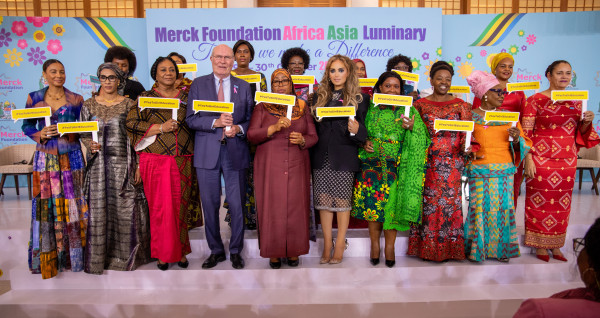
Merck Foundation (www.Merck-Foundation.com), the philanthropic arm of Merck KGaA Germany, conducted the 11th Edition of their annual conference, “Merck Foundation Africa Asia Luminary”, under the patronage of The President of Tanzania, and in partnership with the Government of Tanzania on 29th and 30th October, in Dar es Salaam, Tanzania. The conference was officially inaugurated by H.E. Dr. SAMIA SULUHU HASSAN, The President of the United Republic of Tanzania together with Prof. Dr. Frank Stangenberg-Haverkamp, Chairman of Merck Foundation Board of Trustees and Senator, Dr. Rasha Kelej, CEO of Merck Foundation, along with First Ladies of 15 Countries, who joined as the Guests of Honor and Keynote Speakers.
While inaugurating the conference, The President of United Republic of Tanzania, H.E Dr. SAMIA SULUHU HASSAN emphasized “I am delighted to host this prestigious conference in Tanzania. It is a great honor to inaugurate the conference alongside the First Ladies of Africa and Asia. I am certain that this conference will help us to achieve our shared mission — to make a transformation in the health and well-being of our people. I deeply appreciate the programs of Merck Foundation that are building healthcare capacity, breaking infertility stigma, and supporting girl education.”
Senator Dr. Rasha Kelej, CEO of Merck Foundation and Chairperson of Merck Foundation Africa Asia Luminary emphasized, “I am delighted to have Her Excellency, Dr. SAMIA SULUHU HASSAN, The President of the United Republic of Tanzania, inaugurate our annual conference. I also extend my heartfelt thanks to our partner, the Government of Tanzania, for their unwavering support in making it a success. Moreover, I am honored to welcome our esteemed Guests of Honor and Keynote Speakers, the First Ladies of African and Asian Countries, also the Ambassadors of the “Merck Foundation More Than a Mother”. Together, we shared experiences and engaged in meaningful discussions on the impact of our programs, aimed at transforming patient care and raising awareness on a wide range of critical social and health issues."
Prof. Dr. Frank Stangenberg Haverkamp, Chairman of Merck Foundation Board of Trustees added, “I would like to thank H.E. Dr. SAMIA SULUHU HASSAN, The President of Tanzania, our partners, The First Ladies of Africa and Asia, along with African Ministers, Health Experts, Policy Makers, Government Officials, Academia and Media from over 70 countries for joining hands with us to realize the Merck Foundation's vision that “Everyone can lead a Healthy and Happy life.”
The First Ladies of 15 Countries, who joined as the Guests of Honor and Keynote Speakers are:
“I am proud to share that Merck Foundation has provided more than 2080 scholarships to young doctors from 50 countries in 42 critical and underserved specialties such as Oncology and Cancer care, Diabetes, Endocrinology, Cardiovascular, Fertility Care, Embryology, Sexual & Reproductive Medicine, Internal Medicine, Respiratory Medicine, Acute Medicine, Critical Care, Pediatric Emergency, Gastroenterology, Rheumatology, Clinical Psychiatry, Urology, Ophthalmology, General Surgery, Trauma & Orthopedic, Dermatology, Neonatal Care, Pain Management, Clinical Microbiology & Infectious Diseases, Advanced Surgical Practice, Neuroimaging for Research and more. Many of them are becoming the first specialists in their countries”, added Senator Kelej.
During the 11th Edition of Merck Foundation Africa Asia Luminary, two important occasions were marked; the 7th Anniversary of Merck Foundation and 12 years of Merck Foundation's development programs that started in 2012.
On the first day of the conference, the Plenary Session of the Merck Foundation Africa Asia Luminary 2024 took place, featuring a high-level panel discussion with the participating First Ladies of Africa and Asia. Moreover, two high-level ministerial panel discussion were held with African Ministers and top healthcare experts from across the globe.
The Day 2 of the conference will have five key parallel medical and scientific sessions, covering topics such as oncology, diabetes and hypertension, fertility and reproductive care, and medical capacity building in other specialties like respiratory care, acute care, emergency pediatric and neonatal care, and more. Additionally, a community awareness session, Merck Foundation Health Media Training, will be conducted for African journalists. This session will emphasize the critical role of the media in influencing communities and driving cultural change, with regards to a wide range of social and health issues like Breaking Infertility Stigma, Supporting Girls' Education, Stopping GBV, Ending Child Marriage & FGM, Empowering Women, Diabetes and Hypertension Awareness.
Countries participating in the 11th Edition of Merck Foundation Africa Asia Luminary include:
Angola, Bangladesh, Benin, Botswana, Burkina Faso, Burundi, Cameroon, Canada, Central Africa Republic, Cambodia, Chad, Côte d'Ivoire, Republic of the Congo, Democratic Republic of the Congo, Egypt, Ethiopia, France, Gabon, Germany, Ghana, Guinea – Bissau, Guinea – Conakry, India, Indonesia, Kenya, Lesotho, Liberia, Malawi, Malaysia, Mali, Mauritania, Mauritius, Mexico, Mozambique, Myanmar, Namibia, Nepal, Niger, Nigeria, Peru, Philippines, Russia, Rwanda, Senegal, Sierra Leone, Somalia, South Africa, Sri Lanka, Sudan, Tanzania, Thailand, The Gambia, Togo, Tunisia, U.A.E, UK, Uganda, US, Vietnam, Zambia, Zimbabwe and more.
The 11th Edition of Merck Foundation Africa Asia Luminary 2024 is streamed live on the social media handles of Merck Foundation and Senator, Dr. Rasha Kelej, CEO of Merck Foundation:
@ Merck Foundation: Facebook (http://apo-opa.co/3Yq65sX), X (http://apo-opa.co/40p49nc), Instagram (http://apo-opa.co/3Uwqqvl), and YouTube (http://apo-opa.co/3NLGJAS).
@ Rasha Kelej: Facebook (http://apo-opa.co/3Uulqrf), X (http://apo-opa.co/3Yq65Jt), Instagram (http://apo-opa.co/40krkip), and YouTube (http://apo-opa.co/40nOp3t).
Link to the Facebook live stream of Inaugural Session of Merck Foundation Africa Asia Luminary & African First Ladies High Level Panel: https://apo-opa.co/40tsLex
Merck Foundation is transforming the Patient care landscape and making history together with their partners in Africa, Asia, and beyond, through:
• 2080+ Scholarships provided by Merck Foundation for doctors from 52 Countries in 42 critical and underserved medical specialties.
Merck Foundation is also creating a culture shift and breaking the silence about a wide range of social and health issues in Africa and underserved communities through:
• 3500+ Media Persons from more than 35 countries trained to better raise awareness about different social and health issues
• 8 Different Awards launched annually for best media coverage, fashion designers, films, and songs,
• Around 30 songs to address health and social issues, by local singers across Africa
• 8 Children's Storybooks in three languages - English, French, and Portuguese
• 7 Awareness Animation films in five languages - English, French, Portuguese, Spanish and Swahili to raise awareness about prevention and early detection of Diabetes & Hypertension and supporting girl education.
• Pan African TV Program "Our Africa by Merck Foundation” addressing Social and Health Issues in Africa through “Fashion and ART with Purpose” Community
• 700+ Girls from 15 African countries supported through scholarships or school items, annually.
• 15 Social Media Channels with more than 6 Million Followers.
Distributed by APO Group on behalf of Merck Foundation.
Contact details:
Mehak Handa
Community Awareness Program Manager
+91 9310087613 / +91 9319606669
mehak.handa@external.merckgroup.com
Join the conversation on our social media platforms below and let your voice be heard!
Facebook: https://apo-opa.co/3Yq65sX
X (Twitter): https://apo-opa.co/3O4YBa5
YouTube: https://apo-opa.co/3NLGJAS
Instagram: https://apo-opa.co/3Uwqqvl
Flickr: https://apo-opa.co/40nL051
Threads: https://apo-opa.co/3NJN9jN
Website: www.Merck-Foundation.com
Download Merck Foundation App: https://apo-opa.co/40njaFK
About Merck Foundation:
The Merck Foundation, established in 2017, is the philanthropic arm of Merck KGaA Germany, aims to improve the health and wellbeing of people and advance their lives through science and technology. Our efforts are primarily focused on improving access to quality & equitable healthcare solutions in underserved communities, building healthcare & scientific research capacity, empowering girls in education and empowering people in STEM (Science, Technology, Engineering, and Mathematics) with a special focus on women and youth. All Merck Foundation press releases are distributed by e-mail at the same time they become available on the Merck Foundation Website. Please visit www.Merck-Foundation.com to read more. Follow the social media of Merck Foundation: Facebook (https://apo-opa.co/3UrWznZ), X (https://apo-opa.co/3NLcqtQ), Instagram (https://apo-opa.co/3UtDmlT), YouTube (https://apo-opa.co/3UqOAaF), Threads (https://apo-opa.co/3UvSCP8) and Flickr (https://apo-opa.co/3Yo1jfw).
The Merck Foundation is dedicated to improving social and health outcomes for communities in need. While it collaborates with various partners, including governments to achieve its humanitarian goals, the foundation remains strictly neutral in political matters. It does not engage in or support any political activities, elections, or regimes, focusing solely on its mission to elevate humanity and enhance well-being while maintaining a strict non-political stance in all of its endeavors.
The Mandela Washington Fellowship, begun in 2014, is the flagship program of President Obama's Young African Leaders Initiative (YALI) that empowers young leaders through academic coursework, leadership training, and networking. In 2016, the Fellowship provided nearly 1,000 outstanding young leaders from Sub-Saharan Africa with the opportunity to hone their skills at a U.S. higher education institution with support for professional development after they return home.
Ideal candidates are self-identified leaders, aged 25 to 35, with proven accomplishment in promoting innovation and positive change in their organizations, institutions, communities, and countries.
U.S.-based Activities
Academic and Leadership Institutes: Each Mandela Washington Fellow takes part in a six- week academic and leadership institute at a U.S. university or college in one of three tracks: business and entrepreneurship, civic leadership, or public management.
Summit: Following the academic component of the Fellowship, the Fellows visit Washington, D.C. for a summit. During the three-day event, Fellows take part in networking and panel discussions with U.S. leaders from the public, private, and non-profit sectors.
Professional Development Experience: Selected Fellows remain in the U.S. to participate in a six-week professional development experience with U.S. non-governmental organizations, private companies, and governmental agencies related to their professional interests and goals.
Africa-based Activities
Upon returning to their home countries, Fellows continue to build the skills they have developed during their time in the United States through support from U.S. embassies, Regional Leadership Centers, the YALI Network, and customized programming from affiliated partners. Mandela Washington Fellows have access to ongoing professional development opportunities, mentoring, networking and training, and seed funding to support their ideas, businesses, and organizations.
Application Information
The application includes basic information and questions about the applicant's professional and academic experience, including educational background; honors and awards received; extracurricular and volunteer activities; and English language proficiency. A résumé is also requested (with dated educational and professional background), and personal information (name, address, phone, email, country of citizenship). Additional elements, such as letters of recommendation or university transcripts, are OPTIONAL and may supplement your application.
Who is eligible to apply?
Applicants will not be discriminated against on the basis of race, color, gender, religion, socio-economic status, disability, sexual orientation, or gender identity. The Mandela Washington Fellowship is open to young African leaders who meet the following criteria:
Please note that Fellows are not allowed to have dependents, including spouses and children, accompany them during the Fellowship. The U.S. Department of State and IREX reserve the right to verify all information included in the application. In the event of a discrepancy, or if information is found to be false, the application will immediately be declared invalid and the applicant ineligible.
Selection Process
The Mandela Washington Fellowship selection process is a merit-based open competition. After the deadline, all eligible applications will be reviewed by independent readers. Following this review, chosen semi-finalists will be interviewed by the U.S. embassies or consulates in their home countries. Selected semi-finalists will be required to participate in these in-person interviews in their home country within Africa. If advanced to the semi-finalist round, applicants must provide a copy of their international passport (if available) or other government-issued photo identification at the time of the interview. Selected Finalists are required to attend the mandatory Pre-Departure Orientation in their home country within Africa. The following criteria will be used to evaluate applications (not in order of importance):
Learn More
Application Resources
Got questions? Visit our Frequently Asked Questions about the Fellowship application to learn answers to common queries.
Check out our Resources page to download and learn more about:
Distributed by APO Group on behalf of U.S. Embassy in Namibia.
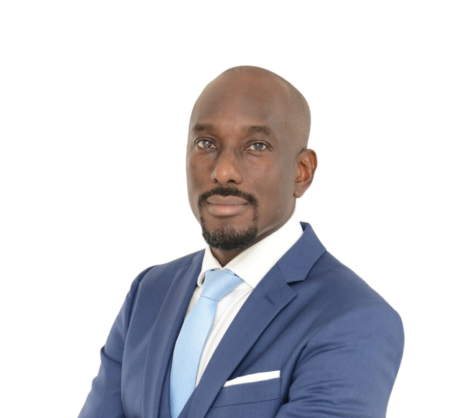
By Arnaud Bouraima, Deputy Chief Commercial Officer, Webb Fontaine (https://WebbFontaine.com/).
In the face of mounting global environmental challenges such as climate change, biodiversity loss, and pollution, and increasing focus on environmental, social and governance (ESG) awareness, sustainable trade practices and supply chains have the potential to radically transform Africa's economic future.
From green logistics to fair trade and circular economy principles, sustainable trade practices have a significant positive impact on global and local trade. In addition to environmental benefits, they enhance market competitiveness and open access to new markets that value a commitment to sustainability.
However, the transition to eco-friendly and sustainable supply chains is reliant on several factors, not least a significant investment in the infrastructure and technology needed to streamline port and customs operations and ensure a smooth entry of goods into the country in question. An understanding of the importance of digital transformation by governments and regulatory bodies is also a key factor in adopting digital solutions over more traditional manual systems.
African countries that understand and embrace these requirements are well on their way to laying the groundwork for sustainable trade practices.
As an example, the port of Cotonou in the West African country of Benin handles an average of 80 to 90 merchant vessels monthly. According to the African Development Bank (https://apo-opa.co/3MF9Kxi), Cotonou deals with 90 percent of the country's international trade, serving up to 100 million consumers. In 2022, the port handled 12.5 million tonnes of goods, a figure that is predicted to almost double by 2038, reaching 23 million tonnes.
In a gesture of confidence, the recent extension of an €80 million loan (https://apo-opa.co/3MF9Kxi) by the African Development Bank for significant infrastructure upgrades will expand the port's operations even further. Yet despite the vast and complicated operations of one of Africa's busiest ports, Benin has jumped to 66th place on the World Bank's Logistics Performance Index (https://LPI.WorldBank.org/), an astonishing leap of approximately 100 places in just under a decade, positioning the country as West Africa's key trade hub.
But this wasn't always the case. High shipping costs, low efficiency, and poor logistical facilities threatened to stifle any hopes the port had of becoming a key trade route, despite the fact that the country is a crucial transit route for West Africa, connecting millions of people in the landlocked countries of Niger, Mali, Burkina Faso, Chad, and the northern regions of Nigeria.
Technology is revolutionising trade practices
The solution? Leveraging technology to break through the complexities, inefficiencies, and obstacles impeding effective trade, and transform Benin into an economically competitive trade hub.
This is a story that replicates itself in trade ports along Africa's entire coastline. Operators and customs entities are constantly looking for ways in which to alleviate the backlogs and delays caused by the high volumes flowing through these trade entry points, and digitisation, along with improved physical infrastructure, is proving to be an extremely effective solution. Partnerships and collaborations with specialist service providers hold the key to success.
The Webb Fontaine and Benin story
Backtracking from the current situation, and highlighting the importance of long-term public-private collaborations in modernising and streamlining trade landscapes, Webb Fontaine started working with Benin's Ministry of Finance and Benin Control in 2017. Implementing a suite of innovative solutions including Webb Single Window, Webb Transit Tracking, Webb Valuation, Webb Ports, and Webb Customs, we are proud to be playing a pivotal role in transforming trade in the country.
Webb Single Window has been a game changer. It forms the basis of GUCE Benin, a digital platform with over 6,500 users in the logistics chain that facilitates import, export, and transit operations, and incorporates electronic payment via Paylican, Webb Fontaine's official payments partner. Webb Single Window has also automated the processing of key administrative operations like issuing licenses and authorisations, overseeing currency exchange operations, managing exemptions, and communicating with tax services.
In practical terms, this means streamlining the process needed to get containers out of the port. Digitising processes to create efficiencies, using new technologies such as artificial intelligence (AI), reduces the time spent on clearance of goods, for both customs brokers and administrators. Benin now ranks as West Africa's top port and holds the third-highest rating in Africa behind Egypt and South Africa. Release times have been reduced by 30%, with a remarkable 50% of containers being released within only two days.
Along with operational efficiency at the ports themselves, economic growth is a key benefit. From digital skills development to higher revenues as a result of streamlined operations, technology is playing a crucial role. For example, reducing the clearance time from 47 days to only a few days allows for more cycles of importation, increasing tax revenue and creating a healthy economic cycle. This also attracts foreign direct investment, making the port more attractive for investors and traders.
However, the use of technology in port operations is just one aspect in a larger framework of sustainable trade. The resultant benefits, such as automated systems and data analytics have the potential to lead to more efficient operations, reduced emissions, and less waste, which are all key components of sustainable trade practices. For instance, quicker turnaround times not only reduce the carbon footprint of shipping and logistics operations, but they also reduce the need for extended storage, in turn decreasing energy consumption and waste.
Is Africa ready for sustainable and eco-friendly supply chains?
Despite the challenges faced by African countries, many are making great strides. Togo's new container platform, Nigeria's planned green port, Liberia's green economy reforms – all are notable examples. Yet much still needs to be done to fully embrace the digital transformation journey, while at the same time addressing issues like infrastructure development.
All stakeholders have a role to play in implementing sustainable and eco-friendly trade practices and policies. African governments, for instance, can make a commitment to investing the funds and resources needed to create infrastructure that will support both trade and digital advancements, as well as support sustainability initiatives. The African Continental Free Trade Area can play a crucial role in developing a standardised approach to these issues, based on learnings from other countries on the continent.
Africa is a continent that has immense potential when it comes to creating and maintaining sustainable trade practices that will drive economic growth. The continent's success stories demonstrate this, and serve as a call to governments, industry stakeholders, policymakers and the private sector to work together to find tangible solutions that will promote further growth and development. Webb Fontaine is already playing a crucial role in supporting Africa's governments on their trade facilitation journeys, with specialised port technology that is securing customs revenue, mitigating trade fraud, and streamlining clearance times. In the same way, when all stakeholders collaborate and contribute to improvements in their respective areas, Africa's economies will reap the collective rewards.
Distributed by APO Group on behalf of Webb Fontaine.

By Adamon Mukasa and Anthony Simpasa, African Development Bank Group (www.AfDB.org).
Document 1: http://apo-opa.co/4g3EVzM
Document 2: http://apo-opa.co/473xTHm
Document 3: http://apo-opa.co/4gcshPk
Document 4: http://apo-opa.co/4gcsi5Q
Document 5: http://apo-opa.co/471DE8y
Document 6: http://apo-opa.co/4gcskL0
Document 7: http://apo-opa.co/47361TE
Document 8: http://apo-opa.co/4dXk53t
The calls for structural economic transformation in Africa date back to the 1960s when newly independent nations aimed to eliminate poverty through economic diversification, sustained growth, and job creation. This agenda persists today, as Africa continues to face significant developmental challenges.
Pursuing post-independence economic agendas was particularly important because, behind the euphoria (http://apo-opa.co/4dZMCVX) of independence, laid significant developmental challenges in several African countries: unskilled labor force, political and institutional fragilities, poor health conditions, rapid population growth, wide income disparities, and the legacy of colonialism and exclusion from the modern world. The establishment of the Organization of African Unity (OAU) (http://apo-opa.co/4g3EVzM) in 1963 and the African Development Bank (http://apo-opa.co/473xTHm) a year later aimed to tackle these other challenges in a more coordinated and impactful manner. The African Union (http://apo-opa.co/475z3Sz), successor of the OAU, developed Agenda 2063 (http://apo-opa.co/4g3EQMu) in 2013 as a blueprint for turning Africa into the global growth pole and powerhouse of the future.
Africa's Economic Development Paradox
More than sixty years after independence (http://apo-opa.co/3AzLutK), Africa's structural transformation – the shift of workers from lower to higher productivity employment and intra-sectoral productivity growth (http://apo-opa.co/4dQj0KK) – has not progressed as quickly as hoped. Both policymakers and analysts within and outside the continent are genuinely concerned that achieving structural transformation could remain a mirage for many African countries in the absence of bold structural reforms and financing to support implementation of these policies. Why being so pessimistic? Because historical facts tend to support their pessimism. The African Economic Outlook (AEO) 2024 (http://apo-opa.co/4g2RATW) report, released in May by the African Development Bank, reveals that Africa's transformation has been slow and uneven. In countries showing signs of transformation, the process has been characterized by low industrialization and predominantly by employment in low-skill, low-productivity services. The agriculture sector, employing 42% of Africa's workforce, is 60% less productive than the economy-wide average. Consequently, many workers remain trapped in low-productivity, low-wage jobs, unable to escape poverty.
As a result, Africa was the only region of the world where the average real GDP per capita contracted in the 1980s and 1990s, the so-called lost decades (http://apo-opa.co/4fYqm0D).
Africa is off-track in achieving almost all SDG targets by 2030, consistently showing the lowest SDG performance globally since the 2000s (Figure 1). Without intervention, it is predicted that by 2030, nearly 9 out of 10 of the world's extremely poor will be in Africa (http://apo-opa.co/4e2weEn) and under current conditions[1], it could take African countries over a century on average to reach high-income status.
[1] This scenario assumes that real GDP per capita of each African country will grow according to its post-COVID-19 (2022–25) average growth rate as computed by the African Development Bank's Statistics Department.
But Africa is a very large, diverse, heterogeneous, region. Some countries have, over the past four decades preceding the COVID-19 pandemic, experienced episodes of growth accelerations, growth spikes and failed take-offs (http://apo-opa.co/4gcshPk). Cases of consistent good performance include Botswana, Seychelles, and Mauritius, routinely ranked among the top 10 fastest-growing economies globally. African countries have indeed exhibited remarkable resilience amid confounding shocks, and in 2024, 10 countries[1] in Africa are projected to be among the world's top 20 fastest-growing economies, sustaining the trend observed during the past four decades pre-COVID-19.
Importantly, over the past quarter century, thanks to strong economic reforms and macroeconomic stability, enhanced governance, relative peace and improved political environment and, public investments in soft and hard infrastructure, some African countries[2] have managed to transform their economies and recorded economic growth rates above the global average.
The role of finance in fast-tracking Africa's structural transformation
Many factors, both internal and external, could explain the relatively slow progress in structurally transforming African economies. Among them: over-reliance on commodity-led growth (http://apo-opa.co/4fZJTxI), inadequate infrastructure (http://apo-opa.co/4dV5DZE); insufficient pool of skilled workers (http://apo-opa.co/4g49x4g) and low access to affordable finance (http://apo-opa.co/47361D8); weak institutional governance (http://apo-opa.co/4e0O5LG), recurrent conflicts (http://apo-opa.co/4g49rtq), effects of climate change (http://apo-opa.co/3ABuuTU), tightening of global financial conditions (http://apo-opa.co/4fZSFvC) and rising debt vulnerabilities (http://apo-opa.co/4724oWk).
While all these factors are equally important and call for urgent actions from policymakers, financing Africa's transformation (http://apo-opa.co/4fTo1Uy) is a multi-layered overarching challenge that demands special attention and a pragmatic approach to move from billions to trillions. The cost of achieving the SDGs by 2030 in Africa is estimated at about $1.3 trillion (http://apo-opa.co/4gcsi5Q) annually, equivalent to 42% of Africa's 2023 GDP. Infrastructure needs alone are estimated by the African Development Bank at $181-$221 billion per year over 2023-2030. The climate finance gap is approximately $213.4 billion (http://apo-opa.co/4gcsiTo) annually through 2030.
Insufficient domestic resources (http://apo-opa.co/471DE8y), compounded by the failure of the global financial architecture (http://apo-opa.co/471zU6K) to mobilize and at scale, affordable finance for sustainable development (http://apo-opa.co/4gcskL0), have led many African countries to resort to commercial borrowing on unfavorable terms. This has resulted in increased debt vulnerabilities. Africa's Public and Publicly Guaranteed external debt has nearly tripled since 2010, reaching $656 billion in 2022, accounting for 22.4% of the continent's GDP and exceeding Africa's public revenue-to-GDP ratio of 20.4%. In 2024, African countries are expected to spend around $74 billion on debt service, up from $17 billion in 2010. Out of the projected debt service, $40 billion is owed to private creditors.
Even more concerning, debt service payments now account for about 11% of the continent's total revenues. High debt service is diverting resources from crucial investments in infrastructure, education, and health – all critical for economic transformation and long-term growth. As of April 2024, 20 African countries[3] (http://apo-opa.co/47361TE) were either in external debt distress or at high risk of external debt distress.
The AEO 2024 report estimates that to accelerate Africa's structural transformation, the continent needs to close an annual financing gap of $402.2 billion (about 13.7% of its projected 2024 GDP) by 2030. Figure 2 shows that transport[4] infrastructure accounts for the largest share of the gap (72.9%), followed by education (10.4%), energy (9.9%), and productivity-enhancing technologies (6.8%). These figures reflect decades of underinvestment in critical areas for development.
The level of financing gap in transport infrastructure reflects the continent's shortfall explained by decades of public underinvestment to upgrade existing road infrastructure or open new roadways, to match the growing population and economic dynamism across the continent. For instance, Africa's median road density is about 12 km per 100 km2, compared with 42.5 km in high-performing developing countries and 136 km in high-income countries. Only about 27% of African roads are paved, far behind the rest of the world (about 49%) and other developing countries (35.4%).
[1] Niger, Senegal, Libya, Côte d'Ivoire, Ethiopia, Rwanda, Benin, Djibouti, Gambia, and Uganda
[2] Algeria, Comoros, Djibouti, Egypt, eSwatini, Lesotho, Libya, Mauritius, Sao Tome and Principe, Senegal, Seychelles, and Tunisia
[3] Burundi, Cameroon, Central African Republic, Chad, Comoros, Congo, Djibouti, Ethiopia, Gambia, Ghana, Guinea-Bissau, Kenya, Malawi, Mozambique, São Tomé and Príncipe, Sierra Leone, South Sudan, Sudan, Zambia, and Zimbabwe
[4] Proxied by roads as road transport is the most frequently used means of transporting goods and people across the continent, carrying at least 80 percent of goods and 90 percent of passengers.
On education, vital for equipping the current and future workforce with the required skillset for structural transformation, African countries' median SDG index score was only 51.5 (out of a maximum of 100) in 2022, while other low-income developing countries reached a median score of 87. In addition, according to World Bank's World Development Indicators (http://apo-opa.co/3AGXw4N), African governments currently spend on average $312 annually per student in primary education, $473 on secondary education, and $2,227 on tertiary education, or about, respectively, 3, 2.3, and 1.1 times lower than high-performing developing countries on SDG 4. On energy, Africa's median SDG 7 index score was 38.8 in 2022, suggesting that a typical African country was 61.2% further away from achieving the best possible outcome on SDG 7 targets. Despite its vast energy potential, electric power consumption per capita in Africa is still the lowest in the world, estimated at 638.4 kilowatt-hours (kWh) in 2021, versus 2,056 kWh in other developing countries. Due to poor energy infrastructure, over 600 million Africans have no access to electricity http://apo-opa.co/46YZuJT and this is despite progress in recent years[1]. On productivity-enhancing technology and innovation, the continent lags other regions too. This impedes its ability to either innovate and introduce new products, technologies, and/or services that could support its structural transformation. African countries' average Gross Domestic Expenditure on R&D (GERD) represents about 0.4% of their GDP (against about 1% in the rest of the world) and they spend on average $10.7 per capita on GERD (compared to $403.2 per capita in other regions of the world). Furthermore, the continent displays the lowest concentration of researchers in R&D, with an average of 221 researchers per million people, against 742 researchers in other developing countries.
The financing gap varies significantly across countries. The cross-country heterogeneity is mainly explained by differences in current SDG performance related to structural transformation as well as differences in demographics (current and projected population size and composition, land size, and the like) and socioeconomic characteristics (current and projected GDP per capita, and spending on education, infrastructure, and so on). As shown in Figure 3, the estimated annual financing gap represents at least 10 % of 2024's projected GDP in 36 African countries, and in nine of these, at least 50 % of GDP. For such countries, closing the financing gap by 2030 is, therefore, realistically impossible.
[1] For instance, the average share of people with access to electricity increased from about 38 percent in 2000 to about 59 percent in 2022. In 28 African countries, the percent of people with access to electricity has more than doubled between 2000 and 2022, out of which it has increased at least fivefold in 8 countries (Kenya, Lesotho, Mali, Mozambique, Rwanda, Somalia, Tanzania, and Uganda).
Note: COG: Congo; CPV: Cabo Verde; GHA: Ghana; CIV: Cote d'Ivoire; GAB: Gabon; GNQ: Equatorial Guinea; MUS: Mauritius; SYC: Seychelles; ZAF: South Africa. Source: Authors' computation based on the African Economic Outlook (AEO) 2024 database
A more realistic approach would be to allow for a gradual but steady transformation process over a longer period, aligning with the African Union's Agenda 2063. This would enable countries to mobilize more resources domestically and externally, without jeopardizing debt sustainability.
What next?
Scaling up finance to accelerate Africa's structural transformation should be a key priority for policymakers. While implementing structural reforms is crucial for sustainable growth, success depends on the availability, timeliness, and scale of long-term development financing and enhancing spending efficiency. African countries should therefore, inter alia, focus on: i) scaling up investment to build requisite human capital suited to local realities, circumstances, and development priorities; ii) boosting domestic resource mobilization and improving efficiency of public finance management; iii) creating targeted and streamlined incentives to attract private capital for key transformation sectors; and iv) launching ambitious national infrastructure programs with assured positive returns to attract affordable financing.
The international community should reform the global financial architecture (http://apo-opa.co/4dXk53t) to facilitate African countries' access to long-term, concessional development financing at scale, complementing domestic resources.
By addressing these financing challenges and implementing targeted reforms, Africa can accelerate its structural transformation and move closer to achieving its development goals as espouses in Agenda 2063.
Distributed by APO Group on behalf of African Development Bank Group (AfDB).

The International Civil Aviation Organization (ICAO) made a significant step forward in enhancing aviation's role as a catalyst for sustainable development in Africa. During the AFI Week held in Gabon, ICAO signed four pivotal capacity building and implementation support agreements with Member States, each aimed at strengthening their aviation sectors and alignment with international standards.
Gabon's Agence Nationale de l'Aviation Civile entered into a Management Service Agreement (MSA) with ICAO. This comprehensive agreement will provide Gabon with access to ICAO's expertise, project management and procurement services, and customized training packages. A key focus of this collaboration is the potential development of a Civil Aviation Master Plan, which will chart the strategic growth of Gabon's aviation sector, ensuring efficient, safe, and sustainable development of infrastructure and services.
Chad's Autorité de l'Aviation Civile partnered with ICAO for a preliminary assessment of training needs. This crucial project will evaluate the technical and general skills of ADAC's staff responsible for overseeing civil aviation safety and security. By optimizing human resources, Chad aims to significantly enhance the operational efficiency of its civil aviation authority.
Uganda's Civil Aviation Authority and ICAO agreed to develop a comprehensive 15-year Air Navigation Plan. This strategic framework will not only guide the implementation of air navigation services and infrastructure but also ensure Uganda's alignment with international aviation standards, in order to facilitate a safer, more efficient, and higher capacity air navigation system for the East African nation.
South Africa's Civil Aviation Authority signed a Declaration of Intent to host the next Global Next Generation of Aviation Professionals (NGAP) Summit. Set for February 2025 in Johannesburg, this summit highlights South Africa's commitment to nurturing the future leaders of the aviation industry.
These agreements represent ICAO's commitment to supporting African Member States in developing sustainable aviation sectors. By focusing on areas such as strategic planning, human resource development, and infrastructure enhancement, these initiatives are set to improve aviation safety, efficiency, and capacity across the continent.
The collaborative efforts between ICAO and these African states are expected to yield significant benefits, not only for the aviation sector but also for the broader economy. As aviation acts as a multiplier for economic growth, these agreements are poised to contribute to the UN Sustainable Development Goals, improve connectivity, and foster economic opportunities in the region.
As these projects unfold, they will serve as examples of how targeted ICAO support and collaboration in the aviation sector can drive sustainable development and economic growth in Africa.
Distributed by APO Group on behalf of International Civil Aviation Organization (ICAO).
Tatjana Smith a "shining example of humility with a killer competitive spirit"
Minister of Sport, Arts and Culture Gayton McKenzie has congratulated South African swimmer Tatjana Smith for scooping the silver medal in the 200m breaststroke at the 2024 Paris Olympics.
Smith was beaten to the wall by 0.36sec by the American Kate Douglass at the La Défence Arena on Thursday evening.
“It was Smith’s second medal of the 2024 Paris Games, after taking the 100m gold, and a flip reversal of what she produced at her first Olympics in Tokyo on that occasion, taking silver in the 100m and gold in the longer, more favoured 200m.
“In elevating herself to greatest-ever South African Olympian status, she joined Chad le Clos on four medals, but outweighs him by virtue of her two golds and two silvers.
“While Penny Heyns, in 1996, remains the last women’s breaststroker to do the double, Smith tied with Japan’s Kosuke Katajima as the only four-time breaststroke medallists in Olympic history, both men and women,” the South African Sports Confederation and Olympic Committee (SASCOC) said.
The Minister said Smith’s achievements stand as an elegant example of the power of women in sport.
“Tatjana, as a nation we are bursting with pride tonight. You fought to the end and were beaten only in the turns by a classy American competitor, Kate Douglass. I applaud you for your warm smile and your honest congratulations for your gold-medal rival in the lane next to you.
“Being able to stay gracious in victory and defeat is what the world will remember most about you, and it is a quality that defines most South Africans. You are a shining example of humility with a killer competitive spirit and undying will to win. May all our young people look up to your example and try to equal or surpass you in future,” McKenzie said.
The Minister said South Africa must continue to bring more women into all sports and support them to break every record. - SAnews.gov.za
nosihle
Fri, 08/02/2024 - 09:24
African Export-Import Bank's (Afreximbank) (www.Afreximbank.com) first African Quality Assurance Centre (AQAC), implemented in Ogun State, Nigeria, in partnership with Bureau Veritas (BV) has been awarded the ISO/IEC 17025:2017 accreditation by the South African National Accreditation System (SANAS), one of the key accreditation bodies in Africa responsible for carrying out conformity assessments as mandated under South Africa's Accreditation for Conformity Assessment, Calibration and Good Laboratory Practice Act (Act 19 of 2006).
ISO/IEC 17025 is the recognised international standard for testing and calibration laboratories and sets out requirements for the competence, impartiality and consistent operation of laboratories, ensuring the accuracy and reliability of testing and calibration results. The standard enhances the credibility of testing and calibration work by laboratories, by fostering trust among clients and regulatory authorities. Compliance with ISO/IEC 17025 demonstrates a laboratory's commitment to quality, technical proficiency and scientific rigour.
Commenting on the accreditation, Ms. Oluranti Doherty, Managing Director Export Development at Afreximbank said that the accreditation served to validate AQAC's capabilities and expertise and would provide new opportunities to expand the centre's reach.
“By aligning its practices with international standards and best practices, AQAC is well-positioned to attract new clients, foster partnerships with industry stakeholders, and contribute to the advancement of quality assurance practices in Africa,” said Ms. Doherty.
“The impact of this accreditation extends beyond the laboratory as it also contributes to the overall advancement of quality assurance practices in Nigeria. By demonstrating compliance with international standards and best practices, AQAC will help in reducing the rejection rates for Nigerian and African exports,” she said, mentioning that the Bank has committed up to US$100 million to support the development of new AQACs across the continent, with projects being considered in Benin, Chad, Gabon, Kenya and Tanzania.
Jean-Michel Perret, Managing Director, Bureau Veritas Nigeria said, “We are incredibly proud to have achieved the ISO 17025 accreditation for the African Quality Assurance Centre. This milestone reflects our steadfast commitment to providing the highest standards of testing and inspection services. It also demonstrates our dedication to supporting Nigeria's AgroFood industry in meeting international quality benchmarks, thereby facilitating greater access to global markets for ‘Made in Africa' products.”
The accreditation by SANAS amplifies AQAC's ability to offer internationally accredited services for food and agri products and paves the way for a more reliable and robust testing environment in Africa.
SANAS is a signatory to the International Accreditation Forum which gives it world-wide recognition as a competent body for carrying out independent evaluation of certification bodies against recognized standards. It is also a signatory to the International Laboratory Accreditation Cooperation Mutual Recognition Arrangements, the African Accreditation Cooperation Mutual Recognition Arrangements and the SADCA Mutual Recognition Arrangements, for specific scopes.
Distributed by APO Group on behalf of Afreximbank.
Afreximbank Media Contact:
Vincent Musumba
Manager
Communication and Events (Media Relations)
Email: press@afreximbank.com
Bureau Veritas Media Contact:
Selin Dincer Cinar
+905 308 61 59 94
Email: selin.dincer-cinar@bureauveritas.com
Seseselelo Matlapeng
+27 (0)78 451 5331
Email: seseselelo.matlapeng@bureauveritas.com
About Afreximbank:
African Export-Import Bank (Afreximbank) is a Pan-African multilateral financial institution mandated to finance and promote intra-and extra-African trade. For 30 years, the Bank has been deploying innovative structures to deliver financing solutions that support the transformation of the structure of Africa's trade, accelerating industrialization and intra-regional trade, thereby boosting economic expansion in Africa. A stalwart supporter of the African Continental Free Trade Agreement (AfCFTA), Afreximbank has launched a Pan-African Payment and Settlement System (PAPSS) that was adopted by the African Union (AU) as the payment and settlement platform to underpin the implementation of the AfCFTA. Working with the AfCFTA Secretariat and the AU, the Bank is setting up a US$10 billion Adjustment Fund to support countries effectively participating in the AfCFTA. At the end of December 2023, Afreximbank's total assets and guarantees stood at over US$37.3 billion, and its shareholder funds amounted to US$6.1 billion. Afreximbank has investment grade ratings assigned by GCR (international scale) (A), Moody's (Baa1), Japan Credit Rating Agency (JCR) (A-) and Fitch (BBB). Afreximbank has evolved into a group entity comprising the Bank, its impact fund subsidiary called the Fund for Export Development Africa (FEDA), and its insurance management subsidiary, AfrexInsure (together, "the Group"). The Bank is headquartered in Cairo, Egypt.
For more information, visit: www.Afreximbank.com
Follow us on
Twitter : http://apo-opa.co/3YpB8GT
Facebook : http://apo-opa.co/3WLM7cs
LinkedIn : http://apo-opa.co/4ccUpP5
Instagram : http://apo-opa.co/4d6VtFq
ABOUT BUREAU VERITAS:
Bureau Veritas is a world leader in inspection, certification, and laboratory testing services with a powerful purpose: to shape a world of trust by ensuring responsible progress. With a vision to be the preferred partner for customers' excellence and sustainability, the company innovates to help them navigate change.
Created in 1828, Bureau Veritas' 83,000 employees deliver services in 140 countries. The company's technical experts support customers to address challenges in quality, health and safety, environmental protection, and sustainability.
Bureau Veritas is listed on Euronext Paris and belongs to the CAC 40 ESG, CAC Next 20, SBF 120 indices and is part of the CAC SBT 1.5° index. Compartment A, ISIN code FR 0006174348, stock symbol: BVI.
For more information, visit www.BureauVeritas.com, and follow us on LinkedIn (http://apo-opa.co/3A5IN2V) and X/Twitter (http://apo-opa.co/4dcXpwg).
The head office for Bureau Veritas Middle East, Caspian & Africa region is based in Dubai, For more information, www.BureauVeritas.Africa or www. Middle-East.BureauVeritas.com/
In a nail-biting 2024 Ignition Group Polocrosse World Cup final on Sunday, South Africa narrowly beat reigning champions, Australia 29-28 – earning them a third World Cup title. Sunday’s final concluded a fantastic competition which ran from 17 to 28 July at the Durban Shongweni Club in the Valley of 1000 Hills. Spectators were kept …
Tatjana Smith glitters at Paris Olympics
South African swimmer Tatjana Smith has bagged the nation’s first gold medal at the 2024 Paris Olympics, putting on a glittering performance in the women’s 100m breaststroke.
Smith finished the race at 1:05.28 on Monday.
“Smith’s own Olympics tally has now grown to three, with two golds and a silver, and one more will see her equal Chad le Clos on four, the most of any South African Olympian. The chances of her adding to that total later in the week are high, given she’s the reigning champion in the 200m,” the South African Sports Confederation and Olympic Committee (SASCOC) said.
Nearly 150 athletes are representing Team South Africa at Paris 2024 - in the country's 21st appearance at the Olympic Games, taking place from 26 July to 11 August.
“I had no idea where I was most of the race. I actually didn’t think I medalled because when I turned to my left, the two blocks next to me both had lights on and it felt like someone else on the other side touched first.
“So, I actually didn’t think I was medalling. My main goal was just to not do what I did in Tokyo and look around. So literally the last 15 metres, I was like, no, close your eyes, let’s just go,” Smith said.
President Cyril Ramaphosa congratulated Smith in a post on social media platform X, adding that he looked forward to more spectacular performances. - SAnews.gov.za
nosihle
Tue, 07/30/2024 - 10:21