Western Cape Promises Progress on Inner-City Housing Projects
Several social housing projects in Cape Town will go to tender this year

MyZA
News, Directory, Events and Other Stuff
Several social housing projects in Cape Town will go to tender this year
Abulele Kwindana was killed in 2020. No-one has been charged with his murder.
There has been no significant progress in the seven-year-old’s case
President calls for holistic overhaul of policing
President Cyril Ramaphosa has called for a bold, coordinated, and community-driven approach to crime-fighting, describing policing in South Africa as being at a crossroads that demands urgent reform and collaboration from across all sectors of society.
The President was delivering the keynote address at the 2025 Policing Summit held in Ekurhuleni on Tuesday.
President Ramaphosa applauded the Ministry of Police for convening what he termed a “critical” gathering, which brings together government, civil society, business, interfaith groups, labour, and communities to reshape the country’s safety and security strategy.
“Safeguarding our nation’s safety and security requires that we are proactive, innovative and solution-oriented in our approach… Just as crime is an all-of-society problem, overcoming crime must be an all-of-society effort.
“In doing so, we must marshall our full support behind the hardworking men and women of the South African Police Service," the President said.
The President said crime has a direct impact on the economy, as it discourages investment, disrupts business activity and leads to increased security costs for companies.
He noted that social ills such as poverty and inequality, unemployment, lack of opportunity, patriarchy and misogyny, and broken family structures are just some of the issues that contribute to crime and criminality.
“Addressing crime without understanding its root causes is like a doctor treating a patient for a fever without diagnosing the underlying illness.
“It is therefore encouraging that this summit has as one of its key objectives adopting a more holistic approach to law-enforcement, encompassing not just the police but the entire policing system,” the President said.
The President emphasised that policing must be grounded in the Batho Pele principles of service delivery, which include respect, empathy, accessibility, and accountability.
He said that the policing terrain of today is complex and multi-faceted and the police strive to fulfil their mandate in the context of emerging threats.
These threats, he said, include transnational organised crime, illegal mining, extortion syndicates, the theft of economic infrastructure, money laundering and terror financing.
“And yet, even in this extremely challenging environment, the South African Police Service continues to register successes in fighting crime in its various operations,” the president said.
Restoring public trust
The President warned that restoring public trust in the police is critical to winning the fight against crime.
“We need to improve the relationships between the police and the communities they serve. We need to work to improve the morale of SAPS members, many of whom are battling heavy workloads, insufficient resources and outdated systems.
“Even as the SAPS budget has increased over the past ten years, the reality is that the number of police personnel has been declining while the country’s population has been growing,” the President said.
President Ramaphosa stressed that policing cannot succeed without the active involvement of communities.
He called for a stronger role for Community Policing Forums (CPFs), citizen empowerment, and partnerships with the private sector, which has already played a crucial role in equipping victim support centres and bolstering frontline capacity.
“We know that communities are the most potent resource for fighting crime. Crimes happen in communities and criminals are often known to communities.
“From this summit we need a clear plan on how to better involve communities in crime prevention and detection, and on harnessing the potential of CPFs in line with relevant legislation and regulations,” he said.
The role of technology and data
The President welcomed and backed the focus of the summit on exploring the role of technology in modern policing, investigation and intelligence.
“We need to harness modern technologies to support crime-fighting. Technology is particularly crucial when analysing crime trends and patterns. It is also valuable in empowering citizens,” President Ramaphosa said.
He further advocated for applying a socio-economic lens to crime data to better tailor responses for example, by examining links between substance abuse and robbery, or alcohol abuse and gender-based violence.
“Data plays a pivotal role in policing and law-enforcement. And we need to apply a socio-economic lens when analysing such data. The data may tell us, for example, about a community with a high prevalence of housebreaking and robbery, in which substance abuse is also rife.
“Understanding the connections revealed by this data should inform the approach to policing in that community. There is ample data on the linkages between alcohol abuse and the prevalence of gender-based violence,” the President said.
He added that a holistic policing approach would, for example, need to involve working with local authorities to enforce municipal by-laws for establishments selling alcohol.
As part of facilitating access to SAPS services, the President said it is encouraging that discussions are planned for how to leverage innovative digital platforms such as mobile apps, online reporting systems and virtual communication channels to improve the public’s interaction with the police.
“To turn the tide against crime, we need better collaboration among the different agencies in the law-enforcement space,” he said.
The President further highlighted that there is a proliferation of organised crime in South Africa, including the manufacture of illicit drugs, kidnapping for ransom and money laundering.
He said this is taking place alongside a growth in illegal mining, extortion in the construction sector, and the theft of public infrastructure.
Addressing corruption
The President urged police to stay away from corrupt activities, stressing that corruption has infiltrated every part of society, including the SAPS.
He said while prosecuting corrupt officers is important, it is equally crucial to instil a culture of honesty and integrity within the police service.
The President emphasised the need to strengthen the fundamentals of policing through ethics, accountability, and professionalism.
He expressed hope that the summit would focus on promoting ethical conduct, restoring public trust in law enforcement, and upholding the rule of law.
Key initiatives include protecting whistleblowers, implementing the National Anti-Corruption Strategy, and improving recruitment and training to attract the right calibre of candidates to the SAPS.
“If the SAPS is to fulfil its crucial mandate, we have to emerge from these few days with a clear plan on how to address the systemic deficiencies that are negatively impacting policing.
“As a country we owe the SAPS our full support. As government we remain committed to turning the tide against crime and to making our communities safer.
“It is our hope that the recommendations emerging from this summit translate into deeper collaboration, more effective methods and a promising future for policing in South Africa,” he said. – SAnews.gov.za
DikelediM
Tue, 04/08/2025 - 13:57
366 views
Eastern Cape government reaffirms commitment to combat GBVF
The Eastern Cape Provincial Government has reaffirmed its unwavering commitment to combating gender-based violence and femicide (GBVF) across the province.
This follows recent incidents, including the alleged rape of a seven-year-old girl at Bergview College in Matatiele, and the recent judgment in the Timothy Omotoso case, in which the accused was found not guilty.
Televangelist Omotoso was acquitted in the Gqeberha High Court on 32 serious charges, including allegations of rape, racketeering, human trafficking, and other crimes.
These events have left many survivors and citizens feeling disheartened.
In response to the GBVF incidents, particularly the case in Matatiele, the Ministry of Police has deployed urgent and coordinated interventions. These include intensified law enforcement efforts and the deployment of the South African Police Service (SAPS) specialised Family Violence, Child Protection and Sexual Offences (FCS) unit to assist with the investigations.
The Department of Social Development has also stepped in to provide psychosocial support to the victim and her family.
In a statement issued on Monday, the provincial government said Premier Lubabalo Oscar Mabuyane had reached out to the family to offer reassurance and reaffirm government’s commitment to pursuing justice.
National support was also extended, with the Minister of Women, Children and Persons with Disabilities, Sindisiwe Chikunga, and Social Development MEC Bukiwe Fanta visiting the family to provide encouragement.
The provincial government said communities across South Africa, and the Eastern Cape in particular, have long been grappling the devastating impact of GBV, a persistent scourge that continues to disproportionately affect women and children.
It noted that the recent incidents serve as a stark reminder of the vulnerability of young girls and boys, and the ongoing threat of violence that shadows many lives.
Mabuyane underscored the severity of the situation, saying that the provincial government recognises the gravity of these crimes and views the interventions as essential to “our broader efforts to protect vulnerable groups and ensure that justice is served”.
Mabuyane urged victims and their families not to suffer in silence, calling on anyone who has experienced or witnessed GBVF to report these crimes to law enforcement.
“We understand the courage it takes to come forward [and] we are here to walk that difficult journey with you. Government has systems in place to provide both psychosocial support and legal assistance to survivors,” the Premier said.
Mabuyane called on communities not to lose faith in the justice system, adding that “the fight against GBVF cannot be won overnight, nor can it be won without public participation”.
While acknowledging the frustration that arises when justice is delayed or denied, Mabuyane emphasised the importance of continued engagement with the justice system.
“We must continue to push for accountability, protection, and justice.”
The Premier reaffirmed the provincial government’s resolute commitment to protect the most vulnerable members of society.
He also reiterated that the Eastern Cape Provincial Government will continue to collaborate closely with law enforcement agencies, civil society organisations, and community structures to ensure that "no victim is left behind and no perpetrator escapes accountability".
“In the face of heinous crimes, it is understandable that public trust in the justice system may be shaken. Justice may sometimes appear slow, and outcomes not always satisfactory, but now more than ever, it is vital that communities remain engaged.
“Cooperation, information-sharing, and support for victims are essential to bringing perpetrators to book. Losing faith risks creating a culture of impunity. The Eastern Cape sends a clear message: Gender-based violence will not be tolerated,” Mabuyane said.
The provincial government remains steadfast in its commitment to working with all stakeholders to create safer, more inclusive and just communities across the province. – SAnews.gov.za
GabiK
Mon, 04/07/2025 - 14:28
112 views
KZN government calls for deeper collaboration with Black business
KwaZulu-Natal Premier Thamsanqa Ntuli has called for deeper collaboration between government and Black business.
Ntuli made the call at the Diamond Jubilee Celebration of the National Federated Chamber of Commerce and Industry (NAFCOC) held at Inkosi Albert Luthuli International Convention Centre on Friday.
The event reflected on six decades of dedicated work toward the economic empowerment of African businesses and ongoing economic transformation.
In his address, the Premier hailed the organisation’s historic and ongoing role in empowering Black entrepreneurs and advancing inclusive economic transformation across South Africa.
“For over six decades, NAFCOC has been the enduring voice of Black business, even during the darkest days of apartheid. Today, we recognise the many men and women who, with NAFCOC’s support, have broken through barriers, and now play influential roles across both public and private sectors,” Ntuli said.
The high profile event was attended by President Cyril Ramaphosa, His Majesty King Misuzulu kaZwelithini, national and provincial government leaders, business stakeholders, and NAFCOC executives.
Ntuli described the NAFCOC Diamond Jubilee as “a celebration of resilience, vision and the power of unity”.
He congratulated the organisation and called for continued joint action in building an inclusive and prosperous KwaZulu-Natal.
The Premier used the occasion to reflect on NAFCOC’s legacy, while looking forward to a new era of economic partnership and shared growth.
Ntuli outlined a bold five-year plan for the province, focused on rebuilding the economy; strengthening governance; advancing sustainable development; improving healthcare, education, and infrastructure; promoting community safety; mitigating climate change, and building a capable and ethical State.
Ntuli invited NAFCOC to be a central partner in driving this agenda.
“We cannot succeed without business playing its part. Our job as government is to clear bottlenecks and unlock opportunities, particularly in the township and rural economies, which are critical to achieving true economic freedom,” Ntuli said.
Ntuli also announced a renewed push to attract investment and accelerate industrialisation through the Special Economic Zones in Richards Bay and at the Dube Trade Port.
He said a revised Provincial Integrated Trade and Investment Strategy will guide this work, alongside stronger air connectivity and expanded tourism and export markets.
The Premier also commended recent efforts by the South African Police Service, led by Provincial Commissioner Lieutenant General Nhlanhla Mkhwanazi, to clamp down on organised crime.
“A safe province is essential for a thriving economy,” he said, pledging an improved coordination between law enforcement and business stakeholders.
The celebration also included a keynote memorial lecture in honour of NAFCOC founding leader Dr Sam Motsuenyane, delivered by African National Congress Treasurer General, Dr Gwen Ramokgopa. – SAnews.gov.za
GabiK
Mon, 04/07/2025 - 11:26
261 views
Budget 2025 vital for economic growth and poverty alleviation
In his weekly newsletter, President Cyril Ramaphosa has emphasised the crucial role of the 2025 Fiscal Framework and Revenue Proposals, which were recently passed by Parliament, in driving economic growth and relieving the effects of poverty.
The budget – tabled by Finance Minister Enoch Godongwana in Parliament last month – was passed by Parliament last week.
“The 2025 Budget is directed at growing the economy and supporting the livelihoods of our people.
“It is a critical instrument to drive development, eradicate poverty and narrow inequality. At a time of constrained economic growth and narrow fiscal space, the budget must direct sufficient resources to activities that encourage inclusive growth and lay the groundwork for sustained economic recovery.
“It reflects the strategic priorities of the Government of National Unity: inclusive growth and job creation, reducing poverty and tackling the high cost of living and building a capable, ethical and developmental state,” he said.
Uplifting the nation
The budget has a strong focus on the social wage with 61% of resources directed at, amongst others, healthcare, education, housing and social grants.
“Over the past 24 years we have implemented an indigent policy under which free water, electricity and sanitation services are provided to qualifying households.
“Social grants, like the childcare, old age and disability grants, are another tool for alleviating poverty. This year, the value of these grants will increase at above inflation. The Social Relief of Distress grant, which has played an important role in poverty alleviation, will also be extended for another year," President Ramaphosa said.
As part of improving access to healthcare, the President said there will be a higher allocation of funding to clinics and community health centres.
He said government is investing in the recruitment and retention of health personnel, particularly doctors and nurses, and to employ newly qualified doctors after their community service ends.
The budget also allocates substantial funding to “other frontline services such as teachers, police, emergency personnel and the Border Management Authority”.
“Improving educational outcomes is key to community upliftment, development and producing the skills needed by our economy. Budgetary allocations have been made to support teacher training, for expanded mother-tongue bilingual education and for early reading programmes.
“This year sees a substantial investment in early childhood development, reflecting our commitment to establishing a solid foundation for the development of every child,” the President added.
Funding for public employment programmes and to support small businesses has also been allocated.
Driving growth
President Ramaphosa noted sustaining expenditure on the social wage requires “higher levels of economic growth”.
“The budget allocates considerable resources to encourage infrastructure development, which drives growth and job creation.
“Taken together, up to R1 trillion will be spent on infrastructure over the medium term. This includes the allocation in this budget of an additional R62 billion over the next three years for road maintenance, electricity transmission lines, water and sanitation projects, school infrastructure and to support the ongoing recovery of our rail networks.
“Support is also provided to other growth enhancing measures in the medium term, including incentive programmes in automotive, business process outsourcing, special economic zones, electric vehicle production, clothing and textiles, and other sectors,” he said.
South Africa’s municipalities will also receive adjusted budget allocations to help them address infrastructure needs and improve service delivery.
“In a challenging economic environment – both locally and globally – this year’s budget supports measures to drive growth and relieve the effects of poverty. At the same time, it aims to stabilise public finances and continue to reduce our national debt.
“The budget reflects the priorities of Government’s Medium Term Development Plan, a five-year programme of action that prioritises rapid, inclusive growth, creating a more just society and building state capacity.
“At a time when our singular focus must be the South African people, we need to use the limited resources we have to work together for the common good,” President Ramaphosa concluded. – SAnews.gov.za
NeoB
Mon, 04/07/2025 - 09:37
135 views
A local environmentalist is also being sued
Western Cape woman nabbed for drug possession
Police in Cape Town have arrested a 46-year-old woman for the possession of drugs with an estimated street value of R1 million.
Members attached to the Khayelitsha South African Police Service (SAPS) Crime Prevention Unit arrested the suspect on Friday, who was found with a large amount of mandrax.
“On Friday, the members were conducting a stop and search operation, when they received information about a premises in T-Block, Sector 6, Site B, Khayelitsha, that is allegedly used as a liquor storage facility.
“The members immediately operationalised the information and on arrival, they found a lady on the premises carrying a big green bag, and found 10 packets of mandrax tablets and four small clear packets also with mandrax tablets.
"When counted in each of the 10 packets, 1 000 units of mandrax tablets were found and inside the four small packets, 100 mandrax tablets were found, with an estimated street value of R1 million,” the police said.
The suspect is expected to appear in the Khayelitsha Magistrates Court on Monday for possession of drugs.
Western Cape Provincial Commissioner, Lieutenant General (Adv) Thembisile Patekile, commended the efforts of community members, who shared valuable information that led to the recovery of the drugs. – SAnews.gov.za
Edwin
Sun, 04/06/2025 - 09:46
254 views
Police summit to elevate crime fighting efforts
President Cyril Ramaphosa will address the opening of the Police Summit on Tuesday in Ekurhuleni, Gauteng.
The inaugural Police Summit takes place under the theme: “Efficiency in Action: Optimising South Africa's Policing Potential", aligning with Chapter 12 of the National Development Plan (NDP) on Building Safer Communities.
“The summit will address the high levels of crime in South Africa by reflecting on current policing approaches and developing more effective methods for the South African Police Service (SAPS),” the Presidency said in a statement.
To achieve the 2030 NDP objective, the three-day summit will focus on enhancing the efficiency and effectiveness of SAPS in combating crime.
“It will cover four broad themes with related breakaway discussions, focusing on proven policing strategies that have reduced crime and enhanced community safety, adaptation to dynamic changes in modern policing, the transformative role of technology in modern policing, investigation and intelligence, and building a skilled and professional workforce.
“The Police Summit will have in attendance experts and practitioners, who will have the opportunity to share critical views, ideas, and build networks for advancing social justice. It will facilitate engagement with various stakeholders, learning from good practices, and participating in discussions on innovative solutions and best practices,” the Presidency said. – SAnews.gov.za
Edwin
Sun, 04/06/2025 - 11:52
4 views
South Africa's Strategic Adaptation to US Tariffs: Advancing National Interests through Policy and Strategy
The new tariff regime arising from the decision by the United States of America, which have been directed not only to South Africa, but the entire world necessitates strategic responses to maintain and grow our industrial base, as a crucial avenue to pursue inclusive growth.
In response to the US Government's imposition of tariffs, South Africa will continue to navigate the challenges and opportunities these measures present with resilience and innovation. Guided by its national interests and aligned with its broader trade and industrial policy, South Africa is committed to ensuring economic growth, industrial development, and the well-being of its citizens.
South Africa intends to:
1. Negotiate Favourable Agreements
South Africa will work to secure opportunities, in a context of a rapid withdrawal of favourable arrangements giving our exports preferential access to the United States of America. This might involve securing additional exemptions and favourable quota agreements, ensuring our industries maintain critical access to the US market, including through sectoral cooperation. This aligns with the national interest of promoting economic prosperity and safeguarding the livelihoods of South Africans.
2. Diversify and Expand Trade Relations
Efforts will intensify to diversify export destinations, targeting markets across Africa, as well as in Asia, Europe, Middle East, and Americas.
Moreover, such efforts will also, where deemed appropriate involve bilateral arrangements where these allow for the pursuance of our national interest. In our presidency of the G20, as the recent engagements at the G20 trade and investment working group (TIWG) indicate, the issue of supply chain geographical diversification is a challenge confronting all open market economies the world over.
This diversification supports South Africa's industrial strategy and reduces dependency on single destination markets for our exports or single sources for our intermediate input requirements. Fostering resilience in line with national economic priorities.
3. Enhance Regional Trade Collaboration
South Africa will leverage the African Continental Free Trade Area (AfCFTA) to bolster intra-African trade, fostering stronger regional economic integration and cooperation. This approach aligns with the national interest of contributing to a better Africa and world.
4. Focus on Value-Added Production
Industries will prioritise transforming raw materials into higher value finished goods, reducing tariff exposure and driving innovation to improve profitability. This supports South Africa's industrial policy objectives of boosting local manufacturing and creating jobs.
5. Stimulate Domestic Growth
The government will invest strategically in industries impacted by the tariffs, supporting economic growth through modernisation and targeted infrastructure development. This aligns with the national interest of ensuring the well-being of South African citizens.
6. Forge Global Alliances
South Africa will continue to build strategic partnerships with other nations enhancing collaboration and our influence in international trade negotiations. This reflects the national interest of strengthening global diplomatic and economic ties.
South Africa's tariff and industrial strategy are designed to support industrial development, employment growth, and economic resilience. By aligning these policies with the national interest, South Africa will ensure that its economy emerges stronger, more diversified, and resilient in the face of global trade complexities.
This approach will also apply to the 7 February Executive Order, which is currently being attended by an interdepartmental team which includes the departments affected by the executive order.
The 31% tariff implemented by the US Administration will be effective from 9 April 2025. South Africa's average tariff is 7.6% and therefore South Africa needs clarity on the basis for the 31% to be implemented by the US.
It is important to note that products such as copper, pharmaceuticals, semiconductors, lumber articles, certain critical minerals, and energy and energy products have been exempted from the reciprocal tariffs. Some of these materials are already key parts of the United States of America's sourcing requirements. According to the United States Geological Survey, 97% of their chrome ore requirements come from South Africa, 6% of fluorspar import requirements and 24% of the United States manganese requirements. These reciprocal tariffs will not apply to products already facing Section 232 tariffs of 25% such as steel, aluminium, automobiles and auto parts.
The reciprocal tariffs effectively nullify the preferences that Sub-Saharan Africa countries enjoy under the Africa Growth and Opportunity Act (AGOA). The sweeping tariff measures will affect several sectors of our economy, including automotive industry, agriculture, processed food and beverage, chemical, metals, and other segments of manufacturing, with implications for jobs and growth.
The US represented 7.45% of South Africa's total exports in 2024, while South Africa accounted for only 0.4% of US total imports. As such, South Africa does not constitute a threat to US and where there is a trade imbalance in favour of South Africa, it is mainly on agriculture products which are counter-cyclical and on minerals which are inputs in US industries.
South Africa will continue building domestic supply resilience, reducing cost of doing business and increasing competitiveness of our economy. Further, South Africa will continue with efforts to diversify export markets as part of its resilience building strategy.
The significant market access opportunities both through trade agreements and through strategic partnerships with countries across the globe present huge opportunities for our exports. The recently concluded Africa Continental Free Trade Area (AfCFTA) remains untapped, beyond the Southern Africa Development Community (SADC).
Furthermore, South Africa enjoys preferential market access through the Southern Africa Customs Union, SADC, SADC-EU Economic Partnership Agreement (EPA), SACU+Mozambique-UK EPA, the European Free Trade Association (EFTA), MERCUSUR (that includes Argentina, Brazil, Paraguay and Uruguay) and Japan Generalised System of Preferences. In addition, government is strengthening relations with countries in Asia and the Middle East to open new market access opportunities. Some of these efforts are bearing fruit with new market access opportunities for our agriculture products.
To re-iterate the Presidency, whilst South Africa remains committed to a mutually beneficial trade relationship with the United States, unilaterally imposed and punitive tariffs are a concern and serve as a barrier to trade and shared prosperity. The tariffs affirm the urgency to negotiate a new bilateral and mutually beneficial agreement with the US, that will establish more fair-trade relations with the US as an essential step to secure long-term trade certainty.
Distributed by APO Group on behalf of Republic of South Africa: Department of International Relations and Cooperation.
This has left the community disappointed as they hoped the Tshivhuyuni sports facility would boost the local economy
Liquor Amendment Bill still not introduced to Parliament after nine years
Water is not reaching households despite millions of rands spent on water projects
NPA head requests report on Omotoso case
National Director of Public Prosecutions (NDPP), Advocate Shamila Batohi, has requested a report from the Eastern Cape Director of Public Prosecutions (DPP), Barry Madolo, on the judgement in the Timothy Omotoso case.
Timothy Omotoso and his co-accused, Lusanda Sulani and Zukiswa Sitho, were acquitted by the Gqeberha High Court of 32 serious charges, including allegations of rape, racketeering and human trafficking, on Wednesday.
In a stinging judgement, Judge Irma Schoeman noted that the prosecution’s cross-examination of the accused was “shallow and lacking the intention to uncover the truth” – leading to the acquittal as the prosecution did not prove their case beyond reasonable doubt.
National Prosecuting Authority (NPA) spokesperson Advocate Mthunzi Mhaga said Batohi would “carefully study the judgment when it is made available to the parties”.
“In the meantime, she has expressed her serious concerns about adverse findings made by the judge against the prosecution team, relating to the manner in which the prosecution was conducted.
“The NDPP has called for a transcript of the proceedings and will consider it in order to determine whether the criticism of the prosecution team is warranted. Depending on the outcome of this process, the NDPP, together with the DPP: EC [Eastern Cape], will decide on appropriate action,” Mhaga explained.
He added that the DPP in the Eastern Cape has also “indicated that the team will study the judgement and decide on whether to bring an application to appeal the judgement”.
Mhaga emphasised that the NPA has demonstrated commitment to the fight against gender-based violence (GBV) and sexual offences.
“The NPA has a world-class special unit called the Sexual Offences and Community Affairs Unit which is dedicated to dealing with sexual violence and related cases. The NDPP appreciates the public outrage expressed by many in response to the judgment in view of its devastating impact on the victims in this case, and the fight against the scourge of gender-based violence in the country.
“The NDPP is proud of the NPA’s track record in providing victim-centred and professional support to victims of gender-based violence, including through the national rollout of Thuthuzela Care Centres (TCCs) that for the past eight years have provided specialised support in almost 280 000 matters (or 34,600 matters per year).
“This recent judgement represents a travesty of justice that we cannot accept. The NDPP awaits the report from the DPP EC and will consider the next steps to ensure that this tragic outcome is dealt with swiftly and appropriately, based on the facts and the legal dimensions relevant to the judgement,” Mhaga concluded.
Meanwhile, Justice and Constitutional Development Minister Mmamoloko Kubayi, has expressed her deep concern regarding the manner in which the case of Timothy Omotoso and his co-accused was handled by the prosecuting team.
READ | Justice Minister requests comprehensive report on Omotoso acquittal
– SAnews.gov.za
NeoB
Fri, 04/04/2025 - 09:24
192 views
Hlabisa launches public consultations for ward delimitation process
The Minister of Cooperative Governance and Traditional Affairs (CoGTA), Velenkosini Hlabisa, has launched a series of public consultations aimed at facilitating the ward delimitation process in Mpumalanga.
Hlabisa officially launched the Municipal Demarcation Board’s (MDB) public consultation process for the 2025 Ward Delimitation.
The event, held in Mbombela, Mpumalanga, on Thursday, marked the beginning of engagements with communities nationwide regarding the adjustment of municipal ward boundaries, in preparation for the 2026 Local Government Elections (LGE).
The Ward Delimitation Process plays a crucial role in enhancing democracy by ensuring that municipal ward boundaries accurately reflect demographic changes, promote fair representation, and foster effective local governance.
Public participation is essential to empower communities to influence how they are represented in local government, ensuring that public policies and initiatives reflect the diverse needs, values, and perspectives of the communities they serve.
Delivering a keynote address, Hlabisa encouraged communities to actively participate in these discussions.
The Minister reflected on the impact of ward delimitation on the lives of communities, as it is also a transformative opportunity for communities.
Hlabisa believes that the timely conclusion of this process is also integral to the success of the next Local Government Elections.
The Minister called for all stakeholders to provide the Municipal Demarcation Board with maximum support, to ensure the success of this process within the agreed timeframe.
According to the department, Section 154 of the Constitution stipulates that, if the electoral system includes ward representation, the delimitation of wards must be conducted by an independent authority appointed in terms of, and operating according to, procedures and criteria prescribed by national legislation.
The MDB is the independent authority tasked with defining municipal boundaries and overseeing community consultations with support from CoGTA and other relevant stakeholders.
“I urge us all to consider the impact that effective spatial planning and demarcation have on the lives of our citizens and the prosperity of our communities. This is important because while Municipal Wards are the smallest, they are critical units of local governance. They are the foundation upon which we build inclusive and effective systems for local governance,” Hlabisa said.
Hlabisa also stressed the significance of recognising that the delimitation of municipal wards is not merely a technical task, but “a transformative opportunity to strengthen democracy, promote inclusivity, and enhance service delivery.”
According to the Minister, the municipal wards serve as the fundamental building blocks of local government and spaces, where citizens directly engage with elected representatives and where community needs are identified and discussed.
“Wards reflect the diversity of our cities and towns, serving as microcosms of their respective communities. For these reasons, we should strive to ensure that ward delimitations foster improved social cohesion among our communities,” he added.
The Minister called on everyone, including the youth, people in traditional areas, and other community structures across the country, to become active participants in the process set to finalise the wards ahead of the LGE.
“The social cohesion will result from the connectedness, solidarity, and shared goal of ensuring democracy in action through the ward delimitation process. This will result in the community feeling empowered and included in deciding and finalising the wards.
“This will foster trust emanating from the engagements with communities through the public consultation process.”
The event focused on redefining municipal wards and the building blocks for inclusive and efficient local governance.
The gathering kick-started with public consultations for the nationwide ward delimitation process.
The public consultations will occur in all provinces, from April to June 2025.
The department believes that the success of the process depends on the nationwide maximum participation of our communities.
By the end of October 2025, the MDB will hand over the wards to the Electoral Commission of South Africa (IEC), in preparation for the 2026 LGE.
The speakers at the event emphasised that the ward delimitation process is democracy in action as it will see all South Africans given an opportunity to have a say on how their wards will be configured.
The outcome of the ward delimitation process will be the municipal ward boundaries, which accurately reflect demographic changes and foster effective local governance. – SAnews.gov.za
Gabisile
Fri, 04/04/2025 - 09:36
22 views
KwaDukuza Municipality says the land is earmarked for a school and clinic, but occupiers say they can’t move away from job opportunities
A team from Extreme Abilities in Saldanha Bay will compete in Durban
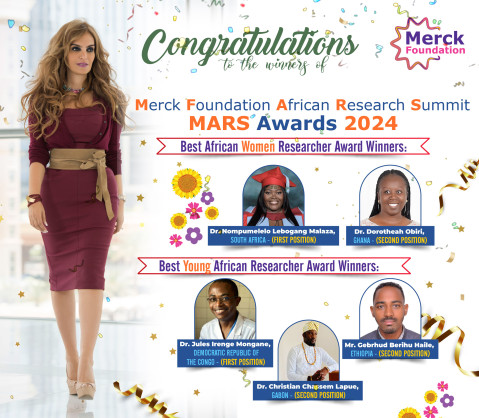
Merck Foundation (www.Merck-Foundation.com), the philanthropic arm of Merck KGaA Germany, announced the Winners of Merck Foundation Africa Research Summit (MARS) Awards 2024, in partnership with International Federation of Fertility Societies -IFFS, Africa Reproductive Care Society - ARCS, Manipal University and African Union Scientific Technical Research Commission to recognize African Researchers for their valuable research work and contribution to empowering women and youth in STEM in Africa with special focus on ‘The Role of Scientific Research in Women Health and Reproductive Care'.
Senator Dr. Rasha Kelej, CEO of Merck Foundation and Chairperson of Merck Foundation Africa Research Summit - MARS expressed, “Since 2016, I have taken immense pride in recognizing the achievements of our MARS Awards winners. This year, we honor Six Winners in two categories: ‘Best African Women Researchers Awards' and ‘Best African Young Researchers Awards.'
These awards celebrate their significant contributions to research, particularly highlighting the efforts of African women researchers, who remain underrepresented in this field. Through the MARS Awards, our mission is to empower young researchers in Africa and to specifically encourage and support women researchers by enhancing their research capabilities and promoting their vital roles in STEM (Science, Technology, Engineering, and Mathematics).”
The winners of ‘Best African women Researchers Awards' and ‘Best Young African Researcher Awards' will be enrolled into research training at a premier research institute in India.
“And I am also very happy to share with you all that as promised, we provided an opportunity to our first-place winner of each category to attend the 11th Edition of Merck Foundation Africa Asia Luminary which was recently conducted in Tanzania, however, only Mr. Jules Irenge Mongane was able to attend it”, shared Senator Rasha Kelej.
Merck Foundation is committed to improving the lives of people and has been transforming the Patient care landscape and making history together with its partners in Africa, Asia, and beyond, by providing 2080 Scholarships for doctors from 52 Countries in 44 critical and underserved medical specialties.
The MARS 2024 Award Winners are:
Winners of “MARS Best Women African Researchers Awards” 2024
1. Nompumelelo Lebogang Malaza, SOUTH AFRICA (First Position)
TOPIC: Association Between Biochemical And Epigenetic Markers With Glycaemic Control And Neonatal Outcomes In Diabetic Pregnancies
2. Dorotheah Obiri, GHANA (Second Position)
TOPIC: Immune dysregulation in placental malaria and hypertensive disorders of pregnancy
Winners of “MARS Best Young African Researchers Awards” 2024
1. Jules Irenge Mongane, DEMOCRATIC REPUBLIC OF THE CONGO (First Position)
TOPIC: Association Between Bacterial Vaginosis, Chlamydia Trachomatis Infection And Tubal Factor Infertility In Bukavu, Democratic Republic Of Congo
2. Christian Chassem Lapue, GABON (Second Position)
TOPIC: Epidemiology of helminthiases in women of reproductive age living in Lambaréné and its surroundings, Gabon
3. Gebrhud Berihu Haile, ETHIOPIA (Second Position)
TOPIC: Incidence of neonatal mortality and factors influencing neonate survival in neonatal intensive care unit in Northern Ethiopia: a prospective cohort study
“I am also excited to announce the Call for Applications for the new edition of the Merck Foundation Africa Research Summit (MARS) Awards 2024. This year, special focus will be again on “The Role of Scientific Research in Women Health and Reproductive Care,” added Senator, Dr. Rasha Kelej.
Merck Foundation Africa Research Summit - MARS 2025 will have scientific support from African Union Scientific-Technical and Research Commission (AU-STRC); African Reproductive Care Society (ARCS), and Manipal Academy of Higher Education (MAHE).
Details for MARS AWARDS 2025
Abstracts are invited from final year African PhD students and young investigators involved in research related to either of the following topics:
1) Women Health
2) Infertility and Reproductive Health
All applicants should be primarily based at African Research Institutes and Universities, although collaboration within Africa as well as outside is also welcome.
Last Date of Submission:
Applications can be submitted till 30th June 2025
How to apply:
Apply by clicking: https://apo-opa.co/3R1Vhhq
Alternatively, the Applications and abstracts can be submitted via email to mars@merck-foundation.com, along with CV (including Name, Gender, Country, University/Hospital Name, Email address, Mobile Number) and the abstract document as an attachment.
Other Details:
Distributed by APO Group on behalf of Merck Foundation.
Contact details:
Mehak Handa
Community Awareness Program Manager
+91 9310087613 / +91 9319606669
mehak.handa@external.merckgroup.com
Join the conversation on our social media platforms below and let your voice be heard!
Facebook: https://apo-opa.co/41VyNEY
X: https://apo-opa.co/3FTjdRz
Youtube: https://apo-opa.co/42klehm
Instagram: https://apo-opa.co/4crisLN
Threads: https://apo-opa.co/447LYnA
Flickr: https://apo-opa.co/4ckHufy
Website: www.Merck-Foundation.com
Download Merck Foundation App: https://apo-opa.co/43E0Da6
About Merck Foundation:
The Merck Foundation, established in 2017, is the philanthropic arm of Merck KGaA Germany, aims to improve the health and wellbeing of people and advance their lives through science and technology. Our efforts are primarily focused on improving access to quality & equitable healthcare solutions in underserved communities, building healthcare & scientific research capacity, empowering girls in education and empowering people in STEM (Science, Technology, Engineering, and Mathematics) with a special focus on women and youth. All Merck Foundation press releases are distributed by e-mail at the same time they become available on the Merck Foundation Website. Please visit www.Merck-Foundation.com to read more. Follow the social media of Merck Foundation: Facebook (https://apo-opa.co/41VyNEY), X (https://apo-opa.co/3FTjdRz), Instagram (https://apo-opa.co/4crisLN), YouTube (https://apo-opa.co/42klehm), Threads (https://apo-opa.co/447LYnA) and Flickr (https://apo-opa.co/4ckHufy).
The Merck Foundation is dedicated to improving social and health outcomes for communities in need. While it collaborates with various partners, including governments to achieve its humanitarian goals, the foundation remains strictly neutral in political matters. It does not engage in or support any political activities, elections, or regimes, focusing solely on its mission to elevate humanity and enhance well-being while maintaining a strict non-political stance in all of its endeavors.
Government to launch R500m spaza shop support fund
Trade, Industry and Competition Minister Parks Tau and the Minister of Small Business Development, Stella Tembisa Ndabeni, will next Tuesday officially launch the R500 million Spaza Shop Support Fund, an initiative which was first announced by President Cyril Ramaphosa in November 2024.
The fund, which will be jointly administered by the National Empowerment Fund (NEF) and the Small Enterprise Development Finance Agency (SEFDA), provides critical financial and non-financial support to township businesses, including community convenience stores and spaza shops.
The aim of the fund is to support South African owned township community convenience shops, including spaza shops, in order to increase their participation in the townships and rural areas’ retail trade sector.
“The opening of the applications for the fund marks another milestones in government’s efforts to stimulate the growth of the rural and township economy in the country, particularly by providing the necessary support to the convenience stores and spaza shops that are based in the townships and rural areas.
“Government recognises the important role that small businesses, including those operating in the rural areas and townships, can play in creating jobs, growing our economy and alleviating poverty,” Ndabeni said.
The fund provides various types of support including the initial purchase of stock via delivery channel partners, upgrading of building infrastructure, systems, refrigeration, shelving and security, as well as training programmes which includes Point of Sale devices, business skills, digital literacy, credit health, food safety and business compliance.
Tau pointed out that the fund does not only support economic inclusion but also aligns with national priorities to formalise informal sectors, safeguard consumers and promote local production and said it is a holistic approach to revitalising township economies.
“Beyond individual support, the fund seeks to bolster the broader supply chain by fostering partnerships with local manufacturers, black industrialists and wholesalers.
“Through bulk purchasing arrangements and the promotion of locally produced goods, spaza shops will benefit from reduced costs and increased access to quality products,” Tau said. – SAnews.gov.za
Edwin
Thu, 04/03/2025 - 10:31
31 views

Legal, tax and business advisory conglomerate CLG (www.CLGGlobal.com) - formerly Centurion Law Group – has officially been approved as a Central African Economic and Monetary Community (CEMAC) tax advisor by the CEMAC Standing Committee on Fiscal and Accounting Harmonization. CLG Tax and Legal will provide its full suite of tax services across all CEMAC member countries, supporting business and transactions across various strategic fields, including oil, gas and mining.
The tax certification not only comes as part of a broader restructuring of CLG's tax and legal services offerings, aimed at positioning the firm to better serve clients throughout the region with integrated solutions, but as the CEMAC region pursues accelerated growth across its strategic economic sectors. Specifically, the region's oil and gas sector is on track for rapid growth, as nations implement ambitious production targets. The Republic of Congo aims to produce 500,000 barrels per day (bpd) by 2027; Gabon targets 220,000 bpd in the short-term; while Equatorial Guinea and Cameroon are scaling-up gas monetization. These targets require significant levels of investment and CLG stands ready to support transactions and broader economic growth.
Given the potential of the CEMAC region's natural and mineral resources, project developers and investors have already begun to expand their presence across the region. In the Republic of Congo, TotalEnergies is investing $600 million in the Moho Nord project; Trident Energy recently acquired stakes in the Nkossa, Nsoko II, Lianzi and Moho-Bilondo fields; while Perenco increased production at the Tchibouela II and Tchendo II fields following a $30 million investment. In Gabon, wildcat drilling is underway on Blocks BC-9 and BCD-10 while Perenco advances the $1 billion Cap Lopez LNG terminal toward a 2026 start. In Equatorial Guinea, the country is preparing to launch an oil and gas licensing round while Cameroon drives a gas-to-industry agenda. Further developments in Chad are underway, highlighting the region's potential as a major producing hub.
Stepping into this picture, CLG's accreditation will serve to further support current and future transactions. Over the past decade, CLG has significantly grown its tax practice, providing comprehensive tax advisory and compliance services to numerous multinational companies operating across Africa. This sustained growth reflects CLG's commitment to meeting the complex tax needs of investors and businesses on the continent, from corporate tax planning and regulatory compliance to cross-border taxation strategies.
“By bolstering our tax practice in the CEMAC region, CLG continues to establish itself as a one-stop-shop for investors in the region and across the continent. The CEMAC accreditation aligns with our strategy to support impactful transactions in Africa and we look forward to strengthening our presence across the continent,” stated Zion Adeoye, CEO and Managing Partner of CLG.
CLG already has a strong presence in Africa, with offices in South Africa, Nigeria, Mauritius, Ghana, the Republic of Congo, Cameroon, Equatorial Guinea, Namibia and South Sudan. The company caters to a diverse portfolio of multinational companies operating globally, delivering bespoke solutions tailored to address the unique challenges and complexities faced by clients in different industries. CLG's expertise covers energy, infrastructure, mining, agriculture and ESG, to name a few. For the CEMAC region, CLG's extensive network and growing expertise positions the firm as strategic partner for regional and global firms. As companies expand their presence across the region, CLG's agile, integrated approach - underpinned by its local roots and depth of experience - demonstrates the rising prominence of African advisory firms on the global stage. The CEMAC tax certification not only expands CLG's regional service coverage but also solidifies its reputation as a trusted partner for businesses navigating Central Africa's evolving tax landscape.
“CLG's deep understanding of its clients' businesses, collaborative approach with local authorities, multinational orientation and highly experienced local teams are some of the factors that set our tax practice apart in the region,” stated Daoudou Mohammed, CLG Tax and Legal Director.
Distributed by APO Group on behalf of CLG.
Omotoso acquittal an "assault" on fight against GBV - Justice Committee
Parliament’s Justice Committee has expressed concern over the acquittal of televangelist Timothy Omotoso on 32 serious charges, including allegations of rape, racketeering, human trafficking, and other crimes.
On Wednesday, Gqeberha High Court Judge Irma Schoeman acquitted the pastor and his co-accused, Lusanda Sulani and Zukiswa Sitho – stating that the National Prosecuting Authority (NPA) had failed to prove their guilt beyond a reasonable doubt.
Responding to the ruling, Justice Committee Chairperson, Xola Nqola, described the outcome of the case as an “assault on the fight against gender-based violence (GBV)”.
“This is totally unacceptable. We need the National Prosecuting Authority to explain the weaknesses in the team, and the case they presented.
“Furthermore, the acquittal comes days after community activist and whistle-blower, Pamela Mabini, who was shot dead in her car in the driveway of her home in KwaZakhele, Gqeberha. Mabini was committed to supporting witnesses in this matter.
“With her gone, it seems we have failed our women, especially since the court referred to the poor quality of cross-examination as a contributing factor to the acquittal,” Nqola said.
Assessing options
In a statement, the National Prosecuting Authority said it is studying the judgement and will consider legal options.
“Delivering the judgment, Judge Irma Schoeman found that the trio was not guilty due to the technicality, mainly that the former prosecutors in the case acted improperly, and the accused were not sufficiently cross-examined by the state.
“It is for that reason that the prosecuting team will study the judgement and decide which legal avenues to explore.
“In as much as the NPA does not seek to secure conviction at all costs, it remains committed to ensuring justice is served for the victims of crime and will go at all lengths to give a voice to the victims by exploring all the possible avenues,” the NPA said. – SAnews.gov.za
NeoB
Thu, 04/03/2025 - 09:11
76 views
Progress in women's representation in politics globally has been slow. Women's representation in parliaments in Africa increased by one point from 2021 to 2024, shifting the total from 25% to 26%. “At this rate, it will take Africa until the year 2100 to achieve gender parity in its parliaments. But this assumes a linear progression, which is unlikely given the fact that generally after countries achieve the 30%-mark, progress slows down,” says Gram Mutenga, Regional Head of Programmes at International IDEA. In November 2024, UN Women and the International Institute for Democracy and Electoral Assistance (International IDEA), supported by the European Union, hosted the WYDE Women's Leadership Initiative regional dialogue in Johannesburg, South Africa. The programme brought together more than 50 women political leaders from East and Southern Africa for three days of exchanging ideas, sharing lessons and best practices, and networking.
One of the participants, Lioness Sibanda, holds the prominent position of Secretary General of a political party in Eswatini. She is tirelessly fighting for democratic reforms while mentoring the next generation of female leaders: “Eswatini has deep-rooted cultural and religious practices that still hold to the belief that a woman cannot be in the forefront or stand in front of men and tell them what to do. I have done a lot of work in terms of contributing to the struggle for women's rights in Eswatini, but because I am a woman, I am not taken seriously." Sibanda added that her work as a politician is mainly recognized by leaders of organizations advocating for democratic reform, and it remains challenging to persuade voters about the benefits of electing women into office.
Another challenge women political leaders face is violence, which includes tech-facilitated gender-based violence. Sibanda knows this reality well as she reveals that she must constantly be on the lookout for threats to her life. UN Women's data, based on five national surveys across Asia and Arab States, reveals that up to two-thirds of women elected in local government experience violence, yet less than 20% file formal complaints. Reiterating this issue, Hazel Gooding, UN Women Deputy Representative for the South Africa Multi-Country Office said, “We know that violence against women in politics weakens democracy by silencing voices and deterring future leaders. It is our collective duty to protect them, for instance by enacting and enforcing laws, providing victim support, protection and access to justice, training law enforcement officials, advocating to change minds and social norms.”
Betty Milgo, Secretary General for Persons with Disabilities in Kenya's ruling party, is also a teacher and disability rights advocate. Her journey into politics has not been an easy one: "My community is patriarchal and many don't understand the types of disabilities that exist, including albinism," she explains. Milgo emphasized that women politicians urgently need increased visibility and institutional support to promote their participation in politics.
For women like Motamma Horatius, a politician from Botswana who also attended the dialogue, the slow progress comes at a high cost. For five years, she was at the helm of one Itumeleng Ward as the Councillor. She recalls one of the biggest challenges she faced in her career as running for office while pregnant. “I had to wear extra-big dresses to conceal my pregnancy, on the campaign trail to avoid being viewed as a weak link. Culturally, they would say a pregnant woman will not manage. I won primary elections without them knowing that I was pregnant,” says Horatius.
Immediately after winning the elections, she gave birth but only took two weeks' leave as media articles scrutinized her absence. “I gave birth via C-section, and days later, there was already an uproar. ‘Where is she? She has abandoned her voters. She cannot serve,' these were some of the statements in the media. Two weeks post-partum, I was on the campaign trail again, this time for the general elections,” she recalls. These experiences shed light on the numerous systemic barriers unique to women politicians and aspiring candidates. These challenges are rooted in deeply ingrained social and cultural norms that dictate certain expectations for women's behaviour and impose restrictions on what they can and cannot achieve.
When asked what women political leaders want and need, Horatius, Milgo, and Sibanda shared similar perspectives. They underscored the importance of robust mental health support systems to help navigate the unique pressures of public life, particularly the pervasive violence against women in politics. Equally crucial is the need for comprehensive training and education programs to equip women with the skills and confidence to excel in leadership roles.
Building on these insights, participants of the Regional Dialogue identified additional strategies to enhance women's and youth participation in leadership and decision-making. These include providing financial support and fostering economic independence for women and youth candidates, challenging restrictive social norms through education and advocacy campaigns, ensuring balanced media coverage, and amplifying the visibility of female role models. Finally, capacity building through training and mentorship, as provided under the WYDE Women's Leadership initiative, was recognized as essential, alongside addressing intersectional challenges and actively combating violence against women in politics. Only by tackling these barriers collectively can the political landscape evolve to enable and empower women leaders.
WYDE | Women's Leadership, funded by the European Union, is a collaborative global effort aimed at advancing women's full and effective political participation and decision-making at all levels, especially those most often left furthest behind. WYDE | Women's Leadership is implemented by UN Women, the International Institute for Democracy and Electoral Assistance (International IDEA), the Inter-Parliamentary Union (IPU) and United Cities and Local Governments (UCLG), and is part of the Women and Youth Democratic Engagement initiative (WYDE), powered by the European Union, which seeks to empower and strengthen the rights, and participation in public and political life of women and youth as key actors of development and change.
Distributed by APO Group on behalf of UN Women - Africa.
Gauteng targets R300 billion in investments to boost economy
Gauteng Economic Development MEC, Lebogang Maile, says the province is aiming to secure at least R300 billion in investment pledges at the Gauteng Investment Conference (GIC), to be held in Johannesburg.
The MEC was speaking during a media briefing on the state of readiness of the province to host the conference, to be held at the Johannesburg Stock Exchange, in Sandton, on 3 April 2025.
“Leaders across all tiers of government, including Minister of Trade, Industry and Competition, Parks Tau, Premier of Gauteng Premier Lesufi, and Johannesburg Mayor Dada Morero, will provide inputs at the conference. The keynote address will be delivered by the Deputy President, who also serves as the Leader of Government Business in South Africa, His Excellency, Paul Mashatile.
“Of equal significance is the large contingent of leaders across the business and government sectors on the African continent, the African diaspora and the globe. With over 50 companies represented, the conference will be a convergence point of the world’s most important companies in various sectors,” Maile said.
The Gauteng province is of importance for South Africa’s economy and contributes at least 33% to the national Gross Domestic Product, and nearly 7% of sub-Saharan Africa’s output.
“The [GIC] is a transformative event in affirming the place of the Gauteng province in the continental economy. We are asserting that the development of Gauteng is in the best interest of South Africa, the Southern African Development Community and the continent broadly.
“Thus, investment in the economy of Gauteng extends beyond the confines of its provincial borders into other lands across the entire continent,” the MEC said.
Furthermore, the conference will also serve as a platform for critical dialogue that will “enable direct engagement between policy makers, investors and industry experts”.
“This will ensure that we come out with tangible and applicable outcomes. The sessions will focus on, amongst other things, public-private infrastructure investments, as well as key Gauteng most dynamic and high growth sectors, including…advanced manufacturing, green and renewable energy, ICT [information and communication technology] and data infrastructure, transport and logistics, smart property development and urban regeneration, as well as tourism and the creative economy,” he said.
Maile emphasised that these sectors are critical to ensuring development on a provincial, national and continental level.
“Investment in these sectors offers the most reliable instrument for ensuring sustainability and development, offering a clear path to economic prosperity that is anchored on inclusive growth, environmental protection and human development,” Maile said. – SAnews.gov.za
NeoB
Wed, 04/02/2025 - 13:46
264 views