• Skip to main content
  • Skip to header right navigation
  • Skip to after header navigation
  • Skip to site footer
MyZA

MyZA

News, Directory, Events and Other Stuff

  • Social Media
  • Sport
  • World News
  • Home
  • Submit News
  • Directory
  • Events
  • Stratlec
  • TFSA
  • News
    • APO
    • Today’s Sport News
    • Todays Social Media and Tech Headlines
    • Today’s World News
    • Today’s SA Financial News
  • Contact
You are here: Home / Archives for Conference

Conference

9 May 2025

Deputy Minister Sello Seitlholo Calls for Bold Investment to Secure Southern Africa’s Water Future

Location: News

Department of Water and Sanitation, Republic of South Africa
Download logo

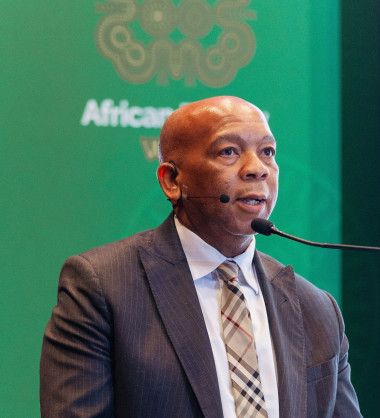
The Deputy Minister of Water and Sanitation, Mr. Sello Seitlholo, has called for intensified investment in the water sector to secure Southern Africa's future in the face of climate change and growing water demands.

Speaking at the ORASECOM Climate Resilient Investment Conference in Maseru, Lesotho on Thursday, 08 May 2025, Deputy Minister Seitlholo highlighted that resilient water infrastructure and cross-border collaboration are critical to the region's economic development, environmental sustainability, and long-term water security.

As a proud and committed member of the Orange-Senqu River Commission (ORASECOM), South Africa continues to champion regional cooperation for the sustainable and equitable management of shared water resources. Deputy Minister Seitlholo reaffirmed the country's support for the Commission, noting South Africa's role as host country and consistent contributor to its operations and basin-wide studies.

“Water is the foundation upon which our economies, communities, and ecosystems rest. In Southern Africa, it also binds us together across borders. Our shared future demands that we invest boldly and wisely in securing this most precious resource,” he said.

South Africa is undertaking major reforms to create an enabling environment for water investment. Deputy Minister Seitlholo said that these include legislative amendments to strengthen water governance, reduce inefficiencies, and attract private-sector involvement through improved regulatory certainty and streamlined project processes.

He pointed to multiple opportunities for investors, ranging from bulk infrastructure and wastewater treatment to innovative technologies in reuse and smart metering. Public-private partnerships are being pursued with urgency, including through the Water Partnership Office in collaboration with the Development Bank of Southern Africa (DBSA). “Investing in water is not just a necessity; it is a generational imperative. Our policy reforms, institutional innovation, and partnerships demonstrate that we are ready to work with all stakeholders to make water investment a success story,” he emphasised.

The Deputy Minister highlighted sustainability, technological advancement, and climate adaptation as key pillars of the country's water strategy. He emphasised the need for robust risk management to address droughts, floods, and pollution, backed by government funding instruments such as the Water Services Infrastructure Grant and the Regional Bulk Infrastructure Grant made available by the Department of Water and Sanitation.

Deputy Minister Seitlholo stressed that communities must be at the heart of water solutions. South Africa's water governance model prioritises public participation and inclusive development, particularly through forums supporting youth, women, and civil society engagement. Partnerships with NGOs, research institutions, and the private sector continue to drive innovation and ensure evidence-based planning.

In closing, Deputy Minister Seitlholo reaffirmed South Africa's unwavering commitment to regional leadership and global engagement in the water sector. He announced that South Africa will proudly host the Africa Water Investment Summit in August, a strategic platform aimed at unlocking large-scale investment and galvanising multi-sector partnerships for water infrastructure development across the continent.

Furthermore, as South Africa has assumed the G20 Presidency, the Deputy Minister committed that water financing will be elevated as a key agenda item, positioning water not merely as a development issue but as a central pillar of economic resilience, climate adaptation, and sustainable growth.

“South Africa stands ready to lead by example, mobilising political will, catalysing investment, and fostering cross-border cooperation to build a water-secure future for Africa and beyond,” he affirmed.

“Let us seize this moment to mobilise the partnerships, political will, and financing needed to ensure a climate-resilient and water-secure future for our region. What we decide today must shape a legacy of inclusive growth and sustainable prosperity for generations to come,” concluded Deputy Minister Seitlholo.

Distributed by APO Group on behalf of Department of Water and Sanitation, Republic of South Africa.

Read moreDeputy Minister Sello Seitlholo Calls for Bold Investment to Secure Southern Africa’s Water Future
8 May 2025

Milken Institute and Motsepe Foundation Announce Winner

Location: News
The Milken-Motsepe Innovation Prize Program

The Milken Institute (https://apo-opa.co/452va1L) and the Motsepe Foundation are proud to announce the winner of the Milken-Motsepe Prize in FinTech, a $2 million innovation award designed to reward companies working to expand access to capital and financial services for small businesses in emerging and frontier markets. The winner was announced at the Milken Institute Global Conference in Los Angeles. 

Verto (https://apo-opa.co/4d7WePf), based in the United Kingdom, won the $1 million Grand Prize for its business-to-business cross-border payments platform, which enables businesses in emerging markets to send and receive payments, eliminating intermediary fees, supporting 49 currencies, and settling transactions quickly. 

FinTech is the third prize awarded as part of the Milken–Motsepe Innovation Prize Program, a series of competitive multimillion-dollar global competitions and awards designed to incentivize and reward bold, innovative solutions to address pressing economic and environmental challenges in Africa. 

A Rigorous Award Cycle: From Application to Award 

Launched in May 2024, the Milken-Motsepe Prize in FinTech attracted more than 3,000 entrepreneurs from 126 countries across six continents. A total of 400 teams applied, with just 10 being selected as semifinalists. 

Each team underwent a comprehensive judging process that evaluated five key criteria: affordability and accessibility, ethical and responsible practices, scalability in other markets, the use of cutting-edge technology, and the potential to promote equitable access to financial services.  

In December 2024, 10 semifinalists pitched their innovations to investors at the Milken Institute Middle East and Africa Summit in Abu Dhabi. From this group, an expert panel of judges selected three finalists—Chumz, Oze, and Verto—to advance to the final stage of the innovation award at the 2025 Milken Institute Global Conference. 

“Across the African continent, technology and innovation are disrupting traditional finance and banking approaches. Investment in this space is profitable and, more importantly, necessary for financial inclusion," said Dr. Precious Moloi-Motsepe, co-founder and CEO of the Motsepe Foundation. "My heartfelt congratulations to the winners and all the finalists for demonstrating feasible and impactful solutions that will drive economic activity and shared prosperity in the global South, while influencing the financial sector all over the world." 

Since its launch in 2021, the Milken-Motsepe Innovation Prize Program has awarded over $6 million in funding to more than 50 innovators worldwide. Participating teams have raised nearly 10 times the Grand Prize in additional outside investments, reaching and impacting over 530,000 community members. 

The Milken-Motsepe Innovation Prize Program offers free, curated resources and online events not only to award winners but also to nearly 9,000 global entrepreneurs.  

New Prize in AI and Manufacturing 

The fourth Milken-Motsepe Innovation Prize, which focuses on AI and manufacturing, launched at the 2025 Milken Institute Global Conference. The new $2 million award is designed to recognize established companies driving innovation in Africa's manufacturing sector. Focused on advanced data analytics and artificial intelligence, the prize rewards technological breakthroughs that create long-term economic resilience in the supply chain in Africa. 

Registration is open until July 31, 2025.  

With $2 million in total prizes, including a $1 million Grand Prize, “AI and Manufacturing” seeks companies that accelerate technological advancements, create jobs, and improve access to essential goods and services for communities across Africa. The award represents an opportunity to support companies leading the next wave of transformative change in manufacturing. 

“We have witnessed our prize programs bring forward some of the most visionary thinkers across sectors, from agriculture to financial technology. Now we're excited to see what bold entrepreneurs are doing for the manufacturing sector to harness the power of AI and other advanced technologies to improve the supply chain in Africa,” said Emily Musil, PhD, managing director of environmental and social innovation at the Milken Institute. “Prizes like this have the power to reveal new and better ways to operate in the digital age and shape how we can do better for people and the planet in the new future we are building.”  

For more information about the winners and the Milken-Motsepe Innovation Prize Program, visit https://MilkenMotsepePrize.org/.   

Distributed by APO Group on behalf of The Milken-Motsepe Innovation Prize Program.

Additional Video Link:
Opening Video: https://apo-opa.co/3GJgJpr
Finalist Video 1 - Chumz: https://apo-opa.co/436rMk6
Finalist Video 2  - Oze: https://apo-opa.co/4md7NsO
Finalist Video 3 - Verto: https://apo-opa.co/3Z9lVZT

Contact: 
Paul Guequierre  
Email: pguequierre@milkeninstitute.org 
Phone: 202-249-6942 

ABOUT THE MILKEN INSTITUTE:  
The Milken Institute is a nonprofit, nonpartisan think tank focused on accelerating measurable progress on the path to a meaningful life. With a focus on financial, physical, mental, and environmental health, we bring together the best ideas and innovative resourcing to develop blueprints for tackling some of our most critical global issues through the lens of what's pressing now and what's coming next. For more information, visit www.MilkenInstitute.org.  

ABOUT THE MOTSEPE FOUNDATION:
The Motsepe Foundation was founded in 1999 by Dr. Patrice Motsepe and his wife, Dr. Precious Moloi-Motsepe. The goal of the Motsepe Foundation is to contribute toward eradicating poverty and to sustainably improve the living conditions and standards of living of poor, unemployed, and marginalized people in South Africa, Africa, and the world. In January 2013, Dr. Motsepe and Dr. Moloi-Motsepe joined the Giving Pledge, which was started by Warren Buffett and Bill and Melinda Gates. Dr. Motsepe and his wife committed to give half of their wealth to the poor and for philanthropic purposes during their lifetime and beyond. 

Media files
The Milken-Motsepe Innovation Prize Program
Download logo
Read moreMilken Institute and Motsepe Foundation Announce Winner
8 May 2025

South Africa’s Electricity Minister Joins AEW 2025 Amid Bold Infrastructure Plans

Location: News
African Energy Chamber

Dr Kgosientsho Ramokgopa, Minister of Electricity and Energy of South Africa, will speak at this year's edition of the African Energy Week (AEW): Invest in African Energies conference – taking place September 29 to October 4 in Cape Town. As the country targets large-scale power and renewable energy rollout, Dr Ramokgopa's participation will support greater collaboration with international partners and investors.

Faced with an energy deficit challenge, South Africa has been implementing bold changes across its electricity and energy sectors, seeking to strengthen infrastructure development and broader energy access. In 2025, the country implemented its newly enacted Electricity Regulation Act, aimed at creating a more competitive power market in the country. Designed to address the country's longstanding power supply challenges by restructuring the sector, the act enables independent power producers to play a larger role in the country's industry. Additional policies include the Renewable Energy Masterplan – approved in March 2025 and aimed at incentivizing investment across the renewable energy value chain – and the Energy Action Plan – aimed at mitigating power outages by securing energy supply.

On the back of regulatory reform, the country has seen several milestones achieved across its electricity and energy sectors in recent months. In March 2025, the country brought the sixth and final unit of the Kusile Power Station online. Following the requisite testing and optimization over a six-month period, the unit will add 800 MW to the South African national grid. Once all units at the station are operational by H2, 2025, the station will contribute 4,800 MW to the grid, representing the country's largest infrastructure project. Meanwhile, a second new-build power station is on track for commissioning its fourth unit shortly. The Medupi station – a greenfield coal-fired plant – will produce 4,800 MW once all six units are online.

While these projects represent strategic steps towards improving generation and transmission capacity in South Africa, much more investment is required to achieve the country's power and energy goals. The Ministry of Electricity and Energy estimates that South Africa requires up to R440 billion to finance transmission development over the next ten years. To enhance energy access, the country seeks to modernize and expand the national electricity grid by 14,000 km during this timeframe, highlighting a major investment opportunity for global financiers. In March 2025, Minister Ramokgopa announced short-term plans to acquire up to 1,164 km of 400 kV transmission lines, covering the Northern Cape, North-West and Gauteng. The acquisition falls under the country's broader Integrated Resources Plan – which provides a roadmap for achieving South Africa's forecasted electricity demand - as well as the 2024 Transmission Development Plan, which seeks to expand the grid and achieve greater access rates across various provinces.

Meanwhile, spearheaded by the Ministry of Electricity and Energy, the country is making significant strides towards scaling-up its renewable energy sector. A key driver of this is the Renewable Energy Independent Power Producer program (REIPPP) – an initiative aimed at increasing generating capacity through private sector investment in solar, onshore wind and hydropower. The REIPPP has successfully channeled substantial private sector expertise and investment in the renewable industry, with 16 winners selected under Bid Window 7 in December 2024. This window targets 5 GW of renewable energy capacity, with the winning projects featuring 1.76 GW of solar – representing a combined investment of ZAR 31.4 billion – as well as 615 MW of battery energy storage - a combined investment of ZAR12.8 billion.

Nuclear energy has also been identified as a strategic sector by the Ministry of Electricity and Energy. South Africa currently hosts the only operational nuclear facility in Africa and has plans to scale-up capacity in support of anticipated rising demand. The Ministry of Electricity and Energy plans to spend R60 billion on its nuclear-build program and is seeking support from international nuclear experts to enhance capacity. At AEW: Invest in African Energies, insights into South Africa's power and energy advancements will highlight key investment opportunities for global players.

“South Africa has put the requisite policies in place to advance large-scale power and energy projects. What the country now needs is action. International investors should take advantage of regulation and drive impactful projects,” states Oré Onagbesan, Program Director, African Energy Week.

Distributed by APO Group on behalf of African Energy Chamber.

About ​AEW: Invest in African Energies:
AEW: Invest in African Energies is the platform of choice for project operators, financiers, technology providers and government, and has emerged as the official place to sign deals in African energy. Visit http://www.AECWeek.com for more information about this exciting event.

Media files
African Energy Chamber
Download logo
Read moreSouth Africa’s Electricity Minister Joins AEW 2025 Amid Bold Infrastructure Plans
5 May 2025

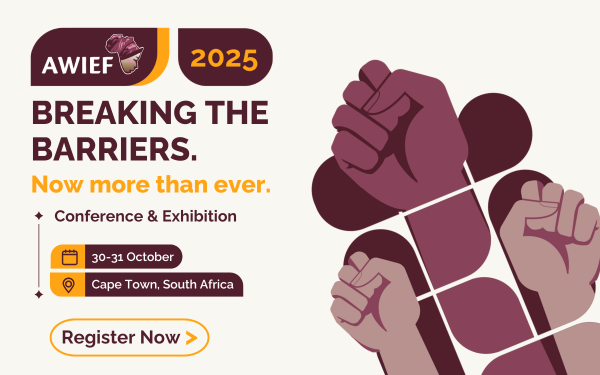
AWIEF Announces Theme for 2025 Conference

Location: Business
Africa Women Innovation and Entrepreneurship Forum (AWIEF)

The Africa Women Innovation and Entrepreneurship Forum (AWIEF) (www.AWIEForum.org) has announced the theme for its prestigious annual conference taking place at the Cape Town International Convention Centre (CTICC), Cape Town, South Africa, from 30 to 31 October 2025.

As a leading pan-African organisation driving women's entrepreneurship and innovation, AWIEF continues to provide a powerful platform to promote inclusive economic growth and gender equity across the continent.

AWIEF2025 is the 11th edition of the annual conference, a highly anticipated two-day event, an international platform and gathering of a wide range of stakeholders from the African and global entrepreneurship ecosystem, to engage in impactful dialogue and work together on bold, gender-inclusive and forward-thinking solutions for a thriving business landscape for women in Africa.

The conference theme this year is “Breaking the Barriers: Now More Than Ever”.

Despite notable progress in women's empowerment, today, we are witnessing not just a stagnation but, alarmingly, an active backlash against gender equality and women's rights. This regression threatens to reverse hard-won gains and underscores the need for urgent, collective action.

The theme of AWIEF2025 is both a call to action and a statement of urgency. It reflects the growing recognition that, in a world marked by political instability, economic uncertainty, technological disruption, and persistent inequality, we cannot afford to remain complacent. As UN Secretary-General António Guterres recently emphasized, “We are witnessing an aggressive backlash against gender equality – threatening hard-won progress… We must push back against this pushback.”

In the lead-up to 2030, "Now more than ever," we must renew our commitment to gender equity and ensure that no woman is left behind in Africa's development journey.

Following the resounding success of AWIEF2024, which brought together over 1,000 attendees from over 50 countries, including 42 African nations, the upcoming AWIEF2025 promises even greater impact and engagement.

AWIEF2025 will once again convene a vibrant community of entrepreneurs, corporate executives, investors, policymakers, development institutions, academia, media, and civil society to foster collaboration, drive transformative change, and scale women-led innovation and enterprise.

Delegate registration is now open.

Exhibition stand bookings are also open, offering a prime opportunity for businesses, startups, and organisations to showcase their products, services, solutions, and innovations to a pan-African and global audience.

Join AWIEF in Cape Town and be part of Africa's most empowering platform for advancing women in business and innovation.

Visit www.AWIEForum.org to register and to secure your place. Contact: info@awieforum.org

Distributed by APO Group on behalf of Africa Women Innovation and Entrepreneurship Forum (AWIEF).

Media files
Africa Women Innovation and Entrepreneurship Forum (AWIEF)
Download logo
Read moreAWIEF Announces Theme for 2025 Conference
5 May 2025

US Monastir, Petro de Luanda and Kriol Star Advance to the 2025 Basketball Africa League (BAL) Playoffs in South Africa

Location: Sport
Basketball Africa League (BAL)

Anderson Correia got 16 points and five rebounds, Ivan Almeida added 14 points, 13 rebounds and eight assists and Basketball Africa League (BAL) (www.BAL.NBA.com) debutant Kriol Star (Cape Verde) defeated the defending champion Petro de Luanda (Angola) 71-69 in overtime, booking their spot to the 2025 BAL Playoffs which will take place at SunBet Arena in Pretoria, South Africa from 6-14 June. NBA Academy Africa prospect Lewis Uvwo played 40 minutes and finished with 14 points, 12 rebounds and two blocks. The Star outrebounded Petro 52-43, but also finished with 28 turnovers.

Glofate Buiamba led Petro with 16 points, with Aboubacar Gakou adding 15 points and seven rebounds. With 3 wins and 3 losses, both teams qualified to the BAL Playoffs in Pretoria – Petro finished second and the Star finished third in the Sahara Conference.

In the second game this evening, Osiris Eldridge (22 points and four assists) and former NBA Academy Africa prospect Babacar Sane (13 points and 12 rebounds) led the 2022 BAL champion US Monastir (Tunisia) to a 77-68 win over ASC Ville de Dakar (Senegal). The win gave Monastir (4-2) the top place in the Sahara Conference and an automatic qualification to the playoffs. Monastir shot 43 percent from the floor and outrebounded Dakar 45-39. Will Perry led Dakar with 20 points and seven assists and Makhtar Gueye added 18 points as the host team concluded their 2025 BAL campaign.

More than 47,000 fans attended the Sahara Conference games at Dakar Arena in Senegal.

The 2025 BAL season will continue with the Nile Conference group phase which will be held from 17-25 May at BK Arena in Kigali, Rwanda. The Nile Conference will feature four teams: Made By Basketball (MBB, South Africa), Al Ahli Tripoli (Libya), Nairobi City Thunder (Kenya) and Armée Patriotique Rwandaise Basketball (APR, Rwanda). The top two teams from the Nile Conference and a team with a better record between FUS Rabat (Morocco, Kalahari Conference) and the team which will finish third in the Nile Conference will join Al Ittihad (Egypt), Rivers Hoopers (Nigeria), US Monastir, Petro de Luanda and Kriol Star in the 2025 BAL Playoffs in South Africa.

Postgame media availability:

  • Kriol Star v Petro de Luanda (https://apo-opa.co/43etLE1)
  • US Monastir v ASC Ville de Dakar (https://apo-opa.co/3GFyC8E)

Standings:

  • www.BAL.NBA.com

Distributed by APO Group on behalf of Basketball Africa League (BAL).

Media files
Basketball Africa League (BAL)
Download logo
Read moreUS Monastir, Petro de Luanda and Kriol Star Advance to the 2025 Basketball Africa League (BAL) Playoffs in South Africa
5 May 2025

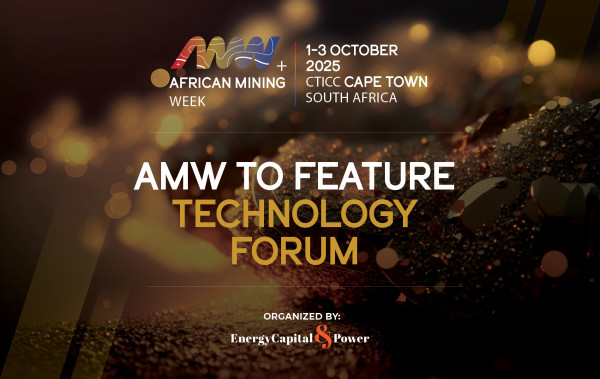
African Mining Week to Spotlight Cutting-Edge Mining Tech

Location: Business
Energy Capital & Power

The upcoming African Mining Week (AMW) – Africa's premier gathering for mining stakeholders, scheduled for October 1-3, 2025 in Cape Town – will feature a dedicated Technology Forum. The forum will connect African mining projects with global technology providers and investors, showcasing how digital solutions are transforming resource extraction and redefining the mining value chain.

As African countries scale up mineral production to drive GDP growth, developers are increasingly adopting data analytics and digital tools to boost operational efficiency. U.S.-based startup KoBold Metals, which applies artificial intelligence (AI) to mineral exploration, entered the Democratic Republic of Congo (DRC) in April 2025 to tap into the country's estimated $24 trillion in untapped mineral resources. The DRC – already the world's largest cobalt producer and a key copper supplier – could see its global mining profile rise significantly with KoBold's involvement. In Zambia, the company is advancing the $2 billion Mingomba project, one of the world's most promising untapped copper assets.

https://apo-opa.co/3Z0EMWY

https://apo-opa.co/3EBP2yg

Similarly, in Zimbabwe, Caledonia Mining is investing $1.1 million in IT infrastructure upgrades at the Blanket Mine as part of its $41.8 million capital budget. The upgrades include new mine planning software and a digital clocking system to improve labor efficiency, with a goal to increase gold output from 76,656 ounces in 2024 to up to 77,500 ounces in 2025.

https://apo-opa.co/4k8pMPg

In Botswana, Botswana Diamonds is employing AI-driven exploration to expand beyond diamond mining, recently identifying new prospects for copper, silver, cobalt, gold, nickel, zinc and platinum group metals. “During the initial analysis of the big database, it became clear that the AI technology could be used to identify other unknown minerals opportunities – and so it turned out,” said John Teeling, Chairman of Botswana Diamonds.

https://apo-opa.co/4k6ZDQM

Meanwhile, South African firms such as Kilken Platinum and Rio Tinto are deploying digital tools to unlock greater operational value. A joint report by Accenture and the World Economic Forum projects that digitalization could unlock up to R213 billion in additional value for South Africa's mining sector by 2026. Technologies such as predictive maintenance, autonomous operations and real-time data monitoring are helping firms streamline processes, reduce downtime and improve safety outcomes.

https://apo-opa.co/3EBP2yg

https://apo-opa.co/4jXhBVG

The Technology Forum at AMW 2025 will feature high-level panels examining how digitalization can optimize infrastructure, enhance safety, predict system failures and support sustainable resource management in a data-driven mining environment. The forum will also provide a platform for mining companies to showcase real-world case studies, exchange knowledge with tech innovators, and explore partnerships that drive long-term value creation.

Distributed by APO Group on behalf of Energy Capital & Power.

About African Mining Week:
African Mining Week serves as a premier platform for exploring the full spectrum of mining opportunities across Africa. The event is held alongside the African Energy Week: Invest in African Energies 2025 conference from October 1-3 in Cape Town. Sponsors, exhibitors and delegates can learn more by contacting sales@energycapitalpower.com.

Media files
Energy Capital & Power
Download logo
Read moreAfrican Mining Week to Spotlight Cutting-Edge Mining Tech
2 May 2025

AMW 2025 to Host Africa-Europe Mining Cooperation Dialogue

Location: Business

Energy Capital & Power
Download logo

As home to 30% of the world's critical minerals – resources essential to Europe's Green Deal and broader energy transition goals – Africa is attracting heightened interest from European investors and institutions.

Taking place from October 1–3, 2025 in Cape Town, African Mining Week – the continent's premier mining event – will host the Europe-Africa Roundtable under the theme, European Partnerships in African Mining: A Mutually Beneficial Future. The roundtable will convene mining stakeholders, policymakers and investors from both continents to explore investment opportunities and foster cross-continental collaboration.

As Africa seeks to mobilize new capital to drive industrial growth through mining, European-based companies are playing a pivotal role. British multinational Anglo American is advancing copper, nickel, coal and diamond projects in South Africa, Botswana, Zambia and Nigeria. Glencore, headquartered in Switzerland, maintains major coal, copper and cobalt operations in South Africa and Botswana, while the UK's Rio Tinto is engaged in a range of mineral ventures across the continent.

Europe's junior and mid-tier mining firms are also gaining ground. Pensana is developing Angola's first rare earths mine at Longonjo, which is expected to meet 5% of global demand for magnet rare earths. Endeavour Mining is leading several gold expansion projects across the continent, including the Lafigué Gold Mine in Ivory Coast, Sabodala-Massawa in Senegal and Kalana in Mali.

Beyond the private sector, the European Commission is also backing strategic infrastructure to unlock mineral corridors. Notably, it is co-financing the Lobito Corridor, which links the DRC, Zambia and Angola to global markets. Through frameworks such as the Global Gateway Africa-Europe Investment Package, the Africa-EU Partnership on Sustainable Raw Materials, and Strategic Partnerships on Critical Raw Materials, Europe is delivering financial backing and technical know-how to Africa's mining sector. These efforts aim to secure reliable, responsible and diversified mineral supply chains while fostering sustainable development and value addition on the African continent.

Within this context, AMW 2025 offers a vital platform to sustain this momentum, deepen cooperation and forge new partnerships that advance mining-led growth. From major investments by European mining giants to infrastructure financing through the Lobito Corridor, Africa is attracting unprecedented levels of capital and collaboration. The Europe-Africa Roundtable will spotlight opportunities across critical minerals, gold, copper and rare earths, while promoting sustainable practices and mutually beneficial engagement.

Distributed by APO Group on behalf of Energy Capital & Power.

About African Mining Week: 
African Mining Week serves as a premier platform for exploring the full spectrum of mining opportunities across Africa. The event is held alongside the African Energy Week: Invest in African Energies 2025 conference from October 1-3 in Cape Town. Sponsors, exhibitors and delegates can learn more by contacting sales@energycapitalpower.com.

Read moreAMW 2025 to Host Africa-Europe Mining Cooperation Dialogue
26 April 2025

2.5 MTPA in Gas Output Feasible for Namibia, Says NAMCOR

Location: News
African Energy Chamber

The National Petroleum Corporation of Namibia (NAMCOR) has revealed that the country could produce more than 2.5 million tons of natural gas per year, based on early-stage assessments of recent discoveries made since 2022.

Speaking during a panel discussion on gas monetization strategies at the Namibia International Energy Conference on April 24, Mtundeni Ndafyaalako, Executive of Upstream Development & Production at national oil company NAMCOR, outlined a dual-pronged approach adopted by the corporation.

The first pillar focuses on leveraging legislative frameworks to enable coordinated infrastructure development, fostering collaboration among operators. The second emphasizes expanding exploration activities to unlock further resources.

“We have launched a gas monetization strategy project to support both government and industry on how best to commercialize gas. From our appraisals, we now have a clearer picture of production potential and various applications,” said Ndafyaalako, noting that the strategy is designed to attract new players and investment by clarifying monetization pathways.

Manfriedt Muundjua, Deputy General Manager at BW Kudu, reinforced the importance of integrating four pillars of local content – training, skills transfer, local procurement and local ownership – into the broader gas development framework.

Muundjua shared that BW Kudu is placing Namibian interns in every technical role currently held by international staff, supporting long-term local capacity building. He also emphasized the urgent need for downstream investment and infrastructure development.

“We already have a downstream investment partner lined up to join us once production at Kudu begins,” he said.He added that drilling of additional wells is scheduled to begin in October, supporting NAMCOR's emphasis on continued exploration to identify new reserves.

Paul Eardley-Taylor, Head of Oil & Gas Coverage for Southern Africa at Standard Bank, highlighted the need for a "shadow infrastructure" – potentially led by public-private partnerships – in southern Namibia to address energy shortages through gas utilization. He suggested that oil revenues should be strategically directed toward financing gas infrastructure and fostering local energy markets.

Eardley-Taylor also pointed to the broader regional opportunity, suggesting that Namibia could assume a role once held by South Africa as the region's primary energy supplier, particularly as critical mineral projects are willing to pay a premium for stable power supply.

Meanwhile, Ian Thom, Research Director for Upstream at Wood Mackenzie, expressed confidence that Namibia could implement a comprehensive Gas Master Plan within the next nine months. With only 59% of the population currently connected to the electricity grid, Thom underscored the potential of gas to dramatically increase energy access across residential, commercial and industrial sectors.

“Namibia could generate more value by exporting electricity rather than raw gas, given the limited infrastructure for gas exports and the high costs associated with building it,” Thom said.

Looking ahead, the upcoming African Energy Week (AEW): Invest in African Energies conference – set to take place from September 29 to October 3, 2025, in Cape Town – will spotlight Namibia's gas developments and broader African opportunities The event will feature panel discussions, project showcases, deal signings and high-level networking sessions that connect African energy projects with global investors.

AEW: Invest in African Energies is the platform of choice for project operators, financiers, technology providers and government, and has emerged as the official place to sign deals in African energy. Visit www.AECWeek.com for more information about this exciting event.

Distributed by APO Group on behalf of African Energy Chamber.

Media files
African Energy Chamber
Download logo
Read more2.5 MTPA in Gas Output Feasible for Namibia, Says NAMCOR
24 April 2025

AEC Champions Smart Policy, Strategic Partnerships to Advance Namibia’s Oil & Gas Discoveries

Location: Business
African Energy Chamber

As a strategic partner of the Namibia International Energy Conference (NIEC), the African Energy Chamber (AEC) (www.EnergyChamber.org) is calling for a deliberate and accelerated approach to moving Namibia's recent oil and gas discoveries into production – emphasizing the importance of speed, investor confidence and strategic collaboration.

Speaking during a high-level panel at NIEC 2025, AEC Executive Chairman NJ Ayuk urged Namibia to seize the momentum of its frontier discoveries, while avoiding the pitfalls that have stalled progress in other hydrocarbon-rich African nations. He emphasized that Namibia's path to becoming a regional energy hub hinges on its ability to learn from international case studies and execute deals that ensure long-term national benefit.

“Namibia needs to move fast, produce quickly and negotiate the best deals with its partners to ensure the rapid development of its oil discoveries,” Ayuk stated. He pointed to Guyana as a prime example, noting how the South American country developed a robust strategy focused on national benefit and successfully attracted billions in investments to fast-track its energy projects.

In contrast, Ayuk cautioned against the delays experienced by countries like Mozambique, Tanzania, Uganda and South Africa, where production was significantly postponed, leading to rising project costs and lost opportunities. “There is a growing movement trying to discourage Africa – and Namibia – from producing its oil and gas. We must resist that,” he added.

Reinforcing the need for investor-friendly terms, Justin Cochrane, Africa Upstream Regional Research Director at S&P Global Commodity Insights, highlighted the necessity of contract stability, transparent data-sharing and a balanced approach to fiscal negotiations. “It's natural that Namibia wants to maximize its benefits, but pushing too hard on IOCs can result in getting 100% of nothing… The first milestone must be achieving first oil,” said Cochrane.

Representing Namibia's national oil company, Victoria Sibeya, Interim Managing Director of NAMCOR, stressed that the company is actively engaged in every phase of the industry, from data acquisition and exploration to shaping the downstream and midstream vision. “We are not just bystanders,” said Sibeya. “NAMCOR is deeply involved in data acquisition, exploration and the exchange of knowledge and technology with our partners. We are also preparing to invest in downstream and midstream sectors to ensure that we can add value once production begins.”

Echoing the call for local development, Adriano Bastos, Head of Upstream at Galp, underscored the need for early and continuous skills development – proposing that Namibians be trained abroad in specialized areas like FPSO operations to ensure they are prepared to lead once production begins at home. “Namibia has capabilities that are rare in the region, but more collaboration with international partners is essential to build the local skills base,” he said.

Bastos noted that Namibians make up 25% of Galp's workforce in the country, including its first female offshore base manager. “We are proud of the strides we have made. Our nationalization plans are aggressive, and we work closely with [the Namibian Ports Authority] and other local entities to implement meaningful capacity-building projects.”

As Namibia stands on the cusp of transforming exploration success into production, the message from industry leaders is clear: time, trust and talent will determine the country's trajectory. Through cross-border collaboration, pragmatic deal-making and a strong national vision, Namibia can emerge not just as an oil producer – but as a continental model for inclusive, forward-thinking energy development.

Distributed by APO Group on behalf of African Energy Chamber.

Media files
African Energy Chamber
Download logo
Read moreAEC Champions Smart Policy, Strategic Partnerships to Advance Namibia’s Oil & Gas Discoveries
24 April 2025

Parliamentary Vice-Minister ERI’s attendance at the National Day Reception of the Republic of South Africa

Location: News

Ministry of Foreign Affairs of Japan
Download logo

On April 24, Ms. ERI Arfiya, Parliamentary Vice-Minister for Foreign Affairs, attended the South African National Day Reception, which was held in Tokyo, and delivered her remarks on behalf of the Government of Japan. The overview is as follow:

  • In her speech, Parliamentary Vice-Minister ERI referred to the longstanding friendship between Japan and South Africa that has been fostered for 115 years, and expressed her hope that, through increasingly active high-level exchanges over the past year and wide-ranging discussions at such high-levels, bilateral cooperation will be further deepened. She also noted that the bonds forged through multilayered exchanges in diverse areas such as the economy, culture, and sports have served as the foundation for strengthening bilateral ties between the two countries.
  • Parliamentary Vice-Minister ERI also stated that Japan would like to work with African countries to co-create solutions to various challenges at the 9th Tokyo International Conference on African Development (TICAD 9) to be held in Yokohama this August, and expressed her hope that the achievements of TICAD 9 will lead to the success of the G20 Johannesburg Summit. She emphasized that Japan and South Africa, based on the shared the fundamental values of freedom, peace, and democracy, will further strengthen bilateral cooperation.
  • Parliamentary Vice-Minister ERI concluded her remarks by expressing her deep respect for the legacy of President Nelson MANDELA and other great leaders who have shaped South Africa's path to freedom and democracy.

Distributed by APO Group on behalf of Ministry of Foreign Affairs of Japan.

Read moreParliamentary Vice-Minister ERI’s attendance at the National Day Reception of the Republic of South Africa
24 April 2025

AMW to Spotlight Investor Strategies Driving Africa’s Mineral Industrialization

Location: Business

Energy Capital & Power
Download logo

African Mining Week (AMW) – taking place from October 1–3, 2025, in Cape Town – will connect global investors with high-impact opportunities across Africa's mining sector, spotlighting the strategies fueling the continent's mineral industrialization.

A key highlight of the event will be a high-level panel, The Investor Perspective: Financing Africa's Mineral Industrialization. The session will explore the evolving investment landscape and examine diverse financing mechanisms – including bank loans, private equity, venture capital and impact investing – that are mobilizing capital into African mining.

DFIs Drive Infrastructure Investments

Attracted by strong returns and Africa's long-term growth potential, development finance institutions (DFIs) are ramping up investments into the continent's mining infrastructure. In March 2025, the African Development Bank approved a $150 million loan to Mauritania's state-owned mining company SNIM and committed $500 million to the Lobito Corridor – a strategic railway project linking Angola, the DRC and Zambia to international markets. Meanwhile, the Africa Finance Corporation (AFC) is backing several critical mineral projects, including Nyanza Light Metals' $780 million PGMs facility in South Africa, Gecamines' expansion in the DRC, Giyani Metals' manganese development in Botswana and FG Gold's project in Sierra Leone. Between 2014 and 2024, AFC invested over $1 billion into Africa's mining sector. The U.S. International Development Finance Corporation (DFC) is also deepening its commitment, providing more than $750 million toward the Lobito Corridor, $34 million for Pensana's Longonjo rare earths project in Angola and $3.2 million to Chillerton's green copper development in Zambia.

Geopolitics and African Prospects

Geopolitical shifts are intensifying the global race for Africa's critical minerals, vital for the energy transition and digital economy. From 2019 to 2023, companies from the United Arab Emirates committed over $110 billion to African projects. In early 2025, UAE-based Ambrosia Investment Holding acquired a 50% stake in Allied Gold's projects in Ethiopia and Mali, investing $375 million to scale up gold production. Canadian mining investment on the continent has now surpassed $37 billion, with companies like Ivanhoe Mines, Fortuna Silver, Pioneer Lithium and Trigon Metals leading expansion efforts. Similarly, Australia's mining footprint in Africa reached $60 billion in asset value in 2024, supported by firms such as Sovereign Metals, Cazaly Resources and Atlantic Lithium.

Private Placements

Private placements are emerging as a preferred capital-raising vehicle for mining ventures across Africa. Companies including Zanaga Iron Ore, Moab Minerals, Global Atomic Corporation, Premier African Minerals and Trigon Metals are leveraging this mechanism to fast-track project development and attract investor interest. As ESG criteria take center stage in investment decision-making, AMW will serve as a platform for financiers and project developers to engage on sustainability metrics, transparency and responsible investing.

Distributed by APO Group on behalf of Energy Capital & Power.

African Mining Week serves as a premier platform for exploring the full spectrum of mining opportunities across Africa. The event is held alongside the African Energy Week: Invest in African Energies 2025 conference from October 1-3 in Cape Town. Sponsors, exhibitors and delegates can learn more by contacting sales@energycapitalpower.com. To download the working program, please visit www.African-MiningWeek.com

Read moreAMW to Spotlight Investor Strategies Driving Africa’s Mineral Industrialization
21 April 2025

AI Powers Innovation, Efficiency and Growth in African Mining

Location: News

Energy Capital & Power
Download logo

African mining projects are increasingly incorporating artificial intelligence (AI) to streamline operations and meet ambitious production targets set by governments across the continent. As the mining industry undergoes a digital transformation, the upcoming African Mining Week (AMW) will highlight the pivotal role of AI and other digital tools in optimizing exploration and production processes, with a view to unlocking new mineral reserves, reducing costs and enhancing worker safety.

Botswana Diversifies Mineral Portfolio

In Botswana, Botswana Diamonds is expanding its mineral portfolio beyond diamonds with an AI-based nationwide exploration campaign launched in August 2024. By March 2025, the company identified potential deposits of besshi, greenstone, Mississippi Valley-type lead and zinc, SEDEX and platinum group metals (PGMs). To capitalize on these discoveries, Botswana Diamonds has applied for 11 new prospecting licenses. John Teeling, Chairman of Botswana Diamonds, stated: “During the initial analysis of the big database, it became clear that the AI technology could be used to identify other unknown minerals opportunities… Our analysis so far has identified a series of targets in copper cobalt, zinc and gold.”

KoBold Advances Zambia's Critical Mineral Market

U.S.-based startup KoBold Metals is applying AI to enhance critical mineral exploration and mine development in Zambia. In January 2025, KoBold raised $537 million in new capital, bringing its total funding to $1 billion. The company is developing one of the world's largest untapped copper basins in Zambia, with plans to produce 300,000 tons annually by 2030 from its $2 billion Mingomba Project. Additionally, KoBold Metals is exploring the Dumbwa Mine and Konkola West Project, contributing to Zambia's goal of reaching 3 million tons of annual copper production by 2031.

Kilken Platinum Drives Mine Expansion

In South Africa, Kilken Platinum is utilizing AI to optimize operations at its Thabazimbi processing plant in Limpopo as part of an expansion plan to double PGM production to 83kgs per month. The project has already increased output to 40kgs in its initial phase. Dondo Mogajane, CEO of Kilken Platinum's parent company Moti Group, emphasized that AI enables real-time tracking of production metrics and ensures strict adherence to safety protocols.

Beyond these projects, Rio Tinto subsidiary Richards Bay Minerals is employing AI for ore body modeling, equipment dispatch management and blast control at its mines in KwaZulu-Natal, South Africa. In the Democratic Republic of Congo, Glencore is leveraging digital technology to streamline critical mineral exploration as part of its Phase 2 expansion at the KTO copper and cobalt project. AMW 2025 will feature high-level discussions focused on AI's impact on industry growth, investment opportunities for technology providers and the broader economic benefits of digital transformation in mining.

African Mining Week serves as a premier platform for exploring the full spectrum of mining opportunities across Africa. The event is held alongside the African Energy Week: Invest in African Energies 2025 conference from October 1-3 in Cape Town. Sponsors, exhibitors and delegates can learn more by contacting sales@energycapitalpower.com.

Distributed by APO Group on behalf of Energy Capital & Power.

Read moreAI Powers Innovation, Efficiency and Growth in African Mining
16 April 2025

Africa’s Coffee Culture Comes Home

Location: Business

International Trade Centre
Download logo

South Africa, Uganda and Kenya topped the podium at this year's Africa Barista Championship. But the real winner at this year's Africa Barista Championship was African coffee culture itself.

From 24 to 28 February 2025, the scent of homegrown coffee filled the air in Dar es Salaam, as 23 baristas from 14 countries competed for continental recognition before packed crowds. Held alongside the 21st African Fine Coffees Conference and Exhibition (AFCA), the event marked a turning point: a bold celebration of local talent, regional markets, and Africa's fast-growing appreciation for its own specialty coffee – especially robusta.

‘This isn't just about coffee-making,' said Régine Léonie Guion-Firmin, an Authorized Specialty Coffee Association trainer (AST) based in Nairobi, Kenya. ‘It's about youth creating new career paths, fostering café culture, and driving demand for high-quality, locally produced coffee. You could feel the energy and pride.'

Behind the spotlight on brewing mastery, a deeper transformation was underway. With growing consumer interest across the continent, local roasters, baristas and entrepreneurs are championing African coffee for African consumers – redefining value not through export alone, but through domestic engagement.

In Cameroon, Thierry Djanga of TerrifiCoffee is part of that movement. His coffee placed second in a tasting competition at the event, but his priorities lie closer to home.

‘I'm happy to pay a premium for quality robusta from African producers,' he said. ‘Not just to export it, but to serve it locally. Consumers here are ready to pay for excellence. It's a virtuous circle that benefits everyone.'

The event also spotlighted technical capacity-building. A Barista Bootcamp, co-led by the International Trade Centre (ITC) and the Robusta Coffee Agency of Africa and Madagascar (ACRAM), trained more than 20 baristas in sensory analysis and brewing techniques aligned with World Barista Championship standards. The initiative, part of the ACP Business-Friendly programme, is helping professionalize the coffee sector and deepen local market appreciation for specialty-grade robusta.

Mozambique's participation was an eye-opener for many attendees unfamiliar with the country's emerging coffee sector. Meanwhile, Egypt's growing café scene brought new energy to discussions on regional trade and branding opportunities.

As coffee professionals, producers and policymakers shared ideas throughout the week, one message rang clear: Africa's coffee story is no longer confined to its export potential. The continent's producers, baristas, and consumers are reclaiming the narrative, one cup at a time.

Distributed by APO Group on behalf of International Trade Centre.

Read moreAfrica’s Coffee Culture Comes Home
15 April 2025

Where Policy Meets Investment: African Ministers to Showcase Mineral Refining Opportunities at AMW 2025

Location: News

Energy Capital & Power
Download logo

African Mining Week (AMW) – Africa's premier gathering for mining stakeholders, taking place from October 1-3 in Cape Town – will feature a high-level Ministerial Forum dedicated to advancing local mineral beneficiation across the continent.

The session – From Extraction to Transformation: African Governments Driving Beneficiation and Value Addition – will spotlight national strategies and regulatory reforms aimed at boosting midstream and downstream infrastructure, enhancing local content, supporting community development and maximizing national value capture from resource exploitation.

Across the continent, mineral-rich countries are enacting policies and investment incentives – including export restrictions on raw minerals – to spur industrialization and local processing. In the Democratic Republic of Congo, the world's top cobalt producer, authorities imposed a four-month suspension on cobalt and copper exports in February 2025 to prevent market oversupply and stabilize prices. The decision came in response to a steep price drop from $82,000 per metric ton in April 2022 to just $21,550 in February 2025, aiming to resume exports once more favorable market conditions return. These proactive measures are expected to enhance the long-term sustainability of the sector and attract new investments in processing and refining infrastructure.

In Zimbabwe, a 2023 ban on raw lithium exports has attracted billions in downstream investment and created new jobs. In August 2024, Zimbabwe secured $310 million from Chinese and British investors to construct a three-million-ton-per-annum lithium processing facility at Sandawana Mine. Guinea-Conakry, which holds 23% of global bauxite reserves and is the second-largest producer worldwide, is reducing its reliance on raw exports by advancing several alumina refinery projects. Key developments include partnerships with Emirates Global Aluminium and Alteo Refinery to strengthen local industrial capacity. These strategic moves are positioning both countries as key players in the global mineral refining market, with significant potential for long-term economic growth and job creation.

Meanwhile, South Africa, the world's leading producer of platinum group metals (PGMs), is making major strides in beneficiation. Projects include the $4.5 billion KwaZulu-Natal Titanium Beneficiation Complex by Nyanza Light Metals; a titanium pigment plant at the Richards Bay Industrial Development Zone; a PGM treatment facility at the Steelpoortdrift Vanadium Project by Vanadium Resources Limited; and a new treatment plant at Ivanhoe Mines' Platreef PGM Nickel Project. These initiatives are expected to significantly boost South Africa's beneficiation capacity, create thousands of jobs and further cement the country's position as a global leader in mineral processing and industrialization.

The Ministerial Forum at AMW will provide a strategic platform for African leaders to showcase progress, present investment-ready opportunities and foster collaboration across the mining value chain. It will also serve to align policy priorities and attract long-term capital for the development of sustainable, value-driven mineral economies.

African Mining Week serves as a premier platform for exploring the full spectrum of mining opportunities across Africa. The event is held alongside the African Energy Week: Invest in African Energies 2025 conference from October 1-3 in Cape Town. Sponsors, exhibitors and delegates can learn more by contacting sales@energycapitalpower.com.

Distributed by APO Group on behalf of Energy Capital & Power.

Read moreWhere Policy Meets Investment: African Ministers to Showcase Mineral Refining Opportunities at AMW 2025
11 April 2025

14% Increase in Spyware Attacks on Businesses in Africa

Location: News
Kaspersky

As part of the company's participation at the GITEX Africa conference, taking place in Morocco on 14-16 April 2025, Kaspersky (www.Kaspersky.co.za) will address the dynamics for cyberthreats in the African region as per the latest anonymised data from the Kaspersky Security Network (KSN)[1]. From 2023 to 2024 businesses in Africa were targeted by web threats, on-device threats, and attacks aiming to steal data, including spyware and password stealers. Phishing and ransomware continue to be significant threats in the region, with 66 million phishing link clicks seen by Kaspersky in the African region in 2024, including over 14.8 million phishing link clicks by corporate users.

Web-based threats, or online threats, are a category of cybersecurity risks that may cause an undesirable event or action affecting users browsing the Internet. According to Kaspersky data, there were 131 580 587 web threats detected in 2024 in the African region, including almost 20 million attack attempts in Kenya, almost 17 million in South Africa, and 12.6 million in Morocco. Businesses were targeted by web threats more often in 2024 than in 2023, with threat detections increasing by 1.2%.

Local (on device) threats include malware that is spread via removable USB drives, CDs and DVDs, or that initially makes way onto the computer in non-open form (for example, programs in complex installers, encrypted files, etc.). According to Kaspersky telemetry, local (on device) threat detections in organisations in the African region in 2024 increased by 4% compared to 2023. Among the countries that saw growth in local threats detected in organisations were Nigeria (169% increase), Ethiopia (86%), South Africa (32%), Senegal (11%), and Morocco (9%).

There has been a spike of threats related to data theft. According to Kaspersky data, there was a 14% growth in spyware attack detections on businesses in the African region from 2023 to 2024. Spyware is secretly installed on a user's computer to monitor their actions and collect their data. Apart from that, there has been a 26% increase in password stealer detections. Password stealers are a type of malware designed to harvest login credentials and other sensitive data.

“Our statistics show an increase in attack detections for several types of cyberthreats, and the factors driving these increases are multifaceted. In the B2B sector, the continuing shift toward hybrid work models and the rush to digitise operations — often outpacing cybersecurity investments — may leave businesses in Africa exposed to advanced persistent threats. In the B2C space, the explosion of digital financial services, coupled with low digital literacy rates, makes individuals prime targets for opportunistic attacks,” comments Maher Yamout, Lead Cybersecurity Researcher with Kaspersky Global Research and Analysis Team. “Organisations in Africa should prioritise a unified approach by enhancing collaboration, investing in specialised cybersecurity training, and promoting digital literacy to effectively combat the rising tide of cybercrime. Initiatives like the African Cyber Surge operation and targeted educational programs can serve as blueprints for building a resilient digital ecosystem across the continent.”

To stay protected, Kaspersky suggests following the recommendations below.

Individual users:

  • Do not download and install applications from untrusted sources.
  • Do not click on any links from unknown sources or suspicious online advertisements.
  • Always use two-factor authentication when available. Create strong and unique passwords, using a mix of lower-case and upper-case letters, numbers, and punctuation. Use a reliable password manager to help to remember them.
  • Always install updates when they become available; they contain fixes for critical security issues.
  • Ignore messages asking to disable security systems for office or cybersecurity software.
  • Use a robust security solution appropriate to your system type and devices, such as Kaspersky Premium (apo-opa.co/3G2yjUZ).

Organisations:

  • Always keep software updated on all the devices you use to prevent attackers from infiltrating your network by exploiting vulnerabilities.
  • Do not expose remote desktop services (such as RDP) to public networks unless absolutely necessary and always use strong passwords for them.
  • Use solutions such as Kaspersky NEXT EDR Expert (apo-opa.co/4ifQ8NV) for comprehensive visibility across all endpoints on a company's corporate network to get superior defense, automate routine EDR tasks, enable analysts to speedily hunt out, prioritise, investigate, and neutralise complex threats and APT-like attacks.
  • Use the latest Threat Intelligence (apo-opa.co/3XVFTa3) information to stay aware of actual TTPs used by threat actors.
  • Back up corporate data regularly. Backups should be isolated from the network. Make sure you can quickly access the backups in an emergency if needed.

The Kaspersky stand at GITEX Africa (https://GITEXAfrica.com) in Morocco will be located in Hall 13, 13C-20, while a keynote titled “When AI/ML fails in cybersecurity, humans are the last line of defense” will take place at the Dark Stage on April 15 at 2:10 PM.


Reference:

[1] Data sent to Kaspersky is anonymized and protected, even in transit, in accordance with stringent industry standards including encryption, digital certificates, segregated storage and strict data access policies. Learn more about KSN here: www.Kaspersky.com/KSN

Distributed by APO Group on behalf of Kaspersky.

For further information please contact:
Nicole Allman
INK&Co. (https://INKandCo.co.za)
nicole@inkandco.co.za

Follow us:
Facebook: https://apo-opa.co/3RfDPWG
X: https://apo-opa.co/3XUJzJe
YouTube: https://apo-opa.co/4icxu9w
Instagram: https://apo-opa.co/3G7fAry
Blog: https://apo-opa.co/44smi5c

About Kaspersky:
Kaspersky is a global cybersecurity and digital privacy company founded in 1997. With over a billion devices protected to date from emerging cyberthreats and targeted attacks, Kaspersky's deep threat intelligence and security expertise is constantly transforming into innovative solutions and services to protect businesses, critical infrastructure, governments and consumers around the globe. The company's comprehensive security portfolio includes leading endpoint protection, specialized security products and services, as well as Cyber Immune solutions to fight sophisticated and evolving digital threats. We help over 200,000 corporate clients protect what matters most to them. Learn more at www.Kaspersky.co.za.

Media files
Kaspersky
Download logo
Read more14% Increase in Spyware Attacks on Businesses in Africa
10 April 2025

Nornickel Presents Palladium Technology Development Strategy for the PGM Industry in South Africa

Location: Business
Nornickel’s Palladium Centre

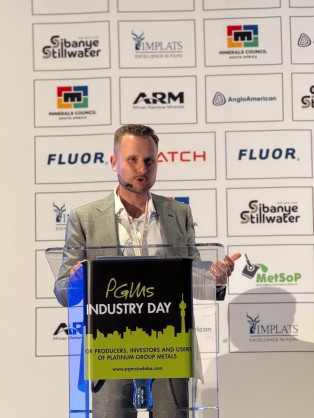
Nornickel (https://NorNickel.com) has unveiled its strategy for the development of palladium-based technologies at the PGMs Industry Day, an international conference held in South Africa. The company's experts shared insights into new technological developments that have the potential to redefine the use of platinum group metals (PGMs) extracted on the African continent, particularly in the fields of energy, electronics, and green technology. 

The presentation attracted considerable interest from conference participants. Industry representatives noted the practical relevance of Nornickel's innovations for the market, as well as the significant potential of palladium in emerging high-tech applications. 

Nornickel is the world's largest producer of palladium and high-grade nickel, and one of the leading global suppliers of platinum, copper, cobalt, and other precious and base metals. The company's Palladium Centre focuses on the development and implementation of innovative palladium-based solutions aimed at enhancing industrial efficiency. 

Palladium is the most extracted metal among the PGMs and benefits from a geographically diversified supply chain. Russia and South Africa, the two major producing regions, ensure stable global supply. 

From a chemical perspective, PGMs complement each other in many applications. Nornickel's research shows that palladium alloys with other PGMs frequently outperform individual metals in terms of efficiency and durability. 

Nornickel's approach to palladium innovation is closely aligned with key global megatrends: the energy transition, sustainable development, and digitalisation. Promising application areas include solar and hydrogen energy, biofuels, and next-generation electronics, where palladium can help reduce the cost of conductive components, hard drives, and OLED displays. In existing markets, the company is focused on improving performance and economics for end users. 

Nornickel is actively building a global partnership network to co-develop and commercialise palladium-based solutions. The company is committed to long-term collaboration with scientists, manufacturers, and end users to accelerate the adoption of advanced technologies and products. 

"Our goal is to become a technological partner for producers of PGM-based products. We focus on identifying applications where palladium delivers a strong competitive edge, bringing together leading scientific teams to develop prototypes, conducting large-scale industrial trials, optimising the product, and transferring the technology to manufacturers. This approach allows us to create more efficient materials and open up new markets for palladium applications," said Dmitry Izotov, CEO of Nornickel's Palladium Centre. 

Since its launch, the Centre has built a portfolio of 25 products. By 2030, the portfolio is expected to exceed 100 projects, generating an additional annual demand of 40–50 tonnes of palladium. 

Distributed by APO Group on behalf of Nornickel’s Palladium Centre.

Media files
Nornickel’s Palladium Centre
Download logo
Read moreNornickel Presents Palladium Technology Development Strategy for the PGM Industry in South Africa
10 April 2025

Lesotho Under Pressure to Approve Starlink Licence

Location: News

Prime Minister says his government is removing obstacles to US investment, including Starlink, in the wake of the tariff hike

Read moreLesotho Under Pressure to Approve Starlink Licence
9 April 2025

GBV laws must be strengthened: President Ramaphosa

Location: News

GBV laws must be strengthened: President Ramaphosa

President Cyril Ramaphosa has emphasised the urgent need to confront and address existing blind spots within the legal system, which continue to undermine the rights and interests of survivors of gender-based violence (GBV).

Delivering the keynote address at the International Association of Women Judges (IAWJ) biennial conference on Wednesday, the President said it is critical that these legal deficiencies are urgently identified and resolved.

“A central issue is overcoming the blind spots in the law and the legal system that are working against the rights and interests of survivors.

“For the fight against gender-based violence to be strengthened and have a measurable and sustainable impact, it is critical that these deficiencies are addressed to bring about change,” the President said. 

Judges, magistrates, legal professionals and policymakers from across the world are currently meeting at the biennial conference of the IAWJ underway in Cape Town to address the global scourge of gender-based violence and femicide through judicial leadership and activism.

This year’s conference is organised under the theme" “Resilience: Women in Leadership to End Gender-Based Violence & Femicide”.

It is the first to be hosted in South Africa under the leadership of a female Chief Justice of the Republic of South Africa, Mandisa Maya, who is also the IAWJ Vice President. 

President Ramaphosa last addressed the IAWJ back in 2022, which was the year the country passed a trio of laws to strengthen the legal framework and offer greater protection to survivors.

Following an extensive public consultation process, the country amended three existing laws as part of the wider effort to combat GBVF. 

Amendments were made to the Criminal Law (Sexual Offences and Related Matters) Amendment Act to introduce a new category of sexual intimidation, and to expand the scope of the National Register for Sex Offenders. 

The Criminal and Related Matters Amendment Act was amended to regulate the granting and cancellation of bail, to regulate sentences for offenses committed against vulnerable persons, and to advance the right of complainants to participate in parole proceedings.

Lastly, the Domestic Violence Act was amended to expand the existing definitions of domestic violence, and to enable survivors to apply for protection orders online.

President Ramaphosa stressed that while courts are constitutionally mandated to dispense justice without fear or favour, it is equally important that justice is seen to be done.

He said that in addressing the scourge of gender-based violence, it is not enough to have laws in place -- they must be implemented and enforced effectively.

“In the context of gender equality, and within the context of high levels of gender-based violence more specifically, what do we mean? It means laws cannot just be written -- they must be enforced. 

“It means that perpetrators must be held accountable, and that the sentences they are given should reflect the seriousness of their crimes. When judicial discretion is exercised in a prescribed minimum sentencing regime, the reasons for departure must indeed be substantial and compelling,” he said. 

The President further highlighted the need for fairness, not only in ensuring the accused receives a fair trial, but also in how survivors of gender-based violence are treated by the courts.

“It means fairness, and this doesn’t only apply to an accused’s right to a fair trial. It also applies to fair treatment of survivors of GBV by our courts, and that they should not be subjected to bias and victim-blaming,” the President said. 

President Ramaphosa emphasised that the IAWJ is a catalyst for change, highlighting the unique contribution that women judges make to the legal profession. 

“As women judges, your lived experiences provide insight into the realities behind the cases, and you have the power to reshape how the law is interpreted, how justice is delivered, and how society evolves. 

“This conference is an opportunity to sharpen our collective commitment to law that heals, courts that transform, and to systems that centre humanity,” he said. 

In addition to utilising the law, President Ramaphosa emphasised the need to embark on many other efforts to combat gender-based violence and femicide, and have a multifaceted approach that will include education and spreading awareness about the importance of gender equality from a young age. 

He also underscored the importance of engaging men and boys in the conversation to prevent gender-based violence. He further called on society to advocate for women’s empowerment and economic independence, which would help reduce their vulnerability to abuse.

“We must make men and boys part of the conversation to prevent gender-based violence. We should also as society insist that women should have more control over their lives and economic independence which will reduce their vulnerability to violence.

“I wish you well in your deliberations and I am confident that the outcomes of this conference will make a significant impact in advancing the fight against gender based violence and femicide,” the President said. 

The biennial conference will end on Saturday, 12 April. – SAnews.gov.za

DikelediM
Wed, 04/09/2025 - 14:12
112 views

Read moreGBV laws must be strengthened: President Ramaphosa
9 April 2025

Germany Sets Sights on Africa’s Energy Future With Major Investment Pledge

Location: News

African Energy Chamber
Download logo

Germany is eyeing expanded investments in Africa's energy sector, having pledged €4 billion for green energy projects by 2030 and advancing hydrogen and gas partnerships through the European Union's (EU) Global Gateway initiative. These investments aim to enhance conditions for private sector involvement and infrastructure development, underscoring Germany's commitment to sustainable development and economic growth across the continent.

In South Africa, Germany committed R5.2 billion last December to support the country's energy transition and deepen bilateral cooperation. This funding is directed towards facilitating South Africa's shift from coal to renewable energy sources, addressing both environmental concerns and energy security. Earlier this month, the EU also announced a €4.7 billion investment in South Africa to support green energy initiatives and vaccine production, reflecting a broader commitment to sustainable development in the region.

Further strengthening these efforts, Germany and the African Development Bank announced joint initiatives last month to accelerate energy access and private sector growth across Africa. This partnership includes support for the Mission 300 initiative, which aims to provide electricity access to 300 million Africans by 2030, and expanded financing for youth entrepreneurship programs.

Meanwhile, German companies are optimistic about their prospects in South Africa, signaling growing confidence in the country's economic stability, expanding trade opportunities and the potential for long-term partnerships in energy and industrial sectors. A recent survey by KPMG Germany and the Southern African-German Chamber of Commerce and Industry revealed that 64% of German companies expect rising revenues in South Africa, with 44% planning to invest in the country within the next three years.

Germany has already been active in Africa's green hydrogen sector, recognizing the continent's vast potential for renewable energy production. In Namibia, German investors have partnered on the $10 billion Hyphen Green Hydrogen Project, aiming to harness the country's abundant solar and wind resources to produce green ammonia for global export. Additionally, Germany mobilized €150 billion through the Global Gateway initiative earlier this year to enhance its energy engagement in Africa, with green hydrogen as a key focus. West African countries alone have the potential to produce up to 165,000 TWh of green hydrogen annually – far exceeding Germany's projected demand for 2030.

Beyond renewable initiatives, Germany remains open to cooperating with African countries on natural gas and blue hydrogen production. This approach reflects Germany's updated Africa policy guidelines, which emphasize the importance of African energy resources – including renewable electricity, green hydrogen and, under specific conditions, natural gas – for a successful energy transition in both Africa and Europe.

"Germany's growing investment in Africa's energy sector signals a transformative shift toward sustainable development and economic growth. With a clear focus on green hydrogen, renewables and responsible fossil fuel cooperation, the country is positioning itself as a key partner in Africa's energy future. African Energy Week 2025 will serve as a vital platform to advance these partnerships, unlocking new opportunities and accelerating Africa's energy transition,” said Tomás Gerbasio, Vice President of Commercial and Strategic Engagement at the African Energy Chamber.

The upcoming African Energy Week (AEW) 2025: Invest in African Energies conference presents a strategic platform for German investors to explore and engage with energy opportunities across the continent. AEW 2025 aims to drive forward the momentum established in previous years, offering a dynamic space for leaders, policymakers and stakeholders to address regional and global energy challenges while advancing Africa's position as a leader in sustainable energy solutions.

AEW: Invest in African Energies is the platform of choice for project operators, financiers, technology providers and government, and has emerged as the official place to sign deals in African energy. Visit www.AECWeek.com for more information about this exciting event.

Distributed by APO Group on behalf of African Energy Chamber.

Read moreGermany Sets Sights on Africa’s Energy Future With Major Investment Pledge
8 April 2025

Hotel Development Booms in Africa

Location: News
The Bench

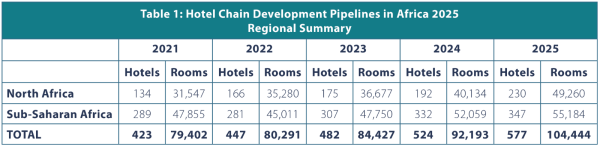
This year's Hotel Development Pipeline Report, the definitive study of international hospitality development projects in Africa, reveals record activity. There are 577 hotels and resorts, with 104,444 rooms, in the development pipeline, up by 13.3% on 2024, way ahead of the single digit pipeline growth reported globally by the leading international chains.

The report, compiled by Lagos-based W Hospitality Group, with data from 50 international and regional hotel chains, shows that development activity has been growing impressively in North Africa, which saw a 23% year-on-year increase, compared to a 6% increase in sub-Saharan Africa. Over the past five years, the hotel development pipeline has grown at an annualised rate of 4% in sub-Saharan Africa, 12% in North Africa and 7% overall.

Egypt continues to lead the way in terms of development, with 143 hotels and 33,926 rooms in the pipeline there. This is almost four times the number of rooms in second-placed Morocco, which has 8,579 rooms in 58 hotels. The following eight countries, ranked by number of rooms, comprise Nigeria, 7,320; Ethiopia, 5,648; Cape Verde, 5,565; Kenya, 4,344; Tunisia, 4,336; South Africa, 4,076; Tanzania, 3,432; and Ghana, 3,125. International hotel chains have deals signed in 42 of Africa's 54 countries.

Despite its clear leadership in the absolute pipeline numbers, Egypt has fewer than 50% of rooms under construction, a significantly lower proportion than second-placed Morocco, with over 72%. Of the top 10 countries, Ethiopia has the highest ratio of rooms “on site”, followed by Morocco and Ghana. Cape Verde, Nigeria and Tanzania have some of the lowest percentages. However, “under construction” does not necessarily mean that there is activity and progress towards completion and opening – many of the sites in Nigeria and Ghana, for example, have been closed for several years, with hardly a hard hat in sight.

A more granular analysis, looking at the location of planned properties, reveals an extraordinary boom in Cairo, with 17,757 new rooms projected in over 70 hotels. The contrast with the second-placed location, Sharm El Sheikh, is dramatic, where 4,231 rooms are planned in fewer than 10 properties. The cities and resorts with the next largest pipelines by number of rooms are Lagos, 3,709; Boa Vista, 3,650; Addis Ababa, 3,369; Casablanca, 2,939; Accra, 2,652; Abuja, 2,570; Zanzibar, 2,523; and Dakar, 2,334.

The growth is being driven strongly by the major international hotel chains, with Marriott International leading the way, 165 hotels with 29,639 rooms. It is followed by Hilton, 93 hotels with 17,040 rooms; Accor, 73 hotels with 15,013 rooms; IHG, 40 hotels with 7,951 rooms; Radisson Hotel Group, 32 hotels with 6,346 rooms; TUI Hotels & Resorts, 11 hotels with 2,954 rooms; Barceló Hotels & Resorts, 7 hotels with 2,193 rooms; The Ascott, 15 hotels with 1,897 rooms; Kerten Hospitality, 13 hotels with 1,881 rooms and Wyndham Hotels & Resorts, 7 hotels with 1,706 rooms.

In the race for dominance, Hilton added slightly more rooms to its African pipeline last year than Marriott International and achieved a higher percentage growth. Barceló Hotels & Resorts recorded the largest percentage growth, more than doubling its pipeline to 2,193 rooms, with three large resort signings in North Africa.

Below the headline numbers, there are three notable trends. First, the actualisation rate (actual openings vs. expected openings), which has nearly doubled from 21% in 2023 to 38% in 2024. While it's substantially less than the 75% actualisation rate achieved in 2019, it shows a continuing recovery from the economic devastation of COVID-19. Of the total 104,444 rooms in the pipeline, over 50,000 rooms (nearly 50%) in 304 hotels are expected to open in 2025 and 2026. 

Second, resort projects are increasing much faster than city or airport hotels, both in percentage terms and in absolute numbers, driven by the number of signings and by the larger average size of the developments, 210 keys vs. 170.  Also, almost half of the rooms that opened last year were in resorts.

Third, there is a definite movement by the chains towards the franchise model, with 108 projects representing almost 19% of the total, compared to less than 10% in 2020. A major factor is the emergence of quality, international, white-label operators such as Aleph Hospitality and Valor Hospitality, and some indigenous operators in Nigeria, Kenya and elsewhere, that are increasing confidence that brand standards will be met. 

The full report will be discussed at FHS Africa (formerly AHIF) 17-19 June in Cape Town. It is the leading hospitality investment conference in the region, which brings together senior decision-makers to shape the future of the industry. Matthew Weihs, Managing Director of the Bench, which organises FHS Africa, said: “The growth in hotel development across Africa is a testament to the continent's economic and tourism potential. Furthermore, the commitment from the international hotel chains makes it clear that global players see Africa as a strategic opportunity."

Trevor Ward, Managing Director of W Hospitality Group, concluded: “Despite the various trials that the continent faces, the fact that hotel chains signed 125 new deals last year, with 21,000 rooms, is evidence that opportunities for further development abound. According to the Global Cities Institute, by the year 2100, 10 of the world's 16 largest cities will be in Africa, with all but one of them (Cairo) in sub-Saharan Africa. So, one might say that development activity in Africa has barely scratched the surface.”

Distributed by APO Group on behalf of The Bench.

For further information and high-resolution images, please contact:
David Tarsh
+44 (0) 20 7602 5262
+44 (0) 7770 816 070
Email: David@Tarsh.com.

About W Hospitality Group:
The W Hospitality Group, a member of Hotel Partners Africa, specialises in the provision of advisory services to the hotel, tourism and leisure industries, providing a full range of services to clients who have investments in the sector, or who are looking to enter them through development, acquisition or other means. In sub-Saharan Africa W Hospitality Group is regarded as the market leader due to the market and financial expertise of its staff, its worldwide knowledge, and its commitment to its clients.  In Africa, W Hospitality Group has to date worked in 40 countries on the continent, from its Lagos and Addis Ababa offices.

www.W-HospitalityGroup.com

About FHS Africa (Formerly AHIF):
For over a decade, the Future Hospitality Summit Africa (FHS Africa) has been the launchpad for hospitality investment in Africa, driving growth, connecting visionaries, and transforming the continent's tourism and hospitality landscape. As a beacon of opportunity, FHS Africa brings together global investors, developers, operators, and industry leaders committed to turning potential into reality.

www.AHIF.com

Strategic Partners: Accor, BWH Hotels, Hilton, IHG Hotels & Resorts, Marriott International, Radisson Hotel Group
Headline Sponsors: CHIC, Hansgrohe, TUI Hotels & Resorts
Sponsors: Aleph Hospitality, CityBlue Hotels, Equate, JLL, Knight Frank, St Helena Island, STR, TIME Hotels, TV5 Monde, Valor Hospitality Partners
Official Carriers: Discover Airlines, Kenya Airways
Supporter: South Africa Tourism

About The Bench:
The Bench has a legacy of delivering world-leading investment forums and conferences in Europe, Africa, the Middle East, and Latin America. The key principle behind these events is "dealmaking'. Transforming the way businesses connect; the Bench has developed a reputation for creating innovative and high-impact industry meetings.

For over two decades, government leaders, tourism ministries, global travel & tourism associations, the world's most influential hospitality brands, hotel owners & investors, renowned restaurant groups, airlines & aviation authorities, destination developers, asset managers, financial groups, and consultants have been participating in the Bench's events. These include FHS Africa, FHS World, FHS Saudi Arabia and AviaDev, where industry players showcase their brands, position themselves as thought leaders and innovators, and connect with the right individuals, opportunities and knowledge.

Learn more at TheBench.com

Media files
The Bench
Download logo
Read moreHotel Development Booms in Africa
8 April 2025

Home Affairs minister to address the Electoral Reform Consultation Panel

Location: News

Home Affairs minister to address the Electoral Reform Consultation Panel

The Minister of Home Affairs, Dr Leon Schreiber, is scheduled to deliver the opening address at the two-day international conference of the Electoral Reform Consultation Panel (ERCP) to be held at the Emperors Palace in Boksburg, Ekurhuleni.

The ERCP was appointed in 2024 with a mandate to independently investigate, consult on and report on and make recommendations in respect of potential reforms of the electoral system for the election of the National Assembly and the election of the provincial legislatures, in respect of the elections to be held after the 2024 elections.

The conference will bring together political parties, elected representatives and key stakeholders including a range of civil society groups who have engaged with the ERCP in their public consultations and will include presentations by local and international experts on the topic of electoral reform and the implications of different options. 

The conference will include an opportunity for the ERCP to share its initial findings and the preliminary options identified in the course of public consultations to provide an opportunity for public engagement on the models that have been identified. 

The conference represents the final stage of public engagement as it considers its final recommendations to Parliament. – SAnews.gov.za

Edwin
Tue, 04/08/2025 - 09:42
178 views

Read moreHome Affairs minister to address the Electoral Reform Consultation Panel
7 April 2025

President Ramaphosa appoints Professor Mariana Mazzucato to G20 Taskforce

Location: News

President Ramaphosa appoints Professor Mariana Mazzucato to G20 Taskforce

President Cyril Ramaphosa has appointed renowned economist Professor Mariana Mazzucato as Technical Expert to South Africa’s G20 Presidency and his Special Presidential Representative to Taskforce 1, focusing on Inclusive Economic Growth, Industrialisation, Employment, and Reducing Inequality.

In a statement on Monday, The Presidency said Professor Mazzucato will also contribute to Taskforce 3: Artificial Intelligence, Data Governance, and Innovation for Sustainable Development.

She will also support the Sherpa Track on Trade and Investment Working Group, and the Finance Track Sustainable Finance Working Group, and International Financial Architecture Working Group.

Professor Mazzucato is a member of President Ramaphosa’s Economic Advisory Council (PEAC) since 2019, advising on areas such as green industrial strategy, State capacity, and reform of State-owned enterprises.

In 2024, she co-chaired the Group of Experts for Brazil's G20 Task Force for the Global Mobilisation Against Climate Change (TF-CLIMA).

“This appointment underscores South Africa’s commitment to leveraging its leadership in the G20 to shape a more inclusive and sustainable global economy.

“Professor Mazzucato, internationally recognised for her work on rethinking the State, green growth, mission-oriented innovation and public value creation, brings critical expertise to advancing South Africa’s goals on green industrialisation, inclusive growth, and long-term structural transformation,” the Presidency said. 

Under President Ramaphosa's leadership and the G20 theme of “Solidarity, Equality, Sustainability”, South Africa aims to lead global discussions on these key issues, advocating for policies that foster resilient economic development, particularly in developing countries.

South Africa’s G20 Presidency is committed to advancing a global economic framework that supports green growth, economic resilience, and social equity.

The year 2025, described by President Ramaphosa, President Lula da Silva of Brazil, and Prime Minister Sánchez of Spain as “a pivotal year for multilateralism”, will feature three major global gatherings: the G20 Summit in Johannesburg, the Financing for Development Conference in Seville, and COP30 in Belém. – SAnews.gov.za 

DikelediM
Mon, 04/07/2025 - 15:18
54 views

Read morePresident Ramaphosa appoints Professor Mariana Mazzucato to G20 Taskforce
7 April 2025

Top African Projects Driving the Mining-Energy Nexus

Location: News

Energy Capital & Power
Download logo

Mining represents one of the most energy-intensive industries globally. As African nations ramp up mineral extraction to drive economic growth, mining projects and stakeholders are increasingly investing in energy infrastructure to sustain operations and meet rising production targets. Amid efforts to improve grid stability, the upcoming African Mining Week conference will highlight the continent's investment opportunities emerging from the mining-energy nexus.

Northam Bolsters Power Supply for South African Mines

In February 2025, mining firm Northam signed a power purchase agreement (PPA) for 140 MW of wind power to support its platinum group metals operations in Limpopo. This deal follows an earlier PPA signed in October 2024 for an 80 MW solar power facility to supply the company's Zondereinde mine, aimed at driving South Africa's expansion of its PGMs sector. These agreements are part of Northam's broader strategy to enhance energy security and sustainability while reducing its carbon footprint in alignment with national renewable energy goals.

Richards Bay Minerals Expands PPA Portfolio

Richards Bay Minerals, a subsidiary of mining multinational Rio Tinto, signed its third PPA with Red Rocket in February 2025, securing 230 MW of electricity from Red Rocket's 380 MW Overberg Wind Farm. This agreement increases the company's total contracted renewable energy supply to 500 MW and supports Rio Tinto's commitment to reducing emissions by 50% by 2030. Richards Bay Minerals also taps into energy from the 130 MW Bolobedu solar PV plant and 140 MW Khangela Emoyeni wind farm.

Further Investments in Renewables for Mining

Other mining companies across Africa are driving large-scale energy projects to secure a stable power supply. In South Africa, Ivanhoe Mines completed a 5 MW solar facility in Q1 2025 to support its Platreef PGM mine, while Impala Platinum signed a five-year PPA with Discovery Green to supply wheeled renewable energy to its Impala Refineries operation. Meanwhile, commodities firm Trafigura is developing a 2 GW initiative to power Angolan mines, and First Quantum is set to commission a 430 MW project in Zambia in 2025. Tronox Holdings plans to roll out 400 MW of energy projects in South Africa by 2027 and Chinese mining company CMOC is preparing a 200 MW energy project in the DRC, set for commissioning by 2028.

As these investments unfold, African Mining Week will showcase key milestones in energy security for the sector, highlighting lucrative opportunities within Africa's independent power markets. The event will emphasize the growing demand for stable, sustainable energy solutions as miners continue to invest in energy infrastructure.

African Mining Week serves as a premier platform for exploring the full spectrum of mining opportunities across Africa. The event is held alongside the African Energy Week: Invest in African Energies 2025 conference from October 1-3 in Cape Town. Sponsors, exhibitors and delegates can learn more by contacting sales@energycapitalpower.com.

Distributed by APO Group on behalf of Energy Capital & Power.

Read moreTop African Projects Driving the Mining-Energy Nexus
7 April 2025

Zikalala to address Construction Law Conference

Location: News

Zikalala to address Construction Law Conference

Public Works and Infrastructure Deputy Minister Sihle Zikalala will on Wednesday give a keynote address at the Construction Law Conference to be held at the Cape Town International Convention Centre.

Zikalala will focus on the topical challenges facing the construction industry such as contractual disputes, project delays and cost overruns, which continue to undermine confidence and efficiency sector. 

The conference will be held from 8 - 9 April and will be attended by legal professionals, construction industry experts and policymakers to examine the latest trends, challenges and opportunities in construction law. 

The conference will also deal with the evolution of construction law, including key global trends, as well as key matters affecting the construction industry in South Africa. – SAnews.gov.za

Edwin
Mon, 04/07/2025 - 12:21
27 views

Read moreZikalala to address Construction Law Conference
  • Previous
  • Page 1
  • Page 2
  • Page 3
  • Page 4
  • Page 5
  • Page 6
  • Interim pages omitted …
  • Page 13
  • Next

Copyright © 2026 · MyZA · All Rights Reserved · Powered by Stratlec Online