• Skip to main content
  • Skip to header right navigation
  • Skip to after header navigation
  • Skip to site footer
MyZA

MyZA

News, Directory, Events and Other Stuff

  • Social Media
  • Sport
  • World News
  • Home
  • Submit News
  • Directory
  • Events
  • Stratlec
  • TFSA
  • News
    • APO
    • Today’s Sport News
    • Todays Social Media and Tech Headlines
    • Today’s World News
    • Today’s SA Financial News
  • Contact
You are here: Home / Archives for Education

Education

29 February 2024

Limpopo records progress in improving citizens’ lives

Location: News

Limpopo records progress in improving citizens' lives

Limpopo Premier Stan Mathabatha says much has been done to improve the lives of people in the province.

“When we achieved our April 1994 democratic breakthrough, less than 30% of rural households had access to electricity,” Mathabatha said.

Delivering the State of the Province Address in Polokwane on Thursday, Mathabatha said the provincial government has electrified at least 94.% of rural households in the province, marking a significant improvement in access to electricity.

“People in rural areas overwhelmingly depended on firewood to cook, using three-legged pots. There was deforestation, impacting trees and other plants, an important source of oxygen supply for human life, and a key resource of environmental conservation,” Mathabatha said.

Mathabatha said forests have risen in various areas that were affected due to the massive household electrification programme.  

“In healthcare, it is pleasing that we currently have 476 clinics in Limpopo and 216 of healthcare centres (45%) operate 24 hours a day,” Mathabatha said.

Mathabatha said in 2010, the province reached 80% access to water, reaching more communities and improving public health outcomes.

“However, because of various countervailing factors, we have experienced a decline to 69.1%. We are worried about this, and we are hard at work with authorities in the water provision space to improve the situation.

“It is important to note that we have improved access to sanitation to 63.1%, up from 26.9% in 2002, and up from a far lower baseline in 1994.” 

Mathabatha said the tarred roads network in the province has significantly expanded since April 1994.

“It is now covering rural areas that were neglected before. Through this progress, we have enhanced connectivity and improved transportation efficiency, facilitating economic development in Limpopo. At present, our target is to surface 13 800 kilometres from gravel to tar,” he said.

Mathabatha said the provincial government has worked very hard in education.

“Our efforts are now visible in improved matric results. We have improved from a 38% matric pass rate in 1996. At 79.5% in 2024, our matric pass rate now approximates our 80% target.”

Mathabatha said Limpopo's contribution to the national economic output over the past three decades has improved.

He said in 1996, Limpopo contributed 5.3% to the national gross domestic product.

“Despite the global economic and pandemic crises, our contribution to national GDP reached 7.3% by 2023. This reflects the strategic efforts undertaken by the province to harness its vast natural resources, develop critical sectors and attract investment.

“From just over 911 000 households in 1996, we have increased to over 1.8 million households in 2022. This substantial growth in households highlights Limpopo’s growing population. We have now reached over six million people, according to the latest census,” the Premier said. – SAnews.gov.za

Edwin
Thu, 02/29/2024 - 13:45
387 views
Read moreLimpopo records progress in improving citizens’ lives
29 February 2024

Enriching school curricula with multi-cultural narratives inspire curiosity to help learners acquire transferable skills

Location: News
British Council

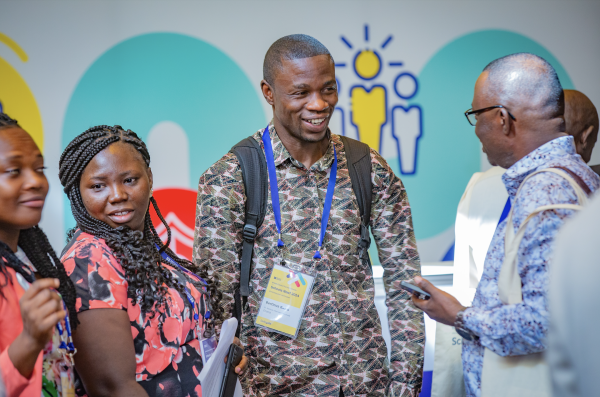
Themed around ‘Enriching your curriculum', the Schools Now! 2024 conference equipped educators and decision-makers with the tools, insights and actionable strategies necessary to enhance the educational experience for students worldwide; Education experts from around the world presented innovations and case studies in leadership, well-being and safeguarding approaches and the integration of technology in digital learning.

The conference focused on empowering subject experts within the school community to drive curriculum development and delivery; The conference delved into how educators can navigate the rise of AI and where it intersects with Africa's digital divide.

Due to technological advances and the advent of AI, Sub-Saharan Africa's education sector is undergoing rapid transformation. Educators must adapt to these new ways of working to foster important skills such as critical thinking.

While this offers opportunity, challenges also arise, such as the digital divide – a pressing issue in Africa – and the need for more comprehensive teacher training. Collaboration between stakeholders is essential to ensure equitable access to education.

With a view to enabling enhanced learning outcomes in schools, British Council's Schools Now! 2024 was held over three days in Cape Town, South Africa from 27-29 February 2024. The conference was attended by over 1000 school leaders both onsite and virtually, and served as a platform for fostering collaboration, sharing best practices and insights in international education. 

The themes included digital learning, leadership, well-being, and safeguarding, adding to a rich internationalised and contextualised curriculum. Through a series of engaging keynote sessions, immersive workshops, and panel discussions, delegates explored innovative teaching approaches, curriculum enrichment strategies, and the integration of technology in education. 

Martin Lowder, Head of Global Exams Services, The British Council, shared, ‘The spirit of Schools Now! is to establish global connections within the educational community, exploring insights and innovations in international education. By addressing emerging themes, we aim to empower educators to navigate the complexities of the shifting education landscape and drive positive outcomes for students.'

British Council Sub Saharan Africa, Regional Exams Director, Keshav Sreedharan, said: ‘British Council's Schools Now 2024 conference was organised in Sub-Saharan Africa for the first time since its inception. Against the backdrop of Africa's potential, particularly with its dynamic and driven young population, this conference holds the promise of unlocking new opportunities and pathways for schools adopting the UK curriculum. The vibrancy of Cape Town will ignite conversations and initiatives that will shape the future of education in Sub-Saharan Africa.'

The opening keynote session by Victoria Pendry, CEO of the Curriculum Foundation, aimed at empowering schools to develop, monitor, and evaluate an enriched curriculum. She highlighted that, ‘In a rapidly changing world, if learners are to develop resilience, creativity and the essential skills of collaboration, the curriculum must be ambitious and enriched with local and global narratives that excite imaginations and inspire curiosity.'

Her presentation explored the interconnected nature of digital learning, leadership, well-being, and safeguarding as a foundation for quality and equitable education. She summarised how ‘a curriculum that is rich in respect for the past, eager to consider preferred futures and committed to exploring different perspectives, will drive positive outcomes beyond the classroom'. 

Other distinguished speakers included, Dr Funke Baffour-Awuah, Head of Well-being Division and Child Protection Lead, Al Rayan International School, Ghana, Kathleen O'Hare, British Council Education Consultant, Pamela O`Brien, Deputy Head and Jo Parkes, Deputy Head Academic from British Council School in Madrid, and adding to a rich and diverse perspective.

Tatiana Popa, Deputy Academic Director, Heritage International School, Moldova, an ISC International Education Influencer of 2023, delivered a session for virtual delegates, on ‘Digital learning', focussing on the use of AI in schools and how this will impact all areas of work, educational tools, teaching practice and much more. 

An expert panel on ‘AI in Education' comprising of Kudzayi Tarisayi, Senior Lecturer, Stellenbosch University, Cape Town, Reham Ali, Director of Middle and High School Education, Nermine Ismail International Schools, Egypt and Jo Parkes discussed valuable tips into how schools can ensure students are prepared for future needs dictated through the use of AI. It was eye-opening to see nearly 90% of conference delegates voice AI as a friend, not foe, signalling widespread optimism towards AI's potential benefits.

Dr Funke's keynote addressed how to ‘Develop a Well-being Framework for a Thriving School Community through the lens of ‘A Curriculum-Centred Approach.' She stressed on how ‘Integrating wellbeing into the curriculum promotes a thriving school community: By intentionally incorporating wellbeing into the curriculum, schools can create a holistic learning environment that supports the mental, emotional, and physical health of students.'

A series of workshops discussed practical aspects of implementing key learnings through a range of key thematic areas such as, ‘Leadership Synergy: Peer Coaching & Empowering Your Success' and ‘What is an innovative curriculum in an exam focussed school context' to name a few. These workshops provided school leaders with engagement tools in support of enriching the curriculum so that communities are inspired and committed to helping learners to acquire transferable skills such as problem solving and critical thinking, teamwork and communication, particularly in multi-cultural realities.

Jo Parkes' led a workshop on curriculum, reinforcing ‘the importance of reading as a fundamental aspect to an enriched curriculum. Establishing reading as the backbone of the curriculum is enormously effective but sadly often overlooked.'

Another key focus of the conference was safeguarding, recognising the importance of school community wellbeing and safety within the learning environment. Pamela O`Brien, in her workshop on ‘Developing school practices to ensure safeguarding and wellbeing of students' shared, ‘Safeguarding and wellbeing are intertwined. Creating a safe environment is key and includes not only complying with relevant laws and standards but also identifying school practices which promote the wellbeing of children and act as protective factors.' 

She shared case studies from the British Council School, Madrid where ‘Policies, systems and procedures have led to consistency and best practice. We can only say a policy, or a system is working if we see it in practice and the entire school community plays their part.'

The conference also provided British Council's Action Research Grants recipients from Partner Schools the opportunity to share valuable findings from their respective research areas. A thought-provoking session by Amira Soliman Awaad, Director of Curriculum and Instruction from Dr. Nermien Ismail International Schools in Egypt showcased how ‘Digitized Blended Learning Methods' such as the ‘Flipped Classroom' and ‘Exit Tickets' save class time and yield real-time intervention data, translating them into needed interventions for struggling students or requirements for increased rigour in the curricula.'

Schools are managing a variety of changes and development, and the British Council supports our Partner Schools to approach new challenges through training, guidance and encouraging collaborative practice. As education continues to evolve in response to the changing needs of learners, the Schools Now! conference plays a crucial role in driving progress and innovation within the sector. By harnessing the collective expertise and passion of school leaders and decision makers, the conference serves as a catalyst for transformative change, ultimately enriching the educational experiences of students worldwide. 

By championing safety and well-being, embracing technological advancements, and leadership in schools, and thereby promoting an enriched curriculum, the outcomes of Schools Now! Conference focused on empowering educators to create engaging, student-centred learning environments that prepare learners for success in the 21st century and beyond.

Key takeaways from the event will be available on the Schools Now! website page: https://apo-opa.co/48AabS7

British Council South Africa Country Director, George Barrett, said: ‘British Council Partner Schools programme supports over 40 Partner Schools in South Africa and 785 in Sub Saharan Africa to deliver UK International School Qualifications on behalf of UK awarding bodies. Our educational support enables schools to enhance the learning experience for students, improving educational outcomes and giving young people in the region access to international opportunities.'

Distributed by APO Group on behalf of British Council.

For media enquiries, please contact: Susan Amu, Regional Head of Communications at susan.amu@britishcouncil.org. 

About Schools Now! 2024:
British Council's Schools Now! is a global conference that fosters educational innovation across our global community of over 2,500 British Council Partner Schools spread across over 40 countries. The conference is aimed at educational professionals who wish to learn more about key areas of international education, share their ideas and experiences, and network with like-minded peers. The conference connects over 300 delegates face to face with a further 2,000 virtual attendees from around the world. The Schools Now! 2024 conference was held at The Westin, Cape Town, on 27-29 February 2024.

For more information visit https://apo-opa.co/48AabS7

About British Council Partner Schools:
A trusted education partner, we help improve the quality of education, supporting learners worldwide to achieve their potential through access to life changing UK education and qualifications.

The British Council supports a global community of over 2500 Partner Schools, to enhance the learning experience, improving educational outcomes. We create global connections within the educational community to support professional pathways for educators, enable enriched learning journeys and prepare students for the future. We support our Partner Schools to deliver globally trusted UK International School Qualifications, in over 40 countries transforming the lives of over 250,000 students every year.

For more information, please visit https://apo-opa.co/49z4XHD

Keep updated by following British Council Partner Schools LinkedIn https://apo-opa.co/4bV9xBC

About the British Council:
We support peace and prosperity by building connections, understanding and trust between people in the UK and countries worldwide.

We uniquely combine the UK's deep expertise in arts and culture, education and the English language, our global presence and relationships in over 100 countries, our unparalleled access to young people and influencers and our creative sparkle.

We work directly with individuals to help them gain the skills, confidence and connections to transform their lives and shape a better world in partnership with the UK. We support them to build networks and explore creative ideas, to learn English, to get a high-quality education and to gain internationally recognised qualifications.

We work with governments and our partners in the education, English language and cultural sectors, in the UK and globally. Working together we make a bigger difference, creating benefit for millions of people all over the world.

We work with people in over 200 countries and territories and are on the ground in more than 100 countries. In 2022–23 we reached 600 million people.

For more information, please visit: www.BritishCouncil.org. You can also keep in touch with the British Council through https://apo-opa.co/3TiuzmC and https://apo-opa.co/3Tiumzu

Media files
British Council
Download logo
Read moreEnriching school curricula with multi-cultural narratives inspire curiosity to help learners acquire transferable skills
29 February 2024

Unlocking the potential of business school graduates by equipping them with ‘plug and play’ skills

Location: MyPR

By Hoosen Essof – Head of Employability at Regent Business School The demand for highly skilled and adaptable professionals has never been greater. As businesses navigate the complexities of the Fourth Industrial Revolution (4IR) and the Digital Era, they require graduates equipped not only with technical expertise but also with the soft skills and innovative …

Read moreUnlocking the potential of business school graduates by equipping them with ‘plug and play’ skills
28 February 2024

Congenital Heart Disease Babies at Nelson Mandela Children’s Hospital – First to Receive Voice and Heartbeat Recording Devices

Location: MyPR

February is a time when hearts are in the spotlight. It is a time earmarked for raising awareness on congenital heart disease (CHD). According to studies it’s classified as the most common type of birth defect1,2 with up to 3.12 million babies born with CHD in 20193. To commemorate the annual CHD calendar awareness week, …

Read moreCongenital Heart Disease Babies at Nelson Mandela Children’s Hospital – First to Receive Voice and Heartbeat Recording Devices
28 February 2024

B-well invests in industry through its collaboration with Sense of Taste Chef School

Location: MyPR

B-well is thrilled to announce its partnership with the Sense of Taste Chef School, based in Maitland, Cape Town. The collaboration will see B-well supplying the school and its community feeding programme with the complete range of B-well products, made from homegrown canola. “We are very excited to partner with Sense of Taste,” says Lunique …

Read moreB-well invests in industry through its collaboration with Sense of Taste Chef School
27 February 2024

EWSETA introduces specialised training for renewable energy, water management

Location: News

EWSETA introduces specialised training for renewable energy, water management

The Energy and Water Sector Education and Training Authority (EWSETA) has developed and implemented specialised renewable energy and water resource management training programmes, in a bid to align with industry needs and technological advancements. 

This was revealed during a media engagement with the organisation in Rosebank, Johannesburg on Tuesday. 

EWSETA Chief Executive Officer, Mpho Mookapele, engaged the media on the back of growing research that macroeconomic trends and technological advancements continue to disrupt labour markets worldwide.

Mookapele highlighted some of the courses implemented by the organisation and others currently in the pipeline, including water works management, solar panel installation, wind turbine maintenance and other green energy solutions, among others.

She said as the energy sector is rapidly evolving the EWSETA is currently developing qualifications that will respond to the gaps in the curriculum. 

The skills programmes that will be introduced include wind turbine operation, biogas installation, microgrid and battery energy storage operation, solar PV manufacture, design, and installation. 

“When the sector needs certain skills, we are committed to working together with industry to build these capabilities. Ultimately, we exist to ensure industries are successful.  

“As such, we aim to move with agility to ensure that these programmes and qualifications are concluded and submitted for registration with Quality Council for Trades and Occupation (QCTO) and South African Qualification South African Qualifications Authority (SAQA),” Mookapele said.

She said due to the boom in the photovoltaic sector and more people going solar, the SETA is also currently working with industry to ensure that minimum skills requirements are mandated for the PV Green Card training - a quality assurance standard for solar PV installers.

These minimum requirements will hopefully mitigate against substandard installations.

Mookapela said the EWSETA is looking for partners to enable retro-fitting technical workshops for TVET colleges to ensure that they are responding to the tech-developments in the industry.

Developing water-related qualifications

The EWSETA has also partnered with water boards, including municipalities and private industries, to develop water-related qualifications that aim to address the challenges around clean drinking water and wastewater treatment plants.  

“In response to the evolving water landscape, a Water Works Management NQF 6 qualification has been registered. EWSETA is in the process of developing a Water Resource Management qualification at NQF level 8 and a skills programme for a Water Conservation Practitioner,” she said.  

Advances in water treatment processes will necessitate the development of qualifications that will respond to the future treatment landscape, and these include biological water treatment and smart water grids, amongst others. 

“As the world transitions to net zero, the traditional career landscape is changing, and it is up to all of us to future-proof our workforce. The Energy and Water Sector Education and Training Authority is taking strides to harness the opportunities that these exciting changes present,” Mookapele said.

Skills development initiatives

Meanwhile, Mookapele underscored the importance for businesses to share their skills plans with the EWSETA to enable the organisation to capacitate learners accordingly.

Investing in skills development secures the long-term sustainability of industries and contributes to economic resilience.

“Together with government and private entities we are collaborating to fast-track skills development initiatives that seek to upskill and reskill employees to meet the workforce demands of the changing energy and water sectors,” Mookapele said.

The International Energy Agency (IEA) last year revealed that 4.7 million more people were employed in clean energy globally in 2022 than in 2019. 

Mookapele noted that concerns around the “green skills gap” have been echoed by a recent report from LinkedIn, which shows that only 1 in 8 employees globally possess one or more green skills. 

“We don’t want to leave South Africa’s young people and workforce behind; it is important for businesses to share their skills plans with us, so that we can capacitate learners accordingly,” she said.

EWSETA’s mandate is to participate, build and strategically plan and manage skills development, and training needs in the energy and water sectors, as directed by the National Skills Development Plan 2030.  – SAnews.gov.za 


GabiK
Tue, 02/27/2024 - 14:38

103 views
Read moreEWSETA introduces specialised training for renewable energy, water management
26 February 2024

Kamagra Oral Jelly Effectiveness: Real Results?

Location: MyPR

When it comes to managing erectile dysfunction, a myriad of solutions promise to restore the vitality and confidence that can be shaken by this common condition. Among them is Kamagra Oral Jelly, a product heralded for its supposed effectiveness as an ED treatment. Originating from India, this medication has piqued the interest of many searching for an affordable and …

Read moreKamagra Oral Jelly Effectiveness: Real Results?
26 February 2024

Global leaders urged to reverse teacher shortage

Location: News

Global leaders urged to reverse teacher shortage

Deputy President Paul Mashatile has called on global leaders to do whatever it takes to attract bright young minds to join the teaching profession and address the issue of teacher shortages.

“To increase participation in this profession, we should provide competitive compensation and recognise teachers’ achievements,” the Deputy President said on Monday. 

The country’s second-in-command is of the view that this could be achieved through the promotion of excellence and creativity and cultivating a sense of pride and purpose among educators. 

The Deputy President was speaking at the 14th Policy Dialogue Forum of the International Task Force on Teachers for Education in Illovo, Johannesburg. 

The task force is a global platform for education stakeholders, which aims to foster advocacy, knowledge exchange, peer learning and monitoring progress towards Sustainable Development Goal (SDG) 4 on quality education. 

“As we gather here today, we are faced with a stark reality, which is a shortage of qualified and motivated teachers across the globe.” 

This shortage, the Deputy President said, not only jeopardises the quality of education but also undermines collective efforts to achieve the SDG 4 goal of inclusive and equitable quality education for all. 

“Instead of disregarding the situation and continuing as if everything is going according to plan, we need to acknowledge the problem and devise a solution that is both effective and efficient.” 

The value of teachers

He also took the time to acknowledge the worth of teachers and the crucial role they play in shaping the future of nations. 

Besides teaching and imparting knowledge to the future generation, Deputy President Mashatile said teachers play a crucial role in nurturing, fostering critical thinking, inspiring dreams, and pushing the limits of human potential. 

“We thus owe it to these titans of our society to recognise, honour, empower, and value them as well as the job that they do. 

“Most importantly, significant consideration must be made on how we should improve their working conditions and remuneration as a way of appreciating their hard work so that they can be able to fulfil their important task without getting discouraged.” 

Shifting his focus to the digital age, he believes that governments should ensure that educators can effectively utilise new technologies to remain relevant and efficient in the current digital age. 

The Deputy President also expressed his gratitude to the task force for recognising South Africa as a key player in the journey to achieving quality education for all by the year 2030. 

“As South Africa, we feel privileged to have been allowed to co-chair the steering committee of the Teacher Task Force in collaboration with Germany.”

Finding solutions

He said he hoped his home country would learn from the good practices that will be shared at this forum. 

“South Africa is optimistic that this Policy Dialogue Forum will untangle solutions for addressing the contents of the report.”

He also highlighted the issue of teachers assigned grades for which they have inadequate training and qualifications.

“More teachers are produced for the Further Education and Training (FET) band than for the General Education and Training (GET) band. This situation has necessitated the FET band teachers to migrate to the senior phase and teach Grades 7 and 8 classes.”

However, he said the government is addressing this matter through the Fundza Lushaka Bursary Scheme which aims to attract young teachers into the teaching profession and improve teacher salaries and working conditions and use of contracted teachers to deal with immediate needs. 

He also paid tribute to the Minister of Basic Education, Angie Motshekga, who was selected to serve on a high-level panel convened by the Secretary-General of the United Nations, Antonio Guterres, in 2022. – SAnews.gov.za


Gabisile
Mon, 02/26/2024 - 11:40

564 views
Read moreGlobal leaders urged to reverse teacher shortage
26 February 2024

Unsuccessful NSFAS applicants urged to lodge an appeal

Location: News

Unsuccessful NSFAS applicants urged to lodge an appeal

The National Student Financial Aid Scheme (NSFAS) has encouraged students whose application for financial aid has been rejected or withdrawn, to lodge an appeal with the scheme.

Rejected students must submit an appeal by logging on to the myNSFAS website and supplying all the required information within 30 days of receiving their application results. 

“Unsuccessful applicants will have an appeal option appear on their myNSFAS accounts and they can click on to it to start the appeal process,” NSFAS said.

The scheme noted there are a number of reasons why an application is rejected, and this includes a household income of more than R350 000 per annum, failing to meet academic eligibility, and an incomplete application, among others.

NSFAS emphasised that students or applicants must provide all the necessary documents, warning that failure to do so, may affect or derail the outcome of the appeal.

“To strengthen your appeal, gather all relevant documentation that supports your case. This may include academic records, financial statements, affidavits, or any other documents that demonstrate your need for financial assistance,” NSFAS said.

The scheme also noted that the appeal decisions are subject to budget availability. 

How to submit NSFAS Appeal

• Visit the myNSFAS portal https://my.nsfas.org.za 
• Log into your myNSFAS account
• Select the ‘Track Funding Progress’ option
• Check the application progress tabs

“If your application status shows that you are unsuccessful, you may submit an appeal by clicking on the ‘Submit Appeal Tab.’ Once you are on the ‘Application Appeal’ page, you can look for the reason for your unsuccessful application status. 

“You will then be able to choose the appeal reason. Upload certified supporting documents to support your reason [and] Click ‘Submit Appeal,” NSFAS explained.

When submitting an appeal letter, NSFAS advised applicants to compose a compelling appeal letter addressing the reasons for their application’s rejection. 

“Be concise yet detailed, explaining any extenuating circumstances that may have affected your application. Personalise your letter to highlight your unique situation and commitment to your education.

“Ensure you adhere to NSFAS’s guidelines for submitting appeals. Pay attention to deadlines and submission methods to avoid any delays or complications in the process.

“Once you have submitted your appeal, patiently await NSFAS’s review process. This may take some time, so remain proactive and responsive to any requests for additional information,” NSFAS said.

Applications for funding officially closed on 15 February 2024.

NSFAS has made upfront payments of R2.8 billion to universities and R580 million to Technical Vocational Education and Training (TVET) colleges to cover student accommodation and book allowances for the month. – SAnews.gov.za


GabiK
Mon, 02/26/2024 - 11:51

519 views
Read moreUnsuccessful NSFAS applicants urged to lodge an appeal
26 February 2024

Government activities for the week 26 February to 1 March 2024

Location: News

Government activities for the week 26 February to 1 March 2024

On Monday, 26 February, Deputy President Paul Mashatile will address the 14th Policy Dialogue Forum of the International Task Force on Teachers for Education.

Meanwhile, the Minister in the Presidency responsible for Electricity, Dr Kgosientsho Ramokgops will brief the media on the implementation of the Energy Action Plan.

In addition, the Electoral Commission will brief the media on the state of readiness for the 2024 general elections.

On Tuesday, 27 February, the Department of Justice and Correctional Services hosts a conference the Implementation of Integrated Criminal Justice System programme.

On Wednesday, 28 February, the Department of Justice and Correctional Services’ conference the Implementation of Integrated Criminal Justice System programme continues.

On Friday, 1 March, the Minister of Cooperative Governance and Traditional Affairs (CoGTA), Thembi Nkadimeng, will host the Summit on Ethical Leadership in Local Government, marking the culmination of three years of collaborative efforts within the Local Government Ethical Leadership.  

Neo
Mon, 02/26/2024 - 10:54

142 views
Read moreGovernment activities for the week 26 February to 1 March 2024
26 February 2024

Ignition Encourages A Love Of Reading – One Library At A Time

Location: Entertainment, MyPR

February 2024: Durban, KwaZulu-Natal – “Literacy is a fundamental human right and a pre-requisite for even the most basic employment,” says Samantha Botha, Head of Group Marketing for Ignition Group (Ignition). “With eight out of every 10 children unable to read properly, South Africa’s reading crisis is a reality for many of our young people and creates a stumbling block …

Read moreIgnition Encourages A Love Of Reading – One Library At A Time
25 February 2024

Bridging the Digital Divide in South Africa: Pathways to Inclusive Educational Technology

Location: MyPR

By Brandon Govender – Enrolment Manager at Regent Business School In the diverse and dynamic landscape of South Africa, the digital divide is a glaring challenge impeding the progress of educational equity and societal advancement. This divide not only separates communities based on their access to technology but also impacts their ability to develop vital …

Read moreBridging the Digital Divide in South Africa: Pathways to Inclusive Educational Technology
25 February 2024

Directive of professionalisation of public service issued

Location: News

Directive of professionalisation of public service issued

The Department of Public Service and Administration (DPSA) has released Volume 1 of the Directive on Human Resources Management and Development for Public Service Professionalisation.

This is a fulfilment of President Cyril Ramaphosa’s long standing commitment to bolster the public service in response to the State Capture Report.

DPSA Director-General, Yoliswa Makhasi, said: “We are confident that this directive will play a crucial role in shaping a professional and efficient public service that meets the needs and expectations of South Africans.”

According to the DPSA, the issuance of the directive is a milestone marking “a step towards enhancing the efficacy, integrity, and accountability of the public service”.

“The directive, amongst others, provides guidance to the public service in how to roll out the implementation of the Professionalisation Framework as part of major reforms to improve productivity and efficiencies, especially considering the financial limitations that if not addressed may affect the accessibility of quality public services.

“An emphasis is placed in the pursuit of strategic practices in human resources management and development, including in recruitment and selection, performance management, ethics, integrity, and leadership and innovation. The directive transforms the public service into a continuous learning and professional development environment,” the department said.

The directive can be accessed at https://www.dpsa.gov.za/dpsa2g/documents/hrmd/2024/Circular_no_6_of_2024_21_02_2024.pdf.

The DPSA said the directive also seeks to address youth development and employment by:

  • Waiving the requirement for experience for entry level posts on salary level 1-6 where there is no supervisory responsibilities attached to the posts.
  • Clarifying that all posts advertised in the public service should include an email facility to make provision for the submission of applications via emails.
  • Enabling departments to confirm qualifications through verified academic records from higher education institutions where applicants have not been granted possession of their certificates due to student debt still owed.

“This is in line with the President’s SONA commitment to remove barriers to entry into the job market faced by the youth.

“Through the Minister for the Public Service and Administration [Thulas Nxesi] approved directive, departments will be able to fulfil the Constitutional imperative of addressing the injustices of the past, whilst promoting the realisation of socio-economic rights of South Africans,” the department said.

The directive is expected to take effect on 1 April. – SAnews.gov.za


NeoB
Sun, 02/25/2024 - 09:40

244 views
Read moreDirective of professionalisation of public service issued
24 February 2024

Ayanda Kota, who dedicated his life to fighting for the underdog, has died

Location: News

Chair of the Unemployed People’s Movement was Makhanda’s most prominent activist

Read moreAyanda Kota, who dedicated his life to fighting for the underdog, has died
22 February 2024

Nedbank helping youth to unlock their X with financial education

Location: MyPR

As the university year begins, there is much excitement in the air with a new student cohort starting first year and attending lectures for the first time. Now is a good time for students to start setting their financial goals for the future—a solid financial plan backed up by good money habits can pave the …

Read moreNedbank helping youth to unlock their X with financial education
22 February 2024

What is Genophobia and how can Herbal Remedies help?

Location: MyPR

Genophobia, or the overwhelming fear of sexual intimacy, is more than just discomfort. It is a phobia that provokes panic, dread, and even physical symptoms like nausea, signifying a disruption in normal interpersonal connections. Known also as erotophobia or coitophobia, this condition extends to related phobias such as nosophobia and gymnophobia, reflecting its deep-seated impact. But …

Read moreWhat is Genophobia and how can Herbal Remedies help?
21 February 2024

Hope is on the horizon despite South Africa’s economic challenges

Location: MyPR

Hope is on the horizon despite South Africa’s economic challenges The nation’s eyes and ears will be focused on Cape Town today as Finance Minister Enoch Godongwana presents the 2024 National Budget. It is no secret that South Africa faces a challenging economic climate where austerity is the phrase most commonly used during the Budget. …

Read moreHope is on the horizon despite South Africa’s economic challenges
21 February 2024

The Sixth Edition Of The S.Pellegrino Young Chef Academy Competition Opens Its Doors To The World’s Most Talented Chefs Under 30

Location: Entertainment, MyPR

S.Pellegrino Young Chef Academy Competition 2024-25 will turn the spotlight on the best culinary talents who hold the future of gastronomy in their hands: applications open 21st February. Cape Town, South Africa, 21st February 2024 – S.Pellegrino announces a new edition of the S.Pellegrino Young Chef Academy Competition, the global initiative to discover and mentor …

Read moreThe Sixth Edition Of The S.Pellegrino Young Chef Academy Competition Opens Its Doors To The World’s Most Talented Chefs Under 30
21 February 2024

NHI receives R1 billion allocation

Location: News

NHI receives R1 billion allocation

The health sector is expected to receive an allocation of R848 billion over the Medium Term Expenditure Framework with at least R1 billion directed to the National Health Insurance (NHI).

This was announced by Minister Enoch Godongwana during the 2024 Budget Speech on Thursday.

“These allocations include R11.6 billion to address the 2023 wage agreement, R27.3 billion for infrastructure, and R1.4 billion for the NHI grant over the same period. 

“The allocation for the NHI is a demonstration of the government’s commitment to this policy. There remain a range of system-strengthening activities, that are key enablers of an improved public health care system, that must be undertaken,” Godongwana said.

He said these activities include:

  • Building a national health information system and digital patient records;
  • Upgrading health facilities and improving quality of care to ensure that they meet the minimum criteria to be certified and accredited for contracting under NHI;
  • Strengthening facility and district management in preparation for contracting;
  • Granting semi-autonomous status for central (and potentially other) hospitals; and
  • Developing reference prices and provider payment methods for hospitals.

In the 2024 Budget Review, National Treasury noted that the budget for the sector is expected to grow slower than inflation over the MTEF “due to the R23.7 billion baseline reductions over the medium term”.

“The function will prioritise greater efficiency, better management of commuted overtime and intensified promotion of preventative care. Spending reviews in the sector have led to some savings in vaccine and antiretroviral tenders. The health sector continues to recover from service disruptions due to the COVID‐19 pandemic, particularly in antiretroviral treatment and tuberculosis screening and treatment.

“The Department of Health and its provincial counterparts will prioritise building tertiary services like oncology through earmarked funds in the national tertiary services grant in provinces with inadequate services. This grant grows by 8.8% in 2024/25 as funding is shifted into it from the oncology portion of the national health insurance conditional grant,” Treasury said.

Education Sector

Turning to education, he said the sector will receive some R25.7 billion “carry-through costs of the wage increase over the medium term”.

“At the same time, we were able to protect the budgets of critical programmes such as the school nutrition programme. The programme provides food to pupils in almost 20 000 schools. 

“The early childhood development grant is allocated R1.6 billion rising to R2 billion over the medium term,” he said.

Firm eye

Government is expected to keep a firm eye on value for money as consolidated government spending is expected to reach R2.37 trillion in 2024/25, R2.47 trillion in 2025/26 and R2.6 trillion in 2026/27.

This is according to the National Treasury’s 2024 Budget Review.

“Government’s priority is to enhance spending quality and minimise inefficiency while ensuring sustainable public finances – in other words, to increase the value for money from this spending,” the department said.

The bulk of the 2024/25 budget will go to basic and tertiary education, peace and security.

“While R69.4 billion is added to this function for the carry‐through costs of the 2023 public‐service wage agreement over the medium term, there are baseline reductions of R49.8 billion in other areas. Improved efficiency in the procurement of learner‐teacher support materials and in the management of the placement of educators will continue.

“Spending in the post‐school education and training sector grows by 2.5% over the medium term. Spending in the sector education and training authorities and the National Skills Fund grows by 3.9% over the medium term, allowing the institutions to improve the quality of their offerings,” Treasury said. – SAnews.gov.za


NeoB
Wed, 02/21/2024 - 14:35

248 views
Read moreNHI receives R1 billion allocation
21 February 2024

Teacher caught in possession of drugs at school

Location: News

Teacher caught in possession of drugs at school

Gauteng Education MEC, Matome Chiloane has condemned an incident at a school in Ekurhuleni where a teacher was allegedly found in possession of drugs on school premises. 

In a statement on Wednesday, the Gauteng Department of Education said the incident took place on 14 February 2024 at the Thoko Thaba Secondary School.

According to the department’s reports, the educator was allegedly found with a bag and box of drugs inside school premises.

Police were called in and the teacher was arrested. He appeared in court on Thursday, 15 February 2024.

MEC Chiloane said it is also concerning that this matter was not reported to the Department by the School Management Team (SMT) in a timely manner, which led to a planned protest by the community on Wednesday.

The department has launched an investigation, and the educator has been removed from the school as a precaution. 

“We are disappointed about this incident, and vehemently condemn such conduct and we will be acting against it accordingly. We also plead with the community to allow this matter to be handled by the department and relevant law enforcement authorities for appropriate resolution,” Chiloane said. - SAnews.gov.za


DikelediM
Wed, 02/21/2024 - 13:17

1 view
Read moreTeacher caught in possession of drugs at school
21 February 2024

Accessing accurate public information

Location: News

Accessing accurate public information

By Zanele Mngadi

Through social media apps, websites, and other digital tools, the internet gives us a lot of ways to connect with each other. This makes information easy to find.

However, the ease with which we get information online makes it hard to determine how true it is. The COVID-19 pandemic is a great example of this challenge because knowledge spread very quickly through our phones and social media sites.

During this dark time, scary fake news spread very quickly, making it harder for people to get the right information and stay safe, which was bad for their health and made them less likely to trust others.

In order to fight fake news, the South African government set up many ways for people to easily get true and accurate information. This included the SA Coronavirus website, social media accounts, and regular updates for the whole country.

Lessons from the pandemic

Because of the pandemic, government learned that giving people easy access to reliable information gave them the tools they needed to make smart choices about how to protect their health.

Building on the success of spreading information widely during COVID-19, government has adopted a multi-media approach that uses all forms of media to give South Africans more power by giving them accurate information about problems facing the country, the government's solutions, and programmes meant to bring about change.

Government just recently set up two WhatsApp channels, governmentza and the PresidencyZA, that people can follow to get regular updates on things that affect everyone, like chances for legal education and work.

This adds to government’s social media platform GovernmentZA, which lets people get true information right away and talk to the government directly. People should follow these social media pages on Facebook, Instagram, LinkedIn, TikTok, WhatsApp, X, and YouTube, as well as government websites like https://www.gov.za, https://www.gcis.gov.za/, and https://www.thepresidency.gov.za/, to get accurate news about issues that affect the whole country.

The GCIS also has its own in-house news agency, SAnews (https://www.sanews.gov.za/) which provides regular news updates on matters of public concern, at no cost.  In addition the GCIS launched a podcast, Vuk Talks to give people more access to information about government programmes. It’s on YouTube and Spotify.

Our online presence adapts to the changing needs of our citizens, but we also make sure that people who don’t have access to the internet can still get information.

The government tries to get accurate and reliable news to millions of people in rural areas and townships. Over the years Vuk’uzenzele newspaper has touched the lives of many people. It also brought the government to closer to the people through Izimbizo and partnerships with local community radio stations.  From April 2024 on, the newspaper will only be available online, but its articles will still be useful to everyone in South Africa.  We have also partnered with SABC 2 on the 13-part series Citizens Connect in an attempt to educate more citizens.

The value of accurate information

All of these online platforms let people to easily get reliable information directly from the government about their lives, our country, and the world we live in. Reliable information is essential to make democracy work. The opposite is equally true: inaccurate information, often a result of fake news, can be dangerous to democracy, especially during big national events such as elections.

As the seventh national and provincial elections get closer, people are being warned to be careful of fake news online, especially since new technologies make it hard to tell the difference between fact and fiction.

With the rise of deep fake content, fake content can seem credible. Dishonest people use Artificial Intelligence (AI) to make fake videos, pictures, and audio recordings of other people. Public figures, such as our political leaders, are often the targets of these attacks.

Be vigilant at all times

Government urges every citizen to be wary of falling victim to fake news. Pay close attention to face features and lip movements that don’t match up on videos because that can be a sign of deep fake content. If in doubt, verify the information you receive via trustworthy information sources (such as government platforms). That’s how you can learn the truth  and make smart decisions about your future.

If you use social media and websites as sources of information, make sure that they are real. It’s easy to miss fake accounts or profiles because their names sound a lot like real ones. So, double-check the writing of the profiles and websites you follow.

Every South African needs to make sure that the news they spread comes from reliable sources. Let’s all stay alert all times to avoid being duped by fake news. Let’s all play our part to make our democracy strong. Let’s fight disinformation.

*Zanele Mngadi is Chief Director: Products and Platforms at the GCIS


Janine
Wed, 02/21/2024 - 10:38

109 views
Read moreAccessing accurate public information
21 February 2024

Education department’s electricity cut off for owing millions of rands

Location: News

Eastern Cape provincial education department’s offices in Nelson Mandela Bay have been in the dark since December

Read moreEducation department’s electricity cut off for owing millions of rands
21 February 2024

Maloyi says encouraging signs of recovery in the province 

Location: News

Maloyi says encouraging signs of recovery in the province 

Economic growth in the North West remains slow despite the province’s abundant mineral resources, according to Acting Premier Nono Maloyi.

“While our province is endowed with vast mineral deposits, we continue to be inundated by high levels of poverty and unemployment. 

“Economic growth remains sluggish, and this has had an adverse impact on our efforts to
create jobs for our people,” Maloyi said on Tuesday, delivering his State of the Province Address (SOPA).

However, the Acting Premier, announced that there are encouraging signs of recovery. 

During his speech to the provincial legislature, he highlighted that the North West was one of only three provinces that experienced significant employment growth in the third quarter of 2023, resulting in the creation of over 61 000 jobs.

“The unemployment rate in the North West gives us sleepless nights, particularly because it affects mainly women and the youth.”

According to Maloyi, two investment promotion events were held with major investors. 

These include the North West BRICS Investment Conference held during the BRICS Summit last year and the Premier’s Dinner with investors in September 2023 at Sun City, of which both events have yielded positive outcomes.

Both initiatives yielded 34 investment pledges with a total value of over R104.1 billion.

To date, Maloyi told the members, 14 have confirmed investment projects to the tune of R13.5 billion, which are in the pipeline for the Bojanala Special Economic Zone.

These investments will create an additional 10 000 jobs.

Tourism

Meanwhile, he said the province’s Tourism Recovery Plan has begun to realise growth in the number of both domestic and international visitors.

“Between 2022 and 2023 our industry has risen from the ashes of the COVID-19 pandemic, and this has generated R6.9 billion in revenue for the province thereby creating and preserving 24 000 jobs.” 

He said this government has already started the process of revitalising the Pilanesberg and George Dick Montshiwa Airports.

“Both these airports will add capacity to the province to grow tourism and open new economic frontiers in cargo hauling, hanger, and airline services. We have sent Request for Proposals for running these two airports and lure investments,” he explained, adding that the preferred bidders will commence work by May this year.

In addition, the Acting Premier announced that the agricultural sector is yet to reach its full potential through the meaningful participation of emerging farmers in this growing sector.

Economic policy

“Honourable Speaker, economic development challenges require coherent policy responses backed-up by long-term planning.”

In addition, the province has now finalised the Provincial Growth and Development Strategy (PGDS) with a primary aim to provide a broad economic policy-planning guide and anchor interventions to meet the goals as set out in the National Development Plan 2030.

This, he said, has now enabled the provincial government to complete the resuscitation of the Premier’s Economic Advisory Council.

The council will provide strategic support and coordination in the implementation of the Provincial Growth and Development Strategy, and promote integrated economic planning and sector contributions.

Internships

During this financial year, close to 900 internships and learnerships benefitted young people in various departments, municipalities, State-owned entities (SOEs) and the Sector Education and Training Authority (SETAs).

He announced that the North West would prioritise young people in various infrastructure projects that will be rolled out in the 2024/25 financial year.

“Women are the backbone of our provincial economy. Eight women-led cooperatives and individuals will benefit from R1.4 million, which has been set aside for their upskilling and business growth.” – SAnews.gov.za


Gabisile
Tue, 02/20/2024 - 12:23

406 views
Read moreMaloyi says encouraging signs of recovery in the province 
20 February 2024

Community development practitioners to be recognised

Location: News

Community development practitioners to be recognised

Community Development Practitioners who remain vital in changing the living conditions of poor and vulnerable communities will be honoured in a graduation ceremony on Wednesday.

“Rural and township communities depend largely on community development programmes and services to better their lives,” the Department of Social Development said in a statement. 

The Department of Social Development will host the ceremony in collaboration with the Health and Welfare Sector Education Training Authority (HWSETA), in Worcester, Western Cape.

The ceremony is a partnership between the department and other stakeholders, including, the South African Council for Social Service Professionals that is in the process of professionalising Community Development Practice.
 
Other stakeholders that are part of this the Recognition of Prior Learning (RPL) include the HWSETA, Education Training Development Practice Sector Education Training Authority (ETDPSETA), and Higher Education Institutions (HEIs) such as University of Western Cape, University of Free State, and the University of Johannesburg. 

The department said the primary purpose is to recognise Community Development Practitioners who passed their Community Development Practice at NQF Level 5 at institutions of higher learning.

“Given high levels of unemployment in the country which affects many South Africans, especially, the youth, the graduation will not only serve as a recognition ceremony, but also assist graduates to apply for work opportunities and advance their career development through the acquired certificates,” the department said. 

To date, 555 Community Development Practitioners have graduated across the country, and the last cohort of 26 graduates will be from the Western Cape. - SAnews.gov.za


DikelediM
Tue, 02/20/2024 - 14:04

457 views
Read moreCommunity development practitioners to be recognised
  • Previous
  • Page 1
  • Interim pages omitted …
  • Page 58
  • Page 59
  • Page 60
  • Page 61
  • Page 62
  • Interim pages omitted …
  • Page 83
  • Next

Copyright © 2026 · MyZA · All Rights Reserved · Powered by Stratlec Online