• Skip to main content
  • Skip to header right navigation
  • Skip to after header navigation
  • Skip to site footer
MyZA

MyZA

News, Directory, Events and Other Stuff

  • Social Media
  • Sport
  • World News
  • Home
  • Submit News
  • Directory
  • Events
  • Stratlec
  • TFSA
  • News
    • APO
    • Today’s Sport News
    • Todays Social Media and Tech Headlines
    • Today’s World News
    • Today’s SA Financial News
  • Contact
You are here: Home / Archives for Ethiopia

Ethiopia

22 October 2024

SA, Russian Presidents meet ahead of significant BRICS Summit

Location: News

SA, Russian Presidents meet ahead of significant BRICS Summit

By Neo Bodumela

Kazan, Russia: President Cyril Ramaphosa has on Tuesday afternoon held a bilateral meeting with his Russian counterpart, President Vladimir Putin.

The meeting was held on the sidelines of the XVI BRICS Summit in Kazan, Russia. 

“We continue to see Russia as a valued ally, as a valued friend who supported us right from the beginning, from the days of our struggle against Apartheid…up until now.

“So, we are really delighted to be here and to know that we are going to have very important discussions here in Kazan, within the BRICS family,” President Ramaphosa said.

He told the Russian delegation at the meeting that since the last BRICS Summit held in South Africa last year, the country has held elections and formed a Government of National Unity.

“We have formed a Government of National Unity following our elections in May of this year. We will have time…to talk more about that and inform you how that whole process of governing South Africa with a number of other partners is evolving as we have sought to unite the country, to stabilise the country politically,” he said.

The President added that the South African delegation was enthused to be at the BRICS Summit.

The delegation includes Minister in the Presidency Khumbudzo Ntshavheni, International Relations and Cooperation Minister Ronald Lamola, Minister of Trade, Industry and Competition Parks Tau and Defence and Military Veterans Minister Angie Motshekga.

“We would like to congratulate you for…being the President of BRICS having taken over from us. As South Africa we are sure that we will be able to chair our summit so that BRICS and the enlarged BRICS body can continue growing.

“We also do look forward…to the Summit itself, to participate with all other countries under your leadership and deal with matters that are of great importance in geo-political terms and everything that is happening around the world and also, the matters that have to do with trade and climate change [and] with peace and security,” President Ramaphosa said. 

The expanded BRICS now covers 43% of the world's population, 32% of the world's land area, around 35% of global GDP and 20% of world exports and provides opportunities to develop mutually beneficial cooperation that contributes to the sustainable growth and development of South Africa.

The leaders of Brazil, China, Egypt, Ethiopia, India, Iran, Russia, South Africa and the United Arab Emirates will meet for the first time since new members were invited to join BRICS during the Johannesburg II BRICS Summit of 23 August 2023.

During the Summit, BRICS leaders will reflect on the status of mutually beneficial BRICS cooperation, regional and global economic and political developments as well as global governance reform. - SAnews.gov.za
 

Janine
Tue, 10/22/2024 - 18:17
34 views
Read moreSA, Russian Presidents meet ahead of significant BRICS Summit
22 October 2024

President Ramaphosa arrives in Russia for BRICS Summit

Location: News

President Ramaphosa arrives in Russia for BRICS Summit

President Cyril Ramaphosa has arrived in Kazan in the Russian Federation to lead South Africa’s participation in the XVI BRICS Summit.

President Ramaphosa will commence his programme this afternoon with a bilateral meeting with President Vladimir Putin of the Russian Federation.

“The meeting will present an opportunity for President Ramaphosa to communicate priorities of the seventh administration, highlight the strategic importance of the Russian Federation to South Africa, and to exchange views with the Host President on issues of mutual interest,” said the Presidency.

President Ramaphosa will also hold several bilateral meetings with leaders attending the BRICS Summit to strengthen political and economic relations in line with South Africa's national interests and foreign policy priorities.

In the evening, President Ramaphosa will attend the welcome cultural ceremony for BRICS leaders hosted by the Chair of BRICS 2024, President Putin.

On Wednesday, the President will deliver the country statement during the BRICS Plenary session themed Strengthening Multilateralism for Just Global Development and Security”.

He will also attend the Welcoming Ceremony for Heads of Delegations of BRICS States, Invited Countries and International Organisations.

“President Ramaphosa will deliver the second country statement on 24 October 2024 during the BRICS Summit Outreach/ BRICS Plus session held under the theme “BRICS and Global South: building a better world together”. 

“The aim of the dialogue is to enhance BRICS ties with leading developing economies.”

According to the Presidency, BRICS plays an important role in a multipolar world, championing multilateralism, mutually beneficial cooperation and sustainable development.

“A founding value of BRICS is the shared vision of the urgent need to restructure global political, economic and financial governance to be more fair, just and representative. 

“The expanded BRICS now covers 43% of the world's population, 32% of the world's land area, around 35% of global GDP and 20% of world exports and provides opportunities to develop mutually beneficial cooperation that contributes to the sustainable growth and development of South Africa.”

The leaders of Brazil, China, Egypt, Ethiopia, India, Iran, Russia, South Africa and the United Arab Emirates will meet for the first time since new members were invited to join BRICS during the Johannesburg II BRICS Summit of 23 August 2023.

During the XVI BRICS Summit, BRICS leaders will reflect on the status of mutually beneficial BRICS cooperation, regional and global economic and political developments as well as global governance reform.

The Presidency said they will consider reports requested during the Johannesburg II BRICS Summit, including a report by BRICS Foreign Ministers on the further development of the BRICS Partner Country model and prospective candidates and a report by BRICS Finance Ministers on the consideration of local currencies, payment instruments and platforms. 

The summit will also hear reports from the New Development Bank, BRICS Interbank Cooperation Mechanism, BRICS Business Council and BRICS Women’s Business Alliance. – SAnews.gov.za

Janine
Tue, 10/22/2024 - 14:44

1 view
Read morePresident Ramaphosa arrives in Russia for BRICS Summit
16 October 2024

VFS Global appointed to roll out Australian biometric collection centres in Sub-Saharan Africa

Location: News

VFS Global
Download logo

  • Services to be rolled out at 12 locations in seven countries in Sub-Saharan Africa by February 2025 
  • VFS Global becomes the exclusive biometric collection service provider for Australian applicants in all the nine regions globally – ​Americas, Europe, Mekong, Middle East and North Africa, Pacific, South Asia, South East Asia, North Asia, Sub-Saharan Africa 
  • Core services include Biometric Collection and Identity Verification, Digital Assistance with online visa applications submission and Online Payment Assistance. 
  • Additional (as required services) include remote interview hosting, document and claim checking, paper digitisation and local addressing and document delivery. 

The Department of Home Affairs, Australia has appointed VFS Global to provide biometric collection services for Sub-Saharan Africa. VFS Global is the world's leading outsourcing and technology service specialist for governments and diplomatic missions. This is in addition to the seven regions awarded in August 2023 to provide biometric collection services –the Americas, Mekong, Middle East and North Africa, North Asia, Pacific, South Asia and Southeast Asia. With the recent addition of Sub-Saharan Africa and Europe, VFS Global has become the exclusive biometrics collection service provider to Australian visa applicants across all nine regions globally. 

The Sub-Saharan Africa region includes seven countries in total with Australian Biometric Collection Centre services to be rolled out at 12 locations in 13 countries by February 2025. This includes setting up Centres in Ethiopia, Ghana, Kenya, Nigeria, South Africa, Uganda and Zimbabwe. 

According to the agreement, VFS Global's core services include Biometric Collection and Identity Verification, Digital Assistance with online visa applications submission and Online Payment Assistance on the Department's ImmiAccount portal. The company would also provide additional (as required services) such as remote interview hosting, document and claim checking, paper digitisation and local addressing and document delivery.  

“We are pleased to extend our Agreement with VFS Global to include Europe and Sub-Saharan Africa. We will continue to work closely with VFS Global to ensure the delivery of high-quality biometric collection and visa support services for our visa applicants worldwide.” said Anthony Phillips, Director Offshore Service Delivery Partners Section, Department of Home Affairs.

“Securing these two regions is a testament to our dedication, expertise, commitment to excellence, and trusted partnership with the Department of Home Affairs, Australia. This decision not only reflects our ability to meet highest standards but also reinforces our resolve to deliver innovative solutions. Under the Department's guidance, we will continue to elevate the experience of Australian applicants across the world,” said Jiten Vyas, Chief Commercial Officer and Head of Business Development, VFS Global. 

Distributed by APO Group on behalf of VFS Global.

Media Contact:  
George Cherian 
Corporate Communications  
georgec@vfsglobal.com 

About VFS Global: 
As the world's leading outsourcing and technology service specialist, VFS Global embraces technological innovation including Generative AI to support governments and diplomatic missions worldwide. The company manages non-judgmental and administrative tasks related to applications for visa, passport, and consular services for its client governments, increasing productivity and enabling them to focus entirely on the critical task of assessment.  

With a responsible approach to technology development, adoption and integration, the company prioritizes ethical practices and sustainability while serving as the trusted partner to 69 client governments.  Operating over 3,400 Application Centres in 153 countries, VFS Global has efficiently processed more than 297 million applications since 2001. 

Headquartered in Zurich and majority owned through investment funds managed by Blackstone Inc, along with the Swiss-based Kuoni and Hugentobler Foundation and EQT, VFS Global is committed to creating value for all stakeholders and leading in responsible, innovative solutions making government services more effective and efficient. 

Read moreVFS Global appointed to roll out Australian biometric collection centres in Sub-Saharan Africa
16 October 2024

Milken-Motsepe Prize in Fintech Announces 10 Semifinalists

Location: Business

The Milken-Motsepe Innovation Prize Program
Download logo

The Milken Institute and the Motsepe Foundation announced the 10 teams advancing to the Semifinalist Round of the Milken-Motsepe Prize in FinTech (https://apo-opa.co/3Y0GSEY), with each team receiving $100,000 in funding.

Responding to a global call for applications, this prize supports innovative solutions to expand access to tools necessary for financial inclusion across emerging and frontier markets.

The Semifinalists will participate in an Innovation Showcase at the Milken Institute's Middle East and Africa Summit December 5-6, 2024, in Abu Dhabi, UAE. During this event, the 10 teams will pitch their innovations to a panel of expert judges and investors, and three teams will be selected to move on to the final round of the prize. The judges will evaluate the pitches based on the teams' ability to deliver solutions that improve financial inclusion for under-resourced groups in emerging and frontier markets.

The prize will ultimately award $2 million in total prizes, including a $1 million Grand Prize. Following the December showcase, the Grand Prize will be awarded at the Milken Institute's Global Conference in Los Angeles, in May.

“By supporting these pioneering teams, we aim to foster financial inclusion and empower entrepreneurs who drive economic growth and opportunities in their communities,” said Emily Musil, senior director, Milken Institute. “Our prizes help identify, support, and celebrate talent to ignite the entrepreneurial spirit and empower visionaries to turn their ideas for a better future into reality.”

These teams operate in nearly 30 countries across three continents, and their innovations hold the potential for significant breakthroughs in financial inclusion for underserved communities on a global scale. Over the next four months, the Semifinalist teams will test and scale their solutions, which will be evaluated for impact, scalability, and sustainability.

The 10 Semifinalists:

AZA Finance (https://AZAFinance.com), Kenya

Team lead: Caroline Shiku Njathi

AZA Finance is a B2B FinTech company offering businesses low-cost, efficient, and secure financial services, including payments, currency exchange, and treasury, across all major currencies.

Chapa (https://Chapa.co), Ethiopia

Team lead: Nael Teklehaimanot

Chapa is an online payment gateway company with a developer-friendly API that simplifies integrating payment processing into websites and applications for Ethiopian businesses.

Chumz (https://Chumz.io) Kenya

Team lead: Sam Njuguna

Chumz is a gamified savings product that leverages behavioral psychology to help individuals save at low cost.

Farmpawa (www.Farmpawa.com), Uganda

Team lead: Moses Eteku

Farmpawa is a crowd farming platform that connects investors with real farming assets, empowering farmers and driving sustainable agricultural growth.

Flow Global (www.FlowGlobal.net), United Kingdom

Team lead: Michael Rothe

Flow Global is a liquidity engine that helps retail merchants grow in the digital economy by addressing all of their working capital needs.

Paycloud by Lipa Later (https://LipaLater.com/), Kenya

Team lead: Eric Muli

Paycloud is a digital banking platform that addresses late payments in Africa by offering seamless payment processing, payment splitting, automated invoicing, and financial tools.

Nyla Bank (www.NylaBank.com), Ghana

Team lead: Mubarak Sumaila

Nyla Bank is building Africa's first digital Islamic bank with a goal of empowering 1 billion people with innovative, Shariah-compliant products and services that align with ethical principles.

Oze (https://GetOze.com), Ghana

Team lead: Meghan McCormick

Oze is a digital lending platform that bridges Africa's credit gap by providing banks with a small and medium-sized enterprise- (SME) focused app that digitizes financial data, enabling risk assessment and lending to small businesses.

Trade Lenda (https://TradeLenda.com), Nigeria

Team lead: Adeshina Adewumi

Trade Lenda is a banking platform tailored to SMEs, where loans can be accessed within one to six hours, and micro-savings can be achieved for business goals.

Verto (www.VertoFX.com), United Kingdom

Team lead: Rachel Coombs

Verto is a business-to-business cross-border payments platform for businesses in emerging markets, powered by a unified network that eliminates intermediary fees, handles 49 currencies, and settles transactions faster.

Learn more about the Milken-Motsepe Prize by navigating to https://MilkenMotsepePrize.org/. Contact Mala Persaud at mpersaud@milkeninstitute.org for more information.

https://apo-opa.co/3Y0GSEY

Distributed by APO Group on behalf of The Milken-Motsepe Innovation Prize Program.

Notes to Editors:
For further information or to request interviews with the semi-finalists, please send requests or queries to the media contact below.

Media Contact:
Ima Peter 
+27 11 268 6388
ima.peter@razorpr.co.za

About the Milken Institute:
The Milken Institute is a nonprofit, nonpartisan think tank focused on accelerating measurable progress on the path to a meaningful life. With a focus on financial, physical, mental, and environmental health, we bring together the best ideas and innovative resourcing to develop blueprints for tackling some of our most critical global issues through the lens of what's pressing now and what's coming next. For more information visit https://MilkenInstitute.org.

About the Motsepe Foundation:
The Motsepe Foundation was founded in 1999 by Dr. Patrice Motsepe and his wife, Dr. Precious Moloi-Motsepe. The goal of the Motsepe Foundation is to contribute towards eradicating poverty and to sustainably improve the living conditions and standards of living of poor, unemployed, and marginalized people in South Africa, Africa, and the world. In January 2013, Dr. Patrice Motsepe and Dr. Precious Moloi-Motsepe joined the Giving Pledge, which was started by Warren Buffet and Bill and Melinda Gates. Dr. Patrice Motsepe and his wife committed to give half of their wealth to the poor and for philanthropic purposes during their lifetime and beyond.

Read moreMilken-Motsepe Prize in Fintech Announces 10 Semifinalists
14 October 2024

Alleged South African drug mule arrested in Ethiopia

Location: News

Alleged South African drug mule arrested in Ethiopia

National Police Commissioner General Fannie Masemola has commended the collaboration between the South African Police Service (SAPS) Gauteng Counter Narcotics Intelligence unit and the Ethiopian Federal Police after a South African female suspected to be a drug trafficker was arrested in Addis Ababa, Ethiopia.

A team from the SAPS Gauteng counter narcotics covert unit flagged a 29-year-old South African woman, through SAPS Interpol, on suspicion that the woman was travelling to Brazil to collect drugs and fly back to South Africa via several countries. 

The woman indeed travelled to Brazil from OR Tambo International Airport during the first week of October.

According to the drug trafficker’s itinerary, she was supposed to travel from Brazil, via Addis Ababa and via Sudan, and back to South Africa.

SAPS intelligence immediately notified the Ethiopian Federal Police about her movements.

“On arrival in Addis Ababa on Saturday, she was flagged and her luggage was checked, which confirmed that she was carrying 13kg of cocaine. She was immediately apprehended and is expected to be charged and appear in court in Ethiopia,” said a statement from the police.

Masemola applauded the determination and meticulous operationalisation of information by SAPS Gauteng intelligence, Interpol SA and the Ethiopian Federal Police.

“The cooperation between SAPS and the Ethiopian Federal Police must be commended. When African police organisations unite, more can and will be achieved by working together.

“We are stamping the authority of the State on a larger scale and sending out a clearer message that the long arm of the law will find you, no matter which route you utilise to try to traffic drugs into SA. 

“We are intensifying our fight against transnational organised crime and the trafficking of drugs. SAPS intelligence is relentless in their pursuit to be one step ahead of criminals. This is commendable,” Masemola said.

The police said that through Interpol SA, SAPS Gauteng Counter Narcotics Covert Intelligence will work closely with the Ethiopian Federal Police to investigate the masterminds behind the consignment. – SAnews.gov.za

Edwin
Mon, 10/14/2024 - 10:56

343 views
Read moreAlleged South African drug mule arrested in Ethiopia
11 October 2024

Lamola calls on African leaders to help end wars on the continent

Location: News

Lamola calls on African leaders to help end wars on the continent

While the media glare is on the Russia-Ukraine war - the genocide in Palestine, the conflict in Sudan, the war in the eastern Democratic Republic of Congo, and conflicts in the Sahel are as good as footnotes. 

These are the comments from the Minister of International Relations and Cooperation, Ronald Lamola, who expressed concern that not enough attention is being given to conflicts in Africa.

“We must take up our responsibility as Africans to help end these wars. We should work with external and international friends who act bona fide to end the war. Admittedly, this is not easy. 

“The presence of unconventional participants on both sides, including mercenaries, foreign volunteers, special forces, and paramilitary squads, has made Africa a place for proxy wars,” he said of Friday. 

Lamola delivered a keynote address at the Mapungubwe Institute for Strategic Reflection (MISTRA) Conference in Sandton.

The Minister used his platform to reiterate South Africa’s commitment to the maintenance of international peace and security, promotion of human rights and sustainable development. 

He said he was concerned that it was now easier to fund wars than to support development, adding that economic, financial, and cyber warfare, as well as artificial intelligence, have been “weaponised” and used on a large scale.

Lamola told delegates that the world was in a “grievous interregnum, and transitioning to the new is that dangerous”. 

“We are experiencing a proverbial ‘crisis moment’ in world affairs, which could easily become a ‘moment of calamity’.

“In this dangerous geopolitical moment, the champions of the liberal international order generally refuse to accept any notions of decline and would resist any attempt to emerge an alternative, least of all one from the Global South.”

Meanwhile, he stressed that geopolitical rivalry over people’s suffering was serious. 

“This is most evident in Sudan, where the conflict has created a humanitarian catastrophe unlike any other.”

However, he believes that South Africa’s elections beckons hope for democracy and that the way the Government of National Unity (GNU) was formed is a model for democracy worldwide.

“There comes a time when it is not absolute power that defines us but our collective ability to resolve our challenges and build a foundation of new frontiers for future generations.” 

Middle East

The Minister is of the view that the world is witnessing the making of a post-Cold War, with all the hallmarks that it could become an “unimaginable hot war”, with the Middle East as its centre point. 

“Turbulence, anarchy and combustion are the order of the day.” 

He believes that the Middle East crisis is becoming a proverbial shift in the global balance of power in front of our very eyes. 

“What started as plausible evidence of ‘genocide against the people of Palestine’ is now transforming into a real regional war that will have long-lasting ramifications for global peace and the economy and Africa in particular.”  

Lamola pointed out that those who were once at the heart of multilateral order are now at the forefront of undermining them. 

These, he said, include strategic pillars such as the Bretton Woods Institutions, the United Nations, and the General Agreement on Tariffs and Trade. 

“Imagine what the reaction of the world would be if an African State declared the United Nations Secretary-General a persona non grata like Israel did.” 

This is after Israel’s Foreign Minister, Israel Katz, announced on X that he had declared the United Nations Secretary-General, António Guterres, persona non grata or banned from setting foot in Israel.

“[The] Russia-Ukraine war, the genocide against Palestinians, trade wars that result in greater challenges in the global economy, and wars raging in Africa, with our continent becoming the theatre for proxy battles, all point to this moment of deep global crisis.” 

He said BRICS was determined to play this counter-balancing role for the development of the Global South.

BRICS originally consisted of Brazil, Russia, India, China, and South Africa. It has since expanded to include Ethiopia, Iran, Egypt, the United Arab Emirates, and others.

“After the 2023 expansion, especially to members from the MENA [Middle East and North Africa] region, BRICS is a real force to be reckoned with.

“We will ensure that it does not take its eyes off the peaceful settlement of disputes, the transformation of global multilateral institutions, development finance, and the agitation for a more equitable global order.” – SAnews.gov.za
 

Gabisile
Fri, 10/11/2024 - 12:50

294 views
Read moreLamola calls on African leaders to help end wars on the continent
11 October 2024

AEW 2024 Ministerial Lineup to Foster Strategies to Alleviate Energy Poverty in Africa

Location: News
African Energy Chamber

Energy and hydrocarbon ministers from across Africa have joined the African Energy Week (AEW): Invest in African Energy conference to discuss investment opportunities while engaging with financiers and project developers. Representing the entire energy value chain from oil and gas to renewable energy to power and infrastructure, regional ministers will unpack the continent's strategies to make energy poverty history by 2030.  

North African countries such as Libya and Algeria have set ambitious production targets for the coming years, aiming to plug Europe's energy gap while enhancing domestic energy access. Libya aims to boost output to 2 million barrels per day (bpd) in the next two to three years while Algeria aims to produce over 1.5 million bpd in 2025. Meeting production goals requires accelerated exploration, with both countries promoting investments in upstream drilling. At AEW: Invest in African Energy 2024, North African energy and hydrocarbon ministers will provide insight into these opportunities. They are joined by ministers representing global and African oil and gas organizations, including:  

  • Khalifa Abdulsadek, Minister of Oil & Gas, Libya 
  • Mohamed Arkab, Minister of Energy and Mines, Algeria 
  • Haitham Al Ghais, Secretary General, OPEC 
  • Omar Farouk Ibrahim, Secretary General of APPO 

In Southern Africa, the region is ripe with opportunity. An estimated 11 billion barrels has been found off Namibia's coast since 2022; over 100 trillion cubic feet (tcf) of gas found offshore Mozambique; and an estimated 200 tcf likely held onshore South Africa. While Angola - the second largest oil producer in sub-Saharan Africa – still offers significant potential in both on- and offshore basins, Southern African countries such as Zambia are largely underexplored, presenting strategic opportunities for exploration companies. At AEW: Invest in African Energy 2024, Southern African energy and hydrocarbon ministers will outline strategic basins and upcoming projects. Speakers include:  

  • Carlos Zacarias, Minister, Ministry of Natural Resources & Energy, Mozambique 
  • Diamantino Pedro Azevedo, Minister of Mineral Resources and Petroleum, Angola 
  • Gwede Mantashe, Minister, Ministry of Mineral Resources and Energy, South Africa 
  • Kgosientsho Ramokgopa, Minister of Electricity, South Africa 
  • Situmbeko Musokotwane, Minister of Finance and National Planning, Zambia 
  • Tom Alweendo, Minister of Mines and Energy, Namibia 

Recent offshore projects have positioned West Africa as a global hydrocarbon hotspot. Mauritania and Senegal's Greater Tortue Ahmeyim LNG project will start production this year, following the start of operations at Senegal's Sangomar Oil Project in mid-2024. Nigeria's Dangote Refinery – the largest in Africa at 650,000 bpd – recently secured a 400,000-bpd feedstock supply from the government a year after its start while Ivory Coast's Belaine project – the first net-zero upstream development in Africa – plans to commence phase two operations this December. Regional ministers will provide an update on ongoing projects, future investments and efforts to unlock additional reserves at AEW: Invest in African Energy 2024. Ministers include:  

  • Aboubacar Camara, Minister of Energy, Hydropower and Hydrocarbons, Guinea Conakry 
  • Birame Soulèye Diop, Minister of Energy, Oil and Mines Republic of Senegal 
  • Chief. Adebayo Adelabu, Minister of Power, Federal Republic of Nigeria 
  • Collins Adomako-Mensah, Deputy Minister of Energy in Charge of Power, Ghana 
  • Ekperikpe Ekpo, Minister of State for Petroleum Resources (Gas), Nigeria 
  • Foday Mansaray, Director General, PDSL 
  • Heineken Lokpobiri, Minister of State for Petroleum Resources (Oil), Nigeria 
  • Matthew Opoku Prempeh, Minister of Energy, Ghana 
  • Mohamed Ould Khaled, Minister of Petroleum & Energy, Ministry of Petroleum, Mines & Energy, Mauritania 
  • Nani Juwara, Minister of Energy and Petroleum, The Gambia 
  • Viriato Luis Soares Cassama, Minister of Environment & Biodiversity, Guinea-Bissau 
  • Yacouba Zabré Gouba, Minister of Energy and Mines, Burkina Faso 

Central Africa – with major producers such as Equatorial Guinea, Gabon and the Republic of Congo – are inviting investors to support diversification efforts in production and refining. Leveraging natural gas, these markets aim to unlock reserves in both domestic and regional basins while boosting export capacity and intra-African trade. The Republic of Congo exported its first LNG cargo in 2024 from the Tango FLNG facility, targeting 3 million tons per year by 2025, while Equatorial Guinea forged an agreement with Nigeria to import and process gas at its Punta Europa facility. At AEW: Invest in African Energy 2024, regional ministers will outline these initiatives, while sharing insight into available opportunities in natural gas. Ministers include:  

  • Antonio Uburu Ondo, Minister of Mines and Hydrocarbons, Equatorial Guinea 
  • Bruno Jean-Richard Itoua, Minister of Hydrocarbons, the Republic of Congo 
  • Marcel Abeke, Minister of Petroleum, Republic of Gabon 

As a frontier market, East Africa is incentivizing exploration in both on- and offshore basins while driving infrastructure and field development projects forward. Uganda inked a deal with Ethiopia in 2024 to export crude via pipeline while South Sudan is seeking diversified export routes and promoting exploration onshore. Regional ministers will share more insights at AEW: Invest in African Energy 2024. Speakers include:   

  • Ing Habtamu Itefa Geleta, Minister of Water and Energy, Ethiopia 
  • Okasaai Sidronious Opolot, Minister of state for Energy, Ministry of Energy and Mineral Development, Uganda 
  • Puot Kang Chol, Minister Petroleum, South Sudan 

AEW: Invest in African Energy is the platform of choice for project operators, financiers, technology providers and government, and has emerged as the official place to sign deals in African energy. Visit www.AECWeek.com for more information about this exciting event.  

Distributed by APO Group on behalf of African Energy Chamber.

Media files
African Energy Chamber
Download logo
Read moreAEW 2024 Ministerial Lineup to Foster Strategies to Alleviate Energy Poverty in Africa
8 October 2024

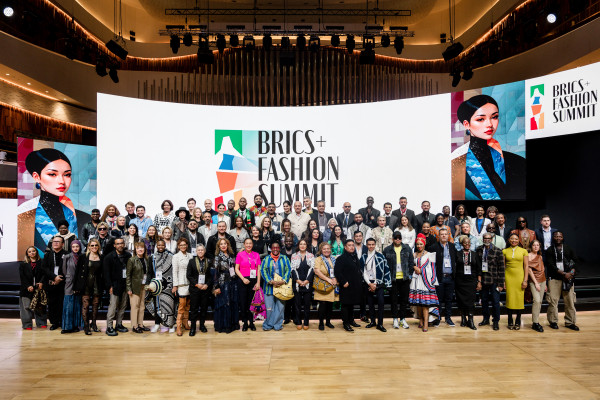
50+ Nations Join Forces to Announce BRICS International Fashion Federation

Location: News
BRICS+ Fashion Summit

The BRICS+ Fashion Summit (www.FashionSummit.org) concluded in Moscow with a landmark announcement: leaders from fashion associations across more than 50 countries signed a memorandum to form the BRICS International Fashion Federation. The new federation seeks to establish new centers of influence, strengthen international connections, boost industry sustainability, and provide NewGen of fashion talents with opportunities for growth. Notably, the summit was attended by representatives from over 100 countries, solidifying its standing as the largest fashion event for both emerging and established markets.

Brian Ahumuza, CEO and Founder of Uganda Fashion Designers Association, said “The BRICS International Fashion Federation has the potential to significantly foster international collaboration by creating structured opportunities for designers, artisans, and manufacturers to work together on joint ventures, exhibitions, and collections. This can help open up new markets, enabling designers from Uganda, for example, to reach audiences in Russia, Brazil, or India”.

Sunil Sethi, Chairman of the Fashion Design Council of India, said, "The need for such a fashionable alliance of emerging countries is long overdue. Brands, designers, and markets all face similar challenges—from supply chain disruptions to environmental issues—that are easier to solve together. The fashion world is focused on a few hundred global brands, so emerging markets need their own platform to make our voices heard." 

The memorandum to establish the BRICS International Fashion Federation was signed by an array of influential figures, including CEOs of fashion weeks, heads of fashion and textile associations, and academic leaders from countries such as India, South Africa, Russia, Ethiopia, Egypt, Spain, the USA, Indonesia, Malaysia, Ghana, Tanzania, Jordan, Ecuador, Paraguay, and Kenya.

Natalya Sergunina, Deputy Mayor of Moscow, highlighted the initiative's significance: "The creation of this International Federation is a major outcome of the recent BRICS+ Fashion Summit in Moscow. It demonstrates once again the shared goals and substantial potential for growth that we have with our global colleagues."

The declaration stipulates several core objectives: supporting local talent, promoting sustainable fashion, fostering cultural exchange, and creating a unified platform for emerging markets through educational and informational projects. It also focuses on the development of new technologies, the preservation of cultural identities, and the support of traditional arts and crafts.

"We are committed to providing these visionaries with a global platform and local events to ensure their creative work is celebrated globally. Our aim is to promote sustainable and eco-friendly practices, striving to implement transparent methods that will significantly reduce the fashion industry's carbon footprint. Slow fashion, characterised by mindful consumption and production, will be at the heart of the BRICS IFF agenda as we strive to mitigate the environmental impact of fashion," says the official statement.

Distributed by APO Group on behalf of BRICS+ Fashion Summit.

Contact:
Ann Reinhold,
info@globaltalents.digital

Media files
BRICS+ Fashion Summit
Download logo
Read more50+ Nations Join Forces to Announce BRICS International Fashion Federation
13 September 2024

The Coca-Cola System in Africa Unveils Water Stewardship Initiative

Location: Business

Coca-Cola
Download logo

The Coca-Cola Company in Africa (www.Coca-ColaCompany.com) and its bottling partners Coca-Cola Beverages Africa (CCBA), Equatorial Coca-Cola Bottling Company (ECCBC) and Coca-Cola HBC announced a nearly USD 25 million investment to help address critical water-related challenges in local communities in 20 African countries, starting this year through 2030. The work will be led by Global Water Challenge (GWC) and implemented by a consortium of partners, including The Nature Conservancy (TNC), The International Union for Conservation of Nature (IUCN) and the World Wildlife Fund (WWF).

The effort, called ‘The Coca-Cola System's Africa Water Stewardship Initiative', was introduced in Cape Town, South Africa, in presence of executives from the Coca-Cola system in Africa and NGO partners. During the event, Karyn Harrington, Vice President of Public Affairs, Communications and Sustainability at The Coca-Cola Company's Africa Operating Unit indicated “Water is a priority for The Coca-Cola Company and its local bottling partners because it is essential to life, the communities we serve and our beverages. As we face increasing water insecurity worldwide, with demand outstripping supply in many regions such as Africa, Coca-Cola is taking steps to help accelerate efforts to address water stress, protect local water resources, and build community climate resilience. Our 2030 Water Security Strategy focuses on helping enhance water security where we operate, source ingredients, and touch lives.”

“One in three Africans face water insecurity. The Global Water Challenge and ‘The Coca-Cola System's Africa Water Stewardship Initiative' partner coalition will seek to improve water security for millions across the African continent, helping advance community health and resilience through abundant, clean water. We applaud Coca-Cola's continued leadership on African water security” said Monica Ellis, CEO of GWC.

‘The Coca-Cola System's Africa Water Stewardship Initiative' aims to help protect and enhance the health of important watersheds and to help improve access to water and sanitation services in local communities. We will have projects in Algeria, Botswana, Cabo Verde, Comoros, Egypt, Eritrea, Eswatini, Ethiopia, Kenya, Mayotte, Morocco, Mozambique, Namibia, Nigeria, Somalia, South Africa, Tanzania, Uganda, Zambia and Zimbabwe.  

“CCBA has a responsibility to help those who face water scarcity and to help protect local water resources where we operate, especially in places with the biggest challenges. We are proud to partner with The Coca-Cola Company on this project,” says Layla Jeevanantham, Chief Public Affairs, Communication and Sustainability Officer at CCBA.

“We are proud to partner with The Coca-Cola Company and fellow bottlers on this critical initiative to help tackle water challenges across Africa. By working together, we can leverage the expertise of our partners and the knowledge of local communities to help create sustainable solutions that enhance water access and safeguard vital water resources,” said Sonia Ventosa, Public Affairs, Communications & Sustainability Manager at ECCBC.

“Coca-Cola HBC has been part of African communities for more than 70 years, and sustainability is an important part of how we operate. We're very happy to see this new water initiative come to life and to support the system's water stewardship efforts,” said Marcel Martin, Chief Corporate Affairs & Sustainability Officer, Coca-Cola HBC.

Recognizing that partnerships are critical to support this work, the company and its bottlers are collaborating with governments, businesses, and civil society organizations to design and implement strategic interventions. In addition to supporting the company's water strategy, this effort also aims to contribute to advancing the United Nations' Sustainable Development Goal 6, which focuses on ensuring availability and sustainable management of water and sanitation. 

This water initiative will build upon The Coca-Cola Foundation (TCCF)'s Replenish Africa Initiative (RAIN), a groundbreaking collaboration with key partners and co-funders which helped improve access to clean water, sanitation and hygiene for 6 million people across African countries between 2009 and 2019. Through 120 projects, the initiative positively impacted homes, schools and healthcare clinics in more than 4,000 communities.

Distributed by APO Group on behalf of Coca-Cola.

Contacts: 
Amel Benchikh El Houcine 
abenchikh@coca-cola.com

About The Coca-Cola Company:
The Coca‑Cola Company (NYSE: KO) is a total beverage company with products sold in more than 200 countries and territories. Our company's purpose is to refresh the world and make a difference. We sell multiple billion-dollar brands across several beverage categories worldwide. Our portfolio of sparkling soft drink brands includes Coca‑Cola, Sprite and Fanta. Our water, sports, coffee and tea brands include Dasani, smartwater, vitaminwater, Topo Chico, BODYARMOR, Powerade, Costa, Georgia, Gold Peak and Ayataka. Our juice, value-added dairy and plant-based beverage brands include Minute Maid, Simply, innocent, Del Valle, fairlife and AdeS. We are constantly transforming our portfolio, from reducing sugar in our drinks to bringing innovative new products to market. We seek to positively impact people's lives, communities and the planet through water replenishment, packaging recycling, sustainable sourcing practices and carbon emissions reductions across our value chain. Together with our bottling partners, we employ more than 700,000 people, helping bring economic opportunity to local communities worldwide. Learn more at www.Coca-ColaCompany.com and follow us on Instagram (http://apo-opa.co/3Ttw0hL), Facebook (http://apo-opa.co/3ToqwVu) and LinkedIn (http://apo-opa.co/4db5D6V).

 Forward-Looking Statements:
This update may contain statements, estimates or projections that constitute “forwardlooking statements” as defined under U.S. federal securities laws. Generally, the words “believe,” “expect,” “intend,” “estimate,” “anticipate,” “project,” “will” and similar expressions identify forwardlooking statements, which generally are not historical in nature. Statements about our sustainability goals, aspirations and anticipated progress also constitute “forwardlooking statements.” Forwardlooking statements are subject to certain risks and uncertainties that could cause The CocaCola Company's actual results to differ materially from its historical experience and our present expectations or projections. These risks include, but are not limited to, evolving sustainability regulatory requirements and expectations, including evolving processes, controls and methodologies for identifying, measuring, assuring and reporting sustainability metrics and data, which could result in significant revisions to our previously reported data; increasing concerns about the environmental impact of plastic bottles and other packaging materials; water scarcity and poor quality; increased demand for food products, decreased agricultural productivity and increased regulation of ingredient sourcing due diligence; climate change and legal or regulatory responses thereto; adverse weather conditions; unfavorable economic and geopolitical conditions; disruption of our supply chain, including increased commodity, raw material, packaging, energy, transportation and other input costs; an inability to successfully integrate and manage our acquired businesses, brands or bottling operations or an inability to realize a significant portion of the anticipated benefits of our joint ventures or strategic relationships; and other risks discussed in our filings with the Securities and Exchange Commission (the SEC), including our Annual Report on Form 10K for the year ended December 31, 2023, and our subsequently filed Quarterly Reports on Form 10Q, which filings are available through the SEC's website. You should not place undue reliance on forwardlooking statements, which speak only as of the date they are made. We undertake no obligation to publicly update or revise any forward looking statements. 

Read moreThe Coca-Cola System in Africa Unveils Water Stewardship Initiative
13 September 2024

Mandela Washington Fellowship for Young African Leaders

Location: News

U.S. Embassy in Namibia
Download logo

The Mandela Washington Fellowship, begun in 2014, is the flagship program of President Obama's Young African Leaders Initiative (YALI) that empowers young leaders through academic coursework, leadership training, and networking. In 2016, the Fellowship provided nearly 1,000 outstanding young leaders from Sub-Saharan Africa with the opportunity to hone their skills at a U.S. higher education institution with support for professional development after they return home.

Ideal candidates are self-identified leaders, aged 25 to 35, with proven accomplishment in promoting innovation and positive change in their organizations, institutions, communities, and countries.

U.S.-based Activities

Academic and Leadership Institutes: Each Mandela Washington Fellow takes part in a six- week academic and leadership institute at a U.S. university or college in one of three tracks: business and entrepreneurship, civic leadership, or public management.

Summit: Following the academic component of the Fellowship, the Fellows visit Washington, D.C. for a summit. During the three-day event, Fellows take part in networking and panel discussions with U.S. leaders from the public, private, and non-profit sectors.

Professional Development Experience: Selected Fellows remain in the U.S. to participate in a six-week professional development experience with U.S. non-governmental organizations, private companies, and governmental agencies related to their professional interests and goals.

Africa-based Activities

Upon returning to their home countries, Fellows continue to build the skills they have developed during their time in the United States through support from U.S. embassies, Regional Leadership Centers, the YALI Network, and customized programming from affiliated partners. Mandela Washington Fellows have access to ongoing professional development opportunities, mentoring, networking and training, and seed funding to support their ideas, businesses, and organizations.

Application Information

The application includes basic information and questions about the applicant's professional and academic experience, including educational background; honors and awards received; extracurricular and volunteer activities; and English language proficiency.  A résumé is also requested (with dated educational and professional background), and personal information (name, address, phone, email, country of citizenship). Additional elements, such as letters of recommendation or university transcripts, are OPTIONAL and may supplement your application.

Who is eligible to apply?

Applicants will not be discriminated against on the basis of race, color, gender, religion, socio-economic status, disability, sexual orientation, or gender identity.  The Mandela Washington Fellowship is open to young African leaders who meet the following criteria:

  • Are between the ages of 25 and 35 on or before the application deadline, although exceptional applicants ages 21-24 will be considered;
  • Are not U.S. citizens or permanent residents of the United States;
  • Are eligible to receive a United States J-1 visa;
  • Are not employees or immediate family members of employees of the U.S. Government (including a U.S. embassy or consulate, USAID, and other U.S. Government entities);
  • Are proficient in reading, writing, and speaking English (applicants who are deaf should refer to the English Language instructions on the Resources page);
  • Are citizens of one of the following countries: Angola, Benin, Botswana, Burkina Faso, Burundi, Cameroon, Cabo Verde, Central African Republic, Chad, Comoros, Democratic Republic of the Congo (DRC), Republic of the Congo, Cote d'Ivoire, Djibouti, Equatorial Guinea, Eritrea, Eswatini, Ethiopia, Gabon, The Gambia, Ghana, Guinea, Guinea-Bissau, Kenya, Lesotho, Liberia, Madagascar, Malawi, Mali, Mauritania, Mauritius, Mozambique, Namibia, Niger, Nigeria, Rwanda, Sao Tome and Principe, Senegal, Seychelles, Sierra Leone, Somalia, South Africa, South Sudan, Sudan, Tanzania, Togo, Uganda, Zambia, or Zimbabwe;
  • Are residents of one of the above countries; and
  • Are not Alumni of the Mandela Washington Fellowship.

Please note that Fellows are not allowed to have dependents, including spouses and children, accompany them during the Fellowship. The U.S. Department of State and IREX reserve the right to verify all information included in the application.  In the event of a discrepancy, or if information is found to be false, the application will immediately be declared invalid and the applicant ineligible.

Selection Process

The Mandela Washington Fellowship selection process is a merit-based open competition.  After the deadline, all eligible applications will be reviewed by independent readers.  Following this review, chosen semi-finalists will be interviewed by the U.S. embassies or consulates in their home countries.  Selected semi-finalists will be required to participate in these in-person interviews in their home country within Africa.  If advanced to the semi-finalist round, applicants must provide a copy of their international passport (if available) or other government-issued photo identification at the time of the interview.  Selected Finalists are required to attend the mandatory Pre-Departure Orientation in their home country within Africa. The following criteria will be used to evaluate applications (not in order of importance):

  • A proven record of leadership and accomplishment in business or entrepreneurship, civic engagement, and/or public/government service;
  • ​A demonstrated commitment to public or community service, volunteerism, or mentorship;
  • ​The ability to work cooperatively in diverse groups and to respect the opinions of others;
  • ​Strong social and communication skills;
  • ​An energetic, positive, and flexible attitude;
  • ​A demonstrated knowledge of, interest in, and professional experience in the preferred sector/Fellowship track and concrete goals for applying lessons knowledge and skills gained from the Fellowship to current and/or future work; and
  • ​A commitment to return to Sub-Saharan Africa and contribute skills and talents to build and serve their communities.

Learn More

Application Resources

Got questions? Visit our Frequently Asked Questions about the Fellowship application to learn answers to common queries.

Check out our Resources page to download and learn more about:

  • Instructions for the Fellowship Application
  • Information for Prospective Fellows with Disabilities
  • Information for Prospective Fellows Who Are or May Become Pregnant

Distributed by APO Group on behalf of U.S. Embassy in Namibia.

Read moreMandela Washington Fellowship for Young African Leaders
4 September 2024

Mahambehlala leads SA delegation to Africa Urban Forum

Location: News

Mahambehlala leads SA delegation to Africa Urban Forum

Human Settlements Deputy Minister Tandi Mahambehlala is leading a South African delegation to the inaugural Africa Urban Forum, which will be held in Addis Ababa, Ethiopia.

The forum is a continental platform that seeks to promote sustainable development in human settlements on the African continent.

The three-day forum, taking place from 4 - 6 September 2024, will be convened under the theme: “Sustainable Urbanisation for Africa’s Transformation: Agenda 2063”.

Established by the African Union Commission in 2022, the Africa Urban Forum is the only high-level continental platform that brings together African countries to collaborate and coordinate their efforts to address rapid urbanisation.

The objectives of the forum include raising the profile of urbanisation as an imperative for sustainable and resilient development in Africa.

It also aims to support inclusive and participatory human settlement development in Africa’s structural transformation and attainment of Agenda 2063 and facilitating dialogues and buy-in for sustainable urbanisation among Africa’s Heads of State and governments.

The department said South Africa has not been spared in the upward trend of rapid urbanisation, resulting in people emigrating to urban areas in search of economic opportunities.

“This emigration has put pressure on the government to provide affordable housing,” the Department of Human Settlements said.

Cooperative Governance and Traditional Affairs Deputy Minister, Dr Dickson Masemola, and some members of the National Executive Committee Members of the South African Local Government Association (SALGA) will form part of the delegation. – SAnews.gov.za

GabiK
Wed, 09/04/2024 - 11:23

109 views
Read moreMahambehlala leads SA delegation to Africa Urban Forum
27 August 2024

Scaling up Financing Is Key to Accelerating Africa’s Structural Transformation

Location: News
African Development Bank Group (AfDB)

By Adamon Mukasa and Anthony Simpasa, African Development Bank Group (www.AfDB.org).

Document 1: http://apo-opa.co/4g3EVzM
Document 2: http://apo-opa.co/473xTHm
Document 3: http://apo-opa.co/4gcshPk
Document 4: http://apo-opa.co/4gcsi5Q
Document 5: http://apo-opa.co/471DE8y
Document 6: http://apo-opa.co/4gcskL0
Document 7: http://apo-opa.co/47361TE

Document 8: http://apo-opa.co/4dXk53t

The calls for structural economic transformation in Africa date back to the 1960s when newly independent nations aimed to eliminate poverty through economic diversification, sustained growth, and job creation. This agenda persists today, as Africa continues to face significant developmental challenges.

Pursuing post-independence economic agendas was particularly important because, behind the euphoria (http://apo-opa.co/4dZMCVX) of independence, laid significant developmental challenges in several African countries: unskilled labor force, political and institutional fragilities, poor health conditions, rapid population growth, wide income disparities, and the legacy of colonialism and exclusion from the modern world. The establishment of the Organization of African Unity (OAU) (http://apo-opa.co/4g3EVzM) in 1963 and the African Development Bank (http://apo-opa.co/473xTHm) a year later aimed to tackle these other challenges in a more coordinated and impactful manner. The African Union (http://apo-opa.co/475z3Sz), successor of the OAU, developed Agenda 2063 (http://apo-opa.co/4g3EQMu) in 2013 as a blueprint for turning Africa into the global growth pole and powerhouse of the future.

Africa's Economic Development Paradox

More than sixty years after independence (http://apo-opa.co/3AzLutK), Africa's structural transformation – the shift of workers from lower to higher productivity employment and intra-sectoral productivity growth (http://apo-opa.co/4dQj0KK) – has not progressed as quickly as hoped. Both policymakers and analysts within and outside the continent are genuinely concerned that achieving structural transformation could remain a mirage for many African countries in the absence of bold structural reforms and financing to support implementation of these policies. Why being so pessimistic? Because historical facts tend to support their pessimism. The African Economic Outlook (AEO) 2024 (http://apo-opa.co/4g2RATW) report, released in May by the African Development Bank, reveals that Africa's transformation has been slow and uneven. In countries showing signs of transformation, the process has been characterized by low industrialization and predominantly by employment in low-skill, low-productivity services. The agriculture sector, employing 42% of Africa's workforce, is 60% less productive than the economy-wide average. Consequently, many workers remain trapped in low-productivity, low-wage jobs, unable to escape poverty.

As a result, Africa was the only region of the world where the average real GDP per capita contracted in the 1980s and 1990s, the so-called lost decades (http://apo-opa.co/4fYqm0D).

Africa is off-track in achieving almost all SDG targets by 2030, consistently showing the lowest SDG performance globally since the 2000s (Figure 1). Without intervention, it is predicted that by 2030, nearly 9 out of 10 of the world's extremely poor will be in Africa (http://apo-opa.co/4e2weEn) and under current conditions[1], it could take African countries over a century on average to reach high-income status.


[1] This scenario assumes that real GDP per capita of each African country will grow according to its post-COVID-19 (2022–25) average growth rate as computed by the African Development Bank's Statistics Department.

But Africa is a very large, diverse, heterogeneous, region. Some countries have, over the past four decades preceding the COVID-19 pandemic, experienced episodes of growth accelerations, growth spikes and failed take-offs (http://apo-opa.co/4gcshPk). Cases of consistent good performance include Botswana, Seychelles, and Mauritius, routinely ranked among the top 10 fastest-growing economies globally. African countries have indeed exhibited remarkable resilience amid confounding shocks, and in 2024, 10 countries[1] in Africa are projected to be among the world's top 20 fastest-growing economies, sustaining the trend observed during the past four decades pre-COVID-19.

Importantly, over the past quarter century, thanks to strong economic reforms and macroeconomic stability, enhanced governance, relative peace and improved political environment and, public investments in soft and hard infrastructure, some African countries[2] have managed to transform their economies and recorded economic growth rates above the global average.

The role of finance in fast-tracking Africa's structural transformation

Many factors, both internal and external, could explain the relatively slow progress in structurally transforming African economies. Among them: over-reliance on commodity-led growth (http://apo-opa.co/4fZJTxI), inadequate infrastructure (http://apo-opa.co/4dV5DZE); insufficient pool of skilled workers (http://apo-opa.co/4g49x4g) and low access to affordable finance (http://apo-opa.co/47361D8); weak institutional governance (http://apo-opa.co/4e0O5LG), recurrent conflicts (http://apo-opa.co/4g49rtq), effects of climate change (http://apo-opa.co/3ABuuTU), tightening of global financial conditions (http://apo-opa.co/4fZSFvC) and rising debt vulnerabilities (http://apo-opa.co/4724oWk).

While all these factors are equally important and call for urgent actions from policymakers, financing Africa's transformation (http://apo-opa.co/4fTo1Uy) is a multi-layered overarching challenge that demands special attention and a pragmatic approach to move from billions to trillions. The cost of achieving the SDGs by 2030 in Africa is estimated at about $1.3 trillion (http://apo-opa.co/4gcsi5Q) annually, equivalent to 42% of Africa's 2023 GDP. Infrastructure needs alone are estimated by the African Development Bank at $181-$221 billion per year over 2023-2030.  The climate finance gap is approximately $213.4 billion (http://apo-opa.co/4gcsiTo) annually through 2030.

Insufficient domestic resources (http://apo-opa.co/471DE8y), compounded by the failure of the global financial architecture (http://apo-opa.co/471zU6K) to mobilize and at scale, affordable finance for sustainable development (http://apo-opa.co/4gcskL0), have led many African countries to resort to commercial borrowing on unfavorable terms. This has resulted in increased debt vulnerabilities. Africa's Public and Publicly Guaranteed external debt has nearly tripled since 2010, reaching $656 billion in 2022, accounting for 22.4% of the continent's GDP and exceeding Africa's public revenue-to-GDP ratio of 20.4%. In 2024, African countries are expected to spend around $74 billion on debt service, up from $17 billion in 2010. Out of the projected debt service, $40 billion is owed to private creditors.

Even more concerning, debt service payments now account for about 11% of the continent's total revenues. High debt service is diverting resources from crucial investments in infrastructure, education, and health – all critical for economic transformation and long-term growth. As of April 2024, 20 African countries[3] (http://apo-opa.co/47361TE) were either in external debt distress or at high risk of external debt distress.

The AEO 2024 report estimates that to accelerate Africa's structural transformation, the continent needs to close an annual financing gap of $402.2 billion (about 13.7% of its projected 2024 GDP) by 2030. Figure 2 shows that transport[4] infrastructure accounts for the largest share of the gap (72.9%), followed by education (10.4%), energy (9.9%), and productivity-enhancing technologies (6.8%). These figures reflect decades of underinvestment in critical areas for development.

The level of financing gap in transport infrastructure reflects the continent's shortfall explained by decades of public underinvestment to upgrade existing road infrastructure or open new roadways, to match the growing population and economic dynamism across the continent. For instance, Africa's median road density is about 12 km per 100 km2, compared with 42.5 km in high-performing developing countries and 136 km in high-income countries. Only about 27% of African roads are paved, far behind the rest of the world (about 49%) and other developing countries (35.4%).


[1] Niger, Senegal, Libya, Côte d'Ivoire, Ethiopia, Rwanda, Benin, Djibouti, Gambia, and Uganda

[2] Algeria, Comoros, Djibouti, Egypt, eSwatini, Lesotho, Libya, Mauritius, Sao Tome and Principe, Senegal, Seychelles, and Tunisia

[3] Burundi, Cameroon, Central African Republic, Chad, Comoros, Congo, Djibouti, Ethiopia, Gambia, Ghana, Guinea-Bissau, Kenya, Malawi, Mozambique, São Tomé and Príncipe, Sierra Leone, South Sudan, Sudan, Zambia, and Zimbabwe

[4] Proxied by roads as road transport is the most frequently used means of transporting goods and people across the continent, carrying at least 80 percent of goods and 90 percent of passengers.

On education, vital for equipping the current and future workforce with the required skillset for structural transformation, African countries' median SDG index score was only 51.5 (out of a maximum of 100) in 2022, while other low-income developing countries reached a median score of 87. In addition, according to World Bank's World Development Indicators (http://apo-opa.co/3AGXw4N), African governments currently spend on average $312 annually per student in primary education, $473 on secondary education, and $2,227 on tertiary education, or about, respectively, 3, 2.3, and 1.1 times lower than high-performing developing countries on  SDG 4. On energy, Africa's median SDG 7 index score was 38.8 in 2022, suggesting that a typical African country was 61.2% further away from achieving the best possible outcome on SDG 7 targets. Despite its vast energy potential, electric power consumption per capita in Africa is still the lowest in the world, estimated at 638.4 kilowatt-hours (kWh) in 2021, versus 2,056 kWh in other developing countries. Due to poor energy infrastructure, over 600 million Africans have no access to electricity http://apo-opa.co/46YZuJT and this is despite progress in recent years[1]. On productivity-enhancing technology and innovation, the continent lags other regions too. This impedes its ability to either innovate and introduce new products, technologies, and/or services that could support its structural transformation. African countries' average Gross Domestic Expenditure on R&D (GERD) represents about 0.4% of their GDP (against about 1% in the rest of the world) and they spend on average $10.7 per capita on GERD (compared to $403.2 per capita in other regions of the world). Furthermore, the continent displays the lowest concentration of researchers in R&D, with an average of 221 researchers per million people, against 742 researchers in other developing countries.

The financing gap varies significantly across countries. The cross-country heterogeneity is mainly explained by differences in current SDG performance related to structural transformation as well as differences in demographics (current and projected population size and composition, land size, and the like) and socioeconomic characteristics (current and projected GDP per capita, and spending on education, infrastructure, and so on). As shown in Figure 3, the estimated annual financing gap represents at least 10 % of 2024's projected GDP in 36 African countries, and in nine of these, at least 50 % of GDP. For such countries, closing the financing gap by 2030 is, therefore, realistically impossible.


[1] For instance, the average share of people with access to electricity increased from about 38 percent in 2000 to about 59 percent in 2022. In 28 African countries, the percent of people with access to electricity has more than doubled between 2000 and 2022, out of which it has increased at least fivefold in 8 countries (Kenya, Lesotho, Mali, Mozambique, Rwanda, Somalia, Tanzania, and Uganda).

Note: COG: Congo; CPV: Cabo Verde; GHA: Ghana; CIV: Cote d'Ivoire; GAB: Gabon; GNQ: Equatorial Guinea; MUS: Mauritius; SYC: Seychelles; ZAF: South Africa. Source: Authors' computation based on the African Economic Outlook (AEO) 2024 database

A more realistic approach would be to allow for a gradual but steady transformation process over a longer period, aligning with the African Union's Agenda 2063. This would enable countries to mobilize more resources domestically and externally, without jeopardizing debt sustainability.

What next?

Scaling up finance to accelerate Africa's structural transformation should be a key priority for policymakers. While implementing structural reforms is crucial for sustainable growth, success depends on the availability, timeliness, and scale of long-term development financing and enhancing spending efficiency. African countries should therefore, inter alia, focus on: i) scaling up investment to build requisite human capital suited to local realities, circumstances, and development priorities; ii) boosting domestic resource mobilization and improving efficiency of public finance management; iii) creating targeted and streamlined incentives to attract private capital for key transformation sectors; and iv) launching ambitious national infrastructure programs with assured positive returns to attract affordable financing.

The international community should reform the global financial architecture (http://apo-opa.co/4dXk53t) to facilitate African countries' access to long-term, concessional development financing at scale, complementing domestic resources.

By addressing these financing challenges and implementing targeted reforms, Africa can accelerate its structural transformation and move closer to achieving its development goals as espouses in Agenda 2063.

Distributed by APO Group on behalf of African Development Bank Group (AfDB).

Media files
African Development Bank Group (AfDB)
Download logo
Read moreScaling up Financing Is Key to Accelerating Africa’s Structural Transformation
27 August 2024

Addressing Debt Challenges in State-Owned Enterprises

Location: News

United Nations Economic Commission for Africa (ECA)
Download logo

In a concerted effort to tackle the growing challenges of State-Owned Enterprise (SOE) debt in Africa, the United Nations Economic Commission for Africa (ECA) hosted a high-level workshop in Pretoria from 21 to 23 August 2024. The event brought together finance policymakers, industry experts, and international organizations to share best practices and develop strategic solutions for effective SOE debt management across the continent.

The workshop brought together officials from the Ministries of Finance of Cameroon, Ethiopia, Ghana, Nigeria, South Africa, and Zambia, along with representatives from UNDP, the African Forum and Network on Debt and Development, and major state-owned entities. The focus was on enhancing governance frameworks, improving financial oversight, and exploring privatization options.

Participants discussed the critical role of SOEs in driving national development, acknowledging that while these entities have the potential to bolster economic growth and address market deficiencies, they also pose significant risks to government finances. The workshop highlighted that poorly managed SOEs can lead to severe financial burdens, potentially destabilizing national budgets and contributing to the deterioration of sovereign credit ratings.

“In many African countries, SOEs play a vital socio-economic role. This workshop comes at a critical time for Africa's development, with both SOE and government finances under pressure amid cascading crises and multiple shocks,” said Zuzana Schwidrowski, Director of the Macroeconomics, Finance, and Governance Division (MFGD) at ECA, in her opening remarks.

Ms Schwidrowski noted that “critical public services tend to deteriorate alongside SOEs' financial difficulties, leading to a downward spiral of weakened service delivery and growth.” That is why ECA organized this capacity-building workshop “to develop practical solutions and options for Africa,” she added.

The discussions also underscored the importance of corporate governance, risk management, and internal oversight as drivers of reform. Participants shared successful approaches to SOE debt management and identified key barriers, including challenges related to mandate delivery and the intricate links between sovereign and SOE credit ratings.

Lee Everts, Chief of the Macroeconomic Analysis Section in MFGD, emphasized the need for a multifaceted approach to address the rising SOE debt. “Financial restructuring, governance and operational improvements, and in some cases, privatization or asset sales, are essential steps to mitigate the risks posed by SOE debt,” she said.

The workshop, organized by ECA's Macroeconomics, Finance, and Governance Division in collaboration with its Sub-Regional Office for Southern Africa, is part of a broader series of capacity-building initiatives aimed at strengthening public debt management across Africa. ECA remains committed to supporting African nations in implementing innovative and robust solutions to the persistent challenges posed by SOE debt and related government liabilities.

Distributed by APO Group on behalf of United Nations Economic Commission for Africa (ECA).

Read moreAddressing Debt Challenges in State-Owned Enterprises
22 August 2024

TikTok Announces Industry-First Sub-Saharan Africa Safety Advisory Council

Location: News
TikTok

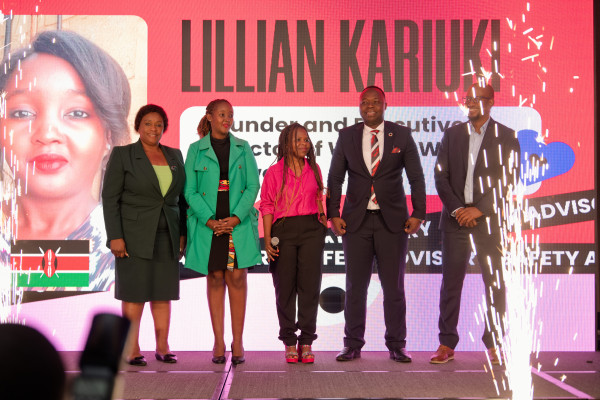
TikTok (www.TikTok.com) is taking major steps to boost safety on its platform across Sub-Saharan Africa with the launch of its inaugural Safety Advisory Council and the expansion of its #SaferTogether community education campaign. By partnering with key stakeholders, including policymakers, members from academia, NGOs, and community leaders, TikTok aims to foster a collaborative approach to ensuring a secure and positive platform environment. This announcement was made at TikTok's Safety Summit held in Nairobi, Kenya. 

A Continuous Investment: The Safety Advisory Council 
Since 2020, TikTok has established nine regional Safety Advisory Councils alongside the U.S. Content Advisory Council, each composed of experts in areas such as youth safety, free expression, and hate speech. These councils play a vital role in shaping TikTok's policies, product features, and safety processes, ensuring the platform remains responsive to evolving challenges. 

The newly launched Sub-Saharan Africa Safety Advisory Council will further this effort by bringing together local experts who will collaborate with TikTok to develop forward-looking policies and address regional safety concerns. Their input will help TikTok manage current issues and anticipate future challenges, reinforcing the platform's commitment to user safety and fostering a positive online environment. 

Members of the Sub-Saharan Africa Safety Advisory Council are: 

  • Prof Guy Berger, Rhodes University (South Africa)  
  • Dennis Coffie, Content creator (Ghana)  
  • Peter Cunliffe-Jones, University of Westminster Visiting Research Fellow (UK)  
  • Aisha Dabo, Co-Founder and coordinator of AfricTivistes (Senegal)  
  • Lillian Kariuki, Founder and Executive Director of Watoto Watch Network (Kenya)  
  • Dr Akinola Olojo, Expert on preventing and countering violent extremism (Nigeria)  
  • Prof Medhane Tadesse, Policy academic on peace and security issues (Ethiopia) 
  • Berhan Taye, Independent Researcher (Ethiopia)  

"With the launch of the Sub-Saharan Africa Safety Advisory Council, we are demonstrating our commitment to including expert African voices in our Trust and Safety work. This group of leaders was chosen for their broad range of expertise and experience, and we look forward to working with them over the coming years." - Valiant Richey, Global Head of Outreach and Partnerships, Trust and Safety, TikTok 

#SaferTogether: A Community-Centric Approach 
This iteration of the #SaferTogether campaign is designed to engage the community actively in promoting a basic understanding of the platform's community guidelines and safety features. This initiative will include workshops, social media outreach, and partnerships with key stakeholders to raise awareness about the importance of following TikTok's community standards. The campaign aims to foster a collaborative effort to ensure a secure environment for creative expression. 

Fortune Mgwili-Sibanda, Director of Government Relations & Public Policy for Sub-Saharan Africa emphasised, “The community empowerment campaign highlights the importance of safety being a shared responsibility. This part of the campaign will speak directly to the TikTok community, to join us in making TikTok a safer space for all by ensuring they follow the Community Guidelines and use the safety features available to them. With the additional layer that the Safety Advisory Council presents, we believe that safety can be achieved, collectively.” 

Understanding TikTok's Community Guidelines 
TikTok's Community Guidelines (https://apo-opa.co/4dT5vdm) are integral to the platform's safety efforts. Developed through comprehensive research and input from various stakeholders, including safety experts and community members, these guidelines set the standard for acceptable behaviour and content on the platform. They are designed to foster a safe and welcoming environment, ensuring that everyone can express themselves freely and creatively while staying protected from potential harm. The guidelines are continuously updated to address emerging safety concerns and support a respectful online community. 

Impact of the #SaferTogether Partnerships in Sub-Saharan Africa 
In Kenya, TikTok has so far achieved remarkable milestones with its flagship #SaferTogether workshops (https://apo-opa.co/3Ayt4cZ).  

  • Reaching students and youth aged 13 to 24 from secondary schools to universities 
  • Conducting workshops in 26 out of 47 counties across Kenya, these workshops continue to encourage best practices on online platforms 
  • Workshops have also benefitted over 64,000 students, more than 467 parents, and 346 teachers 

In 2022, the #SaferTogether workshops and campaign launched in Nigeria. 

Earlier this year, TikTok announced the official partnership with the African Union Commission's Women, Gender, and Youth Directorate (https://apo-opa.co/3XhbDGU) (WGYD) at the inaugural TikTok Safer Internet Summit in Ghana. This partnership will help deliver digital literacy programmes across Africa, guiding young people and their caregivers on how to diversify their livelihoods using digital platforms, in a safe and engaging way.  

Safaricom has been a long-standing strategic partner of TikTok, collaborating on a number of mobile and network initiatives over the past several years, including TikTok data bundles and participating in the #LevelUpAfrica Creator event. In light of these ongoing collaborations, Safaricom expressed strong support for TikTok's recent efforts to enhance online safety in Africa. "At Safaricom, we see the internet as a resource that everyone should have access to, safely. Having witnessed the announcement of the TikTok Safety Advisory Council and the launch of the #SaferTogether campaign, we commend TikTok's efforts in bringing together various stakeholders for a common goal – ensuring online safety and promoting the safe use of its platform across Africa," said Fawzia Ali, Chief Consumer Business Officer, Safaricom PLC. 

More information about the work of the Safety Advisory Councils can be found on TikTok's Transparency Centre (https://apo-opa.co/3MmsGAJ). 

Distributed by APO Group on behalf of TikTok.

Media files
TikTok
Download logo
Read moreTikTok Announces Industry-First Sub-Saharan Africa Safety Advisory Council
20 August 2024

African Development Bank Group Supports Study Tour to Brazil to Inspire African Cities

Location: News
African Development Bank Group (AfDB)

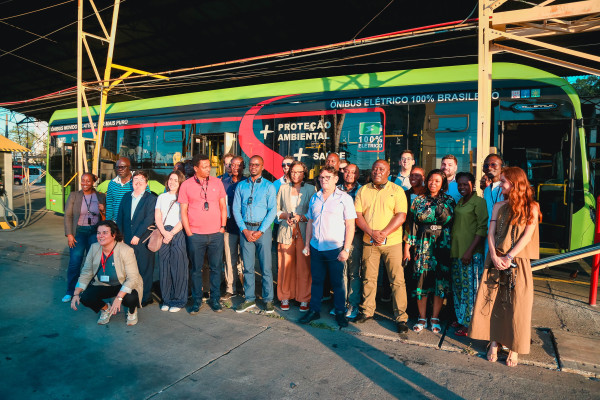
From August 5 to August 13, 2024, representatives from seven African cities visited the Brazilian cities of Sao Paulo, Fortaleza and Curitiba, to discover inspiring solutions being implemented by local authorities to promote sustainable urban development. 

The Study Tour, organised as part of the African Development Bank's African Cities Program (ACP) (http://apo-opa.co/3Azu2pl), launched in 2020, was financed by the South-to-South Cooperation Trust Fund (SSCTF) in collaboration with the Bank Group's Urban and Municipal Development Fund (UMDF), with the participation of the C40 Cities Climate Leadership Group (http://apo-opa.co/4fUnhyo).

The trip was inspired by the idea that peer exchanges between cities in the Global South can enrich the urban planning approaches and strategies of decision-makers in African municipalities.

"Africa's rapid urban transition has many similarities with that experienced by Latin America in the 1950s and 60s,” said Darline Tognia, UMDF Coordinator and leader of the delegation. “By visiting Brazil today, we can see firsthand, and with hindsight, how cities have absorbed this growth; which solutions have worked, and which have not.”

The delegation consisted of 19 high-level municipal staff drawn from planning departments, finance departments, transportation services, and others, working in eight African cities which are already benefiting from the Urban and Municipal Development Fund and C40: Nairobi (Kenya), Beira (Mozambique), Tshwane (South Africa), Lomé (Togo), Dakar (Senegal), Addis Ababa (Ethiopia) and Freetown (Sierra Leone). 

The visit started in Sao Paulo, the largest city in South America, where innovation and sustainability coexist with complex urban and environmental challenges. At Parque Bristol, a popular neighbourhood, participants visited a publicly run multipurpose facility for children, which benefits from a “School Feeding Program”, a large-scale municipal effort to promote healthy eating, while also supporting urban agriculture.

As part of the tour, the group also met with waste recycling cooperatives, visited an electric bus maintenance center, learnt about public transport by river-boats, and how informal settlements are being upgraded by the municipality trough the provision of basic infrastructure, improved transport integration, social housing programs and environmental protection measures.  

In Fortaleza, a coastal city in north-east Brazil, and the second leg of the tour, the delegation saw various initiatives that have significantly improved the cityscape; in sustainable mobility, youth engagement and climate resilience.

The tour came to an end in Curitiba, a city of 2 million inhabitants, renowned for its innovative approach to sustainable development and urban mobility. The delegation learnt about the Bus Rapid Transit (BRT) system implemented by the city, as well as its slum upgrading, urban planning and solid waste management programs.

The Urban and Municipal Development Fund envisioned the trip as a means of consolidating a network of African cities interested in adopting urban solutions with an inclusive and human-centered approach.

The Brazil tour follows previous ones organized in 2022 to Copenhagen (Denmark) and Malmo (Sweden) (http://apo-opa.co/4fKPMih), to discover the renowned sustainable urban planning strategies of Nordic countries.

Distributed by APO Group on behalf of African Development Bank Group (AfDB).

Media files
African Development Bank Group (AfDB)
Download logo
Read moreAfrican Development Bank Group Supports Study Tour to Brazil to Inspire African Cities
20 August 2024

Xaba aims to cement her dominance with an Absa RUN YOUR CITY Series win in Tshwane

Location: MyPR

South African national record holder Glenrose Xaba is gearing up for her fourth race of the month as she prepares to compete in the highly anticipated Absa RUN YOUR CITY TSHWANE 10K on Sunday, 25 August 2024. Xaba, the reigning SA champion in the 5000m and 10,000m events, has been in exceptional form over the …

Read moreXaba aims to cement her dominance with an Absa RUN YOUR CITY Series win in Tshwane
19 August 2024

Xaba dominates the field at the Totalsports Women’s Race in Joburg

Location: MyPR

The Totalsports Women’s Race concluded its 2024 season on a high note, with an impressive 10,000 runners gathering at Marks Park (Emmarentia) on Saturday 17 August for the third and final race in Johannesburg. The event celebrated women and supported PinkDrive, marking a fitting end to this year’s series. Boxer Athletic Club top runner, Glenrose …

Read moreXaba dominates the field at the Totalsports Women’s Race in Joburg
13 August 2024

MultiChoice Talent Factory 2025 Calls for Entries

Location: News
MultiChoice Group

MultiChoice Talent Factory (www.MultiChoice.com) is thrilled to announce that it's once again calling upon all aspiring filmmakers, scriptwriters, producers, and storytellers to apply for entry into the 2025 fully funded academic year.  

Whether you're a young professional looking to change careers and expand your horizons or a newcomer eager to make your mark in the TV & Film industry, MTF welcomes applicants from all backgrounds across the 13 countries in Africa: Nigeria, Ghana, Uganda, Kenya, Ethiopia, Tanzania, Zambia, Botswana, Namibia, Angola, Mozambique, Zimbabwe and Malawi.  

Since its inception in 2018, MTF has welcomed 60 students each year giving them an opportunity to reach their dreams and to unleash their potential by providing a platform that nurtures and develops talent across the continent, providing opportunities for growth, networking and success in the entertainment industry.

Through a series of rigorous training programs, MTF believes in using hands-on approach and mentorship from industry experts. Participants not only get a chance to sharpen their craft but also gain invaluable insights into the business of filmmaking. Imagine being chosen as one of the participants to learn from some of the industry's best minds and gaining practical experience in areas such as cinematography, sound design, editing, and more. MTF gives you all these opportunities and does not stop there.

At the end of the programme, top performing students from each academy will get further training, mentorship and internship opportunities with MTF global partners, such as the New York Film Academy (NYFA), Indian-based platform Zee World and will get an opportunity to work on productions in South Africa. Upon completion students receive accredited and recognised qualification and get a chance to produce and direct short films showcased on MultiChoice platforms. 

All these initiatives are indicative of MTFs commitment to supporting MultiChoice's content selection of delivering exciting local content, which is rich in culture. Africa has many untold stories and by investing in African talent, MultiChoice gets to uncover and showcase these stories by supporting MTFs students, giving them necessary skills and the platform to produce content that resonates with Africans and the global market. Through this support, MTF alumni's have achieved phenomenal success in their productions.

Just last year, five alumni secured nominations across three categories at the 2023 Africa Magic Viewers' Choice Awards (AMVCA). In addition to this, Many MTF alumni occupy significant industry roles across the continent, working as directors, producers, sound designers, camera operators, art directors, scriptwriters and editors on major African productions which include Salem, Tempted, Engaito, Mvamizi, Mum vs Wife, Makofi, County 49 and many others. Habtamu S. Mekonen, MTF student from the East Africa Academy in Nairobi, Kenya, recently won an International Emmy Award for a short film that he produced and directed. The success of MTF is best illustrated by the feature films produced by its students. The films highlight the talents and creativity of participants and demonstrate the programme's profound impact.

MTF also fosters entrepreneurial spirit, giving young people the confidence to start their own projects and businesses. To date, thirty of its alumni have registered production houses, creating employment opportunities and contributing to the economy. The knowledge and skills imparted by MTF empowers graduates to be catalysts for economic growth and cultural enrichment in their communities.

Applications are now open and will close on 15 September 2024. Interested candidates can visit https://apo-opa.co/4cjKojb to submit their entries and learn more about the program's requirements.

Are you ready to unleash your talent and step into the spotlight as one of the next generation of filmmakers? Don't miss out on this incredible opportunity to ignite your career in film and television with MultiChoice Talent Factory.

Take the first step towards realising your dreams and apply now.

Your journey to success starts here!

Distributed by APO Group on behalf of MultiChoice Group.

Media files
MultiChoice Group
Download logo
Read moreMultiChoice Talent Factory 2025 Calls for Entries
12 August 2024

Xaba set to GO FOR GOLD at the Totalsports Women’s Race in Johannesburg

Location: MyPR

After an impressive third-place finish at the Totalsports Women’s Race in Cape Town on National Women’s Day (Friday, 9 August 2024), where she competed against the exceptional Christine Njoki (Kenya) and Tadu Nare (Ethiopia), South Africa’s national record holder Glenrose Xaba is more determined than ever to seize gold at the final event of the …

Read moreXaba set to GO FOR GOLD at the Totalsports Women’s Race in Johannesburg
6 August 2024

The RMB Where to Invest in Africa 2024 report highlights Africa’s top investment economies

Location: Business
Rand Merchant Bank

RMB (www.RMB.com) has released the highly anticipated 2024 edition of its Where to Invest in Africa report, a comprehensive analysis of the top investment destinations on the continent. The report, which has been developed in collaboration with the Gordon Institute of Business Science (GIBS), leverages a robust methodology that has been updated to reflect new data sources, taking into account a variety of factors that have been proven to determine a country's progress and therefore its investment potential. 

“Africa is not a country, but a vast, diverse and complex continent with different cultures, economies and investment potential. Our report therefore is not a definitive guide, but rather it is designed to provide insight to uncover the underlying drivers of a country's performance that inform its ranking. This offers invaluable insights for investors, policymakers, and business leaders looking to navigate Africa's dynamic economic landscape,” says Isaah Mhlanga, Chief Economist at RMB.  

Expanded data, extended granularity 

Investment decisions need to be viewed through both an economic performance lens and an operating environment lens. As a result, the methodology used for this edition of the Where to Invest in Africa report builds and expands on previous editions, taking into account new data sets as well as changing geopolitical and macroeconomic climates.  

The scorecard for the 2024 issue highlights 31 countries that collectively represent 92% of the continent's economic activity (measured by GDP), and more than one billion people (three quarters of the continent's population). It draws on publicly available data sets from global institutions, including the World Bank, the IMF, the African Development Bank, the United Nations, and the International Labour Organisation.  

The model is constructed from 20 metrics across four measurement pillars: economic performance and potential; market accessibility and innovation; economic stability and investment climate; and social and human development. Each metric is weighted, which translates into a weight for each pillar, and based on these metrics a standardised scorecard is produced, with rankings that enable effective comparison across Africa's complex and heterogeneous environment.  

Africa's top five investment destinations 

Combining these elements results in a ranking across the 31 countries measured. The results of the report show that the two small island economies of Seychelles and Mauritius rank first and second as the most attractive investment destinations on the continent, while the significantly larger economies of Egypt, South Africa, and Morocco rank in third, fourth and fifth places respectively. 

Seychelles leads the rankings thanks to high levels of personal freedom, human development, and a stable economic environment. Seychelles offers a unique and attractive investment climate. Despite scoring lower on economic size and potential, Mauritius is known for innovation, economic freedom, and high GDP per capita. It continues to be a top destination for investors seeking stability and growth opportunities in a well-regulated environment.  

Egypt represents Africa's largest economy by GDP (2023), offering a substantial market with diverse opportunities in sectors like technology, manufacturing, and services. Its strategic location and economic complexity further enhance its attractiveness. Despite facing significant challenges, South Africa remains a crucial hub for investment in Africa. Its robust financial sector, diverse economy, and potential for infrastructure development make it a key player. Finally, Morocco's strong performance in connectedness, innovation, and economic stability positions it as a top investment destination. Its strategic proximity to European markets adds to its appeal. 

Distilling diversity – investment archetypes explained 

Africa is an incredibly diverse continent, and no two markets are the same, which means there is no such thing as a universal success story. However, when we zoom out and view nations through the lenses of size and the relevant investability score, it becomes apparent that they fall into distinct groupings with shared traits. The 2024 edition of Where to Invest in Africa suggests five potential investment archetypes based on shared characteristics revealed through the four measurement pillars.  

‘Highflyers' represent the large, well-established economies that offer stability and a range of investment opportunities, such as Nigeria, South Africa, Egypt and Ethiopia. Those ‘Cleared for Take-off' are countries with high economic growth and innovation potential thanks to factors like a young population and abundant resources, including Senegal and Côte d'Ivoire. ‘People Potential' are markets with a young and growing demographic, creating a sizeable consumer base and a future workforce, such as Kenya, DRC and Uganda. ‘Global Connectors' are more advanced economies with a strong international presence, such as Morocco, Mauritius, Tunisia and Seychelles. ‘Low-Base Boomers' are smaller markets with high potential for explosive growth but a corresponding higher degree of risk, including Rwanda, Mozambique, and Benin. 

Additional insights unpacked

The report also highlights a number of trends across the various markets, and the role of innovation and economic complexity in driving growth is a central theme. Countries such as South Africa, Kenya, and Ghana are noted for their strides in technological innovation and diversification of their economic bases, making them attractive destinations for investment. 

The African Continental Free Trade Agreement (AfCFTA) holds significant potential for boosting intra-African trade, enhancing economic integration, and creating a more competitive continental market. Effective implementation of the AfCFTA is expected to drive economic growth and development across the continent. Africa's young and rapidly growing population also presents a unique opportunity for economic growth, with countries like Ethiopia, Tanzania, and Uganda poised to benefit from this demographic dividend, provided they can create sufficient employment opportunities and foster a conducive environment for economic participation.  

In addition, there are a number of emerging markets with significant growth potential, including Nigeria, Ghana, and Kenya. Despite facing challenges such as political instability and infrastructural deficits, these countries offer substantial opportunities due to their large and youthful populations, improving business climates, and diversification efforts. Africa's vast natural resources, including minerals and arable land, are pivotal for sustainable economic growth. However, the report cautions against the "resource curse" and underscores the importance of good governance and strategic management. Angola, Mozambique, and the Democratic Republic of Congo are highlighted for their rich resources and potential for sustainable development. 

One area that requires critical attention across the continent is the need for infrastructure investment. Improved transportation, energy, and digital infrastructure are essential for unlocking Africa's economic potential, and South Africa, Kenya, and Nigeria are identified as key markets where infrastructure development could yield significant returns. 

Beyond the rankings – a deeper look at African investment 

Looking beyond metrics and scorecards, Africa holds massive potential but equally faces numerous challenges. The continent is rich in natural resources, which can be a major driver of economic growth, but they also present challenges in the form of corruption and environmental degradation. Increased activity around trade agreements can open new markets for foreign investors and boost economic activity, but lack of adequate infrastructure is a major hurdle for many African economies. Investment in this space will improve connectivity and create new opportunities, while rapid and increasing urbanisation will prove attractive to investors in consumer goods, retail, and financial services. Finally, countries in Africa are embracing new technologies, leapfrogging traditional development stages and creating new investment opportunities in the tech sector. 

“The richness of Africa's diversity makes fully analysing its nuance and contrast a challenging task, but an important one when it comes to understanding the varied markets that make up this vast regional economy. The 2024 RMB Where to Invest in Africa report aims to develop a balanced, robust and actionable view of the drivers, challenges and opportunities that characterise each of the 31 African markets included in the analysis,” Mhlanga concludes.  

Download the full report here to uncover the insights and drive more informed investment decisions. 

  • https://apo-opa.co/4dyoUQm
  • https://apo-opa.co/46CBs7c

Distributed by APO Group on behalf of Rand Merchant Bank.

Media files
Rand Merchant Bank
Download logo
Read moreThe RMB Where to Invest in Africa 2024 report highlights Africa’s top investment economies
5 August 2024

Christine Njoki, SA all-comers record holder, targets another Totalsports Women’s Race victory

Location: MyPR

After dominating the field in Durban on Sunday, 4 August 2024, during her Totalsports Women’s Race debut, Kenya’s Christine Njoki, the current SA all-comers record holder, has set her sights on a second Totalsports Women’s Race victory, this time in Cape Town on Friday, 9 August 2024 (National Women’s Day). “I had a good race …

Read moreChristine Njoki, SA all-comers record holder, targets another Totalsports Women’s Race victory
30 July 2024

SA All-Comers Record Holder, Christine Njoki sets her sights on the Totalsports Women’s Race in Durban

Location: MyPR

Exactly one month after setting a new South African all-comers record and personal best at the Absa RUN YOUR CITY DURBAN 10K, Kenya’s Christine Nalimo Njoki will be aiming for an even more impressive performance when she competes in one of South Africa’s most iconic Women’s Month celebrations, the Totalsports Women’s Race in Durban, this …

Read moreSA All-Comers Record Holder, Christine Njoki sets her sights on the Totalsports Women’s Race in Durban
29 July 2024

Kavanagh takes on East Africans at the Totalsports Women’s Race in Durban

Location: MyPR

The Totalsports Women’s Race in Durban is set to feature its most competitive lineup yet on Sunday, 04 August 2024. Local favorite Tayla Kavanagh will go head-to-head with formidable opponents such as Ethiopia’s Debash Desta and Selam Gebre, along with Kenya’s Marion Chepkoech. “The fact that the Totalsports Women’s Race is a women’s-only event is …

Read moreKavanagh takes on East Africans at the Totalsports Women’s Race in Durban
26 July 2024

Condolences for the people of Ethiopia

Location: News

Condolences for the people of Ethiopia

President Cyril Ramaphosa has expressed his condolences and sorrow following recent landslides in Ethiopia which claimed the lives of over 200 people. 

“President Cyril Ramaphosa, on behalf of the government and the people of South Africa, has expressed deep sorrow and condolences following the recent landslides in Gofa, South Western Ethiopia, which tragically took the lives of at least 250 of people at this stage,” said the Presidency on Thursday.  

President Ramaphosa said the South African people's thoughts are with the people of Ethiopia, particularly the bereaved families, during this period of mourning. 

“Our hearts goes out to the government and the people of the Federal Democratic Republic of Ethiopia at this difficult time.”

According to news reports, the landslides were brought about by heavy rains on Monday.

President Ramaphosa recalled the strong and historic relations between South Africa and Ethiopia, dating back to the struggle against apartheid. -SAnews.gov.za


Neo
Fri, 07/26/2024 - 12:08

261 views
Read moreCondolences for the people of Ethiopia
  • Previous
  • Page 1
  • Interim pages omitted …
  • Page 4
  • Page 5
  • Page 6
  • Page 7
  • Page 8
  • Interim pages omitted …
  • Page 10
  • Next

Copyright © 2026 · MyZA · All Rights Reserved · Powered by Stratlec Online