Training Young People for Jobs: Insights From 9 African Countries on What’s Missing
Youth employment programmes need to be built around real jobs, capable institutions and the young people they are meant to serve.
Africans are often sold as physically strong with raw talent, but lacking in discipline and technical refinement.
On this anniversary of Youth Day half a century later, we must pause and reflect on the core message behind the tragedy of the Soweto Uprising. The battle against exclusion.
The post 50 YEARS LATER, THE SPIRIT OF EXCLUSION LIVES ON appeared first on For Good.
The GOOD Party calls on the DA-led George Municipality to urgently reinstate bus services or provide immediate alternative transport for hundreds of residents left stranded by the sudden suspension of the GO George service.
The post GOOD CALLS FOR URGENT TRANSPORT ALTERNATIVES FOLLOWING GO GEORGE SUSPENSION appeared first on For Good.
Four offences seem to have been committed but only one fine was imposed by the fisheries department
The Ekurhuleni Metro has been plunged into an administrative crisis following the arrest of the Municipal Manager, Kagiso Lerutla, on 20 April 2026. Mr. Lerutla faces serious charges of alleged fraud, corruption and defeating the ends of justice. In response, Mayor Nkosindiphile Xhakaza, attempted to unilaterally suspend Mr Lerutla and appoint Dr Tsholofelo Koopedi (previously […]
The post No unilateral appointments: Council has to appoint municipal manager in Ekurhuleni appeared first on Freedom Front Plus.
While the Minister of Agriculture, Mr John Steenhuisen, is defending government’s exclusive right to procure and administer foot-and-mouth disease vaccines in court, the economic crisis affecting rural communities keeps expanding. Most rural towns are primarily sustained by agriculture. Rural economies consist mainly of input suppliers, businesses that receive and process agricultural products, financial and personal […]
The post Foot-and-mouth disease: while Minister bickers about state control, rural economies grind to a halt appeared first on Freedom Front Plus.
A wildlife photographer recorded 304 humpback whales on 30 December
Celebrity stories show that prayer plays a central role in how celebrities and Ghanaians cope with mental illness.
TransUnion, a global information and insights company, has launched a bold new campaign, ‘Be the Reason Things Change’, aimed at making financial inclusion a reality for more South Africans. This powerful initiative calls on individuals, communities, businesses, and institutions to join a movement for change, one that ensures every person is seen, supported, and given the tools to participate in the formal financial system.
In a country known for both its beauty and inequality, where access to formal credit remains out of reach for many, ‘Be the Reason Things Change’ seeks to break down the barriers that keep people excluded, by focusing on consumer education, innovation, and community engagement. The campaign is designed to help South Africans take control of their financial futures, regardless of who they are or where they come from, whilst also advocating for businesses to embrace alternative data and innovative scoring solutions to see and serve the unseen. By doing so, they too can empower the disempowered, expanding access and inclusion, and enabling more people to participate meaningfully in the financial ecosystem and live the lives they deserve.
“At TransUnion, we believe in a world where the impossible becomes possible, where the unseen are finally seen, and where every South African deserves the opportunity to participate fully in the economy,” says Lee Naik, CEO TransUnion Africa.
’Be the Reason Things Change’ is more than a campaign slogan; it’s a call to action to take part in building a more inclusive financial system. Through innovative data solutions and consumer education, we aim to spark a national conversation about breaking down barriers in the credit landscape and ensuring financial empowerment is accessible to all. Ultimately, we want more South Africans to be included in the formal financial economy, empowering them to understand how access to credit can transform their lives and enable them to uplift their communities,” says Naik.
Addressing South Africa’s Financial Inclusion Challenge
Many South Africans continue to face obstacles in accessing formal credit and quality financial services. Traditional systems often feel exclusive or out of reach, especially for underserved individuals and small businesses, because they rely heavily on past borrowing behaviour as the primary measure of creditworthiness. According to TransUnion’s CreditVision® Telco Data Score data-modelling, over 1.4 million credit-invisible South Africans open new credit accounts each year, contributing to more than four million new accounts over the past three years*. Yet traditional scoring models frequently fail to assess these consumers accurately, leaving over 16 million adults outside the formal credit system. Successfully integrating these and other excluded consumers into the economy could contribute an estimated R173 billion to South Africa’s GDP.
A significant portion, approximately 35% of new-to-credit consumers are under the age of 25, many entering the workforce for the first time and using credit to cover essentials such as work clothing. This highlights the urgent need for innovative, inclusive tools that better reflect the realities of younger, digitally active individuals who may lack a conventional credit footprint.
TransUnion is shifting the paradigm by embracing alternative data, creating new scoring capabilities, and ensuring that individuals who were once unclassifiable can now be assessed fairly and accurately. Its “Be the Reason Things Change” campaign responds to this need by equipping the public with practical tools, credit education, and the confidence to take charge of their financial futures.
Collaborative Effort with Global Partners
The campaign is supported by the International Finance Corporation (IFC), the private sector arm of the World Bank Group, has played a key role as a technical advisor and promotor of credit information tools in South Africa, reinforcing the global imperative to expand equitable access to financial services.
“We are proud to support TransUnion’s ‘Be the Reason Things Change’ campaign, which aligns closely with our mission to advance inclusive economic development,” says Cláudia Conceição, IFC Regional Director for Southern Africa. “By removing barriers to credit access, this initiative empowers individuals and communities to build financial resilience and unlock economic opportunity, key pillars of long-term social impact.”
This collaboration highlights the value of cross-sector partnerships in tackling systemic financial exclusion, combining local insights with global best practices to deliver scalable solutions.
Empowering Through Education, Innovation, Investment and Africa Firsts
‘Be the Reason Things Change’ will see TransUnion roll out a fully integrated marketing campaign designed to demystify the credit system and empower people from all walks of life. Key pillars of the campaign include:
‘Be the Reason Things Change’ is about rewriting the story around credit and creditworthiness,” says Naik. “We want every South African to understand how credit works, what their score means, and how they can maintain and improve it. More importantly, we want them to believe they can be the reason things change.”
Campaign Execution Partners
The campaign was brought to life through a dynamic collaboration with creative agency 1 Over One, who led the conceptual development; local production partner Run Jump Fly, who delivered a unique AI-powered digital film piece, FleishmanHillard South Africa and Capacity Relations who provided strategic PR, media and activation support to amplify the message and ensure meaningful engagement across key audiences.
Join the Movement
TransUnion invites all South Africans to join the movement for financial inclusion. To learn more, participate in the campaign, and access educational resources, visit www.transunion.co.za/bethereason.
Consumers can get their free annual credit report from TransUnion here.
* The three-year period refers to an analysis of the TransUnion Credit Bureau database over the period for January 2022 – December 2025.
Understanding your credit score isn’t just for people taking out big loans or mortgages, it impacts everyday financial opportunities. A healthy credit score can help you qualify for better intertest rates, faster approvals, and stronger protection against fraud by regularly checking your report. Learning how credit works – and sharing that knowledge – is one of the most powerful financial gifts you can give.
Why Knowing Your Credit Score Matters
Traditionally, your credit score is a snapshot of how well you have managed credit and debt in the past, based on the information in your credit report. Lenders, landlords, insurers, and even employers sometimes use it (or check related credit data) to assess risk. If your score is strong, you could qualify for better interest rates or favourable credit terms. But if it’s weak or contains errors, you might end up paying more or having applications declined.
But it’s not just about access. Reviewing your own credit report gives you valuable insight into your financial history. It shows you what accounts are open, whether payments were missed, and if any accounts were opened fraudulently in your name. That kind of awareness helps you move from being passive to active in managing your financial life.
This shift is already visible in South Africa. According to TransUnion’s Q3 2025 Consumer Pulse Study, 35% of respondents checked their credit report for signs of fraudulent activity, while 51% did so to improve their credit score.
Fatgie Adams, Head of Credit Risk Solutions at TransUnion, explains: “Understanding your credit report and score is one of the simplest yet most powerful ways to take control of your financial future.”
Given that many South Africans expect to apply for or refinance credit in the coming year (about 37%, according to the same study), knowing where you stand becomes even more critical.
Three Simple Ways to Understand Your Credit Score
Understanding your credit score doesn’t require fancy tools or technical knowledge. Here are three clear, practical steps to help you take charge:
1. Go Through Your Credit Report
Start by accessing your credit report, many credit bureaus or services offer free or low-cost access. Review the main sections carefully:
Going through each section helps you spot errors (for example, an unexpected account) or identify areas for improvement. This simple exercise turns your credit score from a mystery number into a tool you can understand and manage.
2. Understand How Everyday Habits Affect Your Score
Many people assume a credit score is fixed, but it changes over time, and many factors are within your control:
3. Review Regularly to Catch Fraud or Changes Early
Credit monitoring isn’t just about improving your score it’s also a defence against fraud. Make it a habit to:
Treat reviewing your credit report as a financial hygiene routine, one that helps you catch issues early before they escalate. Adams adds: “Reviewing your credit report data regularly helps you see how daily decisions affect your score. That visibility lets you catch issues before they become serious.”
Why This Matters Beyond Individuals
Many South Africans continue to face challenges accessing formal credit and quality financial services. Traditional systems often feel exclusive, especially for underserved individuals and small businesses, because formal credit systems rely heavily on past borrowing behaviour as the main measure of creditworthiness.
According to TransUnion’s CreditVision® Telco Data Score modelling, over 1.4 million credit-invisible South Africans open new credit accounts each year, contributing to more than four million new accounts over the past three years. Yet traditional scoring models frequently fail to assess these consumers accurately, leaving over 16 million adults outside the formal credit system. Successfully integrating these and other excluded consumers into the economy could contribute an estimated R173 billion to South Africa’s GDP.
TransUnion is shifting the paradigm by embracing alternative data and developing new scoring models for example, using utility or mobile payment patterns (with user consent) to ensure that individuals who were once unclassifiable can now be assessed fairly and accurately. Its “Be the Reason Things Change” campaign responds to this need by equipping the public with practical tools, credit education, and the confidence to take charge of their financial futures.
“Greater credit visibility and education can lead to fairer interest rates, fewer surprises in loan applications, and stronger trust in financial systems,” says Adams. “When more people are credit-aware, lenders and markets work better too. Credit education is not a niche luxury; it’s a critical tool for building financial resilience and inclusion.”
While US President Donald Trump clearly doesn’t, most dollar millionaires in most G20 nations, including in South Africa and the US, back the principle of a special tax on their wealth as a lever to address unsustainable inequality.
The post G20: PERFECT OPPORTUNITY FOR SA TO ANNOUNCE IMPLEMENTATION OF WEALTH TAX appeared first on For Good.
The Freedom Front Plus (VF Plus) strongly condemns the recent statements by the Minister of Justice and Constitutional Development, Mmamoloko Kubayi, regarding Afrikaner self-determination, and would like to enlighten her. In response to a written question from EFF MP Mr Carl Niehaus, she took the unprecedented step of attempting to strip section 235 of the […]
The post Section 235 and self-determination: Freedom Front Plus invites Minister of Justice and Constitutional Development to learn more about Afrikaner self-determination after lashing out appeared first on Freedom Front Plus.
“Legitimate and compelling public interests” to allow pharmacists to initiate antiretroviral treatment, says judge
A view from the National Convention
JOHANNESBURG: On Wednesday 18 June, at around 09:25 in the morning the ICC World Test Championship 2025 Mace will touch...
GOOD Statement by Brett Herron,GOOD Secretary-General 15 June 2025 On this Youth Day, we remember the fearless students of 1976 who took to the streets of Soweto to demand dignity in education. Their protest was not simply about textbooks or classrooms, it was a protest for voice, identity, and the right to learn in a […]
The post YOUTH DAY: THE FIGHT FOR LANGUAGE JUSTICE CONTINUES appeared first on For Good.
As global demand for critical minerals accelerates, Africa's mineral-rich economies are stepping into a more prominent role – not only as exporters of raw materials, but as strategic partners in global supply chains. African Mining Week (AMW) 2025, taking place in Cape Town on October 1-3, is emerging as a key platform for policymakers, mining companies, financiers and service providers to connect, negotiate and shape the future of the continent's mining sector.
AMW 2025's will prioritize high-level networking, dealmaking and investor matchmaking. At a time when governments are under pressure to present investable projects, this approach ensures that time on the ground translates into meaningful engagement and tangible progress.
Targeted Engagement Drives Attendance
AMW's agenda is designed to support strategic engagement through exclusive country briefings, curated investor meetings and deal rooms that connect government and private sector actors directly. Its co-location with African Energy Week 2025: Invest in African Energies further enhances the event's appeal, creating opportunities for cross-sector dialogue on infrastructure, energy access and mineral beneficiation.
This targeted approach is attracting a wide range of public and private sector delegations. Among confirmed participants is the South Africa–DRC Chamber of Commerce, which will be supporting the participation of companies operating across two of Africa's largest and most influential mining jurisdictions. South Africa's mining industry continues to play a central role in global platinum group metals production and is seeing new interest in battery minerals and green hydrogen, with institutions like the Industrial Development Corporation set to participate in sessions on financing mining and industrialization projects across the continent. The DRC, meanwhile, remains critical to global cobalt and copper supply chains, with significant interest in expanding downstream processing.
Government Participation Signals Project Pipelines
Several African governments are attending with the express purpose of promoting new investment opportunities. Chad's Ministry of Petroleum and Energy is expected to highlight emerging opportunities in mining and infrastructure development as part of ongoing efforts to attract investment in its extractive sector. From Angola, national oil company Sonangol is participating as part of a broader push to diversify its portfolio beyond oil and gas. The Angolan government is prioritizing the development of its diamond, iron ore and battery mineral resources, and Sonangol's involvement reflects the country's intention to drive resource-linked industrial development.
International participation is also strong. Organizations such as World Mining Investment and delegations from the Gulf, Europe and Asia are attending to assess African markets amid growing interest in diversifying supply chains and securing long-term access to key minerals.
Aligning Investment with Industrial Development
With global exploration spending in Africa projected to rise – particularly in copper, lithium and rare earth elements – many countries are not only positioning themselves as resource suppliers, but as hosts for beneficiation and value-added processing. Discussions at AMW will explore policy incentives, infrastructure corridors and cross-border industrial zones that can help support this ambition.
As African governments seek to coordinate on regional value chains, improve regulatory coherence and share infrastructure, platforms like AMW play an important role in facilitating dialogue and action. By convening stakeholders across government, industry and finance, the event is helping to reshape how mining investment is pursued on the continent – shifting from transactional approaches to more strategic, collaborative models that align with Africa's broader development goals.
Distributed by APO Group on behalf of Energy Capital & Power.
About African Mining Week:
African Mining Week serves as a premier platform for exploring the full spectrum of mining opportunities across Africa. The event is held alongside the African Energy Week: Invest in African Energies 2025 conference from October 1-3 in Cape Town. Sponsors, exhibitors and delegates can learn more by contacting sales@energycapitalpower.com.
As the United States imposes higher tariffs with global ramifications, African Development Bank Group (www.AfDB.org) President Dr. Akinwumi Adesina has warned that these measures could trigger significant economic disruptions across Africa, affecting numerous nations and accelerating a strategic shift in global partnerships.
In an exclusive interview with CNN's Christiane Amanpour, Dr Adesina revealed that 47 of Africa's 54 countries will be impacted directly by the new U.S. trade policies, with potential declines in export revenues and foreign exchange reserves.
“When those currencies weaken, two things will happen: first, you will find that most of these countries are import-dependent. So, you're going to find that high inflation becomes a problem,” said Adesina. “And secondly, you find that the cost of actually servicing a lot of their debt, which is foreign currency debt, but in local currencies, is going to get worse.”
Almost all African countries have been hit by higher tariffs announced by the Trump administration, with at least 22 nations facing up to a whopping 50 percent for almost all their products. Among the hardest hit countries are Lesotho, Madagascar, Mauritius, Botswana, Angola, Algeria, and South Africa.
The impacts of these higher tariffs are further exacerbated by significant cuts to USAID programs, which have already begun affecting access to essential medical supplies and humanitarian services in many countries, raising serious concerns about the future trajectory of U.S.-Africa relations.
Africa's Strategic Response
Despite the challenges, Adesina emphasized that Africa cannot afford a trade confrontation with the United States, noting that the continent accounts for only 1.2 percent (approximately $34 billion) of America's global trade—with a trade surplus of just $7.2 billion.
Instead, he proposed a pragmatic three-point strategy for the continent: Engage the U.S. through flexible and constructive trade negotiations, diversify export markets to reduce dependency on any single partner, and accelerate the African Continental Free Trade Area implementation to unlock the potential $3.4 trillion market.
He stressed the need to expand Africa's domestic market and boost domestic savings to develop consumption as a bigger share of its GDP, leveraging its massive population growth. More importantly, the continent must take advantage of the increasing external interest in its natural resources, such as cobalt and lithium, to negotiate a better trade and investment deal.
Addressing speculation that Africa may shift more decisively toward China in response to the higher U.S. tariffs, Adesina dismissed any notion of binary alignment. “U.S is a key ally of Africa—and so is China,” he stated. “Africa is building bridges, not isolating itself.”
He stressed that Africa seeks balanced, transparent, and mutually beneficial partnerships with all major global players, including the U.S., China, the European Union, and the Gulf states. “I think at the end of the day, we want to make sure that whatever deals that are being done with Africa are transparent, fair, equitable, and led by Africa and in Africa's interests,” Adesina reiterated.
Beyond Aid: Driving Africa's Self-Reliance
Dr. Adesina, who concludes his second and final term as president of the Bank in September, firmly rejected the long-standing paradigm of foreign aid dependency. “The era of aid as we've known it is completely gone,” he declared, calling instead for bold investments in domestic resource mobilization, infrastructure, and value-added industrialization.
He said aid must be turned into concessional financing to allow multilateral financial institutions like the African Development Bank to do more for the continent by mobilizing more private capital to develop and derisk projects.
While Africa represents nearly 20 percent of the global population and under three percent of global GDP, the Bank Group chief pointed to a resilient and transformative growth narrative: ten of the world's twenty fastest-growing economies are in Africa.
He highlighted flagship initiatives under the African Development Bank's “High 5” agenda that have impacted more than 565 million people through investments in power, food security, industrialization, regional integration, and initiatives to improve the quality of life of the people of Africa.
Over the past decade, the African Development Bank has invested more than $55 billion in infrastructure to bolster economic integration across Africa, alongside other critical investments to drive inclusive growth. It is by far the largest financier of infrastructure across Africa.
Adesina also cited the great potential of the Mission 300 project, a joint initiative by the World Bank and the African Development Bank to connect 300 million people in Africa to electricity by 2030. “Because without electricity, what can you do? You can't industrialize, you can't add value, you can't be competitive in the dark,” he said.
He highlighted the achievements of the Africa Investment Forum, launched in 2018 by the Bank and eight other partners, saying it has since mobilized more than $225 billion in investment interest to the continent. The Forum is a multi-stakeholder, multi-disciplinary platform that advances projects to bankable stages, raises capital, and accelerates deals to financial closure.
Adesina believes that despite its challenges, Africa is the largest greenfield investment destination in the world, and it remains “the investor's dream.”
“We got hydropower. We have a massive youth population that can become the labor force of the world. Sixty-five percent of the arable land left in the world to feed almost 9.5 billion people by 2050 is in Africa, so what Africa does with it will determine the future of food in the world,” he affirmed.
Distributed by APO Group on behalf of African Development Bank Group (AfDB).
Contact:
Communication and External Relations Department
media@afdb.org
The 2025 Future Hospitality Summit (FHS) Africa Awards will honour three exceptional individuals whose leadership, vision, and integrity have profoundly shaped the hospitality industry in Africa and beyond. David Green, CEO of the V&A Waterfront in Cape Town, will be recognised with the FHS Outstanding Contribution to Hospitality Award; William E. Heinecke, Founder and Chairman of Minor Hotels, will receive the FHS Leadership Award and Hala Matar Choufany, President of HVS Middle East, Africa & South Asia, will be presented with the FHS Excellence Award.
The awards were nominated by the FHS Africa Advisory Board, a group of senior industry leaders who collectively represent decades of insight and influence across the global hospitality ecosystem. Their selections reflect not only individual excellence, but also the values that FHS Africa seeks to champion: ethical leadership, inclusive development, and long-term impact.
William E. Heinecke, one of Asia's most influential entrepreneurs, was honoured with the FHS Leadership Award in recognition of a nearly six-decade-long career that began with a bold idea and just US$1,200. At the age of 17, Heinecke registered his first company under the name ‘Minor'- a nod to being underage at the time - and went on to create Minor Hotels, a diversified hospitality group that today operates more than 530 hotels across 56 countries under brands including Anantara, Avani, Oaks, Elewana, and Tivoli. His acquisition of NH Hotel Group in 2018 marked a turning point for global expansion and established Minor as a powerhouse in the international hospitality scene. A vocal advocate for sustainability and social impact, Heinecke also founded the Golden Triangle Asian Elephant Foundation, the Heinecke Foundation for education, and the Mai Khao Marine Turtle Foundation. His accolades include HOTELS Magazine's Corporate Hotelier of the World and Entrepreneur of the Year at the Asia Pacific Enterprise Awards. Now Chairman of the Board of Minor International, Heinecke continues to guide the group's long-term strategy and philanthropic mission.
David Green's recognition reflects more than a decade of transformative leadership at the helm of Cape Town's iconic V&A Waterfront. Since his appointment in 2009, Green has guided the historic precinct through a R8 billion reinvention, turning it into one of Africa's most successful mixed-use destinations. Under his stewardship, the Waterfront has become a blueprint for sustainable urban development - supporting nearly 80,000 jobs, empowering local entrepreneurs, and embedding environmental and social responsibility at the core of every initiative. From the launch of the Zeitz MOCAA Museum and Makers Landing to the expansion of the hotel and hospitality portfolio now comprising 14 hotels and over 1,800 rooms, Green's legacy lies in his deep commitment to inclusivity, innovation, and purpose-driven development. “Everything we do is viewed through the lenses of job creation, inclusivity, and sustainability,” Green reflected.
“It's about ensuring that our work aligns with the values of our people, our community, and our environment.”
Hala Matar Choufany, recipient of the FHS Excellence Award, has set new benchmarks in hospitality advisory through her role as President of HVS Middle East, Africa & South Asia. The first woman to hold this position, she has led over 5,000 advisory engagements that have shaped hotel investments, asset strategies, and valuations across key markets. Her leadership is grounded in transparency, ethical decision-making, and long-term value creation - principles she champions not just in boardrooms, but also in classrooms and industry forums worldwide. A respected voice in global hospitality discourse, Choufany is committed to nurturing talent, supporting sustainable development in emerging markets, and driving responsible investment practices across Africa and beyond. “True leadership is not about titles or accolades,” she said. “It's defined by trust, integrity, and the impact created through knowledge-sharing and collaboration.”
All three recipients will be featured in exclusive one-to-one interviews live on the FHS Africa stage, offering delegates a rare and intimate opportunity to hear their personal stories, leadership lessons and career highlights first-hand. These are not-to-be-missed sessions that will anchor the thought leadership agenda of FHS Africa 2025.
Commenting on the announcement, Matthew Weihs, Managing Director of The Bench, said:
“We are absolutely delighted to be recognising William, Hala, and David at FHS Africa this year. Each of them represents the very best of our industry - visionary leadership, resilience, and a deep commitment to positive change. Their stories are a testament to what is possible when passion meets purpose. FHS Africa continues to be the premier hospitality investment platform on the continent, and honouring these individuals reflects the exceptional calibre of conversation and connection that defines this event.”
FHS Africa 2025 continues its mission to elevate the continent's hospitality potential by spotlighting the people and ideas driving sustainable growth. Through these awards, the Summit honours those who not only lead with distinction but also shape the future of hospitality across Africa and around the world.
Distributed by APO Group on behalf of The Bench.
For further information and high-resolution images, please contact:
David Tarsh
+44 (0) 20 7602 5262
+44 (0) 7770 816 070
Email: David@Tarsh.com.
About FHS Africa:
For over a decade, the Future Hospitality Summit Africa (FHS Africa – formerly the Africa Hospitality Investment Forum) has been the launchpad for hospitality investment in Africa, driving growth, connecting visionaries, and transforming the continent's tourism and hospitality landscape. As a beacon of opportunity, FHS Africa brings together global investors, developers, operators, and industry leaders committed to turning potential into reality.
Strategic Partners: Accor, BWH Hotels, Hilton, Marriott International, IHG Hotels & Resorts, Radisson Hotel Group
Headline Sponsors: ACT, CHIC, Hansgrohe, TUI Hotels & Resorts
Sponsors: Aleph Hospitality, CityBlue Hotels, EQUATE, Knight Frank, JLL, St Helena Government, STR, TIME Hotels, TV5 Monde, Valor Hospitality Partners
Event Ambassadors: Develop Hotels Inc, Hotel Partners Africa, Voltere by Egis, W Hospitality Group
Official Carriers: Discover Airlines, Kenya Airways
Supported By: South Africa Tourism
About The Bench:
The Bench has a legacy of delivering world-leading investment forums and conferences in Europe, Africa, the Middle East, and Latin America. The key principle behind these events has remained "dealmaking'. Transforming the way businesses connect, Bench has developed a reputation for creating innovative and high-impact meetings for the industry.
For over two decades, government leaders, tourism ministries, global travel & tourism associations, the world's most influential hospitality brands, hotel owners & investors, renowned restaurant groups, airlines & aviation authorities, destination developers, asset managers, financial groups, and consultants have been participating in The Bench's events. These include FHS Africa, FHS World, FHS Saudi Arabia and AviaDev, where industry players showcase their brands, position themselves as thought leaders or innovators, and connect with the right individuals, opportunities and knowledge.
Learn more at www.TheBench.com
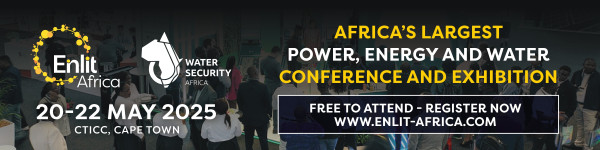
The countdown is on! From 20-22 May 2025, the vibrant city of Cape Town will host Enlit Africa, the continent's most electrifying gathering of power, energy and water professionals. This is not just an event—it's a call to spark transformation, forge connections and power a sustainable future for Africa and beyond. With a dynamic programme bursting with innovation, inspiration and actionable insights, Enlit Africa is set to be the unmissable epicentre of Africa's energy and water revolution.
A powerhouse of vision and innovation
Enlit Africa 2025 is where the brightest minds, boldest ideas and cutting-edge technologies converge to shape the future of Africa's power, energy and water sectors. Held at the Cape Town International Convention Centre, this three-day extravaganza will bring together utilities, policymakers, innovators, investors and thought leaders from across the continent and the globe. Expect nothing less than a high-voltage experience, with over 200 expert speakers, thousands of attendees and a programme designed to ignite change and challenge the status quo
From the Keynote Stage, where global visionaries like Sabine Dall'Omo, CEO of Siemens South Africa and Bronwyn Williams, Futurist at Flux Trends, will set the tone for transformation, to the Strategise Stage, tackling critical topics like nuclear energy and regional interconnectors, Enlit Africa is a catalyst for progress. The Innovate Stage will showcase breakthroughs in smart grids and digitalisation, while the Power Hub dives deep into generation and distribution advancements, including the game-changing potential of Small Modular Reactors (SMRs) and green hydrogen.
Water Security Africa: A Vital Focus
Running alongside Enlit Africa, Water Security Africa will tackle one of the continent's most pressing challenges—sustainable water management. With sessions on desalination, smart metering and climate-resilient infrastructure, this dedicated track features trailblazers like Sean Phillips, Director General, Department of Water & Sanitation and Jay Bhagwan, Water Research Commission, who will share strategies to secure Africa's water future. Highlights include the Youth in Water Forum, spotlighting young innovators and a GreenCape-hosted workshop to scale water security initiatives.
Unparalleled networking and business opportunities
Enlit Africa is more than a conference—it's a networking powerhouse. Connect with peers, partners and pioneers at the Engage Networking Dinner (sponsored by Standard Bank) or the Networking Function (sponsored by Actom).
Dive into exclusive roundtables, masterclasses and the Projects & Investment Network, designed to turn ideas into bankable projects. For those looking to explore real-world innovation, site visits on 23 May to Robben Island, Western Cape Water facilities and more offer a front-row seat to Africa's energy and water infrastructure.
The Women in Energy programme on 21 May is a highlight, celebrating female leadership with the launch of Standard Bank's Future Females in Energy Initiative and powerful discussions on tackling gender-based violence (GBV) and fostering inclusive workplaces. With speakers like Candice Hartley, Chief People Officer at Eskom, this session is a call to action for equality and empowerment.
Why you can't miss Enlit Africa 2025
Programme highlights
For water enthusiasts, Water Security Africa offers roundtables on projects like South Africa's National desalination initiative and discussions on municipal water delivery with leaders like Shyam Misra, Group MD of Siza Water.
Join the movement
With just two weeks to go, now is the time to secure your spot at Enlit Africa 2025. Choose from a range of attendance options, from the Free Expo Visitor Pass to the Platinum Package, which includes exclusive access to strategic sessions, networking dinners and site visits. Visit Enlit Africa on www.Enlit-Africa.com or contact Vuyisa Mfobo at vuyisamfobo@wearevuka.com or +27 66 305 7203 to upgrade your experience.
Don't miss your chance to be part of the event that's lighting up Africa's energy and water future. Enlit Africa 2025 is where connections are made, ideas are born and the continent's sustainable tomorrow takes shape. Let's power up, innovate and transform—together!
Distributed by APO Group on behalf of Vuka Group.
Note: Programme details and speakers are subject to change.
For media inquiries, contact:
VUKA Group Media Team
Email: media@wearevuka.com
Website: www.Enlit-Africa.com
About Enlit Africa:
Enlit Africa celebrates 25 years in the African power, energy, and water sector. A game-changing event, it brings the top manufacturers, associations, institutions, and government leaders together to shape a sustainable, prosperous energy and water future for Africa. A leading power, energy and water conference and exhibition, Enlit Africa is designed to provide a unique platform to connect decision-makers and determine Africa's future direction of travel.
Enlit Africa takes place from 20 - 22 May 2025 at the CTICC, Cape Town, South Africa. The event is CPD accredited by the SAIEE and SAICE, thereby contributing to the professional development of industry experts.
For more information, please visit the Enlit Africa website at https://Enlit-Africa.com/ or contact our team at info@enlit-africa.com.
About The Vuka Group:
VUKA Group brings people and organisations together to connect with information and each other in meaningful conversations to reach the next level of growth in their industry ecosystem. With 20 years of experience in Africa, the group serves the Energy, Mining, Smart Mobility, Transport and Retail sectors, through a range of industry touchpoints across digital, print and in-person platforms. With a commitment to data at its core, the group is well-positioned to support industry stakeholders today and into the future. Operating from Cape Town, South Africa the group is actively involved in projects across continental Africa and boasts a diverse African team who take great pride in the work they do for the sectors and markets they serve.
Future Hospitality Summit (FHS) Africa 2025 comes to Cape Town from 17–19 June 2025, bringing together the most influential voices in hospitality investment, development, and sustainability from across the globe.
This year's speaker lineup features major investors, visionaries, strategists, and dealmakers who are actively reshaping the landscape of hospitality across Africa.
William E. Heinecke, Founder and Chairman of Minor Hotels, will headline the summit. A self-made entrepreneur who launched his first business at 17, Mr Heinecke has built one of the world's most respected hospitality groups. His keynote will explore the lessons behind that legacy and what's next for hotel expansion in Africa.
Guy Hutchinson, President of Hilton MEA, and Haitham Mattar, Managing Director of IHG for MEA & Southwest Asia, will delve into how global hotel groups adapt their strategies for Africa's evolving markets. Meanwhile, Jerome Briet (Chief Development Officer EMEA, Marriott International), Jean-Baptiste Recher (CDO Luxury Brands, Accor), and Esteban Lozada (MD North, West & South Africa, Hilton) will highlight expansion plans and pipeline insights from the region's top brands.
On the investment side, the programme features heavyweights like Folaseto Akin-Olugbade (Principal, Actis), Olivier Granet and David Damiba (Co-CEOs, Kasada Capital Management), Rahul Chaudhary (MD & CEO, CG Corp Global), Magdaline Osei Baffour (Investment Director, Westmont Hospitality Group), Nyawira Kariuki (CEO, Janus Continental Group), and Jameel Verjee (Founder & CEO, CityBlue Hotels). They'll share unfiltered insights on how they evaluate opportunities, manage risk, and unlock long-term value in different African markets.
Graham Wood (CEO, Sun International), Marcel von Aulock (CEO, Southern Sun), and Tony Romer-Lee (Managing Partner AMEA, Valor Hospitality Partners), David Green (CEO, V&A Waterfront) add further firepower to the operator perspective, joining sessions on operating strategies, sustainability, and navigating development constraints.
Conservation and tourism sustainability will also take centre stage with Dr Morne du Plessis (CEO, WWF South Africa) and Mark Read (former WWF SA Chairman) exploring how hospitality can be a vehicle for positive environmental impact. Brooke Friswold of Bring The Elephant Home and Joe Pietersen of Nkombe Rhino will share field perspectives on ecotourism's potential.
Other voices enriching the dialogue include Gillian Saunders, one of Africa's leading tourism consultants, Kevin Teeroovengadum (Proptech Africa), Thami Nkadimeng, Paul Gardiner (CEO, Terra Nova), Bani Haddad (Aleph Hospitality), Tadiwos G. Belete (Kuriftu Resorts), Euan McGlashan (Valor Hospitality), Wayne Godwin (JLL Africa), and many more.
An Investor Powerhouse
FHS Africa 2025 will once again host the region's most active capital partners, including:
Berkeley Properties, Cameroon Hotels Corporation, CityBlue Hotels, Cresta Marakanelo Limited, DEG, FROS Capital, Fundo Soberano de Angola, IFC, Janus Continental Group, Oak & Satin Properties, Proparco, Rockshieldburg-City, The Midwest Company, and UAG Investments.
Together, these investors represent billions in active projects, acquisitions, and greenfield development across the continent. With over $4 billion in hospitality deals signed at FHS Africa since its inception, the event remains a catalyst for serious deal-making and investment.
Matthew Weihs, Commercial Director of the Bench, which organises FHS Africa, said: “We're incredibly proud to bring FHS Africa to Cape Town for the first time. It's a city that represents innovation, diversity, and growth — the perfect backdrop for an event that connects the brightest minds in hospitality and drives real investment across the continent. The 2025 programme is bold, dynamic, and focused on action."
FHS Africa 2025 promises unparalleled opportunities to build meaningful relationships through various formats tailored for real engagement. From high-energy speed networking sessions and curated closed-door investor councils to exclusive offsite visits showcasing Cape Town's latest hospitality developments, every moment is designed to foster strategic connections. The event also features a community-focused charity Run, offering a lighter way to meet other delegates while supporting a worthy cause.
Distributed by APO Group on behalf of The Bench.
Further Information:
For further information and high-resolution images, please contact:
David Tarsh
+44 (0) 20 7602 5262
+44 (0) 7770 816 070
email: David@Tarsh.com
About FHS Africa:
For over a decade, the Future Hospitality Summit Africa (FHS Africa) has been the launchpad for hospitality investment in Africa, driving growth, connecting visionaries, and transforming the continent's tourism and hospitality landscape. As a beacon of opportunity, FHS Africa brings together global investors, developers, operators, and industry leaders committed to turning potential into reality.
Strategic Partners: Accor, BWH Hotels, Hilton, Marriott International, IHG Hotels & Resorts, Radisson Hotel Group
Headline Sponsors: ACT, CHIC, Hansgrohe, TUI Hotels & Resorts
Sponsors: Aleph Hospitality, CityBlue Hotels, EQUATE, Knight Frank, JLL, St Helena Island, STR, TIME Hotels, TV5 Monde, Valor Hospitality Partners
Event Ambassadors: Develop Hotels Inc, Hotel Partners Africa, Voltere by Egis, W Hospitality Group
Official Carriers: Discover Airlines, Kenya Airways
Supported By: South Africa Tourism
About The Bench:
The Bench has a legacy of delivering world-leading investment forums and conferences in Europe, Africa, the Middle East, and Latin America. The key principle behind these events has remained "dealmaking'. Transforming the way businesses connect, Bench has developed a reputation for creating innovative and high-impact meetings for the industry.
For over two decades, government leaders, tourism ministries, global travel & tourism associations, the world's most influential hospitality brands, hotel owners & investors, renowned restaurant groups, airlines & aviation authorities, destination developers, asset managers, financial groups, and consultants have been participating in The Bench's events. These include FHS Africa, FHS World, FHS Saudi Arabia and AviaDev, where industry players showcase their brands, position themselves as thought leaders or innovators, and connect with the right individuals, opportunities and knowledge.
Learn more at TheBench.com
German technology leader Neuman & Esser will join the upcoming Invest in African Energy (IAE) 2025 forum in Paris, with Nmesoma Francess Okereke, Sales Manager - Flare Gas Recovery Specialist, and Dr. Jiří Rus, Sales Director for Africa, participating in a technical presentation and panel discussion focused on advancing gas monetization and energy efficiency across the continent.
Neuman & Esser brings over a century of expertise in gas compression, flare gas recovery and energy transition technologies. Specializing in high-performance compressor systems and green hydrogen solutions, the company plays a pivotal role in helping nations optimize energy production, reduce emissions and accelerate the shift to sustainable energy systems. By transforming flare gas into usable energy, Neuman & Esser supports operators in meeting environmental and regulatory goals, offering scalable, end-to-end solutions that combine German engineering with on-the-ground expertise to maximize resource value while aligning with global sustainability standards. The company will present on “Flare Gas Utilization – The Importance of Mid-Scale Integrated Gas Commercialization Solutions” at the upcoming forum.
IAE 2025 (www.Invest-Africa-Energy.com) is an exclusive forum designed to facilitate investment between African energy markets and global investors.Taking place May 13-14, 2025 in Paris, the event offers delegates two days of intensive engagement with industry experts, project developers, investors and policymakers. For more information, please visit www.Invest-Africa-Energy.com. To sponsor or participate as a delegate, please contact sales@energycapitalpower.com.
Germany has been significantly expanding its investments in Africa in recent months, particularly in green energy and sustainable projects. The country has pledged €4 billion for green energy initiatives on the continent by 2030 and is advancing hydrogen and gas partnerships through the European Union's Global Gateway initiative. In December 2024, Germany further demonstrated its commitment by investing R5.2 billion in South Africa to support the country's energy transition and strengthen bilateral cooperation.
In Namibia, German investors have partnered on the $10 billion Hyphen Green Hydrogen Project, aiming to utilize the country's abundant solar and wind resources to produce green ammonia for global export. In December 2024, German President Frank-Walter Steinmeier visited Nigeria to discuss the future prospects for German-Nigerian energy collaboration, further solidifying the growing energy ties between Germany and the continent.
The IAE 2025 Forum serves as a crucial platform for connecting global capital and expertise with Africa's burgeoning energy sector. As European and global investors continue to deepen their investments and partnerships across the continent, the forum provides a unique opportunity to further explore collaborative efforts and advance Africa's energy transition. By bringing together key players from the global energy community, IAE 2025 will play a pivotal role in driving sustainable growth and innovation in Africa's energy future.
Distributed by APO Group on behalf of Energy Capital & Power.