How Can Rural Communities Benefit From South Africa’s Green Energy Transition?
Solar farms can bring jobs, but the story of one South African community shows that rural residents who give up their land need more say in how benefits are shared.

MyZA
News, Directory, Events and Other Stuff
Solar farms can bring jobs, but the story of one South African community shows that rural residents who give up their land need more say in how benefits are shared.
Writers from very different places can grapple with the same questions.
The economic and social conditions in which anti-migrant sentiment has exploded in South Africa include high joblessness and a collapse of government services.
Africa does not need another grand vision. It needs to treat the vision it already has as a discipline.
March and March campaign expands from Durban
They are calling on government to move away from “false solutions” to the Just Transition
Nigeria’s new electoral act doesn’t tackle some of the real problems of electoral governance.
The Draft 2026/27 Budget effectively formalises a "City-as-a-Service" model, where the privilege of being a resident is increasingly defined by mandatory, high-cost subscriptions rather than actual service usage.
The post CAPE TOWN’S NEW BUDGET IS A “SUBSCRIPTION MODEL” FOR BASIC RIGHTS appeared first on For Good.
As the Western Cape Provincial Budget was tabled today, it has become clear that the provincial government has once again failed to prioritise the fundamentals that actually shape people’s lives.
The post WESTERN CAPE PROVINCIAL BUDGET FAILS TO FUND THE FUNDAMENTALS: FAILED SAFETY PLAN GETS AN INCREASE, HOUSING A DECREASE appeared first on For Good.
The City of Cape Town’s plan to drastically scale back the Dial-a-Ride service from 8 September 2025 will strip the most vulnerable residents of their only safe and reliable means to reach jobs, healthcare, education, and community life.
The post GOOD PARTY CALLS ON ROB QUINTAS TO FIND THE MISSING R12 MILLION TO SAVE DIAL-A-RIDE appeared first on For Good.
“The City of Tshwane’s recent achievements during the last two Council meetings and today at Hammanskraal prove that caring governments can deliver spatial, social, economic and environmental justice for South Africa”, says GOOD’s Councillor Sarah Mabotsa, the Tshwane Mayoral Committee Member for Economic Development and Spatial Planning.
The post TSHWANE DELIVERS: ADVANCING JUSTICE THROUGH WATER, HOUSING, AND SUSTAINABILITY appeared first on For Good.
Africa is entering a pivotal phase in its energy transformation, characterized by a growing shift toward “Africa-first” energy policies. Despite contributing less than 4% to global emissions, Africa faces the world's most severe energy access challenges – with approximately 600 million people lacking electricity and 900 million without clean cooking solutions. With $47 billion in oil and gas capex in 2024 – a 23% increase year-over-year – Africa is proving its value as a competitive and resilient energy investment destination. This surge reflects growing investor appetite, strengthened policy frameworks and a renewed focus on project bankability.
In this context, African Energy Week (AEW): Invest in African Energies 2025 – taking place from September 29 to October 3 in Cape Town – serves as the continent's leading forum for turning vision into tangible investment. With a focus on public-private partnerships (PPPs), blended finance and strategic energy projects, the event brings together government leaders, financiers, developers and technology providers to advance deals, foster collaboration and position Africa as a global energy leader.
Building Institutions for Local Investment
A wave of institutional and policy advancements is laying the groundwork for increased local investment in energy. A key milestone is the establishment of the Africa Energy Bank (AEB) by the African Petroleum Producers' Organization (APPO) and Afreximbank, with an initial capital of $5 billion. Headquartered in Abuja and set to launch in June 2025, the AEB will finance oil and gas infrastructure projects, serving as a bold step toward regional energy self-sufficiency and resource sovereignty.
At the same time, the African Development Bank (AfDB) is supporting long-term energy planning. In Algeria, the AfDB has launched a strategic dialogue to shape the 2025–2030 Country Strategy Paper, aligning national goals with sustainable, diversified energy development.
In South Africa, the success of the Renewable Energy Independent Power Producer Procurement Program (REIPPPP) illustrates how structured procurement can generate market certainty. The latest round secured 1,760 MW of solar PV capacity backed by R31.4 billion ($1.7 billion) in investment — with 49% local ownership and 46% equity held by Black Economic Empowerment entities.
Scaling Investment through PPPs and Blended Finance
As Africa's energy project pipeline expands, PPPs and blended finance have become essential tools for scaling investment. The AfDB's $10 million concessional equity stake in the ARM-Harith Successor Infrastructure Equity Fund, a $200 million regional vehicle, highlights how development finance institutions can de-risk infrastructure and crowd in private capital. The fund supports AfDB's target to electrify 300 million people by 2030 through sustainable energy solutions.
Meanwhile, South Africa's Battery Energy Storage Independent Power Producer Procurement Program illustrates the power of blended finance in scaling innovation. With R12.8 billion ($678.8 million) allocated to eight projects delivering 615 MW of storage across three provinces, the initiative enhances grid stability and achieved a 35% cost reduction from the first bid round – a clear sign of growing cost efficiency.
Frameworks for African-Led Growth
The African Continental Free Trade Agreement (AfCFTA), ratified by over 48 countries, offers a powerful framework for prioritizing African-led energy development. By promoting intra-African investment flows and removing trade barriers, AfCFTA enables energy projects to be sourced, financed and executed within the continent. With Ghana spearheading the AfCFTA Guided Trade Initiative – engaging eight pilot countries – the agreement is fostering regional cooperation to scale African energy solutions and reduce external dependency. Once fully operational across more than 50 member states, AfCFTA is set to accelerate an Africa-first approach to infrastructure, technology, and capital deployment in the energy sector.
Meanwhile, the African Energy Commission continues to strengthen institutional cooperation across the African Union to support sovereign energy strategies. A prime example of African private-sector leadership is Coscharis Technologies' $4 billion solar project in Nigeria – the largest renewable energy initiative in West Africa – reflecting a shift toward domestically-driven, large-scale investment in clean energy that aligns with national priorities and regional ambitions.
“Africa's energy future must be shaped by African priorities, African solutions and African investment. At AEW: Invest in African Energies 2025, we are not just talking about the energy transition – we are driving real deals and partnerships that put Africa-led development at the center of the global energy conversation,” states NJ Ayuk, Executive Chairman of the African Energy Chamber.
Distributed by APO Group on behalf of African Energy Chamber.
About AEW: Invest in African Energies:
AEW: Invest in African Energies is the platform of choice for project operators, financiers, technology providers and government, and has emerged as the official place to sign deals in African energy. Visit www.AECWeek.com for more information about this exciting event.
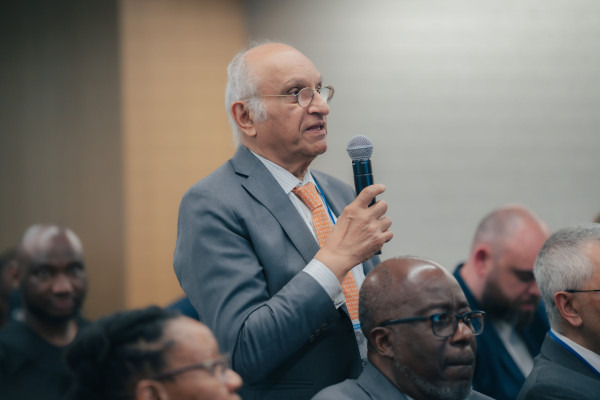
With more than 30 African countries subject to sovereign credit ratings, the decisions of global rating agencies significantly impact debt sustainability and access to international financial markets. At a high-level dialogue held on the sidelines of the 2025 IMF–World Bank Spring Meetings, African institutions and global credit rating agencies reaffirmed their commitment to developing a fair, transparent, and inclusive credit rating ecosystem for Africa.
Organized by the African Union's African Peer Review Mechanism (APRM), the United Nations Development Programme (UNDP), the United Nations Economic Commission for Africa (UNECA), AfriCatalyst, and the African Center for Economic Transformation (ACET), and hosted at the Open Society Foundations, the dialogue brought together senior representatives from Moody's, S&P, and Bank of America for a candid discussion on financing solutions for African countries.
Against a backdrop of rising market volatility, sovereign defaults and constrained fiscal space, the dialogue aimed to address urgent reforms in Africa's credit rating framework. Speakers identified structural issues such as data gaps, methodological opacity, and under-engagement between African governments and the ‘big three' credit rating agencies (Moody's, S&P, and Fitch), as barriers to accurate ratings.
Amb. Claver Gatete, Executive Secretary of UNECA, acknowledged Africa's financing paradox—a combined GDP of over $3 trillion, yet only two countries rated investment grade—and underscored the urgent need for reform. “Ultimately, a healthy credit rating ecosystem goes beyond evaluating risk – it becomes a platform for mobilizing capital, improving creditworthiness, and supporting Africa's broader development goals,” he added.
“We must rethink how creditworthiness is defined and measured,” said Dr. Raymond Gilpin, Chief Economist, UNDP Africa speaking on behalf of Ms. Ahunna Eziakonwa, UNDP Regional Director for Africa. “At UNDP, we believe a development-centric approach is essential to supporting governments in strengthening institutions, improving data systems, and engaging effectively with credit rating agencies to reshape the narrative around Africa's creditworthiness.”
African economies face mounting credit rating challenges, including perceptions of bias, lack of transparency and inconsistencies in rating methodologies. Dr. Misheck Mutize, Lead Credit Rating Expert at APRM, and Dr. Zuzana Schwidrowski, Director of Macroeconomics, Governance and Finance at UNECA, proposed solutions to addressing the capacity of African governments to respond to inaccurate or unfair credit ratings and steps toward creating an African Credit Rating Agency that complements and expands existing credit ratings coverage globally.
Mr. Roberto Sifon-Arevelo, Managing Director at S&P Global Ratings, Mr. Jorge Valez, Senior Vice President at Moody's Ratings, and Dr. Tatonga Rusike, Chief Economist for Africa at Bank of America, outlined opportunities to remedy longstanding risk perception issues and working together with banks and investors to build capacity and a better understanding of rating methodologies to address transparency. They further emphasized that while sovereign credit ratings are not the sole determinant of investor decisions, they exert significant influence over borrowing costs, market confidence, and access to capital.
"Given the ongoing stress in African governments related to both cost of capital and access to capital it is critical to ensure that credit ratings reflect the many different African contexts. This initiative is an important step in that regard - particularly engaging the credit rating agencies," shared Ms. Mavis Owusu-Gyamfi, President and CEO of ACET.
“The Africa Credit Rating Agency (AfCRA) is not being established to issue favourable ratings for African entities, but rather to contribute to a diversity of rating opinions that support more accurate assessments of African sovereigns, corporates, and sub-sovereigns,” expressed Dr. Mutize. “Our priority is to build a credible, independent, and sustainable institution that plays a vital role in developing domestic debt markets and rebalancing Africa's position within the evolving global financial architecture.”
In his closing remarks AfriCatalyst's CEO Dr. Daouda Sembene stressed the urgent need for collaboration among African institutions. “AfriCatalyst is proud to be at the heart of this critical dialogue, building on the foundation of our Credit Ratings Initiative with UNDP. We are optimistic that through stronger collaboration between African institutions and global rating agencies, we can foster a more accurate, robust, and representative credit rating ecosystem—one that empowers African nations and promotes sustainable growth.” said Daouda.
Key messages included the need for: transparent and regular engagement between rating agencies, investors, and African governments; stronger institutional narratives that reflect the continent's resilience and reform efforts; and local capacity-building and collaboration, particularly through the proposed African Credit Rating Agency, which aims to provide credible, contextual alternatives to global ratings.
As South Africa chairs the G20 and the African Union assumes permanent membership in 2025, the call for an African-led credit rating solution takes on added urgency. The outcomes of this dialogue will contribute to ongoing efforts to reform the global financial architecture and ensure Africa's capital works better for Africa's development.
Distributed by APO Group on behalf of AfriCatalyst.
Media Contacts:
Bineta Pouye
bpouye@africatalyst.com
Michelle Mendi Muita
michellemendi.muita@undp.org
Ejigayhu Tefera
ejigayhu.tefera@aprm-au.org
Jean-Marc Kilolo
jean-marc.kilolo@un.org
Belinda Ayamgha
bayamgha@acetforafrica.org
African nations are leveraging strategic partnerships to attract investment and strengthen their mining sectors. As competition between Western and Eastern powers intensifies over critical minerals, Africa has emerged as a key player in global supply chains, balancing geopolitical interests while maximizing economic benefits. With global markets racing to secure resources for the energy transition and the Fourth Industrial Revolution, the upcoming African Mining Week will facilitate collaboration between African governments and international stakeholders.
U.S.–DRC Partnership to Unlock Mineral Wealth
In March 2025, the U.S. State Department reaffirmed (https://apo-opa.co/43JPLr8) its interest in engaging with the Democratic Republic of Congo (DRC) to unlock its estimated $1.2 trillion in untapped mineral resources. Cooperation between the two countries could yield a transformative impact on the sector, with U.S. financing and technical expertise unlocking the potential of the world's largest cobalt producer and Africa's largest copper producer. The U.S. has already played an active role in the financing and development of the Lobito Corridor, facilitating mineral transport and trade between the DRC, Angola, Zambia and international markets.
EU Expands Mining, Green Energy Investments
This month, the European Union (EU) pledged €4.7 billion (https://apo-opa.co/42q3265) to South Africa to support raw material value addition, the energy transition, local vaccine manufacturing and green hydrogen production. South Africa, home to the world's largest deposits of platinum group metals (PGMs), will leverage this funding to enhance PGM production to meet growing demand for electrolysers used in green hydrogen applications. This follows South Africa's $1 billion green hydrogen partnership with Denmark and the Netherlands established in 2023. Neighboring Namibia has also attracted European investment, with the EU committing €25 million to Namibia Hydrogen Fund Managers in September 2024 to propel the country's green hydrogen sector. Meanwhile, Uganda is taking steps to develop its mining sector with the support of the EU and Germany's Federal Ministry for Economic Cooperation and Development, having launched the Sustainable Development of the Mining Sector project earlier this month.
China Strengthens its Position in African Mining
China remains one of the largest investors in African mining, with both state-owned and private firms driving sector growth. In September 2024, China pledged $50 billion over three years for infrastructure and mineral development across the continent. Key projects in the DRC include CMOC's $2.5 billion expansion of the Tenke Fungurume Mine and Sinohydro and China Railway's $7 billion infrastructure-for-minerals deal in copper and cobalt mining. China has also invested heavily in Zimbabwe's lithium sector and pledged $1 billion to upgrade the Tazara Railway, improving East Africa's mineral exports.
Growing Global Interest in Africa's Mining Sector
Beyond the U.S., EU and China, countries like Canada, Australia and the UAE are ramping up mining investments in Africa. Canadian firms are expanding their footprint in West Africa's gold sector, Australian companies are backing lithium and rare earth projects in southern Africa and the UAE is securing stakes in critical mineral supply chains through strategic joint ventures. African Mining Week, taking place October 1-3 in Cape Town, will provide a platform for African nations to engage global investors, strengthen cooperation and accelerate resource development.
Distributed by APO Group on behalf of Energy Capital & Power.
Mining represents one of the most energy-intensive industries globally. As African nations ramp up mineral extraction to drive economic growth, mining projects and stakeholders are increasingly investing in energy infrastructure to sustain operations and meet rising production targets. Amid efforts to improve grid stability, the upcoming African Mining Week conference will highlight the continent's investment opportunities emerging from the mining-energy nexus.
Northam Bolsters Power Supply for South African Mines
In February 2025, mining firm Northam signed a power purchase agreement (PPA) for 140 MW of wind power to support its platinum group metals operations in Limpopo. This deal follows an earlier PPA signed in October 2024 for an 80 MW solar power facility to supply the company's Zondereinde mine, aimed at driving South Africa's expansion of its PGMs sector. These agreements are part of Northam's broader strategy to enhance energy security and sustainability while reducing its carbon footprint in alignment with national renewable energy goals.
Richards Bay Minerals Expands PPA Portfolio
Richards Bay Minerals, a subsidiary of mining multinational Rio Tinto, signed its third PPA with Red Rocket in February 2025, securing 230 MW of electricity from Red Rocket's 380 MW Overberg Wind Farm. This agreement increases the company's total contracted renewable energy supply to 500 MW and supports Rio Tinto's commitment to reducing emissions by 50% by 2030. Richards Bay Minerals also taps into energy from the 130 MW Bolobedu solar PV plant and 140 MW Khangela Emoyeni wind farm.
Further Investments in Renewables for Mining
Other mining companies across Africa are driving large-scale energy projects to secure a stable power supply. In South Africa, Ivanhoe Mines completed a 5 MW solar facility in Q1 2025 to support its Platreef PGM mine, while Impala Platinum signed a five-year PPA with Discovery Green to supply wheeled renewable energy to its Impala Refineries operation. Meanwhile, commodities firm Trafigura is developing a 2 GW initiative to power Angolan mines, and First Quantum is set to commission a 430 MW project in Zambia in 2025. Tronox Holdings plans to roll out 400 MW of energy projects in South Africa by 2027 and Chinese mining company CMOC is preparing a 200 MW energy project in the DRC, set for commissioning by 2028.
As these investments unfold, African Mining Week will showcase key milestones in energy security for the sector, highlighting lucrative opportunities within Africa's independent power markets. The event will emphasize the growing demand for stable, sustainable energy solutions as miners continue to invest in energy infrastructure.
African Mining Week serves as a premier platform for exploring the full spectrum of mining opportunities across Africa. The event is held alongside the African Energy Week: Invest in African Energies 2025 conference from October 1-3 in Cape Town. Sponsors, exhibitors and delegates can learn more by contacting sales@energycapitalpower.com.
Distributed by APO Group on behalf of Energy Capital & Power.

Legal, tax and business advisory conglomerate CLG (www.CLGGlobal.com) - formerly Centurion Law Group – has officially been approved as a Central African Economic and Monetary Community (CEMAC) tax advisor by the CEMAC Standing Committee on Fiscal and Accounting Harmonization. CLG Tax and Legal will provide its full suite of tax services across all CEMAC member countries, supporting business and transactions across various strategic fields, including oil, gas and mining.
The tax certification not only comes as part of a broader restructuring of CLG's tax and legal services offerings, aimed at positioning the firm to better serve clients throughout the region with integrated solutions, but as the CEMAC region pursues accelerated growth across its strategic economic sectors. Specifically, the region's oil and gas sector is on track for rapid growth, as nations implement ambitious production targets. The Republic of Congo aims to produce 500,000 barrels per day (bpd) by 2027; Gabon targets 220,000 bpd in the short-term; while Equatorial Guinea and Cameroon are scaling-up gas monetization. These targets require significant levels of investment and CLG stands ready to support transactions and broader economic growth.
Given the potential of the CEMAC region's natural and mineral resources, project developers and investors have already begun to expand their presence across the region. In the Republic of Congo, TotalEnergies is investing $600 million in the Moho Nord project; Trident Energy recently acquired stakes in the Nkossa, Nsoko II, Lianzi and Moho-Bilondo fields; while Perenco increased production at the Tchibouela II and Tchendo II fields following a $30 million investment. In Gabon, wildcat drilling is underway on Blocks BC-9 and BCD-10 while Perenco advances the $1 billion Cap Lopez LNG terminal toward a 2026 start. In Equatorial Guinea, the country is preparing to launch an oil and gas licensing round while Cameroon drives a gas-to-industry agenda. Further developments in Chad are underway, highlighting the region's potential as a major producing hub.
Stepping into this picture, CLG's accreditation will serve to further support current and future transactions. Over the past decade, CLG has significantly grown its tax practice, providing comprehensive tax advisory and compliance services to numerous multinational companies operating across Africa. This sustained growth reflects CLG's commitment to meeting the complex tax needs of investors and businesses on the continent, from corporate tax planning and regulatory compliance to cross-border taxation strategies.
“By bolstering our tax practice in the CEMAC region, CLG continues to establish itself as a one-stop-shop for investors in the region and across the continent. The CEMAC accreditation aligns with our strategy to support impactful transactions in Africa and we look forward to strengthening our presence across the continent,” stated Zion Adeoye, CEO and Managing Partner of CLG.
CLG already has a strong presence in Africa, with offices in South Africa, Nigeria, Mauritius, Ghana, the Republic of Congo, Cameroon, Equatorial Guinea, Namibia and South Sudan. The company caters to a diverse portfolio of multinational companies operating globally, delivering bespoke solutions tailored to address the unique challenges and complexities faced by clients in different industries. CLG's expertise covers energy, infrastructure, mining, agriculture and ESG, to name a few. For the CEMAC region, CLG's extensive network and growing expertise positions the firm as strategic partner for regional and global firms. As companies expand their presence across the region, CLG's agile, integrated approach - underpinned by its local roots and depth of experience - demonstrates the rising prominence of African advisory firms on the global stage. The CEMAC tax certification not only expands CLG's regional service coverage but also solidifies its reputation as a trusted partner for businesses navigating Central Africa's evolving tax landscape.
“CLG's deep understanding of its clients' businesses, collaborative approach with local authorities, multinational orientation and highly experienced local teams are some of the factors that set our tax practice apart in the region,” stated Daoudou Mohammed, CLG Tax and Legal Director.
Distributed by APO Group on behalf of CLG.
Agriculture is a vital part of our growth story – President
President Cyril Ramaphosa says it is in the interest of all South Africans to have a diverse and inclusive agricultural sector that drives economic growth and ensures food security.
In his weekly newsletter to the nation, he emphasised the need for a farming industry that reflects South Africa’s diversity while sustaining the country's food supply.
“The farming sector of South Africa is vital to our growth agenda. It has shown resilience in the past and will likely continue along this encouraging and promising path. It will therefore be critical that the sector embraces the onward march of transformation.
“It is in the interests of all South Africans that we have an agricultural sector that is representative and inclusive, that contributes to the growth of our economy and that produces the food our country needs,” the President said.
The President highlighted that agriculture was one of the most important sectors in the nation’s economy. The goods and services produced across the agricultural value chain underpin the country’s food security and account for a significant portion of South Africa’s exports.
According to data from the Agbiz, last year South Africa’s agricultural exports reached a record $13.7 billion. These agricultural exports are diverse, with 44% of these products exported to other African countries, 21% to Asia and the Middle East, 19% to the European Union and 6% to the Americas.
The President reflected that the value and volume of South Africa’s farming sector have more than doubled since the country’s transition to democracy in 1994, reflecting the combined efforts of government and industry to ensure that South African products access as many export markets as possible.
Beyond the role of expanded export markets, agricultural economists have attributed the sector’s growth to government’s embrace of science, allowing the private sector to register better seed cultivars and genetics to boost productivity.
“The agricultural sector remains ripe for investment because of its recognised growth prospects. In addition, the revenue the state collects from agricultural enables government to provide services that improve the lives of our citizens,” the President said.
President Ramaphosa also noted that the sector is a major source of employment. By the end of 2024, approximately 924 000 people worked directly in agriculture and over 200 000 worked elsewhere in the agriculture value chain.
“The health and growth of our farming sector is vital to supporting small towns and keeping rural South Africa vibrant. Given the critical role of agriculture in our national life, government is working with all stakeholders to ensure the survival, sustainability and growth of this sector,” the President said.
In collaboration with partners in the industry, the President said government was undertaking growth-enhancing measures such as the sectoral master plans. The Poultry and Sugar Master Plans were the first steps, culminating in the Agriculture and Agro-processing Masterplan that was signed by organised agriculture and other partners in 2022.
The Department of Agriculture has launched a blended finance instrument in collaboration with the Land Bank to help farmers who require capital to continue growing the sector.
As this labour-intensive sector expands, the President said that more work opportunities will be created in the most vulnerable areas of the country, particularly rural areas. This in turn will support their economic rejuvenation.
The President further noted that agriculture, like other sectors, is affected by municipal service delivery challenges, and by the poor state of key infrastructure such as roads, rail and ports. He said this constrains the delivery of agricultural goods to markets.
However, the structural reforms that started during the sixth administration are making progress towards addressing the port and rail challenges. Several road transport and bulk water infrastructure projects are underway that will boost the growth of agriculture.
President Ramaphosa added that achieving sustainable agriculture in South Africa requires addressing challenges related to equity, inclusion, and land ownership in the farming sector.
“We cannot talk about sustainable agriculture in South Africa without addressing issues of equity and inclusion in farming and land ownership. Transformation remains a challenge in agriculture,” he said.
The President highlighted that in his book, A Country of Two Agricultures, economist Wandile Sihlobo notes that black farmers currently only account for around 10% of the commercial output in South Africa's agriculture.
“Our growth agenda must therefore have a bias towards the empowerment of black farmers. The inclusion of black farmers in commercial agriculture necessitates that land is made available to them.
“The ongoing land reform process and release of government land will continue to benefit emerging farmers and ensure that they too add to the growth of South Africa's farming economy.
“This is an effort that requires multi-sectoral collaboration. The Land Bank and other commercial financiers will need to collaborate by providing capital. Organised agriculture can come on board to deploy the necessary training,” he said. – SAnews.gov.za
DikelediM
Mon, 03/10/2025 - 10:27
41 views
During the Inclusive FinTech Forum 2025, JETA Holding (www.JETAHolding.com) reinforced its commitment to FinTech and trade expansion in Africa, leveraging its expertise in other industries, including healthcare and technology-driven solutions to position itself as a key player in the region's digital transformation.
At the event, JETA engaged with leading industry stakeholders, established connections with potential partners, and explored investment opportunities to accelerate FinTech adoption and financial inclusion across Africa.
Haim Taib, Founder & President of Mitrelli Group and JETA Holding, emphasized on stage:
"FinTech is not just about technology—it's about unlocking opportunity, fostering inclusion, and driving economic transformation. Across Africa, a new generation of creative entrepreneurs is emerging, bringing bold ideas and innovations that have the potential to redefine industries. However, true progress requires more than innovation; it demands the collective commitment of governments, private capital, and human talent working together to turn potential into impact. This is why JETA is making strategic investments in FinTech—not just to connect people, businesses, and communities with financial tools, but to lay the foundation for long-term, sustainable growth."
With a strong foundation in healthcare, cybersecurity, and ICT, JETA is expanding into FinTech and trade, leveraging its experience in complex regulatory environments and established relationships with governments, banks, and regulators.
JETA operates through three core subsidiaries:
As JETA enters FinTech and trade, the company is looking to bridge financial technology with real-sector applications, including digital payments, lending, trade finance, and financial inclusion solutions.
JETA is actively seeking partnerships with investors, FinTech startups, and financial institutions to drive innovation and scale financial solutions across key African markets.
Doron Ben Sira, CEO of JETA Holding, added:
"FinTech is one of the most dynamic and transformative sectors in Africa, with enormous potential to accelerate financial inclusion and unlock new trade opportunities. At JETA, we don't just invest in technology—we invest in building strong ecosystems. We connect capital, expertise, and markets to ensure that financial innovation doesn't just grow but establishes itself as a sustainable engine for development. We are actively seeking the best companies and partnerships to build a more integrated and accessible digital future in Africa."
Expanding Across Africa
JETA is more than an investor—it is a business accelerator and growth enabler. Through its subsidiaries and strategic investments, JETA is building an ecosystem that connects technology, capital, and local expertise.
As part of its FinTech and trade expansion, JETA is focusing on high-growth markets, including Nigeria, South Africa, Kenya, Ghana, Côte d'Ivoire, Ethiopia, Rwanda, Tanzania, Senegal, Mauritius, and Uganda.
With a proven track record in market expansion, JETA is committed to leveraging its regional presence and deep industry networks to build scalable and impactful financial solutions across the continent.
Distributed by APO Group on behalf of JETA Africa Holding.
For more information or to schedule interviews with JETA Holding's spokespersons, please contact:
Doron Ben Sira
+357 9974 3916
info@jetaholding.com
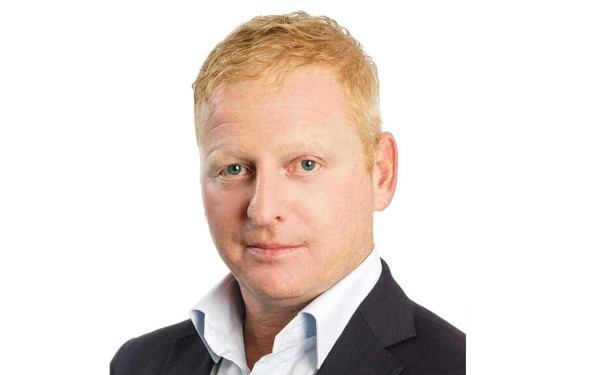
Gil Holzman, President & CEO, Eco Atlantic Oil & Gas, will speak at the Invest in African Energy (IAE) Forum 2025 in Paris this May as the company expands its presence in the Orange Basin, offshore South Africa.
The Canada-headquartered Eco Atlantic has recently expanded its presence in Africa through strategic transactions and exploration initiatives. In June 2024, Eco Atlantic farmed into Block 1 in the Orange Basin, further strengthening its exploration portfolio in the region. The block has extensive 2D and 3D seismic data already completed, with no additional seismic acquisition or well drilling planned during the three-year carried period. During this time, Eco will focus on interpreting and analyzing the existing data to inform its planned Work Program, leveraging its in-house exploration team. The company also holds interests in Blocks 2B and 3B/4B in South Africa, along with four licenses in Namibia.
IAE 2025 (http://apo-opa.co/3ETVwbj) is an exclusive forum designed to facilitate investment between African energy markets and global investors. Taking place May 13-14, 2025 in Paris, the event offers delegates two days of intensive engagement with industry experts, project developers, investors and policymakers. For more information, please visit www.Invest-Africa-Energy.com. To sponsor or participate as a delegate, please contact sales@energycapitalpower.com.
Eco Atlantic's approach centers on exploring low-carbon intensity oil and gas in stable emerging markets close to infrastructure, aiming to deliver material value for its stakeholders while contributing to the energy transition. The company prioritizes efficient exploration strategies that minimize environmental impact while maximizing resource potential.
By focusing on proven basins with existing infrastructure, Eco Atlantic seeks to accelerate development timelines and enhance economic viability in its operating regions. The upcoming forum will highlight how oil and gas independents like Eco Atlantic are navigating Africa's evolving energy landscape, driving investment and sustainable resource development.
Distributed by APO Group on behalf of Energy Capital & Power.
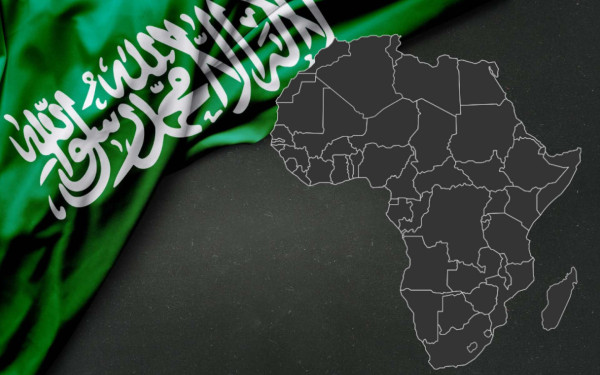
Earlier this week, Egypt's Minister of Petroleum and Mineral Resources Karim Badawi and Saudi Arabia's Minister of Energy Abdulaziz bin Salman Al Saud signed an agreement to develop an executive plan for energy efficiency cooperation, strengthening bilateral ties in the energy sector and fostering sustainable development. This follows another significant development in September, in which Egyptian Prime Minister Mostafa Madbouly secured a $5 billion pledge from Saudi Arabia's PIF, representing the “first phase” of a larger investment strategy.
As a leading global energy giant, Saudi Arabia has been actively investing in Africa's energy sector, aiming to expand its energy reserves, advance energy diplomacy and compete with other global superpowers. This strategic push not only strengthens Saudi Arabia's influence in the region, but also paves the way for deeper economic and political ties with African nations.
To date, the lion's share of investment in Africa's energy sector has focused on clean energy advancements. With total project costs reaching $7 billion across the continent, Saudi developer ACWA Power stands as the leading private-sector investor in African renewable energy. In October 2024, the company announced that its Redstone solar plant in South Africa was set to achieve its full 100 MW capacity, while its Kom Ombo solar PV plant in Egypt successfully reached its full capacity of 200 MW. ACWA Power is also leading Project DAO, South Africa's largest hybrid renewable power plant, with an $800 million investment. The project is expected to come online by 2026 and aligns with the Kingdom's broader Vision 2030 goals.
In addition to renewable energy, Saudi Arabia is diversifying its investments to secure critical minerals for clean energy technologies. In October, Saudi Arabia's Manara Minerals, a joint venture between Ma'aden and the Public Investment Fund (PIF), entered advanced talks to acquire a minority stake in First Quantum Minerals' Zambian copper and nickel assets. The potential investment, valued between $1.5 billion and $2 billion, underscores Saudi Arabia's strategy to secure critical minerals that are vital for the global clean energy transition.
Turning to broader regional commitments, Saudi Arabia's financial support for Africa's energy infrastructure has grown. In October, the Kingdom announced a major funding initiative, pledging at least $41 billion for sub-Saharan African nations. This includes $1 billion for development, $5 billion for startups, $10 billion in financing from the Saudi Export-Import Bank and $25 billion in private sector investments over the next decade.
Meanwhile, the Saudi Ministry of Energy has established the "Empowering Africa" initiative as part of its broader commitment to supporting sustainable development across the continent. In collaboration with the Ministries of Communications and Information Technology and Health, the initiative aims to deliver clean energy, connectivity, e-health and e-learning solutions to enhance lives and promote long-term growth in Africa. Building upon the Clean Fuel Solutions for Cooking Program, it focuses on providing cleaner cooking solutions to vulnerable populations, aiming to reduce reliance on traditional biomass fuels and improve health outcomes for millions of households. Minister bin Salman Al Saud has emphasized energy as a fundamental human right and is spearheading efforts to improve access to clean cooking technologies across the continent.
Additionally, state-owned petroleum company Saudi Aramco is strengthening its partnerships with African nations to support energy investments and mobilization. These collaborations are expected to drive infrastructure development, enhance oil and gas production capacity and facilitate knowledge transfer between Saudi and African energy stakeholders, while aligning with broader energy security and sustainability goals.
In the multilateral arena, the African Energy Chamber is working with Saudi Arabia to support South Africa's G20 energy investments and mobilization. This partnership is set to facilitate greater financing and policy coordination, ensuring Africa's energy priorities are well-represented in global energy discussions. The upcoming African Energy Week: Invest in African Energies conference in Cape Town serves as a key platform to facilitate and support these investments, bringing together Saudi stakeholders, African governments and global energy leaders to advance new projects, strengthen partnerships and accelerate the continent's energy transition. These collaborations are essential in addressing energy challenges, driving economic growth and fostering long-term sustainability. As Saudi investments expand – alongside those of other G20 nations – their impact on Africa's energy landscape will only deepen.
AEW: Invest in African Energies is the platform of choice for project operators, financiers, technology providers and government, and has emerged as the official place to sign deals in African energy. Visit www.AECWeek.com for more information about this exciting event.
Distributed by APO Group on behalf of African Energy Chamber.
South African Post Office SOC Ltd Amendment Bill signed into law
President Cyril Ramaphosa has signed the South African Post Office SOC Ltd Amendment Bill into law, setting the stage for a significant transformation of the country’s postal service into a modern, multi-functional hub for government, business, and community services.
The new law expands the objects and mandate of the Post Office and enables its relevance and sustainability by including services that respond to the needs of users and customers.
“The expansion will ensure that the Post Office is not only empowered by the legislation to provide basic postal services but is empowered to provide other value-added services to expand on its revenue generating streams.
“The new law enables the Post Office to serve as a hub for government services and other agency services, and as a digital hub for businesses and communities,” the Presidency said in a statement on Wednesday.
This game-changing legislation redefines the mandate of the Post Office, enabling it to go beyond traditional postal services to offer a diverse range of value-added solutions.
The Post Office will also be able to serve as a logistics partner to other e-commerce providers – including small enterprises and informal traders - and any future business that the state-owned company may develop to serve users and consumers.
The law empowers the Post Office to continuously adapt its business model to stay relevant in an evolving technological landscape while enhancing its Universal Services Obligation.
It also prioritises partnerships with government institutions, which include national and provincial departments, national and provincial government components and municipalities, encouraging them to use Post Office infrastructure for efficient service delivery, reducing dependency on state funding, and unlocking new revenue streams.
“This aims to eliminate the company’s over-reliance on government funding and ensure efficient utilisation of post offices.
“The new law also addresses governance matters such as the size of the South African Post Office Board, the functions for the Board to deal with creditors and skills requirements for board membership,” the Presidency explained.
Financial distress
The South African Post Office (SAPO) was placed under business rescue in March 2023 as a result of severe financial distress.
This move followed years of declining revenue, operational inefficiencies, and an inability to modernise in the face of a rapidly changing postal and logistics industry.
At the time of entering business rescue, SAPO owed creditors a staggering R8.7 billion.
The decision to place the state-owned entity under business rescue was aimed at restructuring its debt and addressing operational challenges to prevent its complete collapse.
The financial woes of the Post Office stemmed from a combination of factors, including reduced mail volumes due to digital communication trends, mismanagement, and an over-reliance on government bailouts to sustain operations. Additionally, unpaid pensions, salaries, and other liabilities exacerbated the crisis, drawing criticism from unions and employees.
The business rescue process aimed to provide SAPO with an opportunity to stabilise, restructure, and develop a sustainable operational model.
This included exploring diversification of services, enhanced logistics capabilities, and becoming a central hub for government service delivery, a vision reinforced by the subsequent enactment of the SAPO Amendment Bill.
Revitalising the SAPO
The Congress of South African Trade Unions (COSATU) has welcomed President Ramaphosa’s assenting to the bill.
“This Act provides a viable path for a revitalised and repivoted South African Post Office (SAPO) geared towards ordinary consumers, in particular the poor and marginalised.
“This progressive Act provides a new mandate for the SAPO. It cannot rely upon posting letters in an era of e-communications. The Act enables a critical shift by expanding the mandate of the SAPO to include e-commerce, courier services, support for SMMEs and an enhanced partnership with the Postbank. It positions SAPO to serve as a multi-purpose access point where the public can apply for key government services,” said the union. -SAnews.gov.za
DikelediM
Thu, 12/19/2024 - 11:18
President Ramaphosa signs National Nuclear Regulator Amendment Bill into law
President Cyril Ramaphosa has signed into law the National Nuclear Regulator Amendment Bill, which provides for nuclear safety oversight, ranging from the decontamination of defence facilities, to airline pilot safety.
The National Nuclear Regulator Amendment Bill marks a significant step in enhancing nuclear safety and aligning South Africa with global regulatory standards.
The Amendment Bill amends the National Nuclear Regulator Act of 1999 to align it with current international regulatory best practices as determined by the International Atomic Energy Agency (IAEA).
“This alignment is necessary because South Africa is one of the founding members of the IAEA and is a signatory to various international conventions governing nuclear safety, as promulgated by the IAEA.
“The law gives the National Nuclear Regulator additional functions and provides for the decontamination, decommissioning and closing of national defence force facilities, equipment, machinery and scrap for civilian use,” the Presidency said in a statement on Wednesday.
The Presidency said the Amendment Bill inserts new definitions, amends certain definitions, and removes obsolete definitions, in order to align with IAEA international best practices.
“The law now empowers the Regulator to exercise regulatory oversight to provide nuclear safety assurance, that property of the South African National Defence Force (SANDF), designated for release for civilian use, will not cause radiation harm. The Bill also empowers the Regulator to exercise regulatory oversight over occupational exposure of aircrew to cosmic radiation flying below 49 000 feet.
“The new law provides for the control and management of the affairs of the Regulator, including the term of office of the board and the establishment of board committees, and expands the scope of activities which cannot be undertaken without obtaining authorisation from the Regulator,” the Presidency said.
The amended law also excludes the application of the Defence Act of 2002 – which deals with permits for and inspection of - naval vessels of a foreign state that are visiting South Africa, in view of the challenges of foreign forces disclosing details of naval vessels to host countries.
The signing of the National Nuclear Regulator Amendment Bill means stronger protections for ordinary South Africans against the risks associated with nuclear materials and activities.
In simple terms, the National Nuclear Regulator Amendment Bill means:
DikelediM
Thu, 12/19/2024 - 12:16
VFS Global (www.VFSGlobal.com) is proud to announce that residents of Angola, Botswana, Cameroon, Ethiopia, Malawi, Mozambique, Namibia, Rwanda, Senegal, Sierra Leone, Tanzania, Uganda, Zambia, and Zimbabwe, travelling to the UK can now book appointments to submit their visa applications through VFS Global's new state-of-the-art Visa Application Centres (VAC).
From 19 November 2024 customers applying for a UK visa will be directed to VFS Global to book an appointment to complete their visa application. Customers will also have the option to choose additional services designed to make the application process easier.
VFS Global has been contracted by UK Visas and Immigration since 2003, offering visa services in 58 countries prior to the new contract. In 2023, VFS Global was awarded the new contract to provide UK visa services in 142 countries worldwide.
Mr. Alok Singhal, Head- Sub-Saharan Africa, VFS Global, said, “We are excited to embark on this new journey with UK Visas and Immigration here across Sub-Saharan Africa. We have enjoyed a long-standing partnership with UKVI since 2003 and look forward to now bringing travellers from Angola, Botswana, Cameroon, Ethiopia, Malawi, Mozambique, Namibia, Rwanda, Senegal, Sierra Leone, Tanzania, Uganda, Zambia, and Zimbabwe, our best-in-class services.”
UK visa customers can now choose from a range of optional services, depending on their location, offered by VFS Global to provide enhanced comfort and convenience. These include document upload assistance, Prime Time for application submission outside of business hours, SMS notifications, document checking service, and courier return of the passport once a decision has been made. VFS Global's Keep My Passport While Applying service allows customers in all these locations to keep their passport once their application is submitted and biometrics have been enrolled. Customers will only need to re-submit their passport if a visa is issued.
Customers in Cameroon, Tanzania, and Uganda can also submit their UK visa applications from the comfort and safety of their home, office, or any other preferred location with our On Demand Mobile Visa service. In addition, our Premium Lounge service offers a personalised submission experience with dedicated staff members, which is available in Ethiopia, Senegal, Sierra Leone, Tanzania, Uganda, and Zimbabwe. The services can be booked in advance on www.VFSGlobal.com or at the Visa Application Centre at the time of the appointment. These services are completely optional and have no bearing on the processing timeline and outcomes of visa applications.
In the African region, VFS Global will provide Visa Application Centres for the UK in 31 countries. Under the new contract, VFS Global is already operating UK Visa Application Centres in nine other countries across Sub Saharan Africa since October 2024, including South Africa, Kenya, and Ghana.
|
UK Visa Application Centres Angola: Rua 28 de Maio, Edificio Kende nº15 /17 , 1st floor F, Maianga, Luanda |
|
Angola Website: https://apo-opa.co/4fx7MMr Business hours: 8 AM to 5 PM (Mon, Tue, Wed & Fri)
Botswana Website: https://apo-opa.co/3YW6Bis Business hours: 8 AM to 5 PM (Mon to Fri)
Cameroon Website: https://apo-opa.co/4i0MfgT Business hours: 8 AM to 5 PM (Mon to Fri)
Ethiopia
Malawi
Mozambique
Namibia
Rwanda
Senegal
Sierra Leone
Tanzania
Uganda
Zambia
Zimbabwe
*Except public holidays |
Distributed by APO Group on behalf of VFS Global.
Media Contact:
George Cherian
georgec@vfsglobal.com
communications@vfsglobal.com
About VFS Global:
As the world's leading outsourcing and technology service specialist, VFS Global embraces technological innovation including Generative AI to support governments and diplomatic missions worldwide. The company manages non-judgmental and administrative tasks related to applications for visa, passport, and consular services for its client governments, increasing productivity and enabling them to focus entirely on the critical task of assessment.
With a responsible approach to technology development, adoption and integration, the company prioritizes ethical practices and sustainability while serving as the trusted partner to 69 client governments. Operating over 3,400 Application Centres in 153 countries, VFS Global has efficiently processed more than 299 million applications since 2001.
Headquartered in Zurich and majority owned through investment funds managed by Blackstone Inc, along with the Swiss-based Kuoni and Hugentobler Foundation and EQT, VFS Global is committed to creating value for all stakeholders and leading in responsible, innovative solutions making government services more effective and efficient.
Strong global demand for UCaaS sees Telviva expand its offering in the UK CAPE TOWN – Unified Communications as a Service (UCaaS) has enjoyed good growth globally and will continue to show upward momentum until at least 2030, according to leading research company Cavell Group. To meet this growing demand, leading unified communications and collaboration …
