• Skip to main content
  • Skip to header right navigation
  • Skip to after header navigation
  • Skip to site footer
MyZA

MyZA

News, Directory, Events and Other Stuff

  • Social Media
  • Sport
  • World News
  • Home
  • Submit News
  • Directory
  • Events
  • Stratlec
  • TFSA
  • News
    • APO
    • Today’s Sport News
    • Todays Social Media and Tech Headlines
    • Today’s World News
    • Today’s SA Financial News
  • Contact
You are here: Home / Archives for Gabon

Gabon

10 October 2024

African Energy Week (AEW) 2024 National Oil Companies (NOC) Lineup to Unlock Project, Partnership Opportunities in Oil and Gas

Location: News
African Energy Chamber

African energy demand is projected to more than double by 2050, with fossil fuels anticipated to account for up to 60% of the continent's energy mix by 2040. This trend highlights the growing importance oil and gas will continue to hold in Africa. In partnership with international oil companies and private E&P firms, the continent's national oil companies (NOC) are responding to this projection by prioritizing fast-tracked project development, promoting collaborative exploration and production to bring new reserves online.

The upcoming African Energy Week (AEW): Invest in African Energy conference – scheduled for November 4-8 in Cape Town – features a strong lineup of African and global national oil companies (NOC). This lineup reflects a strong intention by NOCs to collaborate, unlock additional reserves and drive oil and gas projects forward across both emerging and mature markets in Africa.

AEW: Invest in African Energy is the platform of choice for project operators, financiers, technology providers and government, and has emerged as the official place to sign deals in African energy. Visit http://www.AECWeek.com for more information about this exciting event.

Southern Africa has yielded some of Africa's biggest oil and gas finds in recent years. Namibia – which featured a string of offshore finds since 2022 – has rapidly emerged as an oil and gas hotspot, with Galp Energias' Mopane discovery estimated to hold 10 billion barrels alone. In South Africa, the 2019 Brulpadda discovery accounted for 10% of the overall discovered volumes in Africa that year while the Luiperd find accounted for 80% of the continent's volumes discovered in 2020. Mature producers such as Angola also continue to unlock additional reserves, with ExxonMobil announcing a discovery at the Likember-01 research well in Block 15 this year. At AEW: Invest in African Energy 2024, Angola's NOC Sonangol, Namibia's NAMCOR and South Africa's SANPC will speak on these discoveries and future opportunities.

East Africa is one of the world's final frontiers for oil and gas exploration, with major discoveries made in recent years showcasing the potential for billion-barrel projects. In exploration, offshore basins in Tanzania have shown trillions of cubic feet of gas while onshore acreage in Uganda holds the promise of new oil supplies. While various cross-border infrastructure projects, LNG facilities and field developments are underway, the region offers significant potential for exploration. During AEW: Invest in African Energy 2024, East African NOCs including the Tanzania Petroleum Development Corporation; Uganda National Oil Company; and National Oil Company of Malawi will unpack this potential, sharing insight into ongoing projects and untapped investment opportunities.

Contrastingly, West Africa holds some of the biggest oil and gas producing markets on the continent. These include the Republic of Congo – which is diversifying its energy matric through billion-dollar gas investments; Equatorial Guinea – which is diversifying LNG feedstock through agreements signed with regional neighbors; and Gabon – which aims to boost production to 220,000 barrels per day. Concurrently, markets such as Cameroon, Liberia and Ivory Coast hold strategic potential for exploration firms, with recent finds underscoring opportunities in frontier drilling. At AEW: Invest in African Energy 2024, NOCs to the likes of Société nationale des pétroles du Congo; GEPetrol; Gabon Oil Company; and Ghana National Petroleum Corporation are participating. Additionally, the National Hydrocarbons Corporation of Cameroon; the National Oil Company of Liberia; and Petroci have joined.

While West African countries account for a large share of African hydrocarbon production, the same can be said for North Africa, with Algeria representing the largest natural gas producer in Africa. The country's production measured over 100 billion cubic meters (bcm) in 2023, with ambitions to exceed 200 bcm in production over the next five years. During 2024, up to 8 oil and gas discoveries have been made, with the NOC Sonatrach signing several exploration agreements with the likes of TotalEnergies, ExxonMobil and more to unlock additional basins. Sonatrach is participating at AEW: Invest in African Energy 2024.

In addition to African NOCs, global counterparts including the respective NOCs of Saudi Arabia and Azerbaijan have also joined the conference to discuss investment opportunities, future collaborations and how knowledge-sharing can support the next generation of oil and gas projects. Saudi Aramco, for example, which represents one of the biggest gas producers worldwide, offers a wealth of expertise for African NOCs. Similarly, the National Oil Company of the Azerbaijan Republic, an expert in refining and infrastructure development, stands ready to support Africa as it scales-up domestic refining capacity.

Distributed by APO Group on behalf of African Energy Chamber.
Media files
African Energy Chamber
Download logo
Read moreAfrican Energy Week (AEW) 2024 National Oil Companies (NOC) Lineup to Unlock Project, Partnership Opportunities in Oil and Gas
21 September 2024

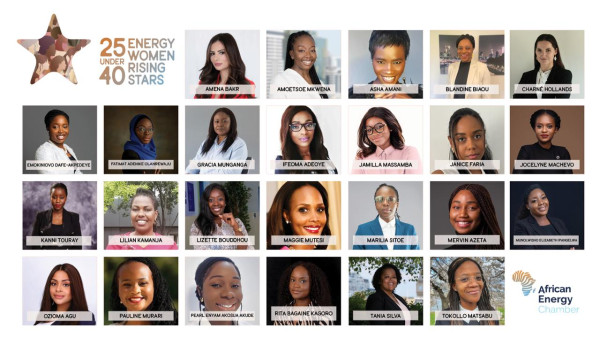
Celebrating This Year’s 25 Under 40 Energy Women Rising Stars

Location: News
African Energy Chamber

As Africa's energy sector continues to grow, a new generation of women is breaking barriers and redefining leadership in this critical industry. The African Energy Chamber (AEC) (www.EnergyChamber.org) proudly announces the 2024 edition of the 25 Under 40 Energy Women Rising Stars – a group of outstanding individuals whose innovation, perseverance and passion are transforming the landscape of African energy. These trailblazers are not only reshaping a traditionally male-dominated field but are also playing a vital role in the journey to end energy poverty by 2030. The AEC proudly honors these women as they lead the charge toward a more sustainable and equitable energy future.

In alphabetical order:

Amena Bakr, Senior Research Analyst, Energy Intelligence

Amena Bakr is a Senior Research Analyst at Energy Intelligence. Specializing in the energy transition, corporate strategy and market analysis, Bakr leads insights on oil markets, OPEC policies and political trends in the Middle East and Gulf Arab region. Her previous roles include Chief OPEC Correspondent and Dubai Deputy Bureau Chief, where she earned accolades such as the OPEC Award for Best Journalist and the IAEE Excellence in Written Journalism Award. Bakr holds a BA in Business Administration from the Arab Academy for Science, Technology & Maritime Transport, Egypt.

Amoetsoe Mkwena, Senior Associate, Watson Farley & Williams (Middle East)

Amoetsoe Mkwena is a Senior Associate at Watson Farley & Williams, specializing in energy and infrastructure with a focus on Africa. She advises on international projects, including the $15 billion Simandou project in Guinea. Mkwena's expertise includes power, renewables, oil and gas, and mining. Her legal skills and ability to bridge cultural divides make her a key player in Africa's energy sector.

Asha Amani, General Manager, INTERAFCON

Asha Amani is the General Manager at INTERAFCON, where she blends strategy and leadership to drive growth in complex energy projects. With seven years in Industrial Engineering and five years in the energy sector, Amani excels in business strategy, opportunity identification and project management. Her previous role as a Business Development Consultant at Tetco Consulting focused on delivering tailored solutions for the energy, engineering, and construction sectors.

Blandine Biaou, Geological Engineer, Head of Research and Prospection Department, SNH-Benin

Blandine Biaou, Head of the Research and Prospection Department at SNH-Benin, specializes in hydrocarbon exploration. She has optimized Benin's energy sector through resource management and contract revisions. Biaou has developed a modern data center and interactive database, contributing to national projects and representing Benin in international conferences, positioning it as a hydrocarbon hub.

Charné Hollands, Deputy Editor, Energy Capital & Power

Charné Hollands is the Deputy Editor at Energy Capital & Power, the leading investment platform for the African energy sector. She produces content on the entire energy value chain in Africa, with a focus on oil, gas, renewable energy and energy policy. Hollands holds a Master's in Media Studies from the University of Cape Town and has co-authored African Energy Chamber: Road to Recovery.

Emokiniovo Dafe-Akpedeye, Managing Partner, Compos Mentis Legal Practitioners

Emokiniovo Dafe-Akpedeye, a leading dispute resolution lawyer, specializes in complex oil and gas cases. She has represented Shell Petroleum and serves as company secretary for the Ebendo Host Community Trust Board. With degrees from Oxford and Bristol, she shapes oil and gas law and is implementing digital solutions to streamline board operations.

Fatimat Adenike Olanrewaju, General Field Engineer, SLB

Fatimat Adenike Olanrewaju, a Chemical Engineering graduate, is a General Field Engineer at SLB, focusing on wellhead installations and emissions reduction. She excels in a male-dominated field and leads community service through SLB's SEED initiative, advocating for gender diversity and mentoring.

Gracia Munganga, Senior Technical Advisory, ABT Global

With a Master's degree in Chemical Engineering from the University of Cape Town, Gracia oversees operations for the company, which has been designing and commissioning solar PV systems across sub-Saharan Africa since 2018. Her career includes roles at GreenCape, Anaergia Africa, the Climate Innovation Centre South Africa (CIC-SA), and the Carbon Trust.

Ifeoma Adeoye, CEO, IMSE Energy Resources Limited

Ifeoma Adeoye, CEO of IMSE Energy Resources Limited, leads the company in EPCI services and innovative crude evacuation technology. A graduate of the University of Manchester and Warwick, she also founded Business Nest Investments and BNI Insurance Brokers Limited, to empower and protect people and businesses through microfinance and insurance.

Jamilla Massamba, Health Safety and Environment Manager, SLB Congo

Jamilla Massamba, Health, Safety & Environment Manager at SLB Congo, leads HSE initiatives across Africa. With a Master's in Environmental Management Sciences, she has conducted over 100 audits and received awards for her work. Massamba also mentors young women in STEM and leads green energy projects.

Janice Faria, CEO, Enagol: Energias de Angola

As CEO of Enagol, Janice Faria has elevated the company's national and international profile. Under her leadership, Enagol competes globally and services International Oil Companies, setting a precedent for local enterprises in the global market.

Jocelyne Machevo, Communication, Commercial & Marketing Manager, Vivo Energy Mozambique

Jocelyne Machevo, formerly with Eni Mozambique, played a key role in the Coral FLNG Project and led the company's local brand transformation. Now at Vivo Energy Mozambique, she focuses on energy transition and decarbonization projects.

Lilian Kamanja, Electrical Engineer, Kenya Power

Lilian Kamanja is a Renewable Energy Specialist at Kenya Power with over nine years of experience in electrical engineering, network operations, and renewable energy development. She holds a BSc from the University of Nairobi and an M.Tech from IIT Delhi, focusing on renewable energy projects that enhance power accessibility and reliability.

Kanni Touray, Deputy Director General, Petroleum Commission, The Gambia

Kanni Touray, The Gambia's youngest and first female Deputy Director General at the Petroleum Commission, has enhanced the organization's efficiency and visibility. She champions sustainable development and energy transition, positioning The Gambia as a growing player in the global energy market.

Lizette Bouddhou, Human Resources Manager, SLB Congo and Gabon SLB

Lizette Bouddhou, HR Manager at SLB Congo and Gabon, drives diversity and workforce development. She leads recruitment and training initiatives, boosts employee engagement, and advances community outreach through educational partnerships, supporting women in STEM.

Maggie Mutesi, Managing Editor, Mansa Media

Maggie Mutesi is the Managing Editor at Mansa Media, with over 15 years of experience in major media outlets including CNN, BBC and CNBC. Her reporting spans over 30 African countries, focusing on trade and investments. At the BBC, she managed BBC Africa's daily live program, Money Daily. Mutesi has also extensively covered the Africa Continental Free Trade Agreement, working with the African Union and Afrochampions Initiative to enhance awareness among Africa's private sector.

Marilia Sitoe, Subsea Engineer, Eni Rovuma Basin

Marilia Sitoe, a Subsea Engineer at Eni Rovuma Basin, focuses on optimizing Mozambique's gas sector. Her work includes deep-water gas production and subsea infrastructure for Coral South FLNG. Sitoe's research supports Mozambique's economic growth and sustainability goals.

Mervin Azeta, Engineer, SLB

Mervin Azeta, a leader at SLB, has advanced from field engineer to corporate strategist. Recognized for her impact on African communities and the global industry, she is active in non-profit boards and connects young Africans with top leaders, fostering learning and inspiration.

Munolwisho Elizabeth Ipangelwa, Green Hydrogen Advisor, GIZ

Munolwisho Elizabeth Ipangelwa, Green Hydrogen Advisor at GIZ, advocates for women in oil and gas and green hydrogen development in Namibia. She has educated over 200 Namibians and leads green industrialization studies to boost local industries and reduce youth unemployment.

Ozioma Agu, Partner, Stren & Blan Partners

Ozioma Agu, a Partner at Stren & Blan Partners, excels in high-profile energy and infrastructure transactions. Her work includes advising on Mobil and Shell divestments and renewable projects. Agu has earned awards for her expertise in oil and gas and green hydrogen.

Pauline Murari, Contracts Manager SLB Angola, Central and East Africa

Pauline Murari, Contracts Manager at SLB, is known for her negotiation skills and leadership. She has driven growth in SLB's regional portfolio and contributed to projects like the East African Crude Oil Pipeline. Murari supports STEM education and local development.

Pearl Enyam Akosua Akude, Business Line Job Delivery Lead, SLB

Pearl Enyam Akosua Akude, with over 35 wells drilled, is a leader in the energy sector. She handles complex projects, trains engineers, and has contributed to innovations like TerraSphere and Net Zero Development in Africa, impacting the region's energy landscape.

Rita Bagaine Kagoro, Talent Acquisition Manager SLB: Angola, Central and East Africa

Rita Bagaine Kagoro, a Ugandan Petroleum Engineer, has seven years of experience and holds degrees from China University of Petroleum and Delft University of Technology. Her roles include Measurements and Logging While Drilling Engineer and Drilling Product Engineer. Kagoro has innovated drilling technologies to enhance efficiency and reduce CO2 emissions. She is passionate about leadership, mentorship, and advocating for diversity in hiring and women in energy.

Tania Silva, CEO, Angola LNG Marketing

Tânia Silva is the CEO of Angola LNG Marketing, the company's first female and youngest CEO. She oversees LNG sales, liquids contracts, and the shipping fleet. Previously, Silva was Head of Non-Operated Assets at Sonangol Gás e Energias Renováveis, S.A., where she managed non-operated assets and contributed to renewable energy projects. Her career is marked by leadership and innovation in the energy sector.

Tokollo Matsabu, Women Leader in Energy & Climate Fellow, Atlantic Council

Tokollo Matsabu is a 2024 Women Leaders in Energy and Climate Fellow and Director at Patlong Advisory, a consulting firm focused on energy programs and carbon sequestration in Africa. She is pursuing an MS in Global Energy and Climate Policy at the University of London's School of Oriental & African Studies, with a focus on critical minerals. Matsabu has a background in financial journalism and has conducted risk analyses for various stakeholders in the Global South. She holds a Bachelor's degree in International Relations, Media and Writing from the University of Cape Town.

Distributed by APO Group on behalf of African Energy Chamber.

Media files
African Energy Chamber
Download logo
Read moreCelebrating This Year’s 25 Under 40 Energy Women Rising Stars
13 September 2024

Mandela Washington Fellowship for Young African Leaders

Location: News

U.S. Embassy in Namibia
Download logo

The Mandela Washington Fellowship, begun in 2014, is the flagship program of President Obama's Young African Leaders Initiative (YALI) that empowers young leaders through academic coursework, leadership training, and networking. In 2016, the Fellowship provided nearly 1,000 outstanding young leaders from Sub-Saharan Africa with the opportunity to hone their skills at a U.S. higher education institution with support for professional development after they return home.

Ideal candidates are self-identified leaders, aged 25 to 35, with proven accomplishment in promoting innovation and positive change in their organizations, institutions, communities, and countries.

U.S.-based Activities

Academic and Leadership Institutes: Each Mandela Washington Fellow takes part in a six- week academic and leadership institute at a U.S. university or college in one of three tracks: business and entrepreneurship, civic leadership, or public management.

Summit: Following the academic component of the Fellowship, the Fellows visit Washington, D.C. for a summit. During the three-day event, Fellows take part in networking and panel discussions with U.S. leaders from the public, private, and non-profit sectors.

Professional Development Experience: Selected Fellows remain in the U.S. to participate in a six-week professional development experience with U.S. non-governmental organizations, private companies, and governmental agencies related to their professional interests and goals.

Africa-based Activities

Upon returning to their home countries, Fellows continue to build the skills they have developed during their time in the United States through support from U.S. embassies, Regional Leadership Centers, the YALI Network, and customized programming from affiliated partners. Mandela Washington Fellows have access to ongoing professional development opportunities, mentoring, networking and training, and seed funding to support their ideas, businesses, and organizations.

Application Information

The application includes basic information and questions about the applicant's professional and academic experience, including educational background; honors and awards received; extracurricular and volunteer activities; and English language proficiency.  A résumé is also requested (with dated educational and professional background), and personal information (name, address, phone, email, country of citizenship). Additional elements, such as letters of recommendation or university transcripts, are OPTIONAL and may supplement your application.

Who is eligible to apply?

Applicants will not be discriminated against on the basis of race, color, gender, religion, socio-economic status, disability, sexual orientation, or gender identity.  The Mandela Washington Fellowship is open to young African leaders who meet the following criteria:

  • Are between the ages of 25 and 35 on or before the application deadline, although exceptional applicants ages 21-24 will be considered;
  • Are not U.S. citizens or permanent residents of the United States;
  • Are eligible to receive a United States J-1 visa;
  • Are not employees or immediate family members of employees of the U.S. Government (including a U.S. embassy or consulate, USAID, and other U.S. Government entities);
  • Are proficient in reading, writing, and speaking English (applicants who are deaf should refer to the English Language instructions on the Resources page);
  • Are citizens of one of the following countries: Angola, Benin, Botswana, Burkina Faso, Burundi, Cameroon, Cabo Verde, Central African Republic, Chad, Comoros, Democratic Republic of the Congo (DRC), Republic of the Congo, Cote d'Ivoire, Djibouti, Equatorial Guinea, Eritrea, Eswatini, Ethiopia, Gabon, The Gambia, Ghana, Guinea, Guinea-Bissau, Kenya, Lesotho, Liberia, Madagascar, Malawi, Mali, Mauritania, Mauritius, Mozambique, Namibia, Niger, Nigeria, Rwanda, Sao Tome and Principe, Senegal, Seychelles, Sierra Leone, Somalia, South Africa, South Sudan, Sudan, Tanzania, Togo, Uganda, Zambia, or Zimbabwe;
  • Are residents of one of the above countries; and
  • Are not Alumni of the Mandela Washington Fellowship.

Please note that Fellows are not allowed to have dependents, including spouses and children, accompany them during the Fellowship. The U.S. Department of State and IREX reserve the right to verify all information included in the application.  In the event of a discrepancy, or if information is found to be false, the application will immediately be declared invalid and the applicant ineligible.

Selection Process

The Mandela Washington Fellowship selection process is a merit-based open competition.  After the deadline, all eligible applications will be reviewed by independent readers.  Following this review, chosen semi-finalists will be interviewed by the U.S. embassies or consulates in their home countries.  Selected semi-finalists will be required to participate in these in-person interviews in their home country within Africa.  If advanced to the semi-finalist round, applicants must provide a copy of their international passport (if available) or other government-issued photo identification at the time of the interview.  Selected Finalists are required to attend the mandatory Pre-Departure Orientation in their home country within Africa. The following criteria will be used to evaluate applications (not in order of importance):

  • A proven record of leadership and accomplishment in business or entrepreneurship, civic engagement, and/or public/government service;
  • ​A demonstrated commitment to public or community service, volunteerism, or mentorship;
  • ​The ability to work cooperatively in diverse groups and to respect the opinions of others;
  • ​Strong social and communication skills;
  • ​An energetic, positive, and flexible attitude;
  • ​A demonstrated knowledge of, interest in, and professional experience in the preferred sector/Fellowship track and concrete goals for applying lessons knowledge and skills gained from the Fellowship to current and/or future work; and
  • ​A commitment to return to Sub-Saharan Africa and contribute skills and talents to build and serve their communities.

Learn More

Application Resources

Got questions? Visit our Frequently Asked Questions about the Fellowship application to learn answers to common queries.

Check out our Resources page to download and learn more about:

  • Instructions for the Fellowship Application
  • Information for Prospective Fellows with Disabilities
  • Information for Prospective Fellows Who Are or May Become Pregnant

Distributed by APO Group on behalf of U.S. Embassy in Namibia.

Read moreMandela Washington Fellowship for Young African Leaders
27 August 2024

Scaling up Financing Is Key to Accelerating Africa’s Structural Transformation

Location: News
African Development Bank Group (AfDB)

By Adamon Mukasa and Anthony Simpasa, African Development Bank Group (www.AfDB.org).

Document 1: http://apo-opa.co/4g3EVzM
Document 2: http://apo-opa.co/473xTHm
Document 3: http://apo-opa.co/4gcshPk
Document 4: http://apo-opa.co/4gcsi5Q
Document 5: http://apo-opa.co/471DE8y
Document 6: http://apo-opa.co/4gcskL0
Document 7: http://apo-opa.co/47361TE

Document 8: http://apo-opa.co/4dXk53t

The calls for structural economic transformation in Africa date back to the 1960s when newly independent nations aimed to eliminate poverty through economic diversification, sustained growth, and job creation. This agenda persists today, as Africa continues to face significant developmental challenges.

Pursuing post-independence economic agendas was particularly important because, behind the euphoria (http://apo-opa.co/4dZMCVX) of independence, laid significant developmental challenges in several African countries: unskilled labor force, political and institutional fragilities, poor health conditions, rapid population growth, wide income disparities, and the legacy of colonialism and exclusion from the modern world. The establishment of the Organization of African Unity (OAU) (http://apo-opa.co/4g3EVzM) in 1963 and the African Development Bank (http://apo-opa.co/473xTHm) a year later aimed to tackle these other challenges in a more coordinated and impactful manner. The African Union (http://apo-opa.co/475z3Sz), successor of the OAU, developed Agenda 2063 (http://apo-opa.co/4g3EQMu) in 2013 as a blueprint for turning Africa into the global growth pole and powerhouse of the future.

Africa's Economic Development Paradox

More than sixty years after independence (http://apo-opa.co/3AzLutK), Africa's structural transformation – the shift of workers from lower to higher productivity employment and intra-sectoral productivity growth (http://apo-opa.co/4dQj0KK) – has not progressed as quickly as hoped. Both policymakers and analysts within and outside the continent are genuinely concerned that achieving structural transformation could remain a mirage for many African countries in the absence of bold structural reforms and financing to support implementation of these policies. Why being so pessimistic? Because historical facts tend to support their pessimism. The African Economic Outlook (AEO) 2024 (http://apo-opa.co/4g2RATW) report, released in May by the African Development Bank, reveals that Africa's transformation has been slow and uneven. In countries showing signs of transformation, the process has been characterized by low industrialization and predominantly by employment in low-skill, low-productivity services. The agriculture sector, employing 42% of Africa's workforce, is 60% less productive than the economy-wide average. Consequently, many workers remain trapped in low-productivity, low-wage jobs, unable to escape poverty.

As a result, Africa was the only region of the world where the average real GDP per capita contracted in the 1980s and 1990s, the so-called lost decades (http://apo-opa.co/4fYqm0D).

Africa is off-track in achieving almost all SDG targets by 2030, consistently showing the lowest SDG performance globally since the 2000s (Figure 1). Without intervention, it is predicted that by 2030, nearly 9 out of 10 of the world's extremely poor will be in Africa (http://apo-opa.co/4e2weEn) and under current conditions[1], it could take African countries over a century on average to reach high-income status.


[1] This scenario assumes that real GDP per capita of each African country will grow according to its post-COVID-19 (2022–25) average growth rate as computed by the African Development Bank's Statistics Department.

But Africa is a very large, diverse, heterogeneous, region. Some countries have, over the past four decades preceding the COVID-19 pandemic, experienced episodes of growth accelerations, growth spikes and failed take-offs (http://apo-opa.co/4gcshPk). Cases of consistent good performance include Botswana, Seychelles, and Mauritius, routinely ranked among the top 10 fastest-growing economies globally. African countries have indeed exhibited remarkable resilience amid confounding shocks, and in 2024, 10 countries[1] in Africa are projected to be among the world's top 20 fastest-growing economies, sustaining the trend observed during the past four decades pre-COVID-19.

Importantly, over the past quarter century, thanks to strong economic reforms and macroeconomic stability, enhanced governance, relative peace and improved political environment and, public investments in soft and hard infrastructure, some African countries[2] have managed to transform their economies and recorded economic growth rates above the global average.

The role of finance in fast-tracking Africa's structural transformation

Many factors, both internal and external, could explain the relatively slow progress in structurally transforming African economies. Among them: over-reliance on commodity-led growth (http://apo-opa.co/4fZJTxI), inadequate infrastructure (http://apo-opa.co/4dV5DZE); insufficient pool of skilled workers (http://apo-opa.co/4g49x4g) and low access to affordable finance (http://apo-opa.co/47361D8); weak institutional governance (http://apo-opa.co/4e0O5LG), recurrent conflicts (http://apo-opa.co/4g49rtq), effects of climate change (http://apo-opa.co/3ABuuTU), tightening of global financial conditions (http://apo-opa.co/4fZSFvC) and rising debt vulnerabilities (http://apo-opa.co/4724oWk).

While all these factors are equally important and call for urgent actions from policymakers, financing Africa's transformation (http://apo-opa.co/4fTo1Uy) is a multi-layered overarching challenge that demands special attention and a pragmatic approach to move from billions to trillions. The cost of achieving the SDGs by 2030 in Africa is estimated at about $1.3 trillion (http://apo-opa.co/4gcsi5Q) annually, equivalent to 42% of Africa's 2023 GDP. Infrastructure needs alone are estimated by the African Development Bank at $181-$221 billion per year over 2023-2030.  The climate finance gap is approximately $213.4 billion (http://apo-opa.co/4gcsiTo) annually through 2030.

Insufficient domestic resources (http://apo-opa.co/471DE8y), compounded by the failure of the global financial architecture (http://apo-opa.co/471zU6K) to mobilize and at scale, affordable finance for sustainable development (http://apo-opa.co/4gcskL0), have led many African countries to resort to commercial borrowing on unfavorable terms. This has resulted in increased debt vulnerabilities. Africa's Public and Publicly Guaranteed external debt has nearly tripled since 2010, reaching $656 billion in 2022, accounting for 22.4% of the continent's GDP and exceeding Africa's public revenue-to-GDP ratio of 20.4%. In 2024, African countries are expected to spend around $74 billion on debt service, up from $17 billion in 2010. Out of the projected debt service, $40 billion is owed to private creditors.

Even more concerning, debt service payments now account for about 11% of the continent's total revenues. High debt service is diverting resources from crucial investments in infrastructure, education, and health – all critical for economic transformation and long-term growth. As of April 2024, 20 African countries[3] (http://apo-opa.co/47361TE) were either in external debt distress or at high risk of external debt distress.

The AEO 2024 report estimates that to accelerate Africa's structural transformation, the continent needs to close an annual financing gap of $402.2 billion (about 13.7% of its projected 2024 GDP) by 2030. Figure 2 shows that transport[4] infrastructure accounts for the largest share of the gap (72.9%), followed by education (10.4%), energy (9.9%), and productivity-enhancing technologies (6.8%). These figures reflect decades of underinvestment in critical areas for development.

The level of financing gap in transport infrastructure reflects the continent's shortfall explained by decades of public underinvestment to upgrade existing road infrastructure or open new roadways, to match the growing population and economic dynamism across the continent. For instance, Africa's median road density is about 12 km per 100 km2, compared with 42.5 km in high-performing developing countries and 136 km in high-income countries. Only about 27% of African roads are paved, far behind the rest of the world (about 49%) and other developing countries (35.4%).


[1] Niger, Senegal, Libya, Côte d'Ivoire, Ethiopia, Rwanda, Benin, Djibouti, Gambia, and Uganda

[2] Algeria, Comoros, Djibouti, Egypt, eSwatini, Lesotho, Libya, Mauritius, Sao Tome and Principe, Senegal, Seychelles, and Tunisia

[3] Burundi, Cameroon, Central African Republic, Chad, Comoros, Congo, Djibouti, Ethiopia, Gambia, Ghana, Guinea-Bissau, Kenya, Malawi, Mozambique, São Tomé and Príncipe, Sierra Leone, South Sudan, Sudan, Zambia, and Zimbabwe

[4] Proxied by roads as road transport is the most frequently used means of transporting goods and people across the continent, carrying at least 80 percent of goods and 90 percent of passengers.

On education, vital for equipping the current and future workforce with the required skillset for structural transformation, African countries' median SDG index score was only 51.5 (out of a maximum of 100) in 2022, while other low-income developing countries reached a median score of 87. In addition, according to World Bank's World Development Indicators (http://apo-opa.co/3AGXw4N), African governments currently spend on average $312 annually per student in primary education, $473 on secondary education, and $2,227 on tertiary education, or about, respectively, 3, 2.3, and 1.1 times lower than high-performing developing countries on  SDG 4. On energy, Africa's median SDG 7 index score was 38.8 in 2022, suggesting that a typical African country was 61.2% further away from achieving the best possible outcome on SDG 7 targets. Despite its vast energy potential, electric power consumption per capita in Africa is still the lowest in the world, estimated at 638.4 kilowatt-hours (kWh) in 2021, versus 2,056 kWh in other developing countries. Due to poor energy infrastructure, over 600 million Africans have no access to electricity http://apo-opa.co/46YZuJT and this is despite progress in recent years[1]. On productivity-enhancing technology and innovation, the continent lags other regions too. This impedes its ability to either innovate and introduce new products, technologies, and/or services that could support its structural transformation. African countries' average Gross Domestic Expenditure on R&D (GERD) represents about 0.4% of their GDP (against about 1% in the rest of the world) and they spend on average $10.7 per capita on GERD (compared to $403.2 per capita in other regions of the world). Furthermore, the continent displays the lowest concentration of researchers in R&D, with an average of 221 researchers per million people, against 742 researchers in other developing countries.

The financing gap varies significantly across countries. The cross-country heterogeneity is mainly explained by differences in current SDG performance related to structural transformation as well as differences in demographics (current and projected population size and composition, land size, and the like) and socioeconomic characteristics (current and projected GDP per capita, and spending on education, infrastructure, and so on). As shown in Figure 3, the estimated annual financing gap represents at least 10 % of 2024's projected GDP in 36 African countries, and in nine of these, at least 50 % of GDP. For such countries, closing the financing gap by 2030 is, therefore, realistically impossible.


[1] For instance, the average share of people with access to electricity increased from about 38 percent in 2000 to about 59 percent in 2022. In 28 African countries, the percent of people with access to electricity has more than doubled between 2000 and 2022, out of which it has increased at least fivefold in 8 countries (Kenya, Lesotho, Mali, Mozambique, Rwanda, Somalia, Tanzania, and Uganda).

Note: COG: Congo; CPV: Cabo Verde; GHA: Ghana; CIV: Cote d'Ivoire; GAB: Gabon; GNQ: Equatorial Guinea; MUS: Mauritius; SYC: Seychelles; ZAF: South Africa. Source: Authors' computation based on the African Economic Outlook (AEO) 2024 database

A more realistic approach would be to allow for a gradual but steady transformation process over a longer period, aligning with the African Union's Agenda 2063. This would enable countries to mobilize more resources domestically and externally, without jeopardizing debt sustainability.

What next?

Scaling up finance to accelerate Africa's structural transformation should be a key priority for policymakers. While implementing structural reforms is crucial for sustainable growth, success depends on the availability, timeliness, and scale of long-term development financing and enhancing spending efficiency. African countries should therefore, inter alia, focus on: i) scaling up investment to build requisite human capital suited to local realities, circumstances, and development priorities; ii) boosting domestic resource mobilization and improving efficiency of public finance management; iii) creating targeted and streamlined incentives to attract private capital for key transformation sectors; and iv) launching ambitious national infrastructure programs with assured positive returns to attract affordable financing.

The international community should reform the global financial architecture (http://apo-opa.co/4dXk53t) to facilitate African countries' access to long-term, concessional development financing at scale, complementing domestic resources.

By addressing these financing challenges and implementing targeted reforms, Africa can accelerate its structural transformation and move closer to achieving its development goals as espouses in Agenda 2063.

Distributed by APO Group on behalf of African Development Bank Group (AfDB).

Media files
African Development Bank Group (AfDB)
Download logo
Read moreScaling up Financing Is Key to Accelerating Africa’s Structural Transformation
22 August 2024

Acting President Paul Mashatile to Officiate Signing of Second Presidential Health Compact

Location: News

The Presidency of the Republic of South Africa
Download logo

Deputy President Paul Mashatile will, in his capacity as Acting President, lead the signing by multiple stakeholders of the Second Presidential Health Compact at the Union Buildings, Pretoria, at 12h30 today, Thursday, 22 August 2024.

President Ramaphosa has appointed Deputy President Mashatile as Acting President, based on medical advice that President Cyril Ramaphosa, who is in good spirits otherwise, allow an eye infection to clear.

Immediately after the Health Compact signing, Acting President Mashatile will receive Letters of Credence from Heads of Mission and Ambassadors-Designate of 11 countries.

The incoming members of the Diplomatic Corps have been nominated by their respective governments to serve as official representatives to South Africa.

The presentation of credentials to the Acting President will take place at the Sefako Makgatho Presidential Guest House on the Bryntirion Estate at 14h00.

Representatives of the following countries will be welcomed to South Africa by Acting President Mashatile:

The Republic of Nicaragua; the Republic of Guinea; the Republic of Peru; the People's Republic of China; the Bolivarian Republic of Venezuela; the Holy See; the Kingdom of Saudi Arabia; the Republic of Gabon; the Republic of Finland; the Republic of Senegal, and the Republic of Ghana.

Distributed by APO Group on behalf of The Presidency of the Republic of South Africa.

Read moreActing President Paul Mashatile to Officiate Signing of Second Presidential Health Compact
14 August 2024

ICAO Signs New Agreements with African States to Boost Sustainable Aviation Development

Location: News
International Civil Aviation Organization (ICAO)

The International Civil Aviation Organization (ICAO) made a significant step forward in enhancing aviation's role as a catalyst for sustainable development in Africa. During the AFI Week held in Gabon, ICAO signed four pivotal capacity building and implementation support agreements with Member States, each aimed at strengthening their aviation sectors and alignment with international standards.

Gabon's Agence Nationale de l'Aviation Civile entered into a Management Service Agreement (MSA) with ICAO. This comprehensive agreement will provide Gabon with access to ICAO's expertise, project management and procurement services, and customized training packages. A key focus of this collaboration is the potential development of a Civil Aviation Master Plan, which will chart the strategic growth of Gabon's aviation sector, ensuring efficient, safe, and sustainable development of infrastructure and services.

Chad's Autorité de l'Aviation Civile partnered with ICAO for a preliminary assessment of training needs. This crucial project will evaluate the technical and general skills of ADAC's staff responsible for overseeing civil aviation safety and security. By optimizing human resources, Chad aims to significantly enhance the operational efficiency of its civil aviation authority.

Uganda's Civil Aviation Authority and ICAO agreed to develop a comprehensive 15-year Air Navigation Plan. This strategic framework will not only guide the implementation of air navigation services and infrastructure but also ensure Uganda's alignment with international aviation standards, in order to facilitate a safer, more efficient, and higher capacity air navigation system for the East African nation.

South Africa's Civil Aviation Authority signed a Declaration of Intent to host the next Global Next Generation of Aviation Professionals (NGAP) Summit. Set for February 2025 in Johannesburg, this summit highlights South Africa's commitment to nurturing the future leaders of the aviation industry.

These agreements represent ICAO's commitment to supporting African Member States in developing sustainable aviation sectors. By focusing on areas such as strategic planning, human resource development, and infrastructure enhancement, these initiatives are set to improve aviation safety, efficiency, and capacity across the continent.

The collaborative efforts between ICAO and these African states are expected to yield significant benefits, not only for the aviation sector but also for the broader economy. As aviation acts as a multiplier for economic growth, these agreements are poised to contribute to the UN Sustainable Development Goals, improve connectivity, and foster economic opportunities in the region.

As these projects unfold, they will serve as examples of how targeted ICAO support and collaboration in the aviation sector can drive sustainable development and economic growth in Africa.

Distributed by APO Group on behalf of International Civil Aviation Organization (ICAO).

Media files
International Civil Aviation Organization (ICAO)
Download logo
Read moreICAO Signs New Agreements with African States to Boost Sustainable Aviation Development
2 August 2024

Afreximbank’s African Quality Assurance Centre receives international accreditation from South African National Accreditation System (SANAS)

Location: News

Afreximbank
Download logo

African Export-Import Bank's (Afreximbank) (www.Afreximbank.com) first African Quality Assurance Centre (AQAC), implemented in Ogun State, Nigeria, in partnership with Bureau Veritas (BV) has been awarded the ISO/IEC 17025:2017 accreditation by the South African National Accreditation System (SANAS), one of the key accreditation bodies in Africa responsible for carrying out conformity assessments as mandated under South Africa's Accreditation for Conformity Assessment, Calibration and Good Laboratory Practice Act (Act 19 of 2006).

ISO/IEC 17025 is the recognised international standard for testing and calibration laboratories and sets out requirements for the competence, impartiality and consistent operation of laboratories, ensuring the accuracy and reliability of testing and calibration results. The standard enhances the credibility of testing and calibration work by laboratories, by fostering trust among clients and regulatory authorities. Compliance with ISO/IEC 17025 demonstrates a laboratory's commitment to quality, technical proficiency and scientific rigour.

Commenting on the accreditation, Ms. Oluranti Doherty, Managing Director Export Development at Afreximbank said that the accreditation served to validate AQAC's capabilities and expertise and would provide new opportunities to expand the centre's reach.

“By aligning its practices with international standards and best practices, AQAC is well-positioned to attract new clients, foster partnerships with industry stakeholders, and contribute to the advancement of quality assurance practices in Africa,” said Ms. Doherty.

“The impact of this accreditation extends beyond the laboratory as it also contributes to the overall advancement of quality assurance practices in Nigeria. By demonstrating compliance with international standards and best practices, AQAC will help in reducing the rejection rates for Nigerian and African exports,” she said, mentioning that the Bank has committed up to US$100 million to support the development of new AQACs across the continent, with projects being considered in Benin, Chad, Gabon, Kenya and Tanzania.

Jean-Michel Perret, Managing Director, Bureau Veritas Nigeria said, “We are incredibly proud to have achieved the ISO 17025 accreditation for the African Quality Assurance Centre. This milestone reflects our steadfast commitment to providing the highest standards of testing and inspection services. It also demonstrates our dedication to supporting Nigeria's AgroFood industry in meeting international quality benchmarks, thereby facilitating greater access to global markets for ‘Made in Africa' products.”

The accreditation by SANAS amplifies AQAC's ability to offer internationally accredited services for food and agri products and paves the way for a more reliable and robust testing environment in Africa.

SANAS is a signatory to the International Accreditation Forum which gives it world-wide recognition as a competent body for carrying out independent evaluation of certification bodies against recognized standards. It is also a signatory to the International Laboratory Accreditation Cooperation Mutual Recognition Arrangements, the African Accreditation Cooperation Mutual Recognition Arrangements and the SADCA Mutual Recognition Arrangements, for specific scopes.

Distributed by APO Group on behalf of Afreximbank.

Afreximbank Media Contact:
Vincent Musumba
Manager
Communication and Events (Media Relations)
Email: press@afreximbank.com

Bureau Veritas Media Contact:
Selin Dincer Cinar
+905 308 61 59 94
Email: selin.dincer-cinar@bureauveritas.com   

Seseselelo Matlapeng
+27 (0)78 451 5331
Email: seseselelo.matlapeng@bureauveritas.com  

About Afreximbank:
African Export-Import Bank (Afreximbank) is a Pan-African multilateral financial institution mandated to finance and promote intra-and extra-African trade. For 30 years, the Bank has been deploying innovative structures to deliver financing solutions that support the transformation of the structure of Africa's trade, accelerating industrialization and intra-regional trade, thereby boosting economic expansion in Africa. A stalwart supporter of the African Continental Free Trade Agreement (AfCFTA), Afreximbank has launched a Pan-African Payment and Settlement System (PAPSS) that was adopted by the African Union (AU) as the payment and settlement platform to underpin the implementation of the AfCFTA. Working with the AfCFTA Secretariat and the AU, the Bank is setting up a US$10 billion Adjustment Fund to support countries effectively participating in the AfCFTA. At the end of December 2023, Afreximbank's total assets and guarantees stood at over US$37.3 billion, and its shareholder funds amounted to US$6.1 billion. Afreximbank has investment grade ratings assigned by GCR (international scale) (A), Moody's (Baa1), Japan Credit Rating Agency (JCR) (A-) and Fitch (BBB). Afreximbank has evolved into a group entity comprising the Bank, its impact fund subsidiary called the Fund for Export Development Africa (FEDA), and its insurance management subsidiary, AfrexInsure (together, "the Group"). The Bank is headquartered in Cairo, Egypt.

For more information, visit: www.Afreximbank.com

Follow us on 
Twitter : http://apo-opa.co/3YpB8GT
Facebook : http://apo-opa.co/3WLM7cs
LinkedIn : http://apo-opa.co/4ccUpP5
Instagram : http://apo-opa.co/4d6VtFq

ABOUT BUREAU VERITAS: 
Bureau Veritas is a world leader in inspection, certification, and laboratory testing services with a powerful purpose: to shape a world of trust by ensuring responsible progress. With a vision to be the preferred partner for customers' excellence and sustainability, the company innovates to help them navigate change. 

Created in 1828, Bureau Veritas' 83,000 employees deliver services in 140 countries. The company's technical experts support customers to address challenges in quality, health and safety, environmental protection, and sustainability. 

Bureau Veritas is listed on Euronext Paris and belongs to the CAC 40 ESG, CAC Next 20, SBF 120 indices and is part of the CAC SBT 1.5° index. Compartment A, ISIN code FR 0006174348, stock symbol: BVI. 

For more information, visit www.BureauVeritas.com, and follow us on LinkedIn (http://apo-opa.co/3A5IN2V) and X/Twitter (http://apo-opa.co/4dcXpwg). 

The head office for Bureau Veritas Middle East, Caspian & Africa region is based in Dubai, For more information, www.BureauVeritas.Africa  or  www. Middle-East.BureauVeritas.com/ 

Read moreAfreximbank’s African Quality Assurance Centre receives international accreditation from South African National Accreditation System (SANAS)
23 July 2024

Chair of the Subcommittee on Prevention of Torture Presents Annual Report to the Committee against Torture

Location: News

Office of the UN High Commissioner for Human Rights (OHCHR)
Download logo

The Chair of the Subcommittee on Prevention of Torture this morning presented the Subcommittee's seventeenth annual report to the Committee against Torture.

Suzanne Jabbour, Chairperson of the Subcommittee on Prevention of Torture, said that in 2023, the landscape within which the Subcommittee and the Committee operated had been significantly shaped by conflict, yet the commitment to the prevention of torture remained resolute. In 2023, the Subcommittee conducted eight official visits to the Philippines, Georgia, Guatemala, State of Palestine, Croatia, Madagascar, Kazakhstan and South Africa.

In 2024, the Subcommittee had already conducted visits to Gabon, Albania, Honduras and Mongolia, and planned to extend its efforts to Bolivia, Democratic Republic of the Congo, Greece and Nigeria throughout the rest of the year. Despite these efforts, the Subcommittee faced notable operational challenges, primarily stemming from resource limitations, as well as the prevailing liquidity crisis at the United Nations. The exchange of information between the Subcommittee and the Committee was a vital lifeline that enhanced operational efficiency.

In the ensuing discussion, Committee Experts asked about the impact of states of emergency and armed conflict on the work of the Committee, as well as how to encourage States to commit themselves to the principle of transparency.

The Committee against Torture will next meet in public this afternoon on Tuesday, 23 July at 4 p.m., for a follow-up discussion on articles 19 and 22 and on reprisals.

Statement by the Chair of the Subcommittee on Prevention of Torture

SUZANNE JABBOUR, Chairperson of the Subcommittee on Prevention of Torture, said the session this year took place in a year of special significance, the celebration of the fortieth anniversary of the Convention against Torture. In 2023, the landscape within which the Subcommittee and the Committee operated had been significantly shaped by conflict, yet the commitment to the prevention of torture remained resolute. Throughout the year, the Subcommittee had expanded its reach within the framework of the Optional Protocol to the Convention, with the accession of Côte d'Ivoire and the ratification by Slovakia, increasing the number of States parties to 93.

In 2023, the Subcommittee conducted eight official visits to the Philippines, Georgia, Guatemala, State of Palestine, Croatia, Madagascar, Kazakhstan and South Africa. These missions allowed the Subcommittee to identify repetitive issues and advocate for necessary reforms, including the establishment of national preventive mechanisms, actions to reduce prison overcrowding, and the modernisation of prison systems. In 2024, the Subcommittee had already conducted visits to Gabon, Albania, Honduras and Mongolia, and planned to extend its efforts to Bolivia, Democratic Republic of the Congo, Greece and Nigeria throughout the rest of the year.

During its visits in 2023, the Subcommittee had conducted more than 1,100 interviews with more than 3,500 persons, including detainees, officials, law enforcement personnel, and medical staff. The Subcommittee's approach was informed by the particular cultural, socio-economic, and institutional contexts of each country, enabling the Subcommittee to tailor advice to the different authorities. Despite these efforts, the Subcommittee had faced notable operational challenges, primarily stemming from resource limitations, as well as the prevailing liquidity crisis at the United Nations. Ms. Jabbour was pleased to have been informed that the Subcommittee would be able to proceed with planned missions to Nigeria, Democratic Republic of the Congo and Greece, as well as their third session.

Although not without challenges, the Subcommittee's visits yielded promising direct outcomes. During the recent visit to Honduras, the Subcommittee witnessed deeply troubling conditions in places of deprivation of liberty. While, the outlook was challenging, the Subcommittee's presence acted as a catalyst, possibly accelerating the appointment of the remaining commissioners of the national preventive mechanism. To provide comprehensive insights into the operational challenges, this year's report included annexes that addressed specific inquiries raised by national preventive mechanisms.

The Subcommittee continued to foster relationships with various United Nations bodies, regional organizations, and civil society stakeholders to bolster efforts in torture prevention. Notably, collaboration extended to the Global Alliance of National Human Rights Institutions during the International Conference on the Prevention of Torture held in Copenhagen. The publication of the Subcommittee's general comment no.1 on article 4 of the Optional Protocol to the Convention, adopted during their June session, would provide much-needed clarity to ensure comprehensive access for monitoring bodies, including national preventive mechanisms, in gaining access to places of deprivation of liberty.

The exchange of information between the Subcommittee and the Committee was a vital lifeline that enhanced operational efficiency. This synergy was further magnified by the Committee's role in advocating for the ratification of the Optional Protocol and the establishment of national preventive mechanisms by States. The expected adoption of the resolution by the Chairs of the treaty bodies this December to endorse the strengthening process would highlight the shared leadership between the Committee and the Subcommittee. Ms. Jabbour reasserted the Subcommittee's dedication to this cooperation and to the common goal, to prevent, and ultimately end, the use of torture and all forms of ill treatment.

Questions by Committee Experts

A Committee Expert said the Committee noted with appreciation the report of the Subcommittee and the publication of the general comment, clarifying the concept of places of deprivation of liberty. Effective coordination between the Committee and the Subcommittee was of vital importance. Transparency constituted a measure to prevent the risk of torture. The report indicated that by the end of 2023, 52 of the 82 visit reports had been made public, a total of 63 per cent. It was important to continue efforts to remain seized of this matter. Did the Subcommittee have further guidance to enhance commitments of States parties to upscale their efforts to commit themselves to the principle of transparency?

CLAUDE HELLER, Committee Chairperson, thanked Ms. Jabbour for presenting the report, which contained a great deal of substantive information. The report outlined the constraints being faced by the Committee and Subcommittee. The Committee and the Subcommittee played a pivotal role despite prevailing challenges. It was positive that the Subcommittee would be able to undertake a series of visits this year and hold their November session. This year, the Committee was commemorating the fortieth anniversary of the Convention. The issue of ratifications of the Optional Protocol should be highlighted. It was important that countries established national preventive mechanisms and facilitated visits to places of detention.

When the Subcommittee visited a State where there was a state of emergency in place, had they faced restrictions on their visits to places of detention? Many of the treaty bodies had been advocating for appropriate resources in light of the backlog of reports which needed to be reviewed by the Committees. How had this affected the Subcommittee with delays in conducting visits?

A Committee Expert said there were more than 100 armed conflicts in the world today. Could the Subcommittee work in the difficult circumstances of an armed conflict? Could they still undertake visits and visit detainees?

Responses by the Chair of the Subcommittee

SUZANNE JABBOUR, Chairperson of the Subcommittee on Prevention of Torture, said the work of the Subcommittee was built with the State on the principle of confidentiality. The presence of national preventive mechanisms could be a great added value to push for the publications of reports. The Subcommittee tried to have synergy with the national preventive mechanisms; they were their partners on the ground. Currently, States were less interested in human rights, particularly on issues relating to torture prevention. Other actors could also support the work of the Subcommittee, including the national human rights institutions.

The Subcommittee had faced the state of emergency issue in Palestine, where they had engaged with the authorities and the de-facto authorities. The Subcommittee had the obligation to respect how the United Nations engaged with de-facto authorities. Based on this, the Subcommittee failed to visit Gaza. The armed conflicts around the world put further responsibility on the Subcommittee. Because the Subcommittee had a proactive mandate, it believed that during armed conflicts, lifesaving actions were a priority, rather than preventive actions.

Distributed by APO Group on behalf of Office of the UN High Commissioner for Human Rights (OHCHR).

Read moreChair of the Subcommittee on Prevention of Torture Presents Annual Report to the Committee against Torture
23 July 2024

CMA to Host Investment Forum Showcasing Opportunities in African Critical Minerals

Location: Business
Energy Capital & Power

Investment in African critical minerals are on the rise, with global entities acquiring assets, funding upstream projects and developing midstream and logistics facilities. Over the past three years, Zambia (http://apo-opa.co/3yk2ymJ) ­– Africa's second-largest copper producer – has recorded $10 billion in investments (http://apo-opa.co/3WibyRd) in its mining sector. These investments are pushing the country closer to its goal of increasing copper production to one million tons by 2026 and three million tons by 2030, with several new projects coming online. To promote opportunities and drive fresh investment across African markets, the upcoming Critical Minerals Africa Summit (http://apo-opa.co/3WzznFR) will feature a dedicated Investment Forum.

The Critical Minerals Africa 2024 summit on November 6 - 7 serves to position Africa as the primary investment destination for critical minerals. The event is held alongside the African Energy Week: Invest in African Energy 2024 conference (http://apo-opa.co/3VMQTpp) on November 4 - 8, offering delegates access to the full scope of energy, mining and finance leaders in Cape Town. Sponsors, exhibitors and delegates can learn more by contacting sales@energycapitalpower.com

The Investment Forum will delve into investment opportunities across the spectrum of critical minerals and rare earth projects, highlighting how African governments are partnering with global stakeholders to create an enabling environment for market expansion.

Zambia introduced the Mineral Royalty Tax Reform in 2022 – reducing mineral royalty rates for investors – resulting in a surge of fresh investments. In June 2024, mining firm Jubilee Metals Group (http://apo-opa.co/3WiXJlA) acquired two operational copper mines to support efforts to increase activities at its Sable Refinery in Zambia. Canadian mining firm Ivanhoe Mines (http://apo-opa.co/4d4bNqc) also announced that is investing in the expansion of a concentrator at the Kipushi Copper Mine, aiming to increase output to 960,000 tons of copper annually by 2030, up from 140,000 tons in 2024. The UAE's International Resources Holding is providing $300 million to enhance copper production at Mopani Mines, following its acquisition of a 51% stake in a $1.1 billion deal in April 2024. The Investment Forum will showcase lucrative prospects for global investors within Zambia's copper value chain.

Meanwhile, Zimbabwe (http://apo-opa.co/3WwoAfw) banned the export of raw lithium in 2022 in a bid to attract investments across the midstream sector to value add its lithium output. The regulation aims to help the country account for 20% of global lithium demand, build a $12 billion economy by 2030 and has resulted in an influx in new investments and project launches. Mining revenue (http://apo-opa.co/4bPAEwM) has grown from $3.5 billion in 2020 to $9.77 billion in 2023, as a result. Mining firms including Rwizi Rukuru, Shengxiang Investments, Chengxin Lithium Group, Zhejiang Huayou Cobalt and Sinomine Resource Group have invested in large-scale lithium processing facilities in 2023 and 2024. The Investment Forum will feature stakeholders from Zimbabwe's critical mineral sector in panel discussions and exclusive networking sessions, highlighting investment opportunities across the mining value chain.

With the global demand for critical minerals set to increase by four times by 2030 – driven by increasing adoption of clean energy technologies – Africa, which holds 30% of the world's total critical mineral reserves, is well positioned to attract global investors. South Africa holds 80% of the world's platinum group metals, Morocco 70% of total phosphate, the Democratic Republic of Congo the world's largest cobalt reserves, Guinea-Conakry the world's second-largest bauxite reserves, and Gabon the world's second-largest manganese resources. CMA will spotlight these resources and partnership opportunities available for global stakeholders as African countries unlock their full mineral potential for GDP growth.

“Africa's critical mineral resources present an opportunity for the continent to forge partnerships on infrastructure development and economic growth with global investors. We hope to see an increase in investments flowing into Africa as global mining stakeholders capitalize on the continent's vast resources and strategic locations to feed the global demand,” stated Rachelle Kasongo, Project Director at CMA-organizer, Energy Capital & Power.

Distributed by APO Group on behalf of Energy Capital & Power.

Media files
Energy Capital & Power
Download logo
Read moreCMA to Host Investment Forum Showcasing Opportunities in African Critical Minerals
12 July 2024

African Players, Coaches, and Referees to Participate in the National Basketball Association (NBA) 2K25 Summer League

Location: News

Basketball Africa League (BAL)
Download logo

Twenty-Five Basketball Coaches from 15 African Countries Selected for NBA 2K25 Summer League; Five Players Who Featured in the 2024 BAL Season (https://BAL.NBA.com/) to Compete in Las Vegas.

Twenty-five basketball coaches from 15 African countries have been selected to participate in the NBA 2K25 Summer League which will take place in Las Vegas, Nevada from July 12 -22, 2024.  The selected coaches form part of the Africa Coaches Program, which builds on NBA Africa's and Basketball Africa League's (BAL) commitment to building capacity and expertise of coaches from across the continent, improving the quality of the on-court product, and contributing to the continued growth of basketball on the continent.  Eight of the coaches represent teams that have participated in the BAL.

Please see below for some of the notable storylines, followed by the full roster of the African coaches, players, and referees who will take part in the Summer League.

African Coaches Program

Building Continuity

  • Six teams that took part in the 2024 BAL season will have at least one coach participating – Al Ahly (Egypt), Bangui Sporting Club (Central Africa Republic) City Oilers (Uganda), FUS de Rabat (Morocco), Rivers Hoopers (Nigeria), and US Monastir (Tunisia). 
  • Sixteen of the 24 coaches will take part in the Africa Coaches Program for the first time.
  • Rivers Hoopers head coach Ogoh Odaudu was named 2024 BAL Coach of the Year and led his team to a third-place finish this season.  Rivers Hoopers' head coach since 2009, Odaudu coached the team to five Nigerian Premier League titles.  Since 2019, Odaudu has been a member of the coaching staff on the Nigerian national team. 
  • Two coaches – Francois Enyegue (Cameroon; San Antonio Spurs) and Emmanuel Mavomo (Democratic Republic of the Congo; Milwaukee Bucks) – return to the Summer League for a third consecutive year.  Last year, they coached with the Orlando Magic and Utah Jazz, respectively.  Enyegue is currently the head coach of Bangui Sporting Club (Central Africa Republic) and served as head coach of Team Africa & Middle East Girls at the Jr. NBA Global Championship in 2018.  Mavomo is NBA G League's Austin Spurs assistant coach and served as an assistant coach of Paris Basketball and BC Espoir Fukash during the 2022 BAL season.

Empowering the Next Generation

  • Three players with BAL experience who have decided to take up a career in coaching will be part of this year's program.  John Wilkins (Rivers Hoopers), Mohamed Gaddour (US Monastir), and Radouane Slimane (US Monastir) will respectively join the Phoenix Suns, Los Angeles Clippers, and Miami Heat.

NBA Academy Africa Well-Represented

  • NBA Academy Africa players development coaches Goitsemang Ditsheko (South Africa) and Karim Nesba (Morocco) will coach with the Houston Rockets and the Sacramento Kings respectively.  Based at the NBA Academy Africa in Saly, Senegal since 2022, Ditsheko is part of the academy coaching staff who worked with NBA Academy Africa's first NBA draftee, Cameroon's Ulrich Chomche, selected with the number 57 overall by the Memphis Grizzlier and traded to the Toronto Raptors in the 2024 NBA Draft.  While enrolled at NBA Academy Africa, Chomche competed in the BAL as part of the BAL Elevate program, representing Rwanda Energy Group Basketball (REGBBC) in 2023 and Cameroon's Forces Armées et Police (FAP) in 2022.  Karim Nesba is a former AS Salé and Morocco National Team player.  He coached the Uganda City Oilers in the 2024 BAL season and the BAL Select Team at Quai 54 this summer.  NBA Academy Africa Alumni Ibou Badji (Senegal) and Babacar Sané (Senegal) will be playing with the Milwaukee Bucks and Utah Jazz respectively. Badji who signed a two-way contract with Portland Trail Blazers last season, played 22 games in the 2023-24 NBA season. Sané former BAL Elevate player has played with the G League Ignite since 2022.

Female Participants

  • For the first time, three female coaches will participate in the Africa Coaches Program – Sofia Bey (Morocco; Sacramento Kings), Aliaa Mahmoud Mohamed (Egypt; Washington Wizards), Ruth Bibeyi (Gabon; Los Angeles Lakers).  They join the Africa Coaches Program as part of NBA Africa's and the BAL's efforts to provide more opportunities for women in basketball.  
  • Sofia Bey (Morocco, Sacramento Kings) is the head coach of Wydad Athletic in Morocco.  Bey participated 2022 FIBA Africa Regional Youth Camp and was selected for the FIBA Young Coach program in 2015.
  • Ruth Bibeyi (Gabon; Los Angeles Lakers) was the head coach of Espoir Basket Club (Gabon) which participated in Road to the BAL 2023.  Aliaa Mahmoud (Egypt, Washington Wizards) was the assistant coach of FIBA U19 Women's Basketball World Cup 2023.

Please see below for the complete list of African coaches participating in the NBA 2K25 Summer League and the NBA teams coaching staff they have joined.

First name

Last name

Country of origin

NBA Team

Mohamed Lamine

Kriedeche

Algeria

New Orleans Pelicans

Stef

Pare

Burkina Faso

Orlando Magic

Francois

Enyengue

Cameroon

San Antonio Spurs

Victor

Samnick

Cameroon

Denver Nuggets

Pierrot

Ilunga

Democratic Republic of the Congo

Toronto Raptors

Emmanuel

Mavomo

Democratic Republic of the Congo

Milwaukee Bucks

Ahmed

Elgarhi

Egypt

Minnesota Timberwolves

Alia

Mahmoud

Egypt

Washington Wizards

Ruth

Bibeyi

Gabon

Los Angeles Lakers

Ahmed

Salam

Morocco

Atlanta Hawks

John

Wilkins

Morocco

Phoenix Suns

Sofia

Bey

Morocco

Sacramento Kings

Karim

Nesba

Morocco

Sacramento Kings

Leonel

Manhique

Mozambique

Brooklyn Nets

Ogoh

Odaudu

Nigeria

Cleveland Cavaliers

Mohamed

Abdulrahman

Nigeria

Utah Jazz

Mugisha Igor

Keys

Rwanda

Boston Celtics

Prosper

Naci

Rwanda

Philadelphia 76ers

Matar

Mbodji

Senegal

Chicago Bulls

Goitsemang

Ditsheko

South Africa

Houston Rockets

Akech Wuoi Garang

Ajak

South Sudan

New York Knicks

Bechir

Hadidane

Tunisia

Memphis Grizzlies

Mhamed

Gaddour

Tunisia

Los Angeles Clippers

Radouane

Slimane

Tunisia

Miami Heat

Andrew

Senyondwa

Uganda

Trailblazers Portland

BAL Season 4 Players*

Five players who played in the 2024 BAL season are set to feature in this year's Summer League: Jo Lual-Acuil Jr. (South Sudan; Sacramento Kings), Samkelo Cele (South Africa; New York Knicks), Obadiah Noel (USA; New York Knicks) Devine Eke (Nigeria, Milwaukee Bucks), and Makhtar Gueye (Senegal; Atlanta Hawks).

  • Lual-Acuil Jr. averaged 21.1 points, 9.9 rebounds, and 1.6 blocks during the last BAL season, helping Al Ahly Ly (Libya) to the 2024 BAL Finals.  Lual-Acuil Jr. won the Hakeem Olajuwon Trophy as the 2024 BAL Most Valuable Player and the Dikembe Mutombo Trophy as the Defensive Player of the Year.  Lual-Acuil Jr. also emerged as the 2024 BAL Scoring Champion and was named to the 2024 All-BAL First Team and the All-BAL Defensive Team.
  • Cele averaged 20.2 points per game and finished second in scoring in the league.  He led South Africa's Cape Town Tigers to the semifinals and was named to both the 2024 All-BAL First Team and All-Defensive Team.
  • Obadiah averaged 19.4 points and 4.2 rebounds per game with Armée Patriotique Rwandaise basketball (APR; Rwanda) in the Sahara Conference last season.
  • Eke registered 16.6 points and 11.3 rebounds per game, leading Nigeria's Rivers Hoopers to third place in the last BAL season.
  • Gueye represented Burundi's Dynamo Basketball Club in the inaugural Kalahari Conference last season.
  • Cele and Gueye were part of the BAL Select team that featured at the 2024 Quai 54 Streetball Tournament, the world's biggest streetball tournament in Paris, France, last month.

*Rosters are subject to change.

Referees with BAL Experience

Five referees who officiated in the 2024 BAL season will also join the program, including Annie Joyce Muchenu (Zimbabwe).  Muchenu became a FIBA international referee in September 2008 and was appointed to officiate at the FIBA Women's Champions Cup in Nairobi, Kenya the same year.  She has since officiated at major competitions on the African continent including junior and senior tournaments but has also officiated at two All Africa Games (2011 and 2015), three FIBA U-17 World Cups, two FIBA U-19 World Cups, pre-Olympic Qualifiers and the 2018 Commonwealth Games in Gold Coast, Australia, and the BAL since the beginning of the competition.  

Please see below the complete list of African referees:

NAME

COUNTRY

Oumar Sy

Mauritania

Yann Davidson

Madagascar

Annie Joyce Muchenu

Zimbabwe

Vitalis Gode

Kenya (Referee Supervisor)

Silver Houngbedji

Benin

Distributed by APO Group on behalf of Basketball Africa League (BAL).

Read moreAfrican Players, Coaches, and Referees to Participate in the National Basketball Association (NBA) 2K25 Summer League
11 June 2024

Licensing Rounds Open New Block Opportunities in Africa Ahead of AEW 2024

Location: Business
African Energy Chamber

With a strong slate of exploration and production activities and competitive licensing rounds in 2024, Africa is well-positioned to realize its potential as the global energy frontier. These bid rounds are poised to cement Africa as a global hub for hydrocarbon development.

Licensing rounds from Africa's leading upstream players will be on display at this year's African Energy Week (AEW): Invest in African Energy 2024 – scheduled for November 4-8 in Cape Town. Investors will be able to access exclusive information and technical presentations from the relevant petroleum ministries and regulators on both current and planned licensing rounds as the continent seeks to attract a broader range of companies to sign new contracts and drive exploratory drilling.

AEW: Invest in African Energy is the platform of choice for project operators, financiers, technology providers and government, and has emerged as the official place to sign deals in African energy. Visit www.AECWeek.com for more information about this exciting event.

Oil and Gas Revival in North Africa

As part of the country's plan to boost oil production to two million barrels per day within the next three to five years, Libya's parastatal National Oil Corporation has announced plans for an oil and gas licensing round in 2024 or early 2025. The licensing round will focus on fields in the Sirte, Murzuq and Ghadames basins and presents a vital opportunity for Libya to attract new upstream investments.

Meanwhile, Algeria is expected to launch a licensing round offering between 10 and 12 onshore blocks in late 2024. The bid round forms part of the country's strategy to maximize its gas and LNG potential. Additionally, in September 2023, the Egyptian General Petroleum Corporation and the South Valley Petroleum Holding Company launched a new licensing round aimed at boosting the country's energy reserves and production capacity. The licensing round offers 23 on- and offshore blocks for oil and gas exploration in the Western Desert, Eastern Desert, Gulf of Suez and Red Sea.

Driving Production in Africa's Promising Frontiers

With energy supermajors bp, TotalEnergies and Shell as well as upstream independent Kosmos Energy spearheading exploration activities in Mauritania, the country's upcoming licensing round for 15 offshore blocks in 2024 is poised to mark a significant milestone in its energy sector. Mauritania's coastal basin features extensive 2D and 3D seismic data coverage covering over 100,000km and 100,000km2, respectively.

Additionally, with its latest licensing round having featured 56 offshore blocks and concluding last September, another bid round is on the horizon for Sierra Leone in 2024. Despite its position as a frontier exploration market, Sierra Leone boasts a significant petroleum system that includes the Venus-B1, Mercury-1, Jupiter-1 and Savannah-1X discoveries. The country's licensing round is supported by extensive 2D and 3D multi-client data, competitive and transparent fiscal terms and cooperation agreements in place with other African markets.

Set to spur new exploration and drilling activities in the prospective acreages of its deepwater basins, Nigeria's Upstream Petroleum Regulatory Commission relaunched its latest licensing round during the Invest in African Energy summit in May. The round features 12 deep offshore and shallow water oil blocks and is available for bidding through January 2025.

Propelling Southern and Eastern Africa's Energy Security

Last September, Angola's national concessionaire the National Oil, Gas and Biofuels Agency launched a public tender for 12 onshore blocks in the Kwanza and Congo Basins. Receiving 53 bids, the tender includes four blocks in Angola's Congo Basin and eight in the Kwanza Basin.

https://apo-opa.co/4ciSR6B

Expected for 2024 or 2025, the South African government will put up at least 10 new onshore blocks for shale gas development in the country's Karoo region to reduce imports and alleviate an ailing energy grid. The licensing round will serve as the country's first competitive auction for oil and gas resources. According to the state-owned Petroleum Agency of South Africa, the Karoo basin is estimated to hold up to 209 trillion cubic feet of recoverable shale gas and includes 90,000km2 of acreage previously held by Shell.

https://apo-opa.co/4cfD8F4

Tanzania has proposed auctioning up to 26 oil and gas blocks by June 2024 and will award licenses to the winners by December of the same year. The round will serve as Tanzania's fifth bid round and is designed to revive interest in the country's largely underdeveloped oil and gas sector. Of the 26 demarcated blocks open for bidding, 11 will be situated in the country's offshore while 15 will be onshore. The Tanzanian government is currently in talks with a multi-client data contractor to compile extensive 2D and 3D seismic data within the basins.

https://apo-opa.co/3Vj2B9V

Meanwhile, having introduced a new Hydrocarbons Code in 2019, Gabon has emerged as a preferred destination for energy investors and majors due to investor-friendly reforms. Gabon's heightened interest is attributable to the deregulation of its hydrocarbons sector, which is a core aim of its recently enacted reforms.

https://apo-opa.co/3VglcU9

During the AEW: Invest in African Energy conference, industry experts will unpack block opportunities across Africa's mature and emerging oil and gas markets. Through dedicated country spotlight sessions, panel discussions and investor briefings, the event promotes deal-signing and project development.

Distributed by APO Group on behalf of African Energy Chamber.

Media files
African Energy Chamber
Download logo
Read moreLicensing Rounds Open New Block Opportunities in Africa Ahead of AEW 2024
13 May 2024

One Day to Go: Invest in African Energy (IAE) 2024 Forum Prepares to Kick Off

Location: News

Energy Capital & Power
Download logo

The second edition of the Invest in African Energy (IAE) forum will kick off on Tuesday, May 14 in Paris, uniting the African and global energy industry for two days of discussions, networking and deal-making opportunities.

The two-day forum has confirmed the participation of African energy ministries, NOCs, service providers and regulators from Angola, Egypt, Equatorial Guinea, Gabon, The Gambia, Guinea-Conakry, Ivory Coast, Morocco, Nigeria, Republic of the Congo, Sierra Leone, Senegal and South Africa. These target markets will showcase key projects open to private sector participation – including licensing rounds, farm-in opportunities and more – through technical presentations, country-specific sessions and regional market spotlights. A highly anticipated ministerial panel on Day 2 will map Africa's path in the just energy transition, amid shifting energy priorities and global environmental policies.

IAE 2024 is an exclusive forum designed to foster collaboration between European investors and African energy markets. Taking place May 14-15, 2024, in Paris, the event offers delegates two days of intensive engagement with industry experts, project developers, investors, and policymakers. For more information, please visit www.Invest-Africa-Energy.com.

The event has also attracted the attention of global investors, bringing together operators, exploration and production companies, technology and service providers, development finance institutions, multilateral banks, investment platforms and trade and development organizations from the Middle East, Europe, the U.S. and Asia. IAE 2024's international, high-level attendance speaks to sustained interest in developing Africa's energy resources for enhanced energy security on the continent and across the globe. A series of panel discussions will explore future proofing Africa's gas and LNG industry; creating opportunities in Africa's energy system; financing African renewable energy projects; unlocking midstream and downstream investment; new opportunities in key growth markets; and more.  

“IAE 2024 is set to be the premier African energy project showcase taking place outside of the African continent. We invite energy industry stakeholders to register and attend the forum – kicking off tomorrow – as we look forward to two productive days of deal-making and discussions in Paris,” says Sandra Jeque, Event & Project Director at Energy Capital & Power, forum organizers.

Distributed by APO Group on behalf of Energy Capital & Power.

Read moreOne Day to Go: Invest in African Energy (IAE) 2024 Forum Prepares to Kick Off
26 April 2024

Africa Teems with Clean Energy Prospects, Ahead of IAE Forum

Location: News
Energy Capital & Power

European partners have been vocal about plans to boost clean, smart and secure investments in Africa's energy sector, with the EU's Global Gateway Initiative aiming to mobilize €150 billion across the continent through 2027. Motivations for this range from securing the bloc's own energy supplies, to strengthening energy diplomacy on the continent, to generating high returns on critical infrastructure investments. Given Europe's focus on sustainable energy development, the upcoming Invest in African Energy (IAE) forum (https://Invest-Africa-Energy.com) – taking place in Paris on May 14-15 – will showcase opportunities for the European and global private sector to develop and advance natural gas, renewable energy, green hydrogen and decarbonization technologies across the continent, with a view to supporting Africa's role in the global energy transition.

LNG

As Africa looks to develop its gas for domestic and export markets, LNG (https://apo-opa.co/3UD3ivS) represents a critical investment avenue for European partners and investors. Representing a relatively clean-burning fossil fuel that can deliver energy reliably and to scale, LNG has been positioned as the fuel of the future and the key to meeting rising energy demand in Africa and globally. European majors and independents are already at the helm of developing world-class LNG facilities across the continent, from bp's Greater Tortue Ahmeyim LNG in Senegal and Mauritania, to Perenco's Cap Lopez LNG Terminal in Gabon, to Eni's Congo LNG in the Republic of Congo. The continent features myriad opportunities in the exploration, transport, processing and storage of natural gas and associated EPC contract value in establishing integrated gas value chains. 

Renewables

Africa's solar potential is measured at 7,900 GW – more than 1,000 times its current solar generation capacity – while wind potential is measured at 461 GW, which equates to 100 times the current wind generation capacity. The continent is home to considerable technical potential for hydropower – which accounts for approximately 17% of its electricity generation on average – and is set to overtake Europe in installed geothermal capacity by the end of the decade. Given Africa's prolific energy needs, decentralized power solutions (https://apo-opa.co/4aRnFuC) – particularly from renewables – hold the capacity to help electrify rural parts of the continent, while aligning with net-zero targets.

Green Hydrogen

Owing to its substantial and often co-located renewable resources, Africa provides optimal conditions for the development of green hydrogen (https://apo-opa.co/4aRgItB) and green ammonia, estimated to be able to produce a surplus of 20-40 million tons of green hydrogen per year by 2050. The continent is home to several major green hydrogen projects – namely, the 15 GW Aman project in Mauritania, 3 GW Tsau Khaeb project in Namibia and 4 GW SCZONE project in Egypt. Germany has emerged as an active player in this domain by investing in and lending technical expertise to hydrogen development in Angola, Mauritania and Namibia, as well as pledging to invest €4 billion in sustainable energy projects in Africa – including renewable power, green hydrogen and critical raw mineral extraction – through 2030. The EU is targeting ten million tons of imported renewable hydrogen per year by 2030, offering development finance and production subsidies to help African countries develop their green hydrogen supplies.

Carbon Capture and Storage (CCUS)

Capturing carbon dioxide produced from burning fossil fuels or as a by-product of industrial manufacturing processes, CCUS technology represents a dynamic investment opportunity within Africa's energy transition. It holds a wide range of applications – from enhanced oil recovery to fuel production to waste-to-energy plants – and aligns with Africa's decarbonization goals, while enabling much-needed energy production. CCUS projects are already underway in South Africa's Mpumalanga Province – where it will capture carbon dioxide from coal-fired power stations – and at Egypt's Meleiha Field, part of a broader $25-million, multi-phase CCUS project. CCUS aligns closely with the EU's broader decarbonization goals and represents a strategic area of potential collaboration between European and African service providers by way of sharing best practices, technical expertise and technological innovation.

Distributed by APO Group on behalf of Energy Capital & Power.

Media files
Energy Capital & Power
Download logo
Read moreAfrica Teems with Clean Energy Prospects, Ahead of IAE Forum
15 February 2024

FIFA Beach Soccer World Cup United Arab Emirates (UAE) 2024 Dubai™: Watch every games live on FIFA+

Location: Sport

FIFA
Download logo

FIFA+ (www.FIFA.com) will stream all UAE 2024 Dubai games; Tournament takes place from 15-25 February; Find out how you can follow the action live.

The FIFA Beach Soccer World Cup UAE 2024 Dubai™ kicks off on Thursday 15 February – and the tournament is being streamed live on FIFA+!

Takuya Akaguma, Catarino, Chiky, Edson Hulk, Marco Giordani, the Martins twins, Raoul Mendy, Moslem Mesigar, Walid Mohammad, Ozu Moreira, Lucas Ponzetti, Rodrigo and Heimanu Taiaru are among the stars who are looking to light up the tournament, with this year's edition again set to showcase the very best that the discipline has to offer.

Click here to access FIFA+ (https://apo-opa.co/496Sef7)

All matches will be available on FIFA+ web, the FIFA+ app and connected TV devices. Full details of the territories where FIFA+ live streams and full match replays are accessible can be found below. Two-minute highlights on all matches will also be available.

Territories with FIFA+ live streaming access

Africa

Angola, Benin, Botswana, Burkina Faso, Burundi, Cameroon, Cape Verde, Central African Republic, Chad, Comoros, Congo-Brazzaville, Congo-Kinshasa, Equatorial Guinea, Eritrea, Eswatini, Ethiopia, Gabon, Gambia, Ghana, Guinea-Bissau, Guinea-Conakry, Ivory Coast, Kenya, Lesotho, Liberia, Madagascar, Malawi, Mali, Mauritius, Mozambique, Namibia, Niger, Nigeria, Rwanda, Sao Tome and Principe, Senegal, Seychelles, Sierra Leone, Somalia, South Africa, South Sudan, Sudan, Tanzania, Togo, Uganda, Zambia, Zimbabwe.

Americas and the Caribbean

Anguilla, Antigua and Barbuda, Aruba, Bahamas, Barbados, Belize, Bermuda, Bonaire Sint Eustatius and Saba, British Virgin Islands, Cayman Islands, Cuba, Curaçao, Dominica, Dominican Republic, Grenada, Guyana, Haiti, Jamaica, Montserrat, Saint Kitts and Nevis, Saint Lucia, Saint Vincent and the Grenadines, Suriname, Trinidad and Tobago, Turks and Caicos Islands, United States Virgin Islands.

Asia

Afghanistan, Bangladesh, Bhutan, Brunei, Cambodia, India, Indonesia, Kazakhstan, Kyrgyzstan, Laos, Malaysia, Maldives, Myanmar, Nepal, Pakistan, Philippines, Singapore, Sri Lanka, Tajikistan, Turkmenistan, Uzbekistan, China PR, Hong Kong, Korea DPR, Korea Republic, Macau, Mongolia, Taiwan, Thailand, Timor-Leste, Vietnam.

Central and South America

Brazil

Europe

Albania, Armenia, Austria, Azerbaijan, Belarus, Belgium, Bosnia and Herzegovina, Bulgaria, Croatia, Cyprus, Czech Republic, Denmark, Estonia, Finland, France, Georgia, Germany, Greece, Hungary, Iceland, Ireland, Israel, Italy, Kosovo, Latvia, Lithuania, Luxembourg, Malta, Moldova, Montenegro, Netherlands, North Macedonia, Norway, Poland, Portugal, Romania, Russia, Serbia, Slovakia, Slovenia, Sweden, Switzerland, Turkey, Ukraine, United Kingdom.

Oceania

American Samoa, Australia, Cook Islands, Federated States of Micronesia, Fiji, French Polynesia, Guam, Kiribat, Marshall Islands, Nauru, New Caledonia, New Zealand, Niue, Northern Mariana Islands, Palau, Papua New Guinea, Samoa, Solomon Islands, Tokelau, Tonga, Tuvalu, Vanuatu, Wallis and Futuna.

Click here (https://apo-opa.co/3Sy1CRK) to visit the FIFA match centre and find out where you can watch the FIFA Beach Soccer World Cup UAE 2024 Dubai™ in your location.

* Territories' live streaming access is subject to change

A full match schedule can be downloaded here (https://apo-opa.co/3UMG3jr).

Tournament tickets are available via https://apo-opa.co/3wk8D1n to purchase.

Visa, Worldwide Partner of FIFA, is the preferred payment method for fans buying tickets for the FIFA Beach Soccer World Cup UAE 2024 Dubai™.

Distributed by APO Group on behalf of FIFA.

Contact for African media: 
AfricanMedia@fifa.org

Read moreFIFA Beach Soccer World Cup United Arab Emirates (UAE) 2024 Dubai™: Watch every games live on FIFA+
28 December 2023

Weaving the Culinary Tapestry: A Journey through the African Diaspora

Location: News
Energy Capital & Power

Food is a unique storyteller, a cultural bridge and a carrier of traditions. As a result, the culinary traditions and rich tapestry of cuisines belonging to the global Black community have played a valuable role in contemporary culture. These traditions not only illustrate the inspiration, creativity and shared heritage of Black people, but also serve as a common thread that connects diverse cultures and geographies. From the shores of West Africa to the vibrant streets of the Caribbean, the flavors, techniques and dishes of the African diaspora have transcended borders, uniting people from across the globe. The Global Black Impact Summit (GBIS) — which unites and celebrates the achievements of the global Black community on February 27, 2024 in Dubai — will explore the influence of the African diaspora on a wide range of industries, such as the culinary arts.

Africa: The Roots of Flavor

An exploration into the culinary heritage of the global Black community begins with the roots of African cuisine. The continent's diverse landscape and myriad cultures have given rise to a vast array of ingredients, cooking methods and flavors. In West Africa, staples like yams, okra, plantains and an array of vibrant spices are central to the local cuisine, with traditional local dishes including Jollof rice, Fufu – made from cassava root – and Egusi soup. In South Africa, the fusion dish Bobotie – a spiced minced meat bake with an egg-based topping – reflects the country's historical influences, blending Dutch, Malay and Indian flavors. Central Africa contributes to this culinary tapestry with dishes like Saka-Saka in Congo, made from cassava leaves cooked with spices, and Poulet Nyembwe in Gabon, featuring chicken in a rich red palm nut sauce. These dishes highlight the use of local ingredients and establish the roots of traditional African cuisines across regions. 

The African Diaspora and a Fusion of Cultures

Starting from the 16th century, the transatlantic slave trade facilitated the movement of millions of Africans to various parts of the world, including the Americas and the Caribbean. These journeys brought with them longstanding culinary traditions, which over time, evolved and adapted to the ingredients and resources found locally, while preserving the foundations of authentic cooking methods and flavors.

In the Caribbean, the fusion of African, indigenous and European culinary traditions and techniques gave birth to Creole cuisine. Dishes like Gumbo — a hearty stew served over rice and Callaloo — a leafy green stew — showcase the rich melding of influences. They tell the story of a resilient people who had to adapt and create new traditions, while preserving their roots. In the United States, African Americans developed Soul Food, a cuisine that celebrates their enduring connection to their African heritage. Dishes like collard greens, a flavorful leafy green dish, cornbread and fried chicken, stand apart from traditional African dishes. Yet they provide more than just sustenance; they serve as a celebration of cultural resilience, warmth, protection and identity.

The influence of the African diaspora on global cuisine is undeniable. Dishes like Acarajé in Brazil – a stuffed fritter sold and eaten as street food – finds its roots in the Yoruba people from Nigeria, Benin and Togo, while Ackee and saltfish – Jamaica's national dish – was initially brought to the Caribbean from Ghana and stems from the name for the Akyem people. These examples reflect how the diaspora has enriched culinary traditions around the world and are a testament to its enduring impact on food and culture.

Pioneers and Innovators in the Culinary World

Throughout history, pioneering Black chefs have broken barriers in the culinary world. In the US, renowned chefs like Edna Lewis and Patrick Clark paved the way for the next generation of Black chefs to innovate and shape the world of food. Chef Marcus Samuelsson, an Ethiopian-born Swedish-American, is renowned for his culinary empire that spans from Harlem to Sweden. Kwame Onwuachi, a Nigerian-American chef, has left his mark on the culinary scene with a background that includes training in the world's top kitchens. Sheldon Simeon, a Filipino-Black chef, celebrates the fusion of two cultures by exploring the ancestral roots of Hawaiian cuisine. 

GBIS 2024 strives to recognize and celebrate the achievements of Black individuals across industries, with a view to creating a more diverse and inclusive professional landscape. Just as culinary traditions continue to evolve and innovate, the Summit aims to unleash the full potential of the global Black community and explore the vast array of traditions and heritage associated with the African diaspora. 

Distributed by APO Group on behalf of Energy Capital & Power.

Global Black Impact Summit:
The Global Black Impact Summit is an annual event that serves to celebrate the achievements of the Black community, promote excellence and explore untapped potential across various fields. The 2024 summit is set to be a transformative experience, featuring influential speakers, engaging panel discussions and networking opportunities that enable delegates to reach new heights. To secure your spot at this prestigious gathering, register promptly at www.GlobalBlackImpact.com.

Media files
Energy Capital & Power
Download logo
Read moreWeaving the Culinary Tapestry: A Journey through the African Diaspora
28 December 2023

Centurion Law Group CEO NJ Ayuk to Step Down

Location: Business
African Energy Chamber

After more than a decade running one of Africa's most influential law firms, covering all aspects of the oil and natural gas sector, NJ Ayuk has announced that he will not make another long-term commitment to Centurion Law Group and will step down.

“I am proud of my work as Centurion's CEO – we have been able to build a historic relationship with African governments, oil and gas entrepreneurs and international energy companies working in Africa. We have hired, trained and developed more African lawyers than any other law firm in Africa. We became the first African law firm to be listed on the German Stock Exchange and have spearheaded an audacious, on-demand legal service business model in Africa,” stated Mr. Ayuk.

“I have fought the good fight, I have run the race and I have kept the faith. I believe it is time to pass the torch to the next generation that can take the firm to the next level, and I have full confidence that Zion Adeoye and his team will be able to achieve this. It also grants me much-needed time to focus on my family, the work of the African Energy Chamber and other entrepreneurial ventures and causes in which I believe,” he concluded.

Mr. Ayuk has been named one of world's top energy lawyers by Who's Who Legal, one of top 10 most influential Africans by Forbes, and one of the top 100 personalities transforming Africa by French magazine, Financial Afrik.

Zion Adeoye will be appointed as CEO of Centurion Law Group, after serving as Managing Director under Mr. Ayuk for many years. Mr. Adeoye holds an LLB from Nigeria's University of Ibadan, an LLM from Columbia University in the City of New York and an MBA from the University of Dundee, Scotland.

“Mr. Ayuk's work in building one of the finest law firms in Africa, as well as his ability to serve clients, solve disputes and close complex transactions, cannot go unnoticed. All of the employees and clients of this firm cannot thank Mr. Ayuk enough for his leadership and dedication,” he stated.

“Working with Mr. Ayuk, our team has accomplished what few gave us the chance – important legal and public policy victories across Africa, deal after deal for entrepreneurs, winning tough legal cases in complex jurisdictions while enforcing the rule of law, opening new markets and instilling in Africans the belief that African lawyers can do great things,” concluded Mr. Adeoye.

During his time at Centurion, Mr. Adeoye has demonstrated a relentless pursuit of excellence and made outstanding contributions to the firm's growth. As a seasoned attorney with extensive experience in energy law, he has played a pivotal role in securing favorable outcomes for clients across the continent.

Mr. Adeoye is a member of the Nigerian Bar Association and the Association of Independent Petroleum Negotiators. Before joining Centurion in 2017, he served in various roles at the Nigerian Petroleum Development Company Limited, KPMG Nigeria, Terra Cotta Legal, Olaniwun Ajayi LP, Templars Law and Transnational Energy Group, and has been instrumental in the reform of oil and gas legislation across several African markets.

Mr. Adeoye was additionally awarded an ESQ 40 under 40 Lawyer Award at the Nigerian Rising Stars Awards for shaping the future of the legal profession in the country.

Distributed by APO Group on behalf of African Energy Chamber.
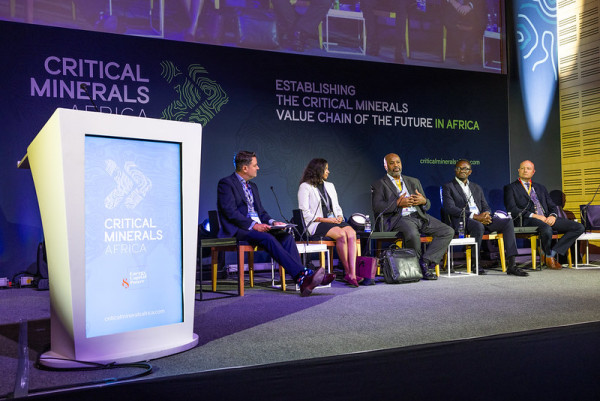
About Centurion Law Group:
Centurion (www.CenturionLG.com) is a leading pan-African legal and energy advisory group with extensive experience in the oil and gas sector. The group provides outsourced legal representation and covers a full suite of practice areas for its clients, including arbitration and commercial litigation, corporate law, tax and anti-corruption advisory and contract negotiation. Centurion specializes in assisting clients that are starting or growing a business in Africa with offices and Affiliates in Ghana, Cameroon, Canada, Germany, Congo, Equatorial Guinea, South Africa, South Sudan, Nigeria, Gabon, Angola and Senegal.

Media files
African Energy Chamber
Download logo
Read moreCenturion Law Group CEO NJ Ayuk to Step Down
14 December 2023

Poverty and Progress: An Update on African Energy

Location: News
African Energy Chamber

By NJ Ayuk, Executive Chairman, African Energy Chamber (https://EnergyChamber.org).

In an era when such futuristic technologies as artificial intelligence, robotics, and quantum computing are here or on the horizon, almost half of sub-Saharan Africans — more than 600 million people — lack the electricity to heat, cool, or light their homes.

This energy poverty impedes nearly every aspect of life for this population, from conducting business and educating their children to deterring crime and providing healthcare.

Even in some well-electrified African nations such as Ghana, Gabon, and South Africa, the supply is inadequate and often unavailable.

As the African Energy Chamber (AEC) put it in our newly released The State of African Energy Outlook Report 2024, “Access to electricity in Africa is still a dream to millions of Africans.”

Our report gives compelling evidence to back this statement, providing statistics that show, among other things, that energy poverty is markedly deeper in sub-Saharan Africa (SSA) than in the rest of the continent.

Our report is sobering, but not without hope. It also provides a positive look toward the future, including energy developments likely to improve electrification rates in SSA and move its countries' citizens closer to the universal access they dream of. The key to delivering energy to more Africans will be using both renewables and fossil fuels.

The Statistics and What's Behind Them

Our report's numbers tell the story of just how much SSA, in particular, is still affected by energy poverty.

In contrast with most of the world, where electrification rates improved during the COVID-19 pandemic, SSA's worsened, as its percentage of the world's population lacking electricity grew from 71% in 2018 to 77% in 2020. Statistics compiled in 2020 showed sub-20% levels of electricity access in up to eight countries across the region.

While the education and business sectors suffer greatly from energy poverty, it is perhaps most acutely felt in the health sector, where medical equipment and procedures require electrical power.

Complicating the health impacts still further, households without electricity are often forced to use unhealthy fuels like wood, coal, or kerosene to cook and heat, producing indoor air pollution that leads to respiratory problems and other ailments.

In contrast to the 90%-plus electrification rate found in some North African countries, which is allowing them to decrease reliance on fossil fuels, electricity access in SSA is only about 55%, and a closer look at that number reveals it is driven by urban rates of close to 80%, while rural areas lag far behind with only about 33%, leaving two-thirds of residents in the dark.

In a nutshell, SSA has a lot of catching up to do to achieve the levels of access to electricity enjoyed by most of the world. Although the region has doubled the average rate of access since 2000, its current rate of just over half of the region's population is miniscule compared to the 90% global rate and the 80% North African rate.

As I said, even in SSA countries where electrification rates are quite high, such as Ghana, Gabon, and South Africa, load shedding presents a daily practical problem for people who must anticipate power outages. In South Africa, for instance, this type of staged rationing has been used every day this year by the power utility, Eskom.

Already in 2023, there has been more load-shedding in South Africa than in all of 2022, and outages are lasting longer — up to 12 hours daily — with a predictable disabling effect on economic development.

Meanwhile, the country's chasm between supply and demand only continues to expand.

Changes in Progress: South Africa as a Case in Point

The South African government is taking a proactive approach to the regulatory side of improving energy supply, shortening timelines for obtaining environmental authorizations and grid approvals.

It is also working to obtain and use USD98.7 billion in investment capital over the next five years for its Just Energy Transition Investment Plan (JETIP), a framework adopted in 2022 that outlines the country's strategic priorities for investment during climate transition.

A major thrust of JETIP is replacing the use of coal, which currently supplies over 80% of South Africa's power, with renewable energy, expected to grow from a current 11% of the power supply to 20% by the end of this decade and to over half of the supply by 2050.

Contributing to those numbers, Eskom-built renewables projects are slated to go live this year in Lethabo and Sere, and the utility will soon start building solar and battery storage facilities at Komati Lethabo and Majuba for a total of 2.8 gigawatts (GW) of new renewables capacity.

Of the total projected electricity capacity, solar, and wind are expected to drive almost 50% with fossil fuels adding up to a 10th of total projected capacity.

Implications for the Continent

These power-related statistics for South Africa—a country better positioned than many Sub-Saharan nations regarding electricity—show that the country, and therefore the continent, needs gas-to-power and battery storage along with wind and solar.

South Africa's numbers highlight a major point made in my recent book, “A Just Transition: Making Energy Poverty History with an Energy Mix,” — that, while the rest of the globe deals with the threat of devastating climate change, Africa must deal with two major challenges at once: the threat of climate change and debilitating energy poverty.  

Even as Africa works to support global efforts to prevent a climate crisis, we must embrace every solution available to us, including using our continent's vast natural gas reserves: totaling more than 800 trillion cubic feet. Not only is gas plentiful, but it's also the cleanest fossil fuel; producing it contributes to job creation and economic growth; and it can be monetized to help pay for energy infrastructure.

The “bottom line” is that Africa still needs to use its natural gas, and more of it, to deliver a much-needed increased supply of energy to its people.

Download The State of African Energy 2024 Outlook report: https://apo-opa.co/3QLEoHd

Distributed by APO Group on behalf of African Energy Chamber.

Media files
African Energy Chamber
Download logo
Read morePoverty and Progress: An Update on African Energy
11 December 2023

Amid rising corruption, most Africans say they risk retaliation if they speak up

Location: News
Afrobarometer

A majority of Africans say that corruption in their country is rising, that their government is failing in its efforts to fight it, and that ordinary citizens risk retaliation if they report corruption to the authorities, Afrobarometer's (www.Afrobarometer.org) latest Pan-Africa Profile (https://apo-opa.co/41k8N4i) reveals.

Download document (1): https://apo-opa.co/3NmOey6
Download document (2): https://apo-opa.co/3RDm193

Released ahead of International Anti-Corruption Day (9 December), the Afrobarometer report is based on nationally representative surveys in 39 African countries.

Findings show that among key public institutions, the police are most widely perceived as corrupt. In substantial numbers, citizens report having to pay bribes to obtain police assistance or avoid problems with the police, as well as to get government documents and services at health facilities and schools.

Citizens' assessments vary widely across countries, with Gabon, South Africa, Nigeria, Liberia, and Uganda among the worst-performing countries when it comes to perceived corruption in key public institutions, while Seychelles, Cabo Verde, Tanzania, and Mauritius turn in the best performances.

Key findings

  • On average across 39 countries, a majority (58%) of Africans say corruption increased “somewhat” or “a lot” in their country during the preceding year (Figure 1).
    • Compared to 2014/2015, 12 countries recorded double-digit increases in perceptions of worsening corruption, including a surge of 39 percentage points in Senegal, while decreases reached a remarkable 61 points in Benin.
    • More than two-thirds (68%) of citizens say “some” or “a lot” of the resources intended to address the COVID-19 pandemic were lost to corruption.
  • Almost half (46%) of Africans say that “most” or “all” police officials are corrupt, the worst rating among 11 institutions and leaders the survey asked about. Tax officials, civil servants, and officials in the Presidency tie for second-worst, at 38% (Figure 2).
  • Among citizens who sought selected public services during the previous year, substantial proportions say they had to pay a bribe to obtain police assistance (36%), to avoid problems with the police (37%), to get a government document (31%), or to receive services at a public medical facility (20%) or a public school (19%) (Figure 3).
    • Self-reported bribe-paying varies widely across countries. For example, obtaining a government document required a bribe from 68% of applicants in Congo-Brazzaville, compared to 1% in Cabo Verde and Seychelles.
  • Two in three Africans (67%) say their government is doing a poor job of fighting corruption (Figure 4).
  • Only one in four Africans (26%) say people can report corruption to the authorities without fear of retaliation (Figure 5).

Distributed by APO Group on behalf of Afrobarometer.

For more information, please contact:
Daniel Iberi
Afrobarometer communications officer for East Africa
Email: diberi@afrobarometer.org
Telephone: +254725674457

Follow us on:
Twitter: https://apo-opa.info/3jYM2la
Facebook: https://apo-opa.info/3K0t6gq
YouTube: https://apo-opa.info/3Ysf4IU
Visit us online at www.Afrobarometer.org
Follow our releases on #VoicesAfrica.

Afrobarometer surveys:
Afrobarometer is a pan-African, non-partisan survey research network that provides reliable data on African experiences and evaluations of democracy, governance, and quality of life. Nine survey rounds in up to 42 countries have been completed since 1999. Round 9 surveys (2021/2023) cover 39 countries.

Afrobarometer's national partners conduct face-to-face interviews in the language of the respondent's choice with samples of 1,200-2,400 adults that yield country-level results with margins of error of +/-3 to +/-2 percentage points at a 95% confidence level.

Media files
Afrobarometer
Download logo
Read moreAmid rising corruption, most Africans say they risk retaliation if they speak up
15 November 2023

FIFA+ to stream every Confederation of African Football (CAF) qualifiers for the FIFA World Cup 26™

Location: Sport
FIFA

First two matchdays of CAF qualifying will be played from 15 to 21 November; All matches will be streamed on FIFA+; Find out below which countries the matches will be available in.

Africa's qualifying matches for the FIFA World Cup 26™ kick off on Wednesday 15 November and you'll be able to watch them all live on FIFA+.

Nine African teams are guaranteed to compete at the World Cup. Another will participate in the FIFA Play-off Tournament as the global showpiece will host 48 teams for the first time ever.

Everything you need to know about African qualifying (https://apo-opa.co/47xtb3H)

Where to watch the CAF qualifiers for FIFA World Cup 26™
You will be able to watch all Matchday 1 African qualifiers on FIFA+ with English commentary from anywhere in the world, with the exception of the Middle East and North Africa (MENA) region, sub-Saharan Africa*, India and Portugal.

* It will be possible to follow the matches live in sub-Saharan Africa in the following countries: Benin, Burundi, Ethiopia, Gambia, Guinea Bissau, Malawi, Sao Tome e Principe, Seychelles, Uganda and Zimbabwe.

Highlights of all the matches will also be available on FIFA+ worldwide.

Where can I watch FIFA+ content? (https://apo-opa.co/40FfYDJ)

CAF qualifiers schedule
Click on the links for each match to go to the streaming page. (all kick-off times local)

Matchday 1

15 November
Equatorial Guinea v Namibia (Group H) | 1400 | Malabo, Equatorial Guinea
Rwanda v Zimbabwe (Group C) | 1500 | Butare, Rwanda
Congo DR v Mauritania (Group C) | 1500 | Kinshasa, Congo DR
Ethiopia v Sierra Leone (Group A) | 2000 | El Jadida, Morocco

16 November
Botswana v Mozambique (Group G) | 1500 | Francistown, Botswana
Burundi v The Gambia (Group F) | 1600 | Dar Es Salaam, Tanzania
Gabon v Kenya (Group F) | 1700 | Franceville, Gabon
Nigeria v Lesotho (Group C) | 1700 | Uyo, Nigeria
Algeria v Somalia (Group G) | 1700 | Baraki, Algeria
Cape Verde v Angola (Group D) | 1800 | Praia, Cape Verde
Egypt v Djibouti (Group A) | 1800 | Cairo, Egypt
Sudan v Togo (Group B) | 1800 | Benina, Libya

17 November
Guinea v Uganda (Group G) | 1400 | Berkane, Morocco
Eswatini v Libya (Group D) | 1500 | Nelspruit, South Africa
Liberia v Malawi (Group H) | 1600 | Paynesville, Liberia
Ghana v Madagascar (Group I) | 1600 | Kumasi, Ghana
Comoros v Central African Republic (Group I) | 1600 | Moroni, Comoros
Zambia v Congo (Group E) | 1800 | Ndola, Zambia
Côte d'Ivoire v Seychelles (Group F) | 1900 | Ebimpe, Côte d'Ivoire
Mali v Chad (Group I) | 1900 | Bamako, Mali
Tunisia v Sao Tome e Principe (Group H) | 2000 | Rades, Tunisia
Cameroon v Mauritius (Group D) | 2000 | Douala, Cameroon
Burkina Faso v Guinea Bissau (Group A) | 2000 | Marrakesh, Morocco

18 November
South Africa v Benin (Group C) | 1500 | Durban, South Africa
Niger v Tanzania (Group E) | 1700 | Marrakesh, Morocco
Senegal v South Sudan (Group B) | 1900 | Diamniadio, Senegal

Matchday 2

19 November
Zimbabwe v Nigeria (https://apo-opa.co/49CLrKF) (Group C) | 1500 | Butare, Rwanda
Mozambique v Algeria (Group G) | 1500 | Maputo, Mozambique
Burundi v Gabon (Group F) | 1600 | Dar Es Salaam, Tanzania
Sierra Leone v Egypt (Group A) | 1600 | Paynesville, Liberia
Sudan v Congo DR (Group B) | 1800 | Benina, Libya

20 November
Djibouti v Guinea Bissau (Group A) | 1500 | Cairo, Egypt
Liberia v Equatorial Guinea (Group H) | 1600 | Paynesville, Liberia
Seychelles v Kenya (Group F) | 1900 | Abidjan, Côte d'Ivoire
The Gambia v Côte d'Ivoire (Group F) | 1900 | Dar Es Salaam, Tanzania
Mali v Central African Republic (Group I) | 1900 | Bamako, Mali
Chad v Madagascar (https://apo-opa.co/40E03p4) (Group I) | 2000 | Oujda, Morocco

21 November
Somalia v Uganda (Group G) | 1400 | Berkane, Morocco
Botswana v Guinea (Group G) | 1500 | Francistown, Botswana
Malawi v Tunisia (Group H) | 1500 | Lilongwe, Malawi
Eswatini v Cape Verde (Group D) | 1500 | Nelspruit, South Africa
Rwanda v South Africa (Group C) | 1500 | Butare, Rwanda
Lesotho v Benin (Group C) | 1500 | Durban, South Africa
South Sudan v Mauritania (Group B) | 1600 | Diamniadio, Senegal
Togo v Senegal (Group B) | 1600 | Lome, Togo
Sao Tome e Principe v Namibia (https://apo-opa.co/49E13NY) (Group H) | 1700 | Agadir, Morocco
Libya v Cameroon (Group D) | 1800 | Benina, Libya
Comoros v Ghana (https://apo-opa.co/3G4ObTu) (Group I) | 1900 | Moroni, Comoros
Niger v Zambia (Group E) | 2000 | Marrakesh, Morocco
Mauritius v Angola (Group D) | 2000 | Saint Pierre, Mauritius
Ethiopia v Burkina Faso (Group A) | 2000 | El Jadida, Morocco
Tanzania v Morocco (Group E) | 2200 | Dar Es Salaam, Tanzania

Live streaming on FIFA+
During this international break, FIFA+ will be your point of reference for World Cup 2026 streaming, with all the African qualifiers and the CONMEBOL qualifier between Bolivia and Peru.

CAF schedule

  • 15-21 November, 2023: 1st and 2nd matchdays
  • 3-11 June, 2024: 3rd and 4th matchdays
  • 17-25 March, 2025: 5th and 6th matchdays
  • 1-9 September, 2025: 7th and 8th matchdays
  • 6-14 October, 2025: 9th and 10th matchdays
  • 10-18 November, 2025: CAF play-off tournament

Distributed by APO Group on behalf of FIFA.

Contact for African media: 
AfricanMedia@fifa.org

Media files
FIFA
Download logo
Read moreFIFA+ to stream every Confederation of African Football (CAF) qualifiers for the FIFA World Cup 26™
18 October 2023

Merck Foundation Chairman and Chief Executive Officer (CEO) with African First Ladies inaugurate their 10th Africa Asia Luminary 2023 in India

Location: News
Merck Foundation

Prof. Dr. Frank Stangenberg-Haverkamp, Senator Dr. Rasha Kelej and African First Ladies of Botswana, Burundi, Cabo Verde, Central African Republic, The Gambia, Ghana, Liberia, Malawi, Democratic Republic of São Tomé and Príncipe, Zimbabwe, Democratic Republic of Congo, to inaugurate 10th Edition of Merck Foundation Africa Asia Luminary 2023 (http://www.Merck-Foundation.com); More than 10,000 participants including healthcare providers, policymakers, researchers, academia and media representatives from 70 English, French, Spanish and Portuguese speaking countries attended the Luminary through hybrid model to benefit from five parallel  scientific and social sessions to  advance healthcare capacity and awareness in 42 critical and underserved medical specialties; Celebrating 6th Anniversary of Merck Foundation and marking 11-year journey of their development programs, during 2023 Luminary; Merck Foundation reported the impact of providing 1700 scholarships to doctors from 50 countries in 42 critical and underserved specialties such as; Oncology, Diabetes, Cardiovascular Preventive, Endocrinology, Fertility, Embryology, Reproductive Care, Respiratory Care, Acute and Intensive Care, Neonatal Care, Pediatric Emergency, Advanced Surgery, Microbiology & Infectious Diseases, Internal Medicine, Ophthalmology, Psychiatry, Palliative Care and Pain Management and more; Merck Foundation marked Cancer Awareness Month during their annual conference.

Merck Foundation, the philanthropic arm of Merck KGaA Germany, conducted their annual conference, the 10th Edition of “Merck Foundation Africa Asia Luminary”, in partnership with Tata Memorial Centre and Department of Atomic Energy, Ministry of External Affairs, Ministry of Home Affairs, Ministry of Health of India, State Protocol Office of Government of Maharashtra and Krishna  World University, Karad, on the 18th of October 2023 in Mumbai, India. The conference was inaugurated by Prof. Dr. Frank Stangenberg-Haverkamp, Chairman of Merck Foundation Board of Trustees, and Senator, Dr. Rasha Kelej, CEO of Merck Foundation and Chairperson of Merck Foundation Africa Asia Luminary, along with African First Ladies of 11 countries;

  • H.E. Mrs. NEO JANE MASISI, The First Lady of the Republic of Botswana
  • H.E. Madam ANGELINE NDAYISHIMIYE, The First Lady of the Republic of Burundi
  • H.E. Dr. DÉBORA KATISA CARVALHO, The First Lady of the Republic of Cabo Verde
  • H.E. Madam BRIGITTE TOUADERA, The First Lady of Central African Republic
  • H.E. Mrs. FATOUMATTA BAH-BARROW, The First Lady of the Republic of The Gambia
  • H.E. Mrs. REBECCA AKUFO-ADDO, The First Lady of the Republic of Ghana
  • H.E. Mrs. CLAR MARIE WEAH, The First Lady of the Republic of Liberia
  • H.E. Mrs. MONICA CHAKWERA, The First Lady of the Republic of Malawi
  • H.E. Mrs. MARIA DE FATIMA VILA NOVA, The First Lady of the Democratic Republic of São Tomé and Príncipe
  • H.E. Amai Dr. AUXILLIA MNANGAGWA, The First Lady of the Republic of Zimbabwe
  • H.E. Madam DENISE NYAKERU TSHISEKEDI, The First Lady of the Democratic Republic of The Congo

Senator Dr. Rasha Kelej, CEO of Merck Foundation and Chairperson of Merck Foundation Africa Asia Luminary emphasized, “I am very proud to welcome our Guests of Honors and Keynote Speakers, the First Ladies of Africa and Ambassadors of “More Than a Mother” Campaign, for our annual conference that we have conducted first time in India. Together, we shared experiences and discussed the impact of our programs to transform patient care and raise awareness on a wide range of sensitive and critical social and health. Today we are also marking together Cancer Awareness Month, it is great to remember that Merck Foundation provided 138 scholarships of Oncology Training in many sub-specialties to doctors from 37 African countries, many of them have become the first oncologists in their countries. We are making history together in Africa, with our Ambassadors, First Ladies of Africa and our partners, Tata Hospital and Krishna University.”

Prof. Dr. Frank Stangenberg-Haverkamp Chairman of both of Executive Board of E.Merck KG and Merck Foundation Board of Trustees expressed “At Merck Foundation, our goal is improving overall health and well-being by building healthcare capacity and by providing access to quality & equitable healthcare solutions in the Africa, Asia and beyond. I would like to thank our partners, African First Ladies and Health Experts, Policy Makers, Government Officials, Academia and Media from more than 70 countries to join hands with us in order to realize the vision of Merck Foundation that “Everyone can lead a Healthy and Happy life.”

“I am proud to share that Merck Foundation has provided more than 1700 scholarships to young doctors from 50 countries in 42 critical and underserved specialties such as Oncology and Cancer care, Diabetes, Endocrinology, Cardiovascular, Fertility Care, Embryology, Sexual & Reproductive Medicine, Internal Medicine, Respiratory Medicine, Acute Medicine, Critical Care, Pediatric Emergency, Gastroenterology, Rheumatology, Clinical Psychiatry, Urology, Ophthalmology, General Surgery, Trauma & Orthopedic, Dermatology, Neonatal Care, Pain Management, Clinical Microbiology & Infectious Diseases, Advanced Surgical Practice, Neuroimaging for Research and more. Many of them are becoming the first specialists in their countries. Many of these scholarships were conducted in India where a state of art clinical training was provided at the prestigious training institutions of our partners such as Tata Memorial Center, Manipal University, Maharashtra University, Krishna University, Indra IVF Training and more. Therefore, we are very happy to be this year in India to celebrate our 10 years partnership with our respectable Indian partners”, added Senator Kelej.  

During the 10th Edition of Merck Foundation Africa Asia Luminary, the First Ladies of 11 African Countries, also the Ambassadors of Merck Foundation “More Than a Mother”, celebrated the 6th Anniversary of Merck Foundation and marked the 11-year journey of Merck Foundation development programs that started in 2012.

During the day 1 of the conference, the Plenary Session of Merck Foundation Africa Asia Luminary 2023 was held, during which a high-level panel meeting of Merck Foundation First Ladies Initiative Summit was conducted.

Day 2 of the conference will have important five parallel Medical and Scientific Sessions on Oncology, Diabetes & Hypertension, Fertility and Reproductive Care, and medical capacity building of other specialties such as; respiratory, acute care, emergency pediatric and neonatal care and more. Additionally, a community awareness session, the Merck Foundation Health Media Training session will also be conducted for the African journalists, to emphasize on the important role that they play to influence the community to create a cultural shift with the aim to Break Infertility Stigma, Support Girl Education, Stop GBV, End Child Marriage, End FGM, and Women Empowerment at all levels.

Countries participating in the 10th Edition of Merck Foundation Africa Asia Luminary include:

Angola, Bangladesh, Benin, Botswana, Burkina Faso, Burundi, Cameroon, Canada, Central Africa Republic, Cambodia, Chad, Côte d'Ivoire, Republic of the Congo, Democratic Republic of the Congo, Egypt, Ethiopia, France, Gabon, Germany, Ghana, Guinea – Bissau, Guinea – Conakry, India, Indonesia, Kenya, Lesotho, Liberia, Malawi, Malaysia, Mali, Mauritania, Mauritius, Mexico, Mozambique, Myanmar, Namibia, Nepal, Niger, Nigeria, Peru, Philippines, Russia, Rwanda, Senegal, Sierra Leone, Somalia, South Africa, Sri Lanka, Sudan, Tanzania, Thailand, The Gambia, Togo, Tunisia, U.A.E, UK, Uganda, US, Vietnam, Zambia, Zimbabwe and more.

The 10th Edition of Merck Foundation Africa Asia Luminary 2023 was streamed live on the social media handles of Merck Foundation (https://apo-opa.info/3Ykd3hH) and Senator, Dr. Rasha Kelej (https://apo-opa.info/3SfA0AF).

Link to the Facebook live steam of Inaugural Session of Merck Foundation Africa Asia Luminary & African First Ladies High Level Panel: https://apo-opa.info/3RYXLPa

Summarizing Merck Foundation's initiatives and impact:

Merck Foundation is transforming the Patient care landscape and making history together with its partners in Africa, Asia, and beyond, through:

• 1700+ Scholarships provided by Merck Foundation for doctors from 50 Countries in 42 critical and underserved medical specialties.  

Merck Foundation is also creating a culture shift and breaking the silence about a wide range of social and health issues in Africa and underserved communities through:

• 3000+ Media Persons from more than 30 countries trained to better raise awareness about different social and health issues

• 8 Different Awards launched annually for best media coverage, fashion designers, films, and songs

• Around 30 songs to address health and social issues, by local singers across Africa

• 8 Children's Storybooks in three languages - English, French, and Portuguese

• 7 Awareness Animation films in four languages - English, French, Portuguese and Spanish to raise awareness about prevention and early detection of Diabetes & Hypertension and supporting girl education.

• Pan African TV Program "Our Africa by Merck Foundation” addressing Social and Health Issues in Africa through “Fashion and ART with Purpose” Community

• 1000+ Girls from 15 African countries supported through scholarships or school items, annually.

• 12 Social Media Channels with more than 5 Million Followers.

Distributed by APO Group on behalf of Merck Foundation.

Media contact:
Mehak Handa 
Community Awareness Program Manager 
+91 9310087613/ +91 9319606669  
mehak.handa@external.merckgroup.com 

Join the conversation on our social media platforms below and let your voice be heard:
Facebook: https://apo-opa.info/3Ykd3hH
Twitter: https://apo-opa.info/3Yo3y11
YouTube: https://apo-opa.info/3CNFGLa
Instagram: https://apo-opa.info/3lsqM7q
Flickr: https://apo-opa.info/3JT8BSC
Website: Merck-Foundation.com
Download the Merck Foundation App: https://apo-opa.info/3xeJMsI

About Merck Foundation:
The Merck Foundation, established in 2017, is the philanthropic arm of Merck KGaA Germany, aims to improve the health and wellbeing of people and advance their lives through science and technology. Our efforts are primarily focused on improving access to quality & equitable healthcare solutions in underserved communities, building healthcare and scientific research capacity and empowering people in STEM (Science, Technology, Engineering, and Mathematics) with a special focus on women and youth. All Merck Foundation press releases are distributed by e-mail at the same time they become available on the Merck Foundation Website. Please visit Merck-Foundation.com to read more. To know more, reach out to our social media: Merck Foundation (Merck-Foundation.com); Facebook (https://apo-opa.info/3Ykd3hH), Twitter (https://apo-opa.info/3Yo3y11), Instagram (https://apo-opa.info/3lsqM7q), YouTube (https://apo-opa.info/3CNFGLa), and Flickr (https://apo-opa.info/3JT8BSC).

Media files
Merck Foundation
Download logo
Read moreMerck Foundation Chairman and Chief Executive Officer (CEO) with African First Ladies inaugurate their 10th Africa Asia Luminary 2023 in India
6 October 2023

Establishing Sustainable Raw Material Value Chains

Location: News
Energy Capital & Power

A high-level presentation on the European Union's (EU) AfricaMaVal initiative and related efforts to establish sustainable critical raw material value chains in Africa will be delivered at the upcoming Critical Minerals Africa (CMA) 2023 summit (https://CriticalMineralsAfrica.com). 

Led by Roberto Cecutti, Head of Trade and Economics, EU Delegation to South Africa and Sodhie Naicker, Managing Director of DMT and Kai Batla and Consortium Partner in AfricaMaVal, the presentation is one of several organized for the first day of the conference, serving to promote sustainable partnerships, policies and projects in raw materials and strengthen global critical mineral supply chains.   

The AfricaMaVal project – “Building EU-Africa Partnerships on the Sustainable Raw Materials Value Chain” – aims to ensure responsible mineral sourcing by European countries, while fostering sustainable development and ESG practices across the African continent. The project targets 10 case studies in Morocco, Senegal, Gabon, the DRC, Tanzania, Mozambique, Zimbabwe, Namibia, South Africa and Madagascar, with a view to evaluating their respective mining and refining potential and strengthening their existing links to European partners.

Launched in June 2022 and set to run through November 2025, the AfricaMaVal initiative comes as Europe takes a mounting interest in Africa's critical minerals as an alternative supply to China and Russia. The EU has classified rare earth minerals as critical to delivering its flagship Green Deal and digital transition, which targets carbon neutrality by 2050. 

The presentation aligns closely with the broader theme of CMA 2023 – Establishing the Critical Minerals Value Chain of the Future in Africa – which aims to position the continent as a global hub for sustainable mineral exploration, processing, technologies and trade.  

Distributed by APO Group on behalf of Energy Capital & Power.

Critical Minerals Africa 2023 summit:
Organized by Energy Capital & Power, the Critical Minerals Africa 2023 summit, scheduled for October 17-19, serves to position Africa as the primary investment destination for critical minerals. The event is held alongside the African Energy Week 2023 conference (https://AECWeek.com) on October 16-20, offering delegates access to the full scope of energy, mining and finance leaders in Cape Town. Sponsors, exhibitors and delegates can learn more by contacting sales@energycapitalpower.com

Media files
Energy Capital & Power
Download logo
Read moreEstablishing Sustainable Raw Material Value Chains
24 August 2023

Security Council must reform – UN Secretary General

Location: News

Security Council must reform - UN Secretary General

Continued exclusion of developing countries from holding permanent seats in the United Nations Security Council and under representation in world institutions, is a recipe for serious world fragmentation which could lead already existing tensions to boil over.

This is according to the United Nations Secretary-General António Guterres who was addressing the media on the last day of the 15th BRICS (Brazil, Russia, India, China and South Africa) Summit held at the Sandton Convention Centre in Johannesburg.

“I believe, two areas require a particularly important reform effort. One is the Security Council; the second, the Bretton Woods system.  If we are not able to reform our institutions to make sure they reassume a truly universal character, we risk fragmentation, and fragmentation can be one day, a factor of confrontation.

“[History] has shown time and again that multi-polarity without strong multilateral institutions is no guarantee for stability; it might even become a catalyst for chaos. We must urgently restore trust and reinvigorate multilateralism. This requires the courage to compromise for the common good,” Guterres said on Thursday.

The UN Security Council, considered one of the world body’s most powerful groups, is made up of 15 permanent and non-permanent members. The five permanent members are the United States of America, the United Kingdom, France, China and Russia.

Africa’s 54 states are represented on the council by three non-permanent seats currently held by Gabon, Ghana and Mozambique.

Driving home his point further, Guterres added that reforms in powerful global institutions require “a special focus on Africa”.

“The Security Council, the Bretton Woods system and other international organisations reflect the world of 1945 when many African countries were still part of European empires. To this day, the continent is under represented in the global financial architecture just as it lacks a permanent seat on the Security Council.

“The world has changed and so, global governments, must change with it. It must represent today’s power and economic relations and not the power and economic relations of 1945,” he said.

He further emphasised that these reforms must transverse institutions “at every level” and also bear greater inclusion of long marginalised groups such as women and youth.

“My message to the leaders assembled here was clear. Our world is in dire straits. We face existential challenges from the worsening climate emergency and escalating conflicts to the global cost of living crisis, soaring inequalities and dramatic technological disruptions. So this is the time to come together and work together,” he said. – SAnews.gov.za


NeoB
Thu, 08/24/2023 - 16:11

164 views
Read moreSecurity Council must reform – UN Secretary General
15 May 2023

Identifying Gabon’s Key Growth Prospects

Location: News
Energy Capital & Power

In the Central African region, Gabon stands out for its political stability, investor-friendly policies and enduring status as one of Africa's most prolific oil producers. The country's 2023-2027 economic plans are on track to usher in a new era of growth on the back of the diversification and industrialization of the Gabonese energy sector.

As Gabon gears up for its 2023 election, the ruling Parti Démocratique Gabonais (PDG) is expected to retain power and the government's 2023-2027 economic plans look set to proceed.

These plans center on strengthening and diversifying the national economy by breathing new life into Gabon's oil and gas industry, increasing domestic processing of raw materials, rendering industrial services more competitive, and promoting the sustainable development of natural resources. 

Buoyed by political stability, an influx of foreign direct investment and growing support from international partners, Gabon is expected to become an emerging economy by 2025, with projected GDP growth of roughly 3% by the close of 2023.

Reinventing the Upstream Industry

Although production has been in decline since 1996, Gabon remains Africa's fifth-largest oil producer, and the country's large but maturing fields still have plenty of fuel in the tank. Tech-savvy international oil companies like Perenco, BW Offshore and VAALCO Energy are applying the latest secondary recovery techniques to extend a field's lifespan and stabilize production. Marginal fields (https://apo-opa.info/3IdKSLv) that do not fit into their portfolios present home-grown production companies, like Stream Oil Olawi, with the opportunity to move up the value chain, while maximizing production from existing assets. Emphasis is also being placed on frontier exploration in Gabon's deep offshore. Recent game-changing discoveries in Mauritania and Angola have been made in deep-water blocks with geological formations that are remarkably similar to Gabon's, whose North Basin area is thought to contain undiscovered pre-salt deposits that could open a new chapter in the country's hydrocarbon history.

Creating Gas-Based Industries

While oil production has long been the lifeblood of Gabon's economy, natural gas (https://apo-opa.info/42mEf1u) is emerging as a key pillar of diversification, encapsulated in the country's Gas Master Plan that aims to reduce gas flaring, increase energy security and expand access to affordable energy. This foresees the elimination of flaring and the harnessing of Gabon's estimated 1.2 trillion cubic feet of natural gas reserves – which primarily come in the form of associated gas – to produce a range of downstream industries and a gas-based network. Perenco is leading the construction of a 700,000-ton-per-year LNG plant, which promises to enable gas exports for the first time. Meanwhile, the refining capacity of SOGARA, Gabon's sole refiner, is in the process of being expanded from 1.2 million tons of oil per year to 1.5 million tons, which could make Gabon self-sufficient in refined petroleum products by 2030.

Meeting Current and Future Energy Demand

While Gabon has one of the highest urbanization rates in Africa, 70% of the country's south and interior remains unelectrified, inhibiting industrialization and private sector growth. The government has stated its objective of universal electricity access by 2030, with a view to eliminating electricity imports and developing energy-intensive industries like mining, agriculture and manufacturing. Currently, around half of the electricity consumed in Gabon comes from hydroelectric generation, largely from the Grand Poubara Hydroelectric Dam (160 MW) and Kinguele Aval Hydroelectric Dam (70 MW). The construction of several solar photovoltaic power plants has also been launched in a bid to electrify rural provinces, including a 120 MWp solar plant by Solen and eight hybrid solar plants totaling 2.2 MW by Engie.

In terms of fossil fuels, gas-fired power plants operated by Perenco provide 70% of Libreville's electricity and 100% of Port-Gentil. Projects like that resulting from Perenco's recent MOU with Gabon Power Company – which promises to electrify 80,000 households in remote southern provinces with an eventual 50 MW of generation capacity through a new gas-fired power plant in Mayumba – demonstrate the scale of what can be achieved through investments in gas monetization and related infrastructure. According to the African Development Bank, Gabon flares about 35 billion cubic feet of gas per year, which represents around 200 MW of electricity. Accordingly, the Gabonese power market, expected to grow by 3.4% between now and 2028, represents a promisingopportunity for investors.

Leading the African Energy Transition

These developments and more have made Gabon a regional leader in the African energy transition. Gas monetization is a key tenet of Gabon's environmental policy, as it serves to eliminate flaring and capitalize on a relatively clean burning fossil fuel. Gabon is also considered to be one of the most carbon-positive countries globally, as tropical forests cover 88% of its territory and are estimated to absorb four times more carbon dioxide than it produces. In December 2022, Gabon became the first African country to make carbon credits available under the United Nations Framework Convention on Climate Change, claiming 90.6 million tons of carbon offsets between 2010 and 2018. Coupled with the expansion of installed renewable energy generation capacity, investors are advised to take advantage of Gabon's move towards green energy and stated plans to reduce carbon emissions by 50% by 2025.

All this and more will be further unpacked in Energy Capital & Power's upcoming market report, Energy Invest Gabon. Keep following for more information about this exciting report!

Distributed by APO Group on behalf of Energy Capital & Power.

Media files
Energy Capital & Power
Download logo
Read moreIdentifying Gabon’s Key Growth Prospects
  • Previous
  • Page 1
  • Page 2

Copyright © 2026 · MyZA · All Rights Reserved · Powered by Reach Trust