CSA Bids Farewell To Long-Serving Proteas Women Head Coach Hilton Moreeng
JOHANNESBURG: Cricket South Africa (CSA) has today announced the departure of Hilton Moreeng as the Proteas Women head coach upon...

MyZA
News, Directory, Events and Other Stuff
JOHANNESBURG: Cricket South Africa (CSA) has today announced the departure of Hilton Moreeng as the Proteas Women head coach upon...
There are risks in using a private company to pay the grants
Pandor condemns killing and silencing of journalists in Palestine
The capacity of journalists to report on events in real-time is crucial, and intimidating or killing members of the media must not be permitted to persist without consequences.
This is according to International Relations and Cooperation Minister, Dr Naledi Pandor, who spoke at the second Shireen Abu Akleh Memorial Lecture at the University of Johannesburg (UJ) on Wednesday.
Abu Akleh was a prominent Palestinian-American journalist, who worked as a reporter for Al Jazeera. She was killed by an Israeli soldier while wearing a blue press vest and covering a raid on the Jenin refugee camp in the Israeli-occupied West Bank.
The lecture, organised by the Faculty of Humanities at UJ, centred on the role of academic institutions during periods of genocide.
WATCH |
Pandor said the lecture occurs against a “troubling” backdrop of an evident decline in media freedom.
She is of the view that academics and institutions must allocate more time to address the decline and the escalating threat to free expression.
“In the past, journalists knew they would enjoy robust and active protection from fearless colleagues, who would risk their lives to protect them. The decline we are witnessing cannot simply be explained away by citing wireless, social media or other technologies.”
This week marks two years since the assassination of Abu Akleh, who Pandor described as a beloved veteran journalist, who dedicated her life to the pursuit of justice and truth.
“To date, no one has been held accountable for her death despite the global outrage, and there has been no reported progress in the investigation at the International Criminal Court (ICC) and silence with regards to any other investigation,” the Minister said.
She cited the United Nations (UN) Independent International Commission of Inquiry on the Occupied Palestinian Territory, which “concluded on reasonable grounds that Israeli forces used lethal force without justification under international human rights law” when they shot and killed the journalist, violating her right to life.
Pandor bemoaned the situation for journalists in the Occupied Palestinian Territories, which she said has become increasingly grave over the past seven months.
She cited Committee to Protect Journalists data which revealed that as of 23 April this year, at least 97 journalists and media workers are among the 35 000 that have been killed in Gaza since 7 October 2023.
Pandor is of the view that the targeting of journalists in the Occupied Territories is part of a pattern of silencing the free press and is an outright contravention of international law.
“International human rights law obligates an occupying power to allow for freedom of expression and protests. The ability of journalists to cover events as they take place is essential, and efforts to intimidate and assassinate members of the media should not be allowed to continue with impunity.”
International human rights law, Pandor said, obligates an occupying power to allow for freedom of expression and protests.
“If Shireen were alive today, she would have been in the trenches in Gaza, reporting day and night on the atrocities taking place in the hopes that the world would take notice and show their solidarity with the Palestinian people.”
Pandor believes that Abu Akleh would have been devastated by the destruction of civilian life in Gaza and the global tolerance of the unending suffering of the Palestinian people, many of whom have died agonising deaths trapped under rubble.
“She would have been reporting on the immense suffering of survivors in Gaza, who are now battling unprecedented hunger and starvation, as well as continuous military assaults by the Occupying Forces.”
Despite the International Court of Justice ruling, the Minister said the Israeli state has continued its murderous assault on the people of Gaza with impunity, killing more civilians, injuring thousands, the continued bombing of homes and other buildings and infrastructure, affecting every possible avenue of life of the residents of Gaza.
“The lack of accountability by Israel is increasingly clear.”
Crimes against humanity
The Minister said the evidence of the mass killings of civilians points to the perpetration of war crimes, crimes against humanity.
International humanitarian law prohibits attacks on civilians and non-combatants, underlining the need to protect human life during times of war, Pandor said.
She stressed that South Africa continues to call on the ICC to prosecute these war crimes and to issue arrest warrants for those leaders in Israel who have ordered and presided over these crimes.
“The slowness to investigate and prosecute those responsible for these war crimes necessitates greater mobilisation among the youth and civil society around the globe to ensure that justice for the Palestinians is realised.
“It is time for collective action and for us to champion the call for the implementation of UN resolutions and rulings of the world’s highest court. We owe this to the people of Palestine and the memory of Shireen Abu Akleh,” Pandor said. – SAnews.gov.za
Gabisile
Thu, 05/09/2024 - 11:09
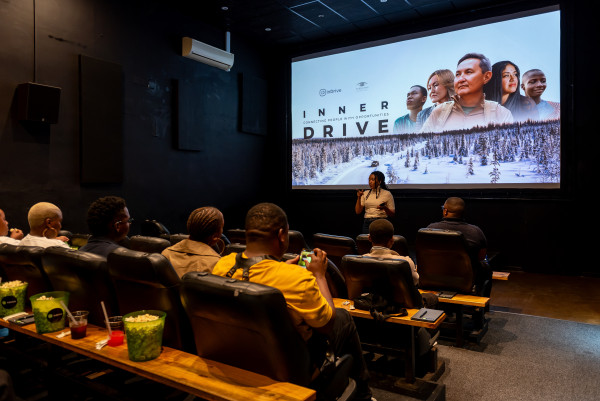
How does a startup, founded far from the advantages and resources of the world's tech hubs, go on to reach unicorn status? And more deeply, just how far can the drive for meaning and purpose ultimately take you? The inDrive documentary (www.inDrive.com) sets out to answer these questions.
In an exclusive premier in Johannesburg, South Africa, the inDrive documentary offered audiences a rare glimpse into the heart and soul of the company, with never-before-seen footage and candid stories from the individuals at inDrive's roots, including founder and CEO Arsen Tomsky.
Far from being a run-of-the-mill corporate film, this narrative delves deep into the butterfly effect of positive impact, illustrating how inDrive's initiatives have rippled through communities, creating waves of change that extend far beyond their initial touchpoints.
In the frozen Yakutsk winter, a group of people band together against the unfair price collusion of taxi companies that leaves people stranded in the cold. One of them starts a social media group where people can request and offer rides, negotiating prices on their own terms.
It's a simple enough idea, but it carries the potential to be revolutionary. From this frozen seed, a collective stance against injustice, inDrive takes root. Today, the company has grown to become the world's second largest ride-hailing app, operating in over 700 cities in 46 countries, fuelled by deep-seated ideals and ambitions that extend far beyond profit.
inDrive wants to reimagine capitalism, no less: to put people back in control, restore their freedom to choose, and so make their lives better.
Among the heartwarming tales shared, the film follows the journey of Obadiah, a young Nigerian boy once enveloped in the despair of his surroundings. inDrive's Beginit initiative is now paving the way for a brighter future for him and many others.
Reflecting on the film and its message, inDrive Founder and CEO Arsen Tomsky said: “We should focus on the path, on the journey. And if you do something important for you, that is very meaningful for you, and you develop an external environment during that journey, you are getting more and more with each step. And that is something which nobody can take from you. Even if you don't reach a peak, you will have something available to you.”
The production is directed by Lagos/Nairobi-based, Emmy Award winner Dan McCain, and Greek producer and editor Theo Papadoulakis, each renowned for their talents in portraying everyday individuals facing remarkable situations. Dan is a prolific filmmaker who specializes in locally relevant and impactful storytelling, while Papadoulakis, recognized with over 70 international accolades, particularly excels in showcasing the resilience of the human spirit.
"In making this film with inDrive, we hope to honor the resilience and determination of individuals whose dreams lead to something profound. It's a privilege to be part of a multi-country international production, collaborating with other talented directors, where we weave together inspiring narratives that add to the epic tale of human potential," said Dan McCain.
Person by person, the documentary tells inDrive's story. From the remarkable individuals in Nigeria, Indonesia, Mexico and beyond, who use the ride-hailing app to take control of their futures, to the communities who take their chance to move forward.
From Arsen Tomsky, the company's visionary CEO, who overcomes challenges both personal and social to take an idea to the world, to the employees who come on board to help inDrive evolve and grow, fuelled by shared values and a common goal. It's an epic journey, told by connecting people around the world. And it's far from over.
Watch the inDrive movie here: movie.inDrive.com
Distributed by APO Group on behalf of inDrive.
Press Contact:
Public Relations Manager - inDrive Africa
Lineo Thakhisi
Phone: +2781 3636 872
Email: lineo.thakhisi@indriver.com
About inDrive:
inDrive is a global mobility and urban services platform. The inDrive app has been downloaded over 200 million times, and was the second most downloaded mobility app in 2022 and 2023. In addition to ride-hailing, inDrive provides an expanding list of urban services, including intercity transportation, freight delivery, task assistance and courier delivery. In 2023, inDrive launched New Ventures, a venture and M&A arm.
inDrive operates in 749 cities in 46 countries. Driven by its mission of challenging social injustice, the company is committed to having a positive impact on the lives of one billion people by 2030. It pursues this goal both through its core business, which supports local communities via a fair pricing model; and through the work of inVision, its non-profit arm. inVision's community empowerment programs help to advance education, sports, arts and sciences, gender equality and other vital initiatives.
For more information visit www.inDrive.com
Introduction In today’s bustling urban landscapes, the demand for reliable, stylish, and technologically advanced vehicles is more prevalent than ever. The Chery Tiggo series, comprising the Tiggo 4 Pro, Tiggo 7 Pro, and Tiggo 8 Pro, embodies the spirit of modern automotive design and technology, making them ideal contenders in the compact and mid-size …
Public-private partnerships essential to unlock SADC opportunities
Public-private partnerships (PPPs) are essential to unlock economic opportunities presented by the African Continental Free Trade Area (AfCFTA) in the transport and logistics industry for the movement of goods across the continent, says the Development Bank of Southern Africa (DBSA).
“Collaboration between the private sector and government is key to unlocking opportunities. For instance, the Lobito Railway Corridor is a brownfield project, where the private sector identified the opportunity and partnered with government,” DBSA Senior Deal Originator Bongo Bacela said on Thursday.
The Lobito Corridor project entails the construction of almost 350 miles of rail line in Zambia, along with hundreds of miles of feeder roads, linking the southern part of the Democratic Republic of the Congo (DRC) and the northwestern part of Zambia to regional and global markets via Angola’s Port of Lobito.
The Lobito Corridor ushers in myriad new opportunities for economic growth and development that will unlock the region’s commercial competitiveness. This infrastructural investment is a powerful catalyst for the establishment of small businesses along the railway transport routes, fostering local economic growth.
“They [Zambia] entered into a concession agreement because the State-owned enterprise that was running the line was struggling to run it in an efficient manner, so given the experience and the knowledge of the industry by the private sector, they entered into a concession agreement with government.
“We believe that there will be economic opportunities that will be unlocked, traffic will be higher, both the DRC and Angola will benefit from a tax point of view. Jobs will be created and the whole world will benefit from the minerals that will be transported on the corridor," Bacela said.
The bank is involved in a number of transport corridors in the Southern African Development Community (SADC) region.
"We are involved in these projects because we understand the region needs regional integration to promote trade amongst the countries in Africa so we can achieve our developmental goals as the continent and improve economic activity between the various countries in the region.
“Without these [projects], there is now way that the countries can promote trade if we don’t improve our transport infrastructure in the transport sector,” Bacela said during a webinar hosted by the Department of Trade, Industry and Competition (the dtic) on Thursday.
The bank is involved in the financing of the Lobito Railway Corridor, together with an American Development Finance Institution.
“We are looking to provide funding to the tune of up to $200 billion. We see this as an important corridor because of the minerals that are coming out of the DRC mines that must be evacuated and exported to markets such as China and the United States
“Our interest is mainly around some of the transition minerals such as lithium and some rare earth minerals that are coming from mines in the Zambia and the DRC,” Bacela said.
The DBSA is a government-owned development finance institution mandated to promote economic growth as well as regional integration for sustainable development projects and programmes across the African continent.
It finances infrastructure projects in six sectors, namely, transport and logistics; Information and Communication Technologies (ICT); water and sanitation; energy, and social housing.
“Government cannot succeed without the private sector and the private sector cannot succeed without government because governments will have to issue licences and permits that are required for the private sector to operate the infrastructure,” Bacela said.
He cited regulations, skills shortage, funding shortages and the currency mismatch as some of the challenges that the transport and logistics sector experience in the region. – SAnews.gov.za
nosihle
Thu, 05/09/2024 - 13:47
Fund to invest in SA's creative, cultural industries announced
The Marketing, Advertising, and Communications (MAC) Sector Council, in collaboration with eQvest Limited, has announced the Media, Advertising, and Communications Charter (MACC) Fund.
The MACC Fund is positioned as a transformative instrument within South Africa’s creative and cultural industries, particularly the film and television sector.
The council and eQvest made the announcement during a media briefing at The Syrene Hotel in Sandton, Johannesburg, on Wednesday.
Council members, together with eQvest executives, highlighted the fund’s role in fostering social impact and its compliance with Broad-Based Black Economic Empowerment (B-BBEE) standards in the MAC sector.
According to the team, the MACC Fund represents a significant step forward in catalysing growth and transformation within the media, advertising and communications industry.
By fostering diversity and inclusivity, the fund seeks to create a more equitable playing field, empowering underrepresented voices and promoting innovation.
Chairperson of the MAC Sector Council, Angelo Tandy, hailed the collaboration with eQvest as a significant milestone in their endeavour to foster meaningful progress in the industry.
“The MACC Fund represents a powerful tool for advancing diversity, equity, and inclusion, and we are excited to see the impact it will have on the sector,” Tandy explained.
Hosted on the eQvest funding platform, the fund represents a pioneering initiative to bridge the gap between promising private companies and potential investors, driving economic empowerment and fostering diversity within the media landscape.
eQvest CEO, Nathaniel Bricknell, said his company was thrilled to collaborate with the MAC Sector Council in launching the fund.
“This initiative underscores our shared commitment to driving positive change and fostering innovation within the media, advertising, and communications industry. Together, we will work towards a more inclusive and equitable future,” Bricknell added.
By leveraging a unique private-public partnership model, the initiative aims to boost investment into areas critical for national development.
It also includes social cohesion, nation-building and poverty alleviation, above-the-line media, outdoor media buying, equipment purchasing, as well as infrastructure development.
The partnership recognised that the local industry falls short of global counterparts such as Hollywood, Bollywood and Nollywood in terms of production volume and market share.
This shortfall is often due to insufficient private sector investment and the underuse of available incentives, including tax allowances for film investors.
The MACC Fund was created as a critical response to these challenges, providing focused investment and support to promote equitable growth, bolster sectoral capabilities, and guarantee a unified strategy for transforming the landscape of these industries.
The MAC Sector Council is a leading authority in the media, advertising, and communications industry, dedicated to promoting diversity, equity, and innovation.
Comprised of industry leaders and experts, the council works collaboratively to address key challenges and opportunities facing the sector. The council is responsible for, among other things, overseeing the implementation and monitoring compliance with the council’s code.
It also guides on matters relating to BEE in the MAC sector and develops baseline indicators for all different elements of the B-BBEE.
The eQvest is a pioneering investment platform committed to driving positive change and fostering innovation in the private equity space.
With a focus on sustainability and social impact, eQvest connects investors with high-potential investment opportunities, driving growth and transformation across various sectors.
For more information on the fund visit https://maccfund.co.za. – SAnews.gov.za
Gabisile
Thu, 05/09/2024 - 12:59
Introduction In today’s fast-paced business environment, the efficiency of courier services plays a pivotal role in the success of a company. Whether it’s ensuring same day delivery for urgent parcels or managing international shipments, the ability to deliver goods promptly and securely can set a business apart from its competitors. The Evolution of …
Fabulous Woman Awards is thrilled to announce that nominations across all categories are now open, ready to honour agents of change making a difference in communities throughout South Africa. Celebrating its twelfth year, and themed Ethical Leadership, the annual Fabulous Woman Awards are back and will again shine the spotlight on outstanding women in the …
The sad history of Net1 and the Post Office shows that this is an important question

Pan-African legal and business advisory group Centurion Law Group has officially rebranded to CLG (https://CLGGlobal.com), underscoring a firm-wide commitment to innovation and growth. The rebrand aligns closely with the firm's mission to consolidate its position as the leading legal practice and business advisor in an ever-evolving energy environment. With the rebrand, clients can expect expanded service offerings and elevated levels of excellence, as the firm moves to become the go-to legal platform for the African continent.
CLG's rebranding responds to growing client and shareholder demand for leadership in tackling complex legal issues across all energy sectors. As one of the continent's fastest-growing industries, energy is undergoing significant development and rapid change. The rebrand positions CLG to support these developments with a team of internationally-trained lawyers offering a suite of comprehensive services.
The firm's team of experienced legal professionals offers an in-depth understanding of the market and excels at navigating complex operating environments. CLG is the preferred professional services partner in Africa, equipped to offer on-the-ground support across multiple sectors.
CLG's rebranding journey is driven by several key motivations, including strategic differentiation, a more streamlined identity, global appeal and expanded service offerings. The new brand identity reinforces the firm's commitment to excellence, while signaling a fresh perspective and approach to legal services. It also provides a modern corporate identity that resonates with clients and stakeholders across diverse markets and builds broader brand recognition.
As a firm, CLG has a rich history of spearheading transformative oil and gas transactions across Africa, setting it apart as the leading law firm for the oil and gas industry. With extensive experience and deep-rooted technical expertise in the sector, CLG has a proven track record of providing top-tier legal services and strategic advice to clients across the energy spectrum. Its team has successfully guided clients through complex regulatory landscapes, contractual negotiations and large-scale transactions.
The firm's comprehensive understanding of the industry and its nuances ensures it is well-equipped to handle all legal aspects of oil and gas projects. From exploration and production to refining and distribution, CLG offers tailored solutions that address the specific needs and challenges of its clients.
Operating in several markets including South Africa, Nigeria, the Republic of Congo, South Sudan, Mauritius, Ghana, Cameroon, Equatorial Guinea, Mozambique and Germany, CLG prides itself on building lasting relationships with clients and delivering exceptional results. The firm's reputation for excellence and commitment to client satisfaction makes it the trusted choice for businesses operating in the energy sector.
CLG recently achieved several significant milestones, including securing a listing on the Open Market of the Düsseldorf Stock Exchange under Calvert International AG (CIAG). Founded in 2007, the firm has quickly established itself as a leading pan-African legal and advisory conglomerate, dedicated to providing innovative and strategic solutions to clients across the continent. With a focus on excellence, integrity and client satisfaction, CLG has played a central role in driving the growth and success of its clients in an ever-evolving business environment.
The firm's positive track record serves as a cornerstone for future success, and the CLG rebrand marks a pivotal moment in its journey, symbolizing a strategic shift towards greater success, resonance and impact within the global legal and business landscape. This transformation is not only cosmetic, but also underscores CLG's commitment to serving as a modern, dynamic and global-minded legal, business and tax partner.
“While we are proud of our accomplishments, our sights are set on the future, driven by an unwavering commitment to adapt, innovate and position our company for continued growth and success in an ever-changing business environment. CLG stands resolute in our dedication to meeting the evolving needs of our clients and enhancing the scope and quality of our services,” stated CLG CEO Zion Adeoye.
“The rebranding to CLG signifies a new chapter for our clients as we enhance our focus on delivering exceptional legal, tax and business advisory services. Our clients can expect a more streamlined and impactful experience, backed by our unwavering commitment to their success,” Adeoye added.
Visit CLG's new website at https://CLGGlobal.com.
Distributed by APO Group on behalf of CLG.
In the heart of Cape Town, the Montana Vikings Basketball Club (MVBC) stands as a symbol of hope for the youth. Driven by a vision to transform lives and make a mark on the global basketball stage, this community-based organization is spearheading a movement that melds sportsmanship with social impact. Under the leadership of Shafiek …
Professor Brian Ganson is Head of the Centre on Conflict & Collaboration at Stellenbosch Business School, a hub for research and reflection on the private sector, conflict, and human security. We already know that whatever new governments emerge at local, provincial, and national levels due to voting on 29 May, they will face overwhelming challenges …
Mashatile meets with Rand Water leadership to address water challenges
Deputy President Paul Mashatile has stressed the significance of strategic engagement and collaboration in light of the water shortages affecting many municipalities, including those in Gauteng.
The Deputy President was addressing the leadership of Rand Water in his role as the Chairperson of the Water Task Team.
President Cyril Ramaphosa established a Water Task Team under the leadership of the Deputy President to address water challenges in various areas in the country.
Rand Water, according to the Presidency, is the largest bulk water utility in Africa and one of the largest in the world, providing bulk potable water to more than 11 million people in Gauteng, parts of Mpumalanga, Free State and the North West.
“In our efforts to avert a water crisis in Gauteng province and other municipalities around the nation, we must have strategic engagements and collaboration with the Rand Water leadership to urgently find solutions to this pressing issue,” said the Deputy President on Wednesday.
During the engagement, the country’s second-in-command also received an update on Rand Water’s efforts aimed at ensuring the efficient provision of water to Gauteng residents.
With a global reputation for providing high-quality water, its customer base includes metropolitan municipalities, local municipalities, mines and large industries in the province and surrounding areas.
The Deputy President commended efforts by Rand Water to ensure that millions of people have access to water constantly, as this has a significant impact on the wellbeing of the society as it relates to socio-economic factors such as health, food security and general welfare.
As part of his engagement, the Deputy President also visited the Rand Water Zuikerbosch Plant in Vereeniging.
The water purification plant at Zuikerbosch Station 5A was built to ensure a sustainable water supply and meet the current and future water demands.
The water purification plant, according to his Office, is part of the water utility’s capital expenditure projects and seeks to bring more capacity to the water utility system to ensure water security.
“I am eager to collaborate closely with the Rand Water leadership to identify a preventative measure against the impending water scarcity crisis.
“It is widely recognised that water is essential for sustaining life, and ensuring access to an adequate amount of water is a basic duty outlined in the Constitution, which states that ‘Everyone has the right to have access to sufficient food and water’,” said the Deputy President.
The Deputy President was supported by Police Minister Bheki Cele, Water and Sanitation Deputy Minister David Mahlobo and Cooperative Governance Deputy Minister Parks Tau. – SAnews.gov.za
Gabisile
Wed, 05/08/2024 - 15:17
On 29 May, South Africa faces one of its most important General Elections since 1994. At stake is not only the Presidency but the economic future of South Africa, as there is a desperate need to develop policies that will encourage entrepreneurship and the participation of strong entrepreneurs in economic development. At the recently held …
The automotive supplier MAHLE has reversed its business trend. Despite difficult global conditions and rising costs, the company closed the 2023 financial year with record sales and is back in the black. Sales increased organically – adjusted for exchange rate effects – by 8.2 percent to €12.8 billion. Operating profit (EBIT) rose from €60 million …
Cape Town, South Africa – In a strategic move that marks a significant milestone in the digital marketing landscape, Ruby Digital, South Africa’s premier digital marketing agency, has announced its acquisition of web development house, WeDev.Africa. This acquisition reaffirms the Ruby Digital Group’s commitment to digital innovation and its AI transformation. Founded in 2011 by …
Cushman & Wakefield | BROLL says operators seek sites to the north and east of Johannesburg, in well-located nodes with power supply, while in the smaller Cape Town market data centres are expanding, and there’s growing interest in Nigeria and Kenya. The surge in AI technology deployment and demand for more efficient cloud storage drives …
South Africa remains an "attractive investment destination" - President Ramaphosa
In his weekly newsletter, President Cyril Ramaphosa says the growth of South Africa’s automotive sector is a demonstration of “the potential of South Africa as an investment destination”.
The President said 2023 was a milestone year for South Africa’s automotive sector with the sixth millionth South African built vehicle exported with new vehicle exports reaching nearly 400 000.
“These figures are significant for a number of reasons. They show that our auto sector continues to grow despite a gloomy global economic outlook and disruptions to the flow of goods between countries.
“The growth of the automotive sector also demonstrates the potential of South Africa as an investment destination. It is a good example of how committed investors, supported by government policies and programmes, can achieve good returns for their shareholders while contributing significantly to the South African economy,” President Ramaphosa said.
The President pointed out that world leading vehicle manufacturers and other companies continue to pour more investment into South Africa.
“By way of example, Volkswagen last month announced a R4 billion investment to expand its Kariega plant in the Eastern Cape in preparation for the production of a new vehicle model expected to roll off the assembly line in 2027. This investment is expected to secure the livelihoods of approximately 3500 workers and support an additional estimated 50 000 indirect jobs and opportunities.
“South Africa’s value as an investment destination extends across many other industries, as local and international companies continue to either expand their investments or undertake new investments.
“Investment is important because, among other things, it creates employment, supports the growth of emerging suppliers, generates revenue for the country, and, in doing so, supports our efforts to reduce poverty and inequality,” he said.
According to the President, a recent report by PricewaterhouseCoopers (PwC) has found that net foreign direct investment (FDI) into South Africa has been consistently positive since the global financial crisis of 2007 to 2009 – meaning more investment has come into the country than out.
“Last year, FDI inflows amounted to R96.5 billion, equivalent to 1.4 percent of our Gross Domestic Product (GDP). This supports a trend where foreign direct investment has, on average, been far greater over the last five years than over the previous decade.
“The PwC report notes that South Africa has attractive fundamentals, such as world-class financial services and communications industries, deep capital markets, abundant natural resources and a transparent legal system. Furthermore, South Africa is ‘a strategic geographical location for entry into the rest of sub-Saharan Africa’,” he said.
Addressing challenges
President Ramaphosa highlighted that although there is a “broadly positive attitude towards South Africa among investors”, more work needs to be done to ensure that the FDI as a percentage of GDP is heightened.
“That is why we continue to work to implement our policies and align regulatory and other obstacles, so that we can attract higher levels of investment. Through the auction of broadband spectrum and progress in digital migration, for example, we have greatly expanded opportunities in telecommunications.
“We have significantly reduced waiting times for water use licences and other authorisations that are so important for getting major investment projects off the ground. We are working to get rid of other forms of red tape that impede and slow down investment,” the President said.
He also acknowledged that South Africa’s electricity problems remain a “major challenge to our people and the economy at large” and issues at ports and rail are being addressed.
“Through our Energy Action Plan, we have made much progress in dealing with the country’s electricity crisis. We have seen an improvement in the performance of Eskom’s power stations and substantial investment in new generation capacity. This has contributed to a sustained decrease in the severity of load shedding.
“The work we are doing with business, labour and other social partners in improving the efficiency of our ports and rail infrastructure is also starting to bear fruit. Further progress in these areas will increase the country’s competitiveness and attractiveness as an investment destination,” the President said.
The President assured that government will continue in its path towards economic recovery.
“We will continue to build on the gains that we have made towards creating an enabling business and investment climate that promotes economic growth and creates jobs.
“It is only through attracting higher levels of investment, both foreign and domestic, that a swift, sustainable economic recovery can be assured,” President Ramaphosa said. – SAnews.gov.za
NeoB
Tue, 05/07/2024 - 10:27

Prize program awards Aftrak the $1 million Grand Prize to advance green energy in Africa; OMNIVAT awarded runner-up prize of $250,000; The organisations also launch a new FinTech Award in the next installation of the Prize program; winners will be selected in May 2025.
The Milken Institute (https://apo-opa.co/44yU0nF) and the Motsepe Foundation today announced the winners of the Milken-Motsepe Prize in Green Energy, a $2 million innovation competition to reward entrepreneurs working to expand access to reliable, affordable, and sustainable off-grid electricity in Africa. The winners were announced at the Milken Institute Global Conference in Los Angeles.
Aftrak (https://apo-opa.co/4bKg4OT), an initiative based out of the UK and Malawi, was awarded the $1 million Grand Prize for its easily assembled solar microgrid and custom-designed tractors, which have tripled agricultural yield, increased farmer incomes, and provided electricity to remote communities. The runner-up award of $250,000 was presented to South Africa-based OMNIVAT (www.OMNIVAT.Tech) for its containerized electricity generation and storage system, which provides clean water, clean energy, and Wi-Fi enriched by virtual reality support for remote communities.
The Milken-Motsepe Prize in Green Energy is the second in the Milken–Motsepe Innovation Prize Program, a series of multiyear, multimillion-dollar global innovation competitions and awards aimed at advancing technological progress toward the UN Sustainable Development Goals (SDGs). The first competition in this program, the Milken–Motsepe Prize in AgriTech, was launched in 2021, and focused on addressing the goals of no poverty and achieving zero hunger.
Rigorous Judging Process
After launching in November 2022, hundreds of entrepreneurs from 79 countries on six continents registered to compete for the Milken-Motsepe Prize in Green Energy, and 160 of those submitted technological design and business models. In June 2023, an independent panel of expert judges carefully selected 20 semi-finalists to receive $20,000 to develop and test their innovations.
Each of the teams underwent a rigorous, independent judging process, which assessed their innovation's potential to deliver 60 kilowatt hours of off-grid electricity in a 24-hour period using only sustainable sources. Five teams were then chosen to advance to the Finalist Round. Each team received an additional $70,000 and showcased their innovations in a live demonstration in partnership with Stellenbosch University in South Africa.
“Meeting the teams and witnessing their work and determination to solve one of the biggest challenges facing Africa was truly inspiring,” said Dr. Precious Moloi-Motsepe, co-founder and CEO of the Motsepe Foundation. “We congratulate the Green Energy winners and all the finalists. Your innovations show such promise, and we will be watching with pride as you bring your technologies to market.”
The third Milken-Motsepe Prize, focused on FinTech, launched at the 2024 Milken Institute Global Conference. The prize will award companies that demonstrate the use of cutting-edge technologies to expand access to capital and financial services for small businesses in emerging and frontier markets.
The Milken-Motsepe Prize in FinTech offers $2 million in prizes, with a $1 million Grand Prize for the winning company. Registration is open until August 6.
The transformative potential of FinTech lies in its capacity to empower individuals to start and grow a business, even in the most remote communities. By lowering transaction costs, streamlining processes, and expanding access to capital and financial services, FinTech can enable aspiring entrepreneurs to turn their ideas into reality. The Milken-Motsepe Prize in FinTech is designed to leverage the potential of FinTech solutions to break down barriers to financial inclusion and contribute to the achievement of key SDGs, including alleviating poverty (SDG 1), promoting human well-being (SDGs 3 and 4), achieving gender equality (SDG 5), and fostering viable economic opportunities for young people (SDGs 8 and 9).
Milken-Motsepe Innovation Prize Impact
“The impact of Milken-Motsepe Innovation Prizes goes well beyond the financial awards,” said Dr. Emily Musil Church, senior director, environmental and social innovation at the Milken Institute. “This is a global community of entrepreneurs who believe in imagining and building a better, more abundant, and sustainable world. Our role is to identify and support these bold entrepreneurs and to help accelerate their success.”
The Milken-Motsepe Innovation Prize Program is a program of MI Philanthropy (https://apo-opa.co/3JSwhFM), which aims to influence the deployment of philanthropic capital to create a better world. MI Philanthropy's work includes the Science Philanthropy Accelerator for Research and Collaboration (SPARC), which has, to date, influenced more than $2 billion in medical research funding.
Distributed by APO Group on behalf of The Milken-Motsepe Innovation Prize Program.
For more information about the winners and the Milken-Motsepe Innovation Prize Program, visit https://MilkenMotsepePrize.org/.
Notes to Editors:
For further information or to request interviews with the winners, please send requests or queries to the media contact below.
Media Contact:
Ima Peter
+27 11 268 6388
ima.peter@razorpr.co.za
About the Milken Institute:
The Milken Institute is a non-profit, nonpartisan think tank focused on accelerating measurable progress on the path to a meaningful life. With a focus on financial, physical, mental, and environmental health, we bring together the best ideas and innovative resourcing to develop blueprints for tackling some of our most critical global issues through the lens of what's pressing now and what's coming next. For more information, visit https://MilkenInstitute.org.
About the Motsepe Foundation:
The Motsepe Foundation was founded in 1999 by Dr. Patrice Motsepe and his wife, Dr. Precious Moloi-Motsepe. The goal of the Motsepe Foundation is to contribute towards eradicating poverty and to sustainably improve the living conditions and standards of living of poor, unemployed and marginalised people in South Africa, Africa, and the world. In January 2013, Dr. Patrice Motsepe and Dr. Precious Moloi-Motsepe joined the Giving Pledge, which was started by Warren Buffet and Bill and Melinda Gates. Dr. Patrice Motsepe and his wife committed to give half of their wealth to the poor and for philanthropic purposes during their lifetime and beyond.

KnowBe4 (www.knowbe4.com), the provider of the world's largest security awareness training and simulated phishing platform, has just released its highly anticipated 2024 Security Culture Report (https://apo-opa.co/3Wr5p7a) for Africa, providing a detailed analysis of the intricate relationship between security practices and employee behaviours within organisations. Drawing insights from surveys conducted across thousands of organisations worldwide, the full report (https://apo-opa.co/3Wx9hng) offers a comprehensive five-year comparative view, highlighting significant trends shaping the cybersecurity landscape.
“In its section on Africa, the report reveals that organisations evaluated across 20 African countries exhibit an average security culture score of 72, consistent with the previous year,” says Anna Collard, SVP of Content Strategy & Evangelist for KnowBe4 Africa. “This shows a moderate level of readiness in security culture.”
There are noteworthy variations among sectors and countries, emphasising the necessity for targeted interventions to enhance cybersecurity resilience. “The banking sector in Kenya is a standout performer, boasting an impressive average score of 83, attributed to its steadfast commitment to maintaining mature security cultures supported by robust security operations,” explains Collard. “However, industries such as public services, construction, education, and hospitality show lower security culture scores. This shows the importance of developing specific approaches to enhance cybersecurity awareness and practices in these sectors.”
Africa, with its diverse cultural fabric and youthful population projected to dominate the global workforce by 2100, faces escalating cyber risks amidst rapid technological advancements. Challenges, including limited resources, inadequate cyber awareness, and economic constraints, marked the continent's cybersecurity landscape in 2023. “This shows the need to strengthen cybersecurity readiness given the critical development requirements.”
Kenya (76), Nigeria (75), and Ghana (74) lead the charge in cybersecurity readiness, showcasing robust strategies backed by local governments. Ghana's significant progress in cybersecurity, evidenced by its climb in the Global Cybersecurity Index, reflects the region's commitment to cybersecurity excellence.
“With a security culture score of 72, it's important to address the findings from a separate survey (https://apo-opa.co/44upwDi) on generative AI (GenAI) adoption by organisations in South Africa,” adds Collard. “That survey identified regulatory gaps and a lack of training in countering AI-generated misinformation, highlighting the need for regulations, training programmes, and partnerships to tackle cyber threats such as deepfakes, especially during the upcoming crucial governmental elections.”
The South African Council for Scientific and Industrial Research (CSIR) expects an increase in cyber attacks targeting important infrastructure and government bodies in the coming weeks until South Africans go to the polls. “This highlights the urgent need for stronger cybersecurity measures to protect both public and private sectors, communities, and national economies,” says Collard. “As organisations adapt to the changing cybersecurity environment, promoting a culture of awareness, education, and proactive risk management will be vital in enhancing cyber resilience throughout Africa.”
The security culture score is a global measure used to evaluate organisations based on their approach to security, explains Javvad Malik, Lead Security Awareness Advocate at KnowBe4. “This score reflects how much importance different entities worldwide place on cybersecurity within their organisational culture. In today's interconnected world, where a mobile device in a remote area can access sensitive accounts, working in isolation on security is no longer effective,” adds Malik. “Collaboration between governments and regulators is essential not just for creating laws but also for demonstrating practical ways to strengthen security culture. Organisations need to prioritise the human element of cybersecurity by focusing on continuous awareness and training efforts rather than relying solely on technological solutions,” Malik concludes.
For the full security culture report covering Africa, click here (https://apo-opa.co/3Wr5p7a). For the comprehensive report covering Africa and five other global regions (North America, South America, Europe, Asia, and Oceania), click here (https://apo-opa.co/3Wx9hng).
Distributed by APO Group on behalf of KnowBe4.
The Cannabis for Private Purposes Bill is awaiting the President’s signature to become law
High-risk people encouraged to get flu vaccination
As South Africa enters the winter season, Gauteng Health and Wellness MEC, Nomantu Nkomo-Ralehoko, has encouraged the public, especially people at high risk of severe influenza, to visit their nearest public clinics or healthcare providers to get the flu vaccination.
Nkomo-Ralehoko urged people, especially those at high risk such as adults aged 65 years and older, people with underlying illness such as heart and lung disease, people living with HIV and tuberculosis, as well as pregnant people, to visit their nearest public clinics or healthcare providers to get the flu jab.
“Getting vaccinated is a safe and effective way to protect yourself and those around you from influenza,” Nkomo-Ralehoko said.
The MEC made the call on Sunday, as the department joined the global community in observing World Hand Hygiene Day to raise awareness about the importance of hand hygiene in preventing the spread of diseases.
World Hand Hygiene Day is observed annually on 5 May to improve hand hygiene standards at home and the workplace - thereby protecting health and care workers, as well as communities from infections and curbing the spread of harmful germs.
The 2024 World Hand Hygiene Day was observed under the theme: “Promoting knowledge and capacity building of health and care workers through innovative and impactful training and education, on infection prevention and control, including hand hygiene”.
Nkomo-Ralehoko emphasised the importance of hand hygiene to stop the spread of respiratory infections.
“It is critical that health and care workers and the public at large make hand hygiene a non-negotiable routine in their daily lives as a simple, yet powerful tool to safeguard their wellbeing. Through advocacy and education, we can foster these good habits that help prevent the spread of diseases,” Nkomo-Ralehoko said.
Nkomo-Ralehoko noted that hand hygiene has proven effective as a preventive measure during the COVID-19 pandemic and the recent Cholera outbreak.
“Hands should be washed with a soap or alcohol-based sanitiser for a at least 20 seconds, covering all surfaces of the hands, including the palms, back of hands, between fingers, back of fingers, thumbs, fingertips, and wrists.
“As we enter the winter months - which often sees an increase in cases of flu infections - the message around hand hygiene is even more urgent as a proactive measure to protect ourselves and loved ones and stop the spread of respiratory infections such as influenza,” Nkomo-Ralehoko said.
In an effort to raise awareness, the department’s health facilities will from 5 to 10 May 2024, embark on a handwashing campaign targeting healthcare workers, patients, and the public about the significance of hand hygiene. – SAnews.gov.za
GabiK
Mon, 05/06/2024 - 10:54
Pandor on working visit to Equatorial Guinea
International Relations and Cooperation Minister, Dr Naledi Pandor, is on a two-day working visit to Republic of Equatorial Guinea.
On the first day of her working visit on Sunday, Minister Pandor held bilateral talks with her counterpart, H.E. Mr Simeon Oyono Esono Angue, Minister of Foreign Affairs, International Cooperation and Diaspora.
“The discussions focused on strengthening bilateral relations between South Africa and Equatorial Guinea. The Ministers also discussed regional, continental and global issues of common interest,” said the Department of International Relations and Cooperation on Sunday.
At the conclusion of their meeting, Minister Pandor and Minister Angue signed the Memorundum of Understanding on the Establishment of the Joint Commission for Cooperation (JCC) between the Republic of South Africa and the Republic of Equatorial Guinea. -SAnews.gov.za
Neo
Mon, 05/06/2024 - 12:01