• Skip to main content
  • Skip to header right navigation
  • Skip to after header navigation
  • Skip to site footer
MyZA

MyZA

News, Directory, Events and Other Stuff

  • Social Media
  • Sport
  • World News
  • Home
  • Submit News
  • Directory
  • Events
  • Stratlec
  • TFSA
  • News
    • APO
    • Today’s Sport News
    • Todays Social Media and Tech Headlines
    • Today’s World News
    • Today’s SA Financial News
  • Contact
You are here: Home / Archives for Government

Government

28 March 2025

Call to fight GBVF

Location: News

Call to fight GBVF

Urgent action is required to turn the tide against gender-based violence and femicide (GBVF), KwaZulu-Natal Premier Thamsanqa Ntuli said.

“We cannot allow our communities to live in fear. Ending GBVF requires all of us—leaders, police, traditional authorities, and citizens, to act together with urgency, conviction, and compassion,” Ntuli said.

This as he led a Crime Prevention Imbizo at Inkosi Mzondeni Civic Centre, in Mtubatuba on Thursday.

He called on the community of KwaMsane and the broader uMkhanyakude District to take a united stand against crime, particularly the devastating scourge of GBVF.

The Imbizo served as a platform for the Premier to engage directly with mayors, including law enforcement agencies, traditional leaders (Amakhosi), and community members on government-led strategies to address crime.

These include increased policing visibility, community-based safety initiatives, support services for survivors, and stronger partnerships between government and civil society.

The engagement aligns with the 7th Administration’s broader commitment to creating safe, inclusive, and dignified communities throughout KwaZulu-Natal. 

It also reinforces a provincial call to action: “no more silence, no more tolerance, and no more inaction in the face of violence and crime.”

The event started with a symbolic Peace Walk against GBVF at the Inkosi Mtubatuba Local Municipality and ended at Mtuba Police Station.

Among the participants at the walk included local leaders, civil society organisations, youth, and ordinary community members, wo also sent a strong message that GBVF has no place in KwaZulu-Natal. – SAnews.gov.za
 

GabiK
Fri, 03/28/2025 - 10:13
0 views
Read moreCall to fight GBVF
28 March 2025

SAPS Responds to Groundup’s Articles on Extortion in Cape Town

Location: News

GroundUp recently reported that extortionists are targeting schools and informal businesses in Phillipi, Nyanga and Khayelitsha. SAPS Western Cape spokesperson Colonel Andre Traut responds. Extortion is a serious crime that threatens businesses, schools, and individuals, often instilling fear and disrupting livelihoods. In response, the Western Cape police, in partnership with other law enforcement agencies, government …

Read moreSAPS Responds to Groundup’s Articles on Extortion in Cape Town
27 March 2025

Hundreds March to Johannesburg Mayor’s Office Demanding Houses

Location: News

Many say they have been waiting 30 years for government housing

Read moreHundreds March to Johannesburg Mayor’s Office Demanding Houses
27 March 2025

SASSA gold card swop deadline extended to end of April 2025

Location: News

SASSA gold card swop deadline extended to end of April 2025

The deadline for South African Social Security Agency (SASSA) grant beneficiaries to swop their SASSA gold cards for the new Postbank cards has been extended to 30 April 2025.

“The deadline for SASSA beneficiaries to swop their SASSA gold card for the Postbank black card has been extended to 30th April 2025 to allow SASSA and the Department of Social Development to complete the migration of the outstanding beneficiaries,” Minister in the Presidency Khumbudzo Ntshavheni said on Thursday.

The Minister was briefing media following Cabinet’s meeting on Wednesday.

At the briefing in Pretoria, Ntshavheni said Cabinet received an update on the migration of SASSA grant beneficiaries to the new and secure Postbank black card.

“The Postbank has met eight of the nine requirements of the South African Reserve Bank for paying social grants, and the last outstanding item being the physical replacement of the cards,” she said.

Government had initially set the deadline for the transition to the new cards to 28 February after which a second extension was set for 20 March 2025.

The new Postbank black cards can be obtained at various retailers, including Checkers, Shoprite, Pick n Pay, Usave, and Boxer. To receive a new card, beneficiaries need to present a valid South African ID or a temporary ID.  

Postbank has also made it easy for beneficiaries to locate the nearest place in every province where they can collect their Postbank Black Cards. Beneficiaries can use their cellphones to:

•    Dial: *120*355#
•    To continue, reply by pressing number: 1
•    Reply with the number representing the province you live in.

The new Postbank black cards offer several benefits, including improved security features, one free card replacement per year, three free withdrawals in stores per month, and one free monthly statement over the counter. – SAnews.gov.za


Edwin
Thu, 03/27/2025 - 12:02

504 views

Read moreSASSA gold card swop deadline extended to end of April 2025
27 March 2025

Govt Revises UMEME Buyout to US$118 Million

Location: News

Parliament of the Republic of Uganda
Download logo

Government has revised the loan request to buy out electricity distribution company, UMEME, from over US$190 million, to over US$118 million.

This was contained in the Special Audit Report for the end of lease and assignment between UMEME Limited and Uganda Electricity Distribution Company Limited (UEDCL) that was adopted during plenary sitting on Thursday, 27 March 2025.

The report was tabled by the Minister of State for Finance, Planning and Economic Development (General Duties), Hon. Henry Musasizi.

On 20 March 2025, Parliament adopted the proposal for Government to borrow over US$190 million from Stanbic Bank, on condition of confirmation of actual monetary amount of UMEME's investment by the Auditor General.

Before the revised figure was passed, during plenary sitting on Thursday, 27 March 2025, Deputy Speaker, Thomas Tayebwa urged government to put into consideration the special audit report when finalising with UMEME.

“This morning, the Auditor General submitted a special audit report, verifying and confirming the buyout amount of US$118 million against the approved US$190,” he said.

This however sparked opposition from Kira Municipality Member of Parliament, Hon. Ibrahim Ssemujju, who called for scrutiny of the report before it is adopted.

“We have never passed a report of the Auditor General without the MPs reading it. We have accountability committees that deal with these reports. Have you waived those particular rules that [now] reports can be passed without MPs processing them,” Ssemujju asked.

Leader of the Opposition, Joel Ssenyonyi, questioned the move to adopt the report, saying that by so doing, Parliament would be handing over its appropriation mandate to the Executive.

“The Auditor General's report should be verified and studied, before we pass. It would be good to know what is in the report,” he said.  

But the Deputy Speaker guided that the special audit report, unlike annual reports does not require to be referred to a committee.

“This is a time bound report, we must sort out UMEME by 31 March [2025].  It is a matter of beating deadlines, which is in the contract. If we do not settle, UMEME will have a blank cheque to determine penalties and interests,” Tayebwa said.

Hon. Ekanya Geofrey (FDC, Tororo North County) agreed with the Deputy Speaker, citing practices from neighboring countries like Tanzania, Kenya and South Africa where, he said, governments there do not wait for Parliament approval before implementing such reports.

“Special audit reports have issues of criminal in nature, but also this report is time bound. We request that Speaker invokes the necessary rules so that when Parliament takes a decision, it is within our Rules,” Ekanya said. 

Distributed by APO Group on behalf of Parliament of the Republic of Uganda.

Read moreGovt Revises UMEME Buyout to US$118 Million
27 March 2025

President commends progress made in provision of water and sanitation

Location: News

President commends progress made in provision of water and sanitation

President Cyril Ramaphosa has commended the Department of Water and Sanitation for its ongoing efforts to improve water and sanitation access in the country.

Delivering the keynote address at the Water and Sanitation Indaba currently underway at Gallagher Convention Centre in Midrand, Gauteng, the President highlighted that through the department’s efforts, progress has been made towards meeting the minimum standards for the provision of water and sanitation services, and in addressing connection backlogs.

“As a country we can be proud of the progress we have made in fulfilling this basic right of our people since the advent of democracy. The National Water Act of 1998 was the key legislative enabler to facilitate access to adequate water and sanitation for our people.

“The results of Census 2022 point to our ongoing progress since the National Water Act was signed into law. In 2022 access to clean water stood at 88.5 %, and access to improved sanitation stood at 80.7 %,” the President said on Thursday. 

The President highlighted an increase in water infrastructure build, and this includes the National Infrastructure Fund which has to date, secured R23 billion for seven large water infrastructure projects, Phase 2 of the Lesotho Highlands Water Project (LHWP) which is currently underway, as well as work on the uMkhomazi Dam.

Preparations are also underway for the construction of the Ntabelanga Dam on the uMzimvubu River.

The President noted a number of other water infrastructure projects earmarked for blended financing through the Infrastructure Fund, including the Polihali Dam that will feed 490 million cubic meters of water a year from the Lesotho Highlands into the Vaal River System.

Held under the theme: “Water Security and Provision”, the Indaba set for Thursday and Friday, underscores government’s ongoing commitment to tackling South Africa’s water security challenges and ensuring reliable and sustainable water and sanitation services for all citizens.

With its focus on water security and provision, the two-day gathering takes place during National Water Month and Human Rights Month, a significant period that underpins the importance of water as a fundamental human right and a critical resource for socio-economic development.

The timing of the gathering also underscores the urgency of addressing water and sanitation challenges to uphold the dignity and well-being of all South Africans.

Clean water and sanitation for all

While progress has been made, President Ramaphosa acknowledged that the country still has a long way to go towards achieving clean water and sanitation for all, as encapsulated in Sustainable Development Goal (SDG) 6.

“Last year’s Water Summit identified ageing and poorly maintained infrastructure, vandalism of water infrastructure, illegal connections, and organised crime in the water sector as some of the challenges facing service delivery in this sector.

“At a local government level, financial mismanagement, insufficient revenue collection systems and high levels of physical water losses are compounding existing service delivery problems. These challenges have been consistently reflected in reports of the Municipal Strategic Self-Assessment, Stats SA, the Auditor-General and others,” the President explained.

With this dire state of affairs, he added that the country has seen declining private sector investment in water infrastructure, “a situation that is only now improving”.

By equal measure, he said the municipalities have not reinvested the revenue they earn from the provision of services to the upkeep of key water infrastructure.

“A number of water boards have been or are the subject of probes by the Special Investigating Unit (SIU) for corruption and fraud. These are problems impacting a country with a growing population, which is one of the most water-scarce countries in the world,” the President said. – SAnews.gov.za

GabiK
Thu, 03/27/2025 - 13:21
254 views

Read morePresident commends progress made in provision of water and sanitation
27 March 2025

A Landmark Step for Lesotho

Location: News

World Health Organization (WHO) - Lesotho
Download logo

In a significant stride towards bolstering its pandemic preparedness and response capabilities, Lesotho convened its inaugural National Steering Committee (NSC) meeting for the Pandemic Fund Southern Africa Multicountry Project. This crucial gathering, held in Maseru, marked a pivotal moment in the nation's efforts to safeguard its population against future health crises.

Lesotho, a recipient country in the second round of the Pandemic Fund's regional proposal alongside Botswana, Madagascar, Mozambique, Malawi, Namibia, South Africa, and Zimbabwe, will benefit from resources aimed at strengthening One Health Disease Surveillance and Response. This initiative, focused on combating disease outbreaks, will enhance Lesotho's infrastructure for pandemic/epidemic preparedness and response. The NSC, a vital component for the implementation of the fund, will serve as the guiding force to ensure the effective utilization of these funds for maximum impact.

The meeting was presided over by the Principal Secretary of the Ministry of Health, Mrs. Moliehi Maneo Ntene, and co-chaired by the WHO Representative, Dr. Innocent Nuwagira. The session drew a diverse and influential assembly, including head of mission from the World Health Organization (WHO) and representation from the World Bank and UNICEF. Principal Secretaries from key ministries, including Health, Agriculture, Finance, Environment, Trade, Education, Gender and Social Development, and Disaster Management Authority, were also in attendance as members of the NSC. 

This broad representation underscores the cross-sectoral nature of pandemic preparedness, recognizing that effective responses require a unified, multi-faceted approach.

In her opening remarks, Mrs. Ntene acknowledged Lesotho's vulnerabilities and the need to strengthen its health systems. “Recognizing our vulnerabilities in emergency prevention, preparedness, and response, we seized the opportunity to apply for funding through the Pandemic Fund. The successful multi-country initiative allows us to strategically address our gaps. With this newly formed, multi-sectoral steering committee, we are confident in our ability to strengthen our health systems and build a more resilient Lesotho, ensuring the health security of our people,” said Mrs. Moliehi Maneo Ntene, Principal Secretary, Ministry of Health

WHO Representative Dr. Innocent Nuwagira echoed this sentiment, emphasizing the importance of strong national leadership and coordinated action. “The establishment of this National Steering Committee signifies Lesotho's proactive commitment to safeguarding its population. As WHO, we are committed to working alongside the government and partners, ensuring the Pandemic Fund's resources are strategically deployed to build a resilient and robust health system capable of effectively responding to pandemic threats,” reflected Dr. Innocent Nuwagira, WHO Representative in Lesotho.

A key focus of the meeting was to establish and define the functions of the NSC. Participants meticulously reviewed and endorsed the Terms of Reference (TORs), laying a solid foundation for the committee's operational framework. This crucial step ensures clarity and accountability in the NSC's role, facilitating efficient decision-making and implementation. Additionally, the meeting provided an opportunity to review and endorse the projects microplan presented by the Pandemic Fund task team. The plan outlined strategic interventions in critical areas such as early warning and disease surveillance, laboratory capacity, and workforce capacity through a One Health approach. These focus areas are essential for strengthening Lesotho's ability to prevent, detect and respond to future pandemics.

The Pandemic Fund aims to empower countries like Lesotho to build resilient health systems by investing in infrastructure, training healthcare professionals, and fostering inter-agency collaboration. The One Health approach recognizing the interconnectedness of human, animal, and environmental health - will enable a more holistic and proactive response to emerging threats. As Lesotho embarks on this critical phase of implementing the Pandemic Fund's initiative, the inaugural NSC meeting demonstrates the nation's dedication to strengthening its health security, through collaborative efforts and strategic planning, for a safer and more resilient future for Basotho.

Distributed by APO Group on behalf of World Health Organization (WHO) - Lesotho.

Read moreA Landmark Step for Lesotho
27 March 2025

Call for national turnaround plan on water security

Location: News

Call for national turnaround plan on water security

The need for an urgent and high-level national turnaround plan on water security that is aligned to the Government of National Unity’s Medium-Term Development Plan 2025 to 2029, has been underscored by President Cyril Ramaphosa.

The President made the call during the Water and Sanitation Indaba, currently underway at the Gallagher Convention Centre in Midrand, Gauteng.

“What is needed is an urgent and high-level national turnaround plan on water security that is firstly aligned to the Government of National Unity’s Medium-Term Development Plan 2025 to 2029, and secondly, that harnesses the momentum of the reforms in the sector," said the President.

Delivering his keynote address at the opening of the two-day Indaba on Thursday, President Ramaphosa noted that Operation Vulindela has prioritised reforms in the water sector to improve water quality, to catalyse investment in the construction and maintenance of water infrastructure and strengthen regulation in the sector.

“Under the sixth administration we reinstated the drop water quality monitoring system as an important incentive. These reports are particularly important in area where water resources are key to the tourism, agriculture, and other sectors,” President Ramaphosa said.

As part of the structural reform process in the water sector, the President said government has been able to significantly reduce the turnaround time for the issuing of water use licenses, with 75% of applications being currently processed within 90 days.

“An additional 110 technical and scientific staff have been hired to support further process improvements. Last year we published the Raw Water Pricing Strategy as part of promoting efficient water management, and following a process initiated in 2022 under Operation Vulindlela.

“This will be key to promoting transparency around how raw water is priced in the country and will contribute towards instilling business and investor confidence. Creating an enabling legal and regulatory framework for water stewardship is a priority,” he said.

Interventions

The President added that through the Water Services Amendment Bill the country will introduce a licensing system for water service providers and remove licenses where providers do not meet the standards for quality drinking water.

He added that by next year government hopes to finalise the establishment of the National Water Resource Infrastructure Agency, “one of the most significant reforms coming to the sector to date.”

“This new agency will bring strategic alignment, consistency and accountability to the various institutional arrangements for water stewardship that have to date proven to be less than ideal,” he said.

The President also highlighted a number of strategic interventions implemented to enhance the delivery of water services in municipalities and support them to address their water and sanitation challenges.

Among the interventions include sustained progress in the Presidential eThekwini Working Group in KwaZulu-Natal.

He said the ongoing oversight work of the Presidential Water Task Team will augment these efforts.

Collaboration

President Ramaphosa also emphasised that resolving the country’s water and sanitation challenges necessitates deepened collaboration between all stakeholders in the water resources management ecosystem.

He underscored a need for greater cooperation between national and provincial government, including the water resource management entities, and the private sector to support the turnaround in water stewardship.

“Much of this focus must be on supporting service delivery at local government level, where it matters most. Structural reforms in the water sector, as vital as they are, cannot be effectively implemented without local government being strengthened.

“Municipalities are not effectively leveraging the likes of the Urban Settlements Development Grant, Municipal Infrastructure Grant, and other ring-fenced financial resources to improve the provision of these services in their localities. For its part, local government leadership needs to prioritise turnaround strategies for their respective Water Services Authorities.

“This Indaba must not become an exercise of problem-diagnosing: the challenges are well-known. What is needed is course correction - and comprehensive plan that will expand access to water and sanitation services, improve the quality of water and sanitation infrastructure, and bring stability and good governance to all the entities involved in South Africa’s water stewardship,” the President said. – SAnews.gov.za


GabiK
Thu, 03/27/2025 - 13:46
117 views

Read moreCall for national turnaround plan on water security
27 March 2025

Deputy Minister cautions against bogus colleges

Location: News

Deputy Minister cautions against bogus colleges

The Deputy Minister of Higher Education and Training, Dr Mimmy Gondwe, says bogus colleges are robbing young people of their future by denying them opportunities to gain employment due to students obtaining qualifications from unregistered institutions of higher learning.

Gondwe made the remarks during her two-day Bogus Colleges Awareness campaign in Durban on Wednesday.

KwaZulu-Natal has the second-largest student concentration after Gauteng. It faces challenges such as the proliferation of unregistered private colleges in the inner city and registered private colleges that offer unaccredited programmes.

“Some of the learners are the only hope for their families. Their parents invest in their education so that their child can be qualified and have a successful career...

"Now, if a learner studies via a bogus college, they are effectively robbed of an opportunity to gain a legitimate qualification and employment opportunities. It is also robbing the student and their parents of hard-earned money,” said the Deputy Minister.

The awareness campaign was a collaborative government effort led by the Deputy Minister in partnership with the eThekwini Metropolitan Municipality, the Department of Employment and Labour and the Department of Home Affairs.

“As a university City, we have a responsibility to ensure that the thousands of people who come to our City to access higher education register with recognised and legal institutions.

“Durban is a university City because it is home to UKZN, Durban University of Technology, Mangosuthu University of Technology, and numerous TVET colleges, as well as several private institutions of higher learning,” said Cllr Nkosenhle Madlala, eThekwini Municipality, Governance and Human Capital Committee Chairperson.

The Deputy Minister, along with all stakeholders, visited several private colleges around the Durban City Centre on Monty Naicker and West Street.

Some private colleges were found to be registered with the Department of Higher Education and Training, but compliance issues were flagged, and students also raised concerns about fee payments and the lack of refunds.

The Deputy Minister instructed officials from the department to provide assistance to all students.

Gondwe reiterated her stance on the important role played by private higher education institutions but insisted that this needed to be done within the confines of the law.

“They are allowed to operate, but they have to operate within lawful parameters, and that is what we are trying to ensure that their operations are legal and are registered with us and that the programmes they’re offering are accredited by our quality assurance bodies, Umalusi, QCTO and the Council on Higher Education,’’ she explained.

The campaign continues in the Durban CBD, with further oversight of private institutions of higher education scheduled for Thursday, 27 March. – SAnews.gov.za


Edwin
Thu, 03/27/2025 - 12:37
62 views

Read moreDeputy Minister cautions against bogus colleges
27 March 2025

MOU signed to develop public servants and trainers

Location: News

MOU signed to develop public servants and trainers

Public Service and Administration Minister Inkosi Mzamo Buthelezi has welcomed the signing of an agreement between the National School of Government (NSG) and the E’cole Nationale d’Administration (ENA) - the national school of administration in Burundi.

The two institutions signed a Memorandum of Understanding in Pretoria on Wednesday to facilitate cooperation on educating, training, and developing public servants and trainers. 

The MoU was signed by Professor Busani Ngcaweni, NSG Principal, Professor Jean de Dieu Ndikumana, the Director General of ENA, witnessed by the Ambassador of Burundi to South Africa, Alexis Bukuru.

Minister Buthelezi said the agreement was an important development in cementing relations between the two institutions and the two countries. 

He added that it contributed to the implementation of the African Union's objectives, to build state capacity and to build stronger states and a functional, capable and efficient public sector on the African continent. 

“The NSG will play its role in contributing towards building capacity in Burundi, while South Africa has a lot to learn from Burundi as well, as the country has the invaluable experience of having to rebuild state capacity after a protracted war. We wish both the NSG and ENA the best in the implementation of this agreement,” Minister Buthelezi said.

The MoU enables the parties to collaborate in the following areas:

  • Capacity building for teacher trainers, trainer professionalisation programme and the digital or virtual art of facilitation
  • The joint development and implementation of continuous training actions for senior executives of ENA
  • The exchange of trainees between the NSG and ENA
  • Collaboration in research and sharing of experiences on the development of a new journal
  • Allowing the NSG and ENA researchers of the same academic areas to write, publish and conduct academic and innovation conferences together and
  • Setting up study visits and exchange of officials.

Ngcaweni and Ndikumana said they looked forward to implementing the partnership to empower public servants in their respective countries. – SAnews.gov.za


Edwin
Thu, 03/27/2025 - 12:23
84 views

Read moreMOU signed to develop public servants and trainers
27 March 2025

Cabinet welcomes strengthened ties between SA and Japan

Location: News

Cabinet welcomes strengthened ties between SA and Japan

Cabinet has expressed its support for the strengthened relationship between South Africa and Japan following Deputy President Paul Mashatile’s working visit to Japan earlier this month. 

The visit, held from 17 to 19 March 2025, aimed to enhance cooperation between the two countries in areas of mutual interest.

“Engagements were also held with the Japan International Cooperation Agency to explore areas of economic collaboration, the Association for African Economic Development in Japan to discuss trade and investment opportunities, and the Japan Organisation for Metals and Energy Security to highlight investment opportunities in the mining sector,” said the Minister in the Presidency Khumbudzo Ntshavheni.

She was addressing the media during at a post-Cabinet media briefing in Pretoria on Thursday. 

SAnews reported that Deputy President Mashatile successfully concluded his working visit to Japan last week. 

The two nations commemorated 115 years of strong diplomatic relations, with 2025 marking a significant milestone as both countries chair key multilateral organisations.

South Africa currently holds the Presidency of the Group of 20 (G20), while Japan will lead the Ninth Tokyo International Conference on African Development (TICAD-9) Summit in August this year.  

During the working visit, Mashatile met with Japanese government officials, including a courtesy call to Prime Minister Ishiba Shigeru and Chief Cabinet Secretary Yoshimasa Hayashi.

The country’s second-in-command also met with the Japan-African Union Parliamentary Friendship League to strengthen bilateral relations and parliamentary cooperation between South Africa and Japan.

During these engagements, the Deputy President highlighted South Africa’s favourable business environment, skilled workforce, and strategic location, making it an attractive destination for Japanese investment. 

The Deputy President expressed his appreciation for Japan’s support of South Africa’s Presidency of the G20, stating that he looks forward to collaborating with Japan to ensure the TICAD-9 Summit is successful. – SAnews.gov.za

Gabisile
Thu, 03/27/2025 - 11:10
101 views

Read moreCabinet welcomes strengthened ties between SA and Japan
27 March 2025

Days of Protests in Indwe Over Hospital Downgrade

Location: News

Health MEC assures residents there will be no downgrade if they are against it

Read moreDays of Protests in Indwe Over Hospital Downgrade
27 March 2025

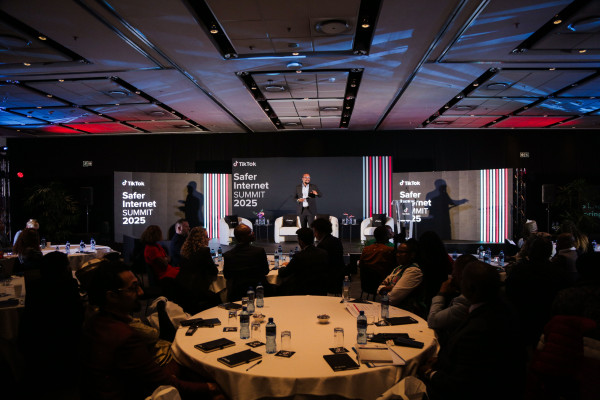
2nd Annual Sub-Saharan Africa Safer Internet Summit in Cape Town

Location: News
TikTok

TikTok (www.TikTok.com) hosted its second Annual Africa Safer Internet Summit in Cape Town, South Africa, bringing together government officials, regulators, and industry leaders from across Sub-Saharan Africa. Delegates from South Africa, Nigeria, Ethiopia, Cameroon, Cote d'Ivoire, Kenya, and other countries convened to discuss critical issues on online safety, content moderation, and digital policy development.

The Summit underscores TikTok's ongoing efforts to prioritise user safety in Africa while fostering an open dialogue with policymakers to shape robust frameworks that protect users' rights while encouraging innovation and creativity in the digital space.

Government and Industry Leaders Discuss Digital Safety

The Summit was officially opened by South Africa's Hon. Solly Malatsi, Minister of Communications and Digital Technologies, who highlighted the importance of collaboration among governments, technology platforms, and communities to foster a safer digital ecosystem.

Helena Lersch, TikTok's Vice President for Public Policy, in her remarks, reaffirmed the platform's commitment to user safety and the role of partnerships in creating a secure digital environment.

“Billions of people come to TikTok every day to create, share and connect and we're continually evolving our policies and practices to safeguard our platform so our community can discover and do what they love. This summit underscores the importance of collaboration between industry leaders and regulators in shaping a digital ecosystem that is both innovative and secure," said Lersch.

Fortune Mgwili-Sibanda, Director of Public Policy & Government Relations for Sub-Saharan Africa, further emphasised the significance of collective efforts in digital safety, stating that the Summit serves as a valuable platform for sharing insights, strengthening collaboration, and ensuring that African users, particularly young people, are protected online.

Content Moderation in Africa

During the summit, TikTok reported a significant upward trend in its content removal rate across Sub-Saharan Africa, with data showing a 249.81% increase in content removals from the second quarter of 2023 to the fourth quarter of 2024. This improvement aligns with TikTok's global standards for content moderation and community guidelines enforcement. TikTok's Community Guidelines Enforcement Reports (https://apo-opa.co/3QMZNQH) reflect the platform's continued investment in automated moderation technology, alongside human safety experts that enables the detection and removal of harmful content before it reaches users. Globally, between July and September 2024, TikTok removed more than 147 million videos, of which 118 million were detected and removed automatically using these technologies.

In Sub-Saharan Africa, TikTok removed over 7.5 million videos in Q3 2024, rising to more than 8 million in Q4 2024—an increase of 14.06% quarter-on-quarter. Notably, 99.5% of these videos were removed before any user reports, underscoring TikTok's commitment to proactive moderation and swift action.

A similar trend was observed in North Africa, where TikTok removed over 7 million videos in both Q3 and Q4 of 2024. This represented an 8.70% increase in removals between the quarters, with 99.3% of these takedowns also occurring before user reports.

These figures highlight TikTok's ongoing efforts to provide a safe and positive online environment through robust, technology-enabled content moderation systems.

#SaferTogether - Driving Safer Digital Engagement

As part of its broader commitment to digital safety and education, TikTok is expanding its efforts across Africa through strategic partnerships and training programs that promote digital literacy, safety awareness, and responsible content creation.

At the forefront of these efforts is TikTok's flagship #SaferTogether campaign, which has achieved notable milestones since its launch in 2022.

In Kenya, the initiative, run in partnership with Eveminet (https://apo-opa.co/3Y8mHG7), a youth online protection organisation, has reached over 406,000 participants through in-person workshops across the country. These sessions provided communities with the knowledge and tools needed for responsible online engagement, particularly among students, teachers, and parents.

By working closely with civil society organisations, educators, and government agencies, TikTok continues to integrate proactive safety measures into its platform governance, creating safer digital environments for young users.

In Nigeria, TikTok launched Phase 2 of the #SaferTogether campaign in partnership with the National Information Technology Development Agency (NITDA) (https://apo-opa.co/3FFyx4d) and Data Science Nigeria (DSN) (https://apo-opa.co/3QNqzbJ). Building on the success of Phase 1, which educated parents in major cities such as Abuja, Lagos, and Kano on TikTok's safety features and mental well-being tools, the second phase aims to reach additional states and expand safety awareness among parents, teachers, and guardians.

Since September 2024, TikTok has also partnered with local creators across Sub-Saharan Africa to raise awareness about its safety features and Community Guidelines.

In Egypt, TikTok signed a Memorandum of Understanding (MoU) with the Journalists Syndicate to boost digital awareness, media literacy, and the detection of misinformation and online privacy risks. As part of this partnership, TikTok and the Syndicate hosted a one-day workshop equipping journalists and media professionals with the skills to navigate digital technologies safely and effectively. This collaboration underscores TikTok's ongoing commitment to empowering media professionals and supporting a more informed and digitally literate society.

Shaping the Future of Digital Safety in Africa - Global Youth Council

TikTok is also making a significant step in amplifying youth voices by expanding its Global Youth Council (https://apo-opa.co/4j2OWxZ) for 2025, further strengthening African representation. Originally launched in 2023 to empower young users and shape platform policies, the Global Youth Council has now nearly doubled in size, featuring 28 members from 15 countries. New representatives from Nigeria, Cameroon, Canada, Qatar, and Australia will join returning members from Brazil, Indonesia, Kenya, Mexico, the UK, and the US for a second term. The Youth Council plays an important role in shaping TikTok's safety, well-being, and inclusivity policies, ensuring that young users have a voice in the platform's continued evolution.

The Safer Internet Summit serves as an essential forum for best practice sharing between industry leaders and policymakers. By fostering collaboration, TikTok aims to ensure that digital spaces remain safe, inclusive, and conducive to creativity while balancing the need for effective governance and innovation.

"We value forums such as TikTok's Safer Internet Summit, which bring policymakers into one room for a shared purpose: keeping internet users safe. We are incredibly proud to be a partner of TikTok's #SaferTogether campaign. This collaboration not only underscores our shared commitment to fostering a safer online environment, but also opens new avenues for innovation and collaboration that will enable us to scale our efforts effectively for a safer internet for all.." — Emmanuel Edet - Acting Director, Regulation and Compliance NITDA

For more information on TikTok's safety policies and initiatives, visit our Safety Centre (https://apo-opa.co/4iYko0q), Guardian's Guide (https://apo-opa.co/3QPAKfS) and Youth Safety Center (https://apo-opa.co/4j9JWrB).

Link: https://apo-opa.co/4hZ3JZS

Distributed by APO Group on behalf of TikTok.

Media files
TikTok
Download logo
Read more2nd Annual Sub-Saharan Africa Safer Internet Summit in Cape Town
27 March 2025

GCIS hosts 30 Years of Freedom and Democracy activities 

Location: News

GCIS hosts 30 Years of Freedom and Democracy activities 

The Government Communication and Information System (GCIS), in partnership with the Apartheid Museum and Gibela Rail Consortium, is today and tomorrow hosting activities to commemorate South Africa’s 30 Years of Freedom and Democracy.

“This initiative by GCIS and various partners forms part of a year-long campaign launched in 2024, extending into 2025, to commemorate South Africa’s remarkable journey of democracy and freedom. The 30 Years of Freedom and Democracy campaign seeks to foster collective ownership of this milestone among all South Africans and sectors of society,” it said.

This as it hosts a youth dialogue under the theme: “Youth and Economy” in partnership with the Apartheid Museum to solicit the views of young people from the Southern region of Gauteng on how they can participate in economic opportunities.

Thursday’s dialogue is being held at the Apartheid Museum in Johannesburg.

In addition, a tour is set to be held at the Kwa Thema Business Park on Friday.

“To promote the artisanship and the social responsibility initiatives of the Gibela Rail Consortium in Ekhurhuleni, a tour of the Gibela rail facilities and interaction with various artisans will conclude with a visit to a social investment project showcasing advancements in rail manufacturing and public transport.

“The programme also aims to promote social cohesion, national identity and inclusivity, reflecting South Africa’s rich and diverse culture. It highlights the progress achieved since 1994 while acknowledging the challenges of the fourth decade of democracy,” it said. -SAnews.gov.za


Edwin
Thu, 03/27/2025 - 09:18
48 views

Read moreGCIS hosts 30 Years of Freedom and Democracy activities 
27 March 2025

SA-EU relations flourishing

Location: News

SA-EU relations flourishing

By Nomonde Mnukwa

South Africa’s first democratic elections on 27 April 1994 signalled not only the end of the brutal system of apartheid, but also a change in the country’s international image.

The country’s struggle for liberation and reconciliation has shaped its identity and global standing. South Africa has positioned itself as a champion of international solidarity.

South Africa’s unique approach to global issues has found expression in the concept of Ubuntu. These concepts inform our approach to diplomacy and shape our vision of a better world for all.

This philosophy translates into an approach to international relations that respects all nations, peoples, and cultures. It recognises that it is in our national interest to promote and support the positive development of others.

As we celebrate our over 30 years of freedom and democracy, South Africa’s global repositioning can be seen with the strong strategic partnership with the European Union that is premised on values such as democracy, human rights and the rule of law.

Immediately after his release from prison thirty-five years ago, President Nelson Mandela, our first democratic President, travelled to the European Parliament to receive the Sakharov Prize for Freedom of Thought. This honorary award is the highest tribute given by the European Union (EU) to individuals who contributed to the fight for human rights.

During this visit, the former president, who is affectionately known as Madiba addressed the European Parliament and thanked the European countries for their contribution towards our fight for freedom. He also called on them to support us as we set about rebuilding the country and reversing the legacy of apartheid, which continues to be felt up to this day.

This visit marked the beginning of official relations between South Africa and the EU in pursuit of our national interests, especially to tackle pressing challenges we inherited under apartheid. In 1999 for instance, we became the first African country to sign a Free Trade Agreement (FTA) with the EU known as the South Africa-European Union (EU) Trade, Development and Cooperation Agreement (TDCA).

In 2007 we further deepened our relations through the adoption of the South Africa – EU Strategic Partnership Joint Action Plan. The plan is essentially a roadmap for cooperation in various key areas such as trade, climate change, science and technology as well as regional and global issues.  

The TDCA agreement has helped our country to integrate into the global economy and it established a Political Dialogue between South Africa and the EU at the Ministerial level. This high-level dialogue advances the EU-South Africa strategic partnership across key areas such as trade, energy, peace and security and multilateralism.

We are pleased that as we celebrate 30 years of democracy and thirty-five years since Madiba’s release and visit to the EU Parliament, our relationship with the EU continues to flourish and is mutually beneficial. South Africa remains the EU's key trade partner on the African Continent, and the EU as a bloc is South Africa's largest trading partner.

Total trade between South Africa and EU has increased by 44 percent over the past five years; recording an increase from R586 billion in 2019 to R846 billion in 2023. The EU accounts for 41 percent of total Foreign Direct Investment (FDI) in the country and over 2,000 EU companies operate in South Africa, supporting more than 500,000 direct and indirect jobs.

To further discuss shared priorities and foster stronger ties between South Africa and EU, in February this year, we successfully hosted the 16th Ministerial Political Dialogue. The Dialogue was co-chaired by the Minister of International Relations and Cooperation, Ronald Lamola and Kaja Kallas, the EU High Representative for Foreign Affairs and Security Policy and Vice President of the European Commission.

During this dialogue, both parties reiterated their commitment to multilateralism, rules-based international order, and the centrality of the United Nations Charter. They agreed on the need to make the UN Security Council more representative, inclusive, transparent, efficient, democratic and accountable. They further discussed issues of trade and investment, along with greater mutual cooperation and reinforced bilateral relations between South Africa and the EU.

The dialogue also served as preparatory meeting for the EU-South Africa Summit which was held in South Africa on 13 March 2025. Our national priorities of reducing poverty, unemployment and inequality underpin our work at the SA-EU Summit. In line with commitments in the National Development Plan we engage with our EU counterparts to further grow our economy and develop our society.

The summit was also an opportunity to set new priorities for the Strategic Partnership, including in trade and investment, and to reinforce the shared values underpinning the partnership. During the summit, the EU announced a 4.7-billion-euro investment package to support mutually beneficial investment projects. The investment package covers areas such as critical raw mineral processing, green hydrogen, renewable energy, transport and digital infrastructure, local vaccine and pharmaceutical production, and resources for skills development.

The two parties further agreed to launch negotiations towards a Clean Trade and Investment Partnership to support the development of cleaner value chains for raw materials and local beneficiation, renewable and low carbon energy, and clean technology. Both parties committed to work together to address existing challenges in trade in animal and plant products. South Africa committed to find a solution to facilitate the imports of poultry from disease-free areas in the European Union into South Africa.

The Summit was also an opportunity for South Africa to influence international policies that could have an impact on our own economy. Both parties agreed to support a just, comprehensive, and lasting peace on conflicts around the globe including Ukraine, the Democratic Republic of the Congo and Palestine. This includes a need to reform the UN Security Council.  

Furthermore, the European Union expressed support for South Africa's G20 Presidency in 2025, and our hosting of the G20 Summit at the end of the year. The EU also pledged to strengthen the G20 Compact with Africa.

Government welcomes the visit by the EU leaders to the country and we are confident that the agreements signed will not only accelerate economic growth but will help South Africa eradicate the triple challenge of unemployment, poverty and inequality.

*Nomonde Mnukwa is the Acting Director General of the GCIS


Janine
Thu, 03/27/2025 - 09:37
77 views

Read moreSA-EU relations flourishing
26 March 2025

Uganda: Deputy Speaker Tayebwa Calls for More Funds for Child Disability Benefit

Location: News

Parliament of the Republic of Uganda
Download logo

Uganda is set to introduce a National Child Disability Benefit to support families raising children with disabilities.

This was the focus of the National Child Benefit High-Level Dialogue Meeting organized by the Ministry of Gender, Labour and Social Development in partnership with UNICEF and held at the Kampala Sheraton Hotel on Wednesday, 26 March 2025.

The event, themed “Towards inclusive social protection: exploring a child disability benefit for Uganda,” brought together government officials, legislators, and development partners.

Deputy Speaker of Parliament, Thomas Tayebwa, emphasized that disability support is a right, not a privilege, and criticized the Shs3 billion initial allocation, calling it inadequate and urging the government to commit at least Shs10 billion to the initiative.

“If we are to start this as a fund, let's be serious. It would be a betrayal to the disability movement to allocate such a small amount,” Tayebwa stated.

He praised the Ministry of Gender for its efforts in supporting vulnerable groups but raised concerns about the potential misuse of funds by irresponsible parents.

“This money should improve the welfare of children, not serve as compensation for parents,” he cautioned.

Gender Minister Betty Amongi explained that families caring for disabled children face extra financial burdens, with 50 percent  of such households living in extreme poverty.

“This benefit will help cover costs like transport, medicine, and rehabilitation support. A child with disabilities requires more financial support than their siblings,” she said.

She also highlighted the gendered impact of caregiving, noting that many fathers abandon mothers of disabled children, leaving them to shoulder the burden alone.

State Minister for Disability Affairs, Hellen Asamo, urged a shift in societal attitudes, recalling her own struggles growing up with a disability.

“I didn't go to school like my siblings—I was given a shortcut. We must stop thinking for people with disabilities and instead ask them what they need,” she said.

She warned against overprotection and exclusion, emphasizing the need for inclusive policies.

Aggrey Kibenge, Permanent Secretary at the Gender Ministry, reaffirmed the government's commitment to disability inclusion, outlining plans for regular cash transfers to families as part of the benefit.

UNICEF Country Representative, Robin Nandy, praised Uganda's social protection efforts, highlighting the economic benefits of investing in disability support.

“Every shilling invested in a child disability benefit can generate up to Shs2.5 in the economy,” he noted.

Uganda aims to learn from countries like Kenya and South Africa, which have successfully implemented similar programmes. Parliament, through the Deputy Speaker and attending MPs, pledged full support to ensure children with disabilities receive the care and assistance they need.

Distributed by APO Group on behalf of Parliament of the Republic of Uganda.

Read moreUganda: Deputy Speaker Tayebwa Calls for More Funds for Child Disability Benefit
26 March 2025

Water and Sanitation Indaba to tackle SA’s water security challenges

Location: News

Water and Sanitation Indaba to tackle SA’s water security challenges

The development of a high-level national turnaround plan for water security will take centre stage at the National Water and Sanitation Indaba. 

The South African government will convene the indaba at Gallagher Convention Centre in Midrand, Gauteng, to address the provision of water security in the country.

Set for Thursday and Friday, the indaba underscores government’s ongoing commitment to tackling South Africa’s water security challenges, and ensuring reliable and sustainable water and sanitation services for all citizens.

With its focus on water security and provision, the two-day gathering takes place during National Water Month and Human Rights Month, a significant period that underpins the importance of water as a fundamental human right and a critical resource for socio-economic development.

The timing of the gathering also underscores the urgency of addressing water and sanitation challenges so as to uphold the dignity and well-being of all South Africans.

The two-day event will build on the outcomes of the Water Summit that was held in January 2024, which engaged all Water Services Authorities (WSAs), following the release of the Blue, No Drop Reports, as well as the Green Drop Progress Report in December 2023.

The summit identified critical challenges facing the sector, including aging, poor operation and maintenance infrastructure, organised criminality, water tankering and extortion mafia, vandalism of essential public infrastructure and corruption.

The summit also identified challenges including the growth of informal settlements, financial mismanagement, revenue shortfalls, mounting sector debt, illegal water connections, overconsumption and high levels of physical water losses as among the root causes of water supply challenges in most communities across the country.

The high-level event will bring together key stakeholders, including the Presidential Water Task Team that was set up by President Cyril Ramaphosa, the water boards, WSAs, the business sector, as well as thought leaders in the water sector.

Given South Africa’s classification as a water-scarce country, with rainfall levels significantly below the global average and further exacerbated by climate change, the Department of Water and Sanitation said the indaba will prioritise the development of a high-level national turnaround plan on water security.

“This strategy will align with the objectives of the 7th administration’s Medium-Term Development Plan (2025-2029) and Operation Vulindlela 2.0 (second round of economic reforms under Operation Vulindlela) to ensure a water-secure and resilient future. The Water and Sanitation Indaba seeks to devise immediate solutions that will ensure reliable and sustainable water supply to communities,” the department said in a statement.

The event will also assess progress made on implementing the 2024 Water Summit’s resolutions and mobilise various sectors and expertise to agree on a comprehensive national water and sanitation plan.

The department said this plan will focus on expanding access to water and sanitation services, enhancing water infrastructure, and implementing effective measures to improve water security and service reliability.

According to the department, the indaba represents a pivotal moment in government’s efforts to secure South Africa’s long-term water future.

“Following President Cyril Ramaphosa’s announcement during his State of the Nation Address that water has been elevated as a top priority of government, the outcomes of the indaba will reaffirm government’s unwavering commitment to overcoming sectoral challenges and fostering collaboration across all levels of society. 

“[This is] to build a sustainable water and sanitation sector, and further reinforce government’s dedication to ensuring that every South Africa has access to safe and reliable water and sanitation services,” it said.  – SAnews.gov.za

GabiK
Tue, 03/25/2025 - 15:42

559 views

Read moreWater and Sanitation Indaba to tackle SA’s water security challenges
26 March 2025

Motsoaledi urges global action to address health funding gaps

Location: News

Motsoaledi urges global action to address health funding gaps

Health Minister Dr Aaron Motsoaledi has reiterated the importance of nations reallocating resources towards health, strengthening global health partnerships, and exploring innovative financing mechanisms to address funding gaps.

The Minister was delivering the keynote address at the second meeting of the G20 Health Working Group today in Ballito, KwaZulu-Natal.

The Minister used the platform to highlight South Africa’s commitment to universal health coverage (UHC) through the National Health Insurance (NHI) system, which aims to provide financial protection and efficient resource utilisation.

“In South Africa, we are actively pursuing transformation to achieve universal health coverage through our NHI system.

“The NHI is designed to provide financial protection for all, ensuring that access to quality healthcare is not dependent on one’s ability to pay [for] it, and it will also assist in the efficient utilisation of our resources by pulling funds and strategically purchasing services.”

Motsoaledi cited data from the World Health Organisation (WHO), which indicate that the number of people shielded from catastrophic health spending had been steadily increasing before the COVID-19 pandemic. However, since then, about 100 million people have fallen back into financial hardship due to health-related expenses.

Motsoaledi believes that the NHI is a concrete demonstration of government’s commitment to leaving no one behind, and fostering and strengthening the resilience of the health system.

The Minister quoted the late Harvard Department of Anthropology’s Professor Paul Farmer on the value of all lives and urged G20 members to increase public financing of health systems as a fundamental investment.

“I want to quote the idea that 'some lives matter less' is the root of all that is wrong with the world.

“We implore all G20 members to champion increased public financing of health systems.

“This is not merely a budgetary issue; it’s a fundamental investment in our collective future.”

Motsoaledi urged attendees to prioritise public health over competing interests, ensuring that adequate resources are allocated to meet the health needs of the nation’s populations.

“Furthermore, we must all align our efforts beyond financing. We must address the persistent health inequities that plague our world.”

Non-communicable diseases

Motsoaledi highlighted the importance of addressing health inequities, particularly in low and middle-income countries, and the need for multilateral approaches to prevent and control non-communicable diseases (NCDs).

He said the upcoming United Nations High-Level Meeting on NCDs is seen as a crucial opportunity to galvanise global action against chronic conditions like heart disease, cancer, diabetes and chronic respiratory diseases.

“We must alleviate the financial burden, restrict unhealthy food marketing, finance emergency health services, and accelerate cervical cancer elimination, the only cancer which is preventable.”

The theme of the three-day meeting is: “Accelerating Health Equity, Solidarity, and Universal Coverage”.

Along with this meeting, a co-sponsored event focused on eliminating cervical cancer, is also taking place.

“We must move beyond dialogue and commit to concrete steps. South Africa is committed to collaborating with all the G20 members to achieve our shared goals. 

“Let us work together to ensure that health remains a priority, not a commodity, especially during these unstable economic times,” Motsoaledi added.

South Africa, which assumed the G20 Presidency in December, is currently hosting various working groups and ministerial meetings throughout the country. 

These meetings are focused on key topics such as health, employment, trade, tourism, and the digital economy -- all in preparation for the G20 Leaders’ Summit scheduled for November this year.

The G20 comprises 19 countries including Argentina, Australia, Brazil, Canada, China, France, Germany, India, Indonesia, Italy, Japan, Korea, Mexico, Russia, Saudi Arabia, South Africa, Türkiye, United Kingdom, and the United States. It also includes two regional bodies – the European Union (EU) and the African Union (AU). – SAnews.gov.za

Gabisile
Wed, 03/26/2025 - 11:43
166 views

Read moreMotsoaledi urges global action to address health funding gaps
26 March 2025

Health Minister Confident Lesotho Can Manage Without US Funding, but Jobs Are Already Being Lost

Location: News

And funding cuts are hitting access to HIV tests and medicines

Read moreHealth Minister Confident Lesotho Can Manage Without US Funding, but Jobs Are Already Being Lost
26 March 2025

George rallies world leaders to accelerate efforts to achieve SDGs

Location: News

George rallies world leaders to accelerate efforts to achieve SDGs

Minister of Forestry, Fisheries and the Environment, Dr Dion George, has called on the international community to urgently accelerate efforts to achieve the Sustainable Development Goals (SDGs).

“We are less than five years away from our deadline to achieving the SDGs and the end of this critical decade for climate action. Yet, we are still far from our goals and action targets,” the Minister said on Tuesday.

The United Nations describes the SDGs as the “blueprint to achieve a better and more sustainable future for all” by addressing global challenges related to poverty, inequality and climate change, among others, with the year 2030 set as the target to meet the goals.

Addressing the Group of Twenty (G20) Environment and Climate Sustainability Working Group (ECSWG) virtually, the Minister said poverty levels are worsening, and that carbon dioxide (CO2) emissions reached record highs last year. 

“This calls for an urgent acceleration of our efforts. Our commitment to achieve these goals must not waver. That is why South Africa has placed solidarity, equality and sustainability at the centre of our G20 Presidency.

“As the international community, together, we committed ourselves to the ambitious agenda to end poverty and hunger, to protect our planet, to achieve universal education and health coverage, and to promote decent work and sustainable economic growth by adopting the 2030 Agenda for Sustainable Development and its Sustainable Development Goals,” George said.

The Minister said South Africa is striving to champion and fast-track action in the pursuit of a just transition to a low-carbon, climate resilient and inclusive society, and lead by example. 

Last week, President Cyril Ramaphosa proclaimed the Climate Change Act, laying the ground for ambitious climate action domestically. 

Earlier this month, the Minister informed the public that the President proclaimed the Climate Change Act, 2024, with the proclamation notice published in the Government Gazette on 17 March 2025, which was the commencement date of the Act.

“The Act is intended to enable the development of an effective climate change response and a long-term, just transition to a low-carbon and climate-resilient economy and society for South Africa in the context of sustainable development; and to provide for matters connected therewith,” the Minister said at the time.

The Act lays the foundation for a green economy that is resilient, inclusive and future-focused. It creates a clear framework for climate action.

In his address on Tuesday, the Minister said South Africa’s rollout of renewable energy has materially accelerated over the past few years, driving the decarbonisation of South Africa’s energy system, while the implementation of Expanded Producer Responsibility schemes and circular economy initiatives is improving waste management.

“The task remains immense. Poverty, unemployment, hunger, inequality, environmental degradation and climate change are but a few of the complex and interconnected issues facing the world today. 

“...We thus reiterate the critical role of multilateralism in addressing these complexities, and South Africa’s very strong support for multilateralism,” the Minister explained.

Priorities 

George said the five interrelated priorities of the Environment and Climate Sustainability Working Group provide an opportunity to address multiple complexities within this context, while advancing the achievement of the Sustainable Development Goals.

The priorities include Biodiversity and Conservation, Land Degradation, Desertification and Drought, Chemicals and Waste Management, Climate Change and Air Quality, as well as Oceans and Coasts.

“These priorities of the G20 Environment and Climate Sustainability Working Group for this year are viewed as critical enablers to address poverty, create employment and meet other sustainable development goals, thereby contributing towards the global effort to respond to the triple complexities of climate change, pollution and biodiversity loss, in line with the overall theme of South Africa’s G20 Presidency of Solidarity, Equality and Sustainability,” the Minister said.

As a primary outcome of the G20 Presidency this year, South Africa will explore ways that the G20 can leverage opportunities to increase the scale and flows of climate finance, critical to enabling the Just Transition, mitigation and adaptation efforts, while ensuring that the required investments reach the most vulnerable of society. 

“It is paramount for developing economy countries to be actively supported in their efforts to achieve ‘whole of society and whole of economy’ just transitions to sustainable development on the ground, through scaled access to low-cost finance, technology and skills.

“It is also increasingly recognised that many people across the globe are exposed to unhealthy and often deadly levels of air pollution, and that the impacts of air pollution extend beyond health - affecting climate, biodiversity, ecosystems and economic development. 

“This is also a key issue that needs to be addressed, and to which this Working Group can contribute. There are very extensive synergies between decarbonisation and the improvement of air quality,” the Minister said. - SAnews.gov.za

nosihle
Wed, 03/26/2025 - 07:56
106 views

Read moreGeorge rallies world leaders to accelerate efforts to achieve SDGs
26 March 2025

Eskom called to fast track energy transition

Location: News

Eskom called to fast track energy transition

With Eskom not meeting minimum emission standards and delaying critical energy reforms, Minister of Forestry, Fisheries and the Environment, Dr Dion George, warned the power utility that government will not grant it unchecked permission to pollute.

In a statement released on Wednesday, the Minister called on Eskom to accelerate its reform process and support the nation’s energy transition.

“Government cannot grant Eskom a blanket waiver to continue polluting without accountability,” George said.

This plea comes ahead of next week’s announcement by the Minister on his decision on Eskom’s application for exemptions from minimum emission standards. 

The Minister has emphasised the complexity of the issue, noting that it requires balancing South Africa’s energy needs to drive economic growth with the constitutional right to a healthy environment.

“South Africa cannot remain trapped in a persistent cycle of energy insecurity and environmental degradation that harms public health. South Africans have had to endure rolling blackouts, rising costs, and economic stagnation as a result of Eskom’s inefficiencies,” he said.

According to the Minister, Eskom’s monopoly over electricity generation and transmission has stifled competition, slowed the adoption of renewable energy, and left South Africa exposed to energy insecurity. 

“The only viable path forward is to unbundle Eskom without further delay,” George said.

He has called for the Transmission System Operator to be fully independent to ensure fair grid access, warning that without this step, reliance on outdated coal plants will persist.

READ | Eskom-owned transmission company officially commences trading

“The transition to renewable energy is not negotiable. South Africa’s economic future depends on more renewable energy entering the grid, not less. The world is moving toward cleaner energy, and South Africa cannot afford to be left behind,” the Minister said.

George has also directed Eskom to decommission its worst-performing power stations responsibly. 

“Those that fail to meet environmental standards and contribute disproportionately to pollution must be retired in a structured and responsible manner, without leaving anyone behind. South Africa cannot remain hostage to outdated infrastructure and poor governance at the expense of its future.

“Eskom must either comply with emissions regulations and accelerate its transition, or it will face the consequences. We are committed to ensuring that South Africa has a future-proof energy sector,” he said. - SAnews.gov.za

nosihle
Wed, 03/26/2025 - 09:16
0 views

Read moreEskom called to fast track energy transition
25 March 2025

President Ramaphosa pays heartfelt tribute to nurses for their role during COVID

Location: News

President Ramaphosa pays heartfelt tribute to nurses for their role during COVID

President Cyril Ramaphosa has expressed gratitude for the vital role nurses played during the COVID-19 pandemic. 

The President addressed the 9th National Congress of the Democratic Nursing Organisation of South Africa (DENOSA) today. This was the first time the President addressed DENOSA since the outbreak, highlighting the lasting impact of healthcare workers in the fight against the virus.

President Ramaphosa reflected on the significant changes caused by the pandemic, including the loss of lives and the challenges encountered by healthcare workers.

“We lost a number of nurses and healthcare workers, brave men and women who were at the frontline of the pandemic. Brave is not an adequate word to describe them. Many of you faced the danger of being infected and death, but you still went on to care for those who were affected.”

He encouraged attendees to observe a moment of silence in honor of the brave nurses and healthcare professionals, who made the ultimate sacrifice while serving on the front lines.

“For you who are in the profession, nursing is a calling. It requires a strength of character and commitment to service that is rare.” 

The President highlighted the long history of struggle for equity in the nursing profession, particularly among black nurses during apartheid, who fought tirelessly for their rights amid systemic inequalities.

“Black nurses were expected to only care for black patients in black-only hospitals. The hospitals and clinics assigned to serve the country’s majority were under resourced and chronically underfunded. 

“Black nurses had unfavourable working conditions, were paid less than their white counterparts, and had fewer opportunities for advancement.” 

He reiterated his statements made during this year’s State of the Nation Address (SONA), that government will allocate resources to the health sector, build hospitals and clinics, and strengthen the healthcare system.

“This is the commitment that we’re going to achieve, and this is what we’re going to do.” 

The President also took the time to commend DENOSA for its nearly three decades of advocacy and service, and emphasised the organisation’s pivotal role in shaping nursing policy in South Africa. 

“We all appreciate the difficult balance that must be struck between advocacy and activism, on the one hand, and fulfilling the rights of patients to treatment and care, on the other hand,” he said.

President Ramaphosa outlined key strategic priorities for the next five years, including driving inclusive growth, reducing poverty, and building a capable, ethical developmental State. 

He underscored the integral role of nurses in achieving these goals, particularly in contributing to a capable State.

Meanwhile, despite a recent uptick in nursing registrations, he raised concerns about declining training numbers due in part to accreditation delays. 

President Ramaphosa urged DENOSA to engage proactively in policy development to ensure that the nursing profession evolves alongside the changing landscape of healthcare.

“In an environment where South Africa has a shortage of nurses, we are encouraged that the issue of South African nurses being recruited in large numbers by other countries is also on the agenda.”

NHI

Meanwhile, he said the support of DENOSA will be pivotal as the country prepares for the National Health Insurance (NHI).  

He is of the view that the NHI will bring the country closer to its aspiration of being a society where the human dignity of all is upheld at all times. 

“The right to dignity matters most when people are sick and need help, and when they are most vulnerable. Our nurses will be the backbone of the NHI.”

He urged the union to be at the forefront of discussions around skilling and training, health systems strengthening, and other crucial matters. 

The President called on the union to continue its leadership in advocating for nursing, while addressing the broader health needs of communities. 

“I’d like to thank you all once again for being frontline soldiers of our people’s health... you... are the ones who take your heart and full dedication to serving the people of South Africa, and we’re eternally grateful for that,” he added. – SAnews.gov.za
 

Gabisile
Tue, 03/25/2025 - 12:33
683 views

Read morePresident Ramaphosa pays heartfelt tribute to nurses for their role during COVID
25 March 2025

Rodgers announces strategic initiatives to drive KZN economic growth, job creation

Location: News

Rodgers announces strategic initiatives to drive KZN economic growth, job creation

KwaZulu-Natal Finance MEC, Francois Rodgers, has announced a number of strategic initiatives aimed at boosting the province's economic growth, creating jobs, and stabilising the cost of living.

Rodgers highlighted some of the initiatives, when he was tabling the province’s R158.478 billion budget for the 2025/2026 financial year, on Tuesday.

In his address, Rodgers highlighted the positive signs of economic recovery, pointing to key indicators, including an increase in the province’s equitable share and additional allocations in conditional grants.

He also noted the progress being made through the Provincial Financial Recovery Plan.

“What is required now is discipline with a sharp focus on the end objective, growth in our economy, job creation, and stabilising and reducing the cost of living,” Rodgers said.

Initiatives to strengthen financial discipline

The MEC said the provincial Treasury is committed to perform financial oversight and monitor provincial expenditure, with a view to prevent non-essential government activities.

He added that efforts are underway to identify new streams of revenue for the provincial fiscus.

Another key initiative is the adoption of a cost-containment instruction by the Executive Council, which aims to sustain KZN’s ability to meet its needs, “while protecting its future.”

“Cutting the nice to haves to protect the must haves. One such example is [council] agreement to do away with rental vehicles, with procurement for vehicles, in line with National Treasury guidelines.

“When the GPU (Government of Provincial Unity) took office, the province was projecting to over-spend in the region of R10 billion, [but] with strict control measures and compliance, we have now reduced this to R4.9 billion,” Rodgers highlighted.

E-procurement tool

To further improve financial efficiency, Rodgers announced that Treasury is awaiting approval for the acquisition and implementation of an e-procurement tool, a system designed to eliminate overcharging of goods and services during the Supply Chain Management (SCM) and tender processes.

“This system will yield enormous savings for the province and reduce irregularities in the procurement process,” Rodgers said.

The MEC said the provincial government is making great strides in achieving a balanced budget, noting that “it’s a painful process, but a process that needs to be sustained and supported.”

Rodgers further announced that starting in April 2025, the provincial government will introduce departmental financial dashboards, which will reflect departments financial metrics, such as creditors, debtors, cash balances, and projected expenditure.

He said these dashboards will assist members of the Executive Council and oversight committees with a clearer picture of the province's financial health.

Additionally, the provincial Treasury is exploring the establishment of an information centre, which will focus on "Operation Pay on Time" and assist with tender processes and supplying information on Public Private Partnerships (PPPs).

“Going forward, I will continue, in my capacity as MEC, to regularly engage the Premier and the provincial executive on good financial practices. We will be consistent in our advocacy for efficient expenditure and the prioritisation of programmes aimed at alleviating poverty, inequality, unemployment, effective service delivery and building a sustainable economy,” the MEC said.

Provincial budget highlights

A large portion of the 2025/2026 provincial budged (79.9%), has been allocated to the three key social services departments, including Education, Health, and Social Development.

The Education Department received the largest share of the budget, with R66 690 206 allocated, followed by Health with R56 211 801.

Other allocations include:
•    Transport allocated R13 827 066.
•    Office of the Premier R817 875. 
•    Provincial Legislature R850 796. 
•    Agriculture and Rural Development R2 757 443. 
•    Economic Development, Tourism and Environmental Affairs R3 606 998.
•    Provincial Treasury R710 190. 
•    Human Settlements R3 549 877.
•    Community Safety and Liaison R275 716.
•    Sport, Arts and Culture R1 598 141.
•    Co-operative Governance and Traditional Affairs R1 931 153.
•    Social Development R3 613 297. 
•    Public Works and Infrastructure R2 037 490. – SAnews.gov.za


GabiK
Tue, 03/25/2025 - 13:53
157 views

Read moreRodgers announces strategic initiatives to drive KZN economic growth, job creation
25 March 2025

Colloquium to discuss developments in intellectual property

Location: News

Colloquium to discuss developments in intellectual property

Intellectual property and technology commercialisation will come under the spotlight at a colloquium that will be hosted by the Department of Trade, Industry and Competition (the dtic).

Wednesday’s colloquium will be held under the theme: "Driving Innovation and Positioning Intellectual Property Commercialisation for a Better and Inclusive South Africa".

According to the Minister of the dtic, Parks Tau, the session will provide a platform to exchange ideas and experiences on addressing challenges hindering successful technology commercialisation, and what measures can be taken to address these challenges.

He said the session, which the dtic will host in partnership with the Companies and Intellectual Property Commission (CIPC), will focus on enhancing awareness and understanding of intellectual property (IP), technology management, and the commercialisation process. 

Discussions will cover the advancement of new technologies and their impact on the IP landscape and the commercialisation of these innovations. 

The session will also explore strategies for innovating, scaling, and commercialising more effectively during and after a pandemic.

“The National System of Innovation stakeholders will exchange ideas and share experiences on overcoming challenges in intellectual property and technology commercialisation. The key focus areas include addressing barriers to successful commercialisation, improving access to venture capital funding, enhancing knowledge of equity structures, and creating effective market channels,” the Minister said.

The session will bring together international and local expert speakers in the field of IP and technology commercialisation, including commercialisation specialists, IP Merchant Banks, venture capitalists, incubators and fund finders, among others.

Significantly, the session will also see high school and tertiary students participating in order to instil an interest in IP. 

“The learners will participate in an interactive session,, where they will be taken through the exciting journey of IP and technology development. 

“This session will stimulate and harness a culture of innovation and creativity amongst South African school learners, build a future generation that will be ready and attuned to the skills needs of the 4IR [Fourth Industrial Revolution] and be a generation of job creators rather than job seekers,” Tau said.

Some of the topics that will be discussed include technology development and commercialisation, intellectual property in successful commercialisation of products and services, and understanding IP rights and their role in technology transfer and economic growth.

The colloquium will have exhibition stands for innovators to display their products and services.

The exhibition will be used to showcase support offered by government to innovators through different funding instruments.

The colloquium will get underway at the Heartfelt Arena in Pretoria from 9am. – SAnews.gov.za

Edwin
Tue, 03/25/2025 - 14:52
22 views

Read moreColloquium to discuss developments in intellectual property
  • Previous
  • Page 1
  • Interim pages omitted …
  • Page 55
  • Page 56
  • Page 57
  • Page 58
  • Page 59
  • Interim pages omitted …
  • Page 210
  • Next

Copyright © 2026 · MyZA · All Rights Reserved · Powered by Stratlec Online