• Skip to main content
  • Skip to header right navigation
  • Skip to after header navigation
  • Skip to site footer
MyZA

MyZA

News, Directory, Events and Other Stuff

  • Social Media
  • Sport
  • World News
  • Home
  • Submit News
  • Directory
  • Events
  • Stratlec
  • TFSA
  • News
    • APO
    • Today’s Sport News
    • Todays Social Media and Tech Headlines
    • Today’s World News
    • Today’s SA Financial News
  • Contact
You are here: Home / Archives for Government

Government

28 November 2024

Project to restore eThekwini’s hijacked buildings

Location: News

Project to restore eThekwini’s hijacked buildings

KwaZulu-Natal Public Works and Infrastructure MEC, Martin Meyer, has officiated the sod turning ceremony of the multi-million rand inner city building project which will turn the Esplanade Government Building in eThekwini into a self-sustaining structure.

The sod turning ceremony held this week at the Esplanade Government Building signified the start of work being done to restore dilapidated and hijacked buildings that have sat unused for many years.

Meyer said the department was moving to proactively ensure the ongoing maintenance of buildings to ensure they do not suffer the same fate as the Esplanade Government Building.

He said the revamped building will house government departments.

“We are committed to cutting back on leases paid by government departments to curb employees working in hired office spaces. We will own and maintain the building so that we can divert those costly rentals to other areas of priority.

“The department will not own assets that we do not need because they are a deficit of about R1.7 billion a year, which is unsustainable for government to pay. We will sell some of the buildings if the need arises,” Meyer said.

Once the building is completed, Meyer said it will boast environmentally friendly interventions where the lifts regenerate energy back into the building.

The building will also have PV panels on the roof and harvest rainwater.

Chief Executive Officer of Enza Construction, Clinton Crowie, said the project was scheduled to start towards the end of 2025 and be completed at the end of 2027.

“The design development period will start at the beginning of 2025 and last for between six to seven months,” Crowie said.

eThekwini Municipality Deputy Mayor, Zandile Myeni, said the municipality was pleased to see the fruits of the memorandum of understanding signed between the city and the National and Provincial Departments of Public Works.

Myeni said as part of eThekwini Municipality’s commitment to eradicate bad buildings, the teams have identified 76 buildings which are derelict, abandoned, hijacked, and overcrowded.

“Of these, 58 are privately owned and 18 are government-owned buildings. The city is working with relevant government departments and state-owned enterprises to ensure these buildings are turned around and utilised,” Myeni said. – SAnews.gov.za

GabiK
Thu, 11/28/2024 - 11:04
228 views
Read moreProject to restore eThekwini’s hijacked buildings
28 November 2024

Hundreds Left Homeless After Shack Fire at One of Durban’s Oldest Informal Settlements

Location: News

About 150 shacks at Kenville informal settlement were gutted on Wednesday afternoon

Read moreHundreds Left Homeless After Shack Fire at One of Durban’s Oldest Informal Settlements
28 November 2024

Government welcomes improvement in audit outcomes by AG

Location: News

Government welcomes improvement in audit outcomes by AG

Government has welcomed the latest national and provincial audit outcomes from the Auditor-General (AG) of South Africa which reveal a remarkable leap in the number of clean audits across national and provincial government departments. 

“These results show progress that has been made in strengthening financial and performance management in these two spheres of government,” the Government Communication and Information System (GCIS) said on Thursday.

GCIS said the notable improvements highlight the commitment of government entities to accountability, transparency, and efficient use of public resources. 

“Clean audits reflect adherence to sound governance principles, which are essential for fostering trust and delivering quality services to citizens.

“While there has been notable progress, Government acknowledges the concerns raised by the AG regarding instances of fruitless and wasteful expenditure. These findings serve as a critical reminder of the ongoing need to strengthen oversight, accountability, and compliance mechanisms to prevent the recurrence of such issues,” GCIS said.

Government said it will continue its efforts to build a capable and developmental state that prioritises people and focuses on improved implementation capability. 

This includes initiatives to enhance financial controls, upskill personnel, and cultivate a culture of ethical leadership across all spheres of government. 

“Stakeholders, including public servants and communities, are urged to continue working together towards sustaining the gains that have been made and to address the challenges that remain. Together, we can ensure that public resources are used effectively and equitably to meet the needs of all citizens,” GCIS said.  - SAnews.gov.za


nosihle
Thu, 11/28/2024 - 12:40

251 views
Read moreGovernment welcomes improvement in audit outcomes by AG
28 November 2024

Collective effort to alleviate poverty, reduce inequality

Location: News

Collective effort to alleviate poverty, reduce inequality

As South Africa marks 30 years of democracy, President Cyril Ramaphosa has acknowledged the great progress government has made in lifting millions of South Africans out of absolute poverty.

The President was delivering his annual address to the National Council of Provinces (NCOP) in Parliament, Cape Town on Thursday. 

The address and debate was held under the theme: “Dedicating our Efforts Towards Reducing Poverty and Tacking the High Cost of Living”.

The President highlighted that in 1993, 71% of South Africans lived in poverty, by 2010 the poverty rate had dropped to 61% and in 2020, it was at 56%.   

He further acknowledged that people’s lived experiences confirm the persistence of poverty and inequality.

“As we work to rebuild the economy, to create more employment and open opportunities for emerging businesses, we continue to assist the poorest and most vulnerable in our society.

“We provide various forms of support and protection through the ‘social wage’.  This includes the provision of social grants, free basic services, health care, basic education, higher education, social housing and transport. When debt servicing costs are excluded, around 60% of government’s budget is spent on the social wage,” the President said. 

President Ramaphosa said that while parties in the Government of National Unity differ on certain issues, they have committed themselves to inclusive economic growth and accelerated job creation.

“They have committed themselves to reduce poverty and tackle the high cost of living.  And, to advance these priorities, the parties to the Government of National Unity have committed themselves to build a capable, ethical and developmental state.

“The decision by the NCOP to dedicate this debate to focus on our collective efforts to reduce poverty and tackle the high cost of living is a worthy and timely response to the mandate of the people,” the President said.

President Ramaphosa emphasised that a vital part of the effort to reduce the cost of living is the provision of a free basic minimum of services to indigent households.

Through this programme, millions of people have been able to access basic needs like electricity and water.

He highlighted that social grants remain a lifeline for millions of people, particularly children, the elderly and persons with disabilities.

“The introduction of the Social Relief of Distress Grant during the COVID-19 pandemic has provided much-needed relief to as many as 11 million unemployed people at its peak. Today, around a half of all households in South Africa benefit from social grants.

“Among the measures to ensure that all South Africans have affordable access to sufficient food, government is looking at whether the basket of food items that is exempted from VAT could be expanded to include more basic products,” he said. – SAnews.gov.za

DikelediM
Thu, 11/28/2024 - 15:00

195 views
Read moreCollective effort to alleviate poverty, reduce inequality
28 November 2024

Have your say on the draft Biodiversity Management Plan

Location: News

Have your say on the draft Biodiversity Management Plan

The Minister of Forestry, Fisheries and the Environment, Dion George, has published the draft Biodiversity Management Plan (BMP) for Pelargonium Sidoides in South Africa in the Government Gazette No. 51662 Notice No. 5592 for public comment. 

The draft BMP was published in terms of sections 43(1)(b), 43(3), 99 and 100 of the National Environmental Management: Biodiversity Act, 2004 (Act No. 10 of 2004) (NEM: BA).

It aims to ensure that all sub-populations of Pelargonium Sidoides continue to persist in nature across its extent of occurrence in South Africa through effective conservation management and sustainable consumptive utilisation for both traditional and commercial purposes with equitable benefits accruing to rightful beneficiaries.

“The draft BMP for the Pelargonium Sidoides will replace the BMP for the period 2011 – 2020 published in Government Notice No. 433, Government Gazette No. 36411 on 26 April 2013. 

“This BMP is focused on ensuring the long-term survival of Pelargonium Sidoides in the wild, whilst ensuring that the livelihoods of stakeholders are respected. 

“In terms of section 43(2) and 43(3)(c) of NEM: BA, the Minister intends to assign the responsibility for the implementation of the draft BMP for Pelargonium Sidoides to Pelargonium Sidoides Working Group which is already established through the first iteration of the BMP for this purpose,” the Department of Forestry, Fisheries and the Environment said on Thursday.

Members of the public are invited to submit written comments on the draft BMP for Pelargonium Sidoides, within 30 days from the date of publication of the notice in the Government Gazette or in the newspaper, whichever date is the last date, to any of the following addresses: 

  • By post to: The Director General: Department of Forestry, Fisheries and the Environment 

     Attention: Ms Humbulani Mafumo

    Private Bag X447

    Pretoria

     0001 

  • By hand at Environment House, 473 Steve Biko Road, Arcadia, Pretoria, 0083. 
  • By email to ConservationManagement@dffe.gov.za 

Enquires can be directed to Mashudu Mahada at mmahada@dffe.gov.za or 012 399 9586.

Electronic copies of the draft BMP for Pelargonium Sidoides can be downloaded at https://www.dffe.gov.za/legislation/gazetted_notices.

Comments received after the closing date may be disregarded. - SAnews.gov.za


nosihle
Thu, 11/28/2024 - 12:48

124 views
Read moreHave your say on the draft Biodiversity Management Plan
28 November 2024

The Violent Underworld of Stilfontein’s Zama Zamas

Location: News

South Africa’s illicit gold trade is lucrative and controlled by gangs

Read moreThe Violent Underworld of Stilfontein’s Zama Zamas
28 November 2024

Health Department launches app dedicated to youth health services

Location: News

Health Department launches app dedicated to youth health services

The Department of Health is reactivating the B-Wise platform by launching a new progressive app designed to provide adolescent and youth-friendly health services (AYFHS) and information. 

The event is happening today in East London, Eastern Cape, and will include a lively youth march starting from Premier Bakery in Southernwood, then proceeding along Oxford Street to the stadium.

“This exciting development reinforces our commitment to empowering young people with accessible, reliable, and youth-centred appropriate health resources,” the department said. 

The new B-Wise app brings innovative features, including interactive tools for sexual and reproductive health and rights, promotion of health and wellness, education, and HIV and tuberculosis prevention. 

The new app will be downloadable on cellphones and tablets from the App Store and other apps after the launch.

B-Wise is an interactive digital platform developed by the Department of Health in partnership with stakeholders including the United States President's Emergency Plan for AIDS Relief (PEPFAR). 

The aim is to improve the uptake of health services amongst adolescents and young people in South Africa, especially HIV prevention, mental health, family planning, and contraceptive use to make informed choices about their sexual and reproductive health.

The launch will be attended by leaders and representatives from various sectors, including health, local government, the youth sector, and non-governmental organisations.

The programme will entail a youth-led panel discussion where social challenges affecting young people, especially with regards to access to health services together with recommendations will be made. 

“Young people in South Africa continue to face barriers to healthcare access and information. The reactivation of B-Wise and the introduction of this innovative app address these challenges head-on, providing a digital space where youth can access life-saving health information and services without stigma or barriers,” the department explained. 

Government is calling on young people, community leaders, healthcare workers, and media partners to join us in this march and at the launch event to celebrate the power of technology in transforming lives and breaking down healthcare barriers. 

“Together, we can ensure that every young person has the tools they need to make informed decisions about their health and wellbeing.” – SAnews.gov.za


Gabisile
Thu, 11/28/2024 - 11:20

89 views
Read moreHealth Department launches app dedicated to youth health services
28 November 2024

eThekwini Municipality launches compliance campaign for spaza shops

Location: News

eThekwini Municipality launches compliance campaign for spaza shops

In response to the rising public health concerns and recent fatalities linked to contaminated food, eThekwini Municipality’s Health Unit is set to implement a comprehensive multidisciplinary operational campaign targeting compliance monitoring and enforcement in spaza and tuck shops across the city.

This comes amid the growing need for government to regulate the informal food outlets.

City’s Health Unit Head, Rose Van Heerden, emphasised the need for both enforcement and public education as part of the campaign, which will take place over the next two months.

Van Heerden said the unit’s campaign aims not only to enforce compliance but also educate business owners and the public about safe food practices, thereby safeguarding community health and well-being.

“Before we can enforce regulations, we must educate tuck shop owners about health standards. The continued sale of unsafe food items poses a risk, especially to vulnerable children in our communities.

“We need to engage with those who sell to schools, be it tuck shops or individuals, about practicing good safety standards and basic food hygiene,” Van Heerden said.

She said the campaign will cover various areas, including KwaNyuswa, Embo, Molweni, KwaDabeka, Wybank, Hillcrest, Waterfall, and uMlazi, with teams from Environmental Health Services, Metro Police, SAPS, and the Department of Agriculture, Land Reform, and Rural Development.

Van Heerden noted that from January to September 2024, the Health Unit conducted over 600 inspections, and more than 700 enforcement actions across its three sub-districts.

During a similar operation conducted in November last year, authorities condemned hundreds of food items from over 80 tuck shops in Pinetown and surrounding areas.

To protect public health, Van Heerden said the teams will check food expiry dates to prevent the sale of expired goods.

She said the municipality had closed shops that had no legal documents to operate a shop and they were also going to do the same during the campaign.

“Our law enforcement partners will arrest undocumented individuals who do not present required business permits, the shutdown of illegal establishments, and the issuance of compliance notices and fines for any by-law violations,” Van Heerden said.

Van Heerden has encouraged residents to remain vigilant when purchasing food from informal vendors and to report any concerns regarding product safety to the appropriate authorities.

Complaints can be directed to the city on 031 311 3555 or via WhatsApp on 083 560 3974. – SAnews.gov.za

GabiK
Thu, 11/28/2024 - 11:46

31 views
Read moreeThekwini Municipality launches compliance campaign for spaza shops
28 November 2024

SRD Grant system remains intact – Minister Tolashe

Location: News

SRD Grant system remains intact – Minister Tolashe

Social Development Minister Sisisi Tolashe has reassured social grant recipients that the grant system's integrity remains intact, supported by various control measures and enhanced security. 

The Minister was briefing the media on Wednesday on the outcomes of the independent investigation into the COVID-19 Social Relief of Distress Grant (SRD grant) in Cape Town. 

“We assure our clients that the integrity of our system remains intact, with various control measures and enhanced security in place to ensure efficient service delivery. 

“SASSA will continue to invest in its systems to enhance support and positively impact the lives of our clients. We strive to balance security and improvement with client interaction, accessibility,” she said. 

This comes after two first-year students from Stellenbosch University raised the alarm over vulnerabilities in the South African Social Security Agency’s (SASSA) application systems, sparking a parliamentary investigation. 

Their allegations, shared on various media platforms and during a presentation to the Portfolio Committee on 23 October 2024, questioned the integrity and security of SASSA’s digital grant platforms.

The two students found that fraudsters were using unsuspecting citizens' identity numbers to apply for the SRD grant and received the funds in bank accounts using the same ID numbers. This potentially eliminated deserving people from accessing government relief.

In response to the allegations, Parliament recommended a comprehensive investigation of the Social Relief of Distress Grant system and all other grant systems administered by SASSA.

Parliament’s directive reflected concerns over the integrity and security of SASSA’s digital systems across various grant types, including but not limited to Child Support, Disability, Old Age Pension, and Foster Child grants. 

As a result, the Minister of Social Development committed to a thorough review of its entire grant infrastructure, focusing on identifying and mitigating potential vulnerabilities, ensuring the security of beneficiary data, and safeguarding public resources. 

The Minister told the media that key findings in the investigation revealed that there were several medium vulnerabilities identified. 

“As technology evolves rapidly, it is crucial for any organisation to stay abreast of advancements, continuously monitor risks, and adapt to ensure not only compliance but also excellence in using technology to drive and implement new solutions. 

“We strive to balance the need for security with the equally important need for client accessibility, ease of use, and service excellence,” she said.

The Minister acknowledged that technological advancements brought risks such as cyber threats and vulnerabilities. The SRD program, like many others in South Africa's retail and banking sectors, has faced challenges like identity theft. 

Since 2023, Tolashe noted that SASSA has intensified its efforts against fraud, working closely with law enforcement agencies. 

“We have introduced facial biometrics through our electronic Know Your Client program and strengthened relationships with other government entities and the banking industry. 

“Our 'Know Your Grant Status' programme helps individuals determine if identity theft has occurred in the SRD environment. Our staff is committed and currently performing outreach programmes over weekends to assist our clients in addressing and swiftly resolving these issues,” she said.

The Minister acknowledged the audit report and the work done to assist department in its oversight role and SASSA in strengthening its systems. 

She emphasised that SASSA management was currently reviewing the report, which aligns with the findings of the penetration tests and vulnerability scans. 

“We will meet with the auditors to discuss the report and provide a comprehensive response. SASSA will continue to support the auditors in completing their work,” she said. 

The Minister highlighted that the COVID-19 pandemic presented unprecedented challenges, particularly for SASSA who had to implement the SRD grant. 

“We had to adopt a unique approach since potential applicants were not part of any existing government grant support programs, and COVID-19 regulations restricted physical interactions. 

“Despite these hurdles, we successfully implemented an online program and disbursed the first grant on 15 May 2020, reaching 6 million new clients in record time,” Tolashe said. – SAnews.gov.za


DikelediM
Wed, 11/27/2024 - 16:26

65 views
Read moreSRD Grant system remains intact – Minister Tolashe
28 November 2024

AHIF Heads to Cape Town for the First Time for its 13th Edition

Location: News
The Bench

The Africa Hospitality Investment Forum (AHIF), Africa's premier conference for tourism and hospitality investment, is gearing up for its 2025 edition in Cape Town. Taking place from 17 to 19 June at The Westin Cape Town, AHIF 2025 will introduce an innovative, dynamic format aimed at fostering new partnerships and facilitating deals within Africa's rapidly expanding hospitality sector - one of the world's fastest-growing markets.

Cape Town, known for its stunning landscapes and vibrant visitor economy, provides the perfect backdrop for AHIF's annual gathering. Moreover, the South African hospitality industry is projected to grow from USD 1.36 billion in 2024 to USD 1.68 billion by 2029, driven by increasing traveller numbers and a resurgence post-COVID-19. 

Matthew Weihs, Managing Director of The Bench, the organiser of AHIF, commented: “We are excited to bring AHIF to Cape Town, a city that embodies the energy and potential of African hospitality. This year's event will offer invaluable opportunities for delegates to connect with top decision-makers, explore new partnerships, and gain insights from industry leaders. AHIF is where the future of African hospitality is shaped. By offering delegates the chance to explore Cape Town, we are adding a unique layer of value to their participation. The connections made and the insights gained from these hands-on experiences will be invaluable as we work together to drive investment and development across Africa.”

The new format, which is focused on networking and tailored insights, has been carefully designed to go beyond the conference rooms, introducing country pavilions from across Africa to showcase the latest opportunities in the region to investors. The advantages of the new format include personalised itineraries, hands-on workshops, roundtables, enhanced networking, and insights on economic trends. Focused on C-level hospitality and tourism investment decision-makers, AHIF continues to be exclusively focused on those who are shaping the future of hospitality in Africa.

Daniel Silke, political economist, emphasised the potential impact of AHIF: “The Africa Hospitality Investment Forum is taken seriously as an industry-leading event globally. It addresses one of the most intriguing and exciting markets, Africa, where growth rates remain high, and demographic shifts, urbanisation, and an increase in air connectivity are driving substantial interest from hotel groups. AHIF stands out not just for the expert speakers and deep insights, but also for fostering personal connections that are invaluable in this dynamic industry.”

With opportunities growing at an unprecedented rate, AHIF is more than a meeting; it's a catalyst for action, insight, and strategic partnerships that are shaping the continent's hospitality future.

For more information, visit www.AHIF.com

Distributed by APO Group on behalf of The Bench.

Further Information:
For further information and high-resolution images, please contact:
David Tarsh
+44 (0) 20 7602 5262
+44 (0) 7770 816 070
email: David@Tarsh.com.

About The Bench:
The Bench has established a legacy for delivering world-leading investment forums and conferences in Europe, Africa, the Middle East, and Latin America. The key principle behind these platforms has remained "dealmaking'. Transforming the way businesses connect, Bench has developed a reputation for creating innovative and high-impact meeting spaces for the industry.

For over two decades - government leaders, tourism ministries, global travel & tourism associations, the world's most influential hospitality brands, hotel owners & investors, renowned restaurant groups, airlines & aviation authorities, destination developers, asset managers, financial groups and consultants – have been participating in The Bench's events for their respective objectives. These include AHIF, FHS World, FHS Saudi Arabia and AviaDev – where industry players showcase their brands, position themselves as thought leaders or innovators, and connect with the right opportunities and knowledge.

Learn more on TheBench.com

Strategic Partners:
Accor, Hilton, Radisson Hotel Group

Sponsors:
Aleph Hospitality, Knight Frank

Silver Sponsor:
Time Hotels

Supported By:
South Africa Tourism

Media files
The Bench
Download logo
Read moreAHIF Heads to Cape Town for the First Time for its 13th Edition
27 November 2024

Hlabisa urges municipal leaders to implement by-laws to curb foodborne illnesses

Location: News

Hlabisa urges municipal leaders to implement by-laws to curb foodborne illnesses

Minister of Cooperative Governance and Traditional Affairs, Velenkosini Hlabisa, says the nation cannot afford to lose a single life due to foodborne illnesses. 

“I urge everyone to come together in a collective effort to combat this issue. The actions we take today will significantly impact the future of our townships, villages, and rural communities, especially for our children, who are most vulnerable to foodborne illnesses,” he told municipal leaders during a webinar on Monday. 

The webinar, led by the Minister, focused on the implementation of the Standard Draft By-laws for Township, Village, and Rural Economies (SDBs) to promote inclusive spatial and economic development. 

The by-laws, published recently aim to harmonise these ecosystems, support small businesses, and address issues like waste management and food safety. 

On 15 November 2024, President Cyril Ramaphosa announced measures to address growing concerns regarding spaza and tuck shops linked to an increase in foodborne illnesses and deaths.

The President's address highlighted a foodborne illness crisis, with over 890 cases and about 25 deaths since September. 

Gauteng and KwaZulu-Natal are among the provinces with the highest number of incidents, followed by Limpopo and Free State. 

Key interventions include removing hazardous pesticides, protecting children from exposure, and registering businesses within 21 days.

Hlabisa said municipalities must adopt these by-laws and provide necessary support to small businesses.

Municipalities are now expected to customise and implement the SDBs in line with Section 14 of the Municipal Systems Act. 

Specific provisions include designating specific business areas and sites, administrative or prohibiting trade in certain areas, registering businesses, and issuing permits and licenses.

Each municipality is required to provide management, operational, and skills development support for small businesses and facilitate access to infrastructure and markets.

“Some of the problems identified impact municipalities. Poor waste management in several municipalities was said to be creating conditions for rats and other pests to thrive. 

“To resolve this challenge, the poorest communities often utilise the cheapest, most hazardous remedies. Secondly, the local government has a responsibility to deploy environmental health services.”

Cabinet has approved three initiatives aimed at removing hazardous pesticides from circulation, protecting children from exposure to harmful substances, and preventing future outbreaks.

The Minister said the 21-day registration deadline ensured that all spaza shops had applied for licenses and permits at their local municipalities. 

“This registration process will give the government a clearer picture of the number of formal and informal businesses, including spaza shops, operating or planning to operate within a locality.

“The information will also be used to identify businesses that require both financial and non-financial assistance, including regulatory and compliance requirements as pronounced by the Honourable President.” – SAnews.gov.za


Gabisile
Wed, 11/27/2024 - 13:37

158 views
Read moreHlabisa urges municipal leaders to implement by-laws to curb foodborne illnesses
27 November 2024

SA takes part in Anti-Personnel Mine Ban Convention in Cambodia

Location: News

SA takes part in Anti-Personnel Mine Ban Convention in Cambodia

South Africa, currently serving as Vice-President, is participating in the Fifth Review Conference of the Convention on the Prohibition of the Use, Stockpiling, Production, and Transfer of Antipersonnel Mines, also known as the Mine Ban Treaty, in Siem Reap, Cambodia. 

According to the Department of International Relations and Cooperation, the Mine Ban Treaty is a multilateral agreement aimed at eliminating anti-personnel landmines due to their indiscriminate nature and the humanitarian consequences they cause.

Adopted in 1997 following the Oslo Diplomatic Conference chaired by South Africa, the treaty prohibits the use, production, transfer, and stockpiling of anti-personnel mines.

Anti-personnel mine means a mine designed to be exploded by the presence, proximity, or contact of a person and that will incapacitate, injure, or kill one or more people. 

“In line with its core goals, the convention mandates the clearance of contaminated land, the destruction of stockpiles, assistance to victims, and promoting universal adherence to the treaty and its effective implementation,” the department explained.

The Fifth Review Conference, which is currently underway, will address specific challenges in implementing the convention. 

These include securing adequate funding for mine clearance, advancing technological solutions to speed up the clearance process, and improving the rehabilitation and reintegration of landmine survivors. 

Strengthening international cooperation and partnerships between states, international organisations, and non-government organisations (NGOs) will be key themes, ensuring that affected countries have the resources and support they need to meet their obligations.

“It remains imperative for all countries to ratify or accede to the Convention, thereby reinforcing the global effort to eliminate anti-personnel mines. 

“This is all particularly important in the context of the continued production, transfer, and use of landmines, including in current conflicts where landmines are being used despite their devastating, indiscriminate humanitarian impact.” 

The department said South Africa underscored the importance of upholding the integrity of the convention and condemns the use, transfer, and stockpiling of antipersonnel mines by any actor under any circumstances. 

“Such actions undermine International Humanitarian Law and pose significant challenges to global efforts towards a mine-free world.

“As a former producer and exporter of anti-personnel mines, South Africa has been active in the global process to ban anti-personnel mines. It played a prominent role in the Ottawa Process to negotiate the Treaty and was a key member of the ‘core group’ of governments responsible for developing and promoting the Anti-Personnel Mine Ban Treaty.” 

According to the department, South Africa dismantled its production capacity and halted all anti-personnel landmine production by 1995, reinforcing its commitment to a mine-free world. 

The country ratified the Mine Ban Treaty in 1998, and the convention came into force for South Africa on 1 March 1999.

“South Africa will continue to draw from its rich history of association with the Mine Ban Treaty to work towards an anti-personnel mine-free world.” – SAnews.gov.za


Gabisile
Wed, 11/27/2024 - 10:48

210 views
Read moreSA takes part in Anti-Personnel Mine Ban Convention in Cambodia
27 November 2024

Help desks ensure priority attention for GBV cases

Location: News

Help desks ensure priority attention for GBV cases

The South African Police Service (SAPS) has Gender-Based Violence Desks at every police station to ensure such cases receive priority attention and are speedily attended and responded to.

This is according to a statement by the police as the country marks the 16 Days of Activism Against Gender-Based Violence (GBV) campaign.

There are currently 1 161 designated Victim Friendly Rooms (VFRs) at police facilities which include police stations, contact points, satellite police stations, two international airports and at Family Violence Child Protection and Sexual Offences Units.

“The VFR is a dedicated room within a police station to provide a space for victims of intimate violence (gender-based violence, child abuse, sexual offences and domestic violence) to ensure their statements are taken in private within a non-threatening environment,” said the police.

This year marks the 26th anniversary of South Africa’s participation in the 16 Days of Activism for No Violence against Women and Children campaign, was launched on 25 November 2024 in Rustenburg, in the North West.

This supports the global campaign which runs from 25 November (International Day for the Elimination of Violence against Women) to 10 December (International Human Rights Day).

President Cyril Ramaphosa has identified GBV as a “silent pandemic” that erodes the country’s social fabric and hinders progress. He has called on society to confront patriarchal power structures that perpetuate violence and inequality. 

Parliament echoes this call, emphasising the need for men to participate in the fight against GBV actively and to challenge harmful norms and behaviours.

As custodians of the rights and well-being of all South Africans, Parliament said it would intensify its oversight to ensure that the relevant departments and regulatory bodies enforce food safety standards and take decisive action against those who endanger public health. 

Government’s efforts towards creating safer spaces for women and children are also evident through the expansion of Thuthuzela and Khuseleka Care Centres. These centres provide a place of refuge for those who have endured GBVF and serve as an access point for support and counselling. 

These and other initiatives are aimed at encouraging men to tackle GBVF head-on. – SAnews.gov.za


Edwin
Wed, 11/27/2024 - 11:42

135 views
Read moreHelp desks ensure priority attention for GBV cases
27 November 2024

Investigation Into Social Grant Fraud Is a Flop

Location: News

SASSA investigation into SRD grant application system fails to answer crucial questions

Read moreInvestigation Into Social Grant Fraud Is a Flop
27 November 2024

S&P upgrades Eskom’s credit ratings from stable to positive

Location: News

S&P upgrades Eskom’s credit ratings from stable to positive

S&P Global Ratings Agency (S&P) has upgraded power utility Eskom's long-term global scale foreign and local currency ratings from stable to positive.

S&P affirmed Eskom’s ‘B’ issue rating on the group’s senior unsecured debt from ‘CCC+’ and the ‘BB-’ foreign currency issue rating on the government-guaranteed debt.

Furthermore, Eskom’s South Africa national scale issuer credit rating was upgraded to ‘zaBBB+’ from ‘zaBBB’, with the short-term national scale rating of ‘zaA-2’ reaffirmed.

Eskom's ratings are supported by government bailouts, including a R254 billion financial support package introduced through the Eskom Debt Relief Act, which was signed into law in 2023.

This package ensures Eskom can meet its debt servicing and repayment commitments through 2026, significantly reducing liquidity risks and bolstering its financial stability.

Eskom’s Group Chief Executive, Dan Marokane, said the upgrade clearly indicates the progress made in strengthening Eskom’s financial and operational foundation.

“It sends a positive message to investors and stakeholders, reinforcing trust in our ability to deliver energy security while driving long-term sustainability.

“Our success in improving generation performance and achieving over R16 billion in diesel savings highlights the efficiency gains we are driving. Sustaining this momentum will support Eskom’s path to profitability and reduce our reliance on fiscal support in the future,” Marokane said.

Meanwhile, the power utility said this credit rating upgrade underscored the progress in restoring Eskom’s financial health and operational reliability.

Eskom said it was committed to delivering on its mandate to power South Africa’s economic future while creating value for all stakeholders.

“Eskom will continue to focus on implementing generation recovery, strengthening governance, and tackling crime and corruption while futureproofing the organisation to enable energy security, growth, and long-term sustainability for the benefit of South Africa and sub-Saharan Africa.” – SAnews.gov.za

Gabisile
Wed, 11/27/2024 - 09:30

223 views
Read moreS&P upgrades Eskom’s credit ratings from stable to positive
27 November 2024

Matrics urged to celebrate safely

Location: News

Matrics urged to celebrate safely

The Western Cape Provincial Government has urged matrics to celebrate the end of their school career responsibly and safely, as the final matric exams are being written today. 

The final matric exams for the Class of 2024 will be written today, bringing to an end the five-week exam period. 

The final exams to be written are Agricultural Management Practices, Marine Sciences Paper 2, and Design Paper 1. 

“We thank the public for the support they have shown to our matrics during this period. This support has helped us to ensure that all candidates had an opportunity to write their exams, even in difficult circumstances. 

“With the exams completed, a number of learners will be attending formal matric rage events and smaller end-of-exams parties. It is understandable that our matrics would like to celebrate the end of their school career, but we urge them to do so responsibly and safely,” Western Cape Education MEC, David Maynier, said. 

The MEC urged all matrics attending these and other smaller events to:

  • Familiarise themselves with the safety measures at the event itself, and the relevant local emergency phone numbers.
  • Keep a close eye on their valuables at all times.
  • Keep a close eye on their beverages at all times, and not leave them unattended;
  • Report anything suspicious to the South African Police Service or event organisers immediately. 
  • Avoid drinking and driving.
  • Set up a buddy system for their own safety, as well as keep in regular contact with their parents. 

“We encourage parents to ensure that their children understand the risks involved in any event or party, and to ensure that they have made arrangements to stay in contact with their children and know what to do in an emergency,” Maynier said.

The national matric results announcement has been moved to Monday, 13 January 2025, in order to accommodate the first day of school. 

Individual candidate results will be released at schools and on the Western Cape Education Department website from 10h00 on Tuesday, 14 January 2025. 

“We look forward to celebrating with all our matrics when the results are released next year,” Maynier said. – SAnews.gov.za 


DikelediM
Wed, 11/27/2024 - 10:22

31 views
Read moreMatrics urged to celebrate safely
26 November 2024

African Sub-Sovereign Government Leaders and Businesses Meet in Kisumu City, Kenya to Discuss Inclusive Growth, Trade Decentralization and Investment Opportunities

Location: News
Afreximbank

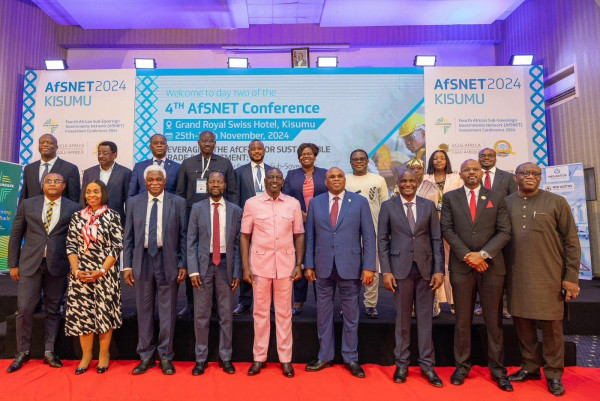
Over 250 Sub-Sovereign government leaders from across Africa are today meeting in Kisumu, Kenya, for the the fourth edition of the African Sub-Sovereign Governments Network (AfSNET) Conference. Taking place between the 25th and 27th of November, the event provides a platform for Sub-Sovereign leaders and businesses to discuss how their local governments can attract investments in the region in order foster and accelerate inclusive growth and development.

Organised by African Export-Import Bank (Afreximbank), in collaboration with the County Government of Kisumu and the United Cities and Local Governments of Africa (UCLG Africa), the conference's overarching theme is ‘Leveraging the AfCFTA for Sustainable Trade and Investment: A Development Pathway for African Sub-Sovereigns'. The event's main objectives include strengthening the role of Africa's Sub-Sovereign governments in driving intra-African trade and investment, and the successful implementation of the African Continental Free Trade Area (AfCFTA).

Africa's Sub-Sovereign governments, comprising states, counties, provinces, municipalities and regional authorities, play a critical role in economic development of African countries. According to the African Union, Africa's economic outlook is projected at 3.7% GDP growth in 2024, slightly higher than the global average of 3.2%. This growth elevates the integral role of Sub Sovereign governments for African economies and its people.

Understanding this, Afreximbank has committed USD $2 billion for these critical actors, to support these governments and businesses in African countries.

While delivering his keynote address at the AfSNET conference in Kisumu, Kenya, H. E. Dr. William Ruto, President of the Republic of Kenya acknowledged the Bank's support for African governments including Kenya:

“I want to thank Professor Benedict Oramah for making time to join us for this conference. Your presence here is yet another example of the unique approaches that the Bank, under your leadership, employs in order to deepen its footprint by engaging with shareholders throughout the continent, including sub-national entities like Africities, and devolved governments like Kisumu. Afreximbank has consistently demonstrated innovative approaches in advancing credit to African governments and the public sector while facilitating deeper collaboration among sub-Saharan nations and Kenya is an example. This spirit of innovation aligns seamlessly with the aspirations of the African Continental Free Trade Area, creating a dynamic network of ambitious, future ready institutions and governments. Such collaborations will drive transformative engagements at the grassroots level, enabling Africa to achieve an unparalleled position in the global value chains and make substantial contributions to their bottom-up transformation.”

Speaking on the importance of the conference, President Ruto noted: “By promoting peer to peer learning, this forum strengthens cooperation among Sub-Sovereign governments. And devolution, a tremendous innovation established under Kenya's 2010 constitution, has evolved into an exemplary success story that Kenyans are very proud of, as it has brought services closer to the people, empowered grassroot participation in government, safeguarded minority rights and enhanced equity in resource mobilization and allocation.”

Professor Benedict Oramah, President and Chairman of the Board of Directors of Afreximbank, commented:

“The African Sub-Sovereign Governments Network (AfSNET) initiative thrives due to the concerted efforts and unwavering commitment of partners who recognise the tremendous potential of sub-sovereign governments as the engines for broad-based economic development that extends to the grassroots of our societies. At Afreximbank, we strongly believe that for developmental initiatives to succeed in our economies, they must, of necessity, be decentralized; development needs must originate and flow from the periphery towards the centre. In alignment with the African Continental Free Trade Agreement (AfCFTA), we are passionately implementing the AfSNET initiative to promote intra-regional trade and investment. We collectively recognize that cities, states, and provinces within a nation exhibit remarkable diversity—differing in population sizes, resource endowments, skill sets, and sectoral specializations.”

Professor Oramah continued that this conference is a key prelude to the upcoming Intra Africa Trade Fair (IATF2025) scheduled to take place from 4 to 10 September 2025 in Algiers, Algeria, and delegates are welcomed to contribute to the discourse that can be elevated at the IATF2025.

AfSNET was established by Afreximbank as a platform for promoting intra-African trade and investment, educational and cultural exchanges and the fostering of effective engagement among sub-sovereigns in Africa's development and prosperity in the context of the AfCFTA.

Distributed by APO Group on behalf of Afreximbank.

Media Contact:
Vincent Musumba
Communications and Events Manager (Media Relations)
Email: press@afreximbank.com

Follow us on:
Twitter: http://apo-opa.co/3Z521i8
Facebook: http://apo-opa.co/4eNjNMs
LinkedIn: http://apo-opa.co/4eJyWyh
Instagram: http://apo-opa.co/4eNjO2Y

About Afreximbank:
African Export-Import Bank (Afreximbank) is a Pan-African multilateral financial institution mandated to finance and promote intra-and extra-African trade. For 30 years, the Bank has been deploying innovative structures to deliver financing solutions that support the transformation of the structure of Africa's trade, accelerating industrialization and intra-regional trade, thereby boosting economic expansion in Africa. A stalwart supporter of the African Continental Free Trade Agreement (AfCFTA), Afreximbank has launched a Pan-African Payment and Settlement System (PAPSS) that was adopted by the African Union (AU) as the payment and settlement platform to underpin the implementation of the AfCFTA. Working with the AfCFTA Secretariat and the AU, the Bank is setting up a US$10 billion Adjustment Fund to support countries effectively participating in the AfCFTA. At the end of December 2023, Afreximbank's total assets and guarantees stood at over US$37.3 billion, and its shareholder funds amounted to US$6.1 billion. Afreximbank has investment grade ratings assigned by GCR (international scale) (A), Moody's (Baa1), Japan Credit Rating Agency (JCR) (A-) and Fitch (BBB). Afreximbank has evolved into a group entity comprising the Bank, its impact fund subsidiary called the Fund for Export Development Africa (FEDA), and its insurance management subsidiary, AfrexInsure (together, "the Group"). The Bank is headquartered in Cairo, Egypt.

For more information, visit: www.Afreximbank.com

About UCLG Africa (UCLG Africa (United Cities and Local Governments of Africa):
The umbrella organization for African local governments, was founded in 2005 in the City of Tshwane, South Africa as a result of the unification of three continental groups of local governments, namely the African Union of Local Authorities (AULA); the Union des Villes Africaines (UVA); and the Africa Chapter of the União das Ciudades e Capitães Lusófonas Africanas, (UCCL AFRICA). The founding congress of the organization was held in May 2005 in the city of Tshwane, South Africa. UCLG Africa brings together 51 national associations of local and regional governments from all regions of Africa, as well as 2,000 cities with more than 100,000 inhabitants. UCLG Africa represents over 350 million African citizens. A founding member of the world organization UCLG, UCLG Africa is the regional representative for Africa with its headquarters based in Rabat, capital of the Kingdom of Morocco, where it enjoys diplomatic status as a Pan-African International Organization. It also has regional offices on the continent.

Media files
Afreximbank
Download logo
Read moreAfrican Sub-Sovereign Government Leaders and Businesses Meet in Kisumu City, Kenya to Discuss Inclusive Growth, Trade Decentralization and Investment Opportunities
26 November 2024

Zimbabwe Commits to Boost Domestic Health Financing

Location: News

World Health Organzation (WHO) - Zimbabwe
Download logo

Zimbabwe has taken a significant step towards strengthening its health system by committing to increase domestic financing through a health levy, a sugar tax, establishment of National Health Insurance and other initiatives. This commitment was made during a three-day national dialogue on health financing, aimed at exploring sustainable strategies to improve the country's health sector which brought together key stakeholders, including government officials, healthcare providers, civil society organizations, and international experts, to discuss innovative approaches to bolstering financing to the country's health system.

Finance, Economic Development and Investment Promotion Deputy Minister Kudakwashe Mnangagwa announced $10 million through the Health Levy and $18 million through a sugar tax has been raised to date. These funds are intended to strengthen the country's health system and improve access to healthcare for all citizens.

“We will have periodical meetings between Treasury and the Ministry of Health and Child Care(MoHCC) to discuss major challenges facing the health sector, including budget utilisation, disbursements, cash support, as well as coming up with a minimum monthly health sector requirement to guide our cash flows,” he said.

The country is yet to meet the Abuja Declaration target of allocating 15% of its annual budget to health, leading to a healthcare system burdened by rising costs, limited resources, and inequitable access to care. Imposing taxes on unhealthy products like tobacco and alcohol can generate additional revenue for health programmes. Countries like Vietnam and South Africa have implemented such measures with varying degrees of success.

Key issues identified during the dialogue included the need to increase public revenue allocation to healthcare, improve the predictability and stability of funding flows, and strengthen accountability mechanisms. Collaboration with the private sector, establishing efficient cost-recovery mechanisms, ensuring health remains a priority in national budgets, leveraging indigenous knowledge systems, and timely disbursement of health funds were some of the recommendations brought forward during the meeting. In addition to sin taxes, levies, diaspora remittances, and climate financing, investing in preventive health programmes, expanding immunization programmes, and prioritizing allocation to primary health care and prevention of high-burden diseases were identified as some of the low-hanging fruits. 

To improve service delivery, shifting from siloed approaches to consolidated management structures, implementing cost-effective quality improvement initiatives, and identifying and eliminating wastage were also emphasized. Collaborating with civil society organizations, involving communities in decision-making, investing in capacity building for health workers, promoting innovation, developing social contracting policies, and promoting regional, national, and subnational knowledge exchange were also highlighted as important strategies. 

The World Health Organization (WHO) Representative to Zimbabwe Dr Desta Tiruneh commended the government's commitment to health financing and emphasized the need for collaboration between the MoHCC, the Ministry of Finance, and Parliament to implement proposed reforms and ensure equitable access to healthcare. He pledged WHO continued support to the government in implementing the recommendations provide during the dialogue and achieving the goal of Universal Health Coverage (UHC).

Distributed by APO Group on behalf of World Health Organzation (WHO) - Zimbabwe.

Read moreZimbabwe Commits to Boost Domestic Health Financing
26 November 2024

Technology can be used as a tool for change, protection, empowerment

Location: News

Technology can be used as a tool for change, protection, empowerment

While the rise of the digital economy and use of technology have introduced new avenues for perpetrators to harm and abuse women and children, Deputy President Paul Mashatile says the same technology can be used as a tool for change, protection and empowerment.

Speaking at the national launch of 16 Days of Activism for No Violence Against Women and Children campaign, in Rustenberg in the North West on Monday, the Deputy President called for further collaboration to harness technology and innovation to combat gender-based violence (GBVF) and accelerate a gender-inclusive digital economy.

He called for zero tolerance toward gendered violence in online and digital spaces, noting that the increase in the use of technology in peoples’ daily lives has introduced new avenues for perpetrators to harm, exploit, and abuse women and children.

The Deputy President said digital spaces can become breeding grounds for violence, from cyberbullying and online harassment to the dangers posed by social media platforms.

However, citizens can also harness the same technology as a tool for change, protection and empowerment.

“From using mobile apps that provide immediate support to victims and survivors to artificial intelligence that can help us understand and curb the pandemic, the potential is vast. Mobile apps, [including] helplines, and emergency response systems provide a direct link to safety, offering quick access to shelters, medical care and legal assistance.

“In South Africa, initiatives such as the GBV Command Centre - a 24/7 digital and telephonic support service - have proven instrumental in helping victims and survivors. We must leverage these advancements to enhance our prevention strategies, improve our response mechanisms, and ensure that no one is left behind,” he said.

The Deputy President said the internet should be used as a place where everyone can feel safe and respected.

“Access to technology and digital skills can open new economic opportunities, enabling financial independence and resilience. As we embark on these 16 Days of Activism for no Violence Against Women and Children, let us harness the power of technology and innovation to drive systemic change.

“Let us not forget that technology can be a force for good. It has the potential to save lives, connect victims and survivors to support, and hold perpetrators accountable in ways that were previously unimaginable,” Deput President Mashatile said.

Observed annually from 25 November to 10 December, the 16 Days of Activism campaign calls upon every individual to take a stand against the injustices that continue to plague society.

During the campaign period, the country raises voices to draw attention to the persistent violence against women and children.

The Deputy President said a full year of action is required to combat the scourge, not just during these 16 days.

This year's campaign, observed under the theme: “30 Years of Advancing Collective Action to End Violence Against Women and Children”, serves as a reminder of the progress made by the country and the work that still lies ahead.

The Deputy President acknowledged that society has for many years been grappling with the issue of gender-based violence and femicide, which includes the high rate of rape, femicide, and domestic abuse, and the fight is still not over.

Both Statistics South Africa (StatsSA) and the Human Science and Research Council (HSRC) have reported concerning statistics on GBV in South Africa.

StatsSA has revealed that one in three women aged 16 and older has experienced physical violence, while one in five has been sexually abused.

The first-ever national Gender-Based Violence survey conducted by HSRC in 2022, also revealed that over 33% of South African women have experienced physical violence in their lifetime, while 9.8% have faced sexual violence.  The study showed that approximately 7.3 million women have experienced physical abuse, while 2.1 million have experienced sexual violations.

Mashatile said government was committed to taking the findings of the surveys seriously and would integrate them into the work of government.

He said the findings will feed directly into the National Strategic Plan on Gender-Based Violence and Femicide (NSP on GBVF), which provides the roadmap for government's national response. – SAnews.gov.za

GabiK
Mon, 11/25/2024 - 15:24

375 views
Read moreTechnology can be used as a tool for change, protection, empowerment
26 November 2024

SA to mark World Aids Day

Location: News

SA to mark World Aids Day

Deputy President Paul Mashatile, in his capacity as the Chairperson of the South African National Aids Council (SANAC), will on Sunday lead the official commemoration of World Aids Day in East London.

World Aids Day is commemorated annually across the globe in solidarity with the millions of people living with HIV as well as to raise awareness about the status of the epidemic, with a view to encourage HIV prevention, treatment, and care.

The 2024 theme: “Equal Rights, Equal Care” is a call for equal, equitable and dignified access to healthcare for all South Africans regardless of their economic status, gender, race or sexuality.

“South Africa joins the global community in anchoring the World Aids Day 2024 commemorations, on the protection of everyone’s right to receive universal access to quality health care for all its citizens. 

“This is in line with the principles of the newly enacted National Health Insurance (NHI) model, which is a transformative policy aimed at addressing the inequalities in South Africa’s healthcare system,” said the Presidency.

Deputy President Mashatile will lead the commemoration alongside the SANAC Civil Society Chairperson Solly Nduku, SANAC Private Sector Chairperson Nompumelelo Zikalala, Minister of Health Aaron Motsoaledi, Eastern Cape Premier Oscar Mabuyane, as well as representatives from development partners such as the UN Agencies UNAIDS, UNICEF, WHO, US government agencies the CDC, PEPFAR, USAID, research entities, civil society movements, the private sector and community members.

As part of the programme on Sunday, Humile Mashatile, in her capacity as Patron of the Global Alliance, will participate at the launch of the Eastern Cape Provincial Global Alliance to End AIDS in Children by 2030. – SAnews.gov.za

Janine
Tue, 11/26/2024 - 12:17

8 views
Read moreSA to mark World Aids Day
26 November 2024

BMA pledges support for 16 Days campaign

Location: News

BMA pledges support for 16 Days campaign

The Border Management Authority (BMA) has reiterated its commitment to protect the integrity of the country and also to protect the most vulnerable in society -- women and children. 

With the country observing the 16 Days of Activism for No Violence against Women and Children campaign, the BMA said it takes seriously the plight of women and children.

"This pandemic is a crisis that demands urgent and unified action. Every act of violence against women and children represents a failure of our collective humanity. It is a violation of their rights, a threat to their security, and a hindrance to the development of our communities and nation.

“As the BMA, we recognise that the intersections of migration and trafficking are often where vulnerabilities to gender-based violence are amplified. In our border law enforcement operations, we have taken note of the devastating impact that this scourge has on the social fabric of our society. 

“Gender-based violence and femicide (GBVF) is a pervasive issue that unfortunately extends its reach to all sectors of society and the continent. 

“As a law enforcement authority, we have to adopt a zero-tolerance stance in order to create a border management environment that is not only efficient but safe for women and children,” the BMA said. 

The 16 Days campaign forms part of government’s comprehensive 365 Days of Activism for No Violence against Women and Children. 

This year’s campaign is being held under the theme: “30 Years of Advancing Collective Action to End Violence against Women and Children".

The BMA says it will continue to employ strict protocols to prevent and respond to GBVF in order to foster an atmosphere where everyone feels secure and valued. 

“We are building a world where no one has to endure any harm, especially women and children. We will continue to ensure that our ports of entry are not exploited for human trafficking or any form of violence. We have equipped BMA officials with the skills to identify, respond to, and support victims of gender-based violence and trafficking. 

“We understand that words alone are not enough. Our commitment must translate into tangible actions that make a difference in the lives of those affected.  

“As we launch the 2024 programme of 16 Days of Activism, let us join hands... to reject all forms of violence. Let us build a nation where women and children can live free from fear and realise their full potential,” the BMA said. – SAnews.gov.za 

Edwin
Tue, 11/26/2024 - 08:00

231 views
Read moreBMA pledges support for 16 Days campaign
25 November 2024

Confronting South Africa’s Crisis of Gender-Based Violence

Location: News

Human Rights Watch (HRW)
Download logo

Gender-based violence (GBV) remains shockingly pervasive across South Africa, according to a new report. Despite the country's robust legal framework and policies aimed at tackling GBV, the practice is deeply rooted in societal norms and incidents continue to escalate at an alarming rate.

On November 18, South Africa's Human Sciences Research Council released its first national study on GBV prevalence in the country. The study highlights, among other things, societal attitudes towards gender power dynamics; the prevalence and patterns of GBV experiences among women and the perpetration of violence by men; and presents data underscoring the GBV crisis.

According to the researchers, “the data reveals deeply ingrained gender norms and power dynamics, with strong cultural reinforcement of traditional gender roles and a troubling acceptance of male aggression and dominance.”

The study surveyed a sample of households in 1,000 communities across South Africa's nine provinces. About 10,000 people, men and women, participated in the survey. Of the women surveyed, more than 1 in 3, 36 percent, said they experienced physical or sexual violence at some point in their lives, while 24 percent reported experiencing violence by an intimate partner.

The study also uncovered disturbing opinions held by men regarding gender roles. Nearly 70 percent said a wife should obey her husband, and 15 percent felt a husband had the right to “punish” his wife for wrongdoings. Almost 23 percent believed a wife may not refuse to have sex with her husband. Nearly 10 percent held the false idea that women are often to blame if they were raped, and 12 percent wrongly believe if a woman does not physically resist it is not rape.

Furthermore, the study highlighted the longstanding issue of violence against women with disabilities, which previously lacked much data. According to responses, 31 percent of women with disabilities have experienced sexual or physical violence in their lifetime.

While often perpetrated behind closed doors GBV is not a private matter, but a serious public crime that denies women and girls the most fundamental of human rights including the rights to be free from violence, discrimination, and to physical integrity. Failure to take effective steps to deter and punish it, is a human rights violation.

The South African government needs to increase its efforts to combat all forms of GBV. This should include implementing the report's recommendations for holistic approaches to individual, interpersonal, community, and societal-level interventions, and strengthening availability of and access to psychosocial services for GBV survivors. The government should also promptly establish a coordinating body to address GBV as required under the 2024 National Council on GBV and Femicide Act, and ensure full implementation of the 2020 National Strategic Plan on GBV and Femicide.

South African women cannot afford to wait any longer for the comprehensive changes needed to end the country's shocking rates of gender-based violence. 

Distributed by APO Group on behalf of Human Rights Watch (HRW).

Read moreConfronting South Africa’s Crisis of Gender-Based Violence
25 November 2024

Diamond Mines Everywhere but Richtersveld Town Battles Poverty

Location: News

Sanddrift residents struggle to get medication, ambulances, and jobs

Read moreDiamond Mines Everywhere but Richtersveld Town Battles Poverty
25 November 2024

Amplifychange Marks 10 Years of Advancing Sexual and Reproductive Health and Rights

Location: News

Today marks 10 years of a pioneering effort to promote sexual health and rights in Africa and South Asia. Because of AmplifyChange (www.AmplifyChange.org) -funded support for local activists in key African countries, millions now have better access to comprehensive sexual and reproductive healthcare and information and can make decisions about their bodies and their relationships. Over the past decade, AmplifyChange has invested significantly in grassroots organisations dedicated to eliminating gender-based violence, including sexual violence, female genital mutilation, and child marriage. In Kenya, more than £20.5 million has funded over 35 projects, with £5.7 million specifically targeting these critical issues. South Africa has received over £15.4 million, including £5.1 million for nearly 20 initiatives. In Nigeria, £6.8 million has been granted, with almost £2 million funding around 25 projects, while in Senegal, over £2.1 million has been allocated, including £1.8 million for nine targeted initiatives.AmplifyChange has been the transformational vehicle supported by governmental, foundation, and private-sector donors. In partnership with the Ministry of Foreign Affairs Denmark, it today celebrates its tenth-anniversary event at Eigtveds Pakhus in Copenhagen. 

“The Government of Denmark was one of the founding donors that set up AmplifyChange to support locally-led groups to lead the work on Sexual and Reproductive Health and Rights in their communities. Denmark has been a proud supporter ever since. AmplifyChange has lived up to its ambitious name and brought empowerment and life-altering changes to millions of women, girls, and local communities over the last 10 years. We look forward to continuing the cooperation,” said Denmark's State Secretary for Development Cooperation Lotte Machon. 

AmplifyChange has funded 775 civil society organisations in the last ten years, distributing over GBP 125 million in grants across 67 sub-Saharan Africa and South Asia countries. The organisation's unique approach focuses on delivering funds directly to grassroots organisations, allowing for rapid response to community needs and efficient use of resources. Cameroon is one notable example where AmplifyChange has supported local groups like Reach Out Cameroon to address urgent SRHR issues worsened by ongoing conflict within the country, especially for women and girls. By involving men and boys in shifting social norms, challenging toxic masculinity, and reducing gender-based violence, these initiatives create a community-driven approach that supports immediate SRHR needs and builds lasting change in attitudes toward gender equality. In addition, AmplifyChange uses comprehensive impact assessment methods to track the effectiveness of its initiatives to ensure that each grant contributes to meaningful and sustainable progress in the key countries. 

Local community support has been essential for initiatives like Dance Into Space (DIS), a performing arts group in Siaya, Kenya, where Artistic Director Onyango Ondiege uses “artivism” to promote sexual and reproductive health and rights (SRHR) for people with disabilities. One member, Pamela Jura, a single mother of three, advocates for women with disabilities through dance, tackling stigma and human rights violations. DIS's “Breaking Barriers” initiative equips individuals with contemporary dance skills to raise awareness of the challenges faced by people with disabilities while encouraging understanding and empathy to drive social change. 

“In the past decade, AmplifyChange has proven the power of local action in addressing some of the most pressing SRHR issues worldwide,” said Dr. Narmeen Hamid, Board Chair of AmplifyChange. “Our partnerships with community organisations are at the heart of what we do, enabling local leaders to drive sustainable change and confront critical challenges that affect health and rights in their communities.” 

AmplifyChange was launched in 2014 by Her Majesty The Queen of Denmark during a United Nations General Assembly session, marking the beginning of a movement dedicated to improving SRHR for underserved populations in sub-Saharan Africa and South Asia. Through targeted funding and organisational strengthening, AmplifyChange has supported local organisations to tackle urgent issues, including gender-based violence, stigma, abortion access, youth rights, and healthcare availability for all. 

“AmplifyChange's support has allowed us to champion rights and health for LGBTIQ communities in ways that were once unimaginable,” said Anne-Marie Manga, AmplifyChange Strategic Adviser for Cameroon. “Our work brings visibility and resilience to people who are often marginalised, and it emphasises that SRHR advocacy is about dignity, health, and inclusivity for all.” 

“With AmplifyChange's partnership, we have been able to expand our reach and deepen our impact, particularly in underserved West African communities,” said Sory Ibrahima Monekata, Ph.D., Grant Director of Dambe Funds Sahel in Mali. “Their support has enabled us to implement essential programs and to build local capacity, ensuring that our advocacy and services are sustainable and rooted in the communities we serve.” 

AmplifyChange's 10th-anniversary celebration coincides with the first day of the global “16 Days of Activism Against Gender-Based Violence,” a fitting occasion to reflect on the progress made and the work still to be done. The organisation's impact in advancing SRHR highlights shared values of health equity, dignity, and justice that resonate globally and especially with communities throughout Europe. AmplifyChange remains committed to broadening its support and forging new partnerships to address critical SRHR needs, building healthier and more resilient communities in the process. 

Distributed by APO Group on behalf of AmplifyChange.

Contacts:
For more information, please contact:
communications@amplifychange.org  

West Africa Media: 
Anne Mireille
anne-mireille.nzouankeu@finnpartners.com 
+237 657 816 993 

East Africa Media: 
Sharon Quntai
sharon.quntai@finnpartners.com 
+254 728 224 952  

About AmplifyChange: 
AmplifyChange is a multi-donor challenge fund dedicated to advancing sexual and reproductive health and rights (SRHR) by empowering local organisations across sub-Saharan Africa and South Asia. AmplifyChange supports civil society advocacy and activist groups working on the most neglected and challenging SRHR issues globally today. By focusing on critical issues such as gender-based violence, stigma against sexual and gender minorities, abortion access, youth rights, and healthcare access for marginalised communities, AmplifyChange supports grassroots initiatives to ensure that resources reach communities most in need, promoting a just and inclusive world where every individual's health and rights are respected and protected. AmplifyChange collaborates with FINN Partners to amplify its mission and effectively communicate its global impact. 

Media files
AmplifyChange
Download logo
Read moreAmplifychange Marks 10 Years of Advancing Sexual and Reproductive Health and Rights
  • Previous
  • Page 1
  • Interim pages omitted …
  • Page 84
  • Page 85
  • Page 86
  • Page 87
  • Page 88
  • Interim pages omitted …
  • Page 210
  • Next

Copyright © 2026 · MyZA · All Rights Reserved · Powered by Stratlec Online