• Skip to main content
  • Skip to header right navigation
  • Skip to after header navigation
  • Skip to site footer
MyZA

MyZA

News, Directory, Events and Other Stuff

  • Social Media
  • Sport
  • World News
  • Home
  • Submit News
  • Directory
  • Events
  • Stratlec
  • TFSA
  • News
    • APO
    • Today’s Sport News
    • Todays Social Media and Tech Headlines
    • Today’s World News
    • Today’s SA Financial News
  • Contact
You are here: Home / Archives for green

green

31 July 2024

dtic welcomes signing into law of the Companies Amendment Act

Location: News

dtic welcomes signing into law of the Companies Amendment Act

Trade, Industry and Competition Minister Parks Tau has welcomed the signing into law of the Companies Amendment Act by President Cyril Ramaphosa last Friday. 

Tau was addressing the National Council of Provinces (NCOP) during the debate on his department’s Budget Vote on Tuesday. 

“In the spirit of transparency and in the hopes that we further improve the ease of doing business, we welcome President Ramaphosa’s ascension to the Companies Amendment Act. The Act aims to improve the ease of doing business by ensuring that our company law is consistent with well-established principles that are not over-burdensome on businesses,” he said. 

Tau said the new Act is also aimed at achieving equity between directors and senior management on the one hand, and shareholders and workers on the other hand, as well as addressing public concerns regarding high levels of inequality in society.

“The Act will go a long way in ensuring adherence to sound corporate governance, accountability and transparency, and that directors carry their duties with integrity and care,” he said.

READ I President assents laws advancing ease of doing business

Tau also welcomed President Ramaphosa’s signing of the Climate Change Bill into law, saying that all South Africans needed to celebrate its ascension. 

The Climate Change Act sets out South Africa’s national climate change response, including mitigation and adaptation actions, which also constitutes South Africa’s fair contribution to the global climate change response. 

“The signing of the law came at an opportune moment because as the department, we had already taken significant steps towards identifying opportunities in industrial decarbonisation and manufacturing of green products for both local and export markets,” he said.

The Act makes provision for an active role by provinces and municipalities in coordinating the country’s climate change responses, as well as setting emissions targets for manufacturing and related sectors. 

“In this regard, our department has developed the Green Hydrogen Commercialisation Strategy, which will be implemented. 

“In the next few weeks, we will be meeting with provinces and the South African Local Government Association (SALGA) to map these out further and ensure that we all channel our energies towards building a greener and climate-resilient South African economy,” Tau said.

During his speech, Tau said the department will accelerate the roll out of the Special Economic Zones (SEZ) programme in order to achieve better spatial equity.

“Fortunately, there are local success stories we can learn from to accelerate the SEZ model in other under-serviced areas,” he said.

He cited the Coega Industrial Development Zone, which is presently home to 63 firms, employing approximately 10 000 people and with cumulative investments of about R11.5 billion.

Tau told the NCOP that his administration will ensure that industrial opportunities resulting from policy, regulatory and private-sector decisions were maximised to enable manufacturing-led growth. 

“Manufacturing induces or catalyses growth and jobs in upstream and downstream sectors. These jobs are typically permanent, pay relatively decent wages and provide workers with sustainable careers. And as you would agree, these jobs offer a sense of dignity to our citizens and communities,” he said. – SAnews.gov.za

Edwin
Wed, 07/31/2024 - 14:42

207 views
Read moredtic welcomes signing into law of the Companies Amendment Act
31 July 2024

Industry Leaders Forum at CMA 2024 to Drive Sustainable Mineral Production

Location: News

Energy Capital & Power
Download logo

UN Secretary General António Guterres appointed (https://apo-opa.co/3WNr7Cg) a panel dedicated to developing a framework that ensures equity, transparency, sustainability and human rights among critical mineral extraction activities, in April 2024. Uniting government and industry stakeholders, the panel aims to encourage developing countries, including those in Africa – which holds over half of the world's cobalt and manganese reserves and over one-fifth of aluminum and copper reserves – to leverage its critical minerals for enhanced job creation, economic diversification and export revenues.

Reflecting similar priorities, the Critical Minerals Africa (CMA) summit — scheduled for November 6-7 in Cape Town — will host an Industry Leader Forum to explore strategies for ensuring sustainable mineral production and navigating external factors like geopolitical risk, digital transformation and the energy transition. It will also address recent high-level initiatives – from the African Green Minerals Strategy to the global Minerals Security Partnership – and their role in shaping best practices for building resilient mineral supply chains. 

Initiated in 2022 by the African Development Bank, the African Green Minerals Strategy (AGMS) (https://apo-opa.co/3y8dZy4) serves as a comprehensive framework for leveraging the continent's mineral resources for industrialization and the development of green technologies. The AGMS aims to articulate Africa's interests in a rapidly changing world, build and retain local value, create jobs, develop new industries, and foster greener economies, as global demand for transition minerals rises. 

Meanwhile, the US-led Minerals Security Partnership (MSP) (https://apo-opa.co/3YpZf87) represents a collaborative effort among 14 countries and the European Union to bolster investment in responsible critical minerals supply chains. Through partnerships with governments and industries, the MSP provides support for strategic projects, particularly focusing on lithium, cobalt, nickel, manganese, graphite, rare earth elements and copper. Given Africa's abundant mineral reserves, collaboration with the MSP is particularly relevant for the continent, enabling responsible mineral extraction and supporting local communities and economies, while advancing global clean energy goals.

In February 2023, MSP partners gathered in South Africa to establish guiding principles for global project development, emphasizing local value addition and maintaining sustainability and ESG standards. Representatives from mineral-rich nations, including non-MSP countries like Angola, Botswana, the Democratic Republic of the Congo (DRC), Tanzania, Uganda and Zambia, joined the discussions. The meeting sought to ensure that the growth of critical minerals supply chains benefits all stakeholders equitably, underlining the MSP's commitment to responsible mineral extraction and sustainable development.

Furthering efforts to ensure a steady and sustainable supply of CRMs, the EU launched its Critical Raw Materials (CRM) Act in March 2023, as European demand for rare earth metals is expected to increase six-fold by 2030. As part of this initiative, the EU has engaged with several African countries including the DRC, Zambia, Rwanda and Namibia through various MOUs. These agreements aim to foster collaboration within integrating sustainable raw materials value chains, mobilizing funds for infrastructure development, promoting sustainable and responsible production practices, encouraging research and innovation and enhancing capacity building efforts.

Within this context, the Industry Leaders Forum: Driving Innovative Minerals Production at CMA 2024 will explore key trends within the African and global critical minerals landscape. Leaders will discuss how initiatives like the AGMS, MSP and European CRM Act will shape the future of sustainable mineral production and global supply chains.

CMA is the largest gathering of critical mineral stakeholders in Africa. Taking place from November 6 – 7 in Cape Town, the event positions Africa as the primary investment destination for critical minerals. This year's edition takes place under the theme Innovate, Enact, Invest in African Critical Minerals to Sustain Global Growth, connecting African mining projects and regulators with global investors and stakeholders to untap the full potential of the continent's raw materials. Sponsors, exhibitors and delegates can learn more by contacting sales@energycapitalpower.com.

Distributed by APO Group on behalf of Energy Capital & Power.

Read moreIndustry Leaders Forum at CMA 2024 to Drive Sustainable Mineral Production
30 July 2024

SASSA’s fraud management system is fraught with danger

Location: News

It is irrational to expect people who can’t afford food to have a smartphone and internet access

Read moreSASSA’s fraud management system is fraught with danger
30 July 2024

Beneficiaries are still battling with SASSA’s new biometric system

Location: News

Pilot programme rolled out to help recipients of the Social Relief of Distress grant to verify their identity

Read moreBeneficiaries are still battling with SASSA’s new biometric system
29 July 2024

New shelter for hundreds of homeless people opens in Green Point

Location: News

This is one of five Safe Spaces run by the City of Cape Town

Read moreNew shelter for hundreds of homeless people opens in Green Point
29 July 2024

Enriching lives: A Guiding Principle

Location: News
MultiChoice Group

By Fhulu Badugela, CEO of Multichoice Africa (www.MultiChoice.com)

As MultiChoice published its annual ESG report earlier this month, I was struck by the aptness of the term sometimes used in relation to such documents: integrated reporting. Integration is fundamental to any kind of environmental, social and governance (ESG) impact. 

MultiChoice Group has had three decades to find that particular sweet spot, refining its formula of enriching lives, while transforming African entertainment and broader society. 

The beauty of the approach can be seen in the way key business touchpoints dovetail with ESG principles. 

By way of illustration, the MultiChoice commitment to hyperlocal storytelling has meant a need to create homegrown, locally relevant content. This in turn has led MultiChoice to create regional MultiChoice Talent Factory (MTF) academies in Nairobi, Lagos and Lusaka, training aspiring filmmakers.  

Not only has this created a rich pipeline of authentic talent, it has built a vast library of local content. This fuels the ongoing success of MultiChoice as an entertainment platform, where Africa's people can see African creators telling African stories. 

Social upliftment 
In ESG parlance, this supports the social-development pillar. To date, 467 filmmakers have been trained by the MTF. These young people have gone on to work on hit African shows on regional channels across the continent.  

In East Africa, graduates secured story development grants, gained acclaim at international film festivals and showcased their commitment to environmental consciousness by presenting at the Youth and Climate Action meeting. 

In West Africa, Azeezah Sama, produced by a student from the class of 2023, was selected for prestigious film festivals such as the Toronto International Nollywood Film Festival. Africa Magic commissioned productions from three MTF alumni companies, generating employment opportunities and amplifying the programme's impact in the region. 

Meanwhile, in Southern Africa, MTF alumni feature films have premiered on Zambezi Magic, and interns have contributed to more than 30 professional productions, including hit shows like Idols, Adulting, My Brother's Keeper, Champions, and Gen Zee. 

Economic impact 
Besides skills development, MultiChoice makes direct investments in job creation and economic empowerment for emerging economic sectors. The MultiChoice Enterprise Development Trust oversees two key initiatives aimed at fostering the growth of startups and small enterprises: the Innovation Fund and the Africa Accelerator programme. 
 
To date, the MultiChoice Innovation Fund has supported 77 black-owned small businesses with at least 50% female-black ownership and disbursed R407 million in loans, grants and business development expenses. This has created 1 400 employment opportunities.  

Last year, the MultiChoice Accelerator programme helped 11 entrepreneurs from South Africa to secure more than $17 million in investments from investors in the United Arab Emirates. 

Also last year, the Enterprise Development Fund funded four new tech-related companies, including two owned by black women, to the tune of R26.74 million, creating 395 jobs. 

Developmental governance 
Integrated ESG principles mean that the crucial MultiChoice governance function must also have a developmental role, while still enabling the business generate value for all stakeholders.  

That means ethical, developmental governance. The Group inculcates these principles in our people through mandatory training – anti-bribery, ethical conduct; and “better place to work” training on the MultiChoice Academy platform. 

Another of the company's biggest governance focus areas is the fight against content piracy, which poses a significant threat to the business and the wider industry. With Partners Against Piracy (PAP), MultiChoice has signed Memorandums of Understanding with governments across Africa to combat broadcasting piracy.  

The MOUs establish partnerships for capacity building, benchmarking, and experience sharing, as well as intellectual-property rights protection, training, and skills development. In addition, a multi-governmental workshop in mid-2024 will review piracy policies and actions, with an eye to amending cybercrime legislation. 

Environmental awareness 
Deeply conscious of how our operations impact the environment, MultiChoice takes direct steps to limit our emissions and energy efficiency – but always in ways that can be integrated into our ways of doing business.  

We have taken proactive steps to enhance energy efficiency in our electricity consumption, air-conditioning systems, data centres, heating and ventilation. We have invested in green infrastructure, including installing light motion sensors within buildings, LEDs equipped with daylight harvesting capabilities, solar panels and energy-efficient inverter technology.  

These initiatives have seen us reduce total Scope 1 and Scope 2 emissions to 67 675 tonnes of CO2 equivalent from 75 060 tonnes in 2023, a tangible move towards sustainability and responsible resource management through more eco-friendly operations. 

We have managed to make these sustainability improvements in ways that continue to generate income for the group. The R10,7 billion we pay in taxes in 2024 underlines our integration into the continent's economy.  

Ultimately, the proof of our ESG impact will be in our ability to continue operating sustainably, into the future, in a way that enriches lives for all the people we touch.  

We are proud to have met this challenge successfully for the past three decades, and we are confident we will continue doing so for decades to come, by integrating our purpose – enriching lives – into our way of doing business. 

Distributed by APO Group on behalf of MultiChoice Group.

Media files
MultiChoice Group
Download logo
Read moreEnriching lives: A Guiding Principle
25 July 2024

Solar geyser rollout benefits Woodyglen residents

Location: News

Solar geyser rollout benefits Woodyglen residents

The Woodyglen community in Hammarsdale in KwaZulu-Natal will now enjoy cost savings and reduced energy consumption as the area goes green following the installation of new solar geysers in their households.

In a move towards embracing green energy, the eThekwini Municipality in KwaZulu-Natal has completed the installation of solar geysers in 700 homes in Woodyglen.

The project aims to significantly reduce electricity consumption and costs for residents.

Ward 6 councillor, Bless Majola, commended the project’s completion and announced plans for expansion of the project into other areas of the ward.

Majola said the municipality has ensured the transfer of skills during the installation process.

“Young people from the community have been trained to install and maintain the geysers, creating around 30 temporary jobs. We expect to employ more young people as the project progresses,” Majola said.

Project Manager of Gemmed Services, Lungelo Ngcobo, emphasised the geysers’ durability, with a lifespan of up to 15 years and a one-year warranty.

“Our work adheres to the Department of Mineral Resources and Energy standards. Beyond installation, we prioritise skills transfer to empower the community for future maintenance needs,” Ngcobo said. – SAnews.gov.za
 

GabiK
Thu, 07/25/2024 - 12:04

223 views
Read moreSolar geyser rollout benefits Woodyglen residents
25 July 2024

Africa Data Centres announces additional 6MW capacity now live in Cape Town

Location: News
Africa Data Centres

Africa Data Centres (www.AfricaDataCentres.com), a business of Cassava Technologies, a pan-African technology group, has announced it is expanding its CPT1 facility in Cape Town.

This expansion shows the data centre giant adding three new state-of-the-art halls in new areas on the campus and adds another 6MW of IT load, effectively doubling its current capacity. The new expansion was implemented with support from the United States through an up to $300 million loan from the U.S. International Development Finance Corporation (DFC) to Africa Data Centres.

According to Hardy Pemhiwa, President & Group CEO of Cassava, “This expansion by Africa Data Centres is in response to the increasing demand for co-location capacity in South Africa. Not only is Cape Town the second largest economy in South Africa, but it is also the de facto software and technology hub in Southern Africa.”

The company is seeing tremendous growth in the data centre market in South Africa generally, as both national and international cloud and IT service providers seek to expand their footprints in the region.

In terms of size, the expansion adds 1000 racks of white space or the space available for customers to lease, although the physical site is significantly larger than that. It is made up of two more colocation data halls and one hyperscale hall.

The additional halls are built in the cutting-edge modular design pioneered by Africa Data Centres, which enables rapid scalability and a modern design that allows the facility to be populated as and when required to suit the needs of the customer.

Pemhiwa says this would not have been possible without the support of the Ministry of ICT, Western Cape Provincial Government and the Western Cape Department of Economic Development. “I would like to acknowledge their ongoing support, as we expand our data centre facilities in South Africa.”

The new halls feature the same cutting-edge security standards and focus on the elements that matter most to clients, including scalability, flexibility, and energy efficiency, to bring world-class, affordable solutions to all its clients in the area. This data centre is highly flexible and designed to accommodate different and evolving customer demands.

Additionally, this data centre boasts hybrid cooling technology capable of handling both air cooling and liquid cooling. Despite its versatility, no compromises were made on efficiency. It is one of the most efficient and sustainable data centres ever built in South Africa. It is powered by renewable energy, boasts a Water Usage Effectiveness of 0 due to no water consumption for the IT infrastructure, and has an impressive Power Usage Effectiveness rating as well.

The Africa Data Centres' CPT1 facility is at the forefront of pioneering the use of wheeled solar power in the market. This innovation is enabled through a 20-year Power Purchase Agreement (PPA) signed in March last year with Distributed Power Africa, part of the Cassava Technologies group. Africa Data Centres is the first company to successfully implement this groundbreaking technology in Africa, marking it the continent's first project of its kind.

“The introduction of wheeled solar power at the CPT1 facility offers significant benefits to our' customers, providing a truly sustainable data centre solution. As the demand for data continues to skyrocket across Africa, a continent where power supply is often intermittent, the need for reliable, cost-effective, and green power has never been more critical,” said Finhai Munzara, Interim CEO of Africa Data Centres.

By harnessing renewable energy, he says the CPT1 facility not only ensures consistent power supply but also supports sustainable operations, helping customers achieve their environmental goals. “Our state-of-the-art facility reduces reliance on non-renewable energy sources, setting a new standard for sustainability in the data centre industry.”

Munzara adds that Cape Town is an excellent location for colocation facilities as it is a stone's throw away from all the submarine cable landing stations. In addition, the Cape Town facility houses the Cape Town Internet Exchange (CINX), which makes multi-region peering more accessible, efficient, and easy to manage. This also facilitates direct connections between networks, enabling data to flow more efficiently and reducing latency, giving our users a faster, more responsive online experience.

In ending, Munzara says the expansion increases the capacity of the company's data centres in South Africa and it is an integral part of its investment plans to deliver several additional data facilities across the continent.

Distributed by APO Group on behalf of Africa Data Centres.

Social Media Platforms:
Twitter: https://apo-opa.co/3Sklmcm
LinkedIn: https://apo-opa.co/3WjNnSt
Facebook: https://apo-opa.co/3WjNpK5
YouTube: https://apo-opa.co/3WjNq0B

About Africa Data Centres: 
Africa Data Centres owns and operates Africa's largest network of interconnected, carrier and cloud-neutral data centre facilities. Bringing international experts to the pan-African market, Africa Data Centres is a trusted partner for rapid and secure data centre services and interconnections across Africa. Strategically located in South, East and West Africa our world-class data centre facilities provide a home for all business-critical data for Africa's small, medium and large enterprises and global hyper scale customers. https://www.AfricaDataCentres.com/

Media files
Africa Data Centres
Download logo
Read moreAfrica Data Centres announces additional 6MW capacity now live in Cape Town
24 July 2024

Department works to secure water for all

Location: News

Department works to secure water for all

The Ministry and Department of Water and Sanitation, under the new administration, has committed to continue to ensure the implementation of all water projects without delay, and improved water and sanitation services.

Giving an update on the progress made in the water projects, which were previously delayed, Water and Sanitation spokesperson, Wisani Mavasa said in order to ensure water security,  government is focusing on investing in additional national water resource infrastructure. This includes building awareness of the need to use water sparingly, and improving municipal water and sanitation services.

Mavasa acknowledged that in the past, water projects have been subjected to unacceptable delays.

However, good progress has since been made in recent years in unblocking and accelerating the delayed projects.

She highlighted that there are currently 14 major national water resource infrastructure projects valued at more than R100 billion, which are in different stages of implementation around the country.

Among the projects which have been unblocked, include the Lesotho Highlands Water Project Phase Two, uMkhomazi Water Project and the raising of the wall of the Hazelmere Dam in KwaZulu Natal, construction of Ntabelanga Dam on the uMzimvubu River in the Eastern Cape.

This also includes the raising of the Clanwilliam Dam wall in Western Cape, the Giyani Water Supply Project in Limpopo, and the Loskop Regional Bulk Water Supply Project in Mpumalanga and Limpopo.

“In addition to unblocking and accelerating these projects, Parliament recently passed the National Water Resource Infrastructure Agency Bill, which will result in the establishment of an agency with a balance sheet which will enable substantially more funds to be raised for investment in national water resource infrastructure,” Mavasa said.

Water supply disruptions

Mavasa noted an increase in water supply disruptions in Gauteng and in eThekwini, which has resulted in hardship for residents.

According to the department, the demand for water in both areas is largely due to population growth.

The growth in demand was anticipated by planners, and new national water resource infrastructure projects were planned to meet it, unfortunately, the start of the projects was delayed.

“The new Polihali Dam and associated infrastructure, which is part of Phase Two of the Lesotho Highlands Water Project, was due to be completed in 2019 to enable additional water to be supplied to the Integrated Vaal River System, which in turn is the main source of water for Gauteng. 

“This project was unblocked, and the main contracts were all awarded in October 2022 and construction is now fully underway and is due to be completed by 2028.

“Similarly, the start of the uMkhomazi project to supply additional water to eThekwini and surrounding municipalities was delayed by nine years, due to concerns about its affordability in terms of the tariffs that would have to be charged to the residents of eThekwini. The affordability problem was resolved in 2023 with the approval by National Treasury of an application by DWS, with the support of the Presidential Infrastructure Fund, for a blended finance solution for the funding of the project which made the tariff more affordable,” she explained.

Among the solutions reached included a 25% interest-free loan and a 25% grant from the national fiscus, and this enabled the eThekwini Municipal Council to approve the water supply agreement on 31 January 2024.

The department has now started to raise the finance for the project and to commence with implementation. Work on the design of the dam and tunnel for the uMkhomazi project has started.

The department also noted the delays in a project to raise the Hazelmere Dam wall to further increase water supply to eThekwini Municipality and surrounding areas in KwaZulu-Natal, which started in 2011. This was due to contractual disputes between the department and the main contractor.

“The contract with the main contractor was terminated in 2018, resulting in a halt to the project. This was resolved in 2021, and the project was completed in 2023.”

Ntabelanga and Clanwilliam Dam upgrades

The department further noted that the construction of Ntabelanga Dam on a tributary of the uMzimvubu River in the Eastern Cape, which was planned to provide additional water for domestic and irrigation use was delayed because the department was unable to successfully motivate for a budget to be allocated to the project.

“The department resolved this blockage in 2023, by reconfiguring the project to reduce its cost while still providing the same benefits. The reconfiguration involved adopting a brown fields approach to water services infrastructure rather than the previous green fields (upgrading existing bulk water supply infrastructure rather than build new infrastructure).

“The reconfiguration of the project resulted in a decrease in the cost of the project from R18 billion to R8 billion, and National Treasury then agreed to fund the reconfigured project from the fiscus. As a result, site preparations and the process to obtain the license to construct the dam are currently underway and construction of the dam wall will commence by October 2024.”

A project to raise the wall of the Clanwilliam Dam in the Western Cape, resulting in a tripling of the volume of water than can be stored in the dam, was also started in 2013, but the implementation of the project was delayed due to budget constraints and several changes in construction approach.

As a result, by 2023 the project was only 10% complete. The delays have since been addressed, and the project is now fully funded and major construction work is currently underway.

Loskop Regional Bulk Water Supply project

The major Loskop Regional Bulk Water Supply project to increase water supply to Thembisile Hani Local Municipality in Mpumalanga and the Moutse-East area under the Sekhukhune District Municipality in Limpopo, has since been unblocked with construction having begun in 2022.

The project was originally planned to commence in 2019 but was delayed because of funding constraints and poor planning by the department.

The construction of a new bulk pipeline from Loskop Dam in Mpumalanga to Thembisile Hani Local Municipality and associated infrastructure is also underway.

Giyani Water Supply project

The Giyani Water Supply Project, which has been delayed for many years, and been the subject of investigations by the Special Investigations Unit, has since been unblocked and accelerated over the last two years.

Mavasa highlighted that the main bulk pipeline from Nandoni Dam to Nsami Dam near Giyani was completed last year, and projects are currently underway to refurbish and increase the capacity of the Giyani Water Treatment Works and to install bulk reticulation lines, bulk reservoirs, service reservoirs and reticulation to households.

“Water has started to flow to households in nine of villages in Giyani and we will strive to ensure a further 15 villages receive water by the end of August this year, and that a further 31 villages receive water within the next two years.”

Water Services Amendment Bill

In addition to assisting municipalities to improve their water and sanitation infrastructure, the department has proposed amendments to the Water Services Act, to address the poor municipal performance illustrated by the results of the Blue, Green and no Drop reports which were issued in December 2023.

“The Water Services Amendment Bill will be submitted to Cabinet shortly for approval for it to be tabled in Parliament.”

Improvement in issuing of water use licence

Meanwhile, the department’s turnaround plan for the issuing of water use licences has seen an improvement in performance from 35% of applications being processed within 90 days to 70% being processed within 90 days.

“In addition, the backlog of more than a thousand applications has been largely eradicated, with no more than 100 applications which have taken longer than 90 days to process,” Mavasa said.

The department has committed that further improvement towards the President’s 2020 State of the Nation Address (SONA) target of processing all applications within 90 days, will be achieved during this financial year. – SAnews.gov.za


GabiK
Wed, 07/24/2024 - 10:53

433 views
Read moreDepartment works to secure water for all
24 July 2024

SA committed to addressing climate change

Location: News

SA committed to addressing climate change

The signing of the Climate Change Bill by President Cyril Ramaphosa into law, demonstrates South Africa’s commitment to address and respond to the global phenomenon that involves long term shifts in temperatures and general weather patterns. 

Minister of Forestry, Fisheries and the Environment, Dr Dion George, has welcomed the new law which sets out a national climate change response, including mitigation and adaptation actions, which also constitutes South Africa’s fair contribution to the global climate change response.

“The President’s signing of the climate Change Bill into law marks a significant milestone in our nation's commitment to addressing climate change. This legislation provides a comprehensive framework for climate action across all our society and economy. We are now poised to move forward with its implementation,” George said on Wednesday. 

The law also sets out to enhance South Africa’s ability and capacity over time to reduce greenhouse gas emissions, and build climate resilience, while reducing the risk of job losses, and promoting opportunities for new job opportunities in the emerging green economy.

The Act will strengthen coordination between national sector departments and provide policy setting and decision-making to enable South Africa to meet the commitments of the Nationally Determined Contribution (NDC) under the Paris Agreement. 

“Through the Act, we aim to show leadership and we look forward to collaborating with all stakeholders to ensure its equitable and ambitious implementation,” the Minister said.

Some of the key provisions of the Act include:

• Mitigation: Establishing a national greenhouse gas (GHG) emission trajectory, requiring several Ministers to develop and implement measures to address climate change through sectoral emission targets, and mandating major emitting companies to comply with mandatory carbon budgets.

• Adaptation: Involving cooperation with provincial and local governments and communities to address climate adaptation challenges.

The Act, in addition to establishing new processes and institutional arrangements, formalises and integrates existing measures to address both mitigation and adaptation. 

It also provides a “coordinated and integrated response by the economy and society to climate change and its impacts in accordance with the principles of cooperative governance,” in line with South Africa’s 2011 National Climate Change Response Policy.

The Minister has commended the role played by all South Africans in the formulation of the Act. 

“As we implement the Act, we welcome the active engagement of citizens, workers and businesses, to move to low-emissions and climate resilient development,” he said. – SAnews.gov.za

nosihle
Wed, 07/24/2024 - 11:08

442 views
Read moreSA committed to addressing climate change
23 July 2024

SA to work with Palestine in research, technology and innovation programme

Location: News

SA to work with Palestine in research, technology and innovation programme

Department of Science and Innovation (DSI) Minister, Professor Blade Nzimande,  has announced a new programme to foster cooperation in science, technology and innovation (STI) between South Africa and war-torn Palestine. 

“The programme will also have a special focus support for safeguarding, rebuilding, and developing Palestine’s research and innovation capacities and infrastructure,” Nzimande explained on Tuesday.

According to the Minister, the decision was made following a series of collaborations between the two nations. 

These include a joint research project, seed funding for developing South African–Palestinian knowledge networks, the hosting of Palestinian scholars and students in South Africa in exchange programmes and sharing South African policy experience regarding science policy and system development.

The Minister, delivering his 2024/25 Budget Vote, stated that the programme aligns with the department’s strategic objective of using science diplomacy to foster human solidarity, and social justice, and support the country’s foreign policy.

“This new programme will be implemented by our entity the NRF [National Research Foundation] and will be funded from the department’s existing budget for international cooperation,” he told Members of Parliament (MPs). 

Vaccines
 

For the 2024/25 financial year, the department experienced a budget cut, which was adjusted to R10 562 billion from R10 874 billion in 2023/24. 

“I am honoured to be delivering the first Budget Vote of the Department of Science and Innovation, under the seventh administration, in the same year we celebrate 30 years of democracy. 

“In these 30 years, our country has made tremendous strides in science, technology, and innovation,” he added. 

He highlighted some of the achievements under the previous administration, which he believes have laid a foundation for deepening work in the new government.  

This includes a new Vaccine Manufacturing Strategy (VIMS) to promote domestic design, development and production of vaccines.

Through VIMS, the department targeted vaccine development to fight the Rift Valley fever (RVF), human papillomavirus (HPV), respiratory syncytial virus (RSV) and the hepatitis B virus. 

Working with the World Health Organisation (WHO), government also set up capacity for the local development of mRNA vaccines in response to future Coronavirus threats. 

Hydrogen economy 

Nzimande also touched on the hydrogen economy, which was specifically referenced by President Cyril Ramaphosa in his Opening of Parliament Address (OPA) last Thursday. 

“The DSI is leading major innovations to promote the transition to green hydrogen as an alternative source of energy to fuel our economy and to facilitate a net-zero energy future,” he explained.  

In 2023/24, they also provided R53 million as an initial investment to support women-led small, medium, and micro-enterprises (SMMEs) in the hydrogen economy. 

Achievements

A national solar research facility was also established by the government to enable localisation and technology transfer in support of the Cannabis Industrialisation Masterplan and the Renewable Energy Masterplan. 

“Arising from this, it is pleasing to report that the CSIR [Council for Scientific and Industrial Research] graduated 23 SMMEs with two commercial value-added products each.” 

The Minister also highlighted the role of the department in leading scientific and technological advancements in the field of astronomy, particularly in the construction of the Square Kilometre Array (SKA) project, which is poised to become the world’s biggest-ever radio telescope array. 

In the area of agro-processing and farmer development in the 2023/24 period, the department provided 1 480 black emerging farmers with technology development support. 
 

New growth industries

Building on the successes of the sixth administration, the Minister said they remain committed to ensuring the sustainability of existing businesses in the agricultural, manufacturing and mining sectors and supporting the development of new growth industries. 

“STI is also about transforming the socio-economic conditions of working-class communities in townships and rural areas.”

He also touched on the Mandela Mining Precinct, a public-private partnership between the DSI and the Minerals Council of South Africa aimed at revitalising mining research, development and innovation to ensure the sustainability of the industry.

As part of building a capable State, he said his department has begun establishing an Earth Observation Data Centre to provide decision support tools for government in fire and flood mapping, food security monitoring, human settlements mapping, forest mapping, disaster management, climate change and water resources management. 

In addition, he told Parliament that government was looking at ways of raising gross expenditure on research and development (GERD) equal to 1.5% of the gross domestic product (GDP) by 2030/31. 

“Our challenges notwithstanding, we present this budget as our commitment to transform our National System of Innovation and using science, technology, and innovation to impact the lives of our people in a transformative way,” he added. – SAnews.gov.za

Gabisile
Tue, 07/23/2024 - 13:15

417 views
Read moreSA to work with Palestine in research, technology and innovation programme
23 July 2024

President Ramaphosa Assents to Climate Change Bill

Location: News

The Presidency of the Republic of South Africa
Download logo

President Cyril Ramaphosa has signed into law the Climate Change Bill which sets out a national climate change response, including mitigation and adaptation actions, which also constitutes South Africa's fair contribution to the global climate change response. 

The Climate Change Act, as endorsed by the President, enables the alignment of policies that influence South Africa's climate change response, to ensure that South Africa's transition to a low carbon and climate resilient economy and society is not constrained by policy contradictions.

The law also sets out to enhance South Africa's ability and capacity over time to reduce greenhouse gas emissions, and build climate resilience, while reducing the risk of job losses, and promoting opportunities for new job opportunities in the emerging green economy.

The Act has the aim of strengthening co-ordination between national sector departments and provide policy setting and decision-making to enable South Africa to meet the commitments in Nationally Determined Contribution (NDC) under the Paris Agreement.

The National Determined Contribution is a set of commitments South Africa has made under the international Paris Agreement to reduce greenhouse greenhouse emissions as part of climate change mitigation. 

South Africa is one of more than 190 members of the United Nations Framework Convention on Climate Change who are parties to the eight-year-old Paris Agreement. 

South Africa's mitigation measures are a response to climate change impacts that are increasingly experienced across a number of sectors including water resources; agriculture and food production; forestry and fisheries; human health; energy generation; industry; human settlements and migration; disaster management; biodiversity and terrestrial ecosystems. 

These impacts will disproportionately affect poor communities and vulnerable groups and could affect South Africa's ability to meet its development and economic growth goals, including job creation and poverty reduction.

The Climate Change Act sets out the functions of the Presidential Climate Commission, which includes providing advice on the Republic's climate change response to ensure the realisation of the vision for effective climate change response and the long-term just transition to a climate-resilient and low-carbon economy and society.

The law also stipulates the role provinces and municipalities will play in mitigation efforts.

Distributed by APO Group on behalf of The Presidency of the Republic of South Africa.

Read morePresident Ramaphosa Assents to Climate Change Bill
23 July 2024

SA’s response to climate change outlined in new law

Location: News

SA’s response to climate change outlined in new law

President Cyril Ramaphosa has signed into law the Climate Change Bill, which sets out a national climate change response, including mitigation and adaptation actions, which also constitutes South Africa’s fair contribution to the global climate change response.

“The Climate Change Act, as endorsed by the President, enables the alignment of policies that influence South Africa’s climate change response, to ensure that South Africa’s transition to a low carbon and climate resilient economy and society is not constrained by policy contradictions,” the Presidency said on Tuesday.

The law also sets out to enhance South Africa’s ability and capacity over time to reduce greenhouse gas emissions, and build climate resilience, while reducing the risk of job losses, and promoting opportunities for new job opportunities in the emerging green economy.

“The Act has the aim of strengthening co-ordination between national sector departments and provide policy setting and decision-making to enable South Africa to meet the commitments in Nationally Determined Contribution (NDC) under the Paris Agreement.

“The National Determined Contribution is a set of commitments South Africa has made under the international Paris Agreement to reduce greenhouse emissions as part of climate change mitigation,” the Presidency said.

South Africa is one of more than 190 members of the United Nations Framework Convention on Climate Change who are parties to the eight-year-old Paris Agreement.

South Africa’s mitigation measures are a response to climate change impacts that are increasingly experienced across a number of sectors, including water resources; agriculture and food production; forestry and fisheries; human health; energy generation; industry; human settlements and migration; disaster management; biodiversity and terrestrial ecosystems.

“These impacts will disproportionately affect poor communities and vulnerable groups and could affect South Africa’s ability to meet its development and economic growth goals, including job creation and poverty reduction,” the Presidency said.

The Climate Change Act sets out the functions of the Presidential Climate Commission, which includes providing advice on the Republic’s climate change response to ensure the realisation of the vision for effective climate change response and the long-term just transition to a climate-resilient and low-carbon economy and society.

The law also stipulates the role provinces and municipalities will play in mitigation efforts. – SAnews.gov.za
  

nosihle
Tue, 07/23/2024 - 09:33

58 views
Read moreSA’s response to climate change outlined in new law
22 July 2024

SA committed to meeting climate change undertakings

Location: News

SA committed to meeting climate change undertakings

Forestry, Fisheries and the Environment Minister, Dr Dion George, has assured of South Africa’s commitment to meeting its undertakings under the United Nations Framework Convention on Climate Change (UNFCCC) and its Paris Agreement.

George said South Africa is working on its second Nationally Determined Contribution, and the country has also committed to updating and submitting its first Biennial Transparency Report.

“We will contribute our fair share and not make false promises that we are unable to keep,” George said.

George was speaking at the Brazil, South Africa, India and China (BASIC) Ministerial Meeting held on Sunday, ahead of the 8th Session of the Ministerial Meeting on Climate Action (MoCA) taking place in Wuhan, China.

The Ministers responsible for climate change from the BASIC countries gathered for the bi-annual meeting to discuss key issues related to the United Nations Framework Convention on Climate Change (UNFCCC) negotiations at the upcoming Conference of Parties (COP29).

These include the need to finalise the rules around carbon markets, adaptation indicators, the Just Transition Pathways Work Programme, the Mitigation Work Programme, and the new collective quantified goal (NCQG) on finance.

In his opening remarks, George said South Africa is focused on implementing ambitious actions to reduce greenhouse gas emissions, including through the Just Energy Transition Investment Plan (JET-IP).

The implementation of this plan includes actions around electricity, electric vehicles and green hydrogen and, said the Minister, South Africa is interested in partnering with BASIC and other countries towards its implementation.

“The Just Energy Transition Partnership (JETP) with some developed countries is only a small component of our much larger energy transition plan, which in turn is only one sector of the all-of-economy and all-of-society just transition we seek in line with the COP28 UAE Vision.

“Our Parliament has adopted a Climate Change Bill [and] since 2011, when we outlined South Africa’s response to climate change in our National Climate Change Response White Paper, we have been putting in place the components of an integrated response. Now, this Bill will integrate all of these components into a robust legal framework, and mainstream climate action across government,” George said.

For South Africa, progress is required in terms of emission reduction obligations, adaptation commitments and the means of implementation “to ensure that we are on track to achieving the 1.5-degree target, and that support for both adaptation and loss and damage will address all likely outcomes”.

The Minister said the country believes that COP29 should enable enhanced, effective and sustained international cooperation on both adaptation and mitigation (equally treated), to achieve the missing ambition in climate actions to date.

“Developed countries’ commitment to providing adequate support to developing countries, is key for the Paris Agreement to be truly applicable to all. The global North should ensure no backtracking on support obligations,” the Minister said.

Ministerial on Climate Action

Meanwhile, MoCA, which is taking place on 22 -23 July 2024, is a key moment for ministers and senior climate diplomats to gather, coming shortly after the UNFCCC intersessional in June.

The meeting will be a chance to elevate sticky issues in climate negotiations to a higher political level.

MoCA is one of the platforms created at the initiative of individual States in support of the UNFCCC negotiations that seeks to identify issues of convergence and divergence at a political level, with a view to bridge building and exploring potential landing zones ahead of the COP.

Convened by China, the European Union (EU) and Canada, MoCA was initiated in 2017 to support the Paris Agreement and the multilateral climate process. - SAnews.gov.za
 

GabiK
Mon, 07/22/2024 - 10:56

28 views
Read moreSA committed to meeting climate change undertakings
22 July 2024

Farmers fear loss of land to Motsepe Foundation citrus project

Location: News

Phalaborwa farming associations sound the alarm

Read moreFarmers fear loss of land to Motsepe Foundation citrus project
20 July 2024

Rowing SA: Paris Olympics 2024 – National Rowers Ready for Global Challenge

Location: MyPR

The anticipation is palpable as the Rowing South Africa team departed for France on Thursday, 18th of July. The team, comprising of the men’s pair John Smith and Chris Baxter, and women’s single sculler Paige Badenhorst, has just completed their final preparation camp in Tzaneen and are ready to represent South Africa on the world …

Read moreRowing SA: Paris Olympics 2024 – National Rowers Ready for Global Challenge
19 July 2024

Lawyer accused of racially motivated vandalism wants case to be dismissed

Location: News

Gary Trappler is on trial in the Cape Town Magistrates Court, charged with slashing the tyres of his neighbour’s car

Read moreLawyer accused of racially motivated vandalism wants case to be dismissed
19 July 2024

The dtic to support programmes outlined by the President

Location: News

The dtic to support programmes outlined by the President

Trade, Industry and Competition (the dtic) Minister Parks Tau says his department's mandate is clear in that it will work to support and enhance the programmes instructively outlined by President Cyril Ramaphosa during the Opening of Parliament Address in Cape Town on Thursday evening.

“This is important, especially if we calculate the costs of poverty which constitutes 60 percent of the National Budget,” Tau said.

Responding to the Opening of Parliament Address (OPA) on Friday, Tau said the reality is that government has to adopt a mission-oriented approach to industrial policy and strategy.

“As such, we must implement with laser focus, the programme of priorities outlined in the Government of National Unity (GNU) to benefit all South Africans, most particularly, women, the youth majority and people with disabilities,” Tau said.

He said if government does not implement the priorities of social justice, and poverty alleviation, then the nation-building and social cohesion projects will remain an elusive ideal.

“In line with what the President said when talking about smart industrial policy, the dtic  group will implement sectoral plans building on the successes recorded in the automotive, clothing and textiles, retail and agro-processing sectors.

“Smart industrial policy speaks to underlining beneficiation and export-led growth. It highlights the imperatives of the Public Procurement Act that will complement the essential legislative tools to unlock localisation and transformation.

“Every year the South African economy spends 25% of the national wealth created on imported goods. Not only is this propensity to import much greater than our competitor countries, it is also out of sync with our developmental needs,” Tau said.

Tau said government will reverse this in pharmaceuticals and medical devices, green industries, food products and manufactured goods, among others.

He said smart industrial policies and programmes are being implemented to respond to the global market trends towards electric vehicles.

“As you know, in February this year, the Minister of Finance announced that the government will introduce an investment allowance for new investments. This will see producers having the opportunity to claim 150 percent of qualifying investment expenditure on electric and hydrogen-powered vehicles within the initial year.

“On structural transformation relating to B-BBEE, the dtic group will use the public procurement regime to advance B-BBEE and SMMEs. We will work with National Treasury to ensure that the Procurement Bill, under consideration by the President is implemented,” Tau said.

The Minister said government is aware that the Enterprise and Supplier Development (ESD) elements of the B-BBEE Codes have the potential to raise several billions from the private sector.

“Therefore, working closely with the B-BBEE Commission in monitoring the contributions of the ESD, black industrialists and SMMEs will benefit from such financial contributions.

“Our common prosperity is contingent on building a better life for all, and not for some. In line with what the President said, the DTIC group will refocus on industrialisation in a targeted manner using available policy instruments.

“Our message to our SADC partners is a call-to-action for a united effort to promote regional industrialisation. This will leverage South Africa’s trade with Africa which has increased significantly, growing from just over R343 billion in 2019, to just under R547 billion in 2023,” Tau said.

In his Opening of Parliament Address (OPA), President Cyril Ramaphosa said government had decided to place inclusive economic growth at the centre of the work of the Government of National Unity and at the top of the national agenda.

“The Government of National Unity will pursue every action that contributes to sustainable, rapid economic growth and remove every obstacle that stands in the way of growth,” President Ramaphosa said. – SAnews.gov.za

Edwin
Fri, 07/19/2024 - 15:33

48 views
Read moreThe dtic to support programmes outlined by the President
19 July 2024

Nelson Mandela Bay in the dark due to dodgy street light tenders

Location: News

SIU investigating alleged maladministration in the municipality

Read moreNelson Mandela Bay in the dark due to dodgy street light tenders
18 July 2024

South Africa’s ‘renewable energy revolution’ a tantalising prospect

Location: News

South Africa's 'renewable energy revolution' a tantalising prospect

President Cyril Ramaphosa has touted South Africa’s “renewable energy revolution” as one that will foster “significant growth and job creation in the next decade and beyond”.

The President was delivering the Opening of Parliament Address (OPA) at the Cape Town City Hall on Thursday evening.

South Africa bears a climatic advantage which allows the country to draw energy from, among others, the sun and the wind. Added to that, the country boasts the critical presence of rare earth minerals needed for renewable energy technologies.

“As we undertake a just transition towards renewable energy, South Africa must create a green manufacturing sector centred on the export of green hydrogen and associated products, electric vehicles and renewable energy components.

“We have seen, for example, how the Northern Cape has already attracted billions of Rands of investment in renewable energy projects. South Africa is undergoing a renewable energy revolution that is expected to be the most significant driver of growth and job creation in the next decade and beyond,” the President said.

Government has also worked hard to open the door to renewable energy independent power producers to take up projects to not only strengthen the grid but create employment opportunities as well.

“We already have a huge pipeline of renewable energy projects, representing over 22 500 MW of new generating capacity, estimated to be worth around R400 billion in new private investment. Investments such as these will create many jobs.

“Just this week, we saw the largest-ever private energy project connect to the grid near Lichtenburg in the North West, with over 390 000 solar panels that will add 256 MW to the grid. 

“We will see more of these projects taking shape across our country in the months and years to come. As these investments reach fruition more jobs will be created,” he said. – SAnews.gov.za

NeoB
Thu, 07/18/2024 - 21:41

226 views
Read moreSouth Africa’s ‘renewable energy revolution’ a tantalising prospect
18 July 2024

South Africa: African Development Bank approves R18.85 Billion ($1 billion) corporate loan for Transnet’s business recovery plan

Location: News
African Development Bank Group (AfDB)

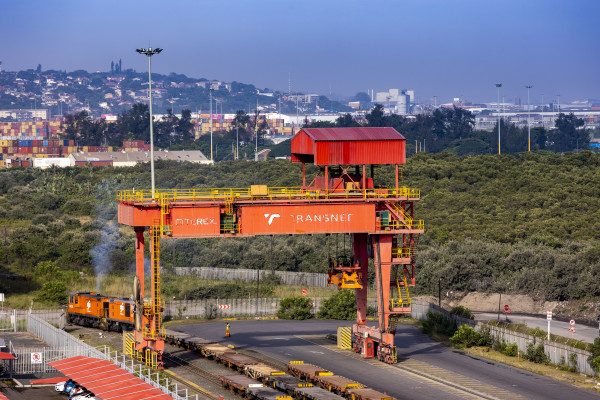
The African Development Bank Group (www.AfDB.org) has approved a ZAR 18.85 billion ($1 billion) corporate loan to Transnet, South Africa's major freight transport and logistics company, for its recovery and growth plans.

The 25-year loan approved by the Bank Group's Board of Directors on Friday, 12 July 2024, is fully guaranteed by the government of South Africa. It will facilitate the first phase of the company's ZAR 152.8 billion ($8.1 billion) five-year capital investment plan to improve its existing capacity ahead of expansion for the priority segments throughout the transport value chain.

Transnet has faced operational challenges mainly in the critical rail and port businesses resulting from underinvestment in infrastructure and equipment, theft and vandalism, and external shocks such as floods and the effects of the COVID19 pandemic.

The company is committed to addressing past challenges, fostering integrity, and enhancing efficiency within the organization. It has made progress in some key areas including reforms in governance procurement and financial management.

The recovery plan, launched in October 2023, seeks to rehabilitate the infrastructure and accelerate the relaunch of operations over 18 months, focusing on restoring operational performance and freight volumes to meet customer demands.

Following the approval, African Development Bank's Vice President for Private Sector, Infrastructure and Industrialisation Solomon Quaynor, emphasized the significance of this support: “Transnet, the custodian of South Africa's critical transport and logistics infrastructure, plays an indispensable role in the economy of the country, ensuring a competitive freight system and serving as a gateway to the SADC region.”

He added: “Our partnership will enable Transnet to execute a comprehensive Recovery Plan (RP), addressing operational inefficiencies, particularly in rail and port sectors. It is aligned with South Africa's strategic 'Roadmap for Freight Logistics System,' and overseen by the National Logistics Crisis Committee, chaired at the Presidency level. This initiative signifies our commitment to enhancing national logistics capabilities and driving sustainable economic growth.”

Transnet has been a client of the African Development Bank since 2010. The company employs more than 50,000 people and plays a critical role in integrating and connecting South Africa with the global economy. The company's freight system's activities contribute significantly to South Africa's economy. Its operations serve as key gateways for trade within South Africa and with landlocked countries in the region, such as Botswana, Zambia, Zimbabwe, and the Democratic Republic of Congo through the Port of Durban.

Reacting to the approval, Michelle Phillips, Group Chief Executive of Transnet said: “We appreciate the support demonstrated by the African Development Bank, the loan extended by the bank will make a significant contribution to Transnet's capital investment plan to stabilise and improve the rail network and to contribute to the broader South African economy. The accompanying grant funding to the loan will also greatly assist Transnet with to its energy efficiency efforts and with Infrastructure Project Preparation initiatives.”

The Board commended the Government of South Africa for its vision and commitment to reforms in Transnet as well as the country's entire transport and logistics sectors. It also applauded Transnet for progress made in rolling out its compliance and governance improvement programme as well as its decarbonization and energy efficiency plans in line with its Net Zero Emission Strategy and Green Freight Strategy.

In addition to the corporate loan, the African Development Bank is contemplating two targeted grants, including $750,000 in technical support from the Sustainable Energy Fund for Africa (SEFA) – a multi-donor fund administered by the Bank – to improve energy efficiency and associated measures, in line with Transnet's net zero plan. The second grant funding comprises $1 million from the Infrastructure Project Preparation Facility of the New Partnership for Africa's Development (IPPF-NEPAD), for technical assistance to help accelerate railway reforms and address structural and regulatory inefficiencies.

Distributed by APO Group on behalf of African Development Bank Group (AfDB).

Media contacts
African Development Bank:

Romaric Ollo Hien
Communications Department
African Development Bank
media@afdb.org

Transnet:
Ayanda Shezi
GM Group Corporate Affairs
email:  ayanda.shezi@transnet.net/mediadesk@transnet.net. 

About the African Development Bank Group:
The African Development Bank Group is Africa's premier development finance institution. It comprises three distinct entities: the African Development Bank (AfDB), the African Development Fund (ADF) and the Nigeria Trust Fund (NTF). On the ground in 41 African countries with an external office in Japan, the Bank contributes to the economic development and the social progress of its 54 regional member states. For more information: www.AfDB.org

Media files
African Development Bank Group (AfDB)
Download logo
Read moreSouth Africa: African Development Bank approves R18.85 Billion ($1 billion) corporate loan for Transnet’s business recovery plan
17 July 2024

Creative Coffee Week brings one of the biggest names in global coffee to Durban!

Location: MyPR

The 7th annual edition of Creative Coffee Week (CCW) in partnership with FNB, held every July in Durban since 2018, is bringing one of the biggest names in Specialty Coffee to South Africa. The event is taking from 24-26th July 2024 at FNB’s Acacia House on Umhlanga Ridge. Patrik Rolf, from April Coffee in Denmark, …

Read moreCreative Coffee Week brings one of the biggest names in global coffee to Durban!
16 July 2024

Natural Gas, the Right Transition Fuel for South Africa

Location: News
African Energy Chamber

By NJ Ayuk, Executive Chairman, African Energy Chamber (www.EnergyChamber.org).

A recent policy brief, “Natural Gas as a Transition Fuel in South Africa,” produced by Eye for Business, minced no words concerning the need to access and use that plentiful underground resource.

As stated up front, “Among alternatives, there is a compelling case for investing in natural gas as the most prudent steppingstone to a low-carbon future of power generation.”

In their brief, commissioned by The EnerGeo Alliance — a global trade alliance for the energy geoscience industry — Eye for Business makes a good point.

South Africa's continuing power deficits make the case anew each day for expanded extraction and use of the country's natural gas.  A significantly lower-carbon alternative to coal and diesel, this fuel can provide electricity for growing needs while paving the way for renewables and an increasingly lower-carbon future.

The Current Energy Picture

The brief highlights the growth forces that are now at work and expected to push South Africa's demand for energy to a projected three times current demand by 2040.  These forces include a growing population and a trend toward migration into cities. 

South Africa's current energy sources — coal, diesel, renewables, and unpredictable natural gas imports from Mozambique — are inadequate to prevent the daily 6- to 10-hour outages that now hinder business, education, medicine, industry, and more.

Residentially, these intermittencies impact poorer households the most. Likewise, the frequent failures of old coal-fired plants and associated maintenance costs result in higher tariffs that hit low-income families hardest.

These stark realities make it imperative that South Africa use its own clean natural gas to transition toward renewables, at a pace that allows its economy to benefit. Moving in that direction will draw more needed outside interest and investment in the country's natural gas deposits.

As a real-time example, Namibia is wisely using its offshore discoveries in this way, helping that nation move toward prosperity.

For South Africa to likewise gain the economic health needed to increase development of renewables, it must first stabilize its energy supply to reverse disturbing trends in business closures and increased unemployment due to intermittencies. Energy sources such as wind and solar, which are by nature intermittent, cannot provide immediate solutions to these economic and human problems.

With substantial in-country natural gas discoveries such as Brulpadda, prospects like the Karoo shale reserves, and potential offshore discoveries on the horizon, it just makes sense to put those resources to work to achieve energy stability.

Natural Gas, the Natural Solution

“Countries using gas as a source for power generation have seen their electricity supply grow about three times faster in the past 10 years than those not able to use gas,” states Eye for Business' brief.

As is well known, the wealthy countries around the globe have long made tactical use of their vital natural gas resources for building economic soundness. Once their people and businesses were supported by a reliable supply of electricity, these nations could begin to develop renewables on a large scale.

Importantly, for South Africa's industrial sector to grow, it needs increased feedstocks, such as those used to make fertilizers and petrochemicals. These vital chemicals are produced from natural gas, which can also supply the heat energy needed by the cement, steel, and other industries to make their products.

Less Cost, Less Emissions

Putting South Africa's natural gas resources to work during transition will cost less than most alternatives. Comparing the price tag for various types of electric power plants, the costs per kilowatt hour to build solar, biomass, nuclear, wind, and coal plants are all more than twice as high as the cost to build natural gas plants.

This difference is largely due to modular construction methods used for natural gas plants, which makes them easier to scale and suit to their locations, thus avoiding the cost overruns typical on larger facility projects.

Another cost-efficient build method for natural gas plants is converting inactive existing coal-fired power plants. These conversions can be done at lower costs than new construction. This is a win-win proposition that utilizes unused plants for producing cleaner energy while avoiding unnecessary expense.

As the brief highlights, natural gas emits 50% to 60% less CO2 than coal. This makes it an ideal transition fuel for South Africa that will contribute only a very miniscule amount to global emissions. And even that could be decreased with the use of carbon capture and storage.

To keep a realistic perspective on emissions, it is important to bear in mind that Africa as a whole, with about 17% of the world's population, contributes only a tiny 4% of global carbon emissions at 1.45 billion tonnes.

Potential Employment and Exports

Increased investment in and use of natural gas could pay off for South Africa in two very important areas — job creation and the opportunity to achieve net exporter status.

Growing new jobs is crucial, as South Africa's unemployment rate is currently hovering around 30%. Jobs will come with the territory as the country's gas infrastructure is enlarged for drilling, transport, and electricity production.

Young managers and workers will need to be trained in the necessary skills to run and maintain these operations. In short, revving up the natural gas sector will breathe new energy into the job market as young people see and take advantage of these new opportunities.

On the export front, a sizeable opportunity for boosting the country's economy has appeared on its northern horizon.  Because of Europe's recent reduction in imports of Russian gas, the vast European market presents an opportunity South Africa could pursue, along with other markets, after its own energy needs are met.

The Way Forward

To diversify South Africa's energy mix, government policy support in accordance with the country's draft Gas Master Plan (GMP2024) and the National Development Plan (NDP) will be needed.

The Integrated Resource Plan (IRP) aligns with those documents' goals, supporting, as Eye for Business' brief puts it, “a significant shift in the energy mix, projecting an additional 29,500MW to the electricity capacity by 2030, with 3,000MW expected from gas.”

With all the benefits they can bring, South Africa must not leave its valuable natural gas deposits stranded while lacking reliable green energy sources. Making steady progress toward a lower-carbon energy mix while transitioning toward renewables makes sense for South Africa and its people.

Distributed by APO Group on behalf of African Energy Chamber.

Media files
African Energy Chamber
Download logo
Read moreNatural Gas, the Right Transition Fuel for South Africa
16 July 2024

Future Talks shines with a dynamic line-up of speakers

Location: MyPR

August is swiftly approaching, bringing with it Joburg’s most anticipated talks series, Future Talks, which takes place from August 1 to 4, 2024, at the Sandton Convention Centre. Here, inspiration and innovation will converge, with the Future Talks series set to ignite critical discussions and inspire groundbreaking solutions. The Future Talks stage will feature a …

Read moreFuture Talks shines with a dynamic line-up of speakers
  • Previous
  • Page 1
  • Interim pages omitted …
  • Page 15
  • Page 16
  • Page 17
  • Page 18
  • Page 19
  • Interim pages omitted …
  • Page 33
  • Next

Copyright © 2026 · MyZA · All Rights Reserved · Powered by Stratlec Online