• Skip to main content
  • Skip to header right navigation
  • Skip to after header navigation
  • Skip to site footer
MyZA

MyZA

News, Directory, Events and Other Stuff

  • Social Media
  • Sport
  • World News
  • Home
  • Submit News
  • Directory
  • Events
  • Stratlec
  • TFSA
  • News
    • APO
    • Today’s Sport News
    • Todays Social Media and Tech Headlines
    • Today’s World News
    • Today’s SA Financial News
  • Contact
You are here: Home / Archives for GroundWork

GroundWork

27 September 2024

PROTEC and GE Vernova Celebrate Inaugural Next Engineers: Engineering Academy Class
Location: News
GE

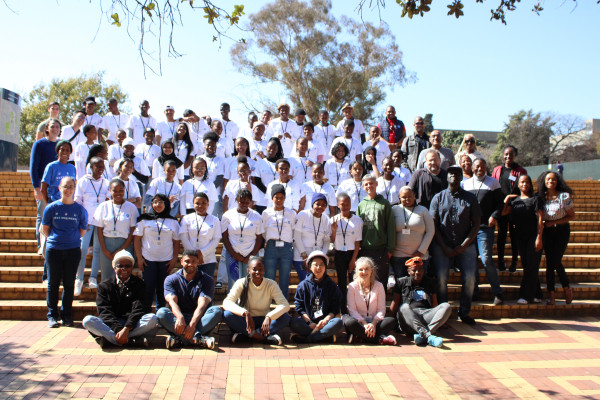
Next Engineers, a global college-and career-readiness programme working to increase the diversity of young people in engineering, celebrated the graduation of its first-ever Engineering Academy learners in Johannesburg, South Africa on Friday, September 27. The graduation ceremony marked the programme's contribution towards bridging the Science, Technology, Engineering and Mathematics (STEM) skills gap in the country through exposing learners to hands-on engineering experiences and career pathways.  

The 37 learners from 15 high schools across Johannesburg who completed the programme, many of whom plan to study towards an engineering-related qualification at university or technical higher learning institutions, were joined by their families at University of Witwatersrand, Sturrock Park Sports Hall, to celebrate their achievements. Launched in 2022, PROTEC, University of Witwatersrand, and Kutitiva Foundation are the educational partners for the local Next Engineers programme, and local GE Vernova engineers and employees actively engage with Academy participants through hands-on, skill-based volunteering.  

“We are proud to see our first cohort of learners graduating and wish them all a successful learning trajectory in the next stage of their education journey,” said Matsi Eseu, South Africa HR Director for GE Vernova. “At GE Vernova, we believe education is a significant driver of economic inclusion and it's inspiring to see the positive impact the Next Engineers programme is having, not just in empowering tomorrow's engineers who will solve society's most pressing challenges but also in increasing the diversity of young people, particularly females, in the engineering sector. We extend our gratitude to all those involved in the Engineering Academy.” 

Learners who complete the Engineering Academy program and enroll in a qualified engineering or engineering-related degree programme receive financial aid to support them as they continue on their paths to becoming engineers.

Balan Moodley, CEO of PROTEC, said, "I extend my heartfelt congratulations to each and every graduate in this programme.  Their commitment and hard work inspire us all, and I have every confidence they will continue to make a positive impact in the field of engineering and beyond. I also want to express my sincere gratitude to GE Vernova in Johannesburg for their unwavering support and partnership throughout this journey. Together, we have laid the groundwork for a brighter future in engineering, and I am excited to see the continued success of Next Engineers in empowering young minds."

The Next Engineers: Engineering Academy is a transformative learning experience designed for learners aged 15 to 18. Through a rigorous curriculum, immersive design challenges, and career coaching, participants learn to think and act like engineers.

Key programme highlights:

  • Dedication: The Engineering Academy spans three years, with learners dedicating 220 hours outside of regular school hours to participate.
  • Design challenges: In small teams, learners tackle increasingly complex design challenges, mastering the engineering design process.
  • Foundational skills: Beyond technical knowledge, learners develop essential skills such as communication, teamwork, persistence, time management, and presentation abilities.
  • Education and career exploration: Workshops and activities prepare learners for their next steps, including university campus tours and interactions with company volunteers.
  • Scholarships: Learners who complete the program and enroll in post-secondary engineering degree programs receive partial scholarships. Next Engineers anticipates granting at least $2 million in scholarships to the inaugural classes of Engineering Academy learners worldwide.

Johannesburg, South Africa, was among the first four locations to launch Next Engineers, with a $2.5 million (R44.6 million) investment from the GE Foundation in 2021. To date, Next Engineers, which also includes programming for learners in grades 8-12, has reached more than 3,500 learners across Johannesburg.

STEM training and education, such as Next Engineers, is helping to solve global challenges while also lifting up communities through economic opportunities. Next Engineers is not the only way GE Vernova in South Africa has committed to supporting the next generation of STEM talent. GE Vernova's South Africa External Bursary Programme has offered comprehensive bursaries to the tune of $5.4 million (R95.6 million) to support over 648 beneficiaries pursuing a Bachelor of Science, Commerce or Arts qualification from 2020 to date. The bursaries are aimed at alleviating the financial strain of tertiary students and covers the tuition, accommodation, textbook costs, and a monthly stipend over the period of study.

For more information about Next Engineers and the Engineering Academy, visit http://apo-opa.co/3BmFfKp.

Distributed by APO Group on behalf of GE.

Media contacts:
GE Vernova

Kashumba Macombe
Communications Specialist
GE Vernova
Kashumba.Macombe@ge.com

PROTEC
Annette Reed
Fundraising and Business Development
Programme for Technological Careers (PROTEC)
+27 82 334 2939
annette@protec.org.za

About Next Engineers:
Next Engineers, a program originally funded by the GE Foundation in 2021, now known as the GE Aerospace Foundation, is a college- and career-readiness program dedicated to inspiring and preparing the next generation of engineers. Through innovative programs, mentorship, and community partnerships, we empower young minds to shape a better future through engineering.

About GE Vernova​:
GE Vernova Inc. (NYSE: GEV) is a purpose-built global energy company that includes Power, Wind, and Electrification segments and is supported by its accelerator businesses. Building on over 130 years of experience tackling the world's challenges, GE Vernova is uniquely positioned to help lead the energy transition by continuing to electrify the world while simultaneously working to decarbonize it. GE Vernova helps customers power economies and deliver electricity that is vital to health, safety, security, and improved quality of life. GE Vernova is headquartered in Cambridge, Massachusetts, U.S., with approximately 75,000 employees across 100+ countries around the world. Supported by the Company's purpose, The Energy to Change the World, GE Vernova technology helps deliver a more affordable, reliable, sustainable, and secure energy future. Learn more: www.GEVernova.com and LinkedIn (http://apo-opa.co/3zwmm7b).

About PROTEC:
PROTEC was established in 1982 by a group of engineers from the South African  Institute of Civil Engineers to respond to the challenges facing the education system and to address representation across all socio-economic and racial groups in STEM careers.  To date, PROTEC has seen more than 40,000 learners complete the Learner Excellence Programme. Based in Randburg, PROTEC has 17 branches and projects in 6 out of the 9 provinces.  Our aim is to extend the programme to all 9 provinces.  The programme targets learners from Grade 4 to Grade 12 in specifically Science, Mathematics, and English. Teachers who teach these subjects as well as coding and robotics, benefit from development and support that uses a centre-based and classroom support model. Find us on www.PROTEC.org.za, Facebook (http://apo-opa.co/47HJTyw), LinkedIn (http://apo-opa.co/3Y019Mg) and Instagram.


Media files
GE
Download logo
Read morePROTEC and GE Vernova Celebrate Inaugural Next Engineers: Engineering Academy Class
23 September 2024

Shaping Inclusive Fisheries and Transforming Gender Roles in South Africa’s Coastal Communities

Location: News
The African Union – Interafrican Bureau for Animal Resources (AU-IBAR)

Coastal communities in South Africa were represented in a lively two-day community workshop that sought to promote gender inclusivity in environmental management and the conservation of aquatic biodiversity. The workshop, which was co-hosted by AU-IBAR, Mabuyi Development Planners, and Blue Wild Coast NPO, aimed to provide a thorough Gender Plan of Action for NGOs engaged in small-scale fisheries.

Fifty people showed up at the event in East London, South Africa. Among them were ladies from the seaside towns of Hamburg and Port St. John's, as well as officials from the government, non-governmental organisations, the business sector, and foreign organisations. The workshop sought to incorporate gender-sensitive practices into environmental management, with a heavy emphasis on gender mainstreaming. This was especially important in small-scale fisheries, where women are crucial but under-represented.

Workshop Objectives and Background
After successfully recruiting a Technical Consultant to assist South African environmental NGOs, the Aquatic Biodiversity Conservation Project continued its earlier efforts with the workshop. Site visits, a gender assessment report, an MoU, and a Gender Plan of Action were all part of the consultant's remit to guarantee that women and disadvantaged communities would be a part of environmental sustainability initiatives.

Prior consultations verified the inception report, which laid the groundwork for this workshop. Recognising the importance of local women as guardians of aquatic biodiversity, we set out to understand the difficulties they encounter in small-scale fisheries and find strategies to support them. Workshop participants also had the opportunity to confirm the consultant's report's findings and work together to develop ways to increase gender inclusion in the sector.

Opening Session: Setting the Stage for Change
A panel of speakers stressed gender equality in small-scale fisheries and aquatic biodiversity management at the inaugural session.

At the outset of the session, Ms. Elethu Duna, Executive Director of Blue Wild Coast NPO, acknowledged the importance of women in small-scale fishing in South Africa and highlighted their lack of representation in decision-making bodies. She emphasized that addressing gender inequities offers potential for permanent change and expressed gratitude to AU-IBAR and partners for the session. Duna strongly encouraged participation in developing a substantial Gender Plan of Action.

Mr. Zamkhaya Maseti from the Premier's Office, Government of South Africa, recognized the need for additional action in rural communities while emphasizing the government's dedication to empowering women through policies. He highlighted the importance of women in fisheries, noting that they are sometimes overlooked, and described the session as a crucial step in addressing this disparity. "The time for talk is over," Maseti declared as his final rallying cry. Now is the moment to take action.

Ms. Thabisa Sigwela, representing the Buffalo City Maritime Cluster, emphasized the need for women's economic empowerment and advocated for organized investments in financial inclusion and capacity building. She pledged to support businesses run by women and stressed the importance of providing women in underserved coastal communities with easy access to economic opportunities.

Ms. Mashebane Thosago, from the African Women Fish Processors and Traders Network (AWFISHNET), highlighted the obstacles women in the fishing industry face, including a lack of education and financing. She spoke about how AWFISHNET is working to connect women across Africa and how this training can empower those involved in small-scale fishing to make a difference.

Ms. Fransciscar Mhuriro, representing AU-IBAR, reiterated the organization's commitment to gender equality, calling for women to be recognized as leaders in the fisheries industry. She stressed that AU-IBAR is responsible for promoting gender-responsive policies and enabling knowledge-sharing to ensure the Gender Plan of Action is a living tool for change.

Finally, Ms. Nozuko Ntsokota from the Department of Forestry, Fisheries, and Environment (DFFE) discussed the need for practical application of existing gender policy. She highlighted the importance of collaboration to equip women with the knowledge and resources needed to thrive in small-scale fisheries and pledged continued support for initiatives that emerge from the session.

The workshop focused on gender issues in small-scale fisheries through technical sessions. The first session introduced the importance of integrating gender principles into fisheries management. Key presentations included the roles of men and women in small-scale fisheries, the marginalization of women, and the role of women in vulnerable coastal communities. The second session, moderated by Stephanie Achieng, discussed legislative frameworks, financial exclusion, tenure rights, and infrastructure challenges in small-scale fisheries. A draft gender plan of action was introduced, based on input from local fisherwomen.

Challenges and Opportunities for Women in Cooperatives
Ms. Thosago Mashebane of AWFISHNET and SANWFA highlighted the persistent challenges faced by women in fisheries cooperatives. Issues included unfriendly working environments, inadequate infrastructure, and limited financial inclusion. Despite the existence of cooperatives for over a decade, women continue to struggle with access to resources, funding, and tenure rights. Ms. Mashebane emphasized the need for improved legislative frameworks, increased capacity-building initiatives, and the creation of financial tools tailored to the needs of women in coastal communities.

Proposed Solutions and Commitments
Participants discussed potential solutions, such as the establishment of organized forums for women in cooperatives, improved sustainability of interventions, and stronger policy frameworks. The workshop also proposed the development of business models for women cooperatives, alongside measures to increase their representation in decision-making institutions at local and national levels. Notably, SANWFA committed to connecting women cooperatives from the Eastern Cape with buyers in the Western Cape, fostering new economic opportunities.

Key Workshop Outcomes
Key conclusions from the event will guide future efforts and the Gender Plan of Action. As a means of identifying and addressing critical obstacles, participants evaluated current frameworks and policies that affect women in coastal areas. They looked at different ways to help women participate more in small-scale fishing, with an emphasis on financial inclusion, capacity building, and access to resources. Involvement from women in coastal communities, local NGOs, and government stakeholders led to the development of a thorough Gender Plan of Action. This plan outlines methods for capacity building, advocacy, and monitoring. The significance of public-private partnerships was also highlighted, with organisations such as the South African Maritime Association and the Department of Rural Development and Agrarian Reform (DRDAR) being identified as vital for long-term success.

Next Steps and Recommendations
The subsequent actions were outlined as follows: 

After the Gender Plan of Action is finalised, workshop participants will receive a draft of the Memorandum of Understanding (MoU) and have the opportunity to review and provide input on it before the deadline. When completed, it will be a part of larger plans to manage fisheries on a national and regional level. The importance of ongoing support from AU-IBAR and Blue Wild Coast NPO was highlighted, as was the need for continuous capacity building for women cooperatives in Port St. Johns and Hamburg. For the purpose of tracking and adjusting progress, gender-sensitive monitoring and evaluation indicators will be created and integrated into the M&E framework of the participating NGOs. Sustainable business models in small-scale fishing will also be a priority, therefore we'll be working to connect women's cooperatives with buyers and funding options.

Conclusion
For South African small-scale fisheries, the community workshop was a watershed moment in the fight for gender parity. At this event, women from coastal communities, along with representatives from government and NGOs, worked together to develop strategies that will empower women and involve them in managing aquatic biodiversity. Participation and representation of women in coastal communities in environmental management discussions will be enhanced by the workshop's outputs, which will play a pivotal role in informing future policies and interventions.

Distributed by APO Group on behalf of The African Union – Interafrican Bureau for Animal Resources (AU-IBAR).

Media files
The African Union – Interafrican Bureau for Animal Resources (AU-IBAR)
Download logo
Read moreShaping Inclusive Fisheries and Transforming Gender Roles in South Africa’s Coastal Communities
15 September 2024

Gauteng commended for tackling water challenges head on

Location: News

Gauteng commended for tackling water challenges head on

Water and Sanitation Deputy Minister, David Mahlobo, has commended Gauteng Premier Panyaza Lesufi’s bold steps towards tackling the province’s water challenges head on.

This comes after the Gauteng Councillors' Imbizo held in Boksburg, east of Johannesburg on Friday.

The event aimed to address the pressing issues of water security in the province’s municipalities, caused mainly by a constant population growth which has negatively impacted on infrastructure and water supply management issues within the municipalities.

Mahlobo, who addressed the event, highlighted the pivotal role water plays in social transformation and economic development.

He warned that neglecting water infrastructure and the management of water supply not only hinders progress but also poses significant water security threat to the province.

The Deputy Minister highlighted that Gauteng has faced ongoing water supply challenges due to increased water demand by the residents.

“Alarmingly, there is no municipality within the province that has achieved a consistent 100% or 99% water supply to its citizens without disruptions. We cannot allow the situation to continue because water will become an impediment to social transformation and economic growth and can also become a security threat within the province,” Mahlobo said.

The Deputy Minister stressed the necessity of a collective mindset shift regarding water management and its conservation within the province, pointing out that the behaviour exhibited by most domestic and institutional water users reflects a concerning lack of awareness about the sustenance of water as a finite and vital resource. 

Mahlobo urged councillors not to allow the decision makers to deter their goal of ensuring service delivery in their communities.

“Councillors are in a unique position to engage with their communities and to raise awareness about water conservation, and advocate for necessary infrastructure changes. I hope that when you conclude your sessions in this Imbizo, you will have a different attitude towards matters of water supply and you will handle water and sanitation issues differently," Mahlobo said.

The Imbizo served not only as a platform for sharing concerns but also as a springboard for actionable solutions.

Mahlobo identified several key strategies, which include loss of water due to infrastructure decay, to address the water challenges facing Gauteng.

He highlighted fixing sewer spillages and ensuring that sewage systems are operating efficiently as crucial to ensure sustainable water availability and its management.

Mahlobo's approach also laid the groundwork for sustainable long-term water management practices.

“Residents and municipalities must adopt a practice that promotes responsible water consumption, which can help alleviate pressures on the existing water supply. Moreover, technology should be integrated to monitor and safeguard water infrastructure, and this can enhance management efforts and prevent future crisis,” Mahlobo said.

During the Imbizo, councillors from various municipalities got an opportunity to voice their concerns regarding water and sanitation issues.

Councillor Mariana Kruger from Ward 12 in Midvaal Local Municipality commended Rand Water for their substantial contributions toward improving water supply and emphasised the importance of collaboration between local government and water entities.

"We must maintain an open communication and contact with our counterparts to ensure effective water supply and sanitation services," Kruger said.

The Deputy Minister’s call for a change in relationship dynamics surrounding water management can empower local leaders to take initiatives that prioritise water security for their residents. – SAnews.gov.za

GabiK
Sun, 09/15/2024 - 11:01

145 views
Read moreGauteng commended for tackling water challenges head on
9 September 2024

Africa’s Trade Transformation: The Power of Technology for Sustainability (By Arnaud Bouraima)

Location: News
Webb Fontaine

By Arnaud Bouraima, Deputy Chief Commercial Officer, Webb Fontaine (https://WebbFontaine.com/). 

In the face of mounting global environmental challenges such as climate change, biodiversity loss, and pollution, and increasing focus on environmental, social and governance (ESG) awareness, sustainable trade practices and supply chains have the potential to radically transform Africa's economic future.

From green logistics to fair trade and circular economy principles, sustainable trade practices have a significant positive impact on global and local trade. In addition to environmental benefits, they enhance market competitiveness and open access to new markets that value a commitment to sustainability.

However, the transition to eco-friendly and sustainable supply chains is reliant on several factors, not least a significant investment in the infrastructure and technology needed to streamline port and customs operations and ensure a smooth entry of goods into the country in question. An understanding of the importance of digital transformation by governments and regulatory bodies is also a key factor in adopting digital solutions over more traditional manual systems.

African countries that understand and embrace these requirements are well on their way to laying the groundwork for sustainable trade practices.

As an example, the port of Cotonou in the West African country of Benin handles an average of 80 to 90 merchant vessels monthly. According to the African Development Bank (https://apo-opa.co/3MF9Kxi), Cotonou deals with 90 percent of the country's international trade, serving up to 100 million consumers. In 2022, the port handled 12.5 million tonnes of goods, a figure that is predicted to almost double by 2038, reaching 23 million tonnes.

In a gesture of confidence, the recent extension of an €80 million loan (https://apo-opa.co/3MF9Kxi) by the African Development Bank for significant infrastructure upgrades will expand the port's operations even further. Yet despite the vast and complicated operations of one of Africa's busiest ports, Benin has jumped to 66th place on the World Bank's Logistics Performance Index (https://LPI.WorldBank.org/), an astonishing leap of approximately 100 places in just under a decade, positioning the country as West Africa's key trade hub.

But this wasn't always the case. High shipping costs, low efficiency, and poor logistical facilities threatened to stifle any hopes the port had of becoming a key trade route, despite the fact that the country is a crucial transit route for West Africa, connecting millions of people in the landlocked countries of Niger, Mali, Burkina Faso, Chad, and the northern regions of Nigeria.

Technology is revolutionising trade practices

The solution? Leveraging technology to break through the complexities, inefficiencies, and obstacles impeding effective trade, and transform Benin into an economically competitive trade hub.

This is a story that replicates itself in trade ports along Africa's entire coastline. Operators and customs entities are constantly looking for ways in which to alleviate the backlogs and delays caused by the high volumes flowing through these trade entry points, and digitisation, along with improved physical infrastructure, is proving to be an extremely effective solution. Partnerships and collaborations with specialist service providers hold the key to success.

The Webb Fontaine and Benin story

Backtracking from the current situation, and highlighting the importance of long-term public-private collaborations in modernising and streamlining trade landscapes, Webb Fontaine started working with Benin's Ministry of Finance and Benin Control in 2017. Implementing a suite of innovative solutions including Webb Single Window, Webb Transit Tracking, Webb Valuation, Webb Ports, and Webb Customs, we are proud to be playing a pivotal role in transforming trade in the country.

Webb Single Window has been a game changer. It forms the basis of GUCE Benin, a digital platform with over 6,500 users in the logistics chain that facilitates import, export, and transit operations, and incorporates electronic payment via Paylican, Webb Fontaine's official payments partner. Webb Single Window has also automated the processing of key administrative operations like issuing licenses and authorisations, overseeing currency exchange operations, managing exemptions, and communicating with tax services.

In practical terms, this means streamlining the process needed to get containers out of the port. Digitising processes to create efficiencies, using new technologies such as artificial intelligence (AI), reduces the time spent on clearance of goods, for both customs brokers and administrators. Benin now ranks as West Africa's top port and holds the third-highest rating in Africa behind Egypt and South Africa. Release times have been reduced by 30%, with a remarkable 50% of containers being released within only two days.

Along with operational efficiency at the ports themselves, economic growth is a key benefit. From digital skills development to higher revenues as a result of streamlined operations, technology is playing a crucial role. For example, reducing the clearance time from 47 days to only a few days allows for more cycles of importation, increasing tax revenue and creating a healthy economic cycle. This also attracts foreign direct investment, making the port more attractive for investors and traders.

However, the use of technology in port operations is just one aspect in a larger framework of sustainable trade. The resultant benefits, such as automated systems and data analytics have the potential to lead to more efficient operations, reduced emissions, and less waste, which are all key components of sustainable trade practices. For instance, quicker turnaround times not only reduce the carbon footprint of shipping and logistics operations, but they also reduce the need for extended storage, in turn decreasing energy consumption and waste.

Is Africa ready for sustainable and eco-friendly supply chains?

Despite the challenges faced by African countries, many are making great strides. Togo's new container platform, Nigeria's planned green port, Liberia's green economy reforms – all are notable examples. Yet much still needs to be done to fully embrace the digital transformation journey, while at the same time addressing issues like infrastructure development.

All stakeholders have a role to play in implementing sustainable and eco-friendly trade practices and policies. African governments, for instance, can make a commitment to investing the funds and resources needed to create infrastructure that will support both trade and digital advancements, as well as support sustainability initiatives. The African Continental Free Trade Area can play a crucial role in developing a standardised approach to these issues, based on learnings from other countries on the continent.

Africa is a continent that has immense potential when it comes to creating and maintaining sustainable trade practices that will drive economic growth. The continent's success stories demonstrate this, and serve as a call to governments, industry stakeholders, policymakers and the private sector to work together to find tangible solutions that will promote further growth and development. Webb Fontaine is already playing a crucial role in supporting Africa's governments on their trade facilitation journeys, with specialised port technology that is securing customs revenue, mitigating trade fraud, and streamlining clearance times. In the same way, when all stakeholders collaborate and contribute to improvements in their respective areas, Africa's economies will reap the collective rewards.

Distributed by APO Group on behalf of Webb Fontaine.

Media files
Webb Fontaine
Download logo
Read moreAfrica’s Trade Transformation: The Power of Technology for Sustainability (By Arnaud Bouraima)
26 August 2024

Gauteng’s Murray Park Library to get a new lease on life 

Location: News

Gauteng’s Murray Park Library to get a new lease on life 

The Johannesburg Development Agency (JDA) has commenced with the construction of the long-awaited upgrades to the Murray Park Library, located in Malvern, Johannesburg. 

The JDA  has commenced with the construction on behalf of the City of Johannesburg's Community Development Department.

First opened in 1957, Murray Park Library has been a cornerstone of knowledge and community engagement for over six decades. 

Recognising its importance as a hub for education and enrichment, the JDA spearheads a comprehensive redevelopment project to modernise and revitalise the beloved institution. 

“The upgrade of Murray Park Library is part of the Inner City Eastern Gateway Urban Development Framework, reflecting the City's commitment to enhancing infrastructure and services for its residents. 
Upon completion, the renovated library will serve as a beacon of learning and culture for Malvern and surrounding communities,” said the agency in a statement. 

JDA Executive Manager for Project Implementation Siyabonga Genu said the agency is excited about the upgrades.

“This project underscores our commitment to creating inclusive spaces that foster lifelong learning, cultural enrichment, and community cohesion. 

“Through thoughtful design and meticulous planning, we aim to deliver a modern, accessible library facility that will be a source of pride for generations to come," he said. 

Key features of the upgrade

The upgrade project will be done in two phases, with phase one focusing on foundational elements and phase two concentrating on constructing the two-story library structure.

Phase 1, scheduled for implementation in the 2024/2025 financial year, encompasses critical groundwork such as site clearance, construction of retaining walls, and foundational preparations.

Phase 2 will see the construction of the state-of-the-art library facility, spanning approximately 2000m². The ground floor will feature a general library space, a study area for children, meeting rooms, study centres, and essential amenities.

The first floor will accommodate a teenage section, activity centre, e-learning area, and additional facilities. The exterior enhancements will include landscaping, paving, lighting, and parking facilities.
Moreover, the upgrade project emphasises sustainability and accessibility, with provisions for solar panels, upgraded power supply capacity, and facilities for persons with disabilities.

Community impact

According to the JDA, the upgraded Murray Park Library will serve as a dynamic community resource, offering world-class library and information services to residents of all ages. 

From providing access to literature and educational resources to fostering a vibrant space for cultural exchange and lifelong learning, the new library will enrich the lives of a diverse population.   – SAnews.gov.za

Edwin
Mon, 08/26/2024 - 09:57

143 views
Read moreGauteng’s Murray Park Library to get a new lease on life 
23 August 2024

Eskom launches pilot electric vehicle charging infrastructure in Midrand

Location: News

Eskom launches pilot electric vehicle charging infrastructure in Midrand

Eskom has officially launched its electric vehicle (EV) charging infrastructure at the Eskom Academy of Learning (EAL) in Midrand, Gauteng. 

“This milestone marks a significant step in Eskom Distribution’s commitment to supporting the growth of the eMobility sector in South Africa and contributing to the country’s broader goals of reducing carbon emissions,” the state-owned power utility said. 

According to Eskom, the pilot project includes the procurement of 20 EVs ranging from light delivery vehicles to light trucks for operational use. 

The pilot project also involves the installation of 10 charging stations at five Eskom sites across the country. 

The other sites are Brackenfell in Cape Town, Mkondeni in Pietermaritzburg, Tlhabane Customer Network Centre (CNC) in Rustenburg and Marathon CNC in Mbombela. 

These sites will serve as the foundation for Eskom Distribution’s long-term strategy to electrify its entire fleet by 2040.

“We continue to focus on our long-term strategy to deliver a competitive, sustainable, and future-proof Eskom to ensure energy security, growth, and long-term sustainability for the benefit of South Africa and sub-Saharan Africa,” said General Manager in the Office of the Eskom Group Executive for Distribution, Gabriel Kgabo. 

By investing in eMobility and the charging infrastructure needed for EVs, Kgabo said Eskom was not only reducing its carbon footprint but also stimulating the local economy and creating new growth opportunities. 
Kgabo highlighted Eskom’s support of the government to align South Africa with the global EV ecosystem market. 

Key initiatives include the EV White Paper released by the Department of Trade Industry and Competition in December 2023 and the incentives announced by the National Treasury to encourage the local production of EVs from 2026.

Pilot Project Overview

The recently installed charging stations, in collaboration with Gridcars, feature state-of-the-art direct current fast chargers (60kW) and dual alternating current (AC) chargers (22kW). They are optimised for overnight charging of fleet vehicles and daytime workplace charging for employees and visitors.

The power utility believes this initiative will serve as a blueprint for the future rollout of EVs across Eskom’s entire fleet. 

“It is one of the levers that will steer the organisation towards net zero carbon emissions by 2050 and will also contribute to stimulating the local EV market.

“The successful launch of this infrastructure is a result of the dedicated efforts of the project team within Eskom. Their work is laying the groundwork for a future where electric vehicles play a central role in South Africa’s transportation landscape.” – SAnews.gov.za 

Gabisile
Fri, 08/23/2024 - 10:00

491 views
Read moreEskom launches pilot electric vehicle charging infrastructure in Midrand
16 July 2024

New research shows great strides have been made in controlling HIV virus in South Africa

Location: MyPR

Although South Africa has the largest number of people living with HIV worldwide, strides have been made in controlling the epidemic, especially in the reduction of HIV incidence, testing, and treatment. Researchers from the South African Medical Research Council (SAMRC) and University of KwaZulu-Natal (UKZN) are inching closer to finding the answer to the natural …

Read moreNew research shows great strides have been made in controlling HIV virus in South Africa
8 July 2024

President: 100 days of no load shedding no reason to relax

Location: News

President: 100 days of no load shedding no reason to relax

Even though South Africa recently reached the longest period without load shedding since 2020, there is no reason to relax, says President Cyril Ramaphosa.

“Our electricity system remains vulnerable and we cannot yet rule out a possibility of further load shedding.

“Rather, this milestone provides encouragement for us to do more and to work faster to ensure a secure supply of electricity now and into the future,” President Ramaphosa said in his weekly newsletter on Monday. 

On Friday last week, South Africa marked 100 days since the country experienced load shedding. 

This, according to the nation’s First Citizen, was a sign that the Energy Action Plan (EAP), which was launched in July 2022, was bringing some of the outcomes of collaboration between government, business, and other social partners. 

He welcomed Eskom’s Generation Operational Recovery Plan, which stepped up the maintenance schedule, with a marked improvement in the performance of the power stations that produce the bulk of South Africa’s electricity. 

The President also commended the State-owned power utility for successfully commissioning Unit 5 at the Kusile Power Station, adding 800MW to the grid last week. 

This means Eskom has returned three units at Kusile to service ahead of schedule. 

“The improvement in the reliability of power supply has been a relief for households, who have been able to go about their daily lives without the inconvenience of load shedding. It has also been a great relief for businesses.” 

The President cited the Bureau for Economic Research (BER) index which found that consumer confidence rose in the second quarter of this year because of the suspension of load shedding.

This improvement is also a boost to the national economy, which is reliant on the availability and reliability of electricity supply for growth. 

“There is cause for optimism that business and investor confidence will improve. Earlier this month, steelmaker ArcelorMittal announced that it would not go ahead with plans to close its operations in Newcastle and Vereeniging, citing improvements in the country’s electricity and logistics situations as among the factors behind its decision.” 

The South African Reserve Bank stated in its April Monetary Policy Review that “as electricity supply gradually improves, underpinned by the ongoing private investment in renewable energy generation and increased maintenance by Eskom,” South Africa’s near and medium-term growth outlook is set to improve.

“We are committed to continue and complete the far-reaching structural reforms we started during the sixth administration to resolve the immediate electricity supply challenges and lay the groundwork for energy security into the future.”

These reforms, he wrote, include the removal of the licensing threshold for new power generation projects, tax incentives for rooftop solar, opening more bid windows for renewable energy projects, and improving Eskom’s operational viability. 

He mentioned that the National Transmission Company South Africa (NTSA), which will own and operate the nation’s national electricity transmission system, started trading last week, marking the latest milestone in the structural reform process.

“This forms part of the reforms we have been driving to establish an electricity market that will enable competition, secure supply and revolutionise the energy sector.”

As the Government of National Unity (GNU) begins its work, he vowed that leaders will sustain this momentum. 

“For us to continue to implement the EAP and support the hard-working management and staff of Eskom, who are day by day helping to bring us out of this crisis, we must all pull in the same direction.” 

In addition, by focusing on the broader picture and scaling up what has already been achieved, he is of the view that the country was in a far better position to achieve the task they have set themselves to end load shedding and achieve an energy-secure future. 

“We have reached 100 days without load shedding by working together. This should encourage us to redouble our efforts and to strengthen the collaboration between all stakeholders in both the public and private sectors.” – SAnews.gov.za


Gabisile
Mon, 07/08/2024 - 10:07

35 views
Read morePresident: 100 days of no load shedding no reason to relax
1 July 2024

KZN Premier recommits to collaborative and effective governance approach

Location: News

KZN Premier recommits to collaborative and effective governance approach

KwaZulu-Natal Premier Thamsanqa Ntuli has reiterated his commitment to a team-oriented approach to governance, and to collaborate with everyone willing to work alongside him.

Ntuli made the commitment during his meeting with the officials in the Office of the Premier in Pietermaritzburg on Friday. 

The meeting, which saw a large turnout from staff eager to engage with the new Premier and hear his vision for the future, set a positive and constructive tone for Ntuli's administration, laying the groundwork for a collaborative and effective governance approach in KwaZulu-Natal.

Ntuli extended a warm welcome to all the staff and acknowledged their dedication and hard work.

The Premier also addressed staff concerns and sought to ease any uncertainties regarding the transition in leadership, emphasising the importance of inclusivity and unity. 

"While working at King Cetshwayo District Municipality, I worked with everyone, irrespective of political affiliation. When you have a new leader, people expect new things, meaning that we must improve on what has been there. 

“We need to work with speed to serve the people of KwaZulu-Natal. My leadership style would be collaborative and focused on building on the existing foundations to achieve greater efficiency and service delivery,” Ntuli said.

The Premier also outlined several strategic priorities for his administration and stressed the need for rapid improvements in service delivery, particularly in areas that directly impact the lives of the people of KwaZulu-Natal. 

He underscored the importance of innovation and modernisation in government operations to ensure that the province keeps pace with the evolving needs of its citizens.

The Premier further encouraged open communication and sharing of ideas, noting that “diverse perspectives are crucial for effective governance".

Ntuli assured the staff that their contributions are valued and that their professional development will be supported.

The inaugural meeting marked the beginning of Premier Ntuli's tenure, signalling a period of unity and focused progress aimed at enhancing the province's governance and service delivery. – SAnews.gov.za

GabiK
Mon, 07/01/2024 - 12:48

121 views
Read moreKZN Premier recommits to collaborative and effective governance approach
1 July 2024

Dalberg Implement: Integrating Strategy Design with Execution

Location: News
Dalberg Advisors

Dalberg (www.Dalberg.com) is a strategic advisory firm that combines the best of private sector strategy skills and rigorous analytical capabilities with deep knowledge and networks across emerging and frontier markets. All projects include an option to integrate strategy design with implementation. With staff on the ground in more than 50 countries, speaking over 90 languages, and understanding diverse sectoral priorities and nuances, Dalberg is able to bring a local team to execute solutions tailored for the local market—while simultaneously drawing on global topical expertise and insight. Dalberg also offers the advantage of continuity. “The trusting relationships we build during the strategy phase carry through the inevitable pitfalls of execution,” points out Shruti Goyal, an Associate Partner with Dalberg. “We maintain senior project leadership from strategy through to execution and learning. This provides smooth transitions between phases of the project. Our ability to support clients in shaping their strategy is enhanced by bringing in the learning from implementation, particularly in addressing shifting client priorities, external disruptions, and opportunities.”

Since 2020, Dalberg has collaborated with governments, philanthropies, multilaterals, NGOs, and corporates to seamlessly integrate strategy and execution support for over 55 projects—including, recently:

  • Establishing the Malaria Vaccine Technical Assistance Program—in collaboration with Gavi, the Vaccine Alliance—to tackle head-on the challenges in vaccine deployment in Sub-Saharan Africa
  • Designing, testing, and scaling financial and non-financial solutions tailored to the unique needs and aspirations of rural women in Kenya.
  • Designing India's first Skill Impact Bond (SIB)—an innovative approach to financing skilling and employment endeavors—and serving as performance manager to ensure the achievement of long-term career outcomes for young women.[SG1] [VK2] 

Dalberg's local presence also allows it to partner with grassroots organizations to drive implementation at the community level. “Our goal is systemic change,” says Goyal. “We hope to continue our deep partnerships from the start of the strategy journey through to execution to maximize the impact from our work.”

Below are two examples of how we have helped deliver complex assignments across multiple topics and geographies in Africa.

The Malaria Vaccine Technical Assistance Program – Lillian Kidane

Sub-Saharan Africa accounts for over 90% of malaria cases and related deaths globally and faces a host of challenges in vaccine deployment—from accessibility to integration with existing health systems. Earlier this year, Dalberg established the Malaria Vaccine Technical Assistance Program in collaboration with Gavi, the Vaccine Alliance. The initiative constitutes a comprehensive strategy to integrate the vaccine into national health systems, ensuring that the vaccine reaches the most vulnerable populations. Dalberg is working with multiple countries over the next three years to create tailored approaches to rolling out the new malaria vaccine. “We're already seeing results,” says Lillian Kidane, Partner and Dalberg's Regional Director for Africa. In Cameroon, for example, the successful launch of the malaria vaccine in 42 health districts has laid the groundwork for scaling up to the remaining 74 health districts. “The work also strengthens the case for promoting comprehensive healthcare delivery at the community level,” Kidane adds. Valuable insights from the program will facilitate the introduction of future vaccines, such as the human papillomavirus (HPV) vaccine.

Rural Women's Agricultural Aspirations – Naoko Koyama

Dalberg is working with the World Bank, Amtech, and CGAP to design, test, and scale financial and non-financial solutions to meet the unique needs and aspirations of rural women in Kenya. Through the program, Dalberg aims to increase rural women's use of financial and non-financial services, taking advantage of the national network of digitized and sustainable savings and credit cooperative organizations (SACCOs) as trusted community financial institutions, and strengthening access to markets through digitized farmer producer organizations (FPOs) and climate-smart agtechs and agribusinesses. The aim is to integrate services that include access to inputs, information, extension and capacity strengthening, and digital technology to enhance agricultural production. “Ultimately, we want to build more resilient agricultural livelihoods with increased access to financial services and markets, particularly for women,” says Naoko Koyama, a Dalberg Partner based in South Africa.

Looking forward

Dalberg sees a range of ways in which governments, philanthropies, multilaterals, NGOs, and private sector companies can accelerate their impact with implementation support, especially when they are taking on complex issues at the systems level. To learn more about our implementation work, please contact Shruti Goyal.

Contact: shruti.goyal@dalberg.com

ROUND 1

LinkedIn

Great strategies are only the first step. Turning them into real-world change requires specialized skills and resources.

This strategy-to-action gap is where we come in. Dalberg combines global best practices with deep local understanding, thanks to our team in over 50 countries. This allows us to tailor solutions that consider sectoral priorities and nuances.

[Link]

Learn more by contacting Shruti Goyal at shruti.goyal@dalberg.com.

#StrategyExecution #ImpactAtScale #LocalSolutions #SystemicChange #EmergingMarkets #GlobalExpertise #DevelopmentConsulting #DalbergImplement #SustainableDevelopment

Tweet

Turning strategies into real-world change requires specialized skills and resources. Dalberg bridges this gap with global best practices and deep local understanding. Boost your impact now: [Link] #StrategyExecution #ImpactAtScale #SystemicChange #DalbergImplement

Visual (Article grab/preview)

ROUND 2

LinkedIn

Great ideas are the fuel for progress. With Dalberg's implementation support, they can translate to great impact.

[Link]

Contact Shruti Goyal (shruti.goyal@dalberg.com) to learn more.

#StrategyExecution #ImpactAtScale #LocalSolutions #SystemicChange #EmergingMarkets #GlobalExpertise #DevelopmentConsulting #DalbergImplement #SustainableDevelopment

Visual (infographic: https://apo-opa.co/45NduFS)

Why Dalberg Implement?

Continuity: From strategy to execution to learning, led by the same leadership

Adaptability: To shifting priorities, external disruptions, and new opportunities

Credibility: Over 55 projects since 2020, across diverse sectors and geographies

Capacity: Teams in more than 50 countries, speaking over 90 languages

Tweet

Great ideas can translate to great impact with Dalberg's implementation support. Bring strategy to life with seamless execution: [Link] #LocalSolutions #SystemicChange #GlobalExpertise #DevelopmentConsulting #DalbergImplement

ROUND 3

LinkedIn

We believe our implementation support can significantly boost your impact on complex, systems-level issues.

Turn your ideas into lasting impact now: [Link]

 #StrategyExecution #ImpactAtScale #LocalSolutions #SystemicChange #EmergingMarkets #GlobalExpertise #DevelopmentConsulting #DalbergImplement #SustainableDevelopment

Quote card (https://apo-opa.co/3zpQH70)

“We maintain senior project leadership from strategy through to execution and learning. This provides smooth transitions between phases of the project. Our ability to support clients in shaping their strategy is enhanced by bringing in the learning from implementation, particularly in addressing shifting client priorities, external disruptions, and opportunities.”

Shruti Goyal, Associate Partner at Dalberg

Tweet

Dalberg's implementation support can significantly boost your impact on complex, systems-level issues. Turn your ideas into lasting impact now: [Link] #LocalSolutions #SystemicChange #GlobalExpertise #DevelopmentConsulting #DalbergImplement


 [SG1]Can we say ensure long term career outcomes for young women

 [VK2]Done.

Distributed by APO Group on behalf of Dalberg Advisors.

Media files
Dalberg Advisors
Download logo
Read moreDalberg Implement: Integrating Strategy Design with Execution
24 June 2024

Parliament begins setting up internal structures

Location: News

Parliament begins setting up internal structures

With the election of the Presiding Officers and the inauguration of the new President done and dusted, the seventh Parliament will now shift focus to establishing internal structures necessary for Parliament to function.

Among the activities that will unfold are the Rules Committees of the National Assembly (NA) and National Council of Provinces (NCOP) meetings.

“These committees will establish the structures necessary for the National Assembly and the National Council of Provinces to function. They also decide on the constitution of the two Houses’ respective committees, the formula for whips, speaking time during debates, and the number of Members that will serve on a committee.

“Whips are important figures in the parliamentary system as they are responsible for discipline within the political parties and ensuring that Members attend and participate in parliamentary sessions. The formula for whips is a strategic determination that influences the dynamics of parliamentary proceedings. On the other hand, setting of speaking times is crucial for maintaining order and decorum in the Houses and ensuring that discussions are productive and focused,” Parliament said.

Constituting the oversight committees is guided by the Cabinet portfolios designated by the President as the committees exercise oversight over each government department.

Parliament said committees are essential in scrutinising the work of government, providing a platform for debate, and ensuring accountability.

“President Cyril Ramaphosa in consultation with the Speaker of the National Assembly (NA) Thoko Didiza and the Chairperson of the NCOP Refilwe Mtsweni-Tsipane will set the date for the Opening of Parliament Address (OPA).

“The OPA is an important ceremony in the form of a joint sitting of the two Houses that marks the official opening of the seventh Parliament. Unlike the State of the Nation Address that takes place annually in February, the OPA occurs once every five years after elections to announce the new administration’s plans, and it marks the beginning of the new parliamentary term,” Parliament said.

The joint sitting for the Opening of Parliament Address will be at the Cape Town International Convention Centre (CTICC) in light of the ongoing construction.

The CTICC has been chosen for its capacity, convenience and proximity to the Parliament precinct.

Programme of the new Parliament

Once all the structures of the two Houses are established, the Joint Programming Committee will convene to deliberate on the parliamentary programme.

“The Joint Programming Committee plays a vital role in laying the groundwork for a productive legislative session as it is responsible for drawing up a programme for the first term of the new Parliament. The programme outlines the schedule and priorities for parliamentary activities, ensuring a structured and efficient approach to legislative and oversight responsibilities,” Parliament said.

Orientation programme for MPs

The newly elected Members of Parliament (MPs) will also undergo a structured orientation programme from 2 July to 5 July to induct them into their new roles.

The programme will cover a wide range of topics, including an introduction to the core business of Parliament, the roles and responsibilities of Members and Office Bearers, an overview of MPs’ ethics and disclosures, the Rules guiding the operations of each House, and those that guide Joint Sittings.

“Following the success of the first sittings of the two Houses, the seventh parliamentary administration is ready to take the reins and ensure that Parliament fulfils its constitutional mandate of oversight over the executive and providing a platform for the voice of South Africans in government policy and implementation,” Parliament said.

Meetings and activities scheduled for this week are as follows:

  • On Wednesday, both Houses will hold their respective Rules Committee meetings. The NCOP Rules Committee meeting will start at 10:00, and the NA Rules Committee meeting is scheduled for 15:00.
  • On Thursday at 14:00, the NCOP will convene a hybrid plenary to elect various office bearers for the seventh Parliament, including the Permanent Deputy Chairperson of the NCOP, the Rotating Deputy Chairperson, the Programming Whip, the House Chairperson for Committees and Oversight, the House Chairperson for Parliamentary Diplomacy, the House Chairperson for Internal Arrangements and Members Support, and several other critical positions.
  • During the same session, the Council will also hold elections for the NCOP Permanent Delegates (MPs) to the Pan-African Parliament. Additionally, they will designate members to serve in the Southern African Development Community Parliamentary Forum, the Judicial Services Commission, the Magistrates Commission, and the Political Office-Bearers Pension Fund Trustee. The Council will also consider and deliberate on the revival of the Appropriations Bill.
  • On the same day the Council will convene in the morning and hold the Programming Committee at 08:30. The Programming Committee considers Bills before the House, committee reports and plans the business of the House and the programme. On Friday, the NA at 10:00 will hold its programming meeting.
  • The Pan-African Parliament (PAP) will convene its first of the two annual Plenary Sessions from 24 June to 5 July 2024 at the PAP precinct in Midrand. Among the critical items for discussion and consideration is the budget for the PAP to enable the institution to function optimally.

- SAnews.gov.za


nosihle
Mon, 06/24/2024 - 10:02

360 views
Read moreParliament begins setting up internal structures
12 June 2024

Siqalo Foods Celebrates Hospitality Entrepreneurs with “Share” Networking Event

Location: MyPR

Siqalo Foods, manufacturer of popular spreads such as Rama and Flora in South Africa, hosted beneficiaries of its Sekela Hospitality Support Programme (Sekela HSP) on Monday 3rd June 2024, at a special, “Share” networking event. Held at the company’s office in Westville, recipients were invited to meet with the team from Siqalo Foods that has …

Read moreSiqalo Foods Celebrates Hospitality Entrepreneurs with “Share” Networking Event
6 June 2024

First sitting of new Parliament will be at the Cape Town International Convention Centre

Location: News

The new National Assembly will not be complete until February 2026

Read moreFirst sitting of new Parliament will be at the Cape Town International Convention Centre
9 May 2024

Coal mine accused of making “manifestly scurrilous” allegations against opponents

Location: News

A coalition against mining in the Mabola Protected Environment want “scandalous” and “irrelevant” claims struck from court record

Read moreCoal mine accused of making “manifestly scurrilous” allegations against opponents
6 May 2024

Is SEO Worth the Money?

Location: MyPR

Introduction Search Engine Optimisation (SEO) stands as a pivotal component of modern digital marketing, influencing how businesses enhance visibility and engagement online. At its core, SEO is the practice of optimising a website to improve its ranking in search engine results, thereby increasing traffic and potential business opportunities. Despite its widespread recognition as a fundamental …

Read moreIs SEO Worth the Money?
1 May 2024

Black business called to be part of rebuilding SA economy

Location: News

Black business called to be part of rebuilding SA economy

President Cyril Ramaphosa has called on black business and black industrialists to be part of efforts to rebuild the country’s economy.

President Ramaphosa made the call at the Black Business Council (BBC) gala dinner held at Kempton Park in Johannesburg on Tuesday night.

He warned that without investment there can be no jobs, and without job creation on a large scale “our prospects for achieving full economic transformation are diminished”.

“By strategically investing in the economy we are laying the groundwork for prosperity, connectivity, and opportunity across our nation. Green industrialisation is an area of opportunity for black business,” President Ramaphosa said. 

The President said government is prioritising the production of electric vehicles, green hydrogen production, and the processing of critical minerals essential for the battery value chain. 

In February 2024, the President announced a comprehensive set of incentives designed to spur investment in these critical sectors, which will be rolled out over a ten-year period. 

The incentives will stimulate innovation, attract private capital, and accelerate the adoption of green technologies, ensuring a just and equitable transition towards a sustainable future.

By embracing green industrialisation and promoting a just transition, the President said government is not only safeguarding the country’s environment but also fostering economic resilience and creating new opportunities for the workforce. 

The President said as part of government’s commitment to fostering economic inclusion and levelling the playing field, the Competition Commission will continue to embark on market inquiries across the economy.  

“These inquiries are aimed at addressing high levels of economic concentration and encouraging greater participation by small businesses. By identifying barriers to entry and promoting fair competition, we will create opportunities for emerging entrepreneurs to thrive and contribute to our economy.

“These initiatives underscore our dedication to promoting economic empowerment, fostering entrepreneurship, and creating a more inclusive and equitable economy,” President Ramaphosa said.

He noted that over the past 30 years, South Africa has undergone deep, fundamental, and irreversible change.

Black business has been a valued partner along this journey and he said he has no doubt it will continue to be so for time to come.

He noted that government’s relationship with the Black Business Council has deepened since the sixth administration took office in 2019. “I think I can say with confidence that it is also stronger,” he added.

President Ramaphosa commended the council for responding to the call he made during his inauguration speech five years ago for all South Africans to join government in setting its sights high on a future of growth and economic opportunity. 

“You have rallied both with us and around us as government, in what has been a turbulent period marked by a global pandemic, civil unrest, natural disaster, crises in energy and logistics, and slow economic growth that has been further exacerbated by all the aforementioned challenges. 

“We also know that as the sixth administration took office, we were also confronted with the task of rebuilding capacity in key state institutions practically from the ground up, following the devastating years of state capture,” the President said. 

What has been immensely encouraging is that the door of engagement has always remained open, he said, adding that engagements have been productive and have always taken place in a positive spirit of partnership.

“As we look to the future with optimism, let us continue to work together on this journey towards a fully transformed economy where no one is left behind,” President Ramaphosa said. – SAnews.gov.za 


GabiK
Wed, 05/01/2024 - 12:46

217 views
Read moreBlack business called to be part of rebuilding SA economy
30 April 2024

Proposed coal mine in Mpumalanga grasslands back in court

Location: News

Uthaka Energy persists with plans for a colliery in Mabola Protected Environment despite six court judgments

Read moreProposed coal mine in Mpumalanga grasslands back in court
23 April 2024

Circumventing the relocation maze: successful emigration essentials

Location: MyPR

As the world continues to shrink and opportunities abound across borders, more individuals and families are embarking on the journey of emigration to start a new chapter in their lives. However, amidst the excitement of a fresh beginning, the process of relocation can quickly become overwhelming without proper planning and foresight. Ian Pettey, Managing Director …

Read moreCircumventing the relocation maze: successful emigration essentials
23 April 2024

CSA Announces 2024 Emerging Academy Intake

Location: Sport

JOHANNESBURG: Cricket South Africa (CSA) has today announced the intake for the 2024 CSA Emerging Academy. The Emerging Academy, formally known...

The post CSA ANNOUNCES 2024 EMERGING ACADEMY INTAKE first appeared on Cricket South Africa.

Read moreCSA Announces 2024 Emerging Academy Intake
18 April 2024

SA20 U19 Women’s Camp Commences Preparation For 2025 U19 World Cup

Location: Sport

JOHANNESBURG: Cricket South Africa (CSA) has announced a 36-player squad for the SA20 Women’s U19 Camp at the CSA Centre...

The post SA20 U19 WOMEN’S CAMP COMMENCES PREPARATION FOR 2025 U19 WORLD CUP first appeared on Cricket South Africa.

Read moreSA20 U19 Women’s Camp Commences Preparation For 2025 U19 World Cup
9 April 2024

Neuromarketing: Leveraging Brain Science to Enhance Marketing Strategies

Location: MyPR

Introduction Neuromarketing is an innovative field that blends the insights of neuroscience with the strategies of marketing to unveil the subconscious preferences of consumers. It’s a pivotal tool in the marketing landscape, offering a deeper understanding of how consumers react to marketing stimuli beyond their conscious awareness. By delving into the neural activities that drive …

Read moreNeuromarketing: Leveraging Brain Science to Enhance Marketing Strategies
7 April 2024

April marks major milestone in South Africa

Location: News

April marks major milestone in South Africa

Deputy President Paul Mashatile says the month of Aril is a very important month in the country's calendar because it marks Freedom Month, as well as an incredible milestone of 30 years of democracy.

“This month offers us an opportunity to reflect on the progress made thus far in transforming our society, while also examining our challenges,” Mashatile said.

Addressing the Muslim Judicial Council Iftar Dinner in Rylands in Cape Town on Friday, Mashatile said although government has made great strides since 1994, inequality, poverty, and unemployment remain major obstacles to South Africa's national unity and social cohesion.

“We should be in one accord in addressing the remaining challenges that threaten our society's social fabric,” the Deputy President said.

Mashatile said South Africans should unite as they did when they fought apartheid, and when political leaders stray from their objectives, religious leaders should steer them in the right direction to make the country better.

He commended the role played by the Muslim community in building the country.

“Muslims have played an important role in shaping South Africa's history, a role that has continued to this day.

“They fought selflessly for the freedom we have today. Let us reciprocate our forefathers' selflessness with kindness and humility and replicate their spirit of fighting for the good of others.

“Let us do good deeds to improve one another’s health and wellbeing. Let us do good to provide shelter and a meal to the homeless. Let us do good by keeping young people out of the streets and providing them with quality education,” Mashatile said.

He further commended the leadership of the Muslim Judicial Council for their dedication to education in the community by offering excellent education in their schools.

“By prioritising skills development, you empower people and provide them the opportunity to make important contributions to our country.

“Furthermore, by promoting social cohesion, you lay the groundwork for a society in which mutual respect and understanding serve as the foundation for all relationships,” the Deputy President said.

Mashatile urged urge all other religious communities to engage in charitable work and community service, benefiting not only their members but society as a whole.

“We must unite as a society to help the less fortunate, support those in need, and foster a culture of compassion and generosity.

“These acts of service promote inclusion and caring communities. Through such religious communities, we are also able to instil moral values such as forgiveness and respect for others, therefore strengthening our moral compass.

“We urge the Muslim community to continue to advocate for social justice and human rights and to lead movements for equality, dignity, and freedom, empowering people to speak out against injustices and fight towards a more equitable world order,” Mashatile said.

He encouraged every South African to actively participate in acts of kindness, volunteer their time and resources towards uplifting communities and promoting social cohesion. – SAnews.gov.za

Edwin
Sun, 04/07/2024 - 10:14

253 views
Read moreApril marks major milestone in South Africa
20 March 2024

The rise and resurgence of batch cocktails

Location: Entertainment, MyPR

The mixing of drinks in large quantities for efficiency in social setting is a practice that has been around since the 17th century, with the introduction of punch bowls. Originally crafted with a combination of spirits, citrus, sugar, and spices, punch was a social drink that gained popularity in Europe and later in the American …

Read moreThe rise and resurgence of batch cocktails
19 March 2024

Emphasis placed on investing in climate-resilient infrastructure projects

Location: News

Emphasis placed on investing in climate-resilient infrastructure projects

While South Africa has taken meaningful steps to invest in infrastructure projects, Deputy Minister of Finance, Dr David Masondo, says the fiscus cannot afford to financially support the amount of investment required for climate-resilient infrastructure.

“We therefore need to discuss other innovative financing mechanisms such as green bonds and carbon credit to fund these climate-resilient infrastructure projects,” Masondo said on Monday in Johannesburg.

He made these remarks during the second in a series of Southern Africa – Towards Inclusive Economic Development (SA-TIED) policy dialogues entitled “Financing infrastructure development in the context of climate change”.

“In South Africa, we feel the negative impact of climate change in important sectors such as agriculture, water, and energy. The frequency of natural disasters and the results thereof are felt every day in our country.

“Investments in renewable energy sources, water conservation systems, and sustainable urban development are key to mitigating and adapting to climate impacts,” the Deputy Minister said.

Masondo said the Infrastructure Fund is a testament to South Africa’s commitment to stimulating infrastructure investment and blending public and private financing to build a better, more sustainable future.

“The Infrastructure Fund stands out as a pivotal move, designed to stimulate investment across various critical sectors. This approach seeks to mobilise public and private resources, mitigate risks for private investors and foster an environment where collaborative financing models can thrive.

“Such measures are part of a broader effort to ensure that infrastructure development not only supports South Africa's immediate economic needs but also lays the groundwork for long-term resilience and progress.

“Yes, challenges exist such as securing funding. However, ensuring sustainability, and integrating the latest technologies are other additional challenges. These challenges should be treated as opportunities for innovation and forging robust public-private partnerships. This is also an opportunity for leveraging the power of technology in our infrastructure development goals,” Masondo said.

He said the groundbreaking research produced by the SA-TIED program has shed light on critical areas like water, and energy, and the broader connections between them.

“It is this type of research that directly shapes our infrastructure strategies, informing decisions to maximise impact and create the conditions for sustainable growth. The research informs our policy decision-making. It is this type of research that directly shapes our infrastructure strategies, informing decisions to maximize impact and create the conditions for sustainable growth,” the Deputy Minister said.

He said infrastructure development is the cornerstone of any thriving economy.

“Infrastructure fuels productivity (e.g. people arrive late to work because public transport is poor). Infrastructure also enhances the quality of life for our citizens (clean air, and clean water are important for our health) and lays the foundation for long-term growth.

“Our government recognises this. We have made significant investments in critical infrastructure. These investments are not just about roads and bridges. They are also about creating jobs, reducing poverty, and making South Africa a competitive player in the global economy,” the Deputy Minister said. – SAnews.gov.za


nosihle
Tue, 03/19/2024 - 09:36

611 views
Read moreEmphasis placed on investing in climate-resilient infrastructure projects
  • Previous
  • Page 1
  • Page 2
  • Page 3
  • Next

Copyright © 2026 · MyZA · All Rights Reserved · Powered by Stratlec Online