Former Lottery Executive Fired After Disciplinary Hearing
A number of dismissed lottery officials who have lodged appeals, as well as suspended officials, continue to draw salaries

MyZA
News, Directory, Events and Other Stuff
A number of dismissed lottery officials who have lodged appeals, as well as suspended officials, continue to draw salaries
JOHANNESBURG: Cricket South Africa (CSA) is delighted to announce the Proteas Women’s squads for the forthcoming T20 International (T20I) and...
COP29 expected finalise financing model for developing economies
With the United Nations Framework Convention on Climate Change (COP29) taking place this week, South Africa expects the COP29 Presidency to enhance efforts to finalise the New Collective Quantified Goal on Finance (NCQG), which is a matter of great importance for developing economies.
“As I have said before, the current financing mechanisms have proven insufficient in scale and effectiveness, highlighting the urgency for a new financing model,” Minister of Forestry, Fisheries and the Environment Dr Dion George said on Sunday.
The Minister expressed confidence in the South African delegation who will be participating in the COP29 as they departed to attend the conference.
COP29 kicks off on Monday, 11 November and will conclude on Friday, 22 November in Baku, in Azerbaijan.
George will join the South African team in Baku as head of the delegation this week.
READ | SA prepares for UNFCCC COP29
COP29 is expected to focus on intensifying efforts to quantify resources for developing countries to meet ambitious climate targets under this year’s theme of “In Solidarity for a Green World.”
The climate change conference takes place at a critical moment of intensifying geopolitical tensions, heightened trade protectionist measures, and divisive approaches on issues such as carbon border adjustments.
COP29 is expected to build on strong leadership and outcomes from Dubai COP28.
The incoming COP29 Presidency has set ambitious priorities and the two-day summit at the start of the conference will get proceedings underway, by bringing together global leaders to raise awareness and accelerate climate action.
“Another key issue for South Africa and other developing economy countries is the adoption of Article 6.4 rules that will allow the immediate implementation of carbon market measures and unlocking new projects that contribute to economic growth, decarbonization of value chains and job creation.
“By establishing transparent and robust mechanisms under Article 6, we can enable countries to work together more effectively,” the Minister said.
George will be co-chairing discussions on mitigation together with his Norwegian counterpart and in their consultations, the Ministerial Pair will be engaging with parties and all negotiating groups to conduct informal consultations on concrete issues related to overcoming barriers and complexities in implementing countries’ Nationally Determined Contributions (NDC) as well as the necessary means of implementation to achieve the 1.5-degree goal and net-zero decarbonisation in 2050.
The NDC cover adaptation, mitigation as well as finance and investment requirements and is based on equity.
George, and his counterpart from Norway, Minister of Climate and Environment Tore Onshuus Sandvik, have been appointed to steer informal consultations on mitigation before and during the COP29.
The Ministerial Pair was appointed by COP29 President-designate and Minister of Ecology and Natural Resources in the Republic of Azerbaijan, Mukhtar Babayev.
READ | SA, Norway Ministers to drive talks on climate change mitigation
“I have full confidence in our negotiating team, and I encourage all South Africans to follow proceedings on all online platforms. I look forward to joining the team shortly,” George said.
Once again, South Africa will be hosting a South African exhibition pavilion at the climate change talks in partnership with the National Business Initiative (NBI).
During the conference a number of dialogues and side events are to be hosted at the Pavilion to showcase the work being done by various South African organisations to raise awareness, adapt to, and mitigate, climate change. -SAnews.gov.za
nosihle
Mon, 11/11/2024 - 09:23
Police Minister, SAPS officials attend Interpol General Assembly
Police Minister Senzo Mchunu, together with high ranking South African Police Service (SAPS) members, has attended the International Criminal Police Organisation (INTERPOL) Annual General Assembly hosted in Glasgow, Scotland.
The general assembly was held last week and South Africa’s delegation included the Head of the Directorate for Priority Crime Investigations (the Hawks), Lieutenant General Godfrey Lebeya; Deputy National Commissioner for Policing, Lieutenant General Tebello Mosikili; Divisional Commissioner for Detective and Forensic Services, Lieutenant General Hilda Khosi Senthumule; the Minister’s special advisor, Advocate Vusi Pikoli; Head of Interpol NCB Pretoria, Brigadier Ntime Mokhine, and other senior officials.
According to a SAPS statement, the general assembly was a gathering of “chiefs of police and senior officials from around the world to collaborate and strengthen their efforts to combat transnational organised crime, cybercrime, counterfeit drug trafficking, as well as human trafficking”.
“The South African delegation engaged in bilateral discussions with their counterparts from various countries on the side-lines of the Interpol General Assembly. The bilateral meetings were aimed at strengthening cooperation and operational strategies in the shared responsibility of fighting against transnational crime.
“During the exchange with their counterparts, all parties acknowledged the significant challenges posed by narcotics trafficking, cybercrime and organised criminal networks, and outlined specific areas of collaboration to combat these threats, with a core focus of creating a safer and crime-free society,” SAPS said.
At the general assembly, Mchunu met with Brazilian Justice and Public Security Minister Enrique Ricardo Lewandowski and his Vice Minister Datony Xu.
“They discussed amongst, other things, the importance of real-time intelligence sharing in order to track and dismantle criminal networks across borders, as well the urgent need to bolster cybercrime units in the fight against cybercrime.
“They also agreed to have joint training initiatives to build skills in areas such as cybersecurity, digital forensics and cyber intelligence,” the statement explained. – SAnews.gov.za
NeoB
Sun, 11/10/2024 - 12:53
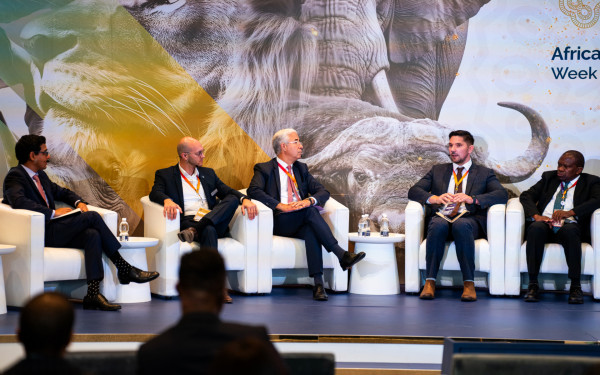
The African continent is developing promising green technologies to address energy access disparities and to foster economic growth. Its countries should take an active role in local sustainable energy solutions, rather than merely being consumers of these technologies.
At a dedicated panel session at African Energy Week: Invest in African Energies 2024, panelists emphasized the need for countries already producing oil and gas to utilize local energy resources for the purposes of enhancing value and meeting domestic needs, particularly for secluded and rural areas that do not have access to energy on the grid. They agreed that green technology and innovation could not be advanced without significant investments in local capacity, particularly in manufacturing and grid infrastructure.
Moderated by S&P Global Head of Energy Transition, Ashutosh Singh, panelists of the Advancing Green Technology and Innovation in Africa session further agreed that while renewable energy may not create immediate large-scale jobs, strategic planning by policymakers could lead to millions of new opportunities as the sector evolves.
James White, CEO of Comet Energy, highlighted that legislative barriers also exist in many African nations. In South Africa, for instance, larger solar installations connected to the grid need a generation license from National Energy Regulator of South Africa (NERSA). This, White believes, adds an additional layer of complexity and can deter potential investors or developers from pursuing solar projects.
Although recent amendments to policies have raised the threshold for embedded generation projects without a license to 100 MW, navigating these regulations still poses significant challenges, he noted. “We also need to look at developing local supply chains, which are needed to further drive down costs and improve accessibility to technologies,” he said.
Dennis Bauer, Senior Executive Energy Transition Advisor, Neuman & Esser discussed the potential of hydrogen as key to Africa's energy transition.
By 2035, more than 50 million tons per year of cost-competitive green hydrogen can be produced on the continent by blocks in Morocco, Egypt and South Africa. However, Bauer emphasized that localized supply chains are necessary to support these developments. “Developing local manufacturing capabilities for battery components and other technologies can significantly reduce costs and enhance sustainability,” he said.
The panel discussion also touched on advancements in solar technology, noting improvements in efficiency and flexibility that can facilitate deployment in remote areas.
CEO of South African National Energy Development Institute (SANEDI), Dr Zwanani Titus Mathe, stressed the importance of learning from successful models surrounding new green technologies, like China's investment in research and development (R&D).
“We need to establish centers of competence across Africa focused on R&D, manufacturing and skills development to position the continent as a leader in green technology. As African nations commit to investing in green innovation, collaboration among governments, businesses, and communities is also essential,” he said.
Director of International Relations at IFP Energies nouvelle (IFPEN), Dr Said Nachet, concluded that Africa has the potential to lead in green technology. “By harnessing local resources and fostering innovation, the continent can emerge as a hub for green technology and sustainable energy solutions,” he said.
Distributed by APO Group on behalf of African Energy Chamber.
Elim Hospital also faces persistent water shortage
Boost for start-ups involved in space, Earth observation
Eight start-ups involved in space and Earth observation innovations have received funding through the Earth Observation Frontiers Enterprises Innovation Support Fund (NEOFrontiers EISF).
Launched in 2021, the NEOFrontiers is an innovation funding mechanism designed to drive the growth of the local space sector through increased public investments.
It seeks to stimulate collaboration, cooperation and innovation in the public and private South African Earth observation community.
The NEOFrontiers programme is managed by the South African National Space Agency (SANSA) and the National Research Foundation (NRF), and implemented with the support of Tuksnovation, the University of Pretoria's business and technology incubator.
The programme subsidises enterprises with amounts ranging from R750 000 to R1 million for 12 months.
SANSA launched NEOFrontiers in 2021 through investment from the Department of Science, Technology and Innovation (DSTI).
The first four NEOFrontiers projects were funded in 2022, while 2023 saw three start-ups supported.
This year’s NEOFrontiers call saw eight successful start-ups submit brilliant proposals on mining, agriculture, infrastructure development, healthcare innovation, banking and financial institutions, as well as disaster risk reduction.
These include Abiri Innovations, Agizo Solutions (Pty) Ltd, Aphelion World JV/Consortium, CreditAIs, Integrated Geoscience Solutions, Kgothatso Innovations, Regona Trading and YaAzi.
A total of 56 applications were received earlier in the year, 25 of which were eligible and allowed to pitch to an independent adjudication committee.
DSTI’s Acting Chief Director Itumeleng Makoloi said this programme unfolds at an opportune time when South Africa seeks to foster innovation.
“We need to create new ways of modernising areas such as agriculture, mining and manufacturing. We believe that this programme represents our shared vision to foster innovation, capacity building and strategic partnership across the public sector.
"The joint efforts of DSTI entities, such as SANSA and the NRF, play a critical role in driving this vision.”
SANSA CEO, Humbulani Mudau, believes this platform will create a market pool for innovative solutions, for which space is a significant enabler and a value provider.
“I’m delighted to report that there is an equal split in gender representation. We have awarded the grant to start-up companies led and owned by four males and four females. This is good progress towards transforming the industry,” Mudau said.
He said the NEOFrontiers is poised for greater strides in terms of direction and investments.
“We’re indeed going to make this a flagship programme that will transform space-based ideas into relevant products and services that address societal and environmental challenges. As we do that, we’re going to be looking at increasing the competitiveness of the South African Earth observation industry for the benefit of the South African society.”
NRF CEO, Dr Fulufhelo Nelwamondo, is of the view that the initiative has the potential to gear small enterprises in the space sector to create job opportunities.
“The key focus is to support start-ups, SMMEs and entrepreneurs with funding. The reason for this is that we expect much more from our SMMEs to make sure that they can grow and employ more people.
“When they employ more people, there is an increase in new technology and service innovations coming out of their areas to a point that we can get even more people involved. Our rate of unemployment is increasing.”
The University of Pretoria’s Head of Innovation and Contracts Management, Advocate Lawrence Baloyi, said this has the potential to shape the future of South African space innovation.
The next call to fund new SMMEs will be published before the end of 2024. – SAnews.gov.za
Gabisile
Fri, 11/08/2024 - 11:04
He was also charged in the 2010 “Amigos” corruption case
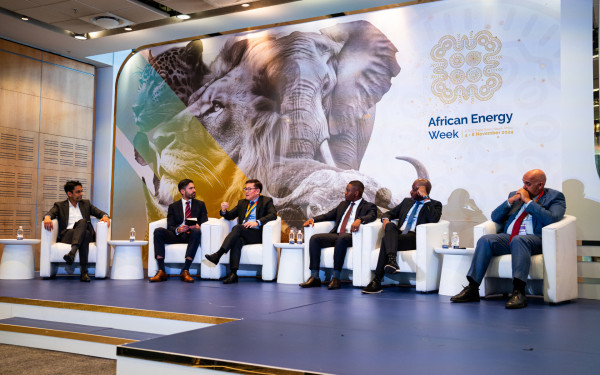
Private power and Independent Power Producer (IPP) investments are pivotal for Africa's energy future if it is to improve energy access and end energy poverty on the continent. The procurement of new, often renewable sources of energy, is a way for countries to improve energy supply but also meet transition goals.
During a panel discussion titled ‘Maintaining the Momentum for Private Power Provision' that formed part of African Energy Week (AEW): Invest in African Energies 2024 ‘Powering Africa Summit' South Africa's IPP procurement program was highlighted as a benchmark on how to successfully develop private, independent power generation capacity in Africa, which is challenged by a lack of generation capacity, aging power plants and poorly run state-owned utilities and a lack of affordable capital.
Bernard Magoro, Head of South Africa's Independent Power Producers Office said that although the country has overcome the challenge of loadshedding, it needs to decommission 15-20 GW of coal-fired power by 2035, half of which will be replaced by renewables which requires between four and five times the baseload capacity that you are replacing.
The IPP program, which has been running for 14 years, has delivered over 8 GW of capacity, 7.2 GW of renewable energy and 1 GW of open cycle gas turbine capacity, Magoro pointed out. This equates to about 10% of South Africa's energy from IPPs on an annual basis, he added.
The enabling environment that Magoro referred to as “the IPP energy ecosystem” that was created in South Africa to support IPP integration is what has supported the success of the program, the learnings of which he said was being shared with the rest of the African continent.
Panel moderator, Hasnayn Ebrahim, Managing Director of management consultancy Africa International Advisors noted the important aspect of cross-border collaboration, knowledge sharing and capacity support as a potential enabler to advance private power provision in Africa, a sentiment echoed by Mirlan Aldayarov, Infrastructure Program Leader at the World Bank who said the South African Power Pool (SAPP) exists as a good mechanism that can help to leapfrog some of the IPP development challenges in Africa.
This idea was supported by Simphiwe Jantjies, Head of East, Central and West Africa at development finance institute the Development Bank of Southern Africa who said the existence of regional power pools, in addition to liberalizing the energy market can play an important role in extending the role of IPPS in providing power.
“Development finance institutions can…play a meaningful role in the entire project development value chain…pulling the entire financing structure of a project together and ensuring it is bankable,” Jantjies said.
Aldayarov highlighted the pace of reforms to support IPPs in South Africa as “phenomenal” noting that the Bank is involved in long term energy planning, policy and regulatory reforms, energy offtake and supporting the development of a pipeline of bankable projects to create an enabling environment going forward.
In trying to maintain the momentum of the IPP program in South Africa, where there is over 100 GW worth of energy capcity at different readiness stages waiting to be developed, the country is faced with needing to expand the energy grid. “We have run out of grid capacity,” he said.
“Between now and 2032 we need to build 14,000 km of transmission lines,” which Eskom cannot do alone, Mogoro said, noting that the private sector, like the role it is playing in the IPP space, would need to assist in expanding the strained transmission network.
Distributed by APO Group on behalf of African Energy Chamber.
Durban Academy gears up to host UCI Pump Track World Championships
The City of Durban is gearing up to host the prestigious 2024 Velosolutions Union Cycliste Internationale (UCI) Pump Track World Championships Finals, which will take place at the GO!Durban Academy, KwaMashu site, on 9 November 2024.
The event marks the tail end of the 2024 season and is set to bring together the world’s top riders from approximately 20 countries to compete for the World Championship Title.
The first ever to be hosted in a township, the KwaMashu GO!Durban Academy Park was chosen over Cape Town.
Established in 2016, the GO!Durban Cycle Academy features a world-class Velosolutions asphalt pump track right in the heart of KwaMashu.
Velosolutions pump tracks are both playgrounds and training facilities for bikers, skateboarders and scooter riders of all skill levels. Asphalted tracks are hotspots for all kinds of riders, who seek a fun and action-filled sports experience.
EThekwini Transport Authority Acting Head, Nelisiwe Zama, said being chosen to host an event of such magnitude is demonstration of the high standard infrastructure that the GO!Durban Academy has to offer.
“An event of this nature does not only place us on the world map in relation to the cycling sport but has great impact on local tourism, with 60 international riders, accompanied by their teams, and fans staying in Durban. This influx of international visitors will help put Durban on the global tourism map as a 'must visit' destination in South Africa,” Zama said.
The event is also set to benefit youth from townships, as various community-based cycling races will be hosted in the week leading up to the finale.
The top four of the community bike series, including the men and women elite category, will officially qualify for the UCI Pump Track World Championships on Saturday.
“The two winners will receive free hotel accommodation, like all other international winners. The second, third and fourth placed riders will be invited to join the afterparty, rider's briefing, welcome presentation, and will be transported daily from their township to the locations,” Zama said.
Tickets for the UCI Pump Track World Championships finals will be sold at the gate at R50 per person. – SAnews.gov.za
GabiK
Thu, 11/07/2024 - 10:36
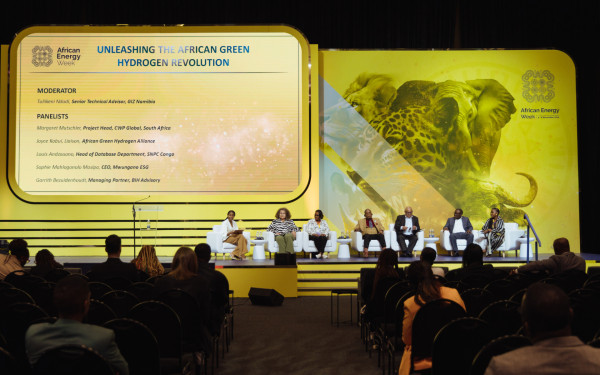
Africa's abundant energy potential, coupled with Europe's ambitious production and import goals, have resulted in the development of a burgeoning global green hydrogen economy. Africa currently has 125 GW of hydrogen capacity with major contributors including Egypt, Mauritania, South Africa, Morocco, Namibia and Kenya – a group of nations that form part of the Africa Green Hydrogen Alliance group.
A dedicated panel session titled, Hydrogen Summit: Unleashing the African Green Hydrogen Revolution, at this year's African Energy Week: Invest in African Energies 2024 conference explored the significant role that hydrogen plays in the future of African energy. The panel noted that the EU market represents the largest commercial opportunity for hydrogen projects on the continent, with international collaboration being highlighted as a key strategy towards driving the sector forward.
“We need to see more countries establish key terms to create a platform for knowledge sharing,” stated Africa Green Hydrogen Alliance liaison Joyce Kabui, adding, “The support here depends on the scale of collaboration in the green hydrogen space.”
Mauritania has emerged as one of the world's top green hydrogen investment destinations. The country has effectively captured 1.5% of the global hydrogen market with 3 of its major hydrogen developments – the 30 GW AMAN development, 35 GW Megaton Moon project and 10 GW Project Nour development by renewable energy developer Chariot Energy Group, which collectively contribute to the country's objective of producing 12.5 million tons of green hydrogen annually by 2035.
“In Mauritania, we've managed to prove renewable resources and understand energy profiles available from natural resources to supply the value chain,” stated CWP Global Vice President of Project Development Africa, Margaret Mutschler, adding, “We've conducted environmental studies and baseline studies in countries like Mauritania that is relevant in other countries as well.”
Meanwhile, South Africa's government has recognized green hydrogen as a key aspect of the country's just energy transition. It has introduced the Hydrogen Society Roadmap to serve as the industry's framework to facilitate large-scale investments in the sector.
“If you look at hydrogen as a source, it's underpinned by the hydrogen roadmap that the government has begun to drive,” stated General Manager of Energy Projects at South Africa's state-owned Central Energy Fund, Sifiso Msabala. “There is a focus on hydrogen in this country and we understand the issues that are inhibiting progress. We know that South Africa is a great country to contribute to the global hydrogen industry.”
Louis Andzouono, Head of Database Department at the Republic of the Congo's state-owned Société National des Pétroles du Congo (SNPC), expressed his country's commitment to driving a sustainable green hydrogen sector. The parastatal company received authorization from the government last year to explore the development of a green hydrogen market in the country.
“The SNPC is confident that its promotion of green hydrogen will succeed and thrive,” Andzouono stated, adding, “We assume the missions and projects of the state will guarantee a serene future for the Congolese people through structure and eco-friendly projects.”
The panelists noted that supportive policies and international collaboration will bolster Africa's green hydrogen economy, potentially attracting investments and improving resource capacity.
Distributed by APO Group on behalf of African Energy Chamber.
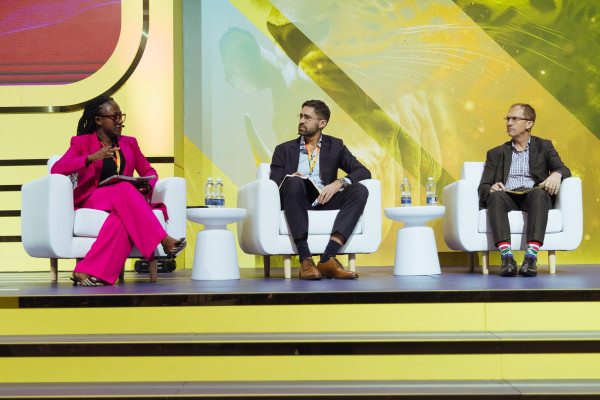
Africa must expand its renewable energy manufacturing capabilities and leverage its critical minerals to foster growth in its renewables sector, according to James Mackay, Managing Director at the Energy Council of South Africa.
Speaking on a panel discussion during African Energy Week: Invest in African Energies' Pre-Event Technical Workshops, Mackay said the high cost of renewables in Africa could be lowered by enhancing local manufacturing capacity, making vital technologies more accessible for project developers.
“Egypt is currently leading in solar manufacturing, but other African governments should work to attract investments and implement policies that incentivize manufacturers to establish operations on the continent,” stated Mackay.
Carlos Torres Diaz, Senior Vice President & Head of Gas and Power Markets Research, Rystad Energy highlighted Africa's youthful workforce as a strategic advantage in developing innovative solutions required to harness the continent's 30% share of global critical minerals. According to Diaz, the focus is no longer solely on replacing fossil fuels but on integrating all energy resources and using digital tools to stabilize the power grid.
“Gas-to-power solutions remain essential for stability alongside renewables,” he noted.
Despite holding 40% of the world's total solar potential, Africa currently utilizes only 35% of its capacity, according to Nivedh Das Thaikoottathil, Senior Analyst – Renewables & Power at Rystad Energy. Thaikoottathil pointed out that Africa's ability to add value to its critical minerals will shape its potential to produce over 100,000 TWh of solar energy annually, potentially increasing the share of solar and wind from 8% today to 60% by 2040.
Commenting on high-growth renewable energy markets in Africa, Thaikoottathil said South Africa, Morocco, Egypt, Tunisia, Mauritania and Mozambique are the key players.
“We are seeing growing financing for renewable projects and new interconnectors between North Africa and Europe, with 24 GW of proposed capacity aimed at linking the regions,” he said.
AEW: Invest in African Energy 2024 is held alongside the Critical Minerals Africa Summit which will run from November 6 – 7 November in Cape Town, offering delegates access to the full scope of energy, mining and finance leaders.
Distributed by APO Group on behalf of African Energy Chamber.
JOHANNESBURG: Cricket South Africa (CSA) is excited to announce a partnership with MakeMyTrip, India’s leading player for online travel. Established in...
Day 1 on the Klip River: Selby to Riverlea
TSHWANE: Jemma Botha, born on 29 May 2007 in Grassy Park, Cape Town, has steadily developed into a promising young all-rounder...
A program supplying sterile injection equipment was stopped for months in Cape Town
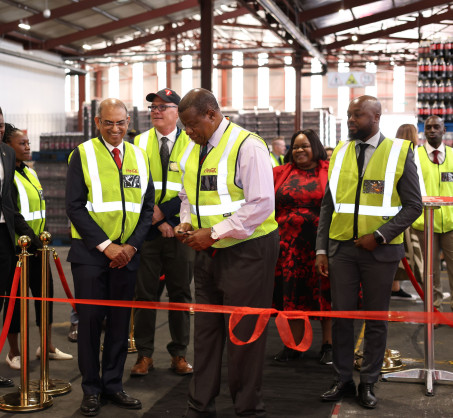
Coca-Cola Beverages Africa (CCBA) (www.CCBAGroup.com) has invested $50 million in a new bottling line in Namibia, capable of producing 27,000 bottles per hour. This upgrade will increase the plant's output capacity by 30% and stimulate growth throughout the company's value chain.
The investment also includes the installation of a water treatment plant with state-of-the-art water recovery technology, designed to reduce water consumption. Additionally, the integration of advanced technology, including artificial intelligence, will require skills training for employees, contributing to the development of a future-ready workforce for both the business and the country.
“We've ensured that this production line goes beyond output numbers,” said Pottie de Bruyn, General Manager of Coca-Cola Beverages Africa in Namibia. “It's about creating shared opportunities across the value chain. The increased production also provides a boost to local businesses that supply us with raw materials and services.”
Sunil Gupta, Chief Executive Officer of CCBA, echoed the sentiment, adding, “This investment is a clear demonstration of our continued belief in the future of Namibia.”
Gupta also highlighted CCBA's broader goals: “As a customer-centric, digitally enabled, growth-driven business, we are committed to excellence across our value chain. Efficient operations allow us to offer faster delivery and superior service. This new production line is another step in our journey to achieve even greater levels of execution excellence.”
Distributed by APO Group on behalf of Coca Cola Beverages Africa.
Media Contacts:
Enid Johr
PACS Director
CCBA in Namibia
Tel: +264 81 778 5381
Email: ejohr@ccbagroup.com
Judith Wilhem
+264813473538
Follow us on:
LinkedIn: https://apo-opa.co/3AsnQje
About CCBA:
CCBA is the 8th largest Coca-Cola bottling partner in the world by revenue, and the largest on the continent. It accounts for over 40% of all Coca-Cola products sold in Africa by volume. With over 18,000 employees in Africa, CCBA services more than 720,000 customers with a host of international and local brands. The group was formed in July 2016 after the successful combination of the southern and east Africa bottling operations of the non-alcoholic ready-to-drink beverages businesses of The Coca-Cola Company, SABMiller plc and Gutsche Family Investments. CCBA shareholders are currently: The Coca-Cola Company 66.5% and Gutsche Family Investments 33.5%. CCBA operates in 15 countries, including its six key markets of South Africa, Kenya, Ethiopia, Uganda, Mozambique and Namibia, as well as Tanzania, Botswana, Ghana, Zambia, the islands of Comoros and Mayotte, Eswatini, Lesotho, and Malawi.
Learn more at https://www.CCBAGroup.com
Investigative report finds Pretoria Girls High head committed misconduct
An independent investigative report on incidents at Pretoria High School for Girls has recommended that the principal and deputy principal responsible be charged with misconduct.
The Gauteng MEC for Education, Matome Chiloane, on Monday released the independent investigative report which probed allegations of a culture of racism at the school and provided recommendations to address such incidents.
The investigation, which was conducted by Mdladlamba Attorneys, a law firm commissioned by the Gauteng Department of Education came after pupils created a “whites only” WhatsApp group where they shared insensitive messages with racial undertones.
The 12 learners who were part of the WhatsApp group were subsequently charged and taken through a formal disciplinary inquiry by the school’s School Governing Body (SGB) and were all found not guilty on the basis that the WhatsApp group was deemed to be a private platform.
Director of the law firm, Charles Mdladlamba, told a media briefing that the principal and deputy principal of the school mishandled the issue and should be charged with misconduct.
“School Official 1 mishandled this matter and thus failed to comply with her obligations under paragraphs 5.1.1.2 c) and 5.1.1.5 i) and n) of the School Policy. She further breached the learners’ rights under paragraph 10.1.1 of the PHSG Learner code of conduct and thus item 3 – sections 9 (1) and 10 of the constitution.
“It follows therefore that School Official 1 has committed misconduct as envisaged in section 18 (1) (a) and (f) of the Employment Equity Act (EEA),” Mdladlamba said.
The report also found that some white teachers at the school did not greet their fellow black colleagues "because they do not know whether they are cleaners or educators at the school".
Mdladlamba said the allegation that some white teachers do not greet their black colleagues was confirmed by the principal, Phillipa Erasmus, who is suspended.
"According to the principal, this is the biggest frustration that she must deal with at the school, including the ill-treatment of the administration staff by some educators.
"The principal indicated that her challenge is that the administration staff do not want to name the educators that are ill-treating them and thus she cannot take the necessary disciplinary steps against them."
The report recommended that she as well as the deputy principal responsible for discipline as well as two educators be charged with misconduct.
It also recommended that the estate manager and the HR manager be charged with misconduct.
"The GDE [Gauteng education department] is to consider removing the governing body chairman from the governing body for his allegations of interfering with the legislative powers and functions of the MEC.”
Having investigated the matter, the law firm recommended that the GDE must ensure that the school offers counselling to all learners who were affected by the incident, including the 13 learners that were found guilty by the disciplinary hearings.
“We will implement the recommendations, and bring social cohesion into the school in a manner that involves everyone, learners and teachers alike. We will also bring the school closer to the National Dialogue that is being purported by the Government of National Unity,” MEC Chiloane said.
How the probe emerged
The probe followed a visit to the school by Gauteng Education MEC Matome Chiloane on 30 July after 12 white girls, including eight prefects, were suspended on 24 July for suspected racism.
According to the department, the conversations allegedly included racial commentary about the ongoing dissatisfaction among black pupils regarding issues they faced at the school, alluding to these issues being insignificant.
"Similar commentary about a black hair protest by learners that reportedly took place at the school in 2016 was also made in the group chat."
They were subsequently cleared of the allegation during an internal disciplinary hearing earlier this month.
Following the outcome of the disciplinary hearings of the 13 learners, various sections of society expressed disappointment with the outcome of the disciplinary process and pleaded with the GDE to commission an independent inquiry into all allegations.
Notwithstanding the previous investigation - which made clear findings and recommendations - similar allegations had resurfaced.
The allegations that were put forward were tested against the records and policies of the school and the law.
The report is based on evidence and the rules of engagement were explained thoroughly to all individuals who were interviewed. Therefore, the findings of the investigation are based on evidence and concessions made by some of the implicated persons.
The investigation found that the principal, deputy principal and acting principal should be charged with misconduct; there is selective application of discipline based on race; the SGB attempted to interfere with the suspension of the 12 pupils; some white staff do not greet their black colleagues; and the estate manager committed misconduct. - SAnews.gov.za
DikelediM
Mon, 11/04/2024 - 15:19
Retired Judge Margaret Victor has been appointed president of the Tribunal
Fourteen in court on fraud, money laundering charges
Fourteen people have appeared in court on allegations of fraud and money laundering, the Directorate for Priority Crime Investigation (the Hawks) said on Wednesday.
The 14 accused, including two former Nedbank employees, Nicolette de Villiers and Keitumetse Mathimbi, aged between 25 and 51 years were arrested on Tuesday in Pretoria, Johannesburg and Ekurhuleni by the Gauteng Serious Commercial Crime Investigation of the Hawks on allegations of fraud and money laundering.
“It is reported that the main suspect unlawfully made payments from suspense accounts valued at over R157 million which were further transferred … to recipients who were [not] entitled to receive such monies. The amounts were between R50 000 and R20 million. Twenty-three recipients are involved in the matter including 15 individuals, seven entities and six banks.”
The 14 made their first appearance in the Specialised Commercial Crimes Court sitting in the Palm Ridge Magistrates court on Wednesday.
The Hawks said 13 of the 14 were granted bail while accused number 10’s bail application will be heard on 7 November 2024 in the same court.
“Accused No 10, Yu-Wei Fang's bail application will be heard on the 7 November 2024 in the same court, he was remanded in custody. The other 13 accused will appear again on 29 January 2025,” said the Hawks.
The National Head of the Directorate for Priority Crime Investigation, Lieutenant General (Dr/Adv) Godfrey Lebeya commended the concerted efforts by the investigation team, prosecutors and specialists to ensure speedy finalisation of the investigation and securing the attendance of the accused in court.
“This is one of the complex high value serious commercial crime[s] that exhibits the elements of professional money laundering enablers. Investigations are continuing,” said the Hawks.
Meanwhile, the Hawks said three suspects are expected to appear in court following the murder of an unknown man whose body was found severely beaten, stabbed and dumped in a veld in Boksburg, Gauteng.
The three suspects aged 42, 33 and 31 were arrested in the early hours of Wednesday morning in a multidisciplinary operation led by the Hawks Tactical Operations Management Section (TOMS), Benoni Flying Squad, Secure Tech, Graphite Security, Blue Hawk Tactical, DOT Towing and Brakpan Crime Prevention.
“Two suspects were arrested in connection with a murder of an unknown man whose body was found severely beaten, stabbed and dumped in a veld in Boksburg North. Through information received, the pair was traced to Brakpan. The third suspect was arrested also in Brakpan after he was found with a replica firearm and live ammunition which were confiscated for further investigation.”
The team also recovered a baseball bat and a panga which are suspected to have been the weapons utilised in the murder.
Investigations in the matter are continuing. -SAnews.gov.za
Edwin
Thu, 10/31/2024 - 11:23
JOHANNESBURG: White-ball head coach Rob Walter has today named a strong 16-player squad for the upcoming four-match Wonder Cement T20 International...
Vhembe stadium still unfinished a year after completion was scheduled
VFS Global (www.VFSGlobal.com) are proud to announce that residents of South Africa, travelling to the UK can now book appointments to submit their visa applications through VFS Global's new state-of-the-art Visa Application Centres located in Cape Town, Durban, Johannesburg, Port Elizabeth and Pretoria.
Effective 22 October 2024, customers applying for a UK visa will be directed to VFS Global to book an appointment to complete their visa application. Customers will also have the option to choose additional services designed to make the application process easier.
Commenting on the launch of the new Centres, Mr. Alok Singhal, Head- Sub-Saharan Africa, VFS Global, said, “We are excited to embark on this new journey with UK Visas and Immigration here in South Africa. We have enjoyed a long-standing partnership with UK Visas and Immigration since 2003 and look forward to now bringing travellers from South Africa our best-in-class services.”
UK visa customers can now choose from a range of optional services offered by VFS Global to provide enhanced comfort and convenience. These include document upload assistance, Prime Time for application submission outside of business hours, SMS notifications, document checking service, and courier return of the passport once a decision has been made.
Customers can also submit their UK visa applications from the comfort and safety of their home, office or any other preferred location with our On Demand Mobile Visa service. VFS Global's Keep My Passport While Applying service allows customers to keep their passports once their application is submitted and biometrics have been enrolled. Customer will only need to re-submit their passport when a decision is reached.
The services can be booked in advance on https://apo-opa.co/4f4Yw1G or at the Visa Application Centre at the time of the appointment. These services are completely optional and have no bearing on the processing timeline and outcomes of visa applications.
As a partner to the UK Visas and Immigration since 2003, VFS Global offered visa services in 58 countries before the new contract and has now been awarded the contract to provide UK visa services in 142 countries worldwide. In the African region, VFS Global will provide Visa Application Centres for the UK in 31 countries, from October 2024.
|
UK Visa Application Centres in South Africa Cape Town: 2 Long Street, 9th floor, nr 2 on Long Street, 8001 Port Elizabeth: Greyville House, 3rd Floor, Greyville House Building, Corner of Ring Road, Caper Road & Greyville Road, Greenacres Durban: Glass House, 309 Umhlanga Rocks Drive, Umhlanga Johannesburg: Rivonia Village, 3rd, Cnr Rivonia Boulevard and Mutual Road, Sandton, 2128 Pretoria: The Podium at Menlyn - 4th Floor, 43 Ingersol Rd, Lynnwood Glen, 0081 |
|
Website: https://apo-opa.co/4f4Yw1G Business hours: 8 AM to 5 PM (Mon to Fri, except public holidays) Application submission: 9 AM to 4 PM (Mon to Fri, except public holidays) Passport collection: 12 PM to 3 PM (Mon to Fri, except public holidays) Primetime submission and collection: 8 AM to 9 AM & 4 PM to 5 PM (Mon to Fri, except public holidays) |
Distributed by APO Group on behalf of VFS Global.
Media Contact:
George Cherian
georgec@vfsglobal.com
communications@vfsglobal.com
About VFS Global:
As the world's leading outsourcing and technology service specialist, VFS Global embraces technological innovation including Generative AI to support governments and diplomatic missions worldwide. The company manages non-judgmental and administrative tasks related to applications for visa, passport, and consular services for its client governments, increasing productivity and enabling them to focus entirely on the critical task of assessment.
With a responsible approach to technology development, adoption and integration, the company prioritizes ethical practices and sustainability while serving as the trusted partner to 69 client governments. Operating over 3,400 Application Centres in 153 countries, VFS Global has efficiently processed more than 297 million applications since 2001.
Headquartered in Zurich and majority owned through investment funds managed by Blackstone Inc, along with the Swiss-based Kuoni and Hugentobler Foundation and EQT, VFS Global is committed to creating value for all stakeholders and leading in responsible, innovative solutions making government services more effective and efficient.
KwaZulu-Natal not a haven for criminals, warns Premier
With the festive season approaching, KwaZulu-Natal Premier Thamsanqa Ntuli has sent a strong warning to criminals that the police will intensify efforts to prevent criminal activities from taking place in the province.
“KwaZulu-Natal is not a haven for criminals and police will do all in their power to curb criminality wherever and whenever it rears its ugly head,” Ntuli said.
Ntuli sent the warning during a crime crackdown in the Durban city centre, which led to the arrest of more than 30 people found without legal documentation to be in South Africa.
In a concerted effort to rid the Durban city centre of crime and criminal elements, Ntuli joined law enforcement authorities in a high-impact operation targeting shops employing undocumented foreign nationals on Tuesday.
The joint raid, led by Ntuli and the provincial Police Commissioner, Nhlanhla Mkhwanazi, included an inspection of foreign-owned spaza shops and establishments suspected of selling counterfeit goods.
The raid highlighted the provincial government’s commitment to making Durban a safer place for residents, business owners, and visitors.
With increased vigilance and coordination between provincial authorities and law enforcement agencies, Ntuli said KwaZulu-Natal aims to ensure that criminal elements are rooted out and that communities feel safe in their own neighbourhoods.
Ntuli affirmed that the operation is just one of many measures to ensure a secure environment for citizens and tourists.
The Premier emphasised the police will intensify their efforts to prevent criminal activities from taking root in the province.
“Our message is clear: criminality will not be tolerated, and we will pursue justice wherever and whenever it is needed,” Ntuli said.
The Premier reiterated that the provincial government, alongside local law enforcement, is committed to maintaining peace and security across the region and reinforcing its zero-tolerance stance on crime.
Restoring safety within communities
Meanwhile, during his visit to the families of four people who tragically lost their lives during a brutal attack in Estcourt, Ntuli emphasised the urgent need for justice and the importance of restoring safety within communities.
Ntuli visited the families on Monday following the attack that claimed the lives of four members of the Mazibuko family, aged 45, 57, 60 and 61. Three victims died at the scene, while two others sustained injuries; and one later succumbed to their injuries.
The incident took place during a traditional celebration at a homestead in Nyezane, where six heavily armed suspects stormed the gathering and opened fire on Sunday afternoon.
According to police reports, the suspects, who wore masks, carried out the assault in a violent and calculated manner, leaving the community in shock and mourning.
In the aftermath of the tragedy, law enforcement authorities launched an intelligence-driven investigation, which led to swift apprehension of a 28-year-old suspect.
The arrest marked a crucial step in the pursuit of justice for the Mazibuko family and the affected community.
During his visit, Ntuli expressed his heartfelt condolences to the grieving families, acknowledging the profound pain caused by such senseless violence.
The Premier pledged his administration’s commitment to tackling violent crime in the province.
“This is a tragic loss, not only for the Mazibuko family but for the entire community. We stand in solidarity with those affected and are determined to see that those responsible for this heinous act are held accountable,” Ntuli said.
He said the KwaZulu-Natal Provincial Government, alongside law enforcement agencies, remains dedicated to supporting the bereaved families and working towards a safer, more secure province for all its citizens. – SAnews.gov.za
GabiK
Wed, 10/30/2024 - 11:59