• Skip to main content
  • Skip to header right navigation
  • Skip to after header navigation
  • Skip to site footer
MyZA

MyZA

News, Directory, Events and Other Stuff

  • Social Media
  • Sport
  • World News
  • Home
  • Submit News
  • Directory
  • Events
  • Stratlec
  • TFSA
  • News
    • APO
    • Today’s Sport News
    • Todays Social Media and Tech Headlines
    • Today’s World News
    • Today’s SA Financial News
  • Contact
You are here: Home / Archives for health

health

6 November 2023

Africa Investment Forum welcomes Rugby Africa President to discuss the business of sport

Location: News, Sport
Rugby Africa

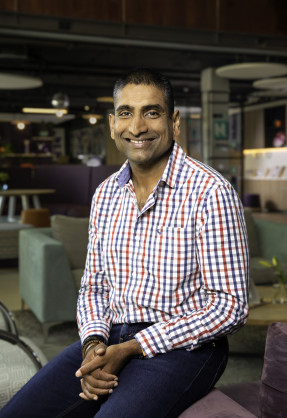
The newly elected President of Rugby Africa (www.RugbyAfrique.com), the continental governing body for rugby in Africa, Mr Herbert Mensah, will discuss the business of sport in a one-to-one fireside chat at the 2023 Africa Investment Forum (AIF) (www.AfricaInvestmentForum.com) on Thursday, November 9 in Marrakech, Morocco.  

Championed by the African Development Bank and seven other founding partners (Africa50, Africa Finance Corporation, Afreximbank, Development Bank of Southern Africa, European Investment Bank, Islamic Development Bank and Trade and Development Bank), the Africa Investment Forum is Africa's investment marketplace to accelerate transactions to close Africa's investment gaps.

Founded in 2018, the Africa Investment Forum has mobilized nearly $143 billion in investment interest. The event brings together heads of state, business leaders, decision makers and investors to advance critical investment transactions to closure. Previous attendees include H.E Paul Kagame, President of the Republic of Rwanda, H.E Cyril Ramaphosa, President of the Republic of South Africa, and H.E Nana Akufo-Addo, President of the Republic of Ghana. 

The sports industry in Africa is experiencing rapid growth, with the potential to generate jobs, improve public health, foster social inclusion and drive economic growth. According to PricewaterhouseCoopers (PwC), the industry was valued at $7 billion in 2018 with an expected growth of $12 billion in 2027. Despite the potential, investment across Africa remains limited, with only 1% of startup financing directed towards the sport sector. 

Rugby Africa President, Herbert Mensah, continues to emphasize the business potential of rugby across Africa. Since his election, President Mensah has called for a change of mindset from African governments and international organizations to increase investment in rugby across Africa. In June, President Mensah delivered a keynote speech on treating rugby as a lucrative business venture at the Bloomberg New Economy Gateway Africa 2023 event in Marrakech, Morocco.

Watch the video on the Bloomberg Website: https://apo-opa.info/466rOcr  

The annual three-day Africa Investment Forum Market Days event will commence on Wednesday November 8 to Friday November 10 under the theme “Unlocking Africa's Value Chain” in Marrakech, Morocco.

Read more information about the Africa Investment Forum: https://www.AfricaInvestmentForum.com/en

Distributed by APO Group on behalf of Rugby Africa.

Media contact:
Nicole Vervelde
Communications Advisor to the President of Rugby Africa
rugby@apo-opa.com

About Rugby Africa:
Rugby Africa (www.RugbyAfrique.com) is the governing body of rugby in Africa and one of the regional associations under World Rugby. It unites all African countries that play rugby union, rugby sevens, and women's rugby. Rugby Africa organizes various competitions, including the qualifying tournaments for the Rugby World Cup and the Africa Sevens, a qualifying competition for the Olympic Games. With 39 member unions, Rugby Africa is dedicated to promoting and developing rugby across the continent. World Rugby highlighted Ghana, Nigeria and Zambia as three of the six emerging nations experiencing strong growth in rugby.
Media files
Rugby Africa
Download logo
Read moreAfrica Investment Forum welcomes Rugby Africa President to discuss the business of sport
6 November 2023

Ai Expo Africa 2023 – Drone and Ai Technology creating safer and sustainable Technology

Location: MyPR

The integration of Drone and AI technologies has emerged as a transformative force, reshaping industries and fostering a future marked by enhanced safety measures and sustainable practices. This synergistic alliance offers a myriad of applications across diverse sectors, contributing to a technologically advanced and environmentally conscious landscape. One notable area where this collaboration excels is …

Read moreAi Expo Africa 2023 – Drone and Ai Technology creating safer and sustainable Technology
3 November 2023

US Secretary reiterates President Biden’s commitment to extend AGOA

Location: News

US Secretary reiterates President Biden's commitment to extend AGOA

United States Secretary of State Antony Blinken has reiterated President Joe Biden’s commitment to extend the African Growth and Opportunity Act (AGOA) beyond 2025 when it expires. 

“President Biden fully supports the reauthorisation of AGOA. But we don’t just want to extend AGOA – we want to work with the United States Congress to make it better. And that’s what this week’s dialogue is about,” he said on Friday. 

Blinken was addressing delegates through a video speech at the three-day AGOA Forum at the Nasrec Expo Centre in Johannesburg. 

Launched in 2000, AGOA grants exports from qualifying African countries duty-free access to the United States market. 

“Last year, I travelled to South Africa to lay out the United States strategy to sub-Saharan Africa and to its core, it’s about partnerships -- what the United States can do with African nations and not for African nations.” 

Blinken believes that AGOA is critical to realising this vision as thousands of people in sub-Saharan Africa have benefited in the past two decades. 

“AGOA has meant new jobs, new skills, new connections and new investment. It has meant less corruption and greater human and labour rights.” 

The piece of legislation, according to the United States Secretary of State, has translated into partnerships to advance new solutions to shared challenges from the climate crisis to food insecurity, to supply chain disruptions and vulnerabilities. 

“More inclusive, sustainable growth is good for Africa and good for America and good for the world,” Blinken said.

In addition, he said America was dedicated to December’s African Leaders’ Summit commitments, which are essential to creating economies and societies where trade and investment can flourish. 

Through the Partnership for Global Infrastructure Investment, Blinken believes his country is lending a helping hand to finance projects like the Lobito Corridor between the Democratic Republic of Congo (DRC), Zambia and Angola, which will enhance connectivity and make it easier to do business in and with Africa. 

In addition, the United States, Blinken said, is mobilising US$8 billion in private and public investments to bolster climate resistance and advance women’s economic empowerment. 

“We remain the single biggest country investor by far in food security and public health in the region and we’re working on new efforts like our VACS initiative to strengthen African seeds and soils,” he said, adding that they will support elevating African voices in global diplomacy. 

Blinken welcomed the African Union joining the G20 and International Monetary Fund, which is working to expand sub-Saharan representation on its Executive Board. 

On the other hand, he said the United States remain committed to reforming the United Nations Security Council to include permanent representation for Africa.  

“This flourishing partnership between the United States and Africa gives me tremendous hope. And through gatherings like this, we continue to shape a future where workers and businesses are equipped and empowered, where governments are transparent and accountable, where all our people can thrive, and where our nations can come together for the good of our people and the world.” 

AGOA is a United States Trade Act enacted on 18 May 2000 as Public Law 106 of the 200th Congress. 

The AGOA legislation has been renewed on different occasions, most recently in 2015, when its period of validity was extended to September 2025. 

The legislation significantly enhances market access to the United States for qualifying sub-Saharan African countries by allocating special programme indicators to about 6 800 tariff lines in the American tariff schedule. 

This allows United States importers to clear goods sourced from eligible African countries duty-free under AGOA. – SAnews.gov.za

Gabisile
Fri, 11/03/2023 - 13:06

512 views
Read moreUS Secretary reiterates President Biden’s commitment to extend AGOA
3 November 2023

AGOA, AfCFTA can be complementary

Location: News

AGOA, AfCFTA can be complementary

Secretary General of the African Continental Free Trade Area (AfCFTA), Wamkele Mene, says the United States of America's African Growth and Opportunity Act (AGOA) initiative and the AfCFTA can be complementary and supportive trade initiatives.

He was speaking at a media briefing on the side lines of the ongoing AGOA forum held in Johannesburg.

At its core, the American driven AGOA is aimed at enhancing market access for countries in Sub-Saharan Africa while the African Union’s AfCFTA is aimed at significantly boosting and enhancing intra-trade across all African states.

“An example of how that alignment can take place is if you look at the protocol on investment which establishes enhanced legal rights for investors but also enables countries to regulate investment inflows in the public interest. 

“Similarly in the area of intellectual property rights. The US TR [United States Trade Representative] under Ambassador [Katherine Chi Tai] has been very clear that they support reforms of the global patent system so that it is at the service of public health and at the service, in our case as the continent, at the service of industrial development and job creation. 

“These are some of the principles, we believe, should be considered where we are to have a discussion about trade and investment between AGOA eligible countries and the United States. These are some of the complementarities [between AGOA and the AfCFTA] that can be explored,” he said.

Mene said the continent must be “cautious not to create fragmentation within the AfCFTA as we implement AGOA”.

“In the AfCFTA there are countries in North Africa who are state parties to the agreement establishing the AfCFTA. There are also countries that are within AGOA eligibility. So that fragmentation, we have got to address it so that we don’t reverse the gains that we are making in integrating the economy of the African continent. 

“I’m very encouraged that the US is willing to listen and is sensitive to this need to progress on integration,” he said at the session.

The Secretary General was emphatic when asked about the possibility of AGOA becoming an obstacle for the implementation of the AfCFTA.

“It’s a technical issue. I don’t think it’s really a political issue, it’s a technical issue about how we make that legal technical alignment between the rules of the AfCFTA and AGOA.

“We are taking measures to ensure that the implementation of AGOA supports industrial development, supports regional integration [and] supports the objectives of the AfCFTA,” he concluded. – SAnews.gov.za

NeoB
Fri, 11/03/2023 - 14:27

514 views
Read moreAGOA, AfCFTA can be complementary
3 November 2023

Government on course to manage expenditure

Location: News

Government on course to manage expenditure

The sixth administration is on course to prudently manage government expenditure while retaining the focus on infrastructure, health, education and policing as critical areas of growth and development.

This is according to President Cyril Ramaphosa who was responding to Questions for Oral Reply in the National Assembly on Thursday. 

Leader of the opposition party (Democratic Alliance), John Steenhuisen asked the President the reasons for the drastic budget cuts to government departments, which will have an impact on government’s delivery of frontline services at a time when citizens are being battered by the cost-of-living crisis.

The President highlighted that the Minister of Finance tabled the Medium-Term Budget Policy Statement (MTBPS) on Wednesday, which outlined the country’s fiscal position and provided information on government’s spending priorities over the next three years.

  
“Among other things, the Minister of Finance indicated in the MTBPS that we are resolved to stabilise public finances while maintaining support for the most vulnerable and protecting frontline services.

  
“At the same time, we are fast tracking growth-enhancing reforms, which includes a new financing mechanism for large infrastructure projects. Work is underway to reconfigure the structure and size of the state, while strengthening its capacity to deliver quality public services,” the President said. 

President Ramaphosa told Members of Parliament that the cost containment guidelines issued by the National Treasury give advice and guidance to government departments to ensure a sound and prudent management of public finances in the context of significant constraints.

“The increase in fiscal constraints is mainly due to reduced revenues. The cost containment guidelines target non-critical spending items such as travel, catering, accommodation and capital items that have not yet commenced,” he said. 

Turning to the discussions that the President and Deputy President Paul Mashatile have had with Ministers on an ongoing basis, President Ramaphosa said the meetings are focused on how programmes and activities undertaken by departments advance economic growth, social development and service delivery.

“Ministers and their departments engage with National Treasury on how best to implement any budget restructuring and delay projects where necessary without compromising the needs of communities,” he said. - SAnews.gov.za


DikelediM
Fri, 11/03/2023 - 09:10

275 views
Read moreGovernment on course to manage expenditure
2 November 2023

NICD warns of malaria season

Location: News

NICD warns of malaria season

The National Institute for Communicable Diseases (NICD) is urging people travelling to malaria-endemic areas to take the appropriate precautions this summer. 

Summer generally marks the start of the malaria season due to higher temperatures and increased rainfall in the malaria transmission areas, the NICD said in a statement.

“The malaria-endemic regions are beginning to see increases in the number of malaria cases as expected, marking the start of the malaria season.”

The health institution said about 4.9 million people are at risk of contracting malaria, of which parts of Limpopo, Mpumalanga and KwaZulu-Natal are more prone to the fatal disease caused by a parasite. 

The health institute urged travellers to consider taking antimalarial prophylaxis, particularly if planning a trip to high-risk areas. Both doxycycline and atovaquone-proguanil can be procured without a prescription from pharmacies and public sector travel clinics.

They have also advised travellers to reduce contact with mosquitoes by limiting outdoor activity after dark, covering up bare skin including feet and ankles, using mosquito repellents containing at least 10% DEET, ensuring mosquito screens on windows are closed, and using bed nets, fans or air conditioning.  

“These precautions will substantially reduce the chance of acquiring malaria but the risk is never completely removed.”

Meanwhile, all holidaymakers returning from malaria transmission areas, including very low-risk ones, should immediately report “flu-like illness”. 

These include headache, fever, chills, fatigue, and muscle and joint pain that occurs up to three weeks after first potential exposure to the nearest healthcare facility for a malaria test.

“Particular care should be taken with children, as symptoms are very non-specific such as fever, loss of appetite and vomiting.”

Malaria, according to the NICD, can rapidly progress to severe illness, often with severe consequences. Therefore, early diagnosis and treatment are strongly recommended. 

“Healthcare workers, particularly those in non-endemic areas who are treating febrile patients, must remember to ask about their recent travel to malaria transmission areas,” it said. – SAnews.gov.za


Gabisile
Thu, 11/02/2023 - 13:45

236 views
Read moreNICD warns of malaria season
2 November 2023

Milken–Motsepe Prize in Green Energy Finalists Announced

Location: News

The Milken-Motsepe Innovation Prize Program
Download logo

The Milken Institute and the Motsepe Foundation (https://MilkenMotsepePrize.org) today announced the five teams (https://apo-opa.info/3tXVKZw) advancing to the Finalist Round of the Milken–Motsepe Prize in Green Energy. Each finalist team will receive $70,000 to further develop and test their designs in a live field test demonstration in South Africa next year.

The finalist teams are:

  • AfTrak Micro Electric Agriculture and Energy (https://apo-opa.info/3QprXQS), for its innovative system of using solar microgrids to power custom-designed tractors for deep-bed farming;
  • GEG ehf. (https://GEGpower.is/), for its solar- and geothermal-powered hybrid renewable energy system;
  • New Digit Technologies (https://apo-opa.info/40q1yXR), for its compact, portable device to generate energy and purify water;
  • OMNIVAT (https://www.OMNIVAT.tech/), for its containerized electricity generation and storage system for remote communities; and,
  • Smart Agri-Centres (https://e4sv.org/), for its solar-powered community hubs that provide affordable clean energy and services to farmers.

“Access to electricity can advance industrialization across Africa and improve the standards of living for many marginalized communities,” said Dr. Precious Moloi-Motsepe, co-founder and CEO of the Motsepe Foundation. “These finalists are building innovative solutions to deliver on the promise of a sustainable future, in line with the Sustainable Development Goals. We will be delighted to welcome them to South Africa for the live demonstrations next year.”

An independent panel of expert judges determined the five teams continuing to the Finalist Round based on a rigorous evaluation of real-world data.

Judges will continue to evaluate competing teams' abilities to meet the challenge of generating 60kWh of electricity in a 24-hour period by:

  • demonstrating off-grid electricity generation using green energy sources;
  • validating demonstration results with data collection; and
  • providing affordable and reliable electricity to energy-poor communities, as informed by the demonstration.

“These finalists have once again proven the value of the innovation competition model in driving breakthroughs,” said Emily Musil Church, PhD, senior director at the Milken Institute. “The Semifinalist Round pushed these teams to stretch their limits and build solutions that are scalable and life-changing for millions.”

To date, the competition has awarded US$750,000 to entrepreneurs testing bold ideas to expand access to reliable, affordable, and sustainable electricity in Africa.

In May 2024, the judges will award a US$1 million Grand Prize. A runner-up prize of US$250,000 will also be awarded. In total, the Milken–Motsepe Prize in Green Energy will award over US$2 million in prizes and additional benefits.

Distributed by APO Group on behalf of The Milken-Motsepe Innovation Prize Program.

Media Contact:
Chad Clinton
+1 (202) 262-1067
cclinton@milkeninstitute.org

About the Milken Institute:
The Milken Institute is a nonprofit, nonpartisan think tank focused on accelerating measurable progress on the path to a meaningful life. With a focus on financial, physical, mental, and environmental health, we bring together the best ideas and innovative resourcing to develop blueprints for tackling some of our most critical global issues through the lens of what's pressing now and what's coming next. For more information, visit www.MilkenInstitute.org

About the Motsepe Foundation:
The Motsepe Foundation was founded in 1999 by Dr. Patrice Motsepe and his wife, Dr. Precious Moloi-Motsepe. The goal of the Motsepe Foundation is to contribute towards eradicating poverty and to sustainably improve the living conditions and standards of living of poor, unemployed, and marginalized people in South Africa, Africa, and the world. In January 2013, Dr. Patrice Motsepe and Dr. Precious Moloi-Motsepe joined the Giving Pledge, which was started by Warren Buffet and Bill and Melinda Gates. Dr. Patrice Motsepe and his wife committed to give half of their wealth to the poor and for philanthropic purposes during their lifetime and beyond.

Read moreMilken–Motsepe Prize in Green Energy Finalists Announced
1 November 2023

Rising government debt servicing hinders social spending

Location: News

Rising government debt servicing hinders social spending

The servicing of government’s rising debt is “crowding out” social spending in the country, says Finance Minister Enoch Godongwana.

The Minister on Wednesday delivered the Medium Term Budget Policy Statement in Parliament, where he explained the challenge posed to spending on social services.

“It is important… to point out that our debt levels and rising debt service costs are not problems in and of themselves.

“Our challenge is that rising debt service costs are crowding out important social spending, and our economy has not grown fast enough to support increasing expenditure or our current debt levels. Therefore, this policy statement sets out our strategy for avoiding a fiscal crisis and preventing the build-up of systemic risks to the economy,” he said.

This strategy will include reduced spending and reprioritisation “while also taking concrete steps to support growth”.

“None of these decisions are taken lightly. They are taken with the short- and long-term viability of public finances in mind, and in the interests of balanced and inclusive growth,” Godongwana said.

He explained that over the past 15 years, government’s spending has exceeded revenue, with government expected to borrow an average of some “R553 billion per year over the medium term”.

“As a result, gross debt rises from R4.8 trillion in 2023/24 to R5.2 trillion in the next financial year. By 2025/26, it will exceed the R6 trillion mark. We now expect gross government debt to stabilise at 77% of GDP by 2025/26. This is higher than the level we forecast in February.

“Over the next three years, debt service costs, as a share of revenue, will increase from 20.7% in 2023/24 to 22.1% in 2026/27. The cost, or interest of this debt, for next year alone, amounts to around R385.9 billion. Over the MTEF [Medium Term Expenditure Framework], interest costs amount to R1.3 trillion,” he said.

Tightening purse strings

The Minister said in this current financial year, spending has been brought down by some R21 billion, with further reductions of R64 billion and R69 billion contemplated for the 2024/25 and 2025/26 financial years.

“The implications of these adjustments will be partially offset by departments implementing the cost containment guidelines issued by National Treasury.

“It will also be offset by implementing control measures on payroll systems, in line with the directive issued by the Department of Public Service and Administration, as well as implementing the recommendations from the spending reviews conducted in the past two fiscal years.

“Government has made a strategic decision to allocate funds to sectors that are personnel heavy, such as Health, Education and Police Services,” Godongwana said. – SAnews.gov.za

NeoB
Wed, 11/01/2023 - 14:06

520 views
Read moreRising government debt servicing hinders social spending
1 November 2023

WHO supports efforts to Combat Zero Dose Kids in the Eastern Cape Province

Location: News

World Health Organization (WHO) - South Africa
Download logo

To reduce the increasing number of zero dose children in the Eastern Cape Province, the National Department of Health, planned a four-day Zero Dose training program for the province, fully funded by the WHO Regional Office for Africa, from 26-29 September 2023. The training took place in collaboration with United Nations (UN) partners, WHO South Africa and UNICEF. The training was designed to benefit senior program managers at the provincial, district, and sub-district levels, as well as facility staff responsible for disseminating knowledge to their constituencies. The training primarily focused on critically evaluating the status of zero dose children and developing micro plans to reach them, with a particular emphasis on the components of the Expanded Program on Immunization (EPI).

Immunization is a global health and development success story, saving millions of lives every year and is a key component of primary health care and an indisputable human right. It's also one of the best health investments. Vaccines are also critical to the prevention and control of infectious diseases and outbreaks thereof. While the Expanded Program on Immunization (EPI program) responsible for vaccines in South Africa in its schedule covers for eleven vaccine preventable diseases (VPDs), there are still children who do not have access to a single vaccine. These are called zero dose children.

The number of zero dose children has been increasing globally and South Africa is one of the priority countries for high zero dose children. Over the past 5 years, a total number of zero dose children in South Africa accumulated to almost 700,000 (682,967). In 2022 alone, South Africa recorded 147,674 and 19,127(15%) was from the Eastern Cape. The increasing immunity gaps due to the increasing zero dose children has contributed to the recent multiple vaccine preventable disease outbreaks which the country has battled, and this warrants urgent interventions to decrease morbidity and mortality due to VPDs.

The training focused on the all the components of EPI but mainly on critically reviewing where the zero dose children are, and developing micro plans aimed at reaching these children. Other topics covered included:

  • Global and national strategic and guiding documents which are aligned to zero dose reduction.
  • Demand creation and community mobilization
  • Reach Every district strategy (RED)
  • Supportive supervision
  • Vaccine Preventable Disease Surveillance (VPDs) including Environmental surveillance (ES)
  • Data management (using data for action) including the use of technology such (ODK app) for supportive supervision.

The way forward from the training was: 

  • Cascading the training to professional nurses through integration in existing trainings
  • The province will coordinate the crafting of micro plans at facility level using RED Strategy guiding principles which when following the bottom-up approach will inform the subdistrict, then district micro plans.
  • Monthly Review of process indicators, performance indicators and quality indicators.
  • Data monitoring and reporting on nerve Centre program on weekly intervals which follow-development of action plans to close gaps.
  • Demand Creation to reduce zero dose was highlighted as a critical area of focus.

Distributed by APO Group on behalf of World Health Organization (WHO) - South Africa.

Read moreWHO supports efforts to Combat Zero Dose Kids in the Eastern Cape Province
1 November 2023

COVID-19 social grant extended until 2025

Location: News

COVID-19 social grant extended until 2025

Government has extended the COVID-19 Social Relief of Distress Grant (SRD Grant) until March 2025 while it considers social security policy reforms and a funding model.

The grant was introduced to support low-income individuals affected by the lockdowns during the COVID-19 pandemic.

Delivering the Medium Term Budget Policy Statement (MTBPS) to Parliament on Wednesday, Minister of Finance Enoch Godongwana said R34 billion has been allocated to extend the grant by another year.

“Over the medium term, a provisional allocation is retained while a comprehensive review of the entire social grant system is finalised. The 2023 Budget indicated that the COVID-19 Social Relief of Distress grant was only funded until March 2024.

“Government proposes that the fiscal framework make provision for funding for the grant for 2024/25. Beyond this, a comprehensive review of the entire social grant system by the Department of Social Development and the National Treasury is required,” Godongwana said.

Over the 2024 medium-term expenditure framework (MTEF) period, 61%  of consolidated non-interest spending goes to the social wage — combined public spending on health, education, housing, social protection, transport, employment and local amenities.

“Of this amount, R945.9 billion will be spent on social protection transfers, including the old age grant, the child support grant, the disability grant and the COVID-19 social relief of distress grant. South Africa’s social protection expenditure programme, measured as a percentage of gross domestic product (GDP), is one of the largest among developing countries,” he said.

The 2019 MTBPS noted that by 2040/41, social assistance beneficiaries – excluding the temporary COVID-19 social relief of distress grant – were projected to increase to 22.5 million, necessitating spending on social grants amounting to 3 % of GDP annually.

“This is in line with current grants spending, excluding the temporary grant. If that or a similar type of new grant is made permanent, beneficiaries are projected to expand from 27.3 million in 2023/24 to 40.4 million in 2040/41, which will cost 3.8 % of GDP in 2040/41 and require a corresponding permanent source of funding, such as additional revenue measures,” he said.

Education

Although additional funding has been provided to implement the 2023 public-service wage agreement, provincial education departments are constrained in hiring additional teachers.

The Minister warned that this could lead to larger class sizes and higher learner-teacher ratios, possibly resulting in weaker educational outcomes.

“To mitigate this, the sector will improve the approach to allocating teachers to schools, ensure that learner and teacher support materials are used cost-effectively, manage infrastructure projects more tightly and focus on plans to catch up on lost teaching time,” Godongwana said.

Institutions in the post-school education and training sector, including the National Student Financial Aid Scheme, will need to bring their student enrolment and bursary allocations in line with their budgets.

Planned infrastructure spending will be brought in line with institutions’ ability to spend.

Continued health services

The Minister said the health sector is aiming to maintain service delivery amid budgetary constraints.

“While additional funding is provided to cover wage increases, baseline reductions are being implemented as part of fiscal consolidation. To minimise negative effects, the sector will need to improve efficiency in areas such as overtime payments, medical supplies and security services, and to delay infrastructure projects.”

The South African Law Reform Commission is finalising a report on legal reform to manage medico-legal claims, which constitute a significant financial risk.

“To address funding fragmentation for oncology services, allocations will be shifted from the national health insurance grant to the national tertiary services grant.

“A single grant is also proposed to consolidate the existing personal and non-personal services components of the national health insurance indirect grant. Funding is also redirected towards the Office of Health Standards Compliance to strengthen the Health Ombud,” the Minister said. –SAnews.gov.za


nosihle
Wed, 11/01/2023 - 14:07

774 views
Read moreCOVID-19 social grant extended until 2025
1 November 2023

Fiscal consolidation needed to ensure marvelous financial health

Location: News

Fiscal consolidation needed to ensure good financial health

Government will adopt a “prudent fiscal stance” which will aim to balance spurring economic growth, supporting society’s most vulnerable groups, stabilising public finances and reducing economic and fiscal risks.

This tough balancing act was revealed in the Medium Term Budget Policy Statement (MTBPS) released on Wednesday.

“A balanced fiscal stance will…also support higher levels of private-sector investment and employment. In the context of limited resources, this requires prioritisation. Over the next three years, the fiscal framework supports strong control of the public-service wage bill, protecting crucial frontline services and implementing efficiency measures.

“Government’s commitment to restoring the health of the public finances means that the debt-to-GDP ratio is still forecast to stabilise in 2025/26 – although at a higher level than projected in the 2023 Budget,” the document read.

The MTBPS laid out how it will implement fiscal consolidation measures including reduced spending, “efficiency measures across government and moderate revenue increases”.

“The proposed fiscal consolidation measures will be targeted, leaving some functions with funding levels similar to the 2023 Budget, and will also maintain the social wage. Over the medium term, these measures will include the reconfiguration of government, with the merging or closure of public entities resulting in a reduction in transfers to such entities.

“Together, these targeted measures are expected to result in savings and long-term gains from improvements in the efficiency of public spending and budget allocations. This is key to managing the public finances in a prudent and responsible way, and will also support longer-term economic growth.”

The key elements of government’s medium-term fiscal strategy as set out in the MTBPS include:

  • Realising a primary budget surplus in the current year, meaning that revenue will exceed non-interest spending for the first time since 2008/09. The surplus will grow over the medium term, narrowing the budget deficit and allowing debt to stabilise by 2025/26.
  • Stabilising debt to enable government to arrest the trend of rising debt-service costs. Debt-service costs will peak as a proportion of revenue in 2026/27.
  • Targeting spending revisions to protect critical frontline services. Baseline budgets for basic education, health and the police are projected to grow in nominal annual average terms, although below consumer price index (CPI) inflation, over the 2024 medium-term expenditure framework (MTEF) period. Spending on the community and economic development functions will grow by 4.5 per cent and 6.2 per cent, respectively. In contrast, spending on general public services grows marginally over the medium term.
  • Implementing a reconfiguration of government functions, as outlined in Chapter 1, in line with the President’s commitment during the 2023 State of the Nation Address.
  • Keeping the composition of spending broadly in line with existing policy. Over the medium term, the wage bill continues to grow on average below CPI inflation. Over the next three years, capital payments and transfers will grow by a nominal annual average of 8.4 per cent, while consolidated spending on the wage bill, goods and services, and current transfers and subsidies grows by 3 per cent. Government is implementing measures to improve the financing and execution of infrastructure projects.
  • Introducing moderate revenue increases to support fiscal consolidation, while limiting the negative effects on the economy.
  • Developing new fiscal anchors to ensure sustainable public finances. Work on these is under way, and an update will be provided in the 2024 Budget.  – SAnews.gov.za


NeoB
Wed, 11/01/2023 - 14:09

413 views
Read moreFiscal consolidation needed to ensure marvelous financial health
1 November 2023

Government forges ahead with restructuring the State

Location: News

Government forges ahead with restructuring the State

Work is underway to reconfigure the structure and size of the State as part of government’s efforts to improve the efficiency and effectiveness of public spending.

“This Medium-Term Budget Policy Statement (MTBPS) supports measures to lift our growth prospects over the medium term and restructures the State to become more effective,” Minister of Finance Enoch Godongwana said on Wednesday while delivering the MTBPS in Parliament.

Government is preparing a joint plan to rationalise departments, entities and programmes over the next three years

The Presidency, National Treasury, Department of Public Service and Administration and the Department of Planning, Monitoring and Evaluation are formulating high-level recommendations on programme and entity closures.

“A dedicated technical team, consisting of the appropriate legal, financial and human resource expertise has been created to facilitate implementation. Over the last three years, the National Treasury has conducted a series of spending reviews.

“In many cases, these reviews have highlighted deficiencies in policy choices and programme design, scale and cost. They have also revealed shortcomings in planning and implementation, which result in overlapping mandates and functions, and duplication of effort. Government considers these inefficiencies to place a further drag on the economy,” the Minister said.

The following criteria will be used to determine whether a department or entity should be closed or merged:

  • The performance and size of the entity or department, especially if it is no longer fulfilling its mandate or does not have capacity to fulfil its mandate.
  • The ability of a larger department to absorb the function(s) of a small department.
  • The duplication and overlap of functions across departments and entities.
  • The clarity and execution of the legislative mandate.

“The Department of Public Service and Administration, the National Treasury, the Department of Planning, Monitoring and Evaluation and the Presidency will, over the medium term, review and reconfigure executive functions to address duplication of functions, close ineffective programmes and consolidate departments and institutions.

“Measures will be proposed based on spending reviews conducted in 2020/21 and 2021/22, which suggest a general need to ensure that programmes are designed to be affordable and avoid overlapping policy mandates,” Godongwana said.

The changes are expected to lead to reduced executive responsibilities, higher fiscal credibility and savings in non-interest expenditure

Public sector wage bill

The 2023 public service wage agreement included higher-than-budgeted remuneration increases.

As such government has made a strategic decision to allocate funds to sectors that are personnel heavy, such as health, education and police services.

“Additional funding of R24 billion this year and R74 billion over the medium term will be used to fund the 2023/24 wage increase and the associated carry-through costs in these sectors.

“Since the 2023 Budget, several fiscal risks have materialised. Corporate tax collections – primarily mining sector revenue – underperformed and the revenue outlook weakened. The 2023 public-service wage agreement increased the cost of compensation of employees,” the Minister said.

He indicated significant trade-offs and claw-back mechanisms are being implemented to mitigate the impact of these higher costs on the fiscal framework and to contain the budget for compensation of employees.

“Government has issued a directive to national and provincial departments to implement control measures for creating and filling vacant posts, including restrictions on recruitment for less-critical posts. Government is assessing further controls on personnel budgets, including by providing incentives for early retirement,” the Minister said.

Godogwana said the presidential employment initiative will be extended for another year through repurposing of a portion of funds from existing public employment programmes such as the Expanded Public Works Programme and the Community Works Programme.

“A comprehensive review of public employment programmes is underway,” the Minister said. – SAnews.gov.za

nosihle
Wed, 11/01/2023 - 14:10

374 views
Read moreGovernment forges ahead with restructuring the State
1 November 2023

The Ultimate Guide To Technical SEO

Location: MyPR

I. Introduction A. Definition of Technical SEO: Technical SEO refers to the various techniques and practices applied to a website and its server that aid search engine spiders in crawling and indexing the site to improve organic rankings. It’s a crucial component of SEO that works behind the scenes, focusing on enhancing the infrastructure of a site, …

Read moreThe Ultimate Guide To Technical SEO
1 November 2023

SOE financial health remains “poor”

Location: News

SOE financial health remains "poor"

The Medium Term Budget Policy Statement (MTBPS) has revealed how South Africa’s weak growth combined with arduous debt repayment obligations and other factors continue to affect the financial health of state-owned enterprises (SOEs).

The MTBPS was tabled in the National Assembly by Finance Minister Enoch Godongwana on Wednesday.

“Since 2019, weak economic growth has compounded the poor financial position of most state-owned companies. Capital investment continues to slow, falling below company budgets, with some large enterprises facing serious liquidity problems.

“Operational inefficiencies, high cost structures and onerous debt obligations continue to hamper profitability and cash flows, intensified by non-payment for services. Many companies are unable to attract funding at favourable rates and terms, and rely on fiscal funding for support,” the statement read.

Debt repayments for SOEs over the medium term are expected to reach R121 billion.

“The large domestic capital repayment in 2023/24 stems from the maturity of bonds issued by the Industrial Development Corporation, the Development Bank of Southern Africa, Transnet and the South African National Roads Agency Limited (SANRAL).

“In the following three years, capital repayments will be relatively lower as state-owned companies build cash flows to manage maturities. Capital repayments are expected to decline significantly after another spike in 2027/28,” the statement said.

Denel

According to the statement, Denel remains in “financial distress” with no annual financial statements submitted since the 2019/20 financial year.

“In March 2023, government disbursed R1.9 billion to Denel through the Special Appropriation Act (2022). The disbursement was proportionate to the entity’s share of proceeds from the sale of non-core assets. Denel used this funding to help settle debt obligations, pay for restructuring and enhance working capital.

“The remaining portion remains ring fenced until other non-core assets are sold. In September 2023, Denel requested that a further R100 million of the ring fenced funds be released to settle the last government guaranteed debt obligation. Following its settlement, Denel has no debt obligations remaining and its government guarantee will be revoked,” it said.

Land Bank

Similarly to Denel, the Land Bank is in default since failing to meet its April 2020 debt obligation.

“At the end of 2022/23, the National Treasury transferred R5.1 billion to the Land Bank, subject to conditions, as part of a R7 billion fiscal allocation. Government has repaid approximately R1.4 billion to all guaranteed lenders of the Land Bank since its default, eliminating its guarantee exposure.

“The remaining portion of the R7 billion fiscal allocation will be transferred to the Land Bank in this financial year to use in its blended finance scheme during March 2024,” the statement said.

Transnet

State freight rail, ports and logistics company, Transnet continues to face “weak profitability and deteriorating liquidity” stemming from “operational challenges, a high debt burden and low cash flows”.

“A prolonged period of underinvestment in capital infrastructure and maintenance backlogs have combined to limit revenue-generating capacity. Transnet has initiated a five-year R122.7 billion capital investment programme, including R99.5 billion for operational maintenance and R23.2 billion to expand infrastructure, starting in 2023/24.

“Further borrowing is restricted by its existing debt, which stood at R130 billion at the end of March 2023, and declining revenues. Transnet’s issued guarantee remains at R3.5 billion,” the MTBPS said.

South African National Roads Agency Limited (SANRAL)

Treasury explained that SANRAL’s investment capacity has been stymied by a long standing dispute over the Gauteng Freeway Improvement Programme.

“Government’s decision to take over the Phase 1 commitments will support SANRAL’s ability to finance the strengthening, rehabilitation and expansion of the toll road network.

“As a result of revisions to SANRAL’s borrowing limits and guarantees associated with the R23 billion injection made in the 2022 Adjustments Budget, SANRAL will now seek approval to revise its funding plan to ensure continued investment in the national road network,” the statement read. – SAnews.gov.za


NeoB
Wed, 11/01/2023 - 14:08

37 views
Read moreSOE financial health remains “poor”
1 November 2023

Multi-stakeholder workshop looks into migration impact on rural areas, local government

Location: News

Multi-stakeholder workshop looks into migration impact on rural areas, local government

Government has set out to review areas of cooperation among various stakeholders following the successful International Migration Workshop with traditional leaders and mayors from metro and district municipalities earlier this month.

Home Affairs Minister, Dr Aaron Motsoaledi and Cooperative Governance and Traditional Affairs Minister Thembi Nkadimeng, co-hosted the workshop in October in Ekurhuleni, Gauteng.

The purpose of the workshop was to provide a platform for stakeholders to share practical experiences on how migration impacts the communities they lead at local level, and to identify possible areas of cooperation.

Motsoaledi and Nkadimeng were joined by other ministries who, in view of their legislative mandates, are directly affected by the issue of international migration.

They included Human Settlements Minister Mmamoloko Kubayi; Small Business Development Minister Stella Ndabeni-Abrahams and the Department of Trade, Industry and Competition, led by Acting Director-General, Malebo Mabitje -Thompson.

Other key stakeholders were the Public Service Commission Chairperson Prof Somadoda Fikeni, Border Management Authority Commissioner Dr Mike Masiapato and a delegation from the South African Local Government Association (SALGA), led by President Cllr Bheki Stofile, Mayors and Speakers from Districts, Metropolitan and Local Municipalities.

There were also leaders from the National House of Traditional and Khoi and San leaders led by its chairperson, Kgosi Thabo Seatlholo, all provincial houses of traditional leaders led by their chairpersons, the Congress of Traditional Leaders of South Africa (“CONTRALESA”) led by  its President, Kgoshi Lameck Mokoena, the National Khoi and San Council led by Deputy Chairperson, Mr Anthony Peterson and the Royal Leaders of South Africa (“ROLESA”) led by Secretary-General, Kgoshigadi Moremadi Mothapo.

The workshop agreed on key areas of cooperation to achieve effective management of migration, and these include:

  • Review of international agreements (Conventions and Protocols) with a view to accede to them with reservations where necessary, taking national interest into consideration.
  • Policy and legislative reforms, including the following legislation: Citizenship Act (Act 88 of 1995), Identification Act (Act 68 of 1997), Refugee Act (Act 130 of 1998) and Immigration Act (Act 13 of 2002).
  • Introduction of Omnibus by-laws to promote standardised and effective enforcement by all municipalities. This will address the challenges relating to trading and enforcement of business by-laws by municipalities and traditional authorities.

“In support of this intervention, there will be immediate joint inspections of businesses by labour, health, trade, industry and competition and immigration inspectorate teams to enforce compliance with applicable laws.

“Government will assist in strengthening the planning units in municipalities so that they are able to interpret the data and prepare development plans that are aligned to the current trends. [The auditing] of spaza shops in villages and townships and mechanisms to register them by both traditional leaders and municipalities [should also take place],” the Department of Home Affairs said.

The meeting also looked at reviewing of the Prevention of Illegal Eviction from and Unlawful Occupation of Land Act (Act 19 of 1998) to facilitate the effective implementation in instances of illegal occupation of land.

The meeting also agreed on the following:

  • Strengthening Local Economic Development (LED) through, among others, supporting citizens who wish to trade in the informal sector; ensuring that business licensing legislation is amended, and promoting the assignment of LED Officers, who would also interface with traditional authorities.
  • Supporting the Department of Human Settlements process of reviewing the 1994 White Paper to respond to current needs and challenges related to informal settlements and illegal occupation of buildings in inner cities.
  • Coordination and collaboration of border law enforcement between government, traditional and Khoi-San leaders and the Border Management Authority (BMA).
  • Supporting traditional authorities to keep a record of foreign nationals in their communities
  • Reviewing resource allocation for municipalities to address the unique resources pressures of municipalities and also capacitation of municipalities on data analysis.
  • The establishment of a working group that will meet regularly to track progress on the work done by various entities and government departments to ensure a ‘whole of government and civil society’ approach towards managing international migration and its effects.

“We are pleased that SALGA has already issued a statement on the workshop. This is in the spirit of cooperation and partnership which the workshop called for. We look forward to more role players coming on board to lend their hand in this important matter of national importance,” the department said. – SAnews.gov.za

Edwin
Wed, 11/01/2023 - 09:32

315 views
Read moreMulti-stakeholder workshop looks into migration impact on rural areas, local government
1 November 2023

Disability grant applicants can lodge an appeal – SASSA

Location: News

Disability grant applicants can lodge an appeal - SASSA

Disability grant applicants have been encouraged to lodge an appeal if their application is not approved. 

“The appeal must be lodged within 30 days after receiving a rejection letter and the process of reviewing the appeal also takes 30 days. If the applicant does not understand the rejection reasons they have a right to ask SASSA officials to provide clarity,” the South African Social Security Agency (SASSA) said in a statement.

“All approved disability grant beneficiaries receives an increased R2 090 monthly by the Minister of Treasury October 2023, due to budget review,” the agency said. 

SASSA explained that the applicant must note that SASSA works together with the professional medical contracted doctors who are ensuring that qualifying applicants gets the disability grant.

SASSA medical contracted doctors work under the supervision, approved regulations and guidelines by SASSA and the department of Health. 

“It is only a SASSA medical contracted doctor that can conduct the assessment and submit a report to SASSA which determines whether the applicant qualify for a temporary or permanent disability grant. The assessment report is based on the information presented to the doctor and physical assessment also is conducted,” the agency said. 

The applicant must meet the following requirements:

  • be a South African citizen; permanent resident or refugee permanently residing in South Africa.
  • be 18 to 59 years of age;
  • undergo a medical or functional assessment confirming disability and;
  • provide clinical information or referral form confirming disability;
  • provide a referral form duly completed by a treating facility or practitioner if previously rejected on medical grounds;
  • the applicant and spouse must be subjected to the Means Test;
  • not be maintained or cared for in a State-funded institution;
  • not be in receipt of another social grant in respect of himself or herself;
  • submit a 13-digit barcoded identity document or the smart ID card for self and spouse. In the absence of an ID or a birth certificate, an alternative identification prescribed by SASSA will be acceptable.

For more information applicants are advised to contact the toll free number during working days/hours on Monday – Friday 0800 60 10 11/013 754 9428/9363 and WhatsApp on 082 046 8553. – SAnews.gov.za

DikelediM
Wed, 11/01/2023 - 10:12

299 views
Read moreDisability grant applicants can lodge an appeal – SASSA
1 November 2023

Hollard gains East Africa foothold in deal with Kenya’s APA Insurance

Location: Business
Hollard

Hollard International (https://apo-opa.info/3tUpGWD) will extend its footprint in Africa through the finalisation, on 31 October 2023, of an agreement to acquire a significant interest in Apollo Investments Limited, the holding company of Kenya-headquartered insurer APA Insurance.

This strategic investment, subject to regulatory approvals, gives Hollard International a presence in the East African market, supplementing its existing operations in Southern and West Africa.

Hollard becomes the second international investor in the Kenyan group, following Swiss Re, which acquired a stake in 2014.

For APA, the partnership gives Kenya's second-largest insurer access to a larger market and expanded opportunities for growth, says Ashok Shah, Group CEO of Apollo Investments Limited.

“It's an exciting time for APA because the Hollard International partnership will open new doors and new avenues of growth for our business. We'll have access to substantial new expertise in classes of business such as Motor, Engineering, Marine and other specialist lines of insurance – which we believe will open up a number of profitable business opportunities.”

Expressing the significance of the partnership, Shah notes, "In addition to expanding our operations in Kenya, this venture will also enable us to strengthen our foothold in Uganda and Tanzania. Moreover, it positions us favourably to seize opportunities in the Ethiopian market once it becomes accessible.”

Pravin Kalpagé, CEO of Hollard International, is equally upbeat about the transaction, heralding it as “a vote of confidence in the Kenyan and East African markets”.

He says, “Hollard International has been looking for an East African partner for some time, and APA ticked so many boxes – it has an established track record, an impressive value proposition with strong broker and customer relationships, and it shares our values around community, reliability and customer-centricity. All these elements resonated strongly with us.

“This investment continues Hollard International's African model of finding strong local businesses and management teams with whom to partner in-country, rather than parachuting expatriates into a new market.”

He adds that exploring options in Francophone West Africa is next on Hollard International's to-do list.

Kalpagé has also pledged to bring Hollard International's model of “impact beyond insurance” to the East African market – as demonstrated in Mozambique and Ghana, among other countries.

Hollard Mozambique has developed risk-mitigation insurance products to protect smallholder and subsistence farmers – whose livelihoods are totally reliant on their crops – from extreme weather events through a partnership with local seed providers.

In Ghana, the MeBanbo microinsurance product arose from a partnership between Hollard Life, Vodafone Ghana and Sasai Fintech, a business of Cassava Technologies. It offers accessible, affordable life insurance cover, via an end-to-end digital platform, to the underserved Ghanaian market.

“This focus on being a catalyst for social impact in Africa is in line with Hollard's business purpose, which is to enable more people to create and secure a better future,” concludes Kalpagé.

In South Africa, Hollard is the largest privately owned insurance group, offering both life and non-life product suites. Hollard International extends insurance solutions outside of South Africa through operations in Namibia, Mozambique, Zambia, Lesotho, Botswana and Ghana, with East Africa (Kenya, Uganda and Tanzania) being added to the list through the APA transaction. 

APA Insurance is owned by Apollo Investments Limited, which was founded in 1977 with a mission to provide “present and future peace of mind to the East African market and, in turn, enhance the quality of life for both our clients and loved ones”. Built on commitment, integrity and innovation, Apollo has since become one of the leading financial services groups in East Africa, with six companies under its belt.

Issued by Flow Communications on behalf of Hollard. 

Distributed by APO Group on behalf of Hollard.

For more information or to arrange an interview, please contact Khaya Thwala on khayat@flowsa.com or +27 78 349 0668.

About Hollard International:
In South Africa, Hollard is the largest privately owned insurance group, offering both Life and Non-Life product suites. Hollard International extends insurance solutions outside of South Africa through operations in Namibia, Mozambique, Zambia, Lesotho, Botswana and Ghana, with East Africa (Kenya, Uganda and Tanzania) being added to the list through the APA transaction. https://apo-opa.info/3tUpGWD

About APA Insurance:
APA Insurance is part of the Apollo Group, one of the leading insurance groups operating in East Africa, providing a broad array of insurance solutions across Kenya, Uganda and Tanzania. APA is one of Kenya's largest non-life insurers and provides access to Motor, Liability, Agriculture, Property and Health insurance as well as a unique range of micro-insurance products. APA Life Assurance is one the fastest growing life insurance companies in Kenya providing Individual Life, Savings, Investments and employee benefits solutions including Group Life, pensions and Annuities. Its other primary insurance business units include APA Life Insurance, APA Insurance in Uganda; an asset management company, Apollo Asset Management; and a property company, Gordon Court. The Apollo Associate in Tanzania is Reliance Insurance Company. https://www.APAInsurance.org/

Media files
Hollard
Download logo
Read moreHollard gains East Africa foothold in deal with Kenya’s APA Insurance
1 November 2023

Why Attend the Healthcare Innovation Summit Africa 2023

Location: Business

IT News Africa
Download logo

As technology continues to transform and disrupt every sector, the health sector is no exception. Digital innovation is having a tremendous impact on the healthcare industry from the way individuals gain access to services, to the breakthrough development of new technology that is radically transforming diagnostic procedures.

Helping Healthcare Professionals Solve Complex Problems

Even more notable is the impact of data in healthcare and how it is helping to solve the most challenging problems in patient health and operational efficiency.

In January 2023, Harvard Business Review Analytic Services conducted a global survey (https://apo-opa.info/3sevpGc) of 757 members of the Harvard Business Review audience who work in the health care industry or in a health care-related industry and are familiar with their organization's use of health data.

Data Accelerating Digital Transformation

The results from the report demonstrate how innovative uses of data in healthcare is helping organizations improve patient health outcomes, enable faster clinical decisions, and improve treatment and hospital workflows.

This year's 8th Healthcare Innovation Summit Africa 2023 (https://apo-opa.info/3FFQCvJ), featuring leading experts, innovators, and stakeholders will be sharing their insights and experiences on topics like digital health, telemedicine, data analytics, and more.

The two-day summit, being hosted at the Gallagher Convention Centre in Johannesburg, on November 29th and 30th presents an opportunity to network with peers and potential partners, explore the Innovation Showcase, and learn how to overcome the industry specific challenges that have arisen from the rapid technological advancements.

Attendee Testimonials

At the Healthcare Innovation Summit (https://apo-opa.info/3FFQCvJ) held in 2017, CEO of Helen Joseph Hospital in Auckland Park who was in attendance shared his experience after attending the IT Summit in 2015 and why he made the decision to come back.

It was at the IT Summit that he heard about the technology available to improve healthcare management and had the opportunity to have a conversation with an industry expert about the challenges he faced with managing data.

That conversation led to the implementation of a software system that led to the overall improvement of the hospitals performance. In the areas of administration, patient data management, HR and finances. Testifying to the incredible experience, he had which led to his decision to attend the summit in 2017 he said, “When I heard about this conference this year, I decided to come back so that I can learn more about how I can improve the hospital's efficiency.”

Similarly, Managing Director of MediSwitch, Andrew Brown shared his perspective about the impact of the Healthcare Summit, and how important it is to continue to host such events, “I thoroughly enjoyed the event, we've heard from speakers who are really challenging the status quo of the adoption of technology, in the healthcare market in South Africa and in broader Africa and I firmly believe that events like this brings all of those role players together and challenges each one of us to think about what we do on a day to day basis differently so that we can actually go out there and ultimately make a difference to health care in Africa.”

Key Topics to be Addressed

The summit will address key topics like:

This summit will address key topics such as:

The Healthcare Innovation Summit Africa (https://apo-opa.info/3FFQCvJ) 2023, will most benefit individuals interested in learning about the latest African healthcare trends, presented by healthcare experts, policymakers, IT decision-makers, entrepreneurs, and investors to discuss digital transformation.

Don't miss this chance to be part of the pivotal event that assembles a diverse array of stakeholders dedicated to changing the face of healthcare on the African continent. Register now and secure your seat at this exclusive event.

Distributed by APO Group on behalf of IT News Africa.

Read moreWhy Attend the Healthcare Innovation Summit Africa 2023
1 November 2023

What Are Robots.Txt Files And Their Importance In SEO?

Location: MyPR

You’ve probably heard of SEO, but do you know about robots.txt files? They’re a crucial part of your website’s visibility to search engines. Imagine them as bouncers at the door of your site, telling search engine crawlers which pages they can and can’t access. Misunderstandings about their function and usage often lead to common mistakes that …

Read moreWhat Are Robots.Txt Files And Their Importance In SEO?
31 October 2023

Permits to change the lives of farmers

Location: News

Permits to change the lives of farmers

By Gabi Khumalo

A group of farmers have dispelled the myth that government initiatives seldom have an impact on the lives of ordinary, real people.

Recently, 664 hemp and cannabis farmers who are on the KwaZulu-Natal Agriculture and Rural Development (DARD) database, received permits which grants them authorisation to cultivate, store and transport content with a Tetrahydrocannabinol (THC) of not more than 0.2%.

THC is the major psychoactive component and one of the 113 cannabinoids recognised in cannabis.

What does the handing over of the permits mean you ask? It means that the permits, handed over at a provincial Cannabis Expo and Conference, held at Okhahlamba Sports Complex in Bergville, will enable the farmers to have access to cutting edge technology through the Analytical Lab based at Cedara in uMgungundlovu District Municipality, near Pietermaritzburg.

To grow the local sector, the MECs of the provincial Departments of Agriculture and Rural Development (DARD) and Economic Development, Tourism and Environmental Affairs (EDTEA) invited captains of industry, including experts, academics, Amakhosi and local growers to a two-day expo and conference to share ideas that will grow the sector to its full potential.

Held under the theme: “One love, one heart,” the event provided a platform for local cannabis and hemp farmers, and others with an interest in the sector to engage with business and academia. 

Among the issues under discussion were that of regulations, registration, production, agro processing and exports.

Local business who will be providing services to permit recipients were also granted R300 000 each. Services include processing, erecting tunnels and providing lab equipment, packaging, testing, and finding a market for farmers.

Masterplan

The first citizen of the province, Premier Nomusa Dube-Ncube said the expo and conference will be etched in the minds of the people, as the starting point of a “new era for the cannabis sector in the province.”

Dube-Ncube noted that many milestones had been achieved through the KZN Cannabis Masterplan.

“Through DARD we have set aside an amount of R47 million for cannabis research. We have allocated R10 million to assist farmers in cannabis production and hemp permit application. 

“We have facilitated an investment commitment of R120 million and we have participated in the Cannabis and Hemp Phakisa Action Lab in order to secure much-needed policy coherence and to ensure closer collaboration amongst government entities," she explained.

This as pilot projects targeting commercial growers are ongoing, and the province has supported several investment leads, which were in the process of rolling out district-based capacity building programmes under the umbrella of the proposed KZN Cannabis Association.

Reaping the rewards

EDTEA MEC Siboniso Duma said, the expo had been a success and that the work by both EDTEA and DARD was just beginning.

“We want our farmers to be the champions of the cannabis sector and we want them to be able to speak for themselves. We are giving them an assignment to come closer to us because what we have started together, will change people’s lives,” Duma said.

Meanwhile, DARD MEC Super Zuma said the province has worked steadfastly and the time to unlock the province’s prosperity through the hemp and cannabis sector, had now arrived.

“We have ensured a smooth process for our hemp permit holders and we covered all their costs. We are winning the fight to alleviate poverty and unemployment and we are extremely proud of the ongoing collaborative work that continues behind the scenes, and I must say all our collaborative efforts have yielded fruit,” Zuma said.

Permit recipient from the Umzinyathi District Municipality, Sphelele Shezi, said this was the beginning of great things for her small business of hair products, noting that the success of the products relies on hemp seed oil.

“I applied for my permit in July because I want to start extracting oil to use in our hairspray. We also manufacture shea butter which will soon be hemp infused. 

“This permit will allow my business to grow and I have a vision of owning a manufacturing plant which will open up job opportunities,” Shezi said.

The owner of Old Grey Distillery--which manufactures cannabis infused beverages in Johannesburg-- Derek Collard, said his business has received great exposure at the expo.

“The expo has been superb. We started our business when cannabis became legal and we started experimenting with different cannabis infused gin flavours. We have met incredible contacts that we will be supplying. There are business opportunities as well as local growers that we could potentially partner with,” Collard said.

Nonhlanhla Qhoboshiyane, a hemp and cannabis farmer from Durban, who was introduced to the plants after falling ill, said she was grateful for the opportunity to be part of the informative expo.

“My interest started in 2016 when my husband and I were diagnosed with cancer. We used hemp oil and we would make cannabis leaf tea to help with the pain. 

“These plants are from the Lord, created to bring about economic recovery in South Africa, there should be no stigma attached to them. The rural economy will grow because of hemp and cannabis,” she said. 

Investment  

In the 2023 State of the Nation Address (SONA), President Cyril Ramaphosa reiterated government’s commitment made in 2022 to unlock investment in the hemp and cannabis sector.

During the Phakisa Action Lab gathering held in June 2023, the President said the cannabis and hemp sector is one of 14 priority sectors that have been defined in government’s Country Investment Strategy as holding significant potential to secure investment, job creation and support for sustainable rural livelihoods, in recognition of people’s rights.

“I am confident that the collaborative commitment to work together which characterises our society, will find expression in the Hemp and Cannabis Phakisa, leading to immediate short term regulatory reform, the adoption of a set of foundational policy principles to achieve longer term legislative reform and a detailed plan to achieve inclusive growth and investment,” the President said at the time.

Participants at the Action Lab collectively agreed on the regulatory reforms required to better enable the development of the hemp and cannabis sector. 

The reforms will unlock the potential of cannabis in African traditional medicine; pharmaceutical and complementary medicines; and multiple industrial applications.
 
The regulatory reforms agreed to include reviewing the schedules to the Medicines Act to further enable cannabis grown for non-medicinal uses, including industrial purposes. 

The Phakisa Action Lab further resolved to explore mechanisms to fast-track the removal of cannabis from the Drugs Act.

This will be a historic achievement through which the cultivation of non-medicinal cannabis will be legal under the terms and conditions of the Plant Improvement Act, which falls under DALRRD.

The development of the hemp and cannabis industry has so far seen the issuing of 83 cannabis licences, four manufacturing licences and 30 research permits by the South African Health Products Regulatory Authority (SAHPRA) since 2022. The authority is an entity of the Department of Health

The Department of Agriculture, Land Reform and Rural Development has also issued 371 hemp permits, which has enabled significant investment, employment creation, the application of technology, intellectual property development and exports to highly competitive global markets.

And that is no smoke and mirrors story. -  SAnews.gov.za


GabiK
Tue, 10/31/2023 - 11:43

539 views
Read morePermits to change the lives of farmers
31 October 2023

First day of Matric exams goes well in Gauteng

Location: News

First day of Matric exams goes well in Gauteng

Gauteng Education MEC Matome Chiloane is pleased that the first day of the 2023 National Senior Certificate (NSC) examinations, which began on Monday, went well in the province.

In a statement, the Gauteng Department of Education (GDE) said that a majority of its districts had no issues in facilitating the writing of English Home Language Paper 1 and English First Additional Language Paper 1 on Monday. 

The GDE said that most candidates were present and honoured all rules and regulations as expected.

“We have noted a few instances of absenteeism among full-time candidates in our districts. In Tshwane West, a majority of full-time candidates attended. 

“However, about eight candidates approached officials, stating that they were not ready to write; two other candidates did not write due to unknown whereabouts, which is concerning. Three other candidates were also hospitalised due to health issues, and were unable to write,” the GDE said. 

In Ekurhuleni South, most full-time candidates also wrote their exam. However, one candidate was caught with a cellphone in the exam centre, which is not allowed. In such an instance, the GDE said the candidate might not be resulted on the subject in question, which is disadvantageous towards their final results.

The GDE explained that they also recorded a concerning rate of absenteeism among part-time candidates from all districts as well. 

To this end, the department has re-emphasised the commitments which candidates vowed to fulfill by having signed the NSC pledge. Candidates are discouraged from transgressing their pledge. Candidates are urged to always adhere to exam rules and regulations to maintain the integrity of the examinations and their future. 

The GDE further emphasised that all candidates must honour their exams and regulations, as outlined in the pledge. Therefore, unwarranted absenteeism is unacceptable. 

The department expressed its deep sadness at an incident where a full-time candidate from Unity Secondary School in Daveyton, Ekurhuleni, tragically took her life by allegedly poisoning herself on Sunday, 29 October 2023, a day before the exams. 

Candidates are reminded of the Mental Health pledge they signed, urging them to reach out to the support structures and resources that have been made available in instances where they might be facing internal difficulties during these exams. 

Such structures include Childline, which can be contacted by dialing 116; and the South African Depression and Anxiety Group (SADAG -- 080 045 6789), which is available on all telephonic and online platforms.

“Despite the first day of exams having went smoothly in Gauteng, we are devastated by the loss of one candidate, who took her own life just before her first exam. We wish to convey our sincerest condolences to her family and the school community at large. 

“Learners are urged to use our available structures to express any issues they are facing. Our officials are more than happy to help. Candidates are also encouraged to honour their commitments to these exams and refrain from being absent,” Chiloane said. – SAnews.gov.za 

DikelediM
Tue, 10/31/2023 - 14:48

103 views
Read moreFirst day of Matric exams goes well in Gauteng
31 October 2023

Social protection key to SA’s ongoing recovery position

Location: News

Social protection key to SA’s ongoing recovery plan

The introduction of measures designed to cushion the effects of the economic downturn exacerbated by the COVID pandemic has played a substantial role in keeping millions out of poverty in South Africa.

Speaking to the nation on Monday evening, President Cyril Ramaphosa said one of the key pillars of the reconstruction and recovery plan, post COVID-19, was the expansion of social protection and public employment.

The President was frank about the mammoth task that lies ahead in moving the country forward, in terms of creating the requisite jobs and expanding the economy. However, he commended the role played by the country’s commitment to strengthening social protection through initiatives designed to propel the recovery trajectory.

“Over the last two years, the number of people with jobs has increased by two million, bringing the level of employment close to its pre-pandemic level.

“The special SRD [Social Relief of Distress] Grant, known as the R350 grant, which we introduced in 2020, has kept millions of people out of poverty, and continues to provide much-needed support for those who are unemployed.

“The Presidential Employment Stimulus has created over 1.2 million opportunities since its establishment, representing the largest expansion of public employment in South Africa’s history,” the President said.

To date, over four million young people have registered on the SAYouth online platform, and more than one million of them have been able to access opportunities for learning and earning.

“Every one of those jobs created is a reason for hope. Every person who no longer lives in poverty is a reason for hope,” President Ramaphosa said.

Acknowledging the sustained challenges imposed by domestic and global pressures on the South Africa economy, the President made it clear that constraints to growth, including load shedding and the underperformance of the ports and rail network, must be overcome if the country is to realise its own economic growth targets.

Government spending, the President noted, has exceeded revenue since the 2008 global financial crisis, without a commensurate increase in economic growth.

“As the Minister of Finance has noted, for every rand that government collects in revenue, 18 cents go towards servicing our national debt. This means that we are now paying more in interest on our national debt than we are budgeting for the police force.

“Ultimately, more rapid and inclusive growth is the only solution to unemployment, poverty and inequality. Growth is also necessary for the sustainability of public finances.”

The President reiterated the commitment to stabilising the levels of debt and adopting a responsible fiscal policy, saying that the Minister of Finance will set out government’s plans to achieve this trajectory in the Medium Term Budget Policy Statement (MTBPS) on Wednesday, 1 November.

Strengthening municipal performance

The President said urgent and necessary interventions are being undertaken at municipal level in order to improve service delivery in the areas of water and sanitation, electricity, roads and waste collection.

“These interventions are accelerating service delivery where basic services have collapsed.  

“While addressing the immediate problems, we are introducing necessary institutional reforms and professionalisation in the appointment of senior municipal officials.”

Spending on health, education, policing and other essential services will be protected as far as possible, the President said.

“As we move to target spending on programmes that are working for the poor, we need to acknowledge that our social grants, including the SRD Grant, as well as our public employment programmes, are vital in supporting those who are vulnerable.

“These programmes have not only reduced poverty, but have enabled recipients to search for jobs and to engage in other economic activity to support their livelihoods.”

The Minister of Finance is expected to provide more details on these and other spending priorities when he presents the MTBPS on Wednesday.

Tackling crime and corruption

The President said the South African Police Service has established 20 Economic Infrastructure Task Teams throughout the country to protect critical infrastructure and tackle the “construction mafia”.

“We are seeing results in arrests for illegal mining, cash-in-transit heists, cable theft, drug smuggling and similar crimes. Increasing the number of police men and women will further strengthen our capacity to curb acts of criminality.

“I have also extended the employment of 880 members of the SANDF [South African National Defence Force] to support the police in combating criminal activity that targets critical economic infrastructure. The police have arrested several people for extortion at construction sites and made over 3 000 arrests for illegal mining.

“Through the intensive efforts of our law enforcement agencies, dozens of illegal mines, unregulated coal yards and unregistered second hand dealers have been shut down.”

Additionally, the Economic Infrastructure Task Teams have confiscated significant quantities of copper cable, rail tracks, coal and other metals.

Turning to State capture, the President acknowledged that over the last four years, the National Prosecuting Authority (NPA) Investigating Directorate has taken 34 State capture and corruption cases to court, involving 205 accused persons.

Freezing orders of R14 billion have now been granted to the Asset Forfeiture Unit for State capture related cases. Around R5.4 billion has to date been recovered and returned to the State.

“As recommended by the State Capture Commission, we are putting in place laws, institutions and practices that reduce the potential for corruption of any sort and on any scale.

“We are continuing to build meaningful compacts with key stakeholders in a number of areas,” said President Ramaphosa. – SAnews.gov.za

Matona
Mon, 10/30/2023 - 22:13

296 views
Read moreSocial protection key to SA’s ongoing recovery position
31 October 2023

Wits lawyers apply to join Ugandan court case on Anti-Homosexuality Act

Location: News

Centre for Applied Legal Studies argues that the Ugandan Parliament violated its own rules of procedure to pass the law

Read moreWits lawyers apply to join Ugandan court case on Anti-Homosexuality Act
30 October 2023

B-well Collaborates with CANSA to create the Smart Choice Cookbook, Packed with Cancer-Preventing Recipes

Location: MyPR

Cape Town, October 2023 – In the quest for a healthier lifestyle, small changes in your diet can make all the difference. By changing something as simple as your cooking oil, you may reduce your risk of getting certain cancers. Throughout the month of October, in alignment with Cancer Awareness Month, B-well took an even …

Read moreB-well Collaborates with CANSA to create the Smart Choice Cookbook, Packed with Cancer-Preventing Recipes
  • Previous
  • Page 1
  • Interim pages omitted …
  • Page 84
  • Page 85
  • Page 86
  • Page 87
  • Page 88
  • Interim pages omitted …
  • Page 95
  • Next

Copyright © 2026 · MyZA · All Rights Reserved · Powered by Stratlec Online