• Skip to main content
  • Skip to header right navigation
  • Skip to after header navigation
  • Skip to site footer
MyZA

MyZA

News, Directory, Events and Other Stuff

  • Social Media
  • Sport
  • World News
  • Home
  • Submit News
  • Directory
  • Events
  • Stratlec
  • TFSA
  • News
    • APO
    • Today’s Sport News
    • Todays Social Media and Tech Headlines
    • Today’s World News
    • Today’s SA Financial News
  • Contact
You are here: Home / Archives for infrastructure

infrastructure

9 December 2024

South Africa’s progress in 2024 sets the stage for hope in the New Year

Location: News

South Africa’s progress in 2024 sets the stage for hope in the New Year

As the year draws to a close, President Cyril Ramaphosa has reflected on South Africa’s achievements and challenges, expressing optimism for the year ahead in his weekly newsletter.

This year marked three decades since the advent of democracy, with the country commemorating its progress in building a constitutional order rooted in freedom, equality and human rights. 

Among the highlights was South Africa’s seventh successful General Election, with 70 political parties contesting. The Electoral Commission was lauded for its efficient management of the polls, reflecting a maturing democracy.

“Our democracy has evolved and matured. We have a Government of National Unity comprising 10 political parties from across the political spectrum. They have agreed on three strategic priorities for this administration. The first strategic priority is to grow our economy and create jobs.

“The structural reforms initiated under the sixth administration are continuing to create conditions for our economy to grow and to create jobs,” the President said. 

Economic growth and energy stability

Efforts to grow the economy and create jobs have borne fruit, with over 250 days of uninterrupted power supply this year. This achievement was credited to improved maintenance by Eskom, increased renewable energy capacity, and widespread adoption of solar solutions. 

“The work of the National Energy Crisis Committee continues. It is working to get more power onto the grid, expand our electricity infrastructure, diversify the market for the benefit of consumers, and lay the groundwork for an energy-secure future,” the President said.

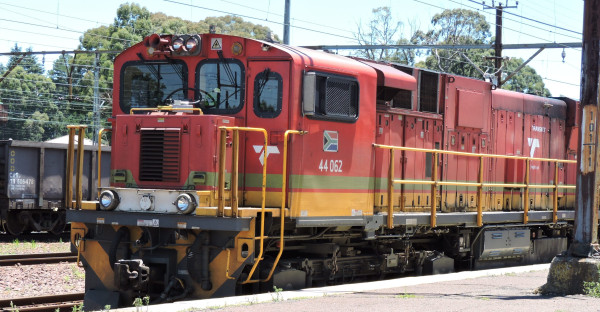
President Ramaphosa said the recovery of commuter and freight rail services also marked a turning point. Passenger rail saw a surge in usage, with 31 of 40 corridors operational and passenger numbers climbing to 40 million from 15 million in the previous year.

Ports in Durban and Cape Town also experienced operational improvements, further boosting economic activity.

“We are making progress in the recovery of freight rail and dealing with longstanding operational challenges in our ports. We are seeing improvements at the container terminals in Durban and Cape Town, as well as with infrastructure upgrades,” the President said. 

Tackling poverty and the cost of living

Turning to poverty and the cost of living, the President noted a significant drop in consumer inflation, bringing down prices of essential goods, including food and fuel.

While unemployment levels remain extremely high, the President said more South Africans are finding jobs.

Government continued to sustain a substantial social wage, dedicating 60% of the national budget to social grants, subsidized housing, free basic services, and no-fee schools.

“These are the measures that reduce poverty and directly improve people’s lives. In addition to the provision of grants to vulnerable groups and unemployed people, this social wage includes subsidised housing, free basic services, no-fee schools and school nutrition. Government has been able to sustain these measures, even as public finances are under severe pressure,” President Ramaphosa said. 

Strengthening State capacity

The President said the administration has worked to enhance government’s ability to deliver basic services, despite the challenges of poor governance and financial constraints in many municipalities.

“The third strategic priority of this administration is to strengthen the capacity of the State to deliver on its mandate. Our efforts to improve the capacity and capability of the state to deliver on basic services continue,” the President said. 

The President cited disruptions in the supply of electricity and clean water as a major problem in many municipalities. He added that many local councils are plagued by poor governance, limited capacity and severe financial constraints which affect service delivery. 

“These are the challenges we are grappling with. We have identified local government as a major focus in this administration. Through initiatives like the Presidential eThekwini Working Group, we are bringing all stakeholders together to solve local problems,” the President said. 

Challenges and Future Plans

While progress has been made, the President acknowledged persistent challenges.

Unemployment remains high, crime and violence are widespread, and service delivery disruptions are a major concern. However, he emphasised the importance of collaboration among government, business, labour, and civil society to address these issues.

“The progress we have made this past year and during the course of the previous administration shows that we can overcome the difficulties our country faces.

“As government, business, labour and civil society, we are able to achieve a great deal when work in unison to overcome our common challenges,” the President said. 

G20 Summit in 2025

Looking ahead, South Africa will host the G20 Summit in 2025, further positioning itself as a key player in addressing global challenges. 

The administration also plans to launch a National Dialogue to unite citizens in crafting a shared vision for the country.

“In the new year, we will embark on a National Dialogue that will draw together all South Africans in crafting a common vision for the country,” the President said. 

Concluding his message, the President expressed hope for 2025, vowing to build on the momentum of 2024. 

“Overcoming poverty and underdevelopment, creating more jobs, and addressing societal ills like gender-based violence, requires that we must all play our part, where we can.

"On many fronts, this year has been better than the last. We will build on these achievements in 2025. 

"Wherever you may be this festive season, I wish you well,” the President said. – SAnews.gov.za

DikelediM
Mon, 12/09/2024 - 11:24

253 views
Read moreSouth Africa’s progress in 2024 sets the stage for hope in the New Year
9 December 2024

Water transboundary partnerships benefit SA  

Location: News

Water transboundary partnerships benefit SA  

Water and Sanitation Deputy Minister David Mahlobo says South Africa continues to enjoy transboundary partnerships on shared water resources with neighbouring countries in the Southern African Development Community (SADC) region.

Mahlobo highlighted some of the partnerships during a session with Ambassadors accredited to South African Missions, held in Centurion on Friday.

These include, among others, the current implementation of the R42 billion Phase Two of the Lesotho Highlands Water Project (LHWP). The project includes the construction of the new Polihali Dam and associated infrastructure to provide additional water to Gauteng and parts of the Free State, Mpumalanga, North West, and Northern Cape provinces.

READ | Lesotho Highlands Water Project Tunnel maintenance on schedule

South Africa and Zimbabwe have also signed an agreement for the transfer of treated water from the Beitbridge Water Treatment Works in the Republic of Zimbabwe.

Mahlobo said the transfer of treated water is a medium-term solution to address water supply challenges in the area.  
“The two countries have signed an agreement for the transfer of treated water from Beitbridge Water Treatment Works in the Republic of Zimbabwe to Musina Town in the Republic of South Africa,” Mahlobo said.  

Another partnership includes the mobilisation of resources between South Africa and Namibia for the feasibility study of the Noordoewer/Vioolsdrfit Dam.

South Africa and Netherlands Governments have also undertaken to forge more cooperation opportunities in the water and sanitation sector in efforts to strength the existing relations between the two states.

“Both the countries have signed a Blue Deal agreement which aims to support water management by exchanging knowledge and experiences, assisting the national, regional and local organisations, and cooperate with key stakeholders,” Mahlobo said.

As part of diversifying the water mix, the Deputy Minister highlighted that government was increasingly making use of groundwater as one of the viable options to augment the current available water and increase supply.

“We are looking at using groundwater which remains untapped. Although it has also been threatened by climate change and the levels of evaporation, we are looking at utilising it more.

“We are looking forward to enhancing our technological partnership around groundwater and its high level of treatment. We should use groundwater optimally because it is not of inferior quality, but it is also a source of water,” he explained.

Held under the theme: “Celebrating 30 years of sustainable partnership, strengthening partnerships with international partners and forging a shared future”, the meeting hosted by Water and Sanitation, aimed to brief the Ambassadors on South Africa’s state of water sector .

This also includes water reforms currently underway and fortifying international collaboration and capacity-building endeavours in the water sector.

Among the countries represented at the meeting included China, Japan, Cuba, Egypt, the Kingdom of Eswatini and the Kingdom of Lesotho, Namibia, Zimbabwe, Mozambique, Botswana, Senegal, Kingdom of the Netherlands, Kingdom of Sweden, Kingdom of Denmark, and Finland. – SAnews.gov.za   


GabiK
Mon, 12/09/2024 - 11:42

146 views
Read moreWater transboundary partnerships benefit SA  
9 December 2024

Companies Plan to IT Security Budgets up to 9% in the Next Two Years

Location: Business
Kaspersky

Companies are planning to increase their investments in information security against the background of growing financial losses from cyber incidents. This trend was revealed in the recent Kaspersky's (www.Kaspersky.co.za) IT Security Economics report.

Kaspersky IT Security Economics is an annual report that unpicks the changes in budgets, breaches and business challenges affecting IT Security decision makers. It is based on interviews with IT and IT security professionals working in organisations of various sizes and industries. The survey was conducted across 27 countries in Europe, the Asia-Pacific region, the Middle East, Turkiye and Africa (META) region, Latin and North America.

According to the research, companies plan to increase their IT security budgets by up to 9%. The median cybersecurity budgets for large enterprises were $5.7M with $41.8M allocated for IT generally, while SMBs invested $0.2M in IT security from a median IT budget of $1.6M.

Possible reasons for the increased investment can be found in the analysis of financial losses from cyber incidents. Large enterprises experienced an average of 12 incidents this year, spending $6.2M to recover from them — 1.1 times higher than the budget allocated for IT security overall. Despite the greater resources and advanced security infrastructures, the sheer scale and complexity of large enterprise organisations make them more susceptible to costly breaches. While these enterprises are often better equipped to detect incidents quickly, the time required to fully respond and mitigate these threats can span for hours, underscoring the challenge of managing widespread, complex IT environments.

As for SMBs, these organisations experienced an average of 16 incidents this year, while spending $0.3M for remediation, which is 1.5 times higher than their overall IT Security budget. SMBs are the most disproportionately affected group in terms of budgetary impact. They often lack robust cybersecurity policies and procedures, which leaves them vulnerable to incidents involving employees, public cloud misconfigurations, and high-level permissions.

In the META region, organisations of all sizes reported to have experienced on average 13 incidents within a year. In South Africa, organisations of all sizes reported to have experienced on average 19 incidents within a year.

“This data illustrates the continuation of the current trend of increasing cybersecurity spending across all market segments. This growth is driven by at least three key factors. Firstly, and obviously, the constant growth in the complexity of cybersecurity threats forces companies to adopt more advanced solutions to enhance the detection of attack traces and automate responses. Secondly, increasing concerns from governments regarding digital sovereignty leads to the emergence of new regulations and regulatory requirements and, as a result, increased expenses. The third factor influencing the growth of cybersecurity budgets and costs is the constant increase in salary expectations for professionals in various cybersecurity fields,” comments Veniamin Levtsov, Vice President, Center of Corporate Business Expertise at Kaspersky.

To protect companies against a wide range of cyber threats, Kaspersky recommends:

  • Use all-encompassing solutions, such as those from the Kaspersky Next (https://apo-opa.co/3VwBRnf) product line, that provide real-time protection, threat visibility, advanced investigation and response capabilities for companies of any size and industry.
  • Adopt a managed security service such as Kaspersky Managed Detection and Response (https://apo-opa.co/49pxUXj) if companies lack qualified InfoSec professionals. It will provide the necessary expertise and give them the best possible advanced automated security services. Thanks to its analysis of corporate data gathered every day, in real time, 24/7, it can shield businesses against sophisticated cyberattacks.
  • Educate your employees. Dedicated training courses can help, such as those provided in the Kaspersky Automated Security Awareness (https://apo-opa.co/3VtJyuu) Platform.

To gain more insights about IT security costs and budgets in businesses visit the interactive IT Security Calculator (https://Calculator.Kaspersky.com).

To read the full report “IT Security Economics”, that is based on a survey conducted in Brazil, Chile, China, Egypt, France, Germany, India, Indonesia, Italy, Japan, Kazakhstan, Saudi Arabia, Malaysia, Mexico, Pakistan, Philippines, Russia, South Africa, South Korea, Singapore, Spain, Thailand, Turkey, Vietnam, UAE, UK and US, visit the website (https://apo-opa.co/3Zp3ik9).

Distributed by APO Group on behalf of Kaspersky.

For further information please contact:
Nicole Allman
INK&Co. (https://INKandCo.co.za)
nicole@inkandco.co.za

Social Media:
Facebook: https://apo-opa.co/3OLZioQ
X: https://apo-opa.co/3ZtBQl5
YouTube: https://apo-opa.co/4gmirtl
Instagram: https://apo-opa.co/3BkYK6f
Blog: https://apo-opa.co/3OKs219

About Kaspersky:
Kaspersky is a global cybersecurity and digital privacy company founded in 1997. With over a billion devices protected to date from emerging cyberthreats and targeted attacks, Kaspersky's deep threat intelligence and security expertise is constantly transforming into innovative solutions and services to protect businesses, critical infrastructure, governments and consumers around the globe. The company's comprehensive security portfolio includes leading endpoint protection, specialized security products and services, as well as Cyber Immune solutions to fight sophisticated and evolving digital threats. We help over 200,000 corporate clients protect what matters most to them. Learn more at www.Kaspersky.co.za.

Media files
Kaspersky
Download logo
Read moreCompanies Plan to IT Security Budgets up to 9% in the Next Two Years
9 December 2024

African Development Bank Accelerates Private Sector Support With Initial Disbursement of $1 Billion Loan to Transnet

Location: Business
African Development Bank Group (AfDB)

The African Development Bank (www.AfDB.org) has released the first tranche of its $1 billion loan to Transnet, the South African state-owned conglomerate managing the country's ports, railways and pipelines. This disbursement is the first in a series of four tranches planned for an unparalleled financing arrangement to support Transnet's business's recovery plan.  

Approved by the Bank's Board of Directors five months ago, this funding underpins a recovery plan to address pressing operational challenges of the company, while bolstering South Africa's critical infrastructure. 

The funding will allow Transnet to commence the first phase of its ambitious ZAR 152.8 billion (USD 8.1 billion) five-year investment plan to upgrade existing infrastructure while enhancing key logistic chain segments.  

“This swift disbursement shows the Bank's commitment to the private sector in Africa, which is essential for supporting sustainable economic growth,” said Solomon Quaynor, Vice President for Private Sector, Infrastructure and Industrialization at the African Development Bank Group, speaking on the sidelines of the Africa Investment Forum 2024 Market Days in Rabat, Morocco.  

The efficiency of the disbursement reflects Transnet's fulfilment of the Bank's rigorous requirements for governance, the environmental stewardship, and social responsibility. Following the September 2023 signing of the loan agreement between Transnet and the African Development Bank in Johannesburg, the Bank committed to supporting Transnet's recovery plan with targeted financing. 

Transnet has faced significant operational hurdles for several years, including under-investment, equipment theft, vandalism, flooding and the long-lasting impacts of  the Covid-19 pandemic. In response, the company has restructured and embarked on internal reforms to improve efficiency and management while committing to decarbonization and carbon footprint reduction initiatives. 

The African Development Bank commended the South African government's dedication to restructuring Transnet and enhancing governance in the transport sector. Transnet has notably improved governance practices, particularly in tendering procedures and financial management, as part of its broader reform efforts. 

With over 30,000 kilometres of railway infrastructure -- the largest in any emerging economy -- Transnet plays a vital role in regional. Its railway network links South Africa's ports with key regional partners, including Botswana, Zambia, Zimbabwe and the Democratic Republic of Congo, and supports operations at Durban, the fourth-largest container terminal in the southern hemisphere. 

The African Development Bank's support for Transnet is therefore crucial for improving South Africa's competitiveness and strengthening the continent's economic integration, while responding to the challenges of the logistics sector, which is vital for Africa's development.  

With this disbursement, the African Development Bank has once again demonstrated its agility in the financial support it provides to the African private sector. 

Distributed by APO Group on behalf of African Development Bank Group (AfDB).

Media Contact: 
Romaric Ollo Hien 
Communication and External Relations Department
media@afdb.org 

Media files
African Development Bank Group (AfDB)
Download logo
Read moreAfrican Development Bank Accelerates Private Sector Support With Initial Disbursement of $1 Billion Loan to Transnet
8 December 2024

President Ramaphosa to visit Mpumalanga

Location: News

President Ramaphosa to visit Mpumalanga

President Cyril Ramaphosa is set to embark on a multifaceted two-day visit to Mpumalanga.

The visit is to commence on Tuesday, where he is expected to meet with the Mpumalanga Provincial Executive Committee and undertake the second phase of the Welisizwe Rural Bridges Handover.

“President Ramaphosa will commence his Mpumalanga visit on Tuesday, 10 December 2024 with a meeting with the Mpumalanga Provincial Executive. 

“The meeting will be the third engagement between the national and provincial cabinets following the recent second session with the provincial government of KwaZulu-Natal. The President will meet with the Premier of Mpumalanga, Mandla Ndlovu and the Provincial Government Executive,” the Presidency said in a statement.

Ministers and Deputy Ministers will accompany the President, and he will deliver the opening address at the meeting.

“The Provincial Executive will present to the President its five-year programme aligned to the priorities of the 7th Administration.

“The meeting will also discuss various approaches to service delivery issues including interventions to improve service delivery at local government level,” the statement read.

Following the meeting, President Ramaphosa will undertake the second phase of the Welisizwe Rural Bridges Handover in Mpumalanga.

The Presidency described the Welisizwe Bridges programme as a “key investment in community infrastructure... giving people dignity, access to opportunities for education and work”.

“The handover ceremony will afford the President an opportunity to directly witness the work that has been done since the pronouncements made in the 2023 State of the Nation Address.

“President Ramaphosa indicated at the time that the Department of Public Works and Infrastructure, working together with the South African Defence Force, would build 96 bridges in the financial year 2023/2024.

“Collaborative efforts between the Department of Public Works and Infrastructure and the Department of Defence have already commenced implementation in provinces such as KwaZulu-Natal, Eastern Cape, Limpopo, Mpumalanga, Free State, and North West,” the Presidency said.

The Welisizwe programme is a Strategic Integrated Project that was a priority for the 6th Administration.

“In areas where Welisizwe bridges are constructed, the socio-economic conditions in our communities are improving and barriers for communities to get where they need to get safely are eliminated.

“These bridges are essential in addressing the challenges faced by citizens and children, who previously navigated perilous rivers to access schools and essential social services,” the Presidency said. – SAnews.gov.za

NeoB
Sun, 12/08/2024 - 11:47

604 views
Read morePresident Ramaphosa to visit Mpumalanga
8 December 2024

President Ramaphosa expected to visit Mpumalanga

Location: News

President Ramaphosa expected to visit Mpumalanga

President Cyril Ramaphosa is expected to embark on a multifaceted two-day visit to Mpumalanga.

The visit is to commence on Tuesday, where he is expected to meet with the Mpumalanga Provincial Executive Committee and undertake the second phase of the Welisizwe Rural Bridges Handover.

“President Ramaphosa will commence his Mpumalanga visit on Tuesday, 10 December 2024 with a meeting with the Mpumalanga Provincial Executive. 

“The meeting will be the third engagement between the national and provincial cabinets following the recent second session with the provincial government of KwaZulu-Natal. The President will meet with the Premier of Mpumalanga, Mandla Ndlovu and the Provincial Government Executive,” the Presidency said in a statement.

Ministers and Deputy Ministers will accompany the President, and he will deliver the opening address at the meeting.

“The Provincial Executive will present to the President its five-year programme aligned to the priorities of the 7th Administration.

“The meeting will also discuss various approaches to service delivery issues including interventions to improve service delivery at local government level,” the statement read.

Following the meeting, President Ramaphosa will undertake the second phase of the Welisizwe Rural Bridges Handover in Mpumalanga.

The Presidency described the Welisizwe Bridges programme as a “key investment in community infrastructure and are giving people dignity, access to opportunities for education and work”.

“The handover ceremony will afford the President an opportunity to directly witness the work that has been done since the pronouncements made in the 2023 State of the Nation address.

“President Ramaphosa indicated at the time that the Department of Public Works and Infrastructure, working together with the South African Defence Force, would build 96 bridges in the financial year 2023/2024.

“Collaborative efforts between the Department of Public Works and Infrastructure and the Department of Defence have already commenced implementation in provinces such as KwaZulu-Natal, Eastern Cape, Limpopo, Mpumalanga, Free State, and North West,” the Presidency said.

The Nguni word Welisizwe means to “assist the nation to cross over” and the programme is a Strategic Integrated Project that was a priority for the 6th Administration.

“In areas where Welisizwe bridges are constructed, the socio-economic conditions in our communities are improving and barriers for communities to get where they need to get safely are eliminated.

“These bridges are essential in addressing the challenges faced by citizens and children who previously navigated perilous rivers to access schools and essential social services,” the Presidency said. – SAnews.gov.za

NeoB
Sun, 12/08/2024 - 11:47

123 views
Read morePresident Ramaphosa expected to visit Mpumalanga
6 December 2024

Work underway to resolve SA’s challenges

Location: News

Work underway to resolve SA’s challenges

Collaboration between businesses and government is essential to overcoming the country’s challenges and ensuring a sustainable future for South Africa, Deputy President Paul Mashatile has said.

He told Members of Parliament (MPs) that economic growth remains government’s number one priority. 

“We have always appreciated the role of the private sector in the growth and development of our economy,” he said on Thursday.  

In attracting investments, and stimulating economic growth, the Deputy President stated that the previous administration adopted reforms aimed at improving energy and logistical constraints reducing barriers to private sector investment. 

Meanwhile, he said the sixth administration worked hard to address structural rigidities in the labour market as well as to tackle crime and corruption. 

The Deputy President was responding to questions in the National Council of Provinces (NCOP) on a range of national and international issues of public importance. 

He also touched on Phase 2 of the Business and Government Partnership launched by President Cyril Ramaphosa in October this year. 
READ | Second phase of Government - Business Partnership launched

This partnership is aimed at supporting government efforts to accelerate the country’s path towards sustainable inclusive economic growth and job creation, through increased investment.

Since then, about 140 CEOs from leading South African businesses pledged to work with government in increasing gross domestic product (GDP) growth, creating jobs, and promoting investor confidence. 

“The collaboration between businesses and the government is essential in overcoming the current crisis and ensuring a sustainable future for South Africa.” 

He stated that Phase 2 will also strengthen the acceleration of the market reform needed for long-term energy security and infrastructure development for inclusive economic growth. 

Over the medium term, the Deputy President said the State was transforming its approach to public sector infrastructure by creating the conditions to attract private sector participation.

“Private sector resources were mobilised to address the energy crisis. As we are all aware we have not had an uninterrupted power supply since 26 March 2024, which is over 250 days. Together with the private sector, we are now focusing on augmenting public sector capability and to provide new channels for financing.” 

Meanwhile, he said the focus has now shifted to addressing water and infrastructure-related challenges, including freight and logistics. 

“We will continue to mobilise private sector resources to augment the capability of the public sector to fast track the provision of sustainable energy and critical infrastructure to support inclusive economic growth.”  

Intergovernmental debt

On the question of the growing intergovernmental debt, the Deputy President admitted it was a challenge that hampers government efforts to deliver services, particularly at local government level.   

He announced that the National Treasury will also consider “top slicing” budgets of departments that owe municipalities to settle the debt. 

He assured MPs that the State was implementing several measures to address debt. 

According to the Deputy President, Accounting Officers are required to settle all contractual obligations and pay all monies owed, including inter-governmental claims, within 30 days of the submission of an invoice, or on a specific period agreed upon with creditors or suppliers. 

In addition, he said the Treasury is enforcing the implementation of section 216 (1) of the Constitution by withholding the Local Government Equitable Share and other conditional grants for persistent municipal failure, including non-payment of bulk suppliers and third parties. 

The National Government Debt Forum, chaired by the Department of Public Works and Infrastructure, is aimed at resolving the current challenges of non-payment of municipal accounts by organs of State. 

The forum deals with challenges such as those relating to property ownership, incorrect tariff charges, unjustified huge interest charges as well as budget constraints. 

“We will continue to implement these and other measures to eliminate the challenge of intergovernmental debt, and to improve the delivery of services to our communities,” he added. – SAnews.gov.za
 

Gabisile
Fri, 12/06/2024 - 10:58

160 views
Read moreWork underway to resolve SA’s challenges
6 December 2024

Communities urged to refrain from illegal registration of spaza shops

Location: News

Communities urged to refrain from illegal registration of spaza shops

Deputy President Paul Mashatile has called on locals to refrain from registering spaza shops for illegal immigrants, which is considered an unlawful activity.

“We have realised [there is] a tendency where some of South Africans were seen to try to register, but not for themselves to operate. They are registering for illegal immigrants. It’s an illegal activity that authorities must tackle,” Deputy President Mashatile said on Thursday. 

The country’s second-in-command was responding to questions in the National Council of Provinces (NCOP) on a range of national and international issues of public importance. 

He emphasised the importance of South Africans owning spaza shops and addressed the issue of some South Africans registering businesses for illegal immigrants. 

“I call upon communities to refrain from illegal registration of the spaza shops. We all have a responsibility to ensure the safety and wellbeing of our communities, and particularly our children.”

His address underscored the need for compliance with regulations to ensure legitimate business operations in light of the incidents of foodborne illness facing the country, with over 890 cases and about close to 30 deaths since September.

In October this year, six primary school children from Naledi, Soweto, died after allegedly eating snacks from a foreign-owned local spaza shop. 

Forensic tests have revealed that they were killed by a highly toxic organophosphate called terbufos.

“There is no suffering like losing a child. As government, we condemn in the strongest of terms, the irresponsible acts that have led to the loss of lives due to food-contamination cases affecting mainly children in recent weeks.” 

The Deputy President stressed that foreigners who are in South Africa legally should be allowed to operate businesses, provided they meet certain criteria, such as providing a sufficient threshold of funds to the authorities.

President Cyril Ramaphosa addressed the nation recently to outline measures to address the incidents of foodborne illnesses. The measures include, among others, requiring municipalities to register all spaza shops and food-handling facilities within 21 days. 

The Deputy President said this will go a long way towards enforcing the legal status of the spaza shops that are pivotal for township economies. 

“We have a duty not only to provide a legal framework but also to mainstream this into the broader economy.” 

Meanwhile, he told the Members of Parliament (MPs) that the Department of Small Business Development was implementing measures to support small businesses to adhere to health and safety regulations. 

These include offering grants and loans to improve business infrastructure, customising training programs for food handling, hygiene, and safety standards, and training shop owners to verify product authenticity through serial numbers, and packaging. 

In addition, the Minister of Small Business Development has established a task force to coordinate and align programmes for the township economy. 

He stated that this will ensure the eradication of counterfeit goods and the development of new initiatives to support township and rural entrepreneurs and small, medium, and micro enterprises (SMMEs). 

A joint fund of R500 million to support township and rural businesses has been established by the Department of Trade, Industry and Competition. 

“The funding will be used for business refurbishment and non-financial support such as technical skills, regulatory compliance, and capacity building.” 

Meanwhile, the Department of Health is part of joint operations that are being conducted throughout the country as a monitoring mechanism for compliance of suppliers.

“Any premises found to be non-compliant are closed, and illicit products found are confiscated. 

“In the short term, we will establish Provincial Inspection Teams, and increase investment in the awareness campaigns, product authentication, supplier vetting, and reporting mechanisms.” 

In the meantime, he said government was working around the clock to improve supply chain visibility and monitoring to prevent counterfeit goods from entering the value chain and foster relationships with reputable suppliers to ensure genuine products. 

“In the long term, government will review and strengthen laws such as the Business Act and Business Licensing Bill to control business operations, govern counterfeiting, and increase penalties for offenders.” 

He also assured his colleagues that government was tackling foodborne incidences and unregistered spaza shops through the National Joint Operations and Intelligence Structure (NATJOINTS), which is a multi-sectoral intervention plan. 

“The plan includes training spaza shop owners on food trading legislation, registration processes, and sourcing safe products from health-certified suppliers.  

“Most importantly, we urge local communities to report suspicious activities and promote awareness to Environmental Health Officers of their local municipalities.” – SAnews.gov.za


Gabisile
Fri, 12/06/2024 - 09:44

15 views
Read moreCommunities urged to refrain from illegal registration of spaza shops
6 December 2024

New Hospital for Elim at Last

Location: News

But no date has been set by the Department of Health and the old hospital is crumbling

Read moreNew Hospital for Elim at Last
5 December 2024

Cabinet welcomes measures to tackle construction mafia 

Location: News

Cabinet welcomes measures to tackle construction mafia 

Cabinet has welcomed the recently held inaugural National Construction Summit, which sought to create crime-free construction sites. 

Held by the Department of Public Works and Infrastructure, on 19 November, the summit brought together stakeholders from government in Public Works and Infrastructure, Police, Treasury as well as those in the built environment to reflect on and agree to a common approach to ending violence and extortion at construction sites.

READ | Government to host Construction Summit

This as disruptions at construction sites severely delay government’s large scale infrastructure projects.

Addressing the post-Cabinet media briefing held in Cape Town on Thursday, Minister in the Presidency Khumbudzo Ntshavheni said Cabinet noted the signing of the Durban Declaration as an effort to build confidence in the government’s ability to deliver projects on time and within budget in its quest to turn South Africa into a construction site. 

READ | Government, stakeholders sign declaration to work together against "construction mafia"

“The declaration proposes a series of interventions to end the disruptions at construction sites to be implemented over the course of next year,” Ntshavheni said.

This includes strengthening legislation governing the construction industry, implementing appropriate policies for the development of the construction industry, improving data and reporting systems and the arrest and prosecution of those responsible for extortion on construction sites. 

“Work will also begin on supporting emerging enterprises and ensuring greater skills development. 

“There will also be an intensified focus on collaboration on solutions to problems faced by the construction industry, which will be enhanced through establishing collaborative platforms for industry stakeholders to share best practices,” the Minister explained.

Since 2019, construction site disruptions by criminal syndicates have disrupted over 180 projects worth R63 billion, using tactics such as extortion, intimidation, violence and sabotage.

To address these challenges, the government is pursuing a three-pronged strategy, which includes Reforming Public Procurement, Expanding Public-Private Partnerships (PPPs) and Increasing Infrastructure Investment.

South Africa’s construction industry is a vital cog in the economy as it contributes around 3% to gross domestic product (GDP), employs over 1.3 million South Africans, with 176 000 jobs added just in the third quarter of 2024. 

This sector is a lifeline for low-skilled workers, who often struggle to find opportunities elsewhere, however these disruptions undermine the sector’s potential.

Over the next three years, government plans to invest over R900 billion in the construction sector. – SAnews.gov.za

Edwin
Thu, 12/05/2024 - 13:47

223 views
Read moreCabinet welcomes measures to tackle construction mafia 
5 December 2024

SASSA Accuses Media of “Overstating the Problems” at the Agency

Location: News

“These negative reports have led to an unfortunate conclusion that SASSA has completely failed in its responsibility” SASSA’s Sibusiso Nhlangothi tells the Western Cape provincial legislature

Read moreSASSA Accuses Media of “Overstating the Problems” at the Agency
4 December 2024

Explainer: Why South Africa’s Prisons Are Overcrowded

Location: News

Our prisons have about 105,000 beds but there are over 156,000 prisoners

Read moreExplainer: Why South Africa’s Prisons Are Overcrowded
4 December 2024

SA- Nigeria conclude successful Bi-National Commission

Location: News

SA- Nigeria conclude successful Bi-National Commission

President Cyril Ramaphosa and his Nigerian counterpart, Bola Ahmed Tinubu, have paid tribute to the existing deep fraternal relations between the two nations. 

In a joint communique on the 11th session of the South Africa - Nigeria Bi-National Commission on Tuesday, the two Heads of State and Government once more acknowledged the strong support that Nigeria provided to the liberation movements in South Africa during South Africa’s struggle for freedom and democracy.  

President Tinubu was in South Africa for a working visit at the invitation of President Ramaphosa to co-chair the 11th Session of the Bi-National Commission (BNC) between the two countries.

READ | South Africa and Nigeria strengthen ties 

The BNC was preceded by a meeting of Senior Officials on 28 and 29 November 2024 and the Ministers Meeting on 02 December 2024.

READ | SA eyes increased trade relations with Nigeria

The 11th Session of the BNC also marked the 30th anniversary of formal establishment of diplomatic relations between the two countries.

“The two Heads of State and Government renewed their commitment to work closely to broaden and sustain the two nations’ bilateral relationship in a manner that enhances strategic cooperation and partnership for mutual benefit. In this regard, the Heads of State and Government directed the various Ministries, Departments and Agencies to deepen their cooperation in the context of the BNC,” the joint communique read. 

The Heads of State and Government acknowledged the more than 34 Agreements covering various sectors which have been signed since the establishment of diplomatic relations between the two countries in 1994. 

“The two leaders underscored the need to urgently finalise the MoU [Memorandum of Understanding] on the Early Warning Mechanism. To this end, it was agreed that the MoU will be signed, no later than March 2025, during the visit of the South African Minister of International Relations and Cooperation to Nigeria, for Political Consultations. 

“The two leaders also welcomed the ongoing negotiations to conclude other new agreements,” the communique said. 

Investment 

The Heads of State also welcomed the high levels of economic cooperation between the two countries. In this regard, they welcomed the significant investments of South African companies in Nigeria and encouraged corresponding Nigerian investments in the South African economy. 

The leaders recognised the need for the two countries to create an enabling business environment in both countries. 
“The two leaders agreed to encourage cooperation and partnership between private and public entities for investment in mining, infrastructure development in rail, road, ports, amongst others. In this regard Nigeria invited South Africa’s Development Finance Institutions to partner with Nigeria in co-financing infrastructure projects,” the communique read. 

The leaders further made a commitment to work towards increased and balanced trade between the two countries by utilising the opportunities provided by the African Continental Free Trade Area (AfCFTA). Both South Africa and Nigeria have ratified the AfCFTA. 

Addressing mutual challenges 

The two countries also agree to collaborate on programmes that address mutual challenges in food and nutrition security, strengthening meaningful digital connectivity, taking leadership in the development of artificial intelligence, expanding digital literacy initiatives, as well as prioritising data protection and online safety for all citizens. 

The two leaders welcomed the convening of the South Africa-Nigeria business roundtable held on the margins of the 11th session of the BNC during which they had an opportunity to address and engage with Chief Executives of companies from both countries.

“The Heads of State and Government also exchanged views on regional, continental and global issues of mutual concern. Nigeria highlighted its efforts and those of ECOWAS [Economic Community of West African States] in fostering and promoting peace and security in West Africa. South Africa also outlined efforts undertaken by the Southern African Development Community [SADC] in supporting peace initiatives in both the eastern Democratic Republic of the Congo and northern Mozambique”. 

The delegations also underscored the need to redouble efforts to realise the African Union (AU) Agenda 2063 Aspiration to “Silence the Guns”.

In this regard, the Heads of State and Government expressed concern at the devastating conflict in Sudan, which has resulted in the loss of lives, destruction of infrastructure and property and a humanitarian crisis. 

The Heads of State and Government also reflected on the upcoming elections for the leadership of the African Union Commission and underscored the need for the election of the leadership that would be responsive to the challenges facing the African continent. 

International developments

“The two countries further exchanged views on international developments, particularly the ongoing conflict in the Middle East and called for a ceasefire in Gaza and increased access to humanitarian aid. 

“The Heads of State and Government reiterated their principled position that the only long-lasting solution to the resolution of the conflict, is to advance a two-State solution where Israel will exist side by side in peace and harmony with a viable and fully independent Palestinian State. Nigeria commended South Africa for taking the case of Israel and Palestine to the International Court of Justice,” the communique read. 

Similarly, the Heads of State and Government agreed to intensify support for the cause of Western Sahara for self-determination, freedom, and justice.
 

Reforms

“The two Heads of State and Government further renewed their call for a responsive international system of governance through a reformed United Nations Security Council, respect for and promotion of universal human rights in a just and equitable world,” the communique said. 

South Africa congratulated Nigeria on the re-appointment of Ngozi Okonjo-Iweala as the Director General of the World Trade Organisation. South Africa and Nigeria agreed to work closely together in international organizations. 
 

G20

Meanwhile, Nigeria congratulated South Africa on its assumption of the G20 Presidency from 01 December 2024 and commended South Africa on its priorities which address inclusive economic growth, industrialisation and the reduction of inequality, food security and artificial intelligence, data governance and innovation. 

Agenda 2063

The Heads of State and Government further committed to working closely with the African Union and each other to advance the African Agenda in pursuit of the implementation of Agenda 2063. 

According to the AU, Agenda 2063 is Africa's development blueprint to achieve inclusive and sustainable socio-economic development over a 50-year period.

At the end of the 11th Session of the BNC, President Tinubu expressed his gratitude to President Ramaphosa, for the warm reception and hospitality accorded to him and his delegation since their arrival in Cape Town. – SAnews.gov.za

DikelediM
Wed, 12/04/2024 - 10:37

751 views
Read moreSA- Nigeria conclude successful Bi-National Commission
4 December 2024

South Africa champions of global disability inclusion movement

Location: News

South Africa champions of global disability inclusion movement

Despite the challenges facing people with disabilities, strides made by government in policy and legislature over the past 30 years have earned the country’s recognition as a respected champion of the global disability inclusion movement.

During the parliamentary debate on Tuesday to close off the 2024 Disability Rights Awareness Month (DRAM) campaign, Women, Youth and Persons with Disabilities, Sindisiwe Chikunga, said prior to 1994, government’s programmes for people with disabilities were rooted in a value system that viewed disability as a personal misfortune, necessitating a health and welfare approach to "rectify the individual and their circumstances".

The Minister said this narrative has changed significantly over the past 30 years.

“For the democratic government, disability rights are not merely a matter of advocacy -- they are a constitutional imperative enshrined in our Bill of Rights. Section 9 of the Constitution explicitly enshrines the rights of persons with disabilities, prohibiting discrimination based on disability and guaranteeing equality and human dignity.

“More recently, the White Paper on the Rights of Persons with Disabilities reflects our government’s shared vision for what must be done, now and in the future, to advance the rights and development of this community,” Chikunga said.

Over the past 30 years, disability inclusion into various laws that comprise the country's legislative framework has been prioritised.

These include the recently gazetted Framework on Self Representation, which has implications for the composition of boards of State-Owned Enterprises (SOEs); the National Strategic Framework on Reasonable Accommodation, and the Universal Access and Design Framework, with norms and standards for universal accessibility in the built environment.

Task team on inclusive education

To address education challenges, including accessibility standards in buildings, among others, the Minister said the department, in collaboration with the Department of Basic Education, has established a task team on inclusive education.

The initiative focuses on equipping schools with infrastructure, teaching resources and trained educators to support learners with disabilities holistically, laying a strong foundation for the future.

Achievements in education to date include the number of special schools, which has increased from 295 in 2002 to 489 in 2022, leading to the number of learners in special schools increasing from 64 000 in 2002 to 139 000 in 2022.

The number of full-service schools has also increased from 30 in 2002 to 832 by 2022, as well as an increase in the number of learners with disabilities in ordinary schools from 77 000 in 2002 to 121 000 by the year 2022.

“For tertiary education, the Department of Higher Education and Training has established the Strategic Policy Framework on Disability for the Post  School Education and Training (PSET) System, which mainstreams disability considerations across institutions to foster an enabling environment, and the Framework and Guidelines for Technical Vocational Education and Training (TVET) colleges, equipping them to accommodate students with disabilities and provide essential support,” Chikunga highlighted.

She commended Higher Education and Training Minister, Dr Nobuhle Nkabane, on the recent launch of Phase One of the National Skills Fund Disabilities Programme.

The transformative initiative, with a budget of R1 billion, aims to empower people with disabilities across South Africa through tailored skills training programmes.

“In social security, persons with disabilities receive monthly Disability Grants that provide much needed financial support. South African Sign Language is now recognised as the 12th official language in South Africa.

“To this end, we will advocate across all government departments and entities for more of such deliberate and targeted interventions with clearly defined exit opportunities for persons with disabilities,” Chikunga said. – SAnews.gov.za
 

GabiK
Wed, 12/04/2024 - 10:58

179 views
Read moreSouth Africa champions of global disability inclusion movement
4 December 2024

Kaspersky Predicts AI and Privacy to Shape Consumer Cybersecurity Landscape in 2025

Location: Business
Kaspersky

According to Kaspersky's (www.Kaspersky.co.za) latest report, artificial intelligence (AI) will become an integral part of daily life, while privacy concerns around biometric data and advanced technologies will take center stage in 2025. These forecasts are part of the annual Kaspersky Security Bulletin series, which provides an outlook on the cybersecurity trends and threats expected to impact consumers in the coming year.

AI becomes an everyday reality

AI is predicted to fully integrate into daily life in 2025, becoming a standard tool rather than a novel technology. With prominent operating systems like iOS and Android rolling out AI-enhanced features, people will increasingly rely on AI for communication, workflows, and creative tasks. However, this normalisation also brings challenges, particularly as personalised deepfakes become increasingly sophisticated in the absence of reliable detection tools.

Privacy regulations will expand user data ownership

The growing emphasis on privacy is expected to lead to new regulations that strengthen user control over personal data. By 2025, individuals may gain the right to monetise their data, transfer it easily across platforms, and benefit from simplified consent processes. Global frameworks, such as the EU's GDPR, California's CPRA and South Africa's POPIA, continue to inspire reforms worldwide, while decentralised storage technologies could further strengthen user autonomy over their information.

Fraudsters will continue to exploit premieres and releases

Cybercriminals are expected to target prominent gaming, console, and film launches in 2025. Titles like Mafia: The Old Country, Civilization VII, and Death Stranding 2, as well as the anticipated Nintendo Switch 2, are likely to attract scams involving fake pre-orders, counterfeit rootkits, and malicious downloads. Similarly, blockbuster films like Superman and Jurassic World Rebirth may trigger phishing campaigns and counterfeit merchandise fraud aimed at enthusiastic fanbases.

Political polarisation will fuel cyberbullying

Increasing political polarisation is expected to exacerbate cyberbullying in 2025. Social media algorithms that amplify divisive content, combined with the widespread availability of AI tools for creating deepfakes and doctored posts, are likely to intensify online harassment. Cross-border cyberbullying could also escalate as global platforms facilitate the targeting of individuals based on their political beliefs.

Rising number of subscription services will fuel fraud risks

As the global economy shifts further towards subscription-based models, a rise in fraud related to fake subscription promotions is expected. Cybercriminals are expected to create counterfeit services that mimic legitimate platforms, aiming to deceive users into providing personal and financial information, resulting in identity theft and financial losses. Additionally, the growth of unofficial resources that provide discounted or free access to subscription services is expected to become a significant threat vector, exposing users to phishing attacks, malware, and data breaches.

Prohibition of social media for children may lead to broader user restrictions

Australia's proposed legislation to ban social media access for children under 16 could set a global precedent. If implemented successfully, the restriction could pave the way for broader limitations on access for other demographics. Platforms like Instagram have already begun adopting AI-powered age-verification systems, signaling a shift toward stricter governance of online spaces.

“As we look to 2025, the most significant impact on consumers is expected to arise from the intersection of innovation and regulation. Advances in AI, privacy protection, and data ownership frameworks will reshape the way people interact with technology and manage their digital lives. These developments hold immense potential but also demand careful oversight to ensure they serve consumer interests,” said Anna Larkina, Kaspersky privacy expert.

To learn more, visit Securelist.com.

To stay safe, Kaspersky experts also recommend:

  • Enable a safe browsing feature, such as the one in Kaspersky Premium (https://apo-opa.co/3BdtgPp), to help avoid Internet tracking. This feature also protects users from dangerous sites (like phishing ones), malware, and other maliciously installed files and extensions. 
  • Configure your social networks for enhanced privacy to make a difference. Services such as Privacy Checker (https://Privacy.Kaspersky.com) can help users adjust privacy settings and strengthen the protection of their personal accounts. In addition, modern security solutions often include features that enhance privacy levels across various social networks.
  • Opt for secure and private connections. Avoid using public Wi-Fi networks for sensitive activities. Consider using a reliable VPN (https://apo-opa.co/3Bcqz0y) to encrypt your Internet connection and protect your online activities from being monitored.
  • Install apps only from official stores like the Apple App Store, Google Play or the Amazon Appstore. Although apps from these markets are not 100 percent failsafe, at least they are checked by store representatives, and a filtration system is in place - not every app is authorised for listing on these platforms.
  • Download a reliable security solution (https://apo-opa.co/3BdtgPp) to help you detect malicious apps and adware before they can harm your device.
  • Don't share serial numbers, IP addresses and other sensitive information regarding your smart devices on social networks.
  • Avoid using unreliable passwords. Weak combinations, such as those consisting of letters only, do not offer sufficient protection. For added convenience and security, consider using a special app, such as the Kaspersky Password Manager (https://apo-opa.co/3OGpYHu).

Distributed by APO Group on behalf of Kaspersky.

For further information please contact:
Nicole Allman
INK&Co. (https://INKandCo.co.za)
nicole@inkandco.co.za

Social Media:
Facebook: https://apo-opa.co/4inHIFt
X: https://apo-opa.co/4fXAiHl
YouTube: https://apo-opa.co/4fVaknS
Instagram: https://apo-opa.co/4fXt31Q
Blog: https://apo-opa.co/4fWEWW0

About Kaspersky:
Kaspersky is a global cybersecurity and digital privacy company founded in 1997. With over a billion devices protected to date from emerging cyberthreats and targeted attacks, Kaspersky's deep threat intelligence and security expertise is constantly transforming into innovative solutions and services to protect businesses, critical infrastructure, governments and consumers around the globe. The company's comprehensive security portfolio includes leading endpoint protection, specialized security products and services, as well as Cyber Immune solutions to fight sophisticated and evolving digital threats. We help over 200,000 corporate clients protect what matters most to them. Learn more at www.Kaspersky.co.za. 

Media files
Kaspersky
Download logo
Read moreKaspersky Predicts AI and Privacy to Shape Consumer Cybersecurity Landscape in 2025
4 December 2024

SA, Nigeria talk trade

Location: News

SA, Nigeria talk trade

President Cyril Ramaphosa says South Africa and Nigeria enjoy strong diplomatic ties and expanding trade and investment flows.

“The strategic positioning of both countries in their respective regions presents enormous opportunities for collaboration,” President Ramaphosa said.

South Africa and Nigeria are this year marking 30 years of diplomatic relations, established in February 1994. 

Speaking during a roundtable discussion between South Africa and Nigeria held in Cape Town on Tuesday, President Ramaphosa said in West Africa, Nigeria is the main destination for South African exports and investments.

“But more needs to be done to improve trade and commercial relations between the two countries,” he said.

President Ramaphosa said South Africa runs a large trade deficit with Nigeria, mainly due to its import of Nigerian oil and gas.

“There is a need to diversify our trade to ensure a mutually-beneficial partnership. We are greatly encouraged by the presence of South African companies in Nigeria, just as we welcome Nigerian companies in South Africa. 

“We do recognise that challenges still exist within our respective operating environments that limit the expansion of investment and sometimes impact on the operations of companies,” he said.

The President visited Nigeria during a State Visit in 2021 and the Ministers of Trade launched the Joint Ministerial Advisory Council on Industry, Trade and Investment.

He added that South Africa and Nigeria have agreed on the full operationalisation of the Council.

“This will support a conducive environment for improved trade and investment. Through the Council, we hope to ensure the efficient resolution of trade- and investment-related challenges.

“As governments, we have committed in our Bi-National Commission to create an enabling environment for doing business in our respective countries. We have an opportunity to drive industrialization.”

READ | SA-Nigeria conclude successful Bi-National Commission

The first citizen said in the automotive sector for example, the two countries can create value chains in the manufacture of components and electric motorcycles.

“In critical minerals, we can use lithium to manufacture electric batteries. There is also much opportunity for cooperation on pharmaceuticals. Our two countries are in a strategic position to benefit from the rapid growth of clean energy manufacturing industries.

“South Africa has developed a Just Transition Framework and an Investment Plan that anticipates massive investments in renewable energy and the green economy over the next few years,” he said.

In addition, as part of the broader global transition to a low-carbon economy,  the two countries must leverage the abundant natural resources that exist to promote green industrialisation. 

“We should leverage each other’s capabilities in minerals processing. We must work together to ensure critical minerals are beneficiated at source. We call on business to support and involve themselves in these initiatives. 

“Our development finance institutions can work together to support infrastructure development.”

The President said South Africa has embarked on a massive infrastructure investment drive that encompasses projects in electricity generation and transmission, bulk water supply, roads, railways, bridges and ports.

“We need to explore how we can mobilise our respective capabilities and resources to develop social and economic infrastructure in our countries.

“The African Continental Free Trade Area, once fully implemented, will enable a massive growth in intra-African trade and investment. We must identify what products can be traded among ourselves that we are now importing from elsewhere,” he said. -SAnews.gov.za 


Edwin
Wed, 12/04/2024 - 11:16

108 views
Read moreSA, Nigeria talk trade
3 December 2024

Is Decarbonisation Possible for Africa?

Location: News

Starsight Energy
Download logo

Paul van Zijl, Group CEO at Starsight Energy (www.StarsightEnergy.com), believes it is. He maintains that we must apply a contextual lens and move away from all-or-nothing thinking, employing a holistic, phased and sustainable approach to the continent's energy mix.

It's fair to say that the global imperative to ‘decarbonise' – the shift from fossil fuels such as coal, natural gas or oil to carbon-free and renewable energy sources – has been more of a stumble than a sprint in Africa.

But as always, context is important. In Africa, other pressing socio-economic often – understandably – take priority, which then limits available funding; a lack of infrastructure hampers development; and, of course, vested interests slow progress. All of these factors have contributed to Africa's sluggish transition, for which it has been (often unfairly) criticised.

The cruel irony is that – even though Africa is far from the leading perpetrator behind the world's current carbon status (the continent is estimated to contribute less than 4% to global greenhouse gas emissions, making it one of the lowest emitters in the world) – it is one of the regions most vulnerable to the effects of climate change.

Africa's temperature increases surpass the global average, while multi-year droughts in some regions juxtaposed by extreme flooding in others have become the norm. Without targeted intervention, an estimated 118 million Africans living in extreme poverty will face increased exposure to droughts, floods, and extreme heat in the coming years, further straining poverty alleviation efforts and economic growth.

African countries are estimated to lose 2–5% of their gross domestic product (GDP) annually and allocate up to 9% of their budgets to respond to climate extremes, according to the World Meteorological Organization's (WMO) State of the Climate in Africa 2023 report. In Sub-Sahara Africa, adaptation costs are projected to reach USD 30–50 billion by 2030, or 2–3% of the region's GDP. Yet, Africa is estimated to only receive around 3% of global climate finance.

Africa is not the biggest culprit of carbonisation – but it is one of its biggest victims.

African countries, in general, do not have the same funding capabilities as the developed world, and priorities also differ. Poverty alleviation and economic participation/upliftment are understandably at the top of the list for most African governments and this means that limited funding needs to be allocated accordingly. In addition, recent conversations have highlighted the higher cost of debt for African nations, when compared to other sovereign issuances in emerging markets.

Despite these significant challenges, Africa has a lot going for it: we're unburdened by the need to decarbonise an “old economy”, as is the case with our Western counterparts, and the continent is blessed with immense renewable energy potential. Strategically harnessing these assets could not only fast-track climate action but also unlock significant economic opportunities for the continent.

To get there, however, we need to change our perspective from believing that fossil fuels are the only road to job creation, political power and economic growth. It shouldn't be “either/or” but rather, “and”. We must aim for more choice, less reliance on one energy type, and greater sustainability.

Eradicating fossil fuels will not happen overnight; the losses from flipping the switch prematurely would be too great.

Rather, our focus should be on what can be added to the energy mix, and the steps we can take to reduce our carbon footprint. Take natural gas, for example, generally viewed as the “lesser” of the fossil fuel evils. Natural gas and renewable energy can be quite complementary as part of a balanced energy strategy, especially during the transition to a low-carbon future.

We've seen, in real-time, major oil and gas companies drilling more and backtracking on their renewable energy targets and efforts. Yet, when natural gas, a by-product of oil drilling, is captured and used as fuel it is combusted more efficiently, producing lower carbon dioxide (CO₂) emissions compared to coal or oil. However, must ensure it is properly handled, as gas flaring or venting has a massive negative environmental impact.

What has changed, however, is that the typical excuse that renewable energy is “too expensive” has lost all weight. The build cost of renewable energy has reduced substantially over recent years while the trend for electricity grid prices in most countries has done the opposite. Globally, fuel prices have been highly volatile, with prices escalating in most countries on the back of political upheaval in the Middle East and Ukraine / Russia. And when compared to traditional power tariffs in countries like South Africa, annual renewable energy escalations are negligible.

The battle is no longer between clean energy and cheap energy; it is now significantly more affordable to go the renewable route.

Renewable energy is the continent's real sunrise sector.

The South African renewables industry has proven a case study for the rest of the continent. It has seen substantial involvement from the private sector, which has led to significant capital investment to maintain and improve infrastructure. It's creating jobs in both metros and rural areas, with a prime example being our SunCentral solar farm development in De Aar, Northern Cape where our operations will create more than 460 permanent and contract jobs. And innovations in renewable energy are saving SA businesses vast amounts of money, with solutions such as on-site solar, electricity wheeling, energy trading and aggregation helping make the switch to green energy not only possible but also profitable in the commercial and industrial sectors.

With the rise of the Independent Power Producer (IPP), African governments don't have to drive this transition on their own anymore. Each sector has a critical role to play, with success breeding more success.

Africa stands at a critical juncture, where the challenges of climate change intersect with the opportunity to redefine its energy future. The path to decarbonisation should neither be a sprint nor a stumble – it must be a deliberate, phased journey involving the collective effort of all stakeholders.

By embracing a balanced energy mix, encouraging innovation, and leveraging deregulation, Africa can transition to a low-carbon future without compromising its socio-economic priorities. Renewable energy isn't just an environmental imperative – it's an economic opportunity, a job creator, and a cornerstone for sustainable development.

It's time to flip the switch.

Distributed by APO Group on behalf of Starsight Energy.

Read moreIs Decarbonisation Possible for Africa?
3 December 2024

Verdant IMAP wins Best Advisory Firm: Private Equity at the Africa Global Funds Awards

Location: News
Verdant Capital

Verdant IMAP (www.Verdant-CAP.com) is delighted to announce its recognition as Best Advisory Firm: Private Equity at the prestigious Africa Global Funds Awards. The accolade was presented during the Gala Awards Dinner on Thursday, November 14, 2024, at the renowned Mount Nelson Hotel in Cape Town, bringing together leading firms in African private equity and asset management.

This award highlights Verdant's significant contributions to the private equity M&Aecosystem across Africa. Over the past year, Verdant's transactions involving private equity have included the sale of the Onix data centre business in Ghana on behalf of Africa Infrastructure Investment Managers, two exits for London-based Africa private equity firm 8Miles (Awash Wines and Biyinzika Poultry Industries Limited in Ethiopia and Uganda respectively), and advising ACA and IFC-backed WIOCC on its JV with Texaf to build the market leading data centre in Kinshasa, DR of Congo.  Verdant is currently at advanced stages with respect to six transactions for or with private equity funds, in South Africa, East Africa and West Africa, in sectors including technology, FMCG and manufacturing.  

The recognition reinforces Verdant's commitment to delivering innovative, tailored advisory services and unlocking value for its private equity clients. The firm also advised on notable cross-border transactions, leveraging its position as the IMAP member firm for its region. IMAP, the world's leading global M&A partnership was established in 1973, has member firms in 50 countries, in total over 600 M&A bankers and completes more than 200 M&A transactions every year.  The IMAP global partnership helps Verdant to bridge African and international markets effectively.

The Africa Global Funds Awards honour excellence in Africa's asset management and private equity industries. Verdant's recognition as Best Advisory Firm: Private Equity is a testament to its unwavering dedication to driving impactful solutions in challenging and dynamic markets.

With this award, Verdant strengthens its reputation as a trusted partner for private equity and other client groups navigating Africa's evolving economic landscape. As the firm continues to grow and innovate, it reaffirms its mission to deliver world-class advisory solutions that create lasting value for its clients and the continent. 

Distributed by APO Group on behalf of Verdant Capital.

Media enquiries: 
Orient Mahonisi,
orient.mahonisi@verdant-cap.com

About Verdant IMAP:
Verdant IMAP is a leading investment bank operating on a pan-African focus, specialising in M&A and in private capital markets.  Verdant IMAP is the IMAP partner firm for its region.  IMAP with partner firms in nearly 50 countries, with over 600 M&A professionals, completing over 200 M&A transactions per year, reinforces Verdant IMAP's capability to deliver innovative financial solutions to clients across Africa and around the World. www.Verdant-CAP.com 

Media files
Verdant Capital
Download logo
Read moreVerdant IMAP wins Best Advisory Firm: Private Equity at the Africa Global Funds Awards
2 December 2024

Hundreds March in Joburg Demanding Water

Location: News

Residents of Phumla Mqashi informal settlement say they’re not getting enough water from trucks

Read moreHundreds March in Joburg Demanding Water
2 December 2024

The Fierce Urgency of African Energy Banks

Location: News
African Energy Chamber

By NJ Ayuk, Executive Chairman, African Energy Chamber (https://EnergyChamber.org).

For more than a year, the African Energy Chamber (AEC) has been pushing back against steadily building pressure to halt new foreign investments in Africa's oil and gas industry.

To prevent catastrophic climate change, environmental organizations, financial organizations, and governments across Europe and North America have insisted that developing nations, including those in Africa, must immediately transition from fossil fuel production and usage to renewable energy sources like solar, wind, and hydrogen. Mind you, the majority of those making these demands are based in industrialized nations that were built on fossil fuels — oil and gas fueled their economic engines — yet they are unwilling to allow less developed nations to use fossil fuels to the same end. Even more troubling, the countries these groups are taking aim at have a wealth of natural resources under their feet, resources that can be monetized and used to build a better future.

We have explained, over and over, why African countries, businesses, and communities still need support from international oil companies (IOCs), foreign governments, and investment institutions for oil and gas projects. IOCs, for example, play an important role in knowledge sharing and helping Africans build valuable job skills. What's more, foreign oil and gas investments create opportunities for revenue that can be used to build and improve energy infrastructure — for both fossil fuels and renewables. And, by supporting natural gas projects, investors create a path for gas-to-power projects that help minimize the continent's widespread energy poverty.

In July 2021, when it became apparent that reasoning was not yielding results, the chamber went so far as to employ the same tactics the international community used against our members. We called for boycotts against financial institutions that discriminated against the African oil and gas industry.

But the calls to stop financing African oil and gas have only grown louder and more insistent. Most recently, during the 2021 United Nations Climate Change Conference (COP26) in Glasgow, more than 20 countries and financial institutions pledged to stop public financing for overseas fossil fuel projects. Europe then decided that gas was clean for Europe so it will be financed but for Africa, gas is dirty and will receive no funding. The United Kingdom and the European Union have also reportedly joined in the chorus of voices demanding a ban against developed nations providing subsidies for fossil fuels.

Other expectations for this year's conference include calls for member states to formally commit to triple their renewable energy capacity and double their energy efficiency across the board by 2030.

The thread tying all these pledges together, with respect to our work at the AEC, is that none of them bode very well for any future success stories from the African energy economy.

For those of us who care about Africa's oil and gas industry, it's time to face facts: We need to find a way to save it ourselves. The AEC is calling upon African states and the private sector to fund the African Energy Bank, an institution which is focused on funding African energy projects. The African Petroleum Producers Organization (APPO) and the African Export-Import Bank (Afreximbank) have paved the way. The idea is to create funding sources for all types of African energy — from oil and gas exploration to solar and hydrogen operations — so that projects will not be dependent on foreign support.

We can do this, and we must. Too much is at stake. We can't afford not to capitalize on recent discoveries such as the light oil found offshore Angola, the oil in Namibia's Orange Basin, the shale gas in South Africa's Karoo Basin, or the oil and natural gas off the coast of Côte d'Ivoire. Those are only a few of the important discoveries that occurred recently, and each represents critical opportunities for everyday Africans.

You may be wondering if African energy banks are a realistic goal. How can a continent that is struggling to bring many of its people out of poverty raise capital for energy projects? I believe it can be done. To begin with, African governments can set aside a percentage of their oil and gas revenues for new project funding. In its report, Africa Energy Outlook 2021, Rystad Energy projected that African governments' earnings from royalties, profit oil, and other taxes in 2021 would reach USD 100 billion. Even 1% of that amount would produce USD 1 billion dollars.

We can also raise capital by investing African pension funds in African energy projects. According to Cape Town-based investment firm, RisCura, local pension funds collectively manage around USD 450 billion of assets in sub-Saharan Africa, and they are actively looking for new places to invest. Why not encourage them to add oil, gas, and renewables projects to their list? Investing pensions in the energy sector is hardly a new practice. Some of America's largest pension funds are invested in fossil fuel producers, and an increasing amount of pension funds around the globe are investing in green energy projects.

Our options for raising capital don't end there. We should also seek the support of wealthy Africans who want to invest in a better African future. As of December 2023, total private wealth in Africa totaled approximately USD 2.3 trillion. That's not even including the African diaspora.

In May 2022, Afreximbank signed an agreement with APPO on the joint establishment of a special multi-lateral financial institution (MFI) – the African Energy Bank – to provide support for the shift away from fossil fuels. The agreement calls for APPO's member states to provide equity for the new institution and serve as its founding members, with Afreximbank acting as co-investor and providing organizational support.

The new bank will be able to reach more countries than either APPO or Afreximbank could do on their own, as their rosters are not identical: APPO has 15 member states, while Afreximbank has 51 and there is a significant amount of overlap, as Algeria and Libya are the only APPO members that are not also Afreximbank members. But the point remains that if the two institutions join forces, their combined efforts will go further.

Professor Benedict Oramah, the President of Afreximbank, explained it as follows in May 2022: “For us at Afreximbank, supporting the emergence of [the Africa Energy Bank] will enable a more efficient and predictable capital allocation between fossil fuels and renewables. It will also free human and other resources at Afreximbank that will make it possible to support its member countries more effectively in the transition to cleaner fuels.”

Not only do we have pathways for raising capital, we also have an example of the kind of banks Africa needs to finance its own energy projects, one that goes back decades.  I'm talking about Afreximbank. In 1993, African governments worked with public and private investors to create a bank that would finance, promote, and expand intra- and inter-African trade. They succeeded. In 2020, Afreximbank received the Africa-America Institute's (AAI's) Institutional Institution of Excellence Award for its commitment to the creation and implementation of the African Continental Free Trade Agreement and its ongoing dedication to investing in education. AAI noted that between 2015 and 2019 alone, Afrieximbank disbursed more than $30 billion in support of African trade, including more than $15 billion for the financing and promotion of intra-Africa trade.

I say, let's build on Afreximbank's model. And not only that, let's cultivate a pool of investors who recognize and appreciate the importance of oil and gas to Africa. Capital from foreign countries and companies will always be welcome — as long as it isn't predicated on phasing out fossil fuels on their timeline. If they're pushing a rush to renewables, they're not going to be part of our solution.

With the support of one or more African energy banks, local oil and gas companies will have the financing necessary to acquire assets. They'll have the financing to build crude and gas pipelines across Africa and to facilitate the use of natural gas (including LNG) to power Africa, minimizing energy poverty and driving industrialization.

And African states and entrepreneurs will be able to finance the development of renewable energy operations, particularly blue, green, and grey hydrogen operations that create additional opportunities for Africans. Africa already has emerging green hydrogen operations in Mali, Namibia, Niger, and South Africa, and with the proper funding, could become a major green hydrogen exporter.

The AEC will support the energy bank initiative and work to bring potential participants together. Creating our own institutions to finance energy projects will send a clear signal to the marketplace that Africans are seeking to become leaders in scaling up private capital. It will show that we are advancing natural gas development and infrastructure while supporting low-carbon investments.

With the financing in place, not only will African companies be able to produce oil and gas, but they will also support local community development, develop green energy markets, and create jobs.

For many African countries, the oil and gas industry represents our best shot at giving millions of Africans the kind of jobs, living standards, and stability that developed countries have enjoyed for well over a century. We must hold fast to these goals and do what it takes to achieve them.

Distributed by APO Group on behalf of African Energy Chamber.

Media files
African Energy Chamber
Download logo
Read moreThe Fierce Urgency of African Energy Banks
2 December 2024

SA eyes increased trade relations with Nigeria

Location: News

SA eyes increased trade relations with Nigeria

International Relations and Cooperation Minister, Ronald Lamola, has emphasised to his Nigerian counterpart the necessity for both nations to elevate investment and trade relations to a higher level.

“One of the overriding imperatives of our bilateral relations is the need to increase our investment and trade relations to higher levels. 

“The relatively large sizes of our economies logically dictate that our economic collaboration should be yielding much bigger results,” Lamola said on Monday. 

The Minister was speaking in Cape Town, where he co-chaired the Ministerial Meeting of the Bi-National Commission (BNC) with the Nigerian Minister of State for Foreign Affairs, Ambassador Bianca Odumegwu-Ojukwu.

To enhance economic cooperation and build on established sectors that both investors have in the markets, Lamola said identifying bankable projects, especially in infrastructure development, is a key priority they should pursue together.

Lamola stressed the importance of expanding trade relations between South Africa and Nigeria, as well as utilising opportunities within the African Continental Free Trade Area (AfCFTA). 

“Our bilateral trade needs to reflect the enormous potential that is abundant in our countries,” he added. 

Lamola said strengthening people-to-people relations is essential for fostering understanding, friendship, and shared values. 

He is of the view that this approach also promotes tourism, creative industries, sporting events, and collaboration in education and science.

“This will also allow our citizens to appreciate the rich tapestry of diverse cultures and heritage that exists in our respective countries.” 

South Africa and Nigeria are this year marking 30 years of diplomatic relations, established in February 1994.

This morning’s session focused on strengthening relations and reviewing and evaluating the progress made in implementing the decisions from previous meetings.

“As we deepen bilateral collaboration, our countries cannot avoid the historical responsibility bestowed on us to be responsive to the challenges in our regions, the continent, and the international sphere,” Lamola said.

Nigeria has consistently advocated for an international system focused on peace in global relations among nations, Lamola said. 

“Nigeria, like South Africa, puts a high premium on the promotion of dialogue and peace in resolving disputes among countries. 

“[Nigeria's] current and previous leadership of ECOWAS [Economic Community of West African States] illustrates this track record of highlighting the supremacy of diplomacy over confrontation.”

Lamola expressed concerns about the state of peace and security in some parts of Africa and globally. 

“The world is becoming fragmented and fragile, challenging the foundations that are important for anchoring a peaceful world. 

“Multilateralism is under threat as the temptation to resort to force is becoming a feature of inter-state relations in certain regions. Our continent is also grappling with a few conflict and war situations in some regions.”

As leaders seek to strengthen global institutions to be responsive to the needs of all States, Lamola said reform of some institutions has become paramount. 

“It is important that progress is realised in the current engagements aimed at reforming the United Nations Security Council. This organ of the United Nations needs to be more inclusive.”

He also assured his counterpart that South Africa’s Group 20 (G20) Presidency, which the country assumed on Sunday, is committed to ensuring that African developmental priorities are highlighted. 

“Once again, Minister Odumegwu-Ojukwu, I welcome you and your delegation with open arms of friendship as we open this Ministerial segment. 

“I look forward to the report of the officials and hearing your insights and perspectives on the matters we are about to deliberate upon.”

President Cyril Ramaphosa will co-chair the 11th Session of the BNC between South Africa and the President of Nigeria Bola Ahmed Tinubu on Tuesday. – SAnews.gov.za

Gabisile
Mon, 12/02/2024 - 15:06

117 views
Read moreSA eyes increased trade relations with Nigeria
2 December 2024

Government pledges to complete Vredefort Dome Visitor Interpretation Centre project

Location: News

Government pledges to complete Vredefort Dome Visitor Interpretation Centre project

The Department of Tourism will endeavour to facilitate an amicable resolution that will lead to the completion of the Vredefort Dome Visitor Interpretation Centre.

The Vredefort Dome Visitor Interpretation Centre in the Free State is an initiative of the department under its Working for Tourism programme that supports greater destination competitiveness, transformation, and accelerated tourism and enterprise growth. 

Over the years, the construction of the Vredefort Dome Visitor Interpretation Centre has encountered a myriad of challenges that have impacted on the completion of the facility.

“The Vredefort Dome Visitor Interpretation Centre is a critical educational and geological facility that will bring socio-economic benefits for the country and more importantly, to the community members of the Nqwathe Local Municipality and the Fezile Dabi District Municipality,” Deputy Minister of Tourism Maggie Sotyu said on Friday.

Sotyu conducted an oversight visit at the Vredefort Dome UNESCO World Heritage Site in the Free State to assess the progress of the infrastructure developments at the Vredefort Dome Visitor Interpretation Centre.

In January 2024, the department, through the Development Bank of Southern Africa (DBSA), appointed a contractor to refurbish and complete the exhibition centre; kiosk and ablutions facilities; the craft market; amphitheater; guard house; parking area; perimeter fence; ramps and walkways; landscaping, and the installation of signage. The refurbishments are 55% complete. 

“I have listened to the concerns raised by the community that relate to the construction of the Visitor Interpretation Centre. The challenges surrounding this facility have, over the years, robbed the sector and the community of an opportunity to boost the tourism and revive the local economy.

“As a department, we will endeavour to facilitate an amicable resolution that will lead to the completion of the Vredefort Dome Visitor Interpretation Centre. However, this resolution can be made possible if we all work together, realising the long-term future benefits of the successful completion of the Visitor Interpretation Centre,” Sotyu said.

The tourism community engagement was supported by the executives of the Free State Department of Economic Small Business Development, Tourism and Environmental Affairs.

The event included discussions with the local community, information sharing on various programmes of the department, and exhibitions by the various spheres of government and sector stakeholders. -SAnews.gov.za

nosihle
Mon, 12/02/2024 - 09:42

135 views
Read moreGovernment pledges to complete Vredefort Dome Visitor Interpretation Centre project
2 December 2024

Nonkqubela Jordan-Dyani appointed to International Advisory Body for Submarine Cable Resilience

Location: News

Nonkqubela Jordan-Dyani appointed to International Advisory Body for Submarine Cable Resilience

The Department of Communications and Digital Technologies has congratulated its Director-General, Nonkqubela Jordan-Dyani, on her appointment to the International Advisory Body for Submarine Cable Resilience.

The advisory body was set up by the International Telecommunications Union (ITU), in partnership with the International Cable Protection Committee (ICPC), with the aim of promoting dialogue and collaboration on potential ways and means to improve resilience of this vital infrastructure that powers global communications and the digital economy.

“With increased reliance on digital infrastructure, this has brought into focus the subject of the resilience of submarine cables.

“The advisory body will serve as a platform for international multistakeholder collaboration, bringing together governments, regulatory authorities, industry leaders and key stakeholders in areas related to enhancing the safety, redundancy, and protection of submarine cables,” the department said on Monday.

South Africa boasts a total number of 11 submarine cables on its shores, which play a significant role as a pathway to bridging the digital gap in society.

“Jordan-Dyani’s vast experience, insight and expertise in the sector, which she has served for almost two decades, will come in handy to the advisory body and serve as invaluable guidance to the team that will be co-chaired by Minister Bosun Tijani, the Minister of Communications, Innovation and Digital Economy of the Federal Republic of Nigeria, and Professor Sandra Maximiano, the Chair of the ANACOM Board of Directors, Portugal,” the department said.

For more information on the advisory body visit: https://www.itu.int/en/digitalresilience/submarine-cables/Pages/members.aspx. - SAnews.gov.za

nosihle
Mon, 12/02/2024 - 09:19

0 views
Read moreNonkqubela Jordan-Dyani appointed to International Advisory Body for Submarine Cable Resilience
2 December 2024

School Pit Toilet Nightmare Solved Thanks to Civil Society

Location: News

Mampondo Primary School received 12 new aerobic sanitation system toilets

Read moreSchool Pit Toilet Nightmare Solved Thanks to Civil Society
  • Previous
  • Page 1
  • Interim pages omitted …
  • Page 49
  • Page 50
  • Page 51
  • Page 52
  • Page 53
  • Interim pages omitted …
  • Page 108
  • Next

Copyright © 2026 · MyZA · All Rights Reserved · Powered by Stratlec Online