• Skip to main content
  • Skip to header right navigation
  • Skip to after header navigation
  • Skip to site footer
MyZA

MyZA

News, Directory, Events and Other Stuff

  • Social Media
  • Sport
  • World News
  • Home
  • Submit News
  • Directory
  • Events
  • Stratlec
  • TFSA
  • News
    • APO
    • Today’s Sport News
    • Todays Social Media and Tech Headlines
    • Today’s World News
    • Today’s SA Financial News
  • Contact
You are here: Home / Archives for infrastructure

infrastructure

19 July 2024

Help for struggling municipalities

Location: News

Help for struggling municipalities

To achieve rapid and inclusive growth, South Africa must address struggling municipalities and appoint qualified professionals to top positions.

This is according to President Cyril Ramaphosa who delivered a televised Opening of Parliament Address (OPA) on Thursday evening.

“Growth happens at a local level, where people live and work,” the President said.

The Head of State took the time to outline the government’s agenda, priorities, and policies for the next five years in a joint sitting of the newly constituted two Houses of Parliament.

The Opening of Parliament signifies the formal start of the parliamentary year following the May 29 General Elections.

President Ramaphosa said municipalities should provide social services and promote inclusive economic growth.

“They must work to attract investment. This approach can encourage businesses to expand and create more jobs in municipal areas. Investors are attracted to areas with reliable and modern infrastructure.” 

eThekwini municipality 

The President also spoke at length about the eThekwini Metropolitan Municipality, which is currently under the Presidential Working Group, to enhance support from the national and provincial government and turn the metro around. 

“When I visited eThekwini earlier this year, I met with residents of the city, with local business leaders and municipal officials. They told me that they wanted to work together to build a city that they could be proud of again.” 

He said the group was working around the clock to fix the problems in water and sanitation to attract new investment.

“We will extend the same approach to other metropolitan cities that face serious challenges so that our cities can be engines of growth and dynamic centres of opportunity.

“eThekwini must be restored to its former glory,” he stressed. 

Simplifying and speeding up planning and regulatory processes can make it easier for businesses to invest and operate in a municipality, thus creating more jobs.

“As the national government, we have both a Constitutional responsibility and a clear electoral mandate to assist municipalities in the effective exercise of their powers and functions.

“We will ensure that the institutional structure and funding model for local government is fit-for-purpose and that municipalities are financially and operationally sustainable.” 

Qualified professionals

In addition, the President assured South Africa that government will ensure the appointment of capable, qualified people to senior positions in municipalities as well as independent regulation and oversight of the appointment process.

“As an immediate priority, we will bring stability to governance in our metros and restore the delivery of services. We have already begun this work,” he said. 

On Tuesday, newly appointed Cooperative Governance and Traditional Affairs (CoGTA) Minister, Velenkosini Hlabisa, said the seventh administration was committed to working towards turning around dysfunctional municipalities. 

Hlabisa used his Budget Vote Speech to acknowledge some of the challenges faced by local municipalities. 

He said the department will continue to implement and enforce compliance with Municipal Support and Intervention Plans (MSIPs) and employ financial recovery plans in distressed municipalities.

The Minister said the current leadership plans to prioritise five additional municipalities that are in severe financial and governance distress which has negatively impacted service delivery. 

Some of the five additional municipalities that will receive attention include Ditsobotla in the North West, Kopanong and Mafube in the Free State, Emfuleni in Gauteng and Thabazimbi in Limpopo. – SAnews.gov.za

Gabisile
Thu, 07/18/2024 - 21:00
492 views
Read moreHelp for struggling municipalities
19 July 2024

Modern technology to help fight crime

Location: News

Modern technology to help fight crime

A heightened focus on the use of modern technology to help with crime prevention efforts will continue to be a key priority of the seventh administration.

“A data-driven approach will be used to identify violent crime hotspots and inform the allocation of policing resources alongside prevention measures,” President Cyril Ramaphosa said at the Opening of Parliament Address (OPA) on Thursday.

The President was outlining apex focus areas for the next five years, which will be driven by the Government of National Unity (GNU). After the National and Provincial Elections in May produced no outright majority winner, various political leaders were tasked to work together to form a Government of National Unity, comprised of 10 political parties.

In his address tonight, President Ramaphosa said the country must have capable, sophisticated and independent law enforcement agencies that can fight complex and organised crime.

He committed that the Government of National Unity will continue to tackle priority crimes, including illegal mining, gang violence, cash-in-transit heists and the construction mafia, through specialised police units.

“We will continue to implement the National Strategic Plan (NSP) on Gender-Based Violence and Femicide (GBVF), and expand victim support services, like the Thuthuzela Centres and GBV desks in police stations,” President Ramaphosa said.

Land reform

Switching focus to the land reform programme, the President announced that government will increase the funding thereof, prioritise the transfer of State land and improve post-settlement support by strengthening the institutional capacity of the structures relevant to the programme.

“To achieve rapid, inclusive growth, we need to fix our struggling municipalities. Growth happens at a local level, where people live and work.

“Our municipalities must become both the providers of social services and facilitators of inclusive economic growth. They must work to attract investment,” President Ramaphosa said.

Meanwhile, the President expressed words of comfort to families affected by floods in the Western Cape and veld fires in KwaZulu-Natal.

Thousands of people across the Western Cape were left destitute after storms damaged their homes, including businesses and infrastructure in the province.

“In recent days, we have witnessed runaway fires in KwaZulu-Natal, in which 14 people, including six firefighters, lost their lives. The fires also caused the destruction of homes, livestock and grazing land.

‘The thoughts of all South Africans are with all those people who have been subjected to these terrible weather conditions as they work to recover and rebuild,” President Ramaphosa said. – SAnews.gov.za

GabiK
Thu, 07/18/2024 - 21:03

448 views
Read moreModern technology to help fight crime
19 July 2024

President Ramaphosa punts an economy that grows for all

Location: News

President Ramaphosa punts an economy that grows for all

President Cyril Ramaphosa has assured South Africans that the parties in the Government of National Unity have committed to putting the wishes of the citizens first and driving the country forward with “great urgency” to grow an economy for all.

The President was delivering the Opening of Parliament Address (OPA) to a joint sitting of the newly constituted two Houses of Parliament on Thursday evening.

Reflecting on the last 50 days in South Africa – in which South Africans braved weather and circumstance to take to the polls – President Ramaphosa told the two Houses of Parliament that South Africans have, through the ballot, unequivocally made their voices heard.

“Through their votes, they determined that the leaders of our country should set aside their political differences and come together as one to overcome the severe challenges that confront our nation.

“They sent a clear message that without unity, cooperation and partnership, our efforts to end poverty, unemployment and inequality will not succeed. Guided by this directive from the people, political parties from across the political spectrum have elected to establish a Government of National Unity [GNU].

“In an act that is unprecedented in our democratic history, ten political parties represented here in our Parliament have agreed to craft a common programme to build a better, more equal and more just South Africa. They have come together, despite their differences, because they share a commitment to a nation that is united, prosperous and inclusive,” President Ramaphosa said.

The President explained that through the Statement of Intent signed by all the political parties, a commitment has been made to “respect the Constitution and the rule of law and to promote accountability, transparency, integrity and good governance”.

Furthermore, the work of the Government of National Unity will be guided by an agreed upon Minimum Programme.

“The priority actions that arise from this minimum programme received the full support of the recent Cabinet Lekgotla, which brought together newly-appointed Ministers, Deputy Ministers and Premiers. Local government representatives, directors-general and other key officials were also in attendance.

“Cabinet will be convening a further strategy session to consider the Medium-Term Development Plan, which will translate these priorities into a detailed plan and interventions that government will implement over the next five years.

“The Medium-Term Development Plan will set out a well-defined vision and strategic plan that outlines clear goals and includes specific, measurable objectives and a roadmap for achieving them. These goals will be properly aligned with the Budget, which will support the implementation of these objectives,” he said.

An economy that grows for all

A key priority outlined by President Ramaphosa is the need to determinedly grow a South African economy that is inclusive and leaves no-one behind.

“The circumstances of the South African people today require that we act together as the Government of National Unity and all key role players in our country with great urgency, boldly and decisively,” President Ramaphosa said.

On this front, the President said economic growth will be “at the centre of the work of the Government of National Unity and at the top of the national agenda”.

“The Government of National Unity will pursue every action that contributes to sustainable, rapid economic growth and remove every obstacle that stands in the way of growth.

“We are determined that growth must be inclusive. It must be transformational. Inclusive growth must drive the redistribution of wealth and opportunity. It must support the empowerment of black South Africans and women, and all those who in the past had been relegated to the fringes of the economy.

“This is part of the constitutional imperative to redress the imbalances of the past and deal with the slow process of development,” he said.

The President insisted that in order for inclusive growth to occur, women and youth must take and be affirmed of their place in the economy.

Furthermore, the barriers to the full participation of persons with disabilities and other vulnerable groups to also participate in the economy must be dismantled.

Those living in South Africa’s rural areas will also not be forgotten.

“We will support the growth of rural enterprises and invest in public infrastructure in under-serviced areas.

“We will increase funding to land reform, prioritise the transfer of state land and improve post-settlement support by strengthening the institutional capacity of responsible structures,” he said.

President Ramaphosa highlighted that pursuing policies of empowerment and transformation for groups previously left out of the economy will create an environment where “the skills, capabilities, resources and energies of all South Africans are used to the greatest effect”.

“We will continue to pursue programmes that encourage broad-based black economic empowerment, employment equity and support to small- and medium-sized enterprises.

“We will continue to protect and uphold the hard-won rights of workers, and continually strive to improve the conditions in which they work and live,” the President said. – SAnews.gov.za
 

NeoB
Thu, 07/18/2024 - 21:09

308 views
Read morePresident Ramaphosa punts an economy that grows for all
19 July 2024

Government pushes for affordable healthcare for all

Location: News

Government pushes for affordable healthcare for all

Equitable, accessible, affordable, and quality healthcare, will be high on the agenda of the seventh administration, over the next five years. 

“An important task of the next five years is to ensure that we also reduce the high cost of living by ensuring that everyone in South Africa has equal access to equitable, accessible and affordable quality healthcare.”

As the government moves forward with implementing the National Health Insurance (NHI), the President said that the State will concentrate on strengthening healthcare infrastructure, enhancing the training of healthcare personnel, and utilising technology to improve healthcare management.

“While there is much contestation around the NHI, there is broad agreement that we must draw on the resources and capabilities of both the public and private sectors to meet the healthcare needs of all South Africans equally,” he said.

READ | President Ramaphosa signs NHI Bill into law

In his address on Thursday night, the President outlined the new government’s agenda, priorities, and policies for the next five years during a joint sitting of the newly constituted two Houses of Parliament (National Assembly and the National Council of Provinces).

The Opening of Parliament signifies the formal start of the parliamentary year, following the May 29 elections.

“In implementing the NHI, we are confident that we will be able to bring stakeholders together, and that we will be able to resolve differences and clarify misunderstandings.” 

Last week, Health Minister, Dr Aaron Motsoaledi, emphasised the department’s commitment to forge ahead with implementing the NHI in phases, in his Budget Vote Speech.

He announced that the implementation of the NHI was already in phase 2. 

The Minister told Parliamentarians that there was no debate that South Africa is one of the most unequal societies in the world. 

“If you want to see what inequality means, come to the health sector in South Africa. Within the borders of the same country, some are getting world-class healthcare, while others get such poor healthcare, you may believe we live in different countries,” he said at the time. 

However, he said the country can no longer sustain such “gross inequality”. 

READ | Dept committed to implementing NHI in phases

The Minister also took the time to call on the Members of Parliament to discuss areas which need to be ironed out instead of “throwing the baby out with the bathwater”. – SAnews.gov.za


Gabisile
Thu, 07/18/2024 - 21:25

283 views
Read moreGovernment pushes for affordable healthcare for all
18 July 2024

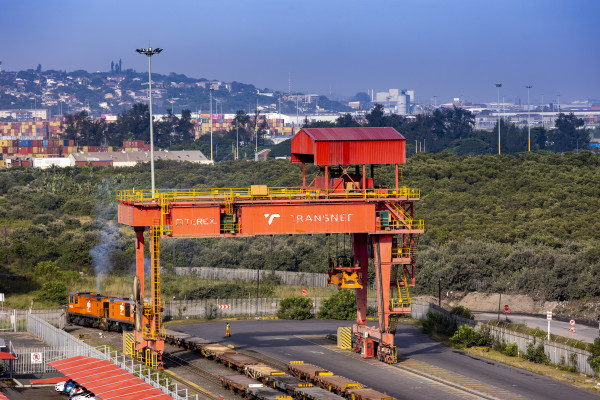
South Africa: African Development Bank approves R18.85 Billion ($1 billion) corporate loan for Transnet’s business recovery plan

Location: News
African Development Bank Group (AfDB)

The African Development Bank Group (www.AfDB.org) has approved a ZAR 18.85 billion ($1 billion) corporate loan to Transnet, South Africa's major freight transport and logistics company, for its recovery and growth plans.

The 25-year loan approved by the Bank Group's Board of Directors on Friday, 12 July 2024, is fully guaranteed by the government of South Africa. It will facilitate the first phase of the company's ZAR 152.8 billion ($8.1 billion) five-year capital investment plan to improve its existing capacity ahead of expansion for the priority segments throughout the transport value chain.

Transnet has faced operational challenges mainly in the critical rail and port businesses resulting from underinvestment in infrastructure and equipment, theft and vandalism, and external shocks such as floods and the effects of the COVID19 pandemic.

The company is committed to addressing past challenges, fostering integrity, and enhancing efficiency within the organization. It has made progress in some key areas including reforms in governance procurement and financial management.

The recovery plan, launched in October 2023, seeks to rehabilitate the infrastructure and accelerate the relaunch of operations over 18 months, focusing on restoring operational performance and freight volumes to meet customer demands.

Following the approval, African Development Bank's Vice President for Private Sector, Infrastructure and Industrialisation Solomon Quaynor, emphasized the significance of this support: “Transnet, the custodian of South Africa's critical transport and logistics infrastructure, plays an indispensable role in the economy of the country, ensuring a competitive freight system and serving as a gateway to the SADC region.”

He added: “Our partnership will enable Transnet to execute a comprehensive Recovery Plan (RP), addressing operational inefficiencies, particularly in rail and port sectors. It is aligned with South Africa's strategic 'Roadmap for Freight Logistics System,' and overseen by the National Logistics Crisis Committee, chaired at the Presidency level. This initiative signifies our commitment to enhancing national logistics capabilities and driving sustainable economic growth.”

Transnet has been a client of the African Development Bank since 2010. The company employs more than 50,000 people and plays a critical role in integrating and connecting South Africa with the global economy. The company's freight system's activities contribute significantly to South Africa's economy. Its operations serve as key gateways for trade within South Africa and with landlocked countries in the region, such as Botswana, Zambia, Zimbabwe, and the Democratic Republic of Congo through the Port of Durban.

Reacting to the approval, Michelle Phillips, Group Chief Executive of Transnet said: “We appreciate the support demonstrated by the African Development Bank, the loan extended by the bank will make a significant contribution to Transnet's capital investment plan to stabilise and improve the rail network and to contribute to the broader South African economy. The accompanying grant funding to the loan will also greatly assist Transnet with to its energy efficiency efforts and with Infrastructure Project Preparation initiatives.”

The Board commended the Government of South Africa for its vision and commitment to reforms in Transnet as well as the country's entire transport and logistics sectors. It also applauded Transnet for progress made in rolling out its compliance and governance improvement programme as well as its decarbonization and energy efficiency plans in line with its Net Zero Emission Strategy and Green Freight Strategy.

In addition to the corporate loan, the African Development Bank is contemplating two targeted grants, including $750,000 in technical support from the Sustainable Energy Fund for Africa (SEFA) – a multi-donor fund administered by the Bank – to improve energy efficiency and associated measures, in line with Transnet's net zero plan. The second grant funding comprises $1 million from the Infrastructure Project Preparation Facility of the New Partnership for Africa's Development (IPPF-NEPAD), for technical assistance to help accelerate railway reforms and address structural and regulatory inefficiencies.

Distributed by APO Group on behalf of African Development Bank Group (AfDB).

Media contacts
African Development Bank:

Romaric Ollo Hien
Communications Department
African Development Bank
media@afdb.org

Transnet:
Ayanda Shezi
GM Group Corporate Affairs
email:  ayanda.shezi@transnet.net/mediadesk@transnet.net. 

About the African Development Bank Group:
The African Development Bank Group is Africa's premier development finance institution. It comprises three distinct entities: the African Development Bank (AfDB), the African Development Fund (ADF) and the Nigeria Trust Fund (NTF). On the ground in 41 African countries with an external office in Japan, the Bank contributes to the economic development and the social progress of its 54 regional member states. For more information: www.AfDB.org

Media files
African Development Bank Group (AfDB)
Download logo
Read moreSouth Africa: African Development Bank approves R18.85 Billion ($1 billion) corporate loan for Transnet’s business recovery plan
18 July 2024

GNU looks to SA becoming a “construction site”

Location: News

GNU looks to SA becoming a "construction site"

The face of the South African landscape is set for a significant upgrade, with a massive investment in infrastructure expected over the next five years.

“From our largest metros to our deepest rural areas, we have a clear intention to turn our country into a construction site, as roads, bridges, houses, schools, hospitals and clinics are built, as broadband fibre is laid and as new power lines are installed,” President Cyril Ramaphosa said on Thursday.

Delivering the Opening of Parliament Address (OPA) in Cape Town, the President stressed the importance of engendering a culture of maintenance of public infrastructure, while also dedicating resources and establishing systems to ensure this. 

“In the next five years, working together, drawing on our collective capabilities [in the Government of National Unity], we will forge a new inclusive growth path for South Africa by pursuing a massive investment in infrastructure. Significant projects are underway around the country in areas such as transport, roads, water, energy and human settlements. 

“We will massively increase the scale of investment in infrastructure through a more holistic and integrated approach, positioning Infrastructure South Africa as the central institution of coordination and planning,” the President said.

He said government is simplifying the regulations on public-private partnerships to enable greater investment in both social and economic infrastructure development. 

“As the Government of National Unity (GNU), we are resolved to intensify our investment drive, encouraging and enabling businesses to invest in productive capacity. These investments will lead to increased employment creation for unemployed South Africans especially for young people,” President Ramaphosa said.

After South Africans took to the polls on 29 May, the General Election results produced no outright majority winner – tasking various political leaders to work together to form a Government of National Unity, much like what was required at the dawn of democracy in 1994.

Some 10 political parties are part of the GNU, with leaders from some of those political formations appointed as Ministers and Deputy Ministers.

With the work of the seventh administration set to commence, the Government of National Unity has resolved to dedicate the next five years to actions that will advance three strategic priorities that include driving inclusive growth and job creation, reducing poverty and tackling the high cost of living, as well as building a capable, ethical and developmental State.

Improving passenger rail network

With so many people living far from economic opportunities and services, transport costs take up a large part of people’s income and drive up the cost of living.

“An immediate priority is therefore to complete the recovery of the passenger rail network across the country to enable people to travel from outlying areas to city centres. Around 80% of commuter rail corridors are now back in operation, and nearly 300 vandalised stations have been refurbished, providing safer and more efficient services to commuters,” Ramaphosa said.

Through the implementation of the Freight Logistics Roadmap, government will continue with reforms to transform South Africa’s freight logistics system.

“To drive inclusive growth, we need an efficient freight rail network to carry our minerals, agricultural produce and manufactured goods to market. The work we are doing with business and unions through the National Logistics Crisis Committee has already contributed to improvements in the operational performance of freight rail and ports,” the President said. – SAnews.gov.za

nosihle
Thu, 07/18/2024 - 20:49

33 views
Read moreGNU looks to SA becoming a “construction site”
18 July 2024

All eyes on SA’s First Citizen

Location: News

All eyes on SA's First Citizen

Many South Africans are expected to be glued to their screens this evening, 18 July 2024,  as they eagerly wait to hear from President Cyril Ramaphosa, when he delivers the Opening of Parliament Address (OPA) at 7pm. 

As South Africa struggles with rising fuel and food prices, youth unemployment, crime and corruption, amongst others, many citizens are seeking hope and will be looking to President Ramaphosa’s speech for much-needed optimism as he leads the country under the Government of National Unity (GNU) banner.

President Ramaphosa was re-elected for a second term last month at the first sitting of the National Assembly since the highly contested elections of 29 May.

He received 283 votes, while the leader of the Economic Freedom Fighters, Julius Malema, received 44 votes for the top job.

The Speaker of Parliament, Thoko Didiza, has described the OPA ceremony as a historic event and said that the opening of Parliament reaffirms the government’s commitment to constitutional democracy.

“It serves as a powerful symbol for our nation’s ability to overcome adversity and continue the important work of governance,” Didiza said at a media briefing on Thursday to outline Parliament's state of readiness for the big event today, expected to showcase all the colourful and elegantly put together ceremonial aspects, befitting the Opening of Parliament.

Key areas

Speaking to SAnews, University of South Africa (Unisa) political analyst, Professor Dirk Kotze, said he expected the President's speech to focus on the economy.

“The issues he emphasised in the past will continue; the economic recovery plan, I suspect will still be the basis of his focus and [the] employment matter - how to create employment.”

Kotze also believes that the President will address infrastructure matters, foreign investments, and issues regarding electricity and water.

“I think the matter that is an overarching issue is how to deal with the fiscal issue and how there’s a reduction of the budgets in all of the different departments and how to try to improve the fiscal situation as a whole,” he told SAnews.

According to Kotze, the President’s speech usually covers almost all the departments, and that people can expect the same from the OPA.

He will also reaffirm the government's commitment to the fundamental principles of multilateralism, non-partisanship, and democracy, said the analyst.

“He should also create an environment which will make the GNU attractive for South Africans and the international community. I don’t know how exactly he’s going to do it, but he will have to build trust in the new government.”

Kotze also suspects that President Ramaphosa will address the GNU, discussing what they have already agreed upon, how it should function, and how Cabinet should operate. 

“I think that will be the important part of the speech,” he explained.

The road to OPA

The Opening of Parliament signifies the formal start of the parliamentary year and is usually marked by grandeur, ceremony, and glamorous fashion that sparks conversation.

However, it is more than just that;  but a significant ceremony where the Head of State outlines the government’s agenda, priorities, and policies during a joint sitting of the newly constituted two Houses of Parliament to deliver the OPA of the seventh administration.

The OPA occurs once every five years, following the Provincial and National Elections. It outlines the new administration’s plans and the official opening of the new five-year term of Parliament.

The President presided over the first Cabinet lekgotla of the administration at Sefako Makgatho Presidential Guest House in Pretoria over the weekend, where Ministers, Deputy Ministers, and Premiers gathered to discuss the government’s agenda.

The OPA will also provide an opportunity to hear the direction government is taking under the GNU.

According to Parliament, the address serves as a unifying force for the whole nation to collaborate and continue the progress made by past governments.

“It draws us in a common front to find ways to address the challenges we face and improve the lives of people.”

Mandela Day

This year’s opening of Parliament coincides with the United Nations-declared Nelson Mandela International Day.

July 18 marks the birthday of the founding President of a democratic South Africa and is a global celebration. It is a day for personal and collective actions for good that honour the leader’s life and legacy.

The Presidency has since called on citizens and communities to take time to reflect on Mandela’s values and principles and to make a positive impact on communities globally.

The OPA will take place at the Cape Town City Hall.

South Africans can tune into their favourite television or radio station to be part of this national milestone. 

Proceedings will also be covered via government and Parliament social media accounts.  – SAnews.gov.za


Gabisile
Wed, 07/17/2024 - 14:57

147 views
Read moreAll eyes on SA’s First Citizen
18 July 2024

Umgeni: A river of sewage flowing through Durban

Location: News

The municipal sewage works is one of the main pollution sources

Read moreUmgeni: A river of sewage flowing through Durban
17 July 2024

“New system” is needed to deal with natural disasters in SA

Location: News

"New system" is needed to deal with natural disasters in SA

Cooperative Governance and Traditional Affairs (CoGTA) Minister, Velenkosini Hlabisa, says South Africa is at an increased risk of natural disasters and needs a “new system” to manage these challenges more effectively.

“I wish to take this time to also convey our deepest condolences to the loved ones of those who have tragically lost their lives. We also acknowledge work undertaken to rebuild our societies and we urge all government structures to increase the speed of responding to the plight of communities,” Hlabisa said on Wednesday during his Budget Vote Speech. 

He recognised the vital role played by the department following the floods and fires currently affecting communities in the Western Cape and KwaZulu-Natal.

“We have learned with heavy hearts of the passing of 14 people who died in the veld fires in KZN. Among the 14, six were firefighters, some volunteers. These brave men and women paid the ultimate price to save communities. We convey our heartfelt condolences to the loved ones of all the victims. May their souls find eternal rest.” 

Hlabisa tabled the CoGTA 2024/25 budget, at R395.7 billion, with a significant portion 95.9% (R379.61 billion) to be transferred to municipalities and affiliated entities.

A total of R379.6 billion of the department’s total budget over the Medium-Term Expenditure Framework (MTEF) period will primarily cover the local government equitable share, disaster relief grant and the municipal infrastructure grant.

The Minister recognised that it was only through the department’s urgent interventions that lives and livelihoods were saved and thanked all those who are collaborating with government to assist distressed communities.

Hlabisa and his team are expected to visit the affected areas in KwaZulu-Natal to assess the situation and provide support.

In Cape Town, over 33 000 households have been affected across the metropole in both formal and informal settings following the floods, affecting some 95 000 people.

“We recognise that the challenges we face in disaster management are largely because South Africa has experienced not only an increase in the number of disasters - such as droughts, floods, COVID-19, and severe weather – but also an increase in their magnitude, severity, and impact.

“These events have occurred either simultaneously or in rapid succession, straining our resources and systems.” 

However, the Minister believes that the challenges faced in disaster management are primarily due to deficiencies in regulatory legislation, which are not designed to adapt to the ever-changing risk environment. 

“The systemic and structural design of our disaster management delivery, as guided by current laws, results in issues with timing and bureaucracy. Key elements of the disaster management function were assigned to municipalities through legislation, but without funding.” 

He told the Members of Parliament (MPs) that this created a contradiction between the Disaster Management Act and the Municipal Systems Act (MSA) which requires sufficient funding and capacity for assigned functions. 

“Consequently, municipalities lack the necessary funding and capacity.” 

He admitted that government’s response has struggled with agility, efficiency, and effectiveness in risk analysis, prevention, mitigation, emergency preparedness, early warning systems, and recovery services. 

He told MPs that the fire and rescue services also face significant hurdles and that in 2022, Cabinet mandated the National Disaster Management Centre (NDMC) to review and overhaul the disaster management system, including fire services.

“In response to this, we are proposing a new system for disaster management and fire services.” 

This system, he said, aims to improve governance by reorganising administrative structures and financing models to better respond to growing disaster risks. 

“We have since developed a new model based on best practices from New Zealand, Russia, Brazil, Mozambique, California, and Australia. The new model emphasises risk reduction and integrates disaster management into all levels of government planning, ensuring adequate funding and focus on resilience.”

He told Parliament that the NDMC undertook extensive consultations with all stakeholders through existing disaster management structures and across the three spheres of government and that inputs were received and used to refine the proposed model.

“We look forward to working with all stakeholders in the management of disasters, including rolling out training to Houses of Traditional Leadership, particularly those in disaster-prone areas, on disaster management. 

“This will enable them to work closely with all spheres of government and stakeholders on the ground to assist in disasters. An implementation plan has been developed in this regard for effective implementation of this training,” he added. 

This year, the department also signed a Memorandum of Collaboration with the Department of Defence that will see the Community Work Programme (CWP) participants playing a role in disaster preparedness and community development. – SAnews.gov.za
 

Gabisile
Wed, 07/17/2024 - 11:32

26 views
Read more“New system” is needed to deal with natural disasters in SA
17 July 2024

CoGTA Minister talks tough on underperforming municipalities

Location: News

CoGTA Minister talks tough on underperforming municipalities

Newly appointed Cooperative Governance and Traditional Affairs (CoGTA) Minister, Velenkosini Hlabisa, has stated that the seventh administration is committed to working towards turning around dysfunctional municipalities, including the eThekwini Metro.

Hlabisa used his Budget Vote Speech in Parliament on Tuesday to acknowledge some of the challenges faced by local municipalities. 

Going forward, the Minister stated that the department will continue to implement and enforce compliance with Municipal Support and Intervention Plans (MSIPs) and employ financial recovery plans in distressed municipalities.

Municipalities in distress

He told Parliamentarians that the current leadership plans to prioritise five additional municipalities that are in severe financial and governance distress which has negatively impacted service delivery. 

“Some have struggled to pay salaries over the past three to six months.  Some have debts that seem insurmountable as well as prolonged and expensive litigation,” he explained. 

These municipalities are Ditsobotla in the North West, Kopanong and Mafube in the Free State, Emfuleni in Gauteng and Thabazimbi in Limpopo. 

“Additionally, we will address the challenges faced by the eThekwini Metro, which is grappling with governance, institutional, and service delivery issues.” 

According to the Inkatha Freedom Party (IFP) President, eThekwini is currently also receiving support from the national government led by the Presidency and KwaZulu-Natal CoGTA. 

“It is important to note that this prioritisation does not imply that other municipalities are not facing similar challenges. Our commitment remains to support all municipalities that are experiencing difficulties.”

The Cooperative Governance budget is sitting at R395.7 billion, with a significant portion of 95.9% (R379.61 billion) to be transferred to municipalities and affiliated entities.

The R379.61 billion of the department’s total budget over the Medium-Term Expenditure Framework (MTEF) period, will primarily cover the local government equitable share, disaster relief grant and the municipal infrastructure grant.

In addition, he stated that the Municipal Infrastructure Support Agent (MISA) will continue its efforts to assist the 22 distressed municipalities that are increasingly confronted with the need for infrastructure investments to deliver essential municipal services.

“They also struggle to mobilise resources for this infrastructure due to their borrowing limitations and reduced transfers from the national government amid fiscal constraints,” he explained. 

He believes government’s success depends on the collective efforts of Parliament, departments, municipalities, traditional leaders, civil society, and every citizen. 

He stated that his department aims to eliminate fragmentation in the planning, budgeting, implementation, and monitoring of government programs by the end of the seventh administration’s term. 

“We cannot sit on the sidelines whilst the taxpayers’ money is not used as planned and infrastructure that could benefit our communities remains a dream,” he said. 

Traditional leadership 

Hlabisa also used his Budget Speech Vote to throw his weight behind traditional leadership, including the Khoi-San community. 

“Time for lamenting is over; we must join hands to make an impact by turning dysfunctional municipalities around and improve support for institutions of traditional and Khoi-San leadership. The seventh administration has opened a new chapter which must be a turning point for the CoGTA sector post 30 years of freedom and democracy.” 

The Traditional Affairs department has been allocated a budget that amounts to R187.3 million, which has been reduced by R5.8 million compared to the previous year’s allocation.

According to the Minister, the institution of traditional and Khoi-San leadership has raised several issues with the government through various engagement platforms during previous administrations. 

“Our traditional and Khoi-San leaders also face their own set of challenges which include uneven provision of support and resources to fulfil their roles effectively, challenges in integrating traditional and Khoi-San leadership structures with municipal governance frameworks, and the need to finalise the formal recognition of khoi-San leaders and to promote respect for the cultural heritage which traditional and Khoi-San leaders are custodians of.”

During the current financial year, the department will continue to support the Commission on Khoi-San Matters (CKSM) to ensure it completes its work and submits recommendations. 

The CKSM was  established to handle applications for the recognition of Khoi-San communities and leaders and to submit recommendations to the Ministry. 

The Commission has received 124 applications and conducted 62 Applicant Member Investigations (AMIs) to ensure application completeness. 

“Let me remind this August House that the 2026 Local Government Elections are around the corner and the present term of local government comes to an end. We owe it to our communities to better their lives through effective and impactful service delivery.” – SAnews.go.za


Gabisile
Wed, 07/17/2024 - 10:31

116 views
Read moreCoGTA Minister talks tough on underperforming municipalities
16 July 2024

Natural Gas, the Right Transition Fuel for South Africa

Location: News
African Energy Chamber

By NJ Ayuk, Executive Chairman, African Energy Chamber (www.EnergyChamber.org).

A recent policy brief, “Natural Gas as a Transition Fuel in South Africa,” produced by Eye for Business, minced no words concerning the need to access and use that plentiful underground resource.

As stated up front, “Among alternatives, there is a compelling case for investing in natural gas as the most prudent steppingstone to a low-carbon future of power generation.”

In their brief, commissioned by The EnerGeo Alliance — a global trade alliance for the energy geoscience industry — Eye for Business makes a good point.

South Africa's continuing power deficits make the case anew each day for expanded extraction and use of the country's natural gas.  A significantly lower-carbon alternative to coal and diesel, this fuel can provide electricity for growing needs while paving the way for renewables and an increasingly lower-carbon future.

The Current Energy Picture

The brief highlights the growth forces that are now at work and expected to push South Africa's demand for energy to a projected three times current demand by 2040.  These forces include a growing population and a trend toward migration into cities. 

South Africa's current energy sources — coal, diesel, renewables, and unpredictable natural gas imports from Mozambique — are inadequate to prevent the daily 6- to 10-hour outages that now hinder business, education, medicine, industry, and more.

Residentially, these intermittencies impact poorer households the most. Likewise, the frequent failures of old coal-fired plants and associated maintenance costs result in higher tariffs that hit low-income families hardest.

These stark realities make it imperative that South Africa use its own clean natural gas to transition toward renewables, at a pace that allows its economy to benefit. Moving in that direction will draw more needed outside interest and investment in the country's natural gas deposits.

As a real-time example, Namibia is wisely using its offshore discoveries in this way, helping that nation move toward prosperity.

For South Africa to likewise gain the economic health needed to increase development of renewables, it must first stabilize its energy supply to reverse disturbing trends in business closures and increased unemployment due to intermittencies. Energy sources such as wind and solar, which are by nature intermittent, cannot provide immediate solutions to these economic and human problems.

With substantial in-country natural gas discoveries such as Brulpadda, prospects like the Karoo shale reserves, and potential offshore discoveries on the horizon, it just makes sense to put those resources to work to achieve energy stability.

Natural Gas, the Natural Solution

“Countries using gas as a source for power generation have seen their electricity supply grow about three times faster in the past 10 years than those not able to use gas,” states Eye for Business' brief.

As is well known, the wealthy countries around the globe have long made tactical use of their vital natural gas resources for building economic soundness. Once their people and businesses were supported by a reliable supply of electricity, these nations could begin to develop renewables on a large scale.

Importantly, for South Africa's industrial sector to grow, it needs increased feedstocks, such as those used to make fertilizers and petrochemicals. These vital chemicals are produced from natural gas, which can also supply the heat energy needed by the cement, steel, and other industries to make their products.

Less Cost, Less Emissions

Putting South Africa's natural gas resources to work during transition will cost less than most alternatives. Comparing the price tag for various types of electric power plants, the costs per kilowatt hour to build solar, biomass, nuclear, wind, and coal plants are all more than twice as high as the cost to build natural gas plants.

This difference is largely due to modular construction methods used for natural gas plants, which makes them easier to scale and suit to their locations, thus avoiding the cost overruns typical on larger facility projects.

Another cost-efficient build method for natural gas plants is converting inactive existing coal-fired power plants. These conversions can be done at lower costs than new construction. This is a win-win proposition that utilizes unused plants for producing cleaner energy while avoiding unnecessary expense.

As the brief highlights, natural gas emits 50% to 60% less CO2 than coal. This makes it an ideal transition fuel for South Africa that will contribute only a very miniscule amount to global emissions. And even that could be decreased with the use of carbon capture and storage.

To keep a realistic perspective on emissions, it is important to bear in mind that Africa as a whole, with about 17% of the world's population, contributes only a tiny 4% of global carbon emissions at 1.45 billion tonnes.

Potential Employment and Exports

Increased investment in and use of natural gas could pay off for South Africa in two very important areas — job creation and the opportunity to achieve net exporter status.

Growing new jobs is crucial, as South Africa's unemployment rate is currently hovering around 30%. Jobs will come with the territory as the country's gas infrastructure is enlarged for drilling, transport, and electricity production.

Young managers and workers will need to be trained in the necessary skills to run and maintain these operations. In short, revving up the natural gas sector will breathe new energy into the job market as young people see and take advantage of these new opportunities.

On the export front, a sizeable opportunity for boosting the country's economy has appeared on its northern horizon.  Because of Europe's recent reduction in imports of Russian gas, the vast European market presents an opportunity South Africa could pursue, along with other markets, after its own energy needs are met.

The Way Forward

To diversify South Africa's energy mix, government policy support in accordance with the country's draft Gas Master Plan (GMP2024) and the National Development Plan (NDP) will be needed.

The Integrated Resource Plan (IRP) aligns with those documents' goals, supporting, as Eye for Business' brief puts it, “a significant shift in the energy mix, projecting an additional 29,500MW to the electricity capacity by 2030, with 3,000MW expected from gas.”

With all the benefits they can bring, South Africa must not leave its valuable natural gas deposits stranded while lacking reliable green energy sources. Making steady progress toward a lower-carbon energy mix while transitioning toward renewables makes sense for South Africa and its people.

Distributed by APO Group on behalf of African Energy Chamber.

Media files
African Energy Chamber
Download logo
Read moreNatural Gas, the Right Transition Fuel for South Africa
16 July 2024

Batten down the hatches: Cape Town families shovel sand to fend off further flooding

Location: News

We don’t know how we are going to get through this disaster, says Siqalo resident

Read moreBatten down the hatches: Cape Town families shovel sand to fend off further flooding
16 July 2024

SAPS to recruit additional members to combat crime

Location: News

SAPS to recruit additional members to combat crime

The South African Police Service (SAPS) is set to recruit additional members to bolster its ranks over the Medium-Term Expenditure Framework (MTEF) period in an effort to combat crime in the country.

Presenting the department’s Budget Vote in the National Assembly on Tuesday, newly appointed Police Minister, Senzo Mchunu, said the department is committed to expanding its workforce, enhancing police visibility, improving community responsiveness, detection rate, crime intelligence capability, and to building public confidence in the police service.

“This strategic expansion is crucial for addressing the growing demands of the communities and ensuring that we can effectively combat crime across the country. During the 2022/2023 and 2023/2024 budget periods, additional funding allowed us to enlist 10 000 employees, respectively.

“For the 2024/2025 financial year, this additional funding will enable us to appoint another 10 000 police trainees, covering personnel losses through natural attrition and facilitating workforce growth,” Mchunu said.

The Minister emphasised the importance of enhancing safety protocols and measures to safeguard police officials in the line of duty for ensuring their well-being and operational effectiveness.

By implementing comprehensive training programs, providing advanced protective equipment, and establishing clear operational guidelines, Mchunu said the police service can significantly reduce risks faced by officers during their duties.

He added that increased focus on mental health support and regular safety assessments will contribute to a safer working environment.

The Independent Police Investigative Directorate (IPID), said Mchunu, is headed towards ensuring it is adequately staffed to conduct its mandate.

“The department continues to analyse its organisational structure, which resulted in the extensive review of the current functions; re-prioritising and re-grouping of the functions in respective units to ensure the optimal utilisation of the limited resources. IPID has a number of recruitment processes underway in respect of various positions,” he said.

The SAPS Budget for the 2024/ 25 financial year is R113.597 billion; while the Civilian Secretariat for Police Service has been allocated a budget of R155.964 million and IPID allocated R370.557 million.

Mchunu said the budgets of the departments in the portfolio need to reflect a proper alignment between policing needs and priorities, personnel deployment, upskilling of critical personnel and operations.

“Strengthening specialised crime detection capabilities is essential for effectively addressing cybercrime, organised crime, commercial crime, and corruption. Enhanced training, advanced investigative tools, and dedicated task forces will empower the SAPS to tackle these complex and high-impact criminal activities more efficiently.

“By capacitating specialised units, the SAPS can ensure targeted, expert responses to specific crime types, leading to higher detection rates and successful prosecutions. This approach will not only disrupt criminal networks but also restore public confidence in law enforcement,” the Minister said.

Funds to fight crimes impacting economic activity

To protect the country’s economy from criminal activities, Mchunu said the economic infrastructure task teams, supported by organised crime investigation capabilities, will focus on combating crimes such as illegal mining, infrastructure-related crimes and extortion in all business sectors, particularly the construction sector.

Specialised capabilities, including the Directorate for Priority Crime Investigation, forensic services, and crime intelligence, will collaborate with both internal and external stakeholders to address these issues effectively.

“Efforts to tackle organised crime, money laundering, and terror financing will continue in line with recommendations from the Financial Action Task Force. There is an urgent need for a more strategic and consolidated response to organised crime which imposes a real existential threat to our economy and democracy.

“These initiatives will be implemented through the Detective Services Programme and the Crime Intelligence Programme, with respective budgets of R71.3 billion and R15.1 billion over the medium term,” Mchunu said.

The Minister underscored the importance of increasing efforts to identify and remove gangs and criminal groups involved in drug-related crimes and for restoring safety and order in the affected communities.

He maintained that targeting the criminal networks will disrupt the supply chains and operations that fuel violence and instability.

“Enhanced intelligence gathering, dedicated task forces, and collaborative operations with other law enforcement agencies will strengthen the SAPS's ability to combat organized crime effectively. By prioritising these efforts, the SAPS can significantly reduce drug-related incidents and protect vulnerable populations,” Mchunu said. – SAnews.gov.za

GabiK
Tue, 07/16/2024 - 13:54

890 views
Read moreSAPS to recruit additional members to combat crime
16 July 2024

Violent crimes and GBVF remains a SAPS priority

Location: News

Violent crimes and GBVF remains a SAPS priority

Reducing cases of violent crime, including gender-based violence and femicide (GBVF), will remain among the top priorities for the South African Police Service (SAPS).

Delivering the department’s Budget Vote on Tuesday, Police Minister Senzo Mchunu said the police will place a strong emphasis on community mobilisation to increase police visibility through strategic partnerships.
To achieve this, Mchunu said the department has adopted the whole-of-government and society framework, guided by the integrated crime and violence prevention strategy. 

The approach promotes an integrated, developmental, collaborative, knowledge-based, and evidence-based strategy for preventing crime and violence in South Africa.

Through the implementation of the increased crime prevention and combating action plan, the department aims to reduce the percentage of contact crimes reported by 14.5% over the medium term. 

The detection rate for contact crimes against women is also expected to improve to over 71%, while the detection rate for contact crimes against children is expected to exceed 65%. 

"These efforts will be primarily implemented through the Detective Services Programme, which has been allocated R71.3 billion over the medium term. The Visible Policing Programme, which weighs at least 52% of the total allocation of the budget will receive an allocation of R189.7 billion over the medium term."
 

Mchunu said the proliferation of firearms also requires an urgent and a dedicated focus, as most murders are committed using illegal firearms most of which were previously legal firearms. 

“There are just so many firearm-linked crimes in society and the SAPS need to improve its own management of firearms in its possession,” Mchunu said. 

Modernisation initiatives

Mchunu also announced that an amount of R2,845 billion has been set aside for the 2024/25 financial year for modernisation initiatives within the department’s administration programme.

Mchunu said the department recognises the importance of modernising the police service to meet the challenges of the 21st century and beyond. 

“Our modernisation initiatives include upgrading ICT (Information and Communication Technology) infrastructure, improving connectivity, and deploying mobile technologies. These technological advancements will enhance our ability to respond swiftly and effectively to criminal activities.”

Core programmes 

Meanwhile, Mchunu said the departmental spending over the medium term will focus on core programmes, with visible policing accounting for more than 52% of the total vote in 2024/25. 

The Minister noted that the Detective Services Programme also holds significant weight, accounting for more than 20% of the budget. 

“There is an urgent need to have a relook at the budget allocation for detective services and crime intelligence budgets. Policing is a labour-intensive function, necessitating personal engagement between the police and the citizens of our country. 

“Consequently, personnel-related expenditure is the primary cost driver, contributing to more than 80% of the Vote. We will continue to deploy the number of members that can be accommodated within the confines of our allocated compensation budget,” the Minister said.

He added that the Civilian Secretariat for Police Service is currently processing amendments to the SAPS Act, which was informed by the 1993 Interim Constitution. 

“The Secretariat is also finalising the National Policing Policy, which will serve as an overarching framework for policing and will accommodate the provincial needs and priorities in line with section 206 (1) and (2) of the Constitution,” Mchunu said. - SAnews.goo.za


GabiK
Tue, 07/16/2024 - 14:55

231 views
Read moreViolent crimes and GBVF remains a SAPS priority
16 July 2024

Scaling Your Business With Managed IT Services And Smart IT Consulting

Location: MyPR

SevenC, a leading IT infrastructure and network service provider striving to identify and make available the best possible ICT strategies for its clients’ unique needs, explores how managed IT services and IT consulting can help entrepreneurs scale their operations. “Combining managed IT services and IT consulting can significantly help your business grow,” says Graeme Millar, …

Read moreScaling Your Business With Managed IT Services And Smart IT Consulting
16 July 2024

SSA hard at work to combat cyber threats

Location: News

SSA hard at work to combat cyber threats

Minister in the Presidency Khumbudzo Ntshavheni says the State Security Agency is sharpening measures against cyber security threats in the country.

The Minister was tabling the Budget Vote of the agency in Parliament on Monday.

She explained that the nature of threats was evolving with criminals using “sophisticated technologies and strategies that require agility and proactive response”.

“This requires specialised skills and coordination with various parties in and out of government. Honourable members are surely aware and concerned about the exponential increase on attacks to organs of state ICT infrastructure, which pose a threat not only to the individual targets but the economic value chain in the services these entities provide.

“In our efforts to strengthen cyber security, we are hard at work building and strengthening our capabilities and capacity to proactively combat emerging cyber threats and potential cyber attacks on our communications environment.

“In this regard, we will be accelerating the implementation of the National Cyber Security Framework which incorporates the development of the cyber security legislative framework and the establishment of an integrated cyber capability and capacity,” she said.

The Minister said with the passing of the General Intelligence Laws Amendment Bill and the necessary organisational reconfiguration, “we will also undertake work to recalibrate and capacitate the National Communications Centre to be more responsive to cyber security threats”.

“Before the end of this financial year, we will commence with the legislative process to take the Cyber Security Bill for consideration by Parliament,” she said.

Ntshavheni said government is embarking on partnerships – both internationally and domestically – to sharpen the skills within the intelligence environment.

“The Intelligence Academy is already working on revising its curricula to focus on more relevant skills of the present day intelligence environment. Some of this will be achieved through partnerships with reputable academic institutions as we work to ensure that the intelligence academy is SAQA accredited to ensure the portability of skills.

“In addition, the Intelligence Academy is exploring possibilities of establishing itself as a data institute that will not only serve the intelligence world, but broader society as data is not only the new gold, but an essential part of driving development and decision making.

“In this regard, investments in collaborations for technology and data sharing with both global and local institutions transcends a strategic imperative. It is a transformative opportunity which can empower the organisation to leverage global expertise, harness the power of technology and data to address local challenges,” she said. – SAnews.gov.za

NeoB
Tue, 07/16/2024 - 11:56

137 views
Read moreSSA hard at work to combat cyber threats
16 July 2024

Scientists told us our winters would get drier. So what happened last week?

Location: News

Climate change means extreme events are likely to happen more often

Read moreScientists told us our winters would get drier. So what happened last week?
16 July 2024

New research shows great strides have been made in controlling HIV virus in South Africa

Location: MyPR

Although South Africa has the largest number of people living with HIV worldwide, strides have been made in controlling the epidemic, especially in the reduction of HIV incidence, testing, and treatment. Researchers from the South African Medical Research Council (SAMRC) and University of KwaZulu-Natal (UKZN) are inching closer to finding the answer to the natural …

Read moreNew research shows great strides have been made in controlling HIV virus in South Africa
15 July 2024

New Police Minister outlines priorities

Location: News

New Police Minister outlines priorities

Police Minister Senzo Mchunu says the seventh administration will act decisively to bring the high level of crime in the country, under control.

“It is our view and understanding that tough measures may need to be taken to reduce crime where necessary,” Mchunu said, addressing the media in Pretoria on Monday on the Ministry’s priorities, following the establishment of the Government of National Unity after the General Elections.

“We are honoured and humbled to have been given the enormous responsibility of ensuring that South Africans are safe and feel safer.

“We have spent the first week in office meeting with the executive management, provincial commissioners and divisional heads of the South African Police Service. We have done this to ensure that we have a broad understanding of the portfolio, including the challenges and opportunities, so that we can map out the priorities and urgent tasks at hand,” said the Minister.

He said he had benefited from briefings from the Directorate for Priority Crime Investigation (the Hawks), the Independent Police Investigative Directorate (IPID), the Private Security Industry Regulatory Authority (PSiRA) and the Civilian Secretariat for the Police Service as well as various organisations and institutions within the security arena.

“The crime levels in the country are on the increase and are intolerable. We need to act decisively and bring this under control.

“The levels and type of crime differ from one province to the other. We need to take this into account as we implement the integrated National Crime Prevention Strategy,” said the Minister.

Currently, the leading crimes in the country are contact crimes such as murders and rape, as well as hijackings and kidnappings for ransom payments.

“The killing of women and children also continues to be cause for serious concern and warrants intensive action from law enforcement. Our mission is clear - our country must be safe for all citizens. People all over South Africa must be able to move around at any time without fear of marauding criminals.

“Gang violence is also on the rise, noticeably in the Western Cape. The situation must be brought under control so that children in the Cape Flats, Khayelitsha (Site C), parts of Nelson Mandela Bay and parts of Gauteng can be able to play in the streets without fear of being hit by stray bullets,” he said.

Mchunu said as the police, they take the issue of “construction mafias” in the country very seriously.

“This trend is associated with destructive activities which disrupt construction and infrastructure development which our country urgently requires. 

“Genuine quests for economic transformation can be handled through the correct channels and by using existing policy prescripts, without resorting to hijacking construction sites and using extortion to source business. This matter will continue to receive priority attention,” the Minister said.

Police will prioritise the amendments to the South African Police Service Act as it is outdated, still making incorrect references to the 1993 Interim Constitution.

“It needs to be in line with modern day crime fighting and prevention demands. We will also finalise the National Policy on Policing. It must take into account provincial needs and priorities,” Mchunu said.

He said there was an urgent need to professionalise the SAPS and instill positive ethical values, patriotism and the understanding that the primary duty of a police officer is to always serve and protect the public.

“Uprooting corruption and removing corrupt police officers from SAPS will remain a top priority. Misconduct by SAPS members will not be tolerated and action will be taken.

“We want to change the negative perceptions of our police officers. People must respect police officers; have confidence in them and feel safe in their midst. Professionalism in the work of police is also part of the police protection mechanism.

“Our police officers need to work in a conducive environment. We are committed to ensuring that our police stations are well-resourced. We have to provide the necessary tools and vehicles to serve our communities effectively,” he said.

According to Mchunu, over the past two years, over 20 000 new police officers have been trained. 

“We will strive to continue bolstering capacity and to enhance police training. A police officer must attend regular refresher courses to stay operationally ready. We will also strengthen some existing units within the police force,” he said.

With regard to the use of technology in the police service, Mchunu said the integration of technology in police services is crucial for enhancing the efficiency, effectiveness and overall capability of law enforcement.

“We will prioritise the roll out of new technologies to detect and deter crimes. Advanced technologies such as data analytics, artificial intelligence, surveillance systems, and digital communication tools enable police to better predict, prevent, and respond to criminal activities.

“These tools provide officers with real-time information, improve decision-making, and facilitate faster, more accurate investigations. Technology also enhances transparency and accountability and fosters greater public trust. 

“We will benchmark against other successful law enforcement agencies worldwide and endeavour to bring SAPS on par with the best in terms of technology and operational efficiency,” Mchunu said. – SAnews.gov.za
 

Edwin
Mon, 07/15/2024 - 12:06

614 views
Read moreNew Police Minister outlines priorities
15 July 2024

South Africa will decarbonise at a pace affordable to the economy

Location: News

South Africa will decarbonise at a pace affordable to the economy

President Cyril Ramaphosa has reiterated that South Africa will decarbonise at a pace and scale that is affordable to the economy and society.

“If we act too fast, we risk damaging huge sections of our economy before we have built alternative energy and industrial capabilities. At the same time, not acting now risks our economic stability,” President Ramaphosa said on Monday.

The President was speaking at the Climate Resilience Symposium, which is underway at the Council for Scientific and Industrial Research (CSIR) International Convention Centre, in Pretoria.

READ | Climate resilience tops agenda at symposium

Held under the theme, 'Moving the needle on climate change and just transition: The role of the National Treasury', the three-day symposium, taking place from 15 - 17 July 2024, aims to integrate climate goals into macro-fiscal and finance policy. 

It also aims to improve government coordination by mainstreaming climate change considerations into the intergovernmental fiscal system, amongst others.

In his address, President Ramaphosa stressed the importance of strengthening systems for adaptation and mitigation, building resilience in communities, and accelerating the decarbonisation efforts and the pace of the just energy transition.

“The reality we must confront is that the carbon-intensity of our economy is unsustainable and for decades our reliance on coal was a competitive advantage because it allowed us to produce electricity cheaply, but the world has changed and this dependency has come to pose significant risks,” President Ramaphosa said.

WATCH | 

As the world moves towards greener economies, the country’s trading partners, the President said, will take measures to ensure that their own climate actions do not undermine their economies.

He said instruments like the European Union’s Carbon Border Adjustment Mechanism, which has the potential to cause great damage to developing economies, signal the inevitability of carbon pricing in global trade systems.

He said the country’s emissions-intensive energy system is likely to increasingly undermine its competitiveness in global markets.

Safeguarding the nation

President Ramaphosa called on South Africa to embrace a managed transition to a low-carbon economy, not only to safeguard its people and environment, but to ensure the country’s economic resilience and growth.

He warned that the country is facing a climate emergency, and indecision and slow action are not an option.

“We must act decisively and swiftly to mitigate the effects of climate change and ensure a just transition for all South Africans. We must pursue a green industrial agenda that will create jobs and grow the economy.

“Investments in green infrastructure, renewable energy and climate adaptation measures can be costly, requiring careful financial planning and prioritisation. That is why we have prioritised inclusive growth,” President Ramaphosa said.

The President said government is hard at work implementing the urgent reforms needed to lift growth and pursuing a fiscal strategy that protects the sustainability of public finances.

He noted that Operation Vulindlela has been an extremely successful partnership between National Treasury, the Presidency and a wide range of government departments.

“It has enabled significant reforms in areas like energy, water, telecommunications, and transport, making our economy more competitive and increasing our productive capacity.

“Our strategy involves preparing ourselves to withstand the economic risks posed by climate change while taking full advantage of the opportunities of the energy transition. This is no easy balance,” President Ramaphosa said. – SAnews.gov.za

GabiK
Mon, 07/15/2024 - 12:18

588 views
Read moreSouth Africa will decarbonise at a pace affordable to the economy
15 July 2024

South Africa aims for zero emissions by 2050

Location: News

South Africa aims for zero emissions by 2050

President Cyril Ramaphosa says South Africa aims to reach net zero carbon emissions by 2050.

Speaking at the Climate Resilience Symposium underway at the Council for Scientific and Industrial Research (CSIR) International Convention Centre in Pretoria, President Ramaphosa said the revised Nationally Determined Contribution balances the country’s developmental needs and economic realities.

“It takes into account the feasibility of undertaking a climate response through a set of just transition pathways. Importantly, it notes carbon tax as a vital component of our mitigation strategy to lower greenhouse gas emissions,” President Ramaphosa said.

By internalising the cost of carbon emissions, the President said the carbon tax incentivises companies to reduce their carbon footprint and invest in cleaner technologies, and also generates revenue for climate initiatives.

The President said these funds can be reinvested in renewable energy projects, energy efficiency programmes and social support mechanisms.

Government has launched a number of other initiatives to meet the country’s emissions targets, and these include the Renewable Energy Independent Power Producer Procurement Programme, which has been successful, attracting over R209 billion in investment and adding much-needed capacity to the electricity grid.

President Ramaphosa said the Integrated Resource Plan, which outlines the country’s energy mix, is in the process of being updated.

The plan sets out a viable energy mix over the medium- and long-term to achieve the decarbonisation objectives.

WATCH | Climate Resilience Symposium


Just transition

The President said the Just Energy Transition Investment Plan sets out a quantified investment plan of some $98 billion, noting this will drive huge investments in the electricity grid, green hydrogen, electric vehicles, economic diversification, and skills development, amongst others.

“We continue to explore opportunities to meet our emissions reduction targets in minerals extraction, in green hydrogen production, in new power infrastructure, in electric vehicle manufacturing, and economic infrastructure upgrades.

“It is crucial that the transition to a low-carbon economy is just and inclusive and that no worker or community is left behind. The growth of clean tech, renewable energy, battery storage, green hydrogen and minerals for the future low-carbon economy must result in opportunities for affected sectors, employees, and communities,” the President said.

READ | Cabinet approves Just Energy Transition Implementation Plan

The President also noted that government is investing in retraining programmes, creating new job opportunities in renewable energy, and supporting small enterprises in affected areas.

The President further underscored a need for substantial investments to build sustainable infrastructure, develop green technologies and support social programmes.

Moreover, he noted the substantial gap between available disaster funds and the cost of disaster response.

“Even as we have taken proactive measures like setting up a Climate Change Response Fund, we need to think seriously about the urgent financial and policy measures needed to address these shocks, and how to strengthen the National Treasury’s disaster financing response,” the President said.

He said the Department of Forestry, Fisheries and the Environment is already working with the Presidential Climate Commission on recommendations for the Climate Change Response Fund, and an Adaptation and Resilience Investment Plan to accompany it.

The President called on international partners to fulfil their commitments to finance both, noting that mitigation and adaptation financing remains a challenge.

While acknowledging the positive steps taken with the establishment of the Green Climate Fund, including the Loss and Damage Fund, and other global mechanisms, President Ramaphosa emphasised a need for more innovative financing solutions that mobilise private capital and incentivise sustainable practices.

READ | Climate Loss and Damage Fund to be established for developing countries

“The National Treasury’s Climate Finance Strategy is pivotal in this regard, outlining how we can leverage public and private finance to achieve our climate goals. 

“We must not underestimate the importance of our own domestic capital and financial markets to innovatively mobilise and deploy capital towards our just transition,” President Ramaphosa said.

The President announced that the Just Energy Transition Funding Platform will be launched in the next few months.

The funding platform will be an important precursor to a broader Just Transition Financing Mechanism, proposals for which are being developed by the Presidential Climate Commission.

“We call on South African business to invest in the projects needed for a successful just transition in this country. We need to use blended finance to unlock private sector flows,” President Ramaphosa said. – SAnews.gov.za

GabiK
Mon, 07/15/2024 - 12:47

594 views
Read moreSouth Africa aims for zero emissions by 2050
15 July 2024

Transport department, taxi industry to work together this term, says Creecy

Location: News

Transport department, taxi industry to work together this term, says Creecy

Transport Minister Barbara Creecy has committed to working with the taxi industry to ensure that the industry fulfils its role in the transport ecosystem with greater safety.

“Taxis are part of community life, and as per the National Household Travel Survey, now carry eighty 3% of those who use public transport. 

“During this term, I pledge to work with the industry to ensure it takes its place in a safer, greener transport ecosystem. We will work together to decrease levels of conflict and violence, which pose a significant risk to the sector and to commuters,” the Minister said when tabling the Budget Vote of the department at Parliament's Portfolio Committee on Transport in Cape Town on Monday.

Creecy said the department will, in the short-term, continue to assist the industry to recover from the effects of the COVID-19 pandemic.

“The Taxi Relief Fund, created by the department to mitigate the negative financial effects of the COVID-19 pandemic on the taxi industry, has been extended in the past year to provide further support to the industry. 

“The Taxi Recapitalisation Strategy continues to deal with the scrapping of unroadworthy vehicles, but also aims to regularise and professionalise the industry by improving safety and incorporating the industry in transport planning processes,” she said.

Climate resilience

The Minister said as the department continues to “stabilise and optimise our existing transport sector”, new risks and opportunities continue to arise.

“Climate change, as we have seen over the last couple of years, poses a significant risk to our built infrastructure in general and our transport infrastructure in particular. Building the climate resilience of our ports, road and rail networks is both a necessity and a new opportunity for investment, growth, economic inclusion and job creation. 

“Contributing to reducing greenhouse gas emissions in all modes of transport will become a necessity once the new Climate Bill is signed into law. Our transport sector is responsible for approximately one tenth of our country’s CO2 emissions, and we will have to do our bit to achieve the NDP target of net-zero by 2050,” she said.

In this regard, the Minister said, implementing the department’s Green Transport Strategy “will be a priority” in this term.

“In this next decade, transport will also be revolutionised by an acceleration of digital technology. New technologies and new global imperatives will fundamentally alter the skills requirements of those employed in the transport sector, as well as open up new value chains for new forms of economic access, ownership and employment. 

“Such innovations include operational automation and real-time tracking of shipments to assist in port management, digital signalling to modernise the management of our railway systems, the use of artificial intelligence in traffic management, and the introduction of self-driven vehicles and drones for delivery.

“The department’s Green Transport Strategy includes investing in green energy infrastructure; promoting the uptake of alternative fuels such as biogas and green hydrogen; extending the rail network to provide alternative public transport, and developing ‘green procurement guidelines’, which will promote low-carbon technologies,” she said. – SAnews.gov.za

NeoB
Mon, 07/15/2024 - 14:20

302 views
Read moreTransport department, taxi industry to work together this term, says Creecy
15 July 2024

Government committed to resolving challenges in transport industry

Location: News

Government committed to resolving challenges in transport industry

Transport Minister Barbara Creecy says although the transport sector faces challenges, the department remains committed to fulfil its mandate to the people of South Africa.

“Given the current status of the transport sector, my first task in this 7th Administration is to stabilise the transport system in our country and make our department fit to fulfil its policy-making and regulatory role,” the Minister said when tabling the department’s Budget Vote at Parliament’s Portfolio Committee on Transport on Monday.

Challenges in the department

Creecy said the department has become “disconnected” from its vision to lead the development of efficient and integrated transport systems.

“[Today], we would all agree that an efficient and functioning transport sector that moves people and goods safely, speedily and affordably across the length and breadth of our country is the key to a successful economy.

“In recent times, there has been a disconnect between this vision and the realities of our transport system and our national Transport Department. Our sector is not operating as either an effective economic facilitator or as a much-needed social service,” she said.

Furthermore, she noted that the department has faced myriad challenges, including the COVID-19 pandemic that affected the freight system, with long delays in the “movement of key bulk minerals, containers and vehicles”.

“Dysfunctional port terminals resulted in long waiting times for ships wishing to berth, as well as congestion at strategic border crossings and key national highway corridors. Our freight rail system was characterised by maintenance backlogs, cable theft, and skills shortages.

“Our road systems deteriorated throughout the country and many provinces failed to execute maintenance and new build programmes, resulting in unspent funds being returned to National Treasury,” she said.

Creecy said the establishment of the National Logistics Crisis Committee (NLCC) was a response to meet the scale of the crisis is critical.

“The NLCC has three distinct objectives: improving operational performance of industry supply chains, including freight rail and ports; implementing reforms to modernise the freight transport system for efficiency and competitiveness, and necessary regulatory change or exemptions to enable efficient procurement and adequate funding for network maintenance,” she said.

Turning to the work of the Passenger Rail Agency of South Africa (PRASA), the Minister said despite facing challenges of infrastructure damage and cable theft, the agency continues to reopen passenger rail lines, with 28 of 40 priority lines being fully operational.

“As of March this year, 256 stations are fully functional in cities across the country. 

“Continuous work is being done to rehabilitate and open more strategic commuter corridors. This will ensure that the public can rely on safe, secure, punctual, and affordable public rail services that will not hinder their participation in the economy,” she said.

Stabilising the department

Creecy told the committee that a key priority for this financial year is stabilising and improving “governance of the department and its entities”, with critical vacancies to be assessed and filled.

“The efficacy of the department’s entities in fulfilling their stated mandates will also be assessed, and reforms such as addressing adverse audit findings and the timeous payment of outstanding invoices will be implemented. 

“Immediate attention will be given to the critical issue of underspending by both departmental entities and Provincial Departments on finances allocated for road maintenance and road construction. In a country where citizens must daily navigate the hazards of potholes, it is unconscionable that we are returning money to National Treasury,” she insisted. – SAnews.gov.za

NeoB
Mon, 07/15/2024 - 14:22

279 views
Read moreGovernment committed to resolving challenges in transport industry
15 July 2024

Government activities for the week 15 – 19 July 2024

Location: News

Government activities for the week 15 – 19 July 2024

On Monday, 15 July, President Cyril Ramaphosa will deliver the keynote address at the opening session of the National Treasury Climate Resilience Symposium 2024.

The symposium is being hosted by National Treasury, the Presidential Climate Commission, the World Bank and a range of partner organisations.

On Monday, 15 July, the Minister of Police, Senzo Mchunu, briefs media on the ministry’s priorities in the seventh administration at the GCIS head office in Pretoria.

On Tuesday, 16 July, the Climate Resilience Symposium 2024 – hosted by National Treasury, the Presidential Climate Commission, the World Bank and a range of organisations – continues. 

On Tuesday, 16 July, the Minister of Public Works and Infrastructure, Dean Macpherson will deliver the keynote address at the 2024 Infrastructure Africa Business Forum at the Cape Town International Convention Centre.

On Wednesday, 17 July, the Climate Resilience Symposium 2024 – hosted by National Treasury, the Presidential Climate Commission, the World Bank and a range of organisations – concludes.

On Thursday, 18 July, President Cyril Ramaphosa will open Parliament in a joint sitting (official Opening of Parliament). 18 July also marks Nelson Mandela International Day in honour of South Africa’s first democratically elected President.

Matona
Mon, 07/15/2024 - 11:26

170 views
Read moreGovernment activities for the week 15 – 19 July 2024
  • Previous
  • Page 1
  • Interim pages omitted …
  • Page 69
  • Page 70
  • Page 71
  • Page 72
  • Page 73
  • Interim pages omitted …
  • Page 108
  • Next

Copyright © 2026 · MyZA · All Rights Reserved · Powered by Stratlec Online