• Skip to main content
  • Skip to header right navigation
  • Skip to after header navigation
  • Skip to site footer
MyZA

MyZA

News, Directory, Events and Other Stuff

  • Social Media
  • Sport
  • World News
  • Home
  • Submit News
  • Directory
  • Events
  • Stratlec
  • TFSA
  • News
    • APO
    • Today’s Sport News
    • Todays Social Media and Tech Headlines
    • Today’s World News
    • Today’s SA Financial News
  • Contact
You are here: Home / Archives for Investing

Investing

5 December 2024

Health equity and women’s health emerge as key themes of the inaugural International Health Ministerial Summit

Location: News
Informa Markets: Healthcare

The inaugural International Health Ministerial Summit, organised by Informa Markets (www.InformaMarkets.com), began with a series of dynamic panel discussions featuring influential delegates showcasing collaborative solutions to global healthcare challenges.

Hosting governmental figures and policymakers, corporate CEOs and investors, medical directors, and experts, the exclusive by-invitation only Summit, themed Strengthening Health Systems for a Better Tomorrow, takes place from 4 to 5 December 2024 at the Marriott in Kigali. It brings together renowned health experts from across the continent and the world and highlights topics like digital health, technological adoption, R&D in vaccinations, women's health, healthcare investment opportunities, and health equity.

During his official opening address, Dr. Sabin Nsanzimana, the Minister of Health of host country Rwanda, said: “There is no better investment than in our health. It is not a negotiable luxury but a fundamental human right. Strengthening health systems means focusing on the four S's: staff, space, supplies, and systems. In Rwanda, we understand that investing in health is investing in our future. That's why the Government of Rwanda has approved the 4x4 Reform—a bold strategy to quadruple the number of healthcare workers in the next four years to meet the WHO recommendation of at least 4 healthcare professionals per 1,000 population. This initiative underscores our commitment to building a resilient health system where no one is left behind. By investing in these pillars and embracing technology/innovations like AI, we can build resilient systems that ensure uninterrupted care for all.”

Addressing health equity's challenges and opportunities 

Following the welcome address by Dr. Deborah M. Barasa, Health Cabinet Secretary of Kenya, who spoke about actions to shift primary healthcare, the first session of the day featured several panel discussions dealing with the challenges and opportunities for health equity.

In a panel discussion hosted by Dr. Tim Keuri, CEO of the Kenya Health Federation, industry leaders discussed transforming Africa into a global hub for pharmaceutical innovation and manufacturing. Representatives from the Unified Procurement Association, PharmaAccess, Global One Health Institute, Pfizer, and Bayer provided insights on investment enhancement, regulatory framework improvements, and strategic collaborations to strengthen Africa's position in the global pharmaceutical value chain.

Another panel, moderated by Bloomberg news reporter Ondiro Oganga, addressed the urgent need for Africa to advance self-sufficiency in pharmaceutical R&D, local vaccine production, and diagnostic access. Experts from Senegal's Ministry of Health, The Global Trust Project, UN Foundation, African Society for Laboratory Medicine, Africa CDC, and leading corporations like Genf, Hologic, and Roche Diagnostics emphasised the importance of establishing regional pharma hubs and enhancing local capabilities. According to Ahmed Ogwell, Vice President of Global Health Strategy at the UN Foundation in Kenya, “The gap is not in identifying problems or proposing solutions—it's in executing those solutions. For example, while there's been significant discussion around manufacturing COVID-19 vaccines, we lack local production of diagnostics and essential tools like rapid tests on the continent. To move forward, we need to prioritise what to produce, coordinate efforts regionally, and ensure that the products we manufacture are consumed within our systems." 

Women's health and equitable access to healthcare

The second key theme of the day was health equity and women's health, starting with an insightful discussion on what is needed to close the health equity gap. Moderated by Dominic Wilhem, Executive Director of The Global Trust Project, global health leaders debated how to unite healthcare stakeholders to address the health equity gap. Panellists focused on collaborative strategies to ensure universal access to essential medicines and vaccines. The session underscored the importance of international cooperation to progress healthcare for all, regardless of geographic or socio-economic boundaries. Pfizer Kenya Director of Policy and Public Affairs Pauline Irungu commented on the outcomes, saying, “When we think about partnerships, we have a tendency to think about government- private partnerships, but we also need to talk more about private private partnerships which then support agendas of governments in Africa and beyond. At Pfizer one of the gaps we experience is the challenge of diagnostics. How do we advance access to medicine?  Currently , we have two strong partnerships  with diagnostic companies on the continent. Now we also make a call that we also want others to join the partnerships because the more we partner as private sector, the more  we're able to address the multifaceted challenges within the health care system.”

A second panel on the topic brought together top health experts to tackle the urgent issue of women's health in Africa, particularly the high maternal mortality rates in sub-Saharan Africa. Hosted by Dr. Magome Masike, Registrar, Health Professions Council of South Africa, this panel of leaders from various health organisations and government bodies debated the need for innovative approaches to enhance women's health across the continent. The session highlighted the importance of rethinking strategies to improve healthcare outcomes for women in Africa.

Day two of the Summit will focus on advancements in digital health, how artificial intelligence is transforming healthcare, health investment and financing, and an exciting Rwandan initiative using drones to deliver essential medicines to health facilities.

For more details on the International Health Ministerial Summit, visit the event website: https://apo-opa.co/3ZBts4y

Distributed by APO Group on behalf of Informa Markets: Healthcare.

Media files
Informa Markets: Healthcare
Download logo
Read moreHealth equity and women’s health emerge as key themes of the inaugural International Health Ministerial Summit
2 December 2024

The Fierce Urgency of African Energy Banks

Location: News
African Energy Chamber

By NJ Ayuk, Executive Chairman, African Energy Chamber (https://EnergyChamber.org).

For more than a year, the African Energy Chamber (AEC) has been pushing back against steadily building pressure to halt new foreign investments in Africa's oil and gas industry.

To prevent catastrophic climate change, environmental organizations, financial organizations, and governments across Europe and North America have insisted that developing nations, including those in Africa, must immediately transition from fossil fuel production and usage to renewable energy sources like solar, wind, and hydrogen. Mind you, the majority of those making these demands are based in industrialized nations that were built on fossil fuels — oil and gas fueled their economic engines — yet they are unwilling to allow less developed nations to use fossil fuels to the same end. Even more troubling, the countries these groups are taking aim at have a wealth of natural resources under their feet, resources that can be monetized and used to build a better future.

We have explained, over and over, why African countries, businesses, and communities still need support from international oil companies (IOCs), foreign governments, and investment institutions for oil and gas projects. IOCs, for example, play an important role in knowledge sharing and helping Africans build valuable job skills. What's more, foreign oil and gas investments create opportunities for revenue that can be used to build and improve energy infrastructure — for both fossil fuels and renewables. And, by supporting natural gas projects, investors create a path for gas-to-power projects that help minimize the continent's widespread energy poverty.

In July 2021, when it became apparent that reasoning was not yielding results, the chamber went so far as to employ the same tactics the international community used against our members. We called for boycotts against financial institutions that discriminated against the African oil and gas industry.

But the calls to stop financing African oil and gas have only grown louder and more insistent. Most recently, during the 2021 United Nations Climate Change Conference (COP26) in Glasgow, more than 20 countries and financial institutions pledged to stop public financing for overseas fossil fuel projects. Europe then decided that gas was clean for Europe so it will be financed but for Africa, gas is dirty and will receive no funding. The United Kingdom and the European Union have also reportedly joined in the chorus of voices demanding a ban against developed nations providing subsidies for fossil fuels.

Other expectations for this year's conference include calls for member states to formally commit to triple their renewable energy capacity and double their energy efficiency across the board by 2030.

The thread tying all these pledges together, with respect to our work at the AEC, is that none of them bode very well for any future success stories from the African energy economy.

For those of us who care about Africa's oil and gas industry, it's time to face facts: We need to find a way to save it ourselves. The AEC is calling upon African states and the private sector to fund the African Energy Bank, an institution which is focused on funding African energy projects. The African Petroleum Producers Organization (APPO) and the African Export-Import Bank (Afreximbank) have paved the way. The idea is to create funding sources for all types of African energy — from oil and gas exploration to solar and hydrogen operations — so that projects will not be dependent on foreign support.

We can do this, and we must. Too much is at stake. We can't afford not to capitalize on recent discoveries such as the light oil found offshore Angola, the oil in Namibia's Orange Basin, the shale gas in South Africa's Karoo Basin, or the oil and natural gas off the coast of Côte d'Ivoire. Those are only a few of the important discoveries that occurred recently, and each represents critical opportunities for everyday Africans.

You may be wondering if African energy banks are a realistic goal. How can a continent that is struggling to bring many of its people out of poverty raise capital for energy projects? I believe it can be done. To begin with, African governments can set aside a percentage of their oil and gas revenues for new project funding. In its report, Africa Energy Outlook 2021, Rystad Energy projected that African governments' earnings from royalties, profit oil, and other taxes in 2021 would reach USD 100 billion. Even 1% of that amount would produce USD 1 billion dollars.

We can also raise capital by investing African pension funds in African energy projects. According to Cape Town-based investment firm, RisCura, local pension funds collectively manage around USD 450 billion of assets in sub-Saharan Africa, and they are actively looking for new places to invest. Why not encourage them to add oil, gas, and renewables projects to their list? Investing pensions in the energy sector is hardly a new practice. Some of America's largest pension funds are invested in fossil fuel producers, and an increasing amount of pension funds around the globe are investing in green energy projects.

Our options for raising capital don't end there. We should also seek the support of wealthy Africans who want to invest in a better African future. As of December 2023, total private wealth in Africa totaled approximately USD 2.3 trillion. That's not even including the African diaspora.

In May 2022, Afreximbank signed an agreement with APPO on the joint establishment of a special multi-lateral financial institution (MFI) – the African Energy Bank – to provide support for the shift away from fossil fuels. The agreement calls for APPO's member states to provide equity for the new institution and serve as its founding members, with Afreximbank acting as co-investor and providing organizational support.

The new bank will be able to reach more countries than either APPO or Afreximbank could do on their own, as their rosters are not identical: APPO has 15 member states, while Afreximbank has 51 and there is a significant amount of overlap, as Algeria and Libya are the only APPO members that are not also Afreximbank members. But the point remains that if the two institutions join forces, their combined efforts will go further.

Professor Benedict Oramah, the President of Afreximbank, explained it as follows in May 2022: “For us at Afreximbank, supporting the emergence of [the Africa Energy Bank] will enable a more efficient and predictable capital allocation between fossil fuels and renewables. It will also free human and other resources at Afreximbank that will make it possible to support its member countries more effectively in the transition to cleaner fuels.”

Not only do we have pathways for raising capital, we also have an example of the kind of banks Africa needs to finance its own energy projects, one that goes back decades.  I'm talking about Afreximbank. In 1993, African governments worked with public and private investors to create a bank that would finance, promote, and expand intra- and inter-African trade. They succeeded. In 2020, Afreximbank received the Africa-America Institute's (AAI's) Institutional Institution of Excellence Award for its commitment to the creation and implementation of the African Continental Free Trade Agreement and its ongoing dedication to investing in education. AAI noted that between 2015 and 2019 alone, Afrieximbank disbursed more than $30 billion in support of African trade, including more than $15 billion for the financing and promotion of intra-Africa trade.

I say, let's build on Afreximbank's model. And not only that, let's cultivate a pool of investors who recognize and appreciate the importance of oil and gas to Africa. Capital from foreign countries and companies will always be welcome — as long as it isn't predicated on phasing out fossil fuels on their timeline. If they're pushing a rush to renewables, they're not going to be part of our solution.

With the support of one or more African energy banks, local oil and gas companies will have the financing necessary to acquire assets. They'll have the financing to build crude and gas pipelines across Africa and to facilitate the use of natural gas (including LNG) to power Africa, minimizing energy poverty and driving industrialization.

And African states and entrepreneurs will be able to finance the development of renewable energy operations, particularly blue, green, and grey hydrogen operations that create additional opportunities for Africans. Africa already has emerging green hydrogen operations in Mali, Namibia, Niger, and South Africa, and with the proper funding, could become a major green hydrogen exporter.

The AEC will support the energy bank initiative and work to bring potential participants together. Creating our own institutions to finance energy projects will send a clear signal to the marketplace that Africans are seeking to become leaders in scaling up private capital. It will show that we are advancing natural gas development and infrastructure while supporting low-carbon investments.

With the financing in place, not only will African companies be able to produce oil and gas, but they will also support local community development, develop green energy markets, and create jobs.

For many African countries, the oil and gas industry represents our best shot at giving millions of Africans the kind of jobs, living standards, and stability that developed countries have enjoyed for well over a century. We must hold fast to these goals and do what it takes to achieve them.

Distributed by APO Group on behalf of African Energy Chamber.

Media files
African Energy Chamber
Download logo
Read moreThe Fierce Urgency of African Energy Banks
26 November 2024

Zimbabwe Commits to Boost Domestic Health Financing

Location: News

World Health Organzation (WHO) - Zimbabwe
Download logo

Zimbabwe has taken a significant step towards strengthening its health system by committing to increase domestic financing through a health levy, a sugar tax, establishment of National Health Insurance and other initiatives. This commitment was made during a three-day national dialogue on health financing, aimed at exploring sustainable strategies to improve the country's health sector which brought together key stakeholders, including government officials, healthcare providers, civil society organizations, and international experts, to discuss innovative approaches to bolstering financing to the country's health system.

Finance, Economic Development and Investment Promotion Deputy Minister Kudakwashe Mnangagwa announced $10 million through the Health Levy and $18 million through a sugar tax has been raised to date. These funds are intended to strengthen the country's health system and improve access to healthcare for all citizens.

“We will have periodical meetings between Treasury and the Ministry of Health and Child Care(MoHCC) to discuss major challenges facing the health sector, including budget utilisation, disbursements, cash support, as well as coming up with a minimum monthly health sector requirement to guide our cash flows,” he said.

The country is yet to meet the Abuja Declaration target of allocating 15% of its annual budget to health, leading to a healthcare system burdened by rising costs, limited resources, and inequitable access to care. Imposing taxes on unhealthy products like tobacco and alcohol can generate additional revenue for health programmes. Countries like Vietnam and South Africa have implemented such measures with varying degrees of success.

Key issues identified during the dialogue included the need to increase public revenue allocation to healthcare, improve the predictability and stability of funding flows, and strengthen accountability mechanisms. Collaboration with the private sector, establishing efficient cost-recovery mechanisms, ensuring health remains a priority in national budgets, leveraging indigenous knowledge systems, and timely disbursement of health funds were some of the recommendations brought forward during the meeting. In addition to sin taxes, levies, diaspora remittances, and climate financing, investing in preventive health programmes, expanding immunization programmes, and prioritizing allocation to primary health care and prevention of high-burden diseases were identified as some of the low-hanging fruits. 

To improve service delivery, shifting from siloed approaches to consolidated management structures, implementing cost-effective quality improvement initiatives, and identifying and eliminating wastage were also emphasized. Collaborating with civil society organizations, involving communities in decision-making, investing in capacity building for health workers, promoting innovation, developing social contracting policies, and promoting regional, national, and subnational knowledge exchange were also highlighted as important strategies. 

The World Health Organization (WHO) Representative to Zimbabwe Dr Desta Tiruneh commended the government's commitment to health financing and emphasized the need for collaboration between the MoHCC, the Ministry of Finance, and Parliament to implement proposed reforms and ensure equitable access to healthcare. He pledged WHO continued support to the government in implementing the recommendations provide during the dialogue and achieving the goal of Universal Health Coverage (UHC).

Distributed by APO Group on behalf of World Health Organzation (WHO) - Zimbabwe.

Read moreZimbabwe Commits to Boost Domestic Health Financing
26 November 2024

Waste Is Piling up and We Don’t Know Enough to Deal With It

Location: News

The lack of accurate data could turn South Africa into a “wasteland”, says recycling organisation

Read moreWaste Is Piling up and We Don’t Know Enough to Deal With It
25 November 2024

Ekurhuleni Investment Conference to be held this week

Location: News

Ekurhuleni Investment Conference to be held this week

The City of Ekurhuleni is expected to hold the Ekurhuleni Investment Conference 2024 from Tuesday.

The conference will be held under the theme: Ekurhuleni Economic Partnerships: Unlocking Opportunities, Building a Sustainable Future.

Keynote addresses at the conference are expected to be delivered by Minister of Trade, Industry and Competition, Parks Tau, and Gauteng Premier, Panyaza Lesufi.

In a statement, the city said it expected the conference to serve as a “catalyst for renewed investor confidence, economic growth, and sustainable development in the region”.

“This year’s conference will showcase the city’s industrial strengths and vast investment opportunities across key sectors such as manufacturing, infrastructure, and township economies. 

“With a clear focus on public-private partnerships, the event will facilitate strategic collaborations, advance our 10-Point Economic Plan, and drive job creation and economic revitalisation,” the statement read.

Key focus areas during the conference include:

  • Aerotropolis and airport city development: The city aims to strengthen partnerships and advance the Aerotropolis Master Plan, leveraging its strategic airport infrastructure to attract significant investment.
  • Industrial estate development: The conference will support local manufacturing growth, investor retention, and the promotion of industrial parks.
  • Critical infrastructure development: The city will engage the private sector in investing in data centers, energy solutions, and critical infrastructure to enhance service delivery.
  • Township economic development: Empowering township economies through entrepreneurship and inclusive growth initiatives remains a priority.
  • CBD and industrial estate revitalisation: The focus will be on urban renewal, fiscal incentives, and infrastructure improvements.

“Ekurhuleni, known as South Africa’s industrial powerhouse and home to the busiest airport in Africa, OR Tambo International Airport, has faced substantial challenges in recent years, including global economic shocks, energy instability, and infrastructure strains. However, our city remains a prime destination for investment, strategically poised to lead the continent in industrial and economic development.

“Ekurhuleni is committed to creating a vibrant, investment-friendly environment. By collaborating with key stakeholders, including InvestSA Gauteng, Airports Company South Africa (ACSA), and the Gauteng Industrial Development Zone (GIDZ), we are set to drive economic transformation and attract both domestic and international investors.

“As we move forward, this conference represents a crucial moment to transform challenges into opportunities, ensuring that the City of Ekurhuleni continues to be a place where people and businesses can grow and thrive,” the city said. – SAnews.gov.za

NeoB
Mon, 11/25/2024 - 10:53

206 views
Read moreEkurhuleni Investment Conference to be held this week
25 November 2024

South Africa remains committed to ozone protection and climate action

Location: News

South Africa remains committed to ozone protection and climate action

By Bernice Swarts
 

South Africa recently participated in the 36th Meeting of the Parties to the Montreal Protocol on Substances that Deplete the Ozone Layer (MOP 36) in Bangkok, Thailand.
 

The Montreal Protocol, established in 1987, is a landmark global treaty aimed at protecting the ozone layer by phasing out ozone-depleting substances (ODS). Despite the Protocol’s successes, some ODS replacements, specifically hydrofluorocarbons (HFCs), have emerged as potent greenhouse gases, some over a thousand times more powerful than carbon dioxide in driving climate change.
 

At MOP 36, South Africa reaffirmed its commitment to eliminating ozone-depleting substances. Central to our approach is our belief in the Montreal Protocol as a highly effective framework for reducing ODS while offering significant co-benefits for global climate health. We celebrated the recent decision to allocate $1 billion to the Multilateral Fund to help developing nations meet their Protocol obligations, showcasing the international community’s dedication to this critical cause.
 

As one of Africa’s most industrialised nations, South Africa recognizes its role as a leader in climate action. Our national action plan emphasizes transitioning the Refrigeration and Air Conditioning (RAC) sector towards greener refrigerants and energy-efficient systems. This shift is directly aligned with global climate goals, creating jobs and enhancing sustainability within South Africa’s industrial landscape. By managing refrigerants effectively, we can contribute to reducing global warming by 0.5°C, proving that industry-specific actions can have impactful climate outcomes.
 

South Africa is also committed to the full life-cycle management of refrigerants, ensuring that substances are properly controlled, recovered, recycled, or reclaimed.
 

During MOP 36, we showcased South Africa’s commitment to sustainable practices by training hundreds of technicians, particularly young people, in energy-efficient refrigeration and air-conditioning technologies. Our government – through the Department of Forestry, Fisheries and the Environment (DFFE) – and various stakeholders aim to train1 600 more young people in energy-efficient refrigeration and air-conditioning technologies in the near future. This investment in local capacity reflects our dedication to minimising environmental impact over the long term.
 

South Africa also used its participation at the MOP 36 to raise an issue of continental significance: the lack of sufficient monitoring facilities across Africa. Our country operates three monitoring stations through its Weather Services, but there is an urgent need for additional resources to expand this capability. We called for financial assistance to establish more state-of-the-art monitoring stations across Africa, enhancing the global repository of scientific data for tracking and managing emissions. This call for support underscores Africa’s crucial role in contributing to a global climate response.
 

South Africa has also made significant progress in phasing out methyl bromide, a highly ozone-depleting substance, showcasing our commitment to long-term environmental sustainability.
 

Another critical issue addressed at MOP 36 was the healthcare sector’s reliance on ozone-depleting substances, particularly in metered-dose inhalers. We urged a shift to greener alternatives, emphasizing the dual importance of public health and environmental protection.
 

South Africa’s experience also demonstrates the value of strict regulatory enforcement to prevent illegal trade in controlled substances and low-efficiency products. By investing in customs training to detect illegal trade, South Africa is addressing an often-overlooked aspect of environmental governance: the importance of preventing leakage through illicit imports and exports that could undermine international agreements. Our proposal included a two-pronged approach—strict regulations and penalties for non-compliance—aimed at helping all nations meet their environmental goals.
 

During my remarks at MOP 36, I called for the ratification of the Kigali Amendment to the Montreal Protocol, urging all nations to take action against climate-warming HFCs. This appeal highlights the interconnected nature of environmental challenges and the importance of collective global action. The Montreal Protocol stands as a model for effective international cooperation, and South Africa’s call for universal ratification underscores our commitment to preserving and extending its benefits.
 

I do want to stress that South Africa’s presence at MOP 36 was a powerful reminder of the urgency of climate action. Through robust national initiatives and a vision for global cooperation, we called on the world to strengthen efforts in environmental protection, ozone layer preservation, and climate change mitigation for future generations. Our actions and commitments reflect a roadmap for immediate impact and a testament to the resilience needed to secure a sustainable future for all and for future generations. 

*Bernice Swarts is the Deputy Minister of Forestry, Fisheries and the Environment*

Matona
Mon, 11/25/2024 - 14:34

174 views
Read moreSouth Africa remains committed to ozone protection and climate action
15 November 2024

Government commends progress made in Lesotho Highlands Water Project maintenance

Location: News

Government commends progress made in Lesotho Highlands Water Project maintenance

Water and Sanitation Deputy Minister, David Mahlobo, has commended the progress made in the Lesotho Highlands Water Project (LHWP) tunnel maintenance operations, which started last month.

Mahlobo and Deputy Minister Sello Seitlholo led an inspection of the maintenance operation at the Lesotho Highlands Water Project tunnel in Clarens, Free State, on Friday.

The joint maintenance operation by Trans Caledon Tunnel Authority (TCTA) and the Lesotho Highlands Development Agency (LHDA) is currently underway, following the tunnel system closure on 1 October 2024.

The TCTA is undertaking the maintenance operation on Delivery Tunnel North within South Africa, and LHDA will focus on the transfer tunnels at the Muela hydro power station in Lesotho.

Speaking at the inspection, Mahlobo commended the TCTA for the quality of the work delivered since the tunnel shutdown on 1 October 2024.

Mahlobo emphasised the ability of the two nations to cooperate and share the resources, noting that there are rivers that are flowing in between the neighbouring countries of South Africa, Lesotho, Eswatini, Namibia and Botswana.

“This trans-boundary cooperation is one of the things that we need to promote because in other parts of the world, there’s conflict around the issue of sharing water,” Mahlobo said.

Mahlobo highlighted the other advantages, which benefit both South Africa and Lesotho.

“In Lesotho, they have a hydro power station to power the system. It’s clean energy… At the very same time, this side, we are able to supply [water] for domestic use and other economic uses, whether it is agriculture industries, powering a number of communities and provinces (sic).

“The water… touches more than 13 million beneficiaries because it touches the province of Free State, Northern Cape, North West, Gauteng, and it also touches Mpumalanga. That is the scale of it and it is massive,” Mahlobo said.

The Deputy Minister said the Lesotho Highlands Water Project was completed by the democratic government, as it was commissioned in 1998.

South Africa’s richness in engineering

Mahlobo said South Africa is rich with skilled people in engineering, science and technology.

“[The LHWP] is a very sophisticated and complex system, where you have to go through the mountains, and you can see very serious engineering just to put [up] infrastructure of this nature. You can see the technology that is used…

“There is a need for continuous maintenance when you have assets. Therefore, investing in an asset gives you a longer life span and this one is going to extend the life span for the additional 20 years,” Mahlobo said.

The Deputy Minister called for reduced water losses, reiterating that every drop of water counts.

Support for municipalities

Mahlobo reiterated government’s support for all the municipalities that are directly or indirectly affected by the LHWP system.

“We are satisfied that the system will be managed, [but we acknowledge] it will remain vulnerable because it is a life system. It must be monitored from time to time, [hence] the weekly meetings happening every Wednesday to oversee the work. We want to encourage the workers to continue to do a good job and we are very proud of the work they do.

“Our call for citizens to use water sparingly still remains. In as much as water will continue to be available, it must be used sparingly,” Mahlobo said.

The LHWP maintenance is expected to be completed on 31 March 2025. – SAnews.gov.za

GabiK
Fri, 11/15/2024 - 14:59

60 views
Read moreGovernment commends progress made in Lesotho Highlands Water Project maintenance
12 November 2024

Multichoice Group Maintains Strategic Momentum Despite Macroeconomic Challenges

Location: Business

MultiChoice Group
Download logo

  • Unprecedented foreign exchange pressures and economic challenges in key African markets impacted earnings and dampens subscriber growth
  • On track to right-size cost base and grow new revenue streams to drive future growth as streaming gains traction at the expense of traditional pay-tv
  • Cost-cutting measures delivered R1.3bn in permanent savings, on track to reach increased full-year target of R2.5 billion
  • Showmax customer base grew 50% YoY as a leading streaming service in sub-Saharan Africa
  • Strong revenue growth in new products: DStv Steam +71%, DStv Internet +85%, DStv Insurance +31%, KingMakers +53%
  • Strong liquidity of R10 billion provides solid financial base to support growth
  • Negative equity position on track to be resolved in November 2024.

MultiChoice Group (MCG or The Group) (www.MultiChoice.com) continued to deliver exceptional video entertainment and execute on core strategic initiatives during the first six months ended 30 September 2024 (1H FY25). However, unprecedented foreign exchange volatility severely impacted the Group's interim financial results, while ongoing macroeconomic challenges weighed on customer growth and moderated overall performance.

Facing the most challenging operating conditions in almost 40 years and to generate desired returns, the Group has been proactive in its focus to ”right-size” the business for the current economic realities and industry changes. Although operating across Africa typically subjects the group to currency moves, abnormal currency weakness over the past 18 months have reduced the group's profits by close to R7 billion. Combined with the impact of a weak macro environment on consumers' disposable income and therefore on subscriber growth, it required the Group to fundamentally adjust its cost base - which is exactly what has been done. The normal cost savings program was accelerated, resulting in permanent savings of R1.3bn in over the past six months and an increased target of ZAR2.5bn for the full year.

“We are making good progress in addressing the technical insolvency that resulted from non-cash accounting entries at the end of the last financial year. We expect to return to a positive net equity position by the end of November this year, supported by a number of developments and initiatives. The Group's liquidity position remains strong, with over ZAR10bn in total available funds,” says Calvo Mawela, MultiChoice Group CEO.

The Group is also adjusting to global pay-TV challenges as streaming services, the rise of social media and changing consumer preference impact the traditional broadcast business. Showmax, which reported 50% growth YoY in its paying customer base, strategically positions the business to actively participate in the streaming revolution as it gains momentum across Africa. To create sufficient capacity and drive growth, the group stepped-up its investment in this business by an incremental ZAR1.6 billion during the interim period.

“We have successfully been implementing our strategy over the past few years, achieving key milestones such as our investment in KingMakers, returning the Rest of Africa business to profitability in FY23 and FY24, concluding the Showmax partnership with Comcast and investing in Moment. While we've made huge inroads to reduce our cost base, there's still more work to be done”.

“However, our focus extends beyond cost efficiency—we are equally committed to grow the business. We remain committed to driving new revenue streams and see significant medium to long-term opportunities in video entertainment, particularly in streaming, and in our adjacent new businesses,” says Mawela

The Group reported strong momentum in its new products and services, which all delivered robust   YoY revenue growth, i.e. DStv Stream +71%, DStv Internet +85% and DStv Insurance + 31%. KingMakers reported a healthy 27% increase in its online monthly active users in Nigeria and grew its revenue in Naira by 53%, while newly-launched SuperSportBet is showing good early traction in South Africa.

Financial Results Overview

Subscriber base: The pressure on the linear pay-TV subscriber base was lower than the previous six-months, reflecting a 5% decline (0.8m) compared to 6% reported (1.0m) in 2H FY24. This reflects an improving sequential trend. On a YoY basis, the linear subscriber base declined by 11% or 1.8m subscribers to 14.9m active subscribers, impacted by the challenging macroeconomic conditions that negatively impacted discretionary consumer spend.

Group revenues: Revenues increased by 4% YoY to ZAR25.4bn on an organic basis, due to disciplined inflationary pricing and revenue growth of new products. On a reported basis, revenues declined by 10%, impacted by foreign exchange pressures on the Rest of Africa business and a stronger Rand against the US Dollar.

Group trading profit: The Group's ongoing cost optimisation drive delivered ZAR1.3bn in savings, and together with other improvements in the business, it resulted in a 33% increase in trading profit before incorporating the Showmax costs. A ZAR1.6bn step-up in the investment behind Showmax to create capacity for growth, trimmed the organic trading profit to ZAR5.0, a decline of only 1% YoY. Foreign exchange losses in the Rest of Africa business amounting to ZAR2.3bn reduced reported trading profit to ZAR2.7bn.

Adjusted core headline earnings, the board's measure of the underlying performance of the business, amounted to ZAR7m, impacted by foreign exchange losses and the investment in Showmax.

Cash flow and liquidity: The Group free cash flow remained positive at ZAR0.6bn, with ZAR5.7bn retained in cash and cash equivalents. Despite the increase in net interest costs and a higher average debt balance, the Group remains well-positioned to navigate current challenges with access to ZAR4.4bn in undrawn facilities.

Operational update

General entertainment and sport

Delivering content that customers love remains the Group's core focus— whether it is the best of local or international general entertainment or the most exciting sport events.

In the past six months, the Group produced 2,763 hours of local content, bringing its local content library to 86,215 hours.

SuperSport reinforced its reputation as a global leader in sport broadcasting with extensive coverage of the Paris 2024 Olympic Games, EURO 2024, and the ICC T20 Men's World Cup. Over the past six months, SuperSport has broadcast 10,240 live events and provided a total of 21,540 hours of live coverage, a 22% increase YoY. 

SuperSport Schools doubled its user base and crossed a milestone of one million registered users on its app, delivering over 35,000 hours of content over the past six months.

Business segments

As a mature business, MultiChoice South Africa is focused on subscriber retention and reconnections, identifying remaining growth opportunities, as well as optimising processes and systems to improve customer experience and operational efficiency.

In the Rest of Africa business, the Group is implementing several initiatives to support improved financials, including price adjustments to counter the impact of inflation, renegotiating content deals where feasible, restructuring select packages to enhance ARPU, optimising the DTT network, and intensifying anti-piracy initiatives.

In FY25, Showmax is focussed on enhancing its content line-up, bedding down distribution partnerships, expanding payment channel integrations and refining its go-to-market strategy.

Irdeto delivered encouraging revenue growth, after securing a major customer in Asian and expanding managed services with a key customer in Australasia.

KingMakers continued to gain strong momentum in Nigeria, where BetKing Nigeria has secured the second position in the online betting market. SuperSportBet, the South African business launched late last year, is showing early signs of success and reported a remarkable tenfold increase in net gaming revenue over the past nine months.

Moment, now live in 40 African countries, has shown rapid growth since its launch last year, with total payment volumes (TPV) growing to USD242m. It is already processing almost 30% of the Group's payments.

Looking Ahead

The Group continues to invest in its long-term future, focusing on the following strategic priorities:

  • Improving profitability and cash generation in the South African business.
  • Streamlining the cost base in the Rest of Africa to return this business to profitability.
  • Investing in Showmax to establish it as the leading streaming platform on the continent.
  • Supporting KingMakers, Moment and DStv Insurance to drive scale.

By executing well on these objectives, the Group will be well positioned to deliver future growth and create value as Africa's leading video entertainment platform and most-loved storyteller.

Distributed by APO Group on behalf of MultiChoice Group.

Read moreMultichoice Group Maintains Strategic Momentum Despite Macroeconomic Challenges
11 November 2024

Youth could be Africa’s most valuable resource, says Minister

Location: News

Youth could be Africa’s most valuable resource, says Minister

Africa’s vast youth population could be the continent’s most valuable asset, potentially transforming it into a global leader in innovation, industry and economic development.

With over 60% of Africa’s population under the age of 25, Basic Education Minister Siviwe Gwarube said the continent stood on the cusp of a youth-driven growth wave that could fuel its economies and contribute to global prosperity. 

The realisation of this immense potential depends on one fundamental factor - which is education.

“If we are to transform our continent’s demographic advantage into a true growth engine, we must ensure that Africa’s young people are equipped with the skills, knowledge, and abilities they need to thrive in a rapidly evolving global economy. 

“This is both our challenge and our opportunity. Africa’s youth have the potential to form the largest working-age population in the world by the year 2063, but that will benefit the continent only if they are adequately educated and skilled to meet the demands of tomorrow’s industries,” Gwarube said. 

The Minister was addressing the Partnerships for Education Business Breakfast held at the Johannesburg Council for The Disabled in Lenasia on Monday. 

The Partnerships for Education Business Breakfast is designed to foster meaningful dialogue and establish partnerships to alleviate budgetary constraints in the education sector. 

The event convened 100 business leaders from the private sector to discuss collaborative strategies to crowd in private sector resources to improve educational outcomes in South Africa. 

The breakfast included presentations, panel discussions, and networking opportunities for leaders committed to investing in education as a foundation for economic growth and social progress.

Gwarube praised the potential of Africa’s youth to be the productivity drivers and innovators of tomorrow.

The Minister added that the youth represent Africa's future, as a driver of global progress and they are already demonstrating remarkable resilience and adaptability.

She said the young Africans are technologically savvy, innovative, and highly motivated, and they bring energy, optimism, and creative problem-solving to every sector they touch. 

“Even when stats show that ours is a continent with the lowest levels of connectivity, young people are leveraging digital technology, they are leading the thinking on renewable energy out of sheer necessity of energy poverty, and are leading social entrepreneurship to bridge the gap in what economists refer to as the bottom of the pyramid consumer market. Young Africans are pushing boundaries and setting trends,” the Minister said. – SAnews.gov.za


DikelediM
Mon, 11/11/2024 - 14:36

163 views
Read moreYouth could be Africa’s most valuable resource, says Minister
11 November 2024

Private sector an important player in education sector

Location: News

Private sector an important player in education sector

Basic Education Minister Siviwe Gwarube has called on the private sector to consider taking their involvement in the education sector to the next level. 

The Minister highlighted that the private sector has the resources, expertise, and capacity to make an enormous impact on the education landscape. 

In addition, the country has seen more private sector entities involved in education initiatives investing in infrastructure, providing technology, supporting teacher training, and even partnering with educational institutions to design relevant, future-oriented curricula. 

The Minister was addressing the Partnerships for Education Business Breakfast held at the Johannesburg Council for The Disabled (JOCOD) in Lenasia on Monday. 

The business breakfast was designed to foster meaningful dialogue and establish partnerships to alleviate budgetary constraints in the education sector. 

Minister Gwarube used the event to outline her strategic priorities for the seventh administration and to discuss how the public-private sector collaboration can drive sustainable improvements in the education system.

“Today, I want to call on our private sector partners to consider taking their involvement in the education sector to the next level. 

“As South Africa’s seventh administration in the Government of National Unity [GNU], we are fully committed to improving education outcomes across the country. 

“We recognise that this cannot be achieved by government alone. The private sector has a significant role to play, and we are here to facilitate, support, and collaborate with you in ways that make the greatest impact,” she said, adding that a step-change investment in education means more than just financial support, it means active participation. 

The Minister invited the private sector partners to work closely with the Department of Basic Education (DBE) to co-create programs that build the skills needed for a competitive and productive economy. 

“We need your input, your insights, and your innovation to help shape our education system in a way that prepares learners for real-world challenges and opportunities.”

Investing in quality education

With the country having ushered in a GNU in May, the Minister emphasised that education was an important issue that everyone can agree on, regardlessof their political inclinations.

She said every single South African has a vested interest in the quality of the nation’s education sector while adding that since the dawn of democracy, much has been done to provide access to basic education.

However, 30 years later, she said the nation now needed to shift its focus to quality education.

The Minister referred to an international study that revealed that about the 80% of learners who were tested (as a sample) could not read for meaning in any language.

While this was a small sample, she said that this was gravely concerning.

“If we do not fix literacy – which is reading, writing and counting – the DBE had failed on its core function. This is why every single priority in the seventh administration speaks to this goal.

“We must make sure through early child learning; we can achieve the goal of reading for meaning by Grade 4. Government has a tendency to focus only on the quality of outcomes like the matric pass rate – but not on the foundations of learning.

“I endeavour to reorientate this planning and thinking. Let us get the basics right and we will achieve a great deal in the education sector,” the Minister said. 

Minister Gwarube emphasised that quality education is the foundation upon which the country can build a prosperous future. 

“It is the tool that will empower our young people to innovate, to lead, and to contribute meaningfully to their communities and economies. 

“However, to achieve this, our education systems must be strong, inclusive, and responsive to the needs of a modern workforce.”

She further emphasised the need to provide not only foundational literacy and numeracy but also the skills necessary for the jobs and challenges of the 21st century which are digital literacy, critical thinking, adaptability, and creativity.

Priorities 

Touching on the priorities, the Minister said the 7th Administration has identified several key priorities which include improved access to and strengthen the quality of Early Childhood Development (ECD). 

“A strong foundation is important for literacy and numeracy. Early Childhood Development sets the stage for lifelong learning and personal development. We want every child in South Africa to leave our ECDs with a solid foundation in reading and counting,” the Minister said. 

Other priorities are improving literacy and numeracy across all phases of schooling, special education, accelerated teacher development and safety in schools. 

“Learners need safe, conducive environments where they can focus on their studies without interruption. This includes basic facilities such as dignified flushing toilets, but also learning environments free from crime, extortion rackets, contaminated food products and other dangerous chemical,” she said. 

The Minister noted the high number of learners who have fallen ill and children from Naledi in Gauteng who tragically lost their lives due to food bought from local spaza shops and consumed on school premises. 

“Last week Wednesday I began a process to ban the dangerous chemical known as organophosphate from all schools in South Africa. This is a proactive measure to prevent the risk of this chemical ever being used as a pesticide in any of our schools,” she said.

READ | Food poisoning incidents managed at highest level, says President Ramaphosa
 – SAnews.gov.za

DikelediM
Mon, 11/11/2024 - 14:39

71 views
Read morePrivate sector an important player in education sector
10 November 2024

Local Manufacturing Key to Advancing Green Technologies

Location: News
African Energy Chamber

The African continent is developing promising green technologies to address energy access disparities and to foster economic growth. Its countries should take an active role in local sustainable energy solutions, rather than merely being consumers of these technologies.

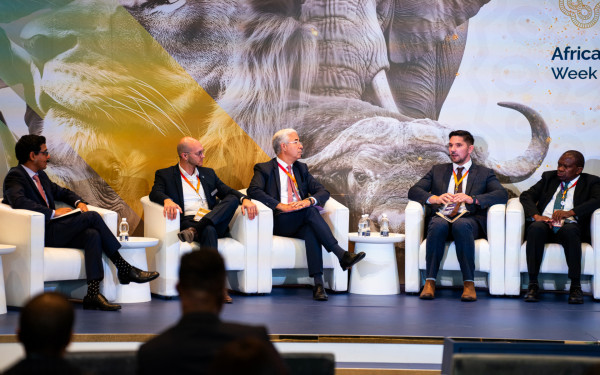
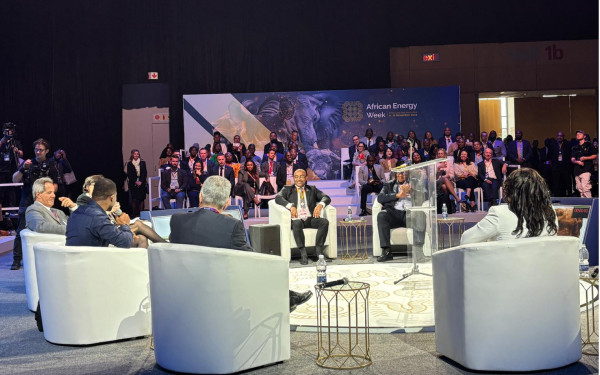
At a dedicated panel session at African Energy Week: Invest in African Energies 2024, panelists emphasized the need for countries already producing oil and gas to utilize local energy resources for the purposes of enhancing value and meeting domestic needs, particularly for secluded and rural areas that do not have access to energy on the grid. They agreed that green technology and innovation could not be advanced without significant investments in local capacity, particularly in manufacturing and grid infrastructure.

Moderated by S&P Global Head of Energy Transition, Ashutosh Singh, panelists of the Advancing Green Technology and Innovation in Africa session further agreed that while renewable energy may not create immediate large-scale jobs, strategic planning by policymakers could lead to millions of new opportunities as the sector evolves.

James White, CEO of Comet Energy, highlighted that legislative barriers also exist in many African nations. In South Africa, for instance, larger solar installations connected to the grid need a generation license from National Energy Regulator of South Africa (NERSA). This, White believes, adds an additional layer of complexity and can deter potential investors or developers from pursuing solar projects.

Although recent amendments to policies have raised the threshold for embedded generation projects without a license to 100 MW, navigating these regulations still poses significant challenges, he noted. “We also need to look at developing local supply chains, which are needed to further drive down costs and improve accessibility to technologies,” he said.

Dennis Bauer, Senior Executive Energy Transition Advisor, Neuman & Esser discussed the potential of hydrogen as key to Africa's energy transition.

By 2035, more than 50 million tons per year of cost-competitive green hydrogen can be produced on the continent by blocks in Morocco, Egypt and South Africa. However, Bauer emphasized that localized supply chains are necessary to support these developments. “Developing local manufacturing capabilities for battery components and other technologies can significantly reduce costs and enhance sustainability,” he said.

The panel discussion also touched on advancements in solar technology, noting improvements in efficiency and flexibility that can facilitate deployment in remote areas.

CEO of South African National Energy Development Institute (SANEDI), Dr Zwanani Titus Mathe, stressed the importance of learning from successful models surrounding new green technologies, like China's investment in research and development (R&D).

“We need to establish centers of competence across Africa focused on R&D, manufacturing and skills development to position the continent as a leader in green technology. As African nations commit to investing in green innovation, collaboration among governments, businesses, and communities is also essential,” he said.

Director of International Relations at IFP Energies nouvelle (IFPEN), Dr Said Nachet, concluded that Africa has the potential to lead in green technology. “By harnessing local resources and fostering innovation, the continent can emerge as a hub for green technology and sustainable energy solutions,” he said.

Distributed by APO Group on behalf of African Energy Chamber.

Media files
African Energy Chamber
Download logo
Read moreLocal Manufacturing Key to Advancing Green Technologies
8 November 2024

NBA Africa and AFD Launch Youth Development Program in Senegal

Location: Sport
National Basketball Association (NBA)

- The “Jr. NBA & AFD Basketball Experience” Will Feature Weekly Basketball and Life-Skills Sessions to Educate Senegalese Youth About the Importance of Physical and Mental Wellness -

- AFD and NBA Africa Unveil Two Refurbished Basketball Courts in Guediawaye, Senegal -

- Former NBA Player and 2015 FIBA AfroBasket Champion Olumide Oyedeji Attends Launch - 

NBA Africa (www.Africa.NBA.com) and Agence Française de Développement (AFD), France's public development bank institution committed to financing and technical assistance for projects that improve the lives of people in developing and emerging economies, yesterday launched the “Jr. NBA & AFD Basketball Experience” youth development program in Guediawaye, Senegal.

The Jr. NBA & AFD Basketball Experience, launched in 2021 in Nigeria and subsequently also held in Kenya and Morocco, uses basketball as a platform to promote social inclusion and youth empowerment amongst primary and secondary school children.  In Senegal, the program will be operated by nongovernmental organization (NGO) Sports for Education and Economic Development (SEED) Project and feature weekly basketball and life-skills sessions that will educate thousands of Senegalese boys and girls about the importance of physical and mental health, wellness and social cohesion.

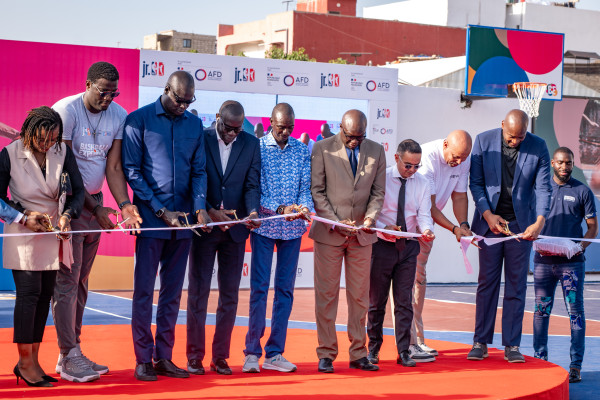
As part of the program's launch in Senegal, NBA Africa and AFD unveiled two basketball courts at The Hamo 4.5.6. Courts in Guediawaye and held a clinic for 150 boys and girls ages 16 and under.  The launch was attended by AFD Senegal Country Director Mihoub Mezouaghi; Basketball Africa League (BAL) President Amadou Gallo Fall; NBA Africa Director of Basketball Operations Kita Matungulu; and former NBA player and 2015 FIBA AfroBasket champion Olumide Oyedeji.

“Aware of the potential of sport as a vector of social cohesion, AFD has made it a strategic axis of its action to support the achievement of the Sustainable Development Goals,” said Mezouaghi. “It is in this dynamic that our collaboration with the NBA is part of what aims to promote the practice of sport in Africa through the provision of local infrastructure, the professionalization of sports educators and the organization of sports sessions, and education for young people.”

“The collaboration between NBA Africa and AFD continues to grow as we extend this initiative to reach more young people in new countries on the continent,” said Matungulu.  “The Jr. NBA & AFD Basketball Experience reflects our commitment to investing in the next generation of African youth and our belief that basketball teaches life lessons like the importance of physical and mental wellness that help children succeed on the court and in life.”

The refurbished courts, part of NBA Africa's commitment to build 1,000 basketball courts in Africa over the next decade, are expected to benefit thousands of boys and girls from the surrounding communities.

The Jr. NBA & AFD Basketball Experience is part of AFD and NBA Africa's collaboration to support basketball infrastructure and youth development across the continent and builds on the program's previous editions in Morocco and Nigeria, and its recent launch in Kenya.  To date, the program has reached nearly 90,000 boys and girls ages 12-17 and 460 coaches and physical education teachers.

The Jr. NBA/Jr. WNBA, the league's global youth basketball participation program for boys and girls, teaches the fundamental skills as well as the core values of the game at the grassroots level in an effort to help grow and improve the youth basketball experience for players, coaches and parents.  Jr. NBA/Jr. WNBA programming has directly reached more than 250,000 youth across Africa this year.

Distributed by APO Group on behalf of National Basketball Association (NBA).

Contacts:
Chumani Bambani,
NBA Africa PR & Communications,
cbambani@nba.com,
+27 65 548 1031

Francine Pipien,
AFD Senegal,
pipienf.ext@afd.fr

About NBA Africa:
NBA Africa is an affiliate of the National Basketball Association (NBA), a global sports and media organization with the mission to inspire and connect people everywhere through the power of basketball. NBA Africa conducts the league's business in Africa, including the Basketball Africa League (BAL), and has opened subsidiary offices in Cairo, Egypt; Dakar, Senegal; Johannesburg, South Africa; Lagos, Nigeria; and Nairobi, Kenya.  The league's efforts on the continent have focused on increasing access to basketball and the NBA through youth and elite development, social responsibility, media distribution, corporate partnerships, NBA Africa Games, NBA Stores, the BAL, and more.

NBA games and programming are available in all 54 African countries, and the NBA has hosted three sold-out exhibition games on the continent since 2015. The BAL, a partnership between the International Basketball Federation (FIBA) and NBA Africa, is a professional league featuring 12 club teams from across Africa that concluded its fourth season in June 2024. Fans can follow @ NBA_Africa and @ theBAL on Facebook, Instagram, X and YouTube.

About AFD:
Agence Française de Développement (AFD) Group finances, supports and accelerates the transitions necessary for a more just and resilient world. It thus contributes to implementing France's policy on sustainable development and international solidarity. It is with and for communities that we build, with our partners, solutions in more than 160 countries, as well as in 11 French overseas departments and territories.

Our objective: to reconcile economic development with the preservation of common goods: the climate, biodiversity, peace, gender equality, education and health. Our teams are involved in more than 3,600 projects in the field, which are part of the commitment of France and the French people to fulfilling the Sustainable Development Goals. For a world in common.

AFD strongly believes in the power of sport as a lever to achieve the sustainable development goals. Since the launch of its sport for development strategy in 2019, AFD has invested more than €130 million in over 160 projects that use sport as a tool to promote access to education, gender equality, youth empowerment, health and social cohesion. In Senegal, the AFD group puts its entire range of financial instruments at the service of local economic and social development actors (state, public companies, private and financial sector, NGOs, etc.) to support an inclusive development model, creating jobs, promoter of sustainable infrastructure, and respectful of the environment.  Since 2012, 115 projects have been funded, representing a commitment of more than 2.2 billion euros.

AFD.fr

Media files
National Basketball Association (NBA)
Download logo
Read moreNBA Africa and AFD Launch Youth Development Program in Senegal
8 November 2024

Extortion poses serious threat to State and citizens, says Mashatile

Location: News

Extortion poses serious threat to State and citizens, says Mashatile

Deputy President Paul Mashatile says an economy grappling with extortion, controlled by "ruthless gangsters", poses a serious threat to both government and law-abiding citizens.

“We have also responded to a related question in the National Assembly, highlighting the urgent need for government to take decisive action to deal with extortion-related criminality,” Mashatile said on Thursday.  

The Deputy President was responding to questions in the National Council of Provinces (NCOP) relating to several critical issues impacting South Africa’s township and rural economies. 

The Deputy President quoted Police Minister Senzo Mchunu, who in September spoke about township economic sabotage in four provinces. These provinces include mainly Gauteng, KwaZulu-Natal, the Western Cape and Eastern Cape. 

“According to the Minister of Police, these provinces carry 73% of crime levels in South Africa. The gravity of these crimes alone, including extortion, are of serious concern to government, and must be dealt with immediately,” said Mashatile.

He announced that the South African Police Service (SAPS) has since initiated the signing of cooperative agreements with provincial and local governments, which include operational plans that will provide details on the integration of resources against crime.

In addition, Extortion and Kidnapping Task Force Forums have been established in all affected provinces, which involve all the relevant stakeholders, including private business.

On the implementation of measures to deal with sabotage of basic service delivery, such as water and sanitation, by “unscrupulous” owners of water tankers, the Deputy President said the Departments of Water and Sanitation and Cooperative Governance and Traditional Affairs have intervened. 

According to the Deputy President, the two departments are assisting struggling municipalities with water tankers as a short-term intervention, while bulk water infrastructure challenges are being resolved.

“In addition to the challenge of construction mafia, which is rife all over the country, we have received reports of unscrupulous owners of water tankers, who are interfering with service delivery initiatives in municipalities, thus extorting money to rent their services, and some selling water to vulnerable communities.” 

He stressed that the State was encouraged by the work of Community Policing Forums, whistleblowers and community members, who are actively involved in addressing service delivery-related acts of criminality and extortion across all provinces that have been identified as hotspots. 

“However, much more needs to be done to resolve this challenge,” Mashatile said.

Township economy

Meanwhile, the country’s second-in-command said government is dedicated to transforming apartheid spatial planning by investing in critical industries such as manufacturing to revitalise and create much-needed jobs in the communities where people reside. 

According to the Deputy President, the Department of Trade, Industry and Competition (dtic) has developed the Industrial Parks Revitalisation Programme (IPRP), aimed at renewing and reviving South Africa’s old and abandoned industrial parks and driving employment in the manufacturing sector in townships and rural economies. 

He explained that this programme aims to support State-owned industrial parks and identify enabling opportunities for local manufacturing and value addition in marginalised communities. 

The Deputy President also highlighted the State’s programmes to support Special Economic Zones (SEZs), which are aimed at expanding economic activity in underdeveloped parts of South Africa. 

To date, he said there are 11 designated SEZs, nine of which are being supported by the SEZ Fund, and have generated investments amounting to R19.6 billion. – SAnews.gov.za

Gabisile
Fri, 11/08/2024 - 09:38

138 views
Read moreExtortion poses serious threat to State and citizens, says Mashatile
7 November 2024

Investing in tech key to improving life for people with disabilities

Location: News

Investing in tech key to improving life for people with disabilities

Women, Youth and Persons with Disabilities Deputy Minister, Mmapaseka Steve Letsike, has emphasised the need to invest in the promotion of new technologies and the advancement of assistive technologies to improve the quality life for people with disabilities.

“We must invest in research and development of affordable and accessible technologies that aid communication, mobility and access to information,” Letsike said.

Letsike made the call at the Information and Communication Technologies (ICT) symposium in Umgababa, south of Durban, as part of the build-up to the District Development Model (DDM) Presidential Imbizo that will take place on Friday.

Collaboration between government, private enterprises, academic institutions and organisation of and for people with disabilities, can foster innovation in the ICT field, ensuring that people with disabilities can benefit from the rapid pace of technological progress, the Deputy Minister said.

“This includes promoting digital accessibility and ensuring that emerging technologies, such as artificial intelligence and automation, are designed with inclusivity in mind. Our emphasis is on a fundamental shift in how we view persons with disabilities, away from the individual medical perspective, to a human rights and developmental perspective.

“It is with this understanding in mind that we affirm supporting autonomy and independent living by promoting policies that enable access to community-based services, personal assistance, and affordable, adaptable housing,” Letsike said.

The Deputy Minister noted ICT's significant contribution to the advancement of disability rights, offering tools that enhance accessibility, inclusion and independence for individuals with disabilities.

Letsike maintained that ICT is not just "a set of tools", but a bridge to a more inclusive, accessible and fair world for people with disabilities.

“By supporting accessible technology, promoting inclusive policies, and advocating for the rights of all, we can continue to break down barriers and build a society that truly values each individual’s unique abilities,” she said.

Reformed social protection scheme

Letsike highlighted the need for a reformed social protection scheme to provide financial support, which will allow individuals with disabilities to live independently, make personal decisions about their care and avoid institutionalisation, where possible.

“This also entails removing barriers to education and employment, enabling persons with disabilities to contribute to society in ways that promote self-sufficiency and empowerment. 

"We must remember that human rights are universal principles that protect every individual’s dignity, freedom and equality. They are not privileges or special considerations but inherent to every person simply because they are human,” Letsike said.

Disability Rights Awareness Month

The symposium coincided with Disability Rights Awareness Month (DRAM), observed from 3 November to 3 December.

Held under the theme, “Celebrating 30 Years of Democracy: Creating a Disability-Inclusive Society for a Better Quality of Life and Protection of the Rights of Persons with Disabilities”, this year’s DRAM reflects on government’s commitment to creating a barrier-free society, where people with disabilities are full and active participants in the country’s economy and society at large.

Each week of DRAM is linked to national strategic priorities and the White Paper on the Rights of Persons with Disabilities.

During week one of DRAM, focus will be on growing an economy aligned with the empowerment of persons with disabilities. Week two advocates for the inclusion of every child with a disability. Week three builds a working government with a progressive disability rights agenda, and week four focuses on creating safer communities for persons with disabilities.

“We hope that each one of us, in our respective corners where we operate, will do our bit toward raising awareness on the rights of persons with disabilities during this period,” Letsike said. - SAnews.gov.za

GabiK
Thu, 11/07/2024 - 15:12

69 views
Read moreInvesting in tech key to improving life for people with disabilities
7 November 2024

Pensioner Loses Everything on Banxso

Location: News

The investment platform under scrutiny since April has had its license suspended

Read morePensioner Loses Everything on Banxso
6 November 2024

Mashatile to respond to questions in Parliament about township economy and extortion

Location: News

Mashatile to respond to questions in Parliament about township economy and extortion

Deputy President Paul Mashatile will on Thursday respond to questions in the National Council of Provinces (NCOP) relating to several critical issues impacting South Africa’s township and rural economies. 

“The Deputy President is expected to provide a critical overview on the work that government is undertaking to resolve some of the pressing challenges facing the country currently,” a statement from the Deputy President's office read. 

Mashatile will also zoom into government’s strategies to transform apartheid spatial planning by investing in critical industries such as manufacturing. 

“This is aimed at stimulating job creation and economic growth in townships and rural communities.

“Furthermore, in response to a question on what government is doing to prevent sabotage of the township economy by extortionists, the Deputy President will provide an update on the decisive steps taken to combat criminal activities,” the Deputy President’s office said. 

The steps include the establishment of the Extortion and Kidnapping Task Force Forum in all affected provinces. 

In line with the Finance Minister’s recent comments, Mashatile will also emphasise the importance of local government in supporting economic growth and responding to societal demands. 

In outlining service delivery interventions, Deputy President Mashatile is expected to speak of how government is prioritising the strengthening of local municipalities, which are central to creating an enabling environment for economic development.

On land reform, the Deputy President will highlight the State’s commitment to increasing agricultural production and improving food security. 

The country’s second-in-command will further reiterate government’s commitment to working closely with all sectors of society, including the private sector, civil society, and local communities to address crime and economic challenges. 

Mashatile will also elaborate on government's comprehensive approach to ensuring that townships and rural areas remain vibrant, safe and economically productive. – SAnews.gov.za

Gabisile
Wed, 11/06/2024 - 12:56

85 views
Read moreMashatile to respond to questions in Parliament about township economy and extortion
5 November 2024

Petrobras Pursues Strategic Oil & Gas Expansion in Southern Africa

Location: News
African Energy Chamber

Brazil's national oil company (NOC), Petrobras, has confirmed it is actively exploring opportunities in South Africa, Namibia and Angola, and it is currently awaiting Galp's decision on its offer to acquire a significant stake in the Mopane block offshore Namibia.

The announcement was made during a pre-conference workshop sponsored by Namibia Energy Corporation (NEC), leading up to the African Energy Week (AEW) 2024: Investing in African Energies conference. Petrobras is widely recognized for its success in the exploration and production of pre-salt oil reserves in the deep waters off the coast of Brazil, which hold close geological similarities to pre-salt areas in southern Africa. 

“As we increase production, we increase the need for reserves. Brazil has a strong correlation with Africa. We feel very comfortable to come back to Africa, and are looking at opportunities in South Africa, Namibia and Angola,” said Sylvia Maria Couto dos Anjos, Executive Officer for Exploration and Production at Petrobras.

The company's technical expertise in pre-salt geology – particularly its ability to extract hydrocarbons from ultra-deep reservoirs beneath thick layers of salt – positions it as a strong contender to unlock frontier acreage in southern Africa. Geological similarities with Angola were highlighted during the workshop, as most of its hydrocarbon discoveries are offshore, with the majority of oil and gas resources located in deepwater reservoirs.

“Both Angola and Brazil have experience in developing deepwater reservoirs,” said Ricardo Van-Deste, CEO – Exploration and Production, Sonangol. “It is very important for us to bring Petrobras back to Angola. They left, but the door is still open.”

Petrobras' deepwater technology, developed over years of working in the Campos and Santos Basins off the shores of Brazil, could also be a game-changer in unlocking South Africa's offshore potential. These include TotalEnergies' Luiperd and Brulpadda discoveries. Earlier this month, the Brazilian NOC announced it had secured approval to acquire a 10% stake in the Deep Water Orange Basin located off the west coast of South Africa.

“Those are challenging operations. With Petrobras' experience and the technologies we have developed over time, this presents a valuable opportunity for us,” said Godfrey Moagi, CEO of the South African National Petroleum Company (SANPC).

In Namibia, Petrobras is currently evaluating entry opportunities as the country has produced a series of world-class discoveries. It is estimated to hold 100 billion barrels of oil equivalent in unrisked resources, with the Deep Water Orange Basin alone accounting for 30 billion barrels of oil equivalent.

“The potential of Namibia is incredible. We have a commitment to fulfill – I guarantee deals will come through,” said Dr. Marcio Rocha Mello, Founder & CEO of Namibia Energy Corporation.

Another key area for potential cooperation is the establishment of a Namibian center of excellence, aimed at enhancing technical capabilities and data analysis to deepen understanding of Namibia's petroleum basins and de-risk prospects for future exploration.

“A center like that in Namibia would enable us to replicate the success of the Orange Basin in the Walvis and Lüderitz basins,” said Maggy Shino, Petroleum Commissioner of Namibia's Ministry of Mines and Energy. “We have blocks that are bigger than some African countries. With such a large volume of available opportunities, we need a diversity of players to fully harness that potential.”

Distributed by APO Group on behalf of African Energy Chamber.

Media files
African Energy Chamber
Download logo
Read morePetrobras Pursues Strategic Oil & Gas Expansion in Southern Africa
4 November 2024

KZN launches Provincial Integrated Youth Development Strategy

Location: News

KZN launches Provincial Integrated Youth Development Strategy

KwaZulu-Natal Premier, Thamsanqa Ntuli, has unveiled the Provincial Integrated Youth Development Strategy, marking a transformative step towards empowering the province’s youth.

Launched at the Coastlands Conference Centre in Umhlanga, the strategy, spearheaded by the Department of Social Development (DSD), seeks to shift from a welfare-based approach to a development-focused model. The model is aimed at building a brighter future for young people in the province.

The vision of the Integrated Youth Development Strategy is to create a system that equips young people to be socially responsible, economically active, resilient, and self-reliant.

By prioritising skills development, economic participation, and personal empowerment, the strategy addresses the unique challenges faced by youth in the province and seeks to foster their growth into engaged and contributing members of society.

Ntuli emphasised the importance of the initiative, noting that youth empowerment is central to the province’s vision for sustainable development.

He expressed confidence that the strategy would inspire a generation of young leaders who can drive positive change and contribute meaningfully to the local economy.

“This strategy represents our commitment to investing in the potential of our youth. By empowering young people to be resilient and self-reliant, we are building a foundation for a stronger and more prosperous KwaZulu-Natal,” Ntuli said.

The Premier reaffirmed the provincial government’s dedication to supporting initiatives that offer meaningful opportunities for youth, and its commitment to a development-driven approach that builds a sustainable future for all. – SAnews.gov.za


GabiK
Mon, 11/04/2024 - 10:21

75 views
Read moreKZN launches Provincial Integrated Youth Development Strategy
1 November 2024

dtic calls for a resilient health system

Location: News

dtic calls for a resilient health system

The Deputy Minister of Trade, Industry and Competition, Zuko Godlimpi, has called for a resilient health system that prioritises equitable access and sustainable solutions in times of crisis. 

He emphasised the need for fair and sustainable measures to equip health systems with the necessary "shock absorbers" to withstand future challenges. 

Godlimpi said it was clear with every health crisis faced as a country, region and world that sustainable ways must be found to strengthen health systems.  

He made these remarks during his address at the Annual General Meeting of the Innovative Pharmaceutical Association South Africa (IPASA), which took place in Johannesburg on Thursday.

Reflecting on the impact of recent global health challenges, Godlimpi emphasised that these crises, while affecting all, are not felt equally.

“The severity of their impact is determined by geopolitical and economic standings, often leaving vulnerable populations to bear the brunt.

During the height of the COVID-19 pandemic, South Africa, under President Cyril Ramaphosa’s leadership, championed vaccine justice on the world stage, asserting that access to vaccines and essential medicines should be a universal right,” Glodlimpi said.

He called for the development of robust domestic manufacturing capabilities, especially in pharmaceuticals and medical supplies to reduce reliance on external sources during global emergencies. 

The creation of a resilient healthcare system would not only secure the health of the population but would also drive job creation and economic growth.

“By investing in local manufacturing capacity, we secure our sovereignty in healthcare and strengthen our economy.

“Building a sustainable pharmaceutical industry cannot be achieved by government action alone. 

“We need active participation from industry leaders, multinational corporations and local innovators alike, and I commend IPASA’s contributions to promoting ethical standards and supporting a patient-centred healthcare system,” he said.

Godlimpi mentioned that as part of South Africa’s broader industrial strategy, the Department of Trade, Industry and Competition (the dtic) had implemented master plans to drive growth in key sectors.

“The MedTech Master Plan, launched in May, is one such initiative, aiming to bolster local manufacturing in the medical technology sector. The development of future master plans, including those for pharmaceuticals, biologics and vaccines, depends on collaboration with multinational corporations and industry stakeholders,” he said.

Emphasising the importance of local manufacturing, Godlimpi noted that currently, pharmaceutical imports account for a significant trade deficit.

“However, with the active participation of multinationals in localisation programmes, we can create a more self-reliant healthcare system and reduce our dependency on imports. 

“I also want to highlight opportunities within offset programmes, where foreign suppliers are encouraged to invest in local industry through technology transfer, local hubs, and third-party manufacturing,” he said. – SAnews.gov.za

Edwin
Fri, 11/01/2024 - 09:44

14 views
Read moredtic calls for a resilient health system
31 October 2024

SA working to promote inclusive growth, deal with high cost of living

Location: News

SA working to promote inclusive growth, deal with high cost of living

The South African government seeks to attract foreign investment to foster inclusive growth and tackle structural barriers faced by marginalised communities.

This is according to Deputy President Paul Mashatile, who was briefing Members of Parliament (MPs) in the National Assembly on Thursday. 

The Deputy President addressed several topics, including his recent working visit to Ireland and the United Kingdom.

He reflected on the keenness of investors from these two countries to tap into various South African sectors such as finance, energy, transportation and infrastructure development.

“The overall aim of this engagement was to reassure the world and investors that our country is stable and open for business. I must say, in all of these meetings, we were warmly received,” he told Parliament. 

In the United Kingdom, the Deputy President said he met with more than 20 institutional investors, who are already investing in South Africa.  

“We also engaged with the government of the United Kingdom to strengthen and renew the historically deep and rich bilateral relations between our two countries by exploring new initiatives and opportunities for enhancing trade and investments.” 

Following the working visit, government agreed to strengthen existing initiatives while exploring new opportunities to maintain strong trade and investor interest. 

“We anticipate that the upshot of our visit will contribute to an increase in the UK investors who have shown a strong interest in doing business in South Africa,” Deputy President Mashatile explained. 

In addition, he said the relevant ministerial teams presented opportunities in State-owned entities (SOEs), particularly Eskom and Transnet. 

“They dealt with issues of energy, rail and port projects and water infrastructure projects, including the handing of the investment project book that was developed by Infrastructure South Africa.”

However, the Deputy President believed that government alone would not be able to achieve the objectives of growing the economy and creating jobs. 

“As a result, we’re taking these steps to engage the private sector, particularly also foreign investors who are interested to come and invest in our country.”

The State is working hard to ensure the regulatory frameworks throughout government are friendly for investors who can come and invest. 

“So, we were quite impressed that many of those that we met were very happy. They were saying they will be taking advantage in South Africa so that we can create the necessary jobs that we want to create and empower many of our people, particularly young people,” Mashatile said.

G20 Presidency

The Deputy President is of the view that South Africa should use its G20 Presidency to prioritise its objectives of growing an inclusive economy that creates jobs. 

Preparations are underway for South Africa’s G20 Presidency and hosting the G20 Summit in 2025. South Africa is expected to take over Chair of the G20 from December 1 this year from Brazil. 

Mashatile said the State is determined to deal with the question of the high cost of living and professionalisation of the public service. 

“But we want to use that also to benefit the continent. So, what South Africa will do will ensure that, as we Chair the G20, [this] benefits the entire African continent, and we are looking at programmes of infrastructure.

“When leaders of various countries come here, they come with huge delegations, including business people, and therefore they look for opportunities. But we will make sure that there is sound infrastructure to be able to ensure that people can have meetings throughout the country.” 

The Deputy President announced that government has decided that it will concentrate meetings in one place, so the 2025 summit benefits the entire country. 

Skill shortages

Mashatile acknowledged that the local labour supply does not meet the demand for management personnel, professionals, engineers, technicians, educators, and information and technology experts, necessitating the temporary importation of high-level skills.

However, various measures are being implemented to improve local skills, including updating job listings, promoting the critical skills list, and enhancing vocational training in digital skills. 

Mashatile explained that the National Skills Fund directs resources to in-demand sectors and that the Human Resource Development strategy aims to match supply and demand for skilled workers. 

Meanwhile, he said collaboration among industry, government, education, and non-profits is crucial for effective skills development and local employment growth. – SAnews.gov.za


Gabisile
Thu, 10/31/2024 - 15:21

77 views
Read moreSA working to promote inclusive growth, deal with high cost of living
31 October 2024

Treasury Defends SRD Grant Regulations

Location: News

The Institute of Economic Justice is challenging regulations for the Social Relief of Distress grant which it says are unconstitutional.

Read moreTreasury Defends SRD Grant Regulations
27 October 2024

Girls have the potential to change the world, says Minister

Location: News

Girls have the potential to change the world, says Minister

“If effectively supported during their adolescent years, girls have the potential to change the world – both as the empowered girls of today and as tomorrow’s workers, mothers, entrepreneurs, mentors, household heads and political leaders,” says Basic Education Minister Siviwe Gwarube.

The Minister said honouring girls was acknowledging their importance, power and potential and in that way fulfilling their human rights.

She was speaking at the Commemoration of International Day of the Girl Child held at the Development Bank of Southern Africa in Midrand on Friday.

Gwarube said as the department, they were inspired to produce empowered girls who grow up to be educated and skilled women.

On 19 December 2011, the United Nations General Assembly adopted Resolution 66 of 170 to declare October 11 as the International Day of the Girl Child, to recognise girls’ rights and the unique challenges girls face around the world.

“It is a well-documented fact that an educated and skilled woman is far more effective in preventing mortality, take care of the household decisively and more sophisticatedly, and contribute better in society,” Gwarube said.

Investing in girls is not only the right thing to do, but also brings positive impact to their families, communities and societies as a whole.

“The International Day of the Girl Child focuses attention on the need to address the challenges girls face and to promote girls’ empowerment and the fulfilment of their human rights.

“Adolescent girls have the right to a safe, educated, and healthy life, not only during these critical formative years, but also as they mature into women.”

Gwarube said an investment in realising the power of adolescent girls upholds their rights today and promises a more equitable and prosperous future, one in which half of humanity is an equal partner in solving the problems of climate change, political conflict, economic growth, disease prevention and global sustainability. 

“Girls are breaking boundaries and barriers posed by stereotypes and exclusion, including those directed at children with disabilities and those living in marginalised communities,” the Minister said. 

She said as entrepreneurs, innovators and initiators of global movements, girls are creating a world that is relevant for them and future generations.

“Achieving gender equality and women’s empowerment is integral to each of the 17 goals. Only by ensuring the rights of women and girls across all the goals will we get to justice and inclusion, economies that work for all and sustaining our shared environment now and for future generations.

“Adolescence is a critical stage of development in every person’s life. It determines the trajectory of children’s lives, which is why caring for girls in their youth benefits all. 

“If girls are empowered at a formative age, they can mature into liberated, wise women of the future. In this way, as a society, we all win.

“As we celebrate this day, we also need to be mindful of the fact that children need to be protected against their increased vulnerability to sexual violation. Young girls do not violate themselves, they do not impregnate themselves. Counterpart boys and older men perpetrate these violations,” the Minister said. – SAnews.gov.za


Edwin
Sun, 10/27/2024 - 09:41

27 views
Read moreGirls have the potential to change the world, says Minister
23 October 2024

Africa urged to act now against climate change

Location: News

Africa urged to act now against climate change

With climate-driven events such as droughts and floods disrupting agricultural production across the continent, and leading to increasing food insecurity, government has called on the Southern African Development Community (SADC) to act now against climate change.

“To counter this, it is essential to promote sustainable agricultural practices, improve irrigation systems, invest in agricultural research and technology, and develop resilient crop varieties,” Deputy Minister of Forestry, Fisheries and the Environment, Narend Singh, said on Wednesday in Durban.

He pointed out that Africa’s reliance on natural resources, rain-fed agriculture, and inadequate infrastructure makes it particularly vulnerable to the impacts of climate change. 

The Deputy Minister was addressing the Environmental Assessment Practitioners Association of South Africa (EAPASA) Regional Conference, which is taking place under the theme: "SADC Sustainable  Synergies".

Singh said integrated environmental management and social tools provide a comprehensive framework for sustainable development, one that balances economic growth, environmental conservation and social equity. 

“This integrated approach is vital for addressing the many environmental challenges our continent faces, while simultaneously promoting inclusive growth and resilience. By embracing this method, we ensure that development is not only sustainable but also equitable, benefiting both present and future generations.

“The time to act is now. The environmental challenges we face do not respect borders or timelines, and every day we delay, the cost to our region and our people increases. 

“As we transition our key economic sectors towards low carbon, climate resilient and a just society, it is important that our strategic, integrated and environmental impact assessments pay attention to the balance in social, economic and environmental aspects of sustainable development path and ultimately the achievement of our Nationally Determined Contribution (NDC),” the Deputy Minister said.

He emphasised the importance of prioritising a sustainable just transition path that pays attention to addressing the challenges of poverty, unemployment and inequality.

South Africa’s just transition path

He said South Africa’s Just Energy Transition (JET) programme has emerged as a crucial response to the climate crisis, setting an ambitious course for the nation to shift away from coal, while building a low-carbon, climate-resilient economy. 

“The JET programme has already made strides in diversifying our energy mix by investing in renewable energy sectors such as solar, wind, and green hydrogen.

“We have closed some coal plants and retrained workers, ensuring that the transition is just and inclusive. This transformation is more than just an energy strategy; it is a fundamental reimagining of our future, one that presents profound opportunities for collaboration with SADC countries. 

“By working together on cross-border energy projects, technology sharing, and capacity building, we can build a united front that not only mitigates climate change but also spurs economic growth and energy security across the region,” the Deputy Minister said.

He touched on the significance of regional cooperation, which is essential in the quest to balance environmental sustainability with economic development. 

“This year marks six years since the Department of Forestry, Fisheries, and the Environment appointed EAPASA as the sole registration authority under Section 24H of the National Environmental Management Act (NEMA). 

“It is truly remarkable to witness how, in just six years, this young organization has successfully convened SADC members for the third time in such a short period. This achievement speaks to the tremendous commitment to our region and the greater cause of environmental stewardship.

“As we implement our individual laws and regulations, we must remain mindful that our true success will be measured by how well we collaborate. I urge you to envision the SADC region as a unified entity, one where our systems are integrated and harmonised to enable development that benefits not only our generation but those to come,” the Deputy Minister said. - SAnews.gov.za

nosihle
Wed, 10/23/2024 - 12:06

29 views
Read moreAfrica urged to act now against climate change
18 October 2024

SA must enhance agricultural productivity to achieve Zero Hunger

Location: News

SA must enhance agricultural productivity to achieve Zero Hunger

Minister in the Presidency Khumbudzo Ntshavheni says to achieve ‘Zero Hunger’, the country must enhance agricultural productivity and ensure equitable access to nutritious food.

“This involves investing in sustainable farming practices, empowering smallholder farmers and promoting local food systems,” the Minister said on Friday.

Addressing the 5th International Social Justice Conference and 6th Social Justice Summit -- held at the Artscape Theatre in Cape Town -- Ntshavheni said by supporting farmers, the country can boost food production and create jobs, fostering both economic growth and community resilience.

The start of the 5th International Social Justice Conference on 16 October coincided with World Food Day, an international day celebrated every year worldwide to commemorate the date of the founding of the United Nations Food and Agriculture Organisation in 1945. 

Ntshavheni underscored the importance of promoting sustainable farming methods that enhance productivity, while protecting natural resources. 

“We must forge partnerships across government, the private sector and civil society, including academia, to create comprehensive strategies that tackle food insecurity,” she said, adding that collaboration is key if South Africa is to attain the goal of Zero Hunger. 

Zero Hunger is Goal 2 of the United Nation’s Sustainable Development Goals (SDGs). It is about creating a world free of hunger. The global issue of hunger and food insecurity has shown a sharp increase since 2015, a trend exacerbated by a combination of factors including the COVID-19 pandemic, conflict, climate change and deepening inequalities.

According to the United Nations (UN), by 2022, approximately 735 million people – or 9.2% of the world’s population – found themselves in a state of chronic hunger – a staggering rise compared to 2019. 

Ntshavheni said practices like crop rotation, agroforestry and organic farming can increase resilience against climate change and reduce reliance on chemical inputs.

“Supporting smallholder farmers through training and access to technology can empower communities and boost local food production. It is therefore important and significant that universities like Stellenbosch are deeply involved in this initiative. 

“It would be important for us in government to explore opportunities to partner with institutions of higher learning on this initiative in order to extend awareness to communities in rural areas of our country that are daily confronted with food insecurity. 

“This must make us understand the urgency to develop sound drought resilience and water conservation plans,” the Minister said.

The 6th Social Justice Summit was hosted by the Centre for Social Justice, based at Stellenbosch University.

Striving for food security

In 2014, government introduced the National Policy on Food and Nutrition Security, followed by the National Food and Nutrition Security Implementation Plan (NFNSIP), whose implementation involved multiple government departments and entities, with various interventions receiving support from local and international development partners.

“We are now in the process of developing the NFNSIP (2024 -2030) as we chase the National Development Plan (NDP) Vision 2030 goals. We are not only calling for a partnership in the [NFNSIP] development but with its implementation, as our country focuses on achieving the overdue SDG on Zero Hunger.

“Our policy approach to Zero Hunger acknowledges the lingering consequences of apartheid, which has left deep-rooted inequalities in access to land, income, and employment and other economic opportunities,” the Minister said.

Ntshavheni said as the country’s population growth and climate change intensifies, the urgency of food security cannot be overstated.

Ntshavheni said hunger on its own is a multifaceted challenge that affects the economy, health system and social fabric in general.

Addressing the conference, Electricity and Energy Deputy Minister Samantha Jane Graham said the issue of energy affordability remains a challenge, as the nation navigates the challenge of the accessibility of food prices.

Graham said her office is committed to finding innovative and sustainable solutions for energy sources.  – SAnews.gov.za
 

Edwin
Fri, 10/18/2024 - 14:39

129 views
Read moreSA must enhance agricultural productivity to achieve Zero Hunger
  • Previous
  • Page 1
  • Interim pages omitted …
  • Page 4
  • Page 5
  • Page 6
  • Page 7
  • Page 8
  • Interim pages omitted …
  • Page 18
  • Next

Copyright © 2026 · MyZA · All Rights Reserved · Powered by Reach Trust