• Skip to main content
  • Skip to header right navigation
  • Skip to after header navigation
  • Skip to site footer
MyZA

MyZA

News, Directory, Events and Other Stuff

  • Social Media
  • Sport
  • World News
  • Home
  • Submit News
  • Directory
  • Events
  • Stratlec
  • TFSA
  • News
    • APO
    • Today’s Sport News
    • Todays Social Media and Tech Headlines
    • Today’s World News
    • Today’s SA Financial News
  • Contact
You are here: Home / Archives for Morocco

Morocco

13 September 2023

President expresses sadness at natural disasters in Libya and Morocco

Location: News

President expresses sadness at natural disasters in Libya and Morocco

President Cyril Ramaphosa has expressed sadness at the two natural disasters that have claimed close to 8 000 lives collectively and displaced tens of thousands of residents in eastern Libya and Morocco. 

More than 5 000 people have died due to floods associated with Storm Daniel in eastern Libya, while more than 2 000 people died in an earthquake last weekend in the Atlas Mountains in Morocco.

On behalf of the Government and people of South Africa, President Ramaphosa expressed that South Africans felt the pain and loss by citizens of both countries. 

“South Africa shares the pain and loss felt by the people of eastern Libya and Morocco. These disasters highlight once more the frailty of life when confronted with the forces of nature,” President Ramaphosa said. – SAnews.gov.za


DikelediM
Wed, 09/13/2023 - 13:20

455 views
Read morePresident expresses sadness at natural disasters in Libya and Morocco
13 September 2023

Ramaphosa expresses sadness at natural disasters in Libya and Morocco

Location: News

The Presidency: Republic of South Africa
Download logo

President Cyril Ramaphosa has, on behalf of the Government and people of South Africa, expressed his sadness at two natural disasters that have claimed close to 8 000 lives collectively and displaced tens of thousands of residents in eastern Libya and Morocco.

More than 5 000 people have perished due to floods associated with Storm Daniel in eastern Libya while more than 2 000 people died in an earthquake last weekend in the Atlas Mountains in Morocco.

President Ramaphosa said: “South Africa shares the pain and loss felt by the people of eastern Libya and Morocco. These disasters highlight once more the frailty of life when confronted with the forces of nature.”

Distributed by APO Group on behalf of The Presidency: Republic of South Africa.

Read moreRamaphosa expresses sadness at natural disasters in Libya and Morocco
12 September 2023

Binance to airdrop up to $3 million in BNB to users in the Morocco Earthquake Region

Location: MyPR

In response to the devastation caused by the recent earthquake in Morocco, Binance Charity will airdrop up to $3 million in BNB to Binance users identified as living in the areas affected by the tragedy. Identification of the users will be based on Proof of Address (POA) completed before 9 September 2023 in Marrakesh-Safi Province, …

Read moreBinance to airdrop up to $3 million in BNB to users in the Morocco Earthquake Region
11 September 2023

Unleashing Agritech Innovation in Africa

Location: News
Pitch AgriHack

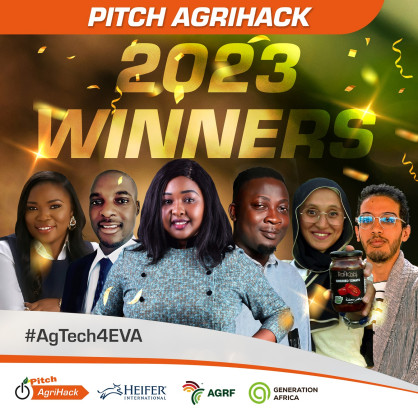
The Pitch AgriHack (https://apo-opa.info/3Zaz0kE) 2023 results are in, capping an inspiring journey celebrating Africa's most exciting agritech visionaries. Applicants from 39 African countries went through a rigorous selection process until six winners were crowned at the Youth Innovation Awards on the final day of The Africa Food Systems Forum hosted at the Julius Nyerere ICC, in Dar es Salaam, Tanzania. This year's Pitch AgriHack theme, “Unleash your Innovation,” resonated deeply with the entrepreneurs who demonstrated how technology can be harnessed to drive sustainability, improve productivity, and uplift communities.

Pitch AgriHack (https://apo-opa.info/3Zaz0kE) 2023 was jointly organized by the African Food Systems Forum (AGRF), Heifer International, and Generation Africa. This year participants and supporters witnessed an impressive showcase of innovation. The competition underscored the power of technology-driven solutions in addressing pressing challenges across the agricultural value chain. Awarding a total prize pool of USD 45,000, the competition recognized and celebrated the brilliance of young minds that are reshaping the future of African agriculture.

"This competition serves as a dynamic showcase of sustainable practices and innovation that is set to define African agriculture. Beyond acknowledging inventive ideas, Pitch AgriHack underscores the steadfast commitment of our youth to revolutionize the sector. At Heifer International, we recognize technology's pivotal role in fostering prosperity for smallholder farmers and rural communities," said Adesuwa Ifedi, Senior Vice President for Africa Programs. "We are deeply committed to investing in and enabling young individuals to create solutions that enhance the yields of smallholder farmers, and the agritech solutions presented not only address challenges within the agricultural value chain but also promote environmental conservation, resource efficiency, and long-term viability."

Dr. Agnes Kalibata, President of AGRA and Former Special Envoy to the UN Food Systems Summit, remarked, "The achievements seen at Pitch AgriHack 2023 truly celebrate entrepreneurial excellence in agriculture. These young innovators are not only shaping the sector's trajectory through their creativity and dedication, but they're also inspiring future leaders to consider impactful careers in agriculture and agribusiness. The technologies presented demonstrate the power of youth to drive practical and sustainable solutions, paving the way for a resilient and prosperous tomorrow."

The innovative solutions developed by the 2023 Pitch AgriHack finalists span a diverse spectrum. From turning waste into cooking gas and electricity, to ultra-fast composting with integrated nutrient analysers, these young entrepreneurs are finding value in nature-positive projects. Cost-saving measurement devices that analyse crop and soil health, providing recommendations that empower farmers, also impressed the judges. Artificial Intelligence integrations featured in several digital farming assistants. Drawing on massive data sets they optimize production, detect diseases, and generate recommendations for improved farming practices.

The entrepreneurs also presented game-changing inclusive finance solutions for women farmers and commodity-backed, post-harvest handling and storage for smallholders. With automated farm management and monitoring systems and behaviour modification solutions that reward farmers for following better practises, Africa's young innovators are determined to build a better food system. 

“The multi-facetted technologies, environmentally-aware approaches, and thorough business models we saw here today indicate that our youth entrepreneurs are building more resilient businesses with more comprehensive offerings that in turn help their farmers become more resilient, too,” said Dickson Naftali, Head of Generation Africa. “It is exactly the type of transformation we need, at scale, for the responsible development of the African food system. Pitch AgriHack not only celebrates such innovation but also fosters networking, collaboration, and exchange among these enterprising youth, mentors, investors, and industry experts. It creates a supportive ecosystem that propels them to grow. We are excited to see how they benefit from this opportunity."

The Pitch AgriHack 2023 Winners are:

Early-Stage Winners:

Winner: Watson Matsa, Co-Founder and CEO of eSusFarm Africa, South Africa

eSusFarm connects with rural farmers via feature-phone USSD, allowing them access to value-chain services, markets, and credit providers. Their system helps small farmers build their track record by collecting farm production data, and monitoring produce quality. Connect with Watson's venture at www.eSusFarm.Africa.

Runner-up: El Mahdi Aboulmanadel, Founder and CEO of DeepLeaf, Morocco

DeepLeaf is an agricultural deep learning lab that is focused on leveraging the latest in AI technology to revolutionize the way we grow crops. Their intelligent farming chatbot, Morshida, uses deep learning to analyse plant images and assist farmers in disease analysis. With natural language processing, Morshida can communicate in 14 different languages and dialects. Connect with El Mahdi's venture at https://DeepLeaf.io.

Mature and Growth-Stage Winners:

Winner: Tunde Adeyemi, Founder and CEO of D-Olivette, Nigeria

D-Olivette builds Bio-Tanks, anaerobic digestors that transforms organic farm waste into fertilizer and biogas for cooking and electricity generation. Their solution is helping smallholder farmers to reduce operational costs, pollution, and CO2 emissions. Connect with Tunde's venture at http://D-Olivette.com.

Runner-up: Reem Nafea, Co-Founder and Business Development Director of BioMasr, Egypt

Biomasr's new Rafik app is a hub for organic agriculture in Egypt. It connects farmers to ecological waste management, clean energy production, and organic fertiliser suppliers, while also empowering women farmers to grow and sell quality organic produce. Connect with Reem's venture at https://BioMasr.com.

Women-led Agribusiness Winners:

Winner: Priscilla Wakarera, Co-Founder and CEO of Rhea, Kenya

Rhea helps smallholder farmers make the right decisions by providing affordable, convenient soil testing for smarter farming. Their IoT device does moisture testing, NPK measurements and soil PH tests before sending AI generated recommendations for fertiliser, pH adjustments, irrigation, and crop recommendations. Connect with Priscilla's venture at www.Rhea.Africa.

Runner-up: Solape Akinpelu, Co-Founder and CEO of HerVest, Nigeria

HerVest is about inclusive finance for African women. They provide easy access to target savings, impact investments and credit financing for smallholder women farmers and women-owned/led SMEs in Nigeria. Connect with Solape's venture at https://www.HerVest.ng.

The winners were selected by an esteemed panel of judges that included experts and leaders in agriculture and technology. Pitch AgriHack contestants were honoured to get invaluable advice and guidance from this highly-respected judges group consisting of:

  • Barbra Sehlule Muzata, Communications Lead – CGIAR  
  • Dr. Nalishebo Meebelo, Executive Director – Regional Network of Agricultural Policy Research Institutes (ReNAPRI)
  • Nono Sekhoto, Sector Lead - AL for Agribusiness Network – African Leadership Academy
  • Victor Mugo, Head of Local Youth Action – World Food Forum
  • Sheila Kaaya, Lead - Agriculture, Agribusiness and Agrifood systems – The Mastercard Foundation
  • Jane Lowicki-Zucca, Senior Youth Advisor – USAID
  • Patrick Heffer, Deputy Director General – International Fertilizer Association
  • Jehiel Oliver, Founder & CEO – Hello Tractor
  • Dr. Charles Iyangbe, Signature Program Director - Africa Programs – Heifer International

This year's Pitch AgriHack applicant breakdown mirrors Africa's youthful dynamism. 79.3% were early-stage startups, embodying the innovative pulse of the competition. Mature/growth-stage agritech ventures represented 20.5%, underlining the sector's growth.

The innovation showcased at Pitch AgriHack 2023 is a strong affirmation of the commitment of AGRF, Heifer International, and Generation Africa to nurture innovation, create job opportunities, and enhance food security across the continent. Through this dynamic competition, the partners seek to inspire a new generation of agritech entrepreneurs who will not only revolutionize the agricultural landscape but also empower smallholder farmers to overcome challenges and embrace sustainable change.

For further information and updates, please visit the official Generation Africa website: https://GenAfrica.org. 

Distributed by APO Group on behalf of Pitch AgriHack.

Contact:
Jane Machigere
jane@jsmcommunications.com
www.GenAfrica.org 

About Heifer International:
Since 1944, Heifer International has worked with nearly 43 million people around the world to end hunger and poverty in a sustainable way. Working with rural communities across Africa for nearly 50 years, Heifer International supports farmers and local food producers to strengthen local economies and build secure livelihoods that provide a living income. Heifer is currently operating in 19 countries across Africa, Asia and the Americas. For more information, visit https://www.Heifer.org.

About Generation Africa:
Generation Africa is a thematic platform of the AGRF, whose mandate is to strengthen the ecosystem for youth entrepreneurs in the agri-food sector across Africa. From its start in 2019, Generation Africa has brought together industry leaders, government institutions, NGOs, NPOs, and community platforms to collaborate on ecosystem development, curation and support of agribusinesses, research and advocacy, and the inspiration of young people to embrace opportunities in the agrifood sector. Find out more at https://GenAfrica.org.

About the AGRF:
The AGRF is the world's premier forum for African agriculture, bringing together stakeholders in the agricultural landscape to take practical actions and share lessons that will move African agriculture forward. Under AGRF's current strategy, the Forum is particularly focused on driving progress of the Malabo Declaration by 2025 as the priority set of commitments African Heads of State and Government have made to strengthen agricultural development at the centre of the continent's overall development and progress. The AGRF is organised by the AGRF Partners Group, a coalition of institutions that care about Africa's agriculture transformation. For more information visit https://AGRF.org.  

Media files
Pitch AgriHack
Download logo
Read moreUnleashing Agritech Innovation in Africa
11 September 2023

How cybercriminals trick their victims

Location: News
KnowBe4

Key findings:

  • 40% of the respondents from eight countries had been scammed online
  • Distraction and multi-tasking made 43% of the victims fall for an online scam
  • Financial scams affected nearly 48% of respondents

Nearly half of the 800 African survey participants have fallen victim to an online scam at least once, losing thousands of dollars in the process and compromising their personal data. This alarming statistic is one of the key findings of the KnowBe4 2023 Online Scams and Victims in Africa Report, which was just released. The report is based on a survey of 800 respondents across eight African countries, including South Africa, Kenya, Ghana, Nigeria, Morocco, Egypt, Mauritius, and Botswana. According to the report, 53% of the respondents who fell victim, were convinced the offer was legitimate because the website looked real, while nearly 48% of the scams were financial.

“These numbers highlight that online scams have evolved,” says Anna Collard, SVP Content Strategy & Evangelist at KnowBe4 AFRICA. “What is concerning is that 43% of the victims were distracted and multi-tasking when they fell for the scam, which highlights how easy it is for a person to make a mistake when they are not paying attention. Their emotional states can affect a person's judgment, awareness, and decision-making, causing them to be more vulnerable to online deception,” says Collard.

Financial scams were the most common type of online fraud, affecting nearly half of the respondents (50%). Other prevalent scams involved fake investments (30%), cryptocurrencies and NFTs (29%), brand impersonation (28%), information theft (24%), online shopping (21%), and fake job offers (21%). Less frequent but still significant scams included the classic Nigerian scam (17%), family or friend impersonation (18%), law enforcement impersonation (7%), tax fraud (6%), holiday fraud (9%), romance fraud (13%), and lottery fraud (15%).

An email was the preferred channel for scammers to initiate contact, accounting for 24% of the cases. Social media came in second with 19%, followed by WhatsApp with 10% and other messaging services like Telegram with 8%. In Nigeria, however, social media was the most used platform for scams (32%), while in South Africa, email was the dominant method (28%). The scammers often used social engineering techniques to convince their victims, such as creating rapport or trust by making websites look legitimate, sending messages that appealed to emotions, using social media profiles that seemed authentic, and avoiding spelling or grammar mistakes.

Collard says that the statistics reveal a more evolved and sophisticated network of scammers who use emerging technology to lure people into costly mistakes. 30% lost between US$100 and US$1,000, 40% around US$100, and 9% more than US$1,000.

The report also showed that falling for a scam had a significant psychological impact on many victims. While 23% said it had little or no effect on them, nearly 50% felt a strong or moderate impact. The results highlight how easy it is for victims to blame themselves, when in reality, they were deceived by cunning scam tactics. The survey found that many victims experienced negative emotions, such as embarrassment (39%), anger (40%), naivety (40%), loss of trust (36%), and shame (25%). Some also felt traumatised (20%), vulnerable and helpless (25%), anxious (16%), and guilty and fearful (15%).

The emotional toll of falling for an online scam may be more harmful than the money lost as a result. For most victims, the financial consequences were not severe, with 24% saying it took them several months to recover and 10% saying it took more than a year, but the majority had no repercussions or recovered in a few days to a few weeks. However, when it came to healing from the psychological impact of the scam, the majority said it took them a few months (22%) and 11% said it took more than a year.

“The report shows how vulnerable people are to online scams and the emotional distress they cause,” says Collard. “While respondents were aware of scams and understood the risks, many still said they did not feel prepared, which highlights the need for regular training that gives people continuous awareness of scams and the threat they pose, to themselves and their organisations.”

You can download the full report here. https://apo-opa.info/3LjspOS

Distributed by APO Group on behalf of KnowBe4.

Media files
KnowBe4
Download logo
Read moreHow cybercriminals trick their victims
10 September 2023

Condolences for earthquake victims in Morocco

Location: News

Condolences for earthquake victims in Morocco

Deputy President Paul Mashatile has on behalf of President Cyril Ramaphosa, as well as the Government and people of South Africa, joined the international community in expressing condolences to the Kingdom of Morocco following the devastating earthquake that hit the country.

According to media reports, Friday’s earthquake has claimed the lives of more than 2000 people while about 2000 sustained injuries.

In a statement on Saturday, the Deputy President said the thoughts of the people of South Africa are with the families that have lost their loved ones in this tragedy.

The Deputy President also wished all survivors a speedy recovery.

"We are deeply saddened by the shocking loss of life and extend our deepest sympathies to the people of Morocco, and wish all survivors strength and a speedy recovery," he said.

Deputy President Mashatile has commended the efforts of the emergency response institutions in the country and has full confidence that the Kingdom of Morocco will unite in their response and emerge even stronger following the disaster. – SAnews.gov.za

nosihle
Sun, 09/10/2023 - 08:48

371 views
Read moreCondolences for earthquake victims in Morocco
8 September 2023

SA awarded Chairship of the Africa Green Hydrogen Alliance

Location: News

SA awarded Chairship of the Africa Green Hydrogen Alliance

South Africa will use its Chairship of the Africa Green Hydrogen Alliance (AGHA) to advance the green hydrogen agenda on the continent and support opportunities for peer-to-peer learning, technology transfer, economic and employment opportunities.

This is according to Minister in the Presidency for Electricity, Dr Kgosientsho Ramokgopa, who was handed Chairship of the AGHA on the sidelines of the Inaugural Africa Climate Summit (ACS), which took place from 04-06 September 2023 in Nairobi Kenya.

“Green hydrogen and its associated large scale renewable energy production has the potential to support the expansion of the electricity transmission infrastructure, to add additional renewable energy generation capacity and to support the local development of renewable energy.

“As such it is a key component of South Africa’s future energy mix to achieve sustainable energy security,” the Ministry for Electricity said on Thursday.

AGHA was formed in May 2022 by six African countries, Egypt, Kenya, Mauritania, Morocco, Namibia and South Africa, to drive decarbonisation through green hydrogen.

The alliance seeks to intensify collaboration and supercharge the development of green hydrogen projects on the African continent in line with the Just Energy Transition.

“It focuses on public and regulatory policy, capacity building, financing and certification needs to mobilise green hydrogen production for domestic use and export. The inclusion of the Ethiopia and Angola’s membership were also announced alongside South Africa’s Chairship,” the Ministry for Electricity said.

During the ACS, the Minister participated in panel sessions where he shared lessons on South Africa’s energy outlook and the role of green hydrogen in supporting energy security and driving green industrialisation.

On the margins of the Summit, the Minister engaged in multiple high-level bilateral meetings to explore energy collaborations and meaningful partnerships in the energy space.

The Minister’s participation at the Summit was underpinned by a commitment to consistent, sustainable and affordable energy supply for South Africa. – SAnews.gov.za


nosihle
Fri, 09/08/2023 - 09:30

649 views
Read moreSA awarded Chairship of the Africa Green Hydrogen Alliance
7 September 2023

The key to Africa’s industrialisation process and ending the region’s massive energy poverty

Location: News
African Energy Chamber

By Jason Mitchell

Africa's vast natural gas reserves are key to bringing energy to Africa's poorest countries, to a solid industrialisation process throughout the region and to significant poverty reduction.

The region is home to 33 of the world's 46 least-developed countries (LDCs) with an average income per head of less than $1,018 a year. The continent's poorest countries must expand at 6-7% a year if poverty is to be reduced in a big way and if the life chances of hundreds of millions of people are to be improved. To achieve this goal, these countries require abundant and cheap energy. Luckily, for many African states, the answer lies on their own doorstep — natural gas. Gas has remained a niche fuel in sub-Saharan Africa — contributing only 5% of the total energy mix against a global average of 20-25% — but its potential is enormous.

A new vision for Africa is required — a criss-crossing network of natural gas pipelines that brings energy to all corners of the region. The continent's contribution to global greenhouse gas emissions is tiny and will only become slightly bigger if the region's natural gas reserves are exploited. There is also a massive opportunity to wean poor Africans away from the use of biomass fuel and to help protect the region's forests through the rollout of small, liquified petroleum gas (LPG) stoves. Climate change is an issue in Africa but poverty reduction is a bigger one. Poverty is the biggest killer in Africa today.

It's very hard for Europeans and North Americans to imagine what it's like to live on under $1,018 a year, to not have readily available electricity, to not have a refrigerator or a washing machine, to not have a car, to not have a lawnmower, to not be able to fly from one country to another cheaply, to not have electricity in the school or the workplace and to have to use firewood or charcoal for cooking purposes. Fossil fuels have been at the heart of the Industrial Revolution that has brought prosperity and better living standards to the developed world. People in the First World must be very careful if they decide to deny Africans the same chance to prosper.

Africa has the lowest energy use per capita in the world — the average electricity use of a sub-Saharan African resident is lower than that of a household fridge in the United States. Average consumption per person in sub-Saharan Africa, excluding South Africa, is a mere 185 kilowatt-hours (kWh) a year, compared with about 6,500kWh in Europe and 12,700kWh in the US. Every year San Antonio, Texas, with a population of 1.5m people, uses as much electricity as the whole of Nigeria, with 203m people. Golden, Colorado, a small town with only 19,000 people, uses as much electricity as Chad, a country with 16m people.

The UN's Sustainable Development Goal Seven aims to “ensure access to affordable, reliable, sustainable and modern energy for all” by the year 2030. That's a tall order. In 2019, 917m people in Africa (around 80% of the region's population) relied on wood, charcoal, kerosene, animal and crop waste or other solid fuels to cook their food and heat their homes. The International Energy Agency (IEA) reports that almost 490,000 people die prematurely every year in sub-Saharan Africa from household air pollution-related causes — stemming from the lack of access to clean cooking facilities. Gas is a much cleaner form of cooking than biomass and its use should be encouraged. Biomass burning-power plants emit 300-400% more CO2 than natural gas per unit energy produced. Natural gas emits almost 50% less carbon dioxide than coal. 

Africa has one-fifth of the world's population but contributes only 3% to global greenhouse gas emissions. Incredibly, some 48 sub-Saharan African countries, excluding South Africa, have an estimated share of global emissions of only 0.55%. The fact is that many African states are already at net zero. If the continent were to use an additional 90bn cu m of natural gas per year — or 50% more than today — the resulting emissions would only raise Africa's cumulative contribution to global carbon emissions to 3.5% (ten gigatonnes) by the year 2050, according to the IEA. It really is a tiny increase compared to the chance of reducing poverty levels for hundreds of millions of poor people. If Africa is to provide universal electricity access by 2030 it would have to almost double its total generation capacity from around 260gw today to 510gw. 

Almost half the continent's 55 countries have proven natural gas reserves. Across the region, natural gas reserves amount to around 17.5trn cubic metres (cu m), making up around 9% of the world's total gas reserves. They are considerable in northern Africa (accounting for 45% of African reserves) and western Africa (32%), in particular. Commercial quantities of natural gas have been found in many African countries.

Previously, only four countries from the region have been major natural gas production hubs: Nigeria (with total gas reserves of 5.8trn cu m), Algeria (4.5trn cu m), Egypt (2.2trn cu m) and Libya (1.5trn cu m). These four accounted for 78% of African gas reserves in 2021 (https://apo-opa.info/48gDBWG), according to the United States Energy Information Administration.

However, seven African countries — Mozambique, Senegal, Tanzania, Mauritania, South Africa, Ethiopia and Morocco — with no history of fossil gas exploitation have now opened up their doors to gas projects. Some 84% of new reserves in the pre-production stage are found in these states — total new reserves amount to 5.1trn cu m. Mozambique has re-production reserves of 2.3trn cu m, Senegal 779bn cu m, Mauritania 575bn cu m, Tanzania 512bn cu m, South Africa 96bn cu m, Ethiopia 42bn cu m and Morocco 39bn cu m.

Furthermore, major untapped reserves have been discovered in Angola, Cameroon, Ghana, Equatorial Guinea, the Republic of the Congo, Kenya and Uganda. A number of these states — including Mozambique, Tanzania, Mauritania and Senegal — are actively marketing natural gas to capitalise on recent discoveries. In fact, the IEA has declared Africa the ‘new frontier' in global oil and gas.

The big four gas-producing countries will continue to dominate gas production in the near term but experts estimate that Mozambique and the other new entrants will contribute more than 50% of the region's gas production by 2038.

Natural gas can be used for electricity generation, industry and domestic use. Crucially, harnessing Africa's gas could provide the baseload power needed to boost Africa's capacity to process its raw materials locally. It could provide enough energy for industrial processes, including steel and cement production and paper and pulp manufacturing. It could be also used to make fertiliser to raise agricultural yields. Renewables, including solar and wind, cannot yet provide enough energy for these purposes.

The huge reserves of gas can play a significant role in the continent's energy transition, as natural gas has a much lower carbon footprint than oil and coal. Critically, natural gas development and renewable power are not mutually exclusive. If Africa were to triple its use of natural gas, the United Nations Economic Commission for Africa (Uneca) estimates that the region would be able to increase its use of renewable energy eight-fold. Reliable forms of energy such as gas can be used to stabilise a grid powered by intermittent sources such as wind and solar. It can play a key role in a ‘just' energy transition.

However, expanding gas supply across Africa would require a whole web of new gas pipelines and that does not come cheap. A lot of the gas from the new projects already under way in Africa is destined for international markets, including the European Union — which have been seeking new sources of energy since the Ukraine crisis — but it is vital that the region's gas reserves are deployed for domestic use, as well. Nigeria, for example, sits on the continent's largest known natural gas reserves but only 55% of the population had access to secure electricity in 2020.

Multilateral financial institutions (MFIs) — many of which are headquartered in the developed world — are now shying away from investing in natural gas projects in Africa because of pressure from a vociferous green lobby. In 2021, 20 countries — including almost all the world's big, rich democracies — pledged to stop almost all financing of new fossil fuel projects internationally by the end of 2022. Furthermore, under the Glasgow Financial Alliance for Net Zero (GFANZ), 450 financial firms across 45 countries, responsible for over $130trn in assets, committed to accelerate the global decarbonisation process. The problem is that most Western governments and financial institutions do not distinguish between coal, oil and gas, and the pressure to stop funding all hydrocarbons has negatively impacted gas projects in Africa in a big way.  

Some of the continent's biggest financiers — including the African Development Bank (AfDB) — are finding it increasingly difficult to support gas project developments that require loan syndication and foreign partners. The World Bank is pulling back, too. Local banks cannot finance major gas projects on their own, as they are limited by their capital base. In particular, the fossil fuels divestment campaign is having a big impact on the amount of development and concessional finance available. This kind of finance used to support a number of gas projects for their poverty-reducing and economic development value.

For example, without the guarantees of development finance institutions (DFIs), most of Africa's recent gas-to-power plants would have never been built in the first place. The withdrawal of development finance from downstream gas and gas-to-power projects is a serious cause for concern for Africa's electrification effort and moving the needle on energy access.

Furthermore, there is a glaring double standard — many European countries have increased their use of hydrocarbons (coal as well as gas) since Russia's invasion of Ukraine. They are constructing new fossil fuel pipelines at home. The EU recently classified natural gas a ‘green' fuel, which will allow Europe's projects to be backed by investors committed to environmental, social and governance (ESG) principles. European countries are now looking towards African states for new sources of gas. However, they are not prepared to back new gas projects in Africa that would supply the fuel to the region itself. That smacks of hypocrisy of the worst kind. How can you deny the poorest people in the world the sort of energy that you want to use yourselves?

Lumping all hydrocarbons together is a blunt policy mechanism that is not good from an emissions perspective either. In poorer places, like sub-Saharan Africa, the available alternative to gas is not renewable electricity but rather coal, diesel and, most of all, polluting biomass. In sub-Saharan Africa, demand for biomass fuels is expected to surge by 40% by the year 2040 if ‘business as usual' continues. The burning of biomass is a major contributor to global carbon emissions and charcoal has been a top driver of tropical forest loss during the past two decades, with the greatest footprint in Africa. The continent's carbon sinks need protecting and the irony is that the greater use of gas would achieve that.

Africa is home to 18% of humanity but receives less than 5% of global energy investment. And much of this investment goes on producing oil and gas for export. There must be much more investment in the region for the domestic use of gas. Gas projects could play an absolutely vital role in bringing energy to Africa but obviously the projects require financing. DFIs must think again about their decision to limit investment in new projects in Africa. The financing of a network of gas pipelines throughout Africa would be one of the quickest and surest ways of industrialising the region in a big way and of alleviating poverty on a large scale. Renewables just cannot do that how ever much wishful thinking takes place.

In fact, development institutions should go one step further and consider subsiding a massive roll out of small LPG stoves to millions of poor households in the region. It could be one of the biggest moves in contributing to Africa's decarbonisation effort by arresting the pace of deforestation in the region. LPG is recovered from ‘wet' natural gas (gas with condensable heavy petroleum compounds) by absorption and reaches the domestic consumer in cylinders under relatively low pressures. The widespread adoption of LPG stoves would reduce the amount of pollutants in the air from biomass fuels. Poor households that currently depend on woodfuel for cooking require a cleaner cooking alternative — LPG is one of the solutions.

LPG stoves are also suitable for domestic use in rural settings — a key consideration in Africa where energy poverty is greatest in the countryside. For instance, in 2016, electricity access in urban and rural areas in Nigeria was 86% and 34%, respectively, according to the World Bank.

Africa only needs to look to Asia for examples. In 2006, Indonesia implemented a ‘mega-programme' to induce a large-scale transition from kerosene to LPG stoves in order to reduce government spending on kerosene subsidies. The initiative invested in LPG infrastructure, domestic cylinder production and consumer awareness. By 2012, 93% of the target had been reached and LPG consumption had grown by almost 350%.

In India, LPG access expanded through the early-2000s but it was still not reaching most poor families. To boost access among the poor, the Indian government introduced the Pradhan Mantri Ujjwala Yojana (PMUY) Scheme. Under it, the country's oil marketing companies provide subsidies to reduce the cost of both LPG connections and cylinder refills to women in households classified as below the poverty line. In 2016, the cost of a connection was about Rupees 3,200 ($48) and included the first full cylinder (plus deposit), deposit for a regulator, an LPG stove and administrative fees.

Furthermore, African governments must consider increasing domestic gas allocations from liquified natural gas (LNG) export projects. These are an effective way to ensure that even if developers prioritise lucrative exports over local sales, they must reserve part of their production for the domestic market. Upcoming LNG terminals in sub-Saharan Africa — for example, in Mozambique — now make it compulsory to allocate a specific amount of gas to the domestic market. The availability of domestic gas from export facilities can encourage gas-based industrialisation (for example, in Senegal) or additional gas-to-power capacity (Mozambique, Mauritania and Senegal). In August 2022, for instance, Senegal's Petrosen Trading & Services signed an MoU with Turkey's Çalık Enerji and Japan's Mitsubishi for the pre-feasibility study of a gas-based ammonia and urea manufacturing unit.

It is a huge mistake to lump all hydrocarbons together and for Western environmentalists to argue that no new new fossil fuel projects should happen in Africa whatsoever. Deforestation is one of the biggest issues in Africa today. Poor Africans must be weaned off the use of wood-based fuels. The widespread adoption of small LPG stoves would be one of the surest ways of reducing deforestation. Natural gas could also form the basis for a solid, large-scale industrialisation process in Africa — something that is essential if the region is to achieve the sort of economic growth needed to lift hundreds of millions of people out of poverty.

Distributed by APO Group on behalf of African Energy Chamber.

Media files
African Energy Chamber
Download logo
Read moreThe key to Africa’s industrialisation process and ending the region’s massive energy poverty
4 September 2023

Africa’s Business Heroes Announces Top 10 Finalists for 2023

Location: News
Africa’s Business Heroes (ABH)

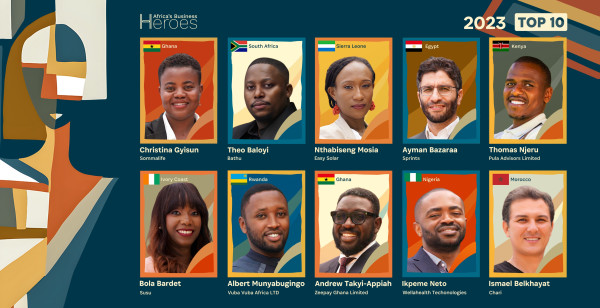
The Africa's Business Heroes (ABH) (www.AfricaBusinessHeroes.org) Prize Competition, a philanthropic program sponsored by the Jack Ma Foundation and Alibaba Philanthropy, now in its fifth year, has announced this year's top 10 finalists following an intense round of semi-finale business pitches and judging held on September 1 and 2 at Norrsken House in Kigali, Rwanda. These 10 entrepreneurs will compete for their share of the final prize of US$1.5 million in grant funding at the competition's Grand Finale scheduled for November 23 and 24.

The top 10 finalists are (in alphabetical order, by country): 

  1. Ms. Bola Bardet, CEO and Co-Founder, Susu (https://apo-opa.info/3Pq49NQ) (Benin)
  2. Mr. Ayman Bazaraa, CEO and Co-Founder, Sprints (www.Sprints.ai) (Egypt)
  3. Mr. Andrew Takyi-appiah, Founder, Zeepay Ghana Limited (https://apo-opa.info/3sCxgEH) (Ghana)
  4. Ms. Christina Gyisun, CEO and Co-Founder, Sommalife Limited (www.Sommalife.com) (Ghana)
  5. Mr. Thomas Njeru, CEO and Co-Founder, Pula Advisors Limited (https://apo-opa.info/3L4blfF) (Kenya)
  6. Mr. Ismael Belkhayat, CEO and Founder, Chari (www.Chari.co) (Morocco)
  7. Mr. Ikpeme Neto, CEO and Founder, Wellahealth Technologies (https://apo-opa.info/3qVGqvr) (Nigeria)
  8. Mr. Albert Munyabugingo, CEO and Co-Founder, Vuba Vuba Africa LTD (www.VubaVuba.rw) (Rwanda)
  9. Ms. Nthabiseng Mosia, CMO and Co-Founder, Easy Solar (https://apo-opa.info/3LaFf1X) (South Africa)
  10. Mr. Theo Baloyi, CEO and Founder, Bathu (www.Bathu.co.za) (South Africa)

The 2023 ABH top 10 entrepreneurs were selected through multiple stages of interviews and evaluation from 27,267 applications across all 54 African nations. They hail from eight African countries, including Benin, Egypt, Ghana, Kenya, Morocco, Nigeria, Rwanda and South Africa. Their start-ups have been drawn from a wide variety of industries, including agriculture, education & training, energy, financial services, healthcare, manufacturing and retail.

The 10 finalists will present their businesses on stage to a panel of inspiring businesspeople at this year's Grand Finale, which will take place in conjunction with a summit and will be the biggest in ABH's history in celebration of the fifth anniversary of the competition. Held offline in Kigali, Rwanda on 23 and 24 November and also partially livestreamed to reach audiences across Africa, the Summit and Grand Finale will be a gathering of a diverse group of African entrepreneurial ecosystem players. The action-packed event will comprise exciting sessions including speeches, workshops, an entrepreneurial showcase and a live pitch competition, among other activities. Register here to secure your seat: https://apo-opa.info/3sJzPoa

“ABH remains committed to uncovering, championing and supporting trailblazing African entrepreneurs who are bringing positive change to their communities. As we reach the fifth anniversary of our 10-year commitment to this initiative, we're excited by the expanding and diverse array of talent among our contenders,” said Jason Pau, Executive Director of International Programs at the Jack Ma Foundation. “With November on the horizon, we wish every of the top 10 finalists the best of luck on their journey, and we encourage the public to join our Summit and Grand Finale, as it promises to be truly special.”

“The ABH competition has shown that African entrepreneurship can emerge as a potent force propelling both social upliftment and economic progress. It is a dynamic stage, spotlighting ingenious start-ups that steer toward solutions, tackling challenges with a resonance that's impactful, competitive, sustainable and additive. I believe that entrepreneurs are carriers of HOPE as they can unlock possibilities that can change the world. I look forward to the Grand Finale, where the top 10 finalists will demonstrate their remarkable business acumen on stage,” said Rene Parker, Cofounder and CEO of RLabs, ABH semi-finale judge (2019 – 2023).

Originally launched in 2019, the ABH Prize Competition is Pan-African, inclusive, sector-agnostic and grassroots-oriented. It aims to identify, support and inspire the next generation of African entrepreneurs who are making a difference in their local communities by working to solve the most pressing problems and building a more sustainable and inclusive economy for the future.

For more information about ABH 2023, please visit: https://apo-opa.info/3qVklx5 and follow ABH on Twitter (https://apo-opa.info/3KY3OQs), LinkedIn (https://apo-opa.info/3R1QXQl), Instagram (https://apo-opa.info/3KZTXKa), Facebook, (https://apo-opa.info/3ylgNE9) and YouTube (https://apo-opa.info/3YDG5bH).

Distributed by APO Group on behalf of Africa’s Business Heroes (ABH).

Press Contact:
Africa's Business Heroes Press Room:
abh.press@list.alibaba-inc.com

For media inquiries or interview requests, please contact:
English:
Tracy Walakira
tracy.walakira@apo-opa.com

French/Arabic:
Malika Bouayad
malika.bouayad@apo-opa.com

About Africa's Business Heroes:
The Africa's Business Heroes Prize Competition is a philanthropic initiative sponsored by the Jack Ma Foundation and Alibaba Philanthropy. It aims to support, inspire and enable the next generation of African entrepreneurs across all sectors who are building a brighter future for the continent, by offering grant funding, training programs and support for the development of an entrepreneurial ecosystem. Over a 10-year period, each year the ABH Prize Competition and show features 10 entrepreneur finalists as they pitch their business to win a share of US$1.5 million in grant money.

Media files
Africa’s Business Heroes (ABH)
Download logo
Read moreAfrica’s Business Heroes Announces Top 10 Finalists for 2023
15 August 2023

Hopes pinned on Dr Naledi Mbude to turn around South Africa’s abysmal reading scores

Location: News

Mbude is now Deputy Director-General for Special Projects including African language education, seen by many as a key to improving child literacy

Read moreHopes pinned on Dr Naledi Mbude to turn around South Africa’s abysmal reading scores
12 May 2023

United Kingdom and Morocco partnership thriving

Location: News

United Kingdom Foreign, Commonwealth and Development Office
Download logo

Minister of State for the Middle East, North Africa, South Asia and United Nations, Lord (Tariq) Ahmad of Wimbledon, visited Morocco from 8 to 9 May 2023. He attended the fourth UK-Morocco bilateral Strategic Dialogue, following and complementing the UK-Morocco Association Council held in Rabat on 16 February.

During his visit, Lord Ahmad visited and prayed at the iconic Hassan II Mosque in Casablanca, as well as meeting British business representatives based there. On 9 May, Lord Ahmad co-chaired the ministerial session of the annual UK-Morocco Strategic Dialogue with host, Morocco's Minister for Foreign Affairs, African Cooperation and Moroccan Expatriates, Mr Nasser Bourita. As reflected in their Joint Declaration, the ministers reviewed the deepening collaboration between the UK and Morocco and identified priorities for the next year, under the 4 pillars of cooperation: political, economic, security and defence, and education and culture.

This collaboration includes growing bilateral cooperation in the health and agricultural sectors, as well as on climate, energy and sustainable finance. The Ministers signed a ‘Strategic Cooperation Framework on Climate action, Clean energy and Green growth'. It also includes:

*ongoing exchanges of expertise, such as the joint defence exercises, ‘Jebel Sahara' and ‘African Lion', both held in 2022 * collaboration between law enforcement agencies on border security, hostage negotiations, and counter-terrorism efforts

The ministers also discussed regional and international issues of common interest. These included the situation in Sudan and in Libya, developments in Israel and the OPTs, the ongoing global implications of the Russia-Ukraine war, and food security in Africa.

On completing his visit, Lord Ahmad said:

This has been a fruitful visit which has built upon the strong relationship between our 2 countries. It follows on from our collaboration as Guest of Honour at the 15th edition of SIAM last week in Meknes, and we were honoured to have hosted HRH Princess Lalla Meryem at the Coronation of HM King Charles III last week. I am confident that this relationship will continue to thrive, going forward, as our 2 Kingdoms work in partnership on political, economic and security matters, and connect our people and cultures."

Distributed by APO Group on behalf of United Kingdom Foreign, Commonwealth and Development Office.

Read moreUnited Kingdom and Morocco partnership thriving
10 May 2023

‘Industry Expertise’, ‘Technologies’ & ‘Services’

Location: News

GITEX Africa
Download logo

CIS Group, has announced its participation in the upcoming first ever GITEX Africa (www.GITEXAfrica.com) in Marrakech, Morocco from the 31st of May 3, 2023, to the 2nd of June 2023. GITEX Africa 2023 is a major technology event that brings together thousands of professionals, exhibitors, startups, and more than 100 government delegations.

During the exhibition, CIS Group plans to highlight its – ‘Industry Expertise', ‘Technologies' & ‘Services' with a keen eye on the best practices of digital transformation to help you & your customers climb the digital maturity scale.

The organization will provide the opportunity for customers, resellers, and vendors to schedule one on one meetings during the event.

Speaking about this initiative, Dr. Antoine Kareh, General Manager, CIS Group said, “At CIS Group, our legacy of success in the Middle East and Africa is due to our unrelenting focus on providing the right tools to our ecosystem at the right time. As we grow, we want our partners & customers to grow with us by leveraging our deep reach in African & Middle eastern countries and collaborating with us on the latest technologies and their implementation. Join us on this exciting journey towards a future of possibilities, where we plan to showcase our readiness and responsiveness at GITEX Africa. Together, let's explore new frontiers and achieve great things.”

Nelly Saoud, General Manager, CIS Integration said “At CIS Integration, we have a mind for the future. Our commitment to providing best-in-class, end-to-end ICT solutions and services enables our customers to optimize their performance and meet the challenges of digital transformation across all sectors. With a dynamic local presence on 4 continents and a strong reputation for trust & excellence, we are well-positioned to help our customers achieve their goals and realize the future of possibilities they need.”

Kristian Tierney, General Manager, Hiperdist Limited said “At Hiperdist, we don't just distribute products, we supply the future. The core of Hiperdist' s operation is a steadfast commitment to our partners, and we believe that by working together, we can drive innovation and shape the future of the ICT industry. Through our partnerships with leading technology vendors and our integrated logistics, support, and marketing services, our expert teams are dedicated to designing and offering solutions & services that benefit partners, vendors, and end customers.”

Distributed by APO Group on behalf of GITEX Africa.

Notes to Editors:
The list of local affiliates includes:

  • Algeria ​
  • Angola​
  • Benin​
  • Cameroon​
  • Dubai​
  • Ghana​
  • Ivory Coast​
  • Jordan​
  • Kenya​
  • Lebanon​
  • Mauritius​ – www.Hiperdist-io.com
  • Morocco​
  • Namibia​
  • Nigeria​
  • Portugal
  • Réunion​
  • Senegal​
  • South Africa​
  • Tunisia​
  • Tanzania​
  • United Kingdom​ – www.Hiperdist.com

Contact:
For more information on our participation in GITEX AFRICA 2023, send an email to:
gitexafrica@cis.com.lb

About CIS:
CIS (Computer Information Systems) is a leading ICT information systems integrator established for 40 years with a diversified portfolio of IT solutions and services, and 53 offices spanning across 40 countries. Our reach is matched only by our ability to cater to the expansion of international and mid-size enterprises serviced by highly certified experienced technology consultants.

CIS is committed to providing best-in-class, end-to-end ICT solutions and services that enable our customers to optimize their performance and meet the challenges of digital transformation across all sectors. Our technology specialization ranges from Advanced Computing, Storage, Networking, Cloud, Data Center, Edge solutions, Security, Software Technology, Big Data Analytics, and Test & Measurement equipment across industries such as FSI, Telecom, Public, Health Care, Education, Energy & Utilities

Our value-added services include end-to-end accountability, Audit & Consultancy, Deployment & Integration, Maintenance & Technical Assistance, Outsourcing, Cloud Services, and Managed Services. We work with the largest technology vendors such as Oracle, HPE, Microsoft, Cisco, Huawei, Micro Focus, Dell Technologies, G+D and VMWare to provide our customers with the best possible solutions.

With a dynamic local presence on 4 continents, including 16 Sub-Saharan Africa countries, CIS Integration has built a strong reputation for excellence and trust with our vendors and customers. Join us on our journey towards a future of possibilities.

About Hiperdist:
Hiperdist exists to grow your business. That is our sole purpose, we can assist with projects of any size, from scoping through to planning and deployment, offering advice and resource where it is needed the most, and ensuring that projects are delivered on spec, on time and on budget.

We achieve this by combining our technical expertise, business acumen, and geographical coverage with technology solutions from various international technology vendors such as VMWare, Oracle, IBM, Cisco, NetApp, Microsoft, HPE, Huawei, Palo Alto Networks, Fortinet, and many others.  With these tools we supply our clients with best-in-class, fully integrated solutions that enable them to optimize their performance, and better equip themselves for growth.

As well as being experts in their fields, our people are also passionate about realizing the potential of our region and empowering organizations to excel in the hyper-competitive, digitally transformed global market.

Our distribution solutions provide integrated logistics services, training & support services, and marketing services to help grow your business and support your customers. We know we will only succeed if you do.

Read more‘Industry Expertise’, ‘Technologies’ & ‘Services’
9 May 2023

Giveaway App to Showcase its Mobile App

Location: News

Giveaway App (https://GiveawayApp.io/) is pleased to announce its participation in the Africa's biggest tech show, GITEX Africa 2023 (https://GITEXAfrica.com/) at Marrakech, Morocco.

As a significant part of the digital revolution, Giveaway App (https://GiveawayApp.io/) believes in the interconnected power of business, innovation, and technology. The company has recently launched its Fintech app for Payment solutions.

With this all and a lot more, Giveaway App (https://GiveawayApp.io/) is feeling honored to join in big tech players appearing at GITEX AFRICA (https://www.GITEXAfrica.com/) One Africa Digital Summit in coming weeks.

GITEX is one of the most significant community events that bring the leading brands, next-gen innovators, global startups, investors, and founders under one roof. GITEX AFRICA (https://www.GITEXAfrica.com/), the continent's largest all-inclusive tech event, will connect tech titans, governments, SMEs, start-ups, coders, investors and academia, to accelerate, collaborate and explore new ventures.

A curation of emerging technologies from fintech, e-commerce, cloud, IoT, AI, telecom to cybersecurity will be heavily featured during the three-day annual pan-African forum in Marrakech, Morocco.

Unleashing the limitless possibilities of the globe's youngest continent, the event will shape the vision for a more sustainable, inclusive and tech-driven digital economy.

GITEX AFRICA (https://www.GITEXAfrica.com/) will amplify the continent's digital aspirations and achievements powered by tech savvy youth, corporates and ambitious governments.

Abraham Otitibe, CEO of Giveaway App (https://GiveawayApp.io/), said “We strive for financial inclusion for everyone.”

“Taking part in the global technology platform ecosystem is something we eagerly anticipate," he expressed further on the topic.

At GITEX AFRICA (https://www.GITEXAfrica.com/), people will get the opportunity to interact with the most transformative technologies and talk with ingenious minds that are shaking up ecosystems worldwide.

  • 20,000+ Trade Buyers
  • 125+ Government Delegations
  • 900+ Exhibitors and Startups

Giveaway App (https://GiveawayApp.io/) hopes to demonstrate its cutting-edge Fintech app solutions, unparalleled convenience, and accessibility through this opportunity.

The event will take place at Bab Jdid, Marrakech, Morocco from 31 May to 2 June 2023.

Giveaway App (https://GiveawayApp.io/) is always looking for positive and productive ways to ignite change in the business community and society at large. Our participation at the world's largest hub of business owners, innovators, entrepreneurs, and investors is a proud moment for us.

Distributed by APO Group on behalf of GITEX Africa.

Meet us at:
Stand Number: 5F-22
StartUp Pod - Single
Bab Jdid, Marrakech, Morocco

Press Contact:
Abraham Otitibe
Phone number: +2349165041855
Email: abraham@giveawayapp.io
Website: https://GiveawayApp.io/
Address: House 2, Plot 1, Otunba Toyin Asiwaju Drive, Lekki, Lagos 100001, Nigeria

About Giveaway App:
Giveaway App (https://GiveawayApp.io/) - the ultimate wallet-based app that connects users to business service providers across Nigeria, providing unparalleled convenience and accessibility. With its state-of-the-art technology, Giveaway App (https://GiveawayApp.io/) allows users to connect with thousands of decentralized POS merchants across the country that function as virtual ATM machines for cash withdrawal.

In addition to its cash withdrawal feature, Giveaway App (https://GiveawayApp.io/) offers a wide range of services that make it an essential app for both users and business service providers. Giveaway's tipping feature enables businesses to receive compensation for their services, while users can easily book appointments for haircuts and make-up through the app's schedule system. Users can also take advantage of Giveaway's power bank rental service, ensuring their devices are always charged on-the-go.

Furthermore, Giveaway App (https://GiveawayApp.io/) acts as a payment gateway for digital QR code food menus, streamlining the ordering and payment process for hospitality businesses and food and beverage providers. With its comprehensive suite of services, Giveaway is the go-to app for anyone looking to streamline their daily routine. Whether you're a user seeking convenience or a business looking to enhance customer experience and increase revenue, Giveaway has something to offer.

In summary, Giveaway App (https://GiveawayApp.io/) is an innovative and versatile app that connects users to a vast network of business service providers across Nigeria. With its cash withdrawal feature, tipping system, appointment booking, power bank rentals, and payment gateway, Giveaway App (https://GiveawayApp.io/) offers unparalleled convenience and accessibility, making it a must-have app for both users and businesses alike. Learn more at https:// GiveawayApp.io/

Media files
GITEX Africa
Download logo
Read moreGiveaway App to Showcase its Mobile App
  • Previous
  • Page 1
  • Interim pages omitted …
  • Page 4
  • Page 5
  • Page 6

Copyright © 2026 · MyZA · All Rights Reserved · Powered by Reach Trust