• Skip to main content
  • Skip to header right navigation
  • Skip to after header navigation
  • Skip to site footer
MyZA

MyZA

News, Directory, Events and Other Stuff

  • Social Media
  • Sport
  • World News
  • Home
  • Submit News
  • Directory
  • Events
  • Stratlec
  • TFSA
  • News
    • APO
    • Today’s Sport News
    • Todays Social Media and Tech Headlines
    • Today’s World News
    • Today’s SA Financial News
  • Contact
You are here: Home / Archives for new

new

25 September 2024

Call for unity in the empowerment of women

Location: News

Call for unity in the empowerment of women

Deputy Minister in the Presidency for Women, Youth and Persons with Disabilities, Mmapaseka Steve Letsike has called on nations to unite all efforts and resources for the empowerment of women and girls.

The Deputy Minister was addressing a side event of the 79th United Nations General Assembly (UNGA79) held in New York on Wednesday.

She acknowledged that the challenge of women empowerment “is great” with women and girls facing many obstacles.

“We reiterate the severity of this challenge before us as the state of women’s empowerment leaves little to be desired, and the overall picture is consistent globally, with pockets of excellence in certain areas of development.

“Women still own a smaller share of global wealth compared to men, with the Boston Consulting Group (BCG) reporting that women owned $72 trillion of global wealth in 2020 which translates to about 17% of the total value of the global wealth held by individuals in that year. 

“This disparity is linked to factors such as gender pay gaps, unequal access to financial services, and fewer opportunities for leadership roles,” Letsike said.

She added that although the challenges facing women empowerment are “evolving at an unprecedented pace”, a brighter future for all can be forged by “uniting our efforts and resources”.

“The Education Plus Initiative stands as a beacon of hope, illuminating the pathway toward empowerment for girls and young women in the fight against the spread of HIV and an increase of AIDS related deaths. 

“It emphasises the vital importance of equipping women with education and skills, access to finance, security of land tenure, entrepreneurial opportunities and appointment of women to positions of leadership in both the private and public sectors.

“By doing so, we not only enhance women’s participation in the labour market but also unlock women’s immense potential to drive sustainable economic growth as meaningful participants in the various sectors of the economy.”

The Deputy Minister added that nations need to adopt an “intersectional lens as we advance policy for the empowerment of women and adolescent girls”.

“This will ensure that the unique and overlapping experiences of individuals or groups are recognised, thereby allowing us to craft our agenda to be more equitable and inclusive. 

“As leaders and stakeholders in this transformative journey, we bear a profound responsibility to ensure our institutions and policies are adept at addressing the challenges of both today and tomorrow, particularly for marginalised persons,” Letsike said.

She called on world leaders to build a better future for women and girls today.
“As we move forward, let us be inspired by the potential within our youth, especially our girls. They are not just the leaders of tomorrow; they are the catalysts of change today. 

“Together, we can build a world where their dreams are not limited by their circumstances, but rather fuelled by the opportunities we create for them,” Letsike said.

President Cyril Ramaphosa is leading South Africa’s delegation to the High-Level General Debate of the 79th Session of the General Assembly (UNGA79) in the United States of America. The debate of the UNGA79 is taking place at the United Nations headquarters in New York, from 24 to 30 September 2024. 
– SAnews.gov.za

NeoB
Wed, 09/25/2024 - 11:45
295 views
Read moreCall for unity in the empowerment of women
25 September 2024

Welfare Organisations Unpaid for Six Months by Gauteng Government

Location: News

This is despite having signed agreements with the provincial Department of Social Development

Read moreWelfare Organisations Unpaid for Six Months by Gauteng Government
25 September 2024

Minister welcomes initiative to support investment in water sector

Location: News

Minister welcomes initiative to support investment in water sector

Water and Sanitation Minister Pemmy Majodina has welcomed an initiative by Just Water Partnerships (JWPs), which supports investments in water resilience and sustainability in low- and middle-income countries.

While participating in a panel discussion at the United Nations General Assembly in New York, United States of America, the Minister said there is a need for partnerships in the water sector to ensure that people have access to clean and fresh water.

“As the government of South Africa, we support a growing cohort of partners who are interested in developing the concept of Just Water Partnerships.

"We also believe that carefully and collaboratively structured JPWs can protect existing water resources and will leave no one behind regarding the provision of water and sanitation services, and ensure that water supplies are managed sustainably,” Majodina said on Wednesday.

The JWPs concept was formulated following a report by the Global Commission for the Economics of Water (GCEW), which highlighted that traditional economics have failed the water sector, and that a new approach to the economics and governance of water should be taken to achieve a more sustainable, just and prosperous future for all.

JWPs are thus conceived as platforms that facilitate financial and governance actors (multilateral development banks, regional development banks, development finance institutions, national governments, city and local authorities, and public development banks) to support investments on their own balance sheets, as well as to catalyse greater private finance. 

The Minister said the JPW concept mirrors the Department of Water and Sanitation’s commitment to build public-private partnerships to make clean water, decent toilets and good hygiene normal for everyone in the country.

This is in line with achieving Sustainable Development Goals 6.1 and 6.2, which aim to achieve universal and equitable access to safe and affordable drinking water for all and ensuring access to adequate and equitable sanitation and hygiene for all, and end open defecation.

“Therefore, this confirms a need for such a platform to not only ensure that investments are used efficiently and transparently, but also in a way that prioritises women, girls and others facing marginalisation globally,” Majodina said. -SAnews.gov.za
 

nosihle
Wed, 09/25/2024 - 12:06

151 views
Read moreMinister welcomes initiative to support investment in water sector
25 September 2024

When a Promise Is as Important as the People You Make It To, You Keep It

Location: MyPR

A promise kept for 45 years When a promise is as important as the people you make it to, you keep it. One of South Africa’s most trusted brands, Shoprite, this week set out to remind customers it continues to stand firm on a PROMISE originally made 45 years ago – when the supermarket chain …

Read moreWhen a Promise Is as Important as the People You Make It To, You Keep It
25 September 2024

‘We will not remain silent as apartheid is perpetrated against others’ – President Ramaphosa

Location: News

'We will not remain silent as apartheid is perpetrated against others' – President Ramaphosa

President Cyril Ramaphosa has told the United Nations General Assembly (UNGA) that South Africa will not remain silent and watch as apartheid is perpetrated against others.

In his address to the Assembly's annual high-level debate on Tuesday, President Ramaphosa said the South African story bears witness to the enduring role of the United Nations in global affairs. 

In supporting South Africa’s struggle for liberation, the President highlighted that the UN affirmed the principles of the UN Charter – fundamental human rights, the dignity and worth of every person, and the equal rights of nations large and small. 

“It affirmed the aspiration contained in the Universal Declaration of Human Rights that we should strive for a world free of barbarous acts that outrage the conscience of mankind.

“We South Africans know what apartheid looks like. We lived through it. We suffered and died under it. We will not remain silent and watch as apartheid is perpetrated against others. Through the United Nations and the instruments it wields, we must end this suffering,” the President said. 

He further reiterated South Africa’s call for an immediate cease fire, and for the release of all hostages.

He highlighted that the violence the Palestinian people are being subjected to is a grim continuation of more than half a century of apartheid. 

“The only lasting solution is the establishment of a Palestinian State, existing side by side with Israel with East Jerusalem as its capital,” he said. 

Earlier this month, The Presidency announced that South Africa is set to submit its Memorial to the International Court of Justice (ICJ) in October 2024, presenting evidence to support its claim that Israel is committing genocide in Palestine.

The Memorial will outline facts and arguments as part of a broader legal effort to hold Israel accountable under international law.

READ | SA to file Memorial to the ICJ on Israel matter

Addressing the conflicts in the Democratic Republic of Congo (DRC), Sudan, Yemen, Ukraine, and the Sahel region, the President highlighted the country's role in supporting international efforts for conflict resolution. 
“Our moral conscience further demands that we exert every effort to bring peace to the Democratic Republic of Congo, to Sudan, to Yemen, to Ukraine and to the troubled Sahel region. We must realise the aspirations of the people of Western Sahara to self-determination.”

He emphasised that achieving and maintaining peace and security requires the collective will of the community of nations.

Reform of the UN Security Council 

“It requires that the UN Security Council is representative and inclusive. Seventy-eight years since its formation, the structure of the UN Security Council remains largely unchanged. 

“Africa and its 1,4 billion people remain excluded from its key decision-making structures.  The Security Council has not fulfilled its mandate to maintain international peace and security,” he said. 

The President called for the UN Security Council to be reformed as a matter of urgency and become more inclusive so that the voices of all nations are heard and considered.

“Africa stands ready to play its part in building a safer global order. The African Union and its member states are engaged in mediation, dialogue, and diplomacy across the continent, to create conditions under which peace and development can take hold. 

“There must be greater collaboration between the AU [African Union] and the UN towards resolving these conflicts, and also in addressing their root causes,” he said. 

President Ramaphosa is leading South Africa’s delegation to the High-Level General Debate of the 79th Session of the General Assembly (UNGA79) in the United States of America.

The High-Level General Debate of the UNGA79 is taking place at the United Nations headquarters in New York, from 24 to 30 September 2024. 

Speaking at the African Minerals Forum hosted by the Business Council for International Understanding (BCIU) and Prosper Africa on Monday, the President emphasised the importance of the critical minerals sector in driving global economic growth and sustainability. 

By leveraging key sectors such as mining, energy, and manufacturing, the President said South Africa is set to improve its business environment and attract much-needed investment.
The President addressed the session on the sidelines of the UNGA.

READ | Critical minerals sector key to driving global economic growth

-SAnews.gov.za


DikelediM
Wed, 09/25/2024 - 09:55

376 views
Read more‘We will not remain silent as apartheid is perpetrated against others’ – President Ramaphosa
25 September 2024

Villagers Have Had No Tap Water for 15 Years, but They Live 3KM From a Dam

Location: News

The Maluti-a-Phofung municipality is intermittently supplying Jwala-Boholo and Qoqolosing villages with water trucks

Read moreVillagers Have Had No Tap Water for 15 Years, but They Live 3KM From a Dam
24 September 2024

The Delight of Chocolates for Every Occasion

Location: Entertainment, MyPR

Chocolates have a timeless charm that transcends cultures, regions, and events. Whether you’re indulging in a sweet treat or selecting the perfect gift, chocolates always make an impact. From special occasions to thoughtful gifts, these delicacies play a key role in adding sweetness to life’s precious moments. A Variety of Chocolate Bars for All Tastes …

Read moreThe Delight of Chocolates for Every Occasion
24 September 2024

Choosing the Right Forklift for Your Business Needs

Location: MyPR

Forklifts are essential for businesses that manage heavy lifting, stock management, and warehouse operations. They help move materials efficiently, saving both time and physical effort. With so many options available, it’s important to know what type of forklift suits your needs, whether you’re looking to buy, rent, or hire. Types of Forklifts Understanding the different …

Read moreChoosing the Right Forklift for Your Business Needs
24 September 2024

New Course Records for Xaba and Kipngetich at Absa RUN YOUR CITY JOBURG 10K

Location: MyPR

Glenrose Xaba delivered another distance running masterclass at the Absa RUN YOUR CITY JOBURG 10K on National Heritage Day (Tuesday 24 September 2024). After setting a 31:12 national record at the Absa RUN YOUR CITY DURBAN 10K in July and winning last month’s Absa RUN YOUR CITY TSHWANE 10K in 31:51 which was the fastest …

Read moreNew Course Records for Xaba and Kipngetich at Absa RUN YOUR CITY JOBURG 10K
24 September 2024

A Guide to Choosing the Right Padel Racket for Your Game

Location: MyPR

Padel has rapidly gained popularity worldwide, and with this growth comes the need for high-quality equipment, especially when it comes to choosing the right racket. Whether you’re just getting started or looking to upgrade your gear, selecting the right racket can have a significant impact on your performance. In this guide, we will take a …

Read moreA Guide to Choosing the Right Padel Racket for Your Game
24 September 2024

Critical minerals sector key to driving global economic growth

Location: News

Critical minerals sector key to driving global economic growth

President Cyril Ramaphosa has emphasised the importance of the critical minerals sector in driving global economic growth and sustainability. 

By leveraging key sectors such as mining, energy, and manufacturing, the President said South Africa is set to improve its business environment and attract much-needed investment.

He was addressing the African Minerals Forum hosted by the Business Council for International Understanding (BCIU) and Prosper Africa on the sidelines of the United Nations General Assembly (UNGA 79), in New York, USA, on Monday. 

He highlighted that four months ago, South Africa held national general elections, which ushered in a Government of National Unity, where 10 political parties have come together to coalesce around a common agenda for economic growth and sustainable development.

President Ramaphosa underlined South Africa's commitment to reducing greenhouse gas emissions and mitigating climate change through the country's Just Energy Transition Plan. This plan aims to guide the shift from coal to renewable energy, while also ensuring equitable economic opportunities for affected communities. 

“South Africa's and Africa’s critical minerals sector has a crucial role to play in this regard, and we recognise the importance of collaboration with other countries to develop the potential of our critical minerals sector. 

“The US in particular has established expertise in advanced mining technologies, automation and sustainability practices. 

“We want to strengthen our ties with US companies and institutions to foster technological advancements, enhance supply chain efficiencies and attract investment into our mining sector,” the President said. 

The President also emphasised that South Africa strongly endorses the United Nations Secretary-General’s position paper on Critical Energy Transition Minerals, where he highlights the importance of beneficiation, benefit sharing, local value addition and economic diversification.

“It would not be an understatement to say that the minerals that lie beneath the soil of Africa are powering the green energy revolution. Thirty percent of the world’s proven critical mineral reserves are found in Sub-Saharan Africa.

“South Africa has substantial reserves of platinum group metals, manganese, vanadium as well as chromium. 

“These resources are fundamental to the development of cutting-edge technologies that drive progress in various sectors. What will be critical is to ensure that this progress does not leave Africa behind,” he said.

The President stressed the need to avoid perpetuating colonial-era exploitation, where African countries primarily export raw minerals. He said that by focusing on beneficiation and domestic processing, African nations could see significant economic growth. 

President Ramaphosa highlighted that beneficiation and local processing of critical minerals could increase the continent’s GDP by 12% or more by 2050. 

He cited estimates suggesting that African countries could generate USD 24 billion annually in GDP and create 2.3 million jobs by investing in mining beneficiation and domestic processing.

President Ramaphosa highlighted the strides made by SASOL, South Africa’s flagship petrochemical company, in leading green hydrogen technologies research and development. 

“As the global automotive industry moves towards Electric Vehicles and New Energy Vehicles, we are leveraging our rich experience with automotive production to get some of the world’s leading automotive manufactures with a footprint in South Africa to produce more their green vehicles in our country,” he said. 

Despite improvements in the beneficiation of South Africa’s mineral exports, President Ramaphosa admitted that more needs to be done. 

He underscored the country’s commitment to creating a supportive policy framework for the critical minerals sector, focused on streamlining regulations, fostering innovation in mining technologies, building workforce skills, improving transport and logistics infrastructure, and incentivising investment.

South Africa's five-point policy approach aims to create a supportive environment for the critical minerals sector. This includes simplifying regulations, supporting research and development in mining technologies, investing in workforce skills, improving logistics infrastructure, and incentivising domestic and international investment. 

“South Africa also has a beneficiation strategy that seeks to translate the benefits of our country’s mineral endowments into a national competitive advantage. 

“As the UN Secretary-General’s paper has noted, Critical Energy Transition Minerals can transform economies, create green jobs and foster sustainable local, regional and global development,” he said. 

President Ramaphosa further stressed that for the potential of critical minerals to be fully realised, both mineral-producing nations and their end-user countries must embrace inclusivity. 

He emphasised the importance of creating decent work opportunities, eradicating exploitative practices such as child and forced labour, and ensuring human rights protections. 

Local beneficiation and industrialisation were highlighted as priorities, alongside environmental safeguards to ensure sustainable extraction practices. 

The President urged for a long-term focus on inter-generational equity, recognising that critical minerals are vital for solving global challenges like climate change, energy, and food insecurity. 

He called on US companies to collaborate in fostering sustainable development.

“By leveraging our respective strengths, pursuing strategic collaborations, and implementing supportive policies, we stand ready to meet the demands of the global market and drive sustainable development. 

“I call on US companies and investors to join us on our journey,” he said. – SAnews.gov.za

DikelediM
Tue, 09/24/2024 - 10:07

396 views
Read moreCritical minerals sector key to driving global economic growth
24 September 2024

Heritage sites key tourist destinations – Mashatile

Location: News

Heritage sites key tourist destinations - Mashatile

Acting President Paul Mashatile has urged the South Africans to seize the opportunity to highlight heritage sites as key tourist destinations, contributing to socio-economic development, fostering people-to-people connections, and promoting social cohesion.

Mashatile was delivering the keynote address during the Heritage Day commemoration at Meqheleng Stadium, Ficksburg, on Tuesday. 

“As we celebrate Heritage Month, which coincides with Tourism Month, we should use this opportunity to showcase to the nation the significance of our heritage sites across the country as tourist destinations of choice that have the potential to contribute to socio-economic development, promote people-to-people relations and enhance social cohesion.

“On this day, we should also celebrate our cultural diversity, our inherited sense of family identity, our traditions, cultural wealth, and artefacts passed down through the generations, particularly since the dawn of democracy,” he said. 

The Acting President told South Africans to reflect on 30 years of democracy, which in itself is a milestone that underlines the nation’s diversity and heritage. 

He noted that it is also critical that the country recognise and remember the courageous individuals such as JB Marks and Moses Kotane and many others who gave their all for the great gift of our freedom. 

The 2024 Heritage Day is celebrated under the theme: "Celebrating the Lives of Our Heroes and Heroines Who Laid Down Their Lives for Our Freedom. 

Mashatile said the theme is fitting because it allows the country to honour the lives of those who confronted adversity with unflinching bravery, and stood up against injustice and oppression. 

“The commemoration of our heritage is a result of the sacrifices and efforts of those who came before us, fighting against apartheid and championing social justice and human rights.

“It is therefore important that we, as a nation, preserve the memory of those who fought for our freedom. They have dedicated and sacrificed their lives to the defence of our country, as well as the assertion of the values and principles that must be upheld. It is because of their bravery, resilience, and resolute commitment that we have a brighter future for generations to come,” he said. 

Mashatile emphasised the importance of honouring struggle heroes and educating future generations about their sacrifices.

As part of this process, and in honour of the freedom fighters who have made the ultimate sacrifice, Mashatile highlighted that the country will be honouring those who have fallen outside of the borders. 

A homecoming ceremony will take place this Friday in which President Ramaphosa will officially receive the repatriated remains from Zambia and Zimbabwe. 

As South Africa marks three decades of democracy, the nation reflects on its rich heritage while acknowledging ongoing challenges such as unemployment, poverty, and inequality. 

Acting President also urged citizens to unite and celebrate diversity in the pursuit of a more equal society where opportunities are not dictated by colour, gender, class, or religion.

“To tackle these ongoing challenges, we must unite and celebrate our diversity while striving to create a more equal society where opportunities are not determined by colour, gender, class, or religion.

“This would entail increasing people's skills through access to equal education opportunities, quality health care for all, and provision of basic amenities, as well as facilitating work opportunities and shifting economic ownership patterns,” he said. 

Furthermore, Mahsatile said government, interfaith, civil society formations and traditional leaders must work together to eliminate persisting inequalities and Gender-Based Violence and Femicide (GBVF) which is prevalent in our communities. He added that all acts of criminality, and GBVF undermine government efforts to foster the culture of social cohesion and moral regeneration.

“We must not let anybody conceal evil acts of abuse under the guise of one’s belief system and culture. It has to be said that no nation can condone any form of abuse against women, children and those most vulnerable within society, including the LGBTQIA+ community. To demonstrate our commitment to the fight against GBVF, the government has introduced new laws protecting women and children,” he said. 

He highlighted that on 24 May 2024, the President signed the National Council on Gender-Based Violence and Femicide Bill into law.

This new legislation is a significant step towards protecting women and children from abuse and violence, by way of establishing a council to provide strategic leadership in the fight against Gender-Based Violence and Femicide.

Mashatile called for the confrontation of issues related to heritage resources in public spaces, which continue to pose a challenge in defining a collective cultural identity and building a nation united in its diversity.

“In our country, the impact of apartheid remains visible, and the wounds of past divisions and inequalities remain unresolved. Therefore, we need to continue to build on that which unites us and deal with issues that seek to divide us as a nation. 

“It is through understanding and celebrating our shared heritage that we can begin to bridge the gaps that divide us and move forward as a united and inclusive society,” he said. 

He added that the reality of the nation’s political climate under the Government of National Unity, also gives an opportunity to collectively re-imagine what the heritage of good governance in South Africa can look like. 

“Our ability to look beyond our differences and converge on the shared agenda to bring about inclusive growth, job creation and poverty reduction is one of the examples that the government is showing its commitment to uniting through diversity,” he said. 

Mashatile further called on different sectors of society to collaborate with the South African Heritage Resource Agency to develop community abilities and capacities to help identify and protect heritage resources.

“We have to guard and protect our heritage from forms of neglect and threats such as natural disasters, urbanisation, globalisation and developments that pose challenges to the preservation of our most treasured landmarks, artefacts, and traditions. 

“All communities from the Free State Province, including Ficksburg, have the responsibility to protect and preserve historical sites like the Old Prison Cells and the General Fick Museum. We must educate young people about the significance of such sites because they are an important part of who we are and where we come from,” he said. 

He also called for a renewed commitment to heritage conservation, emphasising its importance not only in preserving the past but also in shaping South Africa's future. 

"Our heritage is more than a collection of artefacts; it defines who we are and where we are headed as a nation,” he said. 

Mashatile stressed the need to protect both tangible and intangible heritage, highlighting the connections among diverse communities through shared living heritage, including oral histories, belief systems, cultural practices, and indigenous knowledge. 

He noted that these elements are foundational to the nation's identity, saying, “Preserving intangible cultural heritage is vital to maintaining our integrity, values, and mutual respect.”

He urged all stakeholders - families, NGOs, traditional and interfaith leaders, educational institutions, businesses, and media to engage in promoting and protecting intangible cultural heritage

Mashatile encouraged pride in native languages and urged South Africans to learn each other's dialects to foster mutual understanding and respect.

The Acting President called on intellectuals and language practitioners, along with organisations like the Pan South African Language Board, to implement programmes aimed at preventing linguistic knowledge extinction, especially among younger generations.

“As South Africa continues to develop, it is crucial to preserve our heritage for generations to come. We must cherish, protect, and celebrate the monuments, sites, and traditions that define our unique identities, ensuring that they are passed on to future generations.

“Most importantly, while we celebrate our rich past and unique culture, we must remember the sacrifices made by those who fought for our independence. May we never forget the price paid for our freedom, and may we always remember the lives of our heroes and heroines who sacrificed everything for our country,” he said. 

In closing, Mashatile called for collective action to preserve the nation's legacy and shape a better future for all South Africans. – SAnews.gov.za

DikelediM
Tue, 09/24/2024 - 15:53

148 views
Read moreHeritage sites key tourist destinations – Mashatile
24 September 2024

Parliament Statement on Heritage Day

Location: News

Republic of South Africa: The Parliament
Download logo

The Presiding Officers of Parliament, Ms Thoko Didiza, Speaker of the National Assembly, and Ms Refilwe Mtshweni-Tsipane, Chairperson of the National Council of Provinces, join the country in commemorating Heritage Day.

Today, as a country, we draw inspiration from the words on our National Coat of Arms, !ke e: /xarra //ke, written in the Khoisan language of the /Xam people, meaning diverse people unite. Ours is a diverse nation woven by various cultures, customs, and languages that make us unique. These are constant reminders that our unity, even in our diversity, is our strength as a country.

On this day, the Presiding Officers note that Heritage Day is also a time to remember and take pride in what unites us – our Constitution. Our Bill of Rights, which is a cornerstone of our democracy, states that no person may be discriminated against based on their ethnicity, belief, culture, language, or birth.

In a time when many countries are often divided by culture, ethnicity and language, we have continued to show resilience and embrace our differences as a country. The last 30 years of democracy are also testament to the significant progress in developing our shared heritage as a country.

As the democratic Parliament, we have committed a considerable amount of time to pass laws as redress to the harm caused by the Western and colonial culture, which dismissed Indigenous African heritage as primitive and having no cultural significance.

To transform South Africa's heritage landscape, the democratic government, and the democratic Parliament in particular, focused on developing laws that enabled policy change and created institutions that would address colonialism's effects on social justice and nation-building.

This Heritage Day takes place at a time when significant progress is being made in rebuilding the damaged buildings of our Parliament. This crucial people's project will preserve and promote the nation's diverse heritage while recognising the National Assembly Chamber's historical value in reflecting the country's aesthetic and cultural legacy. The new design incorporates modern engineering while respecting the building's original significance, with features like a raised structure that allows the public to connect with the land beneath.

This project exemplifies the principles of the National Heritage Resources Act, which emphasises that heritage is unique, precious, and central to shaping our cultural identity. The restoration not only safeguards the National Assembly's historical and architectural integrity but also serves as a powerful symbol of unity in diversity. By blending historical value, indigenous knowledge, and modern innovation, the new National Assembly Chamber will continue to affirm South Africa's rich heritage and inspire future generations to uphold the values of democracy and cultural unity.

Recently, the United Nations Educational, Scientific and Cultural Organisation (UNESCO) has recognised South Africa's investment in the promotion and preservation of heritage by declaring the Pleistocene Occupation Sites of South Africa and the inscription of sites termed Human Rights, Liberation and Reconciliation: Nelson Mandela Legacy Sites as World Heritage Sites. The addition of these two sites means South Africa is now home to 12 of the 1 223 sites on the World Heritage List.

“Today, let us celebrate our unity in diversity, unique cultures, related artefacts, music, and variety of food. Those who came before us left us with a proud heritage, and our current generation is responsible for celebrating and preserving it. Let us continue strengthening our commitment to preserving our living heritage and work collectively towards a brighter, more inclusive future for South Africa.”

Distributed by APO Group on behalf of Republic of South Africa: The Parliament.

Read moreParliament Statement on Heritage Day
24 September 2024

President Ramaphosa urges US business to invest in SA’s growing economy

Location: News

President Ramaphosa urges US business to invest in SA’s growing economy

President Cyril Ramaphosa has called on US businesses to deepen their investment ties with South Africa, highlighting the country's renewed focus on economic recovery and structural reform. 

Speaking at the SA-US Interactive Business Forum in New York on Monday, the President emphasised the progress made under South Africa's Government of National Unity (GNU) and the vast opportunities available to foreign investors.

He said this is a “timely intervention”, referencing his first visit to the US since South Africa's general elections in May, which led to a coalition government of political parties committed to inclusive growth and job creation.

“The advent of the Government of National Unity has renewed investor optimism in the South African economy. The message I bring to US investors today is that this optimism is well-placed. 

“South Africa is firmly on the road to recovery, and we invite you to be part of this journey. Investments in South Africa are secure. Our business environment is stable. This is supported policy certainty and regulatory safeguards,” the President said. 

He added that South Africa intends to stay the course on the structural economic reform process, on scaling up investment in key infrastructure, and on improving the business operating environment.

The President noted South Africa’s success in attracting investment, revealing that the country had achieved its target of raising R1.2 trillion (approximately USD 63.6 billion) ahead of schedule in 2022. 

 “We have announced a new target of approximately R2 trillion or approximately USD 100 billion over the next five-year period up to 2028. 

“The far-reaching structural reforms we have implemented over the past six years have opened up the country to increased levels of investment that continues to grow,” the President said. 

Ramaphosa particularly underscored the potential in the clean energy sector, which has attracted significant investment, supporting South Africa’s commitment to decarbonisation and energy security. 

"We are equally committed to a Just Energy Transition that is inclusive, that take our developmental needs into account, and that leaves no community behind. 

“We have a supportive and enabling industrial policy that incorporates amongst others expanding the special economic zones, driving export-led growth, and harnessing the potential of the Africa Continental Free Trade Area or AfCFTA. In January 2024 we began preferential trading under the AfCFTA,” he said. 

The President emphasised that the Government of National Unity is furthermore committed to prudent monetary and fiscal policy and to strengthening regulatory and legislative frameworks to combat corruption.

The President also highlighted the importance of strategic partnerships with US businesses, especially in sectors like advanced manufacturing, energy, healthcare, and infrastructure. 

“South Africa and Africa is ripe for investment in financial services, advanced manufacturing, energy, healthcare, infrastructure development, mining, science and technology and other sectors. South Africa is also developing the value chains of the future.

“With substantial reserves of critical energy transition minerals, we are positioning ourselves to be at the forefront of the green energy revolution,” he said. 

He added that as the country with the world’s largest platinum group metal reserves, South Africa has a competitive advantage when it comes to the production of sustainable energy technologies, including electric vehicles, new energy vehicles and renewable energy components.

President Ramaphosa praised the collaboration between the New York Stock Exchange (NYSE) and Johannesburg Stock Exchange (JSE), following the 2022 Memorandum of Understanding. He stated that the partnership between the two stock exchanges “promotes cross-border investment and drives economic growth on a global scale.”

The President further highlighted the US as one of South Africa’s most valued trade partners, noting that bilateral trade totalled USD 17.6 billion in 2022. 

He also praised the impact of the African Growth and Opportunity Act (AGOA) in fostering trade and creating jobs in sectors like automotive, agriculture, and precious metals.

With Africa's population expected to reach 2.5 billion by 2050, President Ramaphosa painted a bright picture of the continent's economic prospects, noting that the African Continental Free Trade Area (AfCFTA) would "drive a wave of industrialisation and create dynamic regional value chains."

“This too presents opportunities for US businesses and investors, and opens up new markets for their goods, products and services. 

“Mutually beneficial trade and investment not only unlocks the dynamism and potential of an entire continent. It will also aid Africa’s efforts to achieve the Sustainable Development Goals,” the President said. 

In closing, President Ramaphosa reassured investors of the stability and security of investments in South Africa. 

“South Africa is open for business. Sustainable and inclusive growth spurs development and creates jobs.

“Together, we can forge a path to shared success and progress, leveraging our combined strengths to achieve enduring prosperity for our people,” the President said. – SAnews.gov.za


DikelediM
Tue, 09/24/2024 - 11:01

179 views
Read morePresident Ramaphosa urges US business to invest in SA’s growing economy
24 September 2024

Understanding How Competitors Build Their Websites to Improve Your Strategy

Location: MyPR

The way a competitor’s website is built reveals more than just technical decisions; it offers a window into their overall business strategy. By examining the platforms, plugins, and tools they use, you can gain valuable insights to enhance your own digital strategy. Whether your focus is on SEO, user experience, or performance optimisation, understanding the …

Read moreUnderstanding How Competitors Build Their Websites to Improve Your Strategy
24 September 2024

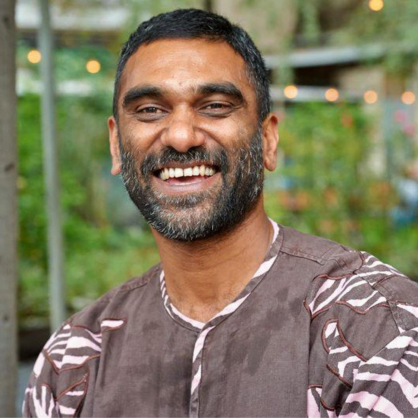
Kumi Naidoo Appointed President of Fossil Fuel Treaty Initiative

Location: News
Fossil Fuel Non Proliferation Treaty Initiative

As the Fossil Fuel Non Proliferation Treaty Initiative (https://FossilFuelTreaty.org/) embarks on a new phase of the campaign and the development of the global Treaty, the Initiative announced today the appointment of Kumi Naidoo, globally recognized South African environmental and human rights leader, as its new President. Naidoo brings over three decades of activism and leadership experience to the role, and will help spearhead the organization's mission to secure a global plan for a just, financed and equitable transition away from fossil fuels.

Kumi Naidoo, whose activism has its roots in South Africa's tumultuous political past, has been a leading voice advocating for climate justice, sustainable development, and human rights across the world. As former Executive Director of Greenpeace International and Secretary General of Amnesty International and CIVICUS, he has been at the forefront of pivotal movements shaping environmental policy and social justice.

In response to his appointment, Kumi Naidoo said: “Throughout my life, I have sought justice for those marginalized by unjust political, economic and energy systems, especially in the Global South. The Fossil Fuel Treaty embodies this mission—it is a movement for global justice. It recognizes that to effectively address the climate, health, environmental, economic and social risks posed by fossil fuels, we must foster international cooperation for a rapid and just transition away from these harmful resources, ensuring that countries, communities and individuals in the South are not left behind. We must bring together world leaders who are committed to protecting what we love and have the courage to take action—the governments leading this initiative are the ones already doing that.”

The World Health Organization (https://apo-opa.co/3ZwZmQ5) estimates that outdoor air pollution, largely caused by fossil fuel emissions, contributes to over 4.2 million premature deaths annually. From compromising health, security, and livelihoods to fueling conflicts globally, fossil fuels undermine all 17 UN Sustainable Development Goals (SDGs) (https://apo-opa.co/4dkGGGp). The scientific and economic evidence is clear: there can be no new fossil fuels in a healthy, thriving world.

“There are enough solutions out there in the world to transition away from oil, gas and coal, but that requires countries to stop expanding these projects and start focusing on clean, safe and fair energy sources. We need bold ideas, and this is the biggest new idea there is, and just at a time when the power and deception of the fossil fuel industry are finally being exposed, and countries are beginning to realize that we need to phase out fossil fuels. The Treaty is a blueprint for how to do that in a fair and equitable way. Later is too late. The race to see who will join the growing bloc of countries at the forefront of the solution is on; and the time to act is now.”, reinforced Naidoo.

Kumi Naidoo's strong commitment to equity and innovative approach to advocacy were celebrated by the members of the initiative's steering committee. They emphasized that these qualities are essential as the Fossil Fuel Treaty initiative enters a critical phase on the mission to unite countries to negotiate a new, binding global plan for a rapid and fair transition away from oil, gas, and coal. The Steering Committee also takes the opportunity to welcome a new Co-Chair, Reverend James Bhagwan, General Secretary of the Pacific Conference of Churches.

Tzeporah Berman, Chair and Founder of the Fossil Fuel Treaty initiative and a long-time environmental activist, commented on Naidoo's appointment: “I am thrilled to welcome Kumi Naidoo as the new President of the Fossil Fuel Treaty Initiative. Kumi's visionary leadership, deep understanding of global issues, and unwavering commitment to justice make him the addition we need to help guide our movement through this crucial phase of the campaign as we bring more governments on board. His passion for the cause and extensive experience in climate advocacy will be instrumental as we strive to unite nations and make this Treaty a reality. True leadership is measured by the courage to confront the bullies in the oil and gas industry, declare that their time is up, and create a clear plan for a sustainable future. The Treaty is that plan, and Kumi is one of those true leaders. He has done it before, from fighting apartheid to contributing to the negotiation of the Paris Agreement – and together we will do it again now, to address the greatest threat of our time. We are also thrilled to welcome Reverend James Bagwan as a Co-chair to the Initiative. Reverend James brings years of experience and crucial perspectives from the faith community and leadership from the South Pacific.”

Mohamed Adow, Founder and Director of Power Shift Africa, and member of the Fossil Fuel Treaty Steering Committee: “Africa – and the world – is burning, both literally and figuratively. The appointment of Kumi Naidoo as President of the Fossil Fuel Treaty Initiative brings strengthened inspiration to our movement, at a time when we can no longer accept weak leaders and their empty promises. We share the rage at the reality of climate impacts and energy poverty that plagues our continent. And we share a commitment to fight with those who bear the brunt of a crisis they have not created. Africans have been marginalized in the quest for justice, our rights violated and our contributions overlooked. With Kumi joining the leadership of this Initiative, we are set to amplify the vision and voice of our continent, and demand the change our people deserve. Accompanied by Rev James as Co-Chair it is clear that the Fossil Fuel Treaty is a marker of equity and justice in international negotiations.”

Tasneem Essop, executive director of Climate Action Network, and member of the Fossil Fuel Treaty Steering Committee: “As someone who participated in the transformative power of global solidarity during the anti-apartheid movement in South Africa, I welcome Kumi's appointment as President of the Fossil Fuel Treaty with great hope. In our historic struggles we have always defied the odds and succeeded. We must now believe again that we can fight the existential threat of fossil fuels through our collective action. Kumi's leadership will help contribute to building the kind of people-powered movement we need to safeguard our future. We must harness that spirit of solidarity to tackle the culprits of the climate crisis and protect our communities and our planet. Together with Rev James joining as Co-Chair, and with the entire leadership of the Fossil Fuel Treaty initiative, we can be optimistic about winning this fight for a just and fossil free future."

Reverend James Bhagwan, General Secretary of the Pacific Conference of Churches and new Co-Chair of the Fossil Fuel Treaty Initiative Steering Committee: ”I am deeply honored to be named the new Co-Chair of the Fossil Fuel Treaty Initiative Steering Committee. The call from communities, governments, and churches from the region that is spearheading the political call for a Fossil Fuel Non-Proliferation Treaty is a powerful affirmation of the just transition we urgently need. It also highlights the vital role that faith communities play in mobilizing climate action. The ecological transformation we seek through the Fossil Fuel Treaty requires that we abandon our self-centered attitudes and act collaboratively for the good of the collective. Together with other leaders in this movement, we must cultivate the will to do what is right and just, have the foresight to sacrifice immediate gains for the greater good, and inspire hope that we can leave our children a healthier and more sustainable world than the one we inherited."

The Fossil Fuel Treaty initiative aims to negotiate a binding global agreement to phase out fossil fuel production fast and fairly, aligned with scientific and economic consensus. As world leaders prepare for crucial negotiations this September in New York City, Naidoo's leadership is expected to elevate the urgency of this mission, rallying stakeholders across sectors, advocating for systemic change to protect our climate and communities.

Distributed by APO Group on behalf of Fossil Fuel Non Proliferation Treaty Initiative.

Media Contacts:
Nathalia Clark
nathalia@fossilfueltreaty.org
+5561991371229 (GMT-3)

Note to Editors: 
Kumi Naidoo is a human rights and climate justice activist from South Africa. He was Executive Director of Greenpeace International (from 2009 through 2015) (https://apo-opa.co/3ZGer1T) and Secretary General of Amnesty International (from 2018 through 2019) (https://apo-opa.co/3BcjSLM). Naidoo also served as the Secretary-General of CIVICUS, the international alliance for citizen participation, from 1998 to 2008. He was an activist against the apartheid regime and its educational system in South Africa. Naidoo's activism went from neighborhood organizing and community youth work to civil disobedience with mass mobilisations against the white controlled apartheid government. He has written about his activism in this period in his memoirs titled, “Letters to My Mother: The Making of a Troublemaker”.

He is available for interviews, and will be in New York City to attend Climate Week events from September 20th to 27th. Further details about the Fossil Fuel Treaty initiative can be provided upon request.

About the Fossil Fuel Treaty Initiative: 
The Fossil Fuel Non-Proliferation Treaty Initiative is spurring international cooperation to end new development of fossil fuels, phase out existing production within the agreed climate limit of 1.5°C and develop plans to support workers, communities and countries dependent on fossil fuels to create secure and healthy livelihoods. For more information on the Fossil Fuel Non-Proliferation Treaty Initiative and proposal, access here (https://FossilFuelTreaty.org/).

Media files
Fossil Fuel Non Proliferation Treaty Initiative
Download logo
Read moreKumi Naidoo Appointed President of Fossil Fuel Treaty Initiative
24 September 2024

Understanding Forklift Solutions: Rental, Sales, and Hire Options

Location: MyPR

Forklifts are essential in a wide range of industries, including manufacturing, warehousing, and construction. They are used for moving heavy materials over short distances and play a crucial role in improving operational efficiency. Whether you’re looking for a forklift for short-term use or a long-term investment, there are several options to consider, including rentals, sales, …

Read moreUnderstanding Forklift Solutions: Rental, Sales, and Hire Options
23 September 2024

Using Carbon Dating to Stop Elephant and Rhino Poaching

Location: News

But even a controlled ivory trade may send the wrong message

Read moreUsing Carbon Dating to Stop Elephant and Rhino Poaching
23 September 2024

A water secure Africa in the spotlight at UN General Assembly

Location: News

A water secure Africa in the spotlight at UN General Assembly

Water and Sanitation Minister, Pemmy Majodina, and a delegation of water sector stakeholders will attend the 79th United Nations General Assembly (UNGA) in New York, USA from 24 to 26 September 2024.

The Minister will join other global leaders in interrogating and mobilising commitments for a water-secure Africa.

President Cyril Ramaphosa is attending the UN General Debate and High-Level Week (UNGA79) in New York from 21-24 September 2024.

This annual gathering of world leaders is the most important event on the UN calendar, with Heads of State and Government and Heads of International Organisations discussing global challenges and how to address these challenges in the best interest of humanity. 

Majodina is expected to participate in panel discussions to review the progress in mobilising investments for the AU High Level Panel Investment Action Plan and outline a road map towards the coming AU Africa Water Investment Summit and UN Water Conference in 2026, with South Africa leading the G20 Presidency next year.

As part of the AU High-Level Panel, Majodina said South Africa will participate in discussions and the review of previous UN recommendations on how to accelerate progress to achieve access and sustainable management of water and sanitation for all, as well as the achievement of other multiple SDGs.

“The deliberations will focus on understanding, valuing, and managing water to provide a foundation for broader integrated water management and building partnerships and international collaboration at the global level,” Majodina said.

The Minister is also expected to participate in panel discussions on Climate Change and Water, Sanitation and Hygiene (WASH), to explore wider methods and opportunities to advance their agendas.

READ | President Ramaphosa in New York for UN General Assembly

President Ramaphosa is expected to address the General Assembly on the opening day, Tuesday, 24 September 2024.

This year, the African Group presides over the General Assembly, with Philemon Yang, former Prime Minister of Cameroon, elected as President of the 79th Session.

The theme identified by the President of UNGA79 is: "Unity in diversity, for the advancement of peace, sustainable development and human dignity for everyone everywhere.”

Among the issues on which President Ramaphosa will focus on during his engagements in New York include the necessity for the maintenance of international peace and security; the Sustainable Development Goals (SDGs) and the implementation of the 2030 Agenda; climate change and the upcoming COP29 in Baku; financing for development, and health and pandemic preparedness. – SAnews.gov.za
 

GabiK
Mon, 09/23/2024 - 14:05

442 views
Read moreA water secure Africa in the spotlight at UN General Assembly
23 September 2024

Parts on Call Expands Its Reach for Used Nissan Spares in South Africa

Location: MyPR

Parts On Call Expands: Now Offering Premium Nissan Parts Across South Africa At Parts On Call, we’re thrilled to share the news that we’ve expanded our product range to now include a full selection of premium, pre-owned Nissan parts. As one of the leading suppliers of used automotive parts in South Africa, our commitment to …

Read moreParts on Call Expands Its Reach for Used Nissan Spares in South Africa
23 September 2024

Small Waves and Big Scores for Day Two of the Rip Curl Gromsearch Seal Point

Location: MyPR

Seal Point, Cape St Francis – small but contestable waves were the order of the day for the second day of the Rip Curl GromSearch Seal Point presented by Sea Harvest and The Kouga Municipality. This contest, the fifth and final event in the five-part series, will decide the series winners and award the two …

Read moreSmall Waves and Big Scores for Day Two of the Rip Curl Gromsearch Seal Point
23 September 2024

Pretoria Township Devastated by Fire

Location: News

800 homes destroyed

Read morePretoria Township Devastated by Fire
23 September 2024

Checkers Little Shop Is Back and Goes Xtra!

Location: MyPR

Checkers Little Shop is back by popular demand, and this time with its largest ever collection of 44 collectable miniatures to surprise and delight both young customers and adults alike. The new minis are made from 100% recycled plastic, and to make playtime Xtra special, some of them also offer fun new features, including glow-in-the-dark, …

Read moreCheckers Little Shop Is Back and Goes Xtra!
23 September 2024

Shaping Inclusive Fisheries and Transforming Gender Roles in South Africa’s Coastal Communities

Location: News
The African Union – Interafrican Bureau for Animal Resources (AU-IBAR)

Coastal communities in South Africa were represented in a lively two-day community workshop that sought to promote gender inclusivity in environmental management and the conservation of aquatic biodiversity. The workshop, which was co-hosted by AU-IBAR, Mabuyi Development Planners, and Blue Wild Coast NPO, aimed to provide a thorough Gender Plan of Action for NGOs engaged in small-scale fisheries.

Fifty people showed up at the event in East London, South Africa. Among them were ladies from the seaside towns of Hamburg and Port St. John's, as well as officials from the government, non-governmental organisations, the business sector, and foreign organisations. The workshop sought to incorporate gender-sensitive practices into environmental management, with a heavy emphasis on gender mainstreaming. This was especially important in small-scale fisheries, where women are crucial but under-represented.

Workshop Objectives and Background
After successfully recruiting a Technical Consultant to assist South African environmental NGOs, the Aquatic Biodiversity Conservation Project continued its earlier efforts with the workshop. Site visits, a gender assessment report, an MoU, and a Gender Plan of Action were all part of the consultant's remit to guarantee that women and disadvantaged communities would be a part of environmental sustainability initiatives.

Prior consultations verified the inception report, which laid the groundwork for this workshop. Recognising the importance of local women as guardians of aquatic biodiversity, we set out to understand the difficulties they encounter in small-scale fisheries and find strategies to support them. Workshop participants also had the opportunity to confirm the consultant's report's findings and work together to develop ways to increase gender inclusion in the sector.

Opening Session: Setting the Stage for Change
A panel of speakers stressed gender equality in small-scale fisheries and aquatic biodiversity management at the inaugural session.

At the outset of the session, Ms. Elethu Duna, Executive Director of Blue Wild Coast NPO, acknowledged the importance of women in small-scale fishing in South Africa and highlighted their lack of representation in decision-making bodies. She emphasized that addressing gender inequities offers potential for permanent change and expressed gratitude to AU-IBAR and partners for the session. Duna strongly encouraged participation in developing a substantial Gender Plan of Action.

Mr. Zamkhaya Maseti from the Premier's Office, Government of South Africa, recognized the need for additional action in rural communities while emphasizing the government's dedication to empowering women through policies. He highlighted the importance of women in fisheries, noting that they are sometimes overlooked, and described the session as a crucial step in addressing this disparity. "The time for talk is over," Maseti declared as his final rallying cry. Now is the moment to take action.

Ms. Thabisa Sigwela, representing the Buffalo City Maritime Cluster, emphasized the need for women's economic empowerment and advocated for organized investments in financial inclusion and capacity building. She pledged to support businesses run by women and stressed the importance of providing women in underserved coastal communities with easy access to economic opportunities.

Ms. Mashebane Thosago, from the African Women Fish Processors and Traders Network (AWFISHNET), highlighted the obstacles women in the fishing industry face, including a lack of education and financing. She spoke about how AWFISHNET is working to connect women across Africa and how this training can empower those involved in small-scale fishing to make a difference.

Ms. Fransciscar Mhuriro, representing AU-IBAR, reiterated the organization's commitment to gender equality, calling for women to be recognized as leaders in the fisheries industry. She stressed that AU-IBAR is responsible for promoting gender-responsive policies and enabling knowledge-sharing to ensure the Gender Plan of Action is a living tool for change.

Finally, Ms. Nozuko Ntsokota from the Department of Forestry, Fisheries, and Environment (DFFE) discussed the need for practical application of existing gender policy. She highlighted the importance of collaboration to equip women with the knowledge and resources needed to thrive in small-scale fisheries and pledged continued support for initiatives that emerge from the session.

The workshop focused on gender issues in small-scale fisheries through technical sessions. The first session introduced the importance of integrating gender principles into fisheries management. Key presentations included the roles of men and women in small-scale fisheries, the marginalization of women, and the role of women in vulnerable coastal communities. The second session, moderated by Stephanie Achieng, discussed legislative frameworks, financial exclusion, tenure rights, and infrastructure challenges in small-scale fisheries. A draft gender plan of action was introduced, based on input from local fisherwomen.

Challenges and Opportunities for Women in Cooperatives
Ms. Thosago Mashebane of AWFISHNET and SANWFA highlighted the persistent challenges faced by women in fisheries cooperatives. Issues included unfriendly working environments, inadequate infrastructure, and limited financial inclusion. Despite the existence of cooperatives for over a decade, women continue to struggle with access to resources, funding, and tenure rights. Ms. Mashebane emphasized the need for improved legislative frameworks, increased capacity-building initiatives, and the creation of financial tools tailored to the needs of women in coastal communities.

Proposed Solutions and Commitments
Participants discussed potential solutions, such as the establishment of organized forums for women in cooperatives, improved sustainability of interventions, and stronger policy frameworks. The workshop also proposed the development of business models for women cooperatives, alongside measures to increase their representation in decision-making institutions at local and national levels. Notably, SANWFA committed to connecting women cooperatives from the Eastern Cape with buyers in the Western Cape, fostering new economic opportunities.

Key Workshop Outcomes
Key conclusions from the event will guide future efforts and the Gender Plan of Action. As a means of identifying and addressing critical obstacles, participants evaluated current frameworks and policies that affect women in coastal areas. They looked at different ways to help women participate more in small-scale fishing, with an emphasis on financial inclusion, capacity building, and access to resources. Involvement from women in coastal communities, local NGOs, and government stakeholders led to the development of a thorough Gender Plan of Action. This plan outlines methods for capacity building, advocacy, and monitoring. The significance of public-private partnerships was also highlighted, with organisations such as the South African Maritime Association and the Department of Rural Development and Agrarian Reform (DRDAR) being identified as vital for long-term success.

Next Steps and Recommendations
The subsequent actions were outlined as follows: 

After the Gender Plan of Action is finalised, workshop participants will receive a draft of the Memorandum of Understanding (MoU) and have the opportunity to review and provide input on it before the deadline. When completed, it will be a part of larger plans to manage fisheries on a national and regional level. The importance of ongoing support from AU-IBAR and Blue Wild Coast NPO was highlighted, as was the need for continuous capacity building for women cooperatives in Port St. Johns and Hamburg. For the purpose of tracking and adjusting progress, gender-sensitive monitoring and evaluation indicators will be created and integrated into the M&E framework of the participating NGOs. Sustainable business models in small-scale fishing will also be a priority, therefore we'll be working to connect women's cooperatives with buyers and funding options.

Conclusion
For South African small-scale fisheries, the community workshop was a watershed moment in the fight for gender parity. At this event, women from coastal communities, along with representatives from government and NGOs, worked together to develop strategies that will empower women and involve them in managing aquatic biodiversity. Participation and representation of women in coastal communities in environmental management discussions will be enhanced by the workshop's outputs, which will play a pivotal role in informing future policies and interventions.

Distributed by APO Group on behalf of The African Union – Interafrican Bureau for Animal Resources (AU-IBAR).

Media files
The African Union – Interafrican Bureau for Animal Resources (AU-IBAR)
Download logo
Read moreShaping Inclusive Fisheries and Transforming Gender Roles in South Africa’s Coastal Communities
  • Previous
  • Page 1
  • Interim pages omitted …
  • Page 89
  • Page 90
  • Page 91
  • Page 92
  • Page 93
  • Interim pages omitted …
  • Page 212
  • Next

Copyright © 2026 · MyZA · All Rights Reserved · Powered by Stratlec Online