• Skip to main content
  • Skip to header right navigation
  • Skip to after header navigation
  • Skip to site footer
MyZA

MyZA

News, Directory, Events and Other Stuff

  • Social Media
  • Sport
  • World News
  • Home
  • Submit News
  • Directory
  • Events
  • Stratlec
  • TFSA
  • News
    • APO
    • Today’s Sport News
    • Todays Social Media and Tech Headlines
    • Today’s World News
    • Today’s SA Financial News
  • Contact
You are here: Home / Archives for Niger

Niger

3 February 2025

Merck Foundation and First Ladies of Africa Mark World Cancer Day 2025: 194 Oncology Scholarships Provided Across 32 African Countries

Location: News
Merck Foundation

  • Merck Foundation marks World Cancer Day with African First Ladies by providing 194 scholarships of Oncology Training to African doctors from 32 countries.
  • Merck Foundation together with Africa First Ladies and Ministries of Health has been building cancer care capacity and increasing the limited number of Oncologists in their countries by providing close to 200 Scholarships of One-, two- and three-years fellowship, diploma and Master Degree of oncology to African doctors from 32 Countries.
  • Merck Foundation is making history in Africa by training the First African Oncologists and First Cancer Care Teams in Countries such as The Gambia, Sierra Leone, Burundi, Liberia, Guinea Conakry, Central African Republic, Chad, Burundi, Malawi, Niger, Namibia, Zambia, Zimbabwe and more.

Merck Foundation (www.Merck-Foundation.com), the philanthropic arm of Merck KGaA Germany, marks ‘World Cancer Day 2025' together with Africa's First Ladies and Ministries of Health. Through their Cancer Access Program, Merck Foundation is building quality and equitable cancer care capacity in Africa.

Senator Dr. Rasha Kelej, the CEO of Merck Foundation, highlighted, “At Merck Foundation, we mark World Cancer Day not just as a single day, but as our continued commitment to transform and advance cancer care in Africa.

Together with my dear sisters, the Africa's First Ladies, we are have enhanced the cancer care capacity in the continent by providing 194 scholarships to young African doctors from 32 countries, significantly increasing the number of oncologists in Africa. We are making history together by providing these important scholarships for the first oncologists and /or the first cancer care teams in many countries across Africa.”  

Merck Foundation in total provided more than 2100 scholarships to doctors from over 52 countries in 44 critical and underserved medical specialties.

The Merck Foundation Cancer Access Program provides One, two- and three-years fellowship, Post Graduate Diploma and Master Degree of oncology for doctors from Africa. The clinical training has been conducted in India, Egypt and Kenya. Additionaly, Merck Foundation also provides scholarships for 2 years online PG Diploma in Cancer and Clinical Oncology, 01 year online PG Diploma in Medical Oncology and 1 year online PG Diploma in Pain Management from reputed Universities in UK like University of South Wales, University of Buckingham, Queen Mary University of London, and Cardiff University.

Merck Foundation is establishing Multidisciplinary Oncology Care teams in many African countries by providing scholarships of clinical training in Medical Oncology, Surgical Oncology, Pediatrics Oncology, Gynecology Oncology, Breast Oncology, Haemato-Oncology, Orthopaedic Oncology, Palliative Care, Pathology Oncology, Radiation Oncology, Research in Oncology, Surgical Oncology - Genital Urinary System, Advanced Cytopathology Training, Interventional Radiology, Radiation Technician, Laboratory Technician, Oncology Nursing.

Merck Foundation through its Merck Foundation Cancer Access Program has provided 194 scholarships of Oncology to doctors from 32 countries including Botswana, Burkina Faso, Burundi, Cameroon, Central African Republic, Chad, Congo Brazzaville, Democratic Republic of the Congo, Ethiopia, Gabon, Gambia, Ghana, Guinea, Kenya, Liberia, Malawi, Mauritius, Mozambique, Namibia, Nepal, Niger, Nigeria, Rwanda, Sao Tome & Principe, Senegal, Sierra Leone, South Africa, Sri Lanka, Tanzania, Uganda, Zambia and Zimbabwe.

“In several of these countries, there wasn't even a single oncologist. We are proud to be making history in Africa by training the first oncologists and establishing the first cancer care teams in nations such as The Gambia, Sierra Leone, Burundi, Liberia, Guinea Conakry, Central African Republic, Chad, and Niger. Merck Foundation remains committed to transforming the landscape of cancer care across the continent and leading Africa toward a healthier future,” explained Senator Dr. Rasha Kelej.

Africa records around 1.1 million new cases of cancer, resulting in up to 700,000 deaths, every year, as per WHO data. The mortality rate of cancer patients is very high in Africa, as compared to the rest of the world.

“One of the key reasons is also the late diagnosis of the disease. Therefore, these scholarships are very important” added Senator Kelej.

Merck Foundation has also created awareness materials including awareness leaflets and videos on Cancer Prevention and Early Detection.

Dr. Chifundo Kajombo, Merck Foundation Alumni from Malawi shares, “I am privileged to be awarded a scholarship by Merck Foundation to pursue the Surgical Oncology fellowship training program at Tata Memorial Hospital, India. I managed to advance from basic surgical oncology principles to the advanced level. This has helped me improve my understanding of cancer and operative principles. Since returning back home, I have managed to change the structure of how our breast clinic runs and modified it to incorporate a number of new things that we probably could not have possibly included. I am so proud to share that I have just been awarded the Best Surgeon for 2023 in Malawi. I would not have achieved this feat without Merck Foundation's scholarship. I am very thankful.”

Watch testimonials videos of Merck Foundation Oncology Fellowship Alumni: https://apo-opa.co/42ziwpY

Distributed by APO Group on behalf of Merck Foundation.

Contact details:
Mehak Handa
Community Awareness Program Manager
+91 9310087613 / +91 9319606669
mehak.handa@external.merckgroup.com

Join the conversation on our social media platforms below and let your voice be heard!
Facebook: https://apo-opa.co/3CxqKnW
X: https://apo-opa.co/3Q8rwL3
YouTube: https://apo-opa.co/42zjKl4
Instagram: https://apo-opa.co/42Hdtnk
Threads: https://apo-opa.co/40A5EwY
Flickr: https://apo-opa.co/40GOfmv
Website: www.Merck-Foundation.com
Download the Merck Foundation App: https://apo-opa.co/3Q0ZWPV

About Merck Foundation:
The Merck Foundation, established in 2017, is the philanthropic arm of Merck KGaA Germany, aims to improve the health and wellbeing of people and advance their lives through science and technology. Our efforts are primarily focused on improving access to quality & equitable healthcare solutions in underserved communities, building healthcare & scientific research capacity, empowering girls in education and empowering people in STEM (Science, Technology, Engineering, and Mathematics) with a special focus on women and youth. All Merck Foundation press releases are distributed by e-mail at the same time they become available on the Merck Foundation Website.  Please visit www.Merck-Foundation.com to read more. Follow the social media of Merck Foundation: Facebook (https://apo-opa.co/3CxqKnW), X (https://apo-opa.co/3Q8rwL3), Instagram (https://apo-opa.co/42Hdtnk), YouTube (https://apo-opa.co/42zjKl4), Threads (https://apo-opa.co/40A5EwY) and Flickr (https://apo-opa.co/40GOfmv).

The Merck Foundation is dedicated to improving social and health outcomes for communities in need. While it collaborates with various partners, including governments to achieve its humanitarian goals, the foundation remains strictly neutral in political matters. It does not engage in or support any political activities, elections, or regimes, focusing solely on its mission to elevate humanity and enhance well-being while maintaining a strict non-political stance in all of its endeavors.

Media files
Merck Foundation
Download logo
Read moreMerck Foundation and First Ladies of Africa Mark World Cancer Day 2025: 194 Oncology Scholarships Provided Across 32 African Countries
2 December 2024

The Fierce Urgency of African Energy Banks

Location: News
African Energy Chamber

By NJ Ayuk, Executive Chairman, African Energy Chamber (https://EnergyChamber.org).

For more than a year, the African Energy Chamber (AEC) has been pushing back against steadily building pressure to halt new foreign investments in Africa's oil and gas industry.

To prevent catastrophic climate change, environmental organizations, financial organizations, and governments across Europe and North America have insisted that developing nations, including those in Africa, must immediately transition from fossil fuel production and usage to renewable energy sources like solar, wind, and hydrogen. Mind you, the majority of those making these demands are based in industrialized nations that were built on fossil fuels — oil and gas fueled their economic engines — yet they are unwilling to allow less developed nations to use fossil fuels to the same end. Even more troubling, the countries these groups are taking aim at have a wealth of natural resources under their feet, resources that can be monetized and used to build a better future.

We have explained, over and over, why African countries, businesses, and communities still need support from international oil companies (IOCs), foreign governments, and investment institutions for oil and gas projects. IOCs, for example, play an important role in knowledge sharing and helping Africans build valuable job skills. What's more, foreign oil and gas investments create opportunities for revenue that can be used to build and improve energy infrastructure — for both fossil fuels and renewables. And, by supporting natural gas projects, investors create a path for gas-to-power projects that help minimize the continent's widespread energy poverty.

In July 2021, when it became apparent that reasoning was not yielding results, the chamber went so far as to employ the same tactics the international community used against our members. We called for boycotts against financial institutions that discriminated against the African oil and gas industry.

But the calls to stop financing African oil and gas have only grown louder and more insistent. Most recently, during the 2021 United Nations Climate Change Conference (COP26) in Glasgow, more than 20 countries and financial institutions pledged to stop public financing for overseas fossil fuel projects. Europe then decided that gas was clean for Europe so it will be financed but for Africa, gas is dirty and will receive no funding. The United Kingdom and the European Union have also reportedly joined in the chorus of voices demanding a ban against developed nations providing subsidies for fossil fuels.

Other expectations for this year's conference include calls for member states to formally commit to triple their renewable energy capacity and double their energy efficiency across the board by 2030.

The thread tying all these pledges together, with respect to our work at the AEC, is that none of them bode very well for any future success stories from the African energy economy.

For those of us who care about Africa's oil and gas industry, it's time to face facts: We need to find a way to save it ourselves. The AEC is calling upon African states and the private sector to fund the African Energy Bank, an institution which is focused on funding African energy projects. The African Petroleum Producers Organization (APPO) and the African Export-Import Bank (Afreximbank) have paved the way. The idea is to create funding sources for all types of African energy — from oil and gas exploration to solar and hydrogen operations — so that projects will not be dependent on foreign support.

We can do this, and we must. Too much is at stake. We can't afford not to capitalize on recent discoveries such as the light oil found offshore Angola, the oil in Namibia's Orange Basin, the shale gas in South Africa's Karoo Basin, or the oil and natural gas off the coast of Côte d'Ivoire. Those are only a few of the important discoveries that occurred recently, and each represents critical opportunities for everyday Africans.

You may be wondering if African energy banks are a realistic goal. How can a continent that is struggling to bring many of its people out of poverty raise capital for energy projects? I believe it can be done. To begin with, African governments can set aside a percentage of their oil and gas revenues for new project funding. In its report, Africa Energy Outlook 2021, Rystad Energy projected that African governments' earnings from royalties, profit oil, and other taxes in 2021 would reach USD 100 billion. Even 1% of that amount would produce USD 1 billion dollars.

We can also raise capital by investing African pension funds in African energy projects. According to Cape Town-based investment firm, RisCura, local pension funds collectively manage around USD 450 billion of assets in sub-Saharan Africa, and they are actively looking for new places to invest. Why not encourage them to add oil, gas, and renewables projects to their list? Investing pensions in the energy sector is hardly a new practice. Some of America's largest pension funds are invested in fossil fuel producers, and an increasing amount of pension funds around the globe are investing in green energy projects.

Our options for raising capital don't end there. We should also seek the support of wealthy Africans who want to invest in a better African future. As of December 2023, total private wealth in Africa totaled approximately USD 2.3 trillion. That's not even including the African diaspora.

In May 2022, Afreximbank signed an agreement with APPO on the joint establishment of a special multi-lateral financial institution (MFI) – the African Energy Bank – to provide support for the shift away from fossil fuels. The agreement calls for APPO's member states to provide equity for the new institution and serve as its founding members, with Afreximbank acting as co-investor and providing organizational support.

The new bank will be able to reach more countries than either APPO or Afreximbank could do on their own, as their rosters are not identical: APPO has 15 member states, while Afreximbank has 51 and there is a significant amount of overlap, as Algeria and Libya are the only APPO members that are not also Afreximbank members. But the point remains that if the two institutions join forces, their combined efforts will go further.

Professor Benedict Oramah, the President of Afreximbank, explained it as follows in May 2022: “For us at Afreximbank, supporting the emergence of [the Africa Energy Bank] will enable a more efficient and predictable capital allocation between fossil fuels and renewables. It will also free human and other resources at Afreximbank that will make it possible to support its member countries more effectively in the transition to cleaner fuels.”

Not only do we have pathways for raising capital, we also have an example of the kind of banks Africa needs to finance its own energy projects, one that goes back decades.  I'm talking about Afreximbank. In 1993, African governments worked with public and private investors to create a bank that would finance, promote, and expand intra- and inter-African trade. They succeeded. In 2020, Afreximbank received the Africa-America Institute's (AAI's) Institutional Institution of Excellence Award for its commitment to the creation and implementation of the African Continental Free Trade Agreement and its ongoing dedication to investing in education. AAI noted that between 2015 and 2019 alone, Afrieximbank disbursed more than $30 billion in support of African trade, including more than $15 billion for the financing and promotion of intra-Africa trade.

I say, let's build on Afreximbank's model. And not only that, let's cultivate a pool of investors who recognize and appreciate the importance of oil and gas to Africa. Capital from foreign countries and companies will always be welcome — as long as it isn't predicated on phasing out fossil fuels on their timeline. If they're pushing a rush to renewables, they're not going to be part of our solution.

With the support of one or more African energy banks, local oil and gas companies will have the financing necessary to acquire assets. They'll have the financing to build crude and gas pipelines across Africa and to facilitate the use of natural gas (including LNG) to power Africa, minimizing energy poverty and driving industrialization.

And African states and entrepreneurs will be able to finance the development of renewable energy operations, particularly blue, green, and grey hydrogen operations that create additional opportunities for Africans. Africa already has emerging green hydrogen operations in Mali, Namibia, Niger, and South Africa, and with the proper funding, could become a major green hydrogen exporter.

The AEC will support the energy bank initiative and work to bring potential participants together. Creating our own institutions to finance energy projects will send a clear signal to the marketplace that Africans are seeking to become leaders in scaling up private capital. It will show that we are advancing natural gas development and infrastructure while supporting low-carbon investments.

With the financing in place, not only will African companies be able to produce oil and gas, but they will also support local community development, develop green energy markets, and create jobs.

For many African countries, the oil and gas industry represents our best shot at giving millions of Africans the kind of jobs, living standards, and stability that developed countries have enjoyed for well over a century. We must hold fast to these goals and do what it takes to achieve them.

Distributed by APO Group on behalf of African Energy Chamber.

Media files
African Energy Chamber
Download logo
Read moreThe Fierce Urgency of African Energy Banks
30 October 2024

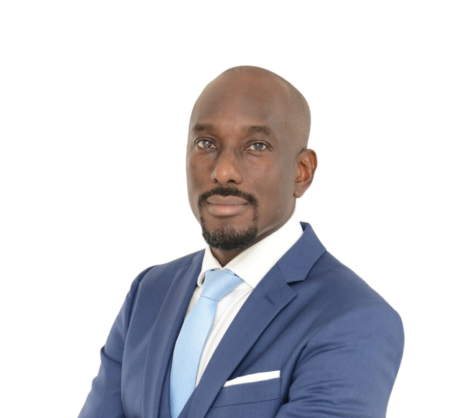
Tanzania President, Merck Foundation Chairman and CEO with 15 First Ladies inaugurate their 11th Africa Asia Luminary 2024

Location: News
Merck Foundation

  • The 11th Edition of Merck Foundation Africa Asia Luminary was officially inaugurated by The President of the United Republic of Tanzania, H.E. Dr. SAMIA SULUHU HASSAN, Chairman of Merck Foundation Board of Trustees, Prof. Dr. Frank Stangenberg-Haverkamp and Merck Foundation CEO, Senator, Dr. Rasha Kelej.

  • The First Ladies of Burundi, Cabo Verde, Central African Republic, Democratic Republic of The Congo, Gabon, The Gambia, Ghana, Kenya, Liberia, Malawi, Maldives, Mozambique, Democratic Republic of São Tomé and Príncipe, Zimbabwe and Zanzibar were the Guests of Honor and Keynote Speakers for the 11th Edition of Merck Foundation's Annual Conference.
  • More than 6,000 healthcare providers, policymakers and media from over 70 English, French, Spanish and Portuguese speaking countries attended the Luminary through hybrid model to benefit from five parallel scientific and social sessions to advance healthcare capacity and awareness in 44 critical and underserved medical specialties.
  • Celebrating 7th Anniversary of Merck Foundation and marking 12-year journey of their development programs, during 2024 Luminary. 
  • Link to Live Stream of Inaugural Session of Merck Foundation Africa Asia Luminary 2024: https://apo-opa.co/40tsLex

Merck Foundation (www.Merck-Foundation.com), the philanthropic arm of Merck KGaA Germany, conducted the 11th Edition of their annual conference, “Merck Foundation Africa Asia Luminary”, under the patronage of The President of Tanzania, and in partnership with the Government of Tanzania on 29th and 30th October, in Dar es Salaam, Tanzania. The conference was officially inaugurated by H.E. Dr. SAMIA SULUHU HASSAN, The President of the United Republic of Tanzania together with Prof. Dr. Frank Stangenberg-Haverkamp, Chairman of Merck Foundation Board of Trustees and Senator, Dr. Rasha Kelej, CEO of Merck Foundation, along with First Ladies of 15 Countries, who joined as the Guests of Honor and Keynote Speakers.

While inaugurating the conference, The President of United Republic of Tanzania, H.E Dr. SAMIA SULUHU HASSAN emphasized “I am delighted to host this prestigious conference in Tanzania. It is a great honor to inaugurate the conference alongside the First Ladies of Africa and Asia. I am certain that this conference will help us to achieve our shared mission — to make a transformation in the health and well-being of our people. I deeply appreciate the programs of Merck Foundation that are building healthcare capacity, breaking infertility stigma, and supporting girl education.”

Senator Dr. Rasha Kelej, CEO of Merck Foundation and Chairperson of Merck Foundation Africa Asia Luminary emphasized, “I am delighted to have Her Excellency, Dr. SAMIA SULUHU HASSAN, The President of the United Republic of Tanzania, inaugurate our annual conference. I also extend my heartfelt thanks to our partner, the Government of Tanzania, for their unwavering support in making it a success. Moreover, I am honored to welcome our esteemed Guests of Honor and Keynote Speakers, the First Ladies of African and Asian Countries, also the Ambassadors of the “Merck Foundation More Than a Mother”. Together, we shared experiences and engaged in meaningful discussions on the impact of our programs, aimed at transforming patient care and raising awareness on a wide range of critical social and health issues."

Prof. Dr. Frank Stangenberg Haverkamp, Chairman of Merck Foundation Board of Trustees added, “I would like to thank H.E. Dr. SAMIA SULUHU HASSAN, The President of Tanzania, our partners, The First Ladies of Africa and Asia, along with African Ministers, Health Experts, Policy Makers, Government Officials, Academia and Media from over 70 countries for joining hands with us to realize the Merck Foundation's vision that  “Everyone can lead a Healthy and Happy life.”

The First Ladies of 15 Countries, who joined as the Guests of Honor and Keynote Speakers are:

  • H.E. Madam ANGELINE NDAYISHIMIYE, The First Lady of the Republic of Burundi
  • H.E. Dr. DÉBORA KATISA CARVALHO, The First Lady of the Republic of Cabo Verde
  • H.E. Madam BRIGITTE TOUADERA, The First Lady of Central African Republic
  • H.E. Madam DENISE NYAKERU TSHISEKEDI, The First Lady of the Democratic Republic of The Congo
  • H.E. Madam ZITA OLIGUI NGUEMA, The First Lady of the Gabonese Republic
  • H.E. Mrs. FATOUMATTA BAH-BARROW, The First Lady of the Republic of The Gambia
  • H.E. Mrs. REBECCA AKUFO-ADDO, The First Lady of the Republic of Ghana
  • H.E. Mrs. RACHEL RUTO, The First Lady of Kenya
  • H.E. Mrs. KARTUMU YARTA BOAKAI, The First Lady of the Republic of Liberia
  • H.E. Mrs. MONICA CHAKWERA, The First Lady of the Republic of Malawi
  • H.E. Mrs. SAJIDHA MOHAMED, The First Lady of the Republic of Maldives
  • H.E. Mrs. ISAURA FERRÃO NYUSI, The First Lady of the Republic of Mozambique
  • H.E. Mrs. MARIA DE FATIMA VILA NOVA, The First Lady of the Democratic Republic of São Tomé and Príncipe
  • H.E Mrs. MARIAM MWINYI, The First Lady of Zanzibar
  • H.E. Amai Dr. AUXILLIA MNANGAGWA, The First Lady of the Republic of Zimbabwe

“I am proud to share that Merck Foundation has provided more than 2080 scholarships to young doctors from 50 countries in 42 critical and underserved specialties such as Oncology and Cancer care, Diabetes, Endocrinology, Cardiovascular, Fertility Care, Embryology, Sexual & Reproductive Medicine, Internal Medicine, Respiratory Medicine, Acute Medicine, Critical Care, Pediatric Emergency, Gastroenterology, Rheumatology, Clinical Psychiatry, Urology, Ophthalmology, General Surgery, Trauma & Orthopedic, Dermatology, Neonatal Care, Pain Management, Clinical Microbiology & Infectious Diseases, Advanced Surgical Practice, Neuroimaging for Research and more. Many of them are becoming the first specialists in their countries”, added Senator Kelej.  

During the 11th Edition of Merck Foundation Africa Asia Luminary, two important occasions were marked; the 7th Anniversary of Merck Foundation and 12 years of Merck Foundation's development programs that started in 2012.

On the first day of the conference, the Plenary Session of the Merck Foundation Africa Asia Luminary 2024 took place, featuring a high-level panel discussion with the participating First Ladies of Africa and Asia. Moreover, two high-level ministerial panel discussion were held with African Ministers and top healthcare experts from across the globe.

The Day 2 of the conference will have five key parallel medical and scientific sessions, covering topics such as oncology, diabetes and hypertension, fertility and reproductive care, and medical capacity building in other specialties like respiratory care, acute care, emergency pediatric and neonatal care, and more. Additionally, a community awareness session, Merck Foundation Health Media Training, will be conducted for African journalists. This session will emphasize the critical role of the media in influencing communities and driving cultural change, with regards to a wide range of social and health issues like Breaking Infertility Stigma, Supporting Girls' Education, Stopping GBV, Ending Child Marriage & FGM, Empowering Women, Diabetes and Hypertension Awareness.

Countries participating in the 11th Edition of Merck Foundation Africa Asia Luminary include:

Angola, Bangladesh, Benin, Botswana, Burkina Faso, Burundi, Cameroon, Canada, Central Africa Republic, Cambodia, Chad, Côte d'Ivoire, Republic of the Congo, Democratic Republic of the Congo, Egypt, Ethiopia, France, Gabon, Germany, Ghana, Guinea – Bissau, Guinea – Conakry, India, Indonesia, Kenya, Lesotho, Liberia, Malawi, Malaysia, Mali, Mauritania, Mauritius, Mexico, Mozambique, Myanmar, Namibia, Nepal, Niger, Nigeria, Peru, Philippines, Russia, Rwanda, Senegal, Sierra Leone, Somalia, South Africa, Sri Lanka, Sudan, Tanzania, Thailand, The Gambia, Togo, Tunisia, U.A.E, UK, Uganda, US, Vietnam, Zambia, Zimbabwe and more.

The 11th Edition of Merck Foundation Africa Asia Luminary 2024 is streamed live on the social media handles of Merck Foundation and Senator, Dr. Rasha Kelej, CEO of Merck Foundation:

@ Merck Foundation: Facebook (http://apo-opa.co/3Yq65sX), X (http://apo-opa.co/40p49nc), Instagram (http://apo-opa.co/3Uwqqvl), and YouTube (http://apo-opa.co/3NLGJAS).

@ Rasha Kelej: Facebook (http://apo-opa.co/3Uulqrf), X (http://apo-opa.co/3Yq65Jt), Instagram (http://apo-opa.co/40krkip), and YouTube (http://apo-opa.co/40nOp3t).

Link to the Facebook live stream of Inaugural Session of Merck Foundation Africa Asia Luminary & African First Ladies High Level Panel: https://apo-opa.co/40tsLex

Merck Foundation is transforming the Patient care landscape and making history together with their partners in Africa, Asia, and beyond, through:

• 2080+ Scholarships provided by Merck Foundation for doctors from 52 Countries in 42 critical and underserved medical specialties.  

Merck Foundation is also creating a culture shift and breaking the silence about a wide range of social and health issues in Africa and underserved communities through:

• 3500+ Media Persons from more than 35 countries trained to better raise awareness about different social and health issues

• 8 Different Awards launched annually for best media coverage, fashion designers, films, and songs,

• Around 30 songs to address health and social issues, by local singers across Africa

• 8 Children's Storybooks in three languages - English, French, and Portuguese

• 7 Awareness Animation films in five languages - English, French, Portuguese, Spanish and Swahili to raise awareness about prevention and early detection of Diabetes & Hypertension and supporting girl education.

• Pan African TV Program "Our Africa by Merck Foundation” addressing Social and Health Issues in Africa through “Fashion and ART with Purpose” Community

• 700+ Girls from 15 African countries supported through scholarships or school items, annually.

• 15 Social Media Channels with more than 6 Million Followers.

Distributed by APO Group on behalf of Merck Foundation.

Contact details:
Mehak Handa
Community Awareness Program Manager
+91 9310087613 / +91 9319606669
mehak.handa@external.merckgroup.com

Join the conversation on our social media platforms below and let your voice be heard!
Facebook: https://apo-opa.co/3Yq65sX
X (Twitter): https://apo-opa.co/3O4YBa5
YouTube: https://apo-opa.co/3NLGJAS
Instagram: https://apo-opa.co/3Uwqqvl
Flickr: https://apo-opa.co/40nL051
Threads: https://apo-opa.co/3NJN9jN
Website: www.Merck-Foundation.com
Download Merck Foundation App: https://apo-opa.co/40njaFK

About Merck Foundation:
The Merck Foundation, established in 2017, is the philanthropic arm of Merck KGaA Germany, aims to improve the health and wellbeing of people and advance their lives through science and technology. Our efforts are primarily focused on improving access to quality & equitable healthcare solutions in underserved communities, building healthcare & scientific research capacity, empowering girls in education and empowering people in STEM (Science, Technology, Engineering, and Mathematics) with a special focus on women and youth. All Merck Foundation press releases are distributed by e-mail at the same time they become available on the Merck Foundation Website.  Please visit www.Merck-Foundation.com to read more. Follow the social media of Merck Foundation: Facebook (https://apo-opa.co/3UrWznZ), X (https://apo-opa.co/3NLcqtQ), Instagram (https://apo-opa.co/3UtDmlT), YouTube (https://apo-opa.co/3UqOAaF), Threads (https://apo-opa.co/3UvSCP8) and Flickr (https://apo-opa.co/3Yo1jfw).

The Merck Foundation is dedicated to improving social and health outcomes for communities in need. While it collaborates with various partners, including governments to achieve its humanitarian goals, the foundation remains strictly neutral in political matters. It does not engage in or support any political activities, elections, or regimes, focusing solely on its mission to elevate humanity and enhance well-being while maintaining a strict non-political stance in all of its endeavors.
Media files
Merck Foundation
Download logo
Read moreTanzania President, Merck Foundation Chairman and CEO with 15 First Ladies inaugurate their 11th Africa Asia Luminary 2024
13 September 2024

Mandela Washington Fellowship for Young African Leaders

Location: News

U.S. Embassy in Namibia
Download logo

The Mandela Washington Fellowship, begun in 2014, is the flagship program of President Obama's Young African Leaders Initiative (YALI) that empowers young leaders through academic coursework, leadership training, and networking. In 2016, the Fellowship provided nearly 1,000 outstanding young leaders from Sub-Saharan Africa with the opportunity to hone their skills at a U.S. higher education institution with support for professional development after they return home.

Ideal candidates are self-identified leaders, aged 25 to 35, with proven accomplishment in promoting innovation and positive change in their organizations, institutions, communities, and countries.

U.S.-based Activities

Academic and Leadership Institutes: Each Mandela Washington Fellow takes part in a six- week academic and leadership institute at a U.S. university or college in one of three tracks: business and entrepreneurship, civic leadership, or public management.

Summit: Following the academic component of the Fellowship, the Fellows visit Washington, D.C. for a summit. During the three-day event, Fellows take part in networking and panel discussions with U.S. leaders from the public, private, and non-profit sectors.

Professional Development Experience: Selected Fellows remain in the U.S. to participate in a six-week professional development experience with U.S. non-governmental organizations, private companies, and governmental agencies related to their professional interests and goals.

Africa-based Activities

Upon returning to their home countries, Fellows continue to build the skills they have developed during their time in the United States through support from U.S. embassies, Regional Leadership Centers, the YALI Network, and customized programming from affiliated partners. Mandela Washington Fellows have access to ongoing professional development opportunities, mentoring, networking and training, and seed funding to support their ideas, businesses, and organizations.

Application Information

The application includes basic information and questions about the applicant's professional and academic experience, including educational background; honors and awards received; extracurricular and volunteer activities; and English language proficiency.  A résumé is also requested (with dated educational and professional background), and personal information (name, address, phone, email, country of citizenship). Additional elements, such as letters of recommendation or university transcripts, are OPTIONAL and may supplement your application.

Who is eligible to apply?

Applicants will not be discriminated against on the basis of race, color, gender, religion, socio-economic status, disability, sexual orientation, or gender identity.  The Mandela Washington Fellowship is open to young African leaders who meet the following criteria:

  • Are between the ages of 25 and 35 on or before the application deadline, although exceptional applicants ages 21-24 will be considered;
  • Are not U.S. citizens or permanent residents of the United States;
  • Are eligible to receive a United States J-1 visa;
  • Are not employees or immediate family members of employees of the U.S. Government (including a U.S. embassy or consulate, USAID, and other U.S. Government entities);
  • Are proficient in reading, writing, and speaking English (applicants who are deaf should refer to the English Language instructions on the Resources page);
  • Are citizens of one of the following countries: Angola, Benin, Botswana, Burkina Faso, Burundi, Cameroon, Cabo Verde, Central African Republic, Chad, Comoros, Democratic Republic of the Congo (DRC), Republic of the Congo, Cote d'Ivoire, Djibouti, Equatorial Guinea, Eritrea, Eswatini, Ethiopia, Gabon, The Gambia, Ghana, Guinea, Guinea-Bissau, Kenya, Lesotho, Liberia, Madagascar, Malawi, Mali, Mauritania, Mauritius, Mozambique, Namibia, Niger, Nigeria, Rwanda, Sao Tome and Principe, Senegal, Seychelles, Sierra Leone, Somalia, South Africa, South Sudan, Sudan, Tanzania, Togo, Uganda, Zambia, or Zimbabwe;
  • Are residents of one of the above countries; and
  • Are not Alumni of the Mandela Washington Fellowship.

Please note that Fellows are not allowed to have dependents, including spouses and children, accompany them during the Fellowship. The U.S. Department of State and IREX reserve the right to verify all information included in the application.  In the event of a discrepancy, or if information is found to be false, the application will immediately be declared invalid and the applicant ineligible.

Selection Process

The Mandela Washington Fellowship selection process is a merit-based open competition.  After the deadline, all eligible applications will be reviewed by independent readers.  Following this review, chosen semi-finalists will be interviewed by the U.S. embassies or consulates in their home countries.  Selected semi-finalists will be required to participate in these in-person interviews in their home country within Africa.  If advanced to the semi-finalist round, applicants must provide a copy of their international passport (if available) or other government-issued photo identification at the time of the interview.  Selected Finalists are required to attend the mandatory Pre-Departure Orientation in their home country within Africa. The following criteria will be used to evaluate applications (not in order of importance):

  • A proven record of leadership and accomplishment in business or entrepreneurship, civic engagement, and/or public/government service;
  • ​A demonstrated commitment to public or community service, volunteerism, or mentorship;
  • ​The ability to work cooperatively in diverse groups and to respect the opinions of others;
  • ​Strong social and communication skills;
  • ​An energetic, positive, and flexible attitude;
  • ​A demonstrated knowledge of, interest in, and professional experience in the preferred sector/Fellowship track and concrete goals for applying lessons knowledge and skills gained from the Fellowship to current and/or future work; and
  • ​A commitment to return to Sub-Saharan Africa and contribute skills and talents to build and serve their communities.

Learn More

Application Resources

Got questions? Visit our Frequently Asked Questions about the Fellowship application to learn answers to common queries.

Check out our Resources page to download and learn more about:

  • Instructions for the Fellowship Application
  • Information for Prospective Fellows with Disabilities
  • Information for Prospective Fellows Who Are or May Become Pregnant

Distributed by APO Group on behalf of U.S. Embassy in Namibia.

Read moreMandela Washington Fellowship for Young African Leaders
9 September 2024

Africa’s Trade Transformation: The Power of Technology for Sustainability (By Arnaud Bouraima)

Location: News
Webb Fontaine

By Arnaud Bouraima, Deputy Chief Commercial Officer, Webb Fontaine (https://WebbFontaine.com/). 

In the face of mounting global environmental challenges such as climate change, biodiversity loss, and pollution, and increasing focus on environmental, social and governance (ESG) awareness, sustainable trade practices and supply chains have the potential to radically transform Africa's economic future.

From green logistics to fair trade and circular economy principles, sustainable trade practices have a significant positive impact on global and local trade. In addition to environmental benefits, they enhance market competitiveness and open access to new markets that value a commitment to sustainability.

However, the transition to eco-friendly and sustainable supply chains is reliant on several factors, not least a significant investment in the infrastructure and technology needed to streamline port and customs operations and ensure a smooth entry of goods into the country in question. An understanding of the importance of digital transformation by governments and regulatory bodies is also a key factor in adopting digital solutions over more traditional manual systems.

African countries that understand and embrace these requirements are well on their way to laying the groundwork for sustainable trade practices.

As an example, the port of Cotonou in the West African country of Benin handles an average of 80 to 90 merchant vessels monthly. According to the African Development Bank (https://apo-opa.co/3MF9Kxi), Cotonou deals with 90 percent of the country's international trade, serving up to 100 million consumers. In 2022, the port handled 12.5 million tonnes of goods, a figure that is predicted to almost double by 2038, reaching 23 million tonnes.

In a gesture of confidence, the recent extension of an €80 million loan (https://apo-opa.co/3MF9Kxi) by the African Development Bank for significant infrastructure upgrades will expand the port's operations even further. Yet despite the vast and complicated operations of one of Africa's busiest ports, Benin has jumped to 66th place on the World Bank's Logistics Performance Index (https://LPI.WorldBank.org/), an astonishing leap of approximately 100 places in just under a decade, positioning the country as West Africa's key trade hub.

But this wasn't always the case. High shipping costs, low efficiency, and poor logistical facilities threatened to stifle any hopes the port had of becoming a key trade route, despite the fact that the country is a crucial transit route for West Africa, connecting millions of people in the landlocked countries of Niger, Mali, Burkina Faso, Chad, and the northern regions of Nigeria.

Technology is revolutionising trade practices

The solution? Leveraging technology to break through the complexities, inefficiencies, and obstacles impeding effective trade, and transform Benin into an economically competitive trade hub.

This is a story that replicates itself in trade ports along Africa's entire coastline. Operators and customs entities are constantly looking for ways in which to alleviate the backlogs and delays caused by the high volumes flowing through these trade entry points, and digitisation, along with improved physical infrastructure, is proving to be an extremely effective solution. Partnerships and collaborations with specialist service providers hold the key to success.

The Webb Fontaine and Benin story

Backtracking from the current situation, and highlighting the importance of long-term public-private collaborations in modernising and streamlining trade landscapes, Webb Fontaine started working with Benin's Ministry of Finance and Benin Control in 2017. Implementing a suite of innovative solutions including Webb Single Window, Webb Transit Tracking, Webb Valuation, Webb Ports, and Webb Customs, we are proud to be playing a pivotal role in transforming trade in the country.

Webb Single Window has been a game changer. It forms the basis of GUCE Benin, a digital platform with over 6,500 users in the logistics chain that facilitates import, export, and transit operations, and incorporates electronic payment via Paylican, Webb Fontaine's official payments partner. Webb Single Window has also automated the processing of key administrative operations like issuing licenses and authorisations, overseeing currency exchange operations, managing exemptions, and communicating with tax services.

In practical terms, this means streamlining the process needed to get containers out of the port. Digitising processes to create efficiencies, using new technologies such as artificial intelligence (AI), reduces the time spent on clearance of goods, for both customs brokers and administrators. Benin now ranks as West Africa's top port and holds the third-highest rating in Africa behind Egypt and South Africa. Release times have been reduced by 30%, with a remarkable 50% of containers being released within only two days.

Along with operational efficiency at the ports themselves, economic growth is a key benefit. From digital skills development to higher revenues as a result of streamlined operations, technology is playing a crucial role. For example, reducing the clearance time from 47 days to only a few days allows for more cycles of importation, increasing tax revenue and creating a healthy economic cycle. This also attracts foreign direct investment, making the port more attractive for investors and traders.

However, the use of technology in port operations is just one aspect in a larger framework of sustainable trade. The resultant benefits, such as automated systems and data analytics have the potential to lead to more efficient operations, reduced emissions, and less waste, which are all key components of sustainable trade practices. For instance, quicker turnaround times not only reduce the carbon footprint of shipping and logistics operations, but they also reduce the need for extended storage, in turn decreasing energy consumption and waste.

Is Africa ready for sustainable and eco-friendly supply chains?

Despite the challenges faced by African countries, many are making great strides. Togo's new container platform, Nigeria's planned green port, Liberia's green economy reforms – all are notable examples. Yet much still needs to be done to fully embrace the digital transformation journey, while at the same time addressing issues like infrastructure development.

All stakeholders have a role to play in implementing sustainable and eco-friendly trade practices and policies. African governments, for instance, can make a commitment to investing the funds and resources needed to create infrastructure that will support both trade and digital advancements, as well as support sustainability initiatives. The African Continental Free Trade Area can play a crucial role in developing a standardised approach to these issues, based on learnings from other countries on the continent.

Africa is a continent that has immense potential when it comes to creating and maintaining sustainable trade practices that will drive economic growth. The continent's success stories demonstrate this, and serve as a call to governments, industry stakeholders, policymakers and the private sector to work together to find tangible solutions that will promote further growth and development. Webb Fontaine is already playing a crucial role in supporting Africa's governments on their trade facilitation journeys, with specialised port technology that is securing customs revenue, mitigating trade fraud, and streamlining clearance times. In the same way, when all stakeholders collaborate and contribute to improvements in their respective areas, Africa's economies will reap the collective rewards.

Distributed by APO Group on behalf of Webb Fontaine.

Media files
Webb Fontaine
Download logo
Read moreAfrica’s Trade Transformation: The Power of Technology for Sustainability (By Arnaud Bouraima)
27 August 2024

Scaling up Financing Is Key to Accelerating Africa’s Structural Transformation

Location: News
African Development Bank Group (AfDB)

By Adamon Mukasa and Anthony Simpasa, African Development Bank Group (www.AfDB.org).

Document 1: http://apo-opa.co/4g3EVzM
Document 2: http://apo-opa.co/473xTHm
Document 3: http://apo-opa.co/4gcshPk
Document 4: http://apo-opa.co/4gcsi5Q
Document 5: http://apo-opa.co/471DE8y
Document 6: http://apo-opa.co/4gcskL0
Document 7: http://apo-opa.co/47361TE

Document 8: http://apo-opa.co/4dXk53t

The calls for structural economic transformation in Africa date back to the 1960s when newly independent nations aimed to eliminate poverty through economic diversification, sustained growth, and job creation. This agenda persists today, as Africa continues to face significant developmental challenges.

Pursuing post-independence economic agendas was particularly important because, behind the euphoria (http://apo-opa.co/4dZMCVX) of independence, laid significant developmental challenges in several African countries: unskilled labor force, political and institutional fragilities, poor health conditions, rapid population growth, wide income disparities, and the legacy of colonialism and exclusion from the modern world. The establishment of the Organization of African Unity (OAU) (http://apo-opa.co/4g3EVzM) in 1963 and the African Development Bank (http://apo-opa.co/473xTHm) a year later aimed to tackle these other challenges in a more coordinated and impactful manner. The African Union (http://apo-opa.co/475z3Sz), successor of the OAU, developed Agenda 2063 (http://apo-opa.co/4g3EQMu) in 2013 as a blueprint for turning Africa into the global growth pole and powerhouse of the future.

Africa's Economic Development Paradox

More than sixty years after independence (http://apo-opa.co/3AzLutK), Africa's structural transformation – the shift of workers from lower to higher productivity employment and intra-sectoral productivity growth (http://apo-opa.co/4dQj0KK) – has not progressed as quickly as hoped. Both policymakers and analysts within and outside the continent are genuinely concerned that achieving structural transformation could remain a mirage for many African countries in the absence of bold structural reforms and financing to support implementation of these policies. Why being so pessimistic? Because historical facts tend to support their pessimism. The African Economic Outlook (AEO) 2024 (http://apo-opa.co/4g2RATW) report, released in May by the African Development Bank, reveals that Africa's transformation has been slow and uneven. In countries showing signs of transformation, the process has been characterized by low industrialization and predominantly by employment in low-skill, low-productivity services. The agriculture sector, employing 42% of Africa's workforce, is 60% less productive than the economy-wide average. Consequently, many workers remain trapped in low-productivity, low-wage jobs, unable to escape poverty.

As a result, Africa was the only region of the world where the average real GDP per capita contracted in the 1980s and 1990s, the so-called lost decades (http://apo-opa.co/4fYqm0D).

Africa is off-track in achieving almost all SDG targets by 2030, consistently showing the lowest SDG performance globally since the 2000s (Figure 1). Without intervention, it is predicted that by 2030, nearly 9 out of 10 of the world's extremely poor will be in Africa (http://apo-opa.co/4e2weEn) and under current conditions[1], it could take African countries over a century on average to reach high-income status.


[1] This scenario assumes that real GDP per capita of each African country will grow according to its post-COVID-19 (2022–25) average growth rate as computed by the African Development Bank's Statistics Department.

But Africa is a very large, diverse, heterogeneous, region. Some countries have, over the past four decades preceding the COVID-19 pandemic, experienced episodes of growth accelerations, growth spikes and failed take-offs (http://apo-opa.co/4gcshPk). Cases of consistent good performance include Botswana, Seychelles, and Mauritius, routinely ranked among the top 10 fastest-growing economies globally. African countries have indeed exhibited remarkable resilience amid confounding shocks, and in 2024, 10 countries[1] in Africa are projected to be among the world's top 20 fastest-growing economies, sustaining the trend observed during the past four decades pre-COVID-19.

Importantly, over the past quarter century, thanks to strong economic reforms and macroeconomic stability, enhanced governance, relative peace and improved political environment and, public investments in soft and hard infrastructure, some African countries[2] have managed to transform their economies and recorded economic growth rates above the global average.

The role of finance in fast-tracking Africa's structural transformation

Many factors, both internal and external, could explain the relatively slow progress in structurally transforming African economies. Among them: over-reliance on commodity-led growth (http://apo-opa.co/4fZJTxI), inadequate infrastructure (http://apo-opa.co/4dV5DZE); insufficient pool of skilled workers (http://apo-opa.co/4g49x4g) and low access to affordable finance (http://apo-opa.co/47361D8); weak institutional governance (http://apo-opa.co/4e0O5LG), recurrent conflicts (http://apo-opa.co/4g49rtq), effects of climate change (http://apo-opa.co/3ABuuTU), tightening of global financial conditions (http://apo-opa.co/4fZSFvC) and rising debt vulnerabilities (http://apo-opa.co/4724oWk).

While all these factors are equally important and call for urgent actions from policymakers, financing Africa's transformation (http://apo-opa.co/4fTo1Uy) is a multi-layered overarching challenge that demands special attention and a pragmatic approach to move from billions to trillions. The cost of achieving the SDGs by 2030 in Africa is estimated at about $1.3 trillion (http://apo-opa.co/4gcsi5Q) annually, equivalent to 42% of Africa's 2023 GDP. Infrastructure needs alone are estimated by the African Development Bank at $181-$221 billion per year over 2023-2030.  The climate finance gap is approximately $213.4 billion (http://apo-opa.co/4gcsiTo) annually through 2030.

Insufficient domestic resources (http://apo-opa.co/471DE8y), compounded by the failure of the global financial architecture (http://apo-opa.co/471zU6K) to mobilize and at scale, affordable finance for sustainable development (http://apo-opa.co/4gcskL0), have led many African countries to resort to commercial borrowing on unfavorable terms. This has resulted in increased debt vulnerabilities. Africa's Public and Publicly Guaranteed external debt has nearly tripled since 2010, reaching $656 billion in 2022, accounting for 22.4% of the continent's GDP and exceeding Africa's public revenue-to-GDP ratio of 20.4%. In 2024, African countries are expected to spend around $74 billion on debt service, up from $17 billion in 2010. Out of the projected debt service, $40 billion is owed to private creditors.

Even more concerning, debt service payments now account for about 11% of the continent's total revenues. High debt service is diverting resources from crucial investments in infrastructure, education, and health – all critical for economic transformation and long-term growth. As of April 2024, 20 African countries[3] (http://apo-opa.co/47361TE) were either in external debt distress or at high risk of external debt distress.

The AEO 2024 report estimates that to accelerate Africa's structural transformation, the continent needs to close an annual financing gap of $402.2 billion (about 13.7% of its projected 2024 GDP) by 2030. Figure 2 shows that transport[4] infrastructure accounts for the largest share of the gap (72.9%), followed by education (10.4%), energy (9.9%), and productivity-enhancing technologies (6.8%). These figures reflect decades of underinvestment in critical areas for development.

The level of financing gap in transport infrastructure reflects the continent's shortfall explained by decades of public underinvestment to upgrade existing road infrastructure or open new roadways, to match the growing population and economic dynamism across the continent. For instance, Africa's median road density is about 12 km per 100 km2, compared with 42.5 km in high-performing developing countries and 136 km in high-income countries. Only about 27% of African roads are paved, far behind the rest of the world (about 49%) and other developing countries (35.4%).


[1] Niger, Senegal, Libya, Côte d'Ivoire, Ethiopia, Rwanda, Benin, Djibouti, Gambia, and Uganda

[2] Algeria, Comoros, Djibouti, Egypt, eSwatini, Lesotho, Libya, Mauritius, Sao Tome and Principe, Senegal, Seychelles, and Tunisia

[3] Burundi, Cameroon, Central African Republic, Chad, Comoros, Congo, Djibouti, Ethiopia, Gambia, Ghana, Guinea-Bissau, Kenya, Malawi, Mozambique, São Tomé and Príncipe, Sierra Leone, South Sudan, Sudan, Zambia, and Zimbabwe

[4] Proxied by roads as road transport is the most frequently used means of transporting goods and people across the continent, carrying at least 80 percent of goods and 90 percent of passengers.

On education, vital for equipping the current and future workforce with the required skillset for structural transformation, African countries' median SDG index score was only 51.5 (out of a maximum of 100) in 2022, while other low-income developing countries reached a median score of 87. In addition, according to World Bank's World Development Indicators (http://apo-opa.co/3AGXw4N), African governments currently spend on average $312 annually per student in primary education, $473 on secondary education, and $2,227 on tertiary education, or about, respectively, 3, 2.3, and 1.1 times lower than high-performing developing countries on  SDG 4. On energy, Africa's median SDG 7 index score was 38.8 in 2022, suggesting that a typical African country was 61.2% further away from achieving the best possible outcome on SDG 7 targets. Despite its vast energy potential, electric power consumption per capita in Africa is still the lowest in the world, estimated at 638.4 kilowatt-hours (kWh) in 2021, versus 2,056 kWh in other developing countries. Due to poor energy infrastructure, over 600 million Africans have no access to electricity http://apo-opa.co/46YZuJT and this is despite progress in recent years[1]. On productivity-enhancing technology and innovation, the continent lags other regions too. This impedes its ability to either innovate and introduce new products, technologies, and/or services that could support its structural transformation. African countries' average Gross Domestic Expenditure on R&D (GERD) represents about 0.4% of their GDP (against about 1% in the rest of the world) and they spend on average $10.7 per capita on GERD (compared to $403.2 per capita in other regions of the world). Furthermore, the continent displays the lowest concentration of researchers in R&D, with an average of 221 researchers per million people, against 742 researchers in other developing countries.

The financing gap varies significantly across countries. The cross-country heterogeneity is mainly explained by differences in current SDG performance related to structural transformation as well as differences in demographics (current and projected population size and composition, land size, and the like) and socioeconomic characteristics (current and projected GDP per capita, and spending on education, infrastructure, and so on). As shown in Figure 3, the estimated annual financing gap represents at least 10 % of 2024's projected GDP in 36 African countries, and in nine of these, at least 50 % of GDP. For such countries, closing the financing gap by 2030 is, therefore, realistically impossible.


[1] For instance, the average share of people with access to electricity increased from about 38 percent in 2000 to about 59 percent in 2022. In 28 African countries, the percent of people with access to electricity has more than doubled between 2000 and 2022, out of which it has increased at least fivefold in 8 countries (Kenya, Lesotho, Mali, Mozambique, Rwanda, Somalia, Tanzania, and Uganda).

Note: COG: Congo; CPV: Cabo Verde; GHA: Ghana; CIV: Cote d'Ivoire; GAB: Gabon; GNQ: Equatorial Guinea; MUS: Mauritius; SYC: Seychelles; ZAF: South Africa. Source: Authors' computation based on the African Economic Outlook (AEO) 2024 database

A more realistic approach would be to allow for a gradual but steady transformation process over a longer period, aligning with the African Union's Agenda 2063. This would enable countries to mobilize more resources domestically and externally, without jeopardizing debt sustainability.

What next?

Scaling up finance to accelerate Africa's structural transformation should be a key priority for policymakers. While implementing structural reforms is crucial for sustainable growth, success depends on the availability, timeliness, and scale of long-term development financing and enhancing spending efficiency. African countries should therefore, inter alia, focus on: i) scaling up investment to build requisite human capital suited to local realities, circumstances, and development priorities; ii) boosting domestic resource mobilization and improving efficiency of public finance management; iii) creating targeted and streamlined incentives to attract private capital for key transformation sectors; and iv) launching ambitious national infrastructure programs with assured positive returns to attract affordable financing.

The international community should reform the global financial architecture (http://apo-opa.co/4dXk53t) to facilitate African countries' access to long-term, concessional development financing at scale, complementing domestic resources.

By addressing these financing challenges and implementing targeted reforms, Africa can accelerate its structural transformation and move closer to achieving its development goals as espouses in Agenda 2063.

Distributed by APO Group on behalf of African Development Bank Group (AfDB).

Media files
African Development Bank Group (AfDB)
Download logo
Read moreScaling up Financing Is Key to Accelerating Africa’s Structural Transformation
13 August 2024

African Energy Week (AEW) 2024 Launches Upstream Oil & Gas Forum Amid African Liquefied Natural Gas (LNG) Market Expansion

Location: News
African Energy Chamber

Africa's upstream oil and gas sector is attracting substantial investments, with an $800-billion capital expenditure program focusing on LNG alongside traditional deep-water oil projects currently underway. This investment cycle is expected to boost Africa's LNG production capacity at a time when global gas demand is on the rise.

Responding to this environment, African Energy Week (AEW): Invest in African Energy 2024 will host a two-day Upstream Exploration & Production (E&P) Forum spotlighting Africa's LNG prospects. The forum will feature a series of strategic sessions and presentations, highlighting major LNG and floating LNG (FLNG) developments and investment opportunities shaping the sector.

AEW: Invest in African Energy is the platform of choice for project operators, financiers, technology providers and government, and has emerged as the official place to sign deals in African energy. Visit www.AECWeek.com for more information about this exciting event.

Mozambique is at the forefront of Africa's LNG growth, with the $20-billion Mozambique LNG project led by TotalEnergies set to produce 12.8 million tons of LNG per annum by 2028. Eni's second FLNG production project in the country – Coral Norte – and ExxonMobil's Rovuma LNG development are anticipated to reach FID by 2025. The country achieved natural gas sales of $1.7 billion in revenue in 2023, mostly driven by the start up of the Coral Sul FLNG project in November 2022.

The Nigeria LNG (NLNG) Train 7 expansion project is approaching completion, set to boost the country's LNG capacity by 35%, adding roughly 8 million tons per annum. The project is part of Nigeria's broader strategy to enhance its LNG production capabilities to meet both local and regional demand. In June 2024, the Nigerian National Petroleum Corporation signed a Project Development Agreement (PDA) with marine infrastructure company Golar LNG to deploy a FLNG vessel in the offshore Niger Delta region. The PDA plans to monetize 400-500 million standard cubic feet of gas per day, producing LNG, LPG and condensate, with FID expected by Q4 2024.

Under the Upstream E&P Forum, a session on The Demand Economics Driving the Growth of African LNG and FLNG will explore Africa's LNG portfolio, shedding light on supply and demand dynamics and future investment opportunities. Speakers will include Managing Director & General Manager of Eni Rovuma Basin Marica Calabrese, Africa Finance Corporation Vice President Taiwo Okwor, and senior representatives from Golar LNG, Angola LNG, and UTM Offshore.

In West Africa, Equatorial Guinea is also establishing itself as a major LNG player through its Gas Mega Hub (GMH) initiative, which aims to pool regional gas resources to become a central hub for gas processing, liquefaction and distribution. Last October, US oil and gas company Marathon Oil entered into an LNG sales agreement with commodity trader Glencore for Equatorial Guinea's Alba field, positioning the company for the GMH's next phase of development. Meanwhile, the Greater Tortue Ahmeyim (GTA) LNG project, spanning Mauritania and Senegal, is set to reach first production by Q4 2024, with a capacity of 2.3 million tons per year.

In southern Africa, Angola's LNG market is also growing, launching the second phase of the Falcão natural gas project last December, as well as developing the country's first non-associated gas development project in Soyo. South Africa's Virginia Phase 2 project is set to produce commercial quantities of LNG and liquid helium, with a capacity of 670,000 cubic meters of LNG per day. Meanwhile, the country's Port of Ngqura FLNG project involves the installation of a floating storage and regasification unit, gas-to-power infrastructure, cryogenic pipelines and a terminal for processing, storing, on-site exploitation and distribution of gas acquired from the country's on- and offshore fields.

A session on The Game Changer: Examining African Gas will outline Africa's natural gas reserves, production capacities, infrastructure development and export potential, highlighting potential for transitional energy, power generation and diversified growth. The session will feature senior representatives from Equatorial Guinea's national oil company (NOC) GEPetrol, Seplat Energies, and Mozambican NOC Empresa Nacional de Hidrocarbonetos.

With these developments on the horizon, Africa's leading upstream markets are positioning themselves as key players in the global LNG industry. AEW: Invest in African Energy 2024 will provide a pivotal platform for stakeholders to engage in discussions, forge partnerships and explore new opportunities within Africa's growing LNG sector.

Distributed by APO Group on behalf of African Energy Chamber.

Media files
African Energy Chamber
Download logo
Read moreAfrican Energy Week (AEW) 2024 Launches Upstream Oil & Gas Forum Amid African Liquefied Natural Gas (LNG) Market Expansion
28 June 2024

Senator, Dr. Rasha Kelej focuses on Breaking Infertility Stigma in the Third Episode of “Our Africa by Merck Foundation” TV program

Location: News
Merck Foundation

Merck Foundation (www.Merck-Foundation.com), the philanthropic arm of Merck KGaA Germany has launched the Third Episode of their first-ever TV program – ‘Our Africa by Merck Foundation' on their social media handles.

‘Our Africa by Merck Foundation' is a pan African TV program that is conceptualized, produced, directed, and co-hosted by Senator, Dr. Rasha Kelej, CEO of Merck Foundation to feature African Fashion Designers, Singers, and prominent experts from various domains with the aim to raise awareness and create a culture shift across Africa.

The TV program is currently broadcasting on KTN Home in Kenya, every Saturday at 5 pm and repeated every Thursday at 6:30 am.

It has also been broadcasted on prime TV stations of many countries like BTV (Botswana) Mashariki TV (Burundi), GHOne & TV3 (Ghana), QTV (The Gambia), LNTV (Liberia), Mibawa Limited (Malawi), Defi Media (Mauritius), AYV TV (Sierra Leone), NTV (Uganda), ZNBC TV (Zambia), and ZBC (Zimbabwe) and it immediately captured the attention and hearts of millions of viewers across Africa. “Our Africa” TV Program will soon be broadcast on GTV in Ghana, NBC in Namibia, and ZTN in Zimbabwe. “Our Africa” TV Program is also currently on social media handles of Senator, Dr. Rasha Kelej (Facebook: http://apo-opa.co/3RdVvT8, Instagram: http://apo-opa.co/3RcCFeZ, Twitter: http://apo-opa.co/3x5PUY2 and YouTube: http://apo-opa.co/4aJfWy0) and Merck Foundation (Facebook: http://apo-opa.co/3Xbc4D0, Instagram: http://apo-opa.co/3x7ius3, Twitter: http://apo-opa.co/4aTy5sW and YouTube: http://apo-opa.co/4ejGIjF).

Watch the Promo of ‘Our Africa by Merck Foundation' here:

https://apo-opa.co/3L8inj6

The theme for the Third Episode is Breaking the Infertility Stigma, particularly around women, in Africa.

Watch the Third Episode promo here: https://apo-opa.co/4clWEAl

Watch the Third Episode here: https://apo-opa.co/3xCfMuK

Senator, Dr. Rasha Kelej, CEO of Merck Foundation expressed, “Firstly, I would like to thank all the viewers and followers for the amazing response we have received for our TV Program ‘Our Africa'. Our social media is flooded with lovely and inspiring messages from the viewers! This episode is indeed close to my heart as an African woman, as it is part of our signature campaign “More than a Mother”, the work we have created by our fashion designers and artists all over Africa was very encouraging and kept pushing us to work harder to address this sensitive issue and empower infertile women through information, health and change of mindset. And of course, we will keep addressing more sensitive social and health issues to be the voice of the voiceless in our beloved Africa”.

Senator, Dr. Rasha Kelej, CEO of Merck Foundation further emphasized, “The messages of the designs are also focusing on the issue of male infertility and how fertility is a shared responsibility as it takes a man and woman to have a child. We have addressed this issue through our Fashion and Art with Purpose community. Together we can create a culture shift that will help our communities better understand and act on different issues. Through this episode, I also got a chance to thank my dear sisters, the African First Ladies who I have worked very closely with Merck Foundation for this Movement, as Ambassadors of Merck Foundation More Than a Mother.

I would also like to thank our viewers for the amazing response we have been receiving, this is indeed very inspiring and encouraging. Moreover, I would especially like to acknowledge the love we have been receiving from our social media followers, it is phenomenal.”

Merck Foundation's iconic “More Than a Mother” campaign started and led by Senator, Dr. Rasha Kelej is a rallying movement to Break Infertility Stigma faced by women across the African continent.

“More Than a Mother' Movement is very close to my heart. Along with all the initiatives under this Movement, Merck Foundation also supports building healthcare capacity in Africa, therefore, I am happy to share that Merck Foundation has provided more than 574 scholarships to doctors from 39 countries, with the aim to advance women's health by building Reproductive & Sexual care and Fertility Care Capacity in Africa and beyond. Moreover, we have trained more than 3200 media representatives from more than 35 countries to raise community awareness, creating a culture shift and breaking the stigma around infertility and infertile and childless women” explained Senator, Dr. Rasha Kelej.

This third episode featured prominent personalities like Nontando Mposo, Editor-in-Chief, Glamour Magazine, South Africa and popular Singer Blaze from Mozambique. Fashion designers Anuja Bharti from Ghana and Alberto from Mozambique showcased their designs that displayed strong messages on #NoToInfertilityStigma and #MenToo can be the cause of infertility.

Merck Foundation has also been empowering childless and infertile women through their “Empowering Berna” initiative under Merck Foundation's “More Than a Mother” movement. This initiative helps women who cannot be treated for infertility anymore by helping them to get trained to establish small businesses so that they can be independent and re-build their lives. Through ‘Empowering Berna', the lives of many infertile women have been transformed in many African countries like Kenya, Uganda, Nigeria, Central African Republic, Niger, Malawi and many more.

Merck Foundation in partnership with African First Ladies have also launched children's storybook “More Than a Mother”, to emphasize strong family values of love and respect from a young age which will reflect on eliminating the stigma of infertility and resulted domestic violence in the future. The book has been also adapted to an animation film. Watch More than a Mother Animation Film here:

https://apo-opa.co/4cbefLj

Merck Foundation has also released many songs to raise awareness about infertility stigma under their “More Than a Mother” campaign. Listen to some of the songs here:

  1. Watch, share & subscribe to the 'Plus qu'une MERE' composed and sung by Ms. Lucky-Lou, the daughter of The President and The First Lady of Burundi: https://apo-opa.co/3L5eQT0
  2. Watch, share & subscribe to the “More Than a Mother” song by Cwesi Oteng and Adina from Ghana: https://apo-opa.co/3ziuKH0

Listen to all “More than a Mother” songs here:

  • https://apo-opa.co/3RwVPMR

“To address this important issue of breaking infertility stigma and also a wide range of other social issues, we annually launch Merck Foundation ‘More Than a Mother' Awards in partnership with African First Ladies. I would also like to invite the African Community of Media, Fashion, Film making, and Musicians, students and potential talents in these fields to apply for the awards this year, in order to create a culture shift and break the silence about one or more of the following topics: Breaking Infertility Stigma, Supporting Girl Education, Women Empowerment, Ending Child Marriage, Ending FGM, and/ or Stopping GBV at all levels. I am looking forward to receiving their creative work on submit@merck-foundation.com”, added Senator, Dr. Rasha Kelej.

Distributed by APO Group on behalf of Merck Foundation.

Contact details:
Mehak Handa
Community Awareness Program Manager
+91 9310087613/ +91 9319606669
mehak.handa@external.merckgroup.com

Join the conversation on our social media platforms below and let your voice be heard: 
Facebook: https://apo-opa.co/3Xbc4D0
Twitter: https://apo-opa.co/4aTy5sW
YouTube: https://apo-opa.co/4ejGIjF
Instagram: https://apo-opa.co/3x7ius3
Flickr: https://apo-opa.co/4ejGKbh
Website: www.Merck-Foundation.com
Download Merck Foundation App: https://apo-opa.co/45ourGB

About Merck Foundation:
The Merck Foundation, established in 2017, is the philanthropic arm of Merck KGaA Germany, aims to improve the health and wellbeing of people and advance their lives through science and technology. Our efforts are primarily focused on improving access to quality & equitable healthcare solutions in underserved communities, building healthcare and scientific research capacity and empowering people in STEM (Science, Technology, Engineering, and Mathematics) with a special focus on women and youth. All Merck Foundation press releases are distributed by e-mail at the same time they become available on the Merck Foundation Website.  Please visit www.Merck-Foundation.com to read more. Follow the social media of Merck Foundation: Facebook: https://apo-opa.co/3Xbc4D0, Twitter: https://apo-opa.co/4aTy5sW, Instagram: https://apo-opa.co/3x7ius3, YouTube: https://apo-opa.co/4ejGIjF and Flicker https://apo-opa.co/4ejGKbh.

Media files
Merck Foundation
Download logo
Read moreSenator, Dr. Rasha Kelej focuses on Breaking Infertility Stigma in the Third Episode of “Our Africa by Merck Foundation” TV program
24 June 2024

Prioritising the reduction of economic exclusion for enhanced economic growth

Location: MyPR

Dr Nthabiseng Moleko is an economist at Stellenbosch Business School: Since 1994 the South African government has employed market friendly policies in an investment led growth strategy. Yet South Africa has averaged 1.2% GDP per capita growth over the last three decades, faring particularly poorly in the last decade by contracting -0,25% in per capita …

Read morePrioritising the reduction of economic exclusion for enhanced economic growth
18 February 2024

Africa dominates list of the world’s 20 fastest-growing economies in 2024—African Development Bank says in macroeconomic report

Location: Business
African Development Bank Group (AfDB)

Report forecasts stronger growth for Africa in 2024, outpacing projected global average; Continent is second-fastest-growing region after Asia.

Africa will account for eleven of the world's 20 fastest-growing economies in 2024, the African Development Bank Group said in its latest Macroeconomic Performance and Outlook (MEO) of the continent released on Friday.

Overall, real gross domestic product (GDP) growth for the continent is expected to average 3.8% and 4.2% in 2024 and 2025, respectively. This is higher than projected global averages of 2.9% and 3.2%, the report said.

The continent is set to remain the second-fastest-growing region after Asia.

The top 11 African countries projected to experience strong economic performance forecast are Niger (11.2%), Senegal (8.2%), Libya (7.9%), Rwanda (7.2%), Cote d'Ivoire (6.8%), Ethiopia (6.7%), Benin (6.4%), Djibouti (6.2%), Tanzania (6.1%), Togo (6%), and Uganda at 6%.

“Despite the challenging global and regional economic environment, 15 African countries have posted output expansions of more than 5%,” Bank Group President Dr Akinwumi Adesina said, calling for larger pools of financing and several policy interventions to further boost Africa's growth.

Africa's Macroeconomic Performance and Outlook, a biannual publication released in the first and third quarters of each year, complements the existing African Economic Outlook (AEO), which focuses on key emerging policy issues relevant to the continent's development.

The MEO report provides an up-to-date evidence-based assessment of the continent's recent macroeconomic performance and short-to-medium-term outlook amid dynamic global economic developments.

The latest report is calling for cautious optimism given the challenges posed by global and regional risks. These risks include rising geopolitical tensions, increased regional conflicts, and political instability—all of which could disrupt trade and investment flows, and perpetuate inflationary pressures.

President Adesina emphasised that fiscal deficits have improved, as faster-than-expected recovery from the pandemic helped shore up revenue.

He explained further: “This has led to a stabilisation of the average fiscal deficit at 4.9% in 2023, like 2022, but significantly less than the 6.9% average fiscal deficit of 2020. The stabilisation is also due to the fiscal consolidation measures, especially in countries with elevated risks of debt distress.”

He cautioned that with the global economy mired in uncertainty, the fiscal positions of the African continent will continue to be vulnerable to global shocks.

The report shows that the medium-term growth outlook for the continent's five regions is slowly improving, a pointer to the continued resilience of Africa's economies.

Presenting the key findings of the report, the African Development Bank's Chief Economist and Vice President, Prof. Kevin Urama said: “Growth in Africa's top-performing economies has benefitted from a range of factors, including declining commodity dependence through economic diversification, increasing stra­tegic investment in key growth sectors, and rising both public and private consumption, as well as positive developments in key export markets.”  

He added: “Africa's economic growth is projected to regain moderate strength as long as the global economy remains resilient, disinflation continues, investment in infrastructure projects remains buoyant, and progress is sustained on debt restructuring and fiscal consolidation.”

“The future of Africa rests on economic integration. Our small economies are not competitive in the global market. A healthy internal African trade market can ensure value-added and intra-African production of manufactured goods,” said Commissioner for Economic Development, Trade, Tourism, Industry and Minerals, African Union Commission, Ambassador Albert Muchanga.

He assured that the MEO forecast, and recommendations will be made available to African heads of state and that the report will be useful when the African Union makes its proposals to the G20- an informal gathering of many of the world's largest economies to which the African Union was admitted last year.

The improved growth figure for 2024 reflects concerted efforts by the continent's policymakers to drive economic diversification strategies focused on increased investment in key growth sectors, as well as the implementation of domestic policies aimed at consolidating fiscal positions and reversing the increase in the cost of living and boosting private consumption.

Speaking remotely, Zimbabwe's Minister of Finance and Economic Development, Prof Mthuli Ncube described the report as being “on point” and consistent with the reality in his country, describing it as useful for economic planning across Africa. He urged the African Development Bank to continue its thought leadership to help policymakers continue to build resilience to withstand shocks and drive growth.

Ncube said: “Zimbabwe expects slower growth due to climate shocks in the region. Southern African countries depend on agriculture for economic growth, so climate-proofing agriculture is key. We are in talks with creditors to restructure its debt, which is slowing economic growth. Internally, the country will focus on economic and governance reforms and reforms around property rights to increase agricultural production.”

Up to 41 countries across the continent will in 2024, achieve an economic growth rate of 3.8%, and in 13 of them, growth will be more than 1 percentage point higher than in 2023.

Director of the Center for Sustainable Development, Columbia University Prof Jeffrey Sachs noted that long-term affordable financing must be part of Africa's strategy to achieve growth of 7% or more per year and warned that Africa is paying a very high-risk premium for debt financing. He called for this point to be made to the G20.

“Long-term development cannot be based on short-term loans. Loans to Africa should be at least 25 years or longer. Short-term borrowing is dangerous for long-term development. Africa must act as one, in scale,” he explained.

Sachs, who is also the UN Secretary-General António Guterres' Advocate for Sustainable Development Goals also called for a much larger African Development Bank, better resourced to meet Africa's financing needs.

Overview of economic outlook across regions

The confluence of shocks notwithstanding, the resilience of the continent's economies remains strong, with positive growth projected for the continent's five regions.

  • East Africa: East Africa will continue to lead Africa's growth momentum, with growth projected to rise to 5.1% in 2024 and 5.7% in 2025, supported by strong strategic investments to improve internal connectivity and deepen intra-regional trade.
  • North Africa: Successive adverse weather conditions and macroeconomic challenges will hold the region's growth steady at 3.9% in 2024 with a slight improvement to 4.1% in 2025.
  • Central Africa: Growth is forecast to moderate to 3.5% in 2024 but projected recovery in private consumption and increases in mining investment and exports could help push growth to 4.1% in 2025.
  • Southern Africa: Growth will remain sluggish at 2.2 and 2.6% in 2024 and 2025, respectively. This reflects continued economic weakness in South Africa, the region's largest economy.
  • West Africa: Growth is projected to pick up to 4 and 4.4% in 2024 and 2025 respectively. Strong growth in most countries in the region is projected to offset slowdowns in Nigeria and Ghana. The announced withdrawal of Burkina Faso, Mali, and Niger from the Economic Community of West African States (ECOWAS) casts a shadow over the sustainability of gains amid growing uncertainty.

Driving faster and more sustainable economic growth

The 2024 MEO says in the short term, tackling persistent inflation will need a mix of restraining monetary policy coupled with fiscal consolidation and stable exchange rates.

The report identifies structural reforms and strategic industrial policies as key to accelerating economic diversification and strengthening the export sector.

It recommends that countries invest more in human capital and pursue a resource-based industrialisation and diversification strategy that allows the continent to exploit its comparative advantage and build resilience to shocks.

  • 2024 Macroeconomic Performance and Outlook (https://apo-opa.co/3UHdVhm)
  • President Adesina's speech (https://apo-opa.co/49H7oaV)
  • Pictures (https://apo-opa.co/48jUVZu)

Distributed by APO Group on behalf of African Development Bank Group (AfDB).

Media Contact:
Emeka Anuforo
Communication and External Relations Department
media@afdb.org

About the African Development Bank Group:
The African Development Bank Group (AfDB) is Africa's premier development finance institution. It comprises three distinct entities: the African Development Bank (AfDB), the African Development Fund (ADF) and the Nigeria Trust Fund (NTF). On the ground in 34 African countries with an external office in Japan, the AfDB contributes to the economic development and the social progress of its 54 regional member states. For more information: www.AfDB.org  

Media files
African Development Bank Group (AfDB)
Download logo
Read moreAfrica dominates list of the world’s 20 fastest-growing economies in 2024—African Development Bank says in macroeconomic report
15 February 2024

FIFA Beach Soccer World Cup United Arab Emirates (UAE) 2024 Dubai™: Watch every games live on FIFA+

Location: Sport

FIFA
Download logo

FIFA+ (www.FIFA.com) will stream all UAE 2024 Dubai games; Tournament takes place from 15-25 February; Find out how you can follow the action live.

The FIFA Beach Soccer World Cup UAE 2024 Dubai™ kicks off on Thursday 15 February – and the tournament is being streamed live on FIFA+!

Takuya Akaguma, Catarino, Chiky, Edson Hulk, Marco Giordani, the Martins twins, Raoul Mendy, Moslem Mesigar, Walid Mohammad, Ozu Moreira, Lucas Ponzetti, Rodrigo and Heimanu Taiaru are among the stars who are looking to light up the tournament, with this year's edition again set to showcase the very best that the discipline has to offer.

Click here to access FIFA+ (https://apo-opa.co/496Sef7)

All matches will be available on FIFA+ web, the FIFA+ app and connected TV devices. Full details of the territories where FIFA+ live streams and full match replays are accessible can be found below. Two-minute highlights on all matches will also be available.

Territories with FIFA+ live streaming access

Africa

Angola, Benin, Botswana, Burkina Faso, Burundi, Cameroon, Cape Verde, Central African Republic, Chad, Comoros, Congo-Brazzaville, Congo-Kinshasa, Equatorial Guinea, Eritrea, Eswatini, Ethiopia, Gabon, Gambia, Ghana, Guinea-Bissau, Guinea-Conakry, Ivory Coast, Kenya, Lesotho, Liberia, Madagascar, Malawi, Mali, Mauritius, Mozambique, Namibia, Niger, Nigeria, Rwanda, Sao Tome and Principe, Senegal, Seychelles, Sierra Leone, Somalia, South Africa, South Sudan, Sudan, Tanzania, Togo, Uganda, Zambia, Zimbabwe.

Americas and the Caribbean

Anguilla, Antigua and Barbuda, Aruba, Bahamas, Barbados, Belize, Bermuda, Bonaire Sint Eustatius and Saba, British Virgin Islands, Cayman Islands, Cuba, Curaçao, Dominica, Dominican Republic, Grenada, Guyana, Haiti, Jamaica, Montserrat, Saint Kitts and Nevis, Saint Lucia, Saint Vincent and the Grenadines, Suriname, Trinidad and Tobago, Turks and Caicos Islands, United States Virgin Islands.

Asia

Afghanistan, Bangladesh, Bhutan, Brunei, Cambodia, India, Indonesia, Kazakhstan, Kyrgyzstan, Laos, Malaysia, Maldives, Myanmar, Nepal, Pakistan, Philippines, Singapore, Sri Lanka, Tajikistan, Turkmenistan, Uzbekistan, China PR, Hong Kong, Korea DPR, Korea Republic, Macau, Mongolia, Taiwan, Thailand, Timor-Leste, Vietnam.

Central and South America

Brazil

Europe

Albania, Armenia, Austria, Azerbaijan, Belarus, Belgium, Bosnia and Herzegovina, Bulgaria, Croatia, Cyprus, Czech Republic, Denmark, Estonia, Finland, France, Georgia, Germany, Greece, Hungary, Iceland, Ireland, Israel, Italy, Kosovo, Latvia, Lithuania, Luxembourg, Malta, Moldova, Montenegro, Netherlands, North Macedonia, Norway, Poland, Portugal, Romania, Russia, Serbia, Slovakia, Slovenia, Sweden, Switzerland, Turkey, Ukraine, United Kingdom.

Oceania

American Samoa, Australia, Cook Islands, Federated States of Micronesia, Fiji, French Polynesia, Guam, Kiribat, Marshall Islands, Nauru, New Caledonia, New Zealand, Niue, Northern Mariana Islands, Palau, Papua New Guinea, Samoa, Solomon Islands, Tokelau, Tonga, Tuvalu, Vanuatu, Wallis and Futuna.

Click here (https://apo-opa.co/3Sy1CRK) to visit the FIFA match centre and find out where you can watch the FIFA Beach Soccer World Cup UAE 2024 Dubai™ in your location.

* Territories' live streaming access is subject to change

A full match schedule can be downloaded here (https://apo-opa.co/3UMG3jr).

Tournament tickets are available via https://apo-opa.co/3wk8D1n to purchase.

Visa, Worldwide Partner of FIFA, is the preferred payment method for fans buying tickets for the FIFA Beach Soccer World Cup UAE 2024 Dubai™.

Distributed by APO Group on behalf of FIFA.

Contact for African media: 
AfricanMedia@fifa.org

Read moreFIFA Beach Soccer World Cup United Arab Emirates (UAE) 2024 Dubai™: Watch every games live on FIFA+
17 December 2023

Building Capacity for Africa’s Renewables Sector

Location: News

African Energy Chamber
Download logo

By NJ Ayuk, Executive Chairman, African Energy Chamber (www.EnergyChamber.org)

Consider this paradox: Nigeria has achieved the largest economy in Sub-Saharan Africa, but 45%, or about 85 million, of its residents still live without electricity. Across Sub-Saharan Africa, that figure looms to 600 million.

I believe renewable energy is part of the solution to this dilemma — both in Nigeria and throughout the sub-continent. But there are several hurdles to be cleared before wind, solar, hydrogen, and other clean energy sources can provide the same economic benefits that natural gas — the other part of the solution — already offers. One of those hurdles will be preparing domestic workforces for employment and leadership in the growing renewable energy sector.

We are seeing movement in that direction. In Nigeria, for example, global renewables-promoting nonprofit, RMI, is providing technical training in partnership with four Nigerian energy distribution companies, two developers, and vocational training schools such as RMI's Energy Transition Academy and the Lagos Energy Academy. Aimed at producing leaders and energy entrepreneurs, the Nigerian Cohort of RMI's Global Fellowship Program, started in 2022, uses online learning and in-person experiences to develop leaders who know how to produce and employ solar PV, battery storage, and microgrid technologies.

We will need many, many more efforts like this for Africans to fully reap the economic benefits of our energy transition. For that to happen, more investment capital must be attracted for curriculum development, to support training efforts, and to help fledgling renewable businesses find their footing.

This is a critical topic, one that deserves attention at the 2023 United Nations Climate Change Conference (COP28) that is now underway and beyond.

Africa Must be Proactive in Building Capacity

The International Energy Agency (IEA) has predicted that 4 million new renewable energy jobs will be needed in sub-Saharan Africa by 2030 to meet 2050 net-zero goals. But it is not a given that those positions will be filled by Africans, especially if we rush forward with our transition from fossil fuels to renewables, as many wealthy nations and environmental groups are demanding.

Currently, there is a significant shortage of qualified human resources — people educated and prepared to take advantage of the opportunities for employment and entrepreneurship that renewables offer.

What's more, only 76,000 renewable energy jobs have been created in Africa, less than 1% of 10.3 million globally. That means the vast majority of Africans have absolutely no experience, or hands-on opportunities to develop skills, in green energy.

Education is Key

Turning this situation around begins with investing in and emphasizing the importance of science, technology, engineering, and math (STEM) education at all levels in Africa.

African governments will need to do their part by driving improvements in all-around education in science and technology and green energy vocational programs.

Government policies should also provide advantages to attract private-sector visionaries and incentivize public-private collaborations that foster the education and training of Africans for career-level, leadership positions in the renewables sectors.

Africa's renewable energy sector is growing. That reality is a mixed blessing because of the shortage of homegrown, trained professionals able to create, construct, and run renewable projects. We do, however, have an advantage — our large, youthful demographic.

Many of our young people need jobs, and many more soon will. If we can put together partnerships among governments, learning facilities, and private industry, we can train our youth for careers in renewable technologies that offer them brighter futures.

We should be building on the examples of the promising educational opportunities that are available for African students who want to build a career in renewable energy. Here is a sampling:

  • A German-African partnership, the Atlas of Green Hydrogen Generation Potentials in Africa, states, “Green hydrogen offers a real chance to launch a development in Africa which is driven by African countries themselves.” As part of the effort, a master's degree program in green hydrogen technologies was begun in 2021. Students from all 15 countries of the Economic Community of West African States (ECOWAS) may apply. Universities in Cote d'Ivoire, Niger, Senegal, and Togo host the program.
  • Another German government initiative, Green People's Energy for Africa, “supports vocation training institutes and technical universities to offer new and improved practical training modules for professionals” as well as other methods for skills development in renewable energy technology.
  • An EU-US cooperative agreement supports sub-Saharan Africa's just transition to green energy. Working at the regional and national levels, efforts include empowerment of women in the sector, knowledge sharing to provide technical assistance, and the leveraging of investments by the private sector.

Another Opportunity: Green Hydrogen

Surveying the renewables horizon, there is general agreement that decarbonizing all the world's economic sectors won't be possible without the use of green hydrogen — for feedstock, fuel cell technology, and electric vehicles.

The demand for this clean and adaptable fuel, produced with renewable energy sources, compounds the need for a trained renewable energy workforce.

Green hydrogen presents both a large opportunity and a large challenge for African nations. With its massive area and plentiful solar and wind resources, Africa could potentially be producing about 10% of the world's green hydrogen by 2030. But there is an “if” attached to that projection.

If African states strategize and invest now to develop a green hydrogen workforce, they can be ready for the coming wave of green hydrogen development and utilization. Hydrogen learning opportunities should be made available from the high school level upward as part of comprehensive skills plans for developing a prepared workforce.

With forethought and smart implementation, young Africans can be readied to lead the way in bringing the benefits of green hydrogen to their communities. In the process, job shortages can be mitigated as these young employees put their skills to work in the production, storage, and transportation of green hydrogen.

More African countries should be taking measures to ensure their people and businesses capitalize on green energy opportunities. And these must not stop with education and skills training; we also need local content measures to help ensure our residents benefit from renewable power projects and facilities operations.

Ensuring Strong Local Content Policies

Just as local content rules continue to function as vital safeguards in African oil and gas operations, they will be tremendously important in the renewables sector, both for individuals and for businesses. As I've stated in the past, every nation needs to create a framework that empowers indigenous companies to fully capitalize on renewable energy opportunities.

There are times when power needs may justify temporary modifications to these policies. As an example, South Africa's National Energy Crisis Committee (NECOM), early this year, relaxed its local content rules for the construction of solar modules. Easing local employment requirements from 100% to 30% for local component production is meant to facilitate quicker deployment of solar projects, and hopefully, help alleviate the country's crippling power outages.

Power supply levels and other factors show the need to perform a balancing act when writing local content rules. Those other factors include the supply of current local skilled workers and infrastructure. We don't want to discourage developers, so we need appropriate, tailored local content regulations.

One reasonable approach is the one taken by Kenya, where guidelines requiring contractors to formulate a local content plan have been drafted. These plans must include training, succession, jobs, technology transfer, R&D, legal, financial, and insurance issues. This approach places the “ball” in the “court” of each project's contractor, allowing for their input in local content formulation.

A similar policy has been enacted in Nigeria. The local content policy is part of the government's Electricity Act 2023. It requires the Nigerian Electricity Regulatory Commission (NERC) to provide for local content participation involving employment, production, and assembly of components for solar PV, deep cycle batteries, and the electro-mechanical parts of SHP technology, wind boilers, and some turbines.

The act goes further, requiring contractors, sub-contractors, and licensees involved in renewable energy to include local content in all their related activities.

If widely enacted across the continent, similar local content rules can work hand-in-hand with training efforts to ensure Africans benefit from renewable energy development — through employment and the growth of their economies.

We are seeing promising movement in the effort to address Africa's skills gap, but we need many more programs, and we need them now. African countries and energy industry stakeholders should be doing everything possible to support these efforts, so Africans don't miss out on renewable energy industry opportunities.

Distributed by APO Group on behalf of African Energy Chamber.

Read moreBuilding Capacity for Africa’s Renewables Sector
7 December 2023

Do As We Say, Not as We Do: Wealthy Nations’ Expectations for Africa

Location: News
African Energy Chamber

By NJ Ayuk, Executive Chairman, African Energy Chamber (http://www.EnergyChamber.org)

When examining how fossil fuel exploration, production, and usage differ between African and more developed nations, the contrast is so stark that it essentially defines the core mission of the African Energy Chamber (AEC). We exist not to bring these rates on par with each other but to amplify Africa's standing in the global energy industry such that it results in massive improvements in the quality of life across the continent.

Consider this: While Africa holds roughly 13% of global natural gas stores and 7% of its oil, when it comes to per capita use of these hydrocarbons for energy, Africa's consumption rate is the world's lowest.

Or this: While we're under pressure to adopt renewable energy resources, Africa already relies on renewables more than any other continent, but this refers to the wood and cow dung that fuel the cooking fires, which account for essentially half of Africa's energy consumption. Of course, both are linked to hazardous indoor air quality, adding to the already long list of vexing issues that many Africans must deal with daily.

In total, nearly one billion Africans have no access to clean cooking fuels. Another 600 million, with a majority living in the sub-Saharan regions, survive without access to electricity from any source.

Africa deserves relief from such difficulties.

As much as the African people stand to benefit from access to their own fossil-fuel resources, Africa's hydrocarbon-bearing nations possess a vast wealth they're willing and ready to share with the world. The prospect of forging development partnerships with foreign nations and international oil companies would offer much of Africa a path toward modernization, advancement, and prosperity while at the same time providing much-needed energy security to its business allies abroad.

We've been waiting for Africa to take its place alongside the equally resource-rich yet developed regions of the globe for far too long. However, Africa's readiness for this overdue transformation comes at a strange time in modern history. Just as we've observed increases in GDP per capita and average life expectancy parallel the proliferation of fossil fuels, we've also seen the rise of a small but vocal and influential minority that has set out to obstruct their continued extraction.

Activists and ill-informed ideologues mainly comprise this opposing faction. And either knowingly or as a result of having been taken in by false promises, they propose alternative energy solutions which are still far too expensive for Africa to implement effectively.

Africa needs affordable, readily available energy, but this group has steadily garnered sway over individuals, financial institutions, and world governments, convincing them that, for the sake of the planet's health, Africa's untapped resources must indefinitely remain right where they are today.

Over the years, these activists brought many to their side, ratifying their intentions through measures like the Paris Agreement of 2015 and the Glasgow Climate Pact of 2021 that require signatories to commit to green energy initiatives at home and abroad.

This movement proved effective in achieving its own goals and was allowed to carry on with its agenda unimpeded for many years. However, recent global events have rather suddenly forced both participants and onlookers to reconsider the merits of its claims and the value of any allegiance to it.

Eastern Aggression, Western Hypocrisy

When then-U.S. President Donald Trump, speaking before the United Nations General Assembly in 2018, warned Germany against their dependence on Russian energy, the German delegation in attendance famously snickered at his concerns. After Russia's invasion of Ukraine in 2022, the European Union's sanctions against the Russian energy sector that followed, and the subsequent sabotage of the Nord Stream pipelines, Trump's remarks appear more prescient in retrospect than they did at the time.

The war in Ukraine and the supply chain disruptions and fuel price spikes it induced sent world leaders scrambling to secure new energy sources for their countries.

Spring 2022 saw a frenzy of energy industry activity as Italy's foreign minister brokered new liquid natural gas (LNG) deals with Angola and the Congo, Germany engaged in gas talks with Senegal, and the energy ministers of Algeria, Niger, and Nigeria pledged to accelerate their work on the long-delayed Trans-Saharan gas pipeline project.

Even President Joe Biden, who notably vowed to end the United States' involvement with fossil fuels during his campaign, reached out to Saudi Arabia, urging the nation to increase oil production.

Coal: Don't Call It a Comeback

The 2021-2023 global energy crisis also led many nations to continue or increase their reliance on coal — the fossil fuel even conventional oil and gas companies are quick to disparage due to its negative impacts on human health and its history of environmental harm.

With their own power generation capacities in peril thanks to war shortages, below-average winter temperatures, overcast skies, and a wind drought that still threatens to starve turbines across Europe, the countries often most critical of Africa's modernization ambitions rushed to refill their stores of the very fuel they had scheduled for phase-out years before.

According to the International Energy Agency's mid-year Coal Market Update, global coal consumption grew by 3.3% in 2022, reaching an all-time high of 8.3 billion tons. While 2023 and 2024 might show a slight decrease in coal-fired power generation, the 1.5% rise in industrial coal use expected with improving economic conditions during the same period will likely negate this drop.

Putting a pause on an initiative begun in 2015 to shutter all its coal-fired power stations, the United Kingdom relaxed permitting conditions in July 2022, keeping its remaining plants operational albeit on standby into 2024.     

Around this same time, the EU imported roughly 11 times more coal than usual from Australia, South Africa, and Indonesia.

In August of 2023, in a move highlighted by opponents of the green agenda, German energy firm RWE began dismantling its wind farm in North Rhine-Westphalia to allow for the expansion of its Garzweiler II lignite coal mine.

Had these nations engaged in more earnest development negotiations with African oil and gas producers when we suggested they should, perhaps they would have found a better footing for dealing with unforeseen climate-related events, natural or political.

Gas Gets the Greenlight

In a move that helped to lessen the stigma cast upon a fuel much cleaner burning than coal, the EU voted in 2022 to officially recognize natural gas as a “green” or “sustainable” energy source. Unsurprisingly, this decision angered environmental activists. At the AEC, though, we support this development; we regard natural gas as crucial to Africa's battle against energy poverty and key to its future success as a sizeable supplier for the international market.

While the EU was at one point one of the loudest voices calling for full-scale decarbonization, we applaud this concession as this more positive classification will likely encourage European investment in African natural gas projects. And, as the AEC has always suggested, it will support our eventual transition to an emissions-free, fully renewables-based energy economy.

Our critics breathlessly warn us that future price drops could render African natural gas suppliers unable to compete against larger, established producers. Naysayers suggest that renewable energy technology will get up to speed and become widely adopted before any new African natural gas outfits can get underway. While these cynics regard oil and gas as merely trends in danger of falling out of fashion by next season, we remain confident that we are on the best course for Africa's future.

And while the wealthy, developed nations of the world have much to say about appropriate energy solutions for Africa, even as they flout the rules they've set for their own, we know we are in pursuit of the most beneficial gains for our people.

Just as the fuels that supported humanity progressed from wood to coal to oil as economies and technological needs evolved, so too will Africa's — naturally, and never as a consequence of dictated policy.

Distributed by APO Group on behalf of African Energy Chamber.

Media files
African Energy Chamber
Download logo
Read moreDo As We Say, Not as We Do: Wealthy Nations’ Expectations for Africa
15 November 2023

FIFA+ to stream every Confederation of African Football (CAF) qualifiers for the FIFA World Cup 26™

Location: Sport
FIFA

First two matchdays of CAF qualifying will be played from 15 to 21 November; All matches will be streamed on FIFA+; Find out below which countries the matches will be available in.

Africa's qualifying matches for the FIFA World Cup 26™ kick off on Wednesday 15 November and you'll be able to watch them all live on FIFA+.

Nine African teams are guaranteed to compete at the World Cup. Another will participate in the FIFA Play-off Tournament as the global showpiece will host 48 teams for the first time ever.

Everything you need to know about African qualifying (https://apo-opa.co/47xtb3H)

Where to watch the CAF qualifiers for FIFA World Cup 26™
You will be able to watch all Matchday 1 African qualifiers on FIFA+ with English commentary from anywhere in the world, with the exception of the Middle East and North Africa (MENA) region, sub-Saharan Africa*, India and Portugal.

* It will be possible to follow the matches live in sub-Saharan Africa in the following countries: Benin, Burundi, Ethiopia, Gambia, Guinea Bissau, Malawi, Sao Tome e Principe, Seychelles, Uganda and Zimbabwe.

Highlights of all the matches will also be available on FIFA+ worldwide.

Where can I watch FIFA+ content? (https://apo-opa.co/40FfYDJ)

CAF qualifiers schedule
Click on the links for each match to go to the streaming page. (all kick-off times local)

Matchday 1

15 November
Equatorial Guinea v Namibia (Group H) | 1400 | Malabo, Equatorial Guinea
Rwanda v Zimbabwe (Group C) | 1500 | Butare, Rwanda
Congo DR v Mauritania (Group C) | 1500 | Kinshasa, Congo DR
Ethiopia v Sierra Leone (Group A) | 2000 | El Jadida, Morocco

16 November
Botswana v Mozambique (Group G) | 1500 | Francistown, Botswana
Burundi v The Gambia (Group F) | 1600 | Dar Es Salaam, Tanzania
Gabon v Kenya (Group F) | 1700 | Franceville, Gabon
Nigeria v Lesotho (Group C) | 1700 | Uyo, Nigeria
Algeria v Somalia (Group G) | 1700 | Baraki, Algeria
Cape Verde v Angola (Group D) | 1800 | Praia, Cape Verde
Egypt v Djibouti (Group A) | 1800 | Cairo, Egypt
Sudan v Togo (Group B) | 1800 | Benina, Libya

17 November
Guinea v Uganda (Group G) | 1400 | Berkane, Morocco
Eswatini v Libya (Group D) | 1500 | Nelspruit, South Africa
Liberia v Malawi (Group H) | 1600 | Paynesville, Liberia
Ghana v Madagascar (Group I) | 1600 | Kumasi, Ghana
Comoros v Central African Republic (Group I) | 1600 | Moroni, Comoros
Zambia v Congo (Group E) | 1800 | Ndola, Zambia
Côte d'Ivoire v Seychelles (Group F) | 1900 | Ebimpe, Côte d'Ivoire
Mali v Chad (Group I) | 1900 | Bamako, Mali
Tunisia v Sao Tome e Principe (Group H) | 2000 | Rades, Tunisia
Cameroon v Mauritius (Group D) | 2000 | Douala, Cameroon
Burkina Faso v Guinea Bissau (Group A) | 2000 | Marrakesh, Morocco

18 November
South Africa v Benin (Group C) | 1500 | Durban, South Africa
Niger v Tanzania (Group E) | 1700 | Marrakesh, Morocco
Senegal v South Sudan (Group B) | 1900 | Diamniadio, Senegal

Matchday 2

19 November
Zimbabwe v Nigeria (https://apo-opa.co/49CLrKF) (Group C) | 1500 | Butare, Rwanda
Mozambique v Algeria (Group G) | 1500 | Maputo, Mozambique
Burundi v Gabon (Group F) | 1600 | Dar Es Salaam, Tanzania
Sierra Leone v Egypt (Group A) | 1600 | Paynesville, Liberia
Sudan v Congo DR (Group B) | 1800 | Benina, Libya

20 November
Djibouti v Guinea Bissau (Group A) | 1500 | Cairo, Egypt
Liberia v Equatorial Guinea (Group H) | 1600 | Paynesville, Liberia
Seychelles v Kenya (Group F) | 1900 | Abidjan, Côte d'Ivoire
The Gambia v Côte d'Ivoire (Group F) | 1900 | Dar Es Salaam, Tanzania
Mali v Central African Republic (Group I) | 1900 | Bamako, Mali
Chad v Madagascar (https://apo-opa.co/40E03p4) (Group I) | 2000 | Oujda, Morocco

21 November
Somalia v Uganda (Group G) | 1400 | Berkane, Morocco
Botswana v Guinea (Group G) | 1500 | Francistown, Botswana
Malawi v Tunisia (Group H) | 1500 | Lilongwe, Malawi
Eswatini v Cape Verde (Group D) | 1500 | Nelspruit, South Africa
Rwanda v South Africa (Group C) | 1500 | Butare, Rwanda
Lesotho v Benin (Group C) | 1500 | Durban, South Africa
South Sudan v Mauritania (Group B) | 1600 | Diamniadio, Senegal
Togo v Senegal (Group B) | 1600 | Lome, Togo
Sao Tome e Principe v Namibia (https://apo-opa.co/49E13NY) (Group H) | 1700 | Agadir, Morocco
Libya v Cameroon (Group D) | 1800 | Benina, Libya
Comoros v Ghana (https://apo-opa.co/3G4ObTu) (Group I) | 1900 | Moroni, Comoros
Niger v Zambia (Group E) | 2000 | Marrakesh, Morocco
Mauritius v Angola (Group D) | 2000 | Saint Pierre, Mauritius
Ethiopia v Burkina Faso (Group A) | 2000 | El Jadida, Morocco
Tanzania v Morocco (Group E) | 2200 | Dar Es Salaam, Tanzania

Live streaming on FIFA+
During this international break, FIFA+ will be your point of reference for World Cup 2026 streaming, with all the African qualifiers and the CONMEBOL qualifier between Bolivia and Peru.

CAF schedule

  • 15-21 November, 2023: 1st and 2nd matchdays
  • 3-11 June, 2024: 3rd and 4th matchdays
  • 17-25 March, 2025: 5th and 6th matchdays
  • 1-9 September, 2025: 7th and 8th matchdays
  • 6-14 October, 2025: 9th and 10th matchdays
  • 10-18 November, 2025: CAF play-off tournament

Distributed by APO Group on behalf of FIFA.

Contact for African media: 
AfricanMedia@fifa.org

Media files
FIFA
Download logo
Read moreFIFA+ to stream every Confederation of African Football (CAF) qualifiers for the FIFA World Cup 26™
18 October 2023

Merck Foundation Chairman and Chief Executive Officer (CEO) with African First Ladies inaugurate their 10th Africa Asia Luminary 2023 in India

Location: News
Merck Foundation

Prof. Dr. Frank Stangenberg-Haverkamp, Senator Dr. Rasha Kelej and African First Ladies of Botswana, Burundi, Cabo Verde, Central African Republic, The Gambia, Ghana, Liberia, Malawi, Democratic Republic of São Tomé and Príncipe, Zimbabwe, Democratic Republic of Congo, to inaugurate 10th Edition of Merck Foundation Africa Asia Luminary 2023 (http://www.Merck-Foundation.com); More than 10,000 participants including healthcare providers, policymakers, researchers, academia and media representatives from 70 English, French, Spanish and Portuguese speaking countries attended the Luminary through hybrid model to benefit from five parallel  scientific and social sessions to  advance healthcare capacity and awareness in 42 critical and underserved medical specialties; Celebrating 6th Anniversary of Merck Foundation and marking 11-year journey of their development programs, during 2023 Luminary; Merck Foundation reported the impact of providing 1700 scholarships to doctors from 50 countries in 42 critical and underserved specialties such as; Oncology, Diabetes, Cardiovascular Preventive, Endocrinology, Fertility, Embryology, Reproductive Care, Respiratory Care, Acute and Intensive Care, Neonatal Care, Pediatric Emergency, Advanced Surgery, Microbiology & Infectious Diseases, Internal Medicine, Ophthalmology, Psychiatry, Palliative Care and Pain Management and more; Merck Foundation marked Cancer Awareness Month during their annual conference.

Merck Foundation, the philanthropic arm of Merck KGaA Germany, conducted their annual conference, the 10th Edition of “Merck Foundation Africa Asia Luminary”, in partnership with Tata Memorial Centre and Department of Atomic Energy, Ministry of External Affairs, Ministry of Home Affairs, Ministry of Health of India, State Protocol Office of Government of Maharashtra and Krishna  World University, Karad, on the 18th of October 2023 in Mumbai, India. The conference was inaugurated by Prof. Dr. Frank Stangenberg-Haverkamp, Chairman of Merck Foundation Board of Trustees, and Senator, Dr. Rasha Kelej, CEO of Merck Foundation and Chairperson of Merck Foundation Africa Asia Luminary, along with African First Ladies of 11 countries;

  • H.E. Mrs. NEO JANE MASISI, The First Lady of the Republic of Botswana
  • H.E. Madam ANGELINE NDAYISHIMIYE, The First Lady of the Republic of Burundi
  • H.E. Dr. DÉBORA KATISA CARVALHO, The First Lady of the Republic of Cabo Verde
  • H.E. Madam BRIGITTE TOUADERA, The First Lady of Central African Republic
  • H.E. Mrs. FATOUMATTA BAH-BARROW, The First Lady of the Republic of The Gambia
  • H.E. Mrs. REBECCA AKUFO-ADDO, The First Lady of the Republic of Ghana
  • H.E. Mrs. CLAR MARIE WEAH, The First Lady of the Republic of Liberia
  • H.E. Mrs. MONICA CHAKWERA, The First Lady of the Republic of Malawi
  • H.E. Mrs. MARIA DE FATIMA VILA NOVA, The First Lady of the Democratic Republic of São Tomé and Príncipe
  • H.E. Amai Dr. AUXILLIA MNANGAGWA, The First Lady of the Republic of Zimbabwe
  • H.E. Madam DENISE NYAKERU TSHISEKEDI, The First Lady of the Democratic Republic of The Congo

Senator Dr. Rasha Kelej, CEO of Merck Foundation and Chairperson of Merck Foundation Africa Asia Luminary emphasized, “I am very proud to welcome our Guests of Honors and Keynote Speakers, the First Ladies of Africa and Ambassadors of “More Than a Mother” Campaign, for our annual conference that we have conducted first time in India. Together, we shared experiences and discussed the impact of our programs to transform patient care and raise awareness on a wide range of sensitive and critical social and health. Today we are also marking together Cancer Awareness Month, it is great to remember that Merck Foundation provided 138 scholarships of Oncology Training in many sub-specialties to doctors from 37 African countries, many of them have become the first oncologists in their countries. We are making history together in Africa, with our Ambassadors, First Ladies of Africa and our partners, Tata Hospital and Krishna University.”

Prof. Dr. Frank Stangenberg-Haverkamp Chairman of both of Executive Board of E.Merck KG and Merck Foundation Board of Trustees expressed “At Merck Foundation, our goal is improving overall health and well-being by building healthcare capacity and by providing access to quality & equitable healthcare solutions in the Africa, Asia and beyond. I would like to thank our partners, African First Ladies and Health Experts, Policy Makers, Government Officials, Academia and Media from more than 70 countries to join hands with us in order to realize the vision of Merck Foundation that “Everyone can lead a Healthy and Happy life.”

“I am proud to share that Merck Foundation has provided more than 1700 scholarships to young doctors from 50 countries in 42 critical and underserved specialties such as Oncology and Cancer care, Diabetes, Endocrinology, Cardiovascular, Fertility Care, Embryology, Sexual & Reproductive Medicine, Internal Medicine, Respiratory Medicine, Acute Medicine, Critical Care, Pediatric Emergency, Gastroenterology, Rheumatology, Clinical Psychiatry, Urology, Ophthalmology, General Surgery, Trauma & Orthopedic, Dermatology, Neonatal Care, Pain Management, Clinical Microbiology & Infectious Diseases, Advanced Surgical Practice, Neuroimaging for Research and more. Many of them are becoming the first specialists in their countries. Many of these scholarships were conducted in India where a state of art clinical training was provided at the prestigious training institutions of our partners such as Tata Memorial Center, Manipal University, Maharashtra University, Krishna University, Indra IVF Training and more. Therefore, we are very happy to be this year in India to celebrate our 10 years partnership with our respectable Indian partners”, added Senator Kelej.  

During the 10th Edition of Merck Foundation Africa Asia Luminary, the First Ladies of 11 African Countries, also the Ambassadors of Merck Foundation “More Than a Mother”, celebrated the 6th Anniversary of Merck Foundation and marked the 11-year journey of Merck Foundation development programs that started in 2012.

During the day 1 of the conference, the Plenary Session of Merck Foundation Africa Asia Luminary 2023 was held, during which a high-level panel meeting of Merck Foundation First Ladies Initiative Summit was conducted.

Day 2 of the conference will have important five parallel Medical and Scientific Sessions on Oncology, Diabetes & Hypertension, Fertility and Reproductive Care, and medical capacity building of other specialties such as; respiratory, acute care, emergency pediatric and neonatal care and more. Additionally, a community awareness session, the Merck Foundation Health Media Training session will also be conducted for the African journalists, to emphasize on the important role that they play to influence the community to create a cultural shift with the aim to Break Infertility Stigma, Support Girl Education, Stop GBV, End Child Marriage, End FGM, and Women Empowerment at all levels.

Countries participating in the 10th Edition of Merck Foundation Africa Asia Luminary include:

Angola, Bangladesh, Benin, Botswana, Burkina Faso, Burundi, Cameroon, Canada, Central Africa Republic, Cambodia, Chad, Côte d'Ivoire, Republic of the Congo, Democratic Republic of the Congo, Egypt, Ethiopia, France, Gabon, Germany, Ghana, Guinea – Bissau, Guinea – Conakry, India, Indonesia, Kenya, Lesotho, Liberia, Malawi, Malaysia, Mali, Mauritania, Mauritius, Mexico, Mozambique, Myanmar, Namibia, Nepal, Niger, Nigeria, Peru, Philippines, Russia, Rwanda, Senegal, Sierra Leone, Somalia, South Africa, Sri Lanka, Sudan, Tanzania, Thailand, The Gambia, Togo, Tunisia, U.A.E, UK, Uganda, US, Vietnam, Zambia, Zimbabwe and more.

The 10th Edition of Merck Foundation Africa Asia Luminary 2023 was streamed live on the social media handles of Merck Foundation (https://apo-opa.info/3Ykd3hH) and Senator, Dr. Rasha Kelej (https://apo-opa.info/3SfA0AF).

Link to the Facebook live steam of Inaugural Session of Merck Foundation Africa Asia Luminary & African First Ladies High Level Panel: https://apo-opa.info/3RYXLPa

Summarizing Merck Foundation's initiatives and impact:

Merck Foundation is transforming the Patient care landscape and making history together with its partners in Africa, Asia, and beyond, through:

• 1700+ Scholarships provided by Merck Foundation for doctors from 50 Countries in 42 critical and underserved medical specialties.  

Merck Foundation is also creating a culture shift and breaking the silence about a wide range of social and health issues in Africa and underserved communities through:

• 3000+ Media Persons from more than 30 countries trained to better raise awareness about different social and health issues

• 8 Different Awards launched annually for best media coverage, fashion designers, films, and songs

• Around 30 songs to address health and social issues, by local singers across Africa

• 8 Children's Storybooks in three languages - English, French, and Portuguese

• 7 Awareness Animation films in four languages - English, French, Portuguese and Spanish to raise awareness about prevention and early detection of Diabetes & Hypertension and supporting girl education.

• Pan African TV Program "Our Africa by Merck Foundation” addressing Social and Health Issues in Africa through “Fashion and ART with Purpose” Community

• 1000+ Girls from 15 African countries supported through scholarships or school items, annually.

• 12 Social Media Channels with more than 5 Million Followers.

Distributed by APO Group on behalf of Merck Foundation.

Media contact:
Mehak Handa 
Community Awareness Program Manager 
+91 9310087613/ +91 9319606669  
mehak.handa@external.merckgroup.com 

Join the conversation on our social media platforms below and let your voice be heard:
Facebook: https://apo-opa.info/3Ykd3hH
Twitter: https://apo-opa.info/3Yo3y11
YouTube: https://apo-opa.info/3CNFGLa
Instagram: https://apo-opa.info/3lsqM7q
Flickr: https://apo-opa.info/3JT8BSC
Website: Merck-Foundation.com
Download the Merck Foundation App: https://apo-opa.info/3xeJMsI

About Merck Foundation:
The Merck Foundation, established in 2017, is the philanthropic arm of Merck KGaA Germany, aims to improve the health and wellbeing of people and advance their lives through science and technology. Our efforts are primarily focused on improving access to quality & equitable healthcare solutions in underserved communities, building healthcare and scientific research capacity and empowering people in STEM (Science, Technology, Engineering, and Mathematics) with a special focus on women and youth. All Merck Foundation press releases are distributed by e-mail at the same time they become available on the Merck Foundation Website. Please visit Merck-Foundation.com to read more. To know more, reach out to our social media: Merck Foundation (Merck-Foundation.com); Facebook (https://apo-opa.info/3Ykd3hH), Twitter (https://apo-opa.info/3Yo3y11), Instagram (https://apo-opa.info/3lsqM7q), YouTube (https://apo-opa.info/3CNFGLa), and Flickr (https://apo-opa.info/3JT8BSC).

Media files
Merck Foundation
Download logo
Read moreMerck Foundation Chairman and Chief Executive Officer (CEO) with African First Ladies inaugurate their 10th Africa Asia Luminary 2023 in India
20 September 2023

South Africa continues to advocate for dialogue 

Location: News

South Africa continues to advocate for dialogue 

President Cyril Ramaphosa has urged the international community to do everything within its means to enable meaningful dialogue between warring parties, while refraining from actions that fuel the conflict. 

The President was delivering a statement to the 78th Session of the United Nations General Assembly (UNGA78) at the United Nations headquarters in New York.
 
“Democratic South Africa has consistently advocated for dialogue, negotiation and diplomacy to prevent and end conflict, and achieve lasting peace. 

“It is these principles that inform South Africa’s participation in the African Peace Initiative, which seeks a peaceful resolution of the conflict between Russia and Ukraine. In this conflict, as in all conflicts, we have insisted that the UN Charter’s principle of respect for the territorial integrity of every country should be upheld,” the President said. 

President Ramaphosa told the world leaders that SA’s participation in the African Peace Initiative is informed by a desire to see an end to the suffering of those most directly affected by the conflict and the millions on the continent and across the world who, as a result of the conflict, are now vulnerable to worsening hunger and deprivation.

“As the international community, we must do everything within our means to enable meaningful dialogue, just as we should refrain from any actions that fuel the conflict.

“As we confront other conflicts in several parts of the world, including on our continent Africa, we need to be investing in prevention and peacebuilding,” he said. 

The President said South Africa supports the call by the UN Secretary-General in the New Agenda for Peace for Member States to provide more sustainable and predictable financing to peacebuilding efforts. 

He called on the global community to be concerned by recent incidents of unconstitutional changes of government in some parts of Africa.

He emphasised that the global community needs to work alongside the African Union to support peace efforts in the eastern DRC, Libya, Sudan, Somalia, Mali, Central African Republic, South Sudan, northern Mozambique, the Great Lakes Region, the Sahel, Niger and the Horn of Africa.

The President highlighted that the African Union Peace and Security Council has declared that it stands ready to deepen its cooperation with the UN Security Council to silence the guns on the African continent and to achieve peace, stability and development.

“We are called upon to remain true to the founding principles of the United Nations, by recognising the inalienable right of the people of Western Sahara to self-determination, in line with the relevant UN General Assembly resolutions. 

“We must work for peace in the Middle East. For as long as the land of the Palestinians remains occupied, for as long as their rights are ignored and their dignity denied, such peace will remain elusive,” he said. 

President Ramaphosa said that the actions of the Government of Israel have imperilled the possibility of a viable two-State solution. 

“The principles of the UN Charter on territorial integrity and on the prohibition on the annexation of land through the use of force must be applied in this situation,” he said. 

President Ramaphosa said South Africa continues to call for the lifting of the economic embargo against Cuba, which has caused untold damage to that country’s economy and people.

He said sanctions against Zimbabwe should also be lifted as they are imposing great suffering on ordinary Zimbabweans.

“As many people around the world are confronted by hunger and want, the essential human qualities of cooperation and solidarity must be evident in the actions we take to bridge the divide between wealthy and poor. 

“We must summon the necessary will and resolve to regain the momentum towards the achievement of the 2030 Agenda. 

“This means that we must address the fundamental development challenges that have long characterised our unequal world,” he said. – SAnews.gov.za

DikelediM
Wed, 09/20/2023 - 09:59

502 views
Read moreSouth Africa continues to advocate for dialogue 
10 August 2023

SA ready to host BRICS Summit  

Location: News

SA ready to host BRICS Summit  

It's all systems go for the 15th BRICS (Brazil, Russia, India, China and South Africa) Summit, which will be held in Johannesburg later this month.

Taking place from 22 to 24 August, government has indicated that it has concluded the BRICS outreach programmes for various sectors and communities.

“Cabinet was apprised that it is all systems go in terms of South Africa’s readiness to host the 15th BRICS Summit. The last of the BRICS Ministerial Meetings – the BRICS Ministers of Agriculture Meeting – is currently underway, while the Ministerial Meetings of Foreign Affairs, Security, Trade, Industry, Education, Science, Labour, Communications, Health, and Urbanisation Forum have concluded their reports for the Leaders’ Summit.

“These engagements provided governments, organisations, experts and academics from the BRICS nations an opportunity to discuss issues of mutual interest that will enable informed decision-making during the BRICS Summit,” Minister in The Presidency, Khumbudzo Ntshavheni, said on Thursday.

She was addressing a media briefing in Pretoria on the outcomes of the Cabinet meeting held on Tuesday.

Russia-Africa Summit

Meanwhile, President Cyril Ramaphosa and Russian President Vladimir Putin recently held a bilateral meeting and discussed opportunities to increase trade between the two countries, and for the Russian Federation to increase investments in South Africa.

This meeting took place during the Second Russia-Africa Summit in St. Petersburg, Russian Federation, on 27 and 28 July 2023. Ramaphosa was amongst other African leaders who attended the summit.

“This summit adopted the Russia-Africa Partnership Forum Action Plan, which focuses on strengthening cooperation in areas of politics and security, economics, humanitarian matters, and interests of mutual benefit and prosperity.

“On the sidelines of the summit, African Heads of State and Government, who are part of the African Peace Initiative on the conflict between Russia and Ukraine, held follow-up talks with President Putin on the previously discussed confidence-building measures that will create conditions for a negotiated settlement to ending the war,” Ntshavheni said.

Security in Niger

Cabinet also has noted the impact the security situation in Niger is having on air travel between South Africa/Southern Africa and Western Europe, with negative implications for business and individuals alike and the airline industry, which is just starting to recover from the devastating ravages of the Coronavirus (COVID-19) pandemic.

“Cabinet reiterated government’s condemnation of the coup in Niger and the call for the speedy restoration of a democratic order, and also noted the initiative to restore normality under the Economic Community of West African States,” the Minister said. – SAnews.gov.za

nosihle
Thu, 08/10/2023 - 11:47

Read moreSA ready to host BRICS Summit  
  • Previous
  • Page 1
  • Page 2

Copyright © 2026 · MyZA · All Rights Reserved · Powered by Stratlec Online