• Skip to main content
  • Skip to header right navigation
  • Skip to after header navigation
  • Skip to site footer
MyZA

MyZA

News, Directory, Events and Other Stuff

  • Social Media
  • Sport
  • World News
  • Home
  • Submit News
  • Directory
  • Events
  • Stratlec
  • TFSA
  • News
    • APO
    • Today’s Sport News
    • Todays Social Media and Tech Headlines
    • Today’s World News
    • Today’s SA Financial News
  • Contact
You are here: Home / Archives for Rwanda

Rwanda

18 March 2025

African Markets Digitalize Mining Licensing to Boost Investments

Location: Business

Energy Capital & Power
Download logo

African countries rich in minerals are accelerating the digitalization of their mining licensing processes to attract investment and maximize resource exploitation for economic growth. As part of this push, Zambia launched its Zambia Integrated Mining Information System last month, aiming to streamline the awarding of licenses. The digital platform is set to play a key role in attracting mining partners and help the country reach its goal of increasing copper production to 3.1 million metric tons by 2031. This launch follows a record-breaking $9.3 billion in mining investments in 2024 and a 79% increase in permits granted, reflecting growing global interest in Zambia's mining potential.

As African markets increasingly adopt digital solutions to simplify licensing procedures, African Mining Week will be at the forefront of this transformation, showcasing the vast potential of the continent's digitalized mining sector. The event will highlight lucrative investment opportunities across various markets, featuring numerous mining blocks being licensed by African nations.

South Africa, historically a major gold producer, plans to leverage its first digital mining licensing system to attract new investors and diversify its mining sector. Set for launch by June 2025, the system will improve the efficiency and transparency of the licensing process, reducing the time required to initiate new mining projects, including those for platinum group metals, according to Gwede Mantashe, South African Minister of Mineral Resources and Petroleum.

Tanzania is also streamlining its mining sector with a new licensing management system designed to maximize investments in lithium, graphite and rare earth minerals – commodities that are experiencing soaring global demand. According to Aziza Swedi, Acting Director of the Tanzania Mining Commission, the country has issued 54,626 mining licenses over a seven-year period through November 2024, with plans to expedite future licensing via its digital platform.

Rwanda has embraced digital transformation in its mining sector with the launch of the Inkomane Digital platform in October 2024. Companies such as Aterian have aligned their mineral trading operations with this tool. The platform connects mining companies, trading partners and regulatory bodies like the Rwanda Revenue Authority, enhancing compliance, workforce management, payroll generation and monitoring of mining activities. Similarly, Nigeria introduced its Mineral Resources Decision Support System in May 2024 to attract investors to its vast solid mineral reserves. The platform serves as a one-stop shop, offering easy access to geological and policy data while enabling investors to seamlessly apply for mining permits.

As more African nations integrate digital tools into their mining sectors, African Mining Week will spotlight the digitalization of mining operations across the continent. The event will feature discussions on new licensing systems and highlight the investment opportunities emerging as African nations unlock their mineral wealth.

African Mining Week serves as a premier platform for exploring the full spectrum of mining opportunities across Africa. The event is held alongside the African Energy Week: Invest in African Energies 2025 conference from October 1-3 in Cape Town. Sponsors, exhibitors and delegates can learn more by contacting sales@energycapitalpower.com.

Distributed by APO Group on behalf of Energy Capital & Power.
Read moreAfrican Markets Digitalize Mining Licensing to Boost Investments
13 March 2025

Tanzania Declares End of Marburg Virus Disease Outbreak

Location: News

World Health Organization - United Republic of Tanzania
Download logo

Tanzania today declared the end of Marburg virus disease outbreak after recording no new cases over 42 days since the death of the last confirmed case on 28 January 2025.

The outbreak, in which two confirmed and eight probable cases were recorded (all deceased), was the second the country has experienced. Both this outbreak, which was declared on 20 January 2025, and the one in 2023 occurred in the north-eastern Kagera region.

In response to the latest outbreak, Tanzania's health authorities set up coordination and response systems, with support from World Health Organization (WHO) and partners, at the national and regional levels and reinforced control measures to swiftly detect cases, enhance clinical care, infection prevention as well as strengthen collaboration with communities to raise awareness and help curb further spread of the virus.

Growing expertise in public health emergency response in the African region has been crucial in mounting effective outbreak control measures. Drawing on experience from the response to the 2023 Marburg virus disease outbreak, WHO worked closely with Tanzanian health authorities to rapidly scale up key measures such as disease surveillance and trained more than 1000 frontline health workers in contact tracing, clinical care and public health risk communication. The Organization also delivered over five tonnes of essential medical supplies and equipment.  

“The dedication of frontline health workers and the efforts of the national authorities and our partners have paid off,” said Dr Charles Sagoe-Moses, WHO Representative in Tanzania. “While the outbreak has been declared over, we remain vigilant to respond swiftly if any cases are detected and are supporting ongoing efforts to provide psychosocial care to families affected by the outbreak.”

Building on the momentum during the acute phase of the outbreak response, measures have been put in place to reinforce the capacity of local health facilities to respond to potential future outbreaks. WHO and partners are procuring additional laboratory supplies and other equipment for disease detection and surveillance and other critical services.  

Marburg virus disease is highly virulent and causes haemorrhagic fever. It belongs to the same family as the virus that causes Ebola virus disease. Illness caused by Marburg virus begins abruptly. Patients present with high fever, severe headache and severe malaise. They may develop severe haemorrhagic symptoms within seven days.

In the African region, previous outbreaks and sporadic cases have been reported in Angola, the Democratic Republic of the Congo, Ghana, Kenya, Equatorial Guinea, Rwanda, South Africa and Uganda.

Distributed by APO Group on behalf of World Health Organization - United Republic of Tanzania.

Read moreTanzania Declares End of Marburg Virus Disease Outbreak
8 March 2025

Statement by the Special Rapporteur on the Rights of Women in Africa

Location: News

African Commission on Human and People's Rights (ACHPR)
Download logo

On this momentous occasion of International Women's Day 2025, the African Commission on Human and Peoples' Rights (ACHPR), through its Special Rapporteur on the Rights of Women in Africa (SRRWA), stands at a pivotal juncture in the global pursuit of gender equality and the empowerment of women and girls. This year's theme, “For ALL Women and Girls: Rights. Equality. Empowerment,” resonates deeply as we commemorate the 30th  anniversary of the Beijing Declaration and Platform for Action. This landmark framework has shaped the global agenda for women's rights and gender equality.  

The Beijing Declaration, adopted in 1995, was a clarion call to dismantle systemic barriers, challenge discriminatory norms, and ensure the full participation of women in all spheres of life. Three decades later, we celebrate progress, particularly in Africa, where women have broken barriers in politics, education, entrepreneurship, and leadership. Yet, we must also confront the stark realities that persist: gender-based violence, unequal access to education and healthcare, economic disparities, and the underrepresentation of women in decision-making spaces. 

Africa has witnessed remarkable strides in advancing the rights and empowerment of women and girls, demonstrating the continent's resilience and commitment to gender equality. Some of the most notable trends include:  

  • Increased Political Representation: Since adopting the Beijing Declaration in 1995, numerous African States have made remarkable strides in advancing women's political participation. Rwanda leads globally, with women occupying over 60% of parliamentary seats. Countries such as South Africa, Namibia, and Senegal have also achieved significant progress in promoting gender-balanced representation. Additionally, the appointment of female Heads of State across the continent has marked a transformative shift in political leadership. Notable examples include Ellen Johnson Sirleaf of Liberia, Africa's first elected female president; Sahle-Work Zewde of Ethiopia, who serves as the country's first female president; and Samia Suluhu Hassan of Tanzania, who became the nation's first female Head of State. Other inspiring leaders include Catherine Samba-Panza of the Central African Republic, interim president, and Ameenah Gurib-Fakim of Mauritius, the country's first female president. Most recently, Namibia appointed its first female Head of State, Netumbo Nandi-Ndaitwah, further underscoring the growing momentum toward gender equality in African politics.
  • Advancements in Education: The gender gap in primary and secondary education is narrowing across the continent. Countries like Kenya, Ghana, and Botswana have achieved near parity in school enrolment, empowering girls with the tools to build brighter futures.  
  • Women's Economic Empowerment: African women are increasingly breaking barriers in entrepreneurship and leadership. Initiatives such as the African Women's Development Fund and the African Union's Women in Business program have supported women-led businesses, fostering economic growth and innovation.  
  • Legal Reforms: Many African countries have enacted progressive laws to protect women's rights, including laws against gender-based violence, child marriage, and workplace discrimination. Countries like Malawi, Tanzania, Zambia, Gambia, and Mali have raised the legal age of marriage to 18, safeguarding girls from early marriages.  
  • Grassroots Movements: Women-led movements and organizations are driving change at the community level. From the #MeToo movement in Nigeria to the fight against gender-based violence in South Africa, African women are raising their voices and demanding accountability.  

Despite these positive trends, significant challenges remain, hindering the full realization of gender equality and women's empowerment in Africa, including: 

  • Gender-Based Violence (GBV) and Harmful Traditional Practices: Despite the establishment of progressive legal frameworks, gender-based violence, and harmful traditional practices continue to plague societies, driven by deeply entrenched cultural norms, plural legal systems, and a lack of political will to enforce progressive laws. Child marriage remains widespread, perpetuating cycles of inequality and disempowerment. Similarly, GBV persists at alarming rates, manifesting in domestic violence, sexual assault, and harmful practices such as female genital mutilation (FGM). These challenges highlight the urgent need for stronger implementation of existing laws and a transformative shift in societal attitudes to eradicate these violations and protect the rights and dignity of women and girls.
  • Humanitarian crises, such as climate change and conflicts, have further exacerbated these challenges, highlighting the urgent need for stronger protections and support systems.  
  • Economic Inequality: Women continue to face barriers to economic participation, including limited access to land, credit, and technology. The informal sector, where many African women work, often lacks social protections and fair wages.  
  • Health Disparities: Maternal mortality rates remain unacceptably high in some regions, and access to sexual and reproductive health services is often limited. Teenage pregnancy and HIV/AIDS disproportionately affect women and girls.  
  • Underrepresentation in Leadership: While progress has been made, women remain underrepresented in political and corporate leadership roles. Cultural and institutional barriers often prevent women from ascending to decision-making positions.  
  • Conflict and Displacement: Women and girls in conflict-affected regions face heightened risks of violence, exploitation, and displacement. The ongoing crises in parts of the Sahel, the Horn of Africa, and the Great Lakes region underscore the need for gender-sensitive peacebuilding and humanitarian responses.  
  • Intersectional Discrimination: Marginalized groups of women, including those with disabilities, older women, and rural women, face compounded discrimination and exclusion from opportunities.  

To build on the progress and address persistent challenges, the ACHPR urges African governments, civil society, the private sector, and international partners to accelerate the implementation of the Beijing Platform for Action and Agenda 2063. This can be achieved through aligning national policies with these frameworks and ensuring gender equality is mainstreamed across all sectors. The ACHPR calls for the strengthening of legal frameworks, enhanced access to justice for survivors, and increased investment in prevention programs to eradicate gender-based violence in all its forms.

It further emphasizes the need to expand women entrepreneurs' access to finance, land, and technology and ensure equal pay for equal work to close the gender wage gap. Affirmative action measures, such as quotas, should be implemented to increase the representation of women in political and leadership roles at all levels. The ACHPR also urges prioritizing girls' education, particularly in STEM fields, and ensuring universal access to sexual and reproductive health services. Finally, the ACHPR calls for the recognition and addressing of the unique challenges faced by marginalized groups of women, including those with disabilities, rural women, and refugees.

As we celebrate the resilience and achievements of African women and girls, let us remember that the fight for gender equality is far from over. The Beijing Declaration and Platform for Action, alongside Agenda 2063, provide a roadmap to a future where every woman and girl can live with dignity, freedom, and opportunity. On this International Women's Day, let us recommit to the principles of rights, equality, and empowerment—not just for some, but for ALL women and girls. 

Honourable Commissioner Janet Ramatoulie Sallah-Njie
Special Rapporteur on the Rights of Women in Africa of the ACHPR and Vice-Chairperson of the ACHPR

Distributed by APO Group on behalf of African Commission on Human and People's Rights (ACHPR).

Read moreStatement by the Special Rapporteur on the Rights of Women in Africa
5 March 2025

JETA Holding Expands its Vision for FinTech in Africa Following the Inclusive FinTech Forum 2025

Location: Business

JETA Africa Holding
Download logo

During the Inclusive FinTech Forum 2025, JETA Holding (www.JETAHolding.com) reinforced its commitment to FinTech and trade expansion in Africa, leveraging its expertise in other industries, including healthcare and technology-driven solutions to position itself as a key player in the region's digital transformation.

At the event, JETA engaged with leading industry stakeholders, established connections with potential partners, and explored investment opportunities to accelerate FinTech adoption and financial inclusion across Africa.

Haim Taib, Founder & President of Mitrelli Group and JETA Holding, emphasized on stage:
"FinTech is not just about technology—it's about unlocking opportunity, fostering inclusion, and driving economic transformation. Across Africa, a new generation of creative entrepreneurs is emerging, bringing bold ideas and innovations that have the potential to redefine industries. However, true progress requires more than innovation; it demands the collective commitment of governments, private capital, and human talent working together to turn potential into impact. This is why JETA is making strategic investments in FinTech—not just to connect people, businesses, and communities with financial tools, but to lay the foundation for long-term, sustainable growth."

With a strong foundation in healthcare, cybersecurity, and ICT, JETA is expanding into FinTech and trade, leveraging its experience in complex regulatory environments and established relationships with governments, banks, and regulators.

JETA operates through three core subsidiaries:

  • Luanda Medical Center (LMC) – A leading hospital and clinic in Luanda, Angola, delivering high-quality healthcare services.
  • Yapama – A medical equipment and consumables distribution company with operations in Angola, Senegal, and Côte d'Ivoire.
  • New Cognito – A cybersecurity and ICT services company, well established in Angola. 

As JETA enters FinTech and trade, the company is looking to bridge financial technology with real-sector applications, including digital payments, lending, trade finance, and financial inclusion solutions.

JETA is actively seeking partnerships with investors, FinTech startups, and financial institutions to drive innovation and scale financial solutions across key African markets.

Doron Ben Sira, CEO of JETA Holding, added:
"FinTech is one of the most dynamic and transformative sectors in Africa, with enormous potential to accelerate financial inclusion and unlock new trade opportunities. At JETA, we don't just invest in technology—we invest in building strong ecosystems. We connect capital, expertise, and markets to ensure that financial innovation doesn't just grow but establishes itself as a sustainable engine for development. We are actively seeking the best companies and partnerships to build a more integrated and accessible digital future in Africa."

Expanding Across Africa

JETA is more than an investor—it is a business accelerator and growth enabler. Through its subsidiaries and strategic investments, JETA is building an ecosystem that connects technology, capital, and local expertise.

As part of its FinTech and trade expansion, JETA is focusing on high-growth markets, including Nigeria, South Africa, Kenya, Ghana, Côte d'Ivoire, Ethiopia, Rwanda, Tanzania, Senegal, Mauritius, and Uganda.

With a proven track record in market expansion, JETA is committed to leveraging its regional presence and deep industry networks to build scalable and impactful financial solutions across the continent.

Distributed by APO Group on behalf of JETA Africa Holding.

For more information or to schedule interviews with JETA Holding's spokespersons, please contact:
Doron Ben Sira
+357 9974 3916
info@jetaholding.com

Read moreJETA Holding Expands its Vision for FinTech in Africa Following the Inclusive FinTech Forum 2025
5 March 2025

Totalenergies’ Mike Sangster to Headline Invest in African Energy Forum in Paris

Location: News
Energy Capital & Power

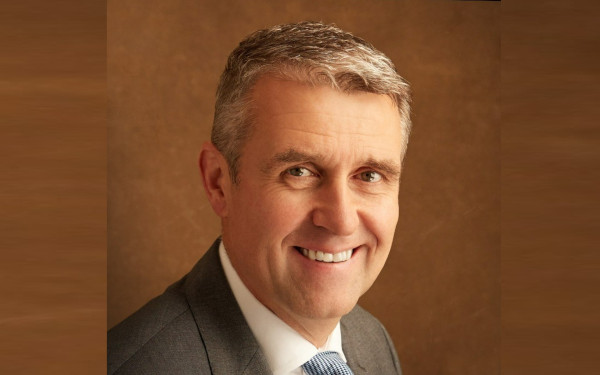
Mike Sangster, Senior Vice President for Africa at TotalEnergies, will deliver a keynote address at the Invest in African Energy (IAE) Forum in Paris this May. Sangster will also participate in an exclusive fireside chat, offering critical insights into the company's vision for Africa's energy future, its ongoing projects and the evolving role of oil and gas in the continent's energy mix.

TotalEnergies continues to drive oil and gas development across Africa, with a strong focus on both emerging and mature markets. In Namibia, the company is advancing its Venus-1 discovery, targeting first oil by the decade's end, with an FID expected in early 2026 for a development producing 150,000 barrels per day. TotalEnergies is also exploring additional prospects in the Orange Basin, having recently drilled the Marula-1X and Tabmoti-1X wells. In the Republic of Congo, the company is investing $600 million to expand deepwater production at the Moho Nord field, while in Libya, it plans to complete an onshore exploration project and lead new drilling campaigns in the Waha and Sharara fields in 2025.

IAE 2025 (www.Invest-Africa-Energy.com) is an exclusive forum designed to facilitate investment between African energy markets and global investors. Taking place May 13-14, 2025 in Paris, the event offers delegates two days of intensive engagement with industry experts, project developers, investors and policymakers. For more information, please visit www.Invest-Africa-Energy.com. To sponsor or participate as a delegate, please contact sales@energycapitalpower.com.

Meanwhile, TotalEnergies is expanding its gas processing and midstream infrastructure across Africa, strengthening its role in the continent's evolving energy landscape. In Mozambique, the company is progressing with the Mozambique LNG project, a $20 billion development expected to secure renewed financial backing from export credit agencies. I Uganda, TotalEnergies is gearing up for first oil from its Tilenga field in 2025, with crude transported via the East African Crude Oil Pipeline (EACOP). Once operational, EACOP will be the longest heated crude oil pipeline globally, significantly enhancing East Africa's ability to monetize its hydrocarbon resources and attract further investment into the region's energy sector.

TotalEnergies is also expanding its renewable energy footprint in Africa through strategic investments in solar, wind, hydropower and green hydrogen. The company is advancing its 500 MW Sadada solar project in Libya and acquired Scatec's hydropower portfolio on the continent in July 2024, including the 250 MW Bujagali Hydropower Plant in Uganda and stakes in projects in Malawi, Rwanda and the DRC. In South Africa, TotalEnergies is constructing a 216 MW solar plant with battery storage, along with a 140 MW wind farm and a 120 MW solar facility, set to supply green electricity to Sasol's industrial operations. In Morocco, the company is developing the Chbika project, a 1 GW wind and solar farm designed to produce 200,000 metric tons of green ammonia annually for export to Europe. These initiatives align with TotalEnergies' strategy to integrate renewables into its portfolio while supporting Africa's energy transition.

Sangster's participation at IAE 2025 comes at a pivotal time for Africa's energy sector, as investors and policymakers navigate a shifting global energy landscape. His keynote address and fireside chat will provide valuable perspectives on the role of private investment in African energy, strategies for unlocking new upstream opportunities and how TotalEnergies is adapting to the continent's long-term energy needs.

Distributed by APO Group on behalf of Energy Capital & Power.
Media files
Energy Capital & Power
Download logo
Read moreTotalenergies’ Mike Sangster to Headline Invest in African Energy Forum in Paris
3 March 2025

Next generation of scholars gathering to shape Africa’s future

Location: News

Next generation of scholars gathering to shape Africa’s future

Research-based insights and collaboration on finding solutions to Africa’s most urgent challenges will be at the heart of the Human Sciences Research Council (HSRC)’s 19th Africa Young Graduates and Scholars (AYGS) Conference. 

The conference which gets underway tomorrow, is being held in collaboration with the University of Mpumalanga (UMP).

Under the theme “Enabling Africa’s Inclusive and Sustainable Development: Challenges and Opportunities,” the conference will gather over 100 young and emerging scholars, policymakers, and practitioners from various regions of Africa to share research-based insights and collaborate on solutions to the continent’s most urgent challenges. 

The gathering will take place at UMP’s Mbombela campus from 4 to 6 March 2025. 

“We are excited to provide a platform for Africa’s next generation of leaders to engage, share knowledge, and shape the continent’s future,” said the Executive Head at the HSRC’s Africa Institute of South Africa (AISA), Dr Sabelo Gumedze. 

He believes that the AYGS Conference has the potential to contribute significantly to Africa’s developmental trajectory, and said they were looking forward to fostering innovative solutions, enhancing capacity, and informing policy decisions with research-based insights.

Meanwhile, the UMP Deputy Vice-Chancellor for Research and Innovation, Professor Aldo Stroebel, said the university was privileged to partner with the HSRC and other prominent stakeholders to engage and strengthen an opportunity framework for emerging scholars through critical thinking and policy impact. 

“UMP benefits from this convening to further advance our focus on sustainability and innovation, building a strong base of intellectual engagement, international networks, and learning,” Stroebel added. 

The conference will feature sessions covering various topics such as advancing agricultural sustainability and food security. 

The panellists will also zoom into governance, peace, and security in enabling Africa’s inclusive and sustainable development; climate change action and the Just Transition; and leveraging artificial intelligence (AI) to drive Africa’s development priorities.

Meanwhile, more than 30 papers will be presented by scholars from over 15 countries, including Cameroon, Ghana, Kenya, Lesotho, Madagascar, Nigeria, Rwanda, Sierra Leone, South Africa, Tanzania, Togo, Uganda, Zambia, and Zimbabwe. 

The annual AYGS conference is a research capacity-building project that was conceived in 2005 to build a body of knowledge and to project the African “voice” into various global discussions. 

It is further intended to bridge the existing expertise gap in knowledge production on African affairs by developing a society of knowledge producers among the youth. 

The conference, which features a comprehensive programme including a pre-conference training workshop on policy-engaged research and open science, is hosted by the HSRC’s Africa Institute of South Africa (AISA) in collaboration with the UMP, the National Research Foundation’s (NRF) Future Earth Africa Hub Leadership Centre, the Partnership for African Social and Governance Research (PASGR), and other key partners. – SAnews.gov.za


Gabisile
Mon, 03/03/2025 - 08:50
134 views

Read moreNext generation of scholars gathering to shape Africa’s future
28 February 2025

2025 Basketball Africa League Season to Feature Record Six New Teams

Location: Sport
Basketball Africa League (BAL)

  • – 12 BAL Teams Include First-Ever Participants from Cape Verde and Kenya, Previous Champions from Angola and Tunisia – 
  • – BAL's Milestone Fifth Season Tips Off on April 5 in Rabat with First-Ever BAL Games in Morocco; Tickets on Sale Now via Guichet – 

The Basketball Africa League (BAL) (www.BAL.NBA.com) today announced the 12 teams and game schedule (https://apo-opa.co/43iFBgS) for the opening leg of the league's milestone fifth season, which will tip off with the Kalahari Conference group phase from Saturday, April 5 – Sunday April 13 at the Prince Moulay Abdellah Sports Complex in Rabat, Morocco.   

The 2025 BAL season, which will feature three regular-season group phases and culminate with the playoffs and finals at the SunBet Arena in Pretoria, South Africa in June, will feature a record six first-time BAL participants, including the first BAL teams from Cape Verde (Kriol Star Basketball) and Kenya (Nairobi City Thunder), as well as defending champion Petro de Luanda (Angola) and 2022 champion US Monastir (Tunisia).  Petro de Luanda and US Monastir are the only teams to have qualified for all five BAL seasons.  Below is the complete list of participating teams by conference. 

1. Kalahari Conference

  • Al Ittihad (Egypt)* 
  • Fath Union Sport (FUS; Morocco) 
  • Stade Malien (Mali) 
  • Rivers Hoopers (Nigeria) 

2. Sahara Conference

  • ASC Ville de Dakar (Senegal)* 
  • Kriol Star Basketball (Cape Verde)* 
  • Petro de Luanda (Angola) 
  • US Monastir (Tunisia) 

3. Nile Conference

  • Al Ahli Tripoli (Libya)* 
  • Armée Patriotique Rwandaise Basketball (APR; Rwanda) 
  • Made by Basketball (MBB; South Africa)* 
  • Nairobi City Thunder (Kenya)* 

Each conference will play a 12-game group phase during which each team will face the other three teams in its conference twice.  During group phase play, the home team in each country will play on every gameday.  

In the season opener, Stade Malien (Mali) will face Rivers Hoopers (Nigeria) at 4:00 p.m. GMT+1.  In the second game, home team Fath Union Sport (FUS; Morocco) will take on Al Ittihad (Egypt) at 7:00 p.m. GMT+1.  Single-game tickets for the games in Rabat are available online at Guichet.ma (https://apo-opa.co/4bkwuyc) and the following physical locations: Megarama Cinema in Casablanca (https://apo-opa.co/3DeI6Gv), Megarama Cinema in Fes (https://apo-opa.co/4h0Ix54) and the National Theatre in Rabat (https://apo-opa.co/3Xpawoa).  Fans who purchase tickets will also have free access to the BAL Fan Zone at the arena.   

Tickets for the games in Dakar, Senegal are also on sale now at www.BAL.NBA.com and BAL-TeewTickets.com. 

Eight teams from across the three conferences will travel to Pretoria for four seeding games followed by an eight-game, single-elimination playoffs and finals from Friday, June 6 – Saturday, June 14.   

Additional information about the 2025 BAL season will be announced in the coming weeks. 


*First-time BAL participant 

Distributed by APO Group on behalf of Basketball Africa League (BAL).

BAL Season 5 Hype Video: https://apo-opa.co/3XnHJjD

Contact: 
Edwin Eselem
Basketball Africa League
+221 78 615 42 87
EEselem@theBAL.com 

Fans can follow the BAL (@theBAL) on:
Facebook: https://apo-opa.co/4ijfSsO
Instagram: https://apo-opa.co/3DoEnGe
Threads: https://apo-opa.co/41i0eY6
X: https://apo-opa.co/4kgmZnR
YouTube: https://apo-opa.co/3QzPMGq
Register their interest in receiving more information at www.BAL.NBA.com. 

About the BAL:
The Basketball Africa League (BAL), a partnership between the International Basketball Federation (FIBA) and NBA Africa, is a professional league featuring 12 club teams from across Africa that will tip off its fifth season in April 2025.  Headquartered in Dakar, Senegal, the BAL builds on the foundation of club competitions FIBA Africa has organized across the continent and marks the NBA's first collaboration to operate a league outside North America.  

Media files
Basketball Africa League (BAL)
Download logo
Read more2025 Basketball Africa League Season to Feature Record Six New Teams
27 February 2025

Cabinet sends best wishes for injured SANDF troops 

Location: News

Cabinet sends best wishes for injured SANDF troops 

Cabinet has extended its heartfelt wishes for a quick recovery to all soldiers returning from the Democratic Republic of Congo (DRC) who are currently receiving medical treatment in South Africa.

“Cabinet expressed its well wishes for a speedy recovery for all 1returned injured soldiers who are now receiving medical treatment in South Africa, the home soil,” Minister in the Presidency, Khumbudzo Ntshavheni said on Thursday.

This as the South African National Defence Force (SANDF) announced earlier in the week that the remaining wounded troops in need of medical attention had been successfully repatriated from the DRC and would now receive necessary care and support.

READ | Critically injured soldiers in DRC brought back home

The injured soldiers have been categorised into three priority areas for care – critical, non-critical, and those requiring psychological and social interventions.

This is after 14 troop members lost their lives and others sustained injuries at the hands of the M23 as fighting in the Goma region escalated. 

The rebel group fought intensely against the Congolese armed forces, resulting in the deaths of soldiers from 23 to 27 January during M23’s advance on Sake and Goma. 

These soldiers were part of the Southern African Development Community Mission in the Democratic Republic of Congo (SAMIDRC), which aims to help restore peace, security, and stability in Africa’s second-largest country.

At a post-Cabinet briefing in Cape Town, Ntshavheni announced that the Executive supports the resolutions from both the African Union Peace and Security Council (AUPSC) and the United Nations Security Council (UNSC) concerning the eastern DRC.

The AUPSC endorsed decisions from the Joint East African Community (EAC) and SADC meeting, which called for an immediate ceasefire, safe humanitarian routes, the withdrawal of uninvited forces, respect for territorial integrity, and the inclusion of all actors in the joint Luanda-Nairobi political dialogue.

“UNSC resolution urged all parties – State and non-State actors in the eastern DRC to conclude an immediate and unconditional ceasefire, as called for by leaders of the EAC and SADC.” 

According to the Minister, the resolution further demands that M23 rebel groups withdraw from the territories they have seized in the eastern DRC and called on the Rwanda Defence Forces to stop supporting the armed group and immediately withdraw from Congolese territory “without preconditions.” – SAnews.gov.za


Gabisile
Thu, 02/27/2025 - 13:38
62 views

Read moreCabinet sends best wishes for injured SANDF troops 
25 February 2025

Network International appointed as Payment Processing Partner by MTN Group Fintech

Location: News
Network International

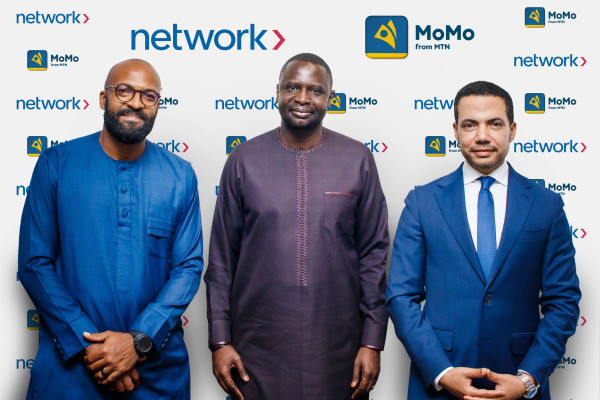
Network International (Network) (www.Network.ae), a leading enabler of digital commerce across the Middle East and Africa (MEA), has been appointed as a Payment Processor – Issuing partner for MTN Group Fintech, Africa's leading mobile financial services provider. This partnership marks a significant extension of Network's portfolio of issuer processing collaborations throughout the African continent. 

With a footprint spanning over 50 countries and serving over 250 financial institutions, Network International brings its expertise to this partnership which will enhance MTN Fintech's cutting-edge mobile services and provide even greater value to stakeholders and customers across Africa. 

The partnership will focus on rolling out card issuance products across key MTN Fintech markets, starting with Rwanda which is already operational. Soon   Uganda, Ivory Coast, and Nigeria will also be covered under this collaboration.  Network International will provide a comprehensive range of services, including transaction processing, card management and online fraud prevention. MTN Fintech users will benefit from a seamless experience accessing both traditional mobile services and innovative digital payment solutions. 

Dr. Reda Helal, Group Managing Director – Processing, Africa and Co-Head Group Processing at Network International commented: “Our collaboration with MTN Group Fintech marks a major milestone for our outsourced payments services in Africa. It demonstrates our ability to successfully serve Mobile Network Operators (MNOs) via our fully-fledged processing solutions and our continued dedication and commitment to the African region. We are excited to support MTN Group Fintech's growth strategy, and its business development plans across the continent.”  

Cedric N'guessan, Executive for Payment and E-commerce at MTN Group Fintech added, "This collaboration with Network International is pivotal in enhancing financial inclusion across Africa and beyond. It enables our customers to actively engage in the global economy, aligning perfectly with our strategic goals alongside Mastercard to broaden access to digital financial services across the continent." Read More (https://apo-opa.co/43aKuII) 

MTN Group provides voice, data, fintech, enterprise wholesale and API services to more than 288 million customers in 14 African markets.   

Distributed by APO Group on behalf of Network International.

For more information, please contact:  
MTN Group Press Office
MTNGroup.PressOffice@mtn.com 

MTN Group Fintech (Proprietary) Limited: 
Head Office: 216-14th Avenue Fairland 2195, Private Bag 9955 Cresta 2118 South Africa 
Tel +2711 912 3000 
Fax +2711 912 4093 
Website www.MTN.com

Corporate Communications: 
Network International 
Dubai, UAE 
Tel: +971 4 303 2431 
lambert.espedido@network.global   

Follow us:
X: https://apo-opa.co/3QwQZht
Linkedin: https://apo-opa.co/4khrvCr

About MTN Group Fintech:
MTN Fintech, the platform business of MTN Group, is dedicated to revolutionising global financial services through innovative digital technology solutions. Leveraging MTN's extensive reach and expertise in telecommunications, MTN Fintech is committed to advancing financial inclusion for all and empowering communities in Africa. With a primary focus on pioneering mobile financial services, digital payments, e-commerce, short-term insurance, and remittance capabilities, MTN Fintech strives to establish seamless, accessible, and secure financial ecosystems that shape the future of digital finance. 

About Network International:
Network International is the Middle East and Africa's largest and leading digital payments company. Our purpose is to help businesses and economies grow by simplifying payments and commerce. We operate in 50+ countries serving governments, banks, fintechs, merchants and public sector companies. We have 2,000+ employees based in our markets serving over 250 financial institutions and 130,000+ merchants.  

Media files
Network International
Download logo
Read moreNetwork International appointed as Payment Processing Partner by MTN Group Fintech
20 February 2025

Merck Foundation CEO Provides 194 Oncology Scholarships in Africa

Location: News
Merck Foundation

  • Merck Foundation marks World Cancer Day with African First Ladies by providing 194 scholarships of Oncology Training to African doctors from 32 countries. 
  • Merck Foundation together with Africa First Ladies and Ministries of Health has been building cancer care capacity and increasing the limited number of Oncologists in their countries by providing close to 200 Scholarships of One-, two- and three-years fellowship, diploma and Master Degree of oncology to African doctors from 32 Countries. 
  • Merck Foundation is making history in Africa by training the First African Oncologists and First Cancer Care Teams in Countries such as The Gambia, Sierra Leone, Burundi, Liberia, Guinea Conakry, Central African Republic, Chad, Burundi, Malawi, Niger, Namibia, Zambia, Zimbabwe and more. 

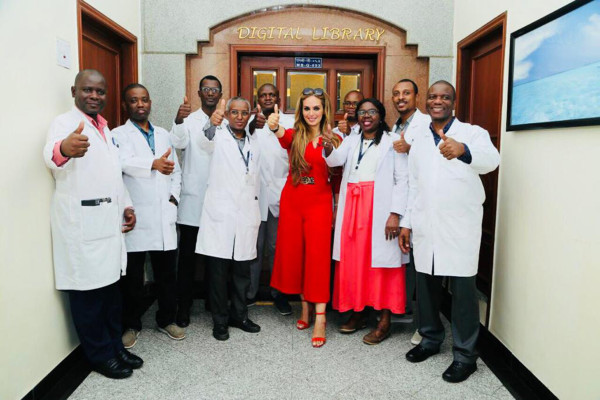
Merck Foundation (www.Merck-Foundation.com), the philanthropic arm of Merck KGaA Germany, marks ‘World Cancer Day 2025' together with Africa's First Ladies and Ministries of Health. Through their Cancer Access Program, Merck Foundation is is building quality and equitable cancer care capacity in Africa.  

Senator Dr. Rasha Kelej, the CEO of Merck Foundation, highlighted, “At Merck Foundation, we mark World Cancer Day not just as a single day, but as a our continued commitment to transform and advance cancer care in Africa.  

Together with my dear sisters, the Africa's First Ladies, we are have enhanced the cancer care capacity in the continent by providing 194 scholarships to young African doctors from 32 countries, significantly increasing the number of oncologists in Africa. We are making history together by providing these important scholarships for the first oncologists and /or the first cancer care teams in many countries across Africa.”  

Merck Foundation in total provided more than 2100 scholarships to doctors from over 52 countries in 44 critical and underserved medical specialties.  

The Merck Foundation Cancer Access Program provides One, two- and three-years fellowship, Post Graduate Diploma and Master Degree of oncology for doctors from Africa. The clinical training has been conducted in India, Egypt and Kenya. Additionaly, Merck Foundation also provides scholarships for 2 years online PG Diploma in Cancer and Clinical Oncology, 01 year online PG Diploma in Medical Oncology and 1 year online PG Diploma in Pain Management from reputed Universities in UK like University of South Wales, University of Buckingham, Queen Mary University of London, and Cardiff University. 

Merck Foundation is establishing Multidisciplinary Oncology Care teams in many African countries by providing scholarships of clinical training in Medical Oncology, Surgical Oncology, Pediatrics Oncology, Gynecology Oncology, Breast Oncology, Haemato-Oncology, Orthopaedic Oncology, Palliative Care, Pathology Oncology, Radiation Oncology, Research in Oncology, Surgical Oncology - Genital Urinary System, Advanced Cytopathology Training, Interventional Radiology, Radiation Technician, Laboratory Technician, Oncology Nursing. 

Merck Foundation through its Merck Foundation Cancer Access Program has provided 194 scholarships of Oncology to doctors from 32 countries including Botswana, Burkina Faso, Burundi, Cameroon, Central African Republic, Chad, Congo Brazzaville, Democratic Republic of the Congo, Ethiopia, Gabon, Gambia, Ghana, Guinea, Kenya, Liberia, Malawi, Mauritius, Mozambique, Namibia, Nepal, Niger, Nigeria, Rwanda, Sao Tome & Principe, Senegal, Sierra Leone, South Africa, Sri Lanka, Tanzania, Uganda, Zambia and Zimbabwe.  

“In several of these countries, there wasn't even a single oncologist. We are proud to be making history in Africa by training the first oncologists and establishing the first cancer care teams in nations such as The Gambia, Sierra Leone, Burundi, Liberia, Guinea Conakry, Central African Republic, Chad, and Niger. Merck Foundation remains committed to transforming the landscape of cancer care across the continent and leading Africa toward a healthier future,” explained Senator Dr. Rasha Kelej.  

Africa records around 1.1 million new cases of cancer, resulting in up to 700,000 deaths, every year, as per WHO data. The mortality rate of cancer patients is very high in Africa, as compared to the rest of the world.  

“One of the key reasons is also the late diagnosis of the disease. Therefore, these scholarships are very important” added Senator Kelej.  

Merck Foundation has also created awareness materials including awareness leaflets and videos on Cancer Prevention and Early Detection.  

Dr. Chifundo Kajombo, Merck Foundation Alumni from Malawi shares, “I am privileged to be awarded a scholarship by Merck Foundation to pursue the Surgical Oncology fellowship training program at Tata Memorial Hospital, India. I managed to advance from basic surgical oncology principles to the advanced level. This has helped me improve my understanding of cancer and operative principles. Since returning back home, I have managed to change the structure of how our breast clinic runs and modified it to incorporate a number of new things that we probably could not have possibly included. I am so proud to share that I have just been awarded the Best Surgeon for 2023 in Malawi. I would not have achieved this feat without Merck Foundation's scholarship. I am very thankful.” 

Watch testimonials videos of Merck Foundation Oncology Fellowship Alumni: https://apo-opa.co/4bab06Y

Distributed by APO Group on behalf of Merck Foundation.

Link of the extra posters: https://apo-opa.co/3X6RmD6

Contact details:
Mehak Handa
Community Awareness Program Manager
+91 9310087613 / +91 9319606669
mehak.handa@external.merckgroup.com

Join the conversation on our social media platforms below and let your voice be heard! 
Facebook: https://apo-opa.co/4k65XbW
X: https://apo-opa.co/43mGeGv
YouTube: https://apo-opa.co/3EVeWMS
Instagram: https://apo-opa.co/413ECyl
Threads: https://apo-opa.co/4gLTA1P
Flickr: https://apo-opa.co/4gSxZVs
Website: www.Merck-Foundation.com
Download the Merck Foundation App: https://apo-opa.co/413wo9z

About Merck Foundation:
The Merck Foundation, established in 2017, is the philanthropic arm of Merck KGaA Germany, aims to improve the health and wellbeing of people and advance their lives through science and technology. Our efforts are primarily focused on improving access to quality & equitable healthcare solutions in underserved communities, building healthcare & scientific research capacity, empowering girls in education and empowering people in STEM (Science, Technology, Engineering, and Mathematics) with a special focus on women and youth. All Merck Foundation press releases are distributed by e-mail at the same time they become available on the Merck Foundation Website.  Please visit www.Merck-Foundation.com to read more. Follow the social media of Merck Foundation: Facebook (https://apo-opa.co/4k65XbW), X (https://apo-opa.co/43mGeGv), Instagram (https://apo-opa.co/413ECyl), YouTube (https://apo-opa.co/3EVeWMS), Threads (https://apo-opa.co/4gLTA1P) and Flickr (https://apo-opa.co/4gSxZVs). 

The Merck Foundation is dedicated to improving social and health outcomes for communities in need. While it collaborates with various partners, including governments to achieve its humanitarian goals, the foundation remains strictly neutral in political matters. It does not engage in or support any political activities, elections, or regimes, focusing solely on its mission to elevate humanity and enhance well-being while maintaining a strict non-political stance in all of its endeavors. 

Media files
Merck Foundation
Download logo
Read moreMerck Foundation CEO Provides 194 Oncology Scholarships in Africa
19 February 2025

Civilians at Breaking Point in Eastern Democratic Republic of the Congo

Location: News

UN News
Download logo

As the Security Council prepared to gather on Wednesday to debate the international community's response to the growing emergency in eastern Democratic Republic of the Congo (DRC), the UN's top aid official there urged all warring parties to allow lifesaving relief supplies to reach the most vulnerable.

“The rapid and uninterrupted expansion of the conflict, particularly in South Kivu province, continues to inflict a heavy toll on the civilian population,” said UN humanitarian coordinator for DRC, Bruno Lemarquis. “The population can no longer continue to pay such a heavy price for a conflict that continues to spread and now threatens the stability of the entire region.”

The veteran aid official's appeal came as yet more vulnerable people reportedly fled combat zones amid advancing and heavily armed Rwanda-backed M23 rebels. On Sunday the opposition fighters took control of Bukavu - the second major eastern DRC city to fall, in a matter of weeks.

“It is imperative to put an end to the confrontations” and resume dialogue, Mr. Lemarquis insisted, as he echoed concerns stressed by the UN Secretary-General that the continuing M23 offensive threatens regional stability.

For aid teams who remain committed to helping vulnerable and hard-to-reach communities impacted by the fighting, Mr. Lemarquis signalled that the most urgent priorities include reopening airports for humanitarian flights in Goma – capital of North Kivu and Kavumu in South Kivu, both now controlled by M23.

‘Tense' situation in Bukavu

The security situation in Bukavu remains tense, according to the UN aid coordination office, OCHA, which also reported that commercial boats have resumed services on Lake Kivu between Bukavu and Goma.

Humanitarian partners have also reported widespread looting in various part of Bukavu over the weekend, including a UN World Food Programme warehouse containing 7,000 tonnes of supplies.

“Several churches and collective centres in Bukavu are reportedly hosting displaced people,” OCHA noted in an update, adding that humanitarian assessment activities resumed on Tuesday “and will continue tomorrow as conditions permit”.

In addition to the urgent need for humanitarian supply flights, the UN aid coordinator urged respect for international law regarding the rights of internally displaced people (IDPs). Just last week, relief agencies expressed concern at a 72-hour ultimatum issued by M23 representatives to IDPs in Goma who were told to go back to their villages.

“Any return can only take place on a voluntary basis, under safe, dignified and sustainable conditions, in accordance with international principles,” Mr. Lemarquis explained.

Neutrality at core of mission

The UN aid coordinator also insisted that relief teams' “sole mission” was to provide vital assistance and protection to the most vulnerable, “wherever they may be...This action is guided by the humanitarian principles of neutrality, impartiality, humanity, and independence, without taking sides or engaging in political considerations.”

The DRC emergency is one of the most complex humanitarian crises in the world; it follows decades of clashes between the Congolese armed forces and various non-State armed groups, widespread human rights violations and sexual violence.

Humanitarian needs are staggering and not just in eastern DRC, according to the UN refugee agency, UNHCR, which noted that seven million people within the country are displaced and more than one million have sought asylum beyond the country's borders.

Most of these refugees are hosted by Angola, Burundi, the Republic of the Congo, Malawi, Rwanda, South Africa, Uganda, Tanzania and Zambia. At the same time, the DRC – a country seven times the size of Germany – also hosts more than half a million refugees and asylum-seekers.

This latest crisis in DRC's east has already uprooted hundreds of thousands of vulnerable people in a matter of weeks. Between 10 and 15,000 people have now crossed into neighbouring Burundi in a matter of days.

“UNHCR urgently calls for increased support to assist refugees and prevent further suffering,” it said in an online appeal. “We also urge an immediate end to hostilities in eastern DRC to prevent more displacement and civilian harm.”

Distributed by APO Group on behalf of UN News.

Read moreCivilians at Breaking Point in Eastern Democratic Republic of the Congo
10 February 2025

Historic summit brings hope for peace in the DRC

Location: News

Historic summit brings hope for peace in the DRC

President Cyril Ramaphosa has reiterated South Africa’s commitment to a diplomatic solution that ensures stability in the Democratic Republic of Congo (DRC) and its neighbours, while also protecting the well-being of the Congolese people.

In his weekly newsletter to the nation, President Ramaphosa said South Africa supports the right of the Congolese people to live free from forces that violate their human rights, plunder their natural resources and terrorise their communities. 

“South Africa stands in solidarity with the Congolese people and their aspiration to live in peace and security.

“We reaffirm our commitment to a diplomatic and political solution that prioritises the stability of the DRC and neighbouring countries and safeguards the peace and well-being of the Congolese people,” the President said on Monday.

This as the President has just returned from a Heads of State summit in Tanzania on the conflict in the eastern DRC. 
He said the outcomes of the summit provide a beacon of hope for the troubled eastern Democratic Republic of Congo. 

Heads of State and Government from the Southern Africa Development Community (SADC) and East Africa Community (EAC) have issued a clarion call for “political and diplomatic engagement” by all parties, including M23 rebels, in the eastern DRC.

Leaders from the two regional blocs, including President Ramaphosa, attended an urgent joint SADC-EAC Heads of State and Government Summit at the weekend as tensions, and casualties, in the DRC conflict continue to escalate.

The historic joint summit brought together the EAC and SADC to consider the deteriorating security situation in the eastern DRC and to find a sustainable political solution. 

As a member of SADC and the African Union, the President said the country has a responsibility to support all efforts to bring peace and stability to its fellow African nation, which has been racked by war for more than three decades. 

Loss of lives

South Africa contributes troops to the United Nations Organisation Stabilisation Mission in the DRC (MONUSCO) and the SADC Mission in the DRC (SAMIDRC). 

Recently, 14 South African National Defence Force (SANDF) troops paid the ultimate price for their efforts to restore peace to the region. The deaths of the soldiers alongside troops from other African nations signalled an alarming escalation in the conflict. 

READ | Movement of fallen SANDF soldiers now underway

The strategic city of Goma in the eastern DRC is now under the control of the M23 rebel group fighting the Congolese army, with the M23 having made advances in other towns. 

Diplomacy

“As South Africa we have steadfastly maintained that diplomacy is the most sustainable solution to this conflict. While we are involved in peacekeeping missions, South Africa actively participates in the various diplomatic efforts to end the conflict in the eastern DRC,” he said. 

These include the Peace, Security and Cooperation Framework for the DRC and the Great Lakes Region, the Luanda Peace Process led by the President of Angola, João Manuel Gonçalves Lourenço , and the EAC-led Nairobi Process facilitated by former Kenyan President Uhuru Kenyatta.

“As South Africa, we have always believed that the best way to resolve a conflict is to ensure that all parties to the conflict are involved in the negotiations that lead to the resolution of the conflict, whether they are state actors or non-state actors.

“We are pleased that this approach was adopted and reconfirmed at the SADC extraordinary summit held in Harare, Zimbabwe, two weeks ago,” the President said. 

He highlighted that several of the countries in the EAC bloc, such as Uganda, Burundi, Tanzania and Rwanda, share borders with the DRC and are directly impacted by the ongoing conflict. It was therefore significant that the Heads of State of these countries and the President of the DRC were at the joint summit. 

Way forward

“Having considered a report on the security situation in the eastern DRC, the summit reiterated the call for an immediate ceasefire and a cessation of hostilities between the warring parties. A ceasefire will allow humanitarian aid corridors to operate and bring much needed supplies to the civilians caught in the crossfire,” he said. 

The summit further directed that the EAC/SADC Chiefs of Defence Forces meet within five days to develop a securitisation plan for Goma and the surrounding area, the reopening of Goma airport, the evacuation of civilians and the repatriation of the deceased. 

READ | SADC-EAC leaders call for dialogue in DRC conflict

One of the most significant outcomes was that the joint summit agreed that direct negotiations and dialogue resume between all state and non-state parties, including the M23. This will take place under the framework of the Luanda and Nairobi processes.

“We are pleased that this inclusive approach was endorsed and adopted at the historic joint EAC/SADC summit under the leadership of President William Ruto of Kenya and President Emmerson Mnangagwa of Zimbabwe.

“This is a major step forward. Unless all parties to the conflict are brought around the negotiating table, all diplomatic solutions will lack credibility and be unsustainable in the long term,” President Ramaphosa said. 

The joint summit also affirmed the independence, sovereignty and territorial integrity of the DRC, meaning that a process must be developed for uninvited foreign armed forces to withdraw from the DRC. 

President Ramaphosa said the outcomes from the joint summit are in essence confidence-building measures towards a sustainable peace. 

“These confidence building measures will finally lead to the drawdown of the SAMIDRC troops. This historic summit of the EAC and SADC paves the way for a lasting peace in the eastern DRC.”

The President concluded by quoting Congolese revolutionary and statesman, Patrice Lumumba, who once said:  “We are not alone. Africa, the free peoples and the peoples fighting for their freedom in all corners of the world will always be side by side with the millions of Congolese who will not give up the struggle.” – SAnews.gov.za


DikelediM
Mon, 02/10/2025 - 08:52

354 views
Read moreHistoric summit brings hope for peace in the DRC
8 February 2025

SADC-EAC leaders call for dialogue in DRC conflict

Location: News

SADC-EAC leaders call for dialogue in DRC conflict

Heads of State and Government from the Southern Africa Development Community (SADC) and East Africa Community (EAC) have issued a clarion call for “political and diplomatic engagement” by all parties, including M23 rebels, in the eastern Democratic Republic of Congo (DRC).

Leaders from the two regional blocs, including President Cyril Ramaphosa, attended an urgent joint SADC-EAC Heads of State and Government Summit as tensions, and casualties, in the DRC conflict continue to escalate.

A communiqué was released following the conclusion of the Joint Summit held at Dar Es Salaam in Tanzania on Saturday.

“The Joint Summit directed resumption of direct negotiations and dialogue with all state and non-state parties [military and non-military] including the M23 and under the framework of the Luanda/Nairobi process,” the communiqué said.

The conflict has claimed the lives of 14 South African National Defence Force members in addition to soldiers from other SADC countries who were part of a peacekeeping mission in the DRC.

Furthermore, the United Nations reports that the crisis has also killed 3000 people and injured at least 2800 others since January 26.

“The Joint Summit expressed concern on the deteriorating security situation in Eastern DRC which has resulted in the loss of lives, creating a humanitarian crisis as well as suffering of people in particular women and children.

“The Joint Summit also expressed concern about the escalating crisis manifesting in attacks on Diplomatic Missions, Embassies and Staff based in Kinshasa and urged the Government of DRC to protect lives and property as well as upholding long lasting legal and moral principles of respecting peace missions in DRC such as MONUSCO and the others. 

“The Joint Summit also expressed condolences for the loss of lives in the recent attacks and also wished a speedy recovery to the injured,” the communiqué read.

The Joint Summit was preceded by meetings of foreign ministers and senior officials from both regional blocs.

“The Joint Summit considered the report of the joint Meeting of Ministers of EAC and SADC on the security situation in Eastern DRC and emphasised that political and diplomatic engagement is the most sustainable solution to the conflict in the eastern DRC,” the communiqué continued.

Way forward

The EAC-SADC Chiefs of Defence Forces (CDFs) have been directed to meet within five days to “provide technical direction” on:

  • immediate and unconditional ceasefire and cessation of hostilities; 
  • provision of humanitarian assistance including repatriation of the deceased and evacuation of the injured;
  • develop a securitisation plan for Goma and surrounding areas;
  • immediate re-opening of Goma Airport; and 
  • advise on other related facilitative interventions. 

“The Joint Summit reaffirmed the critical role of both the Luanda and Nairobi processes and directed that the two be merged into a Luanda/Nairobi Process.

“The Joint Summit further resolved to strengthen the two processes to enhance complementarity and mandated the co-chairs, in consultation with the African Union, to consider and appoint additional facilitators, including from other regions of Africa to support the merged process.

“The Joint Summit called for the implementation of the Concept of Operations (CONOPS) of the harmonized plan for neutralization of FDLR and the lifting of Rwanda's defensive measures/disengagement of forces from the DRC as agreed in the Luanda process,” read the communiqué.

A joint meeting of EAC and SADC ministers is expected to be held within 30 days to discuss:

  • the Report of the Joint Meeting of CDFs on the ceasefire and cessation of hostilities;
  • establishment of secretariat level technical coordination mechanism to monitor implementation of the Joint Summit Decisions
  • an elaborate roadmap detailing immediate, medium and long-term implementation measures including financing modalities; and 
  • address all other residual issues relating to the attainment of sustainable peace and security in eastern DRC and make appropriate recommendations to the next Joint meeting of the EAC-SADC Summit.

“The Joint Summit directed that modalities for withdrawal of uninvited foreign armed forces from the territory of the DRC be developed and implemented.

“The Joint Summit reaffirmed solidarity and unwavering commitment to continue supporting the DRC in its pursuit of safeguarding its independence, sovereignty and territorial integrity as well as sustainable peace, security and development,” the communiqué concluded. – SAnews.gov.za

NeoB
Sat, 02/08/2025 - 19:36

93 views
Read moreSADC-EAC leaders call for dialogue in DRC conflict
7 February 2025

National Flag to be flown at half-mast for 14 fallen soldiers

Location: News

National Flag to be flown at half-mast for 14 fallen soldiers

In a solemn moment during the State of the Nation Address (SONA), President Cyril Ramaphosa on Thursday evening, led the nation in mourning the tragic loss of 14 South African soldiers, who died while on a peacekeeping mission in the eastern Democratic Republic of the Congo (DRC).

“We gather here as our country is mourning the tragic and devastating loss of 14 South African soldiers, who were part of a mission to bring peace to the eastern Democratic Republic of the Congo,” the President said. 

As a mark of respect, the President has ordered the National Flag to be flown at half-mast for a period of one week in honour of the fallen soldiers.

“Alongside soldiers from other Southern African countries, they lost their lives in defence of the fundamental right of the Congolese people to live in peace and security. They lost their lives not in the pursuit of resources or territory or power. They lost their lives so that the guns on our continent may be forever silenced,” the President said. 

In paying tribute to the fallen heroes, the President lauded their courage and commitment to the ideals of peace and security, vowing that their sacrifice will not be in vain. 

“We salute our gallant soldiers,” he said.

As the country mourns, government has pledged support to the bereaved families, ensuring that they receive the necessary assistance during this difficult time.

The fallen soldiers, who were part of the Southern African Development Community (SADC) mission in the DRC, were identified as:

  • Staff Sergeant William Eddie Cola.
  • Staff Sergeant Molahlehi Ishmael Molahlehi.
  • Staff Sergeant Shwahlane Theophilus Seepe.
  • Corporal Matome Justice Malesa.
  • Corporal Rinae Nemavhulani.
  • Lance Bombardier Itumeleng Macdonald Moreo.
  • Lance Corporal Tseke Moffat Molapo.
  • Lance Corporal Metse Stansly Raswiswi.
  • Rifleman Sebatane Richard Chokoe.
  • Rifleman Derrick Maluleke.
  • Rifleman Tshidiso Andries Mabele.
  • Rifleman Calvin Louis Moagi.
  • Rifleman Mokete Joseph Mobe.
  • Private Peter Jacobus Strydom.

The soldiers had been deployed as part of a regional effort to stabilise the volatile region of the eastern DRC, where armed conflict has persisted for decades. Their deaths underscore the immense risks faced by peacekeeping forces in Africa’s conflict zones.

The fighting in the eastern DRC intensified due to escalations by the rebel group M23 and the Rwanda Defence Force (RDF) militia engaging the Armed Forces of the DRC (FARDC), leading to direct attacks on peacekeepers from the SADC Mission in the Democratic Republic of Congo (SAMIDRC). 

The SAMIDRC is a regional peacekeeping initiative launched on 15 December 2023, to assist the DRC government in restoring peace and security in the eastern regions of the country. This deployment was approved during an Extraordinary SADC Summit held in Windhoek, Namibia, on 8 May 2023, as a response to escalating conflicts and instability caused by the resurgence of armed groups in the area. 

According to a press release issued by SADC in January last year, SAMIDRC comprises military contingents from Malawi, South Africa, and Tanzania, working in collaboration with the Congolese Army, FARDC, to combat and eradicate armed groups operating in eastern DRC. 

President Ramaphosa last week attended an Extraordinary SADC Summit on the situation in the DRC. 

READ | SADC Extraordinary Summit condemns escalating violence in DRC, calls for urgent action. – SAnews.gov.za

DikelediM
Thu, 02/06/2025 - 22:34

131 views
Read moreNational Flag to be flown at half-mast for 14 fallen soldiers
5 February 2025

Economic growth, job creation expected to take centre stage in President’s SONA

Location: News

Economic growth, job creation expected to take centre stage in President’s SONA

Economic growth, service delivery, infrastructural development, and job creation are some of the key issues that President Cyril Ramaphosa is expected to address in his highly anticipated State of the Nation Address (SONA) scheduled for Thursday, 6 February 2025.

Professor Dirk Kotze from the University of South Africa’s (Unisa) Department of Political Sciences, noted that economic growth will take centre stage in the President’s speech.

“I think first of all, what President Ramaphosa will focus on is, as always, on the economic matters - economic growth; the economic plan that he has developed since 2018,” Kotze told SAnews.

In addition, the Professor believes that the country’s commander-in-chief will zoom in on the water and electricity issues. 

“Yes, electricity is definitely becoming more of a success story, but he will continue with that,” he added. 

According to the political analyst, other important areas, including health, education, defence, and Home Affairs, will also be addressed. 

Kotze explained that SONA focuses on the current year and outlines the government’s plans and the legislative agenda for Parliament.

This includes the introduction of new legislation, as well as a medium-term plan covering the next three years.

“He will also refer to some matters that will later be presented in more detail in the budget speech by the Minister of Finance [Enoch Godongwana]. So, these two, the budget speech and the SONA address, are very much linked to each other.

“I don’t think one can expect new issues,” he added. 

In addition, the Professor stated that the President's address will reaffirm the government’s position on issues, such as climate change.

“Renewable energy will receive, I think, a lot of attention, given the developments in the US, President [Donald] Trump, who wants to move away from that,” he told SAnews.

According to the analyst, international relations will be specifically addressed, particularly in light of the recent incidents in the eastern Democratic Republic of Congo (DRC).

Several soldiers serving with peacekeeping forces in the DRC have been killed by the M23 rebel group in recent days amid fierce fighting, including 14 members of the South African National Defence Force (SANDF).

The recent deadly clashes have intensified in eastern DRC after Kinshasa withdrew its diplomats from Kigali in Rwanda. Rebels have advanced toward the strategic city of Goma, which is rich in minerals.

The SANDF soldiers are part of the mission which aims to help restore peace, security, and stability in Africa’s second-largest country.

Tomorrow’s SONA will mark the President’s first SONA as the Head of the Government of National Unity (GNU) in the seventh administration.

This address holds particular significance as it coincides with the 30th anniversary of freedom and democracy in South Africa, as well as the country’s Presidency of the Group of 20 (G20). 

Tomorrow's address also marks the official start of the parliamentary programme, which is followed by a debate in the National Assembly and the President’s response to that debate.

In an interview with SAnews on Tuesday, Deputy Minister in the Presidency, Kenny Morolong, emphasised the importance of this year’s SONA. 

He noted that President Ramaphosa will be addressing the nation following an election that led to the formation of a GNU, as no single political party received enough support to govern independently.

“This SONA will outline the three priorities and strategic direction of the GNU which are to drive inclusive growth and job creation, to reduce poverty and tackle the high cost of living, and to build a capable, ethical and developmental State.” 

Morolong said it was important for South Africans to tune in and watch the President and hear him deliver the plans of government that he leads, as the Head of State. – SAnews.gov.za
 

Gabisile
Wed, 02/05/2025 - 07:03

212 views
Read moreEconomic growth, job creation expected to take centre stage in President’s SONA
3 February 2025

Committee on International Relations Says Unity of Africans a Major Priority

Location: News

Republic of South Africa: The Parliament
Download logo

The Portfolio Committee on International Relations and Cooperation says the situation in the Democratic Republic of the Congo (DRC), which has been unfolding for some time, should be of grave concern to all peace-loving people yearning for unity among Africans.

Committee Chairperson, Mr Supra Mahumapelo, said, “As South Africa, Malawi and Uganda, we are in the DRC as part of many historical and current efforts to ensure that Africa in general and the DRC in particular is at peace. Once more, as the Committee on International Relations and Corporation, we send our condolences and deep sorrow to the sons and daughters we lost in the course of the struggle for peace and unity in Africa.”

Mr Mahumapelo said the committee applauds the Department of International Relations and Cooperation (DIRCO) and the South African National Defence Force for continuing to explain that “our presence in the DRC and elsewhere on the continent is not based on our own mission, but the collective mission of both SADC and the UN to stabilise the DRC”.

He further said the committee commends President Cyril Ramaphosa for not being tempted into mudslinging with President Paul Kagame of Rwanda but choosing the correct path of diplomacy at a presidential level.

“We are confident that after the good and productive meeting of the SADC held and presided over by President Emmerson Mnangagwa of Zimbabwe, a better diplomatic approach to resolving the DRC's political, economic and geopolitical conundrum will bear fruit. As the committee, we look forward to engaging with the Minster of DIRCO on progress in the DRC matter,” he said.

The committee has written a letter to the Portfolio Committee on Defence and other relevant committees calling for joint accountability work on the DRC matter and report to the people of South Africa.

Distributed by APO Group on behalf of Republic of South Africa: The Parliament.

Read moreCommittee on International Relations Says Unity of Africans a Major Priority
3 February 2025

Merck Foundation and First Ladies of Africa Mark World Cancer Day 2025: 194 Oncology Scholarships Provided Across 32 African Countries

Location: News
Merck Foundation

  • Merck Foundation marks World Cancer Day with African First Ladies by providing 194 scholarships of Oncology Training to African doctors from 32 countries.
  • Merck Foundation together with Africa First Ladies and Ministries of Health has been building cancer care capacity and increasing the limited number of Oncologists in their countries by providing close to 200 Scholarships of One-, two- and three-years fellowship, diploma and Master Degree of oncology to African doctors from 32 Countries.
  • Merck Foundation is making history in Africa by training the First African Oncologists and First Cancer Care Teams in Countries such as The Gambia, Sierra Leone, Burundi, Liberia, Guinea Conakry, Central African Republic, Chad, Burundi, Malawi, Niger, Namibia, Zambia, Zimbabwe and more.

Merck Foundation (www.Merck-Foundation.com), the philanthropic arm of Merck KGaA Germany, marks ‘World Cancer Day 2025' together with Africa's First Ladies and Ministries of Health. Through their Cancer Access Program, Merck Foundation is building quality and equitable cancer care capacity in Africa.

Senator Dr. Rasha Kelej, the CEO of Merck Foundation, highlighted, “At Merck Foundation, we mark World Cancer Day not just as a single day, but as our continued commitment to transform and advance cancer care in Africa.

Together with my dear sisters, the Africa's First Ladies, we are have enhanced the cancer care capacity in the continent by providing 194 scholarships to young African doctors from 32 countries, significantly increasing the number of oncologists in Africa. We are making history together by providing these important scholarships for the first oncologists and /or the first cancer care teams in many countries across Africa.”  

Merck Foundation in total provided more than 2100 scholarships to doctors from over 52 countries in 44 critical and underserved medical specialties.

The Merck Foundation Cancer Access Program provides One, two- and three-years fellowship, Post Graduate Diploma and Master Degree of oncology for doctors from Africa. The clinical training has been conducted in India, Egypt and Kenya. Additionaly, Merck Foundation also provides scholarships for 2 years online PG Diploma in Cancer and Clinical Oncology, 01 year online PG Diploma in Medical Oncology and 1 year online PG Diploma in Pain Management from reputed Universities in UK like University of South Wales, University of Buckingham, Queen Mary University of London, and Cardiff University.

Merck Foundation is establishing Multidisciplinary Oncology Care teams in many African countries by providing scholarships of clinical training in Medical Oncology, Surgical Oncology, Pediatrics Oncology, Gynecology Oncology, Breast Oncology, Haemato-Oncology, Orthopaedic Oncology, Palliative Care, Pathology Oncology, Radiation Oncology, Research in Oncology, Surgical Oncology - Genital Urinary System, Advanced Cytopathology Training, Interventional Radiology, Radiation Technician, Laboratory Technician, Oncology Nursing.

Merck Foundation through its Merck Foundation Cancer Access Program has provided 194 scholarships of Oncology to doctors from 32 countries including Botswana, Burkina Faso, Burundi, Cameroon, Central African Republic, Chad, Congo Brazzaville, Democratic Republic of the Congo, Ethiopia, Gabon, Gambia, Ghana, Guinea, Kenya, Liberia, Malawi, Mauritius, Mozambique, Namibia, Nepal, Niger, Nigeria, Rwanda, Sao Tome & Principe, Senegal, Sierra Leone, South Africa, Sri Lanka, Tanzania, Uganda, Zambia and Zimbabwe.

“In several of these countries, there wasn't even a single oncologist. We are proud to be making history in Africa by training the first oncologists and establishing the first cancer care teams in nations such as The Gambia, Sierra Leone, Burundi, Liberia, Guinea Conakry, Central African Republic, Chad, and Niger. Merck Foundation remains committed to transforming the landscape of cancer care across the continent and leading Africa toward a healthier future,” explained Senator Dr. Rasha Kelej.

Africa records around 1.1 million new cases of cancer, resulting in up to 700,000 deaths, every year, as per WHO data. The mortality rate of cancer patients is very high in Africa, as compared to the rest of the world.

“One of the key reasons is also the late diagnosis of the disease. Therefore, these scholarships are very important” added Senator Kelej.

Merck Foundation has also created awareness materials including awareness leaflets and videos on Cancer Prevention and Early Detection.

Dr. Chifundo Kajombo, Merck Foundation Alumni from Malawi shares, “I am privileged to be awarded a scholarship by Merck Foundation to pursue the Surgical Oncology fellowship training program at Tata Memorial Hospital, India. I managed to advance from basic surgical oncology principles to the advanced level. This has helped me improve my understanding of cancer and operative principles. Since returning back home, I have managed to change the structure of how our breast clinic runs and modified it to incorporate a number of new things that we probably could not have possibly included. I am so proud to share that I have just been awarded the Best Surgeon for 2023 in Malawi. I would not have achieved this feat without Merck Foundation's scholarship. I am very thankful.”

Watch testimonials videos of Merck Foundation Oncology Fellowship Alumni: https://apo-opa.co/42ziwpY

Distributed by APO Group on behalf of Merck Foundation.

Contact details:
Mehak Handa
Community Awareness Program Manager
+91 9310087613 / +91 9319606669
mehak.handa@external.merckgroup.com

Join the conversation on our social media platforms below and let your voice be heard!
Facebook: https://apo-opa.co/3CxqKnW
X: https://apo-opa.co/3Q8rwL3
YouTube: https://apo-opa.co/42zjKl4
Instagram: https://apo-opa.co/42Hdtnk
Threads: https://apo-opa.co/40A5EwY
Flickr: https://apo-opa.co/40GOfmv
Website: www.Merck-Foundation.com
Download the Merck Foundation App: https://apo-opa.co/3Q0ZWPV

About Merck Foundation:
The Merck Foundation, established in 2017, is the philanthropic arm of Merck KGaA Germany, aims to improve the health and wellbeing of people and advance their lives through science and technology. Our efforts are primarily focused on improving access to quality & equitable healthcare solutions in underserved communities, building healthcare & scientific research capacity, empowering girls in education and empowering people in STEM (Science, Technology, Engineering, and Mathematics) with a special focus on women and youth. All Merck Foundation press releases are distributed by e-mail at the same time they become available on the Merck Foundation Website.  Please visit www.Merck-Foundation.com to read more. Follow the social media of Merck Foundation: Facebook (https://apo-opa.co/3CxqKnW), X (https://apo-opa.co/3Q8rwL3), Instagram (https://apo-opa.co/42Hdtnk), YouTube (https://apo-opa.co/42zjKl4), Threads (https://apo-opa.co/40A5EwY) and Flickr (https://apo-opa.co/40GOfmv).

The Merck Foundation is dedicated to improving social and health outcomes for communities in need. While it collaborates with various partners, including governments to achieve its humanitarian goals, the foundation remains strictly neutral in political matters. It does not engage in or support any political activities, elections, or regimes, focusing solely on its mission to elevate humanity and enhance well-being while maintaining a strict non-political stance in all of its endeavors.

Media files
Merck Foundation
Download logo
Read moreMerck Foundation and First Ladies of Africa Mark World Cancer Day 2025: 194 Oncology Scholarships Provided Across 32 African Countries
3 February 2025

Fallen SANDF soldiers are South African and African heroes: President Ramaphosa

Location: News

Fallen SANDF soldiers are South African and African heroes: President Ramaphosa

The South African National Defence Force (SANDF) soldiers, who were killed in the eastern Democratic Republic of the Congo (DRC), are African heroes who laid their lives in defence of those who are not able to defend themselves.

This is according to President Cyril Ramaphosa, who addressed the nation through his weekly newsletter on Monday.

The SANDF lost 14 members in the DRC after coming under deadly attack allegedly from M23 fighters.

South African soldiers are in the DRC as part of the Southern African Development Community Mission in the DRC (SAMIDRC) and the United Nations Organisation Stabilisation Mission in the Democratic Republic of Congo (MONUSCO).

“They were killed in violation of a ceasefire agreement between the DRC and Rwanda, facilitated by President João Lourenço of Angola. As a nation, we pay tribute to our fallen soldiers. They are South African and African heroes.

“They lost their lives in defence of the defenceless: the men, women and children who are the victims of one of the world’s most protracted conflicts,” President Ramaphosa said.

The names of the soldiers – as released by the SANDF – are:

  • Staff Sergeant William Eddie Cola.
  • Staff Sergeant Molahlehi Ishmael Molahlehi.
  • Staff Sergeant Shwahlane Theophilus Seepe.
  • Corporal Matome Justice Malesa. 
  • Corporal Rinae Nemavhulani. 
  • Lance Bombardier Itumeleng Macdonald Moreo. 
  • Lance Corporal Tseke Moffat Molapo. 
  • Lance Corporal Metse Stansly Raswiswi. 
  • Rifleman Sebatane Richard Chokoe. 
  • Rifleman Derrick Maluleke. 
  • Rifleman Tshidiso Andries Mabele.
  • Rifleman Calvin Louis Moagi. 
  • Rifleman Mokete Joseph Mobe 
  • Private Peter Jacobus Strydom.

President Ramaphosa has assured that SANDF participation in the DRC is “subject to the SAMIDRC mission” and will wind down “in accordance with the implementation of various confidence-building measures and when the ceasefire we have called for takes root”.

“As this happens, securing the safety of our troops remains paramount. The situation in the areas where our troops are stationed remains highly volatile. We are making every effort to ensure that our soldiers are well-equipped and sufficiently supported during the mission,” he said.

SAnews on Friday, 31 January 2025, reported on the Extraordinary SADC Summit, which was held in Harare, Zimbabwe, on the situation in the DRC. President Ramaphosa and other leaders at the summit, strongly condemned the ongoing violence in the DRC, where clashes have displaced thousands of civilians.  

READ | SADC Extraordinary Summit condemns escalating violence in DRC, calls for urgent action

Silencing the guns

President Ramaphosa explained that South Africa has been a “troop contributing country to MONUSCO since 1999 and we have lent our support to the SADC mission deployed to the region in 2023” – anchored in the commitment to “silencing the guns” on African soil.

“Supporting peacebuilding and the resolution of conflict in Africa has been a cornerstone of our country’s foreign policy since the advent of democracy, as we have sought to draw on our experience of political dialogue and national reconciliation.

“Since 1994, our country has contributed to UN peace operations in Burundi, Ethiopia, Eritrea, Liberia, Nepal and to the UN-AU Mission in Darfur. South Africa has been part of fostering peace in Lesotho, Burundi and South Sudan. In 2022, we hosted negotiations that brokered a ceasefire between the government of Ethiopia and the Tigray People’s Liberation Front.

“Last year marked the end of the SADC Mission in Mozambique (SAMIM), which SANDF troops formed part of. The mission was deployed for three years to combat extremist groups in the Cabo Delgado province. The government of Mozambique has praised SAMIM for its efforts to restore stability to the region and for contributing to a vastly improved security situation,” he said.

In our best interests

According to the President, since the attack on the SANDF soldiers, questions were raised on South Africa’s DRC presence, with some saying “we have no business being there.”.

“Violence and conflict in Africa is the business of all Africans. The humanitarian, economic and social effects of these conflicts are felt across borders and regions. Instability in any part of the continent affects the prospects for growth and development across the continent,” President Ramaphosa insisted.

He said for peace to be secured in the eastern DRC, “there must be an immediate end to hostilities and a ceasefire that must be respected by all”.

“A ceasefire is a necessary precondition for peace talks that must include all parties to the conflict, whether they are State or non-state actors, Congolese or non-Congolese.

"Diplomacy is the most sustainable pathway to achieving a lasting peace for the DRC and its people. We call on all parties to fully embrace the current diplomatic efforts that are aimed at finding a peaceful resolution, including honouring the Luanda Process.

“Strong political will and leadership will be required from all parties to the conflict, as well as respect for the territorial integrity of the DRC,” the President said.

Furthermore, for lasting peace and security to be achieved in the DRC, “the collective will of the community of nations” will be needed.

“As a country, we have a duty of support towards the nations of Africa, whose solidarity and material support helped secure our liberation. 

“South Africa will not let up in its support to the people of the DRC, so that they may have the peace and security they rightfully deserve,” President Ramaphosa concluded. – SAnews.gov.za

NeoB
Mon, 02/03/2025 - 14:25

37 views
Read moreFallen SANDF soldiers are South African and African heroes: President Ramaphosa
31 January 2025

President attends SADC Extraordinary Summit on DRC

Location: News

President attends SADC Extraordinary Summit on DRC

By Dikeledi Molobela

Harare, Zimbabwe: President Cyril Ramaphosa has this afternoon (Friday) arrived in Harare, Zimbabwe, where he will be participating in the Southern African Development Community (SADC) Extraordinary Summit of Heads of State and Government to discuss the security situation in the Democratic Republic of Congo. 

The Summit comes after the recent intense fighting in the eastern Democratic Republic of Congo, where South Africa lost 13 brave soldiers who were dedicated to their mission and committed to peace. 

The fighting is the result of an escalation by the rebel group M23 and Rwanda Defence Force (RDF) militia engaging the FARDC and attacking peacekeepers from the SADC Mission in the Democratic Republic of Congo. 

Today’s summit will be chaired by the President of the Republic of Zimbabwe and Chairperson of SADC, Emmerson Dambudzo Mnangagwa. 

The summit follows the outcome of the Extraordinary Summit of the SADC Organ Troika plus the DRC and Troop Contributing Countries (TCCs) to the SADC Mission in the DRC (SAMIDRC), which was held on 28 January 2025 and was chaired by Dr Samia Suluhu Hassan, the President of the United Republic of Tanzania and Chairperson of the SADC Organ on Politics Defence and Security Cooperation.

President Ramaphosa is being accompanied by the Minister of International Relations and Cooperation, Ronald Lamola; Minister of Defence and Military Veterans, Angie Motshekga; and Minister in The Presidency, Khumbudzo Ntshavheni. – SAnews.gov.za


DikelediM
Fri, 01/31/2025 - 17:36

91 views
Read morePresident attends SADC Extraordinary Summit on DRC
31 January 2025

Mashatile extends heartfelt condolences to families of fallen SANDF soldiers in Congo

Location: News

Mashatile extends heartfelt condolences to families of fallen SANDF soldiers in Congo

Deputy President Paul Mashatile has joined President Cyril Ramaphosa in expressing his deepest condolences to the families of South African National Defence Force (SANDF) members who recently lost their lives in the Democratic Republic of Congo (DRC).

“These brave soldiers were dedicated to their mission and committed to contributing to peace and stability in the DRC. We also call upon His Holiness to pray for peace and stability in the DRC and Africa as a whole,” Mashatile said on Thursday. 

The Deputy President was speaking at the official opening of the first phase of the Bochasanwasi Akshar Purushottam Swaminarayan Sanstha (BAPS) Hindu Mandir and Cultural Complex in North Riding, Johannesburg. 

Several soldiers serving with peacekeeping forces in the DRC, have been killed by the M23 rebel group in recent days amid fierce fighting, including 13 members of the SANDF.

The recent deadly clashes have intensified in eastern DRC after Kinshasa withdrew its diplomats from Kigali in Rwanda. Rebels have advanced toward the strategic city of Goma, which is rich in minerals.

The SANDF soldiers are part of the Southern African Development Community Mission in the Democratic Republic of Congo (SAMIDRC), which aims to help restore peace, security, and stability in Africa’s second-largest country.

BAPS Hindu Mandir and Cultural Complex

The official opening of the BAPS Hindu Mandir and Cultural Complex was led by His Holiness Mahant Swami Maharaj, the current Guru and President of BAPS, who travelled from India for the occasion.

BAPS is a significant branch of the Swaminarayan Sampradaya, a Hindu denomination.

The BAPS Hindu Mandir and Cultural Complex will serve as a centre for spiritual, social, and charitable activities.

The country’s second-in-command, who also visited the centre during its initial development phase, said the event is more than just the inauguration of an architectural marvel. 

“It is a powerful symbol of our shared commitment to building a South Africa rooted in diversity, inclusivity, and mutual respect,” he told the attendees. 

The building will be a place of worship, offer language and music classes, and feature a sports complex.

He described this historic inauguration as a representation of the country’s constitutional values, including freedom of religion, human dignity, and unity in diversity. 

“As we gather here, we are reminded of the importance of embracing and celebrating our differences. In a world that is often divided by barriers and boundaries, this centre stands as a beacon of unity and understanding,” he said. 

The Deputy President stated that the temple will not only function as a place of worship but also as a sanctuary for peace, knowledge, and spiritual enrichment for individuals from all backgrounds. 

Mashatile also commended the thousands of volunteers who have worked diligently to make this vision a reality and noted that the government is inspired by their dedication.

“Let us draw inspiration from the Hindu values and principles, as we strive to build united and prosperous communities founded on mutual respect, understanding, love and cooperation.” 

The Deputy President invited the BAPS organisation to continue working with government in addressing pressing social challenges, including gender-based violence and femicide (GBVF), substance abuse, violence and crime facing local communities. 

“As a religious community, you have a crucial role to play in recognising and bolstering the best practices in your community for preventing and eliminating these ills. 

“This is a responsibility that falls squarely on both our shoulders. We must collaborate our efforts within our communities to reaffirm the importance of freedom, peace, security, and respect for all human rights,” Mashatile said. – SAnews.gov.za
 

Gabisile
Fri, 01/31/2025 - 08:47

180 views
Read moreMashatile extends heartfelt condolences to families of fallen SANDF soldiers in Congo
30 January 2025

M23 Rebellion: Ethnic Tensions and the Fight for Recognition in the DRC

Location: News

The Democratic Republic of the Congo (DRC) is once again witnessing violent clashes as the M23 rebel group intensifies its fight against the Congolese government. The conflict, rooted in long-standing ethnic tensions, centers around the status of the Tutsi population in the DRC, a minority group with deep historical and cultural ties to neighboring Rwanda. …

Read moreM23 Rebellion: Ethnic Tensions and the Fight for Recognition in the DRC
29 January 2025

President Cyril Ramaphosa on the Recent Developments in the Eastern DRC and Deaths of SA Soldiers

Location: News

The Presidency of the Republic of South Africa
Download logo

Fellow South Africans, 

Following the recent intensification of fighting in the eastern Democratic Republic of the Congo (DRC), South Africa has lost 13 brave soldiers who were dedicated to their mission and committed to peace. The fighting is the result of an escalation by the rebel group, M23 and Rwanda Defence Force (RDF) militia engaging the Armed Forces of the DRC (FARDC) and attacking peacekeepers from the SADC Mission in the Democratic Republic of Congo (SAMIDRC).

On behalf of the Government and the people of our country, I express our sincerest condolences to their families, their loved ones and colleagues. We bow our heads in honor of their heroic and gallant fight for peace. 

We honour and mourn them.

All necessary support is being provided to the families of the deceased and the families of the injured. The process to repatriate the remains of the deceased is underway. 

The attacks on peacekeepers resulted in the deaths of SAMIDRC members from other troop contributing countries, namely; Malawi and Tanzania, as well members of the UN Organisation Stabilisation Mission in the DRC (MONUSCO) brigade. We honour all the lives that were lost and pass our condolences to their families, governments and citizens. The situation in Goma and Sake, where our troops and their counterparts are stationed, remains very tense, volatile and unpredictable. 

The Minister of Defence and Military Veterans, Ms Angie Motshekga and the Chief of the SANDF, Gen Rudzani Maphwanya and SAMIDRC Force Commander, Maj Gen Monwabisi Dyakopu are working to ensure that the SAMIDRC forces remain well equipped and sufficiently supported during this critical mission. 

We are concerned about the speculation about the state of our troops and the battle conditions. All South Africans must rally behind our brave men and women who have dedicated their lives to bringing peace in our continent. 

South Africa's military presence in the eastern DRC is not a declaration of war against any country or state. The members of the South African National Defence Force (SANDF) that are in the DRC are part of both SADC and United Nations (UN) efforts to bring peace and protect thousands of lives that are constantly threatened by the conflict in the DRC. The presence of the SAMIDRC forces demonstrates a commitment of SADC member states to supporting the DRC in its efforts to achieve lasting peace and stability and ultimately, create an enabling environment for sustainable development and prosperity. 

We welcome the position that was recently adopted by the United Nations Security Council (UNSC) during its special sitting on the situation in the DRC, which calls for an immediate end to hostilities, the reversal of territorial expansion by the M23, the exit of external forces from the DRC and the resumption of peace talks under the Nairobi Process. 

The territorial integrity of the DRC must be respected in accordance with the United Nations Charter on the respect of sovereignty, territorial integrity and political independence of other states. 

We call on all parties to this conflict to fully embrace the current diplomatic efforts that are aimed at finding a peaceful resolution, including honoring the Luanda Process agreements. We must silence the guns on our continent for the attainment of inclusive development and prosperity. 

I thank you.

Distributed by APO Group on behalf of The Presidency of the Republic of South Africa.

Read morePresident Cyril Ramaphosa on the Recent Developments in the Eastern DRC and Deaths of SA Soldiers
29 January 2025

Support being given to families of 13 fallen soldiers in Eastern DRC

Location: News

Support being given to families of 13 fallen soldiers in Eastern DRC

President Cyril Ramaphosa has expressed his deep sorrow and condolences, following the recent escalation of violence in the eastern Democratic Republic of the Congo (DRC), which resulted in the loss of 13 South African soldiers. 

“On behalf of the government and the people of our country, I express our sincerest condolences to their families, their loved ones and colleagues. We bow our heads in honour of their heroic and gallant fight for peace. We honour and mourn them,” President Ramaphosa said on Wednesday.

The fighting in the eastern DRC intensified due to escalations by the rebel group M23 and the Rwanda Defence Force (RDF) militia engaging the Armed Forces of the DRC (FARDC), leading to direct attacks on peacekeepers from the SADC (Southern African Development Community) Mission in the Democratic Republic of Congo (SAMIDRC). 

The SAMIDRC is a regional peacekeeping initiative launched on December 15, 2023, to assist the DRC government in restoring peace and security in the eastern regions of the country. This deployment was approved during an Extraordinary SADC Summit held in Windhoek, Namibia, on May 8, 2023, as a response to escalating conflicts and instability caused by the resurgence of armed groups in the area. 

According to a press release issued by SADC in January last year, SAMIDRC comprises military contingents from Malawi, South Africa, and Tanzania, working in collaboration with the Congolese Army, FARDC, to combat and eradicate armed groups operating in eastern DRC.

President Ramaphosa assured that all necessary support is being provided to the families of both the deceased and injured soldiers. The repatriation process for the remains of the fallen soldiers is currently underway. 

The attacks on peacekeepers also resulted in the deaths of SAMIDRC members from other troop-contributing countries, namely, Malawi and Tanzania, as well as members of the UN Organisation Stabilisation Mission in the DRC (MONUSCO) brigade. 

“We honour all the lives that were lost and pass our condolences to their families, governments and citizens. The situation in Goma and Sake, where our troops and their counterparts are stationed, remains very tense, volatile and unpredictable,” the President said. 

The President said that the Minister of Defence and Military Veterans, Angie Motshekga, alongside the Chief of the South African National Defence Force (SANDF), General Rudzani Maphwanya, and SAMIDRC Force Commander, Major General Monwabisi Dyakopu, are working to ensure that the SAMIDRC forces remain well equipped and sufficiently supported during this critical mission.

Despite this devastating loss, the SANDF has reiterated its unwavering commitment to fulfilling its peacekeeping mandate under MONUSCO and SAMIDRC. – SAnews.gov.za

DikelediM
Wed, 01/29/2025 - 14:31

352 views
Read moreSupport being given to families of 13 fallen soldiers in Eastern DRC
29 January 2025

South Africans called to rally behind SANDF troops in the DRC

Location: News

South Africans called to rally behind SANDF troops in the DRC

President Cyril Ramaphosa has addressed growing speculation about the conditions faced by South African troops deployed in the Democratic Republic of the Congo (DRC), calling on the nation to stand behind its soldiers. 

In a statement on Wednesday, the President emphasised government's concern over misleading reports and reaffirmed South Africa’s commitment to peacekeeping efforts. 

“We are concerned about the speculation about the state of our troops and the battle conditions. All South Africans must rally behind our brave men and women who have dedicated their lives to bringing peace in our continent. 

“South Africa’s military presence in the eastern DRC is not a declaration of war against any country or state. The members of the South African National Defence Force that are in the DRC are part of both SADC and United Nations efforts to bring peace and protect thousands of lives that are constantly threatened by the conflict in the DRC,” the President said. 

The President added that the presence of the SADC Mission in the Democratic Republic of Congo (SAMIDRC)  demonstrates a commitment of SADC member states in supporting the DRC in its efforts to achieve lasting peace and stability, and ultimately, create an enabling environment for sustainable development and prosperity. 

The President’s remarks follow the recent intensification of fighting in the eastern Democratic Republic of Congo, where South Africa lost 13 brave soldiers who were dedicated to their mission and committed to peace. 

The fighting is the result of an escalation by the rebel group M23 and Rwanda Defence Force (RDF) militia engaging the Armed Forces of the DRC (FARDC) and attacking peacekeepers from the SADC Mission in the Democratic Republic of Congo. 

President Ramaphosa welcomed the United Nations Security Council's recent position on the situation in the DRC, which calls for an immediate cessation of hostilities, the reversal of territorial expansion by the M23, the withdrawal of external forces from the DRC, and the resumption of peace talks under the Nairobi Process.

“The territorial integrity of the DRC must be respected in accordance with the United Nations Charter on the respect of sovereignty, territorial integrity and political independence of other states,” he said. 

He urged all parties involved in the conflict to fully embrace diplomatic efforts, including honoring the Luanda Process agreements.

“We call on all parties to this conflict to fully embrace the current diplomatic efforts that are aimed at finding a peaceful resolution, including honoring the Luanda Process agreements. 

“We must silence the guns on our continent for the attainment of inclusive development and prosperity,” he said. 

On Tuesday, the SANDF also issued a statement clarifying the misrepresentation of events circulating in a video clip claiming that SANDF forces surrendered to M23 rebels. 

The SANDF clarified that the footage in question depicts a white flag raised, which is an outcome of discussions between the opposing fighting forces to agree on a truce to allow M23 to recover their dead and injured in the vicinity of the South African base. 

It explained that this will also open the route for South African troops to access medical facilities. The SANDF said this is common practice in any war and members of the public should not be alarmed by the video clip and its meaning.  

The SANDF also reaffirmed its steadfast commitment to its peacekeeping mission under the United Nations Stabilisation Mission in the DRC (MONUSCO), and SAMIDRC.

It further emphasised that its troops continue to operate with resolve, courage, and discipline to bring peace and stability to the region.

South Africa has played a pivotal role in the DRC’s peacekeeping efforts, with SANDF forces working tirelessly under challenging circumstances to support the mission’s objectives. – SAnews.gov.za

DikelediM
Wed, 01/29/2025 - 14:27

147 views
Read moreSouth Africans called to rally behind SANDF troops in the DRC
  • Previous
  • Page 1
  • Page 2
  • Page 3
  • Page 4
  • Page 5
  • Interim pages omitted …
  • Page 8
  • Next

Copyright © 2026 · MyZA · All Rights Reserved · Powered by Reach Trust