How Can Rural Communities Benefit From South Africa’s Green Energy Transition?
Solar farms can bring jobs, but the story of one South African community shows that rural residents who give up their land need more say in how benefits are shared.

MyZA
News, Directory, Events and Other Stuff
Solar farms can bring jobs, but the story of one South African community shows that rural residents who give up their land need more say in how benefits are shared.
Solar energy can cut costs and pollution for South African households, but fear of theft holds people back. Shared mini-grids offer a safer, affordable alternative.
Research suggests a shift to electric mobility is technically and economically feasible.
South Africa’s largest gold producer went to court to win the right to use its own solar power.
The Freedom Front Plus (VF Plus) strongly condemns the Johannesburg Metro’s intention to force residents with prepaid meters who have invested in solar power to switch back to conventional meter readings and billing systems. Should the ANC-led Metro administration proceed with this plan, it may be time to approach the courts. This amounts to consumer […]
The post Johannesburg’s sabotage of solar users strongly condemned appeared first on Freedom Front Plus.
South Africa’s water, energy and food crises are interconnected. Coordinated funding across all three, including community-led and blended finance, is needed.
Dangerous climate tipping points will threaten food, water and coastlines. They’re irreversible and only radically accelerated climate action can stop them now.
Failing water, power, sanitation and security services in South Africa are spurring households and communities to do it themselves.
Africa’s Second Climate Summit in Ethiopia will try to find ways to bring in more finance to help the continent adapt to climate change.
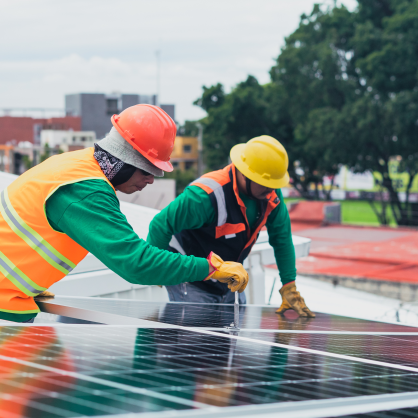
With 2.5 gigawatts-peak (GWp) (http://apo-opa.co/4iQtUCp) of solar capacity added across Africa in 2024 and 194.34 GWp expected in 2025, the continent is fast becoming a global hotspot for solar energy growth. Leading this shift are the commercial and industrial (C&I) sectors, where photovoltaic (PV) systems are being installed on-site at businesses, educational institutions, and government facilities to meet their own energy demands.
Dr Andrew Dickson, engineering executive at CBi-electric: low voltage (www.CBi-lowvoltage.co.za), explains that multiple factors are accelerating the continent's switch to solar. “Energy poverty remains a major issue across Africa, with reliable grid electricity reaching only 14% (http://apo-opa.co/4jICofV) of Zimbabweans, for example.”
He adds that unreliable power supply is another key driver. “Persistent nationwide blackouts are affecting countries like Botswana (http://apo-opa.co/3EZvQKM), disrupting day-to-day operations. And in hydro-electric dependent countries such as Zambia (http://apo-opa.co/3RRqvrX), climate change is reducing water levels, leading to lower electricity generation and higher prices.”
Dr Dickson points out that in countries like Namibia which are dependent on electricity imports, affordability is a growing concern, with N$8.8 billion (http://apo-opa.co/3EZvSlS) expected to be spent between January 2024 and December 2025. “As a result, Namibia now has the highest (http://apo-opa.co/3EZvSSU) electricity prices in Southern Africa. Yet it has a unique geographic advantage: its solar PV systems can produce twice (http://apo-opa.co/3EZvSSU) as much electricity as comparable systems in central Europe.”
Some African nations are proactively investing in solar to reduce their grid dependence. “Malawi is rolling out its National Compact for Energy (http://apo-opa.co/3GMlxKC), which creates a competitive framework for private-sector investment in off-grid solar through grants, subsidies, and credit lines that improve access to foreign exchange,” he notes.
Safeguarding solar investments
The shift to solar is also being driven by cost-effectiveness. Dr Dickson shares that on-site solar is now cheaper (http://apo-opa.co/3YDs1BD) than the electricity tariffs paid by C&I clients in at least seven sub-Saharan markets.
Pointing to research by GreenCape (http://apo-opa.co/3Z6UyzC), which found that solar PV can reduce business energy costs by 15%, with a return on investment reached within three to 12 years, he highlights that after that, businesses can benefit from up to 15 years of free electricity.
However, Dr Dickson stresses that unlocking these savings requires protecting system components from damage and disruption. “Voltage spikes caused by lightning or grid instability can seriously damage inverters and batteries. Installing surge protection devices (SPDs) is critical, not just to prevent damage, but also to avoid voiding manufacturer warranties.”
Arcing is another serious threat. “When electrical currents jump across gaps, the heat generated can damage components or even start fires,” he explains. “DC circuit breakers designed specifically for solar systems are essential for mitigating this risk. They're built to handle the direct current generated by PV panels, ensuring safer and more reliable operation.”
Smart tech enables smarter solar use
In addition to physical protection, Dr Dickson advises businesses to embrace smart energy management tools to extend system life and optimise performance. “A smart power indicator can detect grid interruptions and send immediate alerts, helping businesses respond quickly. These systems can temporarily disconnect non-essential high-energy devices during an outage to prevent overload and preserve battery life. At the same time, they ensure that essential systems like security and lighting continue operating during downtime.”
Optimising solar ROI in 2025
He believes that the key to unlocking solar's full potential lies in strategic system design and management. “By combining surge protection, DC breakers, and monitoring tools, businesses can reduce unexpected costs, minimise downtime, and extend the life of their investment.”
“As Africa's solar energy market continues to expand in 2025, organisations have an opportunity to capitalise on its long-term benefits. With the right technologies and safeguards in place, solar is not only a clean energy solution it's a strategic asset that pays off,” concludes Dr Dickson.
Distributed by APO Group on behalf of CBI-electric: low voltage.
About CBi-electric: low voltage:
Companies and officials are using legal measures meant for domestic violence victims, to gag reporters
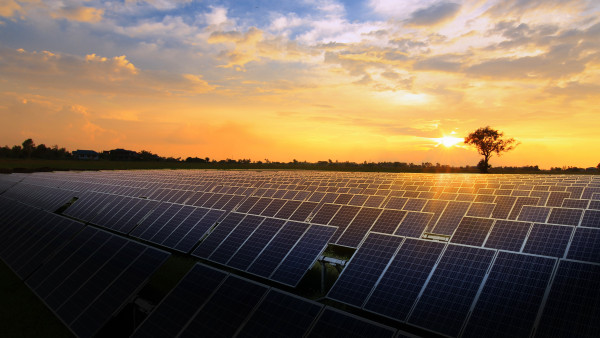
SolarAfrica (https://SolarAfrica.com/) is proud to take another major step forward in the development of its flagship utility-scale solar project, SunCentral, by successfully reaching financial close on the first 114 MW component of the project alongside funding partners Investec and RMB. The R1.8 billion investment into SunCentral marks the start of the project's rollout in South Africa.
SunCentral is a large-scale solar photovoltaic (PV) plant located between Hanover and De Aar in South Africa's Northern Cape province. The project will be developed in three phases.
Phase 1, consisting of 342 MW, will be delivered through a staged roll-out of three 114 MW facilities and will deliver renewable energy to a diverse range of off-takers by wheeling it through South Africa's power grid. Phase 2 and 3 will increase SunCentral's capacity to 1 GW.
Unlike similarly sized projects that offer wheeling on a one-to-one basis (with one generation plant supplying one off-taker), SolarAfrica's project will offer wheeling on a one-to-many basis, making it available to a wider pool of businesses in South Africa.
SolarAfrica's Chief Investment Officer Charl Alheit, who spearheaded the financial close, explains: “Reaching financial close on the first 114 MW of our utility-scale wheeling development and Main Transmission Substation (MTS) investment marks a significant milestone in our commitment to advancing sustainable energy solutions for our customers in the commercial and industrial sectors.”
He adds that the substantial size of SunCentral will unlock access to cheaper, greener power for even more businesses across the country. “We are excited to see this project move forward as we continue contributing to the energy transition while delivering long-term value to our customers."
SolarAfrica is part of the greater Starsight Energy Africa Group. The success of SunCentral will act as a blueprint for similar (and possibly smaller) off-site generation projects in other key African markets in which the Starsight Energy Africa Group companies operate.
“The construction of SolarAfrica's SunCentral is a critical step in our journey to expand clean energy adoption across Sub-Saharan Africa, says Paul van Zijl, Group CEO of Starsight Energy Africa Group. “We are excited to move this project forward and continue delivering long-term value to our customers,” he says.
SolarAfrica is backed by world-class investors African Infrastructure Investment Managers (AIIM) and Helios Investment Partners who both hold decades-long track records of bringing investment to support African innovation.
“Reaching Financial Close on the first 114 MW on SunCentral is a fantastic milestone for SolarAfrica, says Thor Corry, Investment Director at AIIM.
“The modular approach to construct the MTS and plug in subsequent 114 MW modules provides a superb platform for SolarAfrica to scale at pace to meet the needs of the C&I customers in South Africa who want to secure price certainty and cost efficiencies while furthering South Africa's Just Energy Transition. With South Africa requiring up to 30 GW of new capacity by 2030 to meet its climate commitments and energy needs, projects like this are crucial,” Corry concludes.
Distributed by APO Group on behalf of Starsight Energy.
About SolarAfrica:
Founded in 2011, SolarAfrica provides a suite of capex-free green energy solutions to the commercial and industrial sectors in Southern Africa. The holistic suite includes on-site solutions such as solar energy and battery storage together with virtual solutions like wheeling, trading and aggregation.
SolarAfrica partners with businesses in South Africa seeking an energy solution that provides power security, cost savings and carbon reduction – building towards long-term sustainability.
The company has evolved into an ambitious team who are passionate about what they do and the core values they uphold. SolarAfrica has been named the continent's leading solar energy firm twice, scooping the Africa Solar Industry Association's African Solar Company of the Year award in 2021 and 2023.
About Starsight Energy:
Across the continent, Starsight Energy is redefining what it means for businesses to be energy efficient. Starsight Energy provides premier clean on-grid and off-grid energy services to commercial and industrial clients in Africa.
Serving the commercial and industrial, financial, residential, educational and agricultural sectors, Starsight Energy delivers tailored power and cooling solutions to meet client requirements while optimising consumption through energy-efficient appliances and environmentally friendly practices and recommendations.
From load analysis and modelling to demand management and customised solution design, Starsight Energy helps clients optimize energy efficiency and cost savings across the board.
About African Infrastructure Investment Managers (“AIIM”):
AIIM, a member of Old Mutual Alternative Investments* (“OMAI”), has been investing in the African infrastructure sector since 1999 with a track record extending across seven African infrastructure funds. AIIM's team of 40+ investment professionals are based out of five locally staffed offices across the continent in Cape Town, Johannesburg, Nairobi, Lagos and Abidjan providing direct on-the-ground coverage of our key markets.
AIIM is Africa's largest dedicated infrastructure private equity manager and currently manages an aggregate AUM of USD2.9 billion in assets across the power, renewable energy, digital infrastructure, mid-stream energy and transport sectors with operations in 19 African countries.
AIIM is a licensed FSP approved by the Financial Sector Conduct Authority in South Africa.
*Old Mutual Alternative Investments (OMAI) is a private alternative investment manager in Africa, with over USD7.6 billion (ZAR139.4 billion) under management in infrastructure, private equity, hybrid equity and impact funds. It is a member of Old Mutual Investment Group, the investment management arm of Old Mutual.
About Helios Investment Partners:
Established in 2004, Helios Investment Partners is the largest Africa-focused private investment firm, with a record that spans creating start-ups to providing expanding companies with growth capital and expertise. The firm has over $3.0 billion in assets under management and is led and managed by a predominantly African team based in London, Lagos, Nairobi and Paris, with the language skills and cultural affinity to engage with local entrepreneurs, managers, and intermediaries on the continent.
Helios leverages its local and global networks to create attractive proprietary investment opportunities, with an emphasis on building market leaders in core economic sectors and driving performance through a highly engaged approach to portfolio operations. The firm's unique combination of a deep knowledge of the African operating environment, a singular commitment to the region and a proven capability to manage complexity, is reflected in its diverse portfolio of growing, market-leading businesses, and its position as a partner of choice in Africa.
Helios is the second mainstream private equity firm globally, and the largest emerging markets focused private equity firm, to achieve B Corp certification. B Corp status recognizes the firm's longstanding commitment to sustainability and responsible business practices.

The Africa-Paris Declaration, forged during the 2024 Invest in African Energy (IAE) Forum in Paris, was a pivotal moment in Africa's quest for sustainable energy solutions. Aimed at strengthening the continent's energy transition while addressing the urgent issue of energy poverty, the declaration set ambitious targets for expanding access to clean, affordable and reliable energy. With the 2025 edition of the forum approaching, now is the time to reflect on the progress made since the Africa-Paris Declaration and assess how these initiatives are shaping Africa's energy future.
Increased Engagement in Africa
In the months following the declaration, international investors, development banks and private equity firms have shown a steadfast interest in the African energy market. A key milestone was the launch of the Africa Energy Bank by the African Export-Import Bank and APPO, marking the creation of a first-of-its-kind institution designed to fund and facilitate energy initiatives across the continent. Several final investment decisions were successfully closed, including Shell's $5.5 billion Bonga North deepwater project. Additionally, strategic partnerships, including new PSCs signed by Panoro Energy in Equatorial Guinea and BW Energy in Gabon, highlight how international collaborations are accelerating energy development and creating new opportunities for exploration and production. This increased engagement is key to addressing the financing gap that has long hindered the growth of Africa's energy sector.
Natural gas continues to play a central role in Africa's energy strategy as a transitional fuel. The Africa-Paris Declaration underscored its importance as a bridge between traditional energy sources and renewable energy. Over the past year, significant strides have been made in natural gas exploration and LNG exports. Notable developments include Senegal's Greater Tortue Ahmeyim LNG reaching its first gas production, the Republic of Congo's first LNG exports to Italy from the Congo LNG project, Nigeria's UTM FLNG receiving its construction license, and Angola's Sanha Lean Gas Connection project achieving first gas, among others. These initiatives are not only crucial for advancing Africa's energy transition, but also serve as powerful drivers of economic growth by creating jobs and advancing infrastructure development.
Meanwhile, countries like South Africa, Egypt and Morocco are at the forefront of wind and solar energy development, with momentum expected to build as they meet renewable energy targets and explore new growth opportunities. These investments are driving a shift toward cleaner, more sustainable energy in Africa, though challenges remain. High costs of renewable technologies and insufficient grid infrastructure continue to hinder expansion, underscoring the need for more investment in off-grid and mini-grid solutions.
Investment Gaps Persist
Despite these advancements, Africa still faces significant investment challenges. The financing gap for large-scale energy projects remains substantial and while the private sector has become more engaged, many projects still struggle to secure the necessary capital. In particular, the cost of financing remains high due to the perceived risks associated with energy investments in Africa. This is where continued efforts to de-risk investments and foster public-private partnerships are critical to unlocking the continent's full energy potential. Institutional capacity continues to be a challenge for many African countries. While progress has been made in improving regulatory frameworks, there is still a need for clearer policies, streamlined permitting processes and better enforcement of regulations. Governments must continue to strengthen their institutions to effectively implement energy projects and create an enabling environment for both local and international investors.
With the IAE 2025 forum just months away, industry stakeholders have an opportunity to reflect on the progress made since the Africa-Paris Declaration and determine next steps for the continent's energy future. The forum serves as a platform for government officials, industry leaders and financial institutions to renew commitments, share success stories and address ongoing challenges. While the road to universal energy access and a sustainable energy future is long, the declaration has set the framework for a collective effort that can lead to meaningful change. With the right investments, regulatory frameworks and political will, Africa can emerge as a global leader in energy innovation and sustainability.
Distributed by APO Group on behalf of Energy Capital & Power.
IAE 2025 (www.Invest-Africa-Energy.com) is an exclusive forum designed to facilitate investment between African energy markets and global investors. Taking place May 13-14, 2025 in Paris, the event offers delegates two days of intensive engagement with industry experts, project developers, investors and policymakers. For more information, please visit www.Invest-Africa-Energy.com. To sponsor or participate as a delegate, please contact sales@energycapitalpower.com.
Solar project makes strides in W Cape
The Riversdale solar energy project, which is set to bring reliable, affordable and renewable energy, is making satisfactory progress, says Western Cape Premier Alan Winde.
The multimillion-rand energy initiative is currently under construction in Riversdale, located in the Southern Cape, following a sod-turning ceremony in September 2024.
Riversdale, a growing hub of economic activity and job creation, is located along the N2 highway in the Hessequa region between Cape Town and George. The town is mainly agriculturally oriented, and is recognised as a hub for shopping and other services for surrounding farming communities, smaller towns and some coastal resorts.
Winde, who visted the project site on Friday, said the project is an important part of creating energy security, even though the country has had a reprieve from load shedding.
The first phase of the project is expected to provide power to local businesses by the beginning of next year. After three years, it should be extended to all residents of the Hessequa region.
READ | Eskom edges closer to meeting load shedding target
Winde believes that municipalities in the Western Cape should continue to explore and invest in alternative energy solutions, with an added focus on making power more affordable and environmentally friendly.
He said the Riversdale project and others like it will help in the face of Eskom's "staggering" 44% proposed increase for electricity sales to municipalities in the upcoming financial year. Through these projects, municipalities, the Premier said, would be able to absorb some of the worst of these price increases and pass on the benefits to their residents.
“This project is not just ensuring energy resilience, which is much needed after the disastrous spate of power cuts; we are also taking a more responsible approach to power generation through renewable and affordable energy provision.”
Eskom has applied to the National Energy Regulator of South Africa for a 44% increase in electricity prices for the 2024/2025 financial year.
The Western Cape Government (WCG) believes that the Riversdale energy initiative is essential for providing for the town's residents, and that it will also play a vital role in securing economic growth and driving job creation in the region.
The solar project includes a 10 megawatt (MW)-hour solar photovoltaic (PV) system that can generate 15 million kilowatt-hours per year.
It features a battery energy storage system with a capacity of 10MW-hours, allowing for efficient energy storage and discharge.
It is also equipped with advanced monitoring and control systems, enabling real-time performance tracking and optimisation.
The project is being implemented in three phases. According to the WCG, It will provide energy to the whole of Riversdale, which currently has a population of around 22 000 people.
Electricity and Energy Deputy Minister, Samantha Graham-Maré, commended the WCG for its efforts to assist municipalities to incorporate renewable energy into their business models.
She commended Hessequa Municipality for taking a leading role in the country by leveraging renewable energy for the benefit of all residents.
The WCG’s efforts to ensure affordable, reliable and renewable energy extend across the province, with projects such as solar PV installations, which are guided by the Energy Resilience Programme. The programme is aimed at generating 5 700MW by 2035. – SAnews.gov.za
Gabisile
Mon, 01/27/2025 - 10:37
December, 10 – South Africa, Global EPC company Neosun Energy completed the installation and launched the Commercial Solar Station for Dayizenza Mall in Nelspruit, South Africa. Recently the company announced the design and construction of a grid-tied solar PV plant with a total capacity of 1 MW, marking a significant milestone in its commitment to …
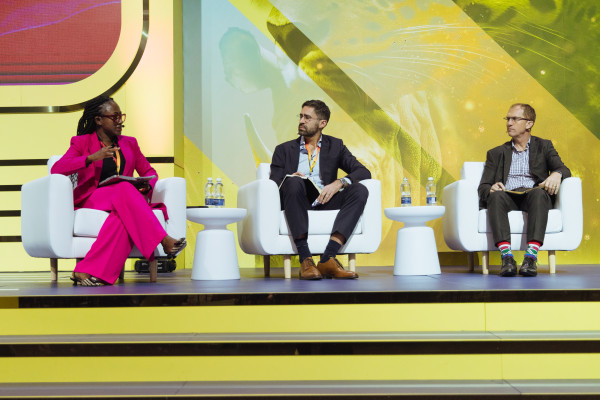
Africa must expand its renewable energy manufacturing capabilities and leverage its critical minerals to foster growth in its renewables sector, according to James Mackay, Managing Director at the Energy Council of South Africa.
Speaking on a panel discussion during African Energy Week: Invest in African Energies' Pre-Event Technical Workshops, Mackay said the high cost of renewables in Africa could be lowered by enhancing local manufacturing capacity, making vital technologies more accessible for project developers.
“Egypt is currently leading in solar manufacturing, but other African governments should work to attract investments and implement policies that incentivize manufacturers to establish operations on the continent,” stated Mackay.
Carlos Torres Diaz, Senior Vice President & Head of Gas and Power Markets Research, Rystad Energy highlighted Africa's youthful workforce as a strategic advantage in developing innovative solutions required to harness the continent's 30% share of global critical minerals. According to Diaz, the focus is no longer solely on replacing fossil fuels but on integrating all energy resources and using digital tools to stabilize the power grid.
“Gas-to-power solutions remain essential for stability alongside renewables,” he noted.
Despite holding 40% of the world's total solar potential, Africa currently utilizes only 35% of its capacity, according to Nivedh Das Thaikoottathil, Senior Analyst – Renewables & Power at Rystad Energy. Thaikoottathil pointed out that Africa's ability to add value to its critical minerals will shape its potential to produce over 100,000 TWh of solar energy annually, potentially increasing the share of solar and wind from 8% today to 60% by 2040.
Commenting on high-growth renewable energy markets in Africa, Thaikoottathil said South Africa, Morocco, Egypt, Tunisia, Mauritania and Mozambique are the key players.
“We are seeing growing financing for renewable projects and new interconnectors between North Africa and Europe, with 24 GW of proposed capacity aimed at linking the regions,” he said.
AEW: Invest in African Energy 2024 is held alongside the Critical Minerals Africa Summit which will run from November 6 – 7 November in Cape Town, offering delegates access to the full scope of energy, mining and finance leaders.
Distributed by APO Group on behalf of African Energy Chamber.
Leaders in energy, investors converge for Africa Energy Week
The African continent’s vast energy-related resources have the potential to forge a prosperous path for the continent.
This is according to Minister of Energy and Electricity, Dr Kgosientsho Ramokgopa’s written notes for his address at the African Energy Week (AEW), which is underway at the Cape Town International Convention Centre.
AEW brings together Africa’s leaders in energy, investors and executives in the sector.
“Africa’s path forward lies in seizing control of our energy destiny. Our continent’s vast resources, rich potential, and resilience make us capable not just of fueling our homes and industries but of powering a new African century.
“But this will require unity of purpose, a commitment to innovation, and a collective resolve to harness Africa’s energy to serve African needs,” Ramokgopa said.
Powering the future
The Minister insisted that the continent – despite its challenges, including energy poverty – has the “potential to lead the world in renewable energy and innovative energy solutions”.
“Africa’s potential for renewable energy is unmatched globally. The continent is rich in diverse renewable resources, each offering a path toward sustainable growth that is less dependent on fossil fuels and more aligned with global climate commitments,” Ramokgopa said.
Going further, the Minister cited the number of renewable energy sources available to the continent including solar and wind energy and hydropower.
“With vast stretches of land bathed in sunlight year-round, Africa has some of the highest solar irradiation levels in the world, especially across regions in the Sahara and Sub-Saharan Africa. Solar energy has the potential to power communities, businesses, and industrial zones, especially in off-grid and rural areas.
“From the coastal winds of Egypt to the strong inland gusts in Kenya and Ethiopia, Africa’s wind corridors hold immense potential for generating clean electricity. Expanding wind energy capacity offers not only a path to sustainability but also an opportunity for job creation in turbine manufacturing and maintenance.
“Africa has significant untapped potential, especially in countries with major rivers, such as the Congo, Nile, and Zambezi. Hydropower projects, when sustainably managed, can provide baseload power to support industrialisation and rural electrification, helping reduce energy costs for industries,” the Minister explained.
African Energy Agenda
Ramokgopa told the conference that as South Africa takes up its leadership of the G20 later this year, it is “positioned to champion Africa’s energy priorities on a global platform”.
“South Africa will advocate for energy policies that bridge the development gap, recognising the continent’s need for clean energy and affordable access. In leading the G20, South Africa will focus on strategic interventions to address Africa’s unique energy needs and support a resilient, inclusive future,” he said.
In relation to this, Ramokgopa emphasised that solutions to Africa’s energy challenges must “accelerate sustainable growth, while considering African economies' unique challenges”.
“Through our G20 leadership, South Africa is committed to championing an African energy agenda that is bold, just, and rooted in an African value system. Together, let us light up Africa with power and the promise of progress, sovereignty, and sustainable prosperity for every African citizen.
“As South Africa leads the G20, we are dedicated to championing an African energy agenda that addresses our challenges, harnesses our resources, and reflects our vision for self-reliance and prosperity.
“Let us seize this moment to build an energy secure Africa, where every community is empowered, every economy is strengthened, and our shared commitment to the future is unwavering. Together, we can light up Africa not just with power, but with the promise of a brighter, more equitable future for all,” Ramokgopa said. – SAnews.gov.za
NeoB
Tue, 11/05/2024 - 12:33
Location: Mabeskraal Stadium, North West Province, South Africa LiuGong Machinery, a global leader in construction machinery, is proud to announce the successful completion of its latest water well project at Mabeskraal Stadium in the Northwest Province. This initiative, part of the broader LiuGong Green Alliance, is a significant step forward in addressing the water scarcity …
Red Ribbon Communications, a leading PR agency specialising in tech PR and sustainability, has achieved a significant milestone through its successful collaboration with Rubicon, a leading South African sustainable technology provider. The strategic partnership has not only solidified Red Ribbon’s position as an expert in providing PR services to renewable energy solutions but has also …
Sungrow, a global leader in renewable energy solutions, is pleased to announce the resounding success of its participation in Solar & Storage Live, Cape Town’s premier renewable energy exhibition held last week. The event marked a significant milestone in Sungrow’s commitment to driving the energy transition in South Africa, showcasing the company’s advanced solar and …
Introduction Solar panels are becoming increasingly popular as a sustainable energy solution. With the growing concern for the environment and rising energy costs, many people are considering solar panels for sale as a viable option. In this blog, we will explore the benefits of solar panels and why they are a smart investment. Understanding …
Johannesburg, 29 July 2024: South Africa’s energy landscape is rapidly evolving, with renewable energy – specifically solar and wind – emerging as a significant player in the quest for a sustainable and reliable energy supply. Indications are that between a concerted effort by Eskom to recover underperforming coal fired power plants to higher levels of …
Phalaborwa farming associations sound the alarm

With local South Africa branches Global EPC company Neosun Energy (www.Neosun.com) offers affordable solar energy solutions for local businesses to mitigate the impact of rising electricity prices.
According to South African Government reports, starting from July 2024, Johannesburg residents will experience a 12.72% increase in electricity costs under local authority tariff charges. Eskom's direct customers will increase all tariff charges, excluding the affordability subsidy charge, from 1st April 2024 to 31st March 2025.
This price hike will impact both residential and business customers, adding financial pressure across the board. The main issue is that new tariffs will increase business costs and reduce profit margins, which forces companies to increase prices and pass them onto the consumer. It means higher operational costs, potentially affecting profitability and leading to higher prices for goods and services.
In this challenging environment, Neosun Energy can play a pivotal role in alleviating the burden of increased electricity costs. Providing solar energy solutions, Neosun Energy can help businesses and local enterprises reduce their dependence on traditional, more expensive electricity sources.
“This increase will primarily affect businesses, especially small and medium-sized enterprises (SMEs), as their profitability will significantly decrease due to such a hike. The best solution to avoid this is to transition to solar energy, which locks in rates permanently. With solar generation, rates do not rise; they are fixed for the next 30 years. Solar Energy transferring - is exactly what can help local enterprises gain their independence from constant bill increases, ” emphasized Ilya Likhov, CEO of Neosun Energy.
Investing in solar energy, businesses can lower their operational costs over the long term, enhancing their profitability and competitiveness.
Today Neosun Energy is presented with 2 local branches in South Africa, located in Cape Town and Johannesburg, bringing to the South African market a high level service of a global company with experience in 16 countries around the world, and saving affordable prices for its customers.
"We firmly believe that establishing local Neosun Energy offices will bring us closer to local businesses and commercial enterprises, enabling us to offer affordable solar energy solutions such as solar plants, innovative energy storage systems, and portable Power Hubs." - added Mr. Likhov.
Distributed by APO Group on behalf of Neosun.
Media Contact:
For requests: info@neosun.com
CEO Neosun Energy
Social Media:
Ilya Likhov - LinkedIn: http://apo-opa.co/3Y3WoSi
About Neosun Energy:
Neosun Energy (www.Neosun.com) is an international Solar EPC company that provides Commercial Solar PV & Energy Storage Solutions (ESS) with capacity from 200kW to 10MW for Commercial and Industrial projects Worldwide. The company constructs solar power plants and energy storage systems (ESS) on a turn-key basis, covering all stages of construction including design, equipment supply, construction, and commissioning. The company has implemented solar PV projects in 16 countries worldwide.
