• Skip to main content
  • Skip to header right navigation
  • Skip to after header navigation
  • Skip to site footer
MyZA

MyZA

News, Directory, Events and Other Stuff

  • Social Media
  • Sport
  • World News
  • Home
  • Submit News
  • Directory
  • Events
  • Stratlec
  • TFSA
  • News
    • APO
    • Today’s Sport News
    • Todays Social Media and Tech Headlines
    • Today’s World News
    • Today’s SA Financial News
  • Contact
You are here: Home / Archives for Solar

Solar

22 May 2025

Africa’s Energy Future: Now!
Location: News
EnergyNet Ltd.

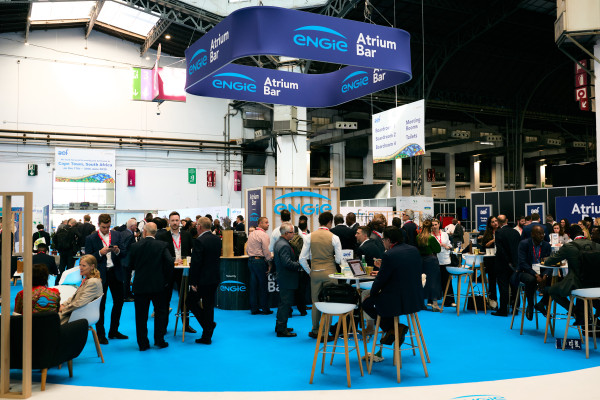
Powering AI data centres, accelerating large-scale solar projects and leading the global energy transition are just three of the critical topics up for debate at next month's Africa Energy Forum (aef), kicking off for the first time in Cape Town, South Africa, 17–20 June 2025. Forum sponsor Sun Africa returns for the third consecutive year, a testament to its sustained commitment to powering Africa's clean energy future. 

For a full programme and to join the debate, visit: https://apo-opa.co/4k7ngcj​ 

Under the theme of ‘Africa United', and featuring hundreds of ministers, policymakers and executives from nations across the continent, the aef will spotlight the continent's expanding ambition and the urgent drive to reshape its own energy future. 

With South Africa now chairing the G20, the continent will gain a pivotal voice in global decision-making, making aef 2025 the launchpad for a bold message to the world: Africa knows what it needs, and it's ready to lead. 

This year's aef will welcome a significant number of new companies participating for the first time, expanding the community of innovators and investors at the event. It will also host delegations from 33 countries, comprising head of state, ministers, regulators, and other public sector leaders from across the continent. 

Confirmed speakers include the President of Ghana, John Dramani Mahama, South Africa's Minister of Electricity & Energy, Dr. Kgosientsho Ramokgopa, Nigeria's Minister of Power, Adebayo Adelabu and Noureddine Yassaa, Algeria's Secretary of State for Renewable Energies. 

The high-level line-up also features the current Senegalese candidate for the Presidency of the African Development Bank, Amadou Hott, plus senior ministers and policy makers from Liberia, Ghana, Malawi, Zambia, Guinea-Bissau, Zimbabwe, Ethiopia and Madagascar. 

This year's aef will focus on how the private sector can help move from ambition to implementation on Mission 300, connecting power to 300 million people by 2030. And, as demand surges from commercial and industrial sectors, the aef will also unpack the infrastructure, investment, and regulatory models needed to keep pace.  

Grounded in Ubuntu, the African philosophy of shared humanity, the event will call for a global energy transition that is cooperative, equitable, and Africa-led. 

“Something urgent has to be achieved as we simply cannot have another 10 woeful years of investment into projects. No more [time] can pass with one side saying we “we need guarantees” and the other side saying, “we can't afford guarantees.” Time is THE DETERMINING FACTOR holding energy access back and this needs to change. Now is the time for Africa to unite behind common goals and common infrastructure!” Simon Gosling, Managing Director, EnergyNet 
 
“The future of African power infrastructure starts with Sun Africa, and the conversation about Africa's energy future continues at the Africa Energy Forum. We are proud to be the Forum Sponsor of an event that will unite visionaries and unite people from across the continent.” – Adam Cortese, CEO, Sun Africa. 

Bringing together community and sport, the 2025 edition of eaf also features the Africa Challenge Cup, a special evening of football at Cape Town's iconic DHL Stadium. Four teams will face off in friendly matches under the floodlights, offering a chance for delegates, partners, and peers to connect in a spirited, relaxed setting alongside friends and family. 

The Youth Energy Summit (YES!), held in parallel with aef, is expected to welcome more than 4,000 participants, making it one of the largest gatherings focused on youth engagement in the African energy sector. Many companies are supporting the initiative not just as sponsors, but as active partners in youth participation across the continent. These include the DBSA, Nedbank, Pele Green Energy, Seriti Green, Siemens Energy, Genesis, and others from the energy and mining sectors. 

Distributed by APO Group on behalf of EnergyNet Ltd..

Notes:
The main sponsors at this year's aef include Sun Africa, AKSA, Red Rocket, Globeleq, Nedbank and the World Bank. See https://apo-opa.co/3ZrUw5E

Lead sponsors at this year's aef include the Africa Development Bank, AMEA Power, the British International Investment, BCG, EDF, Engie, the European Investment Bank, GE Vernova, Infinity Power, Standard Bank, Synergy Consulting and TotalEnergies. See https://apo-opa.co/3ZrUw5E 

For media inquiries and registration please email : 
Poliana Sperandio: poliana@energynet.co.ke   
Sylvia Gaita: sylvia.gaita@apo-opa.com 

About the Africa Energy Forum (aef):
The Africa Energy Forum (aef) is taking place in the Cape Town International Convention Centre, South Africa, 17-20 June 2025. 

The event is the continent's leading platform for energy sector stakeholders to collaborate, invest, and accelerate progress. In its 27th year, the aef brings together governments, developers, investors, and innovators to drive real-world solutions in energy access and sustainability.  
See https://www.Africa-Energy-Forum.com/ 

Media files
EnergyNet Ltd.
Download logo
Read moreAfrica’s Energy Future: Now!
16 May 2025

$10 Billion in African Energy Opportunities at IAE 2025

Location: Business
Energy Capital & Power

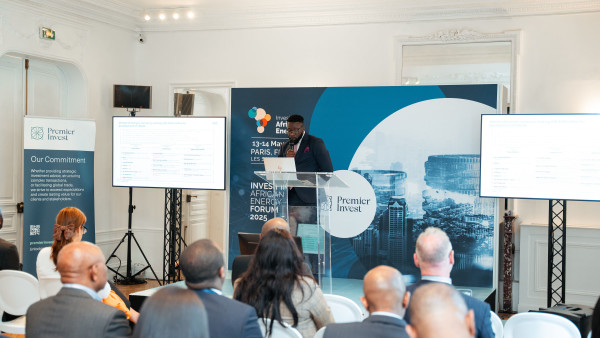
The Invest in African Energy Forum in Paris featured a standout session this year with the Premier Invest Deal Room, a platform that spotlighted over $10 billion worth of oil, gas and renewable energy projects seeking investment across Africa and the broader energy frontier.

“This is a platform to showcase interesting opportunities across Africa that we are advising on,” said Marcel Awasum, Head of Business Development for Premier Invest. “All of the deals we are advising on, we are also mobilizing capital for – from family offices to private equity in oil and gas – mostly from the Middle East, and some from Europe.”

The session featured 17 active deals spanning upstream, midstream, trading and renewable segments, underscoring the breadth of investment potential across the African continent and beyond. One of the flagship opportunities was the development of a 200,000-barrel-per-day crude oil refinery, seeking $4.8 billion in combined equity and debt to meet growing regional demand for refined products. Another deal sought $50 million through a 360-day revolving letter of credit facility to support the import of refined petroleum products.

Exploration and production prospects were also on the table, including a development project offering up to 40% participating interest to qualified investors, as well as an African oil and gas company seeking a $30 million capital injection, strategic partnership and offtake agreement to enhance its trade capacity and expand upstream.

Refining featured prominently among the deals, with one project calling for €2-5 billion to expand national capacity – open to debt, equity and strategic partnerships. A separate opportunity involved a $25 million equity investment in a highly prospective offshore Guyanese block, offering first-mover advantage with an estimated 400 million barrels of recoverable reserves.

Other ventures included the sale of a defunct Caribbean gas-to-liquids plant with a proven $50 million EBITDA when operational; an $18 million debt facility to drill additional wells in an active production field; and a fast-moving $360 million field development project already attracting soft commitments. The session also featured investment opportunities in the Republic of Congo, where a special purpose vehicle is seeking a co-investor for an M&A transaction involving producing assets; a $70 million fuel importation deal in Burundi; and a $200 million financing package to support the purchase of both crude and refined products in Ivory Coast.

The session concluded with five renewable energy projects seeking over $725 million in investment. This included $362 million for a 70 MW geothermal project in Kenya, $92 million for a 71 MW hybrid solar PV and wind project in Zambia, $87 million for a 100 MW solar PV project in South Africa, and two clean-gas projects – one in Benin (43 MW) and another in South Africa (100 MW) – seeking $84 million and $100 million, respectively. 

Distributed by APO Group on behalf of Energy Capital & Power.

Media files
Energy Capital & Power
Download logo
Read more$10 Billion in African Energy Opportunities at IAE 2025
16 May 2025

Africa-First Energy Policies: Turning Vision Into Investment

Location: Business
African Energy Chamber

Africa is entering a pivotal phase in its energy transformation, characterized by a growing shift toward “Africa-first” energy policies. Despite contributing less than 4% to global emissions, Africa faces the world's most severe energy access challenges – with approximately 600 million people lacking electricity and 900 million without clean cooking solutions. With $47 billion in oil and gas capex in 2024 – a 23% increase year-over-year – Africa is proving its value as a competitive and resilient energy investment destination. This surge reflects growing investor appetite, strengthened policy frameworks and a renewed focus on project bankability.

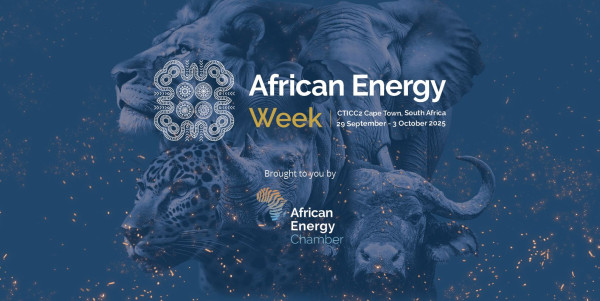
In this context, African Energy Week (AEW): Invest in African Energies 2025 – taking place from September 29 to October 3 in Cape Town – serves as the continent's leading forum for turning vision into tangible investment. With a focus on public-private partnerships (PPPs), blended finance and strategic energy projects, the event brings together government leaders, financiers, developers and technology providers to advance deals, foster collaboration and position Africa as a global energy leader.

Building Institutions for Local Investment

A wave of institutional and policy advancements is laying the groundwork for increased local investment in energy. A key milestone is the establishment of the Africa Energy Bank (AEB) by the African Petroleum Producers' Organization (APPO) and Afreximbank, with an initial capital of $5 billion. Headquartered in Abuja and set to launch in June 2025, the AEB will finance oil and gas infrastructure projects, serving as a bold step toward regional energy self-sufficiency and resource sovereignty.

At the same time, the African Development Bank (AfDB) is supporting long-term energy planning. In Algeria, the AfDB has launched a strategic dialogue to shape the 2025–2030 Country Strategy Paper, aligning national goals with sustainable, diversified energy development.

In South Africa, the success of the Renewable Energy Independent Power Producer Procurement Program (REIPPPP) illustrates how structured procurement can generate market certainty. The latest round secured 1,760 MW of solar PV capacity backed by R31.4 billion ($1.7 billion) in investment — with 49% local ownership and 46% equity held by Black Economic Empowerment entities.

Scaling Investment through PPPs and Blended Finance

As Africa's energy project pipeline expands, PPPs and blended finance have become essential tools for scaling investment. The AfDB's $10 million concessional equity stake in the ARM-Harith Successor Infrastructure Equity Fund, a $200 million regional vehicle, highlights how development finance institutions can de-risk infrastructure and crowd in private capital. The fund supports AfDB's target to electrify 300 million people by 2030 through sustainable energy solutions.

Meanwhile, South Africa's Battery Energy Storage Independent Power Producer Procurement Program illustrates the power of blended finance in scaling innovation. With R12.8 billion ($678.8 million) allocated to eight projects delivering 615 MW of storage across three provinces, the initiative enhances grid stability and achieved a 35% cost reduction from the first bid round – a clear sign of growing cost efficiency.

Frameworks for African-Led Growth

The African Continental Free Trade Agreement (AfCFTA), ratified by over 48 countries, offers a powerful framework for prioritizing African-led energy development. By promoting intra-African investment flows and removing trade barriers, AfCFTA enables energy projects to be sourced, financed and executed within the continent. With Ghana spearheading the AfCFTA Guided Trade Initiative – engaging eight pilot countries – the agreement is fostering regional cooperation to scale African energy solutions and reduce external dependency. Once fully operational across more than 50 member states, AfCFTA is set to accelerate an Africa-first approach to infrastructure, technology, and capital deployment in the energy sector.

Meanwhile, the African Energy Commission continues to strengthen institutional cooperation across the African Union to support sovereign energy strategies. A prime example of African private-sector leadership is Coscharis Technologies' $4 billion solar project in Nigeria – the largest renewable energy initiative in West Africa – reflecting a shift toward domestically-driven, large-scale investment in clean energy that aligns with national priorities and regional ambitions.

“Africa's energy future must be shaped by African priorities, African solutions and African investment. At AEW: Invest in African Energies 2025, we are not just talking about the energy transition – we are driving real deals and partnerships that put Africa-led development at the center of the global energy conversation,” states NJ Ayuk, Executive Chairman of the African Energy Chamber.

Distributed by APO Group on behalf of African Energy Chamber.

About AEW: Invest in African Energies:
AEW: Invest in African Energies is the platform of choice for project operators, financiers, technology providers and government, and has emerged as the official place to sign deals in African energy. Visit www.AECWeek.com for more information about this exciting event.

Media files
African Energy Chamber
Download logo
Read moreAfrica-First Energy Policies: Turning Vision Into Investment
15 May 2025

UK Can Help Africa’s Just Energy Transition

Location: News
Royal African Society

Lord Oates “To achieve a just energy transition in Africa that reduces energy poverty and accelerate development in a climate-friendly way will require the UK, other high-income countries and multilateral institutions to step up, in partnership with African countries.”

Download document: https://apo-opa.co/3H8UzwQ

Parliament's All Party Parliamentary Group for Africa (APPG) publishes today a report highlighting the importance of achieving a just and rapid energy transition in Africa, one that responds to the need for cleaner energy while expanding energy access and enabling more rapid development. In this transition, Britain has an important and constructive role to play. This report has been produced by the AAPPG in partnership with the Royal African Society (“the Society”), which acts as the Secretariat for the APPG.

As a continent, Africa has contributed least to causing climate change, yet is suffering most from its impact, while 600 million of its 1.4 billion people still have no or only intermittent access to electricity. 

With enormous potential for renewable energy, as well as some of the world's largest carbon sinks and many of the essential minerals for a clean transition, Africa has a crucial role in tackling climate change. But to enable Africans to mitigate and adapt, faster economic development using increased energy supply and access is crucial.

The report, link to doc on RAS website (apo-opa.co/44AMX01): Africa's Just Energy Transition: How Can the UK Support? is the result of an 18-month inquiry consulting a wide range of witnesses from Africa and beyond. It explores the challenges and solutions to Africa's energy dilemma, from the use of solar mini-grids and stand-alone systems and clean cooking technologies, to hydro, wind, gas and geothermal energy, and the role of Just Energy Partnerships (JETPs) with South Africa and Senegal.

In particular it looks at how the transition can be financed, from traditional grants and loans, through blended finance and private sector investments, to better use of carbon markets.

It makes nine specific recommendations for action by the British government, covering:

  • The need for the UK to deliver on its existing commitments on climate and finance;
  • Helping African governments mobilise more domestic resources and international funding for the energy sector;
  • Helping African countries create appropriate regulation and a conducive environment for investment;
  • Supporting African innovation and industrialisation, including through the work of BII and PIDG.

The report is being sent to the British government and circulated widely in Africa and the UK as an input to policy-making and debate on climate and energy issues.

All-Party Parliamentary Group for Africa

Distributed by APO Group on behalf of Royal African Society.

For further information, please contact:
The Royal African Society
ras_communications@soas.ac.uk

Lord Jonny Oates
jonny.oates@uamh.org

Nick Westcott
nw28@soas.ac.uk

About The All Party Parliamentary Group for Africa:
The UK's All Party Parliamentary Group (APPG) for Africa is a dynamic cross-party group composed of UK parliamentarians from both the House of Commons and the House of Lords. The APPG for Africa is dedicated to fostering mutually beneficial relationships between African nations and the UK while actively working to challenge and dispel negative stereotypes about Africa.

Established with the support of the Royal African Society in January 2003, the APPG for Africa has grown to become one of the most active and independent APPGs within the UK Parliament, boasting over 200 members. The group's events and meetings provide a vital platform for UK parliamentarians to engage in meaningful dialogue on policy issues with African policymakers, diaspora communities, civil society organizations, and the private sector.

About the Royal African Society (RAS):
The Royal African Society (“The Society”) is the secretariat for the APPG for Africa. The Society was founded in 1901 and is the only UK-based non-governmental organisation with a Royal Charter dedicated to increasing knowledge about Africa, is a membership charity that provides opportunities for people to connect, celebrate, and critically engage with a wide range of topics and ideas about Africa today. 

Through our events, publications, and digital channels, we share insight, instigate debate, and facilitate mutual understanding between audiences in the UK and Africa, fostering strong relationships and collaboration. We amplify African voices and interests in academia, business, politics, the arts, and education.

Our mission is to inform, inspire, and champion African perspectives. To find out more https://apo-opa.co/4j4Oij9 and to join https://apo-opa.co/3GU12Md

Media files
Royal African Society
Download logo
Read moreUK Can Help Africa’s Just Energy Transition
8 May 2025

Africa’s Solar Boom: How to Reap the Benefits

Location: Business
CBI-electric: low voltage

With 2.5 gigawatts-peak (GWp) (http://apo-opa.co/4iQtUCp) of solar capacity added across Africa in 2024 and 194.34 GWp expected in 2025, the continent is fast becoming a global hotspot for solar energy growth. Leading this shift are the commercial and industrial (C&I) sectors, where photovoltaic (PV) systems are being installed on-site at businesses, educational institutions, and government facilities to meet their own energy demands.

Dr Andrew Dickson, engineering executive at CBi-electric: low voltage (www.CBi-lowvoltage.co.za), explains that multiple factors are accelerating the continent's switch to solar. “Energy poverty remains a major issue across Africa, with reliable grid electricity reaching only 14% (http://apo-opa.co/4jICofV) of Zimbabweans, for example.”

He adds that unreliable power supply is another key driver. “Persistent nationwide blackouts are affecting countries like Botswana (http://apo-opa.co/3EZvQKM), disrupting day-to-day operations. And in hydro-electric dependent countries such as Zambia (http://apo-opa.co/3RRqvrX), climate change is reducing water levels, leading to lower electricity generation and higher prices.”

Dr Dickson points out that in countries like Namibia which are dependent on electricity imports, affordability is a growing concern, with N$8.8 billion (http://apo-opa.co/3EZvSlS) expected to be spent between January 2024 and December 2025. “As a result, Namibia now has the highest (http://apo-opa.co/3EZvSSU) electricity prices in Southern Africa. Yet it has a unique geographic advantage: its solar PV systems can produce twice (http://apo-opa.co/3EZvSSU) as much electricity as comparable systems in central Europe.”

Some African nations are proactively investing in solar to reduce their grid dependence. “Malawi is rolling out its National Compact for Energy (http://apo-opa.co/3GMlxKC), which creates a competitive framework for private-sector investment in off-grid solar through grants, subsidies, and credit lines that improve access to foreign exchange,” he notes.

Safeguarding solar investments

The shift to solar is also being driven by cost-effectiveness. Dr Dickson shares that on-site solar is now cheaper (http://apo-opa.co/3YDs1BD) than the electricity tariffs paid by C&I clients in at least seven sub-Saharan markets.

Pointing to research by GreenCape (http://apo-opa.co/3Z6UyzC), which found that solar PV can reduce business energy costs by 15%, with a return on investment reached within three to 12 years, he highlights that after that, businesses can benefit from up to 15 years of free electricity.

However, Dr Dickson stresses that unlocking these savings requires protecting system components from damage and disruption. “Voltage spikes caused by lightning or grid instability can seriously damage inverters and batteries. Installing surge protection devices (SPDs) is critical, not just to prevent damage, but also to avoid voiding manufacturer warranties.”

Arcing is another serious threat. “When electrical currents jump across gaps, the heat generated can damage components or even start fires,” he explains. “DC circuit breakers designed specifically for solar systems are essential for mitigating this risk. They're built to handle the direct current generated by PV panels, ensuring safer and more reliable operation.”

Smart tech enables smarter solar use

In addition to physical protection, Dr Dickson advises businesses to embrace smart energy management tools to extend system life and optimise performance. “A smart power indicator can detect grid interruptions and send immediate alerts, helping businesses respond quickly. These systems can temporarily disconnect non-essential high-energy devices during an outage to prevent overload and preserve battery life. At the same time, they ensure that essential systems like security and lighting continue operating during downtime.”

Optimising solar ROI in 2025

He believes that the key to unlocking solar's full potential lies in strategic system design and management. “By combining surge protection, DC breakers, and monitoring tools, businesses can reduce unexpected costs, minimise downtime, and extend the life of their investment.”

“As Africa's solar energy market continues to expand in 2025, organisations have an opportunity to capitalise on its long-term benefits. With the right technologies and safeguards in place, solar is not only a clean energy solution it's a strategic asset that pays off,” concludes Dr Dickson.

Distributed by APO Group on behalf of CBI-electric: low voltage.

About CBi-electric: low voltage:

  • Established in 1949, CBi-electric: low voltage is a manufacturer and supplier of quality low voltage electrical distribution, protection, and control equipment. Previously known as Circuit Breaker Industries or CBI, the company specialises in the design, development, and manufacturing of circuit breakers, residential current devices, surge protection, wiring accessories, and metering products.
  • Headquartered in Johannesburg, South Africa, the company is a subsidiary of renowned JSE listed industrial group Reunert (http://apo-opa.co/4iV5abY), established in 1888, with international operations across Africa, Asia, Australia, Europe, and USA.
  • CBi-electric: low voltage can be found in almost every home and has firmly become a market leader over the last 75 years while supplying products to authorities, utilities, manufacturers, commercial property developers, industrial, mining, telecommunications, and general power distribution applications.
  • In 2021, the brand launched its smart IoT (internet-of-things) home automation range, called the Astute Range.
Media files
CBI-electric: low voltage
Download logo
Read moreAfrica’s Solar Boom: How to Reap the Benefits
8 May 2025

South Africa’s Electricity Minister Joins AEW 2025 Amid Bold Infrastructure Plans

Location: News
African Energy Chamber

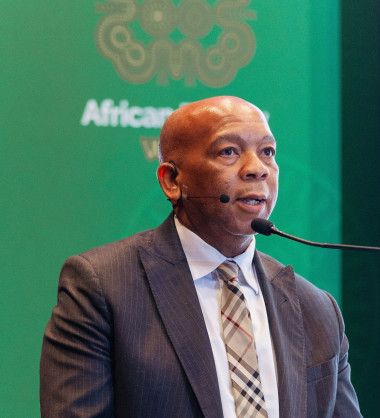
Dr Kgosientsho Ramokgopa, Minister of Electricity and Energy of South Africa, will speak at this year's edition of the African Energy Week (AEW): Invest in African Energies conference – taking place September 29 to October 4 in Cape Town. As the country targets large-scale power and renewable energy rollout, Dr Ramokgopa's participation will support greater collaboration with international partners and investors.

Faced with an energy deficit challenge, South Africa has been implementing bold changes across its electricity and energy sectors, seeking to strengthen infrastructure development and broader energy access. In 2025, the country implemented its newly enacted Electricity Regulation Act, aimed at creating a more competitive power market in the country. Designed to address the country's longstanding power supply challenges by restructuring the sector, the act enables independent power producers to play a larger role in the country's industry. Additional policies include the Renewable Energy Masterplan – approved in March 2025 and aimed at incentivizing investment across the renewable energy value chain – and the Energy Action Plan – aimed at mitigating power outages by securing energy supply.

On the back of regulatory reform, the country has seen several milestones achieved across its electricity and energy sectors in recent months. In March 2025, the country brought the sixth and final unit of the Kusile Power Station online. Following the requisite testing and optimization over a six-month period, the unit will add 800 MW to the South African national grid. Once all units at the station are operational by H2, 2025, the station will contribute 4,800 MW to the grid, representing the country's largest infrastructure project. Meanwhile, a second new-build power station is on track for commissioning its fourth unit shortly. The Medupi station – a greenfield coal-fired plant – will produce 4,800 MW once all six units are online.

While these projects represent strategic steps towards improving generation and transmission capacity in South Africa, much more investment is required to achieve the country's power and energy goals. The Ministry of Electricity and Energy estimates that South Africa requires up to R440 billion to finance transmission development over the next ten years. To enhance energy access, the country seeks to modernize and expand the national electricity grid by 14,000 km during this timeframe, highlighting a major investment opportunity for global financiers. In March 2025, Minister Ramokgopa announced short-term plans to acquire up to 1,164 km of 400 kV transmission lines, covering the Northern Cape, North-West and Gauteng. The acquisition falls under the country's broader Integrated Resources Plan – which provides a roadmap for achieving South Africa's forecasted electricity demand - as well as the 2024 Transmission Development Plan, which seeks to expand the grid and achieve greater access rates across various provinces.

Meanwhile, spearheaded by the Ministry of Electricity and Energy, the country is making significant strides towards scaling-up its renewable energy sector. A key driver of this is the Renewable Energy Independent Power Producer program (REIPPP) – an initiative aimed at increasing generating capacity through private sector investment in solar, onshore wind and hydropower. The REIPPP has successfully channeled substantial private sector expertise and investment in the renewable industry, with 16 winners selected under Bid Window 7 in December 2024. This window targets 5 GW of renewable energy capacity, with the winning projects featuring 1.76 GW of solar – representing a combined investment of ZAR 31.4 billion – as well as 615 MW of battery energy storage - a combined investment of ZAR12.8 billion.

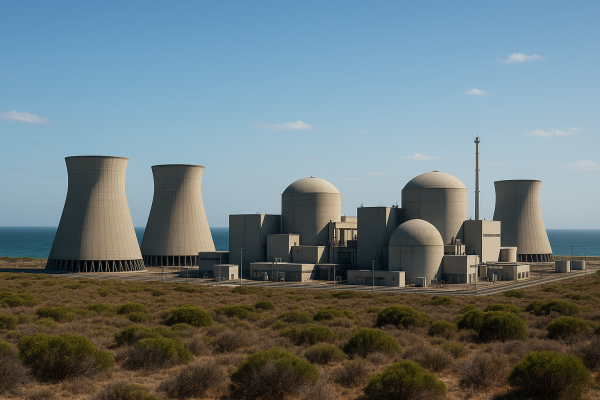
Nuclear energy has also been identified as a strategic sector by the Ministry of Electricity and Energy. South Africa currently hosts the only operational nuclear facility in Africa and has plans to scale-up capacity in support of anticipated rising demand. The Ministry of Electricity and Energy plans to spend R60 billion on its nuclear-build program and is seeking support from international nuclear experts to enhance capacity. At AEW: Invest in African Energies, insights into South Africa's power and energy advancements will highlight key investment opportunities for global players.

“South Africa has put the requisite policies in place to advance large-scale power and energy projects. What the country now needs is action. International investors should take advantage of regulation and drive impactful projects,” states Oré Onagbesan, Program Director, African Energy Week.

Distributed by APO Group on behalf of African Energy Chamber.

About ​AEW: Invest in African Energies:
AEW: Invest in African Energies is the platform of choice for project operators, financiers, technology providers and government, and has emerged as the official place to sign deals in African energy. Visit http://www.AECWeek.com for more information about this exciting event.

Media files
African Energy Chamber
Download logo
Read moreSouth Africa’s Electricity Minister Joins AEW 2025 Amid Bold Infrastructure Plans
23 April 2025

Atomic Alliances: China’s Strategic Push Into Africa’s Nuclear Energy Sector

Location: News
African Energy Chamber

China is rapidly scaling up its energy diplomacy in Africa, with nuclear cooperation emerging as a cornerstone of its broader strategic agenda. On April 8, South Africa's Nuclear Energy Corporation signed a Memorandum of Understanding (MoU) with the China National Nuclear Corporation (CNNC) during an official visit to China led by South Africa's Electricity Minister, Dr. Kgosientsho Ramokgopa.

The agreement aims to revive South Africa's nuclear fuel cycle, accelerate the deployment of small modular reactors and promote collaboration on advanced fuels such as high-assay low-enriched uranium. With strong government support for nuclear power but limited domestic financing, South Africa is seeking international partners to inject capital and technology while maintaining state ownership of key infrastructure.

Minister Ramokgopa's working visit to China also aimed to find solutions to South Africa's energy insecurity and loadshedding. Central to this effort is the proposed life extension of the SAFARI-1 reactor at the Pelindaba nuclear research center, which is scheduled for retirement in 2030. Plans for a new multi-purpose reactor are already underway with R1.2 billion ($63.6 million) in seed funding allocated, but further investment is needed to move the project forward. This underscores the critical role of sustained nuclear investment in securing South Africa's long-term energy resilience and reducing dependence on aging infrastructure.

China's Expanding Footprint

China's ambitions in Africa's nuclear sector extend beyond South Africa. At the 2024 Forum on China-Africa Cooperation (FOCAC) in Beijing, China launched the China-Africa Forum on the Peaceful Use of Nuclear Technology, as part of its 2025-2027 Beijing Action Plan. The move reinforced China's long-term goal to become Africa's premier nuclear energy partner. With 53 of 54 African nations represented at FOCAC – including 51 Heads of State – the event provided a powerful platform for Beijing to promote its nuclear agenda and expand its diplomatic and technical reach, while highlighting how Africa is leveraging nuclear energy to meet its growing power demands.

For Africa, nuclear power presents a unique opportunity to address the continent's urgent energy access gap while advancing long-term sustainability. Nuclear offers baseload electricity with zero carbon emissions, making it well-suited to complement intermittent renewables like solar and wind. Small modular reactors, in particular, are seen as a viable solution for remote or off-grid regions due to their scalability, smaller footprint and enhanced safety features. With growing populations and rising industrial demand, several African nations view nuclear power as a low-carbon, scalable pathway to energy security and broader socioeconomic development.

Nuclear Expansion Across Africa

Currently, Africa's nuclear energy development is concentrated in six countries – Egypt, Ghana, Kenya, Morocco, Nigeria and South Africa. Of these, four have recently signed nuclear cooperation agreements with China. In September 2024, Nigeria entered high-level discussions with China on peaceful nuclear energy cooperation, covering the full project lifecycle – from research and training to construction and plant decommissioning. Earlier that year, Nigeria also signed an MoU with the CNNC aimed at operationalizing nuclear power plants by the 2030s. Ghana followed suit with a deal to deploy China's Hualong One reactor, while Kenya continues to pursue its longstanding 2015 agreement with China to develop a 1,000 MW plant by 2034.

The International Atomic Energy Agency projects a 58% increase in nuclear energy use in Africa by 2030, with a tenfold increase by 2050. With more than 600 million people on the continent lacking electricity access, China's nuclear partnerships are positioned to close critical power gaps while supporting shared decarbonization goals.

Against this backdrop, African Energy Week (AEW) 2025: Invest in African Energies serves as a pivotal platform for advancing nuclear energy collaboration between Africa, China and other global partners. Building on existing partnerships and recent MoUs, AEW will facilitate high-level discussions on technology transfer, investment frameworks and regulatory readiness to accelerate nuclear deployment in key African markets. These conversations will align national nuclear ambitions with China's global expertise, ensuring that energy security, sustainability and sovereignty are at the core of future collaborations.

AEW: Invest in African Energies is the platform of choice for project operators, financiers, technology providers and government, and has emerged as the official place to sign deals in African energy. Visit www.AECWeek.com for more information about this exciting event.

Distributed by APO Group on behalf of African Energy Chamber.

Media files
African Energy Chamber
Download logo
Read moreAtomic Alliances: China’s Strategic Push Into Africa’s Nuclear Energy Sector
22 April 2025

Neuman & Esser to Participate at Invest in African Energy Forum in Paris

Location: News
Energy Capital & Power

German technology leader Neuman & Esser will join the upcoming Invest in African Energy (IAE) 2025 forum in Paris, with Nmesoma Francess Okereke, Sales Manager - Flare Gas Recovery Specialist, and Dr. Jiří Rus, Sales Director for Africa, participating in a technical presentation and panel discussion focused on advancing gas monetization and energy efficiency across the continent.

Neuman & Esser brings over a century of expertise in gas compression, flare gas recovery and energy transition technologies. Specializing in high-performance compressor systems and green hydrogen solutions, the company plays a pivotal role in helping nations optimize energy production, reduce emissions and accelerate the shift to sustainable energy systems. By transforming flare gas into usable energy, Neuman & Esser supports operators in meeting environmental and regulatory goals, offering scalable, end-to-end solutions that combine German engineering with on-the-ground expertise to maximize resource value while aligning with global sustainability standards. The company will present on “Flare Gas Utilization – The Importance of Mid-Scale Integrated Gas Commercialization Solutions” at the upcoming forum.

IAE 2025 (www.Invest-Africa-Energy.com) is an exclusive forum designed to facilitate investment between African energy markets and global investors.Taking place May 13-14, 2025 in Paris, the event offers delegates two days of intensive engagement with industry experts, project developers, investors and policymakers. For more information, please visit www.Invest-Africa-Energy.com. To sponsor or participate as a delegate, please contact sales@energycapitalpower.com.

Germany has been significantly expanding its investments in Africa in recent months, particularly in green energy and sustainable projects. The country has pledged €4 billion for green energy initiatives on the continent by 2030 and is advancing hydrogen and gas partnerships through the European Union's Global Gateway initiative. In December 2024, Germany further demonstrated its commitment by investing R5.2 billion in South Africa to support the country's energy transition and strengthen bilateral cooperation.

In Namibia, German investors have partnered on the $10 billion Hyphen Green Hydrogen Project, aiming to utilize the country's abundant solar and wind resources to produce green ammonia for global export. In December 2024, German President Frank-Walter Steinmeier visited Nigeria to discuss the future prospects for German-Nigerian energy collaboration, further solidifying the growing energy ties between Germany and the continent.

The IAE 2025 Forum serves as a crucial platform for connecting global capital and expertise with Africa's burgeoning energy sector. As European and global investors continue to deepen their investments and partnerships across the continent, the forum provides a unique opportunity to further explore collaborative efforts and advance Africa's energy transition. By bringing together key players from the global energy community, IAE 2025 will play a pivotal role in driving sustainable growth and innovation in Africa's energy future.

Distributed by APO Group on behalf of Energy Capital & Power.

Media files
Energy Capital & Power
Download logo
Read moreNeuman & Esser to Participate at Invest in African Energy Forum in Paris
14 April 2025

Establishment of Eskom’s renewable energy business unit welcomed

Location: News

Establishment of Eskom’s renewable energy business unit welcomed

The Minister of Forestry, Fisheries and the Environment, Dr Dion George, has welcomed Eskom’s recent issuance of a tender to establish a separate renewable energy business unit. 

“This significant step reflects Eskom’s dedication to accelerating renewable energy deployment and supporting South Africa’s transition to a cleaner, more sustainable energy future, consistent with the nation’s Just Energy Transition (JET) objectives and commitments under the Paris Agreement,” the Minister said on Monday.

On 31 March 2025, the Minister granted conditional emissions exemptions to Eskom’s coal-fired power stations, underscoring the urgent need for prioritisation of renewable energy integration. 

“The establishment of this independent subsidiary, structured to operate with agility and encourage public-private partnerships, directly addresses those conditions.

“It positions Eskom to capitalise on South Africa’s abundant solar and wind resources, enhance competitiveness, and secure green financing, while contributing to improved air quality and reduced carbon emissions,” George said.

He acknowledged Eskom’s proactive approach and called for a transparent, competitive, and inclusive tender process that fosters opportunities for local and international expertise. 

The Department of Forestry, Fisheries and the Environment will closely monitor the initiative’s progress to ensure alignment with South Africa’s Nationally Determined Contributions (NDCs), the 2050 net-zero emissions target, as well as the stringent conditions imposed on Eskom on 31 March 2025 that support compliance with the Minimum Emissions Standards (MES).

The Minister further encouraged Independent Power Producers (IPPs) and the private sector to actively participate, driving innovation and investment to bolster renewable energy capacity. 

“Through collective effort, South Africa can build a resilient, inclusive, and environmentally sustainable energy sector that upholds the constitutional mandate to protect the health and well-being of all its citizens,” he said. - SAnews.gov.za


nosihle
Mon, 04/14/2025 - 11:28
63 views

Read moreEstablishment of Eskom’s renewable energy business unit welcomed
14 April 2025

Solar Manufacturer ARTsolar Gagged a Reporter. So We Asked the Owner Some Tough Questions

Location: News

Solar panel company ARTsolar has been in the news for obtaining a gag order against a journalist and whistleblowers. ARTsolar, a Durban-based company, has been in the news for the past few weeks because it obtained a gag order against journalist Bongani Hans and three whistleblowers. See: The company’s website states: “As a local manufacturer …

Read moreSolar Manufacturer ARTsolar Gagged a Reporter. So We Asked the Owner Some Tough Questions
12 April 2025

Court Victory for Freedom of Expression: IDC Ungags Itself

Location: News

“There is no absolute right to be protected from being the subject of defamatory allegations” says acting judge

Read moreCourt Victory for Freedom of Expression: IDC Ungags Itself
10 April 2025

Nornickel Presents Palladium Technology Development Strategy for the PGM Industry in South Africa

Location: Business
Nornickel’s Palladium Centre

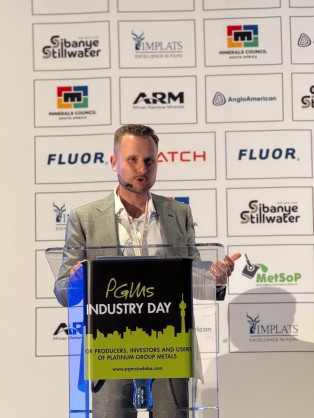
Nornickel (https://NorNickel.com) has unveiled its strategy for the development of palladium-based technologies at the PGMs Industry Day, an international conference held in South Africa. The company's experts shared insights into new technological developments that have the potential to redefine the use of platinum group metals (PGMs) extracted on the African continent, particularly in the fields of energy, electronics, and green technology. 

The presentation attracted considerable interest from conference participants. Industry representatives noted the practical relevance of Nornickel's innovations for the market, as well as the significant potential of palladium in emerging high-tech applications. 

Nornickel is the world's largest producer of palladium and high-grade nickel, and one of the leading global suppliers of platinum, copper, cobalt, and other precious and base metals. The company's Palladium Centre focuses on the development and implementation of innovative palladium-based solutions aimed at enhancing industrial efficiency. 

Palladium is the most extracted metal among the PGMs and benefits from a geographically diversified supply chain. Russia and South Africa, the two major producing regions, ensure stable global supply. 

From a chemical perspective, PGMs complement each other in many applications. Nornickel's research shows that palladium alloys with other PGMs frequently outperform individual metals in terms of efficiency and durability. 

Nornickel's approach to palladium innovation is closely aligned with key global megatrends: the energy transition, sustainable development, and digitalisation. Promising application areas include solar and hydrogen energy, biofuels, and next-generation electronics, where palladium can help reduce the cost of conductive components, hard drives, and OLED displays. In existing markets, the company is focused on improving performance and economics for end users. 

Nornickel is actively building a global partnership network to co-develop and commercialise palladium-based solutions. The company is committed to long-term collaboration with scientists, manufacturers, and end users to accelerate the adoption of advanced technologies and products. 

"Our goal is to become a technological partner for producers of PGM-based products. We focus on identifying applications where palladium delivers a strong competitive edge, bringing together leading scientific teams to develop prototypes, conducting large-scale industrial trials, optimising the product, and transferring the technology to manufacturers. This approach allows us to create more efficient materials and open up new markets for palladium applications," said Dmitry Izotov, CEO of Nornickel's Palladium Centre. 

Since its launch, the Centre has built a portfolio of 25 products. By 2030, the portfolio is expected to exceed 100 projects, generating an additional annual demand of 40–50 tonnes of palladium. 

Distributed by APO Group on behalf of Nornickel’s Palladium Centre.

Media files
Nornickel’s Palladium Centre
Download logo
Read moreNornickel Presents Palladium Technology Development Strategy for the PGM Industry in South Africa
9 April 2025

Germany Sets Sights on Africa’s Energy Future With Major Investment Pledge

Location: News

African Energy Chamber
Download logo

Germany is eyeing expanded investments in Africa's energy sector, having pledged €4 billion for green energy projects by 2030 and advancing hydrogen and gas partnerships through the European Union's (EU) Global Gateway initiative. These investments aim to enhance conditions for private sector involvement and infrastructure development, underscoring Germany's commitment to sustainable development and economic growth across the continent.

In South Africa, Germany committed R5.2 billion last December to support the country's energy transition and deepen bilateral cooperation. This funding is directed towards facilitating South Africa's shift from coal to renewable energy sources, addressing both environmental concerns and energy security. Earlier this month, the EU also announced a €4.7 billion investment in South Africa to support green energy initiatives and vaccine production, reflecting a broader commitment to sustainable development in the region.

Further strengthening these efforts, Germany and the African Development Bank announced joint initiatives last month to accelerate energy access and private sector growth across Africa. This partnership includes support for the Mission 300 initiative, which aims to provide electricity access to 300 million Africans by 2030, and expanded financing for youth entrepreneurship programs.

Meanwhile, German companies are optimistic about their prospects in South Africa, signaling growing confidence in the country's economic stability, expanding trade opportunities and the potential for long-term partnerships in energy and industrial sectors. A recent survey by KPMG Germany and the Southern African-German Chamber of Commerce and Industry revealed that 64% of German companies expect rising revenues in South Africa, with 44% planning to invest in the country within the next three years.

Germany has already been active in Africa's green hydrogen sector, recognizing the continent's vast potential for renewable energy production. In Namibia, German investors have partnered on the $10 billion Hyphen Green Hydrogen Project, aiming to harness the country's abundant solar and wind resources to produce green ammonia for global export. Additionally, Germany mobilized €150 billion through the Global Gateway initiative earlier this year to enhance its energy engagement in Africa, with green hydrogen as a key focus. West African countries alone have the potential to produce up to 165,000 TWh of green hydrogen annually – far exceeding Germany's projected demand for 2030.

Beyond renewable initiatives, Germany remains open to cooperating with African countries on natural gas and blue hydrogen production. This approach reflects Germany's updated Africa policy guidelines, which emphasize the importance of African energy resources – including renewable electricity, green hydrogen and, under specific conditions, natural gas – for a successful energy transition in both Africa and Europe.

"Germany's growing investment in Africa's energy sector signals a transformative shift toward sustainable development and economic growth. With a clear focus on green hydrogen, renewables and responsible fossil fuel cooperation, the country is positioning itself as a key partner in Africa's energy future. African Energy Week 2025 will serve as a vital platform to advance these partnerships, unlocking new opportunities and accelerating Africa's energy transition,” said Tomás Gerbasio, Vice President of Commercial and Strategic Engagement at the African Energy Chamber.

The upcoming African Energy Week (AEW) 2025: Invest in African Energies conference presents a strategic platform for German investors to explore and engage with energy opportunities across the continent. AEW 2025 aims to drive forward the momentum established in previous years, offering a dynamic space for leaders, policymakers and stakeholders to address regional and global energy challenges while advancing Africa's position as a leader in sustainable energy solutions.

AEW: Invest in African Energies is the platform of choice for project operators, financiers, technology providers and government, and has emerged as the official place to sign deals in African energy. Visit www.AECWeek.com for more information about this exciting event.

Distributed by APO Group on behalf of African Energy Chamber.

Read moreGermany Sets Sights on Africa’s Energy Future With Major Investment Pledge
8 April 2025

IDC Challenges Court Order Preventing It From Interviewing Whistleblowers

Location: News

R90-million awarded to ARTsolar under investigation

Read moreIDC Challenges Court Order Preventing It From Interviewing Whistleblowers
7 April 2025

Top African Projects Driving the Mining-Energy Nexus

Location: News

Energy Capital & Power
Download logo

Mining represents one of the most energy-intensive industries globally. As African nations ramp up mineral extraction to drive economic growth, mining projects and stakeholders are increasingly investing in energy infrastructure to sustain operations and meet rising production targets. Amid efforts to improve grid stability, the upcoming African Mining Week conference will highlight the continent's investment opportunities emerging from the mining-energy nexus.

Northam Bolsters Power Supply for South African Mines

In February 2025, mining firm Northam signed a power purchase agreement (PPA) for 140 MW of wind power to support its platinum group metals operations in Limpopo. This deal follows an earlier PPA signed in October 2024 for an 80 MW solar power facility to supply the company's Zondereinde mine, aimed at driving South Africa's expansion of its PGMs sector. These agreements are part of Northam's broader strategy to enhance energy security and sustainability while reducing its carbon footprint in alignment with national renewable energy goals.

Richards Bay Minerals Expands PPA Portfolio

Richards Bay Minerals, a subsidiary of mining multinational Rio Tinto, signed its third PPA with Red Rocket in February 2025, securing 230 MW of electricity from Red Rocket's 380 MW Overberg Wind Farm. This agreement increases the company's total contracted renewable energy supply to 500 MW and supports Rio Tinto's commitment to reducing emissions by 50% by 2030. Richards Bay Minerals also taps into energy from the 130 MW Bolobedu solar PV plant and 140 MW Khangela Emoyeni wind farm.

Further Investments in Renewables for Mining

Other mining companies across Africa are driving large-scale energy projects to secure a stable power supply. In South Africa, Ivanhoe Mines completed a 5 MW solar facility in Q1 2025 to support its Platreef PGM mine, while Impala Platinum signed a five-year PPA with Discovery Green to supply wheeled renewable energy to its Impala Refineries operation. Meanwhile, commodities firm Trafigura is developing a 2 GW initiative to power Angolan mines, and First Quantum is set to commission a 430 MW project in Zambia in 2025. Tronox Holdings plans to roll out 400 MW of energy projects in South Africa by 2027 and Chinese mining company CMOC is preparing a 200 MW energy project in the DRC, set for commissioning by 2028.

As these investments unfold, African Mining Week will showcase key milestones in energy security for the sector, highlighting lucrative opportunities within Africa's independent power markets. The event will emphasize the growing demand for stable, sustainable energy solutions as miners continue to invest in energy infrastructure.

African Mining Week serves as a premier platform for exploring the full spectrum of mining opportunities across Africa. The event is held alongside the African Energy Week: Invest in African Energies 2025 conference from October 1-3 in Cape Town. Sponsors, exhibitors and delegates can learn more by contacting sales@energycapitalpower.com.

Distributed by APO Group on behalf of Energy Capital & Power.

Read moreTop African Projects Driving the Mining-Energy Nexus
2 April 2025

George welcomes announcement on private sector-powered grid expansion initiative

Location: News

George welcomes announcement on private sector-powered grid expansion initiative

The Minister of Forestry, Fisheries and the Environment (DFFE), Dr Dion George, has commended the announcement that government will pursue private investment for the construction of new transmission lines.

Electricity and Energy Minister, Dr Kgosientsho Ramokgopa, on Tuesday announced that a pilot programme, the Independent Transmission Programme (ITP) will pave the way for the construction of 1 164 kilometers of new transmission lines.  

The Department of Forestry, Fisheries and the Environment said Ramokgopa's statement aligns with the DFFE's vision, by encouraging private sector involvement, which aims to address the transmission constraints that have hindered the integration of solar and wind energy, especially in the Cape province.

“This significant step forward aligns seamlessly with the vision Minister George articulated earlier this week in his landmark decision on Eskom’s emissions framework, marking a triumph for South Africa’s sustainable energy future,” the department said in a statement on Wednesday. 

On Monday, George underscored the urgent need for innovative infrastructure solutions to balance energy security with environmental responsibility, subtly pointing to the expansion of transmission capacity as a key enabler for renewable energy growth. 

The Minister said Ramokgopa’s announcement is a "resounding victory for the sustainable energy path we are forging." 

“My decision on Eskom’s emissions earlier this week laid the groundwork for a modernised energy system that respects our climate commitments. Minister Ramokgopa’s bold move to unlock private investment in transmission lines is exactly what I alluded to – a practical, impactful step to harness our renewable potential and secure a cleaner future for all South Africans.”

George also commended the cross-governmental collaboration, noting that the R440 billion Transmission Development Plan, now supported by private funding, will ease the burden on Eskom and the national budget, while accelerating the transition to renewable energy. 

He reaffirmed his dedication to partnering with Ramokgopa to ensure that environmental standards remain integral to this transformative infrastructure expansion.

“This initiative is about more than just power lines – it’s about powering opportunity. We are opening the door to investment, job creation, and South Africa’s emergence as a green economy leader,” George said 

The procurement regulations are set to be released on Thursday, 3 April 2025. – SAnews.gov.za
 

Gabisile
Wed, 04/02/2025 - 13:12

240 views

Read moreGeorge welcomes announcement on private sector-powered grid expansion initiative
2 April 2025

Minister welcomes decline in coal share, growth in renewables

Location: News

Minister welcomes decline in coal share, growth in renewables

The Minister of Forestry, Fisheries and the Environment, Dr Dion George, has welcomed the latest estimates from the Ember Electricity Data Explorer, which shows that coal accounted for 74.31% of South Africa’s electricity generation in January 2025.

“This record low, which includes behind-the-meter estimates, is a positive development, and it is encouraging to see the downward trend in coal’s share of our energy mix. 

“This reduction is a vital step toward lowering emissions and aligning with our national and international climate commitments,” the department said, adding that equally promising is the contribution of renewable energy sources.

In January, the department said solar power reached 11.28% and wind power contributed 4.94%, together accounting for 16.22% of the country’s electricity generation.

In its statement on Wednesday, the department believes that the figures highlight the growing presence of proven renewable technologies in the country’s energy system. 

The Minister said he looks forward to seeing continued increases in solar and wind power, alongside a sustained decrease in coal reliance, as South Africa works to build a cleaner and more sustainable energy future.

“In view of my decision to grant Eskom exemptions for their coal-fired stations, it is particularly important that we continue to see a decrease in emissions, for which Eskom will be held accountable,” George said.

While coal has historically played a significant role in powering South Africa, the department said this shift demonstrates government’s efforts to diversify the energy mix are gaining traction. 

“As Minister of Forestry, Fisheries and the Environment, I remain committed to supporting this transition, ensuring it is both environmentally responsible and socially equitable.

“My department will continue to collaborate with all stakeholders to accelerate the adoption of renewable energy, reduce emissions, and secure a healthier planet for future generations,” George added. 

Ember is an energy think tank that aims yo accelerate clean energy transition with data and policy.

– SAnews.gov.za
 

Gabisile
Wed, 04/02/2025 - 11:39
106 views

Read moreMinister welcomes decline in coal share, growth in renewables
1 April 2025

Ramokgopa announces Independent Transmission Programme

Location: News

Ramokgopa announces Independent Transmission Programme

Minister of Electricity and Energy, Dr Kgosientsho Ramokgopa, has announced that government will pursue private investment for the construction of transmission lines through the Independent Transmission Programme (ITP).

The Minister made the announcement of the new programme during a media briefing, held in Pretoria, on Tuesday.

During the briefing, Ramokgopa touted the pilot programme for the ITP which will pave the way to the construction of 1 164 kilometres (km) of new transmission lines, designed to support renewable energy projects.

“Our renewable energy assets are not fully exploited as a result of the constraints on the transmission side. The Eskom balance sheet and the sovereign balance sheet is not sufficient to carry the kind of investments that are required in this space.

“In terms of the transmission development plan…we will need modernise and expand transmission by about 14 000km and for us to be able to do this, we need about R440 billion. The State is not in a position to provide that kind of support. So, today we are introducing the independent transmission programme,” Ramokgopa said.

He said a ministerial determination has been issued to create a “dispensation that allows for private sector participation”.

“Our view is that there’s a need for us to be able to ensure that we are able to accelerate and support transmission infrastructure development. The transmission development plan does say that we need this 14 000km of new lines to be able to unlock the capacity, especially in the cape provinces.

“That is where we have the most efficient and reliable energy assets in the form of solar and wind, but we have exhausted all of the transmission that allows us to evacuate the electrons so that the economy can benefit from those assets,” the Minister said.

Ramokgopa added that the procurement of transmission will be done in the most cost-effective way, while regulations will be issued this Thursday.

“The Ministry is the one mandated to procure and then the NTCSA [National Transmission Company of South Africa] is the party that buys that. We are going to ensure that we procure the most cost-effective and tendering procedures that are fair, competitive and equitable.

“The requirement for the ITP pilot has to be consistent with transmission development plan and it must also support the IRP [Integrated Resource Plan]. It must [also] be commercially viable,” Ramokgopa said.

It is envisioned that with the new transmission lines, at least 3000 megawatts (MW) of energy will be added to the grid.

“The new generation capacity that we are going to unlock as a result of this intervention is 3 222 MW. It is about 63% of the total capacity of Medupi and Kusile [power stations]. We are moving in the right direction.

“For the South African economy to grow, we need to unshackle the issues of the structural constraints, which is electricity and the inefficiencies in the logistics side. The second is greater investment by the private sector. Electricity gives us a pristine opportunity to transform the economy [and] grow the economy,” he said.

A Request for Qualification will be issued in July while a Request for Proposals will be issued in November. – SAnews.gov.za

NeoB
Tue, 04/01/2025 - 12:35
188 views

Read moreRamokgopa announces Independent Transmission Programme
1 April 2025

Protection Orders Being Used to Silence Journalists and Activists

Location: News

Companies and officials are using legal measures meant for domestic violence victims, to gag reporters

Read moreProtection Orders Being Used to Silence Journalists and Activists
27 March 2025

Billions in Investment Opportunities Presented by Premier Invest

Location: News
Energy Capital & Power

Financial services provider Premier Invest has announced a series of investment opportunities in the African energy and oil and gas sectors. covering a range of four energy projects across Benin, Zambia and South Africa and five oil and gas projects across Nigeria and Ghana, as well as Guyana.

The announcement was made on March 26 by Rene Awambeng, Founder and Managing Partner of Premier Invest during a dedicated deal-room session – Showcasing Upstream Oil and Gas Transactions in Africa – at the inaugural Congo Energy & Investment Forum (CEIF) in Brazzaville.

“The deal-room sessions on the sidelines of the Congo Energy & Investment Forum are an opportunity to provide a platform for sponsors, developers and project promoters to showcase significant upstream, midstream, downstream and power transactions in Africa to potential investors,” stated Awambeng.

The first opportunity, a 43 MW clean gas project in Benin, is seeking $84 billion in project finance. Currently in the commercial close stage of development, the project will help reduce the cost of energy in the country while bolstering economic growth, job creation and improving Benin's energy security.

Meanwhile, Zambia features a $92 million investment opportunity in a 71 MW hybrid solar PV and wind project. The project will feature a power purchase agreement over a period of 25 years and is estimated to feature an annual production of 232 GWh per year.

In South Africa, a 100 MW solar PV project has an $87 million investment opportunity. The project will feature an offtake agreement with the National Energy Regulator of South Africa and a power purchase agreement of 20 years. The project will boast an annual production rate of 195 GWh per year.

Concluding the energy investment opportunities South Africa is also seeking $100 million in investment to finance a 100 MW clean-gas project to complement intermittent renewable energy sources, such as solar and wind, while offering a cleaner solution to the country's reliance on coal. The project features a proposed capital structure of 70:30 and is in the active implementation stage.

In the oil and gas sector, gas producing company NESGAS is seeking $200 million in financing for the development of an LPG bulk storage facility in the Oil & Gas Free Zone in Nigeria. Phase 1 of the project will feature a commitment of $140 million to develop inland facilities, pipelines and site works while the second phase will feature an investment of $60 million focusing on engineering, procurement and construction contracts for tanks, instrumentation and commissioning.

Meanwhile, a state-of-the-art gas-to-liquids plant – the details of which are subject to a non-disclosure agreement – is seeking interested parties to participate in an upcoming formal investment process. The project will have a validated production capacity of 1,850 barrels of oil per day and will feature an earnings before interest, taxes, depreciation and amortization measure of approximately $50 million.

Ghana is seeking $759 million in financing to develop four offshore production wells. Financing will be used to develop tie-back infrastructure to existing FPSO infrastructure, targeting 57.8 million standard barrels of oil. The project aims to produce 5 million barrels of oil per year, with potential investors set to receive 84% of the total project net present value.

An indigenous oil development company in Nigeria is seeking an experienced management team to invest $18 million to drill additional wells and increase production at a field with a projected production rate of 2,300 barrels per day.  The field area covers 46km2 and is covered by 3D seismic surveys.

Finally, Awambeng also announced a $25 million investment opportunity in Guyana. The project will be adjacent to one of the most productive offshore oil fields in the region and boasts recoverable reserves of approximately 400 million barrels. Investment will be used to support conventional offshore drilling and FPSO tie-up.

The companies involved in the investment opportunities will be disclosed upon inquiry, with financing options subject to non-disclosure agreements.

The inaugural Congo Energy & Investment Forum, taking place March 24-26, 2025, in Brazzaville, under the highest patronage of President Denis Sassou Nguesso and supported by the Ministry of Hydrocarbons and Société Nationale des Pétroles du Congo, brings together international investors and local stakeholders to explore national and regional energy and infrastructure opportunities.

Distributed by APO Group on behalf of Energy Capital & Power.

Media files
Energy Capital & Power
Download logo
Read moreBillions in Investment Opportunities Presented by Premier Invest
27 March 2025

Durban Judge Gags Journalist Over ARTsolar Article

Location: News

Reporter prevented from exposing claims that a solar panel company misled a client

Read moreDurban Judge Gags Journalist Over ARTsolar Article
25 March 2025

Chinese Traditional Culture Presented in Pretoria Market

Location: News

Embassy of the People's Republic of China in the Republic of South Africa
Download logo

On 22 February 2025, the Chinese Embassy in South Africa held a Lantern Festival themed activity at the famous Boeremark in Pretoria to promote traditional Chinese culture. Minister Li Zhigang attended the event.

A number of exhibition areas were set up on the spot. Locals were invited to taste tangyuan, the traditional Chinese delicacy. They received Chinese culture themed books and souvenirs, watched Chinese martial arts and dance performances, and learned about the origin and customs of the Lantern Festival, as well as the 24 solar terms and 12 zodiac signs. Traditional Chinese culture was presented in a graphic, vivid way. The game of pitch-pot was played and the 12 zodiac seals were presented to attract more people to participate and feel the charm of Chinese culture.

Chinese culture is profound and has a long history. This event allowed the local people to appreciate the profound Chinese culture in a relaxing and pleasant atmosphere, and to enjoy the festivity while savouring the delicious food. It not only showed the unique charm of traditional Chinese culture, but also built a bridge of communication and understanding for people of different cultural backgrounds.

Distributed by APO Group on behalf of Embassy of the People's Republic of China in the Republic of South Africa.

Read moreChinese Traditional Culture Presented in Pretoria Market
24 March 2025

Johannesburg Shows How People and Planet Gain From Greener Cities

Location: News

United Nations Environment Programme (UNEP)
Download logo

The sun has set in Johannesburg, South Africa and Nntuthuzelo Ndwandwa, 39, is returning home from her job as a customer care consultant. When once she would have glanced nervously into the shadows, now she walks through a complex illuminated by solar-powered lights and enters her home, where a solar-powered heater doles out warm water for washing up. 

“We are safe during load shedding because the external lights are on solar,” says Ndwandwa. “I'm also guaranteed hot water in the morning. It has made my life so much easier.” 

This may sound like a humdrum, everyday moment, but for Ndwandwa and the other hundreds of residents of the Tshedzani Phase 3 social housing project, these basics are a revelation. They were provided through a project funded by the Global Environment Facility (GEF) that installed solar-powered equipment in public housing units across South Africa's biggest city. The effort, implemented by the City of Johannesburg, was designed to improve the quality of life of urban dwellers and fight climate change.  

Residents of the social housing project say they now feel more secure, are saving money and have more job opportunities.  

“Before the project, we had load shedding, and outside, it was dark […] we would not go outside as we were scared,” says resident Catherine Gugulethe Mbuyisa, 55. “Cars would be hijacked, washing would be stolen. But since the installation of solar power, we haven't experienced any of those problems and I've saved a lot in terms of electricity.” 

Cities at the centre of climate action  

Johannesburg is one of a growing number of global cities racing to lower their greenhouse gas emissions through better urban planning, which experts say can be a quick and easy way to reach climate targets. But such work also has a host of other benefits – from providing access to energy to protecting residents from the health hazards of open dumping. 

“Action to reduce greenhouse gas emissions doesn't just make a difference at a global level – it invariably makes a positive difference to people's lives,” says Martin Krause, Director of the UN Environment Programme's Climate Change Division. “This is particularly obvious in cities, where the concentration of people means rapid gains for people and planet are possible.” 

Today, some 56 per cent per cent of the world's population live in cities. Almost 1.2 billion of these people already face a bevy of climate-related risks, including rising seas and heatwaves. At the same time, urban areas consume around 75 per cent of the world's energy and produce around 70 per cent of global greenhouse gas emissions, reports the International Energy Agency. Urbanization is occurring rapidly, increasing the impact of cities on the environment and economy.  

But cities are also hotbeds of climate solutions. And experts say how they are designed, built and managed will significantly impact global emissions, resource consumption and resilience to climate change. That is why successful projects, such as the one in Johannesburg, are considered so important. 

“By adopting integrated approaches to support green, affordable housing, waste management and clean energy access for communities thriving amidst verdant natural spaces, cities like Johannesburg are leading the way to a sustainable urban future that benefits people, natural ecosystems and the global environment,” says Fred Boltz, Manager of GEF's Programming Division. 

Multiple benefits 

Kicked off in 2020, the GEF project focused on five key areas, including retrofitting social housing, increasing food resilience through sustainable urban farming, boosting biodegradable waste management and increasing evidence-based planning. 

As part of this work, 172 units in Roodepoort Tshedzani 3 social housing have been fitted with solar water heaters, solar panels and lithium-ion batteries, energy-saving lighting and water-saving components.  

To boost organic peri-urban farming in other areas, seeds, fertilizer and tools have been provided to farmers, alongside boreholes at four sites. Some 8,000 square metres of land is now under organic production and waiting for certification. Residents were also trained in many aspects of sustainability, including recycling, and a biodigester plant is under construction to turn waste into energy.  

These additional benefits have brought opportunities to many residents, such as Voneen Trompeter, an unemployed single mother looking for ways to support her two children. 

“This project has made me feel more worthy of being in a community, and I have learned a lot about business and recycling,” she says. “My hope for the future is to get a permanent position within the recycling programme, as it will be beneficial to me and my family.” 

While the project is set to end later in 2025, its legacy will continue—not just in the infrastructure set up for residents. Standards and guidelines are being prepared to make it easier for such initiatives to take root in other parts of Johannesburg. 

“We are excited to see the results of the GEF project coming together,” says Liana Strydom, Assistant Director, Regional Planning, City Transformation and Spatial Planning Directorate in the City of Johannesburg. “It creates momentum to mainstream our initiatives and creates hope for broader impact across many different aspects of the city's resilience and our citizens' ability to navigate climate shifts.”  

Distributed by APO Group on behalf of United Nations Environment Programme (UNEP).

Read moreJohannesburg Shows How People and Planet Gain From Greener Cities
24 March 2025

Trinasolar Tackles South Africa’s Power Crisis

Location: Business
Trinasolar

Trinasolar (www.Trinasolar.com), a global leader in smart PV and energy storage solutions, is proud to announce its participation in the Solar & Storage Live Africa exhibition, taking place at Nasrec, Johannesburg, from 25-27 March 2025. As South Africa grapples with an ongoing energy crisis, Trinasolar is positioning itself as a strategic solution provider, offering cutting-edge technology that supports the transition to a decentralised, resilient energy system.

South Africa's recent return to Stage 3 load shedding highlights the ongoing need for reliable and sustainable energy solutions. Trinasolar's advanced portfolio of high-quality photovoltaic modules and energy storage systems are designed to innovatively address the country's energy challenges effectively.

Vincent Wu, Global Sales Vice President and MEA MU Head at Trinasolar, commented on this role, saying: “As the energy crisis continues to challenge South Africa and the broader African region, Trinasolar is committed to delivering solutions that address these challenges. Our advanced PV modules and energy storage systems are designed to enable the region's shift to more resilient and decentralised energy infrastructure. At Solar & Storage Live Africa, we're excited to showcase our leading-edge technology that not only meets the immediate energy needs but also positions South Africa on a path toward a greener, more sustainable future.”

Trinasolar's long-standing presence in South Africa reflects its dedication to providing high-quality and cost-effective solar solutions that support the country's renewable energy ambitions. Trinasolar's Vertex modules are deployed in major utility-scale projects such as the 135MW Merak 1 Project, the 283MWdc Mooi Plaats Photovoltaic Power Plant, and the 195MW Springbok Utility Project, showcasing the company's ability to deliver large-scale, high-impact renewable energy solutions that drive the transition to a more sustainable energy landscape.

“Trinasolar has been part of the South African energy landscape for over a decade, and our local investments are paying off,” says Zaheer Khan, Regional Director for South Africa. “We have emerged as the largest solar equipment supplier in the country, with nearly a gigawatt of solar modules and 250MW of solar trackers delivered to local markets over the past year. Our focus remains on offering high-quality, cost-effective solutions to help South Africa address its energy crisis and move towards a more sustainable future.”

Key highlights:

Trinasolar's portfolio includes a range of high-performance products designed to meet the diverse energy needs of the South African and broader African markets. At Solar & Storage Live Africa, Trinasolar will spotlight two new product launches in South Africa:

  • Bifacial Vertex N 630W (NED19RC.20): Featuring advanced N-type i-TOPCon technology with 23.3% module efficiency, this module certified with Fire Rating Class A+A and 55mm hail resistance. Besides, it has high resistance against salt, ammonia, sand, PID, LID, LeTID, which means high sustainability in harsh environments and extreme weather conditions.
  • Anti-Dust Mono Facial Golden Size Module - 630W (NE19R.70): with impressive 23.3% efficiency, the module is optimized for installation with low angle and features a patented frame designed to minimize dust accumulation, ensuring consistent high performance even in the harshest environments.

These will be shown along with its flagship modules, including

  • Vertex N 720W (NEG21C.20): with 23.2% efficiency, the module reduces BOS and LCOE costs by 2-6%. Built on the 210mm i-TOPCon platform, it ensures high reliability with a 30-year power guarantee. Its dual-glass design and advanced technology maximize energy yield while withstanding harsh conditions.
  • Vertex S+ 460W (NEG9R.28): Designed for residential and C&I rooftops, it features a perfect size with low weight, and up to 23.0% efficiency on the 210mm i-TOPCon platform. Its dual-glass structure ensures durability with up to 25 years product and 30 years power warranty, offering superior resistance to harsh conditions.

In addition to its PV modules, Trinasolar will showcase the TrinaStorage Elementa 2 Pro – 5MWh Energy Storage System (ESS), a next-generation solution engineered for South Africa's high temperatures, high humidity, and grid instability. Designed for long-term reliability, Elementa 2 Pro features intelligent hybrid cooling, C5 anti-corrosion certification, and advanced fire suppression technology. Powered by Trinasolar's self-developed 314Ah high-performance battery cells, the system delivers a 15,000-cycle lifespan, reducing lifecycle costs and maximizing efficiency. With low-noise operation suited for suburban projects and compliance with environmentally friendly design standards, Elementa 2 Pro reinforces TrinaStorage's leadership in resilient, high-performance energy storage solutions tailored to regional needs.

Trinasolar's continued expansion and innovation in South Africa underline its commitment to supporting the country's renewable energy transition. By offering state-of-the-art solar and storage solutions, the company is not only helping to alleviate the power crisis but also paving the way for a cleaner and more energy-secure future.

Distributed by APO Group on behalf of Trinasolar.

About Trinasolar (688599. SH):
Founded in 1997, Trinasolar Co Ltd (stock symbol: Trinasolar; stock code: 688599) is engaged mainly in PV products, PV systems and smart energy. PV products include R&D, production and sales of PV modules. PV systems consist of power stations and system products. Smart energy comprises mainly PV power generation and operations and maintenance, smart solutions for energy storage, smart microgrid, and development and sales of multi-energy systems. We are committed to leading the way in smart PV and energy storage solutions and facilitating the transformation of new power systems for a net-zero future.

On June 10, 2020, Trinasolar was listed on the Science and Technology Innovation Board (STAR Market) of the Shanghai Stock Exchange (SSE). It was the first PV and energy storage company to go public on the STAR Market providing PV products and systems, as well as smart energy. For more information, please visit www.Trinasolar.com.

Media files
Trinasolar
Download logo
Read moreTrinasolar Tackles South Africa’s Power Crisis
  • Previous
  • Page 1
  • Page 2
  • Page 3
  • Page 4
  • Page 5
  • Interim pages omitted …
  • Page 16
  • Next

Copyright © 2026 · MyZA · All Rights Reserved · Powered by Stratlec Online