• Skip to main content
  • Skip to header right navigation
  • Skip to after header navigation
  • Skip to site footer
MyZA

MyZA

News, Directory, Events and Other Stuff

  • Social Media
  • Sport
  • World News
  • Home
  • Submit News
  • Directory
  • Events
  • Stratlec
  • TFSA
  • News
    • APO
    • Today’s Sport News
    • Todays Social Media and Tech Headlines
    • Today’s World News
    • Today’s SA Financial News
  • Contact
You are here: Home / Archives for solutions

solutions

24 September 2024

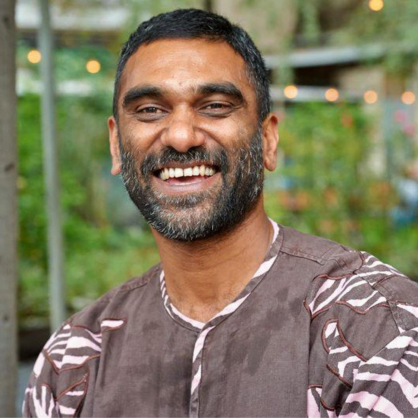
Kumi Naidoo Appointed President of Fossil Fuel Treaty Initiative
Location: News
Fossil Fuel Non Proliferation Treaty Initiative

As the Fossil Fuel Non Proliferation Treaty Initiative (https://FossilFuelTreaty.org/) embarks on a new phase of the campaign and the development of the global Treaty, the Initiative announced today the appointment of Kumi Naidoo, globally recognized South African environmental and human rights leader, as its new President. Naidoo brings over three decades of activism and leadership experience to the role, and will help spearhead the organization's mission to secure a global plan for a just, financed and equitable transition away from fossil fuels.

Kumi Naidoo, whose activism has its roots in South Africa's tumultuous political past, has been a leading voice advocating for climate justice, sustainable development, and human rights across the world. As former Executive Director of Greenpeace International and Secretary General of Amnesty International and CIVICUS, he has been at the forefront of pivotal movements shaping environmental policy and social justice.

In response to his appointment, Kumi Naidoo said: “Throughout my life, I have sought justice for those marginalized by unjust political, economic and energy systems, especially in the Global South. The Fossil Fuel Treaty embodies this mission—it is a movement for global justice. It recognizes that to effectively address the climate, health, environmental, economic and social risks posed by fossil fuels, we must foster international cooperation for a rapid and just transition away from these harmful resources, ensuring that countries, communities and individuals in the South are not left behind. We must bring together world leaders who are committed to protecting what we love and have the courage to take action—the governments leading this initiative are the ones already doing that.”

The World Health Organization (https://apo-opa.co/3ZwZmQ5) estimates that outdoor air pollution, largely caused by fossil fuel emissions, contributes to over 4.2 million premature deaths annually. From compromising health, security, and livelihoods to fueling conflicts globally, fossil fuels undermine all 17 UN Sustainable Development Goals (SDGs) (https://apo-opa.co/4dkGGGp). The scientific and economic evidence is clear: there can be no new fossil fuels in a healthy, thriving world.

“There are enough solutions out there in the world to transition away from oil, gas and coal, but that requires countries to stop expanding these projects and start focusing on clean, safe and fair energy sources. We need bold ideas, and this is the biggest new idea there is, and just at a time when the power and deception of the fossil fuel industry are finally being exposed, and countries are beginning to realize that we need to phase out fossil fuels. The Treaty is a blueprint for how to do that in a fair and equitable way. Later is too late. The race to see who will join the growing bloc of countries at the forefront of the solution is on; and the time to act is now.”, reinforced Naidoo.

Kumi Naidoo's strong commitment to equity and innovative approach to advocacy were celebrated by the members of the initiative's steering committee. They emphasized that these qualities are essential as the Fossil Fuel Treaty initiative enters a critical phase on the mission to unite countries to negotiate a new, binding global plan for a rapid and fair transition away from oil, gas, and coal. The Steering Committee also takes the opportunity to welcome a new Co-Chair, Reverend James Bhagwan, General Secretary of the Pacific Conference of Churches.

Tzeporah Berman, Chair and Founder of the Fossil Fuel Treaty initiative and a long-time environmental activist, commented on Naidoo's appointment: “I am thrilled to welcome Kumi Naidoo as the new President of the Fossil Fuel Treaty Initiative. Kumi's visionary leadership, deep understanding of global issues, and unwavering commitment to justice make him the addition we need to help guide our movement through this crucial phase of the campaign as we bring more governments on board. His passion for the cause and extensive experience in climate advocacy will be instrumental as we strive to unite nations and make this Treaty a reality. True leadership is measured by the courage to confront the bullies in the oil and gas industry, declare that their time is up, and create a clear plan for a sustainable future. The Treaty is that plan, and Kumi is one of those true leaders. He has done it before, from fighting apartheid to contributing to the negotiation of the Paris Agreement – and together we will do it again now, to address the greatest threat of our time. We are also thrilled to welcome Reverend James Bagwan as a Co-chair to the Initiative. Reverend James brings years of experience and crucial perspectives from the faith community and leadership from the South Pacific.”

Mohamed Adow, Founder and Director of Power Shift Africa, and member of the Fossil Fuel Treaty Steering Committee: “Africa – and the world – is burning, both literally and figuratively. The appointment of Kumi Naidoo as President of the Fossil Fuel Treaty Initiative brings strengthened inspiration to our movement, at a time when we can no longer accept weak leaders and their empty promises. We share the rage at the reality of climate impacts and energy poverty that plagues our continent. And we share a commitment to fight with those who bear the brunt of a crisis they have not created. Africans have been marginalized in the quest for justice, our rights violated and our contributions overlooked. With Kumi joining the leadership of this Initiative, we are set to amplify the vision and voice of our continent, and demand the change our people deserve. Accompanied by Rev James as Co-Chair it is clear that the Fossil Fuel Treaty is a marker of equity and justice in international negotiations.”

Tasneem Essop, executive director of Climate Action Network, and member of the Fossil Fuel Treaty Steering Committee: “As someone who participated in the transformative power of global solidarity during the anti-apartheid movement in South Africa, I welcome Kumi's appointment as President of the Fossil Fuel Treaty with great hope. In our historic struggles we have always defied the odds and succeeded. We must now believe again that we can fight the existential threat of fossil fuels through our collective action. Kumi's leadership will help contribute to building the kind of people-powered movement we need to safeguard our future. We must harness that spirit of solidarity to tackle the culprits of the climate crisis and protect our communities and our planet. Together with Rev James joining as Co-Chair, and with the entire leadership of the Fossil Fuel Treaty initiative, we can be optimistic about winning this fight for a just and fossil free future."

Reverend James Bhagwan, General Secretary of the Pacific Conference of Churches and new Co-Chair of the Fossil Fuel Treaty Initiative Steering Committee: ”I am deeply honored to be named the new Co-Chair of the Fossil Fuel Treaty Initiative Steering Committee. The call from communities, governments, and churches from the region that is spearheading the political call for a Fossil Fuel Non-Proliferation Treaty is a powerful affirmation of the just transition we urgently need. It also highlights the vital role that faith communities play in mobilizing climate action. The ecological transformation we seek through the Fossil Fuel Treaty requires that we abandon our self-centered attitudes and act collaboratively for the good of the collective. Together with other leaders in this movement, we must cultivate the will to do what is right and just, have the foresight to sacrifice immediate gains for the greater good, and inspire hope that we can leave our children a healthier and more sustainable world than the one we inherited."

The Fossil Fuel Treaty initiative aims to negotiate a binding global agreement to phase out fossil fuel production fast and fairly, aligned with scientific and economic consensus. As world leaders prepare for crucial negotiations this September in New York City, Naidoo's leadership is expected to elevate the urgency of this mission, rallying stakeholders across sectors, advocating for systemic change to protect our climate and communities.

Distributed by APO Group on behalf of Fossil Fuel Non Proliferation Treaty Initiative.

Media Contacts:
Nathalia Clark
nathalia@fossilfueltreaty.org
+5561991371229 (GMT-3)

Note to Editors: 
Kumi Naidoo is a human rights and climate justice activist from South Africa. He was Executive Director of Greenpeace International (from 2009 through 2015) (https://apo-opa.co/3ZGer1T) and Secretary General of Amnesty International (from 2018 through 2019) (https://apo-opa.co/3BcjSLM). Naidoo also served as the Secretary-General of CIVICUS, the international alliance for citizen participation, from 1998 to 2008. He was an activist against the apartheid regime and its educational system in South Africa. Naidoo's activism went from neighborhood organizing and community youth work to civil disobedience with mass mobilisations against the white controlled apartheid government. He has written about his activism in this period in his memoirs titled, “Letters to My Mother: The Making of a Troublemaker”.

He is available for interviews, and will be in New York City to attend Climate Week events from September 20th to 27th. Further details about the Fossil Fuel Treaty initiative can be provided upon request.

About the Fossil Fuel Treaty Initiative: 
The Fossil Fuel Non-Proliferation Treaty Initiative is spurring international cooperation to end new development of fossil fuels, phase out existing production within the agreed climate limit of 1.5°C and develop plans to support workers, communities and countries dependent on fossil fuels to create secure and healthy livelihoods. For more information on the Fossil Fuel Non-Proliferation Treaty Initiative and proposal, access here (https://FossilFuelTreaty.org/).

Media files
Fossil Fuel Non Proliferation Treaty Initiative
Download logo
Read moreKumi Naidoo Appointed President of Fossil Fuel Treaty Initiative
24 September 2024

Understanding Forklift Solutions: Rental, Sales, and Hire Options

Location: MyPR

Forklifts are essential in a wide range of industries, including manufacturing, warehousing, and construction. They are used for moving heavy materials over short distances and play a crucial role in improving operational efficiency. Whether you’re looking for a forklift for short-term use or a long-term investment, there are several options to consider, including rentals, sales, …

Read moreUnderstanding Forklift Solutions: Rental, Sales, and Hire Options
23 September 2024

Shaping Inclusive Fisheries and Transforming Gender Roles in South Africa’s Coastal Communities

Location: News
The African Union – Interafrican Bureau for Animal Resources (AU-IBAR)

Coastal communities in South Africa were represented in a lively two-day community workshop that sought to promote gender inclusivity in environmental management and the conservation of aquatic biodiversity. The workshop, which was co-hosted by AU-IBAR, Mabuyi Development Planners, and Blue Wild Coast NPO, aimed to provide a thorough Gender Plan of Action for NGOs engaged in small-scale fisheries.

Fifty people showed up at the event in East London, South Africa. Among them were ladies from the seaside towns of Hamburg and Port St. John's, as well as officials from the government, non-governmental organisations, the business sector, and foreign organisations. The workshop sought to incorporate gender-sensitive practices into environmental management, with a heavy emphasis on gender mainstreaming. This was especially important in small-scale fisheries, where women are crucial but under-represented.

Workshop Objectives and Background
After successfully recruiting a Technical Consultant to assist South African environmental NGOs, the Aquatic Biodiversity Conservation Project continued its earlier efforts with the workshop. Site visits, a gender assessment report, an MoU, and a Gender Plan of Action were all part of the consultant's remit to guarantee that women and disadvantaged communities would be a part of environmental sustainability initiatives.

Prior consultations verified the inception report, which laid the groundwork for this workshop. Recognising the importance of local women as guardians of aquatic biodiversity, we set out to understand the difficulties they encounter in small-scale fisheries and find strategies to support them. Workshop participants also had the opportunity to confirm the consultant's report's findings and work together to develop ways to increase gender inclusion in the sector.

Opening Session: Setting the Stage for Change
A panel of speakers stressed gender equality in small-scale fisheries and aquatic biodiversity management at the inaugural session.

At the outset of the session, Ms. Elethu Duna, Executive Director of Blue Wild Coast NPO, acknowledged the importance of women in small-scale fishing in South Africa and highlighted their lack of representation in decision-making bodies. She emphasized that addressing gender inequities offers potential for permanent change and expressed gratitude to AU-IBAR and partners for the session. Duna strongly encouraged participation in developing a substantial Gender Plan of Action.

Mr. Zamkhaya Maseti from the Premier's Office, Government of South Africa, recognized the need for additional action in rural communities while emphasizing the government's dedication to empowering women through policies. He highlighted the importance of women in fisheries, noting that they are sometimes overlooked, and described the session as a crucial step in addressing this disparity. "The time for talk is over," Maseti declared as his final rallying cry. Now is the moment to take action.

Ms. Thabisa Sigwela, representing the Buffalo City Maritime Cluster, emphasized the need for women's economic empowerment and advocated for organized investments in financial inclusion and capacity building. She pledged to support businesses run by women and stressed the importance of providing women in underserved coastal communities with easy access to economic opportunities.

Ms. Mashebane Thosago, from the African Women Fish Processors and Traders Network (AWFISHNET), highlighted the obstacles women in the fishing industry face, including a lack of education and financing. She spoke about how AWFISHNET is working to connect women across Africa and how this training can empower those involved in small-scale fishing to make a difference.

Ms. Fransciscar Mhuriro, representing AU-IBAR, reiterated the organization's commitment to gender equality, calling for women to be recognized as leaders in the fisheries industry. She stressed that AU-IBAR is responsible for promoting gender-responsive policies and enabling knowledge-sharing to ensure the Gender Plan of Action is a living tool for change.

Finally, Ms. Nozuko Ntsokota from the Department of Forestry, Fisheries, and Environment (DFFE) discussed the need for practical application of existing gender policy. She highlighted the importance of collaboration to equip women with the knowledge and resources needed to thrive in small-scale fisheries and pledged continued support for initiatives that emerge from the session.

The workshop focused on gender issues in small-scale fisheries through technical sessions. The first session introduced the importance of integrating gender principles into fisheries management. Key presentations included the roles of men and women in small-scale fisheries, the marginalization of women, and the role of women in vulnerable coastal communities. The second session, moderated by Stephanie Achieng, discussed legislative frameworks, financial exclusion, tenure rights, and infrastructure challenges in small-scale fisheries. A draft gender plan of action was introduced, based on input from local fisherwomen.

Challenges and Opportunities for Women in Cooperatives
Ms. Thosago Mashebane of AWFISHNET and SANWFA highlighted the persistent challenges faced by women in fisheries cooperatives. Issues included unfriendly working environments, inadequate infrastructure, and limited financial inclusion. Despite the existence of cooperatives for over a decade, women continue to struggle with access to resources, funding, and tenure rights. Ms. Mashebane emphasized the need for improved legislative frameworks, increased capacity-building initiatives, and the creation of financial tools tailored to the needs of women in coastal communities.

Proposed Solutions and Commitments
Participants discussed potential solutions, such as the establishment of organized forums for women in cooperatives, improved sustainability of interventions, and stronger policy frameworks. The workshop also proposed the development of business models for women cooperatives, alongside measures to increase their representation in decision-making institutions at local and national levels. Notably, SANWFA committed to connecting women cooperatives from the Eastern Cape with buyers in the Western Cape, fostering new economic opportunities.

Key Workshop Outcomes
Key conclusions from the event will guide future efforts and the Gender Plan of Action. As a means of identifying and addressing critical obstacles, participants evaluated current frameworks and policies that affect women in coastal areas. They looked at different ways to help women participate more in small-scale fishing, with an emphasis on financial inclusion, capacity building, and access to resources. Involvement from women in coastal communities, local NGOs, and government stakeholders led to the development of a thorough Gender Plan of Action. This plan outlines methods for capacity building, advocacy, and monitoring. The significance of public-private partnerships was also highlighted, with organisations such as the South African Maritime Association and the Department of Rural Development and Agrarian Reform (DRDAR) being identified as vital for long-term success.

Next Steps and Recommendations
The subsequent actions were outlined as follows: 

After the Gender Plan of Action is finalised, workshop participants will receive a draft of the Memorandum of Understanding (MoU) and have the opportunity to review and provide input on it before the deadline. When completed, it will be a part of larger plans to manage fisheries on a national and regional level. The importance of ongoing support from AU-IBAR and Blue Wild Coast NPO was highlighted, as was the need for continuous capacity building for women cooperatives in Port St. Johns and Hamburg. For the purpose of tracking and adjusting progress, gender-sensitive monitoring and evaluation indicators will be created and integrated into the M&E framework of the participating NGOs. Sustainable business models in small-scale fishing will also be a priority, therefore we'll be working to connect women's cooperatives with buyers and funding options.

Conclusion
For South African small-scale fisheries, the community workshop was a watershed moment in the fight for gender parity. At this event, women from coastal communities, along with representatives from government and NGOs, worked together to develop strategies that will empower women and involve them in managing aquatic biodiversity. Participation and representation of women in coastal communities in environmental management discussions will be enhanced by the workshop's outputs, which will play a pivotal role in informing future policies and interventions.

Distributed by APO Group on behalf of The African Union – Interafrican Bureau for Animal Resources (AU-IBAR).

Media files
The African Union – Interafrican Bureau for Animal Resources (AU-IBAR)
Download logo
Read moreShaping Inclusive Fisheries and Transforming Gender Roles in South Africa’s Coastal Communities
22 September 2024

Comprehensive Solutions for Every Storage Need

Location: MyPR

Exploring Personal and Business Storage Options Choosing the right storage solution is essential for managing both personal and business belongings effectively. For individuals, personal storage units can be a sanctuary for items like seasonal decorations, excess furniture, or sentimental keepsakes. These units help maintain organization and protect belongings from damage during periods of non-use. For …

Read moreComprehensive Solutions for Every Storage Need
22 September 2024

Understanding Trichologists and Their Role in Hair and Scalp Health

Location: MyPR

Hair is a vital part of personal identity for many people, and experiencing issues like hair loss, thinning, or scalp conditions can be distressing. A trichologist can provide the necessary expertise to address these concerns. Specializing in hair and scalp health, trichologists offer targeted solutions that go beyond everyday hair care routines.   What is …

Read moreUnderstanding Trichologists and Their Role in Hair and Scalp Health
22 September 2024

Public Works, Cape Town commit to using public buildings for public good

Location: News

Public Works, Cape Town commit to using public buildings for public good

Public Works and Infrastructure Minister Dean Macpherson and City of Cape Town Mayor Geordin Hill-Lewis have committed to work together to use public-owned buildings across the city for the public good. 

The Minister and Mayor committed to forming a technical committee to work together between the department and the city during an oversight visit to derelict State-owned buildings in Cape Town and the Hout Bay Harbour on Friday. 

The two leaders have since agreed to track the progress achieved with these properties every month. 

“As Minister of Public Works and Infrastructure, I have always committed to using assets for the public to ensure that they contribute to the economic growth of their respective regions and help to create jobs.

“In many cities, our buildings have become a burden for the cities they are in, often attracting criminal elements and affecting property values. This has to change,” Macpherson said.

At a time of fiscal constraints, the Minister believes it is important that government find innovative solutions to dilapidated State-owned buildings to ensure that they become an asset to communities. 

“The State is simply unable to maintain and secure all of its buildings in the current fiscal environment, and therefore, partnerships will be essential.” 

With regards to the Hout Bay Harbour, Macpherson stressed that as the custodian of small harbours across the country, the department should consider partnering with competent local and provincial authorities and entities. 

This, he said, would help to manage, maintain and upgrade these assets to ensure that they contribute to economic growth in the municipality and province they are located.

Meanwhile, Hill-Lewis said the new joint technical committee would help fast-track resolutions to problem buildings owned by the State.

“There are several rundown State-owned buildings in Cape Town that are a source of crime, and a blight on neighbourhoods. We are encouraged that the collaboration with the... Minister will... yield positive results for Capetonians, and the neighbourhoods and businesses surrounding these buildings.

“Some of these buildings and land parcels could be released for affordable housing, while others should simply be demolished or sold so that they can be put to more productive use,” said Hill-Lewis.

The Mayor said he would like to like to see Hout Bay Harbour reach its full economic and tourism potential. 

“We are excited about the prospects of a partnership with national government to improve the infrastructure, safety, and local economic activity around this harbour,” Hill-Lewis added. – SAnews.gov.za
 

Gabisile
Sun, 09/22/2024 - 15:36

431 views
Read morePublic Works, Cape Town commit to using public buildings for public good
22 September 2024

How Much Is Storage per Month in South Africa?

Location: MyPR

As South Africa continues to urbanize at a rapid pace, the demand for efficient storage solutions is growing exponentially. This surge is driven by the decrease in available living space, an uptick in small business ventures, and the general need for more organized environments. This article delves into the burgeoning storage industry, examining the various …

Read moreHow Much Is Storage per Month in South Africa?
21 September 2024

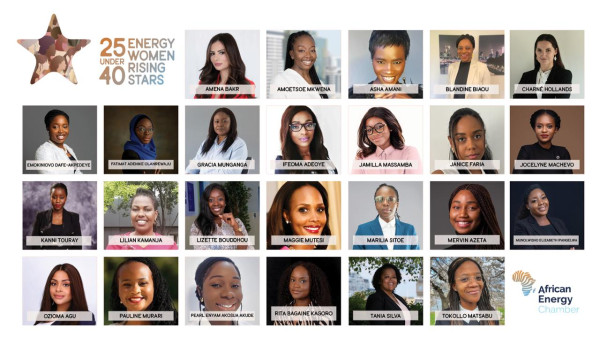
Celebrating This Year’s 25 Under 40 Energy Women Rising Stars

Location: News
African Energy Chamber

As Africa's energy sector continues to grow, a new generation of women is breaking barriers and redefining leadership in this critical industry. The African Energy Chamber (AEC) (www.EnergyChamber.org) proudly announces the 2024 edition of the 25 Under 40 Energy Women Rising Stars – a group of outstanding individuals whose innovation, perseverance and passion are transforming the landscape of African energy. These trailblazers are not only reshaping a traditionally male-dominated field but are also playing a vital role in the journey to end energy poverty by 2030. The AEC proudly honors these women as they lead the charge toward a more sustainable and equitable energy future.

In alphabetical order:

Amena Bakr, Senior Research Analyst, Energy Intelligence

Amena Bakr is a Senior Research Analyst at Energy Intelligence. Specializing in the energy transition, corporate strategy and market analysis, Bakr leads insights on oil markets, OPEC policies and political trends in the Middle East and Gulf Arab region. Her previous roles include Chief OPEC Correspondent and Dubai Deputy Bureau Chief, where she earned accolades such as the OPEC Award for Best Journalist and the IAEE Excellence in Written Journalism Award. Bakr holds a BA in Business Administration from the Arab Academy for Science, Technology & Maritime Transport, Egypt.

Amoetsoe Mkwena, Senior Associate, Watson Farley & Williams (Middle East)

Amoetsoe Mkwena is a Senior Associate at Watson Farley & Williams, specializing in energy and infrastructure with a focus on Africa. She advises on international projects, including the $15 billion Simandou project in Guinea. Mkwena's expertise includes power, renewables, oil and gas, and mining. Her legal skills and ability to bridge cultural divides make her a key player in Africa's energy sector.

Asha Amani, General Manager, INTERAFCON

Asha Amani is the General Manager at INTERAFCON, where she blends strategy and leadership to drive growth in complex energy projects. With seven years in Industrial Engineering and five years in the energy sector, Amani excels in business strategy, opportunity identification and project management. Her previous role as a Business Development Consultant at Tetco Consulting focused on delivering tailored solutions for the energy, engineering, and construction sectors.

Blandine Biaou, Geological Engineer, Head of Research and Prospection Department, SNH-Benin

Blandine Biaou, Head of the Research and Prospection Department at SNH-Benin, specializes in hydrocarbon exploration. She has optimized Benin's energy sector through resource management and contract revisions. Biaou has developed a modern data center and interactive database, contributing to national projects and representing Benin in international conferences, positioning it as a hydrocarbon hub.

Charné Hollands, Deputy Editor, Energy Capital & Power

Charné Hollands is the Deputy Editor at Energy Capital & Power, the leading investment platform for the African energy sector. She produces content on the entire energy value chain in Africa, with a focus on oil, gas, renewable energy and energy policy. Hollands holds a Master's in Media Studies from the University of Cape Town and has co-authored African Energy Chamber: Road to Recovery.

Emokiniovo Dafe-Akpedeye, Managing Partner, Compos Mentis Legal Practitioners

Emokiniovo Dafe-Akpedeye, a leading dispute resolution lawyer, specializes in complex oil and gas cases. She has represented Shell Petroleum and serves as company secretary for the Ebendo Host Community Trust Board. With degrees from Oxford and Bristol, she shapes oil and gas law and is implementing digital solutions to streamline board operations.

Fatimat Adenike Olanrewaju, General Field Engineer, SLB

Fatimat Adenike Olanrewaju, a Chemical Engineering graduate, is a General Field Engineer at SLB, focusing on wellhead installations and emissions reduction. She excels in a male-dominated field and leads community service through SLB's SEED initiative, advocating for gender diversity and mentoring.

Gracia Munganga, Senior Technical Advisory, ABT Global

With a Master's degree in Chemical Engineering from the University of Cape Town, Gracia oversees operations for the company, which has been designing and commissioning solar PV systems across sub-Saharan Africa since 2018. Her career includes roles at GreenCape, Anaergia Africa, the Climate Innovation Centre South Africa (CIC-SA), and the Carbon Trust.

Ifeoma Adeoye, CEO, IMSE Energy Resources Limited

Ifeoma Adeoye, CEO of IMSE Energy Resources Limited, leads the company in EPCI services and innovative crude evacuation technology. A graduate of the University of Manchester and Warwick, she also founded Business Nest Investments and BNI Insurance Brokers Limited, to empower and protect people and businesses through microfinance and insurance.

Jamilla Massamba, Health Safety and Environment Manager, SLB Congo

Jamilla Massamba, Health, Safety & Environment Manager at SLB Congo, leads HSE initiatives across Africa. With a Master's in Environmental Management Sciences, she has conducted over 100 audits and received awards for her work. Massamba also mentors young women in STEM and leads green energy projects.

Janice Faria, CEO, Enagol: Energias de Angola

As CEO of Enagol, Janice Faria has elevated the company's national and international profile. Under her leadership, Enagol competes globally and services International Oil Companies, setting a precedent for local enterprises in the global market.

Jocelyne Machevo, Communication, Commercial & Marketing Manager, Vivo Energy Mozambique

Jocelyne Machevo, formerly with Eni Mozambique, played a key role in the Coral FLNG Project and led the company's local brand transformation. Now at Vivo Energy Mozambique, she focuses on energy transition and decarbonization projects.

Lilian Kamanja, Electrical Engineer, Kenya Power

Lilian Kamanja is a Renewable Energy Specialist at Kenya Power with over nine years of experience in electrical engineering, network operations, and renewable energy development. She holds a BSc from the University of Nairobi and an M.Tech from IIT Delhi, focusing on renewable energy projects that enhance power accessibility and reliability.

Kanni Touray, Deputy Director General, Petroleum Commission, The Gambia

Kanni Touray, The Gambia's youngest and first female Deputy Director General at the Petroleum Commission, has enhanced the organization's efficiency and visibility. She champions sustainable development and energy transition, positioning The Gambia as a growing player in the global energy market.

Lizette Bouddhou, Human Resources Manager, SLB Congo and Gabon SLB

Lizette Bouddhou, HR Manager at SLB Congo and Gabon, drives diversity and workforce development. She leads recruitment and training initiatives, boosts employee engagement, and advances community outreach through educational partnerships, supporting women in STEM.

Maggie Mutesi, Managing Editor, Mansa Media

Maggie Mutesi is the Managing Editor at Mansa Media, with over 15 years of experience in major media outlets including CNN, BBC and CNBC. Her reporting spans over 30 African countries, focusing on trade and investments. At the BBC, she managed BBC Africa's daily live program, Money Daily. Mutesi has also extensively covered the Africa Continental Free Trade Agreement, working with the African Union and Afrochampions Initiative to enhance awareness among Africa's private sector.

Marilia Sitoe, Subsea Engineer, Eni Rovuma Basin

Marilia Sitoe, a Subsea Engineer at Eni Rovuma Basin, focuses on optimizing Mozambique's gas sector. Her work includes deep-water gas production and subsea infrastructure for Coral South FLNG. Sitoe's research supports Mozambique's economic growth and sustainability goals.

Mervin Azeta, Engineer, SLB

Mervin Azeta, a leader at SLB, has advanced from field engineer to corporate strategist. Recognized for her impact on African communities and the global industry, she is active in non-profit boards and connects young Africans with top leaders, fostering learning and inspiration.

Munolwisho Elizabeth Ipangelwa, Green Hydrogen Advisor, GIZ

Munolwisho Elizabeth Ipangelwa, Green Hydrogen Advisor at GIZ, advocates for women in oil and gas and green hydrogen development in Namibia. She has educated over 200 Namibians and leads green industrialization studies to boost local industries and reduce youth unemployment.

Ozioma Agu, Partner, Stren & Blan Partners

Ozioma Agu, a Partner at Stren & Blan Partners, excels in high-profile energy and infrastructure transactions. Her work includes advising on Mobil and Shell divestments and renewable projects. Agu has earned awards for her expertise in oil and gas and green hydrogen.

Pauline Murari, Contracts Manager SLB Angola, Central and East Africa

Pauline Murari, Contracts Manager at SLB, is known for her negotiation skills and leadership. She has driven growth in SLB's regional portfolio and contributed to projects like the East African Crude Oil Pipeline. Murari supports STEM education and local development.

Pearl Enyam Akosua Akude, Business Line Job Delivery Lead, SLB

Pearl Enyam Akosua Akude, with over 35 wells drilled, is a leader in the energy sector. She handles complex projects, trains engineers, and has contributed to innovations like TerraSphere and Net Zero Development in Africa, impacting the region's energy landscape.

Rita Bagaine Kagoro, Talent Acquisition Manager SLB: Angola, Central and East Africa

Rita Bagaine Kagoro, a Ugandan Petroleum Engineer, has seven years of experience and holds degrees from China University of Petroleum and Delft University of Technology. Her roles include Measurements and Logging While Drilling Engineer and Drilling Product Engineer. Kagoro has innovated drilling technologies to enhance efficiency and reduce CO2 emissions. She is passionate about leadership, mentorship, and advocating for diversity in hiring and women in energy.

Tania Silva, CEO, Angola LNG Marketing

Tânia Silva is the CEO of Angola LNG Marketing, the company's first female and youngest CEO. She oversees LNG sales, liquids contracts, and the shipping fleet. Previously, Silva was Head of Non-Operated Assets at Sonangol Gás e Energias Renováveis, S.A., where she managed non-operated assets and contributed to renewable energy projects. Her career is marked by leadership and innovation in the energy sector.

Tokollo Matsabu, Women Leader in Energy & Climate Fellow, Atlantic Council

Tokollo Matsabu is a 2024 Women Leaders in Energy and Climate Fellow and Director at Patlong Advisory, a consulting firm focused on energy programs and carbon sequestration in Africa. She is pursuing an MS in Global Energy and Climate Policy at the University of London's School of Oriental & African Studies, with a focus on critical minerals. Matsabu has a background in financial journalism and has conducted risk analyses for various stakeholders in the Global South. She holds a Bachelor's degree in International Relations, Media and Writing from the University of Cape Town.

Distributed by APO Group on behalf of African Energy Chamber.

Media files
African Energy Chamber
Download logo
Read moreCelebrating This Year’s 25 Under 40 Energy Women Rising Stars
20 September 2024

State of Police College Shocks Parliamentary Committee

Location: News

Allegations of corruption, criminality, and dilapidated facilities greet the Portfolio Committee on Police

Read moreState of Police College Shocks Parliamentary Committee
20 September 2024

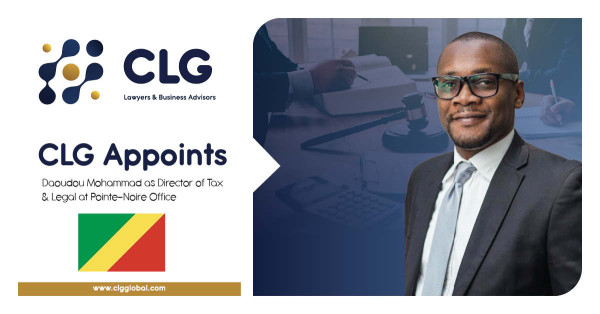
CLG Appoints Daoudou Mohammad as Director of Tax & Legal at Pointe-Noire Office

Location: Business
CLG

Supporting clients operating in the CEMAC region, trusted legal adviser Daoudou Mohammad has been appointed as Director of Tax & Legal at CLG's Pointe-Noire office (www.CLGGlobal.com). Mohammad brings a wealth of demonstrated expertise that will be instrumental to the law firm's Africa-wide practices, as the Republic of Congo and wider Central African region sees rapid growth in the energy sector.  

Mohammad holds over 15 years of experience in business and tax law, developing a solid competence in handling complex legal issues and providing effective client support. Prior to joining CLG, Mohammad served as Senior Manager at PwC's Tax & Legal Department in Pointe-Noire, managing the tax and legal coordination center for Francophone African countries, supervising quality and risk management operations, ensuring legal due diligence and supervising restructuring operations for groups of companies – including mergers and acquisitions and company transfers – among other key responsibilities.

Having also held a managerial role at PwC's South Africa office, Mohammad maintains an in-depth knowledge of different international systems and compliance with the highest standards of practice and service delivery, adapting to varied legal and cultural environments. Specializing in business, tax and labor law, as well as foreign exchange regulations and intellectual property, his multidisciplinary background represents a major asset to CLG and will enable the provision of integrated solutions to client needs and up-to-date advice on the latest legislative and regulatory developments. Mohammad holds a dual Master's Degree in Intellectual Property Law and Business Law from Cameroon's University of Yaoundé II.

The Republic of Congo is in the midst of a major investment drive, as it aims to accelerate oil and gas exploration and transform into a major LNG hub on the back of multiple large-scale LNG export projects and new exploration and appraisal drilling activities. To attract further investment and streamline regulatory processes, the country is launching a comprehensive gas code, recently approved a new Gas Master Plan led by national oil company Société nationale des pétroles du Congo, and plans to establish a dedicated national gas company. As a result, specialized tax, legal and regulatory advisory expertise is needed by companies operating in the Congo to navigate evolving energy sector legislation. 

CLG represents an experienced team of legal professionals, offering an in-depth understanding of African markets and a flexible and innovative approach to meeting the diverse needs of its clients. Serving as the preferred professional services partner in Africa, CLG is equipped to offer on-the-ground support across multiple sectors and has a rich history of spearheading transformative oil and gas transactions across the continent, providing top-tier legal services and strategic advice to clients across the energy spectrum, and guiding clients through complex regulatory landscapes and contractual negotiations. In addition to the Republic of Congo, CLG operates in South Africa, Nigeria, South Sudan, Mauritius, Ghana, Cameroon, Equatorial Guinea, Mozambique and Germany.     

“Navigating local laws, including taxation on oil and gas revenues, production-sharing agreements, and environmental regulations, demands thorough understanding to ensure compliance and optimize returns. We are excited to have Daoudou Mohammad head up CLG's tax and legal services in Pointe-Noire, who offers expert guidance on mitigating risks, avoiding costly legal disputes, and ensuring that investments are structured to meet both local obligations and international standards,” states Zion Adeoye, CEO of CLG.

Distributed by APO Group on behalf of CLG.

Media files
CLG
Download logo
Read moreCLG Appoints Daoudou Mohammad as Director of Tax & Legal at Pointe-Noire Office
20 September 2024

Eskom, Sasol sign gas MoU

Location: News

Eskom, Sasol sign gas MoU

Eskom and energy and chemical company, Sasol, have signed a Memorandum of Understanding (MoU) to “collaboratively explore and research potential future liquified natural gas (LNG) requirements”.

This is according to a joint statement released by the two companies, following the signing ceremony of the MoU on Friday.

“The collaboration aims to determine the potential volumes that South Africa requires to establish a viable LNG import market, along with the enabling infrastructure, and will be facilitated by government-to-government relations where necessary. 

“This initiative focuses on using gas for power generation to provide essential base load electricity and position gas as a key enabler of re-industrialisation, while also ensuring continued supply to the market by unlocking global LNG resources. 

“Furthermore, the collaboration will contribute to enhancing South Africa’s energy mix and enable the country’s energy transition and decarbonisation,” the joint statement read.

The MoU is expected to “explore sourcing gas within South Africa, the Southern African Development Community region, and other parts of the African continent, in addition to evaluating long-term LNG contracting”.

“This will support the gas requirements for Eskom’s planned coal power station repowering and conversion to gas in the long term. The parties will also engage other state entities to enable an LNG value chain in South Africa.

“As part of its revised gas strategy, Sasol is working on enabling the future supply of LNG to South Africa by collaborating with companies such as Eskom, existing and future customers, suppliers, and infrastructure developers.

“The research findings from the first phase of the Sasol-Eskom collaboration will guide the necessary role players and investors required to offer the best prospects for South Africa’s energy market, while outlining the challenges associated with the long-term commitments required for LNG imports,” the statement said.

Speaking at the signing ceremony, Minister of Energy and Electricity, Dr Kgosientsho Ramokgopa, explained the importance of the collaboration between two of South Africa’s biggest energy related companies.

“We have made it clear that we are serious about LNG solutions for the country, and that our demand for gas across both industrial and energy frontiers will unlock these solutions.

“This collaboration between our two energy champions – one public, one private – will provide a data-driven and commercially sound basis for gas-fed industrialisation and for us to explore the well-worn path to lower carbon energy that the global north has already taken by scaling gas to power. 

“Gas has emerged as the second-largest contributor to global electricity production, experiencing rapid growth as many countries shift from coal to gas in their energy mix to enable positive implications for climate change, as gas typically emits less CO2 per unit of energy,” Ramokgopa said.

Eskom Group Chief Executive, Dan Marokane, said the two companies can collaborate to work on the transition to lower carbon methods.

“We have a great deal of experience as the two largest users of coal in South Africa and we felt by working together we could accelerate the climate change transition in a responsible way which sets the country up for the best economic, environmental and social outcomes and addresses the imminent gas supply shortfall. 

“Eskom is focused on a balanced and diversified energy mix based on existing coal and nuclear and introducing gas for baseload power, as well as renewables, energy storage systems including batteries and pumped hydro, to achieve overall security of supply and to meet and exceed rapidly expanding energy demand,” Marokane said. – SAnews.gov.za

NeoB
Fri, 09/20/2024 - 14:15

413 views
Read moreEskom, Sasol sign gas MoU
20 September 2024

Prepare for a Safe Holiday on the Roads

Location: MyPR

As the school holidays start this week and Heritage Day is around the corner, many South Africans will use this opportunity for a mini-break of fun road trips and family get-togethers. With more of us hitting the road during this time, Dunlop Tyres SA urges drivers to inspect their vehicles, particularly the condition of their …

Read morePrepare for a Safe Holiday on the Roads
20 September 2024

Liugong Green Alliance Celebrates the Completion of Solar-Powered Water Well at Mabeskraal Stadium Donated to Moses Kotane

Location: MyPR

Location: Mabeskraal Stadium, North West Province, South Africa LiuGong Machinery, a global leader in construction machinery, is proud to announce the successful completion of its latest water well project at Mabeskraal Stadium in the Northwest Province. This initiative, part of the broader LiuGong Green Alliance, is a significant step forward in addressing the water scarcity …

Read moreLiugong Green Alliance Celebrates the Completion of Solar-Powered Water Well at Mabeskraal Stadium Donated to Moses Kotane
20 September 2024

OneTap Loyalty? Technology Receives Global Investment, Launches New UK Based Company, OneTap Group Ltd.

Location: MyPR

An innovative payments and loyalty solution to expanding to a global market. Industry giants, Brian Dunne, based in the UK, and Debbie Ghillino, based in South Africa were so impressed with the value proposition and the potential of the technology created by Australian based Elevate Loyalty Pty Ltd, they have invested and joined forces to …

Read moreOneTap Loyalty? Technology Receives Global Investment, Launches New UK Based Company, OneTap Group Ltd.
19 September 2024

Rising Debt In Sub-Saharan Africa Costing Lives

Location: News

UN News
Download logo

The report details how this debt crisis is jeopardising progress aimed at ending AIDS in Sub-Saharan African countries, which account for a significant majority of people living with HIV globally – 25.9 million people of the nearly 40 million total.

If debt payments and stifled budgets are unaddressed in the next three to five years, countries will be “under-resourced to fund their HIV responses,” according to the UN agency's report.

Further data reveals that “the region's success in having reduced new HIV infections by 56 per cent since 2010 will not be sustained if fiscal space is constrained.”

Paying back sovereign debt now exceeds half of government revenue in Angola, Kenya, Malawi, Rwanda, Uganda, and Zambia.

UNAIDS said that even after debt relief measures, Zambia will still be handing over two-thirds of its budget for debt servicing between 2024 and 2026.

UNAIDS Executive Director Winnie Byanyima said that “public debt needs to be urgently reduced and domestic resource mobilisation strengthened to enable the fiscal space to fully fund the global HIV response and end AIDS.”

Debt servicing

Ms. Byanyima noted that global health security is put at risk when countries are unable to meet healthcare needs due to debt payments.

This has been evident in Western and Central Africa as there has been a noticeable decline in HIV response spending since 2017.

A news release based on the report reveals that Western and Central Africa will need to mobilise $4.18 billion to fully fund the HIV response in 2024. “This will climb to $7.9 billion by 2030 unless efforts are scaled up today to stop new HIV infections.”

It was noted that $20.8 billion was allocated for the HIV response in 2022 in low and middle-income countries through different donations, but it was not enough to effectively finance the HIV response.

To fully respond to HIV needs in 2024, Eastern and Southern Africa needs $12 billion, which will escalate to $17 billion by 2030 unless new HIV infections decline.

Necessary measures

The UNAIDS report says sub-Saharan African countries need to strengthen their tax systems and see an increase in financial donations to garner more domestic resources to effectively respond to their “pandemics.”

UNAIDS chief, Ms. Byanyima said, “World leaders cannot let a resource crunch derail global progress to end AIDS as a public health threat by 2030.”

Youth activists heading to New York

The UNAIDS chief said that young people are playing an active role in driving the progress made in the HIV response.

UNAIDS has partnered with two social media influencers living with HIV from Kenya and South Africa to attend the Summit of the Future and the UN General Assembly meetings in New York to urge leaders to invest in health systems and services that will support young people living with HIV.

Jerop Limo, the young Kenyan HIV activist, said, “I want leaders to leave New York knowing that we are not beneficiaries, we are equal rights holders.”

“We want meaningful and ethical engagement of adolescents and young people in all spaces of the AIDS response,” she continued.

South African advocate, Ibanomonde Ngema, said the meetings will not be enough to end AIDS – solutions need to be involved.

Young people living with HIV play a critical role in the fight against AIDS in communities.

Include us in the conversation

“The world can only benefit when young people are included in the global HIV response,” Ms. Ngema said. “No conversation about HIV should take place without us, from policy to practice in communities.”

As young people living with HIV also face stigma and discrimination, including from doctors, they will be lobbying world leaders at the General Assembly to “uphold the human rights of young people as key to ending AIDS as a public health threat.”

Distributed by APO Group on behalf of UN News.

Read moreRising Debt In Sub-Saharan Africa Costing Lives
19 September 2024

PRASA Corruption Investigations Get Pushback From MK Party MPs

Location: News

The Special Investigating Unit presented its findings to Parliament on Wednesday

Read morePRASA Corruption Investigations Get Pushback From MK Party MPs
19 September 2024

Young People Living With HIV Urge World Leaders to Partner With Them AIDS Response

Location: News

United Nations Programme on HIV/AIDS (UNAIDS)
Download logo

With support from UNAIDS, two young social media influencers living with HIV are on their way to the United Nations General Assembly and the Summit of the Future in New York to urge world leaders to partner with them in the response to HIV. Ibanomonde Ngema from South Africa and Jerop Limo from Kenya will call on leaders to invest in youth-friendly health systems, provide holistic services for young people living with HIV, and to partner with young people and communities, allowing them to lead in the response to HIV.

“Young people's powerful and vibrant activism has driven so much of the progress made in the HIV response,” said Winnie Byanyima, Executive Director of UNAIDS. “They know what works for them. It is essential for leaders to listen to them to understand the specific challenges that young people face and how those challenges can be overcome. Leaders can only successfully plan how to end AIDS and sustain the advances made by partnering with young people living with HIV.”

“I am representing not only the voices of 1.5 million Kenyans living with HIV but all people living with HIV,” said Jerop Limo, a young Kenyan HIV activist. “I want leaders to leave New York knowing that we are not beneficiaries, we are equal rights holders. We have a voice, we have skills and expertise and we need an equal playing field where our data is valued, where our input is valued and where our voices are heard. We want meaningful and ethical engagement of adolescents and young people in all spaces of the AIDS response.”

Young people, especially adolescent girls and young women, are disproportionately affected by HIV. Globally, 44% of all new HIV infections were among women and girls (all ages) in 2023 and every week 4000 young women and girls around the world are infected with HIV—3100 are in sub-Saharan Africa. In 2023, some 3.1 million adolescents and young people (15-24 yrs) were living with HIV—1.9 million were adolescent girls and young women.

“Governments meeting here in New York cannot end AIDS alone. They need to involve us to find solutions. We have lived experiences of HIV, from treatment to mental health, because we navigate life with HIV every day. We need to be included in policymaking so that we can take full ownership of ending end AIDS as a public threat,” said Ibanomonde Ngema, a young South African AIDS activist. “The world can only benefit when young people are included in the global HIV response. No conversation about HIV should take place without us, from policy to practice in communities.”

Too often young people report facing stigma and discrimination, including from doctors and healthcare workers, when they access sexual and reproductive health and HIV services. This discourages them from seeking support and crucial information about their health, putting them at risk of HIV infection or of defaulting on treatment for those who are living with HIV.

Involvement of young people in the HIV response

Young people living with HIV play a critical role in the fight against AIDS in communities. They offer support and share important information about HIV that schools or parents might not talk about. They also challenge stigma and discrimination through social media, helping to save lives and encourage young people to stay on treatment.

They drive innovation in communities, for example, a self-funded project by the Youth Empowerment Group uses e-bikes to deliver antiretroviral medicines, food and adherence support to young people who often cannot attend clinics because their schooling hours conflict with clinic opening times in Namibia.

However, their transformational work is being held back because it is not being sufficiently supported. Youth-led HIV responses often operate with little or no financial and political support. At the UNGA the two young people will call on world leaders to fully support and fund their work. They will also urge leaders to uphold the human rights of young people as key to ending AIDS as a public health threat—they will call on them to protect young people's right to healthcare, education, freedom of speech, and to provide social support to young people living with HIV.

“Providing treatment is not enough, young people living with HIV need an education and they need a job to survive,” added Jerop Limo. “We need to be seen as equal contributors and partners, and we need investment to allow us drive change. We are the leaders of the future and we need to be included now to help shape a better future for us all.”

Distributed by APO Group on behalf of United Nations Programme on HIV/AIDS (UNAIDS).

Read moreYoung People Living With HIV Urge World Leaders to Partner With Them AIDS Response
19 September 2024

SA signs reviewed joint declaration with Germany to boost urban development

Location: News

SA signs reviewed joint declaration with Germany to boost urban development

The Minister of Cooperative Governance and Traditional Affairs (CoGTA), Velenkosini Hlabisa, and his German counterpart Federal Minister of Building, Klara Geywitz, have signed a declaration of intent to strengthen relations.

According to the department, the declaration signed on Tuesday renews the commitment to close the exchange that has existed since 2013 with the initial agreement.

The future cooperation themes include enhanced collaboration in integrated urban development across all administrative levels and joint efforts to ensure increased public participation in urban development issues.

The signing of the reviewed Joint Declaration of Intent (JDI) took place on the sidelines of the 17th Federal Congress on National Urban Development Policy in Heidelberg, Germany.

Hosted by Germany’s Federal Ministry for Housing, Urban Development and Building, in conjunction with the Conference of German Building Ministers and top city associations, the congress aims to facilitate crucial discussions on the future of urban spaces.

Speaking at the signing of the reviewed JDI, Hlabisa said it marked a significant milestone in their ongoing partnership.

“This collaboration, which has flourished for over a decade, continues to enrich both our nations. By sharing expertise and engaging in joint efforts to enhance urban development, we are not only addressing the needs of our cities but also setting a global standard for inclusive and sustainable growth.

“This partnership shows how working together and learning from each other can make a big difference in improving our communities. By sharing ideas and solutions, we can create better and safer places for everyone.

"It’s proof that when we join forces and support each other, we can build a better future for all,” the Minister said.

Geywitz also welcomed the signing of the reviewed JDI, saying they were continuing the close and enriching collaboration with South Africa that has lasted for over 10 years.

“It is a joint commitment to further intensive, trusting and cordial cooperation. The exchange with South Africa – both with our partner ministry and with the municipalities and civil society – gives us valuable insights into administrative action and planning practice in South Africa. These perspectives and approaches to solutions help us a lot in our work,” she said.

In addition to an active exchange of expertise on national urban development policies and their implementation programmes in Germany and South Africa, there has been a further focus on inter-municipal learning networks between the two countries’ municipalities, city associations and national governments since 2016.

“The current network with the cities of KwaDukuza, Nelson Mandela Bay, Stellenbosch, uMhlathuze, Bottrop, Karlsruhe, Ludwigsburg and Nuremberg deals with the question of how urban districts can be made livable and safe for everyone, especially for marginalised groups such as women and girls, and how equal access to public spaces can be ensured.” – SAnews.gov.za

Gabisile
Thu, 09/19/2024 - 11:28

159 views
Read moreSA signs reviewed joint declaration with Germany to boost urban development
19 September 2024

Electrical Distribution Boards in Homes and Businesses

Location: MyPR

An electrical distribution board plays a pivotal role in distributing electricity throughout a building. It acts as the control center that ensures the power is appropriately routed to various circuits, making it a crucial part of both residential and commercial setups. Whether it’s a small apartment or a large industrial facility, this board helps manage …

Read moreElectrical Distribution Boards in Homes and Businesses
19 September 2024

Creating Memorable Brand Experiences and Events in South Africa

Location: MyPR

Delivering memorable brand experiences and organising seamless events are essential to maintaining a strong presence in such a competitive environment. Partnering with a brand experience agency offers businesses the expertise needed to create immersive experiences that resonate with audiences. This approach is especially valuable in South Africa, where diverse audiences and unique cultural dynamics require …

Read moreCreating Memorable Brand Experiences and Events in South Africa
19 September 2024

Finding the Ideal Workspace for Your Business

Location: MyPR

When it comes to selecting the perfect workspace, flexibility and functionality are key considerations. Whether you’re a freelancer, a small business owner, or an entrepreneur, choosing the right office setup can greatly impact your productivity and business success. The availability of coworking space Marietta GA ensures that finding a collaborative or focused work environment is …

Read moreFinding the Ideal Workspace for Your Business
18 September 2024

Brand New Family Divorce Mediators Launches Website Streamlines Divorce and Family Mediation Services

Location: MyPR

Roodepoort, South Africa – June 13, 2024 – Family Divorce Mediators is proud to announce the launch of its brand-new website. The aim is to provide seamless access to comprehensive divorce and family mediation services through a user-friendly platform. Family Divorce Mediators is dedicated to helping families navigate the complexities of divorce with empathy and …

Read moreBrand New Family Divorce Mediators Launches Website Streamlines Divorce and Family Mediation Services
18 September 2024

Community Workshop to Develop a Gender Plan of Action for South African Non-Governmental Organizations (NGOs) in Small-Scale Fisheries

Location: News

The African Union – Interafrican Bureau for Animal Resources (AU-IBAR)
Download logo

In recognition of the critical role that gender plays in the sustainability and success of small-scale fisheries, AU-IBAR, Mabuyi Development Planners, and he Blue Wild Coast Non-Profit Organization (South Africa) are hosting a two-day community workshop in East London, South Africa. The workshop, running from September 18-19, 2024, aims to develop a Gender Plan of Action for non-governmental organizations (NGOs) operating in small-scale fisheries to support aquatic biodiversity conservation efforts in South Africa. This event serves as a vital platform to address gender disparities in the fisheries sector, amplify the voices of women, and establish gender-sensitive policies and strategies.

Objective of the Workshop

The workshop engages stakeholders from various sectors to co-create and enrich a Gender Policy Document for environmental NGOs. Specifically, it seeks to mainstream gender into aquatic biodiversity conservation and environmental management efforts. Through this collaborative process, the event addresses gender inequalities in small-scale fisheries, enhances female participation in decision-making, and ensures that women's roles are better recognized across the fisheries value chain.

Participants and Stakeholders

This multi-stakeholder event brings together representatives from AU-IBAR, government agencies, local cooperatives, private sector actors, and gender advocacy organizations, including the South African Network for Women in Fisheries (SANWFA) and the African Women Fish Processors and Traders Network (AWFISHNET). Collectively, these organizations focus on strengthening the roles of women and youth in small-scale fisheries and advancing gender mainstreaming in the sector.

Opening Remarks and Keynotes

The first day of the workshop opens with welcoming remarks from the Blue Wild Coast NPO, emphasizing the importance of civil society in empowering communities with fishing rights and elevating the often-overlooked contributions of women in fisheries.

- Ms. Francisca Mhuriro, who represented the Director of AU-IBAR, delivered an address, emphasising the need for gender equality in aquatic biodiversity conservation. “Equal participation of both men and women in conserving aquatic biodiversity and ecosystems is crucial for Africa's blue economy development,” she stated. “Yet, women are often marginalized in decision-making due to cultural norms. These constraints limit their access to resources and participation in the sector.” Ms. Mhuriro highlights frameworks such as the Beijing Declaration and Malabo Declaration, which call for affirmative actions to include women in economic opportunities and urges participants to adopt inclusive approaches in fisheries management.

- Mr. Zamkhaya Maseti, representing the Premier's Office of the Eastern Cape, shared insights into the Eastern Cape province's Blue Oceans Economy Master Plan, developed in partnership with Nelson Mandela University. “For our province to realize its potential in the blue economy, access to equipment and capacity-building for women is crucial,” he noted. Maseti called for more partnerships with civil society organisations to empower coastal communities, urging for protection from exploitation by external investors.

- Ms. Thabisa Sigwela, from the Buffalo City Maritime Cluster, spoke about her organization's work supporting projects related to coastal marine tourism, ocean governance, and small harbor development. “South Africa's 3,000-kilometer coastline is vital for improving the livelihoods of coastal communities,” she noted. Sigwela stressed the need for strategies that balance the exploitation of natural resources with long-term sustainability, emphasizing the importance of involving rural communities, especially women and youth, in these initiatives.

- Ms. Mashebane Thosago, representing SANWFA and AWFISHNET, called for greater female leadership in the fisheries sector. “Gender issues affect every aspect of our lives, and women must be at the forefront of shaping policies that influence their livelihoods,” she stated. Thosago encouraged participants to engage openly in discussions, noting that while sensitive issues may arise, such dialogue is necessary to foster inclusivity and progress.

- Ms. Nozuko Ntsokota, from the South African Department of Forestry, Fisheries and the Environment (DFFE), addressed the barriers women face in accessing markets and infrastructure. “Market access is a significant challenge for small-scale fishers, especially women,” she noted. Ntsokota highlighted the importance of collaborative efforts to open opportunities for women in fisheries cooperatives and praised the mentorship programs being developed for traditional fishers.

Workshop Structure and Themes

Throughout the workshop, participants are expected to gain valuable insights from key stakeholders who discuss current challenges and opportunities for gender equality in small-scale fisheries. The workshop is structured around several key themes:

1. Gender Mainstreaming in Fisheries: Participants will explore concepts of gender mainstreaming and how these apply to aquatic biodiversity conservation. Case studies demonstrate how gender integration can enhance sustainability in fisheries management.

2. Gender Roles in Aquatic Biodiversity Conservation: A dedicated session will examine the distinct roles men and women play in aquatic biodiversity conservation. Although women often engage in fish processing and trading, their involvement in resource management and decision-making is frequently overlooked.

3. Small Group Discussions: Participants break into stakeholder-specific groups to identify challenges faced by women in the fisheries value chain. These discussions focus on practical solutions to improve women's access to resources and leadership positions.

4. Capacity Building and Policy Development: On the second day, SANWFA will lead a session on gender analysis tools, providing participants with practical strategies for addressing gender disparities. The workshop concludes with the development of a comprehensive Gender Action Plan, which serves as a guide for NGOs working in small-scale fisheries across South Africa.

Why This Workshop Matters

Small-scale fisheries contribute significantly to food security, livelihoods, and biodiversity conservation in South Africa. However, women remain underrepresented and face substantial barriers to participation and leadership. This workshop provides a platform to address these challenges through dialogue, gender-sensitive policy development, and capacity building.

By the end of the two-day workshop, participants are expected to create a comprehensive Gender Action Plan tailored to the realities of NGOs working in small-scale fisheries. This collaborative effort promotes more inclusive and sustainable fisheries management in South Africa, aligning with the goals of the Conserving Aquatic Biodiversity Project under the Africa Blue Economy Strategy, funded by the Swedish International Development Cooperation Agency (SIDA).

Distributed by APO Group on behalf of The African Union – Interafrican Bureau for Animal Resources (AU-IBAR).

Read moreCommunity Workshop to Develop a Gender Plan of Action for South African Non-Governmental Organizations (NGOs) in Small-Scale Fisheries
18 September 2024

Addressing the Tech Skills Shortage Needs to Become a National Imperative, Says MANCOSA

Location: MyPR

Addressing the tech skills shortage needs to become a national imperative, says MANCOSA South Africa has faced two major cyber security breaches this year and has been the victim of ongoing cyber abuse over a significant period, which cost millions of Rands in losses. Over the past ten years, the South African Reserve Bank (SARB) …

Read moreAddressing the Tech Skills Shortage Needs to Become a National Imperative, Says MANCOSA
  • Previous
  • Page 1
  • Interim pages omitted …
  • Page 25
  • Page 26
  • Page 27
  • Page 28
  • Page 29
  • Interim pages omitted …
  • Page 75
  • Next

Copyright © 2026 · MyZA · All Rights Reserved · Powered by Stratlec Online