• Skip to main content
  • Skip to header right navigation
  • Skip to after header navigation
  • Skip to site footer
MyZA

MyZA

News, Directory, Events and Other Stuff

  • Social Media
  • Sport
  • World News
  • Home
  • Submit News
  • Directory
  • Events
  • Stratlec
  • TFSA
  • News
    • APO
    • Today’s Sport News
    • Todays Social Media and Tech Headlines
    • Today’s World News
    • Today’s SA Financial News
  • Contact
You are here: Home / Archives for South Sudan

South Sudan

30 August 2024

Lamola welcomes Norway’s support to help resolve SA’s triple challenges

Location: News

Lamola welcomes Norway’s support to help resolve SA’s triple challenges

South Africa’s triple challenges of unemployment, inequality, and poverty persist, and Norway’s ongoing support and cooperation to enable the country to resolve these pressing development issues is greatly appreciated. 

This is according to the Department of International Relations and Cooperation (DIRCO) Minister, Ronald Lamola who spoke during the opening remarks on the Working Visit of Norway Foreign Minister Espen Barth Eide.  

Norway is one of the biggest investors in renewable energy in South Africa and is working towards delivering President Cyril Ramaphosa’s request for private-public partnerships to ensure economic growth and job creation through renewable energy.

“Our struggle for a better South Africa is intertwined with our pursuit of a better Africa in a better world. We welcome Norway’s commitment to collaborate with us as we forge ahead with efforts to promote peace and security on the continent and advance regional and continental integration,” the Minister said on Friday. 

According to Lamola, South Africa also seeks partners to promote peace and reconstruction on the continent through various cooperation mechanisms, not in the form of aid but in a way that substantively enables Africa to leverage its rich endowment. 

“In a manner which helps Africa live up to the aspiration, we sing about the African Union anthem, the clarion call to make Africa the tree of life.”

This morning’s discussions focused on bilateral trade including Norwegian investments in South Africa’s renewable energy sector, multilateral affairs, South Africa’s upcoming Presidency of the G20, and geopolitical developments, including peace and reconciliation efforts in South Sudan, Palestine and Ukraine.

“Our engagement today allows us to review the current state of our bilateral political and economic relations and unlock challenges and opportunities where they may exist.”

He said their talks also afford them valuable opportunities for reflection and an honest exchange of views to deepen common understanding of regional, multilateral, and global issues of mutual concern and interest. 

“I do not doubt that today’s meeting’s outcome will revitalise bilateral relations between our two countries and build on the foundation laid in previous engagements.”

The Minister is of the view that Norway stands as a “beacon of unwavering friendship” to South Africans. 

“It is among one of the few nations that extended a hand to host missions from the African National Congress during our most trying times under apartheid rule.”

He expressed his appreciation to the Scandinavian country for supporting South Africa’s liberation struggle from apartheid and said both countries were united by shared values of democracy, respect for human rights, and social justice.

“South Africa continues to make significant strides in reversing the historic injustices of apartheid. 

“However, this remains a work in progress, as it has only been 30 years since we attained our democracy. We deeply value Norway’s contribution in this regard.”

He labelled multilateralism as being at the heart of the biggest issues facing the world currently.  

These include promoting peace and security, trade, and human rights, ending hunger, preventing health epidemics, tackling climate change, and protecting the environment. 

“We value our cooperation with Norway in multilateral fora and look forward to continued engagement between our countries. 

“Strengthening our engagement on these issues goes beyond individual countries and cultures.”

He told Norway’s Foreign Minister that he hoped their continued collaboration through discussions would enhance and foster the constructive and fruitful relationship that both countries derive from our bilateral relationship. – SAnews.gov.za

Gabisile
Fri, 08/30/2024 - 12:15

478 views
Read moreLamola welcomes Norway’s support to help resolve SA’s triple challenges
29 August 2024

Season Two of NBA Africa’s “Born & Bred” Original Content Series Featuring Raptors’ Ulrich Chomche and Jazz’s Babacar Sané Premieres on the NBA App

Location: Sport

Second Season Tells the Stories of Five Current and Former NBA Academy Africa (www.NBA.com) Prospects from Cameroon, Central African Republic, Egypt and Senegal; All Five Episodes Will Be Available on the NBA App with One Episode Releasing Weekly Throughout September. 

NBA Africa announced the return of its first original documentary series “Born & Bred” which will premiere its second season on the NBA App today.  The docuseries returns with five episodes telling the stories of current and former NBA Academy Africa student athletes from Cameroon, Central African Republic, Egypt and Senegal as they pursue their basketball dreams at the academy and beyond. 

Season two of “Born & Bred” features the first NBA Academy Africa prospect drafted to the NBA Ulrich Chomche (Toronto Raptors; Cameroon), former NBA G League Ignite players Babacar Sané (Utah Jazz; Senegal) and Thierry Darlan (Central African Republic), and current NBA Academy Africa prospects Ali Assran (Egypt) and Modou Fall Thiam (Senegal). 

Chomche became the first prospect from one of the three NBA Academies around the world to be drafted directly to the NBA when he was selected 57th overall by the Memphis Grizzlies and traded to the Toronto Raptors in the 2024 NBA Draft.  During his time at NBA Academy Africa, he was named the Defensive Most Valuable Player (MVP) at the 2022 Basketball Without Borders (BWB) Africa camp and participated in the Basketball Africa League's (BAL) Elevate program, representing Rwanda Energy Group Basketball Club (REG BBC) in 2023 and Cameroon's Forces Armées et Police in 2022. 

The first episode, “Small Village. Big Dreams”, features Chomche and is available to watch today on the NBA App.  All five episodes will be available to stream on the NBA App, with one episode releasing each week throughout September.

Descriptions of each season two “Born & Bred” episode are included below:

  • Episode 1 (Aug. 29): “Small Village. Big Dreams” features Ulrich Chomche, an 18-year-old forward from Bafang, Cameroon, who is set to make his NBA debut later this year during the 2024-25 NBA season.  Chomche joined NBA Academy Africa in 2019.  He represented Team World at the 2024 Nike Hoop Summit in Portland, Oregon in April, before declaring for the 2024 NBA Draft.  He became the seventh Cameroonian to be drafted, joining Ruben Boumtje-Boumtje (NBA Draft 2001), Luc Mbah a Moute (NBA Draft 2008), seven-time NBA All-Star and 2022-23 Kia NBA MVP Joel Embiid (NBA Draft 2014), two-time NBA All-Star Pascal Siakam (NBA Draft 2016), Christian Koloko (NBA Draft 2022) and Yves Missi (NBA Draft 2024).

  • Episode 2 (Sept. 5): “Birth of Young Ossoko” features Babacar Sané, a 20-year-old forward from Ziguinchor, Senegal.  Following his breakthrough performances during the BAL's second season, he spent two years with NBA G League Ignite, before going undrafted in the 2024 NBA Draft and signing with the Jazz earlier this month.  

  • Episode 3 (Sept. 12): “Breaking Ground” features Ali Assran, a 17-year-old forward from Cairo, Egypt.  Assran represented the U17 Egyptian national team at the 2024 FIBA Basketball World Cup and joined the NBA Academy Africa in 2023.  The episode follows him as he continues to discover his passion for basketball while channeling his struggles into determination and finding solace on the court.

  • Episode 4 (Sept. 19): “The Quiet Leader” features Modou Fall Thiam, a 19-year-old from Senegal who joined NBA Academy Africa in 2023.  Hailing from Yeumbeul, the athletic dunker faced an early injury which saw the young point guard sidelined in his second year at the academy.  Thiam details his journey of playing in several international tournaments, participating in the BAL's third season as a BAL Elevate member of Nigeria's Kwara Falcons, and the adversity of dealing with an injury as a young athlete.

  • Episode 5 (Sept. 26): “Against All Odds” features Thierry Darlan, who as a 20-year-old guard from Bangui, Central African Republic became the sixth NBA Academy graduate and third from the NBA Academy Africa to sign with NBA G League Ignite.  Named the MVP of the 2022 BWB Africa camp in Egypt, Darlan also led the academy team to a championship at the NBA Academy Games in Atlanta, Georgia the same year.  Following his BAL debut with Angola's Petro de Luanda in 2022 as part of the BAL Elevate program, Darlan returned to the BAL in 2024, making his professional debut during the Nile Conference for Central African Republic's Bangui Sporting Club.  

“Born & Bred” season one (https://apo-opa.co/4e2kQbl) premiered on the NBA App last November, featuring current and former NBA Academy Africa prospects Nigeria's Rueben Chinyelu, Egypt's Seifeldin Hendawy, South Sudan's Khaman Maluach, Senegal's Khadim Rassoul Mboup, and Angola's Aginaldo Neto, spotlighting each prospect's basketball journey, including the communities where they were raised and the moments that have shaped them as players and young men. 

NBA Academy Africa is an elite basketball training center in Saly, Senegal for the top high-school-age prospects from across Africa and the first of its kind on the continent.  Since its launch in 2017, more than 40 male and female participants have committed to NCAA Division I schools in the U.S. or signed professional contracts.

The NBA App is free to download here (https://apo-opa.co/3T9WrZA).

Distributed by APO Group on behalf of National Basketball Association (NBA).

Contact:
Chumani Bambani
NBA Africa Communications
cbambani@nba.com
+27 65 548 1031

About NBA Africa:
NBA Africa is an affiliate of the National Basketball Association (NBA), a global sports and media organization with the mission to inspire and connect people everywhere through the power of basketball.  NBA Africa conducts the league's business in Africa, including the Basketball Africa League (BAL), and has opened subsidiary offices in Cairo, Egypt; Dakar, Senegal; Johannesburg, South Africa; Lagos, Nigeria; and Nairobi, Kenya. The league's efforts on the continent have focused on increasing access to basketball and the NBA through youth and elite development, social responsibility, media distribution, corporate partnerships, NBA Africa Games, NBA Stores, the BAL, and more. 

NBA games and programming are available in all 54 African countries, and the NBA has hosted three sold-out exhibition games on the continent since 2015.  The BAL, a partnership between the International Basketball Federation (FIBA) and NBA Africa, is a professional league featuring 12 club teams from across Africa that concluded its fourth season in June 2024.  Fans can follow @ NBA_Africa and @ theBAL on Facebook, Instagram, X and YouTube.

Media files
National Basketball Association (NBA)
Download logo
Read moreSeason Two of NBA Africa’s “Born & Bred” Original Content Series Featuring Raptors’ Ulrich Chomche and Jazz’s Babacar Sané Premieres on the NBA App
27 August 2024

Scaling up Financing Is Key to Accelerating Africa’s Structural Transformation

Location: News
African Development Bank Group (AfDB)

By Adamon Mukasa and Anthony Simpasa, African Development Bank Group (www.AfDB.org).

Document 1: http://apo-opa.co/4g3EVzM
Document 2: http://apo-opa.co/473xTHm
Document 3: http://apo-opa.co/4gcshPk
Document 4: http://apo-opa.co/4gcsi5Q
Document 5: http://apo-opa.co/471DE8y
Document 6: http://apo-opa.co/4gcskL0
Document 7: http://apo-opa.co/47361TE

Document 8: http://apo-opa.co/4dXk53t

The calls for structural economic transformation in Africa date back to the 1960s when newly independent nations aimed to eliminate poverty through economic diversification, sustained growth, and job creation. This agenda persists today, as Africa continues to face significant developmental challenges.

Pursuing post-independence economic agendas was particularly important because, behind the euphoria (http://apo-opa.co/4dZMCVX) of independence, laid significant developmental challenges in several African countries: unskilled labor force, political and institutional fragilities, poor health conditions, rapid population growth, wide income disparities, and the legacy of colonialism and exclusion from the modern world. The establishment of the Organization of African Unity (OAU) (http://apo-opa.co/4g3EVzM) in 1963 and the African Development Bank (http://apo-opa.co/473xTHm) a year later aimed to tackle these other challenges in a more coordinated and impactful manner. The African Union (http://apo-opa.co/475z3Sz), successor of the OAU, developed Agenda 2063 (http://apo-opa.co/4g3EQMu) in 2013 as a blueprint for turning Africa into the global growth pole and powerhouse of the future.

Africa's Economic Development Paradox

More than sixty years after independence (http://apo-opa.co/3AzLutK), Africa's structural transformation – the shift of workers from lower to higher productivity employment and intra-sectoral productivity growth (http://apo-opa.co/4dQj0KK) – has not progressed as quickly as hoped. Both policymakers and analysts within and outside the continent are genuinely concerned that achieving structural transformation could remain a mirage for many African countries in the absence of bold structural reforms and financing to support implementation of these policies. Why being so pessimistic? Because historical facts tend to support their pessimism. The African Economic Outlook (AEO) 2024 (http://apo-opa.co/4g2RATW) report, released in May by the African Development Bank, reveals that Africa's transformation has been slow and uneven. In countries showing signs of transformation, the process has been characterized by low industrialization and predominantly by employment in low-skill, low-productivity services. The agriculture sector, employing 42% of Africa's workforce, is 60% less productive than the economy-wide average. Consequently, many workers remain trapped in low-productivity, low-wage jobs, unable to escape poverty.

As a result, Africa was the only region of the world where the average real GDP per capita contracted in the 1980s and 1990s, the so-called lost decades (http://apo-opa.co/4fYqm0D).

Africa is off-track in achieving almost all SDG targets by 2030, consistently showing the lowest SDG performance globally since the 2000s (Figure 1). Without intervention, it is predicted that by 2030, nearly 9 out of 10 of the world's extremely poor will be in Africa (http://apo-opa.co/4e2weEn) and under current conditions[1], it could take African countries over a century on average to reach high-income status.


[1] This scenario assumes that real GDP per capita of each African country will grow according to its post-COVID-19 (2022–25) average growth rate as computed by the African Development Bank's Statistics Department.

But Africa is a very large, diverse, heterogeneous, region. Some countries have, over the past four decades preceding the COVID-19 pandemic, experienced episodes of growth accelerations, growth spikes and failed take-offs (http://apo-opa.co/4gcshPk). Cases of consistent good performance include Botswana, Seychelles, and Mauritius, routinely ranked among the top 10 fastest-growing economies globally. African countries have indeed exhibited remarkable resilience amid confounding shocks, and in 2024, 10 countries[1] in Africa are projected to be among the world's top 20 fastest-growing economies, sustaining the trend observed during the past four decades pre-COVID-19.

Importantly, over the past quarter century, thanks to strong economic reforms and macroeconomic stability, enhanced governance, relative peace and improved political environment and, public investments in soft and hard infrastructure, some African countries[2] have managed to transform their economies and recorded economic growth rates above the global average.

The role of finance in fast-tracking Africa's structural transformation

Many factors, both internal and external, could explain the relatively slow progress in structurally transforming African economies. Among them: over-reliance on commodity-led growth (http://apo-opa.co/4fZJTxI), inadequate infrastructure (http://apo-opa.co/4dV5DZE); insufficient pool of skilled workers (http://apo-opa.co/4g49x4g) and low access to affordable finance (http://apo-opa.co/47361D8); weak institutional governance (http://apo-opa.co/4e0O5LG), recurrent conflicts (http://apo-opa.co/4g49rtq), effects of climate change (http://apo-opa.co/3ABuuTU), tightening of global financial conditions (http://apo-opa.co/4fZSFvC) and rising debt vulnerabilities (http://apo-opa.co/4724oWk).

While all these factors are equally important and call for urgent actions from policymakers, financing Africa's transformation (http://apo-opa.co/4fTo1Uy) is a multi-layered overarching challenge that demands special attention and a pragmatic approach to move from billions to trillions. The cost of achieving the SDGs by 2030 in Africa is estimated at about $1.3 trillion (http://apo-opa.co/4gcsi5Q) annually, equivalent to 42% of Africa's 2023 GDP. Infrastructure needs alone are estimated by the African Development Bank at $181-$221 billion per year over 2023-2030.  The climate finance gap is approximately $213.4 billion (http://apo-opa.co/4gcsiTo) annually through 2030.

Insufficient domestic resources (http://apo-opa.co/471DE8y), compounded by the failure of the global financial architecture (http://apo-opa.co/471zU6K) to mobilize and at scale, affordable finance for sustainable development (http://apo-opa.co/4gcskL0), have led many African countries to resort to commercial borrowing on unfavorable terms. This has resulted in increased debt vulnerabilities. Africa's Public and Publicly Guaranteed external debt has nearly tripled since 2010, reaching $656 billion in 2022, accounting for 22.4% of the continent's GDP and exceeding Africa's public revenue-to-GDP ratio of 20.4%. In 2024, African countries are expected to spend around $74 billion on debt service, up from $17 billion in 2010. Out of the projected debt service, $40 billion is owed to private creditors.

Even more concerning, debt service payments now account for about 11% of the continent's total revenues. High debt service is diverting resources from crucial investments in infrastructure, education, and health – all critical for economic transformation and long-term growth. As of April 2024, 20 African countries[3] (http://apo-opa.co/47361TE) were either in external debt distress or at high risk of external debt distress.

The AEO 2024 report estimates that to accelerate Africa's structural transformation, the continent needs to close an annual financing gap of $402.2 billion (about 13.7% of its projected 2024 GDP) by 2030. Figure 2 shows that transport[4] infrastructure accounts for the largest share of the gap (72.9%), followed by education (10.4%), energy (9.9%), and productivity-enhancing technologies (6.8%). These figures reflect decades of underinvestment in critical areas for development.

The level of financing gap in transport infrastructure reflects the continent's shortfall explained by decades of public underinvestment to upgrade existing road infrastructure or open new roadways, to match the growing population and economic dynamism across the continent. For instance, Africa's median road density is about 12 km per 100 km2, compared with 42.5 km in high-performing developing countries and 136 km in high-income countries. Only about 27% of African roads are paved, far behind the rest of the world (about 49%) and other developing countries (35.4%).


[1] Niger, Senegal, Libya, Côte d'Ivoire, Ethiopia, Rwanda, Benin, Djibouti, Gambia, and Uganda

[2] Algeria, Comoros, Djibouti, Egypt, eSwatini, Lesotho, Libya, Mauritius, Sao Tome and Principe, Senegal, Seychelles, and Tunisia

[3] Burundi, Cameroon, Central African Republic, Chad, Comoros, Congo, Djibouti, Ethiopia, Gambia, Ghana, Guinea-Bissau, Kenya, Malawi, Mozambique, São Tomé and Príncipe, Sierra Leone, South Sudan, Sudan, Zambia, and Zimbabwe

[4] Proxied by roads as road transport is the most frequently used means of transporting goods and people across the continent, carrying at least 80 percent of goods and 90 percent of passengers.

On education, vital for equipping the current and future workforce with the required skillset for structural transformation, African countries' median SDG index score was only 51.5 (out of a maximum of 100) in 2022, while other low-income developing countries reached a median score of 87. In addition, according to World Bank's World Development Indicators (http://apo-opa.co/3AGXw4N), African governments currently spend on average $312 annually per student in primary education, $473 on secondary education, and $2,227 on tertiary education, or about, respectively, 3, 2.3, and 1.1 times lower than high-performing developing countries on  SDG 4. On energy, Africa's median SDG 7 index score was 38.8 in 2022, suggesting that a typical African country was 61.2% further away from achieving the best possible outcome on SDG 7 targets. Despite its vast energy potential, electric power consumption per capita in Africa is still the lowest in the world, estimated at 638.4 kilowatt-hours (kWh) in 2021, versus 2,056 kWh in other developing countries. Due to poor energy infrastructure, over 600 million Africans have no access to electricity http://apo-opa.co/46YZuJT and this is despite progress in recent years[1]. On productivity-enhancing technology and innovation, the continent lags other regions too. This impedes its ability to either innovate and introduce new products, technologies, and/or services that could support its structural transformation. African countries' average Gross Domestic Expenditure on R&D (GERD) represents about 0.4% of their GDP (against about 1% in the rest of the world) and they spend on average $10.7 per capita on GERD (compared to $403.2 per capita in other regions of the world). Furthermore, the continent displays the lowest concentration of researchers in R&D, with an average of 221 researchers per million people, against 742 researchers in other developing countries.

The financing gap varies significantly across countries. The cross-country heterogeneity is mainly explained by differences in current SDG performance related to structural transformation as well as differences in demographics (current and projected population size and composition, land size, and the like) and socioeconomic characteristics (current and projected GDP per capita, and spending on education, infrastructure, and so on). As shown in Figure 3, the estimated annual financing gap represents at least 10 % of 2024's projected GDP in 36 African countries, and in nine of these, at least 50 % of GDP. For such countries, closing the financing gap by 2030 is, therefore, realistically impossible.


[1] For instance, the average share of people with access to electricity increased from about 38 percent in 2000 to about 59 percent in 2022. In 28 African countries, the percent of people with access to electricity has more than doubled between 2000 and 2022, out of which it has increased at least fivefold in 8 countries (Kenya, Lesotho, Mali, Mozambique, Rwanda, Somalia, Tanzania, and Uganda).

Note: COG: Congo; CPV: Cabo Verde; GHA: Ghana; CIV: Cote d'Ivoire; GAB: Gabon; GNQ: Equatorial Guinea; MUS: Mauritius; SYC: Seychelles; ZAF: South Africa. Source: Authors' computation based on the African Economic Outlook (AEO) 2024 database

A more realistic approach would be to allow for a gradual but steady transformation process over a longer period, aligning with the African Union's Agenda 2063. This would enable countries to mobilize more resources domestically and externally, without jeopardizing debt sustainability.

What next?

Scaling up finance to accelerate Africa's structural transformation should be a key priority for policymakers. While implementing structural reforms is crucial for sustainable growth, success depends on the availability, timeliness, and scale of long-term development financing and enhancing spending efficiency. African countries should therefore, inter alia, focus on: i) scaling up investment to build requisite human capital suited to local realities, circumstances, and development priorities; ii) boosting domestic resource mobilization and improving efficiency of public finance management; iii) creating targeted and streamlined incentives to attract private capital for key transformation sectors; and iv) launching ambitious national infrastructure programs with assured positive returns to attract affordable financing.

The international community should reform the global financial architecture (http://apo-opa.co/4dXk53t) to facilitate African countries' access to long-term, concessional development financing at scale, complementing domestic resources.

By addressing these financing challenges and implementing targeted reforms, Africa can accelerate its structural transformation and move closer to achieving its development goals as espouses in Agenda 2063.

Distributed by APO Group on behalf of African Development Bank Group (AfDB).

Media files
African Development Bank Group (AfDB)
Download logo
Read moreScaling up Financing Is Key to Accelerating Africa’s Structural Transformation
21 August 2024

United Nation migration agency issues $18.5 million appeal to prepare for mpox ‘surge’

Location: News

UN News
Download logo

Migrants and other marginalized and highly mobile populations including those uprooted from their homes by natural emergencies and conflict are far more prone to infection because of poor living conditions and the “significant barriers” many often encounter in seeking help, explained the International Organization for Migration.

“The spread of mpox across East, Horn and Southern Africa is a grave concern, especially for the vulnerable migrant, highly mobile populations and displaced communities often overlooked in such crises,” said Amy Pope, IOM Director General. “We must act swiftly to protect those at the highest risk and to mitigate the impact of this outbreak on the region.” 

Migration hub

Mpox has affected people in the African region for more than a decade, the UN agency said, noting that the Horn, eastern and southern Africa region hosts 12.2 million international migrants – nearly half of all migrants in Africa.

Highlighting data from the UN World Health Organization (WHO), the IOM noted that by 8 August, of the 12 African countries that reported an outbreak, six were from those regions. As of July, new cases emerged in previously unaffected Kenya, Burundi, Rwanda and Uganda, with cross-border infection cited as a factor in the spread of disease.

The IOM appeal for 13 countries – Burundi, the Democratic Republic of the Congo (DRC), Eswatini, Kenya, Malawi, Mozambique, Rwanda, South Africa, South Sudan, Tanzania, Uganda, Zambia and Zimbabwe - is intended to support infection-prevention, control and response measures, particularly at border crossings. It will help to fund awareness-raising activities among migrant and host communities, along with internally displaced persons.

“This preparedness and response plan aims to prepare for and respond to the anticipated surge in Mpox cases and mitigate the spread and the likely negative impacts of the virus spreading throughout the region,” the UN agency said.

Disease focus

IOM noted that the region's role as an “origin, destination and transit hub” for migrants could hinder disease prevention, adding that plans were in place to continue building the capacity of national healthcare workers and frontline responders, while also enabling the identification of high-risk areas to ensure effective monitoring of the disease and reduce its spread from country to country.

“Vulnerable populations such as migrants and IDPs impacted by mpox, or at risk of being affected, must receive the necessary healthcare and protection, particularly in regions where access to such services is limited and have a high number of migrants and displaced populations,” IOM said in a statement.  

International health threat

The UN agency's announcement comes one week since the UN World Health Organization (WHO) declared mpox a public health emergency of international concern, following the rapid spread of a new strain of the disease known as clade 1b from eastern Democratic Republic of the Congo.

Clade 1b is mainly transmitted through sexual contact, although the WHO said on Tuesday that more research was needed into other potential modes of infection from the blisters that are associated with the disease, such as contaminated bedding.

Latest WHO data indicates more than 15,000 suspected cases in the DRC including 537 deaths so far. The global total of mpox cases is more than 100,000.

The disease is known to transmit from animals to humans and spread by close contact with infected individuals or animals through respiratory droplets, blood, body fluids, or lesions. Symptoms include fever, rash, headaches, sore throat, muscle aches, swollen lymph nodes, and backache.

Here's our UN News explainer on the key facts you need to know about mpox.

Distributed by APO Group on behalf of UN News.

Read moreUnited Nation migration agency issues $18.5 million appeal to prepare for mpox ‘surge’
19 August 2024

Stanbic Bank, NBA Africa and Luol Deng Foundation Celebrate First Jr. NBA/Jr. Women’s National Basketball Association (WNBA) Finals in South Sudan

Location: Sport
National Basketball Association (NBA)

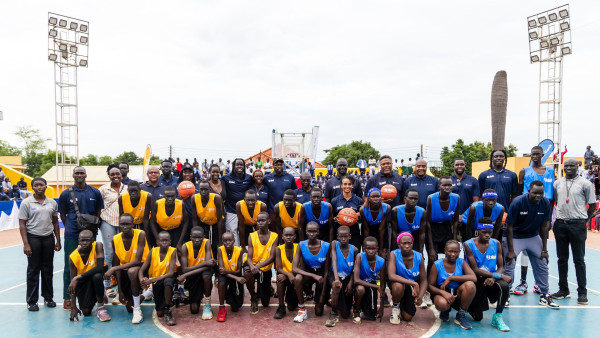
Stanbic Bank in South Sudan, NBA Africa (www.NBA.com) and the Luol Deng Foundation today hosted the first edition of the Stanbic Jr. NBA/Jr. WNBA Finals, which took place at the Nimra Talata Basketball Stadium in Juba, South Sudan.  Juba One 76ers were crowned the inaugural season's champions, with Khalid Jibrin named the finals' Most Valuable Player.

Notable attendees included Stanbic Bank South Sudan Head of Business Fred Ouko, Luol Deng Foundation Founder and two-time NBA All-Star Luol Deng, Luol Deng Foundation CEO Arek Deng, 1995 NBA All-Star and 1992 Slam Dunk champion Cedric Ceballos, Basketball Africa League President Amadou Gallo Fall, and South Sudan national team members Wenyen Gabriel, Kuany Kuany and Nuni Omot.  The event builds on Stanbic Bank and NBA Africa's multiyear collaboration, which launched in 2022 and featured the unveiling of a new outdoor basketball court at St. Mark's Orthodox School in Juba last December.

“The remarkable performance of the South Sudan national basketball team at the Paris Olympics highlighted the tremendous sporting talent within South Sudan,” said Stanbic Bank Chief Executive for Kenya and South Sudan Dr. Joshua Oigara.  “Through our collaboration with NBA Africa and the Luol Deng Foundation, we are supporting the country to build on this potential and remain committed to driving South Sudan's growth through meaningful collaborations and initiatives.”

“The success of the first Jr. NBA/Jr. WNBA league season in Juba speaks to the great passion for the game of basketball in South Sudan and its impact on local communities,” said NBA Africa CEO Clare Akamanzi.  “The South Sudan national team's performance on a global stage in recent months demonstrated how much the sport is growing in the country and we look forward to further collaborating with Stanbic Bank and the Luol Deng Foundation to make the game even more accessible for young people here.”

“I knew South Sudanese children had what it takes when the stage is set right for their learning, so I was not surprised about the talent,” said Deng.  “What impressed me the most is the improvement in coaching and seeing how each school showed up to support players.  The joy, the competitive, but yet peaceful spirit that the spectating students showed was so amazing to see.” 

“This is my first visit to South Sudan, and it was incredible to see all the excitement on the court this afternoon,” said Ceballos.  “I have seen firsthand the impact basketball can make on young people's lives and continuing to build on such platforms for boys and girls to play the game will be paramount to their success on the court, and in life.”

The Jr. NBA/Jr. WNBA is the league's global youth basketball program for boys and girls that teaches the fundamental skills and core values of the game – teamwork, respect, determination and community – at the grassroots level in an effort to help grow and improve the youth basketball experience for players, coaches and parents.  The Jr. NBA/Jr. WNBA program has been launched in 19 African countries, reaching more than 170,000 youth from across the continent last year.

Distributed by APO Group on behalf of National Basketball Association (NBA).

Contacts:
Rachel Nderitu
Stanbic Bank
NderituR@stanbic.com
+254723710540

Pawel Weszka
NBA Africa
pweszka@nba.com
+27 10 007 2666

About Stanbic Bank:
Stanbic Bank is a member of the Standard Bank Group, Africa's largest bank by assets.  Stanbic Bank is licensed and regulated by the Bank of South Sudan and has provided banking services in South Sudan since 2004, before the signing of the Comprehensive Peace Agreement (CPA) in 2005.  The bank provides corporate, business and personal banking services to the key sectors that drive the South Sudan economy, including Oil & Gas, Power & Infrastructure, Humanitarian & Development Assistance, Government, Telecommunications and Insurance.  

About NBA Africa:
NBA Africa is an affiliate of the National Basketball Association (NBA), a global sports and media organization with the mission to inspire and connect people everywhere through the power of basketball.  NBA Africa conducts the league's business in Africa, including the Basketball Africa League (BAL), and has opened subsidiary offices in Cairo, Egypt; Dakar, Senegal; Johannesburg, South Africa; Lagos, Nigeria; and Nairobi, Kenya.  The league's efforts on the continent have focused on increasing access to basketball and the NBA through youth and elite development, social responsibility, media distribution, corporate partnerships, NBA Africa Games, NBA Stores, the BAL, and more. 

NBA games and programming are available in all 54 African countries, and the NBA has hosted three sold-out exhibition games on the continent since 2015.  The BAL, a partnership between the International Basketball Federation (FIBA) and NBA Africa, is a professional league featuring 12 club teams from across Africa that concluded its fourth season in June 2024.  Fans can follow @ NBA_Africa and @ theBAL on Facebook, Instagram, X and YouTube.

About Luol Deng Foundation:
The Luol Deng Foundation (LDF) was established in 2005 to empower youth to realize their limitless potential through sport and development.  LDF creates pathways to opportunity through sport, education, wellness, and equality.  Over the years, LDF has grown beyond basketball and expanded its reach into areas of education, wellness, and equality for young South Sudanese.  We believe youth are the key to transforming our country and our world.

For more information visit www.LuolDeng.org, follow @ ldengf on Facebook, Instagram, Twitter and YouTube.

Media files
National Basketball Association (NBA)
Download logo
Read moreStanbic Bank, NBA Africa and Luol Deng Foundation Celebrate First Jr. NBA/Jr. Women’s National Basketball Association (WNBA) Finals in South Sudan
8 August 2024

Eswatini Joins Critical Minerals Africa (CMA) 2024, Following Launch of Critical Mineral Mapping Program

Location: News
Energy Capital & Power

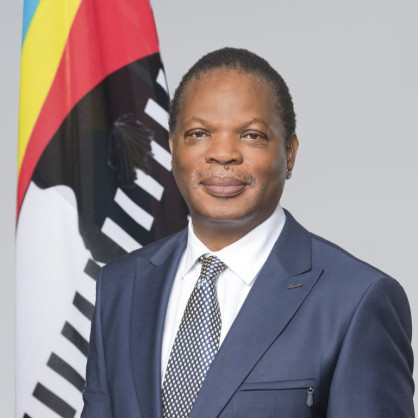
Following the launch of the second phase of its critical mineral mapping program, Eswatini is seeking foreign partners to support mineral exploration and extraction activities. To showcase opportunities across the sector, HRH Prince Lonkhokhela, Eswatini's Minister of Natural Resources and Energy, will speak at the upcoming Critical Minerals Africa (CMA) (www.CriticalMineralsAfrica.com) 2024 summit in Cape Town, joining African ministers including Martin Gama Abucha, Minister of Mining of South Sudan; Monica Chang'anamuno, Minister of Mining of Malawi; and Louis Kabamba Watum, Minister of Industry and the Development of SMEs of the Democratic Republic of the Congo.

As a frontier mining market, Eswatini is currently engaged in various programs to accelerate the exploration of its critical minerals (https://apo-opa.co/3yzeZvd). In December 2023, the Geological Survey of Eswatini, in partnership with South Africa's Council for Geoscience, launched the second phase of a joint geoscience mapping program. The initiative, which leverages AI-based techniques, aims to locate and map the country's critical mineral resources, marking a significant milestone in regional collaboration to advance sector growth. To date, the country produces minor quantities of aggregate, coal, gold and iron ore.

The Critical Minerals Africa 2024 summit on November 6 - 7 serves to position Africa as the primary investment destination for critical minerals. The event is held alongside the African Energy Week: Invest in African Energy 2024 conference (www.AECWeek.com) on November 4 - 8, offering delegates access to the full scope of energy, mining and finance leaders in Cape Town. Sponsors, exhibitors and delegates can learn more by contacting sales@energycapitalpower.com.

“Eswatini represents a promising yet untapped critical minerals market. Recent mapping programs have identified mineralization in several basins across the Kingdom. As a result, increased cooperation with global stakeholders is key to injecting capital and technology into new projects,” stated Rachelle Kasongo, Event & Project Director at CMA 2024 organizers, Energy Capital & Power.

Eswatini is also working with industry stakeholders on best practices to attract foreign investments to bolster its critical mineral industry. Last January, Minister Lonkhokhela met (https://apo-opa.co/3AdjVq1) with the country's Minerals and Mines Management Board to work toward creating an enabling environment for enhanced private sector participation in exploration, production and job creation within the mining sector. At CMA 2024, Minister Lonkhokhela will connect with global investors and industry service providers to discuss and explore Eswatini's mining prospects.

Distributed by APO Group on behalf of Energy Capital & Power.

Media files
Energy Capital & Power
Download logo
Read moreEswatini Joins Critical Minerals Africa (CMA) 2024, Following Launch of Critical Mineral Mapping Program
23 July 2024

World Bank Group Executive Directors note progress and re-affirm support to South Africa and Namibia

Location: News

The World Bank Group
Download logo

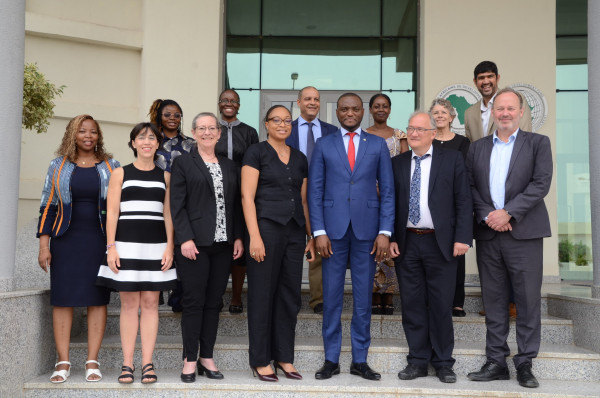
A delegation of the World Bank Group's (WBG) Board of Executive Directors (EDs) noted South Africa's and Namibia's progress in achieving their development goals and re-affirmed World Bank Group's commitment to providing support. The 11 EDs and Alternate EDs were hosted by the World Bank and International Finance Corporation (IFC) country offices during their recent visit on July 7-13.

The visit provided a platform to assess progress with projects and engage on the evolution of the World Bank Group's relationship with the countries, from a knowledge-focused to a broader knowledge and financing partnership. EDs met government and business leaders, local stakeholders, and project beneficiaries, and experienced first-hand how the countries manage development priorities and challenges. South Africa and Namibia have common challenges, including poverty, unemployment, and inequality. Throughout the visit, the delegation discussed the ongoing and future support from the World Bank Group to boost inclusive economic growth and job creation.

In South Africa, over the past three years the country has shifted from being a non-borrowing client to borrowing over $1 billion per year from the World Bank. South Africa also constitutes the largest IFC portfolio in Africa and the Multilateral Investment Guarantee Agency's (MIGA) second largest on the continent.

In Namibia, the World Bank Group is preparing a new Country Partnership Framework (CPF) with the government that will strategically guide its support as the engagement continues to grow. The World Bank recently approved a $138.5 million renewable energy and transmission loan to NamPower, after 15 years without borrowing.

Key highlights of the visit included:

  • In South Africa, the delegation met with the Minister of Finance Honorable Enoch Godongwana, and the Minister of Electricity and Energy Honorable Kgosientsho Ramokgopa. EDs visited two IFC clients and two World Bank projects which showcased support for key government priorities and demonstrated how these projects link to global issues and corporate initiatives such as the just energy transition, health, urban development, and subnational government engagement. The delegation toured and engaged with stakeholders at the Komati power station – the site of the Eskom Just Energy Transition Project; the Addo Elephant Park that houses the innovative Wildlife Conservation Bond; and the IFC-supported Trust for Urban Housing Finance and BioVac Institute that manufactures vaccines locally.
  • In Namibia, the delegation met with Minister of Finance and Public Enterprises Honorable Ipumbu Shiimi and key stakeholders, including development partners and the private sector.  The delegation visited informal settlements near Windhoek to gain insights on housing related issues, a sector where IFC is investing and which the government has identified as a priority for World Bank Group engagement.

Matteo Bugamelli, the World Bank's Executive Director who represents the constituency of countries including Albania, Greece, Italy, Malta, Portugal, San Marino, and Timor-Leste, expressed optimism about the countries' progress. He emphasized the World Bank Group's commitment to helping South Africa and Namibia address unemployment and inequality challenges. He particularly welcomed the increased financing to support the implementation of much needed reforms.

About the World Bank Group's Board of Directors: The Board of Executive Directors is responsible for the conduct of the general operations of the Bank, making decisions on loans, credits, grants, policies, and financial matters. The Board consists of 25 members who represent the 189 member countries, providing guidance for the institution's development activities.

Visiting Board Officials: The delegation included Mr. Abdulaziz E A Almulla (Executive Director for Bahrain, Arab Republic of Egypt, Jordan, Iraq, Kuwait, Lebanon, Maldives, Oman, Qatar, United Arab Emirates, West Bank and Gaza, and Republic of Yemen); Mr. Matteo Bugamelli (Executive Director for Albania, Greece, Italy, Malta, Portugal, San Marino, and Timor-Leste); Ms. Ayanda Dlodlo (Executive Director Angola, Nigeria, South Africa); Mr. Floribert Ngaruko (Executive Director for Botswana, Burundi, Eritrea, Eswatini, Ethiopia, The Gambia, Kenya, Lesotho, Liberia, Malawi, Mozambique, Namibia, Rwanda, Seychelles, Sierra Leone, Somalia, South Sudan, Sudan, Tanzania, Uganda, Zambia and Zimbabwe); Ms. Katharine Rechico (Executive Director for Antigua & Barbuda, The Bahamas, Barbados, Belize, Canada, Dominica, Grenada, Guyana, Ireland, Jamaica, St. Lucia, St. Kitts & Nevis and St. Vincent & the Grenadines); and Mr. Tauqir Shah (Executive Director for Afghanistan, Algeria, Ghana, Islamic Republic of Iran, Morocco, Pakistan, and Tunisia.

Visiting Alternate Executive Directors:  Mr. Louis Albisson (Alternate Executive Director for France); Mr. Felice Gorordo (Alternate Executive Director for the United States), Mr. Koji Uemura (Alternate Executive Director for Japan); Ms. Kerstin Sumana Wijeyewardene (Alternate Executive Director for Asia and the Pacific Constituency) and Mr. Weifeng Yang (Alternate Executive Director for China).

Included in the delegation was Ms. Mercy Tembon, World Bank Vice President and Corporate Secretary.

Distributed by APO Group on behalf of The World Bank Group.

Read moreWorld Bank Group Executive Directors note progress and re-affirm support to South Africa and Namibia
12 July 2024

African Players, Coaches, and Referees to Participate in the National Basketball Association (NBA) 2K25 Summer League

Location: News

Basketball Africa League (BAL)
Download logo

Twenty-Five Basketball Coaches from 15 African Countries Selected for NBA 2K25 Summer League; Five Players Who Featured in the 2024 BAL Season (https://BAL.NBA.com/) to Compete in Las Vegas.

Twenty-five basketball coaches from 15 African countries have been selected to participate in the NBA 2K25 Summer League which will take place in Las Vegas, Nevada from July 12 -22, 2024.  The selected coaches form part of the Africa Coaches Program, which builds on NBA Africa's and Basketball Africa League's (BAL) commitment to building capacity and expertise of coaches from across the continent, improving the quality of the on-court product, and contributing to the continued growth of basketball on the continent.  Eight of the coaches represent teams that have participated in the BAL.

Please see below for some of the notable storylines, followed by the full roster of the African coaches, players, and referees who will take part in the Summer League.

African Coaches Program

Building Continuity

  • Six teams that took part in the 2024 BAL season will have at least one coach participating – Al Ahly (Egypt), Bangui Sporting Club (Central Africa Republic) City Oilers (Uganda), FUS de Rabat (Morocco), Rivers Hoopers (Nigeria), and US Monastir (Tunisia). 
  • Sixteen of the 24 coaches will take part in the Africa Coaches Program for the first time.
  • Rivers Hoopers head coach Ogoh Odaudu was named 2024 BAL Coach of the Year and led his team to a third-place finish this season.  Rivers Hoopers' head coach since 2009, Odaudu coached the team to five Nigerian Premier League titles.  Since 2019, Odaudu has been a member of the coaching staff on the Nigerian national team. 
  • Two coaches – Francois Enyegue (Cameroon; San Antonio Spurs) and Emmanuel Mavomo (Democratic Republic of the Congo; Milwaukee Bucks) – return to the Summer League for a third consecutive year.  Last year, they coached with the Orlando Magic and Utah Jazz, respectively.  Enyegue is currently the head coach of Bangui Sporting Club (Central Africa Republic) and served as head coach of Team Africa & Middle East Girls at the Jr. NBA Global Championship in 2018.  Mavomo is NBA G League's Austin Spurs assistant coach and served as an assistant coach of Paris Basketball and BC Espoir Fukash during the 2022 BAL season.

Empowering the Next Generation

  • Three players with BAL experience who have decided to take up a career in coaching will be part of this year's program.  John Wilkins (Rivers Hoopers), Mohamed Gaddour (US Monastir), and Radouane Slimane (US Monastir) will respectively join the Phoenix Suns, Los Angeles Clippers, and Miami Heat.

NBA Academy Africa Well-Represented

  • NBA Academy Africa players development coaches Goitsemang Ditsheko (South Africa) and Karim Nesba (Morocco) will coach with the Houston Rockets and the Sacramento Kings respectively.  Based at the NBA Academy Africa in Saly, Senegal since 2022, Ditsheko is part of the academy coaching staff who worked with NBA Academy Africa's first NBA draftee, Cameroon's Ulrich Chomche, selected with the number 57 overall by the Memphis Grizzlier and traded to the Toronto Raptors in the 2024 NBA Draft.  While enrolled at NBA Academy Africa, Chomche competed in the BAL as part of the BAL Elevate program, representing Rwanda Energy Group Basketball (REGBBC) in 2023 and Cameroon's Forces Armées et Police (FAP) in 2022.  Karim Nesba is a former AS Salé and Morocco National Team player.  He coached the Uganda City Oilers in the 2024 BAL season and the BAL Select Team at Quai 54 this summer.  NBA Academy Africa Alumni Ibou Badji (Senegal) and Babacar Sané (Senegal) will be playing with the Milwaukee Bucks and Utah Jazz respectively. Badji who signed a two-way contract with Portland Trail Blazers last season, played 22 games in the 2023-24 NBA season. Sané former BAL Elevate player has played with the G League Ignite since 2022.

Female Participants

  • For the first time, three female coaches will participate in the Africa Coaches Program – Sofia Bey (Morocco; Sacramento Kings), Aliaa Mahmoud Mohamed (Egypt; Washington Wizards), Ruth Bibeyi (Gabon; Los Angeles Lakers).  They join the Africa Coaches Program as part of NBA Africa's and the BAL's efforts to provide more opportunities for women in basketball.  
  • Sofia Bey (Morocco, Sacramento Kings) is the head coach of Wydad Athletic in Morocco.  Bey participated 2022 FIBA Africa Regional Youth Camp and was selected for the FIBA Young Coach program in 2015.
  • Ruth Bibeyi (Gabon; Los Angeles Lakers) was the head coach of Espoir Basket Club (Gabon) which participated in Road to the BAL 2023.  Aliaa Mahmoud (Egypt, Washington Wizards) was the assistant coach of FIBA U19 Women's Basketball World Cup 2023.

Please see below for the complete list of African coaches participating in the NBA 2K25 Summer League and the NBA teams coaching staff they have joined.

First name

Last name

Country of origin

NBA Team

Mohamed Lamine

Kriedeche

Algeria

New Orleans Pelicans

Stef

Pare

Burkina Faso

Orlando Magic

Francois

Enyengue

Cameroon

San Antonio Spurs

Victor

Samnick

Cameroon

Denver Nuggets

Pierrot

Ilunga

Democratic Republic of the Congo

Toronto Raptors

Emmanuel

Mavomo

Democratic Republic of the Congo

Milwaukee Bucks

Ahmed

Elgarhi

Egypt

Minnesota Timberwolves

Alia

Mahmoud

Egypt

Washington Wizards

Ruth

Bibeyi

Gabon

Los Angeles Lakers

Ahmed

Salam

Morocco

Atlanta Hawks

John

Wilkins

Morocco

Phoenix Suns

Sofia

Bey

Morocco

Sacramento Kings

Karim

Nesba

Morocco

Sacramento Kings

Leonel

Manhique

Mozambique

Brooklyn Nets

Ogoh

Odaudu

Nigeria

Cleveland Cavaliers

Mohamed

Abdulrahman

Nigeria

Utah Jazz

Mugisha Igor

Keys

Rwanda

Boston Celtics

Prosper

Naci

Rwanda

Philadelphia 76ers

Matar

Mbodji

Senegal

Chicago Bulls

Goitsemang

Ditsheko

South Africa

Houston Rockets

Akech Wuoi Garang

Ajak

South Sudan

New York Knicks

Bechir

Hadidane

Tunisia

Memphis Grizzlies

Mhamed

Gaddour

Tunisia

Los Angeles Clippers

Radouane

Slimane

Tunisia

Miami Heat

Andrew

Senyondwa

Uganda

Trailblazers Portland

BAL Season 4 Players*

Five players who played in the 2024 BAL season are set to feature in this year's Summer League: Jo Lual-Acuil Jr. (South Sudan; Sacramento Kings), Samkelo Cele (South Africa; New York Knicks), Obadiah Noel (USA; New York Knicks) Devine Eke (Nigeria, Milwaukee Bucks), and Makhtar Gueye (Senegal; Atlanta Hawks).

  • Lual-Acuil Jr. averaged 21.1 points, 9.9 rebounds, and 1.6 blocks during the last BAL season, helping Al Ahly Ly (Libya) to the 2024 BAL Finals.  Lual-Acuil Jr. won the Hakeem Olajuwon Trophy as the 2024 BAL Most Valuable Player and the Dikembe Mutombo Trophy as the Defensive Player of the Year.  Lual-Acuil Jr. also emerged as the 2024 BAL Scoring Champion and was named to the 2024 All-BAL First Team and the All-BAL Defensive Team.
  • Cele averaged 20.2 points per game and finished second in scoring in the league.  He led South Africa's Cape Town Tigers to the semifinals and was named to both the 2024 All-BAL First Team and All-Defensive Team.
  • Obadiah averaged 19.4 points and 4.2 rebounds per game with Armée Patriotique Rwandaise basketball (APR; Rwanda) in the Sahara Conference last season.
  • Eke registered 16.6 points and 11.3 rebounds per game, leading Nigeria's Rivers Hoopers to third place in the last BAL season.
  • Gueye represented Burundi's Dynamo Basketball Club in the inaugural Kalahari Conference last season.
  • Cele and Gueye were part of the BAL Select team that featured at the 2024 Quai 54 Streetball Tournament, the world's biggest streetball tournament in Paris, France, last month.

*Rosters are subject to change.

Referees with BAL Experience

Five referees who officiated in the 2024 BAL season will also join the program, including Annie Joyce Muchenu (Zimbabwe).  Muchenu became a FIBA international referee in September 2008 and was appointed to officiate at the FIBA Women's Champions Cup in Nairobi, Kenya the same year.  She has since officiated at major competitions on the African continent including junior and senior tournaments but has also officiated at two All Africa Games (2011 and 2015), three FIBA U-17 World Cups, two FIBA U-19 World Cups, pre-Olympic Qualifiers and the 2018 Commonwealth Games in Gold Coast, Australia, and the BAL since the beginning of the competition.  

Please see below the complete list of African referees:

NAME

COUNTRY

Oumar Sy

Mauritania

Yann Davidson

Madagascar

Annie Joyce Muchenu

Zimbabwe

Vitalis Gode

Kenya (Referee Supervisor)

Silver Houngbedji

Benin

Distributed by APO Group on behalf of Basketball Africa League (BAL).

Read moreAfrican Players, Coaches, and Referees to Participate in the National Basketball Association (NBA) 2K25 Summer League
30 June 2024

Paul Mashatile appointed as Deputy President

Location: News

Paul Mashatile appointed as Deputy President

President Cyril Ramaphosa has appointed Paul Mashatile as Deputy President of South Africa in the seventh administration.

Mashatile is reprising his role from the sixth administration.

This was announced by President Ramaphosa in an address to the nation on Sunday night, announcing the country's new cabinet.  

Mashatile served as Deputy President from March 2023 following the resignation of former Deputy President David Mabuza.

In the sixth administration, Deputy President Mashatile was tasked with discharging the following duties:

  • Leader of Government Business in Parliament.
  • Leading Government effort to fast-track land reform and the coordination of Government programmes to accelerate land reform and agricultural support.
  • Implement Rapid Response interventions on service delivery and trouble-shooting in service delivery hotspots.
  • Assisting the President in the roll-out of the District Development Model through effective coordination of the different spheres of government which will improve the functioning of municipalities and address community concerns.
  • Leading the South African National AIDS Council (SANAC) and the country's integrated response to the challenges of HIV and AIDS.
  • Special Envoy on South Sudan and leading peace missions on the continent as required.
  • Leading the National Human Resource Development Council and fostering collaboration between government and social partners towards addressing the shortage of skills in critical sectors of the economy.
  • Promoting Social Cohesion Initiatives with a particular focus on Traditional and Khoi-San Leaders, as well as Military Veterans.

In the term of the sixth administration Deputy President Mashatile also chaired the Governance, State Capacity and Institutional Development and the Justice, Crime Prevention and Security Cabinet Committees.

Mashatile hails from Gauteng and was the Minister of Arts and Culture between 2010 and 2014.

He has also served in various positions in the Gauteng Provincial Government, including as  Member of the Executive Council (MEC) for Finance and Economic Affairs, MEC for Housing and MEC Transport, Roads and Public Works.

He was an anti-apartheid activist prior to the dawn of South Africa’s democracy in 1994 and was arrested and detained for some four years by the brutal Apartheid government. – SAnews.gov.za


NeoB
Sun, 06/30/2024 - 22:30

75 views
Read morePaul Mashatile appointed as Deputy President
26 June 2024

African Development Bank expands urban support program to six new cities

Location: News
African Development Bank Group (AfDB)

The African Development Bank's (www.AfDB.org) Urban and Municipal Development Fund (UMDF) (https://apo-opa.co/4exYmAh) has expanded its African Cities Program to cover six new cities across the continent. The expansion, approved by the Fund's 13th Oversight Committee, will help bolster urban development and address critical challenges faced by rapidly growing African cities.

The newly included cities are:

  • Kolwezi, the Democratic Republic of Congo: mining town grappling with rapid urban growth and environmental issues.
  • Grand Nokoué, Benin: an economic hub with over two million inhabitants.
  • Buffalo City, South Africa: a coastal city prioritizing climate resilience.
  • Joal, Senegal: A medium-sized city focusing on integrating environmental and social issues into economic development.
  • Juba, South Sudan: Prioritizing essential services for a growing, vulnerable population;
  • Nouakchott, Mauritania: Planning to combine projects on climate resilience, urban mobility, and sustainable energy.

The Bank launched the UMDF in 2019 in response to growing demand from countries and cities for urban development support. It receives contributions from the Nordic Development Fund and the governments of Denmark, Spain, and Switzerland, as well as the Walloon Export and Foreign Investment Agency.

The Fund provides financial and technical assistance to national and local governments for improving governance, planning, and to prepare investments in sustainable urban development for more climate resilient, resilient, liveable and productive cities, underpinning national socio-economic development and poverty reduction.

UMDF will provide funding for each of the six cities over several months, including a detailed analysis of the strengths and vulnerabilities, especially regarding economic, social, climate, and gender issues. The goal is to identify transformative infrastructure projects that can attract public and private sector investments.

The committee also reviewed the Fund's progress and approved its 2024 work program, allocating over $4.7 million to identify and develop urban infrastructure projects and bring them to maturity.

Mike Salawou, Director of the African Development Bank's Infrastructure and Urban Development Department, committed to strengthening the Fund's operational effectiveness and capacity to mobilize more funding and partnerships for greater impact.

“The question of urban development is at the heart of the Bank's new ten-year strategy for 2024-2033, of which the Urban and Municipal Development Fund is a strategic implementation mechanism,” he emphasized. The Bank ten-year strategy 2024-2025 (https://apo-opa.co/3L73NIF) includes data and research from publications (https://apo-opa.co/3XEbJbS) financed by the Fund and its partners.

It is hoped that the Fund will act as a catalyst in boosting access of African municipalities to public and private finance, a priority defined by the President of the African Development Bank Group, Akinwumi Adesina, at the Africa Investment Forum (www.AfricaInvestmentForum.com) 2023 Market Days in Morocco.

Distributed by APO Group on behalf of African Development Bank Group (AfDB).

Media contact:
Communication and External Relations Department
media@afdb.org

About the African Development Bank Group:
The African Development Bank Group (AfDB) is the premier multilateral financing institution dedicated to Africa's development. It comprises three distinct entities: the African Development Bank (AfDB), the African Development Fund (ADF) and the Nigeria Trust Fund (NSF). The AfDB has a field presence in 41 African countries, with an external office in Japan, and contributes to the economic development and social progress of its 54 regional member states. For more information: www.AfDB.org

Media files
African Development Bank Group (AfDB)
Download logo
Read moreAfrican Development Bank expands urban support program to six new cities
24 June 2024

Prioritising the reduction of economic exclusion for enhanced economic growth

Location: MyPR

Dr Nthabiseng Moleko is an economist at Stellenbosch Business School: Since 1994 the South African government has employed market friendly policies in an investment led growth strategy. Yet South Africa has averaged 1.2% GDP per capita growth over the last three decades, faring particularly poorly in the last decade by contracting -0,25% in per capita …

Read morePrioritising the reduction of economic exclusion for enhanced economic growth
24 June 2024

The National Museums of Kenya and CityBlue Hotels ink partnership

Location: Business
CityBlue Hotels

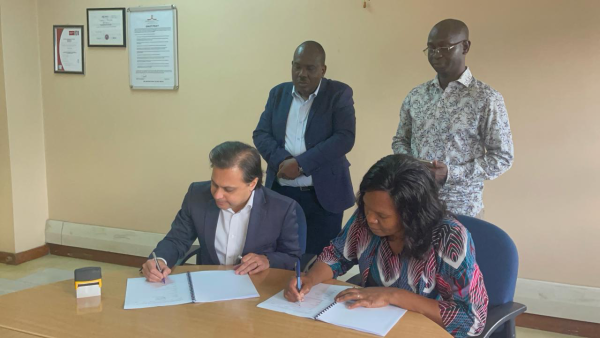
The National Musuems of Kenya (NMK) and CityBlue Hotels (CityBlue) (www.CityBlueHotels.com) are proud to announce a new partnership to co-promote tourism and culture in Kenya.

This alliance marks an exciting opportunity for sponsorship, co-branding, co-marketing and other forms of collaboration.

NMK was established by an Act of Parliament, the Museums and Heritage Act 2006, as a multi-disciplinary institution whose role is to collect, preserve, study, document and present Kenya's past and present cultural and natural heritage. This is for the purposes of enhancing knowledge, appreciation, respect and sustainable utilization of these resources for the benefit of Kenya and the world, for now and posterity.

CityBlue Hotels, Africa's fastest-growing local hotel chain, operates in Kenya (Mombasa, Nairobi and Lamu with new properties opening soon), Uganda, Rwanda, South Sudan, Tanzania and Ghana. CityBlue also has a collaboration arrangement with more than twenty hotels in South Africa and Mozambique.

Professor Mary Gikungu, Director General of the NMK, stated that, “This arrangement is a step for NMK to engage with the private sector with a group that is established, growing, dynamic and cares, like we do, for the welfare of mankind and the conservation of the biological diversity of the East African region and that of the entire planet. The story of NMK and our cultural heritage will be enhanced by this collaboration”.

Jameel Verjee, Founder & CEO of CityBlue Hotels, explained at the Africa Hotel Investment Forum 2024 that “NMK manages many Regional Museums, Sites and Monuments of national and international importance alongside priceless collections of Kenya's living cultural and natural heritage. As an institution that must respond to the growing needs of the society, NMK is striving to contribute in a unique way to the task of national development and we cannot wait to be a partner of NMK on this journey”.

Distributed by APO Group on behalf of CityBlue Hotels.

Media files
CityBlue Hotels
Download logo
Read moreThe National Museums of Kenya and CityBlue Hotels ink partnership
24 May 2024

Electronic payment system for child maintenance and other services suspended

Location: News

Electronic payment system for child maintenance and other services suspended

The Department of Justice and Constitutional Development (DJCOD) has announced the temporary suspension of electronic payment system for third-party funds – including child maintenance – following “attempts to compromise the system”.

The department said an investigation into the incident is underway.

“In light of this development, child maintenance beneficiaries are urged to promptly visit their nearest court with their original identity documents to receive manual payments until the electronic service is fully restored.

“The Department has assembled a dedicated forensic team to thoroughly investigate any suspicious activity. We are committed to continually fortifying our systems to prevent and mitigate the risk of future breaches.

“We sincerely apologise to all beneficiaries for any inconvenience caused and deeply appreciate the patience and understanding during this period,” the DJCOD said.

Meanwhile, this morning (Friday), DJCOD Minister Ronald Lamola, is expected to preside over the launch and renaming of the refurbished Justice College.

The launch will also be attended by Minister of Public Works and Infrastructure, Sihle Zikalala, and Deputy Chief Justice of the Constitutional Court, Mandisa Maya. 

“Established in 1957, Justice College has grown into reputable institution, offering comprehensive training programs for legal practitioners. From its modest beginnings as Justice Training, it now encompasses diverse aspects of legal education, including specialised training for judicial officers, prosecutors and interpreters.

“[The] Justice College’s influence extends beyond South Africa’s borders. Officials from Swaziland, Botswana, Namibia, Lesotho, the Republic of South Sudan, the Democratic Republic of Congo and Uganda regularly attend our courses, fostering regional collaboration.

“The refurbished college boast[s] state-of-the-art training facilities, ensuring an optimal learning environment for future legal professionals,” the department said. – SAnews.gov.za

NeoB
Fri, 05/24/2024 - 09:31

272 views
Read moreElectronic payment system for child maintenance and other services suspended
23 May 2024

African Union Election Observation Mission arrives in South Africa ahead of the 2024 General Elections

Location: News

African Union (AU)
Download logo

The African Union Election Observation Mission (AUEOM) has arrived in South Africa ahead of the 29 May 2024 General Elections. At the invitation of the Government of South Africa and the Independent Electoral Commission (IEC) of South Africa, the Chairperson of the African Union Commission, H.E. Moussa Faki Mahamat, approved the deployment of the short-term AUEOM to assess and report on the conduct of this election.

The AUEOM is led by H.E. Uhuru Kenyatta, former President of the Republic of Kenya and is comprised of 60 short-term observers (STOs) drawn from ambassadors accredited to the African Union, officials of election management bodies, members of African civil society organisations, African election experts, human rights specialists, gender and media experts, and representatives of youth organizations. The observers are drawn from 24 countries which include Angola, Benin, Botswana, Burundi, Cameroon, Democratic Republic of Congo, Egypt, Ethiopia, Eswatini, Gambia, Ghana, Kenya, Lesotho, Mauritius, Morocco, Mozambique, Namibia, Nigeria, South Sudan, Togo, Tunisia, Uganda, Zambia and Zimbabwe.

The AUEOM will base its assessment on the legal framework governing elections in the Republic of South Africa and the OAU/AU Declaration on the Principles Governing Democratic Elections, the standards and obligations stipulated in the African Charter on Democracy, Elections and Governance (ACDEG), and the International Declaration of Principles (DoP) for International Election Observation among others.

The Mission shall interact with state authorities, the Independent Electoral Commission, political parties, the media, civil society organisations and representatives of the international community. The Mission will also interact with other election observation missions deployed to observe the 2024 General Elections in South Africa.

The Mission will release its preliminary findings and recommendations on the conduct of the elections on 31 May 2024 in a press conference in Johannesburg, South Africa.  A final and comprehensive report will be released within two months from the date of announcement of final election results and will be posted on the AU Commission website.

The Mission's Secretariat is located at the Hilton Hotel, Sandton, South Africa.  

Distributed by APO Group on behalf of African Union (AU).

Read moreAfrican Union Election Observation Mission arrives in South Africa ahead of the 2024 General Elections
16 May 2024

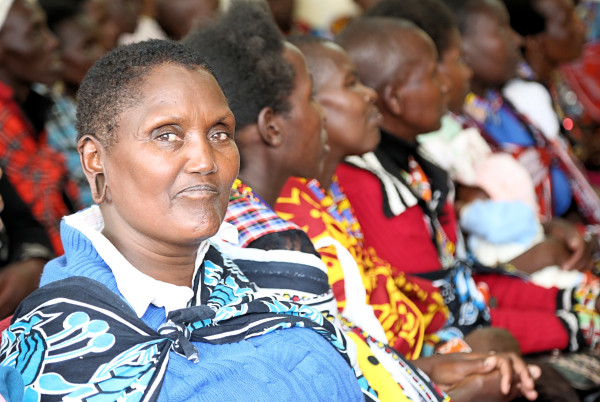
Women in Africa face widespread discrimination in family laws

Location: News
Equality Now

Discrimination against women and girls remains widespread in family laws across Africa, finds new research by Equality Now (www.EqualityNow.org). Analysis of twenty African countries reveals gender inequality in marriage, divorce, custody, and property rights is being perpetuated by sex discrimination institutionalized within legal systems and customary laws. While some significant legal reforms have been achieved, progress has been slow, inconsistent, and hampered by setbacks, lack of political will, and weak implementation.

The report, Gender Inequality in Family Laws in Africa: An Overview of Key Trends in Select Countries (http://apo-opa.co/3V0dD4R), identifies how overlap and contradictions in legal frameworks make the interpretation and application of family laws confusing, creating complex challenges for harmonizing legal systems. 

The impacts of discriminatory family laws can be profound, putting women and girls at greater risk of sexual and gender-based violence and making them more dependent and vulnerable by curtailing their economic opportunities and reducing their decision-making power.

Full equality in family laws has not been achieved in any of the countries reviewed, namely Algeria, Angola, Botswana, Burundi, Cameroon, Côte d'Ivoire, the Democratic Republic of the Congo (DRC), Egypt, Ethiopia, Kenya, Malawi, Mozambique, Nigeria, Senegal, South Africa, South Sudan, Sudan, Tanzania, The Gambia, and Tunisia.

Pressing need for comprehensive legal reforms

Africa is home to diverse ethnic, linguistic, and religious groups with varied family law structures. Historically, communities developed intricate and deep-rooted systems of customary laws governing family relations. The introduction of European legal systems and religion resulted in a blend of customary, religious, and statutory laws that still shape legislation and practice through legal pluralism.

This complex patchwork is influenced by evolving social dynamics. Civil, customary, and religious law, such as Islamic or Christian canon law, sometimes encroach or conflict, and many provisions in religious and customary laws discriminate against women and girls.

Esther Waweru, report co-author and a Senior Legal Advisor at Equality Now, explains, “Culture and religion frequently act as major impediments in the struggle for family law equality, stalling reforms. Claw-back clauses and retrogressive practices water down the positive impact of progressive laws, and there is backlash from anti-rights movements seeking to reverse hard-won gains in areas such as eliminating child marriage and female genital mutilation.”

“Stagnation is also a problem, with governments pledging to reform discriminatory laws but failing to take meaningful action. In some instances, progressive family codes remain in limbo awaiting enactment.”

Progress on child marriage, but shortfalls remain

Child marriage is one area of notable progress. Absolute bans on marriage under 18 exist in Côte d'Ivoire, DRC, Egypt, The Gambia, Kenya, Malawi, and Mozambique. However, the persistence of child marriage in certain communities underscores the need for a multi-sectoral approach (http://apo-opa.co/3UFhEKR) incorporating awareness raising about the legal consequences and harms of child marriage.

Concerningly, laws in Cameroon, Nigeria, Senegal, South Sudan, Sudan, and Tanzania still allow child marriage, while in Algeria, Angola, Botswana, Burundi, Ethiopia, South Africa, and Tunisia, the legal age of marriage is 18, but exceptions are permitted.

Marital rape

Countries need greater protections against gender-based violence, especially intimate partner violence. Marital rape is not prohibited in Algeria, Kenya, Sudan, and The Gambia, while Northern Nigeria's Penal Code allows marital rape and “corrective” assault within marriage.

Marital rape is only criminalized upon separation in Tanzania, and in Burundi, the penalty is under 30 days imprisonment or a fine. Tunisia's law states a wife must fulfill her duties in line with ‘usages and customs,' putting women at risk of marital rape as a wife's traditional role includes pleasing her husband sexually.

Malawi's courts have stated that rape does not extend to marriage. Customary law presumes perpetual consent to sex within marriage, and Malawi's civil law appears to support this by providing only limited circumstances in which a wife can deny her husband sex, such as poor health or when legally separated.

Countries like Côte d'Ivoire, Mozambique, and South Africa can be commended for explicitly criminalizing marital rape. It's imperative that all nations introduce bans, accompanied by awareness-raising campaigns and accessible support services for survivors. Effective legal enforcement is also crucial, as is providing comprehensive training for officials in the criminal justice, healthcare, and social service sectors.

Discriminatory marriage practices

In most African countries, registration of civil marriages is a legal requirement governed by specific laws formalizing marriage. Women in customary and religious marriages are at greater risk of discrimination as they don't have the same legal protection as people in civil marriages. Same-sex partners also experience this, as marriages and civil unions are largely reserved for heterosexual couples.

Polygamy is legally permitted in Cameroon, Egypt, Kenya, Senegal, and South Sudan, with men allowed four wives in Sudan and Senegal. Côte d'Ivoire, Mozambique, and South Africa have statutory laws for monogamy, but customary and religious laws and practices continue to recognize polygamy without adequate protections for women in polygamous marriages. Other harmful traditional practices, such as widow inheritance and surrogate marriage, treat women as property.

Discrimination in divorce and child custody laws

Countries such as Sudan discriminate by granting husbands more powers to initiate divorce. In Algeria, women can only request a divorce in cases of abandonment, violation of the marriage contract, or if alimony is unpaid. In both Sudan and Egypt, in some no-fault divorces, a woman must pay financial compensation to her ex-husband.

Child custody laws have been reformed in Angola, Botswana, Burundi, Cameroon, Côte d'Ivoire, DRC, Mozambique, and Senegal, ensuring guardianship rights for both parents, irrespective of marital status.

Sex discrimination remains in countries like Senegal, where the father is the legal guardian regardless of the mother's caregiving role. In Tunisia and Algeria, fathers retain legal guardianship even if the mother has custody. Algeria and Sudan strip a mother's rights to custody upon remarriage, but this doesn't apply to men.

Matrimonial property and inheritance

Matrimonial property laws is another area that has undergone considerable reforms. Côte d'Ivoire, Kenya, Malawi, and South Africa have introduced legal provisions for equitable distribution of matrimonial property. In Ethiopia, Nigeria, South Africa, and The Gambia, laws recognize the right of married women to acquire, own, maintain, and dispose of their property.

However, some customary and religious laws undermine women's inheritance rights. In Algeria, Cameroon, Côte d'Ivoire, Egypt, Nigeria, South Sudan, Sudan, and Tunisia, women and girls receive less inheritance than men and boys.

Women are disadvantaged by cultural biases that influence judicial decisions, with unequal distribution particularly evident in divorce and widowhood. In some countries, wives can be excluded from inheriting their husbands' property. One example is Angola, where customary laws exclude wives from inheriting their deceased husband's property, and widows are sometimes forced from their matrimonial home.

Aligning family laws with international human rights standards

Family laws in Africa must align fully with international human rights standards. Many countries have ratified key treaties like the Convention on the Elimination of All Forms of Discrimination against Women (CEDAW) and the Protocol to the African Charter on Human and Peoples' Rights on the Rights of Women in Africa (Maputo Protocol). However, implementation and enforcement of these treaties remain inconsistent, with discriminatory family laws and policies remaining in statutes and practices.

Waweru concludes, “It's especially concerning that in most countries where national judiciaries and African Union judicial bodies have explicitly called for law reform in their decisions, governments haven't implemented these changes. And even where laws are equitable, enforcement is frequently inadequate and biased against women, and women may not know their legal rights.”

“To safeguard women and girls within family law, it is imperative for all African nations to promptly enact robust legislative and policy frameworks that align with international and regional human rights obligations.”

Distributed by APO Group on behalf of Equality Now.

Notes to editors
For media requests, please contact
Tara Carey
Global Head of Media
at Tcarey@equalitynow.org
T. +44 (0)7971556340 (WhatsApp)

About Equality Now: 
Equality Now is an international non-governmental human rights organization that works to protect and promote the rights of all women and girls around the world by combining grassroots activism with international, regional, and national legal advocacy.

Our international network of lawyers, activists, and supporters achieve legal and systemic change by holding governments responsible for enacting and enforcing laws and policies that end legal inequality, sex trafficking, online sexual exploitation, sexual violence, and harmful practices such as female genital mutilation and child marriage.

For more information about Equality Now go to www.EqualityNow.org, and follow on X (Twitter) at http://apo-opa.co/3yiYRgN and Linkedin at http://apo-opa.co/3wrGPIT.

About Africa Family Law Network (AFLN): 
Gender Inequality in Family Laws in Africa: An Overview of Key Trends in Select Countries is a critical data source informing legal, policy, and practice reforms to end sexism and discrimination in family laws in Africa. It will be used by Equality Now, the Africa Family Law Network (AFLN) (http://apo-opa.co/4bkc0ot), and partners to help facilitate work with the policy and judicial organs of the African Union, particularly the Special Rapporteur on the Rights of Women in Africa to influence change.

AFLN was launched in October 2022 and aims to formulate a regional alliance in Africa amongst national advocates and groups to raise collective action and accelerate organizing and mobilization efforts toward family law reform.

AFLN is led by founding partners Equality Now, The African Women's Development and Communication Network (FEMNET) (http://apo-opa.co/3WIinxt), Musawah (http://apo-opa.co/3UZrM2h), and the Strategic Initiative for Women in the Horn of Africa (SIHA Network) (http://apo-opa.co/4bkz5r2).

AFLN is part of the Global Campaign for Equality in Family Law (http://apo-opa.co/4bDdSbF), which calls on all states to ensure equality for women and men under the law in all matters relating to the family, regardless of religion, culture, and tradition.

Media files
Equality Now
Download logo
Read moreWomen in Africa face widespread discrimination in family laws
9 May 2024

Western Cape separatist loses complaint against Daily Maverick

Location: News

A ruling by the Press Ombud has helped clarify clauses about fact versus opinion in the Press Code

Read moreWestern Cape separatist loses complaint against Daily Maverick
8 May 2024

Putting Clients First: Centurion Law Group Rebrands as CLG

Location: News
CLG

Pan-African legal and business advisory group Centurion Law Group has officially rebranded to CLG (https://CLGGlobal.com), underscoring a firm-wide commitment to innovation and growth. The rebrand aligns closely with the firm's mission to consolidate its position as the leading legal practice and business advisor in an ever-evolving energy environment. With the rebrand, clients can expect expanded service offerings and elevated levels of excellence, as the firm moves to become the go-to legal platform for the African continent.

CLG's rebranding responds to growing client and shareholder demand for leadership in tackling complex legal issues across all energy sectors. As one of the continent's fastest-growing industries, energy is undergoing significant development and rapid change. The rebrand positions CLG to support these developments with a team of internationally-trained lawyers offering a suite of comprehensive services.

The firm's team of experienced legal professionals offers an in-depth understanding of the market and excels at navigating complex operating environments. CLG is the preferred professional services partner in Africa, equipped to offer on-the-ground support across multiple sectors.

CLG's rebranding journey is driven by several key motivations, including strategic differentiation, a more streamlined identity, global appeal and expanded service offerings. The new brand identity reinforces the firm's commitment to excellence, while signaling a fresh perspective and approach to legal services. It also provides a modern corporate identity that resonates with clients and stakeholders across diverse markets and builds broader brand recognition.

As a firm, CLG has a rich history of spearheading transformative oil and gas transactions across Africa, setting it apart as the leading law firm for the oil and gas industry. With extensive experience and deep-rooted technical expertise in the sector, CLG has a proven track record of providing top-tier legal services and strategic advice to clients across the energy spectrum. Its team has successfully guided clients through complex regulatory landscapes, contractual negotiations and large-scale transactions.

The firm's comprehensive understanding of the industry and its nuances ensures it is well-equipped to handle all legal aspects of oil and gas projects. From exploration and production to refining and distribution, CLG offers tailored solutions that address the specific needs and challenges of its clients.

Operating in several markets including South Africa, Nigeria, the Republic of Congo, South Sudan, Mauritius, Ghana, Cameroon, Equatorial Guinea, Mozambique and Germany, CLG prides itself on building lasting relationships with clients and delivering exceptional results. The firm's reputation for excellence and commitment to client satisfaction makes it the trusted choice for businesses operating in the energy sector.

CLG recently achieved several significant milestones, including securing a listing on the Open Market of the Düsseldorf Stock Exchange under Calvert International AG (CIAG). Founded in 2007, the firm has quickly established itself as a leading pan-African legal and advisory conglomerate, dedicated to providing innovative and strategic solutions to clients across the continent. With a focus on excellence, integrity and client satisfaction, CLG has played a central role in driving the growth and success of its clients in an ever-evolving business environment.

The firm's positive track record serves as a cornerstone for future success, and the CLG rebrand marks a pivotal moment in its journey, symbolizing a strategic shift towards greater success, resonance and impact within the global legal and business landscape. This transformation is not only cosmetic, but also underscores CLG's commitment to serving as a modern, dynamic and global-minded legal, business and tax partner.

“While we are proud of our accomplishments, our sights are set on the future, driven by an unwavering commitment to adapt, innovate and position our company for continued growth and success in an ever-changing business environment. CLG stands resolute in our dedication to meeting the evolving needs of our clients and enhancing the scope and quality of our services,” stated CLG CEO Zion Adeoye.

“The rebranding to CLG signifies a new chapter for our clients as we enhance our focus on delivering exceptional legal, tax and business advisory services. Our clients can expect a more streamlined and impactful experience, backed by our unwavering commitment to their success,” Adeoye added.

Visit CLG's new website at https://CLGGlobal.com. 

Distributed by APO Group on behalf of CLG.

Media files
CLG
Download logo
Read morePutting Clients First: Centurion Law Group Rebrands as CLG
2 May 2024

#DiscoverMyAfrica, a Celebration of Creative Economy on Africa Month

Location: News

African Union (AU)
Download logo

A thriving creative economy fuels innovation, jobs, and economic growth across Africa. Recognizing this potential, the African Union and Google Africa join forces to launch the #DiscoverMyAfrica Shorts Challenge, a month-long campaign of the continent's rich diversity, heritage, and vibrant spirit.

In celebration of Africa Month,YouTube creators across Africa are invited to share short videos capturing their unique perspectives using the #DiscoverMyAfrica hashtag. The challenge encourages them to showcase various facets of African life, from music and art to food, fashion, and local landmarks. A curated playlist of African-inspired music on YouTube Music fuels inspiration and accompanies these creative expressions.

This initiative goes beyond celebration. As Ms. Chido Mpemba, AU Youth Envoy, states, "#DiscoverMyAfrica empowers African youth to share their stories and rich cultural heritage globally." By providing a platform for African voices, the challenge fosters cultural exchange and positions Africa as a hub of creative energy. It's about unlocking the vibrant future of Africa's creative landscape, aligning with the vision of a digitally-enabled Africa harnessing its cultural wealth for economic growth and social progress.

"YouTube is committed to supporting the diverse voices and talents that make up Africa's creative landscape," said Addy Awofisayo, Head of Music for Sub-Saharan Africa at YouTube. "These initiatives provide valuable resources and platforms for African filmmakers, musicians, and content creators to share their stories and connect with global audiences."

In addition to the challenge Google - African Union partnership will further celebrate Africa Month with a series of programs designed to elevate African musicians and creators. The "Up Close With" series, a platform where African music's brightest stars get up close and personal about their music and journey, will feature intimate conversations and live performances by Grammy-nominated superstars Musa Keys (South Africa) and Ayra Starr (Nigeria). These exclusive sessions will offer a rare glimpse into the artistry and creative processes of these celebrated musicians, with live performances of their chart-topping hits. The sessions will be recorded and uploaded to the artists' YouTube channels, allowing fans worldwide to experience the magic.

The #DiscoverMyAfrica Challenge is part of the African Union's collaborative effort in driving innovation through strategic partnership with Google, through the Office of the Youth Envoy, Make Africa Digital (MAD) initiative. The MAD initiative is implemented under the African Union's Digital Transformation Strategy 2020-2030 which envisions an “integrated and inclusive digital society and economy in Africa that improves the quality of life of Africa's citizens “The MAD initiative, launched in 2023 has been domesticated in six countries - Ethiopia, Madagascar, Ghana, South Sudan, Senegal and Zambia, reaching over 4000 young Africans with innovative skills to leverage the digital economy. The #DiscoverMyAfrica Shorts Challenge will further emphasize the innovative prowess of young Africans through talent, music and story-telling.

Distributed by APO Group on behalf of African Union (AU).

Read more#DiscoverMyAfrica, a Celebration of Creative Economy on Africa Month
22 April 2024

South Africa will support efforts to rebuild and consolidate democracy in Africa

Location: News

South Africa will support efforts to rebuild and consolidate democracy in Africa

President Cyril Ramaphosa says South Africa is proud of its ongoing support for the efforts of fellow African countries to emerge from conflict to rebuild and consolidate democracy.

The President returned from a working visit to South Sudan last week.

READ | SA supports efforts for consolidating peace in South Sudan

The northeast African country has emerged from the ravages of civil war to become one of the world’s newest independent nations – a feat that President Ramaphosa said is much akin to South Africa’s own journey.

“Much like our own experience as South Africa, the people of South Sudan were faced with the task of constructing a new nation in the midst of conflict and social divisions, all the while contending with a legacy of racial discrimination and oppression.

“The South Sudanese set out to do so in the face of the most extraordinary, challenges. The incoming government of the newly independent country of South Sudan had to build an economy and institutional capacity from the ashes of their sad past,” he said.

WATCH | 

The President recalled that when internal conflict broke out in South Sudan, South Africa joined the ranks for peace efforts.

These efforts, in part, resulted in the 2018 signing of the Revitalised Agreement on the Resolution of the Conflict in the Republic of South Sudan, which still holds to date.

“It is admirable that the permanent ceasefire continues to hold and that the parties to the agreement have honoured their commitment to end armed conflict and engender national security by seeking to form a united national defence force through the cantonment and training of former combatants.

“This political and legal framework that is being implemented outlines the aspirations of the people of South Sudan to bring a permanent end to armed conflict, consolidate democracy and determine their collective destiny. Included in the agreement are commitments to adopt a permanent constitution and create unified security services,” President Ramaphosa said.

Upcoming elections

President Ramaphosa emphasised that South Sudan now stands at a “crucial point in its journey towards consolidating democracy” with elections expected to be held this year in that country.

“Parties are hard at work to ensure that the necessary preconditions are in place for the holding of elections that are free, fair and credible,” he said.

The President explained that during the working visit to South Sudan, he met with President Salva Kiir Mayardit, First Vice-President Riek Machar and other South Sudanese political leaders.

“I also met with representatives of the African Union (AU), monitoring bodies and international development organisations. I was glad to see the progress that has been made in the run-up to the elections, including the establishment of a national elections commission and the registration of political parties.

“What is pleasing is that the South Sudanese are working together to address the outstanding issues on the agreed Roadmap as the country advances towards elections. This proves that the adage, 'African solutions for African problems', is truly at work in South Sudan. The best we can all do is to encourage and support the process,” he said.

The President insisted that the African continent and the international community “owe it to a people, who have suffered so much and for so long, to support South Sudan’s journey towards becoming a fully-fledged democracy”.

“Thirty years since we attained our freedom, we are proud of our ongoing support for the efforts of fellow African countries to emerge from conflict to rebuild and consolidate democracy.

“Despite the ravages of a bitter war, South Sudan was remarkably able to emerge and join the community of nations.

“With the ongoing political and material support of the international community, the United Nations, the AU and other countries supporting the peace process, stability, prosperity and a sustainable peace in South Sudan are well within reach,” President Ramaphosa said.

VIEW | Images from South Sudan working visit [follow link for more images: https://tinyurl.com/43we3539]

President Ramaphosa working visit to Uganda and South Sudan. President Cyril Ramaphosa in a meeting with Dr Riek Machar Teny, First Vice President of the Republic of South Sudan. Dr Grace Naledi Mandisa Pandor, Minister of International Relations and Cooperation delivers remarks by President Cyril Ramaphosa at the conclusion of the working visit to Juba, South Sudan.

 - SAnews.gov.za

NeoB
Mon, 04/22/2024 - 12:03

235 views
Read moreSouth Africa will support efforts to rebuild and consolidate democracy in Africa
19 April 2024

SA supports efforts for consolidating peace in South Sudan

Location: News

SA supports efforts for consolidating peace in South Sudan

The South African government will continue to support the government and people of South Sudan as their country works towards “consolidating peace, democracy and development”.

This according to Minister of International Relations and Cooperation, Dr Naledi Pandor, who was delivering remarks on behalf of President Cyril Ramaphosa during his working visit to the Northeast African country.

“We are here to express our support to the leadership and people of South Sudan on the ongoing efforts to consolidate peace, democracy and development, at this critical moment of the country’s history,” Pandor said.

The Minister commended South Sudan on the “historic” Revitalised Agreement on the Resolution of Conflict in the Republic of South Sudan (R-ARCSS) which was signed in 2018 – bringing an end to conflict in that country which “almost derailed the prospects of building a stable, peaceful and prosperous country”.

“It has been five years since this peace agreement was signed. We are encouraged by the progress achieved thus far. The ceasefire agreement is holding and threats to the country’s peace and stability have been reduced. We believe that with the ongoing work in the establishment of the unified security forces for the country, the security situation will further improve.

“We are encouraged that the parties remain committed to the Revitalised Agreement as the most viable vehicle to address the root causes of the conflict and building sustainable peace in South Sudan,” Pandor said.

Upcoming elections

South Sudan is expected to hold national elections following a transitional period.

Ahead of this, the country’s National Elections Commission, Political Parties Council and the National Constitution Review Commission have been reconstituted.

Pandor said the elections will be a key moment for South Sudan.

“The people of South Sudan are eagerly waiting for the general elections which will bring the end of the transitional period. These elections will be a watershed moment in the country’s transition to democracy.

“I understand that parties are engaged in a dialogue in order to agree on the necessary conditions for the holding of credible elections. This will require addressing the outstanding provisions of the Revitalised Agreement such as the adoption of the permanent constitution and the security arrangements.

“Lasting peace, stability and development will depend on how the collective leadership navigate the challenging times ahead. The Revitalised Agreement is a very comprehensive commitment on how to take the country forward and the Parties to it must be applauded. Progress in the implementation of the provisions of the R-ARCSS is laudable. However, more work is still outstanding,” she said.

The Minister added that South Africa offers its support for the country.

“[We] are hopeful that the parties will continue to dialogue and find consensus on outstanding issues of the implementation of the Revitalised Agreement so that the people of South Sudan can look forward to a peaceful and democratic end to the transitional period.

“On behalf of my government and people of South Africa, we reiterate our commitment to support the South Sudanese as they go through the transitional period.

“We will provide every support possible within our means to ensure a democratic and peaceful end to the transitional period,” Pandor concluded. – SAnews.gov.za


NeoB
Fri, 04/19/2024 - 14:16

395 views
Read moreSA supports efforts for consolidating peace in South Sudan
19 April 2024

National Basketball Association (NBA) Delivers Increased Viewership and Engagement in Africa During 2023-24 Season

Location: News
National Basketball Association (NBA)

NBA Africa (www.NBA.com) today announced that the 2023-24 regular season delivered increased television viewership in Africa as well as increased engagement across the league's localized social media accounts on the continent.  Highlights include:

Live Game Viewership

  • The more than 140 live game telecasts in Africa generated a 41% year-over-year increase in average viewership and nearly 6 million total watch hours.

NBA Africa Social Media

  • NBA Africa's localized social media accounts generated nearly 90 million video views.
  • The NBA Africa YouTube (https://apo-opa.co/442MHo9) channel generated a more than 230% year-over-year increase in video views, driven by the NBA All-Star Africa Takeover influencer campaign that generated more than 2 million video views.
  • The number of followers of NBA Africa's localized social media accounts increased by 20% year-over-year. 
  • Globally, Victor Wembanyama (San Antonio Spurs; France; ties to Democratic Republic of the Congo) and two-time NBA Most Valuable Player Giannis Antetokounmpo (Milwaukee Bucks; Greece; ties to Nigeria) were among the 10 most-viewed players globally (https://apo-opa.co/3Q7PMxs) on NBA social media this season, with 1.3 billion and 558 million views, respectively.

Merchandise

  • Driven by the opening of NBA Stores in Cape Town and Durban, in addition to the NBA Store in Johannesburg, jersey sales in South Africa increased by nearly 150% year-over-year.

Digital Platforms

NBA Africa's first original docu-series “Born & Bred”, which tells the stories of five current and former NBA Academy Africa student-athletes from Angola, Egypt, Nigeria, Senegal and South Sudan, has generated more than 20,000 video views on the NBA App.

Distributed by APO Group on behalf of National Basketball Association (NBA).

Contact:
Pawel Weszka, NBA Africa Communications,
pweszka@nba.com
+27 10 0072666

Media files
National Basketball Association (NBA)
Download logo
Read moreNational Basketball Association (NBA) Delivers Increased Viewership and Engagement in Africa During 2023-24 Season
15 April 2024

President Ramaphosa expected to visit Uganda, South Sudan

Location: News

President Ramaphosa expected to visit Uganda, South Sudan

President Cyril Ramaphosa is expected to undertake a Working Visit to the Republic of Uganda to meet with President Yoweri Museveni.

In a statement, the Presidency said the two leaders are expected to discuss security in that region of Africa “including the situation in the Eastern Democratic Republic of Congo”.

Following that visit, President Ramaphosa is expected to visit the Republic of South Sudan in order to strengthen bilateral relations between the two countries.

“The President will also use the visit to receive a detailed briefing from President Salva Kiir Mayardit, and all other stakeholders, on the status of implementation of the Revitalised Agreement on the Resolution of Conflict in the Republic of South Sudan [R-ARCSS] which was signed on 12 September 2018,” the statement read.

The agreement comes to an end in February next year and elections must be held in December this year.

“It is in this context that President Ramaphosa has designated Deputy President Paul Mashatile, as his Special Envoy, to provide practical and political support to the parties to the R-ARCSS and the Revitalised Transitional Government of National Unity [R-TGoNU], towards achieving the measures set to achieve a democratic and peaceful end to the transitional period.

“To this end, Deputy President Mashatile has visited South Sudan and based on his engagements with stakeholders, recommended a follow-up visit by President Ramaphosa. South Africa has always been walking with South Sudan on its path to reconstruction and development since the dawn of independence in 2011.

“South Africa has participated in various conflict resolution and mediation mechanisms, State building, capacity building of State institutions and programmes for post-conflict reconstruction and development,” the Presidency statement said.

Official bilateral relations between South Sudan and South Africa were signed into establishment in September 2012 and are conducted through the General Cooperation Agreement.

“South Africa is also the Chair of the African Union High-Level Ad-hoc Committee for South Sudan (also known as C5), which has been mandated by the African Union to support South Sudan in its transitional process.

“South Africa enjoys cordial bilateral relations with South Sudan and the two countries have a long-standing historical relationship that pre-dates South Sudan’s independence on 9 July 2011,” the statement read. – SAnews.gov.za


NeoB
Mon, 04/15/2024 - 09:02

204 views
Read morePresident Ramaphosa expected to visit Uganda, South Sudan
8 March 2024

47 Players From 10 Countries to Compete in Inaugural Basketball Africa League Kalahari Conference Group Phase Tipping Off Saturday, March 9 in South Africa

Location: Sport
Basketball Africa League (BAL)

Top NBA Academy Africa Prospects Khaman Maluach and Ulrich Chomche Join BAL (www.BAL.NBA.com) Teams As Part of 2024 BAL Elevate Program; Fans Can Watch All Games Live on the NBA App (https://apo-opa.co/4a0Kzz0), NBA.com, BAL.NBA.com and the BAL's YouTube (www.youtube.com/@theBAL) Channel; Games Will Reach Fans in 214 Countries and Territories in 17 Languages; Tickets on Sale Now at BAL.NBA.com and Ticketmaster.co.za for the Games in Pretoria; Fans Can Save Up to 35% On Group Packages

The Basketball Africa League (BAL) today announced the 47 players from 10 countries (https://apo-opa.co/3TnVMnL) across Africa, Europe and the U.S. who will compete in the inaugural Kalahari Conference group phase from Saturday, March 9 – Sunday, March 17 at the SunBet Arena in Pretoria, South Africa, as well as the league's global broadcast distribution for the 2024 BAL season*. 

The fourth BAL season will feature the top 12 club teams (https://apo-opa.co/3TnVMnL) from 12 African countries playing a record 48 games in Pretoria; Cairo, Egypt; Dakar, Senegal; and Kigali, Rwanda, marking the first BAL games in South Africa and the first time the league will play games in four different countries.

The four teams competing in the Kalahari Conference group phase – home team and three-time BAL participant Cape Town Tigers (South Africa), first-time BAL participant Dynamo Basketball Club (Burundi), first-time BAL participant FUS Rabat Basketball (Morocco) and 2022 BAL runner-up Petro de Luanda (Angola) – collectively feature four players with NBA and NBA G League experience, 11 former NCAA Division I players, four NBA Academy Africa prospects, four former Basketball Without Borders (BWB) campers, five players who have participated in the FIBA Basketball World Cup and 13 players with FIBA AfroBasket experience.

Top NBA Academy Africa prospects Khaman Maluach, a native of South Sudan who will play for the City Oilers (Uganda), and Ulrich Chomche, a native of Cameroon who will play for APR (Rwanda), are among the 12 NBA Academy Africa prospects who will compete in the 2024 BAL season as part of the third edition of the BAL Elevate program (https://apo-opa.co/42IkW3v).  Maluach and Chomche previously participated in the 2022 and 2023 BAL seasons.

The 2024 BAL season will reach fans in 214 countries and territories in 17 languages through free-to-air and paid TV broadcast partnerships with the African Union of Broadcasting, American Forces Network (AFN), Canal+, NBA TV, Tencent Video, TSN, TV5 Monde, Visionary TV and Voice of America (VOA), and livestreaming on the NBA App (https://apo-opa.co/4a0Kzz0), NBA.com, BAL.NBA.com and the BAL's YouTube (https://apo-opa.co/43gfoxt) channel. 

In the season opener, FUS Rabat Basketball will face Petro de Luanda at 4:00 p.m. CAT.  In the second game, the Cape Town Tigers will take on Dynamo Basketball Club at 7:00 p.m. CAT.  Tickets for the Kalahari Conference group phase in Pretoria are on sale now at BAL.NBA.com and Ticketmaster.co.za.  Single game tickets for the Kalahari Conference group phase start at 75 ZAR.  Fans can save up to 35% off single game ticket prices for group packages by emailing BalTickets@thebal.com.  Fans who purchase tickets will also have free access to BAL Fan Zones at the arena in each market.

The 12 teams have been divided into three conferences of four teams each.  Each conference will play a 12-game group phase during which each team will face the other three teams in its conference twice.  New this season, the home team in each market will play on every gameday, including on the weekends.  The Nile Conference group phase will take place from Friday, April 19 – Saturday, April 27 at Hassan Mostafa Indoor Sports Complex in Cairo.  The Sahara Conference group phase will take place from Saturday, May 4 – Sunday, May 12 at the Dakar Arena in Dakar.  The top two teams from each conference and the top two third-place teams from across the three conferences will travel to BK Arena in Kigali for four seeding games followed by an eight-game, single-elimination Playoffs and Finals from Friday, May 24 – Saturday, June 1. 

Linked here (https://apo-opa.co/4bYS1MO) please find select Kalahari Conference group phase player and coach storylines, and here (https://apo-opa.co/4c62yps) please find complete details about the 2024 BAL season's global broadcast distribution.  Rosters for the Nile Conference and Sahara Conference group phases will be announced at a later date.

*Rosters are subject to change and will be updated in real-time on the team roster pages on www.BAL.NBA.com

Distributed by APO Group on behalf of Basketball Africa League (BAL).

Download here: 
View Kalahari Conference Group Phase Rosters (https://apo-opa.co/3TnVMnL)
Basketball Africa League Season 4 Hype Video (https://apo-opa.co/3T9WdRj)

Contact:
Edwin Eselem
Basketball Africa League
+221 78 615 42 87
EEselem@theBAL.com

About the BAL:
The Basketball Africa League (BAL), a partnership between the International Basketball Federation (FIBA) and NBA Africa, is a professional league featuring 12 club teams from across Africa that will tip off its fourth season in March 2024.  Headquartered in Dakar, Senegal, the BAL builds on the foundation of club competitions FIBA Africa has organized across the continent and marks the NBA's first collaboration to operate a league outside North America.  Fans can follow the BAL (@theBAL) on Facebook (https://apo-opa.co/3IryMxW), Instagram (https://apo-opa.co/48G8a76), Threads (https://apo-opa.co/49zyG3f), X, and YouTube (https://apo-opa.co/43gfoxt) and register their interest in receiving more information at www.BAL.NBA.com.

Media files
Basketball Africa League (BAL)
Download logo
Read more47 Players From 10 Countries to Compete in Inaugural Basketball Africa League Kalahari Conference Group Phase Tipping Off Saturday, March 9 in South Africa
19 February 2024

AU launches 50-year blueprint for Africa’s socio-economic development

Location: News

AU launches 50-year blueprint for Africa’s socio-economic development

African Union (AU) Heads of State and Government have launched the Second Ten-Year Implementation Plan of the AU’s Agenda 2063: “The Africa we want”.

Agenda 2063 serves as a 50-year blueprint for Africa’s socio-economic development and integration.

It was adopted by the AU Member States at the Assembly of Heads of State and Government of the African Union (AU) this weekend, after extensive consultations across the continent.

President Cyril Ramaphosa concluded his participation at the summit on Sunday.

“A key flagship project of Agenda 2063 in which South Africa is playing a leading role is the operationalisation of the African Continental Free Trade Agreement (the AfCFTA), that serves as a milestone development in the evolution of the AU,” said the Presidency.

The AU Assembly met under the theme: “Educate an Africa fit for the 21st Century: Building resilient education systems for increased access to inclusive, lifelong, quality, and relevant learning in Africa”.

The assembly also discussed the status of peace and security on the continent and the Report of the AU Peace and Security Council (AUPSC).

“The discussion took place against the backdrop of great concern regarding the state of peace and security in Africa. The ongoing and concerning trend of unconstitutional changes of government that have occurred in West Africa as well as the ongoing conflicts in the eastern Democratic Republic of Congo (DRC), Sudan, South Sudan and Mozambique,” said the Presidency.

President Ramaphosa presented a report on the continent’s response to the COVID-19 pandemic and the state of readiness against future health threats, in his capacity as the Champion of the AU’s COVID-19 response.

As the pandemic is waning on the continent, said the Presidency, South Africa intends to work with the AU Commission and the Africa Centre for Disease Control towards expanding the role of the President to include all other health pandemics that are affecting the continent.

President Ramaphosa said: “Although the Africa CDC has classified COVID-19 as no longer a public health emergency of international concern, it remains an ever-evolving endemic virus. Furthermore, the effects of the pandemic continue to reverberate across our continent and beyond. 

“The COVID-19 crisis was an opportunity for us as Africa to bolster our manufacturing sector. We were able to draw in an impressive USD 1.1 billion in financial and technical investments, in addition to the USD 1 billion advanced market commitment from GAVI, the Vaccine Alliance.”

The President praised the concerted efforts and collaboration demonstrated by the continent during the COVID-19 pandemic. He further urged the gathered leaders to continue improving the levels of alertness of their countries against future pandemics.

“Despite these successes, we are still at the delicate juncture of recovery. There is the threat of future pandemics. Our rapid and precise interventions have averted further crises, and for this, we must continue to sharpen our vigilance.

“The adoption of a strong Common Africa Position on Pandemic Preparedness and Response (CAP PPPR) is non-negotiable. It will define our roadmap to safeguarding our people, with a keen focus on critical issues,” he said.

Addressing the summit leaders on positive masculinity and the need to support the development of the AU Convention on Violence against Women and Girls, the President expressed his gratitude for the effort of Champions on Positive Masculinity and all Member States that have been part of the continental movement.

The President called on the assembly to forge a strong and enduring commitment to protect and uplift those who have suffered from violence against women and girls.

“We must now launch the AU Convention on Ending Violence Against Women and Girls Campaign, championing continent-wide consultations and ensuring that the journey to developing this critical instrument is shared by citizens across our vast continent.

“Developing the AU Convention on Ending Violence Against Women and Girls is more than a political act. It is a moral imperative to redefine our societies, to confront the legacies of colonialism, patriarchy and racism, and to champion equality, freedom and self-determination for every African.

“As President of South Africa, I hereby commit to support the development and timely adoption of a comprehensive convention that is backed by resources and institutional mechanisms to ensure its efficacy,” said President Ramaphosa.

On the margins of the AU Summit, President Ramaphosa held several bilateral meetings with Heads of State and Government. – SAnews.gov.za

DikelediM
Mon, 02/19/2024 - 10:32

571 views
Read moreAU launches 50-year blueprint for Africa’s socio-economic development
  • Previous
  • Page 1
  • Page 2
  • Page 3
  • Page 4
  • Next

Copyright © 2026 · MyZA · All Rights Reserved · Powered by Stratlec Online