• Skip to main content
  • Skip to header right navigation
  • Skip to after header navigation
  • Skip to site footer
MyZA

MyZA

News, Directory, Events and Other Stuff

  • Social Media
  • Sport
  • World News
  • Home
  • Submit News
  • Directory
  • Events
  • Stratlec
  • TFSA
  • News
    • APO
    • Today’s Sport News
    • Todays Social Media and Tech Headlines
    • Today’s World News
    • Today’s SA Financial News
  • Contact
You are here: Home / Archives for Steel

Steel

5 October 2023

Work underway to recover Germiston to Joburg rail line

Location: News

Work underway to recover Germiston to Joburg rail line

The Gauteng Infrastructure team is working on recovering the Germiston to Johannesburg rail line following the collapse of a footbridge, said the Passenger Rail Agency of South Africa (PRASA).

Two pedestrians were reported to be injured when the steel footbridge collapsed on Wednesday. They were taken to a nearby hospital.

“This work follows the removal of parts of the bridge and debris from the perway/main tracks. The remaining parts of the bridge and debris will be removed today,” the agency said on Thursday.

The team started the recovery work on Wednesday evening, working into the early hours of Thursday morning.

PRASA said it is pleased with the progress made in recovering the infrastructure so it can resume services, which is expected within the next 24-48 hours.

An investigation into what led to the collapse is underway. – SAnews.gov.za


nosihle
Thu, 10/05/2023 - 13:00
370 views
Read moreWork underway to recover Germiston to Joburg rail line
3 October 2023

Why you need to sign up with SEIFSA

Location: MyPR

The Steel and Engineering Industries Federation of Southern Africa (SEIFSA) has been very vocal in articulating the concerns of the sector in the media and with various influential stakeholders, including Government. The next round of industry negotiations are due in 2024 and SEIFSA is working hard to ensure that these negotiations are not a repeat …

Read moreWhy you need to sign up with SEIFSA
29 September 2023

Thunderstorm wreaks havoc in Limpopo village

Location: News

More than 200 households affected

Read moreThunderstorm wreaks havoc in Limpopo village
20 September 2023

Securing Your Home: A Comprehensive Guide to Door Locks and Security Options

Location: MyPR

Introduction When it comes to home security, one of the first lines of defence is your door locks. Whether you’re concerned about protecting your family, your belongings, or just ensuring peace of mind, choosing the right door locks is crucial.    In this comprehensive guide, we’ll explore various types of door locks and security options …

Read moreSecuring Your Home: A Comprehensive Guide to Door Locks and Security Options
19 September 2023

SIU authorised to probe Amajuba District Municipality affairs

Location: News

SIU authorised to probe Amajuba District Municipality affairs

The Special Investigating Unit (SIU) is expected to launch an investigation into allegations of maladministration and corruption in the affairs of the Amajuba District Municipality in KwaZulu-Natal.

The probe will also recover any financial losses suffered by the State uncovered during the investigation.

This after President Cyril Ramaphosa signed a proclamation authorising the SIU to launch the probe.

“Proclamation R 137 of 2023 authorises the SIU to probe the procurement of/or contracting to construct reinforced concrete for Braakfontein Reservoirs in Amajuba District Municipality. The contract under investigation included work like earthworks, fixing of reinforcement steel, concrete and forming of construction joints for the new water-tight reservoir and associated valve and flow meter chambers.

“Furthermore, the municipality sought a service provider to supply and install steel interlinking pipelines and refurbish existing pipe manifolds and valve chambers to connect the new reservoir to the existing reservoirs,” the SIU said.

The corruption busting unit added that it will also investigate “any unauthorised, irregular, or fruitless and wasteful expenditure incurred by Amajuba District Municipality or the State”.

“The scope of the investigation also covers any unlawful or improper conduct by officials or employees of the Amajuba District Municipality, the applicable suppliers or service providers or any other person or entity.

“The Proclamation covers allegations of unlawful and improper conduct that took place between 1 August 2019 and 11 September 2023, the date of the publication of the Proclamation or before 1 August 2019 and after the date of the Proclamation that are relevant to, connected with, incidental to the matters or involves the same persons, entities or contracts investigated.

“In addition to investigating maladministration, malpractice, corruption and fraud, the SIU will identify system failures and make systematic recommendations to improve measures to prevent future losses,” the SIU said.

Any evidence of criminal conduct that may be uncovered will be referred to the National Prosecuting Authority “for further action”.

“The SIU is empowered by the SIU Act to institute civil action in the High Court or a Special Tribunal in its name to correct any wrongdoing uncovered during its investigation caused by acts of corruption, fraud, or maladministration,” the unit concluded. – SAnews.gov.za

NeoB
Tue, 09/19/2023 - 11:29

447 views
Read moreSIU authorised to probe Amajuba District Municipality affairs
18 September 2023

You Could Be Drinking Water That Once Passed Through a Dinosaur – And Other Intelligent Facts

Location: MyPR

World Water Monitoring Day (WWMD) is celebrated on 18 September each year. The South African Department of Water and Sanitation, under the slogan; “Enhancing accountability and sustainability for every drop!” says that World Water Monitoring Day is an international education and outreach program that builds public awareness of the importance of protecting water resources around …

Read moreYou Could Be Drinking Water That Once Passed Through a Dinosaur – And Other Intelligent Facts
15 September 2023

SA, Vietnam to increase, diversify trade

Location: News

SA, Vietnam to increase, diversify trade

It is important to increase and diversify South African exports to Vietnam in order to cover more value added items, says Trade, Industry and Competition Deputy Minister Nomalungelo Gina.

The Deputy Minister was addressing a roundtable discussion on Vietnam-South Africa Economic Cooperation on the occasion of 30 years of diplomatic relations between the two countries in Pretoria on Thursday.  

The roundtable interrogated economic areas of mutual interest for a shared future and was attended by Vietnamese officials and businesses in various fields such as energy, coal, pharmaceuticals, agriculture products, seafood and logistics, among others.

The session provided an opportunity for South African and Vietnamese business to match up investment and import-export opportunities.

Gina said trade between the two countries was slowly growing and mostly in favour of Vietnam.

Bilateral trade between South Africa and Vietnam was valued at R23.8 billion in 2022, up from R16 billion in 2018.

The trade balance amounted to R13.3 billion in favour of Vietnam.

Against this background, Gina said, it was important to increase and diversify exports to cover more value added items.

South Africa’s major exports product include maize that accounted for 53% of total SA exports to Vietnam.

South Africa has identified products with export potential such as citrus, apples, steel and aluminium, leathers, polypropylene, meat products, among other products.

“South Africa's basket of imports from Vietnam is dominated by manufactured products such as telephone sets (36.6%), footwear (10.9%), printing machinery (3.9%), SA imports from Vietnam are a bit diversified as compared to SA exports to Vietnam,” said the Deputy Minister.

South African exports to Vietnam are mostly primary products like oil and steel, aluminium, sea food, fresh fruits and nuts, in contrary, there is a scope for South Africa to increase exports of manufactured goods such as capital equipment, agro processing, automotive components.

“There is a need to diversify SA’s export basket and shape the massive trade deficit. Both countries need to make concerted efforts to increase South Africa’s value added products to Vietnam,” said Gina.

The Deputy Minister encouraged Vietnamese business people to explore investment opportunities in South Africa.

“With regards to the investment and cooperation on electric vehicle and battery manufacturing, the levels of investment remain low but there is room for improvement. The development of our automotive industry, in particular electric vehicles and their associated components such as batteries is key to our economy,” Gina said.

She mentioned furniture manufacturing as one area of interest and said South Africa would like to cooperate with Vietnam in this sector and receive investment.

She said there was so much that both countries can learn from each other.

Taking into account South Africa's abundant natural resources and Vietnam's position as the world's second-largest furniture exporter, Gina said there was a need to engage more and develop mutually beneficial areas of cooperation.

The roundtable was preceded by a bilateral meeting between Gina and her Vietnamese counterpart, Phan Thi Thang.

The purpose of the meeting was to discuss bilateral trade and investment issues including a follow-up on the outcomes of the 5th SA-Vietnam Joint Trade Committee.

Some of the key issues the two discussed include increasing and diversification of exports to Vietnam, expansion of investment by Vietnamese companies in South Africa, cooperation on the Automotive sector (electric vehicles), cooperation on furniture manufacturing and market access for agricultural products. – SAnews.gov.za

Edwin
Fri, 09/15/2023 - 09:53

214 views
Read moreSA, Vietnam to increase, diversify trade
14 September 2023

SA economy demonstrates resilience through multiple gains

Location: News

SA economy demonstrates resilience through multiple gains

Despite the prevailing difficult global economic conditions, South Africa’s economy continues to demonstrate its resilience, with multiple gains being achieved towards the country’s economy, investment and trade.

These include the 0.6% expansion of the Gross Domestic Product (GDP) in the second quarter of 2023, a R5 billion investment pledge by auto component manufacturers, job creation at the Rainbow Chickens facility in Hammarsdale and an investment by Stellantis to develop a greenfield manufacturing facility.

“Cabinet is pleased with the resilience of the South African economy as shown by South Africa’s GDP second quarter data, as released by StatsSA. This is despite the prevailing difficult global economic conditions and the persistence of the electricity situation in the country,” Minister in The Presidency Khumbudzo Ntshavheni said on Thursday.

According to Stats SA, six industries on the supply side of the economy grew in the second quarter, with manufacturing and finance driving much of the upward momentum.

“The manufacturing industry increased by 2.2% in the second quarter, contributing 0.3 of a percentage point to GDP growth. The continued improvements in manufacturing data indicates improvements in the production capacity, which in turn contributes to an increase in total manufacturing employment.

“The petroleum, chemical products, rubber and plastic products division made the largest contribution to the increase in the second quarter. The basic iron and steel, non-ferrous metal products, metal products and machinery division also made a significant contribution to the growth in this industry,” the Minister said.

The finance, real estate and business services industry increased by 0.7% in the second quarter, contributing 0.2 of a percentage point to GDP growth while the agriculture, forestry and fishing industry increased by 4.2%, contributing 0.1 of a percentage point to GDP growth.

The personal services industry increased by 0.7% in the second quarter, contributing 0.1% of a percentage point to GDP growth.

The Minister made these remarks during a media briefing in Pretoria on the outcomes a Cabinet meeting that was held on Wednesday.

Cabinet had at the meeting also welcomed a pledge for an investment worth approximately R5 billion by auto component manufacturers made at the National Association of Automotive Component and Allied Manufacturers (NAACAM) show recently.

“These pledges by companies operating in South Africa show the confidence of the industry in the South African market and the opportunities to localise the production of components, providing auto assemblers with a more resilient supply base.

“Shortly after the announcement, the Minister of Trade, Industry and Competition officially opened the Benteler plant extension in the Eastern Cape, producing components for local car assemblers. The expansion of production is estimated to replace imports worth R1 billion and the workforce grew to 743 workers,” Ntshavheni said.

Gains in poultry sector

Cabinet said the recent job creation for 750 people at the Rainbow Chickens facility in Hammarsdale demonstrates the success of the implementation of the Poultry Masterplan.

“During 2017, Rainbow Chickens had retrenched more than 1 000 workers and closed operations. After adoption of the masterplan, government implemented a variety of measures to safeguard the local poultry industry including placing anti-dumping duties on poultry imported from producers in five countries.

“This, together with increased investment and measures to transform the industry and bring more black-owned firms into the market, has seen real successes,” Ntshavheni said.

Rainbow Chickens has since re-opened and invested R220 million.

In addition, the overall employment within the poultry industry has been reported to have increased by 2 780 jobs and more than R2 billion in fresh investment has been implemented.

Meanwhile, Cabinet welcomed the confirmation by Stellantis of its intention to develop a greenfield manufacturing facility in Coega, South Africa. The greenfield manufacturing project is planned to be completed by the end of 2025.

“The first launch, planned for early 2026, is for a 1 T pick-up truck, with volumes expected to reach up to 50 000 annually, including for export, in line with the industry masterplan, known as the Automotive Production Development Program (APDP).

“Direct employment to support the first capacity step is expected at 1 000 jobs. Stellantis will be massively investing in over 500 000 hours in training and skills to develop and support the local teams to the level of global standards. We are targeting a localisation rate over 30%,” the Minister said. – SAnews.gov.za

nosihle
Thu, 09/14/2023 - 11:19

387 views
Read moreSA economy demonstrates resilience through multiple gains
13 September 2023

Minister briefs Parliament on the Black Industrialists policy

Location: News

Minister briefs Parliament on the Black Industrialists policy

Trade, Industry, and Competition Minister Ebrahim Patel has highlighted the significant strides achieved by the Black Industrialists Policy within the food and energy sectors.

The transformative policy, initiated in 2015, is reshaping South Africa's economic landscape by nurturing new enterprises led by black South Africans.

Briefing the Portfolio Committee on Trade, Industry and Competition on Tuesday, Patel said historically transformation policies primarily focused on facilitating black ownership in existing enterprises.

However, the Black Industrialists Policy centres on promoting the development of new enterprises, fostering entrepreneurship and ensuring the emergence of businesses controlled by previously marginalized groups.

During the briefing, Minister Patel presented 46 case studies of Black Industrialists across the country in the food and energy sectors.

The evolution of empowerment policies over time has broadened their scope. Initially, they centered on individual share ownership, enabling capital accumulation among black South Africans. Subsequently, they embraced broad-based empowerment and community initiatives.

Today, the policy prioritises Black Industrialists, supporting individual black entrepreneurs with controlling stakes in new firms and employee share ownership (workers empowerment).

Minister Patel underscored that the Black Industrialists Policy is just one pillar of a broader transformation agenda.

Other transformation instruments include industrial financing, sector master plans, localization, competition measures, B-BBEE codes, equity-equivalent investment programs, special economic zones and state preferential procurement.

The Black Industrialists Policy spans various industries, including agro processing, automotive components, textiles, steel and metal fabrication, mining, machinery and equipment, aerospace equipment and technology.

"The Black Industrialists Policy represents a pivotal shift in South Africa's transformation strategy. It fosters new enterprise development, entrepreneurship, and economic inclusion while addressing historical disparities and promoting innovation,” Minister Patel said.

“The policy's impact on the food and energy sectors underscores its significance in driving South Africa's economic transformation,” the Minister said. – SAnews.gov.za


Edwin
Wed, 09/13/2023 - 10:11

132 views
Read moreMinister briefs Parliament on the Black Industrialists policy
11 September 2023

Three companies fined for contravention of export permit conditions

Location: News

Three companies fined for contravention of export permit conditions

Three companies who attempted to export scrap metal and copper ingots without valid export permits have been fined in the Durban Regional Court.

Amalgamated Metal Recycling (Pty) Ltd, Cayo Largo Holdings (Pty) Ltd and Group Wreck International Non-Ferrous (Pty) Ltd entered a Section 105A plea and sentence agreement.

All three companies admitted the allegations and counts contained in their respective charge sheets, and to a contravention of section 54(1)(b) of the International Trade Administration (ITA) Act.

This is according to a statement by the International Trade Administration Commission of South Africa (ITAC), which is vested by the ITA Act with the authority to issue import and export permits.

Permits issued under such authority prescribe the kind, quantity, value and other attributes of goods that can be imported into or exported from South Africa.

Scrap metal and copper ingots are examples of products that are subject to permitting.

In a statement, ITAC said each of the three companies is a licensed metal recycling merchant that collects, sorts, processes, recycles and sells recycled metal.

“The sale of certain scrap metals, at the time of the contravention, was subject to ITAC export permit control and/or the Price Preference System (“PPS”) on the exportation of scrap metal, introduced in 2013 to promote the affordable supply of scrap metal to domestic steel and other metal makers, by requiring scrap dealers to first offer scrap to the domestic consuming industry at a prescribed discount to international prices, before it can be exported to other markets.

“If such recycled metal at that time could not be sold locally in terms of the PPS, a prospective seller (the accused) could apply to the ITAC for an export permit, allowing the export of the metal to foreign buyers.

“Furthermore, the exportation of copper and copper alloy ingots is subject to ITAC export control measures, mainly to ensure that stolen infrastructure is not smelted and exported,” it said.

The respective companies applied for the requisite permits for scrap metal and ingots, after having offered such scrap on the local market and after such offers were not taken up locally.

On obtaining the requisite export permits, the companies sourced a foreign buyer and sought to arrange the logistics and shipping of the scrap to give effect to the sale.

“The three companies admitted that, when the containers were entered into the customs export stacks for exportation, the export permits were no longer valid.

“All three companies admitted that they are guilty of contravening section 54(1)(a) and or (b), read with sections 1, 6(1)(c), 15, 26, 27, 55 and 56 of the ITA Act, as read with Government Notice R92 published in the Government Gazette 35007.

“Since the accused had failed to apply for new or revised permits at the time of export, the presiding officer Anand Maharaj found the respective entities guilty of contravention of the ITA Act,” said ITAC.

All three companies further admitted that they benefited from the proceeds of their crime and consented to three separate Section 18 orders issued in terms of the Prevention of Organised Crime Act, 121 of 1998 (POCA), said the commission.

According to ITAC, the following orders were made by the court:

- Amalgamated Metal Recycling (Pty) Ltd to pay R250 000 into the Criminal Assets Recovery Account established in terms of Section 63 of the POCA.

- Cayo Largo Holdings (Pty) Ltd to pay R250 000 into the Criminal Assets Recovery Account.

- Group Wreck International Non-Ferrous (Pty) Ltd to pay R1 000 000 into the Criminal Assets Recovery Account.

ITAC said it will continue to work with law enforcement agencies and the National Prosecution Authority to ensure that those involved in illegal exports and imports and permit abuse face the consequences of their actions. – SAnews.gov.za

Edwin
Mon, 09/11/2023 - 13:22

132 views
Read moreThree companies fined for contravention of export permit conditions
7 September 2023

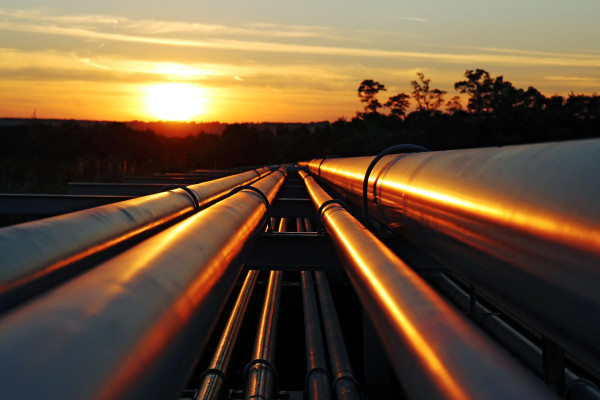
The key to Africa’s industrialisation process and ending the region’s massive energy poverty

Location: News
African Energy Chamber

By Jason Mitchell

Africa's vast natural gas reserves are key to bringing energy to Africa's poorest countries, to a solid industrialisation process throughout the region and to significant poverty reduction.

The region is home to 33 of the world's 46 least-developed countries (LDCs) with an average income per head of less than $1,018 a year. The continent's poorest countries must expand at 6-7% a year if poverty is to be reduced in a big way and if the life chances of hundreds of millions of people are to be improved. To achieve this goal, these countries require abundant and cheap energy. Luckily, for many African states, the answer lies on their own doorstep — natural gas. Gas has remained a niche fuel in sub-Saharan Africa — contributing only 5% of the total energy mix against a global average of 20-25% — but its potential is enormous.

A new vision for Africa is required — a criss-crossing network of natural gas pipelines that brings energy to all corners of the region. The continent's contribution to global greenhouse gas emissions is tiny and will only become slightly bigger if the region's natural gas reserves are exploited. There is also a massive opportunity to wean poor Africans away from the use of biomass fuel and to help protect the region's forests through the rollout of small, liquified petroleum gas (LPG) stoves. Climate change is an issue in Africa but poverty reduction is a bigger one. Poverty is the biggest killer in Africa today.

It's very hard for Europeans and North Americans to imagine what it's like to live on under $1,018 a year, to not have readily available electricity, to not have a refrigerator or a washing machine, to not have a car, to not have a lawnmower, to not be able to fly from one country to another cheaply, to not have electricity in the school or the workplace and to have to use firewood or charcoal for cooking purposes. Fossil fuels have been at the heart of the Industrial Revolution that has brought prosperity and better living standards to the developed world. People in the First World must be very careful if they decide to deny Africans the same chance to prosper.

Africa has the lowest energy use per capita in the world — the average electricity use of a sub-Saharan African resident is lower than that of a household fridge in the United States. Average consumption per person in sub-Saharan Africa, excluding South Africa, is a mere 185 kilowatt-hours (kWh) a year, compared with about 6,500kWh in Europe and 12,700kWh in the US. Every year San Antonio, Texas, with a population of 1.5m people, uses as much electricity as the whole of Nigeria, with 203m people. Golden, Colorado, a small town with only 19,000 people, uses as much electricity as Chad, a country with 16m people.

The UN's Sustainable Development Goal Seven aims to “ensure access to affordable, reliable, sustainable and modern energy for all” by the year 2030. That's a tall order. In 2019, 917m people in Africa (around 80% of the region's population) relied on wood, charcoal, kerosene, animal and crop waste or other solid fuels to cook their food and heat their homes. The International Energy Agency (IEA) reports that almost 490,000 people die prematurely every year in sub-Saharan Africa from household air pollution-related causes — stemming from the lack of access to clean cooking facilities. Gas is a much cleaner form of cooking than biomass and its use should be encouraged. Biomass burning-power plants emit 300-400% more CO2 than natural gas per unit energy produced. Natural gas emits almost 50% less carbon dioxide than coal. 

Africa has one-fifth of the world's population but contributes only 3% to global greenhouse gas emissions. Incredibly, some 48 sub-Saharan African countries, excluding South Africa, have an estimated share of global emissions of only 0.55%. The fact is that many African states are already at net zero. If the continent were to use an additional 90bn cu m of natural gas per year — or 50% more than today — the resulting emissions would only raise Africa's cumulative contribution to global carbon emissions to 3.5% (ten gigatonnes) by the year 2050, according to the IEA. It really is a tiny increase compared to the chance of reducing poverty levels for hundreds of millions of poor people. If Africa is to provide universal electricity access by 2030 it would have to almost double its total generation capacity from around 260gw today to 510gw. 

Almost half the continent's 55 countries have proven natural gas reserves. Across the region, natural gas reserves amount to around 17.5trn cubic metres (cu m), making up around 9% of the world's total gas reserves. They are considerable in northern Africa (accounting for 45% of African reserves) and western Africa (32%), in particular. Commercial quantities of natural gas have been found in many African countries.

Previously, only four countries from the region have been major natural gas production hubs: Nigeria (with total gas reserves of 5.8trn cu m), Algeria (4.5trn cu m), Egypt (2.2trn cu m) and Libya (1.5trn cu m). These four accounted for 78% of African gas reserves in 2021 (https://apo-opa.info/48gDBWG), according to the United States Energy Information Administration.

However, seven African countries — Mozambique, Senegal, Tanzania, Mauritania, South Africa, Ethiopia and Morocco — with no history of fossil gas exploitation have now opened up their doors to gas projects. Some 84% of new reserves in the pre-production stage are found in these states — total new reserves amount to 5.1trn cu m. Mozambique has re-production reserves of 2.3trn cu m, Senegal 779bn cu m, Mauritania 575bn cu m, Tanzania 512bn cu m, South Africa 96bn cu m, Ethiopia 42bn cu m and Morocco 39bn cu m.

Furthermore, major untapped reserves have been discovered in Angola, Cameroon, Ghana, Equatorial Guinea, the Republic of the Congo, Kenya and Uganda. A number of these states — including Mozambique, Tanzania, Mauritania and Senegal — are actively marketing natural gas to capitalise on recent discoveries. In fact, the IEA has declared Africa the ‘new frontier' in global oil and gas.

The big four gas-producing countries will continue to dominate gas production in the near term but experts estimate that Mozambique and the other new entrants will contribute more than 50% of the region's gas production by 2038.

Natural gas can be used for electricity generation, industry and domestic use. Crucially, harnessing Africa's gas could provide the baseload power needed to boost Africa's capacity to process its raw materials locally. It could provide enough energy for industrial processes, including steel and cement production and paper and pulp manufacturing. It could be also used to make fertiliser to raise agricultural yields. Renewables, including solar and wind, cannot yet provide enough energy for these purposes.

The huge reserves of gas can play a significant role in the continent's energy transition, as natural gas has a much lower carbon footprint than oil and coal. Critically, natural gas development and renewable power are not mutually exclusive. If Africa were to triple its use of natural gas, the United Nations Economic Commission for Africa (Uneca) estimates that the region would be able to increase its use of renewable energy eight-fold. Reliable forms of energy such as gas can be used to stabilise a grid powered by intermittent sources such as wind and solar. It can play a key role in a ‘just' energy transition.

However, expanding gas supply across Africa would require a whole web of new gas pipelines and that does not come cheap. A lot of the gas from the new projects already under way in Africa is destined for international markets, including the European Union — which have been seeking new sources of energy since the Ukraine crisis — but it is vital that the region's gas reserves are deployed for domestic use, as well. Nigeria, for example, sits on the continent's largest known natural gas reserves but only 55% of the population had access to secure electricity in 2020.

Multilateral financial institutions (MFIs) — many of which are headquartered in the developed world — are now shying away from investing in natural gas projects in Africa because of pressure from a vociferous green lobby. In 2021, 20 countries — including almost all the world's big, rich democracies — pledged to stop almost all financing of new fossil fuel projects internationally by the end of 2022. Furthermore, under the Glasgow Financial Alliance for Net Zero (GFANZ), 450 financial firms across 45 countries, responsible for over $130trn in assets, committed to accelerate the global decarbonisation process. The problem is that most Western governments and financial institutions do not distinguish between coal, oil and gas, and the pressure to stop funding all hydrocarbons has negatively impacted gas projects in Africa in a big way.  

Some of the continent's biggest financiers — including the African Development Bank (AfDB) — are finding it increasingly difficult to support gas project developments that require loan syndication and foreign partners. The World Bank is pulling back, too. Local banks cannot finance major gas projects on their own, as they are limited by their capital base. In particular, the fossil fuels divestment campaign is having a big impact on the amount of development and concessional finance available. This kind of finance used to support a number of gas projects for their poverty-reducing and economic development value.

For example, without the guarantees of development finance institutions (DFIs), most of Africa's recent gas-to-power plants would have never been built in the first place. The withdrawal of development finance from downstream gas and gas-to-power projects is a serious cause for concern for Africa's electrification effort and moving the needle on energy access.

Furthermore, there is a glaring double standard — many European countries have increased their use of hydrocarbons (coal as well as gas) since Russia's invasion of Ukraine. They are constructing new fossil fuel pipelines at home. The EU recently classified natural gas a ‘green' fuel, which will allow Europe's projects to be backed by investors committed to environmental, social and governance (ESG) principles. European countries are now looking towards African states for new sources of gas. However, they are not prepared to back new gas projects in Africa that would supply the fuel to the region itself. That smacks of hypocrisy of the worst kind. How can you deny the poorest people in the world the sort of energy that you want to use yourselves?

Lumping all hydrocarbons together is a blunt policy mechanism that is not good from an emissions perspective either. In poorer places, like sub-Saharan Africa, the available alternative to gas is not renewable electricity but rather coal, diesel and, most of all, polluting biomass. In sub-Saharan Africa, demand for biomass fuels is expected to surge by 40% by the year 2040 if ‘business as usual' continues. The burning of biomass is a major contributor to global carbon emissions and charcoal has been a top driver of tropical forest loss during the past two decades, with the greatest footprint in Africa. The continent's carbon sinks need protecting and the irony is that the greater use of gas would achieve that.

Africa is home to 18% of humanity but receives less than 5% of global energy investment. And much of this investment goes on producing oil and gas for export. There must be much more investment in the region for the domestic use of gas. Gas projects could play an absolutely vital role in bringing energy to Africa but obviously the projects require financing. DFIs must think again about their decision to limit investment in new projects in Africa. The financing of a network of gas pipelines throughout Africa would be one of the quickest and surest ways of industrialising the region in a big way and of alleviating poverty on a large scale. Renewables just cannot do that how ever much wishful thinking takes place.

In fact, development institutions should go one step further and consider subsiding a massive roll out of small LPG stoves to millions of poor households in the region. It could be one of the biggest moves in contributing to Africa's decarbonisation effort by arresting the pace of deforestation in the region. LPG is recovered from ‘wet' natural gas (gas with condensable heavy petroleum compounds) by absorption and reaches the domestic consumer in cylinders under relatively low pressures. The widespread adoption of LPG stoves would reduce the amount of pollutants in the air from biomass fuels. Poor households that currently depend on woodfuel for cooking require a cleaner cooking alternative — LPG is one of the solutions.

LPG stoves are also suitable for domestic use in rural settings — a key consideration in Africa where energy poverty is greatest in the countryside. For instance, in 2016, electricity access in urban and rural areas in Nigeria was 86% and 34%, respectively, according to the World Bank.

Africa only needs to look to Asia for examples. In 2006, Indonesia implemented a ‘mega-programme' to induce a large-scale transition from kerosene to LPG stoves in order to reduce government spending on kerosene subsidies. The initiative invested in LPG infrastructure, domestic cylinder production and consumer awareness. By 2012, 93% of the target had been reached and LPG consumption had grown by almost 350%.

In India, LPG access expanded through the early-2000s but it was still not reaching most poor families. To boost access among the poor, the Indian government introduced the Pradhan Mantri Ujjwala Yojana (PMUY) Scheme. Under it, the country's oil marketing companies provide subsidies to reduce the cost of both LPG connections and cylinder refills to women in households classified as below the poverty line. In 2016, the cost of a connection was about Rupees 3,200 ($48) and included the first full cylinder (plus deposit), deposit for a regulator, an LPG stove and administrative fees.

Furthermore, African governments must consider increasing domestic gas allocations from liquified natural gas (LNG) export projects. These are an effective way to ensure that even if developers prioritise lucrative exports over local sales, they must reserve part of their production for the domestic market. Upcoming LNG terminals in sub-Saharan Africa — for example, in Mozambique — now make it compulsory to allocate a specific amount of gas to the domestic market. The availability of domestic gas from export facilities can encourage gas-based industrialisation (for example, in Senegal) or additional gas-to-power capacity (Mozambique, Mauritania and Senegal). In August 2022, for instance, Senegal's Petrosen Trading & Services signed an MoU with Turkey's Çalık Enerji and Japan's Mitsubishi for the pre-feasibility study of a gas-based ammonia and urea manufacturing unit.

It is a huge mistake to lump all hydrocarbons together and for Western environmentalists to argue that no new new fossil fuel projects should happen in Africa whatsoever. Deforestation is one of the biggest issues in Africa today. Poor Africans must be weaned off the use of wood-based fuels. The widespread adoption of small LPG stoves would be one of the surest ways of reducing deforestation. Natural gas could also form the basis for a solid, large-scale industrialisation process in Africa — something that is essential if the region is to achieve the sort of economic growth needed to lift hundreds of millions of people out of poverty.

Distributed by APO Group on behalf of African Energy Chamber.

Media files
African Energy Chamber
Download logo
Read moreThe key to Africa’s industrialisation process and ending the region’s massive energy poverty
5 September 2023

South Africa’s GDP grows by 0.6%

Location: News

South Africa's GDP grows by 0.6%

Stats SA has announced that South African real Gross Domestic Product (GDP) expanded by 0.6% in the second quarter of 2023, which measured is from April to June.

Six industries on the supply side of the economy grew in the second quarter, with manufacturing and finance driving much of the upward momentum.

“On the demand side, the country benefitted from a sharp rise in investments in machinery and equipment, which included products related to renewable energy. Despite a decline in the overall household consumption, consumers continued to spend more on restaurants and hotels,” Stats SA said on Tuesday.

The GDP growth in the second quarter follows a 0.4% rise in the first quarter.

“Manufacturing production expanded by 2.2%, mainly pushed higher by petroleum, chemical products, rubber and plastic products. Manufacturers in metals, metal products, machinery and equipment also recorded a good quarter, driven in part by increased demand for crude steel.

“Increased investment in South Africa’s automotive sector helped lift the production of transport equipment and motor vehicles. The finance industry edged higher by 0.7%, boosted by financial intermediation, insurance and real estate services,” Stats SA said.

After two consecutive quarters of decline, South Africa’s agriculture sector recorded a positive performance with a 4.2% rise in output, which was driven by increases in the production of field crops and horticulture products.

“Favourable weather conditions, increased cultivation and a rise in export demand provided further support. Mining looked good too, posting a second straight quarter of growth. Platinum group metals, gold, minerals classified in the category ‘other metallic minerals’ and coal helped lift the industry.

“The personal services industry was positive on the back of higher growth in education and health. The rise in general government services was mainly due to an increase in staff numbers.

“Not all industries had a good second quarter. After 18 months of consistent growth, the transport, storage and communication industry stumbled, declining by 1.9%. Transport support services were lacklustre and there were declines in land freight and road passenger transport,” Stats SA said.

The trade industry was down on the back of weaker retail and wholesale figures.

The overall decline was partially offset by increased activities in the motor trade, tourist accommodation and restaurant, catering and fast-food sectors.

“After holding its head above water for nine months, the construction industry lost steam in the second quarter. A decline in economic activity related to non-residential and residential buildings pulled the industry lower. There was a small uptick in construction works, but this was not enough to lift the industry into positive territory,” Stats SA said.

Investments in machinery and equipment

Stats SA noted that a sharp rise in investments in imported machinery and equipment – mostly for electricity infrastructure – drove gross fixed capital formation higher.

“This was supported by an increase in sales of locally produced electric motors, generators and special purpose machinery. The demand for machinery and equipment contributed to the 3.3% rise in imports. Imported products included those related to renewable energy, batteries, vegetable products, artificial resins and plastics, base metals and articles of base metals, and animal and vegetable fats and oils.

“South African exports edged higher by 0.9%, driven by increased trade in chemical products; prepared foodstuffs, beverages and tobacco; vehicles and transport equipment; mineral products and machinery and electrical equipment.

“Household consumption decreased in the second quarter as consumers cut back on a variety of goods and services. Despite the overall decline, households continued to increase their spending on restaurants and hotels, representing a seventh consecutive quarter of growth for this category,” Stats SA said. – SAnews.gov.za


nosihle
Tue, 09/05/2023 - 12:29

56 views
Read moreSouth Africa’s GDP grows by 0.6%
28 August 2023

Constitutional Court Denies NEASA And SAEFA Leave To Appeal In Major Victory For Centralised Collective Bargaining In The Metals Industry

Location: MyPR

Written by Lucio Trentini is the Chief Executive Officer of the Steel and Engineering Industries Federation of Southern Africa On the 25 August 2023, the Constitutional Court dismissed the leave to appeal sought by NEASA and SAEFA. This follows the rejection of their previous appeals by both the Labour Court and the Labour Appeals Court. …

Read moreConstitutional Court Denies NEASA And SAEFA Leave To Appeal In Major Victory For Centralised Collective Bargaining In The Metals Industry
24 August 2023

A Comprehensive Guide to Deco Doorwares Premium Product

Location: MyPR

At Deco Doorware, they pride themselves on offering a diverse range of high-quality doorware products. Whether one is looking for sleek black accessories or the timeless elegance of brass, Deco Doorware has something to suit every aesthetic and functional need. In this guide, we’ll delve into their extensive product range, ensuring you find the perfect …

Read moreA Comprehensive Guide to Deco Doorwares Premium Product
24 August 2023

Man “maliciously arrested” by police gets R3.4 million in damages

Location: News

But only after spending nearly three years in prison

Read moreMan “maliciously arrested” by police gets R3.4 million in damages
23 August 2023

Is Your Web Site on THIS List?

Location: MyPR

Today we had a look at our MyPR.co.za web site statistics for the month to date of August 2023. We have deployed our own hosted stats software and have been closely watching and comparing these stats – with Google Ananlytics and our global Server Statistics programmes – in order to check the veracity of the …

Read moreIs Your Web Site on THIS List?
21 August 2023

SAISC supports the empowerment of women in the steel sector

Location: Business

Helping women to realise their potential is central to the vision of the Southern African Institute of Steel Construction (SAISC), which wants to see women participating at every level of the steel and engineering sectors. “Studies have shown that a diverse workforce and leadership fosters innovation and growth. South African universities are training record numbers …

Read moreSAISC supports the empowerment of women in the steel sector
  • Previous
  • Page 1
  • Interim pages omitted …
  • Page 4
  • Page 5
  • Page 6

Copyright © 2026 · MyZA · All Rights Reserved · Powered by Stratlec Online