• Skip to main content
  • Skip to header right navigation
  • Skip to after header navigation
  • Skip to site footer
MyZA

MyZA

News, Directory, Events and Other Stuff

  • Social Media
  • Sport
  • World News
  • Home
  • Submit News
  • Directory
  • Events
  • Stratlec
  • TFSA
  • News
    • APO
    • Today’s Sport News
    • Todays Social Media and Tech Headlines
    • Today’s World News
    • Today’s SA Financial News
  • Contact
You are here: Home / Archives for Summit

Summit

12 January 2024

Shining the Spotlight on #BlackExcellence in Civic Engagement and Politics
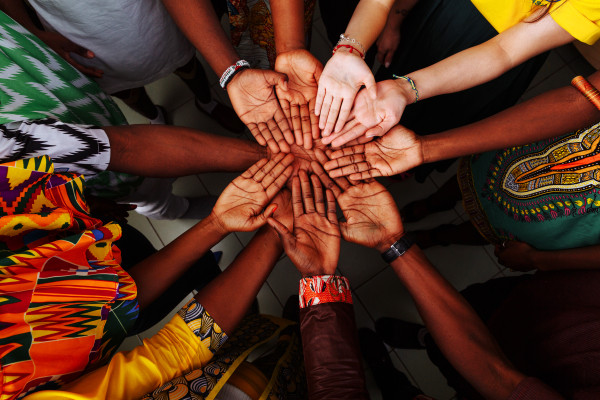
Location: News
Energy Capital & Power

The influential history of Black individuals and organizations in civic engagement and political leadership throughout the world is incontrovertible and enduring. Strong leadership plays a crucial role in shaping the world and driving social progress, bringing innovation and opportunity to the realms of business, science, technology, sports, arts, and literature. As such, this year's Global Black Impact Summit (GBIS), taking place in Dubai on February 27, 2024, will honor the achievements and untapped potential of Black leaders in politics and civic engagement.

Concern for the welfare and civil rights of all people has been an outspoken theme in the policies of Black civic leaders for over a century. As an outspoken advocate for desegregation and unity in the United States (U.S.) during the mid-20th Century, French dancer, singer, actress, and activist, Josephine Baker became the first Black women inducted to the Panthéon in Paris, which came as a result of her contributions to French culture and the Civil Rights Movement in the U.S.

Moreover, as a long-time advocate for African American equality, Coretta Scott King was an author, activist, and civil rights leader whose prominent role during the U.S.'s Civil Rights Movement enthused Black participation in the U.S. political system, driving progress and spurring change in the country's political landscape. Furthermore, her long-standing opposition to Apartheid in South Africa in the 1980s prompted nationwide protests against the country's racial policies, contributing to the regime's dismantling.

Additionally, despite his relatively short career in government, former Congolese Prime Minister Patrice Lumumba's contributions to de-colonialism and African nationalist movements in the 20th century are defined by dignity, humanity, strength, and unity, and whose administration played a significant role in the transformation of the Republic of Congo from a colony into an independent republic.

Meanwhile, having jointly won the Nobel Peace Prize in 2018 for his efforts to end wartime sexual violence in Central Africa, Dr. Denis Mukwege is a Congolese gynecologist who serves in the Board Membership of numerous organizations and agencies that advocates healthcare and support for survivors of conflict. Dr. Mukwege's accomplishments in the fields of medicine and care in Africa has resulted in the growth of a culture of peace in the continent's Central region.

The accomplishments of these individuals and the many more in the global leadership and civic engagement space have laid the foundation for transformational change worldwide. As a platform for uniting the global Black community, GBIS will shine the spotlight on Black excellence, with achievement in civic engagement and politics celebrated. The conference, which serves to highlight the contributions, achievements, and influence of Black leaders from all over the world, takes place under the theme, Black Excellence: Unleashing the Unexplored Potential for Global Unity. The summit encapsulates the profound impact of Black individuals on the global stage while serving as a platform for networking, celebration, and the realization of the true potential of a united global community.

Distributed by APO Group on behalf of Energy Capital & Power.

About Global Black Impact Summit 2024:
Organized by Energy Capital & Power, the Global Black Impact Summit is an annual event that seeks to celebrate the achievements of the Black community, promote excellence, and explore untapped potential across various fields. This year's summit is set to be a transformative experience, featuring influential speakers, engaging panel discussions, and networking opportunities that encourage attendees to reach new heights.

To secure your spot at this prestigious gather, register promptly at www.GlobalBlackImpact.com.
Media files
Energy Capital & Power
Download logo
Read moreShining the Spotlight on #BlackExcellence in Civic Engagement and Politics
28 December 2023

Weaving the Culinary Tapestry: A Journey through the African Diaspora

Location: News
Energy Capital & Power

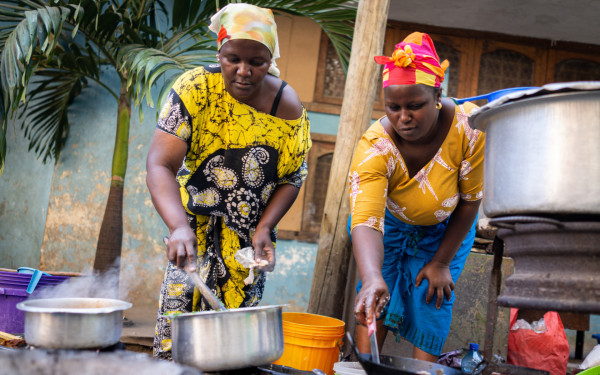
Food is a unique storyteller, a cultural bridge and a carrier of traditions. As a result, the culinary traditions and rich tapestry of cuisines belonging to the global Black community have played a valuable role in contemporary culture. These traditions not only illustrate the inspiration, creativity and shared heritage of Black people, but also serve as a common thread that connects diverse cultures and geographies. From the shores of West Africa to the vibrant streets of the Caribbean, the flavors, techniques and dishes of the African diaspora have transcended borders, uniting people from across the globe. The Global Black Impact Summit (GBIS) — which unites and celebrates the achievements of the global Black community on February 27, 2024 in Dubai — will explore the influence of the African diaspora on a wide range of industries, such as the culinary arts.

Africa: The Roots of Flavor

An exploration into the culinary heritage of the global Black community begins with the roots of African cuisine. The continent's diverse landscape and myriad cultures have given rise to a vast array of ingredients, cooking methods and flavors. In West Africa, staples like yams, okra, plantains and an array of vibrant spices are central to the local cuisine, with traditional local dishes including Jollof rice, Fufu – made from cassava root – and Egusi soup. In South Africa, the fusion dish Bobotie – a spiced minced meat bake with an egg-based topping – reflects the country's historical influences, blending Dutch, Malay and Indian flavors. Central Africa contributes to this culinary tapestry with dishes like Saka-Saka in Congo, made from cassava leaves cooked with spices, and Poulet Nyembwe in Gabon, featuring chicken in a rich red palm nut sauce. These dishes highlight the use of local ingredients and establish the roots of traditional African cuisines across regions. 

The African Diaspora and a Fusion of Cultures

Starting from the 16th century, the transatlantic slave trade facilitated the movement of millions of Africans to various parts of the world, including the Americas and the Caribbean. These journeys brought with them longstanding culinary traditions, which over time, evolved and adapted to the ingredients and resources found locally, while preserving the foundations of authentic cooking methods and flavors.

In the Caribbean, the fusion of African, indigenous and European culinary traditions and techniques gave birth to Creole cuisine. Dishes like Gumbo — a hearty stew served over rice and Callaloo — a leafy green stew — showcase the rich melding of influences. They tell the story of a resilient people who had to adapt and create new traditions, while preserving their roots. In the United States, African Americans developed Soul Food, a cuisine that celebrates their enduring connection to their African heritage. Dishes like collard greens, a flavorful leafy green dish, cornbread and fried chicken, stand apart from traditional African dishes. Yet they provide more than just sustenance; they serve as a celebration of cultural resilience, warmth, protection and identity.

The influence of the African diaspora on global cuisine is undeniable. Dishes like Acarajé in Brazil – a stuffed fritter sold and eaten as street food – finds its roots in the Yoruba people from Nigeria, Benin and Togo, while Ackee and saltfish – Jamaica's national dish – was initially brought to the Caribbean from Ghana and stems from the name for the Akyem people. These examples reflect how the diaspora has enriched culinary traditions around the world and are a testament to its enduring impact on food and culture.

Pioneers and Innovators in the Culinary World

Throughout history, pioneering Black chefs have broken barriers in the culinary world. In the US, renowned chefs like Edna Lewis and Patrick Clark paved the way for the next generation of Black chefs to innovate and shape the world of food. Chef Marcus Samuelsson, an Ethiopian-born Swedish-American, is renowned for his culinary empire that spans from Harlem to Sweden. Kwame Onwuachi, a Nigerian-American chef, has left his mark on the culinary scene with a background that includes training in the world's top kitchens. Sheldon Simeon, a Filipino-Black chef, celebrates the fusion of two cultures by exploring the ancestral roots of Hawaiian cuisine. 

GBIS 2024 strives to recognize and celebrate the achievements of Black individuals across industries, with a view to creating a more diverse and inclusive professional landscape. Just as culinary traditions continue to evolve and innovate, the Summit aims to unleash the full potential of the global Black community and explore the vast array of traditions and heritage associated with the African diaspora. 

Distributed by APO Group on behalf of Energy Capital & Power.

Global Black Impact Summit:
The Global Black Impact Summit is an annual event that serves to celebrate the achievements of the Black community, promote excellence and explore untapped potential across various fields. The 2024 summit is set to be a transformative experience, featuring influential speakers, engaging panel discussions and networking opportunities that enable delegates to reach new heights. To secure your spot at this prestigious gathering, register promptly at www.GlobalBlackImpact.com.

Media files
Energy Capital & Power
Download logo
Read moreWeaving the Culinary Tapestry: A Journey through the African Diaspora
26 December 2023

#BlackExcellence: Breaking Barriers to Female Leadership

Location: News
Energy Capital & Power

Black women continue to break barriers across diverse industries, paving the way for future leaders with their resilience, intelligence and determination. The upcoming Global Black Impact Summit (GBIS), scheduled for February 27, 2024 in Dubai, is set to celebrate the remarkable achievements of Black women, while connecting movers and shakers from across the global Black community.

Black women play a crucial role in transforming industries, leaving an undeniable impact from entertainment to business, science to politics. In Africa, Ellen Johnson Sirleaf – Liberia's first democratically-elected female president – has garnered international acclaim for empowering women, winning the 2011 Nobel Peace Prize and today advocating for female political participation. Meanwhile, Mozambican social scientist Alice Banze boasts a 25-year career in civil society and government and is the Executive Director of the Gender and Sustainable Development Association. Elected to the National Elections Commission in 2020 with support from the Women's Forum, she exemplifies transformative female leadership in Mozambique.

Many women are rising through the ranks across industries by forging their own paths. One example is Linda Mabhena-Olagunju, the founder and CEO of DLO Energy Resources Group, who leads a Black women-owned renewable energy company that focuses on wind power projects in South Africa. Other figures like Oprah Winfrey, who has built a media empire, and Ursula Burns, the first Black woman to head a Fortune 500 company, show the strength and determination of Black female leaders.

Yet despite their notable accomplishments, Black women in leadership often encounter systemic challenges to representation. In the US, Forbes reports that only 4.4% of Black women hold managerial roles, and merely 1.4% occupy executive-level positions, despite comprising 7.4% of the American population. In contrast, in Africa, women are making significant strides in governance roles. According to data from the Inter-Parliamentary Union, four African nations—Rwanda, Namibia, South Africa and Senegal—are among the top 15 countries globally for the highest representation of women in parliament. Rwanda leads with an impressive 61.3% of female parliamentarians, yet the sub-Saharan African average stands at 23.6%.

The intersectionality of race and gender amplifies challenges in the workplace for Black women, necessitating targeted efforts to address and mitigate specific barriers to leadership. Initiatives centered on diversity, equity and inclusion are crucial for dismantling these barriers and creating a more equitable playing field. To achieve this, companies and organizations must implement policies that recognize the unique value and perspectives of Black women in their respective industries, fostering a more inclusive environment that provides equal opportunities for success.

Celebrating Black women in leadership requires creating a supportive environment for future leaders through mentorship programs, educational initiatives and networking opportunities. Investing in the next generation of Black female leaders contributes to a more diverse and dynamic future, which the upcoming GBIS 2024 will facilitate by providing a platform for engagement, inspiration and unity. 

Distributed by APO Group on behalf of Energy Capital & Power.

About Global Black Impact Summit 2024:
The Global Black Impact Summit is an annual event that seeks to celebrate the achievements of the Black community, promote excellence and explore untapped potential across various fields. This year's summit is set to be a transformative experience, featuring influential speakers, engaging panel discussions, and networking opportunities that encourage attendees to reach new heights.

To secure your spot at this prestigious gathering, register promptly at www.GlobalBlackImpact.com.

Media files
Energy Capital & Power
Download logo
Read more#BlackExcellence: Breaking Barriers to Female Leadership
18 December 2023

AGOA illustrates inter-dependence of Africa and the US

Location: News

AGOA illustrates inter-dependence of Africa and the US

The African Growth and Opportunities Act exemplifies the growing inter-dependence between African countries and the United States of America.

“AGOA exemplifies the growing inter-dependence between Africa and the US. Don’t forget there are 40 million African Americans in the US,” says honourary Professor of International Relations at the University of the Witwatersrand, John Stremlau.

The act is an initiative of the United States and is aimed at giving duty-free market access for producers in eligible countries in sub-Saharan Africa.

 According to the Office of the United States Trade Representative, AGOA has been at the core of US economic policy as well as commercial engagement with the African continent. The Office of the United States Trade Representative further adds that by “providing new market opportunities, AGOA has helped bolster economic growth, promoted economic and political reform, and improved US economic relations in the region”.

South Africa hosted the 20th AGOA Forum in early November. The three-day session held in Johannesburg followed on the short, physical meeting held in Washington DC, in the US in December 2022.

One wouldn’t have been wrong to wonder how the meeting - which alternates between the US and the African continent annually - would pan out, given what appeared to be strained relations between South Africa and the US. This, following the Lady R matter in which US Ambassador to South Africa, Reuben Brigety, accused South Africa of having weapons intended for Russia, loaded onto the container ship that docked near Cape Town in December last year.

However, an independent panel appointed by President Cyril Ramaphosa found no evidence that weapons had been loaded.

Despite the outcome of the panel, the seeds of doubt had already been sown and what followed was a wait-and-see game of how the meeting would unfold, despite Cabinet’s welcoming of the acknowledgement of US National Security Advisor, Jake Sullivan, of the seriousness with which  President Ramaphosa had addressed the matter.  In a statement in October, Cabinet welcomed the affirmation of the strong relations between South Africa and the United States. 

In October, Sullivan spoke to President Ramaphosa’s National Security Advisor Sydney Mufamadi and the two officials reaffirmed the strong relations between the two countries.

In an interview with SAnews, Stremlau reflected on relations between South Africa and the US recalling how then US President Ronald Reagan in 1986 vetoed a bill that would have imposed sanctions on the apartheid government of the day. However, the US Congress overruled the President and sanctions were imposed.

“…South Africa is a really special case for America because of its own history of racism and South Africa’s history of racism… and the fact that you have Joe Biden in the White House now, who championed the overturning of the Reagan veto back in 1986 for the comprehensive ending [of] apartheid legislation that imposed sanctions on South Africa.”

He added that while there was a “sordid history” in which he was referring to “the tacit alliance between the Apartheid regime and successive US regimes during the Cold War era but also reflective of racism that was the sediments of slavery in the US that are ebbing but still pollute politics there,” the two countries “are moving on.”

“AGOA exemplifies the current complexity of the relations between the US and South Africa which have been good in the fundamental sense but strained over Russia and I suppose now the Israel –Palestine [matter],” Stremlau explained.

Enacted in 2000, the Act has been at the core of US economic policy and commercial engagement with Africa.

“The point is that both for the US and for South Africa, this relationship is important and was reaffirmed by the US Special Trade Representative Catherine Tai when she came here for the forum and by [Trade, Industry and Competition] Minister Ebrahim Patel and everyone else in the government.”

In a recent Cabinet statement, government asserted that AGOA provides an opportunity for the US to strengthen its economic relationship with Africa.

“And even though the South Africans and the Americans agree to disagree on Russia, which is a peripheral issue, it’s not the peripheral issue for the Ukrainians or the United States… and I think that’s the maturity in the relationship that you can differ on particular policies but still maintain the overall relationship and for AGOA, South Africa is the most important country,” he explained.

Impact

Currently, 35 countries in sub-Saharan Africa have been designated as eligible for AGOA benefits and Stremlau shared his thoughts on whether the Act has lived up to expectations.

“For Lesotho’s textile exports, it’s been a boon. It may be a possible example of where China, the US and African countries can have a positive sum game going. The point is, some countries have benefitted a lot; other countries not so much.

“South Africa is the biggest economic partner of America in Africa with 600 US companies operating here and  vis-a-vie exports of manufactured products particularly automobiles is vital, as evidenced by comments on both sides at the forum. I think you can safely say it depends on the expectation of the country involved.”

He added that overall, African trade with America is only at 1 or 2 % but has a big impact “on the development of a particular African country.”

“It boils down to jobs and the income of sectors. Governments should be free to negotiate that or try to get to a positive sum and in the case of the US, South Africa and AGOA, I think that they have got that positive sum.”

In his address at the forum, Patel said more African countries could benefit from AGOA while Tai reiterated her country’s commitment to strengthening the US-Africa trade and investment relationship to deliver real opportunities across societies.

Tai also announced that her country backs the implementation of the African Continental Free Trade Area (AfCFTA) under the US-AfCFTA Memorandum of Understanding (MoU) on Cooperation for Trade and Investment. 

This after the AfCFTA Secretary General, Wamkele Mene, and Tai signed the MoU during the US-Africa Leaders' Summit last December.

US Secretary of State, Antony Blinken has reiterated US President Joe Biden’s commitment to extend the act beyond the expiration date of September 2025.

This comes after the US Congress in 2015 passed legislation extending the programme to 2025.

Extension

In his remarks at the forum, President Ramaphosa said an extension of the act for a longer period of time could act as an instrument to entice investors to pour more resources into the African continent adding that shorter periods of extension “impeded investment ambitions.”

Meanwhile, the Department of Trade, Industry and Competition (dtic) said that African trade ministers had prior to the forum, met and agreed on a common position calling on the US to extend AGOA for at least 10 years when it expires with all existing AGOA-eligible countries retained in the programme.

Stremlau said there are now discussions on improving AGOA going forward.

“Now that I’ve seen the draft bill that [US Democratic Party Senator] Chris Coombs is tabling that would extend the AGOA 16 years to 2041 and read the [Senator] Jim Risch’s (Republican from Idaho) letter that criticises South Africa’s relationship with Iran and Russia and I think on the Middle East too, I’m of the view that there’s only one sentence in Coombs’s bill about South Africa and it calls for the President - who would be Joe Biden at least until February 2025 - to within 30 days do a review. I  think they will push for a renewal. I take [the] Coombs bill as a very positive sign, despite the fact that it calls for a Presidential review of South Africa. So long as Biden does it, South Africa has nothing to worry about in my view,” said Stremlau.

According to the draft bill, which was released following the forum, the long-term extension of the expiration date would “provide businesses the certainty needed to invest in sub-Saharan Africa, supporting economic growth and development in the region.”

On eligibility, the bill notes that the current statute requires the President to undertake an annual review of all 49 AGOA eligible countries to evaluate their continued eligibility for the program. The AGOA Renewal Act would reduce that obligation, requiring a review of each country at least once every three years.  It further adds that the “President would retain the authority to conduct an out-of-cycle review of the eligibility of any country at any time, and the bill requires that USTR [Office of the US Trade Representative] undertake an immediate out-of-cycle review of South Africa.”

On integration with the AfCFTA, the renewal act would “modify AGOA’s rules of origin to allow inputs from North African AfCFTA members to count toward the requirement that 35% of a product’s value originate in the region.”

On whether South Africa could be booted out of AGOA, Stremlau said he would be “surprised” if this were to occur.

“If you look at the Coombs bill, there is a provision for graduation where it requires middle income status [for a qualifying country] for five years before the review occurs even.

“The one thing we have to remember and one thing that is worth highlighting is that the bill is not a trade bill. It is an initiative by the US Congress so it has a lot of political conditions such as the rule of law, freedom of the press, periodic credible elections and South Africa passes all of those of course, even if it’s the most unequal country in the world,” he said. -SAnews.gov.za


Neo
Mon, 12/18/2023 - 13:08

0 views
Read moreAGOA illustrates inter-dependence of Africa and the US
11 December 2023

Health concerned about death rate among TB patients in SA

Location: News

Health concerned about death rate among TB patients in SA

Although South Africa’s Tuberculosis (TB) infection incidence is dropping, government is disturbed about the death rate among patients.

This is according to the Deputy Health Minister, Dr Sibongiseni Dhlomo, who was delivering a keynote address on the opening day of the BRICS TB Research Network Innovation Summit in Durban. 

“TB remains a pressing concern for South Africa, as it does for all BRICS countries and many nations,” he said on Monday. 

He told the summit attendees that about 300 000 people are estimated to get TB every year in South Africa.

“Last year alone, we managed to notify and put 224 000 people on a TB treatment regime. Although our infection incidence is declining, we are concerned about the unacceptable death rate among our TB patients.” 

According to Dhlomo, a major driver of TB infection is HIV – accounting for 48% of TB patients who are living with HIV in 2022. 

However, he said the country’s antiretroviral programme has led to a decrease in TB incidence. 

The BRICS nations – Brazil, Russia, India, China and South Africa - carry a disproportionate burden of drug-susceptible and drug-resistant TB infection and neglected diseases of the South. 

To address this public health threat, the BRICS TB Research Network was established in 2017 to bring together programme managers and scientists to exchange information and formulate redress strategies and solutions. 

“The ultimate goal of this endeavour was to establish collaborative research programmes aimed at developing new diagnostics, drugs, and vaccines for TB. 

“The TB control programmes from the various representative countries also undertook to learn from each other on key aspects of financing and strengthening the health systems in their respective nations.” 

Following the devastating impact of COVID-19 on public health programmes, South Africa developed a TB Recovery Plan to find missing people with TB linking them to care and creating a demand for testing. 

“TB prevention and improvement of data systems are also prioritised. Given our high HIV-TB comorbidity let me give our delegates some data on HIV in South Africa.”

He cited the sixth South African National HIV Prevalence, Incidence, and Behaviour among people aged 15 years and older living with HIV in South Africa in 2022. 

According to the data, 90% were aware of their status, 91% of those aware of their status were on antiretroviral treatment, and 94% of those on antiretroviral treatment were virally suppressed. 

“South Africa has made significant progress toward the UNAIDS 95-95-95 targets that by 2025, 95% of all people living with HIV to be aware of their HIV status, 95% of those aware of their status to be on antiretroviral treatment, and 95% of those on antiretroviral treatment who also know that that they are living with HIV to achieve viral load suppression.”

In addition, he stated that the country has been at the forefront of introducing and scaling up new tools for diagnosis and shorter treatment regimens for drug-resistant TB. 

“However, there is a need to do more to improve linkage to care and retention in care.”

He also believes that BRICS countries have made significant strides since the establishment of this network, with progress and some challenges. 

Dhlomo touched on the United Nations General Assembly High-Level Meeting on TB, in New York, in September this year. 

“We should, therefore, work very hard to ensure that we meet the targets we have set ourselves for this summit.”

The targets, he said, include the creation of innovations in therapeutics, diagnostics, and vaccines that the network can prioritise for collaboration, investment and development. 

“A world without TB is not just an aspiration but an attainable reality, and we should stand ready to play our part in making that vision a shared triumph. 

“I certainly believe that this network can make a significant contribution to this end. Let us recommit to the implementation of the Political Declaration on TB as we map out of future endeavour of ending TB in BRICS countries. 

“The goal to end TB is within our grasp. Our collective efforts must transcend borders, ideologies, and individual interests.” 

Dhlomo also took the time to congratulate Russia as it takes the baton of leadership of BRICS in 2024. – SAnews.gov.za


Gabisile
Mon, 12/11/2023 - 11:48

573 views
Read moreHealth concerned about death rate among TB patients in SA
11 December 2023

Picket against fossil fuels at Muizenberg beach

Location: News

Protests coincide with COP28 summit underway in Dubai

Read morePicket against fossil fuels at Muizenberg beach
10 December 2023

Deputy President on working visit to Southeast Asia

Location: News

Deputy President on working visit to Southeast Asia

Deputy President Paul Mashatile has arrived in the Republic of Singapore to begin the first leg of his first working visit to Southeast Asia.

The Deputy President began his visit on Sunday with a tour of the Marina Barrage development, Singapore’s innovate water resource management project. 

As a resource-poor and water-scarce country, Singapore has invested significantly in research and development of water management and sustainability. Most impressively, the country has made big strides in the area of seawater desalination.

“The Deputy President’s visit to the country is aimed at building and strengthening bilateral relations, particularly increasing trade, economic, knowledge and cultural exchange between the two States,” the Presidency said in a statement. 

Singapore is a global financial hub and is considered one of the premier asset management centres in Asia. The World Bank has ranked Singapore as the number one country in the world for ease of doing business since 2006, and the country is an important global aviation and maritime hub. 

Singapore is also considered an important gateway for the export of goods and services to Southeast Asia and a hub for joint venture partnerships throughout Asia. It is an important centre for South African businesses looking for opportunities to expand operations on the continent.

As part of his programme, the Presidency said, Mashatile will visit the Lee Kuan Yew School of Public Policy and deliver a public lecture on the 30 years of diplomatic relations between South Africa and Singapore titled “Celebrating a journey of mutual respect, strategic partnership and cooperation.”

The Deputy President is accompanied in Singapore by Deputy Ministers for International Relations and Cooperation, Candith Mashego-Dlamini; Trade, Industry and Competition, Nomalungelo Gina; Higher Education, Science and Innovation, Buti Manamela; Communication and Digital Technologies, Philly Mapulane; Forestry, Fisheries and the Environment, Magdalene Sotyu, and senior government officials.

Trade and diplomatic links

One of the key areas of collaboration between South Africa and Singapore is trade. Singapore is one of South Africa's largest trading partners in Southeast Asia, with trade between the two countries totalling approximately R28 billion in 2022.

Singapore is a significant investor in South Africa, with investments totalling over R5 billion in sectors such as manufacturing, financial services and real estate.

South Africa's economic relations with Singapore are focused on trade, investment, tourism promotion and skills transfer.

South Africa exports a range of products to Singapore, including gold, diamonds and wine, while Singapore exports electronics, chemicals and machinery to South Africa.

In May this year, President Cyril Ramaphosa hosted Prime Minister Lee Hsien Loong of the Republic of Singapore for an Official Visit in Cape Town.

Singapore’s visit to South Africa continued the high-level engagement the two governments have fostered since diplomatic relations begun in 1993, ahead of South Africa’s democratic transition.  

Since then, the two countries have shared excellent bilateral relations, which have formed the basis of regular high-level visits.

2023 marks the 30th anniversary of the establishment of diplomatic relations between the Republic of South Africa and the Republic of Singapore as partners who work together closely in multinational fora. 

Singapore, like South Africa, is a member of the Indian Ocean Rim Association (IORA), the Commonwealth, as well as the Non-Aligned Movement (NAM).

The two countries have signed numerous agreements to enhance cooperation in areas such as trade, investment, education, and defence.

The May visit was preceded by an official visit undertaken by the Minister of International Relations and Cooperation, Dr Naledi Pandor, to Singapore in July 2022 to strengthen bilateral relations.

In May, President Ramaphosa and Prime Minister Hsien Loong held official talks on cooperation in the areas of communications and digital technology, science and innovation, water and sanitation and skills development.

The leaders discussed the potential for closer collaboration in these areas when they met on the sidelines of the G20 Leaders Summit held in Bali last year. 

The visit brought captains of industry from the respective countries to collaborate in sectors ranging from ports, logistics and supply chain, healthcare and biomedical, food manufacturing and engineering. – SAnews.gov.za

GabiK
Sun, 12/10/2023 - 12:58

222 views
Read moreDeputy President on working visit to Southeast Asia
8 December 2023

Gender-based violence statistics highlight failures of plans to address the scourge

Location: MyPR

As South Africa engages in the last week of the global 16 Days of Activism against Gender-Based Violence campaign, a R1.6 billion budget allocation has done little to stem the tide of violent crimes against women and children. Commitments at presidential summits on gender-based violence and femicide (GBVF) in 2018 and 2022, including the budget …

Read moreGender-based violence statistics highlight failures of plans to address the scourge
6 December 2023

KZN Premier calls for practical solutions to address climate change

Location: News

KZN Premier calls for practical solutions to address climate change

KwaZulu-Natal Premier Nomusa Dube-Ncube has reiterated her call for adequate funding of vulnerable and developing nations to support technology and other practical solutions to address climate change.

Dube-Ncube made the call when addressing various platforms at the COP 28 Climate Summit, currently underway in Dubai.

Being held from 30 November to 12 December 2023, the UN Climate Change Conference (UNFCCC COP 28) focuses on four paradigm shifts, including fast-tracking the energy transition and slashing emissions before 2030, and transforming climate finance by delivering on old promises and setting the framework for a new deal on finance.

The conference also focuses on putting nature, people and livelihoods at the heart of climate action, and mobilising for the most inclusive COP ever.

Dube-Ncube joined other leaders in calling for a speedy implementation of commitments made in previous climate change summits.

“We must deepen our resolve and accelerate the implementation of the resolutions and commitments that have been taken in previous conferences and engagements. 

“Poor nations and regions are feeling the brutal effects of climate change everyday, and gatherings like this must bring practical meaning to such commitments,” Dube-Ncube said.

Dube-Ncube also emphasised the inclusion of the subnational and local governments in the climate change talks in order to strengthen the international agreements implementation, and for them to be meaningful and incorporated into provincial and local strategies.

The Premier said climate-related disasters hit people on the ground the most, with provinces and municipalities tasked to respond. 

“This requires a lot of focus on inclusion and funding. In KwaZulu-Natal, we are still recovering from the devastating effects of the April 2022 floods and this is felt at local level where people live. 

“It is for these reasons that we call for more funding for developing nations and inclusion of subnational and local governments in planning and implementation of agreements,” the Premier said.

Dube-Ncube was speaking for the African continent in the climate change engagements in her capacity as the Premier of KwaZulu-Natal and as Co-Chair of the Under2Coalition, seeking to advocate for the inclusion of subnational and local government in climate talks. 

The Under2Coalition is the largest network of subnational governments striving towards reaching net zero emissions by 2050 and connecting them to potential funding streams.

The Premier has been engaging with her Co-Chair counterparts on various issues ranging from vertical integration between national, provincial and local governments and in particular, the state of readiness for any disasters that may hit KwaZulu-Natal, given its vulnerabilities.

The Premier encouraged accountability and transparency for disaster relief and recovery programmes. – SAnews.gov.za
 

GabiK
Wed, 12/06/2023 - 11:32

97 views
Read moreKZN Premier calls for practical solutions to address climate change
3 December 2023

President Ramaphosa pleased with milestones at COP28

Location: News

President Ramaphosa pleased with milestones at COP28

President Cyril Ramaphosa has expressed satisfaction with the level of engagements at the Conference of Parties (COP28).

This as the President concluded his official visit to Dubai, United Arab Emirates on Saturday.

The COP28 outcome also included the setting up of a loss and damage fund.

"South Africa applauds the landmark decision of COP28 to operationalise the new fund on loss and damage and welcomes the pledges that have already been made. We would like to see the fund growing along with the implementation of all other commitments that have been made thus far”, said President Cyril Ramaphosa.

President Ramaphosa also presented to the United Nations Secretary General, Antonio Guterres, South Africa’s Implementation Plan of the Just Energy Transition (JET) Investment Plan.

The plan has also been shared with some of the JET Partners who have committed up to 8.5 billion US dollars towards South Africa’s efforts in decarbonising the economy and mitigating the effects of climate change.

The President also called for more countries to participate in efforts to end the effects of climate change in developing economy countries.

 "We are calling for more countries to participate, as our Just  Energy Transition Plan requires much more funding, so that we can enable a more effective and positively impactful transition, particularly with respect to communities that are going to be affected as we transit from fossil fuel sources of energy to renewables.

As the Summit continues in the next two weeks, we want to see sharper focus coming from developed economies with respect to living up to their Paris commitments. We still expect the 100 billion dollars that was promised to be made available to support countries that are least responsible for climate damage manage the effects of climate change”, said President Ramaphosa.

The President asserted the role of multilateralism and solidarity as central to global climate action and cautioned against unilateral, coercive, and trade-distorting approaches, such as carbon adjustment measures that are going to be severely detrimental to developing economies.

The conference underway, commenced on 30 November and will end on 12 December 2023, brings together world leaders to discuss progress and ambition across all pillars of the United Nations Framework Convention on Climate Change (UNFCCC) as adopted in the Paris Agreement in 2015.

The conference seeks to provide momentum and guidance for the remainder of the COP and is presided over by COP28 President-Designate Dr. Sultan Ahmed Al Jaber of the United Arab Emirates.

In a statement on Sunday the Presidency said the Minister of Forestry, Fisheries and the Environment, Barbara Creecy will lead the country’s participation for the remainder of the conference until 12 December 2023.

South Africa’s participation at the conference is in the context of its national determination as set out in the Just Energy Transition Investment Plan, to significantly reduce emission in line with the Paris Agreement adopted in 2015.  

COP28 presents an opportunity to fast-track the energy transition by building the energy system of the future, while rapidly decarbonising the current energy system to keep 1.5°C target within reach. -SAnews.gov.za


Neo
Sun, 12/03/2023 - 11:43

15 views
Read morePresident Ramaphosa pleased with milestones at COP28
3 December 2023

Developing countries must stand as one – President Ramaphosa

Location: News

Developing countries must stand as one - President Ramaphosa

President Cyril Ramaphosa has urged member countries of the G77+China to “stand together in solidarity, to support each other and to speak with one voice at COP 28”.

The President was speaking at the inaugural G77+China Summit on Climate Change held on the sidelines of the Conference of Parties (COP28) held in Dubai.

“Every region and country represented in this group is already experiencing the impact of climate change and its associated loss and damage. This means that we need to stand together in solidarity, to support each other and to speak with one voice at COP 28. We need to contribute our best efforts and to act with urgency.

“Transformative climate action is taking place alongside our efforts to eradicate poverty and inequality. We should therefore coordinate our positions on the transformation of the global financial architecture and reform of the multilateral development banks so that they can support sustainable development,” President Ramaphosa said.

He added that countries who are endowed with mineral resources that are critical for energy transitions need to work together to “ensure that the new economy is fairer, more equitable and offers equal opportunity for all”.

“We should forge a united platform against unilateral coercive and trade distorting measures under the guise of climate action. These include carbon border taxes that have the effect of reversing climate finance flows to the Global North.

“We need to reframe the climate action narrative to better address the realities of developing economy countries, to give appropriate recognition to their rights and to acknowledge their contributions to the global fight against this existential threat,” he said.

The President reiterated South Africa’s position that developed countries must support the energy transitions of developing countries.

“Since developing economy countries are the least responsible for climate change but the most affected, it is critical that the enabling means of implementation support is provided by countries with developed economies.

“The G77 and China, representing the overwhelming majority of the world’s population who live in developing economies, has the opportunity to infuse this vision into the mandate and scope of the new work programme on Just Transition Pathways,” he said. – SAnews.gov.za


NeoB
Sun, 12/03/2023 - 09:32

123 views
Read moreDeveloping countries must stand as one – President Ramaphosa
1 December 2023

Govt, community-based organisations meet on housing

Location: News

Govt, community-based organisations meet on housing

Human Settlements Minister, Mmamoloko Kubayi, has commended the long history of community-based organisations (CBOs) in advocating for people-centred and community-driven approaches to development. 

“These organisations have played an important role in facilitating community participation in the delivery of sustainable integrated human settlements,” Kubayi said.

The Minister was speaking at the Non-Governmental and Civil Society Organisations Summit, currently underway in Boksburg, Ekurhuleni.

The two-day summit, which kicked off on Thursday, is convened in the spirit of forging closer partnerships between the government and various stakeholders in the sector to accelerate sustainable and integrated human settlements.

The summit is being held under the theme: Strengthening Partnership to Deliver Better, Safer and Secure Sustainable Human Settlements.

Government alone cannot resolve all the housing challenges, said the Minister, emphasising the importance of including civil society and community-based organisations in the development and review of human settlements policy.

“They should not be excluded from being service-delivery agents in the implementation of sustainable and integrated human settlements programmes. NGOs and CSOs have the immense potential to contribute to the acceleration and delivery sustainable and integrated human settlements to the vulnerable groups in society,” Kubayi said. 

She said the summit provides an important opportunity for government and organisations to reflect on where they have come from and where they still need to go.

“We firmly believe that community driven programmes cannot be only about housing and top structures but must also ensure participative planning and engagement with housing support. The approach must be incremental with the full range of functions ultimately delivered, including community facilities.”

Kubayi acknowledged that at times non-governmental and civil society organisations have had to use the courts as an avenue through which to make their voices heard.

“It is unfortunate that government and NGOs and CSOs, while seeking to achieve the same goal, have to interact through the courts on matters of human rights and basic service delivery issues. 

“Overall, NGOs and CSOs have done a sterling job in holding government accountable [and] I wish to assure you that as government, our actions are driven by the desire to change our society for the better.

“This desire, which I believe we all share, should act as a centripetal force that brings us closer together to collaborate and engage constructively in a manner that reduces litigation,” the Minister said.

She further noted the demand for adequate housing is still huge and includes households in informal settlements and backyard shacks that are dependent on the intervention of government for housing. 

According to Census 2022, published by Statistics South Africa, the number of households who reside in informal dwellings has declined from 13.6% in 2011 to 8.1% in 2022, and households residing in formal dwelling units increased to 88.5%, an increase from the 65.1% recorded in 1996. 

Kubayi said the decrease in the number of informal dwellings has been happening despite a marked increase in the number of informal settlements. 

“This means that the provision of formal housing is increasing at a faster rate than that of informal settlements,” Kubayi said. – SAnews.gov.za  


GabiK
Fri, 12/01/2023 - 14:36

265 views
Read moreGovt, community-based organisations meet on housing
27 November 2023

Men and boys can crash the cycle of violence – President Ramaphosa

Location: News

Men and boys can break the cycle of violence – President Ramaphosa

As the country marks the start of the 16 Days of Activism for No Violence against Women and Children campaign, President Cyril Ramaphosa believes that men and boys can break the cycle of violence.

In his weekly newsletter to the nation, the President said the country marks the start of this campaign in the shadow of a terrible crime.

The President recalled that earlier this month images were circulated on social media of a young male student stabbing his partner, also a student, on the campus of the Peninsula University of Technology.
 
“The fact that the attack happened in broad daylight and in full view of the public, shows that some perpetrators of gender-based violence seemingly do not even care if there are witnesses to their crimes, nor do they fear apprehension.
 
“I commend the students who tried to intervene even as they were threatened, as well as those who stepped in as the alleged perpetrator was being attacked by a crowd. It is significant that other male students attempted to ward off the attacker of the young female student,” the President said. 

President Ramaphosa said that one of the reasons gender-based violence continues is that there is a culture of ambivalence among men who see crimes against women and children as a ‘private matter’ or a ‘family matter’. 

He added that in most cases of gender-based violence, including domestic abuse and sexual violence, the attacker is known to the victim. 

3rd Men’s Conference on Positive Masculinity

The President said it is fitting that the African Union (AU) will convene the 3rd Men’s Conference on Positive Masculinity in Pretoria this week, which will call on men to reject toxic displays of masculinity.

South Africa is co-hosting the conference with the AU Chair and President of the Comoros, Azali Assoumani. The inaugural conference was held in Kinshasa in the Democratic Republic of Congo in 2021 and the second one was held in Dakar, Senegal, in 2022.
 
“For the AU, as it is for our own country, ending gender-based violence is a priority. Discussions are currently underway on the content of an African Convention to End Violence Against Women and Girls, executing a decision of the African Union Summit earlier this year.

“Once adopted, the convention will be the first continental legal instrument for the prevention and elimination of all forms of violence against women and girls,” he said. 
 
South Africa is a part of the AU Circle of Champions which is an association of African Heads of State who have committed to implementing programmes at national and continental levels that promote positive masculinity and encourages more men and boys to be part of the fight against gender-based violence.
 
“We have long maintained that interventions aimed at eradicating gender-based violence in our society must focus on prevention.
 
“If we are to raise a nation of men who are positive role models, who take care of their families, who exhibit positive masculinity and who would not countenance hurting a woman or a girl, we must work with young men,” he said. 
 
South Africa adopted a national strategy to combat gender-based violence. One of the pillars of the National Strategic Plan to Combat Gender-Based Violence and Femicide deals with prevention. 

Government, he said, has been engaging with civil society, academia and researchers, traditional leaders, youth organisations, the faith community and the private sector on the issue of prevention.
 
He further highlighted that a number of initiatives are underway across a range of sectors that are providing space for young and older men to discuss notions of masculinity. 

“Men are called on to critically consider their own prejudices, preconceptions and chauvinisms that abet gender-based violence,” he said. 
 
A number of government departments have interventions in place that are focused on promoting positive masculinity through dialogues, workshops, awareness-raising campaigns, psychosocial support and behavioural change programmes.
 
In August this year, the President was part of the Presidential Young Men and Boys’ Indaba in Soweto where he had the opportunity to talk with a group of young men as part of the ‘What about the Boys’ initiative.

The aim of this programme is to get young men to open up in a safe space about their own experiences with masculinity and how this impacts their own attitudes to gender-based violence.
 
“Speaking to them, I acknowledged that young men in South Africa today face a lot of pressures that affect their attitudes to women and girls. These include the lack of positive male role models, absentee fathers, vulnerability to recruitment by criminals, pressure to drop out of school and earn a living, and pressure to become sexually active before they are ready to,” he said. 
 
The President said the AU Men’s Conference aims to advocate for more initiatives and dialogues where young men and boys can talk about these issues among their peers.
 
“We need to inculcate a mindset that sees young men as part of the solution, and not just the problem. While men are the main perpetrators of violence against women and children, men must also be at the forefront of bringing about a new society that respects the equal rights of women and girls, where gender-based violence has no place,”  the President said. 
 
President Ramaphosa said he is confident that the conference will raise the profile of prevention efforts in South Africa and in Africa, and that its outcomes will galvanise men and boys to play a greater role in breaking the cycle of violence. – SAnews.gov.za


DikelediM
Mon, 11/27/2023 - 09:40

723 views
Read moreMen and boys can crash the cycle of violence – President Ramaphosa
27 November 2023

Concentrix + Webhelp Extend Partnership with Blossom Care Solutions

Location: MyPR

Concentrix + Webhelp and Blossom continue partnership to fight period poverty and empower women in Gugulethu. Concentrix + Webhelp, a global leader in customer experience (CX) solutions and technology, is taking a stand against period poverty by extending its partnership with Blossom Care Solutions to provide funding for the latest Blossom site, which recently opened …

Read moreConcentrix + Webhelp Extend Partnership with Blossom Care Solutions
24 November 2023

Young Emerging and Existing Entrepreneurs face-off in Afrika Tikkun Services’ 5th Annual Business Summit

Location: MyPR

Afrika Tikkun Services (ATS) in partnership with HSBC Bank hosted the 5th Annual Alumni Entrepreneur Network (AEN) Business Summit, on 11 November 2023, celebrating their ingenious entrepreneurs. The Summit provided young entrepreneurs with an opportunity to pitch their innovative business ideas or present their existing businesses to a panel of judges and a chance to …

Read moreYoung Emerging and Existing Entrepreneurs face-off in Afrika Tikkun Services’ 5th Annual Business Summit
22 November 2023

BRICS nations call for immediate and sustained humanitarian truce in Gaza

Location: News

BRICS nations call for immediate and sustained humanitarian truce in Gaza

The BRICS group of nations has strongly called for an immediate and sustained humanitarian truce leading to a cessation of hostilities in the situation in the Middle East.

President Cyril Ramaphosa, as Chair of the BRICS group of nations, convened a BRICS Extraordinary Joint Meeting on Tuesday to exchange views on the current situation in Gaza and other Palestinian Occupied Territories as well as its spillover effects. 

Leaders of BRICS countries - Brazil, Russia, India and China - joined the virtual Extraordinary Meeting with invited BRICS leaders of Saudi Arabia, Argentina, Egypt, Ethiopia, Iran and the United Arab Emirates. 

“We called for an immediate, durable, and sustained humanitarian truce leading to a cessation of hostilities. We reiterated our strong support for regional and international efforts aimed at achieving an immediate cessation of hostilities, ensuring the protection of civilians and the provision of humanitarian aid,” a statement from the Presidency read. 

The Chair’s summary of the Extraordinary Joint Meeting of BRICS stated that the leaders expressed their deep concern at the latest escalation of violence since the 7 October 2023 attack and the grave deterioration of the situation in the region, “in particular, the dire humanitarian situation in Gaza and the rest of the Occupied Palestinian Territory, including East Jerusalem and in Israel”.

All nations further condemned acts of violence aimed at Palestinian and Israeli civilians, including war crimes, indiscriminate attacks and targeting of civilian infrastructure, as well as all acts of provocation, incitement and destruction.

“We emphasised that civilians must be protected, in accordance with international humanitarian law and international human rights law,” the leaders stressed. 

The Chair further called the immediate and unconditional release of all civilians who are being illegally held captive, demanding that their safety, and well-being are guaranteed, and that humane treatment is accorded to them in compliance with international law. 

The leaders also stressed the need to pursue accountability saying, “we must ensure that independent and transparent investigations are conducted in accordance with international standards”.

Furthermore, the nation’s jointly condemned any kind of individual or mass forcible transfer and deportation of Palestinians from their own land. 

Many leaders reiterated that the forced transfer and deportation of Palestinians, whether inside Gaza or to neighbouring countries, constitute grave breaches of the Geneva conventions and war crimes and violations under International Humanitarian Law. 

The leaders further reiterated the need for full respect of international humanitarian law and the need for full, immediate, safe, unhindered, and sustained humanitarian access and the provision of aid in accordance with the basic principles of humanity, neutrality, impartiality and independence established in UNGA resolution 46/182.
 
“We reiterated our commitment to the peaceful resolution of differences and disputes through dialogue and inclusive consultations in a coordinated and cooperative manner and support all efforts conducive to the peaceful settlement of crises,” the statement read. 

Moreover, the leaders reaffirmed their commitment to the basic principle that peace and security in the Middle East should be achieved and sustained in accordance with, and in full respect for, international law and the United Nations Charter. 

They also reaffirmed the primary role of the UNSC in maintaining international peace and security. We joined other global leaders in welcoming the adoption of UNSC resolution 2712 on 15 November 2023 under China's UNSC Presidency and called for its full implementation.
 
The BRICS leaders acknowledged the important role played by relevant international and regional organisations, including the League of Arab States and the Organisation of Islamic Cooperation, in addressing threats to peace and security in accordance with Chapter VIII of the UN Charter.
 
They further welcomed the briefing by the Kingdom of Saudi Arabia on the outcomes of the Joint Extraordinary Arab and Islamic Summit held in Riyadh on 11 November 2023. They also welcomed the efforts led by President Abdel Fattah El-Sisi, in hosting the Cairo Peace Summit. 

“We emphasised the importance of preventing further destabilisation and escalation of violence, including the spill over of the conflict in the region and called upon all parties to exercise maximum restraint and, upon all those with influence on them, to work toward this objective. 

“We reaffirmed that a just and lasting solution to the Israeli-Palestinian conflict can only be achieved by peaceful means,” the statement read. 

The Chair called for the international community to support direct negotiations based on international law including relevant UN Security Council and General Assembly resolutions and the Arab Peace Initiative, towards a two-state solution, leading to the establishment of a sovereign, independent and viable State of Palestine. – SAnews.gov.za

DikelediM
Wed, 11/22/2023 - 09:50

919 views
Read moreBRICS nations call for immediate and sustained humanitarian truce in Gaza
22 November 2023

Sex workers gather in Cape Town to push for decriminalisation

Location: News

COSATU calls for sex workers to unionise

Read moreSex workers gather in Cape Town to push for decriminalisation
22 November 2023

Urgent call to address gaps in shelters supporting victims of gender-based violence

Location: News

Urgent call to address gaps in shelters supporting victims of gender-based violence

Lack of sufficient funding, transportation for victims of gender-based violence, lack of social workers in some facilities, shelters’ compliance with the norms and standards were some of the gaps identified on the first day of the two-day National Shelter Indaba currently underway in Sandton.

Delegates heard that half of the shelters’ allocated budget was spent on salaries and this stretched the finances of shelters that require more funding to efficiently render services to victims of gender-based violence. 

One of the shelter managers, Sindisiwe Msimango from Mpumalanga, indicated that most shelters struggle with transport.

“Transport is a problem for shelters, as victims must be transported to and from police stations and health facilities. Nowadays, perpetrators of GBV are using sophisticated ways to track their victims and this poses a risk for both the victims and social workers,” she said.  

She said the lack of security and delays in the payment of subsidies from government also posed a huge threat to the safety of persons working and living in the shelters.

Rose Bailey, from a shelter in the Northern Cape province, asked for shelters to be treated with dignity and not be seen as charities, as they play an important role in saving lives and restoring women’s mental health. She appealed for more attention to be given to the work provided by shelters.
 
Joining the Indaba virtually, former Deputy President of South Africa, Dr Phumzile Mlambo-Ngcuka, reminded delegates that GBVF was declared a pandemic and said that it should be treated the same way as COVID-19 where everyone, including governments, were playing their part. 

She indicated that more often than not, women continue to be failed by the system because when they report abuse “their cases are not efficiently prosecuted, and this discourages them”. 

Providing solutions to some of the challenges by shelters, Uber SA shared that they partnered with the National Shelter Movement of South Africa to provide safe transportation for victims of gender-based violence and women in general. 

Uber SA senior operations manager, Collen Mphabantshi, told the summit the safety of women is at the centre of their business. 

“Uber SA strives to ensure that Uber users can travel under safe conditions with, amongst others, access to pre-onboarding applications such as Driver Screening, Vehicle Inspection and Driver Profile,” he said. 

He revealed that to date, Uber South Africa has successfully transported 6 715 women and their children to places of safety through the National Shelter Movement of South Africa.
 
Social Development Minister Lindiwe Zulu appealed to the private sector to come to the table and assist in supporting the work that is done by government through shelters. 

“Often in these gatherings, the private sector is not sitting around the table. We call upon the private sector to play a role by availing suitable buildings and infrastructure which can be used as shelters for victims and survivors of gender-based violence and femicide,” Zulu said. 

The Minister said that shelters for victims of violence and crime have been a central and a critical resource providing care, safety, support, opportunities for healing and an understanding of the dynamics of abuse to South African women and children. 

“Shelters have provided a much-needed refuge where women cannot only be safe but take stock of their lives and receive the emotional support needed to make critical decisions. They also play a significant role in interrupting and breaking the cycle of violence,” she said. 

The Department of Social Development has allocated more than R211 million for a period of four years towards 134 shelters rendering victim support services across the country. 

The Minister reported to the Indaba what the department had done since last year’s gathering, including the development of an inter-sectoral shelter policy for victims of violence and crime.

She revealed that during the 16 Days of Activism for No Violence against Women and Children, the department will launch another shelter in the North West province. – SAnews.gov.za


DikelediM
Wed, 11/22/2023 - 12:13

125 views
Read moreUrgent call to address gaps in shelters supporting victims of gender-based violence
21 November 2023

The Liberalisation Of The Energy Sector And Climate Change

Location: Entertainment, MyPR

THE LIBERALISATION OF THE ENERGY SECTOR AND CLIMATE CHANGE Durban, South Africa – Since the President’s State of the Nation Address in 2022, significant steps have been taken by Government to liberalise the energy sector, loosen the hold which Eskom has on the generation and distribution of electricity and move from a monopolistic electricity supply …

Read moreThe Liberalisation Of The Energy Sector And Climate Change
20 November 2023

Cabinet reiterates call for an terminate to Gaza conflict

Location: News

Cabinet reiterates call for an end to Gaza conflict

Cabinet has reiterated the call made by African leaders for an end to the conflict in Gaza, during the African-Saudi Summit in Riyadh hosted by Crown Prince Mohammed Bin Salman. 

The summit condemned the targeting of civilians, and the violations of international law by the Israeli government.

“The world cannot simply standby and watch. The global community needs to rise to stop this genocide now,” Minister in The Presidency, Khumbudzo Ntshavheni, said during a media briefing on the outcomes of the Cabinet meeting, on Monday.

Ntshavheni said Cabinet continues to be concerned by the atrocities of the Israeli government against the people of Palestine, including the deliberate attacks on the United Nations School in Gaza, and the massacre of hundreds of children who had sought refuge at the school. This is in addition to the continued attacks on hospital staff, patients and hospital infrastructure.  

Ntshavheni noted that it is because of these continued atrocities that are being committed with impunity by the Israeli government with the support and protection of powerful countries that on 17 November 2023, South Africa, together with the Comoros, Djibouti, Bolivia and Bangladesh, jointly referred the situation in Palestine and Israel to the International Criminal Court (ICC). 

While the Palestinian Authority did ask the ICC to investigate crimes under the court’s jurisdiction in 2018, the Minister said South Africa believes the current atrocities, particularly in Gaza needs renewed attention with the full backing of state parties. 

“Our ambassador in the Hague delivered the referral in person, which asked the ICC to investigate the commission of war crimes, crimes against humanity and genocide with a view to holding those most responsible accountable. Given that much of the global community are witnessing the commission of these crimes in real time, including statements of genocidal intent by many Israeli leaders, we expect that warrants of arrest for these leaders including Prime Minister Netanyahu will be issued shortly.  

“The ICC has been able to investigate the situation in Palestine since 2021 when the issue of territorial jurisdiction was settled, however, we have noted that the office of the prosecutor has continued to drag its feet despite the gravity of the situation. The current atrocities may not have occurred if these investigations took place as soon as the Palestinian Authorities first made its referral.”

Ntshavheni said South Africa now expects that other state parties also add their voices for an end to the impunity by Israel, and the significant levels of evidence available, that international warrants of arrest will be issued by the time the Conference of Parties meet in mid-December in New York.  

“Failure to do so will be indicative of a lack of will to act by the ICC and a strong signal to the total failure of the global system of good governance and the need to establish a new system.”

The Minister also noted that more children have been killed over the last month than those killed per annum in all conflicts combined for the last three years. This include more United Nations (UN) staff members who have been killed in Gaza since the founding of the United Nations. 

“The numbers of journalists killed have been staggering. These are all people killed by the actions of the Israeli government, not to defend itself, but evinced by the statements of its leaders to clear most of Gaza of Palestinians and to occupy it,” the Minister said. – SAnews.gov.za  


GabiK
Mon, 11/20/2023 - 13:16

503 views
Read moreCabinet reiterates call for an terminate to Gaza conflict
15 November 2023

Women Ministry commends student suspension after stabbing incident

Location: News

Women Ministry commends student suspension after stabbing incident

The Department of Women, Youth and Persons with Disabilities says it is encouraged by the University of Western Cape’s (UWC) bold step to suspend a student from its campus after he allegedly stabbed his wife at a private student residence.

The student, Ntembeko Myalo, made a brief appearance at the Bellville Magistrates’ Court on Monday, where he was charged with attempted murder after allegedly stabbing his wife at a private student residence in Belhar, Cape Town, on Saturday.

It has been reported that his 26-year-old wife, a Student at the Cape Peninsula University of Technology (CPUT), underwent surgery.

The department has commended Myalo’s arrest and the university’s decision to suspend him.

The department said it is sad that despite concerted efforts put in place over the years to address gender-based violence and femicide (GBVF), the scourge continues relentlessly. 

“There is ongoing instances of femicide with some deaths committed in [the] most heinous manner imaginable. The recent attack of a student at an institution of higher learning is appalling and should never happen again,” the department said.

The National Strategic Plan on Gender-Based Violence and Femicide (NSP on GBVF) states: “The rate of femicide in South Africa continues to be amongst the highest globally with three women reported killed each day by their intimate partners.”

The NSP on GBVF centres around six pillars, including accountability, coordination and leadership; Prevention and Rebuilding Social Cohesion; Justice, Safety and Protection; Response, Care, Support and Healing; Economic Power; and Research and Information systems.

The 2022 Presidential Summit on Gender-Based Violence and Femicide also acknowledged that the GBVF in South Africa continues to be a national pandemic, and many women continue to be victims of it.

 “The success of the NSP on GBVF is dependent on all of us working together in a coordinated and multisectoral approach to ensure that we prevent this scourge,” the department said. – SAnews.gov.za


GabiK
Wed, 11/15/2023 - 13:08

154 views
Read moreWomen Ministry commends student suspension after stabbing incident
14 November 2023

Stakeholders called to roll up their sleeves against substance abuse

Location: News

Stakeholders called to roll up their sleeves against substance abuse

The third National Summit on Substance Abuse and Illicit Trafficking provides an opportunity to discuss sustainable, coordinated, and impactful strategies for the reduction of drug and substance use and misuse in South Africa.

This is according to Social Development Minister Lindiwe Zulu, who opened the summit on Tuesday.

The summit is being held under the theme “Towards sustainable, coordinated and impactful strategies for national drug and substance use in South Africa”.

“The days of talking statistics are over. This is the time to work very hard to reduce the statistics and talk implementation and progress,” the Minister said. 

The Prevention of and Treatment for Substance Abuse Act of 2008 mandates the Department of Social Development to develop programmes and support initiatives aimed at the prevention and treatment of substance abuse.

Minister Zulu said the summit therefore affords everyone, especially policy makers and researchers, a space to work in collaboration with, among others, government departments and other key stakeholders involved in dealing with the challenge of harmful substance use. 

“It is through such collaboration that the summit will deliberate on exchange of good practice, evidence-based interventions, challenges, and sustainable socio-economic strategies. All these will assist with reducing the supply, demand and harm caused by the use, misuse and abuse of alcohol, tobacco, and other drugs,” she said. 

The long-awaited summit will explore existing research conducted by both public and private institutions on the prevalence of substance use, misuse and abuse in the country and encourage institutions of higher learning and academia to assist further in conducting research. 

The Minister highlighted that the scourge of substance abuse is like a compound involving many persons and institutions.

She said that some of these entities and individuals, are using various substances for educational purposes and research, which is a good initiative for social workers, medical experts, government departments, entities and families to learn and have a broader understanding. 

“I am mentioning families, because many individuals, who were once responsible citizens and role models for their children and communities they live in, are now in rehabilitation centres.

“This is not only a concern for government which spend millions on rehabilitating abusers of substances, but also cause a long-term emotional and psychological dents and wounds, which may not be easy to heal.

“Today, South Africa is faced with array of social ills such as dysfunctional families, children living on the streets, high prevalence of teenage pregnancy, school dropouts, the spread of HIV/Aids chronic disease, and gender based violence and femicide, which has been declared a second pandemic in the country. Some if not most of these problems are caused by substance abuse, which could have been prevented if we worked together as different sectors in society,” she said. 

The country has policies which are envied by many countries globally, but progress in terms of successful implementation leave much to be desired, the Minister said, adding that this calls for drastic measures as efforts, time and money is invested in the good policies.

The Minister said the summit came at a right time as Cabinet has approved the Prevention of and Treatment for Substance Use Disorder Policy be gazetted for public consultation.

The Minister urged the summit to contribute to the policy which will be published on 17 of November 2023 for public comments. – SAnews.gov.za

DikelediM
Tue, 11/14/2023 - 15:33

207 views
Read moreStakeholders called to roll up their sleeves against substance abuse
14 November 2023

Private capital takes centre stage at universal access to water summit

Location: News

Private capital takes centre stage at universal access to water summit

Enabling private capital and mobilisation will take centre stage as stakeholders in the water sector gather for the World Bank’s Eastern and Southern Africa Leadership Summit on universal access to water supply, sanitation and hygiene.

Hard on the heels of the week-long 7th Africa Sanitation and Hygiene Conference held in Namibia last week, the Department of Water and Sanitation (DWS) Director-General, Dr Sean Phillips, is participating in the Eastern and Southern Africa Leadership Summit on universal access to Water Supply, Sanitation and Hygiene (WASH), currently underway in Addis Ababa, Ethiopia.

The two-day summit, taking place from 14 - 15 November 2023, will focus on enabling private capital and mobilisation, and will promote critical, tangible inputs on strategies, actions and policy reforms to boost private sector financing and participation of the water and sanitation sector.
 
The event, which is co-hosted by the Ministry of Finance in Ethiopia and the World Bank, seeks to help identify and seize opportunities to increase private and public funding, and implement the necessary sector reforms to serve all Eastern and Southern African residents still lacking access to WASH. 

The discussions at the summit will centre on three strategic actions of systems change, including policy and institutional reforms that promote efficient use of public and private resources; investments that are pivotal for the transformation of the water sector, and country and regional platforms for collaboration.

The summit will build on previous discussions and will advance the dialogue on country plans to accelerate access to WASH, and further provide an opportunity for in-depth discussions to understand the implications of implementing systems change. 

The event will serve as an interactive platform for stakeholders, including water sector ministers, finance ministers, development partners, and private sector leaders to discuss opportunities for collaboration.

Phillips said the discussions at the summit will focus on what it would take to reduce existing inequalities in WASH services worldwide and will promote critical, tangible inputs on strategies, actions, and policy reforms to boost private sector financing and participation.

“The high-level ministerial and technical discussions will help identify and seize opportunities to increase private and public funding and implement the necessary sector reforms to serve all Eastern and Southern African residents that are still lacking access to WASH. 

“The Department of Water and Sanitation welcomes this initiative by the World Bank to advocate for private funding programmes that will advance the WASH objectives. As you know, South Africa has also committed itself to achieve goal 6 of the Sustainable Development Goals (SDGs), which focuses on the right to water and sanitation services for all,” Phillips said. 

The WASH initiative encompasses 18 countries, ranging from fragile and conflict-affected States to middle-income countries. 

While the world is progressing towards SDG 6, one of the 17 United Nations SDGs, which advocates for availability and sustainable management of clean water and sanitation for all, most African countries are lagging to achieve this goal. 

The sub-Saharan Africa is the only region sliding backward in terms of WASH. Over the last 20 years, access to basic water supply and sanitation has declined, resulting in 37 million more people without basic water supply and 247 million more without basic sanitation. 

Despite all efforts being made, these gaps are continuously growing.

The DWS said the implications of limited access to basic water supply and sanitation were discussed at previous events, such as the UN (United Nations) Water Conference in March 2023 and the World Bank-IMF Spring Meetings in April 2023. 

“During these high-level events, the African Ministers of Water and of Finance embraced a strategy to effect change that will grant universal WASH access. The ministers have also committed to establish and monitor regional platforms to track progress of the initiative,” the department said. – SAnews.gov.za
 

GabiK
Tue, 11/14/2023 - 10:53

123 views
Read morePrivate capital takes centre stage at universal access to water summit
13 November 2023

National summit to address substance abuse, illicit trafficking 

Location: News

National summit to address substance abuse, illicit trafficking 

The Social Development Department in partnership with the Central Drug Authority (CDA) will host the 3rd National Summit on Substance Abuse and Illicit Trafficking from 14 - 16 November at the Birchwood Hotel and Conference Centre in Boksburg. 

Given the high prevalence of substance abuse and illicit trafficking, which negatively affects the wellbeing of the country’s population, the Minister of Social Development Lindiwe Zulu is expected to address the summit. 

Zulu will be accompanied by the Deputy Minister of Social Development,  Hendrietta Bogopane-Zulu, and the Chairperson of the Central Drug Authority, Nandi Mayathula-Khoza. 

The summit will be held under the theme: “Towards sustainable, coordinated and impactful strategies for national drug and substance use in South Africa”. 

“The summit will unfold on the premise of the need to realise a South Africa free of substance abuse through capacity building sessions on collaborative and coordinated evidence based and sustainable socio-economic interventions.
 
“Civil society organisations together with experts and leaders in government attending the summit are expected to deliberate on drug demand reduction, drug supply reduction, access to medicines and prevention of NPS [new psychoactive substances] diversion, governance, accountability and leadership, research development, monitoring and evaluation, and economic development, as key thematic areas of the summit,” the department said in a statement. 
  
Setting the scene and sharing lived experiences, affected and infected persons from various provinces across South Africa will be speaking at the opening ceremony tomorrow.

Former Bafana Bafana and Orlando Pirates player, Junaid Hartley, now a recovered substance user, will be sharing his fourteen-year battle with addiction and sleeping on the streets of Johannesburg. – SAnews.gov.za


DikelediM
Mon, 11/13/2023 - 12:03

385 views
Read moreNational summit to address substance abuse, illicit trafficking 
  • Previous
  • Page 1
  • Interim pages omitted …
  • Page 15
  • Page 16
  • Page 17
  • Page 18
  • Page 19
  • Interim pages omitted …
  • Page 24
  • Next

Copyright © 2026 · MyZA · All Rights Reserved · Powered by Stratlec Online