Nigeria’s Government Is Using Digital Technology to Repress Citizens. A Researcher Explains How
Local conflict and development needs drive the demand for digital authoritarianism technologies.

MyZA
News, Directory, Events and Other Stuff
Local conflict and development needs drive the demand for digital authoritarianism technologies.
Nigeria has a policy of de-radicalisation of former Boko Haram fighters, but overlooks the voices of soldiers who have to carry out the policy.
Nigeria’s electricity reforms look solid on paper, but the real-world results still lag.
The stories of six South African women who travelled to fight for workers and for women’s rights, and risked it all.
The US is not alone in its attempts to send asylum seekers to countries in Africa.
Following weeks of protest, Angola’s parliament quietly wrapped up the legislative year. Once again, local elections were absent from its agenda.
Accusations of treason against former DRC president Joseph Kabila are evidence of the fallout between him and his successor.
The end of colonisation did not dismantle the BBC’s operation – the style was already embedded in the broadcasting system.
The GOOD Party is deeply concerned by Burkina Faso’s regressive amendments to its Persons and Family Code, passed by the country’s transitional Parliament on 2 September 2025. These amendments criminalise same-sex relations, marking a dangerous step backwards for human rights on the African continent.
The post AFRICAN UNION MUST ACT TO PROTECT LGBTQIA+ RIGHTS ACROSS AFRICA appeared first on For Good.
Climate adaptation projects in high conflict areas like South Sudan work best if they’re designed to help communities manage many problems at once.
Coach wants to take a team to the Paralympics one day
A recently approved drug for malaria treatment offers hope to millions of children who suffer from the disease in Africa.
President Yoweri Museveni’s effort to stop evictions didn’t address underlying problems, but it enhanced his political legitimacy.
New study finds that people in 12 African countries don’t fully accept that extreme weather disasters are caused by climate change. More public awareness is needed.
Graveland is running at the Market Theatre until Sunday, 1 June

In a landmark diplomatic step, Tanzania has launched a revised National Foreign Policy that reinforces the country's leadership in African diplomacy. The updated policy embraces Pan-African values, supports the African Continental Free Trade Area (AfCFTA), and advances regional peace, integration, and sustainable development.
The launch event, held at the Julius Nyerere International Convention Centre (JNICC) in Dar es Salaam, was officiated by H.E. Dr. Samia Suluhu Hassan, President of the United Republic of Tanzania. It was also attended by Dr. Hussein Ali Mwinyi, President of Zanzibar and Chairman of the Revolutionary Council, members of the Diplomatic Corps, senior government leaders, and private sector representatives.
Rooted in the vision of Mwalimu Julius Nyerere, Tanzania has historically championed unity, liberation, and non-alignment in African diplomacy. Under Nyerere's leadership, Tanzania became a moral compass for the continent and a founding member of the Organization of African Unity (OAU).
“This policy speaks on who we are as a nation—firm in our values, proactive in our diplomacy, and committed to constructive partnerships that advance peace, security, and shared prosperity,” President Samia said during the event.
The new policy reflects this legacy while responding to contemporary priorities like trade, migration, regional infrastructure, climate action, and digital transformation. It aims to deepen Tanzania's engagement with continental bodies like the AU, SADC, and EAC while emphasizing Kiswahili as a tool for regional integration.
President Samia noted that the revised policy was shaped through a broad-based participatory process involving Tanzanians from all walks of life. “It was high time we revised the policy to cope with global shifts in various spheres,” she said, citing the global scramble for strategic minerals and trade disruptions caused by ongoing conflicts as key motivators.
A core feature of the updated framework includes economic diplomacy and the creation of a Special Status for Tanzanians in the diaspora. The policy promotes legal reforms that would allow non-citizen Tanzanians abroad to own land, register businesses, and invest back home.
To strengthen implementation, President Samia called on the Ministry of Foreign Affairs and East African Cooperation to engage retired diplomats in training current officials, ensuring that Tanzania's envoys are equipped to promote national interests globally.
President Mwinyi welcomed the revised policy as a catalyst for unlocking social, economic, and political potential. “Tanzania continues to position itself globally, and the revised policy aligns with evolving global needs,” he said.
He urged the Ministry to encourage more countries to open consulates in Zanzibar and called on all Tanzanians to embrace and defend national interests through the policy. “This policy will benefit both Tanzania Mainland and Zanzibar,” he emphasized.
President Samia's regional outreach began early in her presidency. In April 2021, she visited Uganda, where she and President Yoweri Museveni signed the Final Investment Decision for the $10 billion East African Crude Oil Pipeline (EACOP).
In May 2021, her visit to Kenya revitalized bilateral ties, followed by trips to Burundi, Mozambique, Rwanda, Zambia, and Egypt, resulting in cooperation on trade, energy, security, and innovation.
At the June 2021 SADC Summit in Mozambique, Tanzania reaffirmed its commitment to regional peace by supporting the fight against insurgency in Cabo Delgado. In Ghana, she received the Africa Road Builders–Babacar Ndiaye Trophy for leadership in infrastructure development.
In Senegal, during the IDA20 Summit, and at COP27 in Egypt, she positioned Tanzania as a leader in climate resilience, presenting an $18 billion renewable energy plan.
From 2023 to 2025, she maintained strong continental engagement through AU summits, the BRICS Summit in South Africa, and diplomatic visits to Malawi, Zambia, South Africa, and Morocco.
A key milestone in Tanzania's growing international stature was the invitation to the Lobito Corridor Development Project high-level meeting in Angola—part of the G7's Global Infrastructure Initiative. Although Tanzania was not originally a member of the project, its geographic and strategic relevance was recognized as critical to the corridor's success.
In February 2024, President Samia unveiled a statue of Mwalimu Nyerere at the AU Headquarters in Ethiopia—a symbolic act that underscored Tanzania's foundational role in the Pan-African movement.
As Chair of the SADC Organ, she presided over the 2024 Troika Summit in Zimbabwe, advancing peace and security initiatives and supporting Raila Odinga's candidacy for AU Commission leadership.
On May 18, 2025, Professor Mohamed Yakub Janabi was elected as the next Regional Director of the WHO African Region, a milestone widely credited to Tanzania's rising diplomatic influence. His nomination followed the untimely death of Dr. Faustine Ndugulile in 2024. Janabi's appointment will be formalized by the WHO Executive Board later this month.
According to Ambassador Mahmoud Thabit Kombo, the revised policy focuses on ten strategic pillars:
This updated policy reflects Tanzania's commitment to Pan-African unity while embracing innovation, inclusion, and global partnership. It sets the stage for the next chapter in Tanzania's regional leadership and sustainable development.
Distributed by APO Group on behalf of Tanzania Ministry of Foreign Affairs and East African Cooperation.
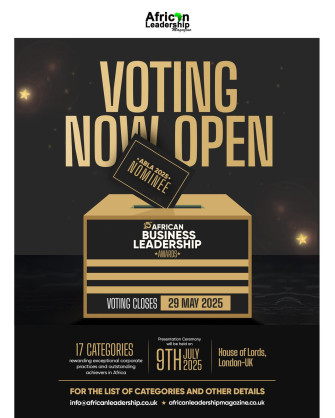
African Leadership Magazine (www.AfricanLeadershipMagazine.co.uk) proudly unveils the distinguished list of nominees for the 17 categories of the 2025 African Business Leadership Awards (ABLA)—a premier recognition platform celebrating excellence in corporate governance, impactful leadership, and trailblazing contributions to the growth and sustainability of Africa's dynamic business and economic ecosystem. The public voting process is now officially open and will run until 29 May 2025, offering stakeholders across Africa and the globe the opportunity to celebrate and affirm exemplary leadership in the African business space.
The ongoing public voting marks the third phase in a rigorous four-step, points-based selection process for the African Business Leadership Awards (ABLA). The process begins with open nominations, followed by a shortlist of top contenders curated by the African Leadership Magazine editorial board. In this third phase, the public is invited to vote, adding stakeholder voices to the evaluation process. The final stage involves a detailed editorial assessment of votes and supporting evidence to determine winners, ensuring a transparent, merit-based outcome that reflects both public sentiment and proven impact.
Public votes in this phase contribute 65% of the final decision, with the remaining 35% based on supporting evidence for each nominee. This ensures a fair and credible process that values both public opinion and verifiable impact. Winners and first runners-up will be honoured at the 15th African Business Leadership Awards (ABLA), a special highlight of the Africa Summit–London, scheduled for 9–10 July 2025 at the House of Lords, London, United Kingdom.
To cast your vote, visit:
The 2025 African Business Leadership Awards (BLA Nominee Highlights
African Business Leader of the Year
African Female Business Leader of the Year
African Regulator of the Year
Business-Friendly Governor of the Year
African Finance Minister of the Year
Trade & Investment Promotion Agency of the Year
Central Bank Governor of the Year
Trade & Investment Minister of the Year
African CEO of the Year
Young Business Leader of the Year
Africa CSR & Community Development Impact Award
African Brand of the Year
African Company of the Year
Industry Personality of the Year
Africa Business Integrity Leader Award
African Tech & Digital Economy Leader of the Year
Lifetime Achievement Award
Distributed by APO Group on behalf of African Leadership Magazine.
Media Enquiries:
Ehis Ayere
T: +44 (0) 20 3051 1883
E: ehis@africanleadership.co.uk
About African Leadership Magazine:
African Leadership Magazine is the flagship publication of the African Leadership Organisation (UK) Limited. For over 19 years, it has championed impactful leadership across Africa and amplified African opportunities on the global stage. Through its platforms—including Afro-positive content, trade facilitation, market entry solutions, public sector consulting, and business networking events—the magazine plays a pivotal role in fostering sustainable development and positive change across the continent.
Minister Kubayi travels to Ghana
The Minister of Justice and Constitutional Development, Mmamoloko Kubayi, will travel to the Republic of Ghana to participate in a high-level Retreat on the Kampala Amendments and International Criminal Justice.
“The Retreat will bring together Ministers of Justice and senior officials from all 33 African States Parties to the International Criminal Court (ICC), alongside representatives from the ICC Presidency, the Assembly of States Parties (ASP), the ICC Trust Fund for Victims, senior African Union officials, and international legal experts,” the Ministry of Justice and Constitutional Development said on Sunday.
Her visit is scheduled to take place from 19 to 21 May 2025.
The event follows the successful pilot retreat in Johannesburg in October 2024, which raised awareness and fostered a sense of ownership among African States Parties to advocate for a crime of aggression regime that is both fair and legitimate and began the process of an amendment proposal being submitted by African States.
“The Kampala Amendments on the Crime of Aggression are a set of legal changes adopted in 2010 at the Review Conference of the Rome Statute of the International Criminal Court (ICC), held in Kampala, Uganda.
“These amendments define the Crime of Aggression and establish the conditions under which the ICC can exercise jurisdiction over it. An act of aggression includes using armed force by one state against another in violation of the United Nations (UN) Charter, such as, invasion, military occupation, annexation by force, bombardment, or blockade,” the Ministry explained.
The meeting in Johannesburg laid the groundwork for an Africa-led amendment proposal and reaffirmed the continent’s commitment to a fair and legitimate international criminal justice framework.
“South Africa remains a committed advocate for international legal accountability. Minister Kubayi’s participation highlights the country’s support for multilateralism, the fight against impunity, and the advancement of an inclusive and balanced global justice system,” the Ministry said.
Organised in collaboration with the Ministries of Justice of Ghana, Sierra Leone, and the Democratic Republic of Congo, the Accra retreat will build on the Johannesburg outcomes and further deliberate on the amendment proposal submitted by the Group of Friends (GoF).
“The goal is to finalise a unified African position on the Kampala Amendments ahead of discussions at the Assembly of States Parties. The Ministry welcomes this opportunity for meaningful engagement and continental collaboration as African States continue to shape a credible and effective international criminal justice system.” - SAnews.gov.za
nosihle
Sun, 05/18/2025 - 12:40
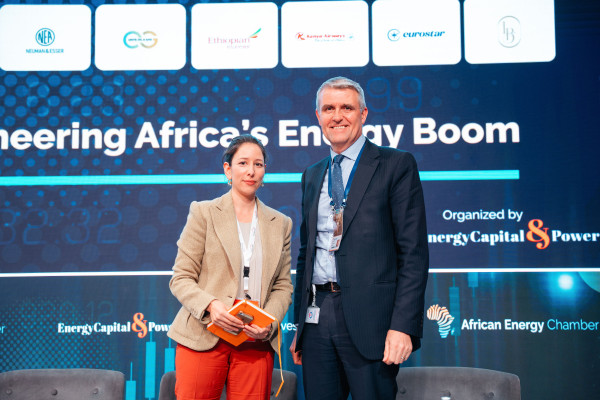
Mike Sangster, Senior Vice President for Africa at TotalEnergies, outlined the company's multi-energy strategy in Africa at the Invest in African Energy (IAE) 2025 Forum in Paris. Speaking during a one-on-one conversation with America Hernandez, Energy Correspondent at Reuters, Sangster said that the company is committed to producing more energy in a sustainable manner.
In the oil sector, TotalEnergies continues to invest in established markets such as the Republic of Congo and Angola as well as in emerging markets such as Namibia, Uganda and South Africa. According to Sangster, TotalEnergies' African portfolio constitutes half of the company's operated production globally. “The largest part of our exploration budget is also in Africa,” he said.
In South Africa, the company hopes to start drilling in 2026. The company is currently awaiting the requisite permits. In Namibia, the company is spearheading efforts to produce first oil by 2029 through its Venus project. A field development plan is currently underway, with plans to make a final investment decision by Q4, 2026. Given the complexity of the deepwater project, Venus will target oil production.
“The site is extremely remote, 300 km offshore and at a depth of 1,900 m,” Sangster said, highlighting that much of the associated gas discovered would need to be reinjected.
Monetizing Africa's natural gas resources through LNG deployment and flare reduction represents a core part of TotalEnergies' African strategy. “Part of our growth target is focused on LNG,” Sangster stated, adding that “we finished routine flaring in Nigeria, Gabon and Angola. In the Republic of Congo, we will eliminate flaring this year.”
In Nigeria, TotalEnergies is ramping up gas investments to support both local energy needs and exports. “It's important to monetize gas and its reservoirs,” Sangster noted. “In Nigeria, there are significant reserves and we are actively developing this sector. There are high-quality fields that can also serve export markets.”
Beyond oil and gas investments, TotalEnergies' broader energy strategy includes the development of renewable energy projects. Sangster reiterated TotalEnergies' rebranding from an oil major to a multi-energy company, stating that “It makes sense to expand integrated energy activities. We have invested in renewables, green hydrogen and even mining in Africa. The future of our industry is integrated energy combined with new technologies to meet growing demand sustainably.”
Meanwhile, TotalEnergies is committed to supporting capacity building across the markets in which it operates. Sangster explained that through projects such as Tilenga, TotalEnergies “has generated around 20,000 direct jobs in Uganda and Tanzania. We are also training 200 local people. These are high-paying jobs that will be there for the next 20 years.”
In Nigeria, TotalEnergies works closely with local educational institutions to transfer skills and enhance capacity building. “In Nigeria, we have the Petroleum Institute, and we're fully committed to developing [capacity] in the country,” Sangster said. These initiatives not only support the development of projects, but create tangible opportunities for local communities.
Distributed by APO Group on behalf of Energy Capital & Power.

Giants of Africa (https://GiantsOfAfrica.org/), a non-profit organization dedicated to empowering African youth through basketball, alongside its founder Masai Ujiri, Vice-Chairman and President of the Toronto Raptors, has announced Giants of Africa Festival 2025. Returning to the vibrant city of Kigali, Rwanda from July 26-August 2, the event will bring together 320 young athletes from 20 African nations, and more than 20,000 spectators for a week of community, culture, basketball, education, and entertainment. The festival will unite communities, spark potential, and drive transformative change across the continent.
“Like these kids, I grew up on the continent,” says Ujiri. “As Africans, we know the landscape of what the kids go through. We know they dream just like we did and it really inspires me because, those kids have so much more talent and intelligence, they have ways to communicate now that we didn't. This festival is about showing them there is a path. We want them to never stop dreaming.”
Giants of Africa Festival 2025 will begin with an exhilarating Opening Show, as the athletes unite in an inspiring parade to kick off the weeklong celebration. South African international DJ sensation Uncle Waffles, MTV Video Music Award-winning choreographer Sherrie Silver, and Rwandan singer and songwriter, Kevin Kade will bring electrifying performances as Ujiri and special guests welcome all to the festivities. The awe-inspiring event will mark the beginning of life-changing journeys for Africa's leaders of tomorrow.
Taking place across Kigali Sports City's BK Arena, Amahoro National Stadium, Petit Stade, and Paralympic Gymnasium, the festival will showcase the full potential of Africa's sports and entertainment ecosystem, highlighting its social and economic value for the next generation and the continent at large. Giants of Africa Festival 2025 will also serve as the grand opening of Zaria Court. Founded by Ujiri, the new mixed-use sports, entertainment, and cultural district includes an 80-room hotel, sports bar, basketball court, event space, retail outlets, gym, five-a-side football pitch, and outdoor public areas.
The festival will conclude with a spectacular Closing Concert featuring performances from Nigerian Afrobeats artist Kizz Daniel and award-winning Nigerian singer/songwriter Timaya. Celebrity guests in attendance throughout the week will include Chris Tucker, Candace Parker, Robin Roberts, Chiney Ogwumike, Didier Drogba, Michael Blackson, Boris Kodjoe and more. Additional performers for both the Opening Show and Closing Concert will be announced in the coming weeks.
Since 2003, Giants of Africa has empowered youth through basketball, hosting camps and building courts across 20 African countries. The foundation not only teaches game fundamentals but connects young people with inspirational mentors who show how determination, leadership, and integrity can transform dreams into reality. Also central to their mission is basketball's unique power to transcend barriers and unite diverse communities. The Giants of Africa Festival is a culmination of this vision, featuring a weeklong youth basketball camp and tournament that brings together young men and women from 20 nations. Youth campers will represent Senegal, Nigeria, Cameroon, Mali, Ivory Coast, Ghana, Burkina Faso, Benin, Gabon, Rwanda, Kenya, Uganda, South Sudan, Tanzania, D.R. Congo, Somalia, Ethiopia, Morocco, Botswana, and South Africa. Giants of Africa and NBA/WNBA coaches and personnel will lead training sessions, with assistance from local coaches from the participating countries. A round-robin tournament will determine which countries and players will compete in the festival's championship and all-star games.
This year, Giants of Africa will also present its inaugural Threads of Africa Fashion Show, celebrating culture, fashion, and design from across Africa. The show will spotlight the work of three talented fashion designers, each from a different region of the continent. Cameroon's Hortense Mbea (Afropian: https://apo-opa.co/4d97Od4), Niger's Alia Baré (Alia: https://apo-opa.co/3GMuRyk), and Rwanda and South Africa's Nyambo (Masa Mara: https://apo-opa.co/4377tTx) will each present their new collections, and come together for a moderated discussion.
Additionally, festival highlights include the International Youth Day Forum, presented in partnership with the Imbuto Foundation, Ministry of Youth and Arts and ALX, bringing together over 2,000 Rwandan youth and festival campers to hear from esteemed leaders. The Women's Community Outreach Program will take place in Rwanda and across all 20 represented countries, offering leadership and education sessions in local communities to empower women and girls with knowledge, resources, and inspiration.
Giants of Africa Festival 2025 follows the inaugural Giants of Africa Festival (https://apo-opa.co/42RZZFe) which took place in Kigali in 2023 in celebration of the non-profit's 20th anniversary. The event united over 250 youth basketball players from 16 African nations, drew in over 14,000 spectators, and saw an estimated $1.5M invested into Kigali's local economy. The festival culminated in a closing concert featuring performances from Afrobeats icon Davido, Queen of Afrobeats Tiwa Savage, Rwanda's own Bruce Melodie, and South African superstar Tyla. It was a beacon of unity, inspiration, and transformation that ignited the continent. Building upon their bold ambitions, Masai Ujiri and Giants of Africa are poised to make an even more powerful statement in 2025.
Tickets for Giants of Africa Festival 2025's Opening Show and Closing Concert will go on sale beginning Thursday, May 8 at 3:00PM Central Africa Time. To learn more about the festival, its other initiatives and to purchase tickets or VIP and corporate packages, please visit www.GOAFestival.org or email info@giantsofafrica.org.
Distributed by APO Group on behalf of Giants of Africa.
For the festival launch video and still images:
https://apo-opa.co/430fZUd
For more information, please contact:
Tamara Kamaka - Giants of Africa
tamara@giantsofafrica.org
Emmanuel Ainamani - SRC Agency
emmanuel@srcagency.com
Social Media:
Instagram: https://apo-opa.co/4d7L5Og
Facebook: https://apo-opa.co/44t3xik
X: https://apo-opa.co/4dbdpj9
YouTube: https://apo-opa.co/4k6P14f
About Masai Ujiri and Giants of Africa:
Masai Ujiri, an award-winning and barrier-breaking NBA executive, is the founder of Giants of Africa. Started in 2003, Giants of Africa draws upon Ujiri's unique basketball journey to achieve its goal of uplifting African youth with programs focused on empowerment and leadership. As the first African general manager in North American professional sports who was named NBA Executive of the Year in 2013, Ujiri's ascent to the top of the basketball world began in his native Nigeria and took him around the world as a player, scout and executive, culminating in 2019 when he served as the architect of a Toronto Raptors team that became the first franchise outside the United States to be crowned NBA champions. Ultimately, he believes his work with Giants of Africa will prove to be the most meaningful and rewarding of his life.
Partners:
Giants of Africa Festival 2025 would like to express its gratitude to all sponsors and partners who have contributed to making this event possible:
|
● The Lake Family's All One Fund ● RwandAir ● ALX Africa ● Kensington ● Sport Court International, LLC
|
● BK Arena ● DHL Express Canada ● Imbuto Foundation ● Ministry of Sports ● Visit Rwanda |
● Volkswagen Move ● Zaria Court ● Bralirwa PLC ● Toronto Raptors ● Marriott
|
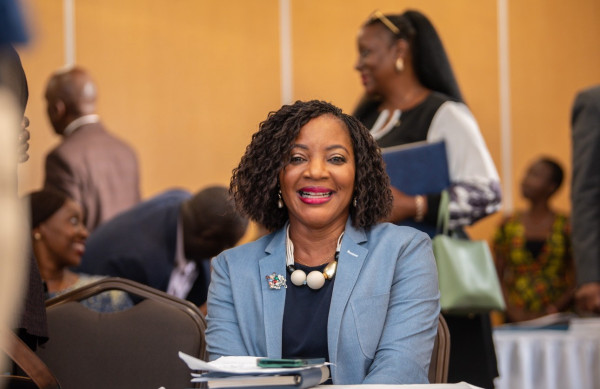
HPV is fuelling high cervical cancer rates in sub-Saharan Africa despite the availability of effective vaccines. Yet uptake remains low, driven largely by vaccine hesitancy. In South Africa alone, most participants (71%) were hesitant to receive at least one of the vacines in the country, according to the Vaccine Confidence Report by MSD (www.MSD.co.za) and Prof. Hannelie Meyer, Head of the South African Vaccination and Immunisation Centre. [1] The report was launched at the European Society of Clinical Microbiology and Infectious Diseases and during the SSA HPV Media Roundtable held during World and Africa Immunisation Week (24–30 April 2025).
Cervical cancer, caused by persistent infection of HPV, is one of the leading causes of cancer-related deaths among women in sub-Saharan Africa. The World Health Organization (WHO) estimates that 94% of global cervical cancer deaths occur in low- and middle-income countries, with sub-Saharan Africa heavily affected. [2]
Studies indicate that, globally, about 12% of women with normal cervical cytology are found to have an HPV infection. This prevalence doubles to around 24% in sub-Saharan Africa. Young women under 25 are particularly vulnerable, with an HPV prevalence rate of 43.9% in Africa compared to the global rate of 19.2%. [3]
A 2023 report indicated that cervical cancer ranks as the 13th most frequent cancer among women in Egypt and the 9th most frequent among women aged 15 to 44 years. [4] In Kigali, Rwanda, before the national HPV vaccination programme, 54% of women aged 19 years and younger were found to have received an HPV-positive result. [5] The high mortality rate in Ghana further demonstrates the burden, with approximately 3,000 women diagnosed with cervical cancer annually, resulting in around 2,000 deaths each year. [6]
Vaccine hesitancy, defined as a delay in acceptance or refusal of vaccines despite their availability, remains a challenge in the fight against preventable diseases such as cervical cancer. Misinformation, cultural beliefs, and accessibility issues further compound the low uptake of HPV vaccines. As global health organisations and local health authorities strive to eliminate preventable diseases, understanding and addressing vaccine hesitancy has never been more urgent. [1]
Understanding vaccine hesitancy
The Vaccine Confidence Report highlights several drivers of HPV vaccine hesitancy, including safety concerns, mistrust in healthcare systems, and misinformation on social media. According to Prof. Meyer, despite clear scientific evidence, many still believe vaccines are harmful. [1] “This reluctance is troubling,” she said, “given the direct link between HPV and cervical cancer. Addressing these fears with credible information is vital to reducing the burden in sub-Saharan Africa.”
An external study titled 'Vaccine Hesitancy and Trust in sub-Saharan Africa' published in Scientific Reports in May 2023 examined vaccination behaviours and attitudes across six sub-Saharan African countries: Ghana, Kenya, Nigeria, South Africa, Tanzania, and Uganda. The study found that only about 10% of respondents reported receiving at least one HPV vaccination. Vaccine hesitancy rates varied across countries, with South Africa exhibiting the highest rate at 17.15% and Kenya the lowest at 8.3%. [7]
Impact of misinformation, funding gaps and immunisation disruption Misinformation remains a major driver of vaccine hesitancy in Africa, especially through online platforms. It has shaped public attitudes and eroded trust in immunisation programmes. At the same time, shifting global priorities and economic pressures have led to reduced funding for vaccination efforts, limiting access in low-income communities. [8] “Routine immunisation has saved millions of lives,” said Dr Alima Essoh, Regional Director of the Preventive Medicine Agency for Africa (AMP Africa). “When misinformation and resource constraints disrupt these efforts, we risk undoing decades of progress.” Expanding HPV vaccination is critical to reducing cervical cancer, but it requires tackling misinformation head-on and improving access across the continent.
Broader implications for public health
While HPV vaccination remains a key focus, vaccine hesitancy extends to other preventable diseases. The World Health Organization (WHO) has set a target to eliminate cervical cancer as a public health concern by 2030, which includes ensuring that 90% of girls are fully vaccinated against HPV by age 15. [9] According to Prof Meyer, vaccine hesitancy threatens to derail this goal and broader efforts to achieve high immunisation rates for other preventable illnesses such as measles, polio, and influenza.
Rethinking the fight against HPV-related cervical cancer: Community action and vaccine confidence
Efforts to eliminate HPV and reduce HPV-related cervical cancer in Africa necessitate innovative, community-driven solutions. Dr Sabrina Kitaka, Senior Lecturer at Makerere University, states that engaging and accessible tools, such as comic books and school-based vaccination, have significantly enhanced vaccine uptake among young people. She adds that reminder systems, such as SMS and automated phone calls, help ensure adolescents complete the HPV vaccine schedule. If implemented on a large scale, these strategies could strengthen vaccine coverage across the region. She further states that, tackling vaccine hesitancy will require a coordinated approach involving governments, healthcare workers, civil society, and the private sector. This means improving health communication, building trust through local partnerships, and tailoring outreach to meet communities where they are.
“There is no time to waste,” says Prof. Meyer. “We must work together to share accurate information, address concerns, and make vaccines truly accessible. Only then can we protect future generations from preventable diseases.”
Disclaimer: The views and opinions expressed by the speakers in this document are their own and do not necessarily reflect the views or positions of MSD.
References
Distributed by APO Group on behalf of MSD.
REPORT ANY SUSPECTED ADVERSE EVENTS OR PRODUCT QUALITY COMPLAINTS TO DPOC SOUTH AFRICA:
dpoc.zaf@msd.com
Tel: +27 (0)11 655 3000.
www.MSD.co.za
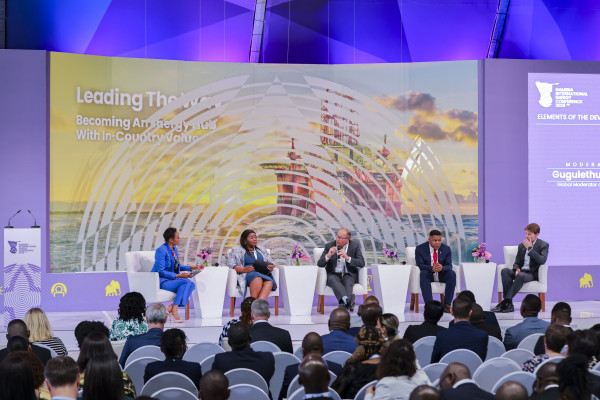
As a strategic partner of the Namibia International Energy Conference (NIEC), the African Energy Chamber (AEC) (www.EnergyChamber.org) is calling for a deliberate and accelerated approach to moving Namibia's recent oil and gas discoveries into production – emphasizing the importance of speed, investor confidence and strategic collaboration.
Speaking during a high-level panel at NIEC 2025, AEC Executive Chairman NJ Ayuk urged Namibia to seize the momentum of its frontier discoveries, while avoiding the pitfalls that have stalled progress in other hydrocarbon-rich African nations. He emphasized that Namibia's path to becoming a regional energy hub hinges on its ability to learn from international case studies and execute deals that ensure long-term national benefit.
“Namibia needs to move fast, produce quickly and negotiate the best deals with its partners to ensure the rapid development of its oil discoveries,” Ayuk stated. He pointed to Guyana as a prime example, noting how the South American country developed a robust strategy focused on national benefit and successfully attracted billions in investments to fast-track its energy projects.
In contrast, Ayuk cautioned against the delays experienced by countries like Mozambique, Tanzania, Uganda and South Africa, where production was significantly postponed, leading to rising project costs and lost opportunities. “There is a growing movement trying to discourage Africa – and Namibia – from producing its oil and gas. We must resist that,” he added.
Reinforcing the need for investor-friendly terms, Justin Cochrane, Africa Upstream Regional Research Director at S&P Global Commodity Insights, highlighted the necessity of contract stability, transparent data-sharing and a balanced approach to fiscal negotiations. “It's natural that Namibia wants to maximize its benefits, but pushing too hard on IOCs can result in getting 100% of nothing… The first milestone must be achieving first oil,” said Cochrane.
Representing Namibia's national oil company, Victoria Sibeya, Interim Managing Director of NAMCOR, stressed that the company is actively engaged in every phase of the industry, from data acquisition and exploration to shaping the downstream and midstream vision. “We are not just bystanders,” said Sibeya. “NAMCOR is deeply involved in data acquisition, exploration and the exchange of knowledge and technology with our partners. We are also preparing to invest in downstream and midstream sectors to ensure that we can add value once production begins.”
Echoing the call for local development, Adriano Bastos, Head of Upstream at Galp, underscored the need for early and continuous skills development – proposing that Namibians be trained abroad in specialized areas like FPSO operations to ensure they are prepared to lead once production begins at home. “Namibia has capabilities that are rare in the region, but more collaboration with international partners is essential to build the local skills base,” he said.
Bastos noted that Namibians make up 25% of Galp's workforce in the country, including its first female offshore base manager. “We are proud of the strides we have made. Our nationalization plans are aggressive, and we work closely with [the Namibian Ports Authority] and other local entities to implement meaningful capacity-building projects.”
As Namibia stands on the cusp of transforming exploration success into production, the message from industry leaders is clear: time, trust and talent will determine the country's trajectory. Through cross-border collaboration, pragmatic deal-making and a strong national vision, Namibia can emerge not just as an oil producer – but as a continental model for inclusive, forward-thinking energy development.
Distributed by APO Group on behalf of African Energy Chamber.
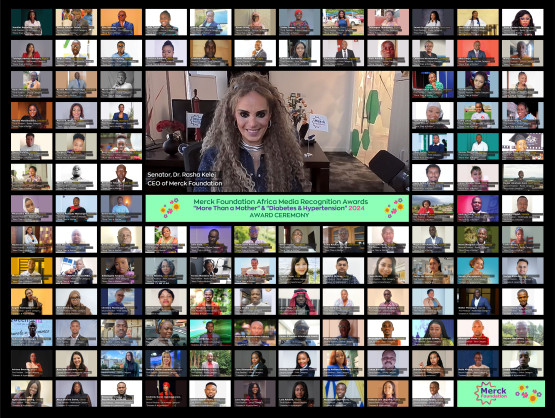
Merck Foundation (www.Merck-Foundation.com), the philanthropic arm of Merck KGaA Germany, in partnership with the First Ladies of Africa, proudly announced the Winners of their Merck Foundation Africa Media Recognition Awards 2024 under the categories “More Than a Mother” and “Diabetes and Hypertension”.
The Awards Ceremony was conducted virtually to honor and celebrate the outstanding contributions of all the winning media professionals. The winners were warmly acknowledged by Senator Dr. Rasha Kelej, CEO of Merck Foundation and President of the “More Than a Mother” campaign.
Senator, Dr. Rasha Kelej expressed, “I am truly happy to announce the winners of our Media Awards, together with my dear sisters, The First Ladies of Africa, who are also the Ambassadors of the Merck Foundation ‘More Than a Mother' Campaign. This year, we are delighted to celebrate 125 outstanding winners from 36 countries. It brings me joy to see such impressive participation not only from across Africa but also from several Asian and Latin American countries. Congratulations to all our incredible winners!
It is a true pleasure to welcome you all as Merck Foundation Alumni. Let's continue to work together to raise awareness about critical social and health challenges, be the voice of the voiceless, and create culture shift in our communities.”
Merck Foundation Media Awards launched in 2017, are announced annually, with over 640 Winners from 52 countries celebrated to date.
The theme of the “More Than a Mother” Media Awards is to raise awareness about important social issues like: Breaking Infertility Stigma, Supporting Girl Education, Women Empowerment, Ending Child Marriage, Ending Female Genital Mutilation and/or Stopping Gender-Based Violence. The theme of the “Diabetes and Hypertension” Media Awards is to Promote a Healthy Lifestyle and raise awareness about prevention and early detection of Diabetes and Hypertension.
The Merck Foundation CEO also launched the Call for Applications for the 2025 Media Awards. “I am pleased to invite entries for the Merck Foundation Media Recognition Awards 2025 – “More Than a Mother” & “Diabetes and Hypertension”, in partnership with the African First Ladies. I look forward to receiving another outstanding round of impactful entries this year as well.” Said Senator Dr. Rasha Kelej.
Winners of Merck Foundation "More Than a Mother" Media Recognition Awards 2024
Here are the winners from West African Countries in partnership with The First Lady of the Republic of The Gambia, H.E. Mrs. FATOUMATTA BAH-BARROW; and The First Lady of the Republic of Sierra Leone, H.E. Dr. FATIMA MAADA BIO:
PRINT CATEGORY WINNER
ONLINE CATEGORY WINNERS
RADIO CATEGORY WINNER
MULTIMEDIA CATEGORY WINNERS
Here are the Winners from Southern African Countries in partnership with The First Lady of the Republic of Malawi, H.E. Mrs. MONICA CHAKWERA; The First Lady of the Republic of Zimbabwe, H.E. Amai Dr. AUXILLIA MNANGAGWA:
PRINT CATEGORY WINNERS
ONLINE CATEGORY WINNERS
RADIO CATEGORY WINNERS
MULTIMEDIA CATEGORY WINNERS
Here are the winners from East African Countries:
PRINT CATEGORY WINNERS
ONLINE CATEGORY WINNERS
RADIO CATEGORY WINNERS
MULTIMEDIA CATEGORY WINNER
Here are the winners from French Speaking African Countries in partnership with The First Lady of the Republic of Burundi, H.E. Madam ANGELINE NDAYISHIMIYE; The First Lady of Democratic Republic of the Congo, H.E. Madam DENISE NYAKERU TSHISEKEDI:
PRINT CATEGORY WINNER
ONLINE CATEGORY WINNERS
RADIO CATEGORY WINNERS
MULTIMEDIA CATEGORY WINNERS
Here are the winners from Portuguese Speaking African Countries in partnership with The First Lady of the Republic of Cabo Verde, H.E. Dr. DÉBORA KATISA CARVALHO:
ONLINE CATEGORY WINNERS
RADIO CATEGORY WINNERS
MULTIMEDIA CATEGORY WINNERS
Merck Foundation "Diabetes & Hypertension" Media Recognition Awards 2024
Here are the winners from West African Countries in partnership with The First Lady of the Republic of The Gambia, H.E. Mrs. FATOUMATTA BAH-BARROW; and The First Lady of the Republic of Sierra Leone, H.E. Dr. FATIMA MAADA BIO:
PRINT CATEGORY WINNER
ONLINE CATEGORY WINNERS
RADIO CATEGORY WINNERS
MULTIMEDIA CATEGORY WINNER
Here are the Winners from Southern African Countries in partnership with The First Lady of the Republic of Malawi, H.E. Mrs. MONICA CHAKWERA; The First Lady of the Republic of Zambia, H.E. Mrs. MUTINTA HICHILEMA; The First Lady of the Republic of Zimbabwe, H.E. Amai Dr. AUXILLIA MNANGAGWA:
PRINT CATEGORY WINNER
ONLINE CATEGORY WINNERS
RADIO CATEGORY WINNERS
Here are the winners from East African Countries:
PRINT CATEGORY WINNER
ONLINE CATEGORY WINNERS
RADIO CATEGORY WINNERS
MULTIMEDIA CATEGORY WINNER
Here are the winners from French Speaking African Countries in partnership with The First Lady of the Republic of Burundi, H.E. Madam ANGELINE NDAYISHIMIYE; and The First Lady of Democratic Republic of the Congo, H.E. Madam DENISE NYAKERU TSHISEKEDI:
PRINT CATEGORY WINNERS
ONLINE CATEGORY WINNERS
RADIO CATEGORY WINNERS
MULTIMEDIA CATEGORY WINNER
Here are the winners from ASIAN Countries:
PRINT CATEGORY WINNER
ONLINE CATEGORY WINNERS
Here are the winners from LATIN AMERICA Countries:
ONLINE CATEGORY WINNERS
MULTIMEDIA CATEGORY WINNER
Details of Merck Foundation Media Awards 2025:
1. Merck Foundation Africa Media Recognition “More Than a Mother” Awards 2025
Theme for the awards: Breaking Infertility Stigma, Supporting Girl Education, Women Empowerment, Ending Child Marriage, Ending FGM, and/or Stopping GBV at all levels.
Who can apply: Journalists from Print, Radio, Online, and Multimedia platforms from the following groups:
Submission deadline: 30th September 2025.
Theme for the awards: Promoting a healthy lifestyle and raising awareness about prevention and early detection of Diabetes and Hypertension.
Who can apply: Journalists from Print, Radio, Online, and Multimedia platforms from the following groups:
Submission deadline: 30th October 2025.
All entries are to be submitted to submit@merck-foundation.com.
Distributed by APO Group on behalf of Merck Foundation.
Contact details:
Mehak Handa
Community Awareness Program Manager
+91 9310087613 / +91 9319606669
mehak.handa@external.merckgroup.com
Join the conversation on our social media platforms below and let your voice be heard!
Facebook: https://apo-opa.co/4cLhp9K
X: https://apo-opa.co/3EtS73f
YouTube: https://apo-opa.co/4cUG7o7
Instagram: https://apo-opa.co/3GnWcqj
Threads: https://apo-opa.co/3EvXLlq
Flickr: https://apo-opa.co/42ZoEr6
Website: www.Merck-Foundation.com
About Merck Foundation:
The Merck Foundation, established in 2017, is the philanthropic arm of Merck KGaA Germany, aims to improve the health and wellbeing of people and advance their lives through science and technology. Our efforts are primarily focused on improving access to quality & equitable healthcare solutions in underserved communities, building healthcare & scientific research capacity, empowering girls in education and empowering people in STEM (Science, Technology, Engineering, and Mathematics) with a special focus on women and youth. All Merck Foundation press releases are distributed by e-mail at the same time they become available on the Merck Foundation Website. Please visit www.Merck-Foundation.com to read more. Follow the social media of Merck Foundation: Facebook (https://apo-opa.co/4cLhp9K), X (https://apo-opa.co/3EtS73f), Instagram (https://apo-opa.co/3GnWcqj), YouTube (https://apo-opa.co/4cUG7o7), Threads (https://apo-opa.co/3EvXLlq) and Flickr (https://apo-opa.co/42ZoEr6).
The Merck Foundation is dedicated to improving social and health outcomes for communities in need. While it collaborates with various partners, including governments to achieve its humanitarian goals, the foundation remains strictly neutral in political matters. It does not engage in or support any political activities, elections, or regimes, focusing solely on its mission to elevate humanity and enhance well-being while maintaining a strict non-political stance in all of its endeavors.
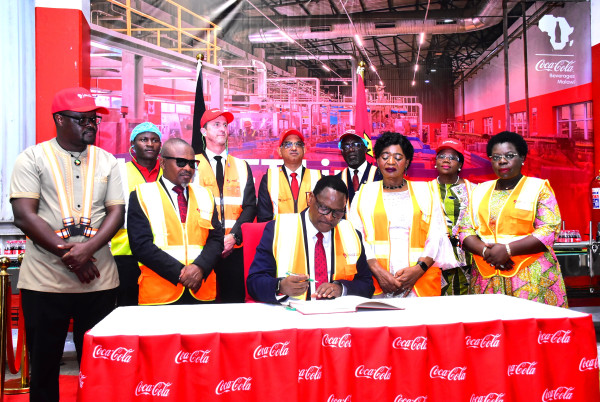
Coca-Cola Beverages Africa Proprietary Limited (CCBA) (www.CCBAGroup.com), through its subsidiary Coca-Cola Beverages Malawi Limited (CCBM), has invested USD14.9 million in a new state-of-the art production line in Lilongwe.
This investment marks a significant advancement in CCBM's production capacity, allowing it to produce bottled water and beverages bearing Coca-Cola's trademarks as well as the iconic local brand Sobo, all on the same line.
The line is capable of producing 19,200 bottles per hour in pack sizes ranging from 300ml to 2 litres. This increase in production will facilitate the export of beverages to Zambia.
The new production line uses artificial intelligence (AI) to proactively identify and resolve issues before they cause stoppages, thereby minimising downtime and reducing costs.
The introduction of new technology has also created the opportunity for employees to be trained in new skills, contributing to the development of a future-ready workforce for both the business and the country.
Sunil Gupta, Chief Executive Officer of CCBA said: “This investment in Malawi reaffirms the Coca-Cola system's local approach - we produce locally, distribute locally and, where possible, source locally. Our value chain includes a significant number of businesses, many of them small and medium enterprises (SMEs).”
“This investment goes beyond numbers, it's about creating shared opportunities across the value chain,” said Neil French, General Manager of CCBM.
Gupta echoed the sentiment, adding: “This investment is a clear demonstration of our continued belief in the future of Malawi.”
Gupta also highlighted CCBA's broader efforts: “As a customer centric, digitally-enabled, growth-driven business, we are committed to excellence across our value chain. Efficient operations allow us to offer faster delivery and improved service. This new production line is another step in our journey to achieve execution excellence.”
Distributed by APO Group on behalf of Coca Cola Beverages Africa.
ISSUED BY:
Godwin Ngoma
Public Affairs, Communication and Sustainability Director
CCBA in Malawi
Tel: +265 995 36 15 55
Email: gngoma@ccbagroup.com
Keli Fernie
Head: Reputation and Communication
Coca-Cola Beverages Africa
Tel: +27 82 419 8766
Email: KFernie@ccbagroup.com
Follow us on:
LinkedIn: https://apo-opa.co/4cFhA6r
ABOUT CCBA:
CCBA is the 8th largest Coca-Cola authorised bottler in the world by revenue, and the largest on the African continent. It accounts for over 40% of all Coca-Cola products sold in Africa by volume. With over 18,000 employees in Africa, CCBA services more than 735,000 customers with a host of international and local brands. CCBA operates in 15 countries, including its six key markets of South Africa, Kenya, Ethiopia, Uganda, Mozambique and Namibia, as well as Tanzania, Botswana, Ghana, Zambia, the islands of Comoros and Mayotte, Eswatini, Lesotho, and Malawi.
Learn more at www.CCBAGroup.com