PRASA has failed to fix East Rand train stations
From Boksburg to Springs, stations remain in ruins

MyZA
News, Directory, Events and Other Stuff
From Boksburg to Springs, stations remain in ruins
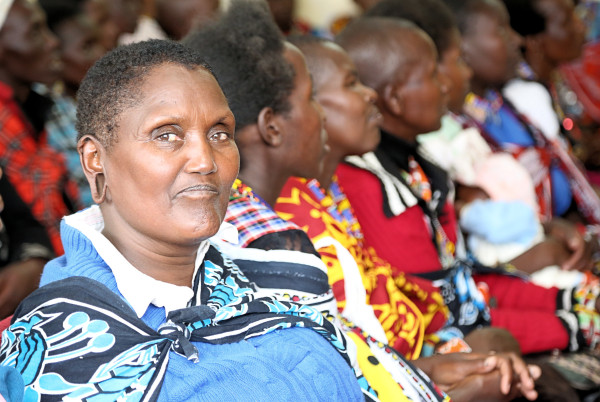
Discrimination against women and girls remains widespread in family laws across Africa, finds new research by Equality Now (www.EqualityNow.org). Analysis of twenty African countries reveals gender inequality in marriage, divorce, custody, and property rights is being perpetuated by sex discrimination institutionalized within legal systems and customary laws. While some significant legal reforms have been achieved, progress has been slow, inconsistent, and hampered by setbacks, lack of political will, and weak implementation.
The report, Gender Inequality in Family Laws in Africa: An Overview of Key Trends in Select Countries (http://apo-opa.co/3V0dD4R), identifies how overlap and contradictions in legal frameworks make the interpretation and application of family laws confusing, creating complex challenges for harmonizing legal systems.
The impacts of discriminatory family laws can be profound, putting women and girls at greater risk of sexual and gender-based violence and making them more dependent and vulnerable by curtailing their economic opportunities and reducing their decision-making power.
Full equality in family laws has not been achieved in any of the countries reviewed, namely Algeria, Angola, Botswana, Burundi, Cameroon, Côte d'Ivoire, the Democratic Republic of the Congo (DRC), Egypt, Ethiopia, Kenya, Malawi, Mozambique, Nigeria, Senegal, South Africa, South Sudan, Sudan, Tanzania, The Gambia, and Tunisia.
Pressing need for comprehensive legal reforms
Africa is home to diverse ethnic, linguistic, and religious groups with varied family law structures. Historically, communities developed intricate and deep-rooted systems of customary laws governing family relations. The introduction of European legal systems and religion resulted in a blend of customary, religious, and statutory laws that still shape legislation and practice through legal pluralism.
This complex patchwork is influenced by evolving social dynamics. Civil, customary, and religious law, such as Islamic or Christian canon law, sometimes encroach or conflict, and many provisions in religious and customary laws discriminate against women and girls.
Esther Waweru, report co-author and a Senior Legal Advisor at Equality Now, explains, “Culture and religion frequently act as major impediments in the struggle for family law equality, stalling reforms. Claw-back clauses and retrogressive practices water down the positive impact of progressive laws, and there is backlash from anti-rights movements seeking to reverse hard-won gains in areas such as eliminating child marriage and female genital mutilation.”
“Stagnation is also a problem, with governments pledging to reform discriminatory laws but failing to take meaningful action. In some instances, progressive family codes remain in limbo awaiting enactment.”
Progress on child marriage, but shortfalls remain
Child marriage is one area of notable progress. Absolute bans on marriage under 18 exist in Côte d'Ivoire, DRC, Egypt, The Gambia, Kenya, Malawi, and Mozambique. However, the persistence of child marriage in certain communities underscores the need for a multi-sectoral approach (http://apo-opa.co/3UFhEKR) incorporating awareness raising about the legal consequences and harms of child marriage.
Concerningly, laws in Cameroon, Nigeria, Senegal, South Sudan, Sudan, and Tanzania still allow child marriage, while in Algeria, Angola, Botswana, Burundi, Ethiopia, South Africa, and Tunisia, the legal age of marriage is 18, but exceptions are permitted.
Marital rape
Countries need greater protections against gender-based violence, especially intimate partner violence. Marital rape is not prohibited in Algeria, Kenya, Sudan, and The Gambia, while Northern Nigeria's Penal Code allows marital rape and “corrective” assault within marriage.
Marital rape is only criminalized upon separation in Tanzania, and in Burundi, the penalty is under 30 days imprisonment or a fine. Tunisia's law states a wife must fulfill her duties in line with ‘usages and customs,' putting women at risk of marital rape as a wife's traditional role includes pleasing her husband sexually.
Malawi's courts have stated that rape does not extend to marriage. Customary law presumes perpetual consent to sex within marriage, and Malawi's civil law appears to support this by providing only limited circumstances in which a wife can deny her husband sex, such as poor health or when legally separated.
Countries like Côte d'Ivoire, Mozambique, and South Africa can be commended for explicitly criminalizing marital rape. It's imperative that all nations introduce bans, accompanied by awareness-raising campaigns and accessible support services for survivors. Effective legal enforcement is also crucial, as is providing comprehensive training for officials in the criminal justice, healthcare, and social service sectors.
Discriminatory marriage practices
In most African countries, registration of civil marriages is a legal requirement governed by specific laws formalizing marriage. Women in customary and religious marriages are at greater risk of discrimination as they don't have the same legal protection as people in civil marriages. Same-sex partners also experience this, as marriages and civil unions are largely reserved for heterosexual couples.
Polygamy is legally permitted in Cameroon, Egypt, Kenya, Senegal, and South Sudan, with men allowed four wives in Sudan and Senegal. Côte d'Ivoire, Mozambique, and South Africa have statutory laws for monogamy, but customary and religious laws and practices continue to recognize polygamy without adequate protections for women in polygamous marriages. Other harmful traditional practices, such as widow inheritance and surrogate marriage, treat women as property.
Discrimination in divorce and child custody laws
Countries such as Sudan discriminate by granting husbands more powers to initiate divorce. In Algeria, women can only request a divorce in cases of abandonment, violation of the marriage contract, or if alimony is unpaid. In both Sudan and Egypt, in some no-fault divorces, a woman must pay financial compensation to her ex-husband.
Child custody laws have been reformed in Angola, Botswana, Burundi, Cameroon, Côte d'Ivoire, DRC, Mozambique, and Senegal, ensuring guardianship rights for both parents, irrespective of marital status.
Sex discrimination remains in countries like Senegal, where the father is the legal guardian regardless of the mother's caregiving role. In Tunisia and Algeria, fathers retain legal guardianship even if the mother has custody. Algeria and Sudan strip a mother's rights to custody upon remarriage, but this doesn't apply to men.
Matrimonial property and inheritance
Matrimonial property laws is another area that has undergone considerable reforms. Côte d'Ivoire, Kenya, Malawi, and South Africa have introduced legal provisions for equitable distribution of matrimonial property. In Ethiopia, Nigeria, South Africa, and The Gambia, laws recognize the right of married women to acquire, own, maintain, and dispose of their property.
However, some customary and religious laws undermine women's inheritance rights. In Algeria, Cameroon, Côte d'Ivoire, Egypt, Nigeria, South Sudan, Sudan, and Tunisia, women and girls receive less inheritance than men and boys.
Women are disadvantaged by cultural biases that influence judicial decisions, with unequal distribution particularly evident in divorce and widowhood. In some countries, wives can be excluded from inheriting their husbands' property. One example is Angola, where customary laws exclude wives from inheriting their deceased husband's property, and widows are sometimes forced from their matrimonial home.
Aligning family laws with international human rights standards
Family laws in Africa must align fully with international human rights standards. Many countries have ratified key treaties like the Convention on the Elimination of All Forms of Discrimination against Women (CEDAW) and the Protocol to the African Charter on Human and Peoples' Rights on the Rights of Women in Africa (Maputo Protocol). However, implementation and enforcement of these treaties remain inconsistent, with discriminatory family laws and policies remaining in statutes and practices.
Waweru concludes, “It's especially concerning that in most countries where national judiciaries and African Union judicial bodies have explicitly called for law reform in their decisions, governments haven't implemented these changes. And even where laws are equitable, enforcement is frequently inadequate and biased against women, and women may not know their legal rights.”
“To safeguard women and girls within family law, it is imperative for all African nations to promptly enact robust legislative and policy frameworks that align with international and regional human rights obligations.”
Distributed by APO Group on behalf of Equality Now.
Notes to editors
For media requests, please contact
Tara Carey
Global Head of Media
at Tcarey@equalitynow.org
T. +44 (0)7971556340 (WhatsApp)
About Equality Now:
Equality Now is an international non-governmental human rights organization that works to protect and promote the rights of all women and girls around the world by combining grassroots activism with international, regional, and national legal advocacy.
Our international network of lawyers, activists, and supporters achieve legal and systemic change by holding governments responsible for enacting and enforcing laws and policies that end legal inequality, sex trafficking, online sexual exploitation, sexual violence, and harmful practices such as female genital mutilation and child marriage.
For more information about Equality Now go to www.EqualityNow.org, and follow on X (Twitter) at http://apo-opa.co/3yiYRgN and Linkedin at http://apo-opa.co/3wrGPIT.
About Africa Family Law Network (AFLN):
Gender Inequality in Family Laws in Africa: An Overview of Key Trends in Select Countries is a critical data source informing legal, policy, and practice reforms to end sexism and discrimination in family laws in Africa. It will be used by Equality Now, the Africa Family Law Network (AFLN) (http://apo-opa.co/4bkc0ot), and partners to help facilitate work with the policy and judicial organs of the African Union, particularly the Special Rapporteur on the Rights of Women in Africa to influence change.
AFLN was launched in October 2022 and aims to formulate a regional alliance in Africa amongst national advocates and groups to raise collective action and accelerate organizing and mobilization efforts toward family law reform.
AFLN is led by founding partners Equality Now, The African Women's Development and Communication Network (FEMNET) (http://apo-opa.co/3WIinxt), Musawah (http://apo-opa.co/3UZrM2h), and the Strategic Initiative for Women in the Horn of Africa (SIHA Network) (http://apo-opa.co/4bkz5r2).
AFLN is part of the Global Campaign for Equality in Family Law (http://apo-opa.co/4bDdSbF), which calls on all states to ensure equality for women and men under the law in all matters relating to the family, regardless of religion, culture, and tradition.
The municipality agreed to pay service providers by next week
None of the 19 sewage treatment plants managed by the Ugu District Municipality is properly treating sewage released into rivers and lagoons
Greenside learner’s innovation scoops first prize at provincial competition
A Grade 10 learner from Greenside High School in Johannesburg has earned the top spot in the provincial leg of the National South African Youth Water Prize (SAYWP) competition with his innovative approach to water resource management.
The 15-year-old, Yaseen Akhalwaya, was crowned the Gauteng provincial winner for his "Project Weatherman/HydroLogic" project idea.
Yaseen said he found the comments from the adjudicators insightful and he took notes on areas that require improvement, as he aims to secure the number one spot at the national level of the competition.
“I am more than grateful to the department for the chance. The comments from the adjudicators provide valuable feedback and I took notes to help refine my work and increase my chances of securing the number one spot at the national level of the competition,” Yaseen said.
Yaseen’s brilliant water and sanitation innovation idea won him a prize of R6000, a first-place trophy, and a bursary.
The second place went to Good Hope Secondary School with an awareness project. The school walked away with a prize of R5 000 and a second place trophy.
The Greenside Secondary School also scooped third place with an awareness project and won a prize of R4 000.
Fourteen schools from Gauteng took part in this year’s SAYWP competition under the various categories, including awareness, invention and innovation.
Department coordinator: Water Support Service, Reshoketswe Malepe, expressed her gratitude for the support the programme has received over the years from the adjudicators, including teachers and schools, stakeholders, and the media, among others.
“Active youth involvement in the water and sanitation sector is the only way to overcome the sector's plethora of difficulties,” Malepe said.
The competition is a vital component of Water and Sanitation Education Programme, which aims to educate learners and society on water resource management issues, including water use efficiency, water quality monitoring, protection of water resources, public health and hygiene awareness, and identification of invasive species. – SAnews.gov.za
GabiK
Tue, 05/14/2024 - 12:05
Gauteng, South Africa – TT Waterproofing, a trusted leader in the roofing and waterproofing industry, announces its commitment to providing tailored solutions for the unique challenges faced by industrial clients. With over 9 years of experience serving the Gauteng region and beyond, TT Waterproofing continues to uphold its reputation for excellence and reliability. Industrial facilities …
Introduction Rings are more than just decorative accessories for men; they are a profound expression of personality, commitment, and style. Whether it’s a sleek band worn as a fashion statement, a robust signet bearing a family crest, or a simple yet poignant wedding band, men’s rings come in a vast array of styles and materials, …
Residents of Ntuzuma welcomed the arrival of a municipal water truck on Sunday after more than a week without water
In the sun-drenched landscapes of Australia, sunscreen isn’t just a seasonal accessory; it’s an essential part of everyday life. This makes custom sunscreen an ideal promotional product. Offering sunscreen as a corporate gift not only shows care for the recipient’s health but also provides a platform for effective brand exposure. Let’s dive into why sunscreen …
Parliament to wrap up its work on Thursday, ahead of elections
Parliament has announced that it will be concluding its work this week, with both Houses scheduled to consider various legislation, committee reports, and farewell speeches from Members.
According to a statement released by Parliament, the National Council of Provinces (NCOP) will consider the Basic Education Laws Amendment Bill (BELA) on Tuesday at 9am.
On Thursday, the NCOP will, during its plenary, consider the Railway Safety Bill, National Water Resources Infrastructure Bill, Transport Appeal Tribunal Amendment Bill, Marine Pollution Amendment Bill, General Intelligence Laws Amendment Bill, and the Electricity Regulation Amendment Bill.
The National Assembly (NA) is scheduled to also convene on Thursday at 10am to consider various bills. These include the Municipal Demarcation Authority Bill, Basic Education Laws Amendment Bill, Statistics Amendment Bill, Pension Funds Amendment Bill, and Public Procurement Bill.
Both Houses will wrap up on Thursday with Members’ farewell speeches, ahead of the National and Provincial Elections on 29 May 2024.
About seven committee meetings are scheduled this week to, among others, consider the report of the Pension Funds Amendment Bill and the General Intelligence Laws Amendment Bill.
Citizens can live stream the plenaries of the NA and NCOP on Parliament's YouTube channel or watch Parliament TV on DStv channel 408.
Last week, Parliament’s officials handed over parts of the National Assembly and the Old Assembly buildings that were gutted in a fire in 2022 to demolition contractors to begin the project of rebuilding the historic building.
The initial phase of the rebuild project will involve the demolition of structurally unsafe sections of the building, which have been designated as the “red zone” due to their instability and compromised safety.
The removal of these areas, Parliament said, requires specialised expertise and machinery, particularly given the historical and heritage significance of the building.
The damaged sections of the buildings will be cleared this month to start rehabilitation works by August. – SAnews.gov.za
Gabisile
Mon, 05/13/2024 - 11:19
Upgrade of Ogunjini Water Treatment Works resumes
The EThekwini Municipality has appointed a contractor to commence with the upgrade of the Ogunjini Water Treatment Works, which will help to improve water supply in areas in the north of Durban.
Water and Sanitation Minister Senzo Mchunu, together with eThekwini Municipality, introduced the contractor, who will commence with the R56 million upgrade, to the community during an event held at Osindisweni Sports Ground on Sunday.
Speaking at the event, Mchunu said the completion of the upgrades will improve water supply to Osindisweni, which is currently experiencing water supply shortages.
The water supply shortages affecting the area are due the water treatment work’s inability to sufficiently manage the growing demand from the community in the area.
Ogunjini Water Works was built to primarily supply water to Osindisweni Hospital. However, over time, there has been a significant number of homes reliant on the pump station.
“Once this project is complete, the treatment works will have a design capacity of three megalitres (ML) per day. Currently, it has a design capacity of 0.9 ML per day,” Mchunu said.
Mchunu said the project is part of the city’s efforts to ensure reliable water supply, particularly in rural areas.
“We are pleased that the municipality continues to invest in water infrastructure and a number of projects are currently underway including the upgrade of the Southern Aqueduct which will improve water supply in the southern areas.
“We have also increased the capacity of Hazelmere Dam, which will alleviate water challenges in areas such as Verulam and oThongathi up to Stanger,” Mchunu said.
eThekwini Infrastructure and Human Settlements Committee Deputy Chairperson, Bheki Mngwengwe, assured the community that the contractor, who will be on site from today, will be closely monitored to ensure that work is of quality and completed within 10 months. – SAnews.gov.za
GabiK
Mon, 05/13/2024 - 10:06
Completion of work at the James Kleynhans Water Treatment Works has been extended for the third time in six months
Introduction Imagine embarking on a holiday where your furry companion can join in the fun, exploring new landscapes and enjoying new experiences right alongside you. For pet owners, finding a vacation spot that caters not just to human comfort but also to canine needs is a top priority. Stamford and the Cotswolds in the United …
Introduction The Cotswolds, with their picturesque landscapes and historic charm, are a perfect getaway destination. From Bourton on the Water to Bibury, staying in a bed and breakfast in the Cotswolds offers a unique experience that combines comfort with a touch of local culture. Why Choose a Bed and Breakfast in the Cotswolds? Bed and …
President Ramaphosa reiterates government's commitment to service delivery
President Cyril Ramaphosa has assured citizens that government remains committed to delivering services and addressing their challenges.
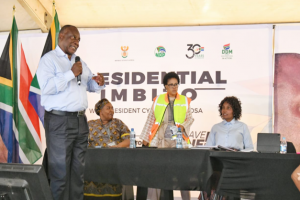
The President was speaking during the District Development Model (DDM) Presidential Imbizo held in Kuruman in the Northern Cape on Thursday.
The DDM Presidential Imbizo programme presents a platform for communities to lay out the challenges they face to the President, his Cabinet and provincial and local government.
VIEW | Scenes from the Northern Cape DDM Presidential Imbizo
“We don’t want you, our people, to lose hope. Government is working in a very focused manner to address the issue of education and health. We are focusing on various industries, industries that are important for your progress like mining and renewable energy.
“Those are some of the key industries that we are focusing on. We are also focusing on spreading the skills base. That is why training is going to happen here… The public employment programme is going to create more job opportunities.
“With that, we should be filled with hope and confidence that in the course of time, we will be addressing some of the issues that you have raised here,” he said.
During the imbizo, residents told of challenges, including a lack of access to water, educational and vocational training facilities for youth, housing challenges and crime related issues.
READ | Communities eager to see and listen to President Ramaphosa
Speaking to the media on the sidelines of the imbizo, President Ramaphosa acknowledged that the challenges the residents face are enormous but vowed that government will address them.
“As an administration, we have sought to fulfil and address those needs and we will continue to do so. They were huge from 1994 and we have done a lot to address many of those needs. The needs of our people will continue but we will continue working very hard to address those needs.
“But what is good is that the people have the freedom and the opportunity to raise their concerns, and as they raise their concerns, we are much more encouraged to address those concerns. It’s important that we should get to hear how our people are living, and what they are experiencing.
“This is a great opportunity for us to do more and to do more together, with our people,” he said.
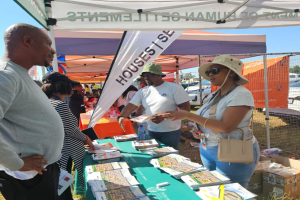
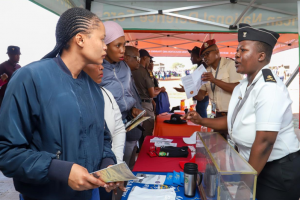
IMAGES | Northern Cape imbizo in pictures
 |
 |
 |
There have been at least 13 Presidential izimbizo held throughout the term of the sixth administration, touching tens of thousands of people who interacted with all three spheres of government.
The Northern Cape Presidential imbizo is expected to be the last to be held for this term.
READ | District Development Model Imbizo kicks off in the Northern Cape
“A lot of people were very enthusiastic to raise their views and raise questions. The engagement with the community I always find it very rich, very empowering as well. We have been able to follow up on a number of issues that have been raised at our izimbizo.
“In a way, we saved the best for last. This is the imbizo that really tops everything and closes off the sixth administration,” President Ramaphosa said. – SAnews.gov.za
NeoB
Thu, 05/09/2024 - 17:04
South Africa’s great climate and beautiful natural resources support a vibrant running community, with trail and road running races popular countrywide. As the Comrades Marathon approaches on 9 June, many runners are preparing to compete in The Ultimate Human Race, and along with increasing endurance, foot care will need to be a priority. Kroko, manufacturers …
Communities eager to see and listen to President Ramaphosa
Communities in Kuruman and the surrounding areas in the Northern Cape have come out in large numbers to listen to what President Cyril Ramaphosa will say at the District Development Model Presidential Imbizo on Thursday.
The imbizo is a government approach to improve integrated planning and service delivery across the three spheres of government, with district and metropolitan spaces as focal points of government and private sector investment.
Various government departments are exhibiting their products and services at the imbizo which was expected to get underway at 11am at the Batlharos Sports Ground.
Community members representing different regions in the province will be given an opportunity to voice their concerns to the President. The President and other leaders in government will then respond to issues.
Many people have gathered and are waiting to see and listen to the President when he give his address.
Government will also use the imbizo platform to take stock of the progress made since the last Presidential Imbizo in the province.
The District Development Model (DDM) enhances integrated and sustainable service delivery through the maximisation of intergovernmental planning, budgeting and implementation towards creating inclusive economic opportunities for locals.
Keorapetse Mothwa from Kuruman told SAnews she was excited that the President was visiting their area.
“I happy that the President is coming to our area. I only see him on TV. I am happy that I am going to see him today,” Mothwa said.
Mothwa said if given an opportunity to speak to the President, she was going to ask him to build more schools and healthcare facilities in her community.
Frank Ratapi told SAnews he would ask the President to create more job opportunities.
“In this area the rate of unemployment is very high and this results in our young people turning to crime,” he said.
Read I President to engage Northern Cape residents on various issues
At the last imbizo, the President heard about concerns such as a lack of service delivery, corruption, inadequate housing, unemployment and crime.
Ministers present at the imbizo had committed to dealing with the pressing matters, including the standard of water and sanitation and the state of roads. – SAnews.gov.za
Edwin
Thu, 05/09/2024 - 11:12
Mine told to fix the pollution problem
Public-private partnerships essential to unlock SADC opportunities
Public-private partnerships (PPPs) are essential to unlock economic opportunities presented by the African Continental Free Trade Area (AfCFTA) in the transport and logistics industry for the movement of goods across the continent, says the Development Bank of Southern Africa (DBSA).
“Collaboration between the private sector and government is key to unlocking opportunities. For instance, the Lobito Railway Corridor is a brownfield project, where the private sector identified the opportunity and partnered with government,” DBSA Senior Deal Originator Bongo Bacela said on Thursday.
The Lobito Corridor project entails the construction of almost 350 miles of rail line in Zambia, along with hundreds of miles of feeder roads, linking the southern part of the Democratic Republic of the Congo (DRC) and the northwestern part of Zambia to regional and global markets via Angola’s Port of Lobito.
The Lobito Corridor ushers in myriad new opportunities for economic growth and development that will unlock the region’s commercial competitiveness. This infrastructural investment is a powerful catalyst for the establishment of small businesses along the railway transport routes, fostering local economic growth.
“They [Zambia] entered into a concession agreement because the State-owned enterprise that was running the line was struggling to run it in an efficient manner, so given the experience and the knowledge of the industry by the private sector, they entered into a concession agreement with government.
“We believe that there will be economic opportunities that will be unlocked, traffic will be higher, both the DRC and Angola will benefit from a tax point of view. Jobs will be created and the whole world will benefit from the minerals that will be transported on the corridor," Bacela said.
The bank is involved in a number of transport corridors in the Southern African Development Community (SADC) region.
"We are involved in these projects because we understand the region needs regional integration to promote trade amongst the countries in Africa so we can achieve our developmental goals as the continent and improve economic activity between the various countries in the region.
“Without these [projects], there is now way that the countries can promote trade if we don’t improve our transport infrastructure in the transport sector,” Bacela said during a webinar hosted by the Department of Trade, Industry and Competition (the dtic) on Thursday.
The bank is involved in the financing of the Lobito Railway Corridor, together with an American Development Finance Institution.
“We are looking to provide funding to the tune of up to $200 billion. We see this as an important corridor because of the minerals that are coming out of the DRC mines that must be evacuated and exported to markets such as China and the United States
“Our interest is mainly around some of the transition minerals such as lithium and some rare earth minerals that are coming from mines in the Zambia and the DRC,” Bacela said.
The DBSA is a government-owned development finance institution mandated to promote economic growth as well as regional integration for sustainable development projects and programmes across the African continent.
It finances infrastructure projects in six sectors, namely, transport and logistics; Information and Communication Technologies (ICT); water and sanitation; energy, and social housing.
“Government cannot succeed without the private sector and the private sector cannot succeed without government because governments will have to issue licences and permits that are required for the private sector to operate the infrastructure,” Bacela said.
He cited regulations, skills shortage, funding shortages and the currency mismatch as some of the challenges that the transport and logistics sector experience in the region. – SAnews.gov.za
nosihle
Thu, 05/09/2024 - 13:47
Introduction: When it comes to renovating or designing a bathroom, every detail counts. From selecting the right bathroom vanity to choosing the perfect taps and towel rails, each element plays a pivotal role in creating a functional and stylish space. This blog will guide you through selecting the best bathroom vanity units, basins, taps, …
Sewing co-operatives delivered thousands of school uniforms to learners in need, but the department is disowning them
Professor Brian Ganson is Head of the Centre on Conflict & Collaboration at Stellenbosch Business School, a hub for research and reflection on the private sector, conflict, and human security. We already know that whatever new governments emerge at local, provincial, and national levels due to voting on 29 May, they will face overwhelming challenges …
Mashatile meets with Rand Water leadership to address water challenges
Deputy President Paul Mashatile has stressed the significance of strategic engagement and collaboration in light of the water shortages affecting many municipalities, including those in Gauteng.
The Deputy President was addressing the leadership of Rand Water in his role as the Chairperson of the Water Task Team.
President Cyril Ramaphosa established a Water Task Team under the leadership of the Deputy President to address water challenges in various areas in the country.
Rand Water, according to the Presidency, is the largest bulk water utility in Africa and one of the largest in the world, providing bulk potable water to more than 11 million people in Gauteng, parts of Mpumalanga, Free State and the North West.
“In our efforts to avert a water crisis in Gauteng province and other municipalities around the nation, we must have strategic engagements and collaboration with the Rand Water leadership to urgently find solutions to this pressing issue,” said the Deputy President on Wednesday.
During the engagement, the country’s second-in-command also received an update on Rand Water’s efforts aimed at ensuring the efficient provision of water to Gauteng residents.
With a global reputation for providing high-quality water, its customer base includes metropolitan municipalities, local municipalities, mines and large industries in the province and surrounding areas.
The Deputy President commended efforts by Rand Water to ensure that millions of people have access to water constantly, as this has a significant impact on the wellbeing of the society as it relates to socio-economic factors such as health, food security and general welfare.
As part of his engagement, the Deputy President also visited the Rand Water Zuikerbosch Plant in Vereeniging.
The water purification plant at Zuikerbosch Station 5A was built to ensure a sustainable water supply and meet the current and future water demands.
The water purification plant, according to his Office, is part of the water utility’s capital expenditure projects and seeks to bring more capacity to the water utility system to ensure water security.
“I am eager to collaborate closely with the Rand Water leadership to identify a preventative measure against the impending water scarcity crisis.
“It is widely recognised that water is essential for sustaining life, and ensuring access to an adequate amount of water is a basic duty outlined in the Constitution, which states that ‘Everyone has the right to have access to sufficient food and water’,” said the Deputy President.
The Deputy President was supported by Police Minister Bheki Cele, Water and Sanitation Deputy Minister David Mahlobo and Cooperative Governance Deputy Minister Parks Tau. – SAnews.gov.za
Gabisile
Wed, 05/08/2024 - 15:17
Gear up for South Africa’s premier gravel cycling event, taking place on 26 & 27 July in the charming town of Swellendam! The B-well Around the Pot, presented by SEESA has quickly become a staple on the cycling calendar and promises an exhilarating and demanding ride for cyclists of all abilities. “After the unfortunate cancellation …