
Why Home Charging Makes the Most Sense
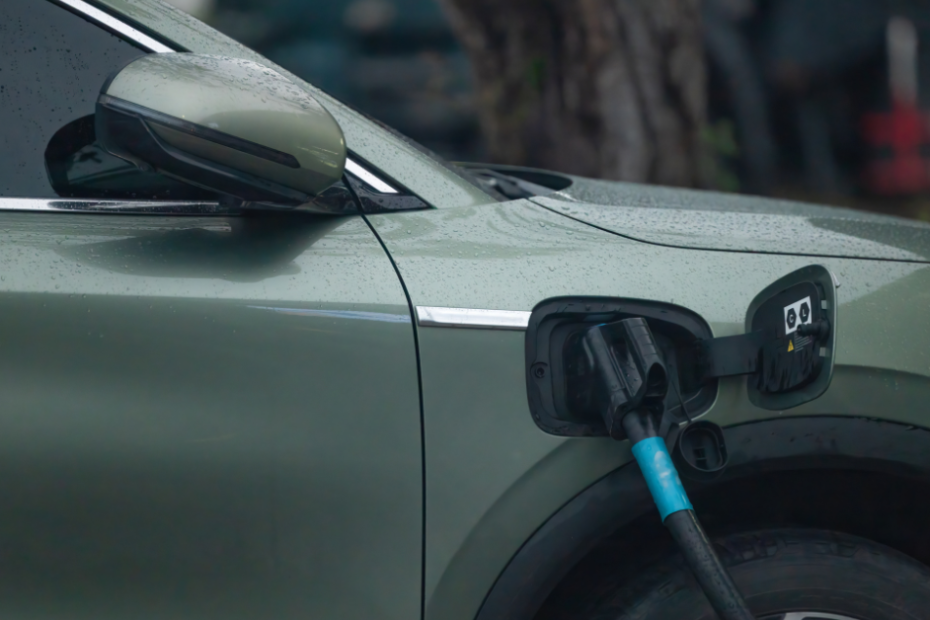
Public charging stations are popping up at shopping centres and fuel stations across the whole of South Africa, but they are still few and far between compared to what you would find in Europe or the United States. For most electric car owners in this country, charging at home is the most practical and affordable option. It means waking up every morning to a full battery without having to plan a stop somewhere on the way to work.
The cost of charging at home comes down to the electricity tariff and the size of the car’s battery. On average, charging a mid-range electric car from empty to full on a standard South African residential tariff costs between R80 and R150. That is a fraction of what it would cost to fill a petrol tank for the same distance. EV chargers designed for home use make this process simple and safe, plugging in at night and having a full charge by morning.
The savings add up quite fast. A petrol car covering 1,500 kilometres a month might burn through R3,000 or more in fuel. An electric car covering the same distance would cost somewhere between R400 and R700 in electricity, depending on the model and driving style. Over a year, that is a significant difference.
How Home Installation Works
In reality, installing a home charger is not as complicated as most people think. Electric car chargers designed for residential use come in two main types. A Level 1 charger uses a standard wall plug and charges slowly, usually taking 20 hours or more for a full charge. A Level 2 charger needs a dedicated circuit installed by a qualified electrician and can fully charge most cars in 6 to 10 hours.
Most homeowners go with a Level 2 unit because it charges fast enough to top up the battery overnight. The installation involves running a dedicated cable from the distribution board to the garage or carport, fitting a weatherproof charging unit to the wall, and issuing a certificate of compliance. The electrical work usually takes half a day to a full day, depending on how far the cable needs to run.
Installation costs in South Africa typically range from R5,000 to R15,000 for the electrical work, depending on the complexity. The charger unit itself can cost anywhere from R5,000 for a basic model to R25,000 or more for a unit with smart features like scheduling, load management, and app control. It is worth getting at least two quotes and making sure the electrician has experience with EV installations.
What to Look for When Buying a Charger
It is important to note that not all chargers are the same, and the right one depends on the car, the available electrical capacity in the home, and the budget. Electric vehicle chargers with smart features allow owners to set charging schedules so the car charges during off-peak hours when electricity is cheaper. Some units can also monitor energy usage through a phone app, which is handy for keeping track of costs.
Charging speed is measured in kilowatts (kW). A 7.2kW charger is the most common choice for home use and will charge most cars from 20% to 100% in about 6 to 8 hours. Some homes may only support a 3.6kW charger if the electrical supply is limited, which doubles the charging time but still gets the job done overnight.
Safety features matter too. A good home charger should have built-in earth leakage protection, overcurrent protection, and a weatherproof rating if it is going to be mounted outdoors. Buying from a reputable supplier and having it installed by a registered electrician removes most of the risk. Cutting corners on electrical work is never worth it, no matter how small the saving might seem.
Dealing with Load Shedding
Load shedding is the elephant in the room when it comes to electric cars in South Africa. If the power is off for four or six hours a day, that is less time available for charging. The good news is that most people do not need to charge from empty every night. A typical daily commute of 40 to 60 kilometres uses only 15% to 25% of the battery, so topping up during the available hours is usually more than enough.
For homes with solar panels and battery storage, charging an electric car during the day using solar power is possible and brings the running cost close to zero. Some smart chargers can be set to only draw power when solar production is high, which keeps the home battery available for essentials like lights and the fridge during load shedding hours.
It is worth planning the charging schedule around the load shedding timetable. Most municipal schedules are published in advance, so setting the charger to run during the confirmed “on” hours takes the guesswork out of it. A full overnight charge is rarely needed for daily driving, so even a few hours of charging is enough for most people.
The Day-to-Day Reality
Owning an electric car and charging it at home quickly becomes routine. Plug in when getting home, unplug in the morning. There is no detour to a petrol station, no standing in the rain waiting for a pump, and no receipts to file. The car is always ready to go.
Maintenance costs are lower too. Electric cars have fewer moving parts than petrol or diesel vehicles. There is no oil to change, no exhaust system to worry about, and brake pads last much longer because the car uses regenerative braking to slow down. The biggest ongoing cost is tyres, which wear slightly faster on electric cars because of the extra weight of the battery pack.
For anyone in South Africa thinking about making the switch, the charging side of things is far less intimidating than it seems from the outside. The technology is straightforward, the costs are manageable, and the convenience of home charging makes petrol stations feel like an unnecessary detour.
Images:
CLICK HERE to submit your press release to MyPR.co.za.
Links:
Boilerplate and Editor’s Notes:
More Info on What It Actually Costs to Charge an Electric Car at Home in South Africa here: https://topclickblogs.co.za/what-it-actually-costs-to-charge-an-electric-car-at-home-in-south-africa/
X: https://twitter.com/topclickmediasa
LinkedIn: https://www.linkedin.com/company/top-click-media-pty-ltd/
Facebook: https://www.facebook.com/topclickmediaSA/
Track Your Press Release HERE:
Check Online Visibility
Verify where this release is currently indexed:
TRACCS: Launched in 1998, TRACCS is a PR firm. The firm provides Public Relations and Digital Strategy.
Hex Panther
According to the 2021 PRWeek/Boston University Communications Bellwether Survey, PR agency respondents are more likely to view their teams as more advanced in applying data and analytics compared to in-house leaders (3.41 versus 2.87 on a five-point scale).
Truth
Public relations, in this country, is the art of adapting big business to a democracy so that the people have confidence that they are being well served and at the same time the business has freedom to serve them well. – Arthur W. Page
Feral Mayhem
I think that President [Dwight] Eisenhower was… did the most marvelous job in the war, not really a military job: a Public Relations job, and it was essential that there should be a Public Relations job done in the post that he had. – Malcolm Muggeridge