
In another bold move to combat digital addiction, delay smart phone ownership and improve the mental health of pupils, Holy Rosary School for Girls launched an unprecedented 80-day smartphone abstinence challenge. This initiative, dubbed “80 Days: Phone Like It’s 1999,” comes on the heels of the school’s successful “Phone-Free 40 days” challenge, rolled out earlier this year.
Dumb Phones at School at Smart Idea
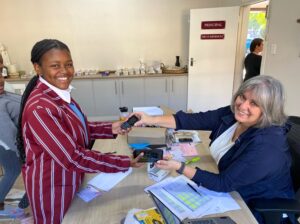
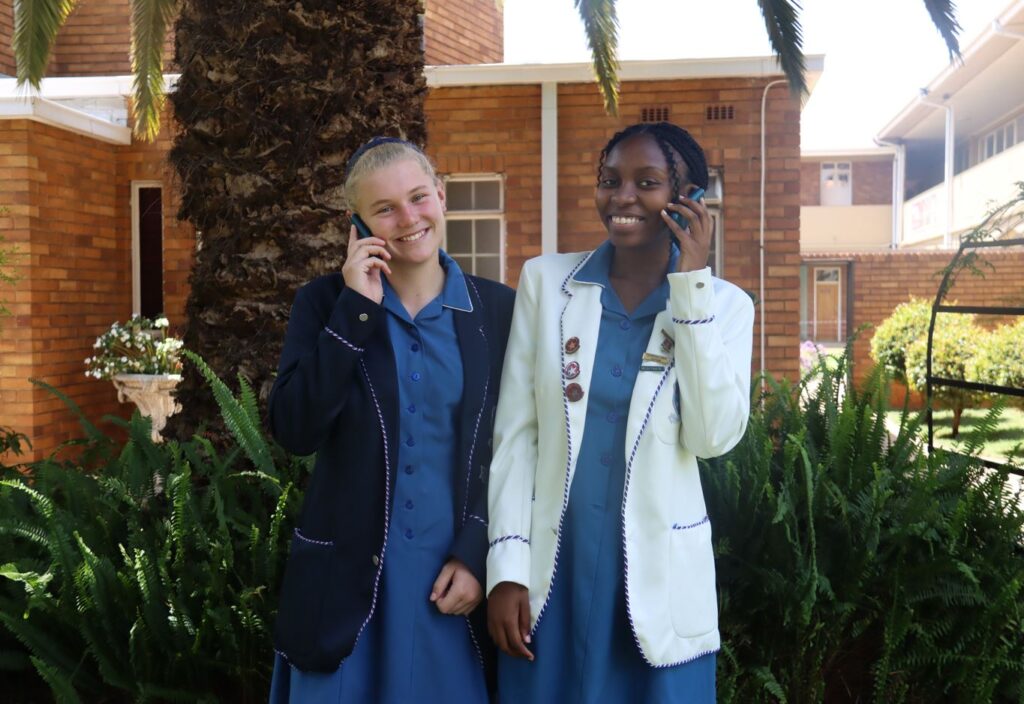
The new challenge, which began in May, invited both primary and high school students, as well as staff members, to surrender their smartphones to the school. In exchange, the participants received sponsored feature phones, effectively transporting them back to the pre-smartphone era of the late 1990s. Also known as “dumbphones” the devices have limited functionality and are only for making and receiving calls and SMS text messages – they cannot be used to access any form of social media, including WhatsApp.
Holy Rosary Principal Natalie Meerholz, the driving force behind the SmartAge for Smartphone campaign and its initiatives, who also gave up her smartphone, says: “We are exceptionally proud of everyone who took part in our second challenge. Some of our girls have completed both challenges and been without their phones for 120 days which is really impressive, proving it’s possible to break free from the digital trap. We were exceptionally excited that despite major fear of missing out and plenty of peer pressure, eight of our participants were in matric.”
Part of a far bigger campaign the school is driving – Smart Age for Smartphone – the ground breaking initiative doubled the duration of the school’s initial 40-day challenge, which saw 44% of students successfully complete the full abstinence period. Encouragingly, the 80-day challenge saw great success, achieving an impressive completion rate of nearly 89%. A total of 38 pupils from Grade 4-7, 18 pupils from Grade 8-12, and one staff members successfully completed the challenge.
Cementing Behavioural Changes

Meerholz explains that the extended 80-day time-frame was designed to reinforce the behavioural changes made during the first campaign. “When our 40-day challenge ended we knew we had to keep the momentum going or our learners would revert to old habits. It takes time for new routines to stick, furthermore, for a digital detox to make a significant and lasting impact on the brain, it needs to be for an extend length of time, says Meerholz.
“In developing the framework for the challenge, we took into consideration that parents felt the need to be in contact with their children, especially if they were away from home for extended periods. Thanks to Kismet Yarns’ sponsorship of feature phones, we were able to solve this and remove that potential barrier to participating.”
As a participant, Meerholz testifies that the impact of the challenge was profound, and giving up her smartphone has seen a change in her own usage, with personal communication boundaries now firmly in place. “Navigating my own digital detox journey as an adult has proven challenging but I feel more focused, less distracted, and have tried out a range of new activities.”
Students also felt the difference with some reporting that although they missed their phones, they felt more present and in the moment. A Gr 10 pupil admitted that she was able to sleep through the night and felt far less distracted. While an adjustment that took some getting used to, and definitely was more difficult for the high-school girls, some pupils even recommended the experience.
More Free Time Encouraged Community Fundraising
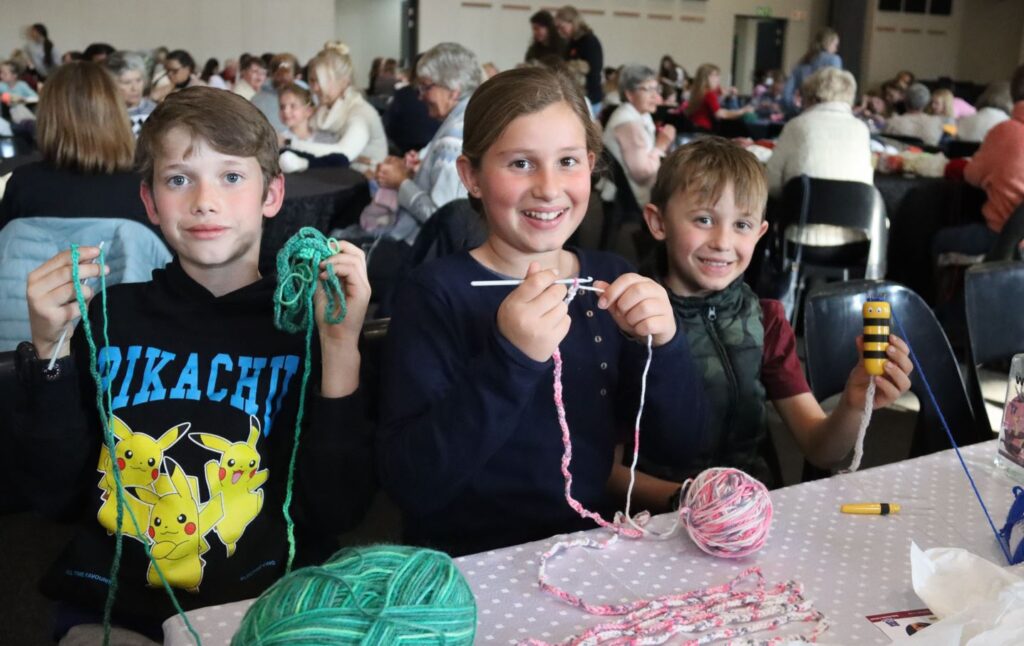
Another thing that stood out was everyone had significantly more free time, previously consumed by constant phone checking and notification responses. To support this newfound freedom, the school organised monthly activities, encouraging students to explore diverse interests. The initiative also fostered a spirit of community service, with several fundraising events integrated into the 80-day period. Interestingly, crocheting, which gained popularity during the initial 40-day challenge, became a widespread phenomenon throughout the school. This culminated in a massive crocheting charity event near the end of the campaign on 27 July, drawing over 600 attendees crocheting simultaneously and symbolising the collective shift in how the community values and uses its time.
An impressive R60 000 was raised from the collective fundraising activities during the campaign, which the school plans to contribute to a pediatric cardiac surgery, in line with their 2024 School theme of ‘Hearts of Fire.’
Addictive Nature of Technology
Following the initiative, internationally acclaimed author of Digital Cocaine, Brad Huddleston addressed the broader school community, emphasising the critical importance of initiatives like 80 days – phone like it’s 1999 – in reducing smartphone usage among children. He reinforced the urgency of making significant changes, highlighting the profound impact of excessive screen time on children’s development and well-being. Huddleston explained the addictive nature of technology, comparing its effects on the brain to the highs and lows of drug use, adding that as far as your brain is concerned, there’s no difference between half a line of cocaine and an hour of playing a video game.
It’s widely publicised that the constant dopamine hits from notifications and scrolling foster addictive behaviours, rewiring neural pathways and shrinking areas of the brain linked to memory, impulse control, decision-making and emotional regulation. Meerholz says what’s concerning is that over time, this can impair cognitive function, making it harder to focus, process information, and manage emotions effectively.
Social Media Causing Social Harm
Although there’s no locally available data, Fortune magazine reports that US teens spend the equivalent of a 40-hour workweek on their devices. That’s an average of 8,5 hours a day on screens and social media. Commenting on this, Meerholz says social media is causing social harm and robbing children of real experiences and real connections. This level of overuse of social media is not only altering how they think but also physically reshaping our children’s brains.”
As global attention on the risks of smartphone misuse and overuse intensifies, Holy Rosary’s innovative approach is gaining recognition beyond its campus. As the school that’s pioneering the delay of smartphone ownership in South Africa – it’s been approached by several educational institutions seeking guidance on implementing similar campaigns.
“A collective awakening is occurring and we’re encouraged by the growing awareness of this critical issue. The mounting evidence connecting early adoption of smartphones to the deteriorating mental and physical well-being of today’s tweens and teens, especially in girls, has become irrefutable. Swift and decisive action is needed to create digital spaces that protect the mental health and development of children and adolescents. Delaying smartphone ownership will minimise damage during these formative years,” says Meerholz.
Not just a local phenomenon, schools worldwide are waging war on smartphone use and introducing new policies to restrict or even ban smartphones on campus. In July, the prestigious Eton College in the UK, announced its intention to issue new Gr 9 students (13 years) Nokia handsets that lack internet access and can only be used for calls and texts. Holy Rosary has confirmed that the primary school will become a smart-phone-free campus in 2025.
On 10 September the Australian government announced that a social media minimum age limit will be introduced into law. Although not confirmed, it’s expected to be between 14 and 16. The legislation will put Australia among the first countries in the world to impose an age restriction on social media.
Delay Smart Phone Ownership
Meerholz acknowledges that utilised thoughtfully and productively, smartphones can become an integral aspect of a contemporary teenager’s life, fostering beneficial social connections and providing exposure to global news and perspectives. She advocates that parents delay the adoption of the smartphone at an early age and wait for the smart age. While the ideal age for smartphone ownership is as late as possible – 14 is being suggested as the earliest children should be given the device – with no social media until 16. “Our goal is for parents to feel no pressure to purchase phones – but this can only be achieved if the community stands together.
“Our ‘Phone-Free 40 Days’ and ’80 Days: Phone Like It’s 1999′ challenges are more than just school initiatives – they’re catalysts for a broader movement,” states Meerholz. “By encouraging our pupils to disconnect from their devices and engage with the world around them, we’re nurturing the growth of capable, confident, and happy adults. These programmes offer an innovative solution to the growing concerns about smartphone addiction, addressing the links between excessive use and mental health issues in young people. Our goal is to foster healthy, balanced childhoods in this digital age, and we hope to see the SmartAge for Smartphone movement grow beyond our school walls. This is just the beginning of real, meaningful change in how we approach technology and child development,” concludes Meerholz.
For campaign updates visit: holyrosaryschool.co.za or visit FB: HolyRosaryJHB and IG: holyrosaryjhb
Video: Holy Rosary Leads the Youth Digital Wellness Revolution with 80-Day: Phone like its 1999 Smartphone-Free Challenge:
CLICK HERE to submit your press release to MyPR.co.za.
More Info on Holy Rosary Leads the Youth Digital Wellness Revolution with 80-Day: Phone like its 1999 Smartphone-Free Challenge here: https://holyrosaryschool.co.za/
Twitter: https://x.com/holyrosaryjhb?lang=en
Facebook: https://www.facebook.com/HolyRosaryJHB/
Watch a Holy Rosary Leads the Youth Digital Wellness Revolution With 80-Day: Phone Like Its 1999 Smartphone-Free Challenge video:
MyPR Subscription Model: Offers subscription plans for regular users
Demo Tequila
Journalism is printing what someone else does not want printed: everything else is Public Relations. – George Orwell
Willow Dragon
The rarest of all things in American life is charm. We spend billions every year manufacturing fake charm that goes under the heading of Public Relations. Without it, America would be grim indeed. – Anita Loos
Domino
“PR is not about getting attention; it’s about driving action.” – David Meerman Scott