• Skip to main content
  • Skip to header right navigation
  • Skip to after header navigation
  • Skip to site footer
MyZA

MyZA

News, Directory, Events and Other Stuff

  • Social Media
  • Sport
  • World News
  • Home
  • Submit News
  • Directory
  • Events
  • Stratlec
  • TFSA
  • News
    • APO
    • Today’s Sport News
    • Todays Social Media and Tech Headlines
    • Today’s World News
    • Today’s SA Financial News
  • Contact
You are here: Home / News / Shelter Indaba addresses needs of trafficking survivors

Shelter Indaba addresses needs of trafficking survivors

17 October 2024 by Guest

Shelter Indaba addresses needs of trafficking survivors

Participants at the 4th National Shelter Indaba have stressed the urgent need for enhanced training for non-profit organisations (NPOs) working with victims of trafficking.

The Department of Social Development, in partnership with the National Shelter Movement of South Africa (NSMSA), is hosting the 4th National Shelter Indaba, which is currently underway in Sandton, in Johannesburg. 

During discussions at the two-day event, the conversation centred on addressing cultural and language barriers to better support survivors.

Stories of survivors from South Africa and the USA underscored the emotional and psychological challenges victims face, with many forming complex emotional bonds with their traffickers due to traumatic childhood experiences.

A participant from Mpumalanga province, in a region near the border that often receives victims from neighbouring countries, underscored the importance of addressing the specific needs of these individuals. 

Citing insights from a presentation made by an official at the Department of Social Development on the plight of trafficking victims, the participant highlighted that capacity building is crucial for training NPOs working with survivors. 

She said many victims come from different countries, and cultural differences can create barriers, particularly in relation to language and dietary preferences. As a result, victims may feel unwelcome and could potentially return to their traffickers.

The participant said addressing these barriers is essential to fostering a supportive environment that encourages healing and recovery.

“Individuals arrive traumatised and lack essential resources. Furthermore, the lack of documentation often leads to additional trauma when law enforcement intervenes, as undocumented victims can be arrested rather than helped. 

“We must advocate for a system that prioritises healing and support over punitive measures,” she urged, calling for a more compassionate approach that recognises the vulnerabilities of trafficking survivors.

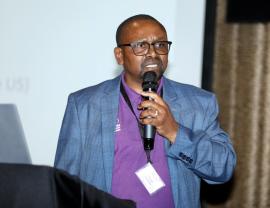
The Social Work Policy Manager for Victim Empowerment and Gender-Based Violence at the Department of Social Development, Buti Kulwane, presented a compelling discourse on the pressing issue of sex trafficking. 

His insights were framed by two poignant stories, one from South Africa and another from the United States, illustrating the complex realities faced by victims of this crime.

In South Africa, Kulwane recounted the harrowing story of a young girl sold into exploitation by a family member. 

Over time, she found herself trapped in a cycle of trafficking and abuse. Alarmingly, her pleas for help went unheard during interventions, and she was repeatedly returned to her exploiters. Her rescue finally came through a community organisation that provided persistent support and advocacy.

Across the Atlantic, the story of a young woman in Mechanicsburg, USA, showcased the importance of community support in recovery. Volunteers from a local NGO formed trusting relationships with exploited individuals, becoming crucial sources of emotional support. With encouragement from these volunteers, the young woman began to envision a life beyond her situation, seeking freedom from the trauma that had defined her daily existence.

Commonalities between these two victims were noted, highlighting their vulnerabilities rooted in adverse childhood experiences. 

“For many, love and connection were distorted by negative experiences, creating powerful emotional bonds that are difficult to break,” Kulwane explained. 

He said the psychological barriers formed in their early years made rescue feel like a miraculous turning point.

The lasting effects of trauma on cognitive function and emotional regulation were also discussed. Survivors often struggle with concentration and emotional management, complicating their recovery journey. 

“These changes in brain function mean that survivors may react impulsively and find it hard to engage in supportive environments,” Kulwane stated, adding that the path to recovery is fraught with challenges. 

Both women had to be relocated for their safety, as their former traffickers posed ongoing threats. 

He said the first year of freedom was particularly tough, with the urge to return to familiar situations looming large. 

Kulwane emphasised the critical role of caregivers who, through patience and understanding, helped these survivors rebuild trust and learn to manage their emotions.

He also highlighted the importance of addressing feelings of guilt and shame that survivors often carry. 

“It is vital for them to understand that they were victims of exploitation, not inherently to blame,” he noted. 

He urged that caregivers should focus on the strengths and resilience of survivors, empowering them on their path to healing. 

He shed light on the control tactics employed by traffickers, which include manipulation and isolation.

“Traffickers exploit vulnerabilities such as economic hardship and low maturity levels, tailoring their methods to the individual victim and circumstances,” he explained. – SAnews.gov.za


DikelediM
Thu, 10/17/2024 – 11:27

263 views

Participants at the 4th National Shelter Indaba have stressed the urgent need for enhanced training for non-profit organisations (NPOs) working with victims of trafficking.

The Department of Social Development, in partnership with the National Shelter Movement of South Africa (NSMSA), is hosting the 4th National Shelter Indaba, which is currently underway in Sandton, in Johannesburg. 

During discussions at the two-day event, the conversation centred on addressing cultural and language barriers to better support survivors.

Stories of survivors from South Africa and the USA underscored the emotional and psychological challenges victims face, with many forming complex emotional bonds with their traffickers due to traumatic childhood experiences.

A participant from Mpumalanga province, in a region near the border that often receives victims from neighbouring countries, underscored the importance of addressing the specific needs of these individuals. 

Citing insights from a presentation made by an official at the Department of Social Development on the plight of trafficking victims, the participant highlighted that capacity building is crucial for training NPOs working with survivors. 

She said many victims come from different countries, and cultural differences can create barriers, particularly in relation to language and dietary preferences. As a result, victims may feel unwelcome and could potentially return to their traffickers.

The participant said addressing these barriers is essential to fostering a supportive environment that encourages healing and recovery.

“Individuals arrive traumatised and lack essential resources. Furthermore, the lack of documentation often leads to additional trauma when law enforcement intervenes, as undocumented victims can be arrested rather than helped. 

“We must advocate for a system that prioritises healing and support over punitive measures,” she urged, calling for a more compassionate approach that recognises the vulnerabilities of trafficking survivors.

The Social Work Policy Manager for Victim Empowerment and Gender-Based Violence at the Department of Social Development, Buti Kulwane, presented a compelling discourse on the pressing issue of sex trafficking. 

His insights were framed by two poignant stories, one from South Africa and another from the United States, illustrating the complex realities faced by victims of this crime.

In South Africa, Kulwane recounted the harrowing story of a young girl sold into exploitation by a family member. 

Over time, she found herself trapped in a cycle of trafficking and abuse. Alarmingly, her pleas for help went unheard during interventions, and she was repeatedly returned to her exploiters. Her rescue finally came through a community organisation that provided persistent support and advocacy.

Across the Atlantic, the story of a young woman in Mechanicsburg, USA, showcased the importance of community support in recovery. Volunteers from a local NGO formed trusting relationships with exploited individuals, becoming crucial sources of emotional support. With encouragement from these volunteers, the young woman began to envision a life beyond her situation, seeking freedom from the trauma that had defined her daily existence.

Commonalities between these two victims were noted, highlighting their vulnerabilities rooted in adverse childhood experiences. 

“For many, love and connection were distorted by negative experiences, creating powerful emotional bonds that are difficult to break,” Kulwane explained. 

He said the psychological barriers formed in their early years made rescue feel like a miraculous turning point.

The lasting effects of trauma on cognitive function and emotional regulation were also discussed. Survivors often struggle with concentration and emotional management, complicating their recovery journey. 

“These changes in brain function mean that survivors may react impulsively and find it hard to engage in supportive environments,” Kulwane stated, adding that the path to recovery is fraught with challenges. 

Both women had to be relocated for their safety, as their former traffickers posed ongoing threats. 

He said the first year of freedom was particularly tough, with the urge to return to familiar situations looming large. 

Kulwane emphasised the critical role of caregivers who, through patience and understanding, helped these survivors rebuild trust and learn to manage their emotions.

He also highlighted the importance of addressing feelings of guilt and shame that survivors often carry. 

“It is vital for them to understand that they were victims of exploitation, not inherently to blame,” he noted. 

He urged that caregivers should focus on the strengths and resilience of survivors, empowering them on their path to healing. 

He shed light on the control tactics employed by traffickers, which include manipulation and isolation.

“Traffickers exploit vulnerabilities such as economic hardship and low maturity levels, tailoring their methods to the individual victim and circumstances,” he explained. – SAnews.gov.za


Watch a Shelter Indaba addresses needs of trafficking survivors related video:

Stunning South Africa:

Have you visited MyPR?

MyPR.co.za offers free to publish press releases for your news site, blog or offline publication. Use the handy REPUBLISH facility or the Full Text RSS Feeds or just copy and paste.

Straton Electrical | Straton Solar | Straton Prepaid | Straton Plumbing | Straton IoT | Straton eBikes | BA Systems | Mbane Contracting | Reach Trust

Share this:

  • Share on X (Opens in new window) X
  • Share on Facebook (Opens in new window) Facebook
  • Print (Opens in new window) Print
  • Email a link to a friend (Opens in new window) Email
  • Share on LinkedIn (Opens in new window) LinkedIn
  • Share on Tumblr (Opens in new window) Tumblr
  • Share on WhatsApp (Opens in new window) WhatsApp
  • Share on Mastodon (Opens in new window) Mastodon
Category: NewsTag: 2024, Africa, Connection, critical, Environment, Event, Johannesburg, law, Mpumalanga, ONE, Partnership, SA News, South Africa, The Conversation, United States, Video, Women

If you feel strongly about this article then feel free to send MyZA a ‘Letter to the Editor’ using the submission form below:


Letter to the Editor

This field is for validation purposes and should be left unchanged.
If this is in response to an article please include that article title here or as the lead in for the first paragraph of your Letter below.

Separate tags with commas

Localise your letter by naming the city your words are about. Add relevant words describing your subject. Single comma separated words of no more than 5
Your Name(Required)
Your Name will be linked to the website below.
Your personal, business or social media web site
Choose NO to not set up a user account on MyZA. User Accounts will allow you to submit letters under your own Author Name

3 Latest Letters to the Editor:

  • Congratulations to the Lotto Winner

    Dear Editor Dear Editor, I was thrilled to hear about the R8.5 million Lotto win for the community of Gqeberha. Such life-changing news brings hope and excitement to everyone in the area. I congratulate the winner and wish them all the best with their prize. May this bring positive change to their life and the…

    1 October 2026
  • Opinion on Lotto Winner News

    Dear Editor Congratulations to the lucky winner! This is truly wonderful news for the community. Regards Marina Adams In Response to/From: Congratulations to the Lucky Winner

    1 October 2026
  • Regarding Lotto Winner Story

    Dear Editor Congratulations to the winner, this is wonderful news for the community. Wishing them the best for the future. Regards Willem Pieterse In Response to/From: Re: R8.5 Million Lotto Winner Claims Prize in Gqeberha

    27 September 2026

About Guest

Previous Post:South Coast Tourism and Investment Enterprise Welcomes Dynamic New CEO, Dr Sibiya, to Lead Investment and Tourism Growth
Next Post:Johannesburg Community Plays Cat-And-Mouse With City Power

Reader Interactions

Comments

  1. Killer Curio

    12 October 2026 at 7:34 pm

    Ukraine: You have two cows. One of them feeds on American grass, the other feeds on Russian grass.

  2. Gunhawk

    10 October 2026 at 2:09 am

    Shongololo – millipede [sh-ong-o-loh-loh] A term used to describe a large brown millipede. It is derived from the isiZulu word ‘ukushonga’, meaning to roll up.

Copyright © 2026 · MyZA · All Rights Reserved · Powered by Stratlec Online