• Skip to main content
  • Skip to header right navigation
  • Skip to after header navigation
  • Skip to site footer
MyZA

MyZA

News, Directory, Events and Other Stuff

  • Social Media
  • Sport
  • World News
  • Home
  • Submit News
  • Directory
  • Events
  • Stratlec
  • TFSA
  • News
    • APO
    • Today’s Sport News
    • Todays Social Media and Tech Headlines
    • Today’s World News
    • Today’s SA Financial News
  • Contact
You are here: Home / News / South Africa’s Shale Gas Awakening Could Redefine Its Energy Future

South Africa’s Shale Gas Awakening Could Redefine Its Energy Future

28 October 2025 by Guest
African Energy Chamber

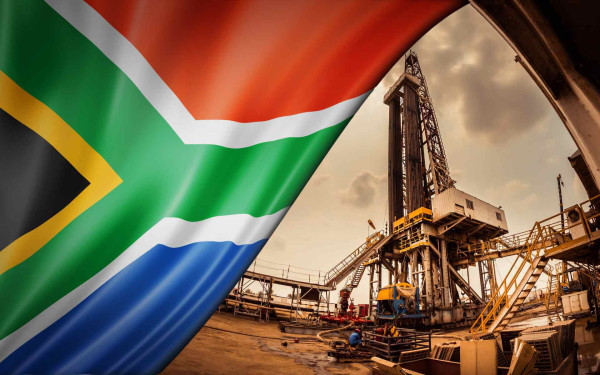
The decision by South Africa to lift its long-standing moratorium on shale gas exploration represents a decisive moment for the country’s energy future. After more than a decade of uncertainty, the Karoo Basin – estimated to hold up to 200 trillion cubic feet of technically recoverable gas – may finally be positioned to transform from potential into production. For the African Energy Chamber (AEC) (https://EnergyChamber.org/), this development marks a crucial step towards unlocking South Africa’s onshore gas potential, diversifying its energy mix and advancing a just and inclusive energy transition.

For years, South Africa’s gas strategy has been constrained by limited domestic supply and reliance on imports from Mozambique through the ROMPCO pipeline. The lifting of the moratorium offers a pathway to change this trajectory – one that aligns with the country’s Integrated Resource Plan and the AEC’s advocacy for a stronger, self-sustaining African gas economy. Onshore development presents a distinct advantage over offshore production, particularly in proximity to key industrial and power generation hubs. By harnessing shale gas domestically, South Africa can stabilize its power system, supply feedstock to local industries and catalyze job creation across the value chain.

The Chamber firmly believes that developing South Africa’s onshore shale resources can also accelerate the expansion of the liquefied petroleum gas (LPG) market. LPG represents a clean, affordable alternative for residential and commercial use – from cooking to heating – and can significantly reduce dependence on biomass and heavy fuels. By integrating shale gas development with LPG production and distribution, South Africa can deliver tangible benefits to households and small businesses while contributing to its broader energy transition goals.

Environmental and social considerations must remain at the forefront of this process. The Karoo Basin is a geologically and ecologically sensitive area, and responsible development must be guided by transparency and robust regulation. Lessons from the United States demonstrate that technological innovation, sound policy and market alignment can coexist with environmental stewardship. Hydraulic fracturing and horizontal drilling – when executed with modern standards and oversight – have proven capable of delivering transformative energy outcomes while mitigating impact.

The U.S. shale revolution provides an instructive roadmap. In just over a decade, the United States evolved from an energy importer to the world’s largest producer of oil and gas. This transformation was not driven by resource endowment alone, but by the combination of technological innovation, clear property rights, strong infrastructure and free market access. South Africa now stands at a similar crossroads. By ensuring regulatory clarity, fiscal competitiveness and infrastructure readiness, the country can attract the investment and expertise necessary to translate geological potential into long-term economic benefit.

“Africa must stop watching others define the future of energy,” says NJ Ayuk, Executive Chairman of the AEC. “The United States didn’t wait for perfect conditions to unleash its shale revolution – it acted. South Africa can and must do the same. Lifting this moratorium is not just a regulatory step; it’s a statement of intent that South Africans are ready to power their own future.”

According to the AEC’s State of African Energy 2026 Outlook, Africa’s energy transition will depend not only on large offshore discoveries but also on the responsible development of onshore resources – including shale, tight gas and associated gas. The Karoo Basin embodies this future. Developing these resources will enhance domestic energy security, strengthen regional integration and create new opportunities for local content and industrialization. The Chamber’s analysis underscores that gas will remain a central pillar of Africa’s energy growth, supporting cleaner power generation, manufacturing and LPG expansion across the continent.

For South Africa, time is of the essence. The longer shale development remains on hold, the greater the risk of missed opportunities in investment, job creation and energy security. The Chamber encourages swift action to finalize environmental guidelines, streamline permitting and facilitate partnerships between government, local stakeholders and the private sector. The objective is clear: to ensure that South Africa’s shale potential contributes meaningfully to its energy transition and national development agenda.

The AEC stands ready to work alongside South African authorities, investors and communities to ensure that shale gas development is conducted responsibly, transparently and for the benefit of all South Africans. With the right policies and partnerships in place, South Africa’s onshore gas can become a cornerstone of its just energy transition and a catalyst for sustainable growth across the continent.

Distributed by APO Group on behalf of African Energy Chamber.

Media files
African Energy Chamber
Download logo

The decision by South Africa to lift its long-standing moratorium on shale gas exploration represents a decisive moment for the country’s energy future. After more than a decade of uncertainty, the Karoo Basin – estimated to hold up to 200 trillion cubic feet of technically recoverable gas – may finally be positioned to transform from potential into production. For the African Energy Chamber (AEC), this development marks a crucial step towards unlocking South Africa’s onshore gas potential, diversifying its energy mix and advancing a just and inclusive energy transition.

For years, South Africa’s gas strategy has been constrained by limited domestic supply and reliance on imports from Mozambique through the ROMPCO pipeline. The lifting of the moratorium offers a pathway to change this trajectory – one that aligns with the country’s Integrated Resource Plan and the AEC’s advocacy for a stronger, self-sustaining African gas economy. Onshore development presents a distinct advantage over offshore production, particularly in proximity to key industrial and power generation hubs. By harnessing shale gas domestically, South Africa can stabilize its power system, supply feedstock to local industries and catalyze job creation across the value chain.

The Chamber firmly believes that developing South Africa’s onshore shale resources can also accelerate the expansion of the liquefied petroleum gas (LPG) market. LPG represents a clean, affordable alternative for residential and commercial use – from cooking to heating – and can significantly reduce dependence on biomass and heavy fuels. By integrating shale gas development with LPG production and distribution, South Africa can deliver tangible benefits to households and small businesses while contributing to its broader energy transition goals.

Environmental and social considerations must remain at the forefront of this process. The Karoo Basin is a geologically and ecologically sensitive area, and responsible development must be guided by transparency and robust regulation. Lessons from the United States demonstrate that technological innovation, sound policy and market alignment can coexist with environmental stewardship. Hydraulic fracturing and horizontal drilling – when executed with modern standards and oversight – have proven capable of delivering transformative energy outcomes while mitigating impact.

The U.S. shale revolution provides an instructive roadmap. In just over a decade, the United States evolved from an energy importer to the world’s largest producer of oil and gas. This transformation was not driven by resource endowment alone, but by the combination of technological innovation, clear property rights, strong infrastructure and free market access. South Africa now stands at a similar crossroads. By ensuring regulatory clarity, fiscal competitiveness and infrastructure readiness, the country can attract the investment and expertise necessary to translate geological potential into long-term economic benefit.

“Africa must stop watching others define the future of energy,” says NJ Ayuk, Executive Chairman of the AEC. “The United States didn’t wait for perfect conditions to unleash its shale revolution – it acted. South Africa can and must do the same. Lifting this moratorium is not just a regulatory step; it’s a statement of intent that South Africans are ready to power their own future.”

According to the AEC’s State of African Energy 2026 Outlook, Africa’s energy transition will depend not only on large offshore discoveries but also on the responsible development of onshore resources – including shale, tight gas and associated gas. The Karoo Basin embodies this future. Developing these resources will enhance domestic energy security, strengthen regional integration and create new opportunities for local content and industrialization. The Chamber’s analysis underscores that gas will remain a central pillar of Africa’s energy growth, supporting cleaner power generation, manufacturing and LPG expansion across the continent.

For South Africa, time is of the essence. The longer shale development remains on hold, the greater the risk of missed opportunities in investment, job creation and energy security. The Chamber encourages swift action to finalize environmental guidelines, streamline permitting and facilitate partnerships between government, local stakeholders and the private sector. The objective is clear: to ensure that South Africa’s shale potential contributes meaningfully to its energy transition and national development agenda.

The AEC stands ready to work alongside South African authorities, investors and communities to ensure that shale gas development is conducted responsibly, transparently and for the benefit of all South Africans. With the right policies and partnerships in place, South Africa’s onshore gas can become a cornerstone of its just energy transition and a catalyst for sustainable growth across the continent.

Per Kind Favour of APO

Africa Fact: In 1246 AD Dunama II of Kanem-Borno exchanged embassies with Al-Mustansir, the king of Tunis. He sent the North African court a costly present, which apparently included a giraffe. An old chronicle noted that the rare animal “created a sensation in Tunis”.

Share this:

  • Share on X (Opens in new window) X
  • Share on Facebook (Opens in new window) Facebook
  • Print (Opens in new window) Print
  • Email a link to a friend (Opens in new window) Email
  • Share on LinkedIn (Opens in new window) LinkedIn
  • Share on Tumblr (Opens in new window) Tumblr
  • Share on WhatsApp (Opens in new window) WhatsApp
  • Share on Mastodon (Opens in new window) Mastodon
Category: NewsTag: APO

If you feel strongly about this article then feel free to send MyZA a ‘Letter to the Editor’ using the submission form below:


Letter to the Editor

This field is for validation purposes and should be left unchanged.
If this is in response to an article please include that article title here or as the lead in for the first paragraph of your Letter below.

Separate tags with commas

Localise your letter by naming the city your words are about. Add relevant words describing your subject. Single comma separated words of no more than 5
Your Name(Required)
Your Name will be linked to the website below.
Your personal, business or social media web site
Choose NO to not set up a user account on MyZA. User Accounts will allow you to submit letters under your own Author Name

3 Latest Letters to the Editor:

  • Thoughts on Lotto Winner News

    Dear Editor This is fantastic news for the community of Gqeberha. It is always heartwarming to hear about such life-changing positive outcomes for everyday people. Congratulations to the lucky winner! Regards Buhle Ngcobo In Response to/From: R8.5 Million Lotto Winner Claims Prize in Gqeberha

    13 October 2026
  • Inquiry Regarding SASSA Card Replacement

    Dear Editor I am a social grant recipient and need guidance on swapping my SASSA Gold Card for the Postbank Black Card. Please assist. Regards Buhle Ngcobo In Response to/From: Minister Tolashe assures smooth transition to Postbank Black Cards for grant beneficiaries Swapping your SASSA Gold Card for the new Postbank Black Card is a…

    13 October 2026
  • Congratulations to the Lotto Winner

    Dear Editor Dear Editor, I was thrilled to hear about the R8.5 million Lotto win for the community of Gqeberha. Such life-changing news brings hope and excitement to everyone in the area. I congratulate the winner and wish them all the best with their prize. May this bring positive change to their life and the…

    1 October 2026

About Guest

Previous Post:South Africa’s Top Gamers Crowned at 2025 MTN SHIFT Gaming Grand Finals at Canal Walk
Next Post:Why More Families Are Choosing Online Schools in South Africa

Reader Interactions

Comments

  1. Truth

    20 September 2026 at 9:30 am

    Archeologists in South Africa have just discoved what they think is the oldest tampon ever found

    They are trying to find out what period it came from.

  2. TrixiePhany

    4 September 2026 at 4:39 pm

    Fun South African Fact: South Africa is home to a variety of landscapes and biomes, including deserts, wetlands, bushveld, grasslands, mountains and subtropical forests.

Copyright © 2026 · MyZA · All Rights Reserved · Powered by Stratlec Online