Lesotho’s Health System Has Been Decimated by US Funding Cuts
60% of the country’s HIV counsellors have been laid off and the country’s TB programme is faltering

MyZA
News, Directory, Events and Other Stuff
60% of the country’s HIV counsellors have been laid off and the country’s TB programme is faltering
US has cut funding and it’s not clear if other donors will meet their pledges
The Freedom Front Plus (VF Plus) rejects the Ekurhuleni Metro’s draft budget for the 2025/26 financial year, viewing it as a declaration of war on taxpayers which offers no growth or stability. The budget reflects financial decline, exorbitant tariff increases and a municipality that has lost control. It merely punishes taxpayers. Under the guise of […]
The post Ekurhuleni draft budget: a declaration of war on taxpayers appeared first on Freedom Front Plus.
Black Sash argues they are a vital safety net but economist questions their viability
Around 30 000 households in Vanderbijlpark were left without power on Wednesday evening after the Town substation caught fire for the third time. With the support of local businesses, the Freedom Front Plus (VF Plus) replaced the roof and walls of the substation in Curry Boulevard in 2018 and again in 2024. The party repeatedly […]
The post Town substation in Vanderbijlpark in flames for the third time appeared first on Freedom Front Plus.
The Freedom Front Plus (VF Plus) did not support the Johannesburg Metro’s budget for the 2025/26 financial year due to its utter lack of vision and its detriment to the city’s residents. On 24 April 2025, the party met with the Mayor, Dada Morero, and the Mayoral Committee Member for Finance, Margaret Arnolds, and made […]
The post Johannesburg Metro’s 2025/26 budget plunges city deeper into chaos appeared first on Freedom Front Plus.
Union Against Hunger shines light on the right to food
New corruption-busting efforts have caused grant money to go unspent
Calm restored after protests disrupt businesses
Events in Cape Town and Johannesburg drew attention to the war in Gaza
GOOD Statement by Keagen Gertse,GOOD Drakenstein Councillor & Caucus Whip 26 May 2025 The GOOD Party in Drakenstein Municipality is disappointed, though not surprised, by the outcome of the internal investigation into DA Ward 7 Councillor Ruth Arnolds. GOOD lodged a formal complaint after Arnolds was documented violating the Public Amenities By-law. Arnolds, accompanied by […]
The post DRAKENSTEIN MUNICIPALITY: DIFFERENT RULES FOR DIFFERENT POLITICAL COUNCILLORS appeared first on For Good.

In a landmark diplomatic step, Tanzania has launched a revised National Foreign Policy that reinforces the country's leadership in African diplomacy. The updated policy embraces Pan-African values, supports the African Continental Free Trade Area (AfCFTA), and advances regional peace, integration, and sustainable development.
The launch event, held at the Julius Nyerere International Convention Centre (JNICC) in Dar es Salaam, was officiated by H.E. Dr. Samia Suluhu Hassan, President of the United Republic of Tanzania. It was also attended by Dr. Hussein Ali Mwinyi, President of Zanzibar and Chairman of the Revolutionary Council, members of the Diplomatic Corps, senior government leaders, and private sector representatives.
Rooted in the vision of Mwalimu Julius Nyerere, Tanzania has historically championed unity, liberation, and non-alignment in African diplomacy. Under Nyerere's leadership, Tanzania became a moral compass for the continent and a founding member of the Organization of African Unity (OAU).
“This policy speaks on who we are as a nation—firm in our values, proactive in our diplomacy, and committed to constructive partnerships that advance peace, security, and shared prosperity,” President Samia said during the event.
The new policy reflects this legacy while responding to contemporary priorities like trade, migration, regional infrastructure, climate action, and digital transformation. It aims to deepen Tanzania's engagement with continental bodies like the AU, SADC, and EAC while emphasizing Kiswahili as a tool for regional integration.
President Samia noted that the revised policy was shaped through a broad-based participatory process involving Tanzanians from all walks of life. “It was high time we revised the policy to cope with global shifts in various spheres,” she said, citing the global scramble for strategic minerals and trade disruptions caused by ongoing conflicts as key motivators.
A core feature of the updated framework includes economic diplomacy and the creation of a Special Status for Tanzanians in the diaspora. The policy promotes legal reforms that would allow non-citizen Tanzanians abroad to own land, register businesses, and invest back home.
To strengthen implementation, President Samia called on the Ministry of Foreign Affairs and East African Cooperation to engage retired diplomats in training current officials, ensuring that Tanzania's envoys are equipped to promote national interests globally.
President Mwinyi welcomed the revised policy as a catalyst for unlocking social, economic, and political potential. “Tanzania continues to position itself globally, and the revised policy aligns with evolving global needs,” he said.
He urged the Ministry to encourage more countries to open consulates in Zanzibar and called on all Tanzanians to embrace and defend national interests through the policy. “This policy will benefit both Tanzania Mainland and Zanzibar,” he emphasized.
President Samia's regional outreach began early in her presidency. In April 2021, she visited Uganda, where she and President Yoweri Museveni signed the Final Investment Decision for the $10 billion East African Crude Oil Pipeline (EACOP).
In May 2021, her visit to Kenya revitalized bilateral ties, followed by trips to Burundi, Mozambique, Rwanda, Zambia, and Egypt, resulting in cooperation on trade, energy, security, and innovation.
At the June 2021 SADC Summit in Mozambique, Tanzania reaffirmed its commitment to regional peace by supporting the fight against insurgency in Cabo Delgado. In Ghana, she received the Africa Road Builders–Babacar Ndiaye Trophy for leadership in infrastructure development.
In Senegal, during the IDA20 Summit, and at COP27 in Egypt, she positioned Tanzania as a leader in climate resilience, presenting an $18 billion renewable energy plan.
From 2023 to 2025, she maintained strong continental engagement through AU summits, the BRICS Summit in South Africa, and diplomatic visits to Malawi, Zambia, South Africa, and Morocco.
A key milestone in Tanzania's growing international stature was the invitation to the Lobito Corridor Development Project high-level meeting in Angola—part of the G7's Global Infrastructure Initiative. Although Tanzania was not originally a member of the project, its geographic and strategic relevance was recognized as critical to the corridor's success.
In February 2024, President Samia unveiled a statue of Mwalimu Nyerere at the AU Headquarters in Ethiopia—a symbolic act that underscored Tanzania's foundational role in the Pan-African movement.
As Chair of the SADC Organ, she presided over the 2024 Troika Summit in Zimbabwe, advancing peace and security initiatives and supporting Raila Odinga's candidacy for AU Commission leadership.
On May 18, 2025, Professor Mohamed Yakub Janabi was elected as the next Regional Director of the WHO African Region, a milestone widely credited to Tanzania's rising diplomatic influence. His nomination followed the untimely death of Dr. Faustine Ndugulile in 2024. Janabi's appointment will be formalized by the WHO Executive Board later this month.
According to Ambassador Mahmoud Thabit Kombo, the revised policy focuses on ten strategic pillars:
This updated policy reflects Tanzania's commitment to Pan-African unity while embracing innovation, inclusion, and global partnership. It sets the stage for the next chapter in Tanzania's regional leadership and sustainable development.
Distributed by APO Group on behalf of Tanzania Ministry of Foreign Affairs and East African Cooperation.
The African Energy Chamber (AEC) (www.EnergyChamber.org) – representing the voice of the African energy sector – offers its full support and endorsement of the upcoming Africa Energy Technology (AET) conference, recognizing the role the event plays as a platform for fostering innovation and technology in Africa. Taking place May 27-29, 2025, in Accra, Ghana, the event unites government representatives, policymakers and energy technology leaders to discuss financing and technology opportunities in Africa.
AET 2025 takes place under the theme: Innovate, Invest, Implement: Revolutionized Financing for Sustainable Energy Sector Growth in Africa, highlighting the need to scale-up spending across the continent. Key topics that will be explored include innovation in technology, attracting diverse investment through new financial mechanisms and ensuring effective implementation of energy projects. Striving to address Africa's most pressing energy challenges – including access to energy and financing – the event is expected to position the continent at the forefront of global energy discussions.
Africa is at a critical juncture in its energy development as it strives to advance large-scale energy projects while reducing carbon emissions. With over 600 million people living without access to electricity and 900 million people living without access to clean cooking solutions, countries across the continent are advocating for greater investment across the energy value chain, with the aim of accelerating oil, gas and renewable energy projects. Concurrently, the continent has committed to reducing greenhouse gas emissions to mitigate climate change impacts, given that Africa faces the worst impacts of the climate crisis worldwide. It is within this juncture that the need to fast-track technology adoption and enhance innovation becomes clear.
Africa's unique energy challenges can be addressed through the rapid roll-out of various energy sources, and progress is already being made to achieve this. Africa's biggest oil producers seek to increase oil production, with Angola planning to sustain output above one million barrels per day (bpd), Nigeria targeting 2.5 million bpd while Libya strives for 2 million bpd. In tandem, gas-rich nations across the continent aim to increase LNG output. The Republic of Congo targets 3 million tons per annum (mtpa) with the start of Congo LNG phase two in 2025; Mozambique is advancing its Rovuma Basin projects; while Senegal and Mauritania eye 5 mtpa at the Greater Tortue Ahmeyim project, following first production in 2024.
Meanwhile, countries are advancing their clean energy portfolios, with projects in nuclear energy and green hydrogen taking shape. Upcoming green hydrogen projects include the 2,100 kilo-ton-per-annum (ktpa) ACME Group Sokhna project in Egypt (2030); the 1,200 ktpa Project Nour in Mauritania; the 900 ktpa AMAN project in Morocco, among others. In the nuclear sector, over 15 GW of operational capacity is targeted across the continent by 2035. South Africa is expanding production capacity, Egypt is developing its first facility – comprised of four reactors – while over 10 countries are looking at embracing nuclear technology. To make energy poverty history by 2030, the continent will need all of these energy sources.
The AET 2025 conference steps into this picture to foster collaboration across the entire energy value chain in Africa. The event underscores the need for an integrated and diverse energy mix, with technology driving energy efficiency and sustainability. By leveraging innovation, the event emphasizes the value of groundbreaking technology and innovative investments.
“As the continent strives to unlock the full potential of its oil, gas and energy resources, greater technology deployment will be critical. AET is expected to not only revolutionize the African energy landscape by identifying key financing and technology opportunities, but to foster greater collaboration across the sector by bringing together key energy stakeholders,” stated NJ Ayuk, Executive Chairman of the AEC.
Visit https://AETConference.com/tickets/ to register
Distributed by APO Group on behalf of African Energy Chamber.
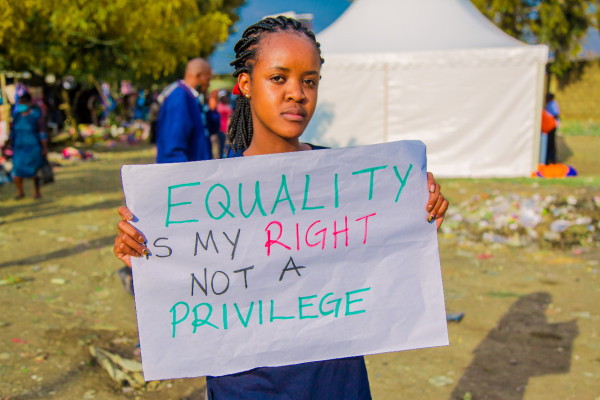
Equality Now (www.EqualityNow.org) is urging the African Commission on Human and Peoples' Rights to call upon African Union (AU) member states to urgently address rising sexual violence and exploitation of women and girls across the continent.
In its statement to the 83rd Ordinary Session of the Commission this month, the human rights organisation called on the Commission to use its mandate to underscore the importance to governments about the need to provide reparations for survivors of sexual violence, criminalise femicide, boost efforts to end child marriage, and strengthen laws to stop digital violence.
Equality Now wants the Commission to remind States of their obligations under the Maputo Protocol on Women's Rights (http://apo-opa.co/4mnt56T). Of the 55 member States, 45 have ratified or signed the protocol.
Deborah Nyokabi, a legal equality and gender policy expert at Equality Now, explains, “Women and girls across Africa are enduring violence in all its forms - including rape, child marriage, femicide, trafficking, and digital abuse - while legal systems too often fail to protect or deliver justice. These are not isolated issues but symptoms of a broader failure to uphold the rights enshrined in the Maputo Protocol.”
“African governments must prioritise legal reform, provide reparations to survivors, and close the protection gaps that leave so many women and girls vulnerable and without access to assistance when their rights have been violated, especially in conflict zones where the breakdown of services intensifies harm.”
Sexual violence reparations
According to figures (http://apo-opa.co/4jctrKY) released by UNICEF last year, more than 79 million girls and women in sub-Saharan Africa have been subjected to rape or sexual assault as children. The region has the highest number of child sexual violence victims in the world.
Yet research by Equality Now found that survivors of sexual violence are being denied justice. In its report, “Barriers to Justice: Rape in Africa, Law, Practice and Access to Justice” (http://apo-opa.co/4moIxj6), the NGO exposed key gaps in rape laws in 45 African countries, which included allowing rape in marriage, perpetrators to walk free from court if they agree to marry their victims, and judges to define evidence based on the complainant's behaviour.
In its statement, Equality Now called on the Commission to urge member States to urgently integrate the Niamey Guidelines (http://apo-opa.co/4jeCsTE) on combatting sexual violence, adopted by the Commission in 2017, emphasising governments' obligation to provide reparations to survivors.
Criminalising femicide
The NGO called on the Commission to implore governments to criminalise femicide - the most extreme and brutal manifestation of violence against women.
Equality Now's report “Gender Inequality in Family Laws in Africa: An Overview of Key Trends in Select Countries” (http://apo-opa.co/3SJVkPy) revealed that the most devastating facet of inequality within the family is sexual and gender-based violence, including domestic violence, marital rape, economic violence and femicide, which is the intentional murder of a woman or girl because of their gender.
In 2023, an average of 140 women and girls were killed (http://apo-opa.co/3FfMOEV) by a partner or family member every day. Current and former intimate partners were the most likely perpetrators. Yet not enough is being done to end the crisis or hold offenders to account.
In South Africa, a national femicide study (http://apo-opa.co/3HhFEAv) found that three women a day were killed by an intimate partner in 2020/21, but in 44% of cases, police had failed to identify a perpetrator. In Kenya, 170 cases of femicide (http://apo-opa.co/4kuOVUs) were reported in 2024. A petition (http://apo-opa.co/4kuOVUs) calling on the government to make femicide a distinct crime has received more than 78,000 signatures.
In Cameroon last month, Bekobe Eric, accused of murdering his wife Diane Yangwo, received (http://apo-opa.co/4mfd9n8) a five-year suspended sentence and a fine of 52,000 CFA (approximately $90). The sentence was immediately denounced by women's rights advocates.
Earlier this year, the African Union took a significant step to address the crisis by adopting the African Union Convention on Ending Violence Against Women and Girls (http://apo-opa.co/4kuPjCk), which included an explicit definition of femicide. Equality Now wants the Commission to seize the momentum to encourage governments to recognise and criminalise femicide as a distinct crime, and outlaw marital rape and domestic violence.
Safeguarding rights in Sudan and the DRC
Equality Now urges the Commission to encourage Sudan to ratify the Maputo Protocol to provide essential legal protections for women and girls. Sudan is now in its third year of conflict, facing widespread destruction, significant civilian casualties and an unparalleled humanitarian crisis.
Women and girls are bearing the brunt of Sudan's war (http://apo-opa.co/434bmd9), with sexual violence being weaponised by both sides. The destruction of healthcare infrastructure, however, means there are inadequate medical and reproductive health services to support survivors of violence, which has led to more unintended pregnancies, miscarriages and maternal deaths.
Increasing rates of maternal mortality are also being recorded in the Democratic Republic of the Congo, where decades of conflict have severely damaged healthcare services.
The Commission should encourage both countries to integrate sexual and reproductive health rights into their humanitarian response.
End child marriage
In its statement to the Commission, Equality Now expressed deep concern at the continued high rates of child marriage across the continent. Fourteen of the 20 countries with the highest prevalence rates are in Africa. Child marriage is a serious human rights violation (http://apo-opa.co/3SLkD3G). Girls are often forced to drop out of school, restricting their life chances, and are likely to give birth at a young age, which poses severe health risks.
One of the reasons child marriage is continuing unchecked is because of weak legal protections, which must be addressed, said Equality Now. All AU member States should raise the minimum age of marriage to 18, without exceptions, and implement measures and programmes to end child marriage in line with recommendations (http://apo-opa.co/4mpDrDo) made in 2017 by the Commission and the African Committee of Experts on the Rights and Welfare of the Child.
End sexual exploitation
The Commission was also asked to encourage member States to address the surge in trafficking of women and girls across the continent.
UNODC's 2024 global report on trafficking (http://apo-opa.co/4kMq3Yv) found that a third of all cross-border trafficking flows involved Africans. In sub-Saharan Africa, 98% of victims were trafficked within the region, 21% for sexual exploitation. About 42% of trafficked victims in sub-Saharan Africa were girls.
Member States have enacted anti-trafficking laws and policies, but they are not being adequately enforced. Meanwhile, the systemic factors that make women and girls vulnerable to sexual exploitation have not been meaningfully addressed.
Digital spaces are also becoming more dangerous for women and girls. Online abuse, including sexual harassment and the non-consensual sharing of intimate images, is rising in tandem with increased internet penetration. Technology is increasingly being weaponised to attack women and girls, including women politicians, journalists and human rights defenders.
Digital violence is being exacerbated by weak legal protections, underreporting and the limited capacity for law enforcement to investigate tech-related crimes. Governments need to enforce and tighten existing laws on online sexual exploitation and invest in digital safety initiatives, in line with the recently adopted UN Global Digital Compact (http://apo-opa.co/4kxzb33), said Equality Now.
Distributed by APO Group on behalf of Equality Now.
Notes to editors:
For media enquiries, contact:
Tara Carey
Global Head of Media
Equality Now
Tcarey@equalitynow.org
T. +44 (0)7971556340 (available on WhatsApp and Signal)
About Equality Now:
Equality Now (https://EqualityNow.org) is an international human rights organisation dedicated to protecting and promoting the rights of all women and girls worldwide. Its work is organised around four main program areas: Achieving Legal Equality, Ending Sexual Violence, Ending Harmful Practices, and Ending Sexual Exploitation, with a cross-cutting focus on the unique challenges facing adolescent girls.
Equality Now combines grassroots activism with legal advocacy at the international, regional, and national levels to achieve systemic change, and collaborates with local partners to ensure governments enact and enforce laws and policies that uphold women's and girls' rights.
For more information about Equality Now, visit www.EqualityNow.org, and find us on Bluesky @ equalitynow.bsky.social (https://apo-opa.co/3H4U6fb), on Instagram @ equalitynoworg (http://apo-opa.co/3S9vxAb), Linkedin at Equality Now (https://EqualityNow.org).
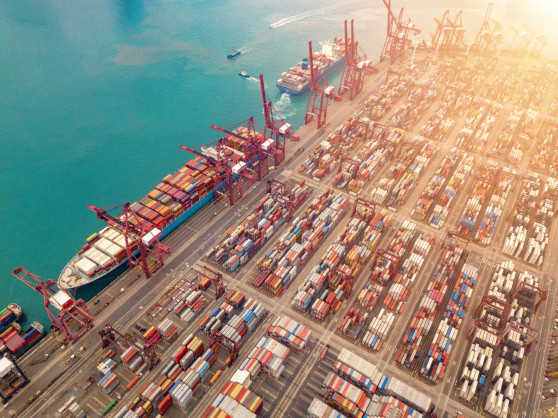
The future of African trade is digital, and it's unfolding. From Dakar to Durban, a quiet but steady transformation is taking shape. According to the United Nations Conference on Trade and Development (UNCTAD), global trade hit a record $33 trillion in 2024, with developing economies, including Africa, playing a growing role in that expansion.
The African Free Continental Trade Area offers the largest free market, including 55 countries, a population of 1.3 billion and a combined GDP of $3.4 trillion. The opportunities are vast, yet the strategies required for industrial players to source, move and manage raw materials and finished goods remain a challenge.
“The continent's digital economy is projected to reach $180 billion by 2025, up from $115 billion in 2020, thus contributing significantly to Africa's GDP, creating new job opportunities, and expanding regional trade. Digital trade is transforming the continent's economic landscape, creating new opportunities for real economic growth, productive job creation, and poverty reduction.” H.E. Dr Jumoke Oduwole, Minister, Federal Ministry of Industry, Trade & Investment
“Building on this rapid expansion, our focus must shift from isolated digital initiatives to a fully integrated ecosystem that streamlines every step of trade—sourcing, supplying, logistics and payments. By integrating these functionalities on a single platform, Matta enables manufacturers to navigate sourcing headaches and suppliers to manage cross-border complexities with confidence and unlocks new markets in Africa in real time. This holistic approach is what will transform digital trade's potential into tangible, inclusive economic growth across Africa.” Mudiaga Mowoe, Founder and Chief Executive Officer, Matta.
Launched to enable sustainable African economies, Matta's integrated ecosystem—today powered by the Matta digital marketplace (www.Matta.Trade) and the Flux logistics management tool, with Oxide Finance (Matta's upcoming trade-financing and cross-border payments platform) arriving soon—empowers manufacturers and suppliers across food & beverage, home & personal care, paints & coatings, agro-processing, automotive assembly, textiles, construction, and beyond with truly end-to-end sourcing, movement, and settlement. Rather than supplanting traditional trade networks, this unified platform amplifies human partnerships through real-time visibility, traceability, and seamless transactions.
This evolution in digital trade and industrial growth is one of the key conversations that will take centre stage at the West Africa Industrialisation, Manufacturing & Trade (West Africa IMT) Summit and Exhibition, set to take place from October 21-23, 2025. West Africa IMT is a high-level platform for government leaders, investors, manufacturers, and technology innovators to align practical solutions and policy frameworks for accelerating Africa's industrial transformation.
Matta, Africa's integrated ecosystem for industrial trade, will join other industry stakeholders across the continent at West Africa IMT 2025 to discuss the potential opportunities for industrial growth in the West African sub-region. As manufacturers increasingly seek more innovative, more efficient ways to power production beyond physical infrastructure and policy support, there's an urgent need for systems that simplify sourcing, enhance transparency, and ensure supply chain reliability. Matta addresses these challenges by connecting African manufacturers directly to verified suppliers of raw materials and commodities, ensuring business continuity in an environment where procurement bottlenecks often slow production timelines.
Digital platforms address multiple challenges simultaneously: procurement complexities, logistics coordination, payment processing, and data-based planning. By integrating these capabilities into industrial operations, West African economies can accelerate development timelines and establish competitive manufacturing centres that participate effectively in global markets.
As African nations chart independent economic paths, digital trade platforms like Matta will significantly influence how quickly and effectively new industrial capabilities develop. The transformation in African trade is already underway, with effects that will continue to reshape economic relationships for years to come.
West Africa Industrialisation, Manufacturing & Trade Summit & Exhibition
21-23 October 2025 I Landmark Centre | Lagos | Nigeria
Distributed by APO Group on behalf of dmg Nigeria events.
Contact Details:
Roshan Jan-Mahomed
Head of Marketing – Africa
Email: info@westafricaimt.com
www.WestAfricaIMT.com
About the West Africa Industrialisation, Manufacturing & Trade Summit and Exhibition 2025:
The Pre-eminent Global Gathering Driving West Africa's Industrial Revolution
The West Africa Industrialisation, Manufacturing and Trade (West Africa IMT) Summit and Exhibition will unite the industrialisation ecosystem, including energy, finance, infrastructure, manufacturing, raw materials, logistics/supply chain, technology, trade and security, to accelerate a sustainable industrial revolution for West Africa. As governments across the region have declared industrialisation as a key priority, the Strategic Summit will feature the visions from Heads of government seeking public–private partnerships to drive industrial revolution across the region. Decisive action is at the core of the agenda, providing solutions for sustainable resource valorisation and opening up trade pathways for economic development and prosperity.
Participation is expected from across the global industrialisation value chain including the following industries: Aerospace, Agriculture, Automotive, Chemicals, Construction, Energy & Utilities, FCMG, Heavy Industries, ICT & Electronics, Infrastructure, Logistics & Transportation, Machine & Equipment, Maritime, Medical, Mining, Plastics & Rubber, Pharmaceuticals, Retail, Technology Solution Providers, Textiles, Water & Utilities.
● 15+ African ministers
● 25+ countries represented from around the globe
● 70+ expert industry speakers
● 250+ exhibiting companies
● 500+ conference delegates
● 2,500+ attendees
About dmg Nigeria events:
dmg Nigeria events is a subsidiary of dmg events. dmg events is a wholly owned subsidiary of the Daily Mail and General Trust plc (DMGT), an international portfolio of information, media and events businesses.
DMGT manages a diverse, multinational portfolio of companies, with total revenues of around £1 billion, that provide businesses and consumers with compelling information, analysis, insight, events, news and entertainment. Its venture capital business, dmg ventures, holds minority stakes in early-stage businesses and focuses particularly on disruptive consumer media propositions.
Headquartered in Dubai, UAE since 1989 with offices in Canada, Egypt, Nigeria, Saudi Arabia, Singapore, South Africa, Thailand and the UK. dmg events is an international exhibition, conference and intelligence company, attracting more than 1,000,000 attendees to a portfolio of over 80 events each year.
This global portfolio works closely with key stakeholders across the industry to facilitate pragmatic dialogue, serving as a platform for the latest discussions at the forefront of change.
For more information on dmg events, visit: www.dmgevents.com
Adv Duma Nokwe honoured for fighting against apartheid
President Cyril Ramaphosa has paid tribute to the late Advocate Duma Nokwe for dedicating his life to the liberation of South Africa from the tyranny of apartheid.
“In court, Duma Nokwe was an advocate for justice. Outside the court, in the streets of our nation, in the capitals of the world, he was a respected and beloved advocate for freedom,” the President said on Saturday.
The late struggle veteran and human rights lawyer was reburied in West Park Cemetery, Johannesburg, with his wife, Vuyiswa Malangabi-Nokwe who passed away in 2008.
Nokwe passed away in Zambia in 1978, at the age of 50. He had lived in exile since 1963. His mortal remains were repatriated to South Africa in 2024.
“Duma Nokwe’s legal expertise was brought to bear in shaping the views of the liberation movement around constitutionalism and democracy.
“He was a mentor to young black lawyers, and today this noble legacy lives on with the Duma Nokwe Group, the advocates’ chambers,” President Ramaphosa said.
In recognition of the eminent position he occupied in the legal profession, the President on Friday honoured him with the posthumous conferral of the honorary title of Senior Counsel (Silk).
“In doing so, we are correcting a grave injustice done to one of our foremost legal practitioners. We are making a declaration that his legal legacy did not end in exile, nor does it end today.
“We are confirming our belief in his conviction that the law is to be used not merely to secure courtroom victories, but to achieve profound, lasting change,” the President said.
He described Nokwe’s voice as emphatic, compelling and sincere – resonating as powerfully through the halls of the United Nations as it did across the airwaves of Radio Freedom.
“He wielded his words as instruments of liberation. He sought to persuade, to empower and to inspire.
“As a person, as an activist, as a leader, he was known for his humility and understanding, for his integrity and his unyielding commitment to the cause of humanity,” the President said.
Nokwe was a youth activist who rose to become the Secretary General of the African National Congress.
“The apartheid regime tried in vain to thwart his activism. He was jailed, banned and restricted. He was dismissed as a teacher for his involvement in the Defiance of Unjust Laws Campaign. Yet nothing could crush his spirit nor temper his determination.
“He decided to enter the legal profession, believing in the power of the law as a shield for the vulnerable, as an instrument of change. He entered a profession that was designed to exclude black people. And yet he persevered, becoming the first black advocate to be admitted to the Johannesburg Bar,” President Ramaphosa said.
The President noted that the late George Bizos said that Nokwe’s admission to the bar was a moment that cracked the façade of white legal supremacy.
“Even as he reached this pinnacle, the regime continued to hound him, refusing to allow him to take chambers with his white colleagues in Johannesburg. He would not be cowed. He used his legal skills to defend those who stood up against tyranny,” President Ramaphosa said.
The President called on South Africa to embrace all that Nokwe represented and embodied.
“At this time, when we strive to make a fundamental break with the many ghosts of our past, let us hold to the values that defined him and that make us so unique as a people: courage, empathy, understanding, tolerance.
“We still have many more journeys to undertake. Our freedom is not yet fully formed. Let us affirm that as South Africans we are all of the same soil.
“We will never renege on the promise of equality, justice and freedom for all, as promised by our Constitution,” the President said.
He said government will continue to build a South Africa in which no-one – neither black nor white, neither woman nor man – feels themselves a pariah in the land of their birth.
“We owe this to the spirit and legacy of the great Duma Nokwe, who stood for non-racialism throughout his life. May his spirit rise. May it guide us in the hard work that lies ahead and may it inspire us.
“Nokwe was a revolutionary. He was a servant of the people. He was a man of unwavering principle, of great courage and of unmatched selflessness.
“As we honour Nokwe today, let us rededicate ourselves to fulfilling his dream of a non-racial, non-sexist South Africa that will forever remain democratic and free,” the President said. - SAnews.gov.za
nosihle
Sun, 05/18/2025 - 11:50
People must be able to access asylum system even if they don’t have valid transit visas
Minister Kubayi travels to Ghana
The Minister of Justice and Constitutional Development, Mmamoloko Kubayi, will travel to the Republic of Ghana to participate in a high-level Retreat on the Kampala Amendments and International Criminal Justice.
“The Retreat will bring together Ministers of Justice and senior officials from all 33 African States Parties to the International Criminal Court (ICC), alongside representatives from the ICC Presidency, the Assembly of States Parties (ASP), the ICC Trust Fund for Victims, senior African Union officials, and international legal experts,” the Ministry of Justice and Constitutional Development said on Sunday.
Her visit is scheduled to take place from 19 to 21 May 2025.
The event follows the successful pilot retreat in Johannesburg in October 2024, which raised awareness and fostered a sense of ownership among African States Parties to advocate for a crime of aggression regime that is both fair and legitimate and began the process of an amendment proposal being submitted by African States.
“The Kampala Amendments on the Crime of Aggression are a set of legal changes adopted in 2010 at the Review Conference of the Rome Statute of the International Criminal Court (ICC), held in Kampala, Uganda.
“These amendments define the Crime of Aggression and establish the conditions under which the ICC can exercise jurisdiction over it. An act of aggression includes using armed force by one state against another in violation of the United Nations (UN) Charter, such as, invasion, military occupation, annexation by force, bombardment, or blockade,” the Ministry explained.
The meeting in Johannesburg laid the groundwork for an Africa-led amendment proposal and reaffirmed the continent’s commitment to a fair and legitimate international criminal justice framework.
“South Africa remains a committed advocate for international legal accountability. Minister Kubayi’s participation highlights the country’s support for multilateralism, the fight against impunity, and the advancement of an inclusive and balanced global justice system,” the Ministry said.
Organised in collaboration with the Ministries of Justice of Ghana, Sierra Leone, and the Democratic Republic of Congo, the Accra retreat will build on the Johannesburg outcomes and further deliberate on the amendment proposal submitted by the Group of Friends (GoF).
“The goal is to finalise a unified African position on the Kampala Amendments ahead of discussions at the Assembly of States Parties. The Ministry welcomes this opportunity for meaningful engagement and continental collaboration as African States continue to shape a credible and effective international criminal justice system.” - SAnews.gov.za
nosihle
Sun, 05/18/2025 - 12:40
Slaughter may await rescued animals if farm’s buyer obtains eviction order
Struggle icon, Duma Nokwe, awarded honorary title of Senior Counsel
President Cyril Ramaphosa has posthumously awarded struggle veteran human rights lawyer, Advocate Dumalisile (Duma) Philemon Pearce Nokwe, the honorary title of Senior Counsel (SC or Silk) for the Republic of South Africa.
Nokwe passed away in 1978 while in exile in Zambia.
“The posthumous honour bestowed on the first African advocate of the Supreme Court is a high honour that recognises Advocate Nokwe’s expertise and contribution to the legal profession.
“President Ramaphosa has conferred the status of Senior Counsel on Adv Nokwe in line with the provisions of the Legal Practice Act of 2014, which governs this status and sets out the criteria for its conferral.
“In this instance, the Legal Practice Council and the Duma Nokwe Group of Advocates made an application to the President for Advocate Nokwe’s posthumous appointment as a Senior Counsel,” the Presidency said in a statement.
Nokwe’s remains were repatriated to South Africa in 2024 and his reburial will be held on Saturday.
“The President has bestowed this conferral on the late Adv Nokwe on the eve of the esteemed legal practitioner’s reburial in West Park Cemetery, Johannesburg, tomorrow, Saturday, 17 May 2025. He will be reburied along with his wife, Mrs Vuyiswa Malangabi-Nokwe who passed away in 2008.
“President Ramaphosa has accorded Advocate Nokwe a Special Provincial Official Funeral and the President will deliver a tribute at tomorrow’s ceremony,” the statement read.
Struggle icon
Nokwe held a BSc degree from the University of Fort Hare and a diploma in education, which he used to foray into teaching in Krugersdorp.
However, his political activities led his imprisonment during the Defiance Campaign aimed at the apartheid government in 1952.
He was banned and restricted in 1953 by the racist government following his participation in the World Youth Festival and visits to the then Soviet Union, China and Britain.
“He subsequently studied law, obtained an LLB degree and became the first black advocate to be admitted to the Johannesburg Society of Advocates. The Native Affairs Department of the time debarred him from taking chambers with his white colleagues in the Johannesburg city centre and this development led to Adv Nokwe devoting himself to the liberation struggle.
“He was put on trial for treason and was subjected to banning orders, arrests and assault by the police,” the presidency said.
His political activism and fight for the freedom of South Africans led to him having to leave the country.
“He was elected Secretary-General of the African National Congress in 1958 and mobilised communities against apartheid until the underground leadership directed him to leave South Africa in January 1963.
“Advocate Nokwe campaigned against the apartheid state on global platforms including those of the Organisation of African Unity and African Union and remained an activist until he passed in Lusaka in January 1978,” the statement concluded. – SAnews.gov.za
NeoB
Fri, 05/16/2025 - 11:02
SA’s G20 Presidency to aid recovery of global economy
Deputy Minister in the Presidency Nonceba Mhlauli says the primary focus of the G20 platform is to increase multilateral cooperation for the recovery of the global economy.
“Since President Ramaphosa took over the Presidency of the G20 in December 2024, a lot of public discourse has already gone into what this could potentially mean for South Africa, particularly in a post-COVID-19 era where developing economies are still on a path to recovery,” Mhlauli said.
Mhlauli explained that the G20 initially focused largely on broad macro-economic issues but has since expanded its agenda to inter-alia include trade, climate change, sustainable development, health, agriculture, energy, environment, climate change and anti-corruption.
“The G20 was upgraded to the level of Heads of State/Government in the wake of the global economic and financial crisis of 2007, and in 2009, when it became apparent that the necessary crisis coordination would only be possible at the highest political level,” Mhlauli said.
In her address at a G20 public lecture held at the Tshwane University of Technology (TUT) south campus in Soshanguve, north of Pretoria, Mhlauli said that since then, the G20 leaders have met regularly, and the G20 has become the premier forum for international economic cooperation.
“The primary focus of the forum is to increase multilateral cooperation for the recovery of the global economy, bring stability to the global financial system, promote long-term sustainable growth and strengthen global economic governance,” she said on Friday.
Mhlauli said South Africa will use the G20 Presidency to focus on inclusive and sustainable economic growth that benefits its citizens.
“Through the G20 Presidency, we will foster inclusive economic growth, industrialisation and employment.
“This Presidency is about demonstrating that our country is open for business. South Africa is an attractive destination for business services, and has sophisticated digital infrastructure, including mobile networks and high-speed broadband.”
On the economic front, the G20 will provide a massive boost, especially in areas such as tourism and hospitality.
“The over 200 expected G20 related meetings have already commenced in our country presenting opportunities for the country’s tourism, manufacturing, trade and other investment growth.
“We are also intently focusing on youth employment, closing the gender gap, reducing inequality and protecting the environment.
“The G20 will unlock new possibilities in artificial intelligence (AI), which has the potential to provide unprecedented economic and social opportunities,” Mhlauli said.
Meanwhile, Government Communications and Information System (GCIS) Acting Deputy Director-General, Sandile Nene, said South Africa’s hosting of the G20 will improve the economy.
“We are hoping that the G20 will make people invest in the country,” he said.
Kutlwano Mahosi, a first year Journalism student at TUT, told SAnews that G20 meetings will play a role in increasing the country’s economy as many people will be coming into the country.
“As people come to our country, they will be spending their money which will play a role in job creation,” she said.
Echoing same sentiments was fellow Journalism student, Andiswa Mchunu, who said hosting the G20 gives the country an opportunity to attract investors, thereby improving the economy.
“A better economy means more jobs and better life for South Africans,” Mchunu said.
South Africa assumed the role of Presidency of the G20 on 1 December 2024, taking over from Brazil. – SAnews.gov.za
Edwin
Fri, 05/16/2025 - 14:41
Africa is entering a pivotal phase in its energy transformation, characterized by a growing shift toward “Africa-first” energy policies. Despite contributing less than 4% to global emissions, Africa faces the world's most severe energy access challenges – with approximately 600 million people lacking electricity and 900 million without clean cooking solutions. With $47 billion in oil and gas capex in 2024 – a 23% increase year-over-year – Africa is proving its value as a competitive and resilient energy investment destination. This surge reflects growing investor appetite, strengthened policy frameworks and a renewed focus on project bankability.
In this context, African Energy Week (AEW): Invest in African Energies 2025 – taking place from September 29 to October 3 in Cape Town – serves as the continent's leading forum for turning vision into tangible investment. With a focus on public-private partnerships (PPPs), blended finance and strategic energy projects, the event brings together government leaders, financiers, developers and technology providers to advance deals, foster collaboration and position Africa as a global energy leader.
Building Institutions for Local Investment
A wave of institutional and policy advancements is laying the groundwork for increased local investment in energy. A key milestone is the establishment of the Africa Energy Bank (AEB) by the African Petroleum Producers' Organization (APPO) and Afreximbank, with an initial capital of $5 billion. Headquartered in Abuja and set to launch in June 2025, the AEB will finance oil and gas infrastructure projects, serving as a bold step toward regional energy self-sufficiency and resource sovereignty.
At the same time, the African Development Bank (AfDB) is supporting long-term energy planning. In Algeria, the AfDB has launched a strategic dialogue to shape the 2025–2030 Country Strategy Paper, aligning national goals with sustainable, diversified energy development.
In South Africa, the success of the Renewable Energy Independent Power Producer Procurement Program (REIPPPP) illustrates how structured procurement can generate market certainty. The latest round secured 1,760 MW of solar PV capacity backed by R31.4 billion ($1.7 billion) in investment — with 49% local ownership and 46% equity held by Black Economic Empowerment entities.
Scaling Investment through PPPs and Blended Finance
As Africa's energy project pipeline expands, PPPs and blended finance have become essential tools for scaling investment. The AfDB's $10 million concessional equity stake in the ARM-Harith Successor Infrastructure Equity Fund, a $200 million regional vehicle, highlights how development finance institutions can de-risk infrastructure and crowd in private capital. The fund supports AfDB's target to electrify 300 million people by 2030 through sustainable energy solutions.
Meanwhile, South Africa's Battery Energy Storage Independent Power Producer Procurement Program illustrates the power of blended finance in scaling innovation. With R12.8 billion ($678.8 million) allocated to eight projects delivering 615 MW of storage across three provinces, the initiative enhances grid stability and achieved a 35% cost reduction from the first bid round – a clear sign of growing cost efficiency.
Frameworks for African-Led Growth
The African Continental Free Trade Agreement (AfCFTA), ratified by over 48 countries, offers a powerful framework for prioritizing African-led energy development. By promoting intra-African investment flows and removing trade barriers, AfCFTA enables energy projects to be sourced, financed and executed within the continent. With Ghana spearheading the AfCFTA Guided Trade Initiative – engaging eight pilot countries – the agreement is fostering regional cooperation to scale African energy solutions and reduce external dependency. Once fully operational across more than 50 member states, AfCFTA is set to accelerate an Africa-first approach to infrastructure, technology, and capital deployment in the energy sector.
Meanwhile, the African Energy Commission continues to strengthen institutional cooperation across the African Union to support sovereign energy strategies. A prime example of African private-sector leadership is Coscharis Technologies' $4 billion solar project in Nigeria – the largest renewable energy initiative in West Africa – reflecting a shift toward domestically-driven, large-scale investment in clean energy that aligns with national priorities and regional ambitions.
“Africa's energy future must be shaped by African priorities, African solutions and African investment. At AEW: Invest in African Energies 2025, we are not just talking about the energy transition – we are driving real deals and partnerships that put Africa-led development at the center of the global energy conversation,” states NJ Ayuk, Executive Chairman of the African Energy Chamber.
Distributed by APO Group on behalf of African Energy Chamber.
About AEW: Invest in African Energies:
AEW: Invest in African Energies is the platform of choice for project operators, financiers, technology providers and government, and has emerged as the official place to sign deals in African energy. Visit www.AECWeek.com for more information about this exciting event.
President Cyril Ramaphosa has honoured the late struggle veteran and human rights lawyer Advocate Dumalisile Philemon Pearce Nokwe with the posthumous conferral of the honorary title of Senior Counsel (Silk) for the Republic of South Africa.
The President has bestowed this conferral on the late Adv Nokwe on the eve of the esteemed legal practitioner's reburial in West Park Cemetery, Johannesburg, tomorrow, Saturday, 17 May 2025.
He will be reburied along with his wife, Mrs Vuyiswa Malangabi-Nokwe who passed away in 2008.
She was a distinguished activist in her own right and had obtained a BSc and Bachelor of Education degree.
Advocate “Duma” Nokwe passed away in Zambia in 1978, at the age of 50. He had lived in exile since 1963. His mortal remains were repatriated to South Africa in 2024.
President Ramaphosa has accorded Adv Nokwe a Special Provincial Official Funeral and the President will deliver a tribute at tomorrow's ceremony.
The posthumous honour bestowed on the first African advocate of the Supreme Court is a high honour that recognises Adv Nokwe's expertise and contribution to the legal profession.
President Ramaphosa has conferred the status of Senior Counsel on Adv Nokwe in line with the provisions of the Legal Practice Act of 2014, which governs this status and sets out the criteria for its conferral.
In this instance, the Legal Practice Council and the Duma Nokwe Group of Advocates made an application to the President for the Adv Nokwe's posthumous appointment as a Senior Counsel.
Adv Nokwe, who was born in 1927, obtained a BSc degree from the University of Fort Hare and a diploma in education with which he took up a teaching post in Krugersdorp.
His political activism led to imprisonment during the 1952 Defiance Campaign and his dismissal by the then Transvaal Education Department.
Following his participation in the 1953 World Youth Festival and visits to the then Soviet Union, China and Britain, the South African authorities imposed a banning and restriction order on him.
He subsequently studied law, obtained an LLB degree and became the first black advocate to be admitted to the Johannesburg Society of Advocates.
The Native Affairs Department of the time debarred him from taking chambers with his white colleagues in the Johannesburg city centre and this development led to Adv Nokwe devoting himself to the liberation struggle.
He was put on trial for treason and was subjected to banning orders, arrests and assault by the police.
He was elected Secretary-General of the African National Congress in 1958 and mobilised communities against apartheid until the underground leadership directed him to leave South Africa in January 1963.
Adv Nokwe campaigned against the apartheid state on global platforms including those of the Organisation of African Unity and African Union, and remained an activist until he passed in Lusaka in January 1978.
Distributed by APO Group on behalf of The Presidency of the Republic of South Africa.
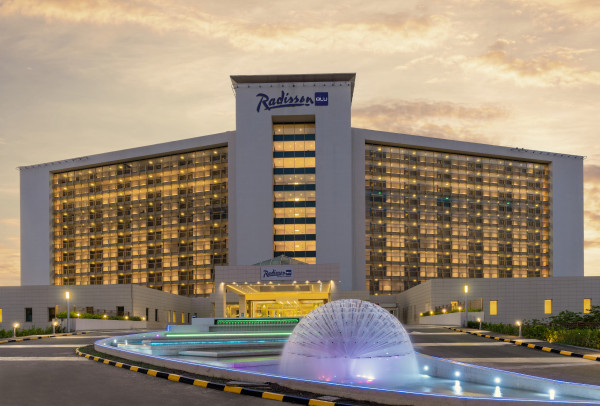
Radisson Hotel Group (www.RadissonHotels.com) continues to solidify its leadership in Africa's hospitality landscape, with its top ranking in W Hospitality Group's (https://W-HospitalityGroup.com) 2024 “From Pipeline to Reality” report for achieving the most hotel openings across the continent within the year. Building on this momentum during the first quarter of 2025, Radisson Hotel Group announces its market entry into the Democratic Republic of Congo with two landmark signings, while further strengthening its presence in Central Africa with the signing of Radisson Blu Hotel & Apartments, Yaoundé in Cameroon.
With 11 hotel signings and 7 openings over the last 15 months totaling over 2,000 signed and 1,500 opened rooms, 1,000 through conversions, the Group has strengthened its position as the leading hotel company in Africa, with a diverse portfolio of 100 hotels across more than 30 countries. This growth reflects the Group's focused expansion strategy, strong local partnerships, and continued success in delivering high-impact conversions.
“In line with our global achievements, over the last 15 months, we have achieved remarkable growth across Africa. We expanded into new markets like Tanzania, Conakry, and the Democratic Republic of Congo, further cementing our position as the most diverse hotel company across the continent in terms of country presence,” said Ramsay Rankoussi, Vice President, Development, Africa and Turkiye, Radisson Hotel Group. “Our pipeline remained the most active in the industry, driving sustained momentum and once again highlighting the quality of our partners and a clear strategy. Once again, we are proud to see our group leading the rankings in Africa. We celebrate these successes and look forward to unlocking continued economic value across the continent.”
Expanding the Footprint: New Market Entries and Key Openings
Radisson Hotel Group proudly announces its entry into the Democratic Republic of Congo with the signing of two landmark properties: Radisson Blu Hotel, Kinshasa and Radisson Hotel Lubumbashi, further strengthening the Group's presence in Central Africa.
Radisson Blu Hotel, Kinshasa – Opening late 2026
Strategically located on Boulevard Colonel Tshatshi in the Gombe district, Kinshasa's prime residential and business area, this upper-upscale hotel will feature 110 elegantly designed rooms, including standard rooms, suites, and a Presidential Suite. Guests can enjoy a variety of dining options, including a Lobby Bar, All-Day Dining Restaurant, and Pool Bar. The hotel's wellness facilities will include a gym, massage rooms, and an outdoor swimming pool with a pool terrace. Its modern meeting and event spaces will feature an event hall and pre-function area, ideal for both corporate and social gatherings. The hotel is conveniently situated 32 km from N'djili International Airport, 10 km from N'Dolo Airport, and 6 km from the Gare Centrale train station.
Radisson Hotel Lubumbashi – Opening mid-2027
Located on Revolution Road Avenue in Lubumbashi, the second-largest city in the DRC, this upscale hotel will offer 97 stylish guest rooms, including standard rooms, junior suites, and a Presidential Suite. Culinary offerings will include a Lobby Bar, All-Day Dining Restaurant, and a Rooftop Bar & Grill with panoramic city views. The hotel's meetings and events facilities will comprise three flexible meeting rooms and a dedicated pre-function area. Guests will also have access to a well-equipped gym and a swimming pool. The hotel enjoys a prime location near Kipopo Lake, surrounded by luxury residences and notable landmarks such as Lubumbashi Golf Club and La Plage, and is just 12 km from Luano International Airport.
In Guinea, the Group marked a significant milestone with the opening of the Radisson Blu Hotel, Conakry (apo-opa.co/3S5KC5S), just three months after signing. This contemporary beachfront property, located in the city's vibrant Kipé neighborhood, features 282 stylish rooms, suites, and apartments with sweeping ocean views and convenient access to the city's key business and leisure hubs.
Further strengthening its Indian Ocean portfolio, Radisson Hotel Group signed and opened Crystals Beach Resort Belle Mare, a member of Radisson Individuals (apo-opa.co/4dlCM1x). Located on the east coast of Mauritius, the resort features 234 spacious accommodations, family-friendly amenities, and breathtaking lagoon views, making it a sought-after destination for travelers of all types.
“We've had a successful track record over the past 15 months with our focus on conversions, including Crystals Beach Resort Belle Mare, Radisson Blu Hotel, Conakry, and Radisson Blu Hotel & Convention Center, Tunis (apo-opa.co/4koQYJF)—all fantastic hotels that have further elevated our portfolio in Africa,” added Rankoussi.
Strengthening Strategic Markets and Future Pipeline
In Cameroon, Radisson Hotel Group continues to strengthen its presence with the signing of Radisson Blu Hotel & Apartments, Yaoundé. Scheduled to open by the end of 2026, this 150-room property will be ideally located in the heart of the capital's central business district, just a 30-minute drive from Yaoundé Nsimalen International Airport.
The hotel will feature a vibrant selection of dining venues, including a Lobby Bar, All-Day Dining Restaurant, and a Specialty Restaurant. With 1,350 m² of flexible meetings and events space, as well as premium wellness facilities, including a spa, gym, and a rooftop pool with an expansive pool deck, the hotel is set to become a landmark destination in the city. This signing also reinforces the Group's continued pursuit of growth opportunities across Cameroon, including in the key market of Douala.
Meanwhile, Radisson Hotel Group is also deepening its commitment to key markets across the continent:
“While geographical diversification remains a priority for us, we also see a clear opportunity to consolidate our presence across key markets such as Morocco, Nigeria, and South Africa, each with at least one opening scheduled in 2025. Our results reinforce our brand strength and ability to adapt and grow across diverse markets. We remain committed to expanding our footprint while delivering world-class hospitality experiences across Africa,” concluded Rankoussi.
Distributed by APO Group on behalf of Radisson Hotel Group.
Media Contacts:
Saadiyah Hendricks
Area Director PR & Social Media, MEA & MED
saadiyah.hendricks@radissonhotels.com
Business Development Contacts:
Ramsay Rankoussi
Vice President, Development, Africa & Turkey
ramsay.rankoussi@radissonhotels.com
Connect with Radisson Hotels on:
LinkedIn: apo-opa.co/4j9Oz4v
Instagram: apo-opa.co/44E3lwF
X: apo-opa.co/4jX8XHi
Facebook: apo-opa.co/43hBQ9M
YouTube: apo-opa.co/3Fbzql4
TikTok: apo-opa.co/3HbuMnG
Radisson Hotel Group:
Radisson Hotel Group is a rapidly expanding international hotel group, operating in EMEA and APAC with over 1,520 hotels in operation and under development in +100 countries. The Group's overarching brand promise is Every Moment Matters with a signature Yes I Can! service ethos.
The Radisson family of brands portfolio includes Radisson Collection, art'otel, Radisson Blu, Radisson, Radisson RED, Radisson Individuals, Park Plaza, Park Inn by Radisson, Country Inn & Suites by Radisson, and Prize by Radisson brought together under one commercial umbrella brand Radisson Hotels.
Radisson Rewards (apo-opa.co/3ZemGkw) is Radisson Hotel Group's loyalty program, which delivers an elevated experience that makes Every Moment Matter, counting more than 20 million members. As the most streamlined program in the sector, members enjoy exceptional advantages and can access their benefits from day one across a wide range of hotels in Europe, Middle East, Africa, and Asia Pacific.
Radisson Meetings (apo-opa.co/4j83NHh) provides tailored solutions for any event or meeting, including hybrid solutions placing guests and their needs at the heart of its offer. Radisson Meetings is built around three strong service commitments: Personal, Professional and Memorable, while delivering on the brilliant basics and being uniquely Carbon Compensated.
At Radisson Hotel Group we care for people, communities and planet (apo-opa.co/4iZqzRn) and aim to be Net Zero by 2050 based on the approved Science Based Targets. With unique solutions such as carbon compensated Radisson Meetings, we make sustainable hotel stays easy. To facilitate sustainable travel choices, all our hotels are becoming verified on Hotel Sustainability Basics.
The health and safety of guests and team members remain a top priority for Radisson Hotel Group. All properties across the Group's portfolio are subject to health and safety requirements, ensuring we always care for our guests and team members.
For more information, visit our corporate website (apo-opa.co/3H8NyMt).