Operation Dudula’s Victims Demand Justice
Litigation against the vigilante group started a year ago

MyZA
News, Directory, Events and Other Stuff
Litigation against the vigilante group started a year ago
Plans underway to ensure service delivery in the Free State
Free State Premier Maqueen Letsoha-Mathae says plans are underway to ensure that municipalities in the province can deliver basic services such as water, electricity, and refuse collection to the people.
Delivering the State of the Province Address (SOPA) on Friday, Letsoha-Mathae said that work to improve the state of the province’s municipalities is continuing.
“We are deeply concerned about the state of some of our municipalities. Their failure to provide services such as water, electricity and refuse removal is worrying. Water treatment plants are not maintained. Electricity infrastructure is collapsing. Taps are dry. Streets are littered with garbage.
“Work to improve the state of our municipalities is continuing. We want to get the basics right and improve service delivery to our people,” she said.
She added that the professionalisation of local government was ongoing and that the seventh administration continues to assist municipalities with the implementation of the Municipal Staff Regulations meant to create a development-oriented local government.
“We are also supporting municipalities with the development of municipal staff establishments that are fit for purpose, review of competency assessments, and remuneration framework for senior managers.
“Section 56 Managers are now permanently appointed in compliance with the Municipal Systems Amendment Act of 2022. Deployment of competent managers and technical officials to municipalities to enhance service delivery is also continuing.”
Letsoha-Mathae said the provincial authorities and municipal officials met with the Minister of Electricity and Energy, Kgosientsho Ramokgopa last week to ensure that all municipalities can meet their financial obligations to Eskom.
“Ten municipalities in our province are participating in the Eskom Debt Relief Programme meant to help them settle their current accounts. We continue to provide support to these municipalities to ensure compliance and financial discipline in their engagements with Eskom.
“We commit to meet our electricity, water, services and property rates obligations to municipalities to lessen their dire financial state. Payment plans will be developed and adhered to. We will lead by example,” she explained.
The province has also been battling water challenges, however, the Premier announced that the Department of Water and Sanitation has committed to giving the provincial government R1.4 billion to deal with water and sanitation issues.
This amount is meant to improve water supply and quality and upgrade water and wastewater treatment works throughout the province.
Housing
Meanwhile, the Premier committed that there shall be housing, security and comfort for all as the provincial government drives integration to bring people closer to areas of opportunities.
“We will complete the upgrade of G-Hostel in Welkom, and Dark and Silver City Development in Bloemfontein in the third quarter of the 2025/26 financial year. Conversion and development of hostels into family units is our way of saying our people deserve better.
“We will also upgrade 34 informal settlements by the end of cycle to ensure access to basic services and security for thousands of residents,” she said.
This financial year, the province had planned to service 3 652 sites in informal settlements and greenfields. She announced that this target has been surpassed with 6 878 sites having been serviced.
She added that this year, contractors will be invited through a competitive bidding process to complete historically incomplete houses throughout the province.
“In improving the living conditions of our people in rural areas, we will eradicate mud houses and replace them with proper housing structures in [the]Thabo Mofutsanyana District and Mangaung Metro. We also commit to delivering government-subsidised housing across various types to meet the diverse needs of our communities,” she said. – SAnews.gov.za
DikelediM
Tue, 02/25/2025 - 14:31
305 views
Service providers ordered to pay back PPE profits
The Special Tribunal has ordered 16 service providers to pay back some R21 million in profits linked to alleged irregularly awarded Personal Protective Equipment (PPE) contracts.
The contracts were awarded by the KwaZulu-Natal Department of Social Development (KZN DSD) during the height of the COVID-19 pandemic.
The order emanates from a probe by the Special Investigating Unit following a provincial Treasury investigation into the KZN DSD.
“The Treasury investigation concluded that PPE was procured from 16 service providers in 18 contracts, with a total cumulative value of R21 242 955.95. The report further recommended disciplinary action against several officials and the registration of a criminal case.
“The SIU [Special Investigating Unit] processed the report through its processes and systems and identified significant shortcomings in the initial investigation. The report did not evaluate potential financial recoveries or quantify the state’s losses. Additionally, no efforts were made to recover funds lost due to overpricing or irregular procurement practices.
“The SIU [investigation] found that all service providers charged rates that exceeded the pricing guidelines set by the National Treasury. Consequently, the SIU has initiated proceedings in the Special Tribunal to recover the overpayments,” the SIU said in a statement on Tuesday.
The corruption busting unit said any criminal conduct will be referred for prosecution.
“In line with the Special Investigating Unit’s and Special Tribunals Act 74 of 1996 (SIU Act), the SIU refer[s] any evidence of criminal conduct uncovered during its investigation to the National Prosecuting Authority (NPA) for further action.
“Under the SIU Act, the SIU is also authorised to initiate a civil action in the High Court or a Special Tribunal in its name to address any wrongdoing identified during its investigation resulting from acts of corruption, fraud, or maladministration,” the SIU concluded. – SAnews.gov.za
NeoB
Tue, 02/25/2025 - 14:08
62 views
Traditional leaders urged to help build a better SA
President Cyril Ramaphosa has called on traditional leaders to work alongside the Government of National Unity (GNU) in shaping a prosperous and inclusive future for South Africa.
Addressing the annual opening of the National House of Traditional and Khoi-San Leaders (NHTKL) at the Good Hope Centre in Cape Town, the President reaffirmed the vital role of traditional leadership in the country’s development.
“As the Government of National Unity, I once again call on Amakhosi to join hands with us as we embark on a new, glorious future for South Africa and its people,” said President Ramaphosa said on Tuesday.
The National House of Traditional and Khoi-San Leaders comprises traditional leaders who are delegates from the Provincial Houses of Traditional Leaders of South Africa and represent the Provincial Houses at national level.
He highlighted the historical significance of traditional leadership, noting that traditional leaders support governance in many rural and peri-urban communities, often facing the harshest conditions of poverty, inequality, and climate change.
The President expressed concern over the recent devastating floods in KwaZulu-Natal, which led to loss of life and destruction of property and infrastructure. He urged Amakhosi to work with disaster management teams to protect rural communities from extreme weather events.
“The recent floods in parts of KwaZulu-Natal have led to loss of life, damage to farming land, and the destruction of property and infrastructure. Our thoughts and prayers are with all the affected communities.
“I want to use this opportunity to call on you as Amakhosi to work with the disaster management response teams in our provinces and support the work that is being done to protect our rural communities against extreme weather,” he said.
READ | Level 2 heavy rain warning issued for KwaZulu-Natal
Killings
President Ramaphosa strongly condemned the increasing assassinations of traditional leaders, calling the attacks an “affront to our nation".
He referenced the recent killing of Contralesa NEC member and Ndzundza-Fene Traditional Council Chairperson, Kosi Thugwana, in Mpumalanga, stressing that such violence must be rooted out.
“Even one killing is one too many. Be assured that our law enforcement agencies are working around the clock to ensure that the perpetrators of these heinous crime are brought to book.”
Shared prosperity
The President reiterated the government’s commitment to working with traditional and Khoi-San leaders to foster unity and development. He also emphasised the importance of their participation in the upcoming National Dialogue, a platform aimed at fostering inclusivity and shaping the country’s future.
He said that government will rely on the traditional leaders’ guidance to rally people towards a future of shared prosperity and inclusivity.
“It will be important that traditional leaders and the communities they lead [to] participate in the National Dialogue so that the process produces a plan that reflects the interests and aspirations of everyone.
“The Medium Term Development Plan that we have adopted as the Government of National Unity intends to advance three strategic priorities: to drive inclusive growth and job creation, to reduce poverty and tackle the high cost of living and to build a capable, ethical and developmental state,” the President explained.
He also highlighted ongoing consultations to review the White Paper on Local Government and emphasised the role of Amakhosi in shaping policies that affect rural communities.
The Deputy President has been mandated to facilitate dialogues with traditional leaders, further strengthening collaboration between government and traditional institutions.
Legislative developments
Following the Constitutional Court’s ruling that declared the Traditional and Khoi-San Leadership Act unconstitutional, the President confirmed that steps were being taken to reintroduce a revised bill in Parliament.
He urged traditional leaders to actively participate in consultations to ensure their interests are reflected in the legislation.
In addition, President Ramaphosa addressed the longstanding issue of customary initiation practices, particularly in the Eastern Cape, where fatalities and injuries continue to be a concern.
The government has gazetted regulations for public comment and is working towards drafting guidelines to regulate initiation school fees and prevent exploitation.
READ | Hlabisa and traditional leaders discuss safer customary initiation plan
Turning to the issue of land reform and economic development, the President reaffirmed the government’s commitment to land reform, noting the passage of the Expropriation Act as part of efforts to ensure that land is equitably shared.
The Department of Land Reform and Rural Development has completed its work on the Communal Land Tenure Bill and is set to conduct public consultations.
Tackling gender-based violence and Forum of Majesties
The President urged Amakhosi to take a stand against gender-based violence and femicide, emphasising that such crimes have no place in African culture. He commended the House for its existing initiatives and called for greater involvement in protecting women and children.
“We know that such violence is not part of any culture. Violence against women and children is not part of the nation we want to build.”
Turning to traditional leadership, President Ramaphosa welcomed the launch of the Forum of South Africa’s Majesties, chaired by His Majesty King Makhosonke II, and acknowledged efforts to establish a similar platform for Queens.
He also encouraged traditional leaders to continue engaging with government ministries, particularly in sectors such as mineral resources, to ensure communities benefit from the country’s natural wealth.
G20 and National Budget
With South Africa set to host the G20 Summit for the first time later this year, the President urged traditional leaders to use the opportunity to showcase the nation’s diverse cultural heritage.
He also addressed the postponement of the Budget Speech, explaining that further discussions were necessary to align the priorities of the multi-party GNU.
READ | Government continues working for the people, despite Budget postponement
“In the interests of consensus-building, we are undertaking further discussions so that we can arrive at a budget that everyone can have confidence in a budget that promotes inclusive growth, supports job creation and that tackles poverty and inequality,” he said.
The President further emphasised that despite many challenges, it is through cooperation and partnership that a better South Africa can be built in which everyone enjoys equal opportunity and can lead lives of dignity. – SAnews.gov.za
DikelediM
Tue, 02/25/2025 - 13:17
7 views
Energise Mzansi campaign to empower South Africans on energy transition
The Energy Council of South Africa has launched a nationwide campaign to empower South Africans to gain a better understanding of and engage in the energy transition.
South Africa has committed to lowering carbon emissions to net-zero by 2050 and usher in a green economy.
In that regard, government has also committed to an energy transition which is just, inclusive and which responds to South Africa’s developmental needs – leaving no one behind.
“Energy literacy is more than just understanding the basics, it’s the foundation for informed decision-making, constructive collaboration, and ultimately driving investment and economic growth through gained public positive sentiment.
“Through this campaign, we aim to connect South Africans with the factual information they need to make sense of the challenges and take advantage of the opportunities presented by the energy transition,” Energy Council CEO James Mackay said.
According to the council, the campaign focuses on six technical energy topics.
These are:
“The Energy Council estimates that R2 trillion will be required by 2035 for new technology financing and system upgrades. Government policy and commitment is clear. The two key drivers of our energy reform agenda are now anchored in law: The Electricity Regulation Amendment Act, 2004 and the Climate Change Act, 2024.
“It is critical that informed responses lead the transition, ensuring collaboration across all stakeholders to create sustainable, long-term solutions for South Africa’s energy future,” the Energy Council said. – SAnews.gov.za
NeoB
Tue, 02/25/2025 - 12:19
8 views
Government reiterates call to register spaza shops
Government has encouraged all spaza shop owners and vendors to register their businesses with their local municipality by the end of the week.
“Spaza shops must be registered to ensure that food safety laws are followed, and dangerous goods are taken off the market, keeping children safe and preventing future outbreaks,” the Government Communication and Information System (GCIS) said.
They have until Friday, 28 February 2025, to register their businesses.
Application forms for registration or permits to conduct business can be accessed physically at the municipal offices or on the municipality website.
The registration of a business takes one day, people must not wait until the last day to register.
“Citizens are reminded that registering a spaza shop on behalf of another person is a criminal offense. The Immigration Act of 2002 clearly states that it is a criminal offense to assist an illegal foreigner to conduct any business in the country and to assist an illegal foreigner to obtain a licence to conduct any business,” GCIS said.
For guidelines on spaza shop registrations visit: https://www.sanews.gov.za/features-south-africa/guide-register-spaza-shops.
Last year, President Cyril Ramaphosa extended the registration deadline for all spaza shops and food handling outlets after initially announcing the registration directive in November 2024.
This extension follows a serious incident involving foodborne illnesses, which resulted in over 890 cases and nearly 30 deaths since September 2024.
In October last year, six primary school children from Naledi, Soweto, died after allegedly eating snacks from a foreign-owned local spaza shop. - SAnews.gov.za
nosihle
Tue, 02/25/2025 - 10:53
40 views
Operation Vala Umgodi nets Limpopo suspects
Thirty undocumented persons and five alleged illegal sand miners were arrested in a South African Police Service (SAPS) operation in Limpopo at the weekend.
Operation Vala Umgodi led to arrests in the SAPS’ operation carried out in collaboration with the Tactical Joint Operational Command (TACJOC on Saturday.
“The five male individuals arrested for illegal sand mining were caught loading sand into their trucks in Rakgoadi policing precinct under Sekhukhune District. Four shovels were confiscated during the operation,” said the police.
The team conducted an intelligence-driven operation in Bergenek village, within the Westenburg policing area, resulting in the arrest of six undocumented foreign nationals aged between 18 and 37.
“These individuals were apprehended at various locations and are suspected of being involved in illegal mining activities. Simultaneously, a parallel operation in Vhembe District saw law enforcement officers executing disruptive operations at multiple illegal mining sites.
“The team traced undocumented foreign nationals suspected of involvement in illegal mining to Nancefield and Musina CBD [central business district] within the Musina policing precinct. A total of 17 undocumented foreign nationals, aged between 18 and 44, were arrested and charged under the Immigration Act. All 17 individuals face direct deportation in line with immigration laws,” explained the police.
The other seven undocumented foreign nationals aged between 24 and 40 were arrested in the Tzaneen, Mopani District. -SAnews.gov.za
Edwin
Mon, 02/24/2025 - 09:45
248 views
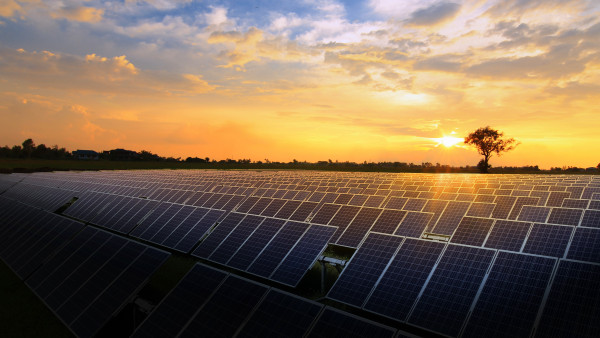
SolarAfrica (https://SolarAfrica.com/) is proud to take another major step forward in the development of its flagship utility-scale solar project, SunCentral, by successfully reaching financial close on the first 114 MW component of the project alongside funding partners Investec and RMB. The R1.8 billion investment into SunCentral marks the start of the project's rollout in South Africa.
SunCentral is a large-scale solar photovoltaic (PV) plant located between Hanover and De Aar in South Africa's Northern Cape province. The project will be developed in three phases.
Phase 1, consisting of 342 MW, will be delivered through a staged roll-out of three 114 MW facilities and will deliver renewable energy to a diverse range of off-takers by wheeling it through South Africa's power grid. Phase 2 and 3 will increase SunCentral's capacity to 1 GW.
Unlike similarly sized projects that offer wheeling on a one-to-one basis (with one generation plant supplying one off-taker), SolarAfrica's project will offer wheeling on a one-to-many basis, making it available to a wider pool of businesses in South Africa.
SolarAfrica's Chief Investment Officer Charl Alheit, who spearheaded the financial close, explains: “Reaching financial close on the first 114 MW of our utility-scale wheeling development and Main Transmission Substation (MTS) investment marks a significant milestone in our commitment to advancing sustainable energy solutions for our customers in the commercial and industrial sectors.”
He adds that the substantial size of SunCentral will unlock access to cheaper, greener power for even more businesses across the country. “We are excited to see this project move forward as we continue contributing to the energy transition while delivering long-term value to our customers."
SolarAfrica is part of the greater Starsight Energy Africa Group. The success of SunCentral will act as a blueprint for similar (and possibly smaller) off-site generation projects in other key African markets in which the Starsight Energy Africa Group companies operate.
“The construction of SolarAfrica's SunCentral is a critical step in our journey to expand clean energy adoption across Sub-Saharan Africa, says Paul van Zijl, Group CEO of Starsight Energy Africa Group. “We are excited to move this project forward and continue delivering long-term value to our customers,” he says.
SolarAfrica is backed by world-class investors African Infrastructure Investment Managers (AIIM) and Helios Investment Partners who both hold decades-long track records of bringing investment to support African innovation.
“Reaching Financial Close on the first 114 MW on SunCentral is a fantastic milestone for SolarAfrica, says Thor Corry, Investment Director at AIIM.
“The modular approach to construct the MTS and plug in subsequent 114 MW modules provides a superb platform for SolarAfrica to scale at pace to meet the needs of the C&I customers in South Africa who want to secure price certainty and cost efficiencies while furthering South Africa's Just Energy Transition. With South Africa requiring up to 30 GW of new capacity by 2030 to meet its climate commitments and energy needs, projects like this are crucial,” Corry concludes.
Distributed by APO Group on behalf of Starsight Energy.
About SolarAfrica:
Founded in 2011, SolarAfrica provides a suite of capex-free green energy solutions to the commercial and industrial sectors in Southern Africa. The holistic suite includes on-site solutions such as solar energy and battery storage together with virtual solutions like wheeling, trading and aggregation.
SolarAfrica partners with businesses in South Africa seeking an energy solution that provides power security, cost savings and carbon reduction – building towards long-term sustainability.
The company has evolved into an ambitious team who are passionate about what they do and the core values they uphold. SolarAfrica has been named the continent's leading solar energy firm twice, scooping the Africa Solar Industry Association's African Solar Company of the Year award in 2021 and 2023.
About Starsight Energy:
Across the continent, Starsight Energy is redefining what it means for businesses to be energy efficient. Starsight Energy provides premier clean on-grid and off-grid energy services to commercial and industrial clients in Africa.
Serving the commercial and industrial, financial, residential, educational and agricultural sectors, Starsight Energy delivers tailored power and cooling solutions to meet client requirements while optimising consumption through energy-efficient appliances and environmentally friendly practices and recommendations.
From load analysis and modelling to demand management and customised solution design, Starsight Energy helps clients optimize energy efficiency and cost savings across the board.
About African Infrastructure Investment Managers (“AIIM”):
AIIM, a member of Old Mutual Alternative Investments* (“OMAI”), has been investing in the African infrastructure sector since 1999 with a track record extending across seven African infrastructure funds. AIIM's team of 40+ investment professionals are based out of five locally staffed offices across the continent in Cape Town, Johannesburg, Nairobi, Lagos and Abidjan providing direct on-the-ground coverage of our key markets.
AIIM is Africa's largest dedicated infrastructure private equity manager and currently manages an aggregate AUM of USD2.9 billion in assets across the power, renewable energy, digital infrastructure, mid-stream energy and transport sectors with operations in 19 African countries.
AIIM is a licensed FSP approved by the Financial Sector Conduct Authority in South Africa.
*Old Mutual Alternative Investments (OMAI) is a private alternative investment manager in Africa, with over USD7.6 billion (ZAR139.4 billion) under management in infrastructure, private equity, hybrid equity and impact funds. It is a member of Old Mutual Investment Group, the investment management arm of Old Mutual.
About Helios Investment Partners:
Established in 2004, Helios Investment Partners is the largest Africa-focused private investment firm, with a record that spans creating start-ups to providing expanding companies with growth capital and expertise. The firm has over $3.0 billion in assets under management and is led and managed by a predominantly African team based in London, Lagos, Nairobi and Paris, with the language skills and cultural affinity to engage with local entrepreneurs, managers, and intermediaries on the continent.
Helios leverages its local and global networks to create attractive proprietary investment opportunities, with an emphasis on building market leaders in core economic sectors and driving performance through a highly engaged approach to portfolio operations. The firm's unique combination of a deep knowledge of the African operating environment, a singular commitment to the region and a proven capability to manage complexity, is reflected in its diverse portfolio of growing, market-leading businesses, and its position as a partner of choice in Africa.
Helios is the second mainstream private equity firm globally, and the largest emerging markets focused private equity firm, to achieve B Corp certification. B Corp status recognizes the firm's longstanding commitment to sustainability and responsible business practices.
African countries urged to address climate change
The Minister of Forestry, Fisheries and the Environment, Dr Dion George has called on African countries to act with resolve and clarity of purpose on issues of climate change.
This as the Minister attended the annual Committee of African Heads of State and Government on Climate Change (CAHOSCC) in Addis Ababa, Ethiopia on 16 February.
The meeting, which took place on the sidelines of the 38th African Union (AU) Summit, is where Heads of African States and Government consider climate issues of strategic importance to the Continent.
During this session, the Coordinator of CAHOSCC, Dr William Ruto, President of the Republic of Kenya delivered his report which highlighted various developments since the last meeting in 2024.
The report included reflections on the outcomes of the 29th Conference of the Parties of the United Nations Framework Convention on Climate Change in November 2024 and the implications for Africa, the CAHOSCC report from the meeting held on the margins of the 79th United Nations General Assembly in New York, in September 2024, updates from the Africa Climate Initiatives and Commissions, and the operationalisation of the Africa Climate Summit outcomes.
The CAHOSCC meeting also considered and submitted a draft decision on key climate change issues for adoption by the AU Assembly.
While delivering his intervention at the meeting, Dr George reiterated the need for African countries to "act with resolve and clarity of purpose" and went on to highlight the opportunities to do so through South Africa’s G20 Presidency.
“The Minister is leading on the G20 Environment and Climate Sustainability Working Group (ECSWG) which has the overall objective to advance the environmental dimension of the 2030 Agenda for Sustainable Development and its Sustainable Development Goals (SDGs) through focusing on a number of priorities and deliverables,” the Department of Forestry, Fisheries and the Environment said in a statement on Saturday.
These include focusing on adapting to climate change and building resilience, addressing loss and damage, the just transition and mobilising climate finance.
The other priority areas include biodiversity and conservation, addressing land degradation, desertification and drought, sustainable chemicals and waste management as well as oceans and coasts.
Following a request by Dr George in his intervention, the meeting resolved to request the AU Commission to convene a consultative meeting with AU Member States to deliberate about the priorities and proposed deliverables for the ECSWG prior to the first virtual meeting of the Working Group in March 2025. -SAnews.gov.za
Neo
Sun, 02/23/2025 - 12:18
16 views
Crime Stats reveal reduction in some categories of crime
Police Minister Senzo Mchunu says although there has been some reduction in several categories, more still needs to be done to reduce the country’s crime levels.
“We are positioning ourselves accordingly in terms of policing whilst we continue our work throughout the whole country,” Mchunu said.
The Minister was presenting the Quarterly Crime Statistics, reflecting on crimes that occurred during the third quarter of the current financial year (1 October 2024 – 31 December 2024).
At Friday’s briefing in Pretoria, the Minister said the police had observed an overall decrease in several categories of crime when compared to the same period in the previous year.
“We have also registered a 4.5% reduction in stock theft, which is a welcome relief for farmers, communities and the agricultural sector as a whole,” Mchunu said, adding that the positive shift highlights the importance of continued collaboration between law enforcement, local leaders and communities to safeguard this vital industry.
“Although the percentage appears to be relatively small, we note the outcry of communities that farm livestock, particularly in the eastern Free State, north western parts of KwaZulu-Natal and in the northern Eastern Cape, hence our plan to combine these three provinces in a meeting to discuss this challenge.
“We must, however, also acknowledge the areas that require urgent attention. We have seen an increase in cases of assault with intent to cause grievous bodily harm and malicious damage to property. These crimes continue to disrupt communities and demand a reinforced response from law enforcement.
“For the third quarter, all provinces recorded a decrease in murder cases, marking a significant milestone in our national crime reduction efforts,” the Minister explained.
Murder
However, he expressed concern over the provinces of Gauteng, KwaZulu-Natal, Eastern Cape and the Western Cape.
This as Gauteng and KwaZulu-Natal remain the highest contributors to overall national murder figures, accounting for 25.0% and 21.4% respectively, while the Eastern and Western Cape account for 18.9% and 17.4%.
“The Western Cape continues to record the highest number of gang-related murders, with 263 counts reported in this quarter alone.
“This is completely unacceptable, and it must change. A large number of these murders (collectively amounting to a figure of 135) occurred in Bishop Lavis, Mitchells Plain, Kleinvlei, Delft and Elsies River.
A 9.8% decrease in murder cases was recorded in the quarter.
“The issue of gang violence requires a rethink in approach, because this is not only a historic matter but is also repetitive in nature, there is no point in us discussing one and the same thing with no change.”
He further announced that the police are dedicating 27 February to amongst other things, to review policing in high murder zones. The focus, said the Minister, will be on murders and firearms, after which they will decide on the concrete steps to be taken.
“Partnerships with communities and other partners will be a critical element in the rethinking approach. A combination of interventions indicates that there are much more effective methods of fighting crime and criminals.
“Several individuals have been dealt with in a number of areas in the Eastern Cape recently and KwaZulu- Natal, following a series of taxi violence and extortion related murders. I do want to state that no one is classified as “untouchable” – you do wrong, we arrest you,” Mchunu said.
Crimes against women and children
Mchunu said while police have registered an overall reduction in contact crimes against women, the men and women in blue are deeply concerned by the increase in attempted murder cases against children aged 0 to 17 years.
“This is an alarming development that calls for a concerted effort to protect the most vulnerable members of our society,” he said.
Another bugbear was that of extortions, kidnappings and drugs with these matters being added to the meeting on 27 February.
Police have noted that some of the kidnappings are orchestrated from the St Albans prison in the Eastern Cape and that the mastermind of these kidnappings still has access to a number of cellphones.
Meanwhile, the statistics showed a 3.3% reduction in rape cases; a 3.2% drop in attempted sexual offences and a decline in carjackings and robberies at both residential and non-residential premises.
Police also registered a 4.5% reduction in stock theft, which is a welcome relief for farmers, communities and the agricultural sector as a whole.
Safer Festive Season, new recruits
Mchunu said the Safer Festive Season initiative, launched in October 2024, has played a significant role in the recorded crime reductions.
“Through heightened police visibility and strategic operations, fewer crimes were reported and recorded during this period.
“A key element in our crime-fighting strategy has been Project 10 000, aimed at bolstering police personnel,” he said.
In addition, to bolster the fight against crime, police welcomed 5500 new recruits at various South African Police Service (SAPS) academies.
“These individuals will undergo rigorous training and, upon completion, will reinforce our crime-fighting efforts as constables. This initiative not only enhances policing capacity but also contributes to job creation, a crucial aspect in addressing social determinants of crime,” the minister said.
Destroying illegal weapons
Mchunu said that just yesterday, 16 049 firearms were destroyed in accordance with Section 149 of the Firearms Control Act.
“We will continue to carry out measures aimed at ensuring that illegal weapons are seized and destroyed so as to ensure the safety of our communities,” he said.
Mchunu appealed to communities to work hand in hand with law enforcement.
“Crime thrives in silence, and we urge all South Africans to report criminal activities, cooperate with the police, and participate in community policing forums,” he said. – SAnews.gov.za
Edwin
Fri, 02/21/2025 - 13:52
208 views
Foreign Ministers’ Meeting backs SA’s G20 Presidency priorities
The Group of 20 (G20) Foreign Ministers have thrown their weight behind South Africa’s Presidency priorities, which focus on sustainable development and debt sustainability for low-income countries among others.
Other priorities of South Africa’s G20 Presidency are strengthening disaster resilience; mobilising finance for a Just Energy Transition; and harnessing critical minerals for inclusive growth and development.
This is according to the International Relations and Cooperation Minister, Ronald Lamola, who addressed the media at the conclusion of the first Foreign Ministers’ Meeting on Friday.
The Minister said the two-day meeting which began on Thursday at the Nasrec Expo Centre in Johannesburg, was productive.
“Let me first express South Africa’s deep appreciation to you all for what has been a very productive First Foreign Ministers’ Meeting under South Africa’s G20 Presidency. I further thank the members of the G20 Troika, Brazil and the United States of America for their support and cooperation during our G20 Presidency,” said the Minister.
The meeting also outlined Task Force One’s focus on inclusive economic growth, industrialisation, employment, and reducing inequality.
Task Force Two focuses on food security, while Task Force Three addresses artificial intelligence, data, governance, and sustainable development innovation.
“Furthermore, we have proposed the additional initiatives – the review of the work of the G20, a cost of capital review, a broadened compact with Africa 2.0, and an initiative on critical minerals,” said the Minister.
South Africa also took note of the fruitful discussions and inputs on the various priorities and high-level deliverables which will enrich various streams of work during 2025.
“We can assure you that all the views expressed will be considered as we progress with our work during this year. We look forward to the active participation and contributions of all your delegations,” the Minister added.
He said the Ministers reaffirmed G20 as the premier forum for international economic cooperation.
The gathering also stressed the G20’s commitment to the Sustainable Development Goals (SDGs), highlighting the need for urgent action to accelerate efforts to reaffirm the group’s strong commitment to the SDGs in line with South Africa's theme of “Solidarity, Equality and Sustainability”.
The leaders also noted the impact of ongoing conflicts on economic development and the attainment of SDGs, with a focus on sustainable investments in conflict prevention and peacebuilding.
“Concerning the ongoing conflicts and wars in Africa, the Middle East and Europe, the meeting reiterated that all states must act in a manner consistent with the Purposes and Principles of the UN [United Nations] Charter.”
Guided by international law, Lamola announced that there was an agreement to support all efforts towards a just peace in Ukraine, Palestine, Sudan, the Democratic Republic of Congo (DRC) and other major conflicts around the globe.
The leaders also touched on the importance of elevating African voices in the G20 and addressing pressing global challenges.
READ | SA expresses concern over conflict situations
The Minister also underscored the need to reform the international system of global governance, inclusive of the international financial architecture, the multilateral trading system, and the multilateral development banks.
The meeting “further stressed the need to reform the United Nations to make it fit for purpose and relevant to the current international reality. This includes the Security Council.”
Also under discussion was the importance of multilateralism, the need for the reform of the UN and the upcoming Financing for Development Conference in Seville, Spain and the UN Climate Change Conference (COP) in Belém, Brazil.
“South Africa undertook to present a four-stage roadmap of this proposed G20 review, including a briefing on the proposed approach and survey methodology which will involve the participation of G20 members, guest countries and invited stakeholders.”
According to the Minister, the final report will be presented for adoption at the final G20 Sherpa meeting taking place from 16 to 19 November 2025.
President Cyril Ramaphosa addressed the opening of the meeting on Thursday where he urged global leaders to embrace inclusivity, cooperation and reform as South Africa steers the Presidency of the G20 for the first time.
READ | Call for global solidarity at G20 Foreign Ministers’ Meeting
– SAnews.gov.za
Gabisile
Fri, 02/21/2025 - 18:22
45 views
Discussion papers on review of Criminal Procedure Act open
Deputy Ministers in the Justice, Crime Prevention and Security Cluster have welcomed the publication of the discussion papers on the review of the Criminal Procedure Act, released by the South African Law Reform Commission.
The review seeks to address systemic challenges in the Act, particularly in relation to provisions that deal with arrest, bail, alternative dispute resolution (ADR), and victim participation in the criminal justice process.
On Thursday, the South African Law Reform Commission, released at least four discussion papers covering the pre-trial stage on:
At the release of the discussion papers, Deputy Minister of Justice and Constitutional Development, Andries Nel spoke on the need to transform the justice system.
“We must transform our criminal justice system, including the Criminal Procedure Act, to be more effective, efficient, integrated, victim-cantered and in keeping with the Constitution.
“We must ensure that we generate well-informed, evidence-based dialogue and discussion through national dialogue with the widest participation by practitioners, experts, academics - and most importantly, the people of South Africa cries and concerns raised on their right to be safe and feel safe.
“[The released documents] are only discussion papers produced by the Advisory Committee and released by the Law Reform Commission to engender public debate and discussion and to solicit views and inputs,” Nel said.
The review of the Criminal Procedure Act was initiated in November 2023 by former Minister of Justice and Correctional Services Ronald Lamola and seeks to identify and resolve systemic challenges in the Act.
An advisory committee of experts led by former Judge President of Mpumalanga Justice Francis Legodi was then formulated to advise the Law Reform Commission on the review.
The Justice department said members of the public are encouraged to comment on the discussion documents which are available at https://www.justice.gov.za/salrc/dpapers.htm
“Workshops in the provinces will focus on engaging grassroots communities to get their views on the proposed recommendations.
“Submissions will be studied and considered to refine the final recommendations informed by the experiences of citizens, legal practitioners, academia,” the department said. – SAnews.gov.za
NeoB
Fri, 02/21/2025 - 11:33
235 views
Cape Town man’s bequest to Boerelegioen declared invalid
Department clarifies status of commercial abalone fishing sector
The Department of Forestry, Fisheries and the Environment has sought to clear up any misunderstandings regarding the status of the commercial abalone fishing sector and the sector’s future after misinformation spread via social media.
“Any proposed options for the future of the abalone fishery, including whether or not to split and/or classify abalone as a small-scale resource, will first involve a meaningful public participation process prior to any final decision being taken,” the department said on Wednesday.
In 2004, long-term rights in the commercial abalone fishing sector were allocated to 304 successful applicants for a period of ten years.
These rights expired on 30 July 2014 and reverted to the state.
“During the 2015/2016 Fishing Rights Allocation Process, applications were invited for commercial fishing rights in various commercial fishing sectors, including abalone.
“However, the process was not concluded. Since then, and to date, the previous abalone right holders have been granted yearly exemptions from the requirement to obtain a fishing right in terms of the Marine Living Resources Act, 1998 (MLRA).
“Accordingly, and on condition these previous right holders obtained permits, they have been allowed to continue to operate in the sector for the past 10 years,” the department said.
Between 2020 to 2024 the department found evidence that 10 exemption holders were wilfully and intentionally transgressing the MLRA.
Upon the conclusion of an administrative enforcement process, the exemptions in respect of these 10 fishers were revoked and no further permits have been issued to the non-complaint group.
“During 2024, it further came to the department’s attention that the majority of the exemption holders in the abalone sector were transgressing the MLRA. A verification process was conducted and finalised in December 2024.
“As a result of this process, 179 previous right holders are suspected of having committed serious offences in terms of the MLRA. These fishers will not be issued with a further exemption until the criminal investigations have been finalised and only then their right of access will be reconsidered,” the department said.
While the sector was operating, on 23 October 2020, the then-Minister of Forestry, Fisheries and the Environment, invited the public to comment on the proposed resource split between local commercial and small-scale fishing in the traditional linefish, squid and abalone fishing sectors in terms of section 14(2) of the MLRA.
Only a few comments were received and since then, the department has been having discussions with various stakeholders to consider the future of the management of the abalone sector as a result of changes that have broadly been happening in the fishing sector.
“It is for these reasons that the department is considering reopening the consultation process. No decision has been taken in this regard. Each and every affected person will be provided with an opportunity to object to or otherwise provide comment on any future proposal and the comments will comprehensively be considered by the department prior to any final decision being taken,” the department said. -SAnews.gov.za
nosihle
Thu, 02/20/2025 - 09:44
201 views
Bill hailed as “progressive” by COSATU, but other organisations say it doesn’t go far enough
SA, EU strengthen strategic partnership at Ministerial Dialogue
South Africa and the European Union (EU) have reaffirmed their commitment to deepening their strategic partnership during the 16th Session of the Ministerial Political Dialogue on Wednesday in Cape Town.
International Relations and Cooperation Minister Ronald Lamola, along with the European Union High Representative for Foreign Affairs and Security Policy and Vice President of the European Commission, Kaja Kallas, co-chaired the dialogue in the context of the EU-South Africa Strategic Partnership.
“The EU-South Africa Ministerial Political Dialogue builds on the joint aspiration to further the strategic partnership, which has grown in depth and ambition over the years.
“The political and security cooperation is strong, and so are trade and investment relations: South Africa is the EU’s largest trading partner in sub-Saharan Africa, and the EU is South Africa’s first trade and investment partner,” a joint communique said.
The meeting was also attended by Minister of Trade, Industry and Competition, Parks Tau, Minister of Agriculture John Steenhuizen, Minister of Basic Education Siviwe Gawarube and Minister of Science, Technology and Innovation Blade Nzimande.
The High Representative’s three-day visit to Africa at the beginning of her mandate signals the EU’s commitment to the partnership with South Africa and with the continent.
The Ministerial Political Dialogue is a key milestone ahead of the 8th European Union-South Africa Summit, which is scheduled for 13 March 2025.
The political engagements between the European Union and South Africa contribute to the celebration of the 25th anniversary of the European Union’s partnership with Africa.
In this context, both sides underscored the importance of holding the European Union- African Union Ministerial Meeting and Summit in 2025.
“The Ministerial Political Dialogue presented an opportunity for the European Union and South Africa to reiterate their common commitment to multilateralism, a consistent approach to the rules-based international order, and the centrality of the United Nations Charter.
“The parties further agreed on the need to reform the UN Security Council, recognising the urgent need to make it more representative, inclusive, transparent, efficient, democratic and accountable,” a joint communique said.
Addressing global conflicts, both sides affirmed their unwavering commitment to act in accordance with international law, including the Charter of the United Nations and its purposes and principles.
Both sides noted with distress the immense human suffering and the adverse impact of wars and conflicts around the world.
The parties also reaffirmed that all states must act in a manner consistent with the Purposes and Principles of the UN Charter in its entirety.
“In line with the UN Charter, all states must refrain from the threat or use of force to seek territorial acquisition against the territorial integrity and sovereignty or political independence of any state and affirmed that all parties in conflicts must comply with their obligations under international law, including international humanitarian law and international human rights law,” the joint communique said.
Both sides further agreed that, guided by these principles, to support efforts towards a just peace in Ukraine, Occupied Palestinian Territory, Sudan, the DRC and other major conflicts around the globe.
The European Union and South Africa also discussed their cooperation in multilateral and regional fora, focusing in particular on their joint efforts to promote human rights and sustainable development and to address climate change.
The European Union emphasised its alignment with and support for South Africa G20’s presidency priorities.
In view of the Summit, the European Union and South Africa also looked at their economic, trade and investment agenda, including outstanding issues on both sides.
“Underlining the importance of a just energy transition, the European Union and South Africa reviewed opportunities to step up cooperation on sustainable value chains, including critical raw materials with a view to further their respective competitiveness, economic security and decarbonisation efforts.
“The parties agreed that critical minerals have emerged as a pivotal topic on the global stage, reflecting a critical role in driving industrialisation, technological innovation, and inclusive economic growth. South Africa underscored the need for the transition to a low carbon economy to be just, enhance energy security and create jobs. The two sides acknowledged the role of regulatory cooperation, investment facilitation, as well as of businesses in driving these initiatives,” the joint communique said.
The European Union and South Africa further welcomed the robust collaboration in the areas of education, research and innovation.
Both sides discussed opportunities to further enhance cooperation on open science and nuclear medical applications, to ensure progress on South Africa joining the Clean Hydrogen Mission of Mission Innovation.
This is to broaden the participation of South Africa in the EU Framework Programme for Research and Innovation (R&I) Horizon Europe and in the Marie Skłodowska-Curie Actions as well as to promote mobility and cooperation through Erasmus+.
The European Union and South Africa further agreed that international trade is an important engine for inclusive economic growth, combating poverty and hunger and promoting sustainable development and the SDGs.
“The EU and South Africa also stressed that for trade and investment to act as a driver of global growth, well-being and prosperity, a transparent rules-based multilateral trading system, that is non-discriminatory, fair, open, inclusive, equitable and sustainable is a necessity. Both sides reaffirmed that the WTO must be at the core such a multilateral trading system,” said the joint communique. – SAnews.gov.za
DikelediM
Wed, 02/19/2025 - 15:48
164 views
Budget postponed for further deliberations
Cabinet has postponed the tabling of the 2025 Budget Speech by the Minister of Finance Enoch Godongwana to 12 March 2025.
The Minister was scheduled to outline the financial, economic, and social commitments that the government would prioritise in its planned expenditure as part of the 2025 Budget Speech in the National Assembly, on Wednesday.
However, in an unprecedented move, it was postponed for further deliberation.
“The annual budget is tabled by the Minister of Finance but it requires the deliberation of the Cabinet before it is tabled in the National Assembly.
“Cabinet considered that although the tabling of the 2025 budget was scheduled for release at 2pm on 19 February 2025, a postponement is needed to allow for further deliberations to take place on the budget. Cabinet is united in the view that the budget must strike a balance between the interests of the public, economic growth and fiscal sustainability,” Godongwana said in a media briefing on Wednesday afternoon.
Furthermore, the budget is produced and presented before the National Assembly according to the rules outlined in the Public Finance Management Act.
“Section 27 of the Public Finance Management Act requires that the annual budget be tabled prior to the start of the financial year or in exceptional circumstances on a date as soon as possible after the start of the financial year as the Minister of Finance may determine
“Therefore, further discussions in Cabinet will take place in preparation for a new amended or a new budget to be tabled on 12 March 2025,” the Minister said.
Minister in the Presidency Khumbudzo Ntshavheni said the request for a postponement was a Cabinet decision.
During the Budget Speech, the Finance Minister indicates the allocation of financial resources to the national government’s priorities outlined by President Cyril Ramaphosa in the State of the Nation Address.
He provides a detailed plan for 2025 spending, including proposals for revenue collection to help fund the government’s planned interventions and commitments.
The Budget Speech, among others, aims to balance economic growth and support for the vulnerable in our society despite limited resources. - SAnews.gov.za
nosihle
Wed, 02/19/2025 - 16:32
54 views
The United Nations Human Rights Council will hold its fifty-eighth regular session from 24 February to 4 April 2025 at the Palais des Nations in Geneva, starting with its high-level segment from 24 to 26 February, when dignitaries representing more than 100 Member States will address the Council.
The session will open at 9 a.m. on Monday, 24 February under the Presidency of Ambassador Jürg Lauber of Switzerland. Delivering statements at the opening will be the Secretary-General of the United Nations, António Guterres; thePresident of the United Nations General Assembly, Philemon Yang; the United Nations High Commissioner for Human Rights, Volker Türk; as well as the Chief of the Federal Department of Foreign Affairs of Switzerland, Ignazio Cassis. The Council will be meeting in room XX of the Palais des Nations.
On Monday, 3 March, the Council is scheduled to hear a global update by the High Commissioner for Human Rights on the situation of human rights around the world. The general debate on his global update will start following his presentation of a number of country-specific reports and updates.
During the session, the Council will hold 30 interactive dialogues with the High Commissioner, his Office and designated experts, with Special Procedure mandate holders and investigative mechanisms, and with Special Representatives of the Secretary-General. The Council will also hold five enhanced interactive dialogues and one high-level dialogue, as well as nine general debates.
The Council will also hold theannual high-level panel discussion on human rights mainstreaming with a focus on the thirtieth anniversary of the Beijing Declaration and Platform for Action;the biennial high-level panel on the death penalty; panel discussions on early warning and genocide, HIV response and leaving no one behind, and onrights to work and to social security; the annual interactive debate on the rights of persons with disabilities; the annual discussion on the rights of the child; and a commemoration of the International Day for the Elimination of Racial Discrimination.
The Council will examine the situation of human rights in a number of countries under its various agenda items, including the situation in the occupied Palestinian territory, Eritrea, Sudan, South Sudan, Nicaragua, Afghanistan and Myanmar under agenda item two; in Iran, Syria, Venezuela, Ukraine, Belarus, the Democratic People's Republic of Korea, and Myanmar under agenda item four; and in Mali, Haiti, Ukraine, the Democratic Republic of the Congo, South Sudan and Central African Republic under agenda item 10.
The final outcomes of the Universal Periodic Review of14 States will also be considered, namely those of Norway, Albania, Democratic Republic of the Congo, Côte d'Ivoire, Portugal, Bhutan, Dominica, Democratic People's Republic of Korea, Brunei Darussalam, Costa Rica, Equatorial Guinea, Ethiopia, Qatar and Nicaragua.
Towards the end of the session, the Council will appoint three new members of the Expert Mechanism on the Rights of Indigenous Peoples.
A detailed agenda and further information on the fifty-eighth session can be found on the session'swebpage. Reports to be presented are available here.
The fifty-eighth regular session will open at 9 a.m. on Monday, 24 February with a short opening meeting, followed by the start of the high-level segment, which will continue until 26 February, and during which the Council will hear addresses by more than 100 dignitaries. Intervening during the high-level segment will be the annual high-level panel discussion on human rights mainstreaming in the afternoon of 24 February and the biennial high-level panel on the death penalty in the morning of Tuesday, 25 February. The general segment will follow the conclusion of the high-level segment in the afternoon of Wednesday, 26 February.
On Thursday, 27 February, the Council will hold an interactive dialogue on the High Commissioner's report on the occupied Palestinian territory, including East Jerusalem, and the obligation to ensure accountability and justice, followed byenhanced interactive dialogues on the situation of human rights in Eritrea and on the High Commissioner's report on Sudan, with the assistance of the designated Expert. Friday, 28 February, will see the conclusion of the discussion on Sudan, followed by an enhanced interactive dialogue on the report of the Commission on Human Rights in South Sudan. This will be followed by three interactive dialogues, the first on the report of the Group of Human Rights Experts on Nicaragua, the second with the Special Rapporteur on the situation of human rights in Afghanistan, and the third on the High Commissioner's oral update on Myanmar.
At the beginning of the second week, on the morning of Monday, 3 March, the Council will hear the High Commissioner's global update, then conclude the interactive dialogue on the High Commissioner's oral update on Myanmar. This will be followed by the presentation of reports on the activities of the Office of the High Commissioner in Colombia, Guatemala and Honduras, and of another report on Cyprus, and oral updates on Sri Lanka and Nicaragua. The Council will then begin the general debate under agenda item two, namely the annual report of the High Commissioner for Human Rights and reports of the Office of the High Commissioner and the Secretary-General, which will conclude on Tuesday, 4 March. The Council will subsequently begin its considerations under agenda item three on the promotion and protection of all human rights, holding interactive dialogues with the Special Rapporteur on torture and other cruel, inhuman or degrading treatment or punishment and with the Special Rapporteur on freedom of religion or belief.
On the morning of Wednesday, 5 March, the Council will hold a panel on early warning and genocide prevention, then conclude its interactive dialogue with the Special Rapporteur on freedom of religion or belief. This will be followed by an enhanced interactive dialogue on the report of the Office of the High Commissioner on transitional justice. Another panel will be held on Thursday, 6 March on HIV response and leaving no one behind, in addition to two interactive dialogues with the Special Rapporteur on the situation of human rights defenders and the Special Rapporteur in the field of cultural rights. A third panel will be held in the morning of Friday, 7 March on rights to work and to social security, followed by two interactive dialogues with the Special Rapporteur on the right to adequate housing and the Independent Expert on the rights of persons with albinism.
The Council will start its third week on Monday, 10 March with a focus on disability, beginning with an interactive dialogue with the Special Rapporteur on the rights of persons with disabilities, to be followed by the annual debate on the rights of persons with disabilities. The day will conclude with aninteractive dialogue with the Independent Expert on foreign debt, which will continue in the morning of Tuesday, 11 March. Two moreinteractive dialogues will also be held on Tuesday with the Special Rapporteur on the right to food and the Special Rapporteur on the promotion and protection of human rights and fundamental freedoms while countering terrorism.
Wednesday, 12 March will see a further three interactive dialogues with the Special Rapporteur on the right to privacy, and the Special Representatives of the Secretary-General on violence against children and on children and armed conflict, the latter of which will conclude on Thursday, 13 March. The focus on children will continue on Thursday, with the Council also holding its annual discussion on the rights of the child, the theme of which will be early childhood development, and starting an interactive dialogue with the Special Rapporteur on the sale of children, which will conclude on Friday, 14 March.
On Friday, an interactive dialogue with the Special Rapporteur on the human right to a healthy environment will precede the presentation of reports by the open-ended intergovernmental working group on transnational corporations and other business enterprises with respect to human rights, the Secretary-General, the High Commissioner and his Office, followed by the start of the general debate on agenda item three.
The first day of the Council's fourth week, Monday 17 March, will be devoted to concluding the general debate on agenda item three. From Tuesday, 18 March, consideration of agenda item four, human rights situations that require the Council's attention, will begin. First on the schedule is a joint interactive dialogue with the Special Rapporteur and the independent international fact-finding mission on the situation of human rights in Iran, followed by interactive dialogues with the independent international commission of inquiry on Syria, the fact-finding mission on Venezuela and the independent internationalcommission of inquiry on Ukraine.
On Wednesday, 19 March, after the conclusion of the dialogue with the commission of inquiry on Ukraine, three more separate interactive dialogues will be held with the group of independent experts on the situation of human rights inBelarus and with the Special Rapporteurs on the situation of human rights in the Democratic People's Republic of Korea and in Myanmar.
Thursday, 20 March, will see the Council hear the presentation of the High Commissioner's report on the Democratic People's Republic of Korea and his oral update of the situation of human rights in Venezuela. This will be followed by the general debate on agenda item four, which will conclude on the morning of Friday, 21 March. On Friday, the Council will also hold an interactive dialogue with the Special Rapporteur on minority issues, before beginning considerations under agenda item five on human rights bodies and mechanisms. After hearing the presentation of reports by the Forum on Minority Issues, the Social Forum, and the Special Procedures of the Council, it will commence the general debate on agenda item five.
The Council will start its fifth week on Monday, 24 March with its consideration under agenda item six of the final outcomes of theUniversal Periodic Reviews of 14 States: Norway, Albania, Democratic Republic of the Congo, Côte d'Ivoire, Portugal, Bhutan, Dominica, Democratic People's Republic of Korea, Brunei Darussalam, Costa Rica, Equatorial Guinea, Ethiopia, Qatar and Nicaragua. This consideration will continue through to the morning of Wednesday, 26 March, after which the Council will hold a general debate on agenda item six. This will be followed by the presentation of the reports of the High Commissioner and the Secretary-General under agenda item seven, namely the human rights situation in Palestine and other occupied Arab territories, and the general debate on this agenda item. The general debate under agenda item eight - follow-up and implementation of the Vienna Declaration and Programme of Action – is also scheduled to commence on Wednesday afternoon.
Ending racism will be the Council's theme for Thursday, 27 March. After concluding the debate under agenda item eight, it will hear the presentation of the report of the intergovernmental working group on the effective implementation of the Durban Declaration and Programme of Action, then hold its general debate on agenda item nine, namely racism, racial discrimination, xenophobia and related forms of intolerance, follow-up to and implementation of the Durban Declaration and Programme of Action. From 2:30 to 4:30 p.m., the Council will also hold a meeting in commemoration of the International Day for the Elimination of Racial Discrimination.
Friday, 28 March will begin with the conclusion of the debate under agenda item nine, followed by three interactive dialogues conducted under agenda item 10 on technical assistance and capacity-building. The first dialogue will be with the Independent Expert onthe situation of human rights in Mali; the second on the High Commissioner's report on the situation of human rights in Haiti, with the participation of the Independent Expert on the subject; and the third on the High Commissioner's oral update on the situation of human rights in Ukraine.
Monday, 31 March is a United Nations holiday. On Tuesday, 1 April, the Council will hold an enhanced interactive dialogue on oral updates by the High Commissioner and by the team of international experts on the Democratic Republic of the Congo, followed by an interactive dialogue on the report of the Office of the High Commissioner on technical assistance and capacity building for South Sudan and a high-level dialogue on the Central African Republic. At the end of the day, the Council will hear the annual presentation of the High Commissioner on technical cooperation and his oral update on Georgia, and the presentation of the report of the Board of Trustees of the Voluntary Fund for Technical Cooperation, followed by the general debate on agenda item 10.
The general debate will conclude on Wednesday, 2 April, and the Council will then start to act on draft decisions and resolutions, appoint three new members of the Expert Mechanism on the Rights of Indigenous Peoples, and adopt the report of the fifty-eighth regular session, before closing the session on Friday, 4 April.
The Human Rights Council is an inter-governmental body within the United Nations system, made up of 47 States, which is responsible for strengthening the promotion and protection of human rights around the globe. The Council was created by the United Nations General Assembly on 15 March 2006 with the main purpose of addressing situations of human rights violations and making recommendations on them.
The composition of the Human Rights Council at its fifty-eighth session is as follows: Albania (2026); Algeria (2025); Bangladesh (2025); Belgium (2025); Benin (2027); Bolivia (2027); Brazil (2026); Bulgaria (2026); Burundi (2026); Chile (2025); China (2026); Colombia (2027); Costa Rica (2025); Côte d'Ivoire (2026); Cuba (2026); Cyprus (2027); Czechia (2027); Democratic Republic of the Congo (2027); Dominican Republic (2026); Ethiopia (2027); France (2026); Gambia (2027); Georgia (2025); Germany (2025); Ghana (2026); Iceland (2027); Indonesia (2026); Japan (2026); Kenya (2027); Kuwait (2026); Kyrgyzstan (2025); Malawi (2026); Maldives (2025); Marshall Islands (2027); Mexico (2027); Morocco (2025); Netherlands (2026); North Macedonia (2027); Qatar (2027); Republic of Korea (2027); Romania (2025); South Africa (2025); Spain (2027); Sudan (2025); Switzerland (2027); Thailand (2027); and Viet Nam (2025).
The term of membership of each State expires in the year indicated in parentheses.
The President of the Human Rights Council in 2025 is Jürg Lauber (Switzerland). The four Vice-Presidents are Tareq Md Ariful Islam (Bangladesh), Razvan Rusu (Romania), Paul Empole Losoko Efambe (Democratic Republic of the Congo) and a fourth Vice-President to be elected later from the Group of Latin American and Caribbean States. Mr. Efambe will also serve as Rapporteur of the Geneva-based body.
The dates and venue of the fifty-eighth session are subject to change.
Information on the fifty-eighth session can be foundhere, including the annotated agenda and the reports to be presented.
Distributed by APO Group on behalf of Office of the UN High Commissioner for Human Rights (OHCHR).
But Joburg City Councillor Juwairiya Kaldine’s actions remain questionable
National Consumer Tribunal fines Cell C
The National Consumer Tribunal has fined mobile network operator Cell C, R500 000, over an international roaming dispute with a client.
This comes after the consumer contacted Cell C on 4 May 2022 and requested an increase of the monthly limit by R2000, to enable the consumer to roam while overseas.
According to the statement issued by the National Consumer Commission (NCC) on Tuesday, the request was activated by an agent of Cell C. However, upon arrival back in South Africa, the consumer was slapped with a bill of R11 265.32.
Cell C’s terms and conditions on international roaming state that “Cell C also cannot guarantee the accuracy of the limits set.”
“The National Consumer Commission had considered the matter and in November 2023, decided not to refer it to the Tribunal. In this instance, the consumer decided to refer the matter to the Tribunal in line with applicable provisions of the CPA (Consumer Protection Act),” the Commission said.
The Tribunal is an independent adjudicative entity, deriving its mandate from the National Credit Act and various parties can bring cases before the Tribunal including consumers and credit providers.
The CPA aims to promote fairness, openness, and good business practices between suppliers of goods and services and consumers of these goods and services.
In its ruling on this matter, the Tribunal noted that under section 54(1)(b), the respondent must provide its service in a manner and quality that consumers are generally entitled to expect.
“When consumers take the necessary steps to set limits on their accounts, they often do so out of necessity and not enjoyment. They sacrifice the freedom to spend more than the limit but weigh this against the reassurance that they will not be financially prejudiced or become over-indebted,” the Tribunal ruled.
In the judgment issued on 11 February 2025, Cell C was fined R500 000 for contravening sections of the CPA.
Reacting to the ruling, the NCC’s acting Commissioner, Hardin Ratshisusu, said the judgement is significant and provides clarity on how similar matters ought to be approached.
"This ruling clarifies the responsibilities of mobile network operators with respect to international roaming. It is therefore incumbent on mobile network operators to not only communicate their terms and conditions but also ensure that such terms and conditions comply with the Consumer Protection Act,” Ratshisusu said.
The NCC and the National Consumer Tribunal are agencies of the Department of Trade, Industry and Competition. – SAnews.gov.za
GabiK
Wed, 02/19/2025 - 09:05
140 views
SIU, Transnet secure settlement agreements worth millions
The Special Investigating Unit (SIU) and Transnet have signed multiple settlement agreements totalling over R31.4 million following a Special Tribunal order that set aside several unlawful contracts.
“These agreements, which involve repayments from companies and individuals who benefitted from irregular transactions, form part of ongoing efforts to recover financial losses suffered by the state and uphold accountability in public procurement,” the SIU and Transnet said in a joint statement on Tuesday.
This as the unit and Transnet approached the Special Tribunal following an investigation by the SIU.
This investigation revealed that two former Transnet executives allegedly received unlawful financial benefits totalling approximately R10 million from service providers Superfecta Trading 209 and BBDM Bros Advertising Agency.
The executives are accused of using these unlawful financial benefits to acquire luxury properties.
On 12 February 2025, the Special Tribunal ruled that the decision of the former Group Executive: Transnet Property to award contracts to Superfecta Trading 209 (now Dynamic Power Engineering) for generator installation in 2016 and maintenance services in 2017 at the Carlton Centre precinct was unconstitutional, unlawful and invalid.
Both contracts have been reviewed and set aside.
“The first settlement agreement was concluded between the SIU, Transnet and Dynamic Power Engineering (formerly Superfecta Trading 209). The deal follows the Special Tribunal’s ruling that the contract awarded to Dynamic Power in 2016 for installing two generators at the Carlton Centre precinct was unlawful. Additionally, a contract awarded to the company in 2017 for maintaining electrical and mechanical services at the same precinct was also found to be unlawful and set aside.
“Dynamic Power agreed to repay Transnet R21.4 million in net profits and legal costs as part of the settlement, with payments structured over three months,” the two entities explained.
According to the SIU, a second settlement agreement was reached with former Transnet Group Executive: Transnet Property, Zakhele Ezekiel ‘Thabo’ Lebelo, his wife Aletta Mokgoro Mabitsi and the Thabo Lebelo Family Trust.
“Mr Lebelo was accused of unlawfully receiving bribes and secret profits totalling over R5.2 million while employed at Transnet. Under the settlement terms, the debt will be recovered by selling three preserved properties in Rosebank valued between R3.8 million and R4.2 million, as well as Mr Lebelo’s pension benefits held by the Transnet Retirement Fund.
“Should the proceeds be insufficient, Mr Lebelo and the Trust will remain liable for the outstanding balance.”
Furthermore, Lebelo and the Trust will contribute R250,000 towards the SIU and Transnet’s legal fees.
The third settlement agreement pertains to the former Transnet Regional Manager: Coastal Region, Phathutshedzo and his wife, Matlhodi Phillicia Mashamba.
The Special Tribunal ruled that they were indebted to Transnet. To settle the debt, the agreement provides for recovery through Mashamba’s pension fund and the sale of a preserved property in Dainfern, which has been valued at approximately R6.5 million to R6.8 million.
If these assets do not fully cover the debt, the Mashambas must make additional payments in equal instalments over 12 months.
Furthermore, the Mashambas will contribute R250,000 towards the SIU and Transnet’s legal fees.
“These settlement agreements continue the implementation of the SIU investigation outcomes and consequence management to recover assets and financial losses suffered by State institutions and/or prevent further losses.
“The agreements reinforce accountability and demonstrate the government’s commitment to enforcing transparency and ethical governance within state institutions.”
The Special Investigating Units and Special Tribunals Act 74 of 1996 empowers the SIU to institute civil action in the Special Tribunal or the High Court to correct any wrongdoing it uncovers in its investigation.
Where evidence points to criminal conduct, the SIU refers the evidence to the National Prosecuting Authority for further action. – SAnews.gov.za
Edwin
Tue, 02/18/2025 - 15:19
112 views
NSFAS urged to act swiftly against student exploitation by landlords
Higher Education and Training Deputy Minister, Buti Manamela, says the National Student Financial Aid Scheme (NSFAS) must act swiftly against the exploitation of vulnerable students by landlords.
This follows media reports that some landlords demand sexual favours from students in exchange for accommodation.
Manamela said the exploitation of vulnerable students by landlords was deplorable and deeply worrying.
“I welcome the strong statement by NSFAS condemning these actions and the decisive steps to investigate, blacklist, and terminate the services of any implicated landlords,” Manamela said.
He emphasised the need for greater accountability and oversight in student accommodation.
He said institutions, including accommodation provider associations, NSFAS, and the Department of Higher Education and Training must work together to ensure that students are housed in safe, dignified environments, free from exploitation and abuse.
Manamela urged the affected students to report cases of exploitation immediately to their institutions, NSFAS and law enforcement.
“We will not tolerate anyone who preys on students,” he said.
Progress on student registration and financial aid
While the reports of landlord abuse are disturbing, Manamela acknowledged that the overall student registration process for 2025 has been largely smooth, with minor glitches that are being attended to.
NSFAS has taken measures to ensure that funded students are registered without financial barriers, including:
• No upfront registration fees for NSFAS-funded students at public universities and TVET colleges.
• NSFAS close-out project students (awaiting outstanding fees from previous years) must be allowed to re-enrol, with institutions instructed to submit their details to NSFAS.
• NSFAS Loan Scheme applicants who qualify should be allowed to register and secure accommodation while documentation is finalised.
• Students with outstanding 2024 allocations should be permitted to register and graduate, with NSFAS committed to settling fees.
“We acknowledge concerns over funding delays and are actively working with NSFAS and institutions to resolve these issues as quickly as possible,” Manamela assured.
Monitoring the academic year
As delegated by the Minister of Higher Education and Training, Dr Nobuhle Nkabane, to assess the progress of the academic year and ensure that student concerns are addressed, the Deputy Minister will over the next two week visit Limpopo, North West, Northern Cape and Gauteng.
“These visits will give us an opportunity to engage directly with students, institutional leadership, and NSFAS officials to ensure that registration, accommodation, and financial aid issues are properly addressed,” Manamela said.
Students in universities, including Technical, Vocational, Education and Training College (TVET) colleges, and Community Education and Training (CET) colleges have been urged to report unsafe accommodation, if they are experiencing exploitation or unsafe conditions, to their institution’s student affairs office, and to NSFAS helpline: 0800 067 327 / info@nsfas.org.za.
“If you are struggling with registration or NSFAS-related funding issues, contact NSFAS servicing teams deployed at institutions or engage your SRC for assistance. Most institutions provide counselling services and wellness programs. Students are encouraged to use these resources.
“Our students should never have to endure exploitation, abuse, or barriers to their education. We will continue working with all stakeholders to ensure a safe and supportive learning environment for all,” Manamela said. – SAnews.gov.za
GabiK
Tue, 02/18/2025 - 10:37
199 views
Government strongly condemns acts of dehumanisation
The Department of Justice and Constitutional Development says it strongly condemns the shocking and deeply disturbing acts of violence, torture and dehumanisation allegedly perpetrated at Zanzou nightclub in Pretoria, as depicted in widely circulated videos.
According to the department, these "reprehensible acts" are a gross violation of the fundamental human rights enshrined in the Constitution of the Republic of South Africa, which upholds the values of human dignity, equality, and the rule of law.
The Constitution is the supreme law of the land and it guarantees the inherent dignity and worth of every person.
Section 10 explicitly affirms that everyone has the right to have their dignity respected and protected, while Section 12 guarantees freedom and security of the person, including the right to be free from all forms of violence, torture, and cruel, inhuman, or degrading treatment.
"The horrific actions witnessed in the videos are an affront to these foundational rights and have no place in our democratic society.
“No individual or group has the right to take the law into their own hands. South Africa is governed by the rule of law, where justice is administered through legal and constitutional means,” the department said in a statement.
The "barbaric and inhumane treatment of individuals, as seen in the videos, must be met with the full force of the law to uphold justice and reaffirm the principle that human rights are non-negotiable".
“We call upon law enforcement agencies and all relevant constitutional structures to act swiftly and decisively in investigating this grave violation of human rights. The perpetrators of this shameful act must be held accountable to ensure that justice is served without delay.
“Furthermore, businesses operating within South Africa are required to adhere to our constitutional framework, which includes the obligation to respect and promote human rights. Any establishment found to be complicit in or tolerating such heinous acts must face serious consequences. In this regard, we call for the immediate closure of Zanzou nightclub until a full and thorough investigation is concluded,” the department said.
The department said it remained steadfast in its commitment to upholding the Constitution, protecting the dignity of all individuals, and ensuring that those who engage in acts of torture and dehumanisation face the full might of the law.
“We urge any victims and witnesses to come forward and cooperate with law enforcement to bring the perpetrators to justice,” the department concluded. – SAnews.gov.za
Edwin
Tue, 02/18/2025 - 10:39
205 views
The Fund has been failing audits for 12 years and counting, Parliament told