• Skip to main content
  • Skip to header right navigation
  • Skip to after header navigation
  • Skip to site footer
MyZA

MyZA

News, Directory, Events and Other Stuff

  • Social Media
  • Sport
  • World News
  • Home
  • Submit News
  • Directory
  • Events
  • Stratlec
  • TFSA
  • News
    • APO
    • Today’s Sport News
    • Todays Social Media and Tech Headlines
    • Today’s World News
    • Today’s SA Financial News
  • Contact
You are here: Home / Archives for ACT

ACT

26 September 2024

15 Exceptional Finalists

Location: Entertainment

The Arts & Culture Trust (ACT) is thrilled to reveal the names of the 15 exceptional finalists who will compete in its annual ACT Nyoloha Scholarship Programme (NSP) final events. These prestigious events celebrate and support the talent of young visual and performing artists from across South Africa. The ACT NSP is an annual partnership …
Read more15 Exceptional Finalists
26 September 2024

Suspect to appear in court for ongoing Steinhoff case

Location: News

Suspect to appear in court for ongoing Steinhoff case

A suspect in the ongoing Steinhoff investigation will be appearing in the Pretoria Specialised Crimes Court later today following his arrest this morning by the Hawks’ Serious Economic Offences Unit.

The arrest emanates from an ongoing investigation into Steinhoff, where in November 2017, the then Chief Executive Officer, the late Markus Jooste, is said to have shared information on the selling of Steinhoff shares before they fell. 

READ | Those who act with impunity will be brought to book

Allegations are that the suspect received a tip-off from Jooste in order to sell his shares before their price dropped due to irregularities in the Steinhoff financial statements.

The suspect in 2017 instructed that over 39 000 of Steinhoff shares be sold.  The suspect knew that Jooste was Steinhoff CEO and, by virtue of his employ, had inside information at the time.

The 79-year-old suspect is charged with three counts of the Contravention of the Financial Markets Act (insider trading). His arrest follows the arrest of Stephanus Johannes Grobler, who has since been released on bail and is due back in court on the 4 October 2024.

READ | Former Steinhoff director appears in court for fraud, racketeering  – SAnews.gov.za


Edwin
Thu, 09/26/2024 - 11:36

34 views
Read moreSuspect to appear in court for ongoing Steinhoff case
26 September 2024

Waste to wealth: solutions for a sustainable future

Location: News

Waste to wealth: solutions for a sustainable future

By Deputy Minister Bernice Swarts

For decades, the rapid urbanisation and industrial growth experienced by many nations, had come at a high environmental cost. Landfills overflowed, plastic waste contaminated rivers and oceans, and emissions from improper waste disposal intensified the climate crisis.

The International Solid Waste Association (ISWA) Congress 2024, themed "Waste to Wealth: Solutions for a Sustainable Future," signalled a turning point, with the idea that waste could be transformed into wealth resonating deeply. 

The congress brought together global experts, policymakers, and business leaders to share cutting-edge practices in waste management and the circular economy. But more importantly, it showcased South Africa's commitment to turning its waste challenges into economic opportunities.

The government’s introduction of the Extended Producer Responsibility (EPR) Regulations and the accent of the Climate Change Bill into an Act marked a significant shift in how the nation approached waste. The EPR Regulations require manufacturers to take responsibility for the lifecycle of their products, from production to post-consumer waste. This policy forces businesses to rethink how they design, produce, and manage products, pushing them toward more sustainable practices.

The Climate Change Act further aligns the nation’s policies with its environmental goals. It ensures that South Africa’s response to climate change, particularly in transitioning to a low-carbon, climate-resilient economy is supported by robust legislation. This act not only aims to reduce greenhouse gas emissions but also promotes the creation of green jobs and investments in the emerging circular economy.

However, one of the most remarkable aspects of South Africa’s waste management evolution is the active role the private sector plays. While government policies set the framework, it is private companies that help drive real change. Faced with regulatory requirements, businesses are beginning to take ownership of their waste, investing in recycling technologies, sustainable product designs, and waste-to-energy initiatives.

The idea that waste could be a resource, rather than a burden, has begun to reshape industries. For instance, South Africa’s plastic manufacturing sector was forced to adapt to new requirements mandating the inclusion of recycled content in products. This sparked a wave of innovation, as companies began developing new methods to incorporate recyclates into their production processes. Similarly, the construction industry began embracing the reuse of demolition waste, reducing its dependence on raw materials and lowering its environmental footprint.

While these changes are promising, the waste crisis is still far from being resolved. This is due to municipalities across South Africa being overwhelmed and lacking the necessary infrastructure to handle the growing volume of waste. Many cities and towns have inadequate waste collection services, let alone the advanced recycling and waste-to-energy facilities needed to close the loop in a circular economy. Additionally, the waste management sector is in dire need of investment, and the ISWA Congress offered a unique platform for South Africa to engage with international experts and potential investors.

What made the congress particularly significant was its global scope. Waste management has long since ceased being a local problem; it is a global one, particularly in the fight against plastic pollution.
South Africa found itself in the unique position of contributing to international discussions on the issue, especially through its involvement in the development of a legally binding instrument on plastic pollution. The country is increasing its recycling capacity for plastic waste, and it supports global efforts to eliminate plastic pollution by regulating product design and prioritizing recyclates.

As South Africa prepares for its G20 presidency in 2025, the outcomes of the ISWA Congress took on even greater importance. The country has an opportunity to set the agenda on sustainability for some of the world’s most powerful economies. The government-to-government (G2G) session held during the congress provided a critical forum for sharing best practices with other nations, many of which were facing similar challenges. These exchanges were crucial, as they not only helped shape South Africa’s preparations for the G20 but also fostered greater international cooperation in addressing global waste and sustainability issues.

One of the most pressing priorities for the South African government remained job creation. The waste management sector, particularly through the circular economy, offers a promising avenue for addressing the nation’s high unemployment rate. Small, Medium, and Micro Enterprises (SMMEs) are already benefitting from government and private sector support to enter the waste management space.

Bernice Swarts is the Deputy Minister of Forestry, Fisheries and the Environment
 

Neo
Thu, 09/26/2024 - 10:09

331 views
Read moreWaste to wealth: solutions for a sustainable future
25 September 2024

TNPA invites service providers for Liquefied Natural Gas at Ngqura

Location: News

TNPA invites service providers for Liquefied Natural Gas at Ngqura

The Transnet National Ports Authority (TNPA), in collaboration with Infrastructure South Africa (ISA) and the Industrial Development Corporation (IDC), has approached the market for an Environmental Impact Assessment (EIA).

This is to encourage interested parties to submit proposals for the envisaged Liquefied Natural Gas (LNG) terminal at the Port of Ngqura.

READ | Port investments to contribute towards SA economy

The Request For Proposals (RFP) process will see the appointment of a service provider contracted to assess the environmental compliance and sustainability of the proposed LNG terminal. 

This involves conducting a detailed analysis of ecological and local regulations to determine critical environmental authorisations. These include a seismic survey, marine ecology, climate change impact assessment and socio-economic assessment to support the project.

The EIA process is carried out in tandem with negotiations of the Terminal Operator Agreement (TOA) between TNPA and the Strategic Fuel Fund (SFF) to build and operate an onshore LNG regasification facility at the Port of Ngqura for 30 years. 

The appointment of SFF is the outcome of a Section 79 process and directive issued by the former Minister of Transport, in accordance with the National Ports Act of 2005.

“This milestone is a critical step towards the development of the LNG terminal at the Port of Ngqura. Through its commercial seaports, TNPA is at the forefront of enabling the gas-to-power project pipeline whilst ensuring the security of supply and unlocking global opportunities for sustainable impact,” said Acting TNPA Chief Executive, Phyllis Difeto.

The Port of Ngqura LNG Terminal is one of 12 priority infrastructure projects announced in March 2024 that hold a Strategic Integrated Project (SIP) status. 

The triad strategic partnership is fast-tracking the conclusion of the EAI, with the RFP closing on 30 October 2024. This partnership will also see the issuing of the RFP for Prefeasibility Studies by end September 2024.

“ISA is established to provide strategic, technical and financial advisory support to project sponsors for the planning, preparation, development and implementation of national pipeline projects and strategic integrated projects,” said Mameetse Masemola, the Acting Head of Infrastructure South Africa. 

“This project is one of the flagship projects which we are proud to support and excited that progress is moving at a good pace,” he said.

Tender documents can be accessed on: https://www.idc.co.za/tenders/ and https://www.etenders.gov.za/ - SAnews.gov.za

Edwin
Wed, 09/25/2024 - 11:28

373 views
Read moreTNPA invites service providers for Liquefied Natural Gas at Ngqura
24 September 2024

Parliament Statement on Heritage Day

Location: News

Republic of South Africa: The Parliament
Download logo

The Presiding Officers of Parliament, Ms Thoko Didiza, Speaker of the National Assembly, and Ms Refilwe Mtshweni-Tsipane, Chairperson of the National Council of Provinces, join the country in commemorating Heritage Day.

Today, as a country, we draw inspiration from the words on our National Coat of Arms, !ke e: /xarra //ke, written in the Khoisan language of the /Xam people, meaning diverse people unite. Ours is a diverse nation woven by various cultures, customs, and languages that make us unique. These are constant reminders that our unity, even in our diversity, is our strength as a country.

On this day, the Presiding Officers note that Heritage Day is also a time to remember and take pride in what unites us – our Constitution. Our Bill of Rights, which is a cornerstone of our democracy, states that no person may be discriminated against based on their ethnicity, belief, culture, language, or birth.

In a time when many countries are often divided by culture, ethnicity and language, we have continued to show resilience and embrace our differences as a country. The last 30 years of democracy are also testament to the significant progress in developing our shared heritage as a country.

As the democratic Parliament, we have committed a considerable amount of time to pass laws as redress to the harm caused by the Western and colonial culture, which dismissed Indigenous African heritage as primitive and having no cultural significance.

To transform South Africa's heritage landscape, the democratic government, and the democratic Parliament in particular, focused on developing laws that enabled policy change and created institutions that would address colonialism's effects on social justice and nation-building.

This Heritage Day takes place at a time when significant progress is being made in rebuilding the damaged buildings of our Parliament. This crucial people's project will preserve and promote the nation's diverse heritage while recognising the National Assembly Chamber's historical value in reflecting the country's aesthetic and cultural legacy. The new design incorporates modern engineering while respecting the building's original significance, with features like a raised structure that allows the public to connect with the land beneath.

This project exemplifies the principles of the National Heritage Resources Act, which emphasises that heritage is unique, precious, and central to shaping our cultural identity. The restoration not only safeguards the National Assembly's historical and architectural integrity but also serves as a powerful symbol of unity in diversity. By blending historical value, indigenous knowledge, and modern innovation, the new National Assembly Chamber will continue to affirm South Africa's rich heritage and inspire future generations to uphold the values of democracy and cultural unity.

Recently, the United Nations Educational, Scientific and Cultural Organisation (UNESCO) has recognised South Africa's investment in the promotion and preservation of heritage by declaring the Pleistocene Occupation Sites of South Africa and the inscription of sites termed Human Rights, Liberation and Reconciliation: Nelson Mandela Legacy Sites as World Heritage Sites. The addition of these two sites means South Africa is now home to 12 of the 1 223 sites on the World Heritage List.

“Today, let us celebrate our unity in diversity, unique cultures, related artefacts, music, and variety of food. Those who came before us left us with a proud heritage, and our current generation is responsible for celebrating and preserving it. Let us continue strengthening our commitment to preserving our living heritage and work collectively towards a brighter, more inclusive future for South Africa.”

Distributed by APO Group on behalf of Republic of South Africa: The Parliament.

Read moreParliament Statement on Heritage Day
24 September 2024

President Ramaphosa urges US business to invest in SA’s growing economy

Location: News

President Ramaphosa urges US business to invest in SA’s growing economy

President Cyril Ramaphosa has called on US businesses to deepen their investment ties with South Africa, highlighting the country's renewed focus on economic recovery and structural reform. 

Speaking at the SA-US Interactive Business Forum in New York on Monday, the President emphasised the progress made under South Africa's Government of National Unity (GNU) and the vast opportunities available to foreign investors.

He said this is a “timely intervention”, referencing his first visit to the US since South Africa's general elections in May, which led to a coalition government of political parties committed to inclusive growth and job creation.

“The advent of the Government of National Unity has renewed investor optimism in the South African economy. The message I bring to US investors today is that this optimism is well-placed. 

“South Africa is firmly on the road to recovery, and we invite you to be part of this journey. Investments in South Africa are secure. Our business environment is stable. This is supported policy certainty and regulatory safeguards,” the President said. 

He added that South Africa intends to stay the course on the structural economic reform process, on scaling up investment in key infrastructure, and on improving the business operating environment.

The President noted South Africa’s success in attracting investment, revealing that the country had achieved its target of raising R1.2 trillion (approximately USD 63.6 billion) ahead of schedule in 2022. 

 “We have announced a new target of approximately R2 trillion or approximately USD 100 billion over the next five-year period up to 2028. 

“The far-reaching structural reforms we have implemented over the past six years have opened up the country to increased levels of investment that continues to grow,” the President said. 

Ramaphosa particularly underscored the potential in the clean energy sector, which has attracted significant investment, supporting South Africa’s commitment to decarbonisation and energy security. 

"We are equally committed to a Just Energy Transition that is inclusive, that take our developmental needs into account, and that leaves no community behind. 

“We have a supportive and enabling industrial policy that incorporates amongst others expanding the special economic zones, driving export-led growth, and harnessing the potential of the Africa Continental Free Trade Area or AfCFTA. In January 2024 we began preferential trading under the AfCFTA,” he said. 

The President emphasised that the Government of National Unity is furthermore committed to prudent monetary and fiscal policy and to strengthening regulatory and legislative frameworks to combat corruption.

The President also highlighted the importance of strategic partnerships with US businesses, especially in sectors like advanced manufacturing, energy, healthcare, and infrastructure. 

“South Africa and Africa is ripe for investment in financial services, advanced manufacturing, energy, healthcare, infrastructure development, mining, science and technology and other sectors. South Africa is also developing the value chains of the future.

“With substantial reserves of critical energy transition minerals, we are positioning ourselves to be at the forefront of the green energy revolution,” he said. 

He added that as the country with the world’s largest platinum group metal reserves, South Africa has a competitive advantage when it comes to the production of sustainable energy technologies, including electric vehicles, new energy vehicles and renewable energy components.

President Ramaphosa praised the collaboration between the New York Stock Exchange (NYSE) and Johannesburg Stock Exchange (JSE), following the 2022 Memorandum of Understanding. He stated that the partnership between the two stock exchanges “promotes cross-border investment and drives economic growth on a global scale.”

The President further highlighted the US as one of South Africa’s most valued trade partners, noting that bilateral trade totalled USD 17.6 billion in 2022. 

He also praised the impact of the African Growth and Opportunity Act (AGOA) in fostering trade and creating jobs in sectors like automotive, agriculture, and precious metals.

With Africa's population expected to reach 2.5 billion by 2050, President Ramaphosa painted a bright picture of the continent's economic prospects, noting that the African Continental Free Trade Area (AfCFTA) would "drive a wave of industrialisation and create dynamic regional value chains."

“This too presents opportunities for US businesses and investors, and opens up new markets for their goods, products and services. 

“Mutually beneficial trade and investment not only unlocks the dynamism and potential of an entire continent. It will also aid Africa’s efforts to achieve the Sustainable Development Goals,” the President said. 

In closing, President Ramaphosa reassured investors of the stability and security of investments in South Africa. 

“South Africa is open for business. Sustainable and inclusive growth spurs development and creates jobs.

“Together, we can forge a path to shared success and progress, leveraging our combined strengths to achieve enduring prosperity for our people,” the President said. – SAnews.gov.za


DikelediM
Tue, 09/24/2024 - 11:01

179 views
Read morePresident Ramaphosa urges US business to invest in SA’s growing economy
24 September 2024

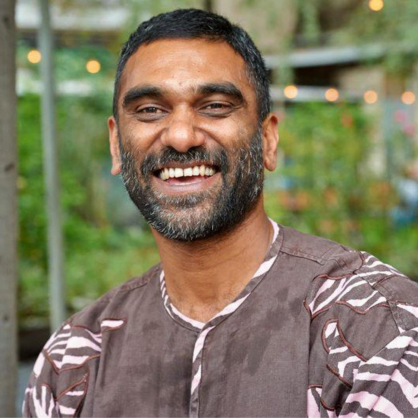
Kumi Naidoo Appointed President of Fossil Fuel Treaty Initiative

Location: News
Fossil Fuel Non Proliferation Treaty Initiative

As the Fossil Fuel Non Proliferation Treaty Initiative (https://FossilFuelTreaty.org/) embarks on a new phase of the campaign and the development of the global Treaty, the Initiative announced today the appointment of Kumi Naidoo, globally recognized South African environmental and human rights leader, as its new President. Naidoo brings over three decades of activism and leadership experience to the role, and will help spearhead the organization's mission to secure a global plan for a just, financed and equitable transition away from fossil fuels.

Kumi Naidoo, whose activism has its roots in South Africa's tumultuous political past, has been a leading voice advocating for climate justice, sustainable development, and human rights across the world. As former Executive Director of Greenpeace International and Secretary General of Amnesty International and CIVICUS, he has been at the forefront of pivotal movements shaping environmental policy and social justice.

In response to his appointment, Kumi Naidoo said: “Throughout my life, I have sought justice for those marginalized by unjust political, economic and energy systems, especially in the Global South. The Fossil Fuel Treaty embodies this mission—it is a movement for global justice. It recognizes that to effectively address the climate, health, environmental, economic and social risks posed by fossil fuels, we must foster international cooperation for a rapid and just transition away from these harmful resources, ensuring that countries, communities and individuals in the South are not left behind. We must bring together world leaders who are committed to protecting what we love and have the courage to take action—the governments leading this initiative are the ones already doing that.”

The World Health Organization (https://apo-opa.co/3ZwZmQ5) estimates that outdoor air pollution, largely caused by fossil fuel emissions, contributes to over 4.2 million premature deaths annually. From compromising health, security, and livelihoods to fueling conflicts globally, fossil fuels undermine all 17 UN Sustainable Development Goals (SDGs) (https://apo-opa.co/4dkGGGp). The scientific and economic evidence is clear: there can be no new fossil fuels in a healthy, thriving world.

“There are enough solutions out there in the world to transition away from oil, gas and coal, but that requires countries to stop expanding these projects and start focusing on clean, safe and fair energy sources. We need bold ideas, and this is the biggest new idea there is, and just at a time when the power and deception of the fossil fuel industry are finally being exposed, and countries are beginning to realize that we need to phase out fossil fuels. The Treaty is a blueprint for how to do that in a fair and equitable way. Later is too late. The race to see who will join the growing bloc of countries at the forefront of the solution is on; and the time to act is now.”, reinforced Naidoo.

Kumi Naidoo's strong commitment to equity and innovative approach to advocacy were celebrated by the members of the initiative's steering committee. They emphasized that these qualities are essential as the Fossil Fuel Treaty initiative enters a critical phase on the mission to unite countries to negotiate a new, binding global plan for a rapid and fair transition away from oil, gas, and coal. The Steering Committee also takes the opportunity to welcome a new Co-Chair, Reverend James Bhagwan, General Secretary of the Pacific Conference of Churches.

Tzeporah Berman, Chair and Founder of the Fossil Fuel Treaty initiative and a long-time environmental activist, commented on Naidoo's appointment: “I am thrilled to welcome Kumi Naidoo as the new President of the Fossil Fuel Treaty Initiative. Kumi's visionary leadership, deep understanding of global issues, and unwavering commitment to justice make him the addition we need to help guide our movement through this crucial phase of the campaign as we bring more governments on board. His passion for the cause and extensive experience in climate advocacy will be instrumental as we strive to unite nations and make this Treaty a reality. True leadership is measured by the courage to confront the bullies in the oil and gas industry, declare that their time is up, and create a clear plan for a sustainable future. The Treaty is that plan, and Kumi is one of those true leaders. He has done it before, from fighting apartheid to contributing to the negotiation of the Paris Agreement – and together we will do it again now, to address the greatest threat of our time. We are also thrilled to welcome Reverend James Bagwan as a Co-chair to the Initiative. Reverend James brings years of experience and crucial perspectives from the faith community and leadership from the South Pacific.”

Mohamed Adow, Founder and Director of Power Shift Africa, and member of the Fossil Fuel Treaty Steering Committee: “Africa – and the world – is burning, both literally and figuratively. The appointment of Kumi Naidoo as President of the Fossil Fuel Treaty Initiative brings strengthened inspiration to our movement, at a time when we can no longer accept weak leaders and their empty promises. We share the rage at the reality of climate impacts and energy poverty that plagues our continent. And we share a commitment to fight with those who bear the brunt of a crisis they have not created. Africans have been marginalized in the quest for justice, our rights violated and our contributions overlooked. With Kumi joining the leadership of this Initiative, we are set to amplify the vision and voice of our continent, and demand the change our people deserve. Accompanied by Rev James as Co-Chair it is clear that the Fossil Fuel Treaty is a marker of equity and justice in international negotiations.”

Tasneem Essop, executive director of Climate Action Network, and member of the Fossil Fuel Treaty Steering Committee: “As someone who participated in the transformative power of global solidarity during the anti-apartheid movement in South Africa, I welcome Kumi's appointment as President of the Fossil Fuel Treaty with great hope. In our historic struggles we have always defied the odds and succeeded. We must now believe again that we can fight the existential threat of fossil fuels through our collective action. Kumi's leadership will help contribute to building the kind of people-powered movement we need to safeguard our future. We must harness that spirit of solidarity to tackle the culprits of the climate crisis and protect our communities and our planet. Together with Rev James joining as Co-Chair, and with the entire leadership of the Fossil Fuel Treaty initiative, we can be optimistic about winning this fight for a just and fossil free future."

Reverend James Bhagwan, General Secretary of the Pacific Conference of Churches and new Co-Chair of the Fossil Fuel Treaty Initiative Steering Committee: ”I am deeply honored to be named the new Co-Chair of the Fossil Fuel Treaty Initiative Steering Committee. The call from communities, governments, and churches from the region that is spearheading the political call for a Fossil Fuel Non-Proliferation Treaty is a powerful affirmation of the just transition we urgently need. It also highlights the vital role that faith communities play in mobilizing climate action. The ecological transformation we seek through the Fossil Fuel Treaty requires that we abandon our self-centered attitudes and act collaboratively for the good of the collective. Together with other leaders in this movement, we must cultivate the will to do what is right and just, have the foresight to sacrifice immediate gains for the greater good, and inspire hope that we can leave our children a healthier and more sustainable world than the one we inherited."

The Fossil Fuel Treaty initiative aims to negotiate a binding global agreement to phase out fossil fuel production fast and fairly, aligned with scientific and economic consensus. As world leaders prepare for crucial negotiations this September in New York City, Naidoo's leadership is expected to elevate the urgency of this mission, rallying stakeholders across sectors, advocating for systemic change to protect our climate and communities.

Distributed by APO Group on behalf of Fossil Fuel Non Proliferation Treaty Initiative.

Media Contacts:
Nathalia Clark
nathalia@fossilfueltreaty.org
+5561991371229 (GMT-3)

Note to Editors: 
Kumi Naidoo is a human rights and climate justice activist from South Africa. He was Executive Director of Greenpeace International (from 2009 through 2015) (https://apo-opa.co/3ZGer1T) and Secretary General of Amnesty International (from 2018 through 2019) (https://apo-opa.co/3BcjSLM). Naidoo also served as the Secretary-General of CIVICUS, the international alliance for citizen participation, from 1998 to 2008. He was an activist against the apartheid regime and its educational system in South Africa. Naidoo's activism went from neighborhood organizing and community youth work to civil disobedience with mass mobilisations against the white controlled apartheid government. He has written about his activism in this period in his memoirs titled, “Letters to My Mother: The Making of a Troublemaker”.

He is available for interviews, and will be in New York City to attend Climate Week events from September 20th to 27th. Further details about the Fossil Fuel Treaty initiative can be provided upon request.

About the Fossil Fuel Treaty Initiative: 
The Fossil Fuel Non-Proliferation Treaty Initiative is spurring international cooperation to end new development of fossil fuels, phase out existing production within the agreed climate limit of 1.5°C and develop plans to support workers, communities and countries dependent on fossil fuels to create secure and healthy livelihoods. For more information on the Fossil Fuel Non-Proliferation Treaty Initiative and proposal, access here (https://FossilFuelTreaty.org/).

Media files
Fossil Fuel Non Proliferation Treaty Initiative
Download logo
Read moreKumi Naidoo Appointed President of Fossil Fuel Treaty Initiative
23 September 2024

Homecoming ceremony for former liberation fighters

Location: News

Homecoming ceremony for former liberation fighters

Government will receive the remains of 49 former liberation fighters who passed away in exile in Zimbabwe and Zambia this week.

The remains are set to arrive at Waterkloof Air Force Base in Pretoria on 25 September 2024.

“Following their arrival, the government will host an official homecoming ceremony on the 27th of September 2024 at Freedom Park, also in Pretoria, to mark the return of these liberation fighters to the country of their birth.

“Thereafter, reburial ceremonies will be held in the provinces of their origin, ensuring they are laid to rest with the dignity and respect they deserve,” said the Government Communication and Information System (GCIS) in a statement on Monday.

The Exile Repatriation Program is guided by the National Policy of Repatriation and Restitution of Human Remains and Heritage Objects of 2021. This policy was adopted as part of South Africa's broader commitment to ensuring that former liberation fighters who died in exile are returned home and buried with dignity.

The repatriation process is being conducted in close collaboration with regional governments, historical experts, and local communities to guarantee a respectful and well-coordinated return.

The South African Heritage Resources Agency (SAHRA), through its legislative framework, the National Heritage Resources Act No 25 of 1999, (NHRA) protects and manage all sites associated South Africa’s rich liberation struggle and anti-colonial resistance history.

According to GCIS, SAHRA’s Heritage Protection Unit receives submissions from all provinces, for serial nomination of sites for declaration as National Heritage Sites.

“The selected sites are then graded and accorded a local, provincial and national status due a unique cultural and historical significance that bear footprints and pay homage to individuals, communities, events and places that collectively shaped the country ‘s struggle for freedom.

“This heritage fosters unity across society and must be preserved and celebrated for future generations.

“This initiative underscores South Africa's continued dedication to recognizing the sacrifices made during the liberation struggle,” the statement said.

In the past, repatriations were conducted on an ad-hoc basis and on individual basis, usually at the request of families to local authorities and provincial governments.

However, said the GCIS, since the government has adopted an inclusive country-to-country repatriation model, which will be formally launched during the homecoming ceremony. This model aims to accelerate the repatriation process, beginning with countries that have high numbers of liberation fighter remains – Zimbabwe and Zambia.

As South Africa commemorates 30 years of freedom and democracy, the government, led by the Minister of Sport, Arts and Culture Gayton Mackenzie will receive the remains at Waterkloof Airforce Base between 16:00 and 18:00.

The homecoming ceremony will start at 10h00 on 27 September 2024.

“South Africa remains forever indebted to the heroes of its liberation struggle, and this initiative represents a significant milestone in honoring their legacy and contribution to the 30 years of freedom and democracy milestone,” said GCIS. – SAnews.gov.za

Janine
Mon, 09/23/2024 - 14:56

179 views
Read moreHomecoming ceremony for former liberation fighters
23 September 2024

Chikunga hopeful of Women’s Forum recognition 

Location: News

Chikunga hopeful of Women’s Forum recognition 

Minister in the Presidency for Women, Youth and Persons with Disabilities, Sindisiwe Chikunga, says she is confident that the BRICS Women’s Forum will be recognised at this year’s Kazan Summit Declaration, scheduled to take place next month.

Chikunga made the remark as Russia prepares to host the BRICS Summit to be held in Kazan, from 22 to 24 October, after the country assumes the BRICS chairmanship in 2024.

This as the Minister led the discussions at the BRICS Women Affairs meeting held in Saint Petersburg, Russia.

READ | Chikunga arrives in Russia for BRICS Women Affairs Meeting

The meeting saw BRICS Member States discussing cooperation prospects in the fields of women’s leadership and enhancing the role of women in finance, agriculture, innovation, healthcare, creative industries, tourism, environmental safety, and the inclusive economy.

Speaking at the BRICS Women's Forum, which included the BRICS Ministerial Women’s Affairs Meeting on Friday, Chikunga congratulated the Russian Federation on assuming the Chairship of BRICS 2024, and the sterling work that it has undertaken to date.

“As you are aware, this forum of Ministers was first initiated in 2023 during South Africa's Chairship of BRICS. It is indeed encouraging to witness its growth under the stewardship of the Russian Federation's 2024 Chairship, and it will undoubtedly flourish under the future Chairship of fellow BRICS member states.

“We applaud Russia's choice of the theme 'Women, Governance, and Leadership' as a timely intervention that ensures this forum continues to amplify the voices, interests, and full representation of women across BRICS member states, promoting their meaningful participation at all levels of governance and decision-making.”

Chikunga also reflected on some of the key points that emerged during hybrid BRICS Ministers for Women Affairs held in December 2023, where the forum was recognised as a fundamental platform to elevate equality, women’s rights, economic autonomy, and empowerment; and to address major concerns related to women across the BRICS countries.

The forum also promotes mainstreaming of women’s issues across BRICS’ processes, priority areas, declarations and agreements; and provides a platform for the exchange of knowledge and best practices in advancing the current and future wellbeing of women and girls across BRICS.

“Our meeting recognised the tremendous progress that successive BRICS summits have produced in the areas of global governance, development, peace and security, energy, climate change, and social issues. We noted, however, that discussions in these areas would be further enriched by a ministerial meeting dedicated to women affairs.

“There was consensus on the potential of this forum to accelerate the implementation of existing commitments, principles, goals, and actions outlined in various international instruments on women. These include the Beijing Platform for Action (1995), the Convention on the Elimination of All Forms of Discrimination Against Women (CEDAW - 1979), UN Resolution 1325 (2000) on Women, Peace, and Security, as well as the UN [United Nations] Agenda 2030 and its 17 Sustainable Development Goals (SDGs),” Chikunga explained.

The meeting further agreed to support the acceleration of the implementation of the African Union Agenda 2063, with a particular focus on Aspiration 6, which promotes women's empowerment.

Asserting women’s interests

The Ministers also highlighted the need to assert women’s interests across the broader BRICS agenda, strengthen multilateralism, and synergise with the work of the BRICS Business Women’s Alliance to accelerate the mainstreaming of socio-economic priorities for greater inclusivity and equity.

“We acknowledge that this goal will be further enriched when we leverage our collective strength as the Global South, alongside robust people-to-people exchanges and cooperation within BRICS nations and across the African continent.

“A key highlight of the Johannesburg II Declaration was the recognition of the vital role of women and youth in trade and their potential to act as catalysts for industrialisation, infrastructure development, food security, agricultural modernization, sustainable growth, healthcare, and addressing climate change,” she said.

The Johannesburg II Declaration is a document that encapsulates significant BRICS viewpoints on matters of global economic, financial and political significance.

READ | BRICS adopts Johannesburg II Declaration

– SAnews.gov.za

GabiK
Mon, 09/23/2024 - 13:42

58 views
Read moreChikunga hopeful of Women’s Forum recognition 
23 September 2024

Celebrate Heritage Day With These Braai-Lliant Desserts

Location: MyPR

Get ready to sweeten up your Heritage and Braai Day celebrations with three tasty desserts! These recipes are so delicious, they’ll have you saying “Mzansi fo sho!” faster than you can flip boerewors on the braai. Keegan Eichstadt, FUTURELIFE®? Marketing Manager believes that a braai without dessert is like a soccer game with no vuvuzela. …

Read moreCelebrate Heritage Day With These Braai-Lliant Desserts
22 September 2024

SIU welcomes extradition of Michael Lomas

Location: News

SIU welcomes extradition of Michael Lomas

The Special Investigating Unit (SIU) has welcomed the extradition of entrepreneur Michael Lomas concerning Eskom's R745 million Kusile power plant allegations of fraud, unauthorised rewards, corruption and money laundering. 

Lomas was arrested in April 2021. He is one of five accused of the alleged crimes. 

READ | Former PRASA engineering head's sentence a blow against corruption

His co-accused are former Eskom Group Executive for Group Capital Division, Abram Masango; former Eskom Senior Manager for Group Capital Division, France Hlakudi; the owner of Tubular Construction Project Antonio José Trindade, and the owner of Babinatlou Business Services Hudson Kgomoeswana. 

The arrests follow an intensive investigation by the SIU at Eskom, which uncovered evidence of criminal actions involving five accused individuals. This evidence, gathered under the SIU Act, was referred to the National Prosecuting Authority (NPA) and the Directorate for Priority Crimes Investigation (Hawks) for further action. 

“The investigation, initiated in 2018 under Proclamation R11, focuses on Eskom's procurement and contracting processes and related payments. 

“The SIU applauds the diligent work of the NPA’s Investigating Directorate, Hawks and international partners, whose collaboration has led to this critical milestone.

“The SIU will continue to support the prosecutorial process and ensure that all individuals implicated in corruption are brought to justice in accordance with the law.

“This extradition is part of implementing the National Anti-Corruption Strategy, which sees law enforcement agencies coming together to eradicate corruption in South Africa and ensure the continued cleaning up of State-owned Entities, like Eskom, from corruption,” said the SIU. – SAnews.gov.za

Gabisile
Sun, 09/22/2024 - 16:21

7 views
Read moreSIU welcomes extradition of Michael Lomas
20 September 2024

Cabinet welcomes signing of BELA Bill into law

Location: News

Cabinet welcomes signing of BELA Bill into law

Cabinet has welcomed the signing of the Basic Education Laws Amendment (BELA) Bill into law, by President Cyril Ramaphosa, marking a significant step towards transforming and enhancing the nation’s basic education system. 

President Ramaphosa publicly signed the Bill on 13 September 2024, during a signing ceremony held at the Union Buildings, in Tshwane.

The BELA Act amends sections of the South African Schools Act of 1996 (SASA) and the Employment of Educators Act, 1998 (EEA) to account for developments in the education landscape since the enactment of the original legislation.

The amendments are a response to court judgments that protect and give effect to the Bill of Rights. 

Since the advent of democracy, government has made notable progress in expanding access to education for the children of the country, however, barriers to access still remain.

The Act seeks to address these challenges and is part of the state’s ongoing efforts to build an education system that is more effective and more equitable. 

As part of advancing diversity and inclusion, the new legislation addresses the issue of language policy. Schools have to consider the broader linguistic needs of the communities in which they are situated.

Addressing a post-Cabinet media briefing on Friday, Minister in the Presidency Khumbudzo Ntshavheni said this landmark legislation obliges school governing bodies to take into account the linguistic needs of the wider community to promote inclusivity in education.

“This will go a long way in making education affordable more especially in the suburban areas, where majority of schools are Afrikaans teaching, whereas the broader community around the school are English speaking,” Minister Ntshavheni said.

The legislation seeks to, among other things, make Grade R the new compulsory school starting age and also promotes greater accountability with respect to the role of parents and caregivers in ensuring children attend school consistently. Home schooling will now be subject to more effective regulation and oversight. 

“In a move to strengthen Early Childhood Education, the BELA Act makes Grade R the new compulsory starting age for school. It also holds parents accountable by criminalising the failure to ensure their children attend school. There is no reason for a child not to attend school in South Africa at a Basic Education level because education is free,” Minister Ntshavheni said.

The law requires schools to apply the same standards for the admission of learners. The Act contains provisions for improving school admissions policies, particularly with respect to vulnerable learners, like children of undocumented migrants. 

To promote inclusivity, the new law guides schools on the development of codes of conduct that take into account respect for religious and cultural beliefs. This is important for fostering a more tolerant learning environment and a more tolerant society. 

The Act further seeks to ensure uniformity and fairness in educational standards across all schools.

To improve safety in the learning environment, the legislation reinforces the ban on corporal punishment. It introduces stronger penalties for those who administer corporal punishment. 

The legislation also introduces financial and public accountability frameworks for School Governing Bodies. It guides the oversight of their activities and work. 

Cabinet further welcomed the decision by the President to allow a three-month period of engagement on two clauses concerning schools' admissions and language policies, as part of ensuring a national consensus and national cohesion. 

Following different views expressed about the legislation, President Ramaphosa decided to delay the implementation date for clauses 4 and 5  by three months.

The President explained to South Africans that the parties to the Government of National Unity (GNU) expressed their wish to further engage each other on sections of the Bill (at the time) that deal with issues of admission and language. 

He said this will give the parties time to deliberate on these issues and make proposals on how the different views may be accommodated. However, should the parties not be able to agree on an approach, then government will proceed with the implementation of these parts of the Act.  

In an interview with SAnews this week, Education expert Mary Metcalf said she anticipates thoughtful and deliberate discussions regarding the BELA Act to unfold across the provinces over the next three months. 

“My expectation is that there will be very careful interaction with provinces in terms of Grade R and realistic dates of implementation that match careful planning… and that would be clause 4 of BELA.

“In terms of clause 5 of BELA, what is important primarily there - is for the discussions to recognise firstly that BELA doesn’t change any existing constitutional or legal provisions in law,” she said.

She explained that the BELA Act addresses cases, including Constitutional Court rulings, where procedural fairness by an education department was found lacking, particularly when provincial education departments could have handled discussions with school governing bodies more carefully.

Metcalfe allayed fears that the delay in implementation of clauses 4 and 5 of the Act may leave education departments without policy direction.

She explained that during the next three months, the existing law, based on the South African Schools Act and the previous Basic Education Laws Amendment Act, will remain in effect, ensuring that education departments and the public continue to be guided without any legal uncertainty.

The two specific clauses in the Act have faced opposition, primarily due to concerns that they strip school governing bodies (SGBs) of their authority over admissions and language policy decisions. 

In particular, Clause 5 has drawn criticism from those who believe it will disadvantage schools that operate in languages other than English, potentially undermining mother tongue education. 

However, the clauses stipulate that SGBs will retain control over these policies, as long as they are submitted for approval to the provincial Head of Department, in line with constitutional requirements.

Metcalfe stressed that there is significant misunderstanding among the public regarding what the BELA Act aims to achieve with mother tongue education. She clarified that the right to be taught in one’s mother tongue is firmly protected by the Constitution.

“The Constitution says everybody has a right to learn in their language of choice and it is the responsibility of the school governing bodies and the [provincial] Education Departments to ensure that this is practicable, practical, and that it takes into account the circumstances,” she said.

On the clause that now compels parents to send children to Grade R for compulsory schooling, Metcalfe again laid aside fears that government is attempting to “criminalise parents”.

She explained that in South Africa, approximately 96% to 97% of learners are already enrolled in Grade R, meaning most children aged five turning six are already participating in this level of education.

However, since Grade R is not yet compulsory, the State is not currently required to fund teachers' salaries or provide the necessary infrastructure, although public facilities are often utilised for this purpose.

Once Grade R becomes compulsory, she explained that the State will be obligated to pay the teachers and ensure that all necessary resources and infrastructure are in place. 

“Bringing attendance and compulsory attendance one year earlier means that we are able to reach children. [This is] particularly important, given the levels of inequality in our country, that young children are able to access formal learning… where they are exposed to text; where they’re exposed to group learning. It’s a good thing that we do this earlier,” she said. – SAnews.gov.za

DikelediM
Fri, 09/20/2024 - 13:36

653 views
Read moreCabinet welcomes signing of BELA Bill into law
20 September 2024

Prepare for a Safe Holiday on the Roads

Location: MyPR

As the school holidays start this week and Heritage Day is around the corner, many South Africans will use this opportunity for a mini-break of fun road trips and family get-togethers. With more of us hitting the road during this time, Dunlop Tyres SA urges drivers to inspect their vehicles, particularly the condition of their …

Read morePrepare for a Safe Holiday on the Roads
20 September 2024

How to Teach Your Children Disrespect for Everyone (Including God)

Location: MyPR

Dear Churches – Stop inviting Satan into your home Dear Parents – Your children are lost and need YOU Dear Schools – Teaching solely with devices is not really teaching but baby sitting Each generation says that they live in trying times – Great Granny and Grandpa lived through the World Wars, Granny and Grandpa …

Read moreHow to Teach Your Children Disrespect for Everyone (Including God)
19 September 2024

Gauteng NCOP Delegation Recommends Criminal Action Against Errant Project Developers Contractors

Location: News

Republic of South Africa: The Parliament
Download logo

The NCOP Gauteng delegation conducted a successful oversight visit to unfinished and abandoned human settlements, health, education, and road projects in the West Rand and Sedibeng regions on Wednesday.

The visit is part of the week-long NCOP Provincial Week Programme, held under the theme “Confronting the Challenges Facing the Timely Delivery of Viable Public Infrastructure to Communities.”

The Provincial Week Programme aims to provide permanent delegates to the NCOP and their counterparts from the Gauteng Provincial Legislature with an opportunity to conduct oversight visits to various community development structures, including incomplete road projects, housing projects and other delayed or abandoned public infrastructure projects in the province. These oversight sessions involve officials and managers from affected districts and provincial and national government departments.

Among the abandoned projects visited by the delegation yesterday was the Montrose Mega Project in Randfontein. The project started in 2017 and is expected to yield 13 792 mixed typologies upon completion.

Briefing the delegation on the challenges, interventions and way forward, the provincial Department of Human Settlements said the project had faced various challenges, such as non-performance by the developer, as he failed to resume site in January 2024. The developer also failed to disclose a liquidation order issued by the court against him in 2023 in favour of contractors. The delegation was informed that the developer failed to pay the Small, Medium, and Micro Enterprises (SMMEs), which he appointed as his service providers. The abandoned project is now facing a serious problem of vandalism of the units.

As part of the interventions, the department reported that it sought a legal opinion on the options available to act against the developer and a notice of termination was issued. The delegation was told that three criminal cases had been opened for the vandalism of the infrastructure, and some of the perpetrators had been brought to justice.

The department further reported that, as part of the way forward, they are appointing a security company to protect the remaining infrastructure and will commence negotiations with the land owner on acquiring the land.

The delegation also visited the Rus-Ter-Vaal Secondary School. The project was initiated in 2016 and set for construction in 2018. A contractor was appointed and initiated the construction process but abandoned the site without completing the project.

The delegation was told that the project remains abandoned as of August 2024. The department is set to appoint a contractor and hand over the site to the contractor by the end of September.

The MEC for Education committed to providing regular feedback to the NCOP on this delayed project and ensured that the contractors' contract would be terminated where there were unjustifiable delays.

The NCOP Gauteng delegation also conducted oversight at Kopanong Hospital in Vereeniging. Construction of the hospital started in 2021, with an original completion date of August 2022. The appointed contractor could not finish the project, and their contract was terminated.

The delegation was very concerned about the state of the Kopanong Hospital, which is in decay. The abandoned, incomplete wards were meant to accommodate emergency patients during COVID-19, but the contractor failed to finish the job.

The delegation also visited the R82 Old Johannesburg Road in Walkerville. The Initial consultant was terminated due to poor performance. A new consulting engineer was appointed on 23 August 2024. The delegation was informed that the project is scheduled to recommence the first week of October 2024. The contractor is mobilising to return to the site at the beginning of September 2024.

Some of the challenges facing the project include the encroachment of 10 households on the site—intervention to relocate the residents is being sought.

The delegation further visited the Bekkerdal Care of the Age Centre, New Simunye High School in Westonaria, and the Lethabong Mega Project in Sebokeng. The delegation applauded the Lethabong Mega Project, as it was the only site progressing well among all the visited projects.

The delegation, led by Ms Jane Mananiso, NCOP Gauteng Provincial Whip, recommended that criminal cases be opened against developers who are at fault for any of the projects' issues.

Highlighting the importance of accountability and transparency, Ms Mananiso said public representatives must ensure that every rand spent on infrastructure development translates into tangible benefits for the people. “The NCOP's oversight provides an invaluable mechanism for ensuring accountability and transparency, and I have no doubt that your engagements with us this week will help strengthen the systems that underpin effective governance,” she said.

The delegation is today, Thursday, 19 September, conducting oversight visits to projects around the Ekurhuleni and Tshwane regions. The projects include:

  • - Bakerton Library in Springs
  • - Barcelona Primary in Daveyton
  • - Semphato Junior Secondary School in Soshanguve
  • - Transoranje LSEN - Pretoria
  • - Women Living Monument in Pretoria

Distributed by APO Group on behalf of Republic of South Africa: The Parliament.

Read moreGauteng NCOP Delegation Recommends Criminal Action Against Errant Project Developers Contractors
19 September 2024

Reliance on Social Media for News Makes Africans Vulnerable to Disinformation, Survey Finds

Location: News
KnowBe4

A recent survey across Africa by KnowBe4 (www.KnowBe4.com) reveals that 84% of respondents rely on social media as their primary news source, with 80% favouring Facebook; This heavy dependence on social platforms for information is concerning, particularly as disinformation continues to rise.

With 19 African countries set to hold elections in 2024 and numerous political campaigns underway, worries about misinformation (unintentionally shared false information) and disinformation (deliberately spread fake news) are mounting. The Africa Centre for Strategic Studies (http://apo-opa.co/3Bj92mY) reports that disinformation campaigns in Africa have quadrupled since 2022, often backed by foreign states like Russia and China, leading to social instability.

In response to these issues, KnowBe4 conducted a survey in June 2024 on political disinformation and misinformation across five African countries: Botswana, Kenya, Mauritius, Nigeria, and South Africa. The survey, which included 500 respondents, found that the vast majority of users (84%) prefer social media for news consumption over traditional channels like radio, TV, and news websites. Anna Collard, SVP Content Strategy and Evangelist at KnowBe4 AFRICA, notes, “80% of respondents are consuming news on Facebook and over 50% use TikTok. This is alarming as neither of these channels is very reliable in terms of news.”

The ability to discern fake news may be exaggerated

Another concerning finding is that 82% of respondents feel confident in their ability to distinguish between true and false information online, despite a generally low level of formal education on the topic. Collard comments, “While most respondents reported being able to tell the difference between real and fake news, I doubt this is the case. Other research (http://apo-opa.co/4di3hDj) has shown that most people overestimate their ability to detect deepfakes, and ironically, more people trust AI-generated images than actual photographs.”

The survey also revealed that disinformation is becoming a significant concern for many. 80% of respondents expressed high levels of worry about the negative impact of fake news and its potential to cause social division. “In Kenya, many respondents said they had seen firsthand how disinformation can lead to tribal conflict,” Collard notes.

She further explains that social media influencers using inorganic hashtags fuelled similar political discord during Nigeria's election last year. “Social media's rapid spread of false information and the increasing accessibility of AI tools allow for the quick and cheap creation of sophisticated disinformation campaigns.”

Collard adds, “As we saw when entities disputed the outcome of South Africa's 2024 election, there are individuals motivated to disrupt democracies and act maliciously to create chaos because it serves their own agenda.” Another historic example is the #whiteminoritycapital disinformation campaign (http://apo-opa.co/3XOF1Eu) run by the British PR company Bell Pottinger in 2017 to obfuscate state capture by former SA president Jacob Zuma.

Need for more training and tighter controls

The survey underscores the need for increased education and awareness surrounding misinformation and disinformation. A significant 58% of respondents report having received no training on the topic, while a concerning 32% admit to simply ignoring fake news, highlighting the need for a more proactive and engaged response.

“We need a multi-faceted strategy to combat disinformation,” says Collard. This approach should encompass enhanced awareness and critical thinking among users; coordinated government action to prevent the spread of fake news (including stronger legislation), and increased vigilance from social media platforms in detecting and removing disinformation campaigns.

“Fake news is an ongoing challenge that requires continuous attention,” Collard concludes. “To fight it effectively, we need a combination of new technology, better ways to prevent it, and most importantly, teaching people to consume media while thinking critically, particularly if it is emotionally laden or potentially polarising content. As the digital landscape develops, so too must our strategies for maintaining the integrity of information.”

To read the full 2024 Political Disinformation in Africa report, click here: https://apo-opa.co/3zxqZO7

Distributed by APO Group on behalf of KnowBe4.

Media files
KnowBe4
Download logo
Read moreReliance on Social Media for News Makes Africans Vulnerable to Disinformation, Survey Finds
19 September 2024

Court Sets Aside Conviction in Dagga Case

Location: News

The magistrate had relied on a section of the Drugs and Drug Trafficking Act that was declared unconstitutional almost 30 years ago

Read moreCourt Sets Aside Conviction in Dagga Case
18 September 2024

Court Ruling on Asylum Seekers Welcomed

Location: News

Judge prohibits Home Affairs officials deporting people who intend to apply for asylum

Read moreCourt Ruling on Asylum Seekers Welcomed
18 September 2024

Committee on Justice and Constitutional Development Commends Public Protector on it’s Gender-Based Violence (GBV) Report

Location: News

Republic of South Africa: The Parliament
Download logo

The Portfolio Committee on Justice and Constitutional Development today commended the Office of the Public Protector (PPSA) for a comprehensive report on its systemic investigation into administrative deficiencies relating to gender-based violence (GBV) in the South African justice system.

Committee Chairperson, Mr Xola Nqola, said the report's quality is evident when members unilaterally commend the sterling work done across parties.

The committee heard that the report focused on three key institutions – the Department of Justice and Constitutional Development (DoJ&CD), the South African Police Service (SAPS) and the Department of Social Development (DSD).

The PPSA inspected 38 courts across all nine provinces, interviewed court users and staff, engaged with NGOs, inspected the gender-based violence command centre (GBVCC), inspected the GBV Shelter - the Mali Martin Polokengong Centre, and received written submissions by DOJ&CD, SAPS and DSD.

Regarding their findings, the PPSA said that of the 38 courts inspected – bar the Point Branch Family Court in KwaZulu Natal – none were kept in an operational manner that supports efficient service delivery in terms of legislation. The court buildings were found to be old and dilapidated.

Some recently renovated courts have structural defects with cracked walls and leaking roofs. Several courts visited do not have private/sufficient consultation rooms, and clerks of the court consulted with victims in shared small offices. Most of the courts do not have proper filing systems and space. In some places, files were scattered on the floor. Long queues and inconsistent timelines were also flagged.

The committee heard that in terms of remedial action, the DOJ&CD must, within 180 days, conduct an audit of all courts as established in terms of the Magistrate's Court Act to determine their infrastructure needs/upgrades/renovations. Within 210 days, the department must audit the current filing systems at the various Magistrate's Courts and develop/upgrade their filing system in line with the National Archives and Record Services' Regulations.

Regarding the SAPS, the PPSA said victims are being sent to courts without receiving medical attention, and the clerks of court are then forced to arrange for such services. This is contrary to the Domestic Violence Act (DVA) and the SAPS National Instruction 7 of 1999. Also, applicants are often left on their own to serve protection orders on the respondents, thereby making them vulnerable to further attacks despite the DVA providing for servicing of protection orders by hand by a clerk of the court, sheriff and a peace officer.

SAPS must develop and submit a collaboration plan between SAPS and DSD within 180 days to provide support services to victims of GBV, such as trauma counselling, referral to shelters, and any other effort within this ambit.

In terms of the DSD, the committee heard they have 180 days to submit a detailed project plan to determine the GBVCC's human resource needs and develop a plan with clear timelines indicating how the capacity constraints in the GBVCC will be addressed and how the need for additional shelters will be addressed.

Mr Nqola said the committee requested that the PPSA provide updates on the implementation of its recommendations. “We commend this excellent work. It is important to remember that the remedial actions of the PPSA are binding on all stakeholders.”

Distributed by APO Group on behalf of Republic of South Africa: The Parliament.

Read moreCommittee on Justice and Constitutional Development Commends Public Protector on it’s Gender-Based Violence (GBV) Report
18 September 2024

Thabo Bester and Hundreds of Other Prisoners Kept in Unlawful Conditions, Says Inspectorate

Location: News

Report argues that solitary confinement is a form of torture

Read moreThabo Bester and Hundreds of Other Prisoners Kept in Unlawful Conditions, Says Inspectorate
18 September 2024

President Ramaphosa, Business Unity SA meet on NHI

Location: News

President Ramaphosa, Business Unity SA meet on NHI

President Cyril Ramaphosa has met with the leadership of Business Unity South Africa (BUSA) to discuss matters related to the National Health Insurance (NHI) Act.

According to the Presidency, the meeting on Tuesday included the Minister and Deputy Minister of Health and senior officials and was “constructive and forward looking”.

“Business and government expressed a shared commitment to the underlying objectives of the NHI, namely to achieve universal health coverage for all South Africans and address inequality in the health system,” the Presidency said.

Furthermore, the office said government will continue to engage on the matter “in good faith”.

“The President has requested BUSA to put forward specific proposals on the remaining issues of concern as a basis for further engagement. Government remains committed to engaging with all stakeholders in good faith on the process of healthcare reform, and to finding workable solutions that will advance quality and affordable healthcare for all,” the Presidency said.

In May this year, President Ramaphosa signed the then NHI Bill into law. During the signing ceremony, he said the signing was a “milestone in South Africa's ongoing quest for a more just society”.

“This transformational health care initiative gives further effect to our constitutional commitment to progressively realise access to health care services for all its citizens. 

“At its essence, the NHI is a commitment to eradicate the stark inequalities that have long determined who receives adequate healthcare and who suffers from neglect.

“By putting in place a system that ensures equal access to health care regardless of a person’s social and economic circumstances, the NHI takes a bold stride towards a society where no individual must bear an untenable financial burden while seeking medical attention,” President Ramaphosa said. – SAnews.gov.za

NeoB
Wed, 09/18/2024 - 09:01

457 views
Read morePresident Ramaphosa, Business Unity SA meet on NHI
18 September 2024

Why the Woolies Boss Was Paid 1,300 Times as Much as a Shopfloor Worker

Location: News

Report by Just Share exposes pay gaps in the retail and wholesale sector

Read moreWhy the Woolies Boss Was Paid 1,300 Times as Much as a Shopfloor Worker
18 September 2024

Meet SA’s new petroleum company

Location: News

Meet SA’s new petroleum company

A policy statement by President Cyril Ramaphosa has today resulted in the formation of a new state-owned petroleum company, the South African National Petroleum Company (SANPC).

The SANPC has been formed following the merger of the Central Energy Fund (CEF) subsidiaries, iGas, PetroSA and the Strategic Fuel Fund.

The SANPC is poised to become a leading player in the country's energy sector ensuring energy security, driving new technologies, developing and enabling essential infrastructure, fostering strategic partnerships and propelling social and economic development.

It is also expected to oversee strategic planning, coordination and governance of the country's petroleum resources, contributing to the country's development and economic growth. 

The company has been granted approval to start operating in terms of the s51(g) (h) of the Public Finance Management Act of 1999.

The formation of the state-owned company follows President Ramaphosa’s February 2020 State of the Nation Address (SONA) wherein he announced government’s intention to repurpose and “rationalize” state-owned enterprises to support growth and development in South Africa.

Under this national directive, on 10 June 2020, Cabinet approved the Department of Mineral Resources and Energy’s (DMRE) request to merge the three subsidiaries of the Central Energy Fund (CEF); namely the South African Gas Development Company SOC Limited (iGas), PetroSA and Strategic Fuel Fund (SFF).

“The rationalization of these subsidiaries into one single SA National Petroleum Company is on the basis that each company be efficiently structured so as not to transfer operational inefficiencies and going concern issues into the new entity.

“Out of the three merging entities, only iGas and SFF are financially viable to be merged into the new entity subject to key legal requirements. However, following a rigorous assessment of the PetroSA business, the only financially viable division to be merged into the new company is Trading and the Ghana asset,” the new petroleum company said in a statement on Wednesday.

It added that the remainder of the business that does not form part of the SANPC will form part of legacy assets requiring further work to be done before they could be transferred into the SANPC.

“In the interim, the SANPC will be incorporated as a subsidiary of [the] CEF Group of Companies until the National Petroleum Bill is promulgated into law. For the SANPC to kick start its operations, it would use the Lease and Assign model wherein certain assets of the merging entities will be leased to the new company, the SANPC.”

READ | Closing date for draft SA Petroleum Company Bill public comments extended

The proposed Lease and Assignment model provides the opportunity to strategically select what is leased and assigned to the SANPC by ring-fencing or isolating PetroSA’s legacy assets such as decommissioning liability and current operating challenges of the Gas to Liquid Refinery.

“This approach will improve the financial risk profile for SANPC to secure funding as well as provide a legally sound solution to deal with the constraints associated with the non-profit status of [the] SFF. At the same time, work has begun to attend to the legacy assets which include the re-instatement of the Gas -To- Liquids (GTL) Refinery and the decommissioning liability methodology and provisioning.

“Once all the matters relating to these legacy assets are resolved, they would be ready for transfer to the SANPC.”

The company said that the Lease and Assignment transaction is deemed necessary and the most effective approach for the merger.

“With the combined strengths of the three subsidiaries, a solid financial position, and robust stakeholder support, the SANPC is well-positioned to leverage these benefits and seize the R95 billion market opportunity.

"The SANPC would be poised to become a leading player in South Africa's energy sector, ensuring energy security, driving new technologies, developing, and enabling essential infrastructure, fostering strategic partnerships, and propelling social and economic development,” said the company. - SAnews.gov.za

Neo
Wed, 09/18/2024 - 09:28

33 views
Read moreMeet SA’s new petroleum company
17 September 2024

Former NHLS CEO ordered to pay R22 million for loss incurred

Location: News

Former NHLS CEO ordered to pay R22 million for loss incurred

The National Health Laboratory Service (NHLS) says it welcomes the judgment against its former CEO, Joyce Mogale, and her co-applicant, the estate of the late former Chief Financial Officer, Sikhumbuzo Zulu, who died before the court proceedings started.

This is after the Labour Court dismissed an unfair dismissal claim against the former officials and ordered Mogale to pay R22 million to the NHLS for losses it incurred because of her conduct. 

“The judgment is a victory for governance and recoups losses which the NHLS has suffered as a result of the conduct of its most senior employees,” the NHLS said in a statement. 

According to the entity, Judge Connie Prinsloo of the Labour Court found the pair’s dismissal to be fair.

“She used these words to describe their conduct, ‘displayed severe negligence and incompetence … dismally failed to carry out explicit Board resolutions and … blatantly disregarded the limitations contained in the delegation of authority’.” 

In her ruling delivered on Friday, 13 September 2024, the Judge stated that the pair had breached the lawful, reasonable, and fair instructions of their employer. 

She also mentioned that they failed to exercise due diligence and care, and referred to Mogale’s conduct as “astonishing”.

“Judge Prinsloo further stated that Mogale was unable to acknowledge her role in creating her misery – she was constantly shifting the blame, even onto the media.”

According to the NHLS, the Board became aware of irregularities in 2017, and Mogale and Zulu were subsequently suspended and dismissed in 2019 after a disciplinary hearing.

The dismissal of Mogale and Zulu, affirmed by Judge Prinsloo, were based on three separate irregular commercial contracts at the NHLS.

These include the Afrirent vehicle leasing irregularity, in which the former CEO approved a contract for R72 million without a Board and way above the limit of her authority.

She increased the contract even further to R79 million without any due process. 

“She signed a Service Level Agreement with an unwarranted penalty clause which ballooned the cost even further. The Afrirent irregularities led to a judgement that Mogale must pay back R22 million to the NHLS,” the entity explained. 

In the Blue Future contract information technology (IT) equipment irregularity, the NHLS Board authorised a procurement of R25 million. 

However, Mogale, without a competitive tender, summarily procured R83 million and mostly for goods that had nothing to do with the tender.

In the DV8 wide area network irregularity, the NHLS stated that a R63.5 million addendum was signed to the contract without going through the tendering process and without specifying the goods to be purchased, leaving room for potential malfeasance.

“In sum, Judge Prinsloo found that Mogale’s conduct violated the Public Finance Management Act, the NHLS Supply Chain Management Policy and her contract of employment,” the entity explained. 

The Chairperson of the Board, Prof Eric Buch, said that at the time of their suspension, the NHLS debt to its suppliers exceeded R800 million, which surpassed its cash balance.

Since then, Buch said, a diligent effort has steadily turned the NHLS around.

The organisation stated that it now has significant reserves, and its staff have received reasonable annual increases, while annual tariff increases have remained below 5%.

“This judgement is salient as it provides further evidence of the probity and diligence of the Board and its efforts to hold those responsible to account, however long it takes,” Buch added. 

Meanwhile, Mogale, former Head of Supply Chain Management Graham Motsepe, Manager of Contracts and Tender Compliance Mthunzi Mthimkulu, Legal Manager Sibusiso Mthenjane and the owner of Blue Future Kapai Pierre Petersen are all on trial in the specialised commercial crimes court in Palm Ridge. 

Petersen has already been found guilty of fraud in his tender submission to the NHLS and is awaiting sentencing.

Buch said he was still optimistic that those responsible will also be charged on the Afrirent and DV8 matters. – SAnews.gov.za
 

Gabisile
Tue, 09/17/2024 - 12:27

389 views
Read moreFormer NHLS CEO ordered to pay R22 million for loss incurred
  • Previous
  • Page 1
  • Interim pages omitted …
  • Page 50
  • Page 51
  • Page 52
  • Page 53
  • Page 54
  • Interim pages omitted …
  • Page 71
  • Next

Copyright © 2026 · MyZA · All Rights Reserved · Powered by Stratlec Online