Luxury Properties Seized in New Lottery Crackdown
Pretoria High Court grants preservation order over assets

MyZA
News, Directory, Events and Other Stuff
Pretoria High Court grants preservation order over assets
Tenders issued to appoint independent investigator into Telkom Towers
Public Works and Infrastructure Minister Dean Macpherson says his department has issued tenders for the appointment of an independent investigator to, within 60 days following their appointment, provide a detailed report on what went wrong with the Telkom Towers building in Pretoria.
According to Macpherson, the report should detail who is to blame and what will be the best solution moving forward for the Telkom Towers to limit further wastage of taxpayer money.
Earlier this month, the Minister conducted an oversight inspection at the Telkom Towers.
The building was procured to serve as the South African Police headquarters in 2016 to the tune of nearly R700 million. Officials say to date, over R200 million has been spent on renovations and other services but the building remains empty due to lapses.
Addressing the media in Cape Town on Wednesday, Macpherson said in the coming weeks, a tender for a second independent investigation will be released to investigate leases which have been established by the Department of Public Works and Infrastructure to ensure that these leases were completed within the confines of the law and that the state is paying market-related prices for each.
“Shortly after my appointment, we initiated an investigation into an R300 million IT security breach that spans a decade. The investigation builds on the work Deputy Minister Sihle Zikalala started earlier this year when vulnerabilities were discovered in the department’s Information and Technology Systems,” the Minister said.
Macpherson said preliminary reports since the extent of the security breach was found suggest that the amount of money stolen over the period confirms the seriousness of the matter.
He has also authorised the department’s legal services to assist the Special Investigating Unit (SIU) with litigation at the Special Tribunal to recover up to R20 million against Kroucamp Plumbers.
“This case involves tenders received by Kroucamp Plumbers in 2015 and 2018, where procurement processes were found to be unlawful and unconstitutional.
“The SIU discovered that payments were made to officials in our department amounting to over R300 000, and these actions are indicative of corruption that we are determined to root out,” the Minister said.
Macpherson said his goal is to make the department play a central role in using public assets for the public good and to help turn South Africa into a construction site which will ignite economic growth and create jobs.
“Over the past eight weeks, I believe we have started to lay the foundation for the work to begin to see cranes in the sky all over South Africa,” Macpherson said.
Central to the department’s strategy for increased infrastructure investment is to see the expansion and the capacitation of Infrastructure South Africa (ISA).
“We want to ensure that ISA functions as the single point of entry for all priority infrastructure projects, streamlining processes and reducing inefficiencies that have previously hampered project delivery,” Macpherson said.
This will not only improve efficiency but also ensure that the department prioritise projects with the greatest economic and social impact.
“And, this will increase investor confidence in public infrastructure projects, knowing that where Infrastructure South Africa is involved, construction projects are completed on time and within budget.
“We are accelerating broader budget reforms by collaborating with the National Treasury to streamline the Public-Private Partnership (PPP) process and establish an Infrastructure Fund that reports directly to the National Treasury.
“We are diversifying funding sources for infrastructure projects by focusing on PPPs, blended finance, and social infrastructure programmes. ISA will work closely with the National Treasury to direct investments toward projects with the highest GDP [gross domestic product] impact and job creation potential,” the Minister said.
The Minister said as the department pushes forward with reforms to ignite infrastructure investment, it was important that the department get its own house in order to ensure that it delivers on the core mandate.
“Accountability and transparency should be at the core of everything we do, while we work to eliminate corruption and abuse in all spheres of our organisation.” – SAnews.gov.za
Edwin
Thu, 08/29/2024 - 10:11
On the eve of the multi-award-winning writer, performer and poet Siphokazi Jonas’ forthcoming debut, Penguin Random House poetry collection, Weeping Becomes a River, released in September 2024, the latter part of 2024, into 2025 looks to be an eventful and confirmatory career trajectory for the firebrand. Siphokazi Jonas is a weaver of seemingly discordant worlds; …

As the global energy landscape shifts towards sustainability, Africa faces the unique challenge of balancing energy access, economic development and environmental stewardship. At African Energy Week (AEW): Invest in African Energy 2024, the Just Energy Leader Dialogue – sponsored by bp South Africa – will gather industry figures to explore how Africa's leaders can balance competing priorities and harness technology, policies and best practices to overcome energy access challenges.
The dialogue brings together key voices, including CEO of bp South Africa Taelo Mojapelo; Chief Investment Officer at the African Development Bank (AfDB) Wole Lawuyi; and Vice President and Country Manager, Senegal at Kosmos Energy, Khady Ndiaye. Moderated by Vice President at S&P Global, Michael Wynne, the session will explore how African leaders are navigating the complex intersection of social justice, economic growth and environmental sustainability in energy policymaking.
AEW: Invest in African Energy is the platform of choice for project operators, financiers, technology providers and government, and has emerged as the official place to sign deals in African energy. Visit www.AECWeek.com for more information about this exciting event.
African countries are leading the charge toward a just energy transition through a mix of enabling policy and investment promotion activities. Under its Department of Mineral Resources and Energy (DMRE), South Africa has rolled out its Integrated Resource Plan (IRP) outlining the country's strategy for energy diversification. The IRP provides for the accelerated adoption of renewable energy, while recognizing the continued role of coal and gas in national energy security. The DMRE has consistently advocated for a balanced energy approach, ensuring that the transition does not come at the expense of jobs and economic stability.
In Nigeria, the Federal Government has announced $585 billion in energy sector investment opportunities, aligning with the Nigerian Energy Transition plan, which focuses on increasing renewable energy, reducing methane emissions and achieving net-zero goals. Investments include $272 billion toward renewable power and infrastructure, $96 billion toward optimizing oil and gas processes, energy efficiency and carbon capture, $80 billion toward zero-emissions technologies and $2.8 billion toward clean cooking solutions. Nigeria will also host the $5-billion African Energy Bank, established by the African Petroleum Producers Organization (APPO) and African Export-Import Bank and set to accelerate access to capital for oil and gas projects across the continent. The initiative affirms Nigeria's leadership and commitment to ensuring energy security in Africa, as well as improving energy project financing.
Last month, APPO held discussions to help identify transition strategies, focusing on reducing gas flaring, enhancing local content and promoting research and development. Thought leaders like NJ Ayuk, Executive Chairman of the African Energy Chamber and Chief Academic Officer of Maarifa Education Olubayi Olubayi, united to explore pathways to more sustainable energy practices across the continent.
In West Africa, Senegal is also prioritizing the simultaneous development of fossil fuel and renewable resources, striking a balance among other, single resource-centric economies. The country is set to begin gas production from the Greater Tortue Ahmeyim LNG project later this year, creating opportunities in gas processing, gas-to-power and infrastructure and establishing itself as a key regional energy hub. In 2024, Senegal expanded its focus on renewable energy by launching new initiatives aimed at integrating renewables into its energy mix and aligning with its Just Energy Transition Partnership with France, Germany, the EU, the UK and Canada. High-level international cooperation supports Senegal's goal of universal energy access through a low-carbon energy mix and has established the country as a regional pioneer.
Distributed by APO Group on behalf of African Energy Chamber.
The Standing Committee on Finance has called on the South African Reserve Bank (SARB) to seriously look at the issue of the high interest rate which is making life difficult for both the poor and middle-income earners in South Africa.
The Committee Chairperson, Dr Joe Maswanganyi, said that the committee is raising this matter not to instruct the central bank to lower the interest rate, but to consider it an issue that is mostly affecting ordinary people on the ground.
The SARB briefed the committee today on its mandate, structure, governance and shareholding as part of the committee's capacity-building workshop. Furthermore, the presentation covered national payments, financial surveillance and prudential regulation
The committee has welcomed the SARB presentation and applauded the central bank for ranking 8th on transparency index out of 30 countries globally. To this end, the central bank undertook to continue working hard to improve its transparency index globally.
Some of the measures taken by the SARB to improve its transparency index include speaking directly with local communities at regional level through forums. In 2024, the central bank has conducted ten of such forums in Bloemfontein, Cape Town, Durban, Gqeberha, Kimberly, Mahikeng, Mbombela, Polokwane, Sandton and in Soweto.
Distributed by APO Group on behalf of Republic of South Africa: The Parliament.
“War is not good, and it is painful. If I were asked to go to war again, I would not agree.”
The reality for many schools in South Africa is bleak and often dire. Many students are forced to learn in makeshift classrooms under trees or in mud rondavels. South Africa’s most disadvantaged students attend schools that are severely under-maintained and under-resourced. This stands in stark contrast to research highlighting the critical role that a proper …
Chocolate, a universal symbol of love, luxury, and happiness, is cherished by people across the globe. Whether it’s a celebration or a quiet moment of indulgence, there’s a chocolate for every occasion. From the classic chocolate bars to exclusive South African chocolates, the variety is as rich as its flavor. The Variety of Chocolates …
Bara's burn unit gets a much-needed upgrade
The upgrading of the Wits Roy McAlpine Burns Unit at Chris Hani Baragwanath Academic Hospital (CHBAH) will go a long way in positioning the facility as one of the leading centres in Africa, focusing on the treatment of burns.
This is according to Gauteng MEC for Health and Wellness, Nomantu Nkomo-Ralehoko, who opened the new extended wing together with Vice-Chancellor and Principal of Wits University, Professor Zeblon Vilakazi, and the Roy McAlpine Foundation.
The additional wing is expected to enhance critical care and specialist training.
Since its establishment 33 years ago, the burns unit at the hospital has admitted over 30 000 patients and performed more than 40 000 burn-related surgical procedures.
“The opening of this new wing is more than just an expansion of physical space; it represents a crucial step forward in our ability to provide lifesaving world-class care to the hundreds of patients who depend on the public health system.
“This centre of excellence will go a long way in ensuring that more patients, both adults and children, can be counted among those whose dignity was restored post severe burns,” explained Nkomo-Ralehoko.
According to the CHBAH Head of Burns Unit, Professor Adelin Muganza, the facility’s expansion includes 12 newly- equipped intensive care unit (ICU) beds and a new operating theatre to reduce delays in surgical procedures - a critical factor in treating severe burns.
The unit also boasts office space, a large outpatient service area ensuring that more patients receive timely follow-up care, and rehabilitation spaces for occupational therapy, physiotherapy, speech therapy, and recreational activities.
According to Muganza, all these are essential for the holistic recovery of burn victims, including a skin substitute laboratory to improve the training of specialists and patient outcomes through cutting-edge research.
The impact of this expansion is already being felt by patients such as 29-year-old Nontleko Sithole from George Goch in Johannesburg who suffered burns to her body and face.
She was admitted to the Wits Roy McAlpine Burns Unit earlier this month after a devastating fire at her home, which sadly claimed her grandmother.
“I am impressed and happy with how the hospital treated my wounds and amazed about the progress I am making so far. I never thought I was going to recover so quickly, but now I am positive because of the work done on me by the healthcare workers,” she said.
Another patient, Bafana Alex Ntombela from Pimville, Soweto, was severely burned after collapsing onto a hotplate stove, causing significant injuries to the lower part of his body.
“I thought my life was over after seeing how badly I was burned. I underestimated Bara and its staff, but they surprised me with the treatment they gave me. They counselled me, and I have hope that I will recover. The progress of my healing is amazing.”
The facility is set to recruit additional specialists, medical officers, and nurses, further strengthening its capacity to meet the growing healthcare needs of the community.
This milestone underlines the GDoH’s commitment to enhancing healthcare infrastructure and preparing for the National Health Insurance (NHI) by expanding and upgrading facilities to meet the increasing demand for healthcare services.
The facility will also significantly improve burns services not only in Gauteng but also across South Africa and the broader Southern African Development Community region. – SAnews.gov.za
Gabisile
Wed, 08/28/2024 - 10:23
JOHANNESBURG: Cricket South Africa (CSA) is delighted to announce Hollywoodbets as the official title sponsor for the CSA Professional Women’s...
Three officers are accused of assaulting Juma Igiranieza, a barber, in Mowbray on 7 November 2023
JOHANNESBURG: Cricket South Africa (CSA) and the Pakistan Cricket Board (PCB) have today announced a T20 International (T20I) series between...
The Chairperson of the Portfolio Committee on Police, Mr Ian Cameron, has expressed concern that only 58% of housebreaking victims report the crime to the police, mainly because they believe that the South African Police Service (SAPS) will not do anything about it. The Chairperson was responding to Statistics South Africa's release of the 2023/24 Governance, Public Safety and Justice Survey.
“The trust deficit between the SAPS and communities is a major Achilles heel in the fight against crime. It is up to the South African Police Service to work hard, through deeds and action, to reverse this negative sentiment,” Mr Cameron said.
The Chairperson welcomed the release of the survey, as it gives a deeper analysis of the crime picture in the country. What is worrying, Mr Cameron said, was the general decline in reporting acts of crime across the board, especially sexual offences.
“The decline in reporting sexual offences from 92.3% to 78.4% should be reversed through training of police officers to adequately handle sexual-related crimes to prevent secondary victimisation. Also, the effective investigation of crimes leading to prosecution and the constant updating of victims will enhance trust between the police and victims,” Mr Cameron emphasised.
“It is extremely concerning, as SAPS is not currently equipped to really support victims and unfortunately when protection orders are not adequately enforced victims lose faith in the system,” Mr Cameron said. “Part of the budget adjustments the committee wants to propose can help address some of these shortcomings,” he added.
Meanwhile, the Chairperson underscored the serious concern that the use of illicit firearms, the weapons of choice in many criminal incidents, continues unabated. “We need more capacity within the SAPS to do destruction of firearms handed in and seized by police, as well as effective consequence management against those involved in smuggling firearms. The ease with which criminals access firearms is unacceptable,” Mr Cameron said.
The Chairperson also highlighted that it is unacceptable that people feel unsafe walking the street after dark. Statistics SA revealed that this fear is particularly pronounced among women, who reported feeling less safe walking in their neighbourhoods after dark than men. Additionally, the percentage of people who feel safe walking alone during the day fell from 86,6% in 2019/20 to 84,8% in 2020/21, continuing to decline throughout the reporting period and reaching 80,4% in 2023/24. The Chairperson called for heightened police visibility to curb this worrying trend.
Furthermore, the Chairperson encouraged communities to actively participate in community neighbourhood watches and community police forums, and to continue to be the ears and eyes of the police. “It is crucial that communities exhaust all lawful remedies to help prevent and combat crimes as we work to help adjust resources and budget of the SAPS,” Mr Cameron said.
Meanwhile, the Chairperson welcomed yesterday's multidisciplinary operation undertaken in eThekwini where at least 123 undocumented foreign nationals were arrested. The police also recovered counterfeit US dollars equivalent to R4.1 million, seized 117 rounds of ammunition of various firearm calibres and a large amount of liquor. Also, one suspect was arrested after he was found in possession of cocaine, crystal meth and an undisclosed amount of money. Mr Cameron emphasised that these kinds of disruptive operations are necessary in the fight against crime, and he called the SAPS to intensify such operations.
Distributed by APO Group on behalf of Republic of South Africa: The Parliament.
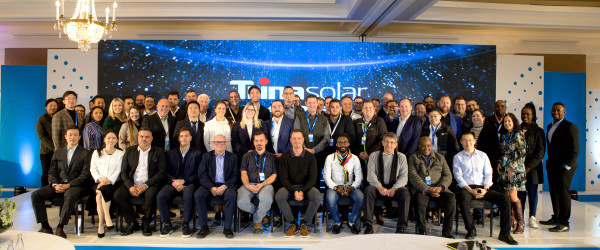
Trinasolar (www.Trinasolar.com), a global leader in smart PV and energy storage solutions, further solidified its commitment to South Africa's renewable energy future with an insightful customer event in Cape Town on August 26th. This event not only emphasized Trinasolar's ongoing expansion in the region but also highlighted its transformative impact on the country's energy landscape.
The event featured a keynote address by Kadri Nassiep, the City of Cape Town's Energy Executive Director, who provided an insightful overview of the city's energy strategies. Mr. Nassiep's address tackled the critical challenges of power outages and outlined innovative solutions that align with Trinasolar's mission to deliver reliable, sustainable energy to communities across South Africa.
Zaheer Khan, Regional Director for South Africa at Trinasolar, spoke to the company's significant milestones in the region, reflecting on Trinasolar's growing leadership in the renewable energy sector. "Our journey in South Africa is one of partnership and progress. Trinasolar's advanced technologies and strategic collaborations are not only addressing the immediate energy needs but also laying the foundation for a sustainable energy ecosystem in the country," Khan stated. He further emphasized Trinasolar's role as a catalyst for positive change, driving both economic growth and environmental stewardship in South Africa.
Peter Pan, Trinasolar's Storage Sales Manager, presented the company's cutting-edge energy storage solutions, which have been instrumental in ensuring energy resilience across different regions. His presentation highlighted Trinasolar's ability to offer full-process solutions that adapt to the diverse and dynamic needs of South African customers, further reinforcing the company's pivotal role in the country's energy transition.
In a surprise highlight, legendary South African cricketer Dale Steyn shared his journey of overcoming challenges, drawing parallels between his career and the resilience required in the energy sector. Trinasolar also announced the establishment of the Trinasolar SA Padel Club, an initiative designed to strengthen business relationships with key partners in South Africa's renewable energy industry. The club will serve as a platform for collaboration and networking among industry leaders, fostering a community dedicated to the shared goal of sustainable energy advancement.
The evening concluded with a gala dinner and a captivating performance, leaving guests with a renewed sense of purpose and a commitment to driving forward South Africa's renewable energy agenda, with Trinasolar at the helm.
Since its founding in 1997, Trinasolar has emerged as a world-leading photovoltaics technology provider. With a robust presence in South Africa, the company continues to innovate and expand, playing a crucial role in the country's transition to a sustainable energy future.
Distributed by APO Group on behalf of Trina Solar.
About Trinasolar (688599. SH)
Founded in 1997, Trinasolar Co Ltd (stock symbol: Trinasolar; stock code: 688599) is engaged mainly in PV products, PV systems and smart energy. PV products include R&D, production and sales of PV modules. PV systems consist of power stations and system products. Smart energy comprises mainly PV power generation and operatzions and maintenance, smart solutions for energy storage, smart microgrid, and development and sales of multi-energy systems. We are committed to leading the way in smart PV and energy storage solutions and facilitating the transformation of new power systems for a net-zero future.
On June 10, 2020, Trinasolar was listed on the Science and Technology Innovation Board (STAR Market) of the Shanghai Stock Exchange(SSE). It was the first PV and energy storage company to go public on the STAR Market providing PV products and systems, as well as smart energy. For more information, please visit www.Trinasolar.com.
President Ramaphosa assents law advancing water security for South Africa
President Cyril Ramaphosa has enacted a legislation that will enable South Africa to expand bulk water infrastructure and improve the management of existing water assets to ensure water security over the next decade.
President Ramaphosa assented to the South African National Water Resources Infrastructure Agency SOC Ltd Bill which establishes a new agency that will be responsible for developing and managing national water infrastructure, and will be able to mobilise finance for new projects through innovative models to crowd in private investment.
The new legislation, signed by the President, forms part of reforms in the water sector aimed at increasing investment in the maintenance and construction of water infrastructure and improved water quality.
These reforms are driven by Operation Vulindlela – a joint initiative of the Presidency and National Treasury to accelerate the implementation of structural reforms and support economic recovery.
“The initiative aims to modernise and transform network industries, including electricity, water, transport, and digital communications. The new law flows from a project of the Department of Water and Sanitation to restructure the South African national water resources infrastructure,” the Presidency said in a statement.
The Presidency said over the past few years, there has been an emerging recognition of the need for a stronger public sector in the key area of infrastructure development, effective maintenance, operation, and management of existing infrastructure, and to support social and economic development.
The South African National Water Resources Infrastructure Agency SOC Ltd Act establishes the National Water Resources Infrastructure Agency SOC Limited as a vehicle to achieve the strategic objectives of government to eradicate poverty and to ensure sustainable and equitable development, including promoting the State’s socio-economic and transformation objectives.
The law seeks to address the current fragmentation in water resource management between the Department of Water and Sanitation, the Trans-Caledon Tunnel Authority (TCTA) and the Water Trading Entity, and to establish an agency that is able to raise funds on its own balance sheet to increase investment in water infrastructure.
The Act outlines the establishment of the Agency as a State-owned Company and major public entity. – SAnews.gov.za
GabiK
Wed, 08/28/2024 - 10:22
The Democratic Republic of the Congo (DRC) and Zambia – among the world's top mineral producers – are currently spearheading the implementation of a Transboundary Battery and Electric Vehicle (EV) Special Economic Zone (SEZ) (https://apo-opa.co/4g2yhK7). The development of SEZs dedicated exclusively to battery and EV production aims to unlock new foreign investment, as well as position both countries within the global automotive manufacturing space.
The upcoming Critical Minerals Africa (CMA) Summit will feature a Automotive and Batteries Focus panel, examining measures to establish Africa as a global hub for battery precursors, batteries and EVs, as well as exploring opportunities for Africa's critical minerals to support clean energy development. To date, most African automotive manufacturing takes place in South Africa, yet massive mineral wealth in Zambia and the DRC indicates the potential of these markets to become industrial hubs.
The Critical Minerals Africa 2024 summit on November 6 - 7 serves to position Africa as the primary investment destination for critical minerals. The event is held alongside the African Energy Week: Invest in African Energy 2024 conference (https://apo-opa.co/4fUGT5A) on November 4 - 8, offering delegates access to the full scope of energy, mining and finance leaders in Cape Town. Sponsors, exhibitors and delegates can learn more by contacting sales@energycapitalpower.com.
Increased cooperation among governments and international partners has been critical to positioning Africa's mineral producers as potential manufacturing partners. The DRC, which holds the world's largest cobalt reserves at 6 million metric tons out of the global 11 million metric tons, established the Congolese Battery Council in 2023 to facilitate investment across its mineral value chain. The country – also representing Africa's largest copper producer – signed an MOU with Zambia in March 2023 to fast-track the implementation of the Transboundary Battery and Electric Vehicle SEZ, seeking to add value to its raw cobalt and copper resources.
Zambia – Africa's second-largest copper producer – formed a task committee in 2023 to expedite the implementation of the SEZ and identified land to host the zone. The country has strengthened partnerships with global mining firms, including Ivanhoe Mines, Galileo Resources, Tertiary Minerals, First Quantum, Vedanta Resources, Jubilee Metals and Xtract Resources, to achieve its goal of producing three million tons of copper annually by 2030. The Zambian and DRC governments are also partnering with the World Bank to launch local platforms between May 2024 and 2026, aimed at identifying and assessing investment prospects across their respective EV and critical minerals value chain.
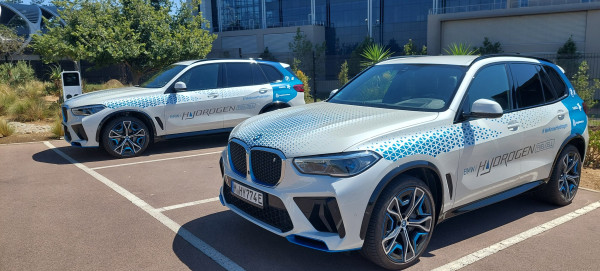
South Africa, which holds 80% of the world's platinum group metals (PGMs) reserves – crucial for EV and hydrogen vehicle production – currently leads Africa's EV market. Mining firm Isondo Precious Metals (https://apo-opa.co/3XlPHdy) plans to launch an advanced manufacturing facility for processing PGMs for EV applications in Johannesburg. Meanwhile, global automaker BMW, mining firm Anglo Platinum and energy company Sasol are piloting a fleet of hydrogen-fueled vehicles to advance smart mobility adoption in South Africa. CMA 2024 will host delegations from the DRC, Zambia, South Africa and other key industry stakeholders to discuss the latest developments shaping Africa's smart mobility and mining sectors.
Distributed by APO Group on behalf of Energy Capital & Power.

Africa's tourism sector is poised for an exciting ascent, and it has the potential to soar if it is propelled by visionary strategies and robust investments that harness the continent's unparalleled tourist allure.
Amid the unprecedented changes of recent years, Africa's tourist appeal is greater than ever. With the right steps, it can offer more top destinations for today's tourists. The API Hospitality & Residences Forum is a pivotal platform for Africa's hospitality industry that is legendary for its dealmaking, networking, and unique insights. It takes place on 19 September 2024 at the Westin Hotel in Cape Town on the first day of the highly anticipated two-day API Summit.
This year's API Summit is themed “Impact”, and industry leaders speaking at the API Hospitality and Residences Forum highlight the key to unlocking the full potential of Africa's tourism sector to foster sustainable growth and enhance the continent's appeal to both travellers and investors includes focused investments, strategic partnerships and robust public sector involvement. The API Hospitality & Residence Forum sets the stage to catalyse and nurture these outcomes.
Bani Haddad, Founder and Managing Director of Aleph Hospitality, the largest independent hotel management company in the Middle East and Africa, will be among the distinguished speakers. "The pandemic had several profound effects on the tourism sector," Haddad reflects. "One of the most noticeable impacts has been the increased desire among travellers for domestic or regional trips, as well as nature-based or less crowded destinations. Africa is uniquely positioned to benefit from these trends.”
Citing the latest Chain Development Pipeline report by W Hospitality, Haddad notes a 20% growth in the number of hotel rooms in Africa since 2020, reaching a total of 92,134 rooms. “This growth indicates that the supply is expanding across the continent to meet the rising demand. We are also witnessing an increase in the quality and branded hotel supply in resort destinations such as Zanzibar and national parks like Serengeti and Mara. The global demand for nature and experiential experiences presents a significant opportunity for Africa, which has much to offer in this regard."
Haddad continues, "Investing in and fostering partnerships within the tourism sector is not just beneficial but essential for unlocking its full potential in Africa.”
Such efforts can lead to comprehensive economic development, job creation, and the promotion of sustainable and inclusive growth. He emphasises that governments, private sector players, and international organisations all have crucial roles in facilitating these investments and partnerships to ensure the tourism sector thrives and significantly contributes to the continent's development.
Echoing this sentiment, Daniel Trappler, Senior Director – Development Sub-Sahara Africa at Radisson Hotel Group (RHG), who will also speak at the event, outlines RHG's strategic plans in the post-COVID landscape. "RHG plans to capitalise on growth opportunities in key value nodes such as Cape Town, Victoria Falls, Zanzibar, and leisure offerings in the coastal and safari segments across Southern and Eastern Africa. Within these nodes lies the opportunity to increase RHG branded supply to meet the obvious growing demand.”
Trappler highlights RHG's eagerness to expand its footprint in Cape Town's 5-star and luxury segments, which have consistently performed above the market average despite higher rates. In Victoria Falls, RHG aims to replicate the success of its Zambezi River's Zambia side, planning to introduce the upscale Radisson brand to Victoria Falls, Zimbabwe.
"We are actively seeking partners to bring our Radisson, Radisson Blu, or Radisson Collection brands to Zanzibar, given RHG's significant presence in Eastern Europe, the largest source market for Zanzibar," Trappler adds.
Since opening its new Radisson Safari Hotel Hoedspruit, RHG has set its sights on replicating the same model within Southern and Eastern Africa, capturing both the foreign market and the regional market, which prefers short travel distances for tourism needs.
“The group is developing resort offerings in various safari and coastal locations, including Masai Mara, Serengeti, the Kenyan coast, Seychelles, Mauritius and the wildlife territories in Namibia and Botswana."
Trappler underscores the critical role of investment and public sector involvement. "The contribution of tourism to GDP is evident across the region. National and local governments need to increase their awareness of the sector's potential contribution to GDP. In South Africa, where RHG aims to double its portfolio, we need to see more active interest and contributions from the public sector towards developing hotels and hospitality infrastructure."
He stresses the need for public sector initiatives driving growth in this sector, particularly in South Africa, where the sector is strong but could be a much larger contributor to GDP and employment creation.
The API Hospitality & Residences Forum is a unique pan-African event that brings hospitality-focused leaders and investors together with Africa's leading real estate community. Sponsored by industry giants like Radisson Hotel Group, Marriott Hotels, HTI Consulting, JLL, and Tui Blu, the forum offers an unparalleled platform for doing business in African hospitality.
With over 500 leaders expected to attend the summit, including more than 250 hospitality delegates, in excess of 75 hotel brands, operators and owners, and 35 speakers, the API Hospitality & Residences Forum is the premier gathering of Africa's leading hospitality professions and consultants.
Distributed by APO Group on behalf of API Events.
For any media enquiries or interviews, kindly contact:
Anne Lovell
anne@dmix.com
083 651 7777
Distributed for API Events by Dmix:
API Events
Murray Anderson-Ogle
Email:Murray@apievents.com
Contact: +27 71 890 77 39
Website: www.APIEvents.com
Social Media:
Facebook: https://apo-opa.co/4dF2L3l
Instagram: @ APIsummit
LinkedIn: API Events
President Ramaphosa to respond to questions in the National Assembly
President Cyril Ramaphosa will on Thursday afternoon account to the nation on the work of government when he responds to Questions for Oral Reply in the National Assembly in Parliament, Cape Town.
During this session, President Ramaphosa will, among other questions, brief Parliament on steps government is taking to encourage private sector investments to improve ports, railways and other infrastructure to drive economic growth.
“This will also include expansion of access to agricultural markets for small-scale and emerging farmers as productive sectors of the economy.
“The President will reflect on the alignment of South Africa’s foreign policy with the needs of the African continent and steps being taken to ensure that South Africa continues to contribute to promoting African unity and self-determination,” the Presidency said in a statement.
Other international issues such as combating illicit trade in illegal substances will also be addressed.
Furthermore, the President will provide updates on the development and strategic goals of the Sovereign Wealth Fund and progress in building housing for the residents of Alexandra. – SAnews.gov.za
DikelediM
Wed, 08/28/2024 - 09:57
The sports minister promised to report back last Friday after chaos of U18 African Championship tournament came to light
They want an end to exports of harmful pesticides from Germany
Govt to launch programme to clean cities across SA
Deputy President Paul Mashatile has announced that government will soon initiate a programme to clean cities and recognise those that exceed expectations in making their towns sustainable and safe.
The country’s second-in-command said that cleaner cities contribute towards attracting investors.
“In this regard, as leaders in our respective towns, we must launch a competition of the cleanest towns,” he said on Tuesday.
Deputy President Mashatile, in his capacity as Leader of Government Business in Parliament, was delivering a keynote address during the first Three-Sphere Planning session of the National Council of Provinces (NCOP) of the seventh Parliament in Cape Town.
He said his Office will collaborate with the Cooperative Governance and Traditional Affairs (CoGTA) Minister and South African Local Government Association (Salga) to form a committee that will conduct an annual assessment of the cleanliness of cities and present awards.
“This campaign has the potential of ensuring that the private sector and communities in partnership with the government ensure that our cities are clean and safe.
“Honourable Members, in realising the vision of building a developmental, capable, and ethical State, we will vigorously implement the plan to professionalise the public service, and we will do so by investing in the capacity of the National School of Government.”
Modernising the State
Equally, he said, government must continue to invest in the modernisation of the State and government by introducing innovative solutions across government particularly.
“The whole world is going digital in many respects and as South Africa, we must not be left behind.”
Over the last 30 years, government has adopted progressive policies that the seventh administration is going to pay special attention to the speed of execution.
The Deputy President announced plans to strengthen coordination by refocusing the Presidency as the centre of government, bringing together critical government departments such as CoGTA and the National Treasury.
“We intend to align planning and budgeting as part of implementing the District Development Model (DDM) premised on One Plan-One Vision and this we will do to achieve maximum results in building a better life for all.”
The planning session is being held under the theme ‘Establishing an Oversight Agenda for the Seventh Parliament: Defining Key Oversight Priorities for the NCOP in the Seventh Parliament’.
Parliament‘s strategic innovation emphasises joint and integrated planning, encouraging collaborative work in program planning and implementation across government.
The session is aimed at ensuring that the NCOP institutionalises and implements a comprehensive Three-Sphere Planning oversight framework and mechanism, in line with the constitutional mandate of promoting the principles of cooperative governance coordination.
Government believes this will enhance the effective implementation of key transformation priorities, in line with National Development Plan Vision 2030. – SAnews.gov.za
Gabisile
Tue, 08/27/2024 - 15:04

By Adamon Mukasa and Anthony Simpasa, African Development Bank Group (www.AfDB.org).
Document 1: http://apo-opa.co/4g3EVzM
Document 2: http://apo-opa.co/473xTHm
Document 3: http://apo-opa.co/4gcshPk
Document 4: http://apo-opa.co/4gcsi5Q
Document 5: http://apo-opa.co/471DE8y
Document 6: http://apo-opa.co/4gcskL0
Document 7: http://apo-opa.co/47361TE
Document 8: http://apo-opa.co/4dXk53t
The calls for structural economic transformation in Africa date back to the 1960s when newly independent nations aimed to eliminate poverty through economic diversification, sustained growth, and job creation. This agenda persists today, as Africa continues to face significant developmental challenges.
Pursuing post-independence economic agendas was particularly important because, behind the euphoria (http://apo-opa.co/4dZMCVX) of independence, laid significant developmental challenges in several African countries: unskilled labor force, political and institutional fragilities, poor health conditions, rapid population growth, wide income disparities, and the legacy of colonialism and exclusion from the modern world. The establishment of the Organization of African Unity (OAU) (http://apo-opa.co/4g3EVzM) in 1963 and the African Development Bank (http://apo-opa.co/473xTHm) a year later aimed to tackle these other challenges in a more coordinated and impactful manner. The African Union (http://apo-opa.co/475z3Sz), successor of the OAU, developed Agenda 2063 (http://apo-opa.co/4g3EQMu) in 2013 as a blueprint for turning Africa into the global growth pole and powerhouse of the future.
Africa's Economic Development Paradox
More than sixty years after independence (http://apo-opa.co/3AzLutK), Africa's structural transformation – the shift of workers from lower to higher productivity employment and intra-sectoral productivity growth (http://apo-opa.co/4dQj0KK) – has not progressed as quickly as hoped. Both policymakers and analysts within and outside the continent are genuinely concerned that achieving structural transformation could remain a mirage for many African countries in the absence of bold structural reforms and financing to support implementation of these policies. Why being so pessimistic? Because historical facts tend to support their pessimism. The African Economic Outlook (AEO) 2024 (http://apo-opa.co/4g2RATW) report, released in May by the African Development Bank, reveals that Africa's transformation has been slow and uneven. In countries showing signs of transformation, the process has been characterized by low industrialization and predominantly by employment in low-skill, low-productivity services. The agriculture sector, employing 42% of Africa's workforce, is 60% less productive than the economy-wide average. Consequently, many workers remain trapped in low-productivity, low-wage jobs, unable to escape poverty.
As a result, Africa was the only region of the world where the average real GDP per capita contracted in the 1980s and 1990s, the so-called lost decades (http://apo-opa.co/4fYqm0D).
Africa is off-track in achieving almost all SDG targets by 2030, consistently showing the lowest SDG performance globally since the 2000s (Figure 1). Without intervention, it is predicted that by 2030, nearly 9 out of 10 of the world's extremely poor will be in Africa (http://apo-opa.co/4e2weEn) and under current conditions[1], it could take African countries over a century on average to reach high-income status.
[1] This scenario assumes that real GDP per capita of each African country will grow according to its post-COVID-19 (2022–25) average growth rate as computed by the African Development Bank's Statistics Department.
But Africa is a very large, diverse, heterogeneous, region. Some countries have, over the past four decades preceding the COVID-19 pandemic, experienced episodes of growth accelerations, growth spikes and failed take-offs (http://apo-opa.co/4gcshPk). Cases of consistent good performance include Botswana, Seychelles, and Mauritius, routinely ranked among the top 10 fastest-growing economies globally. African countries have indeed exhibited remarkable resilience amid confounding shocks, and in 2024, 10 countries[1] in Africa are projected to be among the world's top 20 fastest-growing economies, sustaining the trend observed during the past four decades pre-COVID-19.
Importantly, over the past quarter century, thanks to strong economic reforms and macroeconomic stability, enhanced governance, relative peace and improved political environment and, public investments in soft and hard infrastructure, some African countries[2] have managed to transform their economies and recorded economic growth rates above the global average.
The role of finance in fast-tracking Africa's structural transformation
Many factors, both internal and external, could explain the relatively slow progress in structurally transforming African economies. Among them: over-reliance on commodity-led growth (http://apo-opa.co/4fZJTxI), inadequate infrastructure (http://apo-opa.co/4dV5DZE); insufficient pool of skilled workers (http://apo-opa.co/4g49x4g) and low access to affordable finance (http://apo-opa.co/47361D8); weak institutional governance (http://apo-opa.co/4e0O5LG), recurrent conflicts (http://apo-opa.co/4g49rtq), effects of climate change (http://apo-opa.co/3ABuuTU), tightening of global financial conditions (http://apo-opa.co/4fZSFvC) and rising debt vulnerabilities (http://apo-opa.co/4724oWk).
While all these factors are equally important and call for urgent actions from policymakers, financing Africa's transformation (http://apo-opa.co/4fTo1Uy) is a multi-layered overarching challenge that demands special attention and a pragmatic approach to move from billions to trillions. The cost of achieving the SDGs by 2030 in Africa is estimated at about $1.3 trillion (http://apo-opa.co/4gcsi5Q) annually, equivalent to 42% of Africa's 2023 GDP. Infrastructure needs alone are estimated by the African Development Bank at $181-$221 billion per year over 2023-2030. The climate finance gap is approximately $213.4 billion (http://apo-opa.co/4gcsiTo) annually through 2030.
Insufficient domestic resources (http://apo-opa.co/471DE8y), compounded by the failure of the global financial architecture (http://apo-opa.co/471zU6K) to mobilize and at scale, affordable finance for sustainable development (http://apo-opa.co/4gcskL0), have led many African countries to resort to commercial borrowing on unfavorable terms. This has resulted in increased debt vulnerabilities. Africa's Public and Publicly Guaranteed external debt has nearly tripled since 2010, reaching $656 billion in 2022, accounting for 22.4% of the continent's GDP and exceeding Africa's public revenue-to-GDP ratio of 20.4%. In 2024, African countries are expected to spend around $74 billion on debt service, up from $17 billion in 2010. Out of the projected debt service, $40 billion is owed to private creditors.
Even more concerning, debt service payments now account for about 11% of the continent's total revenues. High debt service is diverting resources from crucial investments in infrastructure, education, and health – all critical for economic transformation and long-term growth. As of April 2024, 20 African countries[3] (http://apo-opa.co/47361TE) were either in external debt distress or at high risk of external debt distress.
The AEO 2024 report estimates that to accelerate Africa's structural transformation, the continent needs to close an annual financing gap of $402.2 billion (about 13.7% of its projected 2024 GDP) by 2030. Figure 2 shows that transport[4] infrastructure accounts for the largest share of the gap (72.9%), followed by education (10.4%), energy (9.9%), and productivity-enhancing technologies (6.8%). These figures reflect decades of underinvestment in critical areas for development.
The level of financing gap in transport infrastructure reflects the continent's shortfall explained by decades of public underinvestment to upgrade existing road infrastructure or open new roadways, to match the growing population and economic dynamism across the continent. For instance, Africa's median road density is about 12 km per 100 km2, compared with 42.5 km in high-performing developing countries and 136 km in high-income countries. Only about 27% of African roads are paved, far behind the rest of the world (about 49%) and other developing countries (35.4%).
[1] Niger, Senegal, Libya, Côte d'Ivoire, Ethiopia, Rwanda, Benin, Djibouti, Gambia, and Uganda
[2] Algeria, Comoros, Djibouti, Egypt, eSwatini, Lesotho, Libya, Mauritius, Sao Tome and Principe, Senegal, Seychelles, and Tunisia
[3] Burundi, Cameroon, Central African Republic, Chad, Comoros, Congo, Djibouti, Ethiopia, Gambia, Ghana, Guinea-Bissau, Kenya, Malawi, Mozambique, São Tomé and Príncipe, Sierra Leone, South Sudan, Sudan, Zambia, and Zimbabwe
[4] Proxied by roads as road transport is the most frequently used means of transporting goods and people across the continent, carrying at least 80 percent of goods and 90 percent of passengers.
On education, vital for equipping the current and future workforce with the required skillset for structural transformation, African countries' median SDG index score was only 51.5 (out of a maximum of 100) in 2022, while other low-income developing countries reached a median score of 87. In addition, according to World Bank's World Development Indicators (http://apo-opa.co/3AGXw4N), African governments currently spend on average $312 annually per student in primary education, $473 on secondary education, and $2,227 on tertiary education, or about, respectively, 3, 2.3, and 1.1 times lower than high-performing developing countries on SDG 4. On energy, Africa's median SDG 7 index score was 38.8 in 2022, suggesting that a typical African country was 61.2% further away from achieving the best possible outcome on SDG 7 targets. Despite its vast energy potential, electric power consumption per capita in Africa is still the lowest in the world, estimated at 638.4 kilowatt-hours (kWh) in 2021, versus 2,056 kWh in other developing countries. Due to poor energy infrastructure, over 600 million Africans have no access to electricity http://apo-opa.co/46YZuJT and this is despite progress in recent years[1]. On productivity-enhancing technology and innovation, the continent lags other regions too. This impedes its ability to either innovate and introduce new products, technologies, and/or services that could support its structural transformation. African countries' average Gross Domestic Expenditure on R&D (GERD) represents about 0.4% of their GDP (against about 1% in the rest of the world) and they spend on average $10.7 per capita on GERD (compared to $403.2 per capita in other regions of the world). Furthermore, the continent displays the lowest concentration of researchers in R&D, with an average of 221 researchers per million people, against 742 researchers in other developing countries.
The financing gap varies significantly across countries. The cross-country heterogeneity is mainly explained by differences in current SDG performance related to structural transformation as well as differences in demographics (current and projected population size and composition, land size, and the like) and socioeconomic characteristics (current and projected GDP per capita, and spending on education, infrastructure, and so on). As shown in Figure 3, the estimated annual financing gap represents at least 10 % of 2024's projected GDP in 36 African countries, and in nine of these, at least 50 % of GDP. For such countries, closing the financing gap by 2030 is, therefore, realistically impossible.
[1] For instance, the average share of people with access to electricity increased from about 38 percent in 2000 to about 59 percent in 2022. In 28 African countries, the percent of people with access to electricity has more than doubled between 2000 and 2022, out of which it has increased at least fivefold in 8 countries (Kenya, Lesotho, Mali, Mozambique, Rwanda, Somalia, Tanzania, and Uganda).
Note: COG: Congo; CPV: Cabo Verde; GHA: Ghana; CIV: Cote d'Ivoire; GAB: Gabon; GNQ: Equatorial Guinea; MUS: Mauritius; SYC: Seychelles; ZAF: South Africa. Source: Authors' computation based on the African Economic Outlook (AEO) 2024 database
A more realistic approach would be to allow for a gradual but steady transformation process over a longer period, aligning with the African Union's Agenda 2063. This would enable countries to mobilize more resources domestically and externally, without jeopardizing debt sustainability.
What next?
Scaling up finance to accelerate Africa's structural transformation should be a key priority for policymakers. While implementing structural reforms is crucial for sustainable growth, success depends on the availability, timeliness, and scale of long-term development financing and enhancing spending efficiency. African countries should therefore, inter alia, focus on: i) scaling up investment to build requisite human capital suited to local realities, circumstances, and development priorities; ii) boosting domestic resource mobilization and improving efficiency of public finance management; iii) creating targeted and streamlined incentives to attract private capital for key transformation sectors; and iv) launching ambitious national infrastructure programs with assured positive returns to attract affordable financing.
The international community should reform the global financial architecture (http://apo-opa.co/4dXk53t) to facilitate African countries' access to long-term, concessional development financing at scale, complementing domestic resources.
By addressing these financing challenges and implementing targeted reforms, Africa can accelerate its structural transformation and move closer to achieving its development goals as espouses in Agenda 2063.
Distributed by APO Group on behalf of African Development Bank Group (AfDB).
Major General convicted for corruption
The Kimberley Regional Court on Monday convicted Major General (retired), Advocate Thuto Gaogakwe Phefo (62), for contravention of the Prevention and Combatting of Corrupt Activities Act brought against him in August 2017.
It was reported that the complainant, a former employee of the South African Police Service (SAPS) had applied for a Brigadier post and was shortlisted.
Further allegations were that during assessment, she was approached by the accused, who gave her a document containing what he said would be expected in the interviews.
The complainant said upon opening the document she realised that it was a case study. She further indicated that the accused solicited R70 000 for the document.
The complainant allegedly paid the accused R48 000. An enquiry was opened on 2 August 2017, which resulted in an entrapment operation being conducted.
The accused was arrested on 13 August 2017 after demanding and receiving the balance of R22 000. The accused was released on a R4 000 bail and has appeared 48 times in court until his conviction.
In the meantime, the complainant was dismissed from the police and the senior manager in question was acquitted in the departmental case. He took an early retirement on 31 March 2020.
The National Head of the Directorate for Priority Crime Investigation, Lt Gen (Dr/Adv) Godfrey Lebeya, has lauded the perseverance and dedication of the investigation and prosecution team in ensuring that the accused is convicted after many delays.
The case has been postponed to18 October 2024 for sentencing. After conviction, bail was not extended and the convict is remanded in custody. – SAnews.gov.za
Edwin
Tue, 08/27/2024 - 10:46
In the post-pandemic world, South Africa’s business landscape is undergoing a transformative shift, particularly in the realm of international exports. Reshaped consumer behaviour opened new avenues for South African businesses to reach global markets, and many South African brands are embracing international shipping as a critical component of their growth strategy. Central to this success …