One in Three South Africans Have Never Heard of AI – What This Means for Policy
As South Africa moves towards a national AI strategy, the focus must be on people and not just technology.

MyZA
News, Directory, Events and Other Stuff
As South Africa moves towards a national AI strategy, the focus must be on people and not just technology.
The end of colonisation did not dismantle the BBC’s operation – the style was already embedded in the broadcasting system.
Millions of jobs could be created from sustainable economic ocean development.
Stored data contributes to greenhouse gas emissions by needing power for servers and cooling systems.
AI coverage in African media has shown that local voices and experts are missing.
Join us on 28–29 January 2026 at the Indaba Hotel, Fourways, for South Africa’s premier gathering of data privacy leaders, regulators, legal experts, and technology innovators. Hosted by Umbono Conferences and Events the Data Privacy & Protection Conference offers a unique platform for organisations to showcase their expertise and position themselves as trusted leaders in …
African countries must work collectively to seize opportunities in new digital and green economies where the continent’s critical minerals are so important.
Elon Musk’s satellite internet service comes after months of US funding cuts and tariffs put immense pressure on the country’s economy
Part one: How the Trump Administration abandoned orphans with HIV
Africa.com (www.Africa.com) opens free registration for the Africa in Motion livestream event, a vibrant celebration of African-led progress toward the Sustainable Development Goals (SDGs). On June 4, 2025, at 6:30 PM WAT, watch the event from anywhere in the world to experience real-time stories of innovation in health, gender equality, and economic opportunity, showcasing Africa's bold leadership.
Themed “The Future of Progress: Africa in Motion,” this dynamic event, will take place in Lagos, and feature a curated program of panel discussions, storytelling, and musical performances curated by Nigerian hip-hop pioneer MI Abaga. With Ebuka Obi-Uchendu, the charismatic host of Big Brother Naija and Rubbin' Minds, leading the evening. Africa.com will connect a digital audience via livestream, amplifying impact from Nigeria, Kenya, South Africa, and beyond.
Event Highlights:
Why It Matters: Africa's dynamic youth and innovation ecosystems are leading global progress, yet funding gaps persist. Africa in Motion spotlights how community-rooted solutions deliver lasting impact, proving Africa is shaping the future. This free livestream invites everyone to witness and join the movement.
How to Register: Sign up for free at africa.com (http://apo-opa.co/4kabI8j) to watch the livestream in real time from anywhere. Follow #AfricaInMotion on social media for updates. Don't miss this chance to connect with Africa's vibrant spirit!
“Africa in Motion showcases the continent's unstoppable momentum, and we're pleased to offer free livestream registration so anyone, anywhere, can join us in real time,” said Teresa Clarke, Chair & CEO of Africa.com. “This is your opportunity to witness the ideas and leaders shaping Africa's future.”
Registration URL: https://apo-opa.co/4kabI8j
Distributed by APO Group on behalf of Africa.com.
Media Contact:
Tobi Oguntola
Email: tobi.oguntola@africa.com
About Africa.com:
Africa.com is a digital media company celebrating Africa's stories, culture, and innovation. With an authentic, vibrant, and unifying voice, we inspire and inform audiences about the continent's limitless potential.
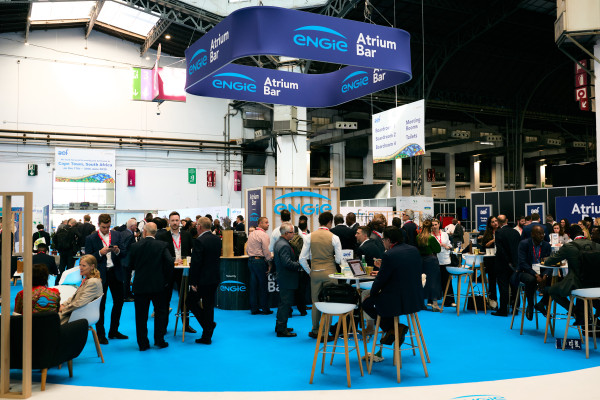
Powering AI data centres, accelerating large-scale solar projects and leading the global energy transition are just three of the critical topics up for debate at next month's Africa Energy Forum (aef), kicking off for the first time in Cape Town, South Africa, 17–20 June 2025. Forum sponsor Sun Africa returns for the third consecutive year, a testament to its sustained commitment to powering Africa's clean energy future.
For a full programme and to join the debate, visit: https://apo-opa.co/4k7ngcj
Under the theme of ‘Africa United', and featuring hundreds of ministers, policymakers and executives from nations across the continent, the aef will spotlight the continent's expanding ambition and the urgent drive to reshape its own energy future.
With South Africa now chairing the G20, the continent will gain a pivotal voice in global decision-making, making aef 2025 the launchpad for a bold message to the world: Africa knows what it needs, and it's ready to lead.
This year's aef will welcome a significant number of new companies participating for the first time, expanding the community of innovators and investors at the event. It will also host delegations from 33 countries, comprising head of state, ministers, regulators, and other public sector leaders from across the continent.
Confirmed speakers include the President of Ghana, John Dramani Mahama, South Africa's Minister of Electricity & Energy, Dr. Kgosientsho Ramokgopa, Nigeria's Minister of Power, Adebayo Adelabu and Noureddine Yassaa, Algeria's Secretary of State for Renewable Energies.
The high-level line-up also features the current Senegalese candidate for the Presidency of the African Development Bank, Amadou Hott, plus senior ministers and policy makers from Liberia, Ghana, Malawi, Zambia, Guinea-Bissau, Zimbabwe, Ethiopia and Madagascar.
This year's aef will focus on how the private sector can help move from ambition to implementation on Mission 300, connecting power to 300 million people by 2030. And, as demand surges from commercial and industrial sectors, the aef will also unpack the infrastructure, investment, and regulatory models needed to keep pace.
Grounded in Ubuntu, the African philosophy of shared humanity, the event will call for a global energy transition that is cooperative, equitable, and Africa-led.
“Something urgent has to be achieved as we simply cannot have another 10 woeful years of investment into projects. No more [time] can pass with one side saying we “we need guarantees” and the other side saying, “we can't afford guarantees.” Time is THE DETERMINING FACTOR holding energy access back and this needs to change. Now is the time for Africa to unite behind common goals and common infrastructure!” Simon Gosling, Managing Director, EnergyNet
“The future of African power infrastructure starts with Sun Africa, and the conversation about Africa's energy future continues at the Africa Energy Forum. We are proud to be the Forum Sponsor of an event that will unite visionaries and unite people from across the continent.” – Adam Cortese, CEO, Sun Africa.
Bringing together community and sport, the 2025 edition of eaf also features the Africa Challenge Cup, a special evening of football at Cape Town's iconic DHL Stadium. Four teams will face off in friendly matches under the floodlights, offering a chance for delegates, partners, and peers to connect in a spirited, relaxed setting alongside friends and family.
The Youth Energy Summit (YES!), held in parallel with aef, is expected to welcome more than 4,000 participants, making it one of the largest gatherings focused on youth engagement in the African energy sector. Many companies are supporting the initiative not just as sponsors, but as active partners in youth participation across the continent. These include the DBSA, Nedbank, Pele Green Energy, Seriti Green, Siemens Energy, Genesis, and others from the energy and mining sectors.
Distributed by APO Group on behalf of EnergyNet Ltd..
Notes:
The main sponsors at this year's aef include Sun Africa, AKSA, Red Rocket, Globeleq, Nedbank and the World Bank. See https://apo-opa.co/3ZrUw5E
Lead sponsors at this year's aef include the Africa Development Bank, AMEA Power, the British International Investment, BCG, EDF, Engie, the European Investment Bank, GE Vernova, Infinity Power, Standard Bank, Synergy Consulting and TotalEnergies. See https://apo-opa.co/3ZrUw5E
For media inquiries and registration please email :
Poliana Sperandio: poliana@energynet.co.ke
Sylvia Gaita: sylvia.gaita@apo-opa.com
About the Africa Energy Forum (aef):
The Africa Energy Forum (aef) is taking place in the Cape Town International Convention Centre, South Africa, 17-20 June 2025.
The event is the continent's leading platform for energy sector stakeholders to collaborate, invest, and accelerate progress. In its 27th year, the aef brings together governments, developers, investors, and innovators to drive real-world solutions in energy access and sustainability.
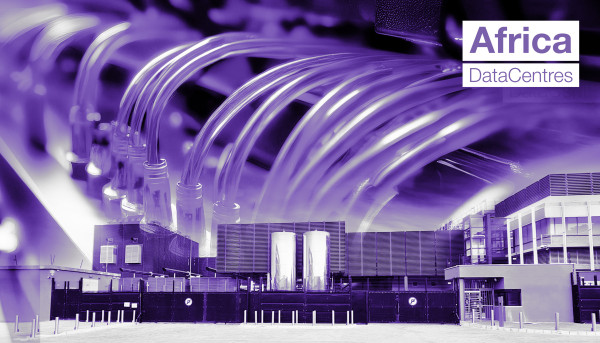
Africa Data Centres (www.AfricaDataCentres.com), a business of Cassava Technologies, is pleased to announce the successful deployment of a self-cooling rack by Gold Synergy at its CPT1 facility in Cape Town. This installation represents a significant advancement in the evolution of high-density computing in Africa and supports Africa Data Centres' commitment to sustainable, efficient infrastructure solutions.
The innovative self-cooling rack, commissioned in January 2025, is designed to meet the increasing demand for high-performance computing while minimising energy consumption. As the region experiences rising power and cooling challenges driven by artificial intelligence, big data, and enterprise workloads, self-contained cooling technologies like this offer a smart and scalable solution.
Gold Synergy brings a wealth of expertise in advanced cooling solutions. The deployment at CPT1 demonstrates the viability of self-cooling racks in African conditions, setting the stage for broader collaboration in supporting regional ESG objectives.
“Our collaboration with Gold Synergy introduces new efficiencies in high-density hosting,” said Adil El Youssefi, CEO of Africa Data Centres. “By integrating this cutting-edge cooling solution at CPT1, we are creating a model for how data centres in Africa can scale intelligently while remaining aligned with global sustainability targets. The success of this deployment positions both Africa Data Centres and Gold Synergy to expand CDU-based cooling technologies across the region, further supporting Africa's growing need for next-generation infrastructure.”
“Our self-cooling rack solution is a game-changing approach for high-density computing environments,” said Fortune Utubor, Executive at Gold Synergy. “This deployment reflects our shared commitment to energy efficiency and operational excellence.”
South Africa remains a strategic digital hub for the continent. With its reliable infrastructure, favourable location, and increasing demand for cloud and AI services, the country plays a pivotal role in the digital transformation of Africa. As enterprises move mission-critical applications closer to home, infrastructure capable of supporting such workloads efficiently becomes essential.
The deployment not only increases the CPT1 facility's hosting capacity without requiring major infrastructure modifications, but it also reinforces Africa Data Centres' position as the continent's leading carrier-neutral data centre provider. The new solution helps reduce reliance on traditional cooling systems and contributes to operational cost savings for both clients and facility operators.
Distributed by APO Group on behalf of Africa Data Centres.
ADC boilerplate :
Africa Data Centres owns and operates Africa's largest network of interconnected, carrier and cloud-neutral data centre facilities. Bringing international experts to the pan-African market, Africa Data Centres is a trusted partner for rapid and secure data centre services and interconnections across Africa. Strategically located in South, East and West Africa our world-class data centre facilities provide a home for all business-critical data for Africa's small, medium and large enterprises and global hyperscale customers. https://www.AfricaDataCentres.com
South Africa reaffirms commitment to building an inclusive society
South Africa has reiterated its commitment to building an inclusive society, where everyone can participate and contribute through the National Strategic Framework on Universal Design and Access, a guiding tool aimed at ensuring accessibility for all.
Minister in the Presidency responsible for Women, Youth and Persons with disabilities, Sindisiwe Chikunga, made the commitment as the country joined the global community in observing Global Accessibility Awareness (GAAD) Day, on Thursday.
GAAD is an annual global observance held on the third Thursday of May, to raise awareness and promote the significance of digital accessibility and inclusion for people with disabilities.
Chikunga highlighted that, as digital transformation increases, particularly with the advancement of systems, like artificial intelligence (AI), it is becoming increasingly urgent to advocate for accessible web development, software design, policy-making, and everyday digital communication.
“This day will be used to emphasise and encourage everyone to engage with, think about, and learn about digital accessibility and inclusion for the 1 billion global community with disabilities and the 3.3 million persons with disabilities in South Africa,” Chikunga said.
While acknowledging AI technologies’ significant contribution to accessibility by providing features, including automatic captions, alternative text generation, and voice assistants, the Minister stressed the need for human oversight.
“These tools must be reviewed and validated by humans to prevent errors and ensure their relevance. Accessibility is a fundamental to Human Rights, promoting equal opportunities for persons with disabilities,” the Minister said.
She said the National Strategic Framework on Universal Design and Access is premised on the principle that universal design is not a compromise but a necessity.
The framework serves as a prescriptive guide for the promotion and eventual enforcement of universal design and access standards, using a disability inclusion perspective as its motivating force.
As part of its efforts, the department highlighted common digital accessibility barriers that can be addressed as quick wins, and these include:
• Poor Colour Contrast: Ensure text stands out against the background.
• Missing Text: All meaningful images and links should include descriptive alt text.
• Keyboard Navigation Gaps: All functionalities should be accessible via keyboard.
• Lack of Focus Indicators: Let users know where they are on the page. – SAnews.gov.za
GabiK
Fri, 05/16/2025 - 10:58
SA’s G20 Presidency to aid recovery of global economy
Deputy Minister in the Presidency Nonceba Mhlauli says the primary focus of the G20 platform is to increase multilateral cooperation for the recovery of the global economy.
“Since President Ramaphosa took over the Presidency of the G20 in December 2024, a lot of public discourse has already gone into what this could potentially mean for South Africa, particularly in a post-COVID-19 era where developing economies are still on a path to recovery,” Mhlauli said.
Mhlauli explained that the G20 initially focused largely on broad macro-economic issues but has since expanded its agenda to inter-alia include trade, climate change, sustainable development, health, agriculture, energy, environment, climate change and anti-corruption.
“The G20 was upgraded to the level of Heads of State/Government in the wake of the global economic and financial crisis of 2007, and in 2009, when it became apparent that the necessary crisis coordination would only be possible at the highest political level,” Mhlauli said.
In her address at a G20 public lecture held at the Tshwane University of Technology (TUT) south campus in Soshanguve, north of Pretoria, Mhlauli said that since then, the G20 leaders have met regularly, and the G20 has become the premier forum for international economic cooperation.
“The primary focus of the forum is to increase multilateral cooperation for the recovery of the global economy, bring stability to the global financial system, promote long-term sustainable growth and strengthen global economic governance,” she said on Friday.
Mhlauli said South Africa will use the G20 Presidency to focus on inclusive and sustainable economic growth that benefits its citizens.
“Through the G20 Presidency, we will foster inclusive economic growth, industrialisation and employment.
“This Presidency is about demonstrating that our country is open for business. South Africa is an attractive destination for business services, and has sophisticated digital infrastructure, including mobile networks and high-speed broadband.”
On the economic front, the G20 will provide a massive boost, especially in areas such as tourism and hospitality.
“The over 200 expected G20 related meetings have already commenced in our country presenting opportunities for the country’s tourism, manufacturing, trade and other investment growth.
“We are also intently focusing on youth employment, closing the gender gap, reducing inequality and protecting the environment.
“The G20 will unlock new possibilities in artificial intelligence (AI), which has the potential to provide unprecedented economic and social opportunities,” Mhlauli said.
Meanwhile, Government Communications and Information System (GCIS) Acting Deputy Director-General, Sandile Nene, said South Africa’s hosting of the G20 will improve the economy.
“We are hoping that the G20 will make people invest in the country,” he said.
Kutlwano Mahosi, a first year Journalism student at TUT, told SAnews that G20 meetings will play a role in increasing the country’s economy as many people will be coming into the country.
“As people come to our country, they will be spending their money which will play a role in job creation,” she said.
Echoing same sentiments was fellow Journalism student, Andiswa Mchunu, who said hosting the G20 gives the country an opportunity to attract investors, thereby improving the economy.
“A better economy means more jobs and better life for South Africans,” Mchunu said.
South Africa assumed the role of Presidency of the G20 on 1 December 2024, taking over from Brazil. – SAnews.gov.za
Edwin
Fri, 05/16/2025 - 14:41

Eswatini's efforts to scale up investment in its mining and renewable energy sectors will take center stage at African Energy Week (AEW): Invest in African Energies 2025, with the kingdom's Minister of Natural Resources and Energy Prince Lonkhokhela Dlamini confirmed to speak. Taking place from September 29 to October 3 in Cape Town, AEW: Invest in African Energies 2025 is the continent's premier energy event and will spotlight Eswatini's strategic initiatives to attract foreign investment in critical minerals, support energy independence and advance sustainable development.
Prince Dlamini's participation at AEW: Invest in African Energies 2025 reinforces Eswatini's commitment to leveraging strategic partnerships and international forums to attract capital and technology into both its mining and energy sectors. The kingdom recently celebrated a major milestone with the financial close and construction launch of the 13.5 MW Lower Maguduza Hydro Power Project, a public-private initiative that underscores Eswatini's drive to achieve greater energy independence and sustainability through renewables.
AEW: Invest in African Energies is the platform of choice for project operators, financiers, technology providers and government, and has emerged as the official place to sign deals in African energy. Visit www.AECWeek.com for more information about this exciting event.
Eswatini is also making significant progress toward universal energy access through the newly launched Accelerating Sustainable and Clean Energy Access Transformation (ASCENT) project. Backed by international financial institution the World Bank, this initiative aims to connect 50,000 new households – benefitting 200,000 people – to electricity using both on- and off-grid solutions, with a focus on underserved rural communities. Supported by over $100 million in concessional financing, the ASCENT project will enhance energy security, build institutional capacity and improve livelihoods, making Eswatini one of Africa's frontrunners in equitable and sustainable electrification.
In the mining sector, Eswatini is actively working to position itself as an emerging market for critical minerals, following the launch of the second phase of a national mineral mapping program in partnership with South Africa's Council for Geoscience in November 2023. Using AI-based geoscientific techniques, this initiative seeks to unlock the country's vast yet underexplored mineral wealth – ranging from gold and iron ore to a broader portfolio of high-demand critical minerals. As part of its outreach to global investors, Eswatini is creating an enabling environment for private sector participation in mineral exploration, production and job creation.
Stepping into this picture, Minister Dlamini's participation at AEW: Invest in African Energies 2025 aligns with the goals of Eswatini to open its doors to investors in both energy and mining. By sharing insights into investment opportunities, policy developments and major projects, Minister Dlamini will not only promote greater foreign spending in the kingdom, but position Eswatini as a top destination for energy and mining developers.
“With strong regional partnerships and a focus on innovation, Eswatini is rapidly becoming a compelling destination for critical mineral exploration and clean energy investment,” states Tomás Gerbasio, VP Commercial and Strategic Engagement, African Energy Chamber.
Distributed by APO Group on behalf of African Energy Chamber.

The Milken Institute (https://apo-opa.co/452va1L) and the Motsepe Foundation are proud to announce the winner of the Milken-Motsepe Prize in FinTech, a $2 million innovation award designed to reward companies working to expand access to capital and financial services for small businesses in emerging and frontier markets. The winner was announced at the Milken Institute Global Conference in Los Angeles.
Verto (https://apo-opa.co/4d7WePf), based in the United Kingdom, won the $1 million Grand Prize for its business-to-business cross-border payments platform, which enables businesses in emerging markets to send and receive payments, eliminating intermediary fees, supporting 49 currencies, and settling transactions quickly.
FinTech is the third prize awarded as part of the Milken–Motsepe Innovation Prize Program, a series of competitive multimillion-dollar global competitions and awards designed to incentivize and reward bold, innovative solutions to address pressing economic and environmental challenges in Africa.
A Rigorous Award Cycle: From Application to Award
Launched in May 2024, the Milken-Motsepe Prize in FinTech attracted more than 3,000 entrepreneurs from 126 countries across six continents. A total of 400 teams applied, with just 10 being selected as semifinalists.
Each team underwent a comprehensive judging process that evaluated five key criteria: affordability and accessibility, ethical and responsible practices, scalability in other markets, the use of cutting-edge technology, and the potential to promote equitable access to financial services.
In December 2024, 10 semifinalists pitched their innovations to investors at the Milken Institute Middle East and Africa Summit in Abu Dhabi. From this group, an expert panel of judges selected three finalists—Chumz, Oze, and Verto—to advance to the final stage of the innovation award at the 2025 Milken Institute Global Conference.
“Across the African continent, technology and innovation are disrupting traditional finance and banking approaches. Investment in this space is profitable and, more importantly, necessary for financial inclusion," said Dr. Precious Moloi-Motsepe, co-founder and CEO of the Motsepe Foundation. "My heartfelt congratulations to the winners and all the finalists for demonstrating feasible and impactful solutions that will drive economic activity and shared prosperity in the global South, while influencing the financial sector all over the world."
Since its launch in 2021, the Milken-Motsepe Innovation Prize Program has awarded over $6 million in funding to more than 50 innovators worldwide. Participating teams have raised nearly 10 times the Grand Prize in additional outside investments, reaching and impacting over 530,000 community members.
The Milken-Motsepe Innovation Prize Program offers free, curated resources and online events not only to award winners but also to nearly 9,000 global entrepreneurs.
New Prize in AI and Manufacturing
The fourth Milken-Motsepe Innovation Prize, which focuses on AI and manufacturing, launched at the 2025 Milken Institute Global Conference. The new $2 million award is designed to recognize established companies driving innovation in Africa's manufacturing sector. Focused on advanced data analytics and artificial intelligence, the prize rewards technological breakthroughs that create long-term economic resilience in the supply chain in Africa.
Registration is open until July 31, 2025.
With $2 million in total prizes, including a $1 million Grand Prize, “AI and Manufacturing” seeks companies that accelerate technological advancements, create jobs, and improve access to essential goods and services for communities across Africa. The award represents an opportunity to support companies leading the next wave of transformative change in manufacturing.
“We have witnessed our prize programs bring forward some of the most visionary thinkers across sectors, from agriculture to financial technology. Now we're excited to see what bold entrepreneurs are doing for the manufacturing sector to harness the power of AI and other advanced technologies to improve the supply chain in Africa,” said Emily Musil, PhD, managing director of environmental and social innovation at the Milken Institute. “Prizes like this have the power to reveal new and better ways to operate in the digital age and shape how we can do better for people and the planet in the new future we are building.”
For more information about the winners and the Milken-Motsepe Innovation Prize Program, visit https://MilkenMotsepePrize.org/.
Distributed by APO Group on behalf of The Milken-Motsepe Innovation Prize Program.
Additional Video Link:
Opening Video: https://apo-opa.co/3GJgJpr
Finalist Video 1 - Chumz: https://apo-opa.co/436rMk6
Finalist Video 2 - Oze: https://apo-opa.co/4md7NsO
Finalist Video 3 - Verto: https://apo-opa.co/3Z9lVZT
Contact:
Paul Guequierre
Email: pguequierre@milkeninstitute.org
Phone: 202-249-6942
ABOUT THE MILKEN INSTITUTE:
The Milken Institute is a nonprofit, nonpartisan think tank focused on accelerating measurable progress on the path to a meaningful life. With a focus on financial, physical, mental, and environmental health, we bring together the best ideas and innovative resourcing to develop blueprints for tackling some of our most critical global issues through the lens of what's pressing now and what's coming next. For more information, visit www.MilkenInstitute.org.
ABOUT THE MOTSEPE FOUNDATION:
The Motsepe Foundation was founded in 1999 by Dr. Patrice Motsepe and his wife, Dr. Precious Moloi-Motsepe. The goal of the Motsepe Foundation is to contribute toward eradicating poverty and to sustainably improve the living conditions and standards of living of poor, unemployed, and marginalized people in South Africa, Africa, and the world. In January 2013, Dr. Motsepe and Dr. Moloi-Motsepe joined the Giving Pledge, which was started by Warren Buffett and Bill and Melinda Gates. Dr. Motsepe and his wife committed to give half of their wealth to the poor and for philanthropic purposes during their lifetime and beyond.
The upcoming African Mining Week (AMW) – Africa's premier gathering for mining stakeholders, scheduled for October 1-3, 2025 in Cape Town – will feature a dedicated Technology Forum. The forum will connect African mining projects with global technology providers and investors, showcasing how digital solutions are transforming resource extraction and redefining the mining value chain.
As African countries scale up mineral production to drive GDP growth, developers are increasingly adopting data analytics and digital tools to boost operational efficiency. U.S.-based startup KoBold Metals, which applies artificial intelligence (AI) to mineral exploration, entered the Democratic Republic of Congo (DRC) in April 2025 to tap into the country's estimated $24 trillion in untapped mineral resources. The DRC – already the world's largest cobalt producer and a key copper supplier – could see its global mining profile rise significantly with KoBold's involvement. In Zambia, the company is advancing the $2 billion Mingomba project, one of the world's most promising untapped copper assets.
Similarly, in Zimbabwe, Caledonia Mining is investing $1.1 million in IT infrastructure upgrades at the Blanket Mine as part of its $41.8 million capital budget. The upgrades include new mine planning software and a digital clocking system to improve labor efficiency, with a goal to increase gold output from 76,656 ounces in 2024 to up to 77,500 ounces in 2025.
In Botswana, Botswana Diamonds is employing AI-driven exploration to expand beyond diamond mining, recently identifying new prospects for copper, silver, cobalt, gold, nickel, zinc and platinum group metals. “During the initial analysis of the big database, it became clear that the AI technology could be used to identify other unknown minerals opportunities – and so it turned out,” said John Teeling, Chairman of Botswana Diamonds.
Meanwhile, South African firms such as Kilken Platinum and Rio Tinto are deploying digital tools to unlock greater operational value. A joint report by Accenture and the World Economic Forum projects that digitalization could unlock up to R213 billion in additional value for South Africa's mining sector by 2026. Technologies such as predictive maintenance, autonomous operations and real-time data monitoring are helping firms streamline processes, reduce downtime and improve safety outcomes.
The Technology Forum at AMW 2025 will feature high-level panels examining how digitalization can optimize infrastructure, enhance safety, predict system failures and support sustainable resource management in a data-driven mining environment. The forum will also provide a platform for mining companies to showcase real-world case studies, exchange knowledge with tech innovators, and explore partnerships that drive long-term value creation.
Distributed by APO Group on behalf of Energy Capital & Power.
About African Mining Week:
African Mining Week serves as a premier platform for exploring the full spectrum of mining opportunities across Africa. The event is held alongside the African Energy Week: Invest in African Energies 2025 conference from October 1-3 in Cape Town. Sponsors, exhibitors and delegates can learn more by contacting sales@energycapitalpower.com.
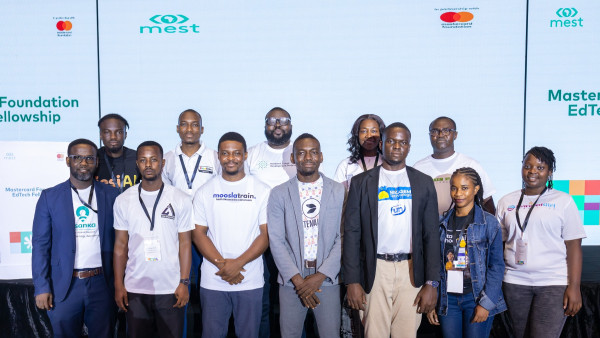
MEST Africa (www.Meltwater.org), in partnership with the Mastercard Foundation, has announced its second cohort of 12 innovative companies for the Mastercard Foundation EdTech Fellowship in Ghana. This six-month entrepreneurship acceleration program is dedicated to supporting Africa's most promising EdTech ventures by equipping them with mentorship, funding, and expertise in the science of learning. These newly selected companies are set to scale their groundbreaking solutions and address pressing educational challenges across Ghana.
The Second cohort builds on the success of the first cohort of 12 EdTech Companies, whose solutions impacted over 136,798 learners during the period of acceleration, underscoring the Fellowship's ability to drive transformative change.
“We are thrilled to welcome the second cohort of the Mastercard Foundation EdTech Fellowship,” said Angela Duho, Program Manager at MEST Africa. “In Ghana, EdTech is not just about innovation—it's about creating equal opportunities for every student, no matter where they live. It empowers teachers with the tools they need to inspire, and it prepares our youth for a future where digital skills are essential. The first cohort has already shown us what's possible, and we're confident that these new Fellows will continue to transform education and unlock potential across the country.”
The 12 EdTech companies selected for the 2025 cohort demonstrated strengths in [please add here] that point to Ghana's educational needs. Over the next six months, they will benefit from comprehensive support, including expert mentorship, access to funding, and specialized training, enabling them to scale their solutions effectively and sustainably.
The EdTech companies selected by MEST Africa for the 2025 Mastercard Foundation EdTech Fellowship are:
“The Mastercard Foundation looks to support the acceleration of EdTech solutions that reach all, including those out-of-school young people who are constantly left out of the education ecosystem. For it is when we design with the end user in mind that the business case for the solutions is more scalable, sustainable and impactful. Our collaboration with MEST Africa is to transform education in Ghana through technology-enabled learning”, added Rodwell Mangisi, the Acting Director of the Mastercard Foundation Centre for Innovative Teaching and Learning.
Through the Mastercard Foundation EdTech Fellowship, this cohort will embark on a transformative journey, gaining mentorship from experts in education innovation, sustainability, and scale, access to courses on the science of learning, and equity-free grants. This robust support aims to scale their solutions and elevate educational outcomes for millions across Ghana and Africa.
For more information about the Mastercard Foundation EdTech Fellowship and MEST Africa initiatives, visit www.Meltwater.org.
Distributed by APO Group on behalf of The Meltwater Entrepreneurial School of Technology (MEST Africa).
For media inquiries, contact:
Francis Akondor
Marketing and Recruitment Manager, MEST Africa
francis@meltwater.org
About MEST Africa:
Established in 2008, the Meltwater Foundation is the non-profit arm of the global media intelligence company, Meltwater. Its mission is to create job opportunities and drive economic growth in Africa through software entrepreneurship, primarily via the Meltwater Entrepreneurial School of Technology (MEST Africa). Based in Accra, Ghana, MEST offers a one-year, specialised tech entrepreneurial training program for top talent from over 22 countries, including Nigeria, Kenya, South Africa, and Senegal. Additionally, MEST invests in early to growth-stage startups.
In 2020, MEST Programs was launched to forge partnerships with other foundations and organisations that share our goal of creating wealth and jobs in Africa through digital skills training and startup acceleration. MEST Africa has trained over 2,000 entrepreneurs and invested in more than 90 startups across various industries throughout Africa.
Visit www.Meltwater.org to learn more.
About the Mastercard Foundation:
The Mastercard Foundation is a registered Canadian charity and one of the largest foundations in the world. It works with visionary organisations to advance education and financial inclusion to enable young people in Africa and Indigenous youth in Canada to access dignified and fulfilling work. Established in 2006 through the generosity of Mastercard when it became a public company, the Foundation is an independent organisation separate from the company, with offices in Toronto, Kigali, Accra, Nairobi, Kampala, Lagos, Dakar, and Addis Ababa. Its policies, operations, and program decisions are determined by the Foundation's Board of Directors and leadership.
For more information on the Foundation, please visit www.MastercardFDN.org
About the Mastercard Foundation EdTech Fellowship:
The Mastercard Foundation EdTech Fellowship is an entrepreneurship acceleration program designed to support promising, African EdTech ventures. Implemented in partnership with innovation hubs and EdTech accelerators across Africa, the Fellowship provides select EdTech companies with critical business and financial support, as well as insight into the science of learning, preparing them for scale, sustainability, and impact. The Mastercard Foundation EdTech Fellowship was launched in 2019 by the Mastercard Foundation through its Centre for Innovative Teaching and Learning with the goal to partner with 12 Tech Hubs to support over 250 EdTech companies and reach at least 1.8 million young people by 2025.
For more information about the Centre for Innovative Teaching and Learning, visit: https://apo-opa.co/42DjLmm or contact: edtechfellowship@mastercardfdn.org
African mining projects are increasingly incorporating artificial intelligence (AI) to streamline operations and meet ambitious production targets set by governments across the continent. As the mining industry undergoes a digital transformation, the upcoming African Mining Week (AMW) will highlight the pivotal role of AI and other digital tools in optimizing exploration and production processes, with a view to unlocking new mineral reserves, reducing costs and enhancing worker safety.
Botswana Diversifies Mineral Portfolio
In Botswana, Botswana Diamonds is expanding its mineral portfolio beyond diamonds with an AI-based nationwide exploration campaign launched in August 2024. By March 2025, the company identified potential deposits of besshi, greenstone, Mississippi Valley-type lead and zinc, SEDEX and platinum group metals (PGMs). To capitalize on these discoveries, Botswana Diamonds has applied for 11 new prospecting licenses. John Teeling, Chairman of Botswana Diamonds, stated: “During the initial analysis of the big database, it became clear that the AI technology could be used to identify other unknown minerals opportunities… Our analysis so far has identified a series of targets in copper cobalt, zinc and gold.”
KoBold Advances Zambia's Critical Mineral Market
U.S.-based startup KoBold Metals is applying AI to enhance critical mineral exploration and mine development in Zambia. In January 2025, KoBold raised $537 million in new capital, bringing its total funding to $1 billion. The company is developing one of the world's largest untapped copper basins in Zambia, with plans to produce 300,000 tons annually by 2030 from its $2 billion Mingomba Project. Additionally, KoBold Metals is exploring the Dumbwa Mine and Konkola West Project, contributing to Zambia's goal of reaching 3 million tons of annual copper production by 2031.
Kilken Platinum Drives Mine Expansion
In South Africa, Kilken Platinum is utilizing AI to optimize operations at its Thabazimbi processing plant in Limpopo as part of an expansion plan to double PGM production to 83kgs per month. The project has already increased output to 40kgs in its initial phase. Dondo Mogajane, CEO of Kilken Platinum's parent company Moti Group, emphasized that AI enables real-time tracking of production metrics and ensures strict adherence to safety protocols.
Beyond these projects, Rio Tinto subsidiary Richards Bay Minerals is employing AI for ore body modeling, equipment dispatch management and blast control at its mines in KwaZulu-Natal, South Africa. In the Democratic Republic of Congo, Glencore is leveraging digital technology to streamline critical mineral exploration as part of its Phase 2 expansion at the KTO copper and cobalt project. AMW 2025 will feature high-level discussions focused on AI's impact on industry growth, investment opportunities for technology providers and the broader economic benefits of digital transformation in mining.
African Mining Week serves as a premier platform for exploring the full spectrum of mining opportunities across Africa. The event is held alongside the African Energy Week: Invest in African Energies 2025 conference from October 1-3 in Cape Town. Sponsors, exhibitors and delegates can learn more by contacting sales@energycapitalpower.com.
Distributed by APO Group on behalf of Energy Capital & Power.
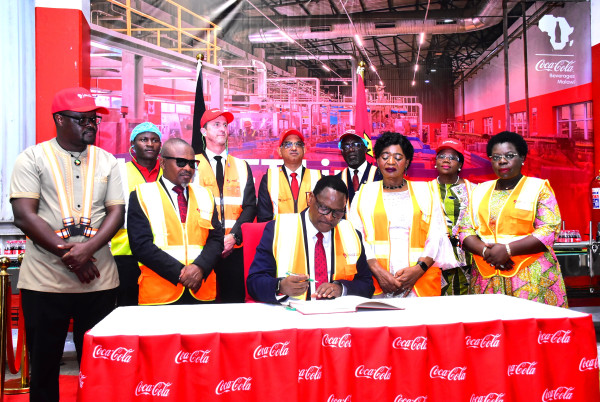
Coca-Cola Beverages Africa Proprietary Limited (CCBA) (www.CCBAGroup.com), through its subsidiary Coca-Cola Beverages Malawi Limited (CCBM), has invested USD14.9 million in a new state-of-the art production line in Lilongwe.
This investment marks a significant advancement in CCBM's production capacity, allowing it to produce bottled water and beverages bearing Coca-Cola's trademarks as well as the iconic local brand Sobo, all on the same line.
The line is capable of producing 19,200 bottles per hour in pack sizes ranging from 300ml to 2 litres. This increase in production will facilitate the export of beverages to Zambia.
The new production line uses artificial intelligence (AI) to proactively identify and resolve issues before they cause stoppages, thereby minimising downtime and reducing costs.
The introduction of new technology has also created the opportunity for employees to be trained in new skills, contributing to the development of a future-ready workforce for both the business and the country.
Sunil Gupta, Chief Executive Officer of CCBA said: “This investment in Malawi reaffirms the Coca-Cola system's local approach - we produce locally, distribute locally and, where possible, source locally. Our value chain includes a significant number of businesses, many of them small and medium enterprises (SMEs).”
“This investment goes beyond numbers, it's about creating shared opportunities across the value chain,” said Neil French, General Manager of CCBM.
Gupta echoed the sentiment, adding: “This investment is a clear demonstration of our continued belief in the future of Malawi.”
Gupta also highlighted CCBA's broader efforts: “As a customer centric, digitally-enabled, growth-driven business, we are committed to excellence across our value chain. Efficient operations allow us to offer faster delivery and improved service. This new production line is another step in our journey to achieve execution excellence.”
Distributed by APO Group on behalf of Coca Cola Beverages Africa.
ISSUED BY:
Godwin Ngoma
Public Affairs, Communication and Sustainability Director
CCBA in Malawi
Tel: +265 995 36 15 55
Email: gngoma@ccbagroup.com
Keli Fernie
Head: Reputation and Communication
Coca-Cola Beverages Africa
Tel: +27 82 419 8766
Email: KFernie@ccbagroup.com
Follow us on:
LinkedIn: https://apo-opa.co/4cFhA6r
ABOUT CCBA:
CCBA is the 8th largest Coca-Cola authorised bottler in the world by revenue, and the largest on the African continent. It accounts for over 40% of all Coca-Cola products sold in Africa by volume. With over 18,000 employees in Africa, CCBA services more than 735,000 customers with a host of international and local brands. CCBA operates in 15 countries, including its six key markets of South Africa, Kenya, Ethiopia, Uganda, Mozambique and Namibia, as well as Tanzania, Botswana, Ghana, Zambia, the islands of Comoros and Mayotte, Eswatini, Lesotho, and Malawi.
Learn more at www.CCBAGroup.com
Minister reaffirms commitment to efficient policing
Police Minister Senzo Mchunu has reaffirmed the South African Police Service’s (SAPS) commitment to realising an efficient, effective, and responsible police service.
“… I want to reaffirm our commitment. We are committed to realising an efficient, effective, and responsible police service; one that reflects the values and aspirations of our democracy. This is non-negotiable,” the Minister said.
Mchunu was addressing a media briefing on the outcomes of the recently held three-day National Policing Summit.
“The people of South Africa demand policing that is efficient, effective, and accountable. The people of South Africa demand a police service that is worthy of their trust, and most importantly, the people of South Africa demand that we act.”
WATCH |
At Friday’s briefing in Pretoria, the Minister said that the priorities of the police are to reduce murder, remove unnecessary firearms from communities, remove drugs, fight gender-based violence and femicide (GBVF) and organised crime.
The police are also aware of the increases in crimes such as kidnappings, extortion, cash-in-transit heists and stock theft.
Additionally, police have classified the provinces of Gauteng, KwaZulu Natal, the Eastern Cape and Western Cape as hotspots.
“As a means of effectively reducing crime, we have identified several key enablers, inclusive of using and improving our technology, strengthening our crime intelligence, capacitating and upskilling our detective services, improving and expanding our forensic services and improving the general environment under which police officers work.
“We have made mention of the budgetary constraints, but we have also committed to maximising the budget allocated and the resources at our disposal.
“Business has also come on board and through that partnership, there are projects aimed at capacitating, particularly our detective services, improving our technology and increasing our laboratories,” he explained.
Operations Room
Meanwhile, National Police Commissioner Fannie Masemola said that the summit engaged with seasoned researchers, academic leaders, the business sector, subject matter experts and community structures. The engagements were focused on how to turn the the tide, recalibrate and reposition the SAPS for the future.
“During the summit deliberations, we assessed the current state and performance of the SAPS, focussed on operational inefficiencies. We identified pragmatic strategies that will improve and advance maximum effectiveness in policing while strategically repositioning the SAPS to ensure long-term relevance, heightened professionalism and the restoration of public trust.
“The SAPS will establish a National Policing Summit Operations Room. This facility will house a permanent scoreboard that will track and trace progress on the resolutions of the summit periodically for the next five years.
“We believe that this significant move will hold the management of the SAPS accountable to the nation, as we commit to turnaround the policing direction of this country,” Masemola explained.
Visibility
The Commissioner added that the summit’s focus was not on theoretical discussion alone, but rather on diagnosing real operational challenges, understanding community perceptions and analysing systemic shortcomings.
“The summit placed special emphasis on rethinking how SAPS can maximise its impact within existing constraints while repositioning itself for long-term relevance, professionalism, and enhancing public trust in policing.
“The first day of the summit interrogated the difference between being seen and being felt in communities. While the SAPS often reports on patrols and deployments, the quality and impact of these efforts on safety perceptions was central to the conversation.”
Masemola explained that the discussions reflected a disconnect between visible policing efforts and actual community safety outcomes, prompting a call for a more intentional, impact-focused presence.
Masemola also hinted that the Summit touched on technology as a transformative tool in the modernisation of policing.
“Summit discussions addressed real-time crime tracking, GIS [ geographic information system] mapping, AI-driven analytics, and predictive policing. Participants discussed how these technologies can help SAPS anticipate criminal activity and deploy resources more efficiently.
“Emphasis was placed on data quality, interoperability of systems and the critical need for digital literacy within SAPS,” said the Commissioner.
President Cyril Ramaphosa officially opened the summit that was held at Emperors Palace Convention Centre in Gauteng on Tuesday.
READ | President calls for holistic overhaul of policing
The Summit, among other things, addressed the high levels of crime in South Africa by reflecting on current policing approaches and developing more effective methods for the South African Police Service. – SAnews.gov.za
Edwin
Fri, 04/11/2025 - 12:48
33 views

As part of the company's participation at the GITEX Africa conference, taking place in Morocco on 14-16 April 2025, Kaspersky (www.Kaspersky.co.za) will address the dynamics for cyberthreats in the African region as per the latest anonymised data from the Kaspersky Security Network (KSN)[1]. From 2023 to 2024 businesses in Africa were targeted by web threats, on-device threats, and attacks aiming to steal data, including spyware and password stealers. Phishing and ransomware continue to be significant threats in the region, with 66 million phishing link clicks seen by Kaspersky in the African region in 2024, including over 14.8 million phishing link clicks by corporate users.
Web-based threats, or online threats, are a category of cybersecurity risks that may cause an undesirable event or action affecting users browsing the Internet. According to Kaspersky data, there were 131 580 587 web threats detected in 2024 in the African region, including almost 20 million attack attempts in Kenya, almost 17 million in South Africa, and 12.6 million in Morocco. Businesses were targeted by web threats more often in 2024 than in 2023, with threat detections increasing by 1.2%.
Local (on device) threats include malware that is spread via removable USB drives, CDs and DVDs, or that initially makes way onto the computer in non-open form (for example, programs in complex installers, encrypted files, etc.). According to Kaspersky telemetry, local (on device) threat detections in organisations in the African region in 2024 increased by 4% compared to 2023. Among the countries that saw growth in local threats detected in organisations were Nigeria (169% increase), Ethiopia (86%), South Africa (32%), Senegal (11%), and Morocco (9%).
There has been a spike of threats related to data theft. According to Kaspersky data, there was a 14% growth in spyware attack detections on businesses in the African region from 2023 to 2024. Spyware is secretly installed on a user's computer to monitor their actions and collect their data. Apart from that, there has been a 26% increase in password stealer detections. Password stealers are a type of malware designed to harvest login credentials and other sensitive data.
“Our statistics show an increase in attack detections for several types of cyberthreats, and the factors driving these increases are multifaceted. In the B2B sector, the continuing shift toward hybrid work models and the rush to digitise operations — often outpacing cybersecurity investments — may leave businesses in Africa exposed to advanced persistent threats. In the B2C space, the explosion of digital financial services, coupled with low digital literacy rates, makes individuals prime targets for opportunistic attacks,” comments Maher Yamout, Lead Cybersecurity Researcher with Kaspersky Global Research and Analysis Team. “Organisations in Africa should prioritise a unified approach by enhancing collaboration, investing in specialised cybersecurity training, and promoting digital literacy to effectively combat the rising tide of cybercrime. Initiatives like the African Cyber Surge operation and targeted educational programs can serve as blueprints for building a resilient digital ecosystem across the continent.”
To stay protected, Kaspersky suggests following the recommendations below.
Individual users:
Organisations:
The Kaspersky stand at GITEX Africa (https://GITEXAfrica.com) in Morocco will be located in Hall 13, 13C-20, while a keynote titled “When AI/ML fails in cybersecurity, humans are the last line of defense” will take place at the Dark Stage on April 15 at 2:10 PM.
Reference:
[1] Data sent to Kaspersky is anonymized and protected, even in transit, in accordance with stringent industry standards including encryption, digital certificates, segregated storage and strict data access policies. Learn more about KSN here: www.Kaspersky.com/KSN
Distributed by APO Group on behalf of Kaspersky.
For further information please contact:
Nicole Allman
INK&Co. (https://INKandCo.co.za)
nicole@inkandco.co.za
Follow us:
Facebook: https://apo-opa.co/3RfDPWG
X: https://apo-opa.co/3XUJzJe
YouTube: https://apo-opa.co/4icxu9w
Instagram: https://apo-opa.co/3G7fAry
Blog: https://apo-opa.co/44smi5c
About Kaspersky:
Kaspersky is a global cybersecurity and digital privacy company founded in 1997. With over a billion devices protected to date from emerging cyberthreats and targeted attacks, Kaspersky's deep threat intelligence and security expertise is constantly transforming into innovative solutions and services to protect businesses, critical infrastructure, governments and consumers around the globe. The company's comprehensive security portfolio includes leading endpoint protection, specialized security products and services, as well as Cyber Immune solutions to fight sophisticated and evolving digital threats. We help over 200,000 corporate clients protect what matters most to them. Learn more at www.Kaspersky.co.za.
Technology to aid SA’s border management efforts
Four advanced unmanned aerial vehicles, commonly known as drones and 40 body-worn cameras will be deployed for the first time at the country’s ports of entry over the coming Easter long weekend.
The drones are equipped with some of the most advanced night vision cameras in the world, including thermal detection technology.
Powered by Artificial Intelligence (AI), the devices are able to recognise and lock onto heat sources, moving people, or vehicles. They can also travel at speeds up to 43 kilometres per hour and are capable of operating in remote rural areas without access to GPS and even underground.
Speaking at a media briefing on Thursday, Home Affairs Minister Dr Leon Schreiber said the launch of technology marks the biggest step forward for enhancing border security and management.
“Data shows that when we first trialled the use of drones over the festive season, the number of attempted illegal crossings that were successfully prevented, increased by 215%,” said the Minister.
WATCH |
He added that the Border Management Authority (BMA) will now permanently deploy this cutting-edge technology on a fulltime basis.
“Our message to would-be illegal immigrants and smugglers is clear. We are now watching the borderline during the day, we are watching at night, we can see your body heat wherever you try to hide, and we will catch you.
“As we roll out more and more cutting-edge technology, there are fewer and fewer places to hide for criminals who undermine our national security,” he said.
Schreiber explained that the cameras will be fitted to officials working in the port environment to detect and punish acts of corruption, while also monitoring the efficiency of officials.
“Importantly, the cameras are linked to a dedicated Digital Evidence Management System which ensures that all footage is admissible in court to ensure successful convictions.”
BMA Commissioner Dr Micheal Masiapato said the 2025 Easter Operation follows the successfully implemented 2024/25 Festive Season Plan which saw a steady increase of 5 084 251 travellers processed across 71 ports of entry.
“This plan builds on the successes and lessons learned from our previous operations, ensuring the advancement of robust mechanisms for safe and secure travel,” Masiapato said.
Heightened operations
Speaking at the media briefing in Pretoria, the Commissioner said that through the assistance of drone technology, previous deployments in the December-January operations were responsive and reactional to illegal movements.
“The increase in festive season movements prompted the BMA to officially begin with the Easter Planning Phase on the 1st of February 2025 through to the 14th of April 2025.
“The Execution phase of the BMA’s Easter Operational Plan will run for a period of 10 days starting from the 15th to the 24th of April 2025, during which period deployments and intensified border operations will be heightened.
“We are here to serve the citizens of the country to deter any illegality at our ports of entry and border law enforcement area without fear or favour,” he said.
Masiapato said the Easter period is traditionally characterised by a significant spike in the movement of people and goods across the country’s ports, placing increased demand on the BMA to maintain optimal operational readiness.
“During this period, families travel for religious observances, holidays, and cultural gatherings, while traders and transporters increase activity in preparation for the long Easter weekend.
“With the expected increase in attendance from the Zion Christian Church in Limpopo, more travellers are expected to move from our neighbouring countries into South Africa. These heightened activities bring both opportunities and risks, requiring a concerted and integrated operational response,” he said.
The BMA is undertaking training to equip eight officers to become expert drone pilots. They will operate the devices on a shift basis and will move around different ports in the country. – SAnews.gov.za
Edwin
Thu, 04/10/2025 - 12:39
252 views
Nzimande, UN Secretary-General’s Envoy on Technology meet on Global Digital Compact
The Minister of Science, Technology and Innovation, Professor Blade Nzimande, met with Mandeep Gill, the Undersecretary and Special Envoy of the United Nations Secretary-General for Digital and Emerging Technologies, on Wednesday.
The meeting primarily focused on South Africa’s role in implementing the UN’s Global Digital Compact (GDC) and the opportunities this presents for developing the country’s digital economy.
The GDC forms part of the UN’s Pact for the Future, which was adopted during the Summit of the Future in 2024.
The Department of Science, Technology and Innovation (DSTI) said this compact was a comprehensive framework for global digital cooperation and governance, particularly regarding artificial intelligence.
Its primary objective is to harness the potential of digital technology for the benefit of humanity while also addressing the challenges and risks associated with it.
During the meeting with Gill, Nzimande stressed the importance of digital and emerging technologies.
“As one of the African countries with the largest public science systems, South Africa recognises the importance of developing our capabilities in digital and emerging technologies such as artificial intelligence and their potential to help in the development of solutions for some of the challenges of our time such as inequality, climate change and environmental degradation, pandemics and transnational conflict,” the Minister said.
He believes the current geopolitical moment required a stronger and consistent commitment to international collaboration, the free exchange of scientific knowledge, and multilateralism.
“These, we believe present us with a better chance at a sustainable future for humanity. It is for this reason that meaningful partnerships and the development of our capabilities in the digital economy are some of the strategic pillars of our country’s Decadal Plan for Science, Technology, and Innovation,” he stated.
Outlining the potential benefits for South Africa’s participation in the GDC, the Minister said South Africa’s participation in the GDC presents the country with several unique opportunities to address national priorities and position it as a leader in regional digital transformation.
“We believe our participation in the GDC can further enhance our capabilities in such areas as infrastructure development, digital skills enhancement, digital entrepreneurship and innovation support, digital inclusion, data governance and privacy and human rights protection,” Nzimande stressed.
Nzimande used the meeting to update Gill on the department’s artificial intelligence (AI) initiatives, which include the Foundation Digital Capabilities Research (FDCR).
One of the initiatives within the FDCR platform that is AI-focused is the Centre for Artificial Intelligence Research (CAIR).
There is also the South African Research Chairs Initiative (SARChi), which currently includes Research Chairs in information and communication technology (ICT) development, with two specifically focused on AI.
All the DSTI’s AI and digital economy initiatives are designed to support the objectives of South Africa’s Digital Economy Masterplan, which is the responsibility of the Department of Communication and Digital Technologies. – SAnews.gov.za
Gabisile
Thu, 04/10/2025 - 14:38
84 views