• Skip to main content
  • Skip to header right navigation
  • Skip to after header navigation
  • Skip to site footer
MyZA

MyZA

News, Directory, Events and Other Stuff

  • Social Media
  • Sport
  • World News
  • Home
  • Submit News
  • Directory
  • Events
  • Stratlec
  • TFSA
  • News
    • APO
    • Today’s Sport News
    • Todays Social Media and Tech Headlines
    • Today’s World News
    • Today’s SA Financial News
  • Contact
You are here: Home / Archives for Angola

Angola

18 February 2025

Opportunities for Growth and Investment in Africa’s Energy Sector
Location: News
African Energy Chamber

Africa's energy sector presents significant opportunities for investment and growth through targeted infrastructure development. Despite the continent's abundant hydrocarbon resources, inadequate infrastructure has historically impeded efficient extraction, processing and distribution. Addressing these gaps can unlock substantial economic potential and meet the rising energy demands both within Africa and globally.

As Africa continues to prioritize energy infrastructure development, this year's Africa Energy Week (AEW): Invest in African Energies conference – taking place September 29 to October 3 in Cape Town - will serve as a critical platform for investors, policymakers and industry leaders to explore opportunities in oil and gas pipelines, storage facilities and gas-to-power projects. Discussions at AEW 2025 will highlight successful infrastructure projects, showcase emerging investment prospects and address challenges in financing and implementation.

Pipeline Infrastructure

One critical area for investment is the development of extensive pipeline networks. These pipelines are essential for transporting crude oil and natural gas from production sites to refineries and export terminals. The proposed Nigeria-Morocco Gas Pipeline aims to transport approximately 30 billion cubic meters of natural gas annually from Nigeria through to Morocco and onto Europe, traversing 13 African countries. The $25 billion, 5,600-km project is poised to enhance energy security and foster economic integration across the region, with the potential to create jobs, boost industrialization and provide a stable gas supply for domestic consumption and export, strengthening Africa's role in the global energy market.

Liquefied Natural Gas Facilities

Investing in Liquefied Natural Gas (LNG) facilities is another promising avenue. These facilities enable the processing and export of natural gas, catering to global markets with high energy demands. Countries like Mozambique, the Republic of Congo, Nigeria and Tanzania are advancing large-scale LNG projects to capitalize on their substantial gas reserves. For example, Tanzania's LNG Liquefaction Plant, estimated at $30 billion, is set to position the country as a key player in the global LNG market.

Refining Capacity Enhancement

Africa's limited refining capacity often necessitates the import of refined petroleum products, leading to economic inefficiencies. Investments in modernizing and expanding existing refineries, as well as constructing new ones, are crucial. Such developments would not only meet domestic demand, but also create export opportunities. Angola is in the process of developing three new oil refineries, which will collectively increase domestic refining capacity to 400,000 barrels per day and reduce dependence on imported fuels.

Storage and Distribution Networks

Robust storage facilities and distribution networks are vital for maintaining energy supply stability. Investing in these areas ensures that oil and gas products are efficiently stored and transported to end-users, minimizing losses and meeting market demands. Enhanced storage capacity also provides a buffer against market fluctuations, contributing to energy security. South Africa's Richards Bay III project – a $6 million initiative involving the construction of an oil storage facility – aims to enhance South Africa's energy storage capacity and improve supply stability. Additionally, South Africa is experiencing significant growth in its LPG industry, driven by new distribution hubs and rising electricity prices. Companies like Petredec have announced the establishment of the country's first rail-supplied LPG project, aiming to make LPG a more accessible and cost-effective energy alternative.

Power Generation and Electrification

Leveraging natural gas for power generation offers a dual benefit: monetizing gas resources and addressing electricity deficits. Investments in gas-fired power plants and associated transmission infrastructure can significantly improve electrification rates across the continent. Mozambique's Temane gas-to-power project is set to commence operations in 2025, leveraging gas from the Pande and Temane fields to produce 450 MW of affordable power for the state utility.

AEW: Invest in African Energies is the platform of choice for project operators, financiers, technology providers and government, and has emerged as the official place to sign deals in African energy. Visit www.AECWeek.com for more information about this exciting event.

Distributed by APO Group on behalf of African Energy Chamber.

Media files
African Energy Chamber
Download logo
Read moreOpportunities for Growth and Investment in Africa’s Energy Sector
13 February 2025

South Africa’s G20 Presidency for 2025: A Catalyst for Energy Investment in Africa

Location: News
African Energy Chamber

In 2025, South Africa will hold the rotating presidency of the G20. Given its position as Africa's most industrialized nation and an energy hub, South Africa's leadership could play a pivotal role in attracting investment to the continent's energy sector. By leveraging its G20 platform, South Africa can push for increased funding from global partners, particularly for natural gas projects, which are critical for Africa's energy security and economic development.

While renewable energy is rapidly expanding across the continent, Africa continues to rely heavily on coal, oil and natural gas to meet growing demand and drive economic growth. Gas is increasingly viewed as a cleaner transitional fuel in Africa's energy mix, and many G20 nations are leading investment in gas exploration and production across the continent. For instance, the U.S. Export-Import Bank, U.K. Export Finance, China Development Bank and Japan Bank for International Cooperation, among other lenders, have played a key role in financing TotalEnergies' $20 billion Mozambique LNG project. Additionally, several G20 countries are driving further investment, with Italy's Eni developing new LNG facilities in the Republic of Congo, bp expanding operations in Senegal and Mauritania, Norway's Equinor advancing the Tanzania LNG development and ExxonMobil spearheading Rovuma LNG in Mozambique. South Africa can advocate for G20 nations to increase their financial backing for new gas projects, which have the potential to boost production, enhance energy security and attract much-needed investment to the continent.

While natural gas is essential for Africa's energy security, combining it with renewable energy sources could help diversify Africa's energy mix. South Africa's own experience with large-scale energy projects, such as its successful Renewable Energy Independent Power Producer Program, can serve as a model for blending financing and developing both gas and renewable projects. By advocating for mixed investment, South Africa can show G20 nations that supporting a variety of energy sources will allow Africa to meet its energy demands while transitioning toward greener energy.

In addition to advocating for investment in specific projects, South Africa can focus on creating favorable conditions for financing. One way to achieve this is by encouraging the G20 to support debt relief or concessional financing for African countries with high debt burdens. This would free up resources for governments to invest in energy infrastructure and allow them to prioritize projects that will improve energy access and support economic growth. South Africa could work closely with organizations like the World Bank, IFC, BRICS Bank, European Investment Bank and more to unlock financing mechanisms that reduce the risk for international investors.

The role of South Africa's G20 presidency in facilitating greater engagement between G20 nations and African energy markets cannot be overstated. By using its platform to promote key energy projects, South Africa can attract much-needed investment for both traditional oil and gas and clean energy developments. At the same time, it can help establish new financing structures that make these projects more attractive to investors. African countries like Nigeria, Angola, the Republic of Congo, Senegal, Namibia and Mozambique stand to benefit from increased G20 support for their oil and gas sectors, and other African nations can follow suit by aligning their own energy priorities with the goals set forth by South Africa during its presidency.

This year's African Energy Week (AEW): Invest in African Energies conference in Cape Town serves as a key platform for attracting global attention and investment to Africa's energy sector, facilitating discussions among G20 nations, financial institutions and energy companies. AEW acts as a conduit for driving investment into critical energy projects, positioning South Africa as a catalyst for sustainable development across the continent while ensuring Africa's energy needs are met. With South Africa's G20 presidency presenting a unique opportunity to secure crucial investments in Africa's energy sector, the 2025 edition of AEW is more significant than ever. By leveraging this platform to advocate for financing and foster partnerships between G20 nations and African energy producers, South Africa can play a pivotal role in advancing the continent's energy future and contributing to global energy security.

AEW: Invest in African Energy is the platform of choice for project operators, financiers, technology providers and government, and has emerged as the official place to sign deals in African energy. Visit www.AECWeek.com for more information about this exciting event.

Distributed by APO Group on behalf of African Energy Chamber.
Media files
African Energy Chamber
Download logo
Read moreSouth Africa’s G20 Presidency for 2025: A Catalyst for Energy Investment in Africa
13 February 2025

South Africa’s New National Petroleum Company Signals Shift in African Energy Governance

Location: News
African Energy Chamber

The upcoming launch of the South African National Petroleum Company (SANPC) on April 1, 2025 marks a significant step in South Africa's ongoing efforts to restructure its energy sector and improve efficiency within state-owned enterprises. This move, which consolidates PetroSA, iGas and the Strategic Fuel Fund (SFF), aligns with broader regional trends in energy governance, where NOCs are increasingly being positioned as catalysts for investment, security of supply and economic development.

The South African government first announced plans for SANPC in 2020 as part of its strategy to rationalize state-owned enterprises and create a more competitive and investment-friendly energy sector. The merger process, overseen by the Central Energy Fund (CEF) Group under the Department of Mineral and Petroleum Resources, has progressed steadily, with agreements in place to ensure a smooth transition for employees. However, questions remain over asset management, particularly regarding how viable and non-viable assets will be handled post-merger.

SANPC's establishment comes at a time when Africa's energy sector is striving to create a more enabling environment for investment, a theme that will take center stage at the upcoming African Energy Week (AEW): Invest in African Energies conference in Cape Town on September 29 - October 3. As South Africa works to streamline its state-owned energy enterprises, other African nations are similarly evaluating how to strengthen their own NOCs to attract investment, drive economic growth and navigate the global energy transition.

In Angola, Sonangol has embarked on a restructuring process to enhance its operational efficiency and financial sustainability, including divesting non-core assets and increasing transparency to attract private sector investment. Similarly, Ghana's GNPC has pursued strategic partnerships with IOCs to maximize offshore exploration and production while ensuring local participation in energy projects. These efforts reflect a broader trend across the continent, where governments are leveraging regulatory reforms and governance improvements to make their NOCs more competitive in the global energy market.

Nigeria has also taken significant steps with the transformation of the Nigerian National Petroleum Company (NNPC), a commercially driven entity under its Petroleum Industry Act. The shift aims to position NNPC as a profit-oriented enterprise, reducing government dependence on oil revenues while fostering a more attractive investment climate. The success of these reforms will serve as a key reference for SANPC and other emerging NOCs in Africa, underscoring the importance of strong governance, fiscal discipline and strategic partnerships in the sector.

A key aspect of SANPC's establishment is its impact on local content development. The latest report from the Portfolio Committee on Mineral and Petroleum Resources indicates that the integration of employees from PetroSA, iGas and SFF is progressing smoothly, with agreements in place to ensure job security and a seamless transition. This is a crucial development, as maintaining a skilled workforce and prioritizing local expertise will be essential for SANPC's operational success. As the newly established NOC progresses, its approach to workforce integration and skills development will serve as a benchmark for other state-owned enterprises in Africa looking to balance efficiency with social responsibility.

With regulatory and policy frameworks playing a crucial role in shaping investor confidence, SANPC's structure and governance will be closely watched by industry stakeholders. Its success – or challenges – could offer valuable lessons for other African countries seeking to optimize their state energy assets while balancing the transition to cleaner energy sources. AEW: Invest in African Energies 2025 will provide a platform to discuss these critical issues, bringing together policymakers, industry leaders and investors to explore solutions for Africa's energy future.

Distributed by APO Group on behalf of African Energy Chamber.

About AEW: Invest in African Energy:
AEW: Invest in African Energy is the platform of choice for project operators, financiers, technology providers and government, and has emerged as the official place to sign deals in African energy. Visit www.AECWeek.com for more information about this exciting event.

Media files
African Energy Chamber
Download logo
Read moreSouth Africa’s New National Petroleum Company Signals Shift in African Energy Governance
12 February 2025

How AEW is Driving Energy Investments Between G20 Nations and Africa

Location: News
African Energy Chamber

The development of Africa's energy sector is at a critical juncture, with several high-profile projects poised to drive economic growth and transformation across the continent. However, the success of these initiatives hinges on securing vital funding from international institutions from G20 countries. The U.S. Export-Import Bank (EXIM), in particular, is expected to play a significant role in supporting American energy companies operating in Africa. TotalEnergies is anticipating approval of EXIM financing for its $20 billion Mozambique LNG project in the coming weeks, while ExxonMobil aims to reach a final investment decision for its $30 billion Rovuma LNG project by 2026, underscoring the pivotal role of U.S. financial support in advancing these critical developments. 

Conversely, concerns have emerged that the U.K. is reassessing its $1 billion funding commitment to Mozambique LNG, potentially impacting the project's timeline and broader development of the country's energy sector. As a result, securing and disbursing financing for these projects promptly is crucial to keeping Africa's energy ambitions on track. 

African Energy Week (AEW): Invest in African Energies – taking place in Cape Town this September 29 - October 3 – has emerged as the premier platform for fostering energy investments between Africa and G20 nations with significant energy interests on the continent. By uniting government officials, financial institutions and energy sector leaders, AEW plays a pivotal role in driving strategic collaborations that promote energy security, sustainability and economic growth. 

At last year's AEW, a dedicated U.S.-Africa Energy Partnerships Roundtable outlined how the two actors can further collaborate on technology, policy and investment, along with a Saudi-Africa Partnerships Roundtable that unpacked Saudi Arabia's plans to position itself as a long-term partner to Africa's energy sector growth. TotalEnergies' LNG developments in Mozambique, Nigeria and Egypt, along with the East African Crude Oil Pipeline, drove discussions on energy security, while Eni's upstream projects in the Republic of Congo, Angola and Libya contributed to dialogues on regional supply resilience and investment opportunities. 

AEW has been instrumental in facilitating financial agreements that support Africa's energy infrastructure, often backed by G20 nations. Key highlights include China's Belt and Road Initiative investments in Africa's energy sector, under which Chinese firms have funded and built major energy projects, including hydroelectric dams, solar parks and oil refineries, reinforcing Africa's energy security. Germany's KfW Development Bank has supported renewable energy initiatives, including off-grid solar solutions and green hydrogen projects in South Africa and Algeria, with AEW serving as a critical forum for advancing these discussions. Brazil's state-owned Petrobras led a delegation of Brazilian companies at last year's AEW to unlock new avenues for partnerships in oil and gas exploration and production.  

AEW continues to serve as a marketplace for energy deals, with a specific focus on attracting investment from G20 economies. The African Farmout Forum, a dedicated platform within AEW, has attracted interest from G20-based companies seeking to acquire or partner in African exploration and production assets. Global firms from Australia, the U.S., the U.K., Canada and more have participated, looking to expand their footprint in Africa's oil and gas sector. 

As Africa navigates the energy transition alongside growing demand, AEW plays a vital role in aligning G20 investments with the continent's long-term sustainability goals. Timely funding from international institutions, including EXIM Bank, is essential to realizing Africa's energy potential. As the continent works to expand energy access and drive economic growth, support from these institutions will be instrumental in bringing transformative projects to fruition. By fostering collaboration between Africa and G20 nations, AEW ensures that investments enhance energy access and economic development while addressing global climate commitments. 

AEW: Invest in African Energy is the platform of choice for project operators, financiers, technology providers and government, and has emerged as the official place to sign deals in African energy. Visit www.AECWeek.com for more information about this exciting event. 

Distributed by APO Group on behalf of African Energy Chamber.
Media files
African Energy Chamber
Download logo
Read moreHow AEW is Driving Energy Investments Between G20 Nations and Africa
10 February 2025

Historic summit brings hope for peace in the DRC

Location: News

Historic summit brings hope for peace in the DRC

President Cyril Ramaphosa has reiterated South Africa’s commitment to a diplomatic solution that ensures stability in the Democratic Republic of Congo (DRC) and its neighbours, while also protecting the well-being of the Congolese people.

In his weekly newsletter to the nation, President Ramaphosa said South Africa supports the right of the Congolese people to live free from forces that violate their human rights, plunder their natural resources and terrorise their communities. 

“South Africa stands in solidarity with the Congolese people and their aspiration to live in peace and security.

“We reaffirm our commitment to a diplomatic and political solution that prioritises the stability of the DRC and neighbouring countries and safeguards the peace and well-being of the Congolese people,” the President said on Monday.

This as the President has just returned from a Heads of State summit in Tanzania on the conflict in the eastern DRC. 
He said the outcomes of the summit provide a beacon of hope for the troubled eastern Democratic Republic of Congo. 

Heads of State and Government from the Southern Africa Development Community (SADC) and East Africa Community (EAC) have issued a clarion call for “political and diplomatic engagement” by all parties, including M23 rebels, in the eastern DRC.

Leaders from the two regional blocs, including President Ramaphosa, attended an urgent joint SADC-EAC Heads of State and Government Summit at the weekend as tensions, and casualties, in the DRC conflict continue to escalate.

The historic joint summit brought together the EAC and SADC to consider the deteriorating security situation in the eastern DRC and to find a sustainable political solution. 

As a member of SADC and the African Union, the President said the country has a responsibility to support all efforts to bring peace and stability to its fellow African nation, which has been racked by war for more than three decades. 

Loss of lives

South Africa contributes troops to the United Nations Organisation Stabilisation Mission in the DRC (MONUSCO) and the SADC Mission in the DRC (SAMIDRC). 

Recently, 14 South African National Defence Force (SANDF) troops paid the ultimate price for their efforts to restore peace to the region. The deaths of the soldiers alongside troops from other African nations signalled an alarming escalation in the conflict. 

READ | Movement of fallen SANDF soldiers now underway

The strategic city of Goma in the eastern DRC is now under the control of the M23 rebel group fighting the Congolese army, with the M23 having made advances in other towns. 

Diplomacy

“As South Africa we have steadfastly maintained that diplomacy is the most sustainable solution to this conflict. While we are involved in peacekeeping missions, South Africa actively participates in the various diplomatic efforts to end the conflict in the eastern DRC,” he said. 

These include the Peace, Security and Cooperation Framework for the DRC and the Great Lakes Region, the Luanda Peace Process led by the President of Angola, João Manuel Gonçalves Lourenço , and the EAC-led Nairobi Process facilitated by former Kenyan President Uhuru Kenyatta.

“As South Africa, we have always believed that the best way to resolve a conflict is to ensure that all parties to the conflict are involved in the negotiations that lead to the resolution of the conflict, whether they are state actors or non-state actors.

“We are pleased that this approach was adopted and reconfirmed at the SADC extraordinary summit held in Harare, Zimbabwe, two weeks ago,” the President said. 

He highlighted that several of the countries in the EAC bloc, such as Uganda, Burundi, Tanzania and Rwanda, share borders with the DRC and are directly impacted by the ongoing conflict. It was therefore significant that the Heads of State of these countries and the President of the DRC were at the joint summit. 

Way forward

“Having considered a report on the security situation in the eastern DRC, the summit reiterated the call for an immediate ceasefire and a cessation of hostilities between the warring parties. A ceasefire will allow humanitarian aid corridors to operate and bring much needed supplies to the civilians caught in the crossfire,” he said. 

The summit further directed that the EAC/SADC Chiefs of Defence Forces meet within five days to develop a securitisation plan for Goma and the surrounding area, the reopening of Goma airport, the evacuation of civilians and the repatriation of the deceased. 

READ | SADC-EAC leaders call for dialogue in DRC conflict

One of the most significant outcomes was that the joint summit agreed that direct negotiations and dialogue resume between all state and non-state parties, including the M23. This will take place under the framework of the Luanda and Nairobi processes.

“We are pleased that this inclusive approach was endorsed and adopted at the historic joint EAC/SADC summit under the leadership of President William Ruto of Kenya and President Emmerson Mnangagwa of Zimbabwe.

“This is a major step forward. Unless all parties to the conflict are brought around the negotiating table, all diplomatic solutions will lack credibility and be unsustainable in the long term,” President Ramaphosa said. 

The joint summit also affirmed the independence, sovereignty and territorial integrity of the DRC, meaning that a process must be developed for uninvited foreign armed forces to withdraw from the DRC. 

President Ramaphosa said the outcomes from the joint summit are in essence confidence-building measures towards a sustainable peace. 

“These confidence building measures will finally lead to the drawdown of the SAMIDRC troops. This historic summit of the EAC and SADC paves the way for a lasting peace in the eastern DRC.”

The President concluded by quoting Congolese revolutionary and statesman, Patrice Lumumba, who once said:  “We are not alone. Africa, the free peoples and the peoples fighting for their freedom in all corners of the world will always be side by side with the millions of Congolese who will not give up the struggle.” – SAnews.gov.za


DikelediM
Mon, 02/10/2025 - 08:52

354 views
Read moreHistoric summit brings hope for peace in the DRC
5 February 2025

Afreximbank Challenges Africa’s Miners to Take Bold Steps to Own the Continent’s Resources

Location: News
Afreximbank

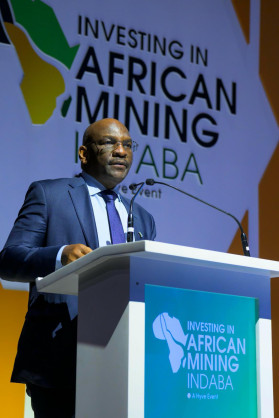
Africa must take bold steps to own its resources, create jobs and build industries that sustain prosperity for generations, African Export-Import Bank (Afreximbank) (www.Afreximbank.com) has told African leaders, policymakers, mining industry leaders and global partners at the African Mining Indaba 2025 in Cape Town, South Africa, on Sunday.

In a keynote address at the ministerial symposium of the Indaba, Mr. Denys Denya, Senior Executive Vice President of the Afreximbank Group, argued that the continent was standing at a crossroads and could either continue exporting its wealth and remain a marginal player in the global economy or take the bold steps to own its resources.

He noted that “While the global mining industry generated approximately US$1.7 trillion in revenue in 2023, Africa's share of this wealth remains disproportionately low. Our continent extracts the raw materials that power the world's industries, yet it is estimated that we retain as little as between four per cent and 20 per cent of the total value of our minerals due to minimal local processing and limited downstream development. The result? Lost economic opportunities, exposure to volatile commodity cycles and a persistent reliance on external markets for refined products derived from our own resources.” “The choice is ours. The time to act is now. Let us work together: governments, financial institutions, investors, and industry players to build an Africa where mining is not just about extraction but about transformation, innovation and wealth creation,” said Mr. Denya. “Africa has the resources, the market potential, and the policy frameworks to transition from a resource-dependent continent to an industrial powerhouse. However, success will depend on bold, decisive action from all stakeholders. Policymakers must implement clear, enforceable regulations that mandate local value addition and create investment-friendly environments. Private sector investors must step up with capital and technology to develop processing, refining, and manufacturing facilities.”

Reversing this trend demanded bold, coordinated action, he argued. “We must move beyond extraction and invest in refining, smelting and advanced manufacturing. African nations must increase local processing capacity for minerals such as bauxite, lithium, cobalt and iron ore.”

He added that regional collaboration was essential as no single country could build a mining value chain in isolation.

Mr. Denya highlighted the importance of the African Continental Free Trade Area (AfCFTA) in developing intra-African mineral value chains and strengthening cross-border collaboration and said that attracting capital for mining-related infrastructure, technology transfer and skills development were critical.

“Our mining policies must also prioritise environmental, social and governance standards, ensuring that mining benefits communities rather than displacing them,” he said, adding that the approach would create millions of skilled jobs for the youth and reduce reliance on volatile global markets while strengthening intra-African trade.

Reiterating Afreximbank's commitment to supporting Africa's mining sector and ensuring that mineral wealth drove economic growth rather than perpetuate resource dependency, Mr. Denya announced that, over the past three years, the Bank had approved more than US$1 billion in support of mining and mineral sector projects across the continent, including financing the development and construction of a bauxite processing plant in Guinea, supporting the expansion of a manganese processing plant in Gabon and providing working capital financing to a diamond company in Botswana.

Other major projects being supported by the Bank include a petrochemical fertilizer plant in Angola, a titanium dioxide pigment plant in South Africa and the feasibility study for the development of a limestone mine processing plant in Malawi, he added.

Mr. Denya said that the establishment of the US$10-billion AfCFTA Adjustment Fund, managed by FEDA, Afreximbank's impact investment subsidiary, would provide critical financial support to countries and businesses transitioning to the new trade regime, including those in the mining sector, and that the Bank's efforts to harmonise standards and implement the Africa Collaborative Transit Guarantee Scheme would also facilitate seamless movement of minerals and mining equipment across borders, reducing logistical bottlenecks.

Afreximbank was also leveraging digital platforms, such as the Africa Trade Gateway and the Pan-African Payment and Settlement System, to enable efficient transactions and market access, which would ensure that Africa's vast mineral wealth was utilised to drive industrialisation, value addition and economic resilience across the continent, he added.

Mr. Denya also noted that Afreximbank, in collaboration with development partners, was driving the development and expansion of industrial parks and special economic zones (SEZs) to address infrastructure challenges that hinder industrial growth.

One of the most transformative initiatives under that pillar was the DRC/Zambia Electric Vehicle Battery Manufacturing Special Economic Zones - a project that positions Africa at the centre of the global energy transition by the implementation of battery precursor SEZs aimed at making the two countries globally competitive investment destinations for the battery electric vehicle value chain.

The African Mining Indaba 2025, taking place from 3 to 6 February, is the premier gathering where Africa policymakers, industry leaders and global partners work to shape the future of the African mining sector.

Distributed by APO Group on behalf of Afreximbank.

Media Contact:
Vincent Musumba
Communications and Events Manager (Media Relations)
Email: press@afreximbank.com

Follow us on:
X: https://apo-opa.co/4116jsN 
Facebook: https://apo-opa.co/4aLcd4I 
LinkedIn: https://apo-opa.co/3Et8gFS 
Instagram: https://apo-opa.co/4aOinBd

About Afreximbank:
African Export-Import Bank (Afreximbank) is a Pan-African multilateral financial institution mandated to finance and promote intra-and extra-African trade. For 30 years, the Bank has been deploying innovative structures to deliver financing solutions that support the transformation of the structure of Africa's trade, accelerating industrialization and intra-regional trade, thereby boosting economic expansion in Africa. A stalwart supporter of the African Continental Free Trade Agreement (AfCFTA), Afreximbank has launched a Pan-African Payment and Settlement System (PAPSS) that was adopted by the African Union (AU) as the payment and settlement platform to underpin the implementation of the AfCFTA. Working with the AfCFTA Secretariat and the AU, the Bank is setting up a US$10 billion Adjustment Fund to support countries effectively participating in the AfCFTA. At the end of December 2023, Afreximbank's total assets and contingencies stood at over US$37.3 billion, and its shareholder funds amounted to US$6.1 billion. Afreximbank has investment grade ratings assigned by GCR (international scale) (A), Moody's (Baa1), Japan Credit Rating Agency (JCR) (A-) and Fitch (BBB). Afreximbank has evolved into a group entity comprising the Bank, its impact fund subsidiary called the Fund for Export Development Africa (FEDA), and its insurance management subsidiary, AfrexInsure (together, "the Group"). The Bank is headquartered in Cairo, Egypt.

For more information, visit: www.Afreximbank.com

Media files
Afreximbank
Download logo
Read moreAfreximbank Challenges Africa’s Miners to Take Bold Steps to Own the Continent’s Resources
3 February 2025

Fallen SANDF soldiers are South African and African heroes: President Ramaphosa

Location: News

Fallen SANDF soldiers are South African and African heroes: President Ramaphosa

The South African National Defence Force (SANDF) soldiers, who were killed in the eastern Democratic Republic of the Congo (DRC), are African heroes who laid their lives in defence of those who are not able to defend themselves.

This is according to President Cyril Ramaphosa, who addressed the nation through his weekly newsletter on Monday.

The SANDF lost 14 members in the DRC after coming under deadly attack allegedly from M23 fighters.

South African soldiers are in the DRC as part of the Southern African Development Community Mission in the DRC (SAMIDRC) and the United Nations Organisation Stabilisation Mission in the Democratic Republic of Congo (MONUSCO).

“They were killed in violation of a ceasefire agreement between the DRC and Rwanda, facilitated by President João Lourenço of Angola. As a nation, we pay tribute to our fallen soldiers. They are South African and African heroes.

“They lost their lives in defence of the defenceless: the men, women and children who are the victims of one of the world’s most protracted conflicts,” President Ramaphosa said.

The names of the soldiers – as released by the SANDF – are:

  • Staff Sergeant William Eddie Cola.
  • Staff Sergeant Molahlehi Ishmael Molahlehi.
  • Staff Sergeant Shwahlane Theophilus Seepe.
  • Corporal Matome Justice Malesa. 
  • Corporal Rinae Nemavhulani. 
  • Lance Bombardier Itumeleng Macdonald Moreo. 
  • Lance Corporal Tseke Moffat Molapo. 
  • Lance Corporal Metse Stansly Raswiswi. 
  • Rifleman Sebatane Richard Chokoe. 
  • Rifleman Derrick Maluleke. 
  • Rifleman Tshidiso Andries Mabele.
  • Rifleman Calvin Louis Moagi. 
  • Rifleman Mokete Joseph Mobe 
  • Private Peter Jacobus Strydom.

President Ramaphosa has assured that SANDF participation in the DRC is “subject to the SAMIDRC mission” and will wind down “in accordance with the implementation of various confidence-building measures and when the ceasefire we have called for takes root”.

“As this happens, securing the safety of our troops remains paramount. The situation in the areas where our troops are stationed remains highly volatile. We are making every effort to ensure that our soldiers are well-equipped and sufficiently supported during the mission,” he said.

SAnews on Friday, 31 January 2025, reported on the Extraordinary SADC Summit, which was held in Harare, Zimbabwe, on the situation in the DRC. President Ramaphosa and other leaders at the summit, strongly condemned the ongoing violence in the DRC, where clashes have displaced thousands of civilians.  

READ | SADC Extraordinary Summit condemns escalating violence in DRC, calls for urgent action

Silencing the guns

President Ramaphosa explained that South Africa has been a “troop contributing country to MONUSCO since 1999 and we have lent our support to the SADC mission deployed to the region in 2023” – anchored in the commitment to “silencing the guns” on African soil.

“Supporting peacebuilding and the resolution of conflict in Africa has been a cornerstone of our country’s foreign policy since the advent of democracy, as we have sought to draw on our experience of political dialogue and national reconciliation.

“Since 1994, our country has contributed to UN peace operations in Burundi, Ethiopia, Eritrea, Liberia, Nepal and to the UN-AU Mission in Darfur. South Africa has been part of fostering peace in Lesotho, Burundi and South Sudan. In 2022, we hosted negotiations that brokered a ceasefire between the government of Ethiopia and the Tigray People’s Liberation Front.

“Last year marked the end of the SADC Mission in Mozambique (SAMIM), which SANDF troops formed part of. The mission was deployed for three years to combat extremist groups in the Cabo Delgado province. The government of Mozambique has praised SAMIM for its efforts to restore stability to the region and for contributing to a vastly improved security situation,” he said.

In our best interests

According to the President, since the attack on the SANDF soldiers, questions were raised on South Africa’s DRC presence, with some saying “we have no business being there.”.

“Violence and conflict in Africa is the business of all Africans. The humanitarian, economic and social effects of these conflicts are felt across borders and regions. Instability in any part of the continent affects the prospects for growth and development across the continent,” President Ramaphosa insisted.

He said for peace to be secured in the eastern DRC, “there must be an immediate end to hostilities and a ceasefire that must be respected by all”.

“A ceasefire is a necessary precondition for peace talks that must include all parties to the conflict, whether they are State or non-state actors, Congolese or non-Congolese.

"Diplomacy is the most sustainable pathway to achieving a lasting peace for the DRC and its people. We call on all parties to fully embrace the current diplomatic efforts that are aimed at finding a peaceful resolution, including honouring the Luanda Process.

“Strong political will and leadership will be required from all parties to the conflict, as well as respect for the territorial integrity of the DRC,” the President said.

Furthermore, for lasting peace and security to be achieved in the DRC, “the collective will of the community of nations” will be needed.

“As a country, we have a duty of support towards the nations of Africa, whose solidarity and material support helped secure our liberation. 

“South Africa will not let up in its support to the people of the DRC, so that they may have the peace and security they rightfully deserve,” President Ramaphosa concluded. – SAnews.gov.za

NeoB
Mon, 02/03/2025 - 14:25

37 views
Read moreFallen SANDF soldiers are South African and African heroes: President Ramaphosa
28 January 2025

Revisiting the Africa-Paris Declaration: Progress, Challenges and the Road Ahead for African Energy

Location: News
Energy Capital & Power

The Africa-Paris Declaration, forged during the 2024 Invest in African Energy (IAE) Forum in Paris, was a pivotal moment in Africa's quest for sustainable energy solutions. Aimed at strengthening the continent's energy transition while addressing the urgent issue of energy poverty, the declaration set ambitious targets for expanding access to clean, affordable and reliable energy. With the 2025 edition of the forum approaching, now is the time to reflect on the progress made since the Africa-Paris Declaration and assess how these initiatives are shaping Africa's energy future.

Increased Engagement in Africa

In the months following the declaration, international investors, development banks and private equity firms have shown a steadfast interest in the African energy market. A key milestone was the launch of the Africa Energy Bank by the African Export-Import Bank and APPO, marking the creation of a first-of-its-kind institution designed to fund and facilitate energy initiatives across the continent. Several final investment decisions were successfully closed, including Shell's $5.5 billion Bonga North deepwater project. Additionally, strategic partnerships, including new PSCs signed by Panoro Energy in Equatorial Guinea and BW Energy in Gabon, highlight how international collaborations are accelerating energy development and creating new opportunities for exploration and production. This increased engagement is key to addressing the financing gap that has long hindered the growth of Africa's energy sector.

Natural gas continues to play a central role in Africa's energy strategy as a transitional fuel. The Africa-Paris Declaration underscored its importance as a bridge between traditional energy sources and renewable energy. Over the past year, significant strides have been made in natural gas exploration and LNG exports. Notable developments include Senegal's Greater Tortue Ahmeyim LNG reaching its first gas production, the Republic of Congo's first LNG exports to Italy from the Congo LNG project, Nigeria's UTM FLNG receiving its construction license, and Angola's Sanha Lean Gas Connection project achieving first gas, among others. These initiatives are not only crucial for advancing Africa's energy transition, but also serve as powerful drivers of economic growth by creating jobs and advancing infrastructure development.

Meanwhile, countries like South Africa, Egypt and Morocco are at the forefront of wind and solar energy development, with momentum expected to build as they meet renewable energy targets and explore new growth opportunities. These investments are driving a shift toward cleaner, more sustainable energy in Africa, though challenges remain. High costs of renewable technologies and insufficient grid infrastructure continue to hinder expansion, underscoring the need for more investment in off-grid and mini-grid solutions.

Investment Gaps Persist 

Despite these advancements, Africa still faces significant investment challenges. The financing gap for large-scale energy projects remains substantial and while the private sector has become more engaged, many projects still struggle to secure the necessary capital. In particular, the cost of financing remains high due to the perceived risks associated with energy investments in Africa. This is where continued efforts to de-risk investments and foster public-private partnerships are critical to unlocking the continent's full energy potential. Institutional capacity continues to be a challenge for many African countries. While progress has been made in improving regulatory frameworks, there is still a need for clearer policies, streamlined permitting processes and better enforcement of regulations. Governments must continue to strengthen their institutions to effectively implement energy projects and create an enabling environment for both local and international investors.

With the IAE 2025 forum just months away, industry stakeholders have an opportunity to reflect on the progress made since the Africa-Paris Declaration and determine next steps for the continent's energy future. The forum serves as a platform for government officials, industry leaders and financial institutions to renew commitments, share success stories and address ongoing challenges. While the road to universal energy access and a sustainable energy future is long, the declaration has set the framework for a collective effort that can lead to meaningful change. With the right investments, regulatory frameworks and political will, Africa can emerge as a global leader in energy innovation and sustainability.

Distributed by APO Group on behalf of Energy Capital & Power.

IAE 2025 (www.Invest-Africa-Energy.com) is an exclusive forum designed to facilitate investment between African energy markets and global investors. Taking place May 13-14, 2025 in Paris, the event offers delegates two days of intensive engagement with industry experts, project developers, investors and policymakers. For more information, please visit www.Invest-Africa-Energy.com. To sponsor or participate as a delegate, please contact sales@energycapitalpower.com.

Media files
Energy Capital & Power
Download logo
Read moreRevisiting the Africa-Paris Declaration: Progress, Challenges and the Road Ahead for African Energy
28 January 2025

African Energy Ministers, NOCs and Regulators Stand Out Among AEC 2025 Movers and Shakers

Location: News
African Energy Chamber

Key African energy ministers, national oil companies (NOCs) and regulators have been recognized for their contributions to advancing hydrocarbon exploration, LNG megaprojects and policy reforms in the African Energy Chamber's (www.EnergyChamber.org) Top 40 Movers and Shakers to Watch in 2025 list. 

Namibia's Tom Alweendo, Minister of Mines and Energy, is at the forefront of the country's emerging oil industry. With first oil expected by 2029 and a pioneering local content policy in place, Minister Alweendo is focused on translating Orange Basin discoveries into tangible development, while balancing investor and community needs. In the Republic of Congo, Bruno Jean-Richard Itoua, Minister of Hydrocarbons, has led milestones including the country's first LNG exports and the Banga Kayo gas project. As Congo prepares for a 2025 licensing round and implements its Gas Master Plan, Minister Itoua's leadership will be critical in positioning the country as a leading energy hub. Equatorial Guinea's Antonio Oburu Ondo, Minister of Mines and Hydrocarbons, is driving efforts to reverse declining oil and gas production. Minister Ondo is tasked with securing investment, implementing the Gulf of Guinea gas pipeline project with Nigeria, and advancing the Yoyo-Yolanda gas project to revitalize the country's energy sector. 

Africa's leading NOCs and regulators were also recognized for their pivotal role in driving energy sector developments in 2025. Godfrey Moagi, CEO of South Africa's National Petroleum Company (SANPC), is spearheading efforts to develop the Brulpadda and Luiperd discoveries, while advancing gas-to-power projects at Saldanha Bay, Richards Bay and Coega LNG terminals. Moagi's leadership will determine SANPC's ability to establish itself as a key player in the country's energy transition. In Angola, Sebastião Gaspar Martins, CEO of Sonangol, is driving a sweeping transformation to restore the company's profitability. With strategic partnerships, operational streamlining and the sale of non-core assets, Sonangol is poised to emerge as a more efficient and competitive entity under his guidance. 

Maxient Raoul Ominga, Managing Director of SNPC, is spearheading initiatives in the Republic of Congo to boost oil production to 500,000 barrels per day. Through the development of key fields and implementation of the Gas Master Plan, Ominga is positioning Congo as a competitive gas player while reducing flaring and diversifying revenue streams. In Ivory Coast, Fatoumata Sanogo, CEO of PETROCI, is driving hydrocarbon development through strategic partnerships with TotalEnergies and Eni. With the Baleine field development on track to significantly boost production by 2025, PETROCI is cementing the country's position as a regional energy hub. 

Sylvia dos Anjos, Head of E&P at Petrobras, is leading the Brazilian NOC's ambitious re-entry into Africa, targeting markets in Namibia, South Africa and Angola. Her vision focuses on leveraging untapped reserves to establish Petrobras as a competitive player and strengthen Brazil's partnership with Africa. In Sierra Leone, Foday Mansaray, Director General of the Petroleum Directorate, is fostering investment in offshore oil and gas exploration. Following the successful conclusion of Sierra Leone's fifth licensing round, Mansaray is focused on turning interest into tangible exploration and production gains. 

As Africa's energy future continues to unfold, the AEC remains committed to recognizing and supporting the leaders who are making transformative impacts in the sector. For the full Africa's Top 40 Movers and Shakers to Watch in 2025 list, visit www.EnergyChamber.org 

Distributed by APO Group on behalf of African Energy Chamber.
Media files
African Energy Chamber
Download logo
Read moreAfrican Energy Ministers, NOCs and Regulators Stand Out Among AEC 2025 Movers and Shakers
27 January 2025

SA to continue promoting stability in the DRC

Location: News

SA to continue promoting stability in the DRC

South Africa’s Permanent Representative to the United Nations, Ambassador Mathu Joyini, has stated that South Africa will continue to contribute to promoting peace and stability in the eastern region of the Democratic Republic of Congo and to the continent’s overall peacekeeping efforts.

The United Nations Security Council held an emergency meeting yesterday regarding deadly clashes in eastern DRC, following Kinshasa’s withdrawal of its diplomats from Kigali as Rwanda-backed rebels advanced on the key city of Goma.

At least 13 soldiers serving with peacekeeping forces in the Democratic Republic of Congo (DRC) were killed by M23 rebels in the eastern DRC after two days of fierce fighting, including nine members of the South African National Defence Force (SANDF). 

The SANDF soldiers are part of the Southern African Development Community Mission in the Democratic Republic of Congo (SAMIDRC) deployed to support and assist the government of Africa’s second-largest country to restore peace, security, and stability.

Joyini believes that the situation in the eastern DRC requires decisive action from the international community led by the UN Security Council following the killing of peacemakers.

“This Council must send a clear message that peacekeepers’ lives matter. We must value and safeguard the contribution of those entrusted to carry out the mandates adopted in this Chamber,” she said on Sunday. 

M23 is one of the groups seeking to establish control in the mineral-rich regions of North and South Kivu provinces located near the border with Rwanda. 

According to reports, more than 400 000 people have been displaced since the beginning of 2025. 

“We deplore these unwarranted attacks against MONUSCO [United Nations Organisation Stabilisation Mission in the Democratic Republic of the Congo] and the SAMIDRC uniformed personnel who are deployed not only to promote peace, security, and stability in eastern DRC but, by extension, in the African continent in general.” 

Condolences

The Ambassador took the time to express her condolences to the families of peacekeepers who have lost their lives and wish a speedy recovery to those injured. 

“The cost of being a UN peacekeeper should never be this high. This Security Council has passed many resolutions providing clear guidance on such violations against peacekeepers. The Security Council must take decisive action against callous acts to undermine its role and decisions to maintain international peace and security.” 

Support

She called on the Rwanda Defence Forces to cease support to the M23 and for the rebel group to immediately cease all hostile actions and withdraw from occupied areas.

“We cannot accept a world wherein non-State actors are armed to do the will of other States, while those States refuse to accept responsibility for unnecessary armed violence and potential war crimes.” 

Lasting solution 

Joyini believes that the international community can no longer afford to simply watch as this conflict in the eastern DRC continues to displace, maim, and kill innocent civilians. 

“The Security Council must use the tools at its disposal to act against those who perpetuate the conflict in eastern DRC, including calling for their withdrawal from the DRC. 

“There must also be a resumption of both the Luanda and Nairobi Processes to find a lasting political solution to the cyclical conflict in the eastern DRC. South Africa commends His Excellency João Manuel Gonçalves Lourenço, President of Angola in his capacity as the African Union Champion for Peace and Reconciliation in Africa, for his tireless work on the Luanda Process.” 

The Ambassador once again called on the relevant parties to engage in this process to agree on a negotiated settlement that includes peace and stability in the entire Great Lakes region and Africa. 

Secretary-General of the UN António Guterres has called on Rwandan forces to withdraw from the DRC and halt support for M23 fighters advancing on the key city of Goma. – SAnews.gov.za

Gabisile
Mon, 01/27/2025 - 09:33

456 views
Read moreSA to continue promoting stability in the DRC
20 January 2025

Tanzania Confirms Outbreak of Marburg Virus Disease

Location: News

World Health Organization - United Republic of Tanzania
Download logo

Tanzania today confirmed an outbreak of Marburg virus disease in the northwestern Kagera region after one case tested positive for the virus following investigations and laboratory analysis of suspected cases of the disease. 

President of the Republic of Tanzania, Her Excellency Samia Suluhu Hassan, made the announcement during a press briefing alongside World Health Organization (WHO) Director-General, Dr Tedros Adhanom Ghebreyesus, in the country's administrative capital Dodoma. 

“Laboratory tests conducted at Kabaile Mobile Laboratory in Kagera and later confirmed in Dar es Salaam identified one patient as being infected with the Marburg virus. Fortunately, the remaining suspected patients tested negative,” the president said. “We have demonstrated in the past our ability to contain a similar outbreak and are determined to do the same this time around.” 

A total of 25 suspected cases have been reported as of 20 January 2025, all of whom have tested negative and are currently under close follow-up, the president said. The cases have been reported in Biharamulo and Muleba districts in Kagera. 

“We have resolved to reassure the general public in Tanzania and the international community as a whole of our collective determination to address the global health challenges, including the Marburg virus disease,” said H.E President Hassan.  

WHO is supporting Tanzanian health authorities to enhance key outbreak control measures including disease surveillance, testing, treatment, infection prevention and control, case management, as well as increasing public awareness among communities to prevent further spread of the virus. 

“WHO, working with its partners, is committed to supporting the government of Tanzania to bring the outbreak under control as soon as possible, and to build a healthier, safer, fairer future for all the people of Tanzania,” said Dr Tedros. “Now is a time for collaboration, and commitment, to protecting the health of all people in Tanzania, and the region, from the risks posed by this disease.” 

Marburg virus disease is highly virulent and causes haemorrhagic fever. It belongs to the same family as the virus that causes Ebola virus disease. Illness caused by Marburg virus begins abruptly. Patients present with high fever, severe headache and severe malaise. They may develop severe haemorrhagic symptoms within seven days.  

“The declaration by the president and the measures being taken by the government are crucial in addressing the threat of this disease at the local and national levels as well as preventing potential cross-border spread,” said Dr Matshidiso Moeti, WHO Regional Director for Africa. “Our priority is to support the government to rapidly scale up measures to effectively respond to this outbreak and safeguard the health of the population,”  

Tanzania previously reported an outbreak of Marburg in March 2023 – the country's first – in Kagera region, in which a total of nine cases (eight confirmed and one probable) and six deaths were reported, with a case fatality ratio of 67%. 

In the African region, previous outbreaks and sporadic cases have been reported in Angola, the Democratic Republic of the Congo, Ghana, Kenya, Equatorial Guinea, Rwanda, South Africa and Uganda. 

Marburg virus is transmitted to people from fruit bats and spreads among humans through direct contact with the bodily fluids of infected people, surfaces and materials. Although several promising candidate medical countermeasures are currently undergoing clinical trials, there is no licensed treatment or vaccine for effective management or prevention of Marburg virus disease. However, early access to treatment and supportive care – rehydration with oral or intravenous fluids – and treatment of specific symptoms, improve survival. 

Distributed by APO Group on behalf of World Health Organization - United Republic of Tanzania.

Read moreTanzania Confirms Outbreak of Marburg Virus Disease
17 January 2025

What to Expect at African Energy Week 2025

Location: Business
African Energy Chamber

Africa is on the precipice of accelerated growth, with major energy projects and untapped resources creating an attractive environment for project developers and financiers. With the continent's energy demand projected to more than double by 2050 and fossil fuels expected to comprise up to 60% of the energy mix by 2040, there lies a strategic opportunity for companies to invest, energy portfolios to grow and countries to reap the rewards of their oil, gas and energy resources.

Returning for its next edition from 29 September to 3 October at the Cape Town International Convention Center, the African Energy Week (AEW): Invest in African Energies conference serves as the leading platform for deal-making, energy partnerships and investments. Building on the success of its previous editions, the event offers a platform for capital and technology to be directed towards African energy projects. In 2025, the event returns bigger and better than before.

Greater Focus on Projects, Emerging Opportunities

With 2025 promising to be an impactful year for Africa's energy sector, the AEW: Invest in African Energies conference will further catalyze development by connecting investors to African projects. On the project front, a slate of major developments is either progressing or will begin operations. These include the second phase of the Congo LNG project; the full operation of the Greater Tortue Ahmeyim development in Senegal/Mauritania; the launch of the Cabinda Refinery in Angola; appraisal drilling in Namibia's Orange Basin, and many more. Strategic developments such as the East African Crude Oil Pipeline, the Mozambique LNG project and exploratory drilling continent-wide require capital, highlighting emerging opportunities for global financiers.

Additionally, Africa's 2024/2025 licensing rounds signal a renewed drive to position the continent as a leading frontier. In North Africa, Libya plans to launch a bid round featuring 22 blocks, Egypt plans to host an international bid round for 12 exploration blocks while Algeria will launch a tender featuring 6 onshore blocks. In West Africa, Mauritania, Nigeria and Liberia will launch licensing rounds, while in Southern Africa, Angola will offer 9 blocks for exploration, Namibia is rolling out a new open-door policy and Tanzania will promote 24 oil and gas blocks in March 2025. These opportunities will be on display at AEW: Invest in African Energies 2025, creating an in-roads for new players.

Uniting Stakeholders to Make Energy Poverty History by 2030

As the largest energy event on the continent, AEW: Invest in African Energies convenes energy, finance and policy stakeholders from the global and African markets. From presidents and ministers to explorers and infrastructure developers to financiers and technology leaders, the event serves as the premier event for the African energy sector. This year, the event offers an expanded program, covering strategic topics such as frontier exploration, refining and processing, power development and connectivity, green hydrogen, regulation and skills development. Speakers will not only address the pressing challenges impacting the continent's energy progress but showcase the range of investment opportunities available across the continent. AEW: Invest in African Energies is where African governments meet, international energy firms sign deals, and local companies drive the next wave of energy development in Africa.

Collaborating for a Just Energy Future

While the world prioritizes the development of renewable energy over traditional energy sources, African countries seek to drive a just energy transition that incorporates a variety of energy solutions. AEW: Invest in African Energies not only promotes a just transition in Africa but offers a platform where global and African energy stakeholders can forge a new pathway for the continent. Discussions in Cape Town will center on strategies for accelerating industrialization, how technologies such as gas-to-power and LNG can reduce emissions while bolstering energy security, and the impact of integrated energy systems on African economies. By driving a narrative of inclusivity, AEW: Invest in African Energies fosters collaboration, partnerships and cross-sector investments.

Policy Alignment, Global Engagement

To attract fresh investment in African energy projects, a slate of countries has enacted policy reforms to strengthen transparency and investor certainty. Nigeria signed the Petroleum Industry Act into law; South Africa launched a new petroleum company; the Republic of Congo is preparing to launch a Gas Master Plan; while Algeria has strengthened regulation to attract local participation in oil and gas projects. In conjunction with improved fiscal terms and rules of engagement, these policies have significantly enhanced the business environment in Africa, making 2025 a strategic year to invest in African energy.

For more information about AEW: Invest in African Energies 2025, visit www.AECWeek.com.

Distributed by APO Group on behalf of African Energy Chamber.

Media files
African Energy Chamber
Download logo
Read moreWhat to Expect at African Energy Week 2025
16 January 2025

RMB, TDB and AFC to Spotlight Innovative Energy Financing Solutions at IAE 2025

Location: Business
Energy Capital & Power

Top financial leaders in Africa's oil, gas and energy sectors will take center stage at the Invest in African Energy (IAE) 2025 Forum (www.Invest-Africa-Energy.com/) in Paris, offering strategic insights on funding opportunities and the pivotal role of finance in advancing the continent's energy transition. Scheduled for May 13-14, 2025, the event will explore investment strategies, emerging market dynamics and financing solutions needed to unlock Africa's vast energy potential. Featured speakers include:

  • Liz Williamson, Head of Energy Corporate Finance, Rand Merchant Bank
  • Admassu Tadesse, Group President & Managing Director, Trade Development Bank
  • Taiwo Okwor, Vice President, Investment, Africa Finance Corporation 

Rand Merchant Bank (RMB) continues to play a key role in financing energy and infrastructure projects across Africa, supporting the continent's energy transition. In partnership with the European Investment Bank, RMB's holding company, FirstRand Bank, recently launched a €400 million initiative to expand renewable energy projects in South Africa, enhancing clean energy supply, reducing carbon emissions and creating jobs.

IAE 2025 (https://apo-opa.co/3C1xE4G) is an exclusive forum designed to facilitate investment between African energy markets and global investors. Taking place May 13-14, 2025 in Paris, the event offers delegates two days of intensive engagement with industry experts, project developers, investors and policymakers. For more information, please visit www.Invest-Africa-Energy.com. To sponsor or participate as a delegate, please contact sales@energycapitalpower.com.

 The Trade and Development Bank (TDB) has spearheaded numerous high-impact financing projects that strengthen energy infrastructure and promote sustainability across Africa. Notable initiatives include a $150 million Trade Finance Risk Participation Agreement with the African Development Bank to boost intra-African trade and regional integration, expected to support $1.8 billion in trade over three years. Additionally, TDB secured a $100 million facility from British International Investment to finance essential imports and exports for African markets.

Africa Finance Corporation (AFC) remains at the forefront of large-scale infrastructure financing, focusing on critical energy projects that support the transition to cleaner energy sources. Earlier this month, the AFC announced plans to invest over $3 billion in 2025, with priority initiatives including a transnational railway connecting Zambia's mines to Angola's Port of Lobito, as well as investments in renewable energy, electrification, agriculture and eco-tourism to boost regional development. The upcoming forum is set to explore how Africa's energy market is evolving and the innovative financing solutions required to support large-scale energy projects, especially in the oil and gas sector.

Distributed by APO Group on behalf of Energy Capital & Power.

Media files
Energy Capital & Power
Download logo
Read moreRMB, TDB and AFC to Spotlight Innovative Energy Financing Solutions at IAE 2025
24 December 2024

Angola Cables Executive Rui Faria to Also Represent West Africa on the International Advisory Body for Submarine Cable Resilience

Location: Business
Angola Cables

Angola Cables (www.AngolaCables.co.ao), an internationally established ICT and digital solutions and network services provider, is proud to announce the appointment of its Executive Board Member and Chief Commercial Officer, Rui Faria, to the newly established International Advisory Body for Submarine Cable Resilience.

This representation on the 42-member advisory body comes at an opportune time, following widespread internet outages, across several African countries, earlier this year caused by damage to international undersea cables running along the West African coastline.

These disruptions have underscored the region's urgent need for greater infrastructure resilience. With growing reliance on digital networks for economic growth, trade, and innovation, safeguarding these undersea data corridors is vital for West Africa's development.

The International Advisory Body for Submarine Cable Resilience was established by the International Telecommunication Union (ITU), the United Nations Agency for Digital Technologies, and the International Cable Protection Committee (ICPC). Its goal is to enhance the reliability and safety of submarine cables, which are the backbone of global and regional connectivity.

Subsea cables facilitate over 99% of international data exchange, supporting communication, financial systems, cloud services, and digital economies worldwide. The multi-stakeholder advisory body includes government ministers, regulatory authorities, industry executives, and senior telecommunication cables experts.

With more than 30 years of experience in Africa's subsea cable sector, Faria was invited by the Angolan Ministry of Telecommunications, Information Technologies, and Social Communication (MINTTICS) to take up this advisory role as the government looks to diversify its economy and improve telecoms infrastructure within the country. 

“West Africa's recent experience with submarine cable failures has highlighted the fragility of our connectivity networks and the critical need for proactive solutions. As part of the International Advisory Body, we will work towards identifying vulnerabilities and implementing measures to ensure these vital cables remain operational and resilient. Strengthened collaboration and innovation will help mitigate disruptions and secure West Africa's digital future,” said Faria.

Fernando Fernandes, CEO of TelCables Nigeria, Angola Cables subsidiary, emphasised the importance of this appointment for the region, saying, “We are honoured that Rui has been selected to represent West Africa on the Advisory Body for Submarine Cable Resilience. Submarine cables are the foundation of modern economies, and their stability is paramount for enabling global and regional growth. We believe this initiative will go a long way towards building resilience, ensuring uninterrupted worldwide connectivity, and unlocking new economic opportunities for West Africa.”

Angola Cables' participation in the Advisory Body underscores its commitment to initiatives that safeguard critical telecom infrastructure and support national and regional development. In this regard, the company also supports scientific research into naturally occurring cable failures, including the groundbreaking work conducted by the Department of Geography and Earth Science at Durham University in the Congo River Canyon Crossing in West Africa.

“Consultation, cooperation, and collaboration between countries and all technical and scientific stakeholders will ensure that we can implement better measures to safeguard submarine cable infrastructure and the integrity of the undersea data corridors, the lifeblood of our global, digital-enabled economy. On a regional front, they will enable West Africa to remain connected, competitive, and positioned for sustained digital and economic growth,” concluded Faria. 

Distributed by APO Group on behalf of Angola Cables.

NOTE TO EDITORS:  
About Angola Cables:
Angola Cables is an internationally established ICT and digital solutions and network services provider.  The company specialises in connectivity solutions for the wholesale market and offers tailored digital services and solutions across multiple industries, including Cloud resources for the corporate enterprise sector.

Known for its innovation, Angola Cables operates a robust global backbone network, providing access to major IXPs, Tier I operators, and global content providers. With more than 30 PoPs and connections to 66 interconnected Data Centres and 6000 peering agreements, traffic over its international network is in excess of 18 500 Tbps.

The company has its own submarine cable network spanning over 33,000 kilometres (WACS, SACS, and MONET) and extends its services to over 50,000 kilometres through partner cables, connecting the Americas, Africa, Europe, and Asia.

Additionally, the company operates two world-class Data Centres, AngoNAP Fortaleza in Brazil and AngoNAP Luanda in Angola. Angola Cables also manages PIX in Brazil and Angonix in Angola - one of the leading internet traffic exchange points in Africa that directly connects to over 21 IXPs worldwide.

With a significant international presence, Angola Cables is expanding its operations into strategic markets such as Brazil, South Africa, the United States, and Nigeria. The company promotes intercontinental interconnection, driving digital and economic development, and ranks among the top 25 internet service providers in the world today.

*The Center for Applied Internet Data Analysis (CAIDA) 2023

For more information, visit the website: www.AngolaCables.co.ao

Media files
Angola Cables
Download logo
Read moreAngola Cables Executive Rui Faria to Also Represent West Africa on the International Advisory Body for Submarine Cable Resilience
16 December 2024

Surging Investment, Waves of Change

Location: News
African Energy Chamber

By NJ Ayuk, Executive Chairman, African Energy Chamber (https://EnergyChamber.org/).

I've said for years that African energy is a vital investment. Backers clearly agree — to the tune of USD47 billion. That's how much capital expenditure (capex) 2024 saw in African oil and gas, showing a 23% increase from last year. Better yet, we expect growth to continue through the end of the decade.

This capex activity is a welcome sign that energy majors are deepening their long-term interests in Africa. And as our 2025 State of African Energy report details, their momentum has created unique opportunities for local communities, indigenous companies, and national oil companies (NOCs) from other continents.

Emerging Players

While the majority of 2024's capex was driven by established producers like Angola and Nigeria, emerging players are making noise in the industry. Take Senegal, which saw its first offshore oil production this year. Ghana, following a five-year slump, increased oil output during 2024 by 10% and gas output by 7%.

Exploration hotspot Namibia also deserves a special mention: The Southern African nation aims todrill over 12 offshore wells next year, begin production by 2029, and become one of the top-five African producers by the 2030s. Good work for a nation that only discovered its enormous reserves in 2022! I frequently cite Namibia because it proves that a complete newcomer can attract serious foreign investment with smart, swift policy changes — and poise itself to shake up the energy industry.

Increased Exploration

An exciting question remains: Just where will we find the next Namibia Thanks to a resurgence in exploration, another hotspot may be around the corner. There were 1,060 wells drilled in Africa this year — more than any time since 2015. Africa has also become a global leader in drilling high-impact wells, which have the potential to significantly increase overall reserves. That strategy is already paying off: Notable 2024 finds include Namibia's Mopane complex, which holds approximately 10 billion barrel of oil equivalent (boe) – “one of the world's largest offshore finds,” according to Offshore Magazine. Even while global exploration as a whole remains stagnant, Africa is stepping up to meet growing energy demands.

When exploration is successful, new fields follow. We also expect to see African greenfield spending exceed brownfield by 10% by 2030. These capex trends all demonstrate that investors won't limit themselves to mature fields: Eyes are on fresh locations, fresh facilities, and fresh opportunities in Africa.

A Gas Future

As we highlight in our 2025 report, one of those opportunities is natural gas. Africa holds nearly 18 trillion cubic meters of reserves, which will prove essential for a just energy transition as natural gas can provide significant near-term emissions reductions while fostering energy security and economic development. Global demand for this clean-burning resource is also growing, particularly in Asia. That's why I'm glad to see a greater emphasis on developing natural gas resources. In 2023, capex spending on natural gas was about 30%, but this is projected to grow 10% by 2030. It's another sign that more investors are thinking in the long term about Africa, and interested in being part of a just energy transition.

Take Senegal, where the Greater Tortue Ahmeyim gas field will begin production next year. A Final Investment Decision is also expected in 2024 on Yakaar-Teranga. The West African nation is another fantastic example of how operator-friendly policies, political stability, and vast reserves can attract significant foreign investment: I'm excited to see Senegal transform itself from an oil importer to a gas exporter.

M&A Opportunity

The past year saw a huge increase in divestment by O&G majors: Large IOCs are aggressively streamlining their African portfolios. As a rule, they're selling mature, high-emission, and high-cost assets. While large divestments often signal trouble, they're actually creating some promising changes for African O&G.

For one, Asian and Middle Eastern nations are purchasing more assets: Dubai, Qatar, the U.A.E., Malaysia, and Chinese NOCs acquired stakes in Egypt, Mozambique, Namibia, Kenya, and South Africa this year. As global demand for energy grows, particularly in Asia, I'm glad to see these nations looking to Africa for long-term solutions.

Foreign divestment also matters because it's creating opportunities for indigenous companies. Thanks to a recent Shell acquisition, Aradel Holdings became Nigeria's most valuable oil company (https://apo-opa.co/3ZVzGwh). In Angola, IOC Afentra has acquired Azule's (a joint BP and Eni venture) assets and plans to dramatically increase the nation's overall output.

“Having the big players sell to independents is the future,” oil trader Trafigura said in a statement.

It's a promising pattern: Majors sell off mature assets and use the capital to invest in fresh fields and facilities. Independent foreign or indigenous companies use their acquired assets to expand but are spared the expense of building facilities from the ground up. These smaller companies are also strongly motivated to further develop and reduce emissions from these existing fields — an environmental and financial win for everyone.

The Angolan government clearly agrees, encouraging regional players with tax incentives and reduced government profit shares. It will be truly fascinating to watch this industry shakeup in Nigeria and Angola, which have been dominated for decades by majors.

It's no secret that Africa needs O&G majors to stay: They drill over half of our exploration wells and hold a quarter of the continent's equity production. However, I'm thrilled to see indigenous companies growing and harnessing these assets to their fullest extent.

Conclusion

Just what prompted this surge in African capex? A great deal of credit goes to common sense policy changes in nations such as Namibia, Senegal, Mauritania, Egypt, and Angola. We can also point out that the COVID-19 pandemic artificially slowed capex for several years, so an uptick was inevitable once the world opened up again. 

However, I believe a lot of it comes down to economic reality: Global energy needs are rising. Africa has vast, untapped resources. I urge all parties to continue building a thriving energy industry that takes Africa – and the world – into the next century.

For further insights, check out our 2025 State of African Energy report here (https://apo-opa.co/3ZHldTr).

Distributed by APO Group on behalf of African Energy Chamber.
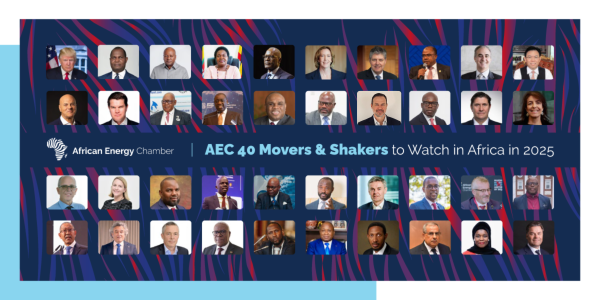
Media files
African Energy Chamber
Download logo
Read moreSurging Investment, Waves of Change
13 December 2024

Call to expand SA-Angola trade and investment 

Location: News

Call to expand SA-Angola trade and investment 

President Cyril Ramaphosa has called for the expansion of bilateral trade and investment between South Africa and Angola.

“During our official engagement, we reached a shared understanding that significant opportunities exist to further strengthen and expand our bilateral trade and investment relations,” President Ramaphosa said on Thursday.

The President made the remark during the South Africa-Angola Business Forum held at the CSIR International Conventional Centre in Pretoria. This as he hosted his Angolan counterpart, President João Manuel Gonçalves Lourenço, who was in South Africa for a State Visit at the Union Buildings earlier in the day.

READ | SA, Angola deepen ties

Speaking at the inaugural South Africa-Angola Business Forum, President Ramaphosa said it was heartening and encouraging to see a broad representation of business from the two countries. 

“This is in itself a solid demonstration of confidence; confidence in the strength of the region’s two largest economies; confidence in the potential that exists for deepening trade and investment ties; confidence that the governments of both countries are taking the necessary steps to ensure that the business operating environment is improved so investments can be safe and secured,” the President explained.

The first citizen said in his engagements with President Lourenço and the respective delegations, a wide array of critical political, economic and social issues of mutual concern were discussed.

More than 20 South African entities are already investing in Angola in a range of sectors including rail, agriculture, industrial parks, oil refineries, manufacturing, IT, financial services and logistics.

“By way of example, the Development Bank of Southern Africa is financing port development, railway rehabilitation, oil and gas infrastructure and renewable energy development in Angola. 

“The Export Credit Insurance Corporation of South Africa has also maintained a healthy pipeline in Angola in infrastructure development, and the Industrial Development Corporation is involved in financing the Cabinda Oil Refinery and the Cabinda phosphate project. We would like to see substantially more Angolan FDI [foreign direct investment] inflows into the South African economy,” said President Ramaphosa.

In addition, between 2003 and 2024, “only a handful” of Angolan companies were investing in South Africa in communications, financial services and the metal sector.

With respect to trade, though South Africa’s exports to Angola have grown by approximately 11% since 2019, they account for just 3% of Angola’s total imports. 

South Africa’s imports from Angola have declined by some 19% since 2019.

“Casting the net wider presents immense possibilities for improving both trade and investment flows. South Africa is pursuing an ambitious economic development agenda based on export-led industrialisation.

“We seek to revitalise our industrial base, modernise our infrastructure network, and strengthen logistics and supply chain connectivity with the rest of the continent,” President Ramaphosa said, noting that this presents opportunities for cooperation in various sectors such as agriculture and agro-processing, energy and rail rolling stock.

Energy and infrastructure development

On energy matters, the President said the rapid growth of key clean energy manufacturing industries, as part of the global transition to a low-carbon economy, is an area that must be explored urgently. 

“The global energy transition offers new opportunities to upgrade and diversify into technology-intensive global value chains. The transition to a low-carbon economy therefore presents scope for collaboration around critical minerals, specifically with regards to value addition and beneficiation.”

The President said infrastructure development that unlocks intra-Africa trade is a priority.

“We must build on the work already underway on the Lobito Corridor to create sustainable industries in the region. South Africa is ready to partner with Angola in the development of strategic corridors, including the Central, North and South Corridors, with the aim of transforming them into dynamic economic infrastructure projects that can promote growth.”

Cutting red tape

President Ramaphosa called on business and government to use the forum proactively.

“As government and business, we must use this forum to engage proactively around not just the possibilities that exist, but also how to resolve the challenges in the business operating environment. Companies in both Angola and South Africa have challenges that make it difficult to do business.

“Stringent business visa requirements, high export costs, onerous import processes, taxation issues and bureaucratic red tape are just some of these. 

“We must be able to emerge from this forum with a clear understanding of what the main challenges are and what steps will be taken to facilitate greater market access on both sides.

“Promoting greater economic growth for the benefit of Angola and South Africa necessitates that we are agile, adaptable and responsive as both the public and private sectors,” he said. - SAnews.gov.za

Edwin
Fri, 12/13/2024 - 09:42

297 views
Read moreCall to expand SA-Angola trade and investment 
13 December 2024

African Development Bank Celebrates 60 Years of Transformative Impact in Africa Southern Region

Location: News
African Development Bank Group (AfDB)

The African Development Bank (AfDB) (www.AfDB.org) proudly celebrates its Diamond Jubilee, marking 60 years of driving social and economic transformation across the African continent. The Southern African regional celebration, held in Johannesburg, brought together leaders, stakeholders, and partners to reflect on the institution's remarkable journey and its vision for a prosperous future.

Speaking at the event, Ms Leila Farah Mokaddem, Director General of the African Development Bank Group, highlighted the Bank's legacy of impact and transformation. "Sixty years ago, the African Development Bank was born out of a vision for a better Africa. Today, we celebrate not just numbers but the lives transformed and communities uplifted through our work," she said.

Key Achievements in Southern Africa

With an active portfolio of 226 projects worth USD 11 billion, the Bank's unwavering commitment to fostering sustainable growth and integration in Southern Africa is evident. Notable achievements include:

  • SADC Sub-Regional Transport and Facilitation Project: A USD 231.3 million investment connecting Malawi and Mozambique, fostering trade, and mitigating regional fragility.
  • Lesotho Highlands Water Project: A USD 2.1 billion initiative enhancing water transfer and hydroelectric power, essential for energy security.
  • Kazungula Bridge Project: A USD 81.6 million investment strengthening connectivity between Zambia and Botswana along the North-South Corridor.
  • Support for Transnet: A recent USD 1 billion sovereign-guaranteed corporate loan to aid South Africa's freight transport recovery and growth.

The celebration also underscored the deep partnership between the Bank and the Government of South Africa. Honourable Minister Enoch Godongwana shared his reflections on this enduring collaboration:

"The Government of the Republic of South Africa celebrates this significant milestone with the African Development Bank. Our region, and indeed South Africa, continues to enjoy a fruitful partnership with the Bank as we work together toward a shared goal of creating a better Africa for future generations.

As we gather to celebrate the many achievements of our collaborative efforts, we also recognise the need to continue advancing Africa's development agenda. This milestone energises us and strengthens our commitment to a shared vision for the next 60 years!"

Looking Ahead: A Vision for the Future

As the Bank embarks on its new Ten-Year Strategy, it prioritises integrated regional projects and climate resilience. Projects like the Lobito Rail Integrated Corridor, connecting Angola, DRC, and Zambia, promise to drive economic growth, agriculture value chains and renewable energy investments.

"Our work is far from over," Ms Mokaddem noted. "We invite all partners—governments, private sector actors, and international institutions—to join us in building a more inclusive and sustainable Africa. Together, we can address climate-related challenges and mobilise resources to ensure no one is left behind."

A Commitment to Africa's Development

Under the leadership of President Dr Akinwumi A. Adesina, the Bank has maintained its AAA rating and authorised capital of USD 318 billion, with nearly 2,000 staff serving all 54 African countries. The institution continues to champion its “High 5s” priorities: lighting up and powering Africa, feeding Africa, industrialising Africa, integrating Africa, and improving the quality of life for the people of Africa.

The 60th-anniversary celebrations are a testament to the Bank's resilience and the enduring support of its partners. The African Development Bank remains steadfast in its mission to transform lives and catalyse growth across the continent.

To view our anniversary video that encapsulates these achievements and our vision for the future, please click here: Anniversary Video (https://apo-opa.co/4g8Y2s3).

Distributed by APO Group on behalf of African Development Bank Group (AfDB).

Media contact:
Natalie Naudé,
Communication and External Relations Department
n.naude@afdb.org

Join the Conversation:
#AfDB60 #AfricaRising #EconomicTransformation #MakingADifference

About the African Development Bank Group:
The African Development Bank Group (AfDB) is the premier multilateral financing institution dedicated to Africa's development. It comprises three distinct entities: the African Development Bank (AfDB), the African Development Fund (ADF) and the Nigeria Trust Fund (NSF). The AfDB has a field presence in 41 African countries, with an external office in Japan, and contributes to the economic development and social progress of its 54 regional member states. For more information: www.AfDB.org

Media files
African Development Bank Group (AfDB)
Download logo
Read moreAfrican Development Bank Celebrates 60 Years of Transformative Impact in Africa Southern Region
13 December 2024

SA, Angola well positioned to capitalise on trade and investment opportunities

Location: News

SA, Angola well positioned to capitalise on trade and investment opportunities

The Deputy Director General: Trade Branch at the Department of Trade, Industry and Competition (the dtic), Ambassador Xolelwa Mlumbi-Peter, says South Africa and Angola are well positioned to capitalise on trade and investment opportunities that exist in both countries.

Mlumbi-Peter was speaking at a Business Forum hosted by South Africa and Angola in Pretoria on Thursday.

“Boosting intra-Africa trade has to be a core objective for both our countries. We need to identify what is produced in our countries, but also what we are importing from elsewhere, so that we can identify obvious products that can be traded among ourselves.

“Many economies globally are adopting strategic autonomy policies and are reconfiguring supply chains to bring them closer to home to promote economic resilience and address strategic vulnerabilities. Promoting intra-Africa trade has to be a strategic objective,” said Mlumbi-Peter.

She encouraged the private sector to identify opportunities for sourcing key inputs and products from each other to boost bilateral trade.

Speaking at the Forum, Chief Executive Officer of Business Unity South Africa, Khulekani Mathe, said as the South African business community, they recognised Angola as a vital market for their products. 

He said the African Continental Free Trade Agreement (AfCFTA), provides significant potential for expansion of trade between the two markets.

“The presence of South African companies in sectors such as mining, banking, retail, logistics, and food services underscores Angola's importance as an investment destination for South Africa to facilitate trade, we need to develop appropriate infrastructure.

“In addition to physical infrastructure, establishing and strengthening business organisations, such as chambers of commerce, is critical,” he said.

He added that the South Africa-Angola Chamber of Commerce was an important building block of trade infrastructure. He encouraged businesses from both countries to join and strengthen this organisation.

“Currently, both economies face challenges with weak growth, registering less than one percent of the Gross Domestic Product (GDP) growth in 2023. 

“Another shared characteristic is our dependence on raw natural resources in our exports, which means that while we export our commodities, we are also exporting jobs to countries that transform these resources into finished products."

The President of the Angola-South Africa Chamber of Commerce, Paula Xavier, said as a chamber they once again called upon businesses from South Africa and Angola to create, strengthen and deepen businesses, partnerships and investments in favour of the multi-sectoral sustainability.

She said for this to be possible, a few essential elements were needed, namely; the alignment of the heads of state, the involvement of entrepreneurs in business partnerships and the cultural dream of people from both countries.

The Chief Executive Officer of Black Business Council, Kganki Matabane said the role of the two economies in the Southern African Development Community (SADC) region were critical as the two countries have a strong partnership that includes trade and investment.

“Our role as partners is crucial in the implementation of the AfCFTA as we are poised to exploit the opportunities as key players within the region. 

“At the crux of our respective economies is the need to improve livelihoods. Our bilateral interaction provides an opportunity to contribute not only to regional growth but growth of the global economy,” said Matabane.

He added that the most important opportunities that can be explored by businesspeople from both countries were the beneficiation of mineral resources and localisation, as they are important for job creation, and to promote sustainable development. – SAnews.gov.za


Edwin
Fri, 12/13/2024 - 10:25

75 views
Read moreSA, Angola well positioned to capitalise on trade and investment opportunities
12 December 2024

South Africa-Angola elevate bilateral relations 

Location: News

South Africa-Angola elevate bilateral relations 

President Cyril Ramaphosa has emphasised that increasing trade and investment between South Africa and Angola remains a top priority.

“Increasing trade and investment between the two countries remains our foremost objective. South Africa must become the destination of choice for Angolan goods, products and services, and vice versa,” he said.

The President was delivering opening remarks during official talks with Angolan President João Manuel Gonçalves Lourenço at the Union Buildings in Pretoria, on Thursday.

President Lourenço of the Republic of Angola is in South Africa on a State Visit at the invitation of President Ramaphosa. 
The Heads of State are using the occasion to solidify relations between the two countries who share deep historical ties.

WATCH | Official Talks between HE President Cyril Ramaphosa and HE President João Lourenço 


President Ramaphosa highlighted the decision to elevate the structured bilateral mechanism between South Africa and Angola from a Joint Commission of Cooperation to a Bi-National Commission (BNC), reflecting a deepening commitment to collaboration. 

The inaugural BNC session will take place in Angola next year, coinciding with the 50th anniversary of Angolan independence.
“Co-chairing this first session with you will be an honour, especially given that it will be during the 50th anniversary celebrations of Angolan independence.”

The President underscored the strong economic ties between the two nations, noting the presence of 20 South African companies in Angola and their diversification into sectors beyond oil. 

South African foreign direct investment (FDI) into Angola has been in a range of sectors such as financial services, IT, food and beverage, transportation, warehousing and tourism.

South Africa’s Industrial Development Corporation (IDC) also has investment projects in Angola, namely in the Cabinda Oil Refinery and the Cabinda phosphate project.

“We want to see more Angolan companies in South Africa. Opportunities exist in infrastructure development, agriculture, construction, mining, financial services, telecoms and manufacturing, to name but a few,” the President explained.

Collaboration in Economic Growth

The leaders discussed leveraging the African Continental Free Trade Agreement (AfCFTA) to drive industrialisation and trade.
President Ramaphosa also emphasised the potential for joint strategies in mineral beneficiation, particularly as global demand grows for critical minerals essential to the energy transition. 

He highlighted Angola’s Lobito Trans-Africa Corridor as a promising development for regional integration and trade.
“We see the African Continental Trade Agreement as a catalyst for inclusive economic growth, and we must take advantage of the system of preferential terms provided to signatories.

“As both Angola and South Africa strive to accelerate the pace of industrialisation, we need to build mutually complementary capabilities in manufacturing and value-addition of products,” he said.

Commitment to Peace and Multilateralism

The leaders’ discussions extended to shared efforts in promoting peace and security across the continent. 

Angola’s contributions to peacebuilding, particularly its role in the Southern African Development Community (SADC) and initiatives like the Luanda Process were praised.

“We must continue to deepen our collaboration towards resolving the conflict in the Eastern DRC, the civil war in Sudan and the post-electoral crisis in Mozambique.

“Silencing the Guns across Africa is a necessary precondition for stability, economic growth and development. As African countries, we must be at the forefront of promoting the peaceful resolution of conflict, particularly at a time when the future of multilateralism is at stake,” he said.

On the global stage, President Ramaphosa advocated for reforming international institutions, including the UN Security Council, to better represent the Global South. He reaffirmed South Africa’s commitment to multilateralism, calling for respect for the United Nations Charter and international law.

Africa at the forefront

With South Africa having assumed the G20 Presidency, President Ramaphosa pledged to prioritise Africa’s developmental goals, particularly those outlined in Agenda 2063. 

According to the African Union, Agenda 2063 is Africa's development blueprint to achieve inclusive and sustainable socio-economic development over a 50-year period.

The President highlighted that South Africa will host the first G20 Summit on African soil in 2025, signalling a historic moment for the continent.

“Working with the African Union and fellow African countries will ensure that the issues of strategic importance to Africa and the Global South are highlighted.”

The President further extended a warm welcome to President Lourenço and his delegation saying his visit marks a significant step in strengthening bilateral ties between the two nations. 

“Your presence here testifies to the strong ties of solidarity and friendship between our two countries.” – SAnews.gov.za


DikelediM
Thu, 12/12/2024 - 13:52

294 views
Read moreSouth Africa-Angola elevate bilateral relations 
12 December 2024

SA, Angola deepen ties

Location: News

SA, Angola deepen ties

President Cyril Ramaphosa has reaffirmed South Africa's commitment to strengthening its partnership with Angola, focusing on shared economic growth, continental integration and sustainable development.

Addressing a media briefing during the Angola State Visit on Thursday, President Ramaphosa said South Africa is keen to see more Angolan investors enter the South African economy. 

“South Africa looks forward to deepening its ties with Angola in the cause of mutually beneficial growth, continental economic integration and sustainable development,” the President said. 

President João Manuel Gonçalves Lourenço of the Republic of Angola is in South Africa for a State Visit at the Union Buildings in Tshwane. 

President Ramaphosa conferred the Order of South Africa on President Lourenço, meaning he shall henceforth be honored as an esteemed member of the country’s National Orders. 

“The people of South Africa collectively salute President Lourenço on being conferred with this very high honor of the order of South Africa. I congratulate you for being honored in this manner by South Africa,” President Ramaphosa said. 

The two Heads of State will address a Business Forum later today. President Ramaphosa said this serves as a chance to connect Angolan and South African businesses and they look forward to participating.

“For our part as governments, we will be expanding on the structural economic reforms underway in both countries to improve the investment climate and business operating environment,” President Ramaphosa said. 

With respect to bilateral cooperation, President Ramaphosa said the two countries agreed on an audit of existing agreements and Memoranda of Understanding. 

“Since formal diplomatic relations were established between Angola and South Africa, we have signed more than 44 agreements. They are at varying stages of implementation. This stock-take is necessary in the interests of strengthening the strategic partnership going forward,” the President said. 

With respect to collaboration on peace and security in the region and across Africa, President Ramaphosa commended President Lourenço for his efforts in mediating between the Democratic Republic of Congo and Rwanda, as President of the International Conference on the Great Lakes, and as Facilitator of the Luanda Process. 

The President said that South Africa and Angola are deeply troubled by the deteriorating situation in Sudan and the ensuing humanitarian crisis. 

President Lourenço serves on the AU Presidential Ad-Hoc Committee for the Republic of Sudan. 

“South Africa pledges its full support for all efforts to bring about an end to the conflict in Sudan. We are equally concerned at the post-electoral crisis in Mozambique and have agreed to work together to enable our region to better respond to peace and security challenges in Africa,” the President said. 

President Ramaphosa further congratulated President Lourenço on his re-election, highlighting that this has been a year of major elections across the continent, including in Angola and South Africa.

“We have a shared sense of optimism regarding the state of multiparty democracy in Africa, which has proven to be robust and in good health.

“We have commended SADC for supporting these democratic processes through election observer missions, as well as for providing valuable recommendations on electoral processes going forward,” he said. – SAnews.gov.za

DikelediM
Thu, 12/12/2024 - 15:27

86 views
Read moreSA, Angola deepen ties
12 December 2024

Reconciliation Day: Reflecting on the past, building a united future

Location: News

Reconciliation Day: Reflecting on the past, building a united future

By Nomonde Mnukwa

The act of forgiveness and reconciliation has been central to the story of South Africa since 1994.  Reconciliation Day came into effect in 1994 and was intended to help build a united and prosperous South Africa. This day and in subsequent years, Reconciliation Month has become synonymous with our drive to nurture and entrench new values in our society.


The annual commemoration of Reconciliation Day allows us to reflect on the many positive strides we have made since 1994, while acknowledging that much work remains.  Even now 30 years into democracy the lives of many continue to be shaped by the circumstances of their birth. We cannot accept this reality as a nation, and we must therefore all do more to address the untold damage wrought by apartheid and colonialism.


If we don’t act and find ways to work together our future will continue to be shaped by our ugly past. National Reconciliation Day is therefore of even greater importance today and can serve as a springboard to build a more cohesive and united society. 


This year Reconciliation Month is being held under the theme “Healing Historical Wounds and Forging New Futures”. The theme serves as a reminder that reconciliation is not about forgetting or ignoring our painful past. Rather, it is about talking openly about what happened in our past and to learn from it so that we can build a country that works for everyone and not just a few. By learning from the past we can begin to imagine a future where all citizens are valued and have equal opportunities to develop and thrive.


This year’s reconciliation month focuses on collective efforts of government and the people in advancing reconciliation, nation-building, social cohesion, healing and forgiveness. It also takes place three months after we received 35 human remains of South Africans who were buried while in exile in Zimbabwe and Zambia. The next phase of the project will focus on the repatriation of the remains of South Africans buried in Angola. 


This initiative is crucial for national healing and reconciliation, allowing families to find closure and honour the memory of those who fought for freedom and justice. Moreover, this project is part of our commitment to honour and restore the legacy of those who sacrificed their lives for the country's freedom. 


As we commemorate reconciliation month, we also pay tribute to our many freedom fighters and others who sacrificed their lives for us to get freedom and democracy. Their long walk has brought us this far; now it’s time for this generation to stand up and lead. 


Young people should work with government in building a South Africa in which all people are free, equal and are included in the economy. Our reconciliation should be linked to transforming our society by broadening the participation of all South Africans in the development of the country.

While progress has been made in our journey of reconciliation over the years, more still needs to be done especially to grow the economy at a higher rate to create more jobs. 


We are hopeful that the foundation we have set over the past 30 years will enable us to move faster in improving the lives of people and in helping to heal the divisions of the past.


*Mnukwa is the Acting Director-General of the Government Communication and Information System (GCIS).

Matona
Thu, 12/12/2024 - 13:26

84 views
Read moreReconciliation Day: Reflecting on the past, building a united future
9 December 2024

Government activities for the week 9 – 13 December 2024

Location: News

Government activities for the week 9 – 13 December 2024

On Monday, 9 December, the Minister of Transport, Barbara Creecy and the Deputy Minister, Mkhuleko Hlengwa will visit Lebombo Border Post to lead the Cross-Border Road Transport Agency’s Cross-Alive Road Safety Campaign as well as to assess the state of operations at the port of entry. 

On Tuesday, 10 December, the Deputy Minister of Home Affairs, Njabulo Nzuza, will visit Empangeni in KwaZulu-Natal to hand over birth certificates to over 180 citizens who had laid claim to South African citizenship through the late registration of birth.

On Wednesday, 11 December, the Minister of Home Affairs, Dr Leon Schreiber, will visit the Lebombo Border Post in Mpumalanga to unveil the new use of technology.

On Thursday, 12 December, President Cyril Ramaphosa will host His Excellency President João Manuel Gonçalves Lourenço of Angola at the Union Buildings in Pretoria. 

Also on Thursday, the Department of Trade, Industry and Competition will host a forum on trade and investment between South Africa and Angola in Pretoria.

Friday, 13 December, no confirmed events.


Neo
Mon, 12/09/2024 - 11:49

186 views
Read moreGovernment activities for the week 9 – 13 December 2024
2 December 2024

The Fierce Urgency of African Energy Banks

Location: News
African Energy Chamber

By NJ Ayuk, Executive Chairman, African Energy Chamber (https://EnergyChamber.org).

For more than a year, the African Energy Chamber (AEC) has been pushing back against steadily building pressure to halt new foreign investments in Africa's oil and gas industry.

To prevent catastrophic climate change, environmental organizations, financial organizations, and governments across Europe and North America have insisted that developing nations, including those in Africa, must immediately transition from fossil fuel production and usage to renewable energy sources like solar, wind, and hydrogen. Mind you, the majority of those making these demands are based in industrialized nations that were built on fossil fuels — oil and gas fueled their economic engines — yet they are unwilling to allow less developed nations to use fossil fuels to the same end. Even more troubling, the countries these groups are taking aim at have a wealth of natural resources under their feet, resources that can be monetized and used to build a better future.

We have explained, over and over, why African countries, businesses, and communities still need support from international oil companies (IOCs), foreign governments, and investment institutions for oil and gas projects. IOCs, for example, play an important role in knowledge sharing and helping Africans build valuable job skills. What's more, foreign oil and gas investments create opportunities for revenue that can be used to build and improve energy infrastructure — for both fossil fuels and renewables. And, by supporting natural gas projects, investors create a path for gas-to-power projects that help minimize the continent's widespread energy poverty.

In July 2021, when it became apparent that reasoning was not yielding results, the chamber went so far as to employ the same tactics the international community used against our members. We called for boycotts against financial institutions that discriminated against the African oil and gas industry.

But the calls to stop financing African oil and gas have only grown louder and more insistent. Most recently, during the 2021 United Nations Climate Change Conference (COP26) in Glasgow, more than 20 countries and financial institutions pledged to stop public financing for overseas fossil fuel projects. Europe then decided that gas was clean for Europe so it will be financed but for Africa, gas is dirty and will receive no funding. The United Kingdom and the European Union have also reportedly joined in the chorus of voices demanding a ban against developed nations providing subsidies for fossil fuels.

Other expectations for this year's conference include calls for member states to formally commit to triple their renewable energy capacity and double their energy efficiency across the board by 2030.

The thread tying all these pledges together, with respect to our work at the AEC, is that none of them bode very well for any future success stories from the African energy economy.

For those of us who care about Africa's oil and gas industry, it's time to face facts: We need to find a way to save it ourselves. The AEC is calling upon African states and the private sector to fund the African Energy Bank, an institution which is focused on funding African energy projects. The African Petroleum Producers Organization (APPO) and the African Export-Import Bank (Afreximbank) have paved the way. The idea is to create funding sources for all types of African energy — from oil and gas exploration to solar and hydrogen operations — so that projects will not be dependent on foreign support.

We can do this, and we must. Too much is at stake. We can't afford not to capitalize on recent discoveries such as the light oil found offshore Angola, the oil in Namibia's Orange Basin, the shale gas in South Africa's Karoo Basin, or the oil and natural gas off the coast of Côte d'Ivoire. Those are only a few of the important discoveries that occurred recently, and each represents critical opportunities for everyday Africans.

You may be wondering if African energy banks are a realistic goal. How can a continent that is struggling to bring many of its people out of poverty raise capital for energy projects? I believe it can be done. To begin with, African governments can set aside a percentage of their oil and gas revenues for new project funding. In its report, Africa Energy Outlook 2021, Rystad Energy projected that African governments' earnings from royalties, profit oil, and other taxes in 2021 would reach USD 100 billion. Even 1% of that amount would produce USD 1 billion dollars.

We can also raise capital by investing African pension funds in African energy projects. According to Cape Town-based investment firm, RisCura, local pension funds collectively manage around USD 450 billion of assets in sub-Saharan Africa, and they are actively looking for new places to invest. Why not encourage them to add oil, gas, and renewables projects to their list? Investing pensions in the energy sector is hardly a new practice. Some of America's largest pension funds are invested in fossil fuel producers, and an increasing amount of pension funds around the globe are investing in green energy projects.

Our options for raising capital don't end there. We should also seek the support of wealthy Africans who want to invest in a better African future. As of December 2023, total private wealth in Africa totaled approximately USD 2.3 trillion. That's not even including the African diaspora.

In May 2022, Afreximbank signed an agreement with APPO on the joint establishment of a special multi-lateral financial institution (MFI) – the African Energy Bank – to provide support for the shift away from fossil fuels. The agreement calls for APPO's member states to provide equity for the new institution and serve as its founding members, with Afreximbank acting as co-investor and providing organizational support.

The new bank will be able to reach more countries than either APPO or Afreximbank could do on their own, as their rosters are not identical: APPO has 15 member states, while Afreximbank has 51 and there is a significant amount of overlap, as Algeria and Libya are the only APPO members that are not also Afreximbank members. But the point remains that if the two institutions join forces, their combined efforts will go further.

Professor Benedict Oramah, the President of Afreximbank, explained it as follows in May 2022: “For us at Afreximbank, supporting the emergence of [the Africa Energy Bank] will enable a more efficient and predictable capital allocation between fossil fuels and renewables. It will also free human and other resources at Afreximbank that will make it possible to support its member countries more effectively in the transition to cleaner fuels.”

Not only do we have pathways for raising capital, we also have an example of the kind of banks Africa needs to finance its own energy projects, one that goes back decades.  I'm talking about Afreximbank. In 1993, African governments worked with public and private investors to create a bank that would finance, promote, and expand intra- and inter-African trade. They succeeded. In 2020, Afreximbank received the Africa-America Institute's (AAI's) Institutional Institution of Excellence Award for its commitment to the creation and implementation of the African Continental Free Trade Agreement and its ongoing dedication to investing in education. AAI noted that between 2015 and 2019 alone, Afrieximbank disbursed more than $30 billion in support of African trade, including more than $15 billion for the financing and promotion of intra-Africa trade.

I say, let's build on Afreximbank's model. And not only that, let's cultivate a pool of investors who recognize and appreciate the importance of oil and gas to Africa. Capital from foreign countries and companies will always be welcome — as long as it isn't predicated on phasing out fossil fuels on their timeline. If they're pushing a rush to renewables, they're not going to be part of our solution.

With the support of one or more African energy banks, local oil and gas companies will have the financing necessary to acquire assets. They'll have the financing to build crude and gas pipelines across Africa and to facilitate the use of natural gas (including LNG) to power Africa, minimizing energy poverty and driving industrialization.

And African states and entrepreneurs will be able to finance the development of renewable energy operations, particularly blue, green, and grey hydrogen operations that create additional opportunities for Africans. Africa already has emerging green hydrogen operations in Mali, Namibia, Niger, and South Africa, and with the proper funding, could become a major green hydrogen exporter.

The AEC will support the energy bank initiative and work to bring potential participants together. Creating our own institutions to finance energy projects will send a clear signal to the marketplace that Africans are seeking to become leaders in scaling up private capital. It will show that we are advancing natural gas development and infrastructure while supporting low-carbon investments.

With the financing in place, not only will African companies be able to produce oil and gas, but they will also support local community development, develop green energy markets, and create jobs.

For many African countries, the oil and gas industry represents our best shot at giving millions of Africans the kind of jobs, living standards, and stability that developed countries have enjoyed for well over a century. We must hold fast to these goals and do what it takes to achieve them.

Distributed by APO Group on behalf of African Energy Chamber.
Media files
African Energy Chamber
Download logo
Read moreThe Fierce Urgency of African Energy Banks
21 November 2024

Basketball Africa League to Tip off Milestone Fifth Season on April 5 With First Games in Morocco

Location: Sport

  • South Africa to Host BAL Playoffs and Finals for the First Time 
  • Fans Can Visit BAL.NBA.com to Register Their Interest in Tickets

The Basketball Africa League (BAL) (www.BAL.NBA.com) today announced that the league's milestone fifth season will tip off on Saturday, April 5, 2025, at the Prince Moulay Abdellah Sports Complex in Rabat, Morocco and culminate with the 2025 BAL Finals on Saturday, June 14 at the SunBet Arena in Pretoria, South Africa, marking the first BAL games in Morocco and the first time the BAL Finals will be held in South Africa.  The 2025 BAL season will feature the top 12 club teams from 12 African countries playing 48 games in Rabat; Dakar, Senegal; Kigali, Rwanda; and Pretoria.

The 12 teams will once again be divided into three conferences of four teams each.  Each conference will play a 12-game group phase during which each team will face the other three teams in its conference twice.  The Kalahari Conference group phase will take place from April 5 – Sunday, April 13 in Rabat.  The Sahara Conference group phase will take place from Saturday, April 26 – Sunday, May 4 at the Dakar Arena in Senegal.  The Nile Conference group phase will take place from Saturday, May 17 – Sunday, May 25 at BK Arena in Kigali.  Eight teams from across the three conferences will qualify for the Playoffs in Pretoria, which will tip off on Friday, June 6 and culminate with the 2025 BAL Finals on Saturday, June 14.  Beginning today, fans can register their interest in tickets to games in all four markets at BAL.NBA.com.

“We have seen tremendous growth over the BAL's first four seasons in the level of on-court competition, attendance, and engagement from fans and partners in Africa and globally,” said BAL President Amadou Gallo Fall.  “Our milestone fifth season will build on that momentum and further showcase the level of talent and passion for basketball in Africa, including through the first BAL games in Morocco and the first BAL Finals in South Africa.”

“The Kalahari Conference marks another expansion of the BAL into a new country on our continent, and we are more than satisfied,” said Anibal Manave, President of FIBA Africa.  “Year after year, this competition grows, giving greater exposure to our sport and helping to elevate the level of basketball in Africa by making the league more and more competitive.”

This season, the national league champions from seven countries – Angola, Egypt, Morocco, Nigeria, Rwanda, Senegal, and Tunisia – will automatically qualify for the BAL.  The other five teams will qualify through the Road to the BAL qualifying tournaments (http://apo-opa.co/3B0yqhx) conducted by FIBA Africa across the continent from October – December 2024. 

In addition to the games, the BAL will once again collaborate with its partners to conduct youth development and social impact programming in all four markets, including Jr. NBA, coaching and referee clinics, environmental days of service, the fourth BAL Innovation Summit, networking sessions to engage with members of the media, and a series of camps and workshops for young women as part of BAL4HER, the league's platform for advancing gender equality in the African sports ecosystem. 

Rwanda Development Board, NIKE, Jordan Brand, and Wilson will return as BAL Foundational Partners.  The league's roster of marketing partners also includes Castle Lite, Hennessy and RwandAir. 

On June 1, Angola's Petro de Luanda became the first sub-Saharan African team to win the BAL Finals after previous champions from Egypt and Tunisia.  The 2024 BAL season reached fans in 214 countries and territories in 17 languages, set an attendance record of more than 120,000 fans across the four host countries, and generated more than 1.2 billion impressions across NBA and BAL social media channels.  

Additional information about the 2025 BAL season will be announced in the coming months.

Distributed by APO Group on behalf of Basketball Africa League (BAL).

Contact:
Edwin Eselem,
Basketball Africa League,
+221 78 615 42 87,
EEselem@theBAL.com

About the BAL:
The Basketball Africa League (BAL), a partnership between the International Basketball Federation (FIBA) and NBA Africa, is a professional league featuring 12 club teams from across Africa that completed its fourth season in June 2024.  Headquartered in Dakar, Senegal, the BAL builds on the foundation of club competitions FIBA Africa has organized across the continent and marks the NBA's first collaboration to operate a league outside North America.  Fans can follow the BAL (@ theBAL) on Facebook (https://apo-opa.co/3ZkyXTZ), Instagram (https://apo-opa.co/3Z2tuRc), Threads (https://apo-opa.co/3ZkyZez), X (https://apo-opa.co/3Zlxn5u), and YouTube (https://apo-opa.co/3Z2L7jY) and register their interest in receiving more information at BAL.NBA.com.

Media files
Basketball Africa League (BAL)
Download logo
Read moreBasketball Africa League to Tip off Milestone Fifth Season on April 5 With First Games in Morocco
  • Previous
  • Page 1
  • Page 2
  • Page 3
  • Page 4
  • Page 5
  • Interim pages omitted …
  • Page 8
  • Next

Copyright © 2026 · MyZA · All Rights Reserved · Powered by Reach Trust