• Skip to main content
  • Skip to header right navigation
  • Skip to after header navigation
  • Skip to site footer
MyZA

MyZA

News, Directory, Events and Other Stuff

  • Social Media
  • Sport
  • World News
  • Home
  • Submit News
  • Directory
  • Events
  • Stratlec
  • TFSA
  • News
    • APO
    • Today’s Sport News
    • Todays Social Media and Tech Headlines
    • Today’s World News
    • Today’s SA Financial News
  • Contact
You are here: Home / News / Opportunities for Growth and Investment in Africa’s Energy Sector

Opportunities for Growth and Investment in Africa’s Energy Sector

18 February 2025 by Guest
African Energy Chamber

Africa's energy sector presents significant opportunities for investment and growth through targeted infrastructure development. Despite the continent's abundant hydrocarbon resources, inadequate infrastructure has historically impeded efficient extraction, processing and distribution. Addressing these gaps can unlock substantial economic potential and meet the rising energy demands both within Africa and globally.

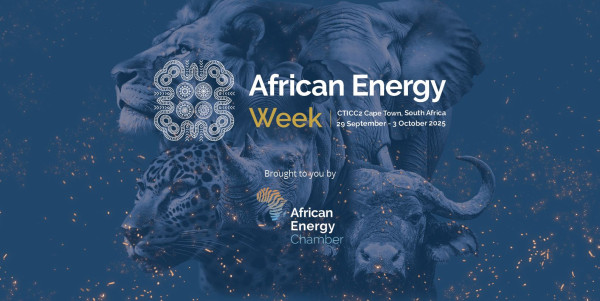
As Africa continues to prioritize energy infrastructure development, this year’s Africa Energy Week (AEW): Invest in African Energies conference – taking place September 29 to October 3 in Cape Town – will serve as a critical platform for investors, policymakers and industry leaders to explore opportunities in oil and gas pipelines, storage facilities and gas-to-power projects. Discussions at AEW 2025 will highlight successful infrastructure projects, showcase emerging investment prospects and address challenges in financing and implementation.

Pipeline Infrastructure

One critical area for investment is the development of extensive pipeline networks. These pipelines are essential for transporting crude oil and natural gas from production sites to refineries and export terminals. The proposed Nigeria-Morocco Gas Pipeline aims to transport approximately 30 billion cubic meters of natural gas annually from Nigeria through to Morocco and onto Europe, traversing 13 African countries. The $25 billion, 5,600-km project is poised to enhance energy security and foster economic integration across the region, with the potential to create jobs, boost industrialization and provide a stable gas supply for domestic consumption and export, strengthening Africa’s role in the global energy market.

Liquefied Natural Gas Facilities

Investing in Liquefied Natural Gas (LNG) facilities is another promising avenue. These facilities enable the processing and export of natural gas, catering to global markets with high energy demands. Countries like Mozambique, the Republic of Congo, Nigeria and Tanzania are advancing large-scale LNG projects to capitalize on their substantial gas reserves. For example, Tanzania's LNG Liquefaction Plant, estimated at $30 billion, is set to position the country as a key player in the global LNG market.

Refining Capacity Enhancement

Africa's limited refining capacity often necessitates the import of refined petroleum products, leading to economic inefficiencies. Investments in modernizing and expanding existing refineries, as well as constructing new ones, are crucial. Such developments would not only meet domestic demand, but also create export opportunities. Angola is in the process of developing three new oil refineries, which will collectively increase domestic refining capacity to 400,000 barrels per day and reduce dependence on imported fuels.

Storage and Distribution Networks

Robust storage facilities and distribution networks are vital for maintaining energy supply stability. Investing in these areas ensures that oil and gas products are efficiently stored and transported to end-users, minimizing losses and meeting market demands. Enhanced storage capacity also provides a buffer against market fluctuations, contributing to energy security. South Africa’s Richards Bay III project – a $6 million initiative involving the construction of an oil storage facility – aims to enhance South Africa's energy storage capacity and improve supply stability. Additionally, South Africa is experiencing significant growth in its LPG industry, driven by new distribution hubs and rising electricity prices. Companies like Petredec have announced the establishment of the country's first rail-supplied LPG project, aiming to make LPG a more accessible and cost-effective energy alternative.

Power Generation and Electrification

Leveraging natural gas for power generation offers a dual benefit: monetizing gas resources and addressing electricity deficits. Investments in gas-fired power plants and associated transmission infrastructure can significantly improve electrification rates across the continent. Mozambique’s Temane gas-to-power project is set to commence operations in 2025, leveraging gas from the Pande and Temane fields to produce 450 MW of affordable power for the state utility.

AEW: Invest in African Energies is the platform of choice for project operators, financiers, technology providers and government, and has emerged as the official place to sign deals in African energy. Visit www.AECWeek.com for more information about this exciting event.

Distributed by APO Group on behalf of African Energy Chamber.

Media files
African Energy Chamber
Download logo
Africa’s energy sector presents significant opportunities for investment and growth through targeted infrastructure development. Despite the continent’s abundant hydrocarbon resources, inadequate infrastructure has historically impeded efficient extraction, processing and distribution. Addressing these gaps can unlock substantial economic potential and meet the rising energy demands both within Africa and globally.


As Africa continues to prioritize energy infrastructure development, this year’s Africa Energy Week (AEW): Invest in African Energies conference – taking place September 29 to October 3 in Cape Town – will serve as a critical platform for investors, policymakers and industry leaders to explore opportunities in oil and gas pipelines, storage facilities and gas-to-power projects. Discussions at AEW 2025 will highlight successful infrastructure projects, showcase emerging investment prospects and address challenges in financing and implementation.

Pipeline Infrastructure

One critical area for investment is the development of extensive pipeline networks. These pipelines are essential for transporting crude oil and natural gas from production sites to refineries and export terminals. The proposed Nigeria-Morocco Gas Pipeline aims to transport approximately 30 billion cubic meters of natural gas annually from Nigeria through to Morocco and onto Europe, traversing 13 African countries. The $25 billion, 5,600-km project is poised to enhance energy security and foster economic integration across the region, with the potential to create jobs, boost industrialization and provide a stable gas supply for domestic consumption and export, strengthening Africa’s role in the global energy market.

Liquefied Natural Gas Facilities

Investing in Liquefied Natural Gas (LNG) facilities is another promising avenue. These facilities enable the processing and export of natural gas, catering to global markets with high energy demands. Countries like Mozambique, the Republic of Congo, Nigeria and Tanzania are advancing large-scale LNG projects to capitalize on their substantial gas reserves. For example, Tanzania’s LNG Liquefaction Plant, estimated at $30 billion, is set to position the country as a key player in the global LNG market.

Refining Capacity Enhancement

Africa’s limited refining capacity often necessitates the import of refined petroleum products, leading to economic inefficiencies. Investments in modernizing and expanding existing refineries, as well as constructing new ones, are crucial. Such developments would not only meet domestic demand, but also create export opportunities. Angola is in the process of developing three new oil refineries, which will collectively increase domestic refining capacity to 400,000 barrels per day and reduce dependence on imported fuels.

Storage and Distribution Networks

Robust storage facilities and distribution networks are vital for maintaining energy supply stability. Investing in these areas ensures that oil and gas products are efficiently stored and transported to end-users, minimizing losses and meeting market demands. Enhanced storage capacity also provides a buffer against market fluctuations, contributing to energy security. South Africa’s Richards Bay III project – a $6 million initiative involving the construction of an oil storage facility – aims to enhance South Africa’s energy storage capacity and improve supply stability. Additionally, South Africa is experiencing significant growth in its LPG industry, driven by new distribution hubs and rising electricity prices. Companies like Petredec have announced the establishment of the country’s first rail-supplied LPG project, aiming to make LPG a more accessible and cost-effective energy alternative.

Power Generation and Electrification

Leveraging natural gas for power generation offers a dual benefit: monetizing gas resources and addressing electricity deficits. Investments in gas-fired power plants and associated transmission infrastructure can significantly improve electrification rates across the continent. Mozambique’s Temane gas-to-power project is set to commence operations in 2025, leveraging gas from the Pande and Temane fields to produce 450 MW of affordable power for the state utility.

AEW: Invest in African Energies is the platform of choice for project operators, financiers, technology providers and government, and has emerged as the official place to sign deals in African energy. Visit www.AECWeek.com for more information about this exciting event.

Per Kind Favour of APO

Africa Fact: The old Malian capital of Niani had a 14th century building called the Hall of Audience. It was an surmounted by a dome, adorned with arabesques of striking colours. The windows of an upper floor were plated with wood and framed in silver; those of a lower floor were plated with wood, framed in gold.

Share this:

  • Share on X (Opens in new window) X
  • Share on Facebook (Opens in new window) Facebook
  • Print (Opens in new window) Print
  • Email a link to a friend (Opens in new window) Email
  • Share on LinkedIn (Opens in new window) LinkedIn
  • Share on Tumblr (Opens in new window) Tumblr
  • Share on WhatsApp (Opens in new window) WhatsApp
  • Share on Mastodon (Opens in new window) Mastodon
Category: NewsTag: Africa, African, Angola, APO, Cape Town, Conference, Congo, critical, demand, distribution, Electricity, Energy, Event, Exciting, global, Government, growth, infrastructure, Investing, Market, Meters, Morocco, Mozambique, new, Nigeria, ONE, production, Richards Bay, South Africa, Tanzania, Technology

If you feel strongly about this article then feel free to send MyZA a ‘Letter to the Editor’ using the submission form below:


Letter to the Editor

This field is for validation purposes and should be left unchanged.
If this is in response to an article please include that article title here or as the lead in for the first paragraph of your Letter below.

Separate tags with commas

Localise your letter by naming the city your words are about. Add relevant words describing your subject. Single comma separated words of no more than 5
Your Name(Required)
Your Name will be linked to the website below.
Your personal, business or social media web site
Choose NO to not set up a user account on MyZA. User Accounts will allow you to submit letters under your own Author Name

3 Latest Letters to the Editor:

  • Older Persons Grants Land Today — No Need to Queue at Dawn

    Dear Editor, Older Persons grants are paid today, 30 October, under SASSA’s revised November payment schedule — with disability grants on Monday 2 November, children’s grants on Tuesday 3 November, and grants under review on Thursday 5 November. Two things every beneficiary should know. First, grant money does not expire on payment day. It stays…

    30 October 2026
  • November Grants Pay Early – No Need to Queue at Dawn

    Dear Editor, I run SAGrant (sagrant.co.za), a free resource helping South Africans navigate SASSA grants. November grants pay earlier than usual. Older Persons grants are paid on Friday 30 October, Disability grants on 2 November, and Child Support and other grants on 3 November. Grants still under review are paid on 5 November. The money…

    27 October 2026
  • NSFAS 2027 applications close on 31 October — SASSA households, apply now

    Dear Editor, I run SAGrant (sagrant.co.za), a free resource helping South Africans navigate SASSA grants. NSFAS applications for the 2027 academic year close on Friday 31 October 2026, and no extension is expected. If your household receives a SASSA grant, your child already passes the NSFAS financial eligibility test — but they still have to…

    25 October 2026

About Guest

Previous Post:Budget 2025: Western Cape Government Calls for Clear, Credible Path to Navigate Fiscal Pressures
Next Post:SIU, Transnet secure settlement agreements worth millions 

Reader Interactions

Comments

  1. Sugar Apple

    27 August 2026 at 4:11 am

    Fundi – expert or teacher [foon-di] A term derived from the Nguni tribe, used to describe someone who is an expert at something.Example: “He’s a fundi at that!”

  2. Renegade Slugger

    25 August 2026 at 6:40 pm

    I thought I wanted a job, turns out I really just wanted a paycheck

Copyright © 2026 · MyZA · All Rights Reserved · Powered by Stratlec Online