• Skip to main content
  • Skip to header right navigation
  • Skip to after header navigation
  • Skip to site footer
MyZA

MyZA

News, Directory, Events and Other Stuff

  • Social Media
  • Sport
  • World News
  • Home
  • Submit News
  • Directory
  • Events
  • Stratlec
  • TFSA
  • News
    • APO
    • Today’s Sport News
    • Todays Social Media and Tech Headlines
    • Today’s World News
    • Today’s SA Financial News
  • Contact
You are here: Home / Archives for Angola

Angola

16 January 2024

Brave Generation Academy: Pioneering the Future of Education in Africa
Location: News
Brave Generation Academy

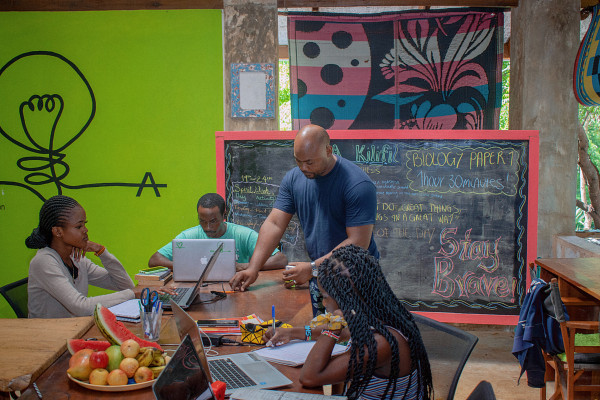
In a groundbreaking stride, Brave Generation Academy (BGA) (www.BraveGenerationAcademy.com) is redefining education across Africa with its innovative and personalised approach. Having established a successful presence in four African countries so far, BGA's expansion is gaining momentum as it introduces a transformative model that addresses the shortcomings of conventional education.

BGA's roots run deep in the African market, founded by Tim and Lidia Vieira, entrepreneurs with a profound connection to the continent. Tim, a South African native, initiated his entrepreneurial journey in Africa, creating South Africa's first microbrewery and later establishing one of the largest media groups in Angola. With business ties in Ghana and Mozambique, Tim and Lidia Vieira are intricately woven into the fabric of African enterprise.

Outside of their entrepreneurial roles, the Vieiras also began their family in Angola, with their first two children being born in the country.

He says of the continent, “Today Africa can leapfrog many other regions, all it needs is to have a vision and embrace technology to assist in making this a reality.”

At its core, BGA is built upon three pillars: knowledge, skills, and community. Unlike traditional education, BGA's dynamic hybrid model leverages a digital platform, empowering Learners to engage with coursework flexibly from anywhere in the world. BGA Hubs, physical spaces fostering co-learning, serve as vibrant centres where Learners grow socially, intellectually, and emotionally.

“We're focus on creating opportunities in the changing digital world by opening doors for Learners and their new horizons.” - Lidia Vieira

What truly distinguishes BGA is its emphasis on flexibility. Learners have the unique opportunity to integrate education seamlessly with existing passions and commitments. This flexibility is further embodied in the role of educators at BGA. They deconstruct the teaching position into two distinct roles: Learning Coaches and Course Managers, each addressing the diverse needs of every Learner. As mentors, Learning Coaches ignite and guide the journey of self-directed learning, offering continuous support within our BGA Hubs. On the other hand, Course Managers are devoted curriculum experts, enhancing and elevating our online platform. They design assignments, quizzes, and offer academic feedback and face-to-face sessions, creating a vibrant and immersive learning journey.

In the past year, BGA has expanded its scope beyond secondary education to fulfil our overarching objective of lifelong learning. The introduction of BGA for Life has given rise to a dedicated branch of the academy focused on tertiary education and beyond. Notably, the initiative includes programmes like Unique Pathway, enabling Learners to seamlessly transition from the completion of IGCSEs, utilising BGA's learning approach, to a trajectory leading to a university degree offered by partner universities globally. This innovative approach opens doors for Learners of all ages worldwide to access a high-quality university education and skillset at a significantly reduced cost compared to studying abroad.

BGA takes pride in its multiple Hubs across Namibia, Kenya, Mozambique, and South Africa. The opening of two new Hubs in Mozambique this month, with South Africa also expanding in the near future, marks the exponential growth BGA is witnessing. BGA is also looking to expand its footprint to other nations without a current Hub, such as Angola. 

“Africa will influence the future in so many ways due to its growing number of young talent, and BGA wants to play its role in contributing to this future.” The commitment to expansion goes beyond these achievements, as CEO Tim Vieira actively collaborates with the Cape Verde government to address educational challenges in the islands, envisioning a tailored BGA solution.

This innovative school envisions Learners not just as recipients of education but as active contributors to their communities, fostering real-world projects, volunteer initiatives, and practical internships. As they welcome more African countries into the fold, Brave Generation Academy is thrilled to make a meaningful impact on a continent that holds the key to the future.

Distributed by APO Group on behalf of Brave Generation Academy.

For media inquiries or further information, please contact: contact@bravegenerationacademy.com

BGA Website: www.BraveGenerationAcademy.com

BGA Linktree: https://apo-opa.co/3O11AAw
Media files
Brave Generation Academy
Download logo
Read moreBrave Generation Academy: Pioneering the Future of Education in Africa
28 December 2023

Centurion Law Group CEO NJ Ayuk to Step Down

Location: Business
African Energy Chamber

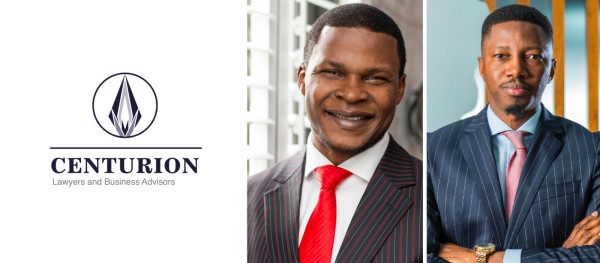
After more than a decade running one of Africa's most influential law firms, covering all aspects of the oil and natural gas sector, NJ Ayuk has announced that he will not make another long-term commitment to Centurion Law Group and will step down.

“I am proud of my work as Centurion's CEO – we have been able to build a historic relationship with African governments, oil and gas entrepreneurs and international energy companies working in Africa. We have hired, trained and developed more African lawyers than any other law firm in Africa. We became the first African law firm to be listed on the German Stock Exchange and have spearheaded an audacious, on-demand legal service business model in Africa,” stated Mr. Ayuk.

“I have fought the good fight, I have run the race and I have kept the faith. I believe it is time to pass the torch to the next generation that can take the firm to the next level, and I have full confidence that Zion Adeoye and his team will be able to achieve this. It also grants me much-needed time to focus on my family, the work of the African Energy Chamber and other entrepreneurial ventures and causes in which I believe,” he concluded.

Mr. Ayuk has been named one of world's top energy lawyers by Who's Who Legal, one of top 10 most influential Africans by Forbes, and one of the top 100 personalities transforming Africa by French magazine, Financial Afrik.

Zion Adeoye will be appointed as CEO of Centurion Law Group, after serving as Managing Director under Mr. Ayuk for many years. Mr. Adeoye holds an LLB from Nigeria's University of Ibadan, an LLM from Columbia University in the City of New York and an MBA from the University of Dundee, Scotland.

“Mr. Ayuk's work in building one of the finest law firms in Africa, as well as his ability to serve clients, solve disputes and close complex transactions, cannot go unnoticed. All of the employees and clients of this firm cannot thank Mr. Ayuk enough for his leadership and dedication,” he stated.

“Working with Mr. Ayuk, our team has accomplished what few gave us the chance – important legal and public policy victories across Africa, deal after deal for entrepreneurs, winning tough legal cases in complex jurisdictions while enforcing the rule of law, opening new markets and instilling in Africans the belief that African lawyers can do great things,” concluded Mr. Adeoye.

During his time at Centurion, Mr. Adeoye has demonstrated a relentless pursuit of excellence and made outstanding contributions to the firm's growth. As a seasoned attorney with extensive experience in energy law, he has played a pivotal role in securing favorable outcomes for clients across the continent.

Mr. Adeoye is a member of the Nigerian Bar Association and the Association of Independent Petroleum Negotiators. Before joining Centurion in 2017, he served in various roles at the Nigerian Petroleum Development Company Limited, KPMG Nigeria, Terra Cotta Legal, Olaniwun Ajayi LP, Templars Law and Transnational Energy Group, and has been instrumental in the reform of oil and gas legislation across several African markets.

Mr. Adeoye was additionally awarded an ESQ 40 under 40 Lawyer Award at the Nigerian Rising Stars Awards for shaping the future of the legal profession in the country.

Distributed by APO Group on behalf of African Energy Chamber.

About Centurion Law Group:
Centurion (www.CenturionLG.com) is a leading pan-African legal and energy advisory group with extensive experience in the oil and gas sector. The group provides outsourced legal representation and covers a full suite of practice areas for its clients, including arbitration and commercial litigation, corporate law, tax and anti-corruption advisory and contract negotiation. Centurion specializes in assisting clients that are starting or growing a business in Africa with offices and Affiliates in Ghana, Cameroon, Canada, Germany, Congo, Equatorial Guinea, South Africa, South Sudan, Nigeria, Gabon, Angola and Senegal.

Media files
African Energy Chamber
Download logo
Read moreCenturion Law Group CEO NJ Ayuk to Step Down
7 December 2023

Do As We Say, Not as We Do: Wealthy Nations’ Expectations for Africa

Location: News
African Energy Chamber

By NJ Ayuk, Executive Chairman, African Energy Chamber (http://www.EnergyChamber.org)

When examining how fossil fuel exploration, production, and usage differ between African and more developed nations, the contrast is so stark that it essentially defines the core mission of the African Energy Chamber (AEC). We exist not to bring these rates on par with each other but to amplify Africa's standing in the global energy industry such that it results in massive improvements in the quality of life across the continent.

Consider this: While Africa holds roughly 13% of global natural gas stores and 7% of its oil, when it comes to per capita use of these hydrocarbons for energy, Africa's consumption rate is the world's lowest.

Or this: While we're under pressure to adopt renewable energy resources, Africa already relies on renewables more than any other continent, but this refers to the wood and cow dung that fuel the cooking fires, which account for essentially half of Africa's energy consumption. Of course, both are linked to hazardous indoor air quality, adding to the already long list of vexing issues that many Africans must deal with daily.

In total, nearly one billion Africans have no access to clean cooking fuels. Another 600 million, with a majority living in the sub-Saharan regions, survive without access to electricity from any source.

Africa deserves relief from such difficulties.

As much as the African people stand to benefit from access to their own fossil-fuel resources, Africa's hydrocarbon-bearing nations possess a vast wealth they're willing and ready to share with the world. The prospect of forging development partnerships with foreign nations and international oil companies would offer much of Africa a path toward modernization, advancement, and prosperity while at the same time providing much-needed energy security to its business allies abroad.

We've been waiting for Africa to take its place alongside the equally resource-rich yet developed regions of the globe for far too long. However, Africa's readiness for this overdue transformation comes at a strange time in modern history. Just as we've observed increases in GDP per capita and average life expectancy parallel the proliferation of fossil fuels, we've also seen the rise of a small but vocal and influential minority that has set out to obstruct their continued extraction.

Activists and ill-informed ideologues mainly comprise this opposing faction. And either knowingly or as a result of having been taken in by false promises, they propose alternative energy solutions which are still far too expensive for Africa to implement effectively.

Africa needs affordable, readily available energy, but this group has steadily garnered sway over individuals, financial institutions, and world governments, convincing them that, for the sake of the planet's health, Africa's untapped resources must indefinitely remain right where they are today.

Over the years, these activists brought many to their side, ratifying their intentions through measures like the Paris Agreement of 2015 and the Glasgow Climate Pact of 2021 that require signatories to commit to green energy initiatives at home and abroad.

This movement proved effective in achieving its own goals and was allowed to carry on with its agenda unimpeded for many years. However, recent global events have rather suddenly forced both participants and onlookers to reconsider the merits of its claims and the value of any allegiance to it.

Eastern Aggression, Western Hypocrisy

When then-U.S. President Donald Trump, speaking before the United Nations General Assembly in 2018, warned Germany against their dependence on Russian energy, the German delegation in attendance famously snickered at his concerns. After Russia's invasion of Ukraine in 2022, the European Union's sanctions against the Russian energy sector that followed, and the subsequent sabotage of the Nord Stream pipelines, Trump's remarks appear more prescient in retrospect than they did at the time.

The war in Ukraine and the supply chain disruptions and fuel price spikes it induced sent world leaders scrambling to secure new energy sources for their countries.

Spring 2022 saw a frenzy of energy industry activity as Italy's foreign minister brokered new liquid natural gas (LNG) deals with Angola and the Congo, Germany engaged in gas talks with Senegal, and the energy ministers of Algeria, Niger, and Nigeria pledged to accelerate their work on the long-delayed Trans-Saharan gas pipeline project.

Even President Joe Biden, who notably vowed to end the United States' involvement with fossil fuels during his campaign, reached out to Saudi Arabia, urging the nation to increase oil production.

Coal: Don't Call It a Comeback

The 2021-2023 global energy crisis also led many nations to continue or increase their reliance on coal — the fossil fuel even conventional oil and gas companies are quick to disparage due to its negative impacts on human health and its history of environmental harm.

With their own power generation capacities in peril thanks to war shortages, below-average winter temperatures, overcast skies, and a wind drought that still threatens to starve turbines across Europe, the countries often most critical of Africa's modernization ambitions rushed to refill their stores of the very fuel they had scheduled for phase-out years before.

According to the International Energy Agency's mid-year Coal Market Update, global coal consumption grew by 3.3% in 2022, reaching an all-time high of 8.3 billion tons. While 2023 and 2024 might show a slight decrease in coal-fired power generation, the 1.5% rise in industrial coal use expected with improving economic conditions during the same period will likely negate this drop.

Putting a pause on an initiative begun in 2015 to shutter all its coal-fired power stations, the United Kingdom relaxed permitting conditions in July 2022, keeping its remaining plants operational albeit on standby into 2024.     

Around this same time, the EU imported roughly 11 times more coal than usual from Australia, South Africa, and Indonesia.

In August of 2023, in a move highlighted by opponents of the green agenda, German energy firm RWE began dismantling its wind farm in North Rhine-Westphalia to allow for the expansion of its Garzweiler II lignite coal mine.

Had these nations engaged in more earnest development negotiations with African oil and gas producers when we suggested they should, perhaps they would have found a better footing for dealing with unforeseen climate-related events, natural or political.

Gas Gets the Greenlight

In a move that helped to lessen the stigma cast upon a fuel much cleaner burning than coal, the EU voted in 2022 to officially recognize natural gas as a “green” or “sustainable” energy source. Unsurprisingly, this decision angered environmental activists. At the AEC, though, we support this development; we regard natural gas as crucial to Africa's battle against energy poverty and key to its future success as a sizeable supplier for the international market.

While the EU was at one point one of the loudest voices calling for full-scale decarbonization, we applaud this concession as this more positive classification will likely encourage European investment in African natural gas projects. And, as the AEC has always suggested, it will support our eventual transition to an emissions-free, fully renewables-based energy economy.

Our critics breathlessly warn us that future price drops could render African natural gas suppliers unable to compete against larger, established producers. Naysayers suggest that renewable energy technology will get up to speed and become widely adopted before any new African natural gas outfits can get underway. While these cynics regard oil and gas as merely trends in danger of falling out of fashion by next season, we remain confident that we are on the best course for Africa's future.

And while the wealthy, developed nations of the world have much to say about appropriate energy solutions for Africa, even as they flout the rules they've set for their own, we know we are in pursuit of the most beneficial gains for our people.

Just as the fuels that supported humanity progressed from wood to coal to oil as economies and technological needs evolved, so too will Africa's — naturally, and never as a consequence of dictated policy.

Distributed by APO Group on behalf of African Energy Chamber.

Media files
African Energy Chamber
Download logo
Read moreDo As We Say, Not as We Do: Wealthy Nations’ Expectations for Africa
23 November 2023

Two NBA Stores to Open in Cape Town and Durban, South Africa

Location: News
National Basketball Association (NBA)

New NBA Stores at Gateway Mall in Durban and V&A Waterfront in Cape Town Will Feature Extensive Range of Officially Licensed NBA Merchandise, Including Nike Jerseys, Apparel, Memorabilia and More;Naismith Memorial Basketball Hall of Famer Clyde Drexler to Attend Store Launch Events in December and Engage with Local Fans; NBA Fans in South Africa and Other Select African Countries Can Continue to Shop Online at NBAStore.Africa (https://NBAStore.Africa/).

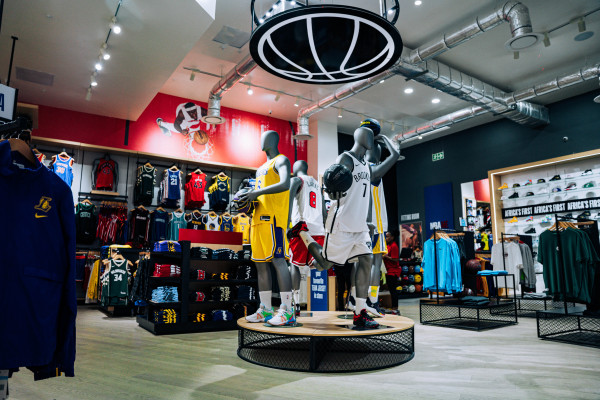
NBA Africa and Shesha, a premium retailer of exclusive and limited-edition footwear, apparel and accessories, today announced that two new NBA Stores will open in Durban and Cape Town, South Africa.  The NBA Store in Durban will be located at Gateway Mall and open on Friday, Nov. 24, while the NBA Store in Cape Town will be located at V&A Waterfront and open on Friday, Dec. 1. 

The new stores build on NBA Africa's existing merchandise offerings, including the first NBA Store on the continent located in Sandton City, Johannesburg and the league's first e-commerce (https://NBAStore.Africa/)  site dedicated to fans in Africa, which provides fans in select countries with the widest selection of official NBA merchandise ever available on the continent.  To celebrate the new store openings, Naismith Memorial Basketball Hall of Famer Clyde Drexler will engage with fans at launch events in Cape Town on Tuesday, Dec. 12 and in Durban on Thursday, Dec. 14.

Both stores, which will be operated by Shesha, will feature an extensive range of officially licensed NBA merchandise for youth and adults, including current and former player jerseys, apparel, headwear, footwear, sporting goods, toys and collectibles from major brands such as Nike, Mitchell & Ness, New Era and Wilson.  The stores will also feature a customization area where fans can personalize NBA jerseys. 

“We are excited to expand our merchandise offerings in Africa as part of our multiyear collaboration with Shesha,” said NBA Africa CEO Victor Williams.  “There is tremendous demand for official NBA merchandise from fans in South Africa and across the continent, and these beautiful new stores will allow fans in Cape Town and Durban to more easily represent their favorite teams and players.”          

“Following the launch of Africa's first NBA Store in Johannesburg last year, we are excited to also deliver the NBA Store experience to fans in Durban and Cape Town,” said Shesha CEO Nirmal Devchand.  “The launch of the new NBA Stores will provide more fans in these cities with better access to their favorite teams and players' merchandise, and we look forward to welcoming them to these new locations.”

Drexler, a 15-year NBA veteran who retired from the league in 1998, is an NBA champion, 10-time NBA All-Star, five-time All-NBA selection, and member of the NBA's 50th and 75th Anniversary Teams.  He was inducted twice into the Naismith Memorial Basketball Hall of Fame, first in 2004 for his individual career and again in 2010 as a member of the United States Men's National Team at the 1992 Olympic Games in Barcelona, Spain.

There are more than 400 NBA-branded, licensee-operated, retail stores and attractions worldwide that serve as the league's official destinations for fans around the world.  NBA fans in Angola, Botswana, the Democratic Republic of the Congo, Lesotho, Malawi, Mauritius, Mozambique, Namibia, the Seychelles, South Africa, Swaziland, Tanzania, Zambia and Zimbabwe can continue to shop online at NBAStore.Africa (https://apo-opa.co/47LGv4x).   

Earlier this month, the Basketball Africa League, a partnership between the International Basketball Federation (FIBA) and NBA Africa, announced that the league's fourth season will tip off in March 2024 in South Africa.  Fans can register their interest in tickets to games at BAL.NBA.com (https://BAL.NBA.com/).

Distributed by APO Group on behalf of National Basketball Association (NBA).

Contact:
Chumani Bambani,
NBA Africa Communications,
cbambani@nba.com,
+27 65 548 1031

About NBA Africa:
NBA Africa is an affiliate of the National Basketball Association (NBA), a global sports and media organization with the mission to inspire and connect people everywhere through the power of basketball.  NBA Africa conducts the league's business in Africa, including the Basketball Africa League (BAL), and has opened subsidiary offices in Cairo, Egypt; Dakar, Senegal; and Lagos, Nigeria.  The NBA has a long history in Africa and opened its African headquarters in Johannesburg, South Africa in 2010.  The league's efforts on the continent have focused on increasing access to basketball and the NBA through youth and elite development, social responsibility, media distribution, corporate partnerships, NBA Africa Games, an NBA Store, the BAL, and more.  Last year, NBA Africa reached more than eight million youth across the continent through basketball development, life-skills programming and social media engagement.

NBA games and programming are available in all 54 African countries, and the NBA has hosted three sold-out exhibition games on the continent since 2015.  The BAL, a partnership between the International Basketball Federation (FIBA) and NBA Africa, is a professional league featuring 12 club teams from across Africa that will tip off its fourth season in March 2024.  Fans can follow @ NBA_Africa and @ theBAL on Facebook, Instagram, X and YouTube.

About Shesha:
The first Shesha store launched in Johannesburg, South Africa in 2005, and today features over 15 stores.  The Shesha business is committed and passionate about street culture.  The stores are dedicated to serve the community and fans with the freshest limited edition premium lifestyle and basketball merchandise.  The Shesha stores offer a range of global and local brands, with a particular focus on footwear and headwear, and global collaborations across both lifestyle and basketball.  Fans can follow @ shesha_fashion on Instagram, @ Shesha Lifestyle on Facebook, and @ SheshaLifestyle on Twitter, or visit their website – www.SheshaLifestyle.com

Media files
National Basketball Association (NBA)
Download logo
Read moreTwo NBA Stores to Open in Cape Town and Durban, South Africa
22 November 2023

NBA Africa’s First Original Docuseries “Born & Bred” Premieres on the NBA App

Location: Sport

Five-Part Series Tells the Stories of Five NBA Academy Africa (https://www.NBA.com) Prospects from Angola, Egypt, Nigeria, Senegal, and South Sudan; First Two Episodes “Basketball Chose Me” and “Dunk at First Sight” Feature Nigeria's Rueben Chinyelu and Angola's Aginaldo Neto.

NBA Africa today announced that its first original documentary series “Born & Bred” will premiere on the NBA App today.  The five-part series tells the stories of five current and former NBA Academy Africa prospects from Angola, Egypt, Nigeria, Senegal, and South Sudan through exclusive footage and interviews with the prospects, family members, friends, and coaches. 

“Born & Bred,” which features Nigeria's Rueben Chinyelu, Egypt's Seifeldin Hendawy, South Sudan's Khaman Maluach, Senegal's Khadim Rassoul Mboup, and Angola's Aginaldo Neto, spotlights each prospect's basketball journey, including the communities where they were raised and the moments that have shaped them as players and young men.  

Four of the prospects – Chinyelu, Hendawy, Mboup and Maluach – also competed in the 2023 Basketball Africa League (BAL) season as part of the BAL Elevate program, which provides an opportunity for the next generation of African prospects to participate in a professional league, showcase their talent on a global stage, and help their respective teams compete for the BAL Championship.

The first two episodes will be available beginning today.  “Basketball Chose Me” featuring Chinyelu will be available free on the NBA App.  “Dunk at First Sight” featuring Neto and the remainder of the series will be available exclusively via NBA League Pass, the league's premium live game subscription service.  The final three episodes will be available weekly beginning Monday, Nov. 27. 

“We're thrilled to launch “Born & Bred”, a first-of-its-kind initiative for NBA Africa that will showcase the inspirational stories of prospects from across the continent who have come to NBA Academy Africa to take the next step in their basketball development journeys and lives,” said NBA Africa Head of Basketball Operations Franck Traore.  “Each of these players has a unique story, but they all share one common purpose – to get better every day as athletes, students and leaders.  We look forward to showcasing their amazing stories to a global audience through the NBA App and NBA League Pass.”

“I never would've thought that the game would take me this far,” said Chinyelu.  “While I know I've got plenty more work to do and many more goals to accomplish, I am grateful to my family, friends, coaches and teammates for taking part in this project, and I hope it provides motivation to other young players to search for their passion and follow their dreams.”   

“Born & Bred” episodes:

  • Episode 1 (Nov. 21): “Basketball Chose Me” features Reuben Chinyelu, a 19-year-old power forward from Lagos, Nigeria who is entering his freshman season with Washington State University.  During his time at NBA Academy Africa, Chinyelu participated in several international showcases and events, including the 2022 NBA Academy Games in Atlanta, where he led NBA Academy Africa to a first-place finish.  During the 2023 BAL season, he helped lead Stade Malien (Mali) to a third-place finish after averaging the second-most rebounds and blocks on the team.  Chinyelu is a natural leader and has interest in art, creative writing and photography.

  • Episode 2 (Nov. 21): “Dunk at First Sight” features Aginaldo Neto, a 17-year-old guard from a closely knit community in Luanda, Angola.  Neto kicked a ball before he bounced it, but he began playing street basketball after joining a local club in 2016.  He would go on to win a championship in his first Jr. NBA tournament in 2018.  Four years later he joined NBA Academy Africa and represented the Angola Men's National Team at the 2022 FIBA U-18 African Championship.
  • Episode 3 (Nov. 27): “From Generation to Generation” features Seifeldin Hendawy, an 18-year-old forward from Cairo, Egypt.  Hendawy's love for basketball is deeply rooted in his family history, with both of his parents having played the game.  Since joining NBA Academy Africa in 2021, Hendawy has represented his country at several international tournaments, including the NBA G League Showcase.  He most recently played for Petro de Luanda (Angola) during the 2023 BAL season.     

  • Episode 4 (Dec. 4): “Discipline Meets Opportunity” features Khadim Rassoul Mboup, a 16-year-old forward from Senegal who joined NBA Academy Africa following the 2021 FIBA Africa Regional Youth Camp in Saly, where he was named camp MVP.  With hopes of following in his brother's footsteps, the Senegalese forward participated in the 2022 and 2023 NBA Academy Games as well as several tournaments across Africa.  He played for then defending BAL champion Zamalek (Egypt) during the 2022 BAL season.  

  • Episode 5 (Dec. 11): “Destined for Greatness” features Khaman Maluach, a 17-year-old center who this year became the third-youngest player in history to participate in the FIBA Basketball World Cup, where he helped his native South Sudan clinch its first Olympic berth.  Maluach, who only first picked up a basketball at age 13, proves to be a force in the paint and along the perimeter, drawing interest from several NCAA Division I schools in the U.S.  Born in South Sudan and raised in Uganda, the 7'2'' prospect was named MVP of the 2023 Basketball Without Borders Africa camp in Johannesburg.  In May, he helped AS Douanes (Senegal) advance to its first BAL Finals.

NBA Academy Africa is an elite basketball training center in Saly, Senegal for the top high-school-age prospects from across Africa and the first of its kind on the continent.  Since its launch in 2017, more than 35 male and female participants have committed to NCAA Division I schools in the U.S. or signed professional contracts.

The NBA App is free to download here (https://apo-opa.co/3GaKHiI).

Distributed by APO Group on behalf of National Basketball Association (NBA).

Contact:
Pawel Weszka,
NBA Africa Communications,
pweszck@nba.com,
+27 10 007 2666

About NBA Africa:
NBA Africa is an affiliate of the National Basketball Association (NBA), a global sports and media organization with the mission to inspire and connect people everywhere through the power of basketball.  NBA Africa conducts the league's business in Africa, including the Basketball Africa League (BAL), and has opened subsidiary offices in Cairo, Egypt; Dakar, Senegal; and Lagos, Nigeria.  The NBA has a long history in Africa and opened its African headquarters in Johannesburg, South Africa in 2010.  The league's efforts on the continent have focused on increasing access to basketball and the NBA through youth and elite development, social responsibility, media distribution, corporate partnerships, NBA Africa Games, an NBA Store, the BAL, and more.  Last year, NBA Africa reached more than eight million youth across the continent through basketball development, life-skills programming and social media engagement.

NBA games and programming are available in all 54 African countries, and the NBA has hosted three sold-out exhibition games on the continent since 2015.  The BAL, a partnership between the International Basketball Federation (FIBA) and NBA Africa, is a professional league featuring 12 club teams from across Africa that will tip off its fourth season in March 2024.  Fans can follow @ NBA_Africa and @ theBAL on Facebook, Instagram, X and YouTube.

Media files
National Basketball Association (NBA)
Download logo
Read moreNBA Africa’s First Original Docuseries “Born & Bred” Premieres on the NBA App
20 November 2023

2023 African Peace Award Winners

Location: News
African Peace Magazine

I bring you compliments from the board and management of African Peace Magazine UK (https://AfricanPeace.org/). 

Download the document: https://apo-opa.co/49G8Mex

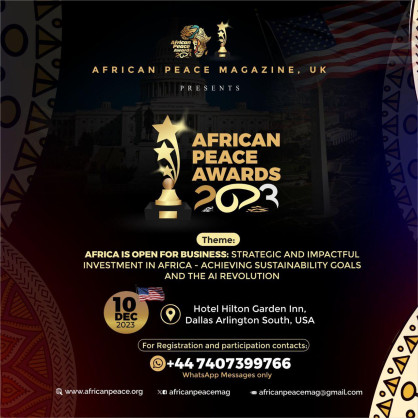
On behalf of the Chairman Justice Suleiman Galadima, JSC, OFR, CFR (Rtd.), the board and management of African Peace Magazine UK, humbly wish to specially invite you to attend the Hybrid Award with the Theme: Africa is open for business: Strategic and Impactful Investment in Africa – That would facilitate peace and achieve sustainability goals.

The  African  Peace  Magazine  UK,  in  conjunction  with  her  strategic  partners: Rethink Africa Foundation, African Fact Checkers, Centre for  peace and Conflict  management  in  Africa, African Right Watch Television Ltd and several others  is  set  to  host  the prestigious 13th Edition of African Peace Award at Hotel Hilton Garden Inn Dallas Arlington South USA on the 10th December 2023.

The event is designed to host business, political, and diplomatic leaders. It is set to have in attendance, policy makers, and think-tanks on Africa and Africa-related issues.

The African Peace Magazine introduces its awards in the hopes of promoting peace globally and specifically in Africa with the hope of effecting change in Africa first and then globally. 

The event is designed to host business, political, and diplomatic leaders. It is set to have in attendance, policy makers and think-tanks on Africa and Africa related issues. The African Peace awards 2023 seeks to honor persons, institutions, organization, governments and others whose actions, and efforts have in one way improved or contributed to peace keeping and conflict management in Africa as well as improving the lives of Africans.

Several African Presidents, Heads of Government, first ladies, Past President and Vice Presidents, top business Executives, diplomats and others have received the award.

The past recipients of Award includes: H.E, the former Vice President of the Federal Republic of Nigeria, Professor Yemi Osinbajo, SAN, GCON, The former First Lady of The Federal Republic Nigeria, H.E, Mrs. Aisha Buhari, Hon Justice Stella Anukam Judge of the African Court on Human and Peoples Right. The former President of Sierra Leone, H.E  Ernest Bai Koroma, Secretary to the Federation of the Federal Republic of Nigeria, Boss Gidahyelda Mustapha Esq, The First Lady of Kwara State, H.E Amb. Dr. Olufolake Abdulrazaq, H.E the former First Lady of Taraba State, H.E Bar. Anna Mbasugun Darius Ishaku, Chief Akin Olujinmi SAN former Attorney General of the Federation, Chief Mike Ozek home SAN, Ahmed Raji SAN, Prof. Anthony Adegbulugbe, Chairman of Green Energy International Ltd and former SA to the President of Nigeria. H.E. Professor Monique Oshame Ekpong (KSJI), the Ambassador Extraordinary and Plenipotentiary of the Federal Republic of Nigeria to the Republic of Angola

Prof Bolaji Owasonye SAN, The former Chairman of Independent Corrupt Practices and Other Related Offences Commission, The President of the ECOWAS Court Hon Justice Edward Amoako Asante, Babatunde Irukera Esq, Chief Executive Officer Federal Consumer Protection Council and several others

APM, organizers of the Prestigious African Peace Awards, through its Awards committee has unveiled the following persons as the winners of the African Peace Award 2023 in various categories.

The winners:

Ms. Amina J. Mohammed
The Deputy Secretary-General of the United Nations and Chair of the United Nations Sustainable Development Group

HE. Mutinta Hichilema
The first lady of Zambia

H.E Fatima Maada Bio
The First Lady of Sierra Leone

H.E Mrs. Samia Suluhu Hassan
President of Tanzania

Dr. Demola Sogunle
Chief Executive of Stanbic IBTC Holdings PLC 

Mr. Gaspar Martins
Chairman/ CEO of Sonangol Angola 

Dr. Ngozi Okonjo-Iweala
Director-General of the World Trade Organization

H. E Fuad Ademola Adeyemi
H.E Sanusi Kaura Mohammed
H.E Liman Munir Yusuf
H.E Mohammed Onawo Ogoshi
H.E Ojogbane Adegbe
H.E Suleiman Abdul Rahman
H.E Dickson Dominic Tarkighir
Gen Aliyu Gusau

H.E Auxillia Mnangagwa, 
The first lady of Zimbabwe

Mr. Akindele Akintoye,
Chairman, Platform Capital

Mpumi Mpofu,
CEO, Airports Company South Africa

João Figueiredo
CEO, of Moza Banco

H.E Nadia Alaoui,
Morocco

Othman Benjelloun
CEO of BMCE Bank of Africa

Chief (Dr.) Mike Ozekhome
SAN, CON  

H.E Joao Baptista Borges
Hon Minister Angola 

H.E  Nialé Kaba
Ivorian Minister for Planning and Development

H.E  Philip Mpango
Tanzania's Vice-President

H.E Verde José Ulisses Correia e Silva
Prime Minister of Cabo

H.E Sahle-Work Zewde
Ethiopia's President

H.E Tiemoko Meyliet Koné
Ivorian Vice President

H.E Patrick Achi
Ivorian Prime Minister

H.E Mahamudu Bawumia
Ghanaian Vice President

H.E. Dr. Mohamed Irfaan Ali
President of Guyana

H.E. Gaston Browne
Prime Minister of Antigua and Barbuda

HE Peter Mutharika
Former President of Malawi

H.E. Dr. Terrance M. Dew
Prime Minister, St. Kitts and Nevis

HE Philip J. Pierre
Prime Minister of St. Lucia

HE Lazarus Chakwera
President of Malawi

Dr. Ameenah Gurib-Fakim
Former President of Mauritius

HE Ralph Gonsalves
Prime Minister of Saint Vincent and the Grenadines

HE Julius Maada Bio
President of Sierra Leone

H.E. Hage Geingob
President of Namibia

HE Patricia Scotland
Secretary General of the Commonwealth

HE Jakaya Mrisho Kikwete
Former President of Kenya

Dr. Tedros Adhanom Ghebreyesus
WHO Director-General

H.E Princess Fifi EJINDU
Abuja Nigeria

H.E António Henriques da SILVA
Luanda Angola

H.E Bento dos SANTOS
Luanda Angola

H.E Senator Grace FOLASHADE
Luanda Angola

 H.E Sabena JOHANNES
Luanda Angola

H.E Téte António,
Minister of Foreign Affairs
Luanda Angola

H.E Mário de Oliveira
Minister of Telecommunications Information, Technology and Social Communication

H.E Ricardo d´Abreu
Minister of Transport
Luanda Angola

H.E Domingos Vieira LOPES
The Secretary of State for International Cooperation His Excellency.
Luanda Angola

Hajia Bola Muinat Shagaya
MON

Abdul Samad Rabiu
CFR, CON, is the Chairman of BUA Cement Plc

Jacques Piekarski
Chief Financial Officer / Executive Director of BUA Cement Plc

Nicolas Pompigne-Mognard
Founder and Chairman of APO

Senator Daisy Danjuma
Executive Vice Chairman of SAPETRO South Atlantic Petroleum Limited

Joycee Awosika
Founder of Nigeria First Wellness Spa Franchise

His Excellency Kashim Shettima Mustapha GCON
Vice President Federal Republic of Nigeria

Aliko Dangote GCON
Chairman, and CEO of the Dangote Group

Craig Morkel
Chairperson - Gas Economy Leadership Team at South African Oil & Gas Alliance (SAOGA)

Simone Santi
President Leonardo Group
Mozambique

Mike-Anthony Johnson
CEO JIC Holdings

Hon Dr. Abike Kafayat Oluwatoyin Dabiri-Erewa
OON,
CEO,NIDCOM (Nigerians In Diaspora Commission)

Mr. Elliot Ibe,FNAPE
President, Nigerian Association of Petroleum Explorationists (NAPE)

Her Excellency, Dr. Esperanca da Costa
Vice President of the Republic of Angola

Dr. Jose Chinjamba
Board of Director, Angola's Agency for Private Investment and Exports Promotion (AIPEX)

Engr. Felix Obike,
The Chairman, Society of Petroleum Engineers (SPE)

Mr. Gwueke Ajaifia
(Executive Director) Oil Producers Trade Section (opts)

Mr. Gabriel Idahosa, FCA
President Lagos chamber of commerce and industry Alausa Lagos

Festus Osifo
Petroleum and Natural Gas Senior Staff Association of Nigeria (PENGASSAN)

Bala M. Wunti
The Group General Manager of the National Petroleum Investment Management Services (NAPIMS),

Mr. Farouk Ahmed 
The Authority Chief Executive, the Nigerian Midstream and Downstream Petroleum Regulatory Authority (NMDPRA)

The President, Eze, Sir Mike Elechi, JP, FNIM, NPOM

The President of Port Harcourt Chamber of Commerce, Industry, Mines and Agriculture (PHCCIMA)

Mele Kolo Kyari OFR
Group Chief executive officer (GCEO) of the Nigerian National Petroleum company limited (NNPC limited)

Mr. Umar Isa Ajiya 
Chief Financial Officer (CFO) Nigerian National Petroleum company limited (NNPC limited)

Senator Hagiya Habibah Ireti Kingiba

Mario A. Caetano Joao
Minister of Economy and planning Angola

Markus Klaushofer
Chief Executive Officer Bei Alanova Aviation Partners

Francisco Mendes
Managing Partner Mc Kinsey and Company Angola

Ansalmo Neves
Director Regional Banco de Fomento Angola

Daniel Pires
President of the Textile Industrial Forum Angola

Jorge Cruz
Professor Agostinho Neto University Angola

His Excellency Dr. Diamantino Pedro Azevedo
Minister of Mineral Resources, Oil and Gas of the Republic of Angola

Dr. Omar Farouk Ibrahim
Secretary General of the African Petroleum Producers' Organization, APPO

Silvester Scott Beaman of Delaware

Chair Mimi Alemayehou of Washington DC

Rosalind Brewer of Georgia

Viola Davis of Rhode Island

Helene D. Gayle of Georgia

Patrick Hubert Gaspard of New York

C.D. Glin of Connecticut

Osagie Imasogie of Pennsylvania

Almaz Negash of California

Chinenye Joy Ogwumike of Texas

Ham Serunjogi of California 

Kevin Young of Washington, D.C.

Deniece Laurent-Mantey
Rev Dr Michael Evans

Pastor Ropo Tusin
Pastor Laide Tusin
Theophilus Maku
Victoria Maku
Divine Oshideko
Shola Kareem
Dr Oladele Olusanya
Dr Edward Olutoke
Pastor Darolyn  Brock
Pastor Robert Madu
Pastor Victoria Madu
Belinda Babila
Hon. Bobby DigiOlisa
Festus Adenisimi

HE Joaquin Chissano
Former President of Mozambique

HE Jakaya Kikwete
Former President of Tanzania

HE Hailemariam Desalegn
Former Prime Minister of Ethiopia

Adaralegbe Akintayo
CEO of TPumpy Concept Limited

Distributed by APO Group on behalf of African Peace Magazine.

Attendance is strictly by invitation.
For your VIP and VVIP Access cards, please contact: +447466234902, +2348033975746, and call +447771217805, +14845425610

For sponsorship, partnership, Exhibition and speaking opportunities and all other enquiries please contact
Uduak Okon
International Affairs
+2348033975746, +447407399766

Nigeria Abuja Office:
Suite FT 12B Alibro Atrium Plaza Utako Abuja
+2348033975746

South African Office:1
6 Ridge Road Vorna Valley Midland 1686 South Africa
+27662449117

Angola:
Call +244928690892, +244993656970, +244927589884

London Office:
10 Saint Andrew Road Bedford MK 402LJ England
Call
 +4477771217805 WhatsApp +447407399766

African Peace Magazine 
Email: africanpeacemag@gmail.com 

African Peace Magazine​
Website: https://AfricanPeace.org/
https://www.AfricanPeaceAwards.com/
https://AfricanOilAndGasSummit.com/

Social Media:
Twitter: https://apo-opa.info/47nrpCf
Facebook: https://apo-opa.info/40so16x
I.G: https://apo-opa.info/3u0Vvx1 
LinkedIn: https://apo-opa.info/3QMRZ2c

Media files
African Peace Magazine
Download logo
Read more2023 African Peace Award Winners
19 November 2023

International Relations Committee Chairperson holds successful bilateral with Swedish ambassador

Location: News

Republic of South Africa: The Parliament
Download logo

The Chairperson of the Portfolio Committee on International Relations and Cooperation, Mr Supra Mahumapelo, has held a successful engagement with the Swedish Ambassador, Mr Håkan Juholt, as part of strengthening relations between South Africa and Sweden.

The meeting was held at the behest of the Swedish Ambassador, who was accompanied by other Swedish ambassadors responsible for Angola (HE Ambassador Lennart Killander Larsson), the Democratic Republic of Congo (HE Ambassador Henric Råsbrandt), Mozambique (HE Ambassador Mette Sunnergren), Zambia (HE Ambassador Johan Hallenborg) and Zimbabwe (HE Ambassador Per Lindgärde).

During the engagement, Mr Mahumapelo welcomed the ambassadors and praised Sweden for supporting the struggle for democracy in South Africa during the Apartheid period. He also noted the various ways in which Sweden continues to work with South Africa. In addition, he described the role South Africa plays in the Southern African Development Community region and the importance South Africa places on regional cooperation on the African continent.

Ambassador Juholt highlighted the importance of strengthening ties between South Africa and Sweden and emphasised the extent to which the bilateral relationship between the two countries has grown since South Africa attained democracy in 1994. The ambassador also noted that South Africa and Sweden enjoy a bi-national commission in addition to various bilateral agreements, which he hopes will expand in the future.

In his concluding remarks, Mr Mahumapelo noted that as part of its oversight, the portfolio committee scrutinises the activities of the African Renaissance Fund (ARF), an entity that falls under the Department of International Relations and Cooperation. He then described the work of the Swedish International Development Cooperation Agency (SIDA) and noted that the portfolio committee needs to look more closely at SIDA, given that the ARF will eventually be transformed into the South African Development Partnership Agency (SADPA).

Distributed by APO Group on behalf of Republic of South Africa: The Parliament.

Read moreInternational Relations Committee Chairperson holds successful bilateral with Swedish ambassador
15 November 2023

FIFA+ to stream every Confederation of African Football (CAF) qualifiers for the FIFA World Cup 26™

Location: Sport
FIFA

First two matchdays of CAF qualifying will be played from 15 to 21 November; All matches will be streamed on FIFA+; Find out below which countries the matches will be available in.

Africa's qualifying matches for the FIFA World Cup 26™ kick off on Wednesday 15 November and you'll be able to watch them all live on FIFA+.

Nine African teams are guaranteed to compete at the World Cup. Another will participate in the FIFA Play-off Tournament as the global showpiece will host 48 teams for the first time ever.

Everything you need to know about African qualifying (https://apo-opa.co/47xtb3H)

Where to watch the CAF qualifiers for FIFA World Cup 26™
You will be able to watch all Matchday 1 African qualifiers on FIFA+ with English commentary from anywhere in the world, with the exception of the Middle East and North Africa (MENA) region, sub-Saharan Africa*, India and Portugal.

* It will be possible to follow the matches live in sub-Saharan Africa in the following countries: Benin, Burundi, Ethiopia, Gambia, Guinea Bissau, Malawi, Sao Tome e Principe, Seychelles, Uganda and Zimbabwe.

Highlights of all the matches will also be available on FIFA+ worldwide.

Where can I watch FIFA+ content? (https://apo-opa.co/40FfYDJ)

CAF qualifiers schedule
Click on the links for each match to go to the streaming page. (all kick-off times local)

Matchday 1

15 November
Equatorial Guinea v Namibia (Group H) | 1400 | Malabo, Equatorial Guinea
Rwanda v Zimbabwe (Group C) | 1500 | Butare, Rwanda
Congo DR v Mauritania (Group C) | 1500 | Kinshasa, Congo DR
Ethiopia v Sierra Leone (Group A) | 2000 | El Jadida, Morocco

16 November
Botswana v Mozambique (Group G) | 1500 | Francistown, Botswana
Burundi v The Gambia (Group F) | 1600 | Dar Es Salaam, Tanzania
Gabon v Kenya (Group F) | 1700 | Franceville, Gabon
Nigeria v Lesotho (Group C) | 1700 | Uyo, Nigeria
Algeria v Somalia (Group G) | 1700 | Baraki, Algeria
Cape Verde v Angola (Group D) | 1800 | Praia, Cape Verde
Egypt v Djibouti (Group A) | 1800 | Cairo, Egypt
Sudan v Togo (Group B) | 1800 | Benina, Libya

17 November
Guinea v Uganda (Group G) | 1400 | Berkane, Morocco
Eswatini v Libya (Group D) | 1500 | Nelspruit, South Africa
Liberia v Malawi (Group H) | 1600 | Paynesville, Liberia
Ghana v Madagascar (Group I) | 1600 | Kumasi, Ghana
Comoros v Central African Republic (Group I) | 1600 | Moroni, Comoros
Zambia v Congo (Group E) | 1800 | Ndola, Zambia
Côte d'Ivoire v Seychelles (Group F) | 1900 | Ebimpe, Côte d'Ivoire
Mali v Chad (Group I) | 1900 | Bamako, Mali
Tunisia v Sao Tome e Principe (Group H) | 2000 | Rades, Tunisia
Cameroon v Mauritius (Group D) | 2000 | Douala, Cameroon
Burkina Faso v Guinea Bissau (Group A) | 2000 | Marrakesh, Morocco

18 November
South Africa v Benin (Group C) | 1500 | Durban, South Africa
Niger v Tanzania (Group E) | 1700 | Marrakesh, Morocco
Senegal v South Sudan (Group B) | 1900 | Diamniadio, Senegal

Matchday 2

19 November
Zimbabwe v Nigeria (https://apo-opa.co/49CLrKF) (Group C) | 1500 | Butare, Rwanda
Mozambique v Algeria (Group G) | 1500 | Maputo, Mozambique
Burundi v Gabon (Group F) | 1600 | Dar Es Salaam, Tanzania
Sierra Leone v Egypt (Group A) | 1600 | Paynesville, Liberia
Sudan v Congo DR (Group B) | 1800 | Benina, Libya

20 November
Djibouti v Guinea Bissau (Group A) | 1500 | Cairo, Egypt
Liberia v Equatorial Guinea (Group H) | 1600 | Paynesville, Liberia
Seychelles v Kenya (Group F) | 1900 | Abidjan, Côte d'Ivoire
The Gambia v Côte d'Ivoire (Group F) | 1900 | Dar Es Salaam, Tanzania
Mali v Central African Republic (Group I) | 1900 | Bamako, Mali
Chad v Madagascar (https://apo-opa.co/40E03p4) (Group I) | 2000 | Oujda, Morocco

21 November
Somalia v Uganda (Group G) | 1400 | Berkane, Morocco
Botswana v Guinea (Group G) | 1500 | Francistown, Botswana
Malawi v Tunisia (Group H) | 1500 | Lilongwe, Malawi
Eswatini v Cape Verde (Group D) | 1500 | Nelspruit, South Africa
Rwanda v South Africa (Group C) | 1500 | Butare, Rwanda
Lesotho v Benin (Group C) | 1500 | Durban, South Africa
South Sudan v Mauritania (Group B) | 1600 | Diamniadio, Senegal
Togo v Senegal (Group B) | 1600 | Lome, Togo
Sao Tome e Principe v Namibia (https://apo-opa.co/49E13NY) (Group H) | 1700 | Agadir, Morocco
Libya v Cameroon (Group D) | 1800 | Benina, Libya
Comoros v Ghana (https://apo-opa.co/3G4ObTu) (Group I) | 1900 | Moroni, Comoros
Niger v Zambia (Group E) | 2000 | Marrakesh, Morocco
Mauritius v Angola (Group D) | 2000 | Saint Pierre, Mauritius
Ethiopia v Burkina Faso (Group A) | 2000 | El Jadida, Morocco
Tanzania v Morocco (Group E) | 2200 | Dar Es Salaam, Tanzania

Live streaming on FIFA+
During this international break, FIFA+ will be your point of reference for World Cup 2026 streaming, with all the African qualifiers and the CONMEBOL qualifier between Bolivia and Peru.

CAF schedule

  • 15-21 November, 2023: 1st and 2nd matchdays
  • 3-11 June, 2024: 3rd and 4th matchdays
  • 17-25 March, 2025: 5th and 6th matchdays
  • 1-9 September, 2025: 7th and 8th matchdays
  • 6-14 October, 2025: 9th and 10th matchdays
  • 10-18 November, 2025: CAF play-off tournament

Distributed by APO Group on behalf of FIFA.

Contact for African media: 
AfricanMedia@fifa.org

Media files
FIFA
Download logo
Read moreFIFA+ to stream every Confederation of African Football (CAF) qualifiers for the FIFA World Cup 26™
7 November 2023

SA records over 7 400 malaria cases

Location: News

SA records over 7 400 malaria cases

South Africa has recorded over 7 400 malaria cases between January and October this year, with only 17% of these having been locally acquired. 

This means that more people got infected while out of the country, while the country logged at least 66 deaths during the same period. 

The Department of Health has since urged all people travelling to and from malaria-endemic or high-risk areas to take the appropriate precautionary measures to prevent possible infection, as the country enters malaria season. 

“Summer season marks the start of the malaria period in South Africa due to higher temperatures and increased rainfall in the malaria transmission areas,” the department explained.

Cases are starting to rise in some parts of the country, especially in high-risk areas. 

Malaria symptoms include headache, fever, chills, and muscle and joint pain. The department advised citizens, who experience these signs, to visit their local health facility without delay for effective treatment. 

“Late presentation to a health facility with symptoms is one of the contributing factors to increasing malaria morbidity and mortality rates,” the department said.

Malaria is defined as a life-threatening, but preventable and curable disease. 

“Early detection saves lives,” the department stressed. 

The department has since intensified its malaria response plan through screening and testing around borders in high-risk provinces such as KwaZulu-Natal, Mpumalanga and Limpopo throughout the year for early detection of imported cases. 

The department is also embarking on public education campaigns and indoor residual spraying in high-risk areas every year from September until the beginning of the following year. 

The department warned pregnant women and children under five years to avoid visiting malaria-endemic areas, unless they take extra caution.

As the Southern African Development Community (SADC) observed Malaria Day on Monday, the Gauteng Department of Health (GDoH) said it continues to target public transport nodes, such as taxi ranks and bus stations, to heighten education among the public on prevention measures.

This comes as Gauteng hospitals reported 1 105 malaria cases and 10 deaths from January to September 2023, as a result of the life-threatening disease spread to humans by mosquitoes in endemic areas.

“The majority of people who were admitted and those who have demised as a result of the disease had travelled to Mozambique, Ethiopia, Nigeria, Zimbabwe, Zambia and Angola,” the GDoH said, adding that these countries are known to be malaria-endemic regions. – SAnews.gov.za

Gabisile
Tue, 11/07/2023 - 10:08

720 views
Read moreSA records over 7 400 malaria cases
3 November 2023

US Secretary reiterates President Biden’s commitment to extend AGOA

Location: News

US Secretary reiterates President Biden's commitment to extend AGOA

United States Secretary of State Antony Blinken has reiterated President Joe Biden’s commitment to extend the African Growth and Opportunity Act (AGOA) beyond 2025 when it expires. 

“President Biden fully supports the reauthorisation of AGOA. But we don’t just want to extend AGOA – we want to work with the United States Congress to make it better. And that’s what this week’s dialogue is about,” he said on Friday. 

Blinken was addressing delegates through a video speech at the three-day AGOA Forum at the Nasrec Expo Centre in Johannesburg. 

Launched in 2000, AGOA grants exports from qualifying African countries duty-free access to the United States market. 

“Last year, I travelled to South Africa to lay out the United States strategy to sub-Saharan Africa and to its core, it’s about partnerships -- what the United States can do with African nations and not for African nations.” 

Blinken believes that AGOA is critical to realising this vision as thousands of people in sub-Saharan Africa have benefited in the past two decades. 

“AGOA has meant new jobs, new skills, new connections and new investment. It has meant less corruption and greater human and labour rights.” 

The piece of legislation, according to the United States Secretary of State, has translated into partnerships to advance new solutions to shared challenges from the climate crisis to food insecurity, to supply chain disruptions and vulnerabilities. 

“More inclusive, sustainable growth is good for Africa and good for America and good for the world,” Blinken said.

In addition, he said America was dedicated to December’s African Leaders’ Summit commitments, which are essential to creating economies and societies where trade and investment can flourish. 

Through the Partnership for Global Infrastructure Investment, Blinken believes his country is lending a helping hand to finance projects like the Lobito Corridor between the Democratic Republic of Congo (DRC), Zambia and Angola, which will enhance connectivity and make it easier to do business in and with Africa. 

In addition, the United States, Blinken said, is mobilising US$8 billion in private and public investments to bolster climate resistance and advance women’s economic empowerment. 

“We remain the single biggest country investor by far in food security and public health in the region and we’re working on new efforts like our VACS initiative to strengthen African seeds and soils,” he said, adding that they will support elevating African voices in global diplomacy. 

Blinken welcomed the African Union joining the G20 and International Monetary Fund, which is working to expand sub-Saharan representation on its Executive Board. 

On the other hand, he said the United States remain committed to reforming the United Nations Security Council to include permanent representation for Africa.  

“This flourishing partnership between the United States and Africa gives me tremendous hope. And through gatherings like this, we continue to shape a future where workers and businesses are equipped and empowered, where governments are transparent and accountable, where all our people can thrive, and where our nations can come together for the good of our people and the world.” 

AGOA is a United States Trade Act enacted on 18 May 2000 as Public Law 106 of the 200th Congress. 

The AGOA legislation has been renewed on different occasions, most recently in 2015, when its period of validity was extended to September 2025. 

The legislation significantly enhances market access to the United States for qualifying sub-Saharan African countries by allocating special programme indicators to about 6 800 tariff lines in the American tariff schedule. 

This allows United States importers to clear goods sourced from eligible African countries duty-free under AGOA. – SAnews.gov.za

Gabisile
Fri, 11/03/2023 - 13:06

512 views
Read moreUS Secretary reiterates President Biden’s commitment to extend AGOA
25 October 2023

The ‘Southern Africa Europe CEO Dialogue’ to celebrate 10 years of success and commitment to African partnerships

Location: News
The European House - Ambrosetti

The ‘Southern Africa Europe CEO Dialogue' is a powerful forum that has stimulated billons of rands in business and investment and as it marks its 10th anniversary it has attracted over 200 CEO's and influential public and private sector leaders this year.

The summit, taking place in Johannesburg's Melrose Arch on November 9 and 10, has become the key annual event for European and African political and business leaders to strengthen their strategic relationships.

The Southern Africa Europe CEO Dialogue was founded and organised by leading global think tank, The European House – Ambrosetti (TEHA), in collaboration with the Gauteng Province, the Gauteng Growth and Development Agency (GGDA), and a selection of international public and private stakeholders, including CLN-MA, Danieli, DHL, Aspen, Musina-Makhado SEZ, Italian Trade Agency, Brand SA and Italtile.

Confirmed speakers for this year's invitation only event includes Gauteng Premier Panyaza Lesufi, former Prime Minister of Italy Enrico Letta, Thebe Chairman Nhlanhla Nene, Angola's Secretary of State for Finance, Ottoniel dos Santos, the CEO of South African Breweries, Richard Rivett-Carnac, as well as the Director of Women in Capital Growth, Nomatemba Tambo among others.

Not to be missed this year is a special high-level political discussion on the state of South Africa, featuring President of the Economic Freedom Fighters Julius Malema, Action SA President Herman Mashaba, Democratic Alliance Leader John Steenhuisen, Inkatha Freedom Party President Velenkosini Hlabisa, and senior leadership of the ruling African National Congress.

“We are looking forward to an extraordinary 10th Anniversary, in times of unprecedented socio-economic changes and unexpected challenges such as the ongoing energy crisis, rising inflation, and geopolitical crises. In the last decade, our CEO Dialogue has demonstrated capacity to build an exclusive and influential community of leaders from SADC and Europe, able to partner together and foster the regional economic development. The aim is also to draw positive attention on strategic areas of economic cooperation and develop international partnerships,” said Pietro Mininni, CEO, TEHA Africa, ahead of the summit.

Some of the topics to be covered in the 2023 agenda are:

- The African geopolitical, business and investment outlook
- CEO's views on African business
- Perspectives and development of the agroindustry in SADC - Energy transition and critical raw materials
- The future of South Africa.

This edition of the Southern Africa Europe CEO Dialogue will be enhanced with side events on these themes:

- Doing business in Gauteng
- Young business leaders today
- High-level bilateral business meetings

The summit's primary goal is to foster in-depth interaction among peers and government officials and promote growth with a multi-stakeholder approach.

For further information about the summit go to: www.Ambrosetti.EU

Distributed by APO Group on behalf of The European House - Ambrosetti.

Contact:
Johannesburg
The European House – Ambrosetti
Filippo.malinverno@ambrosetti.eu

Media files
The European House - Ambrosetti
Download logo
Read moreThe ‘Southern Africa Europe CEO Dialogue’ to celebrate 10 years of success and commitment to African partnerships
21 October 2023

Gianni Infantino attends opening match of the African Football League in Tanzania

Location: Sport

FIFA
Download logo

FIFA President (www.FIFA.com) watched Simba Sports Club play Al Ahly FC in Dar es Salaam; The new competition is set to transform African club football; Gianni Infantino laid the foundation stone for second stage of development at the Kigamboni Technical Centre.

The FIFA President has visited Tanzania where he attended the opening ceremony and inaugural match of the African League Football (AFL), the new competition which is set to transform club football on the continent. Gianni Infantino watched home side Simba Sports Club face Egyptian club Al Ahly FC in the company of the CAF President, Patrice Motsepe, and the President of the Tanzania Football Federation (TFF), Wallace Karia. The quarter-final first leg match ended 2-2.

“I am pleased to be in Dar es Salaam for the launch of the new African Football League. I am also discussing football development with the Tanzania Football Federation President, Wallace Karia, who is welcoming us so well here, and other African Federations presidents,” Mr Infantino said.

The AFL is the latest result of the fruitful partnership between CAF and FIFA, and its debut format will bring together eight of Africa's most famous and successful teams -- increasing to 24 in 2024 -- with the aim of highlighting the quality of the game on the continent. 

The other ties are: Tout Puissant Mazembe (Congo DR) v Espérance Sportive de Tunis (Tunisia), Enyimba Football Club (Nigeria) v Wydad Athletic Club (Morocco) and Atlético Petróleos de Luanda (Angola) v Mamelodi Sundowns FC (South Africa).

“I want to thank the CAF President, Patrice Motsepe, and the whole of African football for their initiatives in constantly developing football in Africa,” said Mr Infantino, who took part in the unveiling of the trophy before the match. He added that the AFL would herald the start of a new era of increased spotlight, accelerated growth, and development for African football.

The FIFA President also laid the foundation stone for second stage of construction of the TFF's Kigamboni Technical Centre in Dar es Salaam which, like the Tanga Technical Centre on the north coast, is a FIFA Forward project. The FIFA Forward development programme (https://apo-opa.info/3T9Q1s0) is available to all 211 member associations to fund projects such as the building of pitches, technical centres and the organisation of competitions.

FIFA Chief of Global Football Development Arsène Wenger and Chairman of FIFA Referees Committee Pierluigi Collina were also part of the FIFA delegation.

Mr Wenger said the centre would play a key role in helping Tanzania identify and develop talented players. “We have four to five years in front of us and, if we do it well, I'm sure that we'll have good players everywhere in Tanzania,” he said. 

Mr Infantino said he was delighted to lay the foundation stone and that the centre was “sure to be an excellent facility for helping to develop local football talent.”

He added: “Many congratulations to CAF President, Patrice Motsepe, and Tanzania Football Federation President, Wallace Karia, for the initiatives undertaken in giving opportunities to young girls and boys to live their football dreams.”

“The development of our beautiful game is a symbol of hope and I am looking forward to continuing our good work together.”

Distributed by APO Group on behalf of FIFA.

Contact for African media: 
AfricanMedia@fifa.org 

Read moreGianni Infantino attends opening match of the African Football League in Tanzania
19 October 2023

FIFA+ will live stream the quarter-finals of the African Football League

Location: Sport

FIFA
Download logo

FIFA+ (www.FIFA.com) will live stream the quarter-finals of the African Football League; Inaugural edition of the tournament will last for four weeks; All last eight fixtures will take place between 20 and 25 October.

Which matches will be streamed live on FIFA+?

All quarter-final games from the new African Football League will be broadcast live on the FIFA+ platform. The first legs take place on 20, 21 and 22 October, while the return clashes are on 24 and 25 October.

Where will the matches be broadcast?

All AFL quarter-finals can we watched live on FIFA+ (https://apo-opa.info/3RZ9OMq).

In which territories will the games be available?

The African Football League quarter-finals will be available to watch live on FIFA+ worldwide except South Africa, the United Kingdom and Tanzania.

What is the African Football League?

The African Football League (AFL) is a brand-new competition born from a partnership between the Confederation of African Football (CAF) and FIFA. The inaugural edition of the tournament will bring together eight of the continent's most famous and successful teams, from all three African regional blocs.

Which teams are participating?

Al Ahly (Egypt), Esperance Sportive de Tunis (Tunisia) and Wydad AC (Morocco) are the clubs from the Northern region. The Central-West region is represented by Enyimba FC (Nigeria) and TP Mazembe (Democratic Republic of Congo). Mamelodi Sundowns FC (South Africa), Atletico Petroleos de Luanda (Angola) and Simba SC (Tanzania) represent the South-East region.

The AFL quarter-final schedule

First legs

All times are local time

Friday 20 October Simba SC v Al Ahly SC (https://apo-opa.info/46yulfl) | 18:00, Benjamin Mkapa National Stadium

Saturday 21 October TP Mazembe v Esperance Sportive de Tunis (https://apo-opa.info/3Q69l8m) | 15:00, Stade TP Mazembe

Petroleos de Luanda v Mamelodi Sundowns (https://apo-opa.info/3S4eyjI) | 16:30, Estadio 11 de Novembro

Sunday 22 October Enyimba FC v Wydad AC (https://apo-opa.info/3Q6c1mH) | 19:00, Godswill Akpabio International Stadium

Second legs

Tuesday 24 October Al Ahly SC v Simba SC (https://apo-opa.info/3tEEo3K) | 17:00, Cairo International Stadium

Mamelodi Sundowns v Petroleos de Luanda (https://apo-opa.info/45G6fhj) | 19:00, Loftus Versfeld Stadium

Wednesday 25 October Esperance Sportive de Tunis v TP Mazembe (https://apo-opa.info/45AQN6c) | 16:00, Hammadi Agrebi Stadium

Wydad AC v Enyimba FC (https://apo-opa.info/46QG74V) | 19:00, Stade Mohammed V

This inaugural edition is a precursor to the full-fledged AFL competition which will bring together the 24 top-ranked African football clubs and which will begin in the 2024/25 season.

Distributed by APO Group on behalf of FIFA.

Contact for African media: 
AfricanMedia@fifa.org 

Read moreFIFA+ will live stream the quarter-finals of the African Football League
18 October 2023

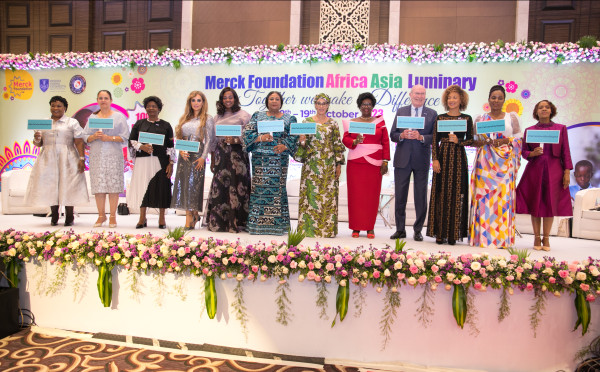
Merck Foundation Chairman and Chief Executive Officer (CEO) with African First Ladies inaugurate their 10th Africa Asia Luminary 2023 in India

Location: News
Merck Foundation

Prof. Dr. Frank Stangenberg-Haverkamp, Senator Dr. Rasha Kelej and African First Ladies of Botswana, Burundi, Cabo Verde, Central African Republic, The Gambia, Ghana, Liberia, Malawi, Democratic Republic of São Tomé and Príncipe, Zimbabwe, Democratic Republic of Congo, to inaugurate 10th Edition of Merck Foundation Africa Asia Luminary 2023 (http://www.Merck-Foundation.com); More than 10,000 participants including healthcare providers, policymakers, researchers, academia and media representatives from 70 English, French, Spanish and Portuguese speaking countries attended the Luminary through hybrid model to benefit from five parallel  scientific and social sessions to  advance healthcare capacity and awareness in 42 critical and underserved medical specialties; Celebrating 6th Anniversary of Merck Foundation and marking 11-year journey of their development programs, during 2023 Luminary; Merck Foundation reported the impact of providing 1700 scholarships to doctors from 50 countries in 42 critical and underserved specialties such as; Oncology, Diabetes, Cardiovascular Preventive, Endocrinology, Fertility, Embryology, Reproductive Care, Respiratory Care, Acute and Intensive Care, Neonatal Care, Pediatric Emergency, Advanced Surgery, Microbiology & Infectious Diseases, Internal Medicine, Ophthalmology, Psychiatry, Palliative Care and Pain Management and more; Merck Foundation marked Cancer Awareness Month during their annual conference.

Merck Foundation, the philanthropic arm of Merck KGaA Germany, conducted their annual conference, the 10th Edition of “Merck Foundation Africa Asia Luminary”, in partnership with Tata Memorial Centre and Department of Atomic Energy, Ministry of External Affairs, Ministry of Home Affairs, Ministry of Health of India, State Protocol Office of Government of Maharashtra and Krishna  World University, Karad, on the 18th of October 2023 in Mumbai, India. The conference was inaugurated by Prof. Dr. Frank Stangenberg-Haverkamp, Chairman of Merck Foundation Board of Trustees, and Senator, Dr. Rasha Kelej, CEO of Merck Foundation and Chairperson of Merck Foundation Africa Asia Luminary, along with African First Ladies of 11 countries;

  • H.E. Mrs. NEO JANE MASISI, The First Lady of the Republic of Botswana
  • H.E. Madam ANGELINE NDAYISHIMIYE, The First Lady of the Republic of Burundi
  • H.E. Dr. DÉBORA KATISA CARVALHO, The First Lady of the Republic of Cabo Verde
  • H.E. Madam BRIGITTE TOUADERA, The First Lady of Central African Republic
  • H.E. Mrs. FATOUMATTA BAH-BARROW, The First Lady of the Republic of The Gambia
  • H.E. Mrs. REBECCA AKUFO-ADDO, The First Lady of the Republic of Ghana
  • H.E. Mrs. CLAR MARIE WEAH, The First Lady of the Republic of Liberia
  • H.E. Mrs. MONICA CHAKWERA, The First Lady of the Republic of Malawi
  • H.E. Mrs. MARIA DE FATIMA VILA NOVA, The First Lady of the Democratic Republic of São Tomé and Príncipe
  • H.E. Amai Dr. AUXILLIA MNANGAGWA, The First Lady of the Republic of Zimbabwe
  • H.E. Madam DENISE NYAKERU TSHISEKEDI, The First Lady of the Democratic Republic of The Congo

Senator Dr. Rasha Kelej, CEO of Merck Foundation and Chairperson of Merck Foundation Africa Asia Luminary emphasized, “I am very proud to welcome our Guests of Honors and Keynote Speakers, the First Ladies of Africa and Ambassadors of “More Than a Mother” Campaign, for our annual conference that we have conducted first time in India. Together, we shared experiences and discussed the impact of our programs to transform patient care and raise awareness on a wide range of sensitive and critical social and health. Today we are also marking together Cancer Awareness Month, it is great to remember that Merck Foundation provided 138 scholarships of Oncology Training in many sub-specialties to doctors from 37 African countries, many of them have become the first oncologists in their countries. We are making history together in Africa, with our Ambassadors, First Ladies of Africa and our partners, Tata Hospital and Krishna University.”

Prof. Dr. Frank Stangenberg-Haverkamp Chairman of both of Executive Board of E.Merck KG and Merck Foundation Board of Trustees expressed “At Merck Foundation, our goal is improving overall health and well-being by building healthcare capacity and by providing access to quality & equitable healthcare solutions in the Africa, Asia and beyond. I would like to thank our partners, African First Ladies and Health Experts, Policy Makers, Government Officials, Academia and Media from more than 70 countries to join hands with us in order to realize the vision of Merck Foundation that “Everyone can lead a Healthy and Happy life.”

“I am proud to share that Merck Foundation has provided more than 1700 scholarships to young doctors from 50 countries in 42 critical and underserved specialties such as Oncology and Cancer care, Diabetes, Endocrinology, Cardiovascular, Fertility Care, Embryology, Sexual & Reproductive Medicine, Internal Medicine, Respiratory Medicine, Acute Medicine, Critical Care, Pediatric Emergency, Gastroenterology, Rheumatology, Clinical Psychiatry, Urology, Ophthalmology, General Surgery, Trauma & Orthopedic, Dermatology, Neonatal Care, Pain Management, Clinical Microbiology & Infectious Diseases, Advanced Surgical Practice, Neuroimaging for Research and more. Many of them are becoming the first specialists in their countries. Many of these scholarships were conducted in India where a state of art clinical training was provided at the prestigious training institutions of our partners such as Tata Memorial Center, Manipal University, Maharashtra University, Krishna University, Indra IVF Training and more. Therefore, we are very happy to be this year in India to celebrate our 10 years partnership with our respectable Indian partners”, added Senator Kelej.  

During the 10th Edition of Merck Foundation Africa Asia Luminary, the First Ladies of 11 African Countries, also the Ambassadors of Merck Foundation “More Than a Mother”, celebrated the 6th Anniversary of Merck Foundation and marked the 11-year journey of Merck Foundation development programs that started in 2012.

During the day 1 of the conference, the Plenary Session of Merck Foundation Africa Asia Luminary 2023 was held, during which a high-level panel meeting of Merck Foundation First Ladies Initiative Summit was conducted.

Day 2 of the conference will have important five parallel Medical and Scientific Sessions on Oncology, Diabetes & Hypertension, Fertility and Reproductive Care, and medical capacity building of other specialties such as; respiratory, acute care, emergency pediatric and neonatal care and more. Additionally, a community awareness session, the Merck Foundation Health Media Training session will also be conducted for the African journalists, to emphasize on the important role that they play to influence the community to create a cultural shift with the aim to Break Infertility Stigma, Support Girl Education, Stop GBV, End Child Marriage, End FGM, and Women Empowerment at all levels.

Countries participating in the 10th Edition of Merck Foundation Africa Asia Luminary include:

Angola, Bangladesh, Benin, Botswana, Burkina Faso, Burundi, Cameroon, Canada, Central Africa Republic, Cambodia, Chad, Côte d'Ivoire, Republic of the Congo, Democratic Republic of the Congo, Egypt, Ethiopia, France, Gabon, Germany, Ghana, Guinea – Bissau, Guinea – Conakry, India, Indonesia, Kenya, Lesotho, Liberia, Malawi, Malaysia, Mali, Mauritania, Mauritius, Mexico, Mozambique, Myanmar, Namibia, Nepal, Niger, Nigeria, Peru, Philippines, Russia, Rwanda, Senegal, Sierra Leone, Somalia, South Africa, Sri Lanka, Sudan, Tanzania, Thailand, The Gambia, Togo, Tunisia, U.A.E, UK, Uganda, US, Vietnam, Zambia, Zimbabwe and more.

The 10th Edition of Merck Foundation Africa Asia Luminary 2023 was streamed live on the social media handles of Merck Foundation (https://apo-opa.info/3Ykd3hH) and Senator, Dr. Rasha Kelej (https://apo-opa.info/3SfA0AF).

Link to the Facebook live steam of Inaugural Session of Merck Foundation Africa Asia Luminary & African First Ladies High Level Panel: https://apo-opa.info/3RYXLPa

Summarizing Merck Foundation's initiatives and impact:

Merck Foundation is transforming the Patient care landscape and making history together with its partners in Africa, Asia, and beyond, through:

• 1700+ Scholarships provided by Merck Foundation for doctors from 50 Countries in 42 critical and underserved medical specialties.  

Merck Foundation is also creating a culture shift and breaking the silence about a wide range of social and health issues in Africa and underserved communities through:

• 3000+ Media Persons from more than 30 countries trained to better raise awareness about different social and health issues

• 8 Different Awards launched annually for best media coverage, fashion designers, films, and songs

• Around 30 songs to address health and social issues, by local singers across Africa

• 8 Children's Storybooks in three languages - English, French, and Portuguese

• 7 Awareness Animation films in four languages - English, French, Portuguese and Spanish to raise awareness about prevention and early detection of Diabetes & Hypertension and supporting girl education.

• Pan African TV Program "Our Africa by Merck Foundation” addressing Social and Health Issues in Africa through “Fashion and ART with Purpose” Community

• 1000+ Girls from 15 African countries supported through scholarships or school items, annually.

• 12 Social Media Channels with more than 5 Million Followers.

Distributed by APO Group on behalf of Merck Foundation.

Media contact:
Mehak Handa 
Community Awareness Program Manager 
+91 9310087613/ +91 9319606669  
mehak.handa@external.merckgroup.com 

Join the conversation on our social media platforms below and let your voice be heard:
Facebook: https://apo-opa.info/3Ykd3hH
Twitter: https://apo-opa.info/3Yo3y11
YouTube: https://apo-opa.info/3CNFGLa
Instagram: https://apo-opa.info/3lsqM7q
Flickr: https://apo-opa.info/3JT8BSC
Website: Merck-Foundation.com
Download the Merck Foundation App: https://apo-opa.info/3xeJMsI

About Merck Foundation:
The Merck Foundation, established in 2017, is the philanthropic arm of Merck KGaA Germany, aims to improve the health and wellbeing of people and advance their lives through science and technology. Our efforts are primarily focused on improving access to quality & equitable healthcare solutions in underserved communities, building healthcare and scientific research capacity and empowering people in STEM (Science, Technology, Engineering, and Mathematics) with a special focus on women and youth. All Merck Foundation press releases are distributed by e-mail at the same time they become available on the Merck Foundation Website. Please visit Merck-Foundation.com to read more. To know more, reach out to our social media: Merck Foundation (Merck-Foundation.com); Facebook (https://apo-opa.info/3Ykd3hH), Twitter (https://apo-opa.info/3Yo3y11), Instagram (https://apo-opa.info/3lsqM7q), YouTube (https://apo-opa.info/3CNFGLa), and Flickr (https://apo-opa.info/3JT8BSC).

Media files
Merck Foundation
Download logo
Read moreMerck Foundation Chairman and Chief Executive Officer (CEO) with African First Ladies inaugurate their 10th Africa Asia Luminary 2023 in India
18 October 2023

#AEW2023 Explores the Scale and Commercial Viability of Africa’s Oil & Gas Hotspots

Location: News
African Energy Chamber

A number of exploration hotspots have emerged across the continent, with major finds made across both on- and offshore basins. The rebound in high-impact drilling success rates have not only demonstrated the sizeable potential of untapped acreage but made a strong case for upstream investment in Africa.

On the back of regional oil and gas discoveries made in 2022 and 2023, a panel discussion held during the 2023 edition of the African Energy Week (AEW) conference – organized by the African Energy Chamber - explored the resource potential of Africa's new oil and gas hotspots. Speakers from The Gambia, Angola, Namibia, Sierra Leone and more examined the scale and commercial viability of these discoveries, detailing estimated reserves, quality and recoverability.

Emmanuelle Garinet, Vice President for African Exploration, TotalEnergies, kicked off the discussion with a presentation, emphasizing that, “Despite the challenges, we are entering a time of opportunity.” Garinet highlighted the fundamental enablers for Africa's oil and gas exploration industry.

She explained that, “Having access to good quality data such as 2D and 3D data is fundamental for unlocking new basins. We also need to retain geoscientists. We need to continue hiring and training people. It is key for Africa to continue integrating young students and scientists, they have a role to play. Exploration is a costly and risky business, and companies need incentives and favorable regulatory environments.”

Dubbed the final frontier for oil and gas exploration, Africa continues to turn heads across the global hydrocarbon industry, as new discoveries demonstrate the commercial potential of both on- and offshore basins. In established markets such as Angola, ongoing efforts to stimulate E&P investment amid production decline have shown fruitful results, and exploration remains of crucial importance.

According to Marco Fonnesu, Exploration Manager (Blocks 1/14 & 28), Azule Energy, “Exploration plays a big role not only to create value but to find new assets and areas in which we can achieve larger results,” adding that, “Azule Energy is planning 16 exploration wells over the next four years, most of which are in new exploration blocks.”

Brian Reinsborough, CEO of ReconAfrica, a Canadian company exploring both Namibia and Botswana's onshore Kavanago Basin, emphasized that, “Africa has tremendous potential.” Reinsborough believes that Government support plays a role in ensuring the success of exploration.

“Important factors include subsurface, contract terms and above-ground contract stability. Governments need to encourage the acquisition of data, both onshore and offshore. This is how basins evolve. Good data acquisition is key to drive innovation by geoscientists,” he stated.

Meanwhile, billion-barrel finds made in emerging markets are poised to bring new producers to the global energy scene. Namibia, for its part, has made a strong play for investment five major discoveries in two years. Justin Cochrane, Director, African Regional Research, S&P Global Commodity Insights, believes that this success can largely be attributed to the country's attractive fiscal terms.

“We are seeing exploration take place in locations that are attractive for investment. In Namibia, for example, fiscal terms are great and wells are being drilled. South Africa also has great fiscals, and TotalEnergies will likely be drilling next year. As we head up the coast, ExxonMobil were also able to negotiate some good terms in Angola. Where exploration is taking place is tied to where the fiscal terms are good,” he stated.

In line with this trend, untapped markets such as The Gambia and Sierra Leone are eager to replicate regional upstream success, with the introduction of policy reforms and licensing rounds aimed at enticing investment into promising hydrocarbon plays. Sierra Leone has committed to providing an enabling environment for investment, and the results are already showing.

Foday Mansaray, Director General, Petroleum Directorate of Sierra Leone, explained that, “We have concluded our fifth offshore licensing round, successfully. We have three prominent industry players that have pre-qualified. We will conduct negotiations in November and expect to award licenses in December. From application to the issuing of licenses, we have given ourselves 85 days.”

The Gambia is also inviting investors to the market. Cany Jobe, Director E&P of the Gambian National Petroleum Company, stated that, “We have massive resource potential but we face the conundrum of stranded reserves. In 2014, the world's largest hydrocarbon discovery was in Senegal, the Sangomar field. The Gambia is surrounded by Senegal. By all indications, our basin and shelf plays offer the same potential… You are all welcome to The Gambia, which has great fiscal terms and a proven petroleum system.”

#AEW2023 takes place this week in Cape Town under a mandate to make energy poverty history by 2030. Keep following www.AECWeek.com for more exciting information and updates about Africa's premier energy event.

Distributed by APO Group on behalf of African Energy Chamber.

Media files
African Energy Chamber
Download logo
Read more#AEW2023 Explores the Scale and Commercial Viability of Africa’s Oil & Gas Hotspots
16 October 2023

Green hydrogen economy plays prominent role in SA’s honest energy transition

Location: News

Green hydrogen economy plays prominent role in SA’s just energy transition

President Cyril Ramaphosa has highlighted the vital role the green hydrogen economy plays in the country’s development and just energy transition.

 
“The hydrogen economy has a prominent role to play in our country’s just energy transition, providing employment and support to vulnerable workers, communities and small businesses. 

“It has been estimated that the hydrogen economy has the potential to add 3.6% to our GDP by 2050 and approximately 370 000 jobs. We must act with purpose to harness the potential of the green hydrogen economy,” the President said. 

President Ramaphosa was delivering remarks at the second iteration of South African Green Hydrogen Summit (SAGHS) in Century City, Cape Town, on Monday. 

The inaugural SAGHS, held in 2022, reaffirmed South Africa as an investment destination of choice and a world leader in the green energy space. It focused on scaling up regional cooperation around green hydrogen.

This second summit aims to highlight South Africa’s exceptional potential as an early stage, large scale and low cost world-class green hydrogen production hub, and total value chain investment destination.

South Africa’s Investment Strategy, approved by Cabinet earlier this year, lists green hydrogen as one of the big frontier strategic sectors expected to attract foreign and domestic direct investment.

The President emphasised the nation’s goal to position itself as a globally competitive player in this dynamic and growing industry.

The President noted that 64 countries, accounting for 89% of global emissions, have announced net zero targets by 2050. He further said that is anticipated that global green hydrogen demand will increase sevenfold by 2050.

He said that for the world to limit global warming to less than 1.5 degrees Celsius, green hydrogen will need to constitute 10% to 20% of the global energy mix. 
 
“South Africa has committed to ambitious emission reduction targets. Our own estimates indicate that green hydrogen has the potential to remove 10% to 15% of our domestic emissions and contribute to our nation’s long-term energy security,” he said. 

Green Hydrogen Alliance
 

The President acknowledged the collaboration efforts being made through the African Green Hydrogen Alliance, which includes Egypt, Kenya, Mauritania, Morocco, Namibia, Ethiopia, Angola and South Africa.
 
The alliance aims to harness Africa’s potential in developing green hydrogen industries. It aims to make joint calls for technical support, funding and market access to international public and private sector partners.
 
“The inaugural summit laid a strong policy foundation. This year’s summit has a dedicated project focus, providing an opportunity to demonstrate the degree to which projects have matured and advanced. This is also an opportunity to demonstrate technological developments and advancements in the green hydrogen space.
 
“Close cooperation between public, private and financial partners will be key to unlocking Africa’s green hydrogen potential. This will enable mass-scale domestic and international demand for green hydrogen, and increase cooperation on green hydrogen production, storage and distribution infrastructure,” President Ramaphosa said.

The President emphasised that if investment is significantly scaled-up, green hydrogen can deliver the equivalent of more than one third of Africa’s current energy consumption, increase the collective GDP, improve clean water supply and empower communities.
 
He said proper planning, regulation and incentive schemes are critical to mobilise private sector investment.
 
“South Africa has deep capital markets, with world-class conditions for generating renewable energy through solar and wind power, which are key drivers of the production of green hydrogen.
 
“Funding green hydrogen projects will require innovative financing structures sourced from multiple stakeholders,” President Ramaphosa said. 

Building the green hydrogen industry
 
In June 2023, South Africa concluded a Heads of Agreement with the intention to launch the SA-H2 Fund. This is an innovative blended finance fund that will facilitate the development of a green hydrogen sector and circular economy in South Africa.
 
SA-H2 aims to secure $1 billion in funding raised directly in South Africa or via indirect channels. The Fund is a partnership of private and public enterprises, locally and globally.
 
Since the last Summit, the President said advances have been made towards building the green hydrogen industry in the country.
 
These include a Joint Declaration of Intent with the German government, focusing on market access, off-take opportunities and value-additive benefits in the production of green steel and green fertiliser.
 
South Africa has also signed a MOU with the Netherlands as an off-taker for green hydrogen derivative products.
 
“It is encouraging to note that a Memorandum of Cooperation will be signed at this conference by three multinationals in the green hydrogen mobility space, namely Sasol, Anglo American and BMW.
 
“Sasol will serve as a supplier to Anglo and BMW as part of their focus on commercial and passenger fleet transformation. These are important initiatives within the context of carbon border adjustment mechanisms,” the President said. 
 

He thanked all the partners and sponsors that have made this summit possible. He sent a special mention to Anglo American, BMW, Sasol, the Industrial Development Corporation and GIZ. 
 
“I wish business and government delegations at this summit well as we work to shape Africa’s green hydrogen agenda for the benefit of our economies and societies, now and into the future,” he said. – SAnews.gov.za

DikelediM
Mon, 10/16/2023 - 13:20

319 views
Read moreGreen hydrogen economy plays prominent role in SA’s honest energy transition
8 October 2023

Condolences for Eswatini top cop

Location: News

Condolences for Eswatini top cop

The South African Police Service (SAPS) has announced the passing of Eswatini Police Commissioner William Dlamini, who passed away on Saturday morning at OR Tambo International Airport. 

The top cop, according to a SAPS statement, was in transit to Eswatini from Angola where he attended the 26th Interpol African Regional Conference. 

“The Commissioner collapsed and died at the airport. Both the family and the delegation that accompanied the late Commissioner on his official trip have received psychosocial services from psychologists attached to the SAPS Employee Health and Wellness unit,” the statement read. 

National Police Commissioner, General Fannie Masemola, has since on behalf of the SAPS sent his condolences to the Royal Eswatini Police Service as well as the family of Dlamini.

Masemola described Dlamini as a soft-spoken and committed senior police officer who was dedicated to enhancing cooperation to counter transnational organised crime in the region.

“Our sincerest condolences to the Royal Eswatini Police Service and the family of the late Commissioner. Commissioner Dlamini was humble and dedicated to the cause of serving. 

“He was always available to discuss collaboration in preventing and combating cross-border crime in the SADC region. The SAPS is providing the necessary support in line with its expertise through its Interpol office,” said Masemola.

Police at the airport have also registered an inquest docket to determine the cause of death. – SAnews.gov.za


Gabisile
Sun, 10/08/2023 - 12:06

456 views
Read moreCondolences for Eswatini top cop
26 September 2023

Southern Africa sets out to strengthen One Health approach

Location: News

FAO Regional Office for Africa
Download logo

The Food and Agriculture Organization of the United Nations (FAO), in coordination with the Southern African Development Community (SADC) Secretariat and its Member States held a validation workshop for the Southern African Programme for One Health (SAPOH). The programme provides direction and a long-term vision to achieving an integrated one health (OH) approach in the region.

Fifteen SADC countries, namely, Angola, Botswana, Comoros, Eswatini, Lesotho, Madagascar, Malawi, Mauritius, Mozambique, Namibia, Seychelles, South Africa, Tanzania, Zambia, and Zimbabwe attended the workshop and unanimously validated SAPOH. The SADC secretariate, three members of the quadripartite organizations leading the OH approach globally, that is, FAO, the World Health Organization (WHO) and the World Organisation for Animal Health (WOAH) as well as other regional partners attended the validation workshop and enriched the programme with valuable contributions and inputs before its validation.

One Health is an integrated, unifying approach that aims to sustainably balance and optimize the health of people, animals, and ecosystems. This approach is suitable for Southern Africa as the main livelihood for the people is agriculture. The One Health approach is necessary to deliver effective and efficient prevention and control of infectious diseases, as well as emergency preparedness and response.

Speaking on behalf of the Subregional Coordinator for Southern Africa, Patrice Talla, at the opening ceremony, FAO Representative for South Africa, Babagana Ahmadu said, “FAO and its counterparts in the One Health Quadripartite, WHO, WOAH and the United Nations Environment Programme (UNEP), will work together to ensure that policies to support One Health were in place.”

“FAO prioritizes One Health at global and regional level. It is one of the 20 Priority Programme Areas in FAO's New Strategic Framework (2022 to 2031). Within Southern Africa, FAO has prioritized one health as one of its three flagship programmes,” he said.

“My appreciation also goes to our fellow members of the Quadripartite, the WHO, WOAH and UNEP and other partners for accompanying us on this task. We count on you for stronger collaboration in validating and changing this draft into an actionable programme. FAO is committed to working with all of you in mobilizing resources for the implementation of this programme once it is validated,” added Babagana Ahmadu.

The WOAH Representative for Southern Africa Dr Moetapele Letshwenyo said operationalization of SAPOH would be a game changer in mitigating the risk posed by zoonotic diseases. He added that, “Worldwide, 60 per cent of infectious diseases affecting humans have their origins in animals, with nearly 75 per cent of animal diseases being transmissible to humans. The increasing interactions between humans and animals within the environment and numerous factors is exacerbating the emergence, re-emergence and spread of infectious diseases, necessitates a multi-sectoral and multidisciplinary approach”.

According to the SADC Programme Officer for Livestock, Dr Gaolathe Thobokwe, SAPOH will inform the design of future country and partner programmes to address the next pandemic in Southern Africa.

“The necessity of the OH approach in SADC is very obvious, currently, we are dealing with COVID-19 and we know consequences. In the recent past we have had Ebola; we have also had disease like rift valley fever and anthrax. It shows the need to work together whether it be animal health, public health, plant health, wildlife, environmental or climate services,” he said.

The WHO Africa Regional Team Leader for Antimicrobial Resistance (AMR), Dr Ali Yahya, pointed out that communication, resource mobilization, monitoring and evaluation were essential components of the OH Programme as they enhanced accountability and learning to determine the best practices. “We might need to ensure strong energy not only to validate the document but also to support its implementation, monitoring, and documentation for further visibility to facilitate resource mobilization as well as ownership of the programme by countries,” he said.

At the end of the workshop, stakeholders called for innovations from all the actors and pointed out that the successful implementation of One Health heavily relies on using locally available resources, citizen engagement, use of traditional knowledge systems and capacity building.

Distributed by APO Group on behalf of FAO Regional Office for Africa.

Read moreSouthern Africa sets out to strengthen One Health approach
13 September 2023

Oil and gas imperative for SA’s energy security

Location: News

Oil and gas imperative for SA's energy security

The Department of Mineral Resources and Energy (DMRE) will “sustainably continue to develop” South Africa’s oil and gas resources in order to ensure energy security and alleviate dependency on foreign oil.

This is according to Mineral Resources and Energy Deputy Minister, Dr Nobuhle Nkabane, who was speaking at the Southern Africa Oil Gas Conference on Wednesday.

“It is imperative to accelerate the exploration of oil and gas both onshore and offshore, as having our own petroleum resources will reduce our dependency on foreign oil and cushion our economies, in particular our citizens against imposed whirlwinds of crude price volatility,” she said.

The Deputy Minister said South Africa has already initiated policy intervention processes to boost the development and growth of the country’s oil and gas industry.

“The first intervention is the development of the Gas Master Plan which is a policy that outlines and guides the critical role of gas in South Africa while providing policy direction to the gas industry.

“We have also developed the Upstream Petroleum Development Bill seeking to ensure that the upstream petroleum sector is no longer regulated under the Mineral and Petroleum Resources Development Act, 2002 (MPRDA), but under discrete petroleum legislation. We believe the de-coupling of the Upstream Petroleum Development Bill from MPRDA will bring regulatory certainty and hopefully shore up investor confidence,” Nkabane said.

Natural gas

Deputy Minister Nkabane highlighted that natural gas in one the key components in South Africa’s Integrated Resource Plan (IRP) 2019 and accounts for at least 3% of the country’s energy supply.

She explained that natural gas can also contribute to South Africa’s quest to lower emissions output.

“[The] continued exploration and discovery of indigenous gas is crucial for meeting our climate change targets and securing of energy supply,” she emphasised.

Nkabane highlighted that the recent discovery of maiden gas reserves in Mpumalanga represents a “major boost in electricity generation capacity as the country was looking at different sources of energy”.

She urged countries that have discovered gas to ensure these reserves not only serve international appetite but also contribute to energy security in local communities.

“Mpumalanga is the epicentre of South Africa’s power generation because [it] has a high concentration of power stations, therefore the discovery of gas positions the province at the centre of the just energy transition and as a source of reference for the country’s emission-reduction targets.

“We have also seen that Europe is looking to Africa to diversify its gas supplies. This presents a good opportunity and market for local gas beyond our own use. However, the caveat is that we should not rush to export our gas to Europe at the expense of our domestic and regional markets, no matter how tempting the prospects of earning foreign revenue.

“The argument often advanced is the lack of transmission infrastructure and unaffordability of gas products for local communities. My counter argument is that we are not going to change this situation if we do not use the revenue earned from gas exports to develop … our economies to create employment opportunities that will lead to consumption of goods and services,” she said.

Nkabane also called on African countries to increase ties in oil and gas trade between themselves.

“Already, South Africa imports the bulk of its crude requirements from African producers, including Nigeria and Angola. There is ample opportunity for a massive expansion of gas trade, especially from the Gulf of Guinea and the broader West Coast of Africa, where we have many producers and some already exporting. We collaborate closely with the African Petroleum Producers Organisation and urge more meaningful engagement with this continental body.

“As a region we should strive to build a strong oil and gas sector that will drive regional and continental economic development as is the case with the advanced economies,” Nkabane said. – SAnews.gov.za


NeoB
Wed, 09/13/2023 - 14:53

124 views
Read moreOil and gas imperative for SA’s energy security
8 September 2023

SA awarded Chairship of the Africa Green Hydrogen Alliance

Location: News

SA awarded Chairship of the Africa Green Hydrogen Alliance

South Africa will use its Chairship of the Africa Green Hydrogen Alliance (AGHA) to advance the green hydrogen agenda on the continent and support opportunities for peer-to-peer learning, technology transfer, economic and employment opportunities.

This is according to Minister in the Presidency for Electricity, Dr Kgosientsho Ramokgopa, who was handed Chairship of the AGHA on the sidelines of the Inaugural Africa Climate Summit (ACS), which took place from 04-06 September 2023 in Nairobi Kenya.

“Green hydrogen and its associated large scale renewable energy production has the potential to support the expansion of the electricity transmission infrastructure, to add additional renewable energy generation capacity and to support the local development of renewable energy.

“As such it is a key component of South Africa’s future energy mix to achieve sustainable energy security,” the Ministry for Electricity said on Thursday.

AGHA was formed in May 2022 by six African countries, Egypt, Kenya, Mauritania, Morocco, Namibia and South Africa, to drive decarbonisation through green hydrogen.

The alliance seeks to intensify collaboration and supercharge the development of green hydrogen projects on the African continent in line with the Just Energy Transition.

“It focuses on public and regulatory policy, capacity building, financing and certification needs to mobilise green hydrogen production for domestic use and export. The inclusion of the Ethiopia and Angola’s membership were also announced alongside South Africa’s Chairship,” the Ministry for Electricity said.

During the ACS, the Minister participated in panel sessions where he shared lessons on South Africa’s energy outlook and the role of green hydrogen in supporting energy security and driving green industrialisation.

On the margins of the Summit, the Minister engaged in multiple high-level bilateral meetings to explore energy collaborations and meaningful partnerships in the energy space.

The Minister’s participation at the Summit was underpinned by a commitment to consistent, sustainable and affordable energy supply for South Africa. – SAnews.gov.za


nosihle
Fri, 09/08/2023 - 09:30

649 views
Read moreSA awarded Chairship of the Africa Green Hydrogen Alliance
7 September 2023

The key to Africa’s industrialisation process and ending the region’s massive energy poverty

Location: News
African Energy Chamber

By Jason Mitchell

Africa's vast natural gas reserves are key to bringing energy to Africa's poorest countries, to a solid industrialisation process throughout the region and to significant poverty reduction.

The region is home to 33 of the world's 46 least-developed countries (LDCs) with an average income per head of less than $1,018 a year. The continent's poorest countries must expand at 6-7% a year if poverty is to be reduced in a big way and if the life chances of hundreds of millions of people are to be improved. To achieve this goal, these countries require abundant and cheap energy. Luckily, for many African states, the answer lies on their own doorstep — natural gas. Gas has remained a niche fuel in sub-Saharan Africa — contributing only 5% of the total energy mix against a global average of 20-25% — but its potential is enormous.

A new vision for Africa is required — a criss-crossing network of natural gas pipelines that brings energy to all corners of the region. The continent's contribution to global greenhouse gas emissions is tiny and will only become slightly bigger if the region's natural gas reserves are exploited. There is also a massive opportunity to wean poor Africans away from the use of biomass fuel and to help protect the region's forests through the rollout of small, liquified petroleum gas (LPG) stoves. Climate change is an issue in Africa but poverty reduction is a bigger one. Poverty is the biggest killer in Africa today.

It's very hard for Europeans and North Americans to imagine what it's like to live on under $1,018 a year, to not have readily available electricity, to not have a refrigerator or a washing machine, to not have a car, to not have a lawnmower, to not be able to fly from one country to another cheaply, to not have electricity in the school or the workplace and to have to use firewood or charcoal for cooking purposes. Fossil fuels have been at the heart of the Industrial Revolution that has brought prosperity and better living standards to the developed world. People in the First World must be very careful if they decide to deny Africans the same chance to prosper.

Africa has the lowest energy use per capita in the world — the average electricity use of a sub-Saharan African resident is lower than that of a household fridge in the United States. Average consumption per person in sub-Saharan Africa, excluding South Africa, is a mere 185 kilowatt-hours (kWh) a year, compared with about 6,500kWh in Europe and 12,700kWh in the US. Every year San Antonio, Texas, with a population of 1.5m people, uses as much electricity as the whole of Nigeria, with 203m people. Golden, Colorado, a small town with only 19,000 people, uses as much electricity as Chad, a country with 16m people.

The UN's Sustainable Development Goal Seven aims to “ensure access to affordable, reliable, sustainable and modern energy for all” by the year 2030. That's a tall order. In 2019, 917m people in Africa (around 80% of the region's population) relied on wood, charcoal, kerosene, animal and crop waste or other solid fuels to cook their food and heat their homes. The International Energy Agency (IEA) reports that almost 490,000 people die prematurely every year in sub-Saharan Africa from household air pollution-related causes — stemming from the lack of access to clean cooking facilities. Gas is a much cleaner form of cooking than biomass and its use should be encouraged. Biomass burning-power plants emit 300-400% more CO2 than natural gas per unit energy produced. Natural gas emits almost 50% less carbon dioxide than coal. 

Africa has one-fifth of the world's population but contributes only 3% to global greenhouse gas emissions. Incredibly, some 48 sub-Saharan African countries, excluding South Africa, have an estimated share of global emissions of only 0.55%. The fact is that many African states are already at net zero. If the continent were to use an additional 90bn cu m of natural gas per year — or 50% more than today — the resulting emissions would only raise Africa's cumulative contribution to global carbon emissions to 3.5% (ten gigatonnes) by the year 2050, according to the IEA. It really is a tiny increase compared to the chance of reducing poverty levels for hundreds of millions of poor people. If Africa is to provide universal electricity access by 2030 it would have to almost double its total generation capacity from around 260gw today to 510gw. 

Almost half the continent's 55 countries have proven natural gas reserves. Across the region, natural gas reserves amount to around 17.5trn cubic metres (cu m), making up around 9% of the world's total gas reserves. They are considerable in northern Africa (accounting for 45% of African reserves) and western Africa (32%), in particular. Commercial quantities of natural gas have been found in many African countries.

Previously, only four countries from the region have been major natural gas production hubs: Nigeria (with total gas reserves of 5.8trn cu m), Algeria (4.5trn cu m), Egypt (2.2trn cu m) and Libya (1.5trn cu m). These four accounted for 78% of African gas reserves in 2021 (https://apo-opa.info/48gDBWG), according to the United States Energy Information Administration.

However, seven African countries — Mozambique, Senegal, Tanzania, Mauritania, South Africa, Ethiopia and Morocco — with no history of fossil gas exploitation have now opened up their doors to gas projects. Some 84% of new reserves in the pre-production stage are found in these states — total new reserves amount to 5.1trn cu m. Mozambique has re-production reserves of 2.3trn cu m, Senegal 779bn cu m, Mauritania 575bn cu m, Tanzania 512bn cu m, South Africa 96bn cu m, Ethiopia 42bn cu m and Morocco 39bn cu m.

Furthermore, major untapped reserves have been discovered in Angola, Cameroon, Ghana, Equatorial Guinea, the Republic of the Congo, Kenya and Uganda. A number of these states — including Mozambique, Tanzania, Mauritania and Senegal — are actively marketing natural gas to capitalise on recent discoveries. In fact, the IEA has declared Africa the ‘new frontier' in global oil and gas.

The big four gas-producing countries will continue to dominate gas production in the near term but experts estimate that Mozambique and the other new entrants will contribute more than 50% of the region's gas production by 2038.

Natural gas can be used for electricity generation, industry and domestic use. Crucially, harnessing Africa's gas could provide the baseload power needed to boost Africa's capacity to process its raw materials locally. It could provide enough energy for industrial processes, including steel and cement production and paper and pulp manufacturing. It could be also used to make fertiliser to raise agricultural yields. Renewables, including solar and wind, cannot yet provide enough energy for these purposes.

The huge reserves of gas can play a significant role in the continent's energy transition, as natural gas has a much lower carbon footprint than oil and coal. Critically, natural gas development and renewable power are not mutually exclusive. If Africa were to triple its use of natural gas, the United Nations Economic Commission for Africa (Uneca) estimates that the region would be able to increase its use of renewable energy eight-fold. Reliable forms of energy such as gas can be used to stabilise a grid powered by intermittent sources such as wind and solar. It can play a key role in a ‘just' energy transition.

However, expanding gas supply across Africa would require a whole web of new gas pipelines and that does not come cheap. A lot of the gas from the new projects already under way in Africa is destined for international markets, including the European Union — which have been seeking new sources of energy since the Ukraine crisis — but it is vital that the region's gas reserves are deployed for domestic use, as well. Nigeria, for example, sits on the continent's largest known natural gas reserves but only 55% of the population had access to secure electricity in 2020.

Multilateral financial institutions (MFIs) — many of which are headquartered in the developed world — are now shying away from investing in natural gas projects in Africa because of pressure from a vociferous green lobby. In 2021, 20 countries — including almost all the world's big, rich democracies — pledged to stop almost all financing of new fossil fuel projects internationally by the end of 2022. Furthermore, under the Glasgow Financial Alliance for Net Zero (GFANZ), 450 financial firms across 45 countries, responsible for over $130trn in assets, committed to accelerate the global decarbonisation process. The problem is that most Western governments and financial institutions do not distinguish between coal, oil and gas, and the pressure to stop funding all hydrocarbons has negatively impacted gas projects in Africa in a big way.  

Some of the continent's biggest financiers — including the African Development Bank (AfDB) — are finding it increasingly difficult to support gas project developments that require loan syndication and foreign partners. The World Bank is pulling back, too. Local banks cannot finance major gas projects on their own, as they are limited by their capital base. In particular, the fossil fuels divestment campaign is having a big impact on the amount of development and concessional finance available. This kind of finance used to support a number of gas projects for their poverty-reducing and economic development value.

For example, without the guarantees of development finance institutions (DFIs), most of Africa's recent gas-to-power plants would have never been built in the first place. The withdrawal of development finance from downstream gas and gas-to-power projects is a serious cause for concern for Africa's electrification effort and moving the needle on energy access.

Furthermore, there is a glaring double standard — many European countries have increased their use of hydrocarbons (coal as well as gas) since Russia's invasion of Ukraine. They are constructing new fossil fuel pipelines at home. The EU recently classified natural gas a ‘green' fuel, which will allow Europe's projects to be backed by investors committed to environmental, social and governance (ESG) principles. European countries are now looking towards African states for new sources of gas. However, they are not prepared to back new gas projects in Africa that would supply the fuel to the region itself. That smacks of hypocrisy of the worst kind. How can you deny the poorest people in the world the sort of energy that you want to use yourselves?

Lumping all hydrocarbons together is a blunt policy mechanism that is not good from an emissions perspective either. In poorer places, like sub-Saharan Africa, the available alternative to gas is not renewable electricity but rather coal, diesel and, most of all, polluting biomass. In sub-Saharan Africa, demand for biomass fuels is expected to surge by 40% by the year 2040 if ‘business as usual' continues. The burning of biomass is a major contributor to global carbon emissions and charcoal has been a top driver of tropical forest loss during the past two decades, with the greatest footprint in Africa. The continent's carbon sinks need protecting and the irony is that the greater use of gas would achieve that.

Africa is home to 18% of humanity but receives less than 5% of global energy investment. And much of this investment goes on producing oil and gas for export. There must be much more investment in the region for the domestic use of gas. Gas projects could play an absolutely vital role in bringing energy to Africa but obviously the projects require financing. DFIs must think again about their decision to limit investment in new projects in Africa. The financing of a network of gas pipelines throughout Africa would be one of the quickest and surest ways of industrialising the region in a big way and of alleviating poverty on a large scale. Renewables just cannot do that how ever much wishful thinking takes place.

In fact, development institutions should go one step further and consider subsiding a massive roll out of small LPG stoves to millions of poor households in the region. It could be one of the biggest moves in contributing to Africa's decarbonisation effort by arresting the pace of deforestation in the region. LPG is recovered from ‘wet' natural gas (gas with condensable heavy petroleum compounds) by absorption and reaches the domestic consumer in cylinders under relatively low pressures. The widespread adoption of LPG stoves would reduce the amount of pollutants in the air from biomass fuels. Poor households that currently depend on woodfuel for cooking require a cleaner cooking alternative — LPG is one of the solutions.

LPG stoves are also suitable for domestic use in rural settings — a key consideration in Africa where energy poverty is greatest in the countryside. For instance, in 2016, electricity access in urban and rural areas in Nigeria was 86% and 34%, respectively, according to the World Bank.

Africa only needs to look to Asia for examples. In 2006, Indonesia implemented a ‘mega-programme' to induce a large-scale transition from kerosene to LPG stoves in order to reduce government spending on kerosene subsidies. The initiative invested in LPG infrastructure, domestic cylinder production and consumer awareness. By 2012, 93% of the target had been reached and LPG consumption had grown by almost 350%.

In India, LPG access expanded through the early-2000s but it was still not reaching most poor families. To boost access among the poor, the Indian government introduced the Pradhan Mantri Ujjwala Yojana (PMUY) Scheme. Under it, the country's oil marketing companies provide subsidies to reduce the cost of both LPG connections and cylinder refills to women in households classified as below the poverty line. In 2016, the cost of a connection was about Rupees 3,200 ($48) and included the first full cylinder (plus deposit), deposit for a regulator, an LPG stove and administrative fees.

Furthermore, African governments must consider increasing domestic gas allocations from liquified natural gas (LNG) export projects. These are an effective way to ensure that even if developers prioritise lucrative exports over local sales, they must reserve part of their production for the domestic market. Upcoming LNG terminals in sub-Saharan Africa — for example, in Mozambique — now make it compulsory to allocate a specific amount of gas to the domestic market. The availability of domestic gas from export facilities can encourage gas-based industrialisation (for example, in Senegal) or additional gas-to-power capacity (Mozambique, Mauritania and Senegal). In August 2022, for instance, Senegal's Petrosen Trading & Services signed an MoU with Turkey's Çalık Enerji and Japan's Mitsubishi for the pre-feasibility study of a gas-based ammonia and urea manufacturing unit.

It is a huge mistake to lump all hydrocarbons together and for Western environmentalists to argue that no new new fossil fuel projects should happen in Africa whatsoever. Deforestation is one of the biggest issues in Africa today. Poor Africans must be weaned off the use of wood-based fuels. The widespread adoption of small LPG stoves would be one of the surest ways of reducing deforestation. Natural gas could also form the basis for a solid, large-scale industrialisation process in Africa — something that is essential if the region is to achieve the sort of economic growth needed to lift hundreds of millions of people out of poverty.

Distributed by APO Group on behalf of African Energy Chamber.

Media files
African Energy Chamber
Download logo
Read moreThe key to Africa’s industrialisation process and ending the region’s massive energy poverty
22 August 2023

BRICS countries: A shared history and connected future

Location: News

BRICS countries: A shared history and connected future

The five BRICS countries (Brazil, Russia, India, China and South Africa) share a history and connectedness that can spearhead the group into the future.

This is according to Minister of Trade, Industry and Competition, Ebrahim Patel, who was speaking on the first day of the 15th BRICS Summit held at the Sandton Convention Centre in Johannesburg.

“It is through trading, through travel and through dialogue that friendships and lasting relationships are formed. And it is remarkable how connected our people, our histories and our economies in BRICS are.

“We are connected by history, but not only by history. Today we look forward to matters relating to the future. Today’s event is held in this industrial heartland of the African continent. An economy with major industrial strengths in traditional sectors but also with technologies in the space and satellite economy, in the digital sector, in new green technologies and advanced manufacturing,” he said.

The Minister said the colonial period and, predating that, trade between the countries and the African continent, has forged ties that have bound the five countries through centuries.

“We have more than 2000 years of trading between Asia and Africa. More than 1000 years ago there was a people who lived in this, the southern part of Africa near banks of the Limpopo. They traded with the outside world with India, Arabia and China – selling ivory and gold, buying pottery from China and glass needs from Persia.

“Our histories converged as large land masses were colonised. Indian slave people were brought from the Malabar Coast to South Africa in the 1600s and 1700s and later in the 1800s, large numbers of Indian indentured labourers were brought to develop South Africa’s sugar industry,” he said.

Minister Patel added that even Russia and Brazil share common moments in history.

“The age of colonialism saw too the start of the industrial scale trans-Atlantic slave trade taking captured Africans across the waters in cramped ships and the modern state of Brazil emerged. And the spirit of Africa is alive in Brazillian culture, the warmth of its people, the music and the samba that had its origins in Angola and Congo.

“Russian history too contains connections. The great Russian writer Alexander Pushkin’s great-grandfather was an African. Abram Petrovich Gannibal, abducted from Cameroon, taken via Constantinople and eventually taken to Russia where he became a nobleman,” Patel said.

He highlighted that during the fight for liberation in South Africa, the BRICS partner countries opened their doors to South Africans fleeing persecution or preparing for the fight against the racist Apartheid government.

“During the struggle against Apartheid, many South Africans stayed in Russia, in China, in India as with many parts of the world, we received material assistance in the struggle for freedom in our land,” Patel said. – SAnews.gov.za

NeoB
Tue, 08/22/2023 - 18:17

87 views
Read moreBRICS countries: A shared history and connected future
21 August 2023

Africa’s 25 Under 40 Energy Women Rising Stars

Location: News
African Energy Chamber

The African energy sector serves as a catalyst for global development, and in this dynamic industry that powers the modern world, a select group of remarkable women have emerged as trailblazers. The African Energy Chamber (AEC) (www.EnergyChamber.org) is proud to announce the “25 Under 40 Energy Women Rising Stars' - individuals whose dedication, ingenuity and unwavering commitment serve as beacons of hope and pillars of inspiration. These women are redefining the possibilities within a traditionally male-dominated field, and the AEC proudly celebrates the rising stars who are leading the way towards making energy poverty history by 2030.

In no particular order:

Gbemisola Adeyemi Afolabi, Junior Geoscientist, AMNI International

Adeyemi Afolabi, a budding Junior Geoscientist at AMNI International, is an emerging force in the energy sector. With a Masters' Degree in Energy Geosciences from Rice University, she brings a fresh perspective to her role. Adeyemi's educational background, combined with her passion for geoscience, underscores her dedication to exploring and understanding the Earth's resources. Afolabi's commitment to harnessing scientific knowledge for practical energy solutions sets her apart as a promising talent within AMNI International.

Ibilola Akinnola, LNG Shipbroker, Maersk

Ibilola Akinnola has a wealth of experience across the legal and logistics fields, and represents an individual whose creativity, commitment and drive has advanced the global energy industry. A qualified Solicitor and Barrister of the Supreme Court of Nigeria, Akinnola went on to complete her Masters' degree in International Shipping Law at Queen Mary University of London. Now, she works at integrated logistics company Maersk as the LNG Shipbroker, and continues to make a lasting impact in the industry.

Rekik Bekele, CEO and Founder, Green Scene Energy

Rekik Bekele is a seasoned professional with over 10 years of experience in renewable energy. With a BSc in Electrical Engineering, she leads Green Scene Energy PLC as its CEO, providing affordable solar solutions in Ethiopia. Bekele also serves as a board member at Ethiopian Solar Energy Development Association, an Acumen fellow, and founder of PurposeBlack ETH and Run Africa. Her diverse initiatives drive positive change in energy and social development.

Sarah Bouzid, Technical Sales Lead: Production Systems Division, Schlumberger

Sarah Bouzid is a Chemical Engineer and Technical Sales Lead for Schlumberger's Production Systems Division – representing the only woman in this role in MENA region. Her expertise lies in the Audit to Optimize program, where she engages with clients to enhance process equipment performance. After completing an engineering degree from Bourmerdes University, she worked in various roles at Sonatrach. Navigating the largely male-dominated sector, Bouzid serves as a beacon of hope for women in science and engineering.  

Sandra Chukwudozie, CEO, Salpha Energy

Sandra Chukwudozie is the Founder & CEO of Salpha Energy, a company dedicated to providing clean, affordable and innovative energy solutions for a carbon-neutral future. She is also Executive Director of Dozzy, one of Africa's largest petroleum storage facilities. After completing her studies at the University of Dundee in 2015, Chukwudozie dedicated her professional life to supporting economic growth through energy development, gaining experience in international management, industrial relations and economics. Her innovation, resilience and ability to embrace change has made her a leader in her field and an inspiration to many across the industry.

Nadia Simao da Costa, HR People Analytics Supervisor, Chevron

Nadia Simao da Costa is the People Analytics Supervisor at Chevron and represents the youngest person to be selected for Human Resource leadership at the company in Angola. Leveraging analytics and evidence to develop strategies to manage the current and future workforce needs, Simao da Costa is a strong advocate for inclusivity and human capital development. As the African energy sector grows and more people enter the workforce, professionals such as Simao da Costa serve as valuable role models.

Eghosa Ebube, Portfolio Analyst, Chevron Nigeria

Eghosa Ebube, initially Project Engineer and now Portfolio Analyst at global energy powerhouse Chevron, brings a wealth of expertise to the table. Having honed her skills in various roles including Onshore Construction Engineer, she has emerged as a force to be reckoned with in the energy sector. Her adeptness in engineering and her dedication to innovation shine through in her work, making her a pivotal contributor to Chevron's and Nigeria's energy success.

Katuiscia Laurence Ewane, General Field Engineer, SLB

With a Masters in Industrial Engineering from Ecole Nationale Supérieure Polytechnique, Katuiscia Laurence Ewane has spent several years working for global energy services company SLB. She currently serves as a General Field Engineer for the company and has pioneered several successful initiatives, including a new approach for the integration of Drilling Fluids and Cementing Fluids; completing a complex cementing operation on Mt Cameroon; and spearheading community outreach under the SLB Excellence in Educational Development program. Ewane is a testament to the important role female engineers play in Africa.

Taimi Itembu, Public and Government Affairs, ExxonMobil

A Harvard Kennedy School graduate with over 14 years' experience in leadership, energy and policy, Taimi Itembu represents an inspirational leader in Namibia's energy sector. She has served in various roles in the Namibian Government, showcasing her aptitude for policy dialogue and partnership building to drive transformation across the region. Her leadership in energy and exploration includes advocating for Africa strategy, investment protection, and a favorable operational environment, and as an industry expert, she represents a beacon of impactful leadership.

Anine Kilian: Managing Editor, Energy Capital & Power

Anine Kilian is a strong advocate for Africa's energy development. Currently serving as the Managing Editor for Africa-focused investment platform Energy Capital & Power, Kilian's journey began as a dedicated journalist and editor after studying at the Tshwane University of Technology in South Africa. Her career has taken her worldwide, and her expertise led her to become a pivotal writer at Creamer Media before joining Energy Capital & Power in 2018. Recognizing her talent and passion, Kilian was swiftly promoted to Managing Editor in 2021. Her journey epitomizes resilience, growth and a commitment to driving Africa's energy narrative at a time when the continent needs it most. Kilian represents a standout figure in the landscape of energy journalism and advocacy.  

Ubuhle Noluti Mtetwa, National Manager, Secondary Logistics, bp Southern Africa

Armed with a degree in Transport Economics and Logistics Management, Ubuhle Noluti Mtetwa spearheads innovative projects in a traditionally male-dominated industry. In a relatively short period of time, Mtetwa climbed the ranks at bp from Logistics Intern to National Manager of Secondary Distribution. Now, she supports diversity efforts, using her platform to not only advance logistics in Africa's energy industry but support the progression of others.

Faith Musimenta, Senior Petroleum Economic and Financial Analyst, Petroleum Authority of Uganda

Faith Musimenta is currently the Senior Petroleum Economic and Financial Analyst at the Petroleum Authority of Uganda (PAU), where she leverages her skills in investment analysis to develop oil and gas financial models for billion-dollar projects. After competing her studies at the University of Dundee, Musimenta worked for various financial institutions including Citi Bank, Diamond Trust Bank and DFCU Bank. She represents an inspiration for women across the African financial sector, and continues to advocate for both inclusivity, sustainability and development of Uganda's oil and gas industry. 

Nancy Asantewah Nkansah, Resource Manager: Planning and Supply Chain for West Africa, SLB

Nancy Asantewah Nkansah, a Resource Coordinator at SLB with 8+ years' experience, excels in planning chemical requirements and workforce coordination for efficient operations. With a BA in Political Science and a Geography minor, she spearheads resource management, enhances supply chain efficiency and facilitates environmentally responsible practices. From groundbreaking innovations to resilient problem-solving, Nkansah is redefining the energy industry in Africa.

Ezinne Nnachetta, Development Geologist, Chevron

Following the completion of her MSc in Petroleum Geoscience at Imperial College London, Ezinne Nnachetta has gained significant experience as a leading geoscientist for global energy major Chevron. Her 10-year commitment to the company demonstrates her dedication to opening up new hydrocarbon basins, integrating innovation with petroleum and forging new paths for women in energy. Nnachetta represents a role model for aspiring women in the field. 

Teresa Isabel Nnang Avomo, CEO, GEPetrol

Teresa Isabel Nnang Ovomo, accomplished CEO of Equatorial Guinea's national oil company GEPetrol, ascended to the position after working in various positions at the company, including Deputy Director of Operations where she streamlined and optimized the NOC's upstream operations. Armed with a Masters from Heriot-Watt University, her journey includes various pivotal roles at Repsol. Avomo's leadership exemplifies operational acumen, innovation and drive, and she serves as an inspirational figurehead, both in Namibia's and Africa's energy sectors.

Monique Ntumngia, CEO, Green Girls Project

Monique Ntumngia is a sustainability entrepreneur and advocate for climate-gender justice. Founding Green Girls Organization, a Pan-African energy social enterprise, she leverages AI to pinpoint clean energy challenges faced by women in African rural communities. She is also the Founder of Monafrik Energy, whereby Monique measures and compares environmental impacts in supply chains, advancing clean energy initiatives. Her impactful work exemplifies her dedication to providing clean, affordable energy solutions not just in Cameroon but across Africa and beyond.

Lynette Nyagah, Project Lead, Bentworth Energy

As Project Lead at East Africa's pioneer oil and gas service company, Lynette Nyagah plays a pivotal role in establishing robust operational and quality systems. A graduate from the University of Cape Town, Nyagah gained experience in the sector as a Field Engineer for Baker Hughes. Now, she plays an instrumental part in positioning Bentworth as a globally recognized and competitive firm. Advocating for innovation in carbon footprint reduction, automation for enhanced efficiency, and the increase in participation by local African companies, Nyagha is an inspiration to many in the industry.

Oneyka Cindy Ojogbo, Partner, Centurion Law Group

Oneyka Cindy Ojogbo has a proven track record of providing strategic counsel to clients in complex energy transactions and projects. A graduate of Columbia Law School, Ojogbo currently serves as a Partner of Centurion Law Group, a pan-African legal and business advisory group. Throughout her career, Ojogbo has counselled clients across power, energy and infrastructure sectors. Her work has covered multiple sectors and tackled transactions of varying complexity, with her determination, passion and vision serving as an inspiration for many.

Isioma Okolo, Reservoir Engineer, Shell

Isioma Okolo is a Reservoir Engineer with the Shell Petroleum Development Company in Nigeria. She holds a Bachelor of Engineering Degree in Petroleum Engineering from The Federal University of Technology Owerri and an MBA from the Edinburgh Business School, Heriot-Watt University. Having worked as a Consultant in Pricewaterhouse Coopers and as a Society of Petroleum Engineering Certified Engineer, Okolo is paving the way for a prosperous future for Africa and beyond.

Uzochukwu Ozoh, Legal Advisor, Chevron

With a LLM from the University of Dundee and an MBA from Imperial College Business School, Uzochukwu Ozoh has emerged as an accomplished transactional lawyer who merges business acumen, legal prowess and risk analysis within the energy sector. Currently serving as Legal Advisor at Chevron, Ozoh guides a team of legal experts facilitating intricate gas, commercial, and supply chain transactions exceeding US$1 billion. Her mastery of stakeholder relations, leadership and organizational development makes her a force to be reckoned with.

Lecticia Sepulvede, Public and Government Affairs Advisor, ExxonMobil

Lecticia Sepulvede has a Masters in Petroleum, Energy, Economics and Finance from the University of Aberdeen and currently serves as the Public and Government Affairs Advisor for global energy major ExxonMobil. Her vision is to support Mozambicans achieve their full potential, and she works closely with stakeholders to facilitate safety and security efforts in the Cabo Delgado province of the country. Her commitment to people, her focus on the energy sector, and her ability to manage stressful environments makes her a highly valuable and admirable energy professional.

Eman S Shahin, Performance Lead and Senior Petroleum Engineer, Dragon Oil Egypt

Eman Shahin is a proficient Performance Lead and Senior Petroleum Engineer (SPE) at Dragon Oil Egypt, and boasts over 9 years' experience in reservoir, petroleum and production engineering. Her prowess spans budgeting, production forecasting, reservoir development planning and optimizing waterflood management. As a leader and coach at SPE Egypt, her commitment to mentorship shines. With roots at Cairo University and experience at GUPCO, Shahin's journey embodies expertise, leadership and fostering an inclusive energy landscape.

Mwanyengwa Ndapewoshali Shapwanale, Director: Communications and Stakeholders Relations, ReconEnergy Namibia

Mwanyengwa Ndapewoshali Shapwanale is the Director of Communication and Stakeholder Relations at Recon Energy Namibia. With a degree in Communication and Media Studies from the University of Cape Town and 10 years' experience in journalism and communication, she brings valuable compliance and ESG skills to her role in the energy sector. As the youngest member of Recon's management, she plays a pivotal role in shaping the organization's communication landscape.

Natznet Tesfay, VP Economics & Country Risk, S&P Global

Natznet Tesfay is Vice President of Economics & Country Risk at S&P Global Market Intelligence. Leading a global team of 150+ experts, she forecasts economic and country risk outlooks. With a rich background at IHS Markit and Exclusive Analysis, her expertise spans geopolitical analysis, energy transition and supply chain alignment. With degrees from Harvard University, The London School of Economics, and SOAS University of London, she has emerged as a trailblazer and advocate for Africa's economic future.

Nidra Araba Yebuah, Digital and Integration Account Manager for Ghana and Equatorial Guinea, SLB

Nidra Araba Yebuah is an accomplished Senior Geologist and Account Manager with over a decade of experience in the oil and gas service industry. She blends technical proficiency with business acumen to excel in her role. Her expertise spans data interpretation, geological environments and technical sales support. Yebuah has significantly contributed to sub-Saharan African operations, demonstrating innovation and leadership in the dynamic industry.

Call for Nominations

If you were not chosen this year, or if you nominated someone who was not selected, please understand that the process is highly selective, and we encourage you to re-submit updated information in 2024. We welcome suggestions of well-deserving candidates throughout the year. Simply email awben@energychamber.org. We look forward to honoring outstanding 25 Under 40 Energy Women Rising Stars again in 2024.

Distributed by APO Group on behalf of African Energy Chamber.

Media files
African Energy Chamber
Download logo
Read moreAfrica’s 25 Under 40 Energy Women Rising Stars
21 August 2023

Caveat Legal Provides Modern Africa-Focussed Data Compliance Programmes for Companies

Location: MyPR

Cape Town, South Africa – Specialist Commercial Legal consultancy Caveat Legal has announced a new programme to help African companies comply with the myriad different Data Protection Laws across the multiple jurisdictions on the African continent. The last two years have seen a massive uptake in data protection laws and regulations in Africa with South …

Read moreCaveat Legal Provides Modern Africa-Focussed Data Compliance Programmes for Companies
  • Previous
  • Page 1
  • Interim pages omitted …
  • Page 5
  • Page 6
  • Page 7
  • Page 8
  • Next

Copyright © 2026 · MyZA · All Rights Reserved · Powered by Reach Trust