• Skip to main content
  • Skip to header right navigation
  • Skip to after header navigation
  • Skip to site footer
MyZA

MyZA

News, Directory, Events and Other Stuff

  • Social Media
  • Sport
  • World News
  • Home
  • Submit News
  • Directory
  • Events
  • Stratlec
  • TFSA
  • News
    • APO
    • Today’s Sport News
    • Todays Social Media and Tech Headlines
    • Today’s World News
    • Today’s SA Financial News
  • Contact
You are here: Home / Archives for Burundi

Burundi

10 February 2025

Historic summit brings hope for peace in the DRC

Location: News

Historic summit brings hope for peace in the DRC

President Cyril Ramaphosa has reiterated South Africa’s commitment to a diplomatic solution that ensures stability in the Democratic Republic of Congo (DRC) and its neighbours, while also protecting the well-being of the Congolese people.

In his weekly newsletter to the nation, President Ramaphosa said South Africa supports the right of the Congolese people to live free from forces that violate their human rights, plunder their natural resources and terrorise their communities. 

“South Africa stands in solidarity with the Congolese people and their aspiration to live in peace and security.

“We reaffirm our commitment to a diplomatic and political solution that prioritises the stability of the DRC and neighbouring countries and safeguards the peace and well-being of the Congolese people,” the President said on Monday.

This as the President has just returned from a Heads of State summit in Tanzania on the conflict in the eastern DRC. 
He said the outcomes of the summit provide a beacon of hope for the troubled eastern Democratic Republic of Congo. 

Heads of State and Government from the Southern Africa Development Community (SADC) and East Africa Community (EAC) have issued a clarion call for “political and diplomatic engagement” by all parties, including M23 rebels, in the eastern DRC.

Leaders from the two regional blocs, including President Ramaphosa, attended an urgent joint SADC-EAC Heads of State and Government Summit at the weekend as tensions, and casualties, in the DRC conflict continue to escalate.

The historic joint summit brought together the EAC and SADC to consider the deteriorating security situation in the eastern DRC and to find a sustainable political solution. 

As a member of SADC and the African Union, the President said the country has a responsibility to support all efforts to bring peace and stability to its fellow African nation, which has been racked by war for more than three decades. 

Loss of lives

South Africa contributes troops to the United Nations Organisation Stabilisation Mission in the DRC (MONUSCO) and the SADC Mission in the DRC (SAMIDRC). 

Recently, 14 South African National Defence Force (SANDF) troops paid the ultimate price for their efforts to restore peace to the region. The deaths of the soldiers alongside troops from other African nations signalled an alarming escalation in the conflict. 

READ | Movement of fallen SANDF soldiers now underway

The strategic city of Goma in the eastern DRC is now under the control of the M23 rebel group fighting the Congolese army, with the M23 having made advances in other towns. 

Diplomacy

“As South Africa we have steadfastly maintained that diplomacy is the most sustainable solution to this conflict. While we are involved in peacekeeping missions, South Africa actively participates in the various diplomatic efforts to end the conflict in the eastern DRC,” he said. 

These include the Peace, Security and Cooperation Framework for the DRC and the Great Lakes Region, the Luanda Peace Process led by the President of Angola, João Manuel Gonçalves Lourenço , and the EAC-led Nairobi Process facilitated by former Kenyan President Uhuru Kenyatta.

“As South Africa, we have always believed that the best way to resolve a conflict is to ensure that all parties to the conflict are involved in the negotiations that lead to the resolution of the conflict, whether they are state actors or non-state actors.

“We are pleased that this approach was adopted and reconfirmed at the SADC extraordinary summit held in Harare, Zimbabwe, two weeks ago,” the President said. 

He highlighted that several of the countries in the EAC bloc, such as Uganda, Burundi, Tanzania and Rwanda, share borders with the DRC and are directly impacted by the ongoing conflict. It was therefore significant that the Heads of State of these countries and the President of the DRC were at the joint summit. 

Way forward

“Having considered a report on the security situation in the eastern DRC, the summit reiterated the call for an immediate ceasefire and a cessation of hostilities between the warring parties. A ceasefire will allow humanitarian aid corridors to operate and bring much needed supplies to the civilians caught in the crossfire,” he said. 

The summit further directed that the EAC/SADC Chiefs of Defence Forces meet within five days to develop a securitisation plan for Goma and the surrounding area, the reopening of Goma airport, the evacuation of civilians and the repatriation of the deceased. 

READ | SADC-EAC leaders call for dialogue in DRC conflict

One of the most significant outcomes was that the joint summit agreed that direct negotiations and dialogue resume between all state and non-state parties, including the M23. This will take place under the framework of the Luanda and Nairobi processes.

“We are pleased that this inclusive approach was endorsed and adopted at the historic joint EAC/SADC summit under the leadership of President William Ruto of Kenya and President Emmerson Mnangagwa of Zimbabwe.

“This is a major step forward. Unless all parties to the conflict are brought around the negotiating table, all diplomatic solutions will lack credibility and be unsustainable in the long term,” President Ramaphosa said. 

The joint summit also affirmed the independence, sovereignty and territorial integrity of the DRC, meaning that a process must be developed for uninvited foreign armed forces to withdraw from the DRC. 

President Ramaphosa said the outcomes from the joint summit are in essence confidence-building measures towards a sustainable peace. 

“These confidence building measures will finally lead to the drawdown of the SAMIDRC troops. This historic summit of the EAC and SADC paves the way for a lasting peace in the eastern DRC.”

The President concluded by quoting Congolese revolutionary and statesman, Patrice Lumumba, who once said:  “We are not alone. Africa, the free peoples and the peoples fighting for their freedom in all corners of the world will always be side by side with the millions of Congolese who will not give up the struggle.” – SAnews.gov.za


DikelediM
Mon, 02/10/2025 - 08:52

354 views
Read moreHistoric summit brings hope for peace in the DRC
7 February 2025

Goma Call for Peace Campaign Launched at St George’s Cathedral

Location: News

Religious leaders and civil society groups call for end to the war

Read moreGoma Call for Peace Campaign Launched at St George’s Cathedral
3 February 2025

Merck Foundation and First Ladies of Africa Mark World Cancer Day 2025: 194 Oncology Scholarships Provided Across 32 African Countries

Location: News
Merck Foundation

  • Merck Foundation marks World Cancer Day with African First Ladies by providing 194 scholarships of Oncology Training to African doctors from 32 countries.
  • Merck Foundation together with Africa First Ladies and Ministries of Health has been building cancer care capacity and increasing the limited number of Oncologists in their countries by providing close to 200 Scholarships of One-, two- and three-years fellowship, diploma and Master Degree of oncology to African doctors from 32 Countries.
  • Merck Foundation is making history in Africa by training the First African Oncologists and First Cancer Care Teams in Countries such as The Gambia, Sierra Leone, Burundi, Liberia, Guinea Conakry, Central African Republic, Chad, Burundi, Malawi, Niger, Namibia, Zambia, Zimbabwe and more.

Merck Foundation (www.Merck-Foundation.com), the philanthropic arm of Merck KGaA Germany, marks ‘World Cancer Day 2025' together with Africa's First Ladies and Ministries of Health. Through their Cancer Access Program, Merck Foundation is building quality and equitable cancer care capacity in Africa.

Senator Dr. Rasha Kelej, the CEO of Merck Foundation, highlighted, “At Merck Foundation, we mark World Cancer Day not just as a single day, but as our continued commitment to transform and advance cancer care in Africa.

Together with my dear sisters, the Africa's First Ladies, we are have enhanced the cancer care capacity in the continent by providing 194 scholarships to young African doctors from 32 countries, significantly increasing the number of oncologists in Africa. We are making history together by providing these important scholarships for the first oncologists and /or the first cancer care teams in many countries across Africa.”  

Merck Foundation in total provided more than 2100 scholarships to doctors from over 52 countries in 44 critical and underserved medical specialties.

The Merck Foundation Cancer Access Program provides One, two- and three-years fellowship, Post Graduate Diploma and Master Degree of oncology for doctors from Africa. The clinical training has been conducted in India, Egypt and Kenya. Additionaly, Merck Foundation also provides scholarships for 2 years online PG Diploma in Cancer and Clinical Oncology, 01 year online PG Diploma in Medical Oncology and 1 year online PG Diploma in Pain Management from reputed Universities in UK like University of South Wales, University of Buckingham, Queen Mary University of London, and Cardiff University.

Merck Foundation is establishing Multidisciplinary Oncology Care teams in many African countries by providing scholarships of clinical training in Medical Oncology, Surgical Oncology, Pediatrics Oncology, Gynecology Oncology, Breast Oncology, Haemato-Oncology, Orthopaedic Oncology, Palliative Care, Pathology Oncology, Radiation Oncology, Research in Oncology, Surgical Oncology - Genital Urinary System, Advanced Cytopathology Training, Interventional Radiology, Radiation Technician, Laboratory Technician, Oncology Nursing.

Merck Foundation through its Merck Foundation Cancer Access Program has provided 194 scholarships of Oncology to doctors from 32 countries including Botswana, Burkina Faso, Burundi, Cameroon, Central African Republic, Chad, Congo Brazzaville, Democratic Republic of the Congo, Ethiopia, Gabon, Gambia, Ghana, Guinea, Kenya, Liberia, Malawi, Mauritius, Mozambique, Namibia, Nepal, Niger, Nigeria, Rwanda, Sao Tome & Principe, Senegal, Sierra Leone, South Africa, Sri Lanka, Tanzania, Uganda, Zambia and Zimbabwe.

“In several of these countries, there wasn't even a single oncologist. We are proud to be making history in Africa by training the first oncologists and establishing the first cancer care teams in nations such as The Gambia, Sierra Leone, Burundi, Liberia, Guinea Conakry, Central African Republic, Chad, and Niger. Merck Foundation remains committed to transforming the landscape of cancer care across the continent and leading Africa toward a healthier future,” explained Senator Dr. Rasha Kelej.

Africa records around 1.1 million new cases of cancer, resulting in up to 700,000 deaths, every year, as per WHO data. The mortality rate of cancer patients is very high in Africa, as compared to the rest of the world.

“One of the key reasons is also the late diagnosis of the disease. Therefore, these scholarships are very important” added Senator Kelej.

Merck Foundation has also created awareness materials including awareness leaflets and videos on Cancer Prevention and Early Detection.

Dr. Chifundo Kajombo, Merck Foundation Alumni from Malawi shares, “I am privileged to be awarded a scholarship by Merck Foundation to pursue the Surgical Oncology fellowship training program at Tata Memorial Hospital, India. I managed to advance from basic surgical oncology principles to the advanced level. This has helped me improve my understanding of cancer and operative principles. Since returning back home, I have managed to change the structure of how our breast clinic runs and modified it to incorporate a number of new things that we probably could not have possibly included. I am so proud to share that I have just been awarded the Best Surgeon for 2023 in Malawi. I would not have achieved this feat without Merck Foundation's scholarship. I am very thankful.”

Watch testimonials videos of Merck Foundation Oncology Fellowship Alumni: https://apo-opa.co/42ziwpY

Distributed by APO Group on behalf of Merck Foundation.

Contact details:
Mehak Handa
Community Awareness Program Manager
+91 9310087613 / +91 9319606669
mehak.handa@external.merckgroup.com

Join the conversation on our social media platforms below and let your voice be heard!
Facebook: https://apo-opa.co/3CxqKnW
X: https://apo-opa.co/3Q8rwL3
YouTube: https://apo-opa.co/42zjKl4
Instagram: https://apo-opa.co/42Hdtnk
Threads: https://apo-opa.co/40A5EwY
Flickr: https://apo-opa.co/40GOfmv
Website: www.Merck-Foundation.com
Download the Merck Foundation App: https://apo-opa.co/3Q0ZWPV

About Merck Foundation:
The Merck Foundation, established in 2017, is the philanthropic arm of Merck KGaA Germany, aims to improve the health and wellbeing of people and advance their lives through science and technology. Our efforts are primarily focused on improving access to quality & equitable healthcare solutions in underserved communities, building healthcare & scientific research capacity, empowering girls in education and empowering people in STEM (Science, Technology, Engineering, and Mathematics) with a special focus on women and youth. All Merck Foundation press releases are distributed by e-mail at the same time they become available on the Merck Foundation Website.  Please visit www.Merck-Foundation.com to read more. Follow the social media of Merck Foundation: Facebook (https://apo-opa.co/3CxqKnW), X (https://apo-opa.co/3Q8rwL3), Instagram (https://apo-opa.co/42Hdtnk), YouTube (https://apo-opa.co/42zjKl4), Threads (https://apo-opa.co/40A5EwY) and Flickr (https://apo-opa.co/40GOfmv).

The Merck Foundation is dedicated to improving social and health outcomes for communities in need. While it collaborates with various partners, including governments to achieve its humanitarian goals, the foundation remains strictly neutral in political matters. It does not engage in or support any political activities, elections, or regimes, focusing solely on its mission to elevate humanity and enhance well-being while maintaining a strict non-political stance in all of its endeavors.

Media files
Merck Foundation
Download logo
Read moreMerck Foundation and First Ladies of Africa Mark World Cancer Day 2025: 194 Oncology Scholarships Provided Across 32 African Countries
3 February 2025

Fallen SANDF soldiers are South African and African heroes: President Ramaphosa

Location: News

Fallen SANDF soldiers are South African and African heroes: President Ramaphosa

The South African National Defence Force (SANDF) soldiers, who were killed in the eastern Democratic Republic of the Congo (DRC), are African heroes who laid their lives in defence of those who are not able to defend themselves.

This is according to President Cyril Ramaphosa, who addressed the nation through his weekly newsletter on Monday.

The SANDF lost 14 members in the DRC after coming under deadly attack allegedly from M23 fighters.

South African soldiers are in the DRC as part of the Southern African Development Community Mission in the DRC (SAMIDRC) and the United Nations Organisation Stabilisation Mission in the Democratic Republic of Congo (MONUSCO).

“They were killed in violation of a ceasefire agreement between the DRC and Rwanda, facilitated by President João Lourenço of Angola. As a nation, we pay tribute to our fallen soldiers. They are South African and African heroes.

“They lost their lives in defence of the defenceless: the men, women and children who are the victims of one of the world’s most protracted conflicts,” President Ramaphosa said.

The names of the soldiers – as released by the SANDF – are:

  • Staff Sergeant William Eddie Cola.
  • Staff Sergeant Molahlehi Ishmael Molahlehi.
  • Staff Sergeant Shwahlane Theophilus Seepe.
  • Corporal Matome Justice Malesa. 
  • Corporal Rinae Nemavhulani. 
  • Lance Bombardier Itumeleng Macdonald Moreo. 
  • Lance Corporal Tseke Moffat Molapo. 
  • Lance Corporal Metse Stansly Raswiswi. 
  • Rifleman Sebatane Richard Chokoe. 
  • Rifleman Derrick Maluleke. 
  • Rifleman Tshidiso Andries Mabele.
  • Rifleman Calvin Louis Moagi. 
  • Rifleman Mokete Joseph Mobe 
  • Private Peter Jacobus Strydom.

President Ramaphosa has assured that SANDF participation in the DRC is “subject to the SAMIDRC mission” and will wind down “in accordance with the implementation of various confidence-building measures and when the ceasefire we have called for takes root”.

“As this happens, securing the safety of our troops remains paramount. The situation in the areas where our troops are stationed remains highly volatile. We are making every effort to ensure that our soldiers are well-equipped and sufficiently supported during the mission,” he said.

SAnews on Friday, 31 January 2025, reported on the Extraordinary SADC Summit, which was held in Harare, Zimbabwe, on the situation in the DRC. President Ramaphosa and other leaders at the summit, strongly condemned the ongoing violence in the DRC, where clashes have displaced thousands of civilians.  

READ | SADC Extraordinary Summit condemns escalating violence in DRC, calls for urgent action

Silencing the guns

President Ramaphosa explained that South Africa has been a “troop contributing country to MONUSCO since 1999 and we have lent our support to the SADC mission deployed to the region in 2023” – anchored in the commitment to “silencing the guns” on African soil.

“Supporting peacebuilding and the resolution of conflict in Africa has been a cornerstone of our country’s foreign policy since the advent of democracy, as we have sought to draw on our experience of political dialogue and national reconciliation.

“Since 1994, our country has contributed to UN peace operations in Burundi, Ethiopia, Eritrea, Liberia, Nepal and to the UN-AU Mission in Darfur. South Africa has been part of fostering peace in Lesotho, Burundi and South Sudan. In 2022, we hosted negotiations that brokered a ceasefire between the government of Ethiopia and the Tigray People’s Liberation Front.

“Last year marked the end of the SADC Mission in Mozambique (SAMIM), which SANDF troops formed part of. The mission was deployed for three years to combat extremist groups in the Cabo Delgado province. The government of Mozambique has praised SAMIM for its efforts to restore stability to the region and for contributing to a vastly improved security situation,” he said.

In our best interests

According to the President, since the attack on the SANDF soldiers, questions were raised on South Africa’s DRC presence, with some saying “we have no business being there.”.

“Violence and conflict in Africa is the business of all Africans. The humanitarian, economic and social effects of these conflicts are felt across borders and regions. Instability in any part of the continent affects the prospects for growth and development across the continent,” President Ramaphosa insisted.

He said for peace to be secured in the eastern DRC, “there must be an immediate end to hostilities and a ceasefire that must be respected by all”.

“A ceasefire is a necessary precondition for peace talks that must include all parties to the conflict, whether they are State or non-state actors, Congolese or non-Congolese.

"Diplomacy is the most sustainable pathway to achieving a lasting peace for the DRC and its people. We call on all parties to fully embrace the current diplomatic efforts that are aimed at finding a peaceful resolution, including honouring the Luanda Process.

“Strong political will and leadership will be required from all parties to the conflict, as well as respect for the territorial integrity of the DRC,” the President said.

Furthermore, for lasting peace and security to be achieved in the DRC, “the collective will of the community of nations” will be needed.

“As a country, we have a duty of support towards the nations of Africa, whose solidarity and material support helped secure our liberation. 

“South Africa will not let up in its support to the people of the DRC, so that they may have the peace and security they rightfully deserve,” President Ramaphosa concluded. – SAnews.gov.za

NeoB
Mon, 02/03/2025 - 14:25

37 views
Read moreFallen SANDF soldiers are South African and African heroes: President Ramaphosa
21 November 2024

Enhanced Control Measures Helping to Control Mpox Outbreak in Africa

Location: News

WHO Regional Office for Africa
Download logo

More than 13 000 laboratory-confirmed mpox cases have been reported in the African region since the start of 2024, as of 17 November. Three countries – Burundi, the Democratic Republic of Congo and Uganda - account for approximately 97% of all reported cases so far this year.

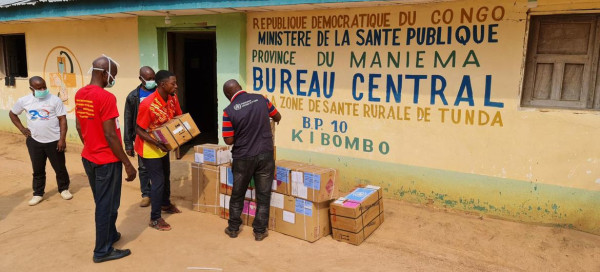
From reinforcing outbreak control measures including health worker training, to the delivery of medical supplies and equipment, and to the development of vaccine deployment plans, World Health Organization (WHO) is providing critical technical and financial support to countries to effectively respond to and end the mpox outbreaks in the region.

While much of the focus has been on those countries whose populations are at higher risk of exposure to mpox due to larger outbreaks, WHO is also supporting countries experiencing sporadic cases. With WHO support most countries in the region that have been affected by mpox this year have successfully prevented a small number of isolated cases from spreading more widely among their populations and taking on epidemic proportions. 

By the time Ghana reported its first mpox case of the year on 1 October 2024 – a junior high school student in the Western North region - public awareness of the virus was already elevated due to weeks of risk communication and community engagement through WHO-sponsored social media campaigns. 

Recognition of the symptoms meant that both the student and his mother, who was subsequently infected, were promptly taken to medical facilities for treatment and made full recoveries without infecting other members of the community. Rapid contact tracing and testing were conducted to ensure that the virus had not spread beyond the household, early actions that helped contain the disease. 

To strengthen the response, WHO is working closely with the Ghana Health Service to increase public awareness even further. Police and immigration officials at key points of entry have also received training on how to recognize the signs of mpox to prevent the virus being imported into the country. 

“Mobilizing resources to support risk communication and community engagement is just one pillar of our mpox response, but it has so far proven critical; Ghana has registered just two cases in 2024. Without informed populations there is a risk that infected people will carry on as normal, passing the virus on to those around them,” said Dr Frank Lule, Acting WHO Representative in Ghana. 

Gabon—which alongside South Africa, Guinea, Cameroon and Congo is assessed to no longer be experiencing active community transmission of mpox—provides another example of how early interventions can yield significant benefits. The country reported its first laboratory-confirmed mpox case on 22 August. A 30-year-old man who had travelled to Uganda and returned with fever, fatigue and a skin rash. After seeking medical attention, he was isolated until full recovery and an extensive contact tracing operation was launched by WHO-trained health workers. One of the contacts identified was a 25-year-old IT worker living to the north of Libreville.

“As a contact, rigorous protocol was put in place to ensure my safety and the safety of those around me. I was told to watch out for symptoms like fever, fatigue or lesions and to immediately contact the surveillance teams should these symptoms develop. They also asked me to limit social interactions and close physical contact,” explained Axel Mouketou. 

“The surveillance teams remained in close contact with me, conducting visits and calling me on the phone to evaluate my health. This regular contact helped me feel supported and gave me the chance to ask any questions to better understand what actions I should take,” he said. 

WHO has also provided personal protective equipment and other medical supplies to the Ministry of Health; installed thermal cameras at multiple points of entry to Gabon; trained 72 officials at points of entry—including police officers, customs workers and health workers—to recognise mpox symptoms and isolate patients; and provided technical guidance to key ministerial officials. These measures have helped limit the number of lab-confirmed mpox cases in 2024 to just two.

“Our main focus is to maintain surveillance, health training and community engagement once this epidemic is over,” said Dr Narcisse Tounaikok, WHO's interim mpox Incident Manager in Gabon. 

Similar contact tracing efforts were initiated in Guinea, after a seven-year-old child was confirmed to have been infected with the clade 2b subvariant of mpox on 2 September. Almost all the 91 identified contacts were fully followed up, with diagnostic tests revealing no further transmission of the virus.

Within days of the first mpox case being declared, Guinea's national health authorities published a response plan with technical input from WHO. In Macenta, where the case was discovered, WHO provided training to staff in 18 health centres and two hospitals, to emphasize appropriate infection prevention and control measures that can be used to limit the spread of infection within health facilities. WHO is also continuously supporting laboratories across the country with training and equipment necessary to monitor mpox and a host of other diseases. 

The successful containment of mpox has not been limited to Cameroon, Congo, Gabon, Ghana, Guinea and South Africa. With WHO support, in 2024, Angola Mauritius, Morocco, Zambia and Zimbabwe have so far all prevented one or two identified cases from spreading further. 

“These countries are evidence of the value, both human and financial, of rapid detection, response and containment. With a timely push of reactive funds and technical assistance from WHO, they were able to stop the virus from spreading on a scale that would ultimately be much more challenging to manage, said Dr Samuel Boland, Mpox Incident Manager at WHO Regional Office for Africa. 

Across the African region, 14 countries—the Democratic Republic of the Congo, Burundi, Uganda, Nigeria, Côte d'Ivoire, Central African Republic, Ghana, Liberia, Rwanda, Kenya, Zimbabwe, Mauritius, Zambia, and Angola—are still assessed to have active transmission of mpox, a viral disease endemic to Central and West Africa. All require further enhancement of disease surveillance measures. High levels of mobility on the continent, the emergence of the particularly infectious clade 1b subvariant in 2023 and the persistent risk of zoonotic transmission are all causes for continued vigilance, even in countries where cases have been successfully contained.

Distributed by APO Group on behalf of WHO Regional Office for Africa.

Read moreEnhanced Control Measures Helping to Control Mpox Outbreak in Africa
30 October 2024

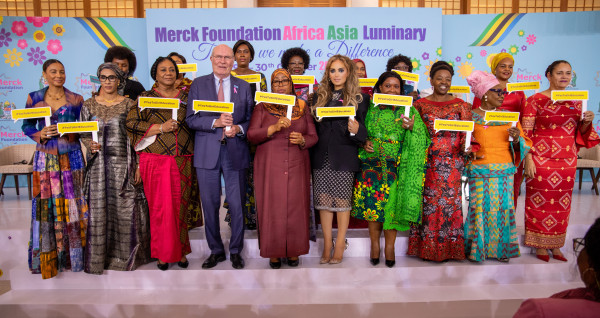
Tanzania President, Merck Foundation Chairman and CEO with 15 First Ladies inaugurate their 11th Africa Asia Luminary 2024

Location: News
Merck Foundation

  • The 11th Edition of Merck Foundation Africa Asia Luminary was officially inaugurated by The President of the United Republic of Tanzania, H.E. Dr. SAMIA SULUHU HASSAN, Chairman of Merck Foundation Board of Trustees, Prof. Dr. Frank Stangenberg-Haverkamp and Merck Foundation CEO, Senator, Dr. Rasha Kelej.

  • The First Ladies of Burundi, Cabo Verde, Central African Republic, Democratic Republic of The Congo, Gabon, The Gambia, Ghana, Kenya, Liberia, Malawi, Maldives, Mozambique, Democratic Republic of São Tomé and Príncipe, Zimbabwe and Zanzibar were the Guests of Honor and Keynote Speakers for the 11th Edition of Merck Foundation's Annual Conference.
  • More than 6,000 healthcare providers, policymakers and media from over 70 English, French, Spanish and Portuguese speaking countries attended the Luminary through hybrid model to benefit from five parallel scientific and social sessions to advance healthcare capacity and awareness in 44 critical and underserved medical specialties.
  • Celebrating 7th Anniversary of Merck Foundation and marking 12-year journey of their development programs, during 2024 Luminary. 
  • Link to Live Stream of Inaugural Session of Merck Foundation Africa Asia Luminary 2024: https://apo-opa.co/40tsLex

Merck Foundation (www.Merck-Foundation.com), the philanthropic arm of Merck KGaA Germany, conducted the 11th Edition of their annual conference, “Merck Foundation Africa Asia Luminary”, under the patronage of The President of Tanzania, and in partnership with the Government of Tanzania on 29th and 30th October, in Dar es Salaam, Tanzania. The conference was officially inaugurated by H.E. Dr. SAMIA SULUHU HASSAN, The President of the United Republic of Tanzania together with Prof. Dr. Frank Stangenberg-Haverkamp, Chairman of Merck Foundation Board of Trustees and Senator, Dr. Rasha Kelej, CEO of Merck Foundation, along with First Ladies of 15 Countries, who joined as the Guests of Honor and Keynote Speakers.

While inaugurating the conference, The President of United Republic of Tanzania, H.E Dr. SAMIA SULUHU HASSAN emphasized “I am delighted to host this prestigious conference in Tanzania. It is a great honor to inaugurate the conference alongside the First Ladies of Africa and Asia. I am certain that this conference will help us to achieve our shared mission — to make a transformation in the health and well-being of our people. I deeply appreciate the programs of Merck Foundation that are building healthcare capacity, breaking infertility stigma, and supporting girl education.”

Senator Dr. Rasha Kelej, CEO of Merck Foundation and Chairperson of Merck Foundation Africa Asia Luminary emphasized, “I am delighted to have Her Excellency, Dr. SAMIA SULUHU HASSAN, The President of the United Republic of Tanzania, inaugurate our annual conference. I also extend my heartfelt thanks to our partner, the Government of Tanzania, for their unwavering support in making it a success. Moreover, I am honored to welcome our esteemed Guests of Honor and Keynote Speakers, the First Ladies of African and Asian Countries, also the Ambassadors of the “Merck Foundation More Than a Mother”. Together, we shared experiences and engaged in meaningful discussions on the impact of our programs, aimed at transforming patient care and raising awareness on a wide range of critical social and health issues."

Prof. Dr. Frank Stangenberg Haverkamp, Chairman of Merck Foundation Board of Trustees added, “I would like to thank H.E. Dr. SAMIA SULUHU HASSAN, The President of Tanzania, our partners, The First Ladies of Africa and Asia, along with African Ministers, Health Experts, Policy Makers, Government Officials, Academia and Media from over 70 countries for joining hands with us to realize the Merck Foundation's vision that  “Everyone can lead a Healthy and Happy life.”

The First Ladies of 15 Countries, who joined as the Guests of Honor and Keynote Speakers are:

  • H.E. Madam ANGELINE NDAYISHIMIYE, The First Lady of the Republic of Burundi
  • H.E. Dr. DÉBORA KATISA CARVALHO, The First Lady of the Republic of Cabo Verde
  • H.E. Madam BRIGITTE TOUADERA, The First Lady of Central African Republic
  • H.E. Madam DENISE NYAKERU TSHISEKEDI, The First Lady of the Democratic Republic of The Congo
  • H.E. Madam ZITA OLIGUI NGUEMA, The First Lady of the Gabonese Republic
  • H.E. Mrs. FATOUMATTA BAH-BARROW, The First Lady of the Republic of The Gambia
  • H.E. Mrs. REBECCA AKUFO-ADDO, The First Lady of the Republic of Ghana
  • H.E. Mrs. RACHEL RUTO, The First Lady of Kenya
  • H.E. Mrs. KARTUMU YARTA BOAKAI, The First Lady of the Republic of Liberia
  • H.E. Mrs. MONICA CHAKWERA, The First Lady of the Republic of Malawi
  • H.E. Mrs. SAJIDHA MOHAMED, The First Lady of the Republic of Maldives
  • H.E. Mrs. ISAURA FERRÃO NYUSI, The First Lady of the Republic of Mozambique
  • H.E. Mrs. MARIA DE FATIMA VILA NOVA, The First Lady of the Democratic Republic of São Tomé and Príncipe
  • H.E Mrs. MARIAM MWINYI, The First Lady of Zanzibar
  • H.E. Amai Dr. AUXILLIA MNANGAGWA, The First Lady of the Republic of Zimbabwe

“I am proud to share that Merck Foundation has provided more than 2080 scholarships to young doctors from 50 countries in 42 critical and underserved specialties such as Oncology and Cancer care, Diabetes, Endocrinology, Cardiovascular, Fertility Care, Embryology, Sexual & Reproductive Medicine, Internal Medicine, Respiratory Medicine, Acute Medicine, Critical Care, Pediatric Emergency, Gastroenterology, Rheumatology, Clinical Psychiatry, Urology, Ophthalmology, General Surgery, Trauma & Orthopedic, Dermatology, Neonatal Care, Pain Management, Clinical Microbiology & Infectious Diseases, Advanced Surgical Practice, Neuroimaging for Research and more. Many of them are becoming the first specialists in their countries”, added Senator Kelej.  

During the 11th Edition of Merck Foundation Africa Asia Luminary, two important occasions were marked; the 7th Anniversary of Merck Foundation and 12 years of Merck Foundation's development programs that started in 2012.

On the first day of the conference, the Plenary Session of the Merck Foundation Africa Asia Luminary 2024 took place, featuring a high-level panel discussion with the participating First Ladies of Africa and Asia. Moreover, two high-level ministerial panel discussion were held with African Ministers and top healthcare experts from across the globe.

The Day 2 of the conference will have five key parallel medical and scientific sessions, covering topics such as oncology, diabetes and hypertension, fertility and reproductive care, and medical capacity building in other specialties like respiratory care, acute care, emergency pediatric and neonatal care, and more. Additionally, a community awareness session, Merck Foundation Health Media Training, will be conducted for African journalists. This session will emphasize the critical role of the media in influencing communities and driving cultural change, with regards to a wide range of social and health issues like Breaking Infertility Stigma, Supporting Girls' Education, Stopping GBV, Ending Child Marriage & FGM, Empowering Women, Diabetes and Hypertension Awareness.

Countries participating in the 11th Edition of Merck Foundation Africa Asia Luminary include:

Angola, Bangladesh, Benin, Botswana, Burkina Faso, Burundi, Cameroon, Canada, Central Africa Republic, Cambodia, Chad, Côte d'Ivoire, Republic of the Congo, Democratic Republic of the Congo, Egypt, Ethiopia, France, Gabon, Germany, Ghana, Guinea – Bissau, Guinea – Conakry, India, Indonesia, Kenya, Lesotho, Liberia, Malawi, Malaysia, Mali, Mauritania, Mauritius, Mexico, Mozambique, Myanmar, Namibia, Nepal, Niger, Nigeria, Peru, Philippines, Russia, Rwanda, Senegal, Sierra Leone, Somalia, South Africa, Sri Lanka, Sudan, Tanzania, Thailand, The Gambia, Togo, Tunisia, U.A.E, UK, Uganda, US, Vietnam, Zambia, Zimbabwe and more.

The 11th Edition of Merck Foundation Africa Asia Luminary 2024 is streamed live on the social media handles of Merck Foundation and Senator, Dr. Rasha Kelej, CEO of Merck Foundation:

@ Merck Foundation: Facebook (http://apo-opa.co/3Yq65sX), X (http://apo-opa.co/40p49nc), Instagram (http://apo-opa.co/3Uwqqvl), and YouTube (http://apo-opa.co/3NLGJAS).

@ Rasha Kelej: Facebook (http://apo-opa.co/3Uulqrf), X (http://apo-opa.co/3Yq65Jt), Instagram (http://apo-opa.co/40krkip), and YouTube (http://apo-opa.co/40nOp3t).

Link to the Facebook live stream of Inaugural Session of Merck Foundation Africa Asia Luminary & African First Ladies High Level Panel: https://apo-opa.co/40tsLex

Merck Foundation is transforming the Patient care landscape and making history together with their partners in Africa, Asia, and beyond, through:

• 2080+ Scholarships provided by Merck Foundation for doctors from 52 Countries in 42 critical and underserved medical specialties.  

Merck Foundation is also creating a culture shift and breaking the silence about a wide range of social and health issues in Africa and underserved communities through:

• 3500+ Media Persons from more than 35 countries trained to better raise awareness about different social and health issues

• 8 Different Awards launched annually for best media coverage, fashion designers, films, and songs,

• Around 30 songs to address health and social issues, by local singers across Africa

• 8 Children's Storybooks in three languages - English, French, and Portuguese

• 7 Awareness Animation films in five languages - English, French, Portuguese, Spanish and Swahili to raise awareness about prevention and early detection of Diabetes & Hypertension and supporting girl education.

• Pan African TV Program "Our Africa by Merck Foundation” addressing Social and Health Issues in Africa through “Fashion and ART with Purpose” Community

• 700+ Girls from 15 African countries supported through scholarships or school items, annually.

• 15 Social Media Channels with more than 6 Million Followers.

Distributed by APO Group on behalf of Merck Foundation.

Contact details:
Mehak Handa
Community Awareness Program Manager
+91 9310087613 / +91 9319606669
mehak.handa@external.merckgroup.com

Join the conversation on our social media platforms below and let your voice be heard!
Facebook: https://apo-opa.co/3Yq65sX
X (Twitter): https://apo-opa.co/3O4YBa5
YouTube: https://apo-opa.co/3NLGJAS
Instagram: https://apo-opa.co/3Uwqqvl
Flickr: https://apo-opa.co/40nL051
Threads: https://apo-opa.co/3NJN9jN
Website: www.Merck-Foundation.com
Download Merck Foundation App: https://apo-opa.co/40njaFK

About Merck Foundation:
The Merck Foundation, established in 2017, is the philanthropic arm of Merck KGaA Germany, aims to improve the health and wellbeing of people and advance their lives through science and technology. Our efforts are primarily focused on improving access to quality & equitable healthcare solutions in underserved communities, building healthcare & scientific research capacity, empowering girls in education and empowering people in STEM (Science, Technology, Engineering, and Mathematics) with a special focus on women and youth. All Merck Foundation press releases are distributed by e-mail at the same time they become available on the Merck Foundation Website.  Please visit www.Merck-Foundation.com to read more. Follow the social media of Merck Foundation: Facebook (https://apo-opa.co/3UrWznZ), X (https://apo-opa.co/3NLcqtQ), Instagram (https://apo-opa.co/3UtDmlT), YouTube (https://apo-opa.co/3UqOAaF), Threads (https://apo-opa.co/3UvSCP8) and Flickr (https://apo-opa.co/3Yo1jfw).

The Merck Foundation is dedicated to improving social and health outcomes for communities in need. While it collaborates with various partners, including governments to achieve its humanitarian goals, the foundation remains strictly neutral in political matters. It does not engage in or support any political activities, elections, or regimes, focusing solely on its mission to elevate humanity and enhance well-being while maintaining a strict non-political stance in all of its endeavors.

Media files
Merck Foundation
Download logo
Read moreTanzania President, Merck Foundation Chairman and CEO with 15 First Ladies inaugurate their 11th Africa Asia Luminary 2024
23 October 2024

Former Minister Mdladlana to be honoured with Special Official Funeral Category 2

Location: News

Former Minister Mdladlana to be honoured with Special Official Funeral Category 2

Acting President Paul Mashatile has declared a Special Official Funeral Category 2 to honour former Minister of Labour and High Commissioner to Canada, Membathisi Mphumzi Shepherd Mdladlana. 

Mashatile has also offered his sincere condolences to the family and friends of the former Minister, who passed away on Friday, 18 October 2024 at the age of 72. 

“The Special Official Funeral Category 2 designated by the Acting President will entail ceremonial elements presented by the South African Police Service.

“The occasion will take place in Cape Town on Saturday, 26 October 2024. Further details will be communicated in due course,” the Presidency said in a statement on Tuesday.

The Acting President further declared that the National Flag be flown at half-mast around the country from Wednesday until the evening of the funeral.

A teacher by training and a former school principal, Mdladlana became a member of South Africa’s first democratic Parliament in 1994.

Four years later, he was appointed Minister of Labour by President Nelson Mandela and was retained in this role by Presidents Thabo Mbeki, Kgalema Motlanthe and Jacob Zuma.

Mdladlana was a seasoned African National Congress (ANC) activist, a passionate teacher, unionist and founding member and first president of the South African Democratic Teachers Union (SADTU) from 1990 to 1994.

READ | President Ramaphosa mourns passing of former Minister Membathisi Mdladlana

He was also Ambassador of South Africa in Burundi and High Commissioner of South Africa to Canada.

Meanwhile, the Presiding Officers of Parliament, led by National Assembly Speaker Thoko Didiza and National Council of Provinces Chairperson Refilwe Mtshweni-Tsipane, have also expressed their profound sadness at the passing of Mdladlana. 

The Presiding Officers said Mdladlana was a stalwart of South Africa's democratic transformation, whose legacy of service and commitment will forever be remembered. 

“As one of the pioneering members of the first post-apartheid Parliament, he played an instrumental role in navigating the country through the complexities of its early democratic journey. His significant contributions to the drafting of the Bill of Rights are a lasting testament to his dedication to safeguarding the fundamental freedoms of all South Africans,” the Presiding Officers said.

Throughout his career, Mdladlana held several key positions, each marked by his leadership and unwavering resolve to serve the nation: Chairperson of the Constitutional Assembly Committee (Theme Committee Four); Member of the Home Affairs Portfolio Committee; Whip of the Parliamentary Programming Committee; Deputy Chairperson of the Parliamentary Scout Union of South Africa; Minister of Labour (1998-2009); Ambassador to Burundi and High Commissioner to Canada.

Mdladlana’s commitment extended far beyond his political and diplomatic roles. He was a tireless advocate for education and the rights of educators. As co-founder and the first President of SADTU, he was instrumental in championing the professionalisation of the teaching profession and advancing the rights of educators. 

His leadership in the education sector strengthened the public education system and underscored his belief in education as the bedrock for a more just and prosperous society.

“South Africa has lost a political giant and a trailblazer in our democratic education system. Mr. Mdladlana's contribution is enshrined in the foundation of our democracy and the national education framework. 

“His relentless pursuit of equality, his passion for justice, and his unwavering commitment to empowering future generations through education remain an enduring source of inspiration,” the Presiding Officers said. – SAnews.gov.za

DikelediM
Wed, 10/23/2024 - 09:43

5 views
Read moreFormer Minister Mdladlana to be honoured with Special Official Funeral Category 2
13 September 2024

Mandela Washington Fellowship for Young African Leaders

Location: News

U.S. Embassy in Namibia
Download logo

The Mandela Washington Fellowship, begun in 2014, is the flagship program of President Obama's Young African Leaders Initiative (YALI) that empowers young leaders through academic coursework, leadership training, and networking. In 2016, the Fellowship provided nearly 1,000 outstanding young leaders from Sub-Saharan Africa with the opportunity to hone their skills at a U.S. higher education institution with support for professional development after they return home.

Ideal candidates are self-identified leaders, aged 25 to 35, with proven accomplishment in promoting innovation and positive change in their organizations, institutions, communities, and countries.

U.S.-based Activities

Academic and Leadership Institutes: Each Mandela Washington Fellow takes part in a six- week academic and leadership institute at a U.S. university or college in one of three tracks: business and entrepreneurship, civic leadership, or public management.

Summit: Following the academic component of the Fellowship, the Fellows visit Washington, D.C. for a summit. During the three-day event, Fellows take part in networking and panel discussions with U.S. leaders from the public, private, and non-profit sectors.

Professional Development Experience: Selected Fellows remain in the U.S. to participate in a six-week professional development experience with U.S. non-governmental organizations, private companies, and governmental agencies related to their professional interests and goals.

Africa-based Activities

Upon returning to their home countries, Fellows continue to build the skills they have developed during their time in the United States through support from U.S. embassies, Regional Leadership Centers, the YALI Network, and customized programming from affiliated partners. Mandela Washington Fellows have access to ongoing professional development opportunities, mentoring, networking and training, and seed funding to support their ideas, businesses, and organizations.

Application Information

The application includes basic information and questions about the applicant's professional and academic experience, including educational background; honors and awards received; extracurricular and volunteer activities; and English language proficiency.  A résumé is also requested (with dated educational and professional background), and personal information (name, address, phone, email, country of citizenship). Additional elements, such as letters of recommendation or university transcripts, are OPTIONAL and may supplement your application.

Who is eligible to apply?

Applicants will not be discriminated against on the basis of race, color, gender, religion, socio-economic status, disability, sexual orientation, or gender identity.  The Mandela Washington Fellowship is open to young African leaders who meet the following criteria:

  • Are between the ages of 25 and 35 on or before the application deadline, although exceptional applicants ages 21-24 will be considered;
  • Are not U.S. citizens or permanent residents of the United States;
  • Are eligible to receive a United States J-1 visa;
  • Are not employees or immediate family members of employees of the U.S. Government (including a U.S. embassy or consulate, USAID, and other U.S. Government entities);
  • Are proficient in reading, writing, and speaking English (applicants who are deaf should refer to the English Language instructions on the Resources page);
  • Are citizens of one of the following countries: Angola, Benin, Botswana, Burkina Faso, Burundi, Cameroon, Cabo Verde, Central African Republic, Chad, Comoros, Democratic Republic of the Congo (DRC), Republic of the Congo, Cote d'Ivoire, Djibouti, Equatorial Guinea, Eritrea, Eswatini, Ethiopia, Gabon, The Gambia, Ghana, Guinea, Guinea-Bissau, Kenya, Lesotho, Liberia, Madagascar, Malawi, Mali, Mauritania, Mauritius, Mozambique, Namibia, Niger, Nigeria, Rwanda, Sao Tome and Principe, Senegal, Seychelles, Sierra Leone, Somalia, South Africa, South Sudan, Sudan, Tanzania, Togo, Uganda, Zambia, or Zimbabwe;
  • Are residents of one of the above countries; and
  • Are not Alumni of the Mandela Washington Fellowship.

Please note that Fellows are not allowed to have dependents, including spouses and children, accompany them during the Fellowship. The U.S. Department of State and IREX reserve the right to verify all information included in the application.  In the event of a discrepancy, or if information is found to be false, the application will immediately be declared invalid and the applicant ineligible.

Selection Process

The Mandela Washington Fellowship selection process is a merit-based open competition.  After the deadline, all eligible applications will be reviewed by independent readers.  Following this review, chosen semi-finalists will be interviewed by the U.S. embassies or consulates in their home countries.  Selected semi-finalists will be required to participate in these in-person interviews in their home country within Africa.  If advanced to the semi-finalist round, applicants must provide a copy of their international passport (if available) or other government-issued photo identification at the time of the interview.  Selected Finalists are required to attend the mandatory Pre-Departure Orientation in their home country within Africa. The following criteria will be used to evaluate applications (not in order of importance):

  • A proven record of leadership and accomplishment in business or entrepreneurship, civic engagement, and/or public/government service;
  • ​A demonstrated commitment to public or community service, volunteerism, or mentorship;
  • ​The ability to work cooperatively in diverse groups and to respect the opinions of others;
  • ​Strong social and communication skills;
  • ​An energetic, positive, and flexible attitude;
  • ​A demonstrated knowledge of, interest in, and professional experience in the preferred sector/Fellowship track and concrete goals for applying lessons knowledge and skills gained from the Fellowship to current and/or future work; and
  • ​A commitment to return to Sub-Saharan Africa and contribute skills and talents to build and serve their communities.

Learn More

Application Resources

Got questions? Visit our Frequently Asked Questions about the Fellowship application to learn answers to common queries.

Check out our Resources page to download and learn more about:

  • Instructions for the Fellowship Application
  • Information for Prospective Fellows with Disabilities
  • Information for Prospective Fellows Who Are or May Become Pregnant

Distributed by APO Group on behalf of U.S. Embassy in Namibia.

Read moreMandela Washington Fellowship for Young African Leaders
27 August 2024

Scaling up Financing Is Key to Accelerating Africa’s Structural Transformation

Location: News
African Development Bank Group (AfDB)

By Adamon Mukasa and Anthony Simpasa, African Development Bank Group (www.AfDB.org).

Document 1: http://apo-opa.co/4g3EVzM
Document 2: http://apo-opa.co/473xTHm
Document 3: http://apo-opa.co/4gcshPk
Document 4: http://apo-opa.co/4gcsi5Q
Document 5: http://apo-opa.co/471DE8y
Document 6: http://apo-opa.co/4gcskL0
Document 7: http://apo-opa.co/47361TE

Document 8: http://apo-opa.co/4dXk53t

The calls for structural economic transformation in Africa date back to the 1960s when newly independent nations aimed to eliminate poverty through economic diversification, sustained growth, and job creation. This agenda persists today, as Africa continues to face significant developmental challenges.

Pursuing post-independence economic agendas was particularly important because, behind the euphoria (http://apo-opa.co/4dZMCVX) of independence, laid significant developmental challenges in several African countries: unskilled labor force, political and institutional fragilities, poor health conditions, rapid population growth, wide income disparities, and the legacy of colonialism and exclusion from the modern world. The establishment of the Organization of African Unity (OAU) (http://apo-opa.co/4g3EVzM) in 1963 and the African Development Bank (http://apo-opa.co/473xTHm) a year later aimed to tackle these other challenges in a more coordinated and impactful manner. The African Union (http://apo-opa.co/475z3Sz), successor of the OAU, developed Agenda 2063 (http://apo-opa.co/4g3EQMu) in 2013 as a blueprint for turning Africa into the global growth pole and powerhouse of the future.

Africa's Economic Development Paradox

More than sixty years after independence (http://apo-opa.co/3AzLutK), Africa's structural transformation – the shift of workers from lower to higher productivity employment and intra-sectoral productivity growth (http://apo-opa.co/4dQj0KK) – has not progressed as quickly as hoped. Both policymakers and analysts within and outside the continent are genuinely concerned that achieving structural transformation could remain a mirage for many African countries in the absence of bold structural reforms and financing to support implementation of these policies. Why being so pessimistic? Because historical facts tend to support their pessimism. The African Economic Outlook (AEO) 2024 (http://apo-opa.co/4g2RATW) report, released in May by the African Development Bank, reveals that Africa's transformation has been slow and uneven. In countries showing signs of transformation, the process has been characterized by low industrialization and predominantly by employment in low-skill, low-productivity services. The agriculture sector, employing 42% of Africa's workforce, is 60% less productive than the economy-wide average. Consequently, many workers remain trapped in low-productivity, low-wage jobs, unable to escape poverty.

As a result, Africa was the only region of the world where the average real GDP per capita contracted in the 1980s and 1990s, the so-called lost decades (http://apo-opa.co/4fYqm0D).

Africa is off-track in achieving almost all SDG targets by 2030, consistently showing the lowest SDG performance globally since the 2000s (Figure 1). Without intervention, it is predicted that by 2030, nearly 9 out of 10 of the world's extremely poor will be in Africa (http://apo-opa.co/4e2weEn) and under current conditions[1], it could take African countries over a century on average to reach high-income status.


[1] This scenario assumes that real GDP per capita of each African country will grow according to its post-COVID-19 (2022–25) average growth rate as computed by the African Development Bank's Statistics Department.

But Africa is a very large, diverse, heterogeneous, region. Some countries have, over the past four decades preceding the COVID-19 pandemic, experienced episodes of growth accelerations, growth spikes and failed take-offs (http://apo-opa.co/4gcshPk). Cases of consistent good performance include Botswana, Seychelles, and Mauritius, routinely ranked among the top 10 fastest-growing economies globally. African countries have indeed exhibited remarkable resilience amid confounding shocks, and in 2024, 10 countries[1] in Africa are projected to be among the world's top 20 fastest-growing economies, sustaining the trend observed during the past four decades pre-COVID-19.

Importantly, over the past quarter century, thanks to strong economic reforms and macroeconomic stability, enhanced governance, relative peace and improved political environment and, public investments in soft and hard infrastructure, some African countries[2] have managed to transform their economies and recorded economic growth rates above the global average.

The role of finance in fast-tracking Africa's structural transformation

Many factors, both internal and external, could explain the relatively slow progress in structurally transforming African economies. Among them: over-reliance on commodity-led growth (http://apo-opa.co/4fZJTxI), inadequate infrastructure (http://apo-opa.co/4dV5DZE); insufficient pool of skilled workers (http://apo-opa.co/4g49x4g) and low access to affordable finance (http://apo-opa.co/47361D8); weak institutional governance (http://apo-opa.co/4e0O5LG), recurrent conflicts (http://apo-opa.co/4g49rtq), effects of climate change (http://apo-opa.co/3ABuuTU), tightening of global financial conditions (http://apo-opa.co/4fZSFvC) and rising debt vulnerabilities (http://apo-opa.co/4724oWk).

While all these factors are equally important and call for urgent actions from policymakers, financing Africa's transformation (http://apo-opa.co/4fTo1Uy) is a multi-layered overarching challenge that demands special attention and a pragmatic approach to move from billions to trillions. The cost of achieving the SDGs by 2030 in Africa is estimated at about $1.3 trillion (http://apo-opa.co/4gcsi5Q) annually, equivalent to 42% of Africa's 2023 GDP. Infrastructure needs alone are estimated by the African Development Bank at $181-$221 billion per year over 2023-2030.  The climate finance gap is approximately $213.4 billion (http://apo-opa.co/4gcsiTo) annually through 2030.

Insufficient domestic resources (http://apo-opa.co/471DE8y), compounded by the failure of the global financial architecture (http://apo-opa.co/471zU6K) to mobilize and at scale, affordable finance for sustainable development (http://apo-opa.co/4gcskL0), have led many African countries to resort to commercial borrowing on unfavorable terms. This has resulted in increased debt vulnerabilities. Africa's Public and Publicly Guaranteed external debt has nearly tripled since 2010, reaching $656 billion in 2022, accounting for 22.4% of the continent's GDP and exceeding Africa's public revenue-to-GDP ratio of 20.4%. In 2024, African countries are expected to spend around $74 billion on debt service, up from $17 billion in 2010. Out of the projected debt service, $40 billion is owed to private creditors.

Even more concerning, debt service payments now account for about 11% of the continent's total revenues. High debt service is diverting resources from crucial investments in infrastructure, education, and health – all critical for economic transformation and long-term growth. As of April 2024, 20 African countries[3] (http://apo-opa.co/47361TE) were either in external debt distress or at high risk of external debt distress.

The AEO 2024 report estimates that to accelerate Africa's structural transformation, the continent needs to close an annual financing gap of $402.2 billion (about 13.7% of its projected 2024 GDP) by 2030. Figure 2 shows that transport[4] infrastructure accounts for the largest share of the gap (72.9%), followed by education (10.4%), energy (9.9%), and productivity-enhancing technologies (6.8%). These figures reflect decades of underinvestment in critical areas for development.

The level of financing gap in transport infrastructure reflects the continent's shortfall explained by decades of public underinvestment to upgrade existing road infrastructure or open new roadways, to match the growing population and economic dynamism across the continent. For instance, Africa's median road density is about 12 km per 100 km2, compared with 42.5 km in high-performing developing countries and 136 km in high-income countries. Only about 27% of African roads are paved, far behind the rest of the world (about 49%) and other developing countries (35.4%).


[1] Niger, Senegal, Libya, Côte d'Ivoire, Ethiopia, Rwanda, Benin, Djibouti, Gambia, and Uganda

[2] Algeria, Comoros, Djibouti, Egypt, eSwatini, Lesotho, Libya, Mauritius, Sao Tome and Principe, Senegal, Seychelles, and Tunisia

[3] Burundi, Cameroon, Central African Republic, Chad, Comoros, Congo, Djibouti, Ethiopia, Gambia, Ghana, Guinea-Bissau, Kenya, Malawi, Mozambique, São Tomé and Príncipe, Sierra Leone, South Sudan, Sudan, Zambia, and Zimbabwe

[4] Proxied by roads as road transport is the most frequently used means of transporting goods and people across the continent, carrying at least 80 percent of goods and 90 percent of passengers.

On education, vital for equipping the current and future workforce with the required skillset for structural transformation, African countries' median SDG index score was only 51.5 (out of a maximum of 100) in 2022, while other low-income developing countries reached a median score of 87. In addition, according to World Bank's World Development Indicators (http://apo-opa.co/3AGXw4N), African governments currently spend on average $312 annually per student in primary education, $473 on secondary education, and $2,227 on tertiary education, or about, respectively, 3, 2.3, and 1.1 times lower than high-performing developing countries on  SDG 4. On energy, Africa's median SDG 7 index score was 38.8 in 2022, suggesting that a typical African country was 61.2% further away from achieving the best possible outcome on SDG 7 targets. Despite its vast energy potential, electric power consumption per capita in Africa is still the lowest in the world, estimated at 638.4 kilowatt-hours (kWh) in 2021, versus 2,056 kWh in other developing countries. Due to poor energy infrastructure, over 600 million Africans have no access to electricity http://apo-opa.co/46YZuJT and this is despite progress in recent years[1]. On productivity-enhancing technology and innovation, the continent lags other regions too. This impedes its ability to either innovate and introduce new products, technologies, and/or services that could support its structural transformation. African countries' average Gross Domestic Expenditure on R&D (GERD) represents about 0.4% of their GDP (against about 1% in the rest of the world) and they spend on average $10.7 per capita on GERD (compared to $403.2 per capita in other regions of the world). Furthermore, the continent displays the lowest concentration of researchers in R&D, with an average of 221 researchers per million people, against 742 researchers in other developing countries.

The financing gap varies significantly across countries. The cross-country heterogeneity is mainly explained by differences in current SDG performance related to structural transformation as well as differences in demographics (current and projected population size and composition, land size, and the like) and socioeconomic characteristics (current and projected GDP per capita, and spending on education, infrastructure, and so on). As shown in Figure 3, the estimated annual financing gap represents at least 10 % of 2024's projected GDP in 36 African countries, and in nine of these, at least 50 % of GDP. For such countries, closing the financing gap by 2030 is, therefore, realistically impossible.


[1] For instance, the average share of people with access to electricity increased from about 38 percent in 2000 to about 59 percent in 2022. In 28 African countries, the percent of people with access to electricity has more than doubled between 2000 and 2022, out of which it has increased at least fivefold in 8 countries (Kenya, Lesotho, Mali, Mozambique, Rwanda, Somalia, Tanzania, and Uganda).

Note: COG: Congo; CPV: Cabo Verde; GHA: Ghana; CIV: Cote d'Ivoire; GAB: Gabon; GNQ: Equatorial Guinea; MUS: Mauritius; SYC: Seychelles; ZAF: South Africa. Source: Authors' computation based on the African Economic Outlook (AEO) 2024 database

A more realistic approach would be to allow for a gradual but steady transformation process over a longer period, aligning with the African Union's Agenda 2063. This would enable countries to mobilize more resources domestically and externally, without jeopardizing debt sustainability.

What next?

Scaling up finance to accelerate Africa's structural transformation should be a key priority for policymakers. While implementing structural reforms is crucial for sustainable growth, success depends on the availability, timeliness, and scale of long-term development financing and enhancing spending efficiency. African countries should therefore, inter alia, focus on: i) scaling up investment to build requisite human capital suited to local realities, circumstances, and development priorities; ii) boosting domestic resource mobilization and improving efficiency of public finance management; iii) creating targeted and streamlined incentives to attract private capital for key transformation sectors; and iv) launching ambitious national infrastructure programs with assured positive returns to attract affordable financing.

The international community should reform the global financial architecture (http://apo-opa.co/4dXk53t) to facilitate African countries' access to long-term, concessional development financing at scale, complementing domestic resources.

By addressing these financing challenges and implementing targeted reforms, Africa can accelerate its structural transformation and move closer to achieving its development goals as espouses in Agenda 2063.

Distributed by APO Group on behalf of African Development Bank Group (AfDB).

Media files
African Development Bank Group (AfDB)
Download logo
Read moreScaling up Financing Is Key to Accelerating Africa’s Structural Transformation
23 August 2024

International Federation of Red Cross and Red Crescent Societies (IFRC) Announces CHF 40 Million Appeal as Africa Faces Surge in Mpox Cases

Location: News

International Federation of Red Cross and Red Crescent Societies (IFRC)
Download logo

The International Federation of the Red Cross and Red Crescent Societies (IFRC) has launched an CHF40 million regional emergency appeal to bolster mpox preparedness and response across Africa. This funding will help us reach 30 million people in countries with an active outbreak, including DRC and neighbouring countries at high risk of the virus spreading further.  

Mohammed Omer Mukhier, IFRC Regional Director says: 

“It's a serious situation that could potentially spread like wildfire across the continent and beyond, if we don't act fast. We have already ramped up our mpox response in DRC which is bearing the brunt of this mpox outbreak putting its neighbours at high risk.” 

 The Democratic Republic of the Congo (DRC) has become the epicentre of a rapidly escalating mpox epidemic. The virus is now in all 26 provinces of the DRC, with different variants (‘clades') being spread simultaneously. Alarmingly, cross-border transmission from the DRC's eastern regions, particularly North and South Kivu, is rising, affecting non-endemic countries like Burundi, Rwanda, Uganda, and Kenya. Meanwhile, outbreaks in endemic countries such as Nigeria, Central African Republic, South Africa and Cote d'Ivoire are re-emerging or escalating. This marks the first time that sustained transmission of multiple variants is being reported concurrently both endemic and non-endemic regions across Africa.  

Dr Irene Kiiza, IFRC, Manager - Africa, Health and Care in Disaster and Climate Crises says: 

“We are quickly deploying available resources to focus on hotspots like DRC and Burundi, but we need more to ensure the virus is contained. Our priority is to curb the spread of the virus through community-based surveillance, contact tracing, mental health support and targeted interventions partnering with local health authorities and communities.” 

In response to this crisis, the DRC Red Cross has intensified its efforts. Leveraging skills and strategies honed through the Community Epidemic and Pandemic Preparedness Programme (CP3) with USAID and the Programmatic Partnership with the European Union, DRC Red Cross volunteers are actively engaged in health information dissemination, community-based surveillance, and the provision of psychosocial support. USAID also provided additional funding since April 2024 to support the DRC Red Cross response to mpox in Equateur, one of the hardest hit provinces. 

 Mercy Laker, IFRC Head of Country Cluster Delegation, Kinshasa:  

“We have been working in the mpox response as well as other disease outbreaks such as Ebola and COVID-19. Our team, including staff and volunteers, are on the ground, helping keep communities safe during this tough time. The funding from the appeal will help boost our operations in DRC and Burundi.”   

In Burundi, the government has a comprehensive response plan to tackle the ongoing health crisis. With more than 100 active cases, the Burundi MOH is focused on boosting the capacity of health facilities and laboratories nationwide, while the Burundi Red Cross is providing direct support to affected communities to ensure they are aware of the risks and can access the care available.  

Through this appeal, the IFRC will strengthen African National Societies' capabilities to fulfil their auxiliary role and support national governments in enhancing disease surveillance, providing community health education, providing care and support for mpox patients - and delivering psychosocial support. The response will be tiered, with specific interventions tailored to the level of outbreak in each country including heightened risk case importation, imported cases and established mpox transmission.  

Distributed by APO Group on behalf of International Federation of Red Cross and Red Crescent Societies (IFRC).

Read moreInternational Federation of Red Cross and Red Crescent Societies (IFRC) Announces CHF 40 Million Appeal as Africa Faces Surge in Mpox Cases
23 August 2024

Mpox Outbreak Raises Alarm in Eastern and Southern Africa as Cases Increase Among Children – Unicef

Location: News

UNICEF Eastern and Southern Africa
Download logo

Children and vulnerable communities are at the sharp end of an expanding outbreak of mpox in Eastern and Southern Africa. More than 200 confirmed cases have been detected across five countries (Burundi, Rwanda, Uganda, Kenya, South Africa), UNICEF reported today. 

The new variant of the mpox virus (clade Ib) has been identified in all affected countries except South Africa, which is causing concern due to its potential for wider transmission across age groups, particularly young children.

Burundi is reporting the highest number of infections across the region. As of 20 August 2024, 170 confirmed Mpox cases have been detected across 26 out of the 49 districts in the country, of whom 45.3% are female. Children and adolescents below 20 years of age constitute nearly 60% of cases detected, with children under 5 comprising 21% of cases.

The risks for children in Burundi are heighted because of the simultaneous occurrence of measles outbreaks due to low routine childhood immunization and high malnutrition rates. Although the response is ongoing, the country continues to face multiple challenges including a shortage of diagnostic test kits and medicines, low community awareness, high operational costs, and risks of disruption to the continuity of essential healthcare services.

“The new strain of Mpox is a serious threat to vulnerable children and families. Aside from immediate lifesaving response, risk communication efforts & cross border collaboration, investments in overall Health System Strengthening, continuity of essential services and targeted focus on programmes that support overall child wellbeing must be prioritized,” said UNICEF Regional Director for Eastern and Southern Africa, Etleva Kadilli.

Beyond the direct effects of the disease, concerns remain over the secondary impact of Mpox outbreaks on children and adolescents, including stigma, discrimination and disruptions to schooling and learning. For women and girls, the risk/threat of gender-based violence (including sexual abuse and exploitation) remains high as their burden of care includes caring for sick family members and supporting the basic needs for their families' survival, as seen in previous public health emergencies. Drawing from experiences gained during responses to HIV, COVID-19 and Ebola outbreaks, there must be a collective effort to prioritize plans for supporting survivors, combating stigma and facilitating continuity of basic social services especially learning and children's reintegration into school and community. 

In addition to the immediate concerns posed by the virus, Kenya, Burundi and Uganda have been struggling with multiple emergencies including drought and floods. 

"In the fight against the Mpox outbreak, prioritizing the needs of children is not just necessary—it's urgent. Their heightened vulnerability requires that we dedicate our full attention and resources to ensure their protection and well-being in this critical response phase,” added Kadilli.

Across the region, UNICEF is responding to the Mpox outbreak alongside WHO and Africa CDC, as part of government response plans with local partners. For example, UNICEF is supporting local communities to intensify risk communication and community engagement through local media and awareness interventions. This includes prioritizing care and proper personal hygiene as an effective infection prevention and control measure.

UNICEF is currently appealing for an urgent $16.5 million to scale up the response and preparedness across the region. The funding needs will be revised on a regular basis as the situation is fast evolving.

Distributed by APO Group on behalf of UNICEF Eastern and Southern Africa.

Read moreMpox Outbreak Raises Alarm in Eastern and Southern Africa as Cases Increase Among Children – Unicef
21 August 2024

United Nation migration agency issues $18.5 million appeal to prepare for mpox ‘surge’

Location: News

UN News
Download logo

Migrants and other marginalized and highly mobile populations including those uprooted from their homes by natural emergencies and conflict are far more prone to infection because of poor living conditions and the “significant barriers” many often encounter in seeking help, explained the International Organization for Migration.

“The spread of mpox across East, Horn and Southern Africa is a grave concern, especially for the vulnerable migrant, highly mobile populations and displaced communities often overlooked in such crises,” said Amy Pope, IOM Director General. “We must act swiftly to protect those at the highest risk and to mitigate the impact of this outbreak on the region.” 

Migration hub

Mpox has affected people in the African region for more than a decade, the UN agency said, noting that the Horn, eastern and southern Africa region hosts 12.2 million international migrants – nearly half of all migrants in Africa.

Highlighting data from the UN World Health Organization (WHO), the IOM noted that by 8 August, of the 12 African countries that reported an outbreak, six were from those regions. As of July, new cases emerged in previously unaffected Kenya, Burundi, Rwanda and Uganda, with cross-border infection cited as a factor in the spread of disease.

The IOM appeal for 13 countries – Burundi, the Democratic Republic of the Congo (DRC), Eswatini, Kenya, Malawi, Mozambique, Rwanda, South Africa, South Sudan, Tanzania, Uganda, Zambia and Zimbabwe - is intended to support infection-prevention, control and response measures, particularly at border crossings. It will help to fund awareness-raising activities among migrant and host communities, along with internally displaced persons.

“This preparedness and response plan aims to prepare for and respond to the anticipated surge in Mpox cases and mitigate the spread and the likely negative impacts of the virus spreading throughout the region,” the UN agency said.

Disease focus

IOM noted that the region's role as an “origin, destination and transit hub” for migrants could hinder disease prevention, adding that plans were in place to continue building the capacity of national healthcare workers and frontline responders, while also enabling the identification of high-risk areas to ensure effective monitoring of the disease and reduce its spread from country to country.

“Vulnerable populations such as migrants and IDPs impacted by mpox, or at risk of being affected, must receive the necessary healthcare and protection, particularly in regions where access to such services is limited and have a high number of migrants and displaced populations,” IOM said in a statement.  

International health threat

The UN agency's announcement comes one week since the UN World Health Organization (WHO) declared mpox a public health emergency of international concern, following the rapid spread of a new strain of the disease known as clade 1b from eastern Democratic Republic of the Congo.

Clade 1b is mainly transmitted through sexual contact, although the WHO said on Tuesday that more research was needed into other potential modes of infection from the blisters that are associated with the disease, such as contaminated bedding.

Latest WHO data indicates more than 15,000 suspected cases in the DRC including 537 deaths so far. The global total of mpox cases is more than 100,000.

The disease is known to transmit from animals to humans and spread by close contact with infected individuals or animals through respiratory droplets, blood, body fluids, or lesions. Symptoms include fever, rash, headaches, sore throat, muscle aches, swollen lymph nodes, and backache.

Here's our UN News explainer on the key facts you need to know about mpox.

Distributed by APO Group on behalf of UN News.

Read moreUnited Nation migration agency issues $18.5 million appeal to prepare for mpox ‘surge’
15 August 2024

Scaling up response to curb growing mpox outbreak in African region

Location: News

WHO Regional Office for Africa
Download logo

As the mpox outbreak that has affected the Democratic Republic of the Congo and spread to neighbouring countries continues to grow, World Health Organization (WHO) is intensifying support to countries to scale up measures to curb the virus and save lives.

On the advice of independent experts of the International Health Regulations Emergency Committee, WHO Director-General has determined that the upsurge of mpox constitutes a public health emergency of international concern (PHEIC). The emergence of a new strain of the mpox virus in the Democratic Republic of the Congo and its rapid spread, including to neighbouring countries, is one of the main reasons for the declaration of the PHEIC, the second such determination in two years relating to the disease.

So far this year, more than 2100 laboratory-confirmed cases and 13 deaths have been reported from 12 countries (Burundi, Cameroon, Central African Republic, Congo, Cote d'Ivoire, the Democratic Republic of the Congo, Kenya, Liberia, Nigeria, Rwanda, South Africa and Uganda) compared with 1145 confirmed cases and seven deaths in the whole of 2023 reported from 11 countries.

“We are hard at work on the frontlines of the response, collaborating closely with governments and communities to strengthen mpox control measures and are ramping up efforts to curb the widening trend of the virus through coordinated action with partners and national authorities,” said Dr Matshidiso Moeti, WHO Regional Director for Africa.

WHO is stepping up support to the affected countries by deploying additional experts, including epidemiologists and anthropologists, and providing initial funding to accelerate outbreak response measures. Efforts are also underway to enhance cross-border collaboration for case investigation, contact tracing and community engagement to ensure compliance with preventive measures.

The Organization also supporting national regulatory authorities to speed up regulatory approvals, as well as providing guidance to national immunization technical advisory groups to ensure readiness for vaccine rollout.  WHO has triggered the process for Emergency Use Listing for mpox vaccines, which will accelerate vaccine access for lower-income countries which have not yet issued their own national regulatory approval. Emergency Use Listing also enables partners including Gavi, the Vaccine Alliance, and UNICEF to procure vaccines for distribution.

Efforts are also being ramped up to strengthen national diagnostic capacities by providing testing kits and reagents and machines to decentralize testing. Genomic sequencing is also ongoing to determine the mpox clades.

To enhance preparedness in countries neighbouring the Democratic Republic of the Congo and those at risk, disease surveillance and training of frontline health workers is being stepped up as well as public awareness campaigns.

Caused by an Orthopoxvirus, mpox was first detected in humans in 1970, in the Democratic Republic of the Congo. The disease is considered endemic to countries in central and west Africa. Mpox is transmitted from animals to humans. It can also spread from humans to humans through contact with bodily fluids, lesions on the skin or on internal mucosal surfaces, such as in the mouth or throat, respiratory droplets and contaminated objects.

Distributed by APO Group on behalf of WHO Regional Office for Africa.

Read moreScaling up response to curb growing mpox outbreak in African region
14 August 2024

Africa Centres for Disease Control and Prevention (Africa CDC) Declares Mpox A Public Health Emergency of Continental Security, Mobilizing Resources Across the Continent

Location: News

Africa Centres for Disease Control and Prevention (Africa CDC)
Download logo

The Africa Centres for Disease Control and Prevention (Africa CDC) has officially declared the ongoing Mpox outbreak a Public Health Emergency of Continental Security (PHECS), marking the first such declaration by the agency since its inception in 2017.

This declaration, under Article 3, Paragraph F of the Africa CDC Statutes, empowers the organization to lead and coordinate responses to significant health emergencies. The statute mandates Africa CDC to “coordinate and support Member States in health emergency responses, particularly those declared PHECS or Public Health Emergency of International Concern (PHEIC), as well as health promotion and disease prevention through health systems strengthening, addressing communicable and non-communicable diseases, environmental health, and Neglected Tropical Diseases.”

The declaration will enable the mobilization of resources across affected countries, unlocking essential funding, strengthening Risk Communication and Community Engagement (RCCE), boosting surveillance and laboratory testing efforts, and enhancing human resource capacities to respond effectively to Mpox through a One Health approach.

Africa CDC Director General Dr. Jean Kaseya emphasized the urgency of swift and decisive action: “Today, we declare this PHECS to mobilize our institutions, our collective will, and our resources to act—swiftly and decisively. This empowers us to forge new partnerships, strengthen our health systems, educate our communities, and deliver life-saving interventions where they are needed most. There is no need for travel restrictions at this time.”

At least 13 African countries, including previously unaffected nations like Burundi, Kenya, Rwanda, and Uganda, have reported Mpox outbreaks. So far in 2024, these countries have confirmed 2,863 cases and 517 deaths, primarily in the Democratic Republic of the Congo (DRC). Suspected cases across the continent have surged past 17,000, a significant increase from 7,146 cases in 2022 and 14,957 cases in 2023. This is just the tip of the iceberg when we consider the many weaknesses in surveillance, laboratory testing and contact tracing.

Dr. Kaseya underscored the gravity of the situation stating “This is not just another challenge; it's a crisis that demands our collective action. Article 3, Paragraph F of the Africa CDC Statutes mandates us to lead and coordinate the response when there is a declaration of a public health emergency of international concern.”

From May 2022 to July 2023, Mpox was declared a Public Health Emergency of International Concern (PHEIC) by the WHO. However, Africa did not receive the support it urgently needed during this period. As global cases began to decline, the escalating numbers in Africa were largely ignored. Dr. Kaseya emphasized the need for a change in approach: “We urge our international partners to seize this moment to act differently and collaborate closely with Africa CDC to provide the necessary support to our Member States.”

He continued, appealing to global partners: “We call on you to stand with us in this critical hour. Africa has long been on the frontlines in the fight against infectious diseases, often with limited resources. The battle against Mpox demands a global response. We need your support, expertise, and solidarity. The world cannot afford to turn a blind eye to this crisis.”

He explained that the emergency declaration follows wide consultations, including a unanimous decision by the Africa CDC Emergency Consultative Group (ECG), chaired by Professor Salim Abdool Karim, head of CAPRISA, an AIDS research program based in Durban, South Africa.

Prof. Karim highlighted that limited surveillance and evidence suggest the situation could be more severe than currently understood. “The number of cases has significantly increased compared to 2022 when WHO declared Mpox a public health emergency. It's clear that we're facing a different scenario with far more cases, resulting in a higher burden of illness,” he said. He also raised concerns about the rising fatalities, particularly the potential link between HIV and Mpox. “Our concern is that we may be seeing more fatalities in Africa due to the association with HIV,” he noted.

Cross-border transmission to previously unaffected countries was also a concern, prompting the ECG to urge the strategic distribution of the limited vaccines available. The lack of diagnostic capabilities was identified as a critical issue requiring urgent attention, and the ECG encouraged the development of response plans, promising to provide input and support.

To address the Mpox outbreak in Africa, Africa CDC has set up a 25-member Incident Management Team based at the epicenter of the Mpox epidemic with mandate to support affected and at-risk countries. Africa CDC has also signed a partnership agreement with the European Commission's Health Emergency Preparedness and Response Authority (HERA) and Bavarian Nordic to provide over 215,000 doses of the MVA-BN® vaccine—the only FDA and EMA-approved Mpox vaccine. Africa CDC will oversee the equitable distribution of these vaccines, prioritizing local needs across the affected Member States.

MPOX SYMPTOMS, PREVENTION, AND TREATMENT

Mpox is a viral illness caused by the monkeypox virus, with two distinct clades: Clade I and Clade II. Common symptoms include a skin rash or mucosal lesions lasting 2–4 weeks, fever, headache, muscle aches, back pain, low energy, and swollen lymph nodes. The virus can be transmitted to humans through physical contact with an infectious person, contaminated materials, or infected animals.

Distributed by APO Group on behalf of Africa Centres for Disease Control and Prevention (Africa CDC).

Read moreAfrica Centres for Disease Control and Prevention (Africa CDC) Declares Mpox A Public Health Emergency of Continental Security, Mobilizing Resources Across the Continent
14 August 2024

Mpox is still being transmitted across the world, says UN health agency

Location: News
UN News

In an update, the WHO said that an outbreak of mpox was declared in Burundi on 25 July, at around the same time that Kenya, Rwanda, and Uganda also confirmed their own cases. 

The UN health agency noted that all of these infections – where patients' symptoms included fever, joint pain and a widespread rash - were linked to the “expanding outbreak” in East and Central Africa.

Later in the day, the Africa Centres for Disease Control and Prevention (Africa CDC) officially declared the situation a public health emergency voicing concern over the speed of its spread in the past few weeks.

Every infection was identified after genetic sequencing as clade Ib – one of three recognized variants of the virus, explained WHO, which added that 934 new laboratory-confirmed cases of mpox and four deaths had been reported to the UN health agency from 26 countries in June.

This indicated “continuing transmission of mpox across the world”, it noted.

Endemic problem
Mpox been circulating in the Democratic Republic of the Congo (DRC) for years, according to the UN health agency, which said that there has been an “unprecedented increase” in the number of countries in Africa reporting mpox, which is mainly spread through sexual contact.

Within the African Region, the WHO said that the DRC reported 96 per cent of the confirmed mpox cases in June. But with limited access to testing in rural areas, less than one quarter of suspected cases there have been tested, so it is very likely that the disease burden is higher than initial estimates.

Data indicates that the DRC has been experiencing “a severe outbreak” of mpox since the beginning of the year, with more than 14,000 cases and 511 deaths reported, the UN health agency said. 

Transmission focus
In a related development, WHO said that Côte d'Ivoire is also experiencing an outbreak of mpox, clade II; this was the variant that was responsible for the global mpox outbreak in 2022, the UN health agency said, adding that South Africa has reported two more confirmed cases.

Mpox – formerly monkeypox - is endemic in Central and West Africa.  It can be transmitted through physical contact with an infected person, animal or contaminated materials. Symptoms include skin rash or lesions, accompanied by fever, headache, muscle aches, back pain, low energy and swollen lymph nodes.

World trends
Globally, the most affected region in June was Africa with 567 cases of infection, followed by the Americas (175 cases), Europe – excluding the Eastern Mediterranean region - (100 cases), Western Pacific (81 cases) and South-East Asia (11 cases). 

From 1 January 2022 to 30 June 2024, a total of 99,176 laboratory-confirmed cases of mpox - including 208 deaths – have been reported to the UN health agency from 116 countries in all WHO regions. Apart from Africa, “the outbreak continues at a low level of transmission” globally, WHO said.

Data for June showed that 16 out of 26 reporting countries showed an increase in cases compared to May. DR Congo reported the highest increase in Africa – with 543 cases in June compared to 459 a month earlier (up 62 per cent) while Spain saw the highest increase in Europe (54 cases, up from 38 in May), Colombia reported the highest increase in the Americas with 11 cases in June and none in May, Australia had the highest increase in the Western Pacific (from 33 cases in May to 64 in June). No country reported an increase in South-East Asia. 

Distributed by APO Group on behalf of UN News.

Media files
UN News
Download logo
Read moreMpox is still being transmitted across the world, says UN health agency
8 August 2024

African region faces an unprecedent surge in mpox cases

Location: News

WHO Regional Office for Africa
Download logo

The African region is experiencing an unprecedented increase in mpox cases since the start of 2024, with more countries previously unaffected by the disease reporting cases in an expanding spread of the virus.

World Health Organization (WHO) has elevated the mpox outbreak response to the highest-level requiring organization-wide mobilization and scale-up. In addition, WHO Director-General Dr Tedros Adhanom Ghebreyesus has called for an emergency committee of experts meeting to determine whether the outbreak constitutes a Public Health Emergency of International Concern.

Fifteen African countries are currently reporting mpox outbreak, with a total of 2030 confirmed cases and 13 deaths so far this year compared with 1145 cases and seven deaths in the whole of 2023. Four countries – Burundi, Kenya, Rwanda and Uganda – previously unaffected by mpox have reported cases since mid-July 2024.

In the Democratic Republic of the Congo, which accounts for more than 90% of the reported cases, a new variant that emerged in September 2023 is circulating in its eastern region. Neighbouring Rwanda and Uganda have reported cases of the new variant. Kenya has also confirmed cases of the new variant. Analysis are ongoing in Burundi to determine whether the reported cases are due to the new variant.

“The priority is to rapidly interrupt the transmission of the virus. We're collaborating with partners in support of countries to reinforce outbreak control measures and ensure that communities are central to ongoing efforts to effectively end these outbreaks,” said Dr Matshidiso Moeti, WHO Regional Director for Africa.

The pattern of transmission varies across the region, with the spread of new variant (known as clade 1b) in eastern Democratic Republic of the Congo linked to transmission through sexual contact and high population movement, while in South Africa most of the cases are among people identifying as men having sex with men. Transmission in West and Central Africa is associated with the 2022 global outbreak. However, further analysis is required to better understand the patterns of transmission to refine the response to the outbreak.

WHO is working at the global, regional and national levels as well as with partners, including the Africa Centres for Disease Control and Prevention and others to ensure effective response to the outbreak.  

In the African region, WHO is working through country teams and experts deployed on the ground to support national authorities strengthen key response areas, including disease surveillance, diagnosis testing and clinical care, infection prevention and control. WHO is working with the health authorities to access therapeutics, decentralize laboratory services for enhanced diagnostic capacities, and ramp up efforts to raise awareness about the risk of the disease among communities.

Field investigation and active case finding are also being reinforced in the affected and at-risk countries. The Organization is coordinating closely to enhance contact tracing, leveraging experience from prior outbreaks to ensure interventions best support and elevate the needs of key populations. WHO is also mobilizing financial support to help countries effectively respond to the outbreak.

WHO is advancing the process for Emergency Use Listing Procedure, an approach to assess and list unlicensed vaccines, therapeutics and diagnostics to expediting their availability for use during public health emergencies. The Organization is already working closely with countries to develop their vaccination strategies and plans, to roll out the vaccines as soon as they are available. Vaccines are one among many public health tools that are used to control mpox.

Mpox is transmitted from animals to humans, with cases often found close to tropical rainforests where there are animals that carry the virus. The disease can also spread from humans to humans through contact with bodily fluids, lesions on the skin or on internal mucosal surfaces, such as in the mouth or throat, respiratory droplets and contaminated objects.

Treatment of mpox patients is supportive dependent on the symptoms. Various therapeutics that may be effective against mpox are being developed and tested.  Prevention and control of rely on raising awareness in communities and educating health workers to prevent infection and stop transmission.

Distributed by APO Group on behalf of WHO Regional Office for Africa.

Read moreAfrican region faces an unprecedent surge in mpox cases
23 July 2024

World Bank Group Executive Directors note progress and re-affirm support to South Africa and Namibia

Location: News

The World Bank Group
Download logo

A delegation of the World Bank Group's (WBG) Board of Executive Directors (EDs) noted South Africa's and Namibia's progress in achieving their development goals and re-affirmed World Bank Group's commitment to providing support. The 11 EDs and Alternate EDs were hosted by the World Bank and International Finance Corporation (IFC) country offices during their recent visit on July 7-13.

The visit provided a platform to assess progress with projects and engage on the evolution of the World Bank Group's relationship with the countries, from a knowledge-focused to a broader knowledge and financing partnership. EDs met government and business leaders, local stakeholders, and project beneficiaries, and experienced first-hand how the countries manage development priorities and challenges. South Africa and Namibia have common challenges, including poverty, unemployment, and inequality. Throughout the visit, the delegation discussed the ongoing and future support from the World Bank Group to boost inclusive economic growth and job creation.

In South Africa, over the past three years the country has shifted from being a non-borrowing client to borrowing over $1 billion per year from the World Bank. South Africa also constitutes the largest IFC portfolio in Africa and the Multilateral Investment Guarantee Agency's (MIGA) second largest on the continent.

In Namibia, the World Bank Group is preparing a new Country Partnership Framework (CPF) with the government that will strategically guide its support as the engagement continues to grow. The World Bank recently approved a $138.5 million renewable energy and transmission loan to NamPower, after 15 years without borrowing.

Key highlights of the visit included:

  • In South Africa, the delegation met with the Minister of Finance Honorable Enoch Godongwana, and the Minister of Electricity and Energy Honorable Kgosientsho Ramokgopa. EDs visited two IFC clients and two World Bank projects which showcased support for key government priorities and demonstrated how these projects link to global issues and corporate initiatives such as the just energy transition, health, urban development, and subnational government engagement. The delegation toured and engaged with stakeholders at the Komati power station – the site of the Eskom Just Energy Transition Project; the Addo Elephant Park that houses the innovative Wildlife Conservation Bond; and the IFC-supported Trust for Urban Housing Finance and BioVac Institute that manufactures vaccines locally.
  • In Namibia, the delegation met with Minister of Finance and Public Enterprises Honorable Ipumbu Shiimi and key stakeholders, including development partners and the private sector.  The delegation visited informal settlements near Windhoek to gain insights on housing related issues, a sector where IFC is investing and which the government has identified as a priority for World Bank Group engagement.

Matteo Bugamelli, the World Bank's Executive Director who represents the constituency of countries including Albania, Greece, Italy, Malta, Portugal, San Marino, and Timor-Leste, expressed optimism about the countries' progress. He emphasized the World Bank Group's commitment to helping South Africa and Namibia address unemployment and inequality challenges. He particularly welcomed the increased financing to support the implementation of much needed reforms.

About the World Bank Group's Board of Directors: The Board of Executive Directors is responsible for the conduct of the general operations of the Bank, making decisions on loans, credits, grants, policies, and financial matters. The Board consists of 25 members who represent the 189 member countries, providing guidance for the institution's development activities.

Visiting Board Officials: The delegation included Mr. Abdulaziz E A Almulla (Executive Director for Bahrain, Arab Republic of Egypt, Jordan, Iraq, Kuwait, Lebanon, Maldives, Oman, Qatar, United Arab Emirates, West Bank and Gaza, and Republic of Yemen); Mr. Matteo Bugamelli (Executive Director for Albania, Greece, Italy, Malta, Portugal, San Marino, and Timor-Leste); Ms. Ayanda Dlodlo (Executive Director Angola, Nigeria, South Africa); Mr. Floribert Ngaruko (Executive Director for Botswana, Burundi, Eritrea, Eswatini, Ethiopia, The Gambia, Kenya, Lesotho, Liberia, Malawi, Mozambique, Namibia, Rwanda, Seychelles, Sierra Leone, Somalia, South Sudan, Sudan, Tanzania, Uganda, Zambia and Zimbabwe); Ms. Katharine Rechico (Executive Director for Antigua & Barbuda, The Bahamas, Barbados, Belize, Canada, Dominica, Grenada, Guyana, Ireland, Jamaica, St. Lucia, St. Kitts & Nevis and St. Vincent & the Grenadines); and Mr. Tauqir Shah (Executive Director for Afghanistan, Algeria, Ghana, Islamic Republic of Iran, Morocco, Pakistan, and Tunisia.

Visiting Alternate Executive Directors:  Mr. Louis Albisson (Alternate Executive Director for France); Mr. Felice Gorordo (Alternate Executive Director for the United States), Mr. Koji Uemura (Alternate Executive Director for Japan); Ms. Kerstin Sumana Wijeyewardene (Alternate Executive Director for Asia and the Pacific Constituency) and Mr. Weifeng Yang (Alternate Executive Director for China).

Included in the delegation was Ms. Mercy Tembon, World Bank Vice President and Corporate Secretary.

Distributed by APO Group on behalf of The World Bank Group.

Read moreWorld Bank Group Executive Directors note progress and re-affirm support to South Africa and Namibia
12 July 2024

African Players, Coaches, and Referees to Participate in the National Basketball Association (NBA) 2K25 Summer League

Location: News

Basketball Africa League (BAL)
Download logo

Twenty-Five Basketball Coaches from 15 African Countries Selected for NBA 2K25 Summer League; Five Players Who Featured in the 2024 BAL Season (https://BAL.NBA.com/) to Compete in Las Vegas.

Twenty-five basketball coaches from 15 African countries have been selected to participate in the NBA 2K25 Summer League which will take place in Las Vegas, Nevada from July 12 -22, 2024.  The selected coaches form part of the Africa Coaches Program, which builds on NBA Africa's and Basketball Africa League's (BAL) commitment to building capacity and expertise of coaches from across the continent, improving the quality of the on-court product, and contributing to the continued growth of basketball on the continent.  Eight of the coaches represent teams that have participated in the BAL.

Please see below for some of the notable storylines, followed by the full roster of the African coaches, players, and referees who will take part in the Summer League.

African Coaches Program

Building Continuity

  • Six teams that took part in the 2024 BAL season will have at least one coach participating – Al Ahly (Egypt), Bangui Sporting Club (Central Africa Republic) City Oilers (Uganda), FUS de Rabat (Morocco), Rivers Hoopers (Nigeria), and US Monastir (Tunisia). 
  • Sixteen of the 24 coaches will take part in the Africa Coaches Program for the first time.
  • Rivers Hoopers head coach Ogoh Odaudu was named 2024 BAL Coach of the Year and led his team to a third-place finish this season.  Rivers Hoopers' head coach since 2009, Odaudu coached the team to five Nigerian Premier League titles.  Since 2019, Odaudu has been a member of the coaching staff on the Nigerian national team. 
  • Two coaches – Francois Enyegue (Cameroon; San Antonio Spurs) and Emmanuel Mavomo (Democratic Republic of the Congo; Milwaukee Bucks) – return to the Summer League for a third consecutive year.  Last year, they coached with the Orlando Magic and Utah Jazz, respectively.  Enyegue is currently the head coach of Bangui Sporting Club (Central Africa Republic) and served as head coach of Team Africa & Middle East Girls at the Jr. NBA Global Championship in 2018.  Mavomo is NBA G League's Austin Spurs assistant coach and served as an assistant coach of Paris Basketball and BC Espoir Fukash during the 2022 BAL season.

Empowering the Next Generation

  • Three players with BAL experience who have decided to take up a career in coaching will be part of this year's program.  John Wilkins (Rivers Hoopers), Mohamed Gaddour (US Monastir), and Radouane Slimane (US Monastir) will respectively join the Phoenix Suns, Los Angeles Clippers, and Miami Heat.

NBA Academy Africa Well-Represented

  • NBA Academy Africa players development coaches Goitsemang Ditsheko (South Africa) and Karim Nesba (Morocco) will coach with the Houston Rockets and the Sacramento Kings respectively.  Based at the NBA Academy Africa in Saly, Senegal since 2022, Ditsheko is part of the academy coaching staff who worked with NBA Academy Africa's first NBA draftee, Cameroon's Ulrich Chomche, selected with the number 57 overall by the Memphis Grizzlier and traded to the Toronto Raptors in the 2024 NBA Draft.  While enrolled at NBA Academy Africa, Chomche competed in the BAL as part of the BAL Elevate program, representing Rwanda Energy Group Basketball (REGBBC) in 2023 and Cameroon's Forces Armées et Police (FAP) in 2022.  Karim Nesba is a former AS Salé and Morocco National Team player.  He coached the Uganda City Oilers in the 2024 BAL season and the BAL Select Team at Quai 54 this summer.  NBA Academy Africa Alumni Ibou Badji (Senegal) and Babacar Sané (Senegal) will be playing with the Milwaukee Bucks and Utah Jazz respectively. Badji who signed a two-way contract with Portland Trail Blazers last season, played 22 games in the 2023-24 NBA season. Sané former BAL Elevate player has played with the G League Ignite since 2022.

Female Participants

  • For the first time, three female coaches will participate in the Africa Coaches Program – Sofia Bey (Morocco; Sacramento Kings), Aliaa Mahmoud Mohamed (Egypt; Washington Wizards), Ruth Bibeyi (Gabon; Los Angeles Lakers).  They join the Africa Coaches Program as part of NBA Africa's and the BAL's efforts to provide more opportunities for women in basketball.  
  • Sofia Bey (Morocco, Sacramento Kings) is the head coach of Wydad Athletic in Morocco.  Bey participated 2022 FIBA Africa Regional Youth Camp and was selected for the FIBA Young Coach program in 2015.
  • Ruth Bibeyi (Gabon; Los Angeles Lakers) was the head coach of Espoir Basket Club (Gabon) which participated in Road to the BAL 2023.  Aliaa Mahmoud (Egypt, Washington Wizards) was the assistant coach of FIBA U19 Women's Basketball World Cup 2023.

Please see below for the complete list of African coaches participating in the NBA 2K25 Summer League and the NBA teams coaching staff they have joined.

First name

Last name

Country of origin

NBA Team

Mohamed Lamine

Kriedeche

Algeria

New Orleans Pelicans

Stef

Pare

Burkina Faso

Orlando Magic

Francois

Enyengue

Cameroon

San Antonio Spurs

Victor

Samnick

Cameroon

Denver Nuggets

Pierrot

Ilunga

Democratic Republic of the Congo

Toronto Raptors

Emmanuel

Mavomo

Democratic Republic of the Congo

Milwaukee Bucks

Ahmed

Elgarhi

Egypt

Minnesota Timberwolves

Alia

Mahmoud

Egypt

Washington Wizards

Ruth

Bibeyi

Gabon

Los Angeles Lakers

Ahmed

Salam

Morocco

Atlanta Hawks

John

Wilkins

Morocco

Phoenix Suns

Sofia

Bey

Morocco

Sacramento Kings

Karim

Nesba

Morocco

Sacramento Kings

Leonel

Manhique

Mozambique

Brooklyn Nets

Ogoh

Odaudu

Nigeria

Cleveland Cavaliers

Mohamed

Abdulrahman

Nigeria

Utah Jazz

Mugisha Igor

Keys

Rwanda

Boston Celtics

Prosper

Naci

Rwanda

Philadelphia 76ers

Matar

Mbodji

Senegal

Chicago Bulls

Goitsemang

Ditsheko

South Africa

Houston Rockets

Akech Wuoi Garang

Ajak

South Sudan

New York Knicks

Bechir

Hadidane

Tunisia

Memphis Grizzlies

Mhamed

Gaddour

Tunisia

Los Angeles Clippers

Radouane

Slimane

Tunisia

Miami Heat

Andrew

Senyondwa

Uganda

Trailblazers Portland

BAL Season 4 Players*

Five players who played in the 2024 BAL season are set to feature in this year's Summer League: Jo Lual-Acuil Jr. (South Sudan; Sacramento Kings), Samkelo Cele (South Africa; New York Knicks), Obadiah Noel (USA; New York Knicks) Devine Eke (Nigeria, Milwaukee Bucks), and Makhtar Gueye (Senegal; Atlanta Hawks).

  • Lual-Acuil Jr. averaged 21.1 points, 9.9 rebounds, and 1.6 blocks during the last BAL season, helping Al Ahly Ly (Libya) to the 2024 BAL Finals.  Lual-Acuil Jr. won the Hakeem Olajuwon Trophy as the 2024 BAL Most Valuable Player and the Dikembe Mutombo Trophy as the Defensive Player of the Year.  Lual-Acuil Jr. also emerged as the 2024 BAL Scoring Champion and was named to the 2024 All-BAL First Team and the All-BAL Defensive Team.
  • Cele averaged 20.2 points per game and finished second in scoring in the league.  He led South Africa's Cape Town Tigers to the semifinals and was named to both the 2024 All-BAL First Team and All-Defensive Team.
  • Obadiah averaged 19.4 points and 4.2 rebounds per game with Armée Patriotique Rwandaise basketball (APR; Rwanda) in the Sahara Conference last season.
  • Eke registered 16.6 points and 11.3 rebounds per game, leading Nigeria's Rivers Hoopers to third place in the last BAL season.
  • Gueye represented Burundi's Dynamo Basketball Club in the inaugural Kalahari Conference last season.
  • Cele and Gueye were part of the BAL Select team that featured at the 2024 Quai 54 Streetball Tournament, the world's biggest streetball tournament in Paris, France, last month.

*Rosters are subject to change.

Referees with BAL Experience

Five referees who officiated in the 2024 BAL season will also join the program, including Annie Joyce Muchenu (Zimbabwe).  Muchenu became a FIBA international referee in September 2008 and was appointed to officiate at the FIBA Women's Champions Cup in Nairobi, Kenya the same year.  She has since officiated at major competitions on the African continent including junior and senior tournaments but has also officiated at two All Africa Games (2011 and 2015), three FIBA U-17 World Cups, two FIBA U-19 World Cups, pre-Olympic Qualifiers and the 2018 Commonwealth Games in Gold Coast, Australia, and the BAL since the beginning of the competition.  

Please see below the complete list of African referees:

NAME

COUNTRY

Oumar Sy

Mauritania

Yann Davidson

Madagascar

Annie Joyce Muchenu

Zimbabwe

Vitalis Gode

Kenya (Referee Supervisor)

Silver Houngbedji

Benin

Distributed by APO Group on behalf of Basketball Africa League (BAL).

Read moreAfrican Players, Coaches, and Referees to Participate in the National Basketball Association (NBA) 2K25 Summer League
28 June 2024

Senator, Dr. Rasha Kelej focuses on Breaking Infertility Stigma in the Third Episode of “Our Africa by Merck Foundation” TV program

Location: News
Merck Foundation

Merck Foundation (www.Merck-Foundation.com), the philanthropic arm of Merck KGaA Germany has launched the Third Episode of their first-ever TV program – ‘Our Africa by Merck Foundation' on their social media handles.

‘Our Africa by Merck Foundation' is a pan African TV program that is conceptualized, produced, directed, and co-hosted by Senator, Dr. Rasha Kelej, CEO of Merck Foundation to feature African Fashion Designers, Singers, and prominent experts from various domains with the aim to raise awareness and create a culture shift across Africa.

The TV program is currently broadcasting on KTN Home in Kenya, every Saturday at 5 pm and repeated every Thursday at 6:30 am.

It has also been broadcasted on prime TV stations of many countries like BTV (Botswana) Mashariki TV (Burundi), GHOne & TV3 (Ghana), QTV (The Gambia), LNTV (Liberia), Mibawa Limited (Malawi), Defi Media (Mauritius), AYV TV (Sierra Leone), NTV (Uganda), ZNBC TV (Zambia), and ZBC (Zimbabwe) and it immediately captured the attention and hearts of millions of viewers across Africa. “Our Africa” TV Program will soon be broadcast on GTV in Ghana, NBC in Namibia, and ZTN in Zimbabwe. “Our Africa” TV Program is also currently on social media handles of Senator, Dr. Rasha Kelej (Facebook: http://apo-opa.co/3RdVvT8, Instagram: http://apo-opa.co/3RcCFeZ, Twitter: http://apo-opa.co/3x5PUY2 and YouTube: http://apo-opa.co/4aJfWy0) and Merck Foundation (Facebook: http://apo-opa.co/3Xbc4D0, Instagram: http://apo-opa.co/3x7ius3, Twitter: http://apo-opa.co/4aTy5sW and YouTube: http://apo-opa.co/4ejGIjF).

Watch the Promo of ‘Our Africa by Merck Foundation' here:

https://apo-opa.co/3L8inj6

The theme for the Third Episode is Breaking the Infertility Stigma, particularly around women, in Africa.

Watch the Third Episode promo here: https://apo-opa.co/4clWEAl

Watch the Third Episode here: https://apo-opa.co/3xCfMuK

Senator, Dr. Rasha Kelej, CEO of Merck Foundation expressed, “Firstly, I would like to thank all the viewers and followers for the amazing response we have received for our TV Program ‘Our Africa'. Our social media is flooded with lovely and inspiring messages from the viewers! This episode is indeed close to my heart as an African woman, as it is part of our signature campaign “More than a Mother”, the work we have created by our fashion designers and artists all over Africa was very encouraging and kept pushing us to work harder to address this sensitive issue and empower infertile women through information, health and change of mindset. And of course, we will keep addressing more sensitive social and health issues to be the voice of the voiceless in our beloved Africa”.

Senator, Dr. Rasha Kelej, CEO of Merck Foundation further emphasized, “The messages of the designs are also focusing on the issue of male infertility and how fertility is a shared responsibility as it takes a man and woman to have a child. We have addressed this issue through our Fashion and Art with Purpose community. Together we can create a culture shift that will help our communities better understand and act on different issues. Through this episode, I also got a chance to thank my dear sisters, the African First Ladies who I have worked very closely with Merck Foundation for this Movement, as Ambassadors of Merck Foundation More Than a Mother.

I would also like to thank our viewers for the amazing response we have been receiving, this is indeed very inspiring and encouraging. Moreover, I would especially like to acknowledge the love we have been receiving from our social media followers, it is phenomenal.”

Merck Foundation's iconic “More Than a Mother” campaign started and led by Senator, Dr. Rasha Kelej is a rallying movement to Break Infertility Stigma faced by women across the African continent.

“More Than a Mother' Movement is very close to my heart. Along with all the initiatives under this Movement, Merck Foundation also supports building healthcare capacity in Africa, therefore, I am happy to share that Merck Foundation has provided more than 574 scholarships to doctors from 39 countries, with the aim to advance women's health by building Reproductive & Sexual care and Fertility Care Capacity in Africa and beyond. Moreover, we have trained more than 3200 media representatives from more than 35 countries to raise community awareness, creating a culture shift and breaking the stigma around infertility and infertile and childless women” explained Senator, Dr. Rasha Kelej.

This third episode featured prominent personalities like Nontando Mposo, Editor-in-Chief, Glamour Magazine, South Africa and popular Singer Blaze from Mozambique. Fashion designers Anuja Bharti from Ghana and Alberto from Mozambique showcased their designs that displayed strong messages on #NoToInfertilityStigma and #MenToo can be the cause of infertility.

Merck Foundation has also been empowering childless and infertile women through their “Empowering Berna” initiative under Merck Foundation's “More Than a Mother” movement. This initiative helps women who cannot be treated for infertility anymore by helping them to get trained to establish small businesses so that they can be independent and re-build their lives. Through ‘Empowering Berna', the lives of many infertile women have been transformed in many African countries like Kenya, Uganda, Nigeria, Central African Republic, Niger, Malawi and many more.

Merck Foundation in partnership with African First Ladies have also launched children's storybook “More Than a Mother”, to emphasize strong family values of love and respect from a young age which will reflect on eliminating the stigma of infertility and resulted domestic violence in the future. The book has been also adapted to an animation film. Watch More than a Mother Animation Film here:

https://apo-opa.co/4cbefLj

Merck Foundation has also released many songs to raise awareness about infertility stigma under their “More Than a Mother” campaign. Listen to some of the songs here:

  1. Watch, share & subscribe to the 'Plus qu'une MERE' composed and sung by Ms. Lucky-Lou, the daughter of The President and The First Lady of Burundi: https://apo-opa.co/3L5eQT0
  2. Watch, share & subscribe to the “More Than a Mother” song by Cwesi Oteng and Adina from Ghana: https://apo-opa.co/3ziuKH0

Listen to all “More than a Mother” songs here:

  • https://apo-opa.co/3RwVPMR

“To address this important issue of breaking infertility stigma and also a wide range of other social issues, we annually launch Merck Foundation ‘More Than a Mother' Awards in partnership with African First Ladies. I would also like to invite the African Community of Media, Fashion, Film making, and Musicians, students and potential talents in these fields to apply for the awards this year, in order to create a culture shift and break the silence about one or more of the following topics: Breaking Infertility Stigma, Supporting Girl Education, Women Empowerment, Ending Child Marriage, Ending FGM, and/ or Stopping GBV at all levels. I am looking forward to receiving their creative work on submit@merck-foundation.com”, added Senator, Dr. Rasha Kelej.

Distributed by APO Group on behalf of Merck Foundation.

Contact details:
Mehak Handa
Community Awareness Program Manager
+91 9310087613/ +91 9319606669
mehak.handa@external.merckgroup.com

Join the conversation on our social media platforms below and let your voice be heard: 
Facebook: https://apo-opa.co/3Xbc4D0
Twitter: https://apo-opa.co/4aTy5sW
YouTube: https://apo-opa.co/4ejGIjF
Instagram: https://apo-opa.co/3x7ius3
Flickr: https://apo-opa.co/4ejGKbh
Website: www.Merck-Foundation.com
Download Merck Foundation App: https://apo-opa.co/45ourGB

About Merck Foundation:
The Merck Foundation, established in 2017, is the philanthropic arm of Merck KGaA Germany, aims to improve the health and wellbeing of people and advance their lives through science and technology. Our efforts are primarily focused on improving access to quality & equitable healthcare solutions in underserved communities, building healthcare and scientific research capacity and empowering people in STEM (Science, Technology, Engineering, and Mathematics) with a special focus on women and youth. All Merck Foundation press releases are distributed by e-mail at the same time they become available on the Merck Foundation Website.  Please visit www.Merck-Foundation.com to read more. Follow the social media of Merck Foundation: Facebook: https://apo-opa.co/3Xbc4D0, Twitter: https://apo-opa.co/4aTy5sW, Instagram: https://apo-opa.co/3x7ius3, YouTube: https://apo-opa.co/4ejGIjF and Flicker https://apo-opa.co/4ejGKbh.

Media files
Merck Foundation
Download logo
Read moreSenator, Dr. Rasha Kelej focuses on Breaking Infertility Stigma in the Third Episode of “Our Africa by Merck Foundation” TV program
21 June 2024

Basketball Africa League To Participate in Quai 54 Streetball Tournament in Paris

Location: Sport

Basketball Africa League (BAL)
Download logo

For the second consecutive year, the Basketball Africa League (BAL) (https://TheBAL.com/) will participate in the prestigious Quai 54 (https://apo-opa.co/3RBcBdH), the world's biggest streetball tournament, which will take place on Saturday, June 22 and Sunday, June 23 at Stade Pierre de Coubertin in Paris, France.  The BAL's participation is part of the league's year-round strategy to engage new and existing fans across the African Diaspora and around the world.

The team representing the BAL will feature standout players from the 2024 season, including 2024 champion and Angolan basketball legend Carlos Morais (Angola's Petro de Luanda), 2024 All-BAL First Team and All-Defensive Team member Samkelo Cele (South Africa's Cape Town Tigers), and 2024 BAL 3-point leader Kelvin Amayo (Nigeria's Rivers Hoopers).  Below is the complete list of participating players:

First Name

Last Name

2024 BAL Team

Makhtar

Gueye

Dynamo Basketball Club (Burundi)

Samkelo

Cele

Cape Town Tigers (South Africa)

Kelvin

Amayo

Rivers Hoopers (Nigeria)

Jean Jacques

Boissy

AS Douanes (Senegal)

Carlos

Morais

Petro de Luanda (Angola)

Yannick

Moreira

Petro de Luanda (Angola)

George

Williams

US Monastir (Tunisia)

John

Wilkins

Rivers Hoopers (Nigeria)

The team will be coached by Karim Nesba (Morocco), who served as head coach of the City Oilers (Uganda) during the 2024 BAL season, and Victor Samnick, who won the French National League (LNB) championship in 2008 and 2011 and played collegiately at Georgetown University. 

Quai 54 is renowned for its high-energy atmosphere and top-tier competition, bringing together the best streetball talent from around the world.  Last year, the BAL team that reached the semifinals featured 2023 BAL champion Ehab Amin (Egypt's Al Ahly), 2023 All-BAL First Team member Chris Crawford (Senegal's AS Douanes), and 2023 All-BAL Defensive Team member Ater Majok (Petro de Luanda).

Distributed by APO Group on behalf of Basketball Africa League (BAL).

Read moreBasketball Africa League To Participate in Quai 54 Streetball Tournament in Paris
23 May 2024

African Union Election Observation Mission arrives in South Africa ahead of the 2024 General Elections

Location: News

African Union (AU)
Download logo

The African Union Election Observation Mission (AUEOM) has arrived in South Africa ahead of the 29 May 2024 General Elections. At the invitation of the Government of South Africa and the Independent Electoral Commission (IEC) of South Africa, the Chairperson of the African Union Commission, H.E. Moussa Faki Mahamat, approved the deployment of the short-term AUEOM to assess and report on the conduct of this election.

The AUEOM is led by H.E. Uhuru Kenyatta, former President of the Republic of Kenya and is comprised of 60 short-term observers (STOs) drawn from ambassadors accredited to the African Union, officials of election management bodies, members of African civil society organisations, African election experts, human rights specialists, gender and media experts, and representatives of youth organizations. The observers are drawn from 24 countries which include Angola, Benin, Botswana, Burundi, Cameroon, Democratic Republic of Congo, Egypt, Ethiopia, Eswatini, Gambia, Ghana, Kenya, Lesotho, Mauritius, Morocco, Mozambique, Namibia, Nigeria, South Sudan, Togo, Tunisia, Uganda, Zambia and Zimbabwe.

The AUEOM will base its assessment on the legal framework governing elections in the Republic of South Africa and the OAU/AU Declaration on the Principles Governing Democratic Elections, the standards and obligations stipulated in the African Charter on Democracy, Elections and Governance (ACDEG), and the International Declaration of Principles (DoP) for International Election Observation among others.

The Mission shall interact with state authorities, the Independent Electoral Commission, political parties, the media, civil society organisations and representatives of the international community. The Mission will also interact with other election observation missions deployed to observe the 2024 General Elections in South Africa.

The Mission will release its preliminary findings and recommendations on the conduct of the elections on 31 May 2024 in a press conference in Johannesburg, South Africa.  A final and comprehensive report will be released within two months from the date of announcement of final election results and will be posted on the AU Commission website.

The Mission's Secretariat is located at the Hilton Hotel, Sandton, South Africa.  

Distributed by APO Group on behalf of African Union (AU).

Read moreAfrican Union Election Observation Mission arrives in South Africa ahead of the 2024 General Elections
16 May 2024

Women in Africa face widespread discrimination in family laws

Location: News
Equality Now

Discrimination against women and girls remains widespread in family laws across Africa, finds new research by Equality Now (www.EqualityNow.org). Analysis of twenty African countries reveals gender inequality in marriage, divorce, custody, and property rights is being perpetuated by sex discrimination institutionalized within legal systems and customary laws. While some significant legal reforms have been achieved, progress has been slow, inconsistent, and hampered by setbacks, lack of political will, and weak implementation.

The report, Gender Inequality in Family Laws in Africa: An Overview of Key Trends in Select Countries (http://apo-opa.co/3V0dD4R), identifies how overlap and contradictions in legal frameworks make the interpretation and application of family laws confusing, creating complex challenges for harmonizing legal systems. 

The impacts of discriminatory family laws can be profound, putting women and girls at greater risk of sexual and gender-based violence and making them more dependent and vulnerable by curtailing their economic opportunities and reducing their decision-making power.

Full equality in family laws has not been achieved in any of the countries reviewed, namely Algeria, Angola, Botswana, Burundi, Cameroon, Côte d'Ivoire, the Democratic Republic of the Congo (DRC), Egypt, Ethiopia, Kenya, Malawi, Mozambique, Nigeria, Senegal, South Africa, South Sudan, Sudan, Tanzania, The Gambia, and Tunisia.

Pressing need for comprehensive legal reforms

Africa is home to diverse ethnic, linguistic, and religious groups with varied family law structures. Historically, communities developed intricate and deep-rooted systems of customary laws governing family relations. The introduction of European legal systems and religion resulted in a blend of customary, religious, and statutory laws that still shape legislation and practice through legal pluralism.

This complex patchwork is influenced by evolving social dynamics. Civil, customary, and religious law, such as Islamic or Christian canon law, sometimes encroach or conflict, and many provisions in religious and customary laws discriminate against women and girls.

Esther Waweru, report co-author and a Senior Legal Advisor at Equality Now, explains, “Culture and religion frequently act as major impediments in the struggle for family law equality, stalling reforms. Claw-back clauses and retrogressive practices water down the positive impact of progressive laws, and there is backlash from anti-rights movements seeking to reverse hard-won gains in areas such as eliminating child marriage and female genital mutilation.”

“Stagnation is also a problem, with governments pledging to reform discriminatory laws but failing to take meaningful action. In some instances, progressive family codes remain in limbo awaiting enactment.”

Progress on child marriage, but shortfalls remain

Child marriage is one area of notable progress. Absolute bans on marriage under 18 exist in Côte d'Ivoire, DRC, Egypt, The Gambia, Kenya, Malawi, and Mozambique. However, the persistence of child marriage in certain communities underscores the need for a multi-sectoral approach (http://apo-opa.co/3UFhEKR) incorporating awareness raising about the legal consequences and harms of child marriage.

Concerningly, laws in Cameroon, Nigeria, Senegal, South Sudan, Sudan, and Tanzania still allow child marriage, while in Algeria, Angola, Botswana, Burundi, Ethiopia, South Africa, and Tunisia, the legal age of marriage is 18, but exceptions are permitted.

Marital rape

Countries need greater protections against gender-based violence, especially intimate partner violence. Marital rape is not prohibited in Algeria, Kenya, Sudan, and The Gambia, while Northern Nigeria's Penal Code allows marital rape and “corrective” assault within marriage.

Marital rape is only criminalized upon separation in Tanzania, and in Burundi, the penalty is under 30 days imprisonment or a fine. Tunisia's law states a wife must fulfill her duties in line with ‘usages and customs,' putting women at risk of marital rape as a wife's traditional role includes pleasing her husband sexually.

Malawi's courts have stated that rape does not extend to marriage. Customary law presumes perpetual consent to sex within marriage, and Malawi's civil law appears to support this by providing only limited circumstances in which a wife can deny her husband sex, such as poor health or when legally separated.

Countries like Côte d'Ivoire, Mozambique, and South Africa can be commended for explicitly criminalizing marital rape. It's imperative that all nations introduce bans, accompanied by awareness-raising campaigns and accessible support services for survivors. Effective legal enforcement is also crucial, as is providing comprehensive training for officials in the criminal justice, healthcare, and social service sectors.

Discriminatory marriage practices

In most African countries, registration of civil marriages is a legal requirement governed by specific laws formalizing marriage. Women in customary and religious marriages are at greater risk of discrimination as they don't have the same legal protection as people in civil marriages. Same-sex partners also experience this, as marriages and civil unions are largely reserved for heterosexual couples.

Polygamy is legally permitted in Cameroon, Egypt, Kenya, Senegal, and South Sudan, with men allowed four wives in Sudan and Senegal. Côte d'Ivoire, Mozambique, and South Africa have statutory laws for monogamy, but customary and religious laws and practices continue to recognize polygamy without adequate protections for women in polygamous marriages. Other harmful traditional practices, such as widow inheritance and surrogate marriage, treat women as property.

Discrimination in divorce and child custody laws

Countries such as Sudan discriminate by granting husbands more powers to initiate divorce. In Algeria, women can only request a divorce in cases of abandonment, violation of the marriage contract, or if alimony is unpaid. In both Sudan and Egypt, in some no-fault divorces, a woman must pay financial compensation to her ex-husband.

Child custody laws have been reformed in Angola, Botswana, Burundi, Cameroon, Côte d'Ivoire, DRC, Mozambique, and Senegal, ensuring guardianship rights for both parents, irrespective of marital status.

Sex discrimination remains in countries like Senegal, where the father is the legal guardian regardless of the mother's caregiving role. In Tunisia and Algeria, fathers retain legal guardianship even if the mother has custody. Algeria and Sudan strip a mother's rights to custody upon remarriage, but this doesn't apply to men.

Matrimonial property and inheritance

Matrimonial property laws is another area that has undergone considerable reforms. Côte d'Ivoire, Kenya, Malawi, and South Africa have introduced legal provisions for equitable distribution of matrimonial property. In Ethiopia, Nigeria, South Africa, and The Gambia, laws recognize the right of married women to acquire, own, maintain, and dispose of their property.

However, some customary and religious laws undermine women's inheritance rights. In Algeria, Cameroon, Côte d'Ivoire, Egypt, Nigeria, South Sudan, Sudan, and Tunisia, women and girls receive less inheritance than men and boys.

Women are disadvantaged by cultural biases that influence judicial decisions, with unequal distribution particularly evident in divorce and widowhood. In some countries, wives can be excluded from inheriting their husbands' property. One example is Angola, where customary laws exclude wives from inheriting their deceased husband's property, and widows are sometimes forced from their matrimonial home.

Aligning family laws with international human rights standards

Family laws in Africa must align fully with international human rights standards. Many countries have ratified key treaties like the Convention on the Elimination of All Forms of Discrimination against Women (CEDAW) and the Protocol to the African Charter on Human and Peoples' Rights on the Rights of Women in Africa (Maputo Protocol). However, implementation and enforcement of these treaties remain inconsistent, with discriminatory family laws and policies remaining in statutes and practices.

Waweru concludes, “It's especially concerning that in most countries where national judiciaries and African Union judicial bodies have explicitly called for law reform in their decisions, governments haven't implemented these changes. And even where laws are equitable, enforcement is frequently inadequate and biased against women, and women may not know their legal rights.”

“To safeguard women and girls within family law, it is imperative for all African nations to promptly enact robust legislative and policy frameworks that align with international and regional human rights obligations.”

Distributed by APO Group on behalf of Equality Now.

Notes to editors
For media requests, please contact
Tara Carey
Global Head of Media
at Tcarey@equalitynow.org
T. +44 (0)7971556340 (WhatsApp)

About Equality Now: 
Equality Now is an international non-governmental human rights organization that works to protect and promote the rights of all women and girls around the world by combining grassroots activism with international, regional, and national legal advocacy.

Our international network of lawyers, activists, and supporters achieve legal and systemic change by holding governments responsible for enacting and enforcing laws and policies that end legal inequality, sex trafficking, online sexual exploitation, sexual violence, and harmful practices such as female genital mutilation and child marriage.

For more information about Equality Now go to www.EqualityNow.org, and follow on X (Twitter) at http://apo-opa.co/3yiYRgN and Linkedin at http://apo-opa.co/3wrGPIT.

About Africa Family Law Network (AFLN): 
Gender Inequality in Family Laws in Africa: An Overview of Key Trends in Select Countries is a critical data source informing legal, policy, and practice reforms to end sexism and discrimination in family laws in Africa. It will be used by Equality Now, the Africa Family Law Network (AFLN) (http://apo-opa.co/4bkc0ot), and partners to help facilitate work with the policy and judicial organs of the African Union, particularly the Special Rapporteur on the Rights of Women in Africa to influence change.

AFLN was launched in October 2022 and aims to formulate a regional alliance in Africa amongst national advocates and groups to raise collective action and accelerate organizing and mobilization efforts toward family law reform.

AFLN is led by founding partners Equality Now, The African Women's Development and Communication Network (FEMNET) (http://apo-opa.co/3WIinxt), Musawah (http://apo-opa.co/3UZrM2h), and the Strategic Initiative for Women in the Horn of Africa (SIHA Network) (http://apo-opa.co/4bkz5r2).

AFLN is part of the Global Campaign for Equality in Family Law (http://apo-opa.co/4bDdSbF), which calls on all states to ensure equality for women and men under the law in all matters relating to the family, regardless of religion, culture, and tradition.

Media files
Equality Now
Download logo
Read moreWomen in Africa face widespread discrimination in family laws
22 April 2024

Four new reports released on Open Internet approaches in Africa

Location: News

European Union External Action
Download logo

By looking at case studies in Burundi, Kenya, Senegal and South Africa, the four reports unpack Open Internet connectivity as a promoter of human-centric development. They also shed light on the crucial role of a free, global, reliable, affordable and secure internet in driving social and economic growth in line with the United Nations Sustainable Development Goals (SDGs) and the objectives of the African Union's Agenda 2063.

According to the new reports prepared by a team of independent experts contracted by the European Commission “Digital technologies and the Open Internet are two distinct concepts that, if blended into a consistent policy approach, create a digitisation process that maximises the opportunities for social and economic growth.”

The realisation of the Open Internet's potential for locally driven growth requires a holistic approach, separate but intrinsic to the investment in technology and connectivity, that is focused on the deployment of Open Internet digital infrastructure, the development of enabling policy and regulatory environments for Open Internet, investment in Open Internet skills and competences, the creation of an Open Internet economy, and participation in Open Internet governance.

Each of the four reports serve as a roadmap for other countries and regions, for how  Open Internet approaches can create an environment that will enable and support  digital development, capitalise on its economic potential, while respecting fundamental rights and values.

As part of the EU's policy of promoting an open, free, global, stable and secure internet based on the multi-stakeholder model of internet governance, the reports build on the ideas covered in a previous report on The Open Internet as cornerstone of digitalisation. As  the President of the European Commission, Ursula von der Leyen, said in her State of the Union 2024 speech: “The internet was born as an instrument for sharing knowledge, opening minds and connecting people. But it has also given rise to serious challenges (…) In response, Europe has become the global pioneer of citizen's rights in the digital world.”

The reports were produced in the framework of “Promotion and Development of the Open Internet in Africa”, a project funded by the EU Global Gateway.

Distributed by APO Group on behalf of European Union External Action.

Read moreFour new reports released on Open Internet approaches in Africa
15 March 2024

Starbucks launches Summer A.S.A.P. (As Summer As Possible)

Location: MyPR

Starbucks launches Summer A.S.A.P. (As Summer As Possible): Last Friday, 8 March 2024, Starbucks kicked off the arrival of the second half of our South African summer. From 9-13 March, Gold Members were invited to indulge in the much-anticipated return of the limited edition Salted Caramel Cream Cold Brew before its nationwide release on 14 …

Read moreStarbucks launches Summer A.S.A.P. (As Summer As Possible)
  • Previous
  • Page 1
  • Page 2
  • Page 3
  • Next

Copyright © 2026 · MyZA · All Rights Reserved · Powered by Reach Trust